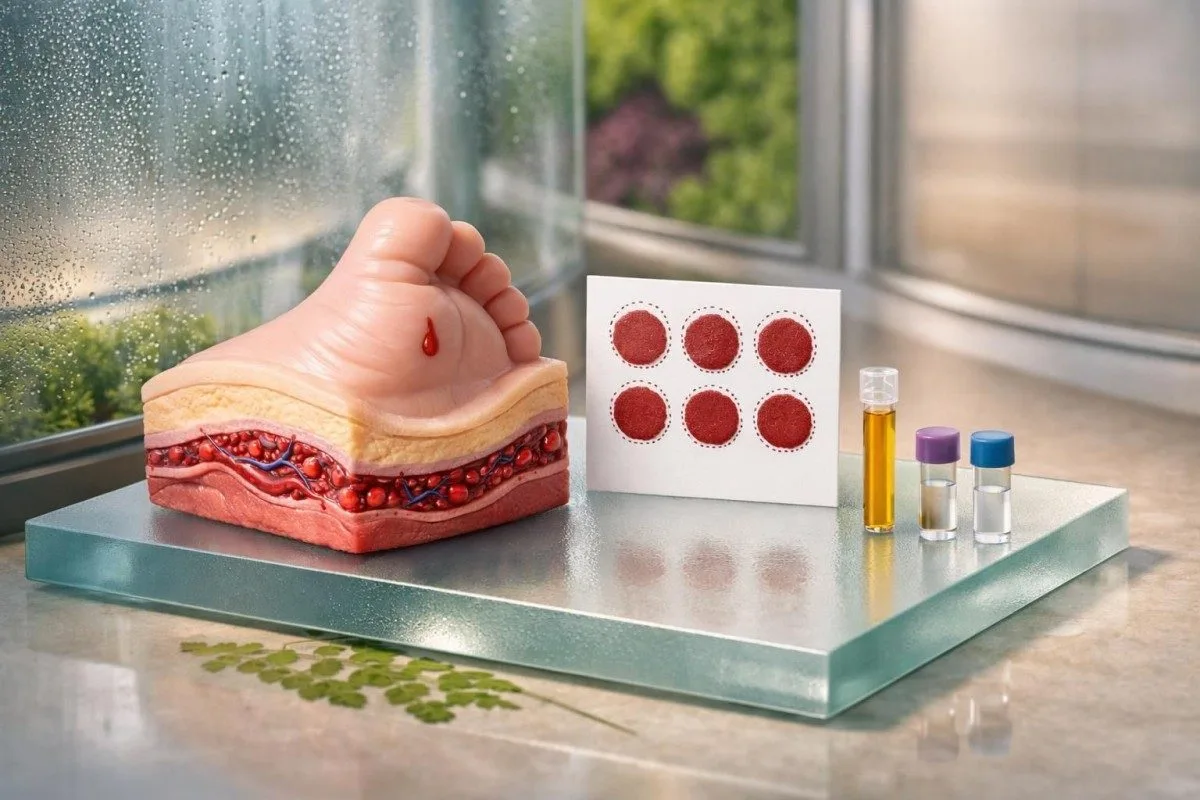
Көпчүлүк ымыркайлар ата-энеси күткөндөн азыраак кан анализин тапшырышат, бирок убакыт баарын өзгөртөт. Төмөнкүдөй маалымат: согончоктон алынган анализ (heel-prick) аркылуу скрининг, билирубин жана кан тобу төрөлгөндөн кийинки алгачкы күндөрдө чындыгында эмнени билдирет.


- Согончок скрининги адатта алынат 24–48 сааттын тегерегинде эң жогорку чегине чыгат АКШдагы көптөгөн оорканаларда, бирок Улуу Британиядагы стандарттуу кан тамчысы көбүнчө жасалат 5-күнү.
- Согончокту кайра тешүү биринчи карта алынган болсо көп кездешет 24 hours, начар каныккан (жетишсиз толтурулган) же таасир этсе трансфузия же TPN.
- Билирубин тарабынан чечмелениши керек саат менен алынган жашты, календарь күнүнө эмес; 1 мг/дЛ = 17.1 мкмоль/Л.
- Эрте саргаюу биринчи кезекте 24 hours нормадан четтөө болуп саналат жана ошол эле күнү педиатр тарабынан кароону талап кылат.
- Түз билирубин жогору 1.0 мг/дл Жаңы төрөлгөн ымыркайда бул көрсөткүч нормадан четтеп, холестазды текшерүүгө түрткү бериши керек.
- Кан тобу жана DAT бул максаттуу анализдер, ар бир ымыркай үчүн күндөлүк эмес; алар энедеги антителолор же эрте сарык гемолизди көрсөтсө, эң маанилүү болуп саналат.
- Оң жаңы төрөлгөндөрдүн скрининги диагноз дегенди билдирбейт; тастыктоочу текшерүүлөр адатта сааттан күнгө чейин бузулууга жараша жүргүзүлөт.
- Шашылыш кызыл желектер начар эмизүү, уйкучулук, кусуу, температуранын туруксуздугу же билирубиндин дарылоо босогосуна барабар же андан жогору маанисин камтыйт.
Ымыркайлар өмүрүнүн алгачкы күндөрүндө кандай кан анализдерин тапшырышат?
Жаңы төрөлгөн ымыркайдын кан анализдери адатта үч топко бөлүнөт: a согончоктон алынган жаңы төрөлгөн ымыркайдын канын скринингдөө үлгүсү, a билирубин сарыкты текшерүү жана кан тобу/DAT эненин кан тобу же ымыркайдын белгилери гемолизге шек туудурганда жүргүзүлүүчү анализ. АКШнын көптөгөн ооруканаларында согончоктон алынган панель 24төн 48 саатка чейин; Улуу Британияда күндөлүк кан тамчы адатта 5-күнү. жасалат. Билирубин көбүнчө чыгарылардын алдында же 24–72 саатка. текшерилет. Көпчүлүк дени сак ымыркайлар эмес чоң веналык панелге муктаж болбойт. Ата-энелер кийинчерээк бошотулган жыйынтыктарды Кантести AI. менен уюштура алышат. Эгер сизге кош бойлуулуктагы тарых керек болсо, аларды мурдагы кош бойлуулуктагы текшерүү убакыт сызыгы менен салыштырыңыз..
Көптөгөн ата-энелер үчүн биринчи күтүүсүз нерсе — дени сак мөөнөтүндө төрөлгөн жаңы төрөлгөн ымыркайда адатта чоңдор күткөндөн аз кан анализи болот. Мен Томас Кляйн, MD, жана төрөттөн кийинки кезектеги текшерүүлөрдө адатта бул анализдер туш келди издөө үчүн эмес, биринчи бойго жеткендер күткөндөй. Мен Томас Кляйн, MD, жана төрөттөн кийинки тегеректерде мен бул тесттер биринчи күндөгү жашыруун көйгөйлөрдү аныктоо үчүн тандалганын түшүндүрөм 72 саат, ичиндеги тымызын көйгөйлөрдү кармоо үчүн тандаларын түшүндүрөм. Биздин команда Биз жөнүндө биз билим берүүнү дал ошол суроонун айланасына курдук, анткени ал дээрлик ар бир чыгаруу күнү көтөрүлөт.
Билирубинди текшерүү тери өлчөгүч менен башталып, көрсөткүч жогору болсо, бала жаңы төрөлгөн болсо же көгөрүү жана начар эмизүү санды анча ишенимдүү кылбаса, сывороткага өтүшү мүмкүн. 24 hours жаш куракка ылайык контекст керек болсо, биздин жаш курак боюнча билирубин боюнча колдонмо эмне үчүн жалпы билирубин 10 мг/дл болгондо кадимкидей болушу мүмкүн экенин, бирок 72 саат 18 саатта алда канча тынчсыздандыра турганын түшүндүрөт..
Кан тобу жана түздөн-түз антиглобулин тести, көбүнчө DAT же Коомбс, көптөгөн бөлүмдөрдө универсалдуу эмес, тандалма түрдө жүргүзүлөт. Портал аркылуу жыйынтык алган ата-энелер алгач чогултуу убактысын, андан кийин өлчөө бирдиктерин, анан комментарий сапты окушу керек; биздин колдонмо кан анализинин жыйынтыгы онлайн ошол ырааттуулукту түшүнүүгө жардам берет.
Согончоктон алынган ымыркайдын канын скрининг кылуу: кан тамчысы эмнени текшерет
Таманынан сайып алынган жаңы төрөлгөн баланын канын скрининг кылуу белгилер пайда боло электе сейрек, бирок олуттуу ооруларды аныктоого багытталган, ал тизмек өлкөгө жана аймакка жараша өзгөрөт. АКШда көптөгөн ооруканалар 24төн 48 саатка чейин; Улуу Британияда адаттагы кан тамчысы адатта 5-күнү. алынат. алдын ала 24 hours алынган үлгү кайра текшерүүгө муктаж болуу ыктымалдыгы кыйла жогору.
Көпчүлүк ата-энелер таманынан сайып текшерүү бир гана ооруну аныктайт деп ойлошот. Адатта ал бир нече анализатор үлгүсүн тандоо масс-спектрометриясы, иммундук анализ жана ага байланыштуу ыкмалар аркылуу карайт, ошондуктан бир карточка калкан бези, аминокислота, май кислотасы, гемоглобин жана цистикалык фиброз көйгөйлөрүн скринингдей алат. Watson жана башкалар, 2006 АКШ үчүн бирдей панелдин негизин салган, бирок 2026-жылдын 21-апрелине карата чыныгы штаттык тизмектер дагы эле айырмаланат; бул таманынан сайып текшерүү стандарттуу чоңдорго окшош панелден.
алда канча кеңири экенинин бир себеби. 17-гидроксипрогестерон мөөнөтүнөн мурда төрөлгөн жана NICU балдарында жогору болуп калышы мүмкүн., TSH өтө эрте алынганда жаңылыштырып коюшу мүмкүн, ал эми цистикалык фиброзду скрининг кылуу негизделген иммунореактивдүү трипсиноген бул диагноз эмес. Эгер кыскартмалар түшүнүксүз сезилсе, биздин кан анализинин кыскартмалары боюнча колдонмо ата-энелер натыйжа каттарында көргөн кыска формаларды чечмелейт.
Көптөгөн сайттар өткөрүп жиберген бир маанилүү деталь: анализ карточкасынын өзү да жараксыз болуп калышы мүмкүн. Катмарланып калган, уюган (тромбошкон) же кагазга жарым-жартылай гана сиңген кургак тамчы көбүнчө четке кагылат, ал эми донордук кызыл кан клеткаларын алган ымыркайга кийинчерээк кайра текшерүү керек болуп калышы мүмкүн, анткени скрининг ымыркайдын өзүнүн гемоглобин үлгүсүн өткөрүп жибериши мүмкүн. Биздин дарыгерлер Медициналык кеңеш Kantesti үй-бүлөлөрдү тынчтандырууга көп убакыт бөлөт: кайра карточка тапшыруу — бул жаман кабар эмес, кадимки сапатты көзөмөлдөө.
Эмне үчүн экинчи согончоктон кан алуу кээде кадимки эле тартип?
Экинчи скрининг — чогултулгандан кийин, 24 hours, олуттуу кан куюудан кийин же TPN аминокислота маркерлерин бурмалаганда — адатта жүргүзүлөт. Көптөгөн ата-энелерге биринчи жыйынтык бала оорукандан чыгарылган соң, адатта 3төн 7 күнгө чейин, берилет, ошондуктан башынан эле алдын ала күтүлсө да, кайра сураныч күтүүсүздөй сезилиши мүмкүн.
Билирубинди текшерүү жана ымыркайдагы саргаюу: сан качан маанилүү болот
Билирубин адатта 24төн 72 саатка чейин, текшерилет, же андан эрте, эгер бала ошол убакка чейин саргайып көрүнсө. Сан балага байланыштуу саат менен алынган жашты, кош бойлуулуктун мөөнөтү (гестациялык курагы) жана тобокелдик факторлору менен гана мааниге ээ болот. алда канча тынчсыздандыра турганын түшүндүрөт. күндөрдөгү саргайган жаңы төрөлгөн ымыркай 78 сааттагыдан таптакыр башка бейтап..
AAP жана NICE экөөндө тең жалпы билирубин баарына бирдей “нормалдуу” бир диапазон эмес, жашка жараша белгиленген босоголор боюнча чечмеленет. 2022-жылкы AAP көрсөтмөсү териден өлчөнгөн көрсөткүч фототерапия босогосуна 3 мг/дЛ жакын болсо же тери көрсөткүчү 15 мг/дЛдан же андан жогору болсо (Kemper et al., 2022) сарысуу билирубинди сунуштайт; биздин билирубинди кийинки көзөмөлдөө боюнча колдонмо андан ары эмне болорун түшүндүрөт.
A түз билирубин жогору 1.0 мг/дл саргайган жаңы төрөлгөн ымыркайда анормалдуу болуп, жалпы билирубин анча деле чоң болбосо да холестаз үчүн тез арада баалоону талап кылат. Бир практикалык ыкма: 1 мг/дЛ 17.1 мкмоль/Лге барабар, ошондуктан жалпы билирубин 12 мг/дл болжол менен 205 мкмоль/л. Ата-энелер порталдагы чоңдор үчүн маалымдама тилкелерине көп карап турушса, биздин макаладагы материал аларга пайдалуу болот: чек арадагы лабораториялык көрсөткүчтөр боюнча колдонмо.
Сарык биринчи пайда болгондо эң көп тынчсызданабыз. 24 hours, билирубин биринчи күндүн ичинде болжол менен саатына 0,3 мг/дл караганда тезирээк көтөрүлсө же саатына 0,2 мг/длден тезирээк көтөрүлсө. Андан кийин. NICE, 2023 жана Kemper et al., 2022 экөө тең саат менен эсептелген куракты баса белгилешет, анткени 36 жумалык балада 30 саатта жана 40 жумалык балада 72 саат балдар бирдей тобокелдик ийри сызыгын бөлүшпөйт. Айрым европалык лабораториялар дагы эле түз (direct) билирубин боюнча эски эрежеге комментарий беришет, бирок менин тажрыйбамда муну күтүп туруу холестазды таанууну жайлатышы мүмкүн. 20% жалпы түз билирубин үчүн эреже, бирок менин тажрыйбамда муну күтүү холестазды таанууну жайлатышы мүмкүн.
Зардоб билирубини теридеги билирубинге каршы
Тери билирубин өлчөгүчтөрү мыкты скрининг куралдары, айрыкча чыгаруу алдында, бирок дарылоо босоголоруна жакын же фототерапия учурунда чечим кабыл алуу үчүн зардоб анализи чечүүчү тест бойдон калат. Практикалык себеп жөнөкөй: 14–16 мг/дл деңгээлиндеги дарылоо чечими ар дайым териден өлчөгөн баалоо бере албаган тактыкты талап кылат.
Кан тобу, Rh жана Кумбс (Coombs) анализи: кимге берилет жана эмне үчүн
Кан тобу жана Кумбс тестирлөөсү ар бир жаңы төрөлгөн бала үчүн автоматтык түрдө жасалбайт. Алар көбүнчө эне O тобунда, Rh-терс, болсо, антитело скрининги оң чыкса же бала эрте сарык, кубаруу же аз кандуулук пайда кылса дайындалат.
Бул кадам үчүн киндик каны көбүнчө жетиштүү, ошондуктан ата-энелер колдонулуп жаткан дагы бир үлгү бар экенин деле байкабай калышы мүмкүн. Көп кездешкен жагдай — эненин O тобу жана ымыркайдын … A же B, эрте билирубинди көтөрө турган ABO шайкешсиздигин жаратып; биздин жаңы төрөлгөн баланын кан топтору боюнча колдонмо ошол үлгүнүн айланасындагы гематологиялык белгилерди түшүндүрөт.
Оң DAT антитело аркылуу жүргөн гемолизди колдойт, бирок оордугун так алдын ала айта албайт. Мен DAT-оң ымыркайлар кошумча билирубин текшерүүлөрүнөн башка эч нерсе талап кылбаганын көрдүм, ал эми DAT-терс ымыркайларда ABO дал келбестигинен улам айкын гемолиз болгонун да көрдүм. Көбүнчө ретикулоциттердин саны жана түшүп жаткан гемоглобин Коомбс жыйынтыгына гана караганда ылдамдыкты көбүрөөк айтып берет, ошондуктан биздин ретикулоциттердин саны боюнча колдонмо анемия сүрөттөлө баштаганда жардам берет.
Rh оорусу азыр азыраак кездешет, анткени anti-D профилактикасы иштейт, бирок ал жок болуп кеткен жок; anti-E сыяктуу D эмес антителолор anti-c же дагы деле маанилүү болушу мүмкүн. Ошондуктан биз баланын ABO тобу менен эле токтоп калбай, эненин антитело скринингин сурайбыз. Эрте сарык плюс анемиядан тынчсызданганыбыздын себеби — экөө чогуу активдүү эритроциттердин бузулушун көрсөтөт, ал эми жеңил сарык жалгыз учурда көбүнчө физиологиялык болот. адатта анормалдуу жаңы төрөлгөн натыйжадан кийин кездешет, ал эми кайталоо.
Кайсы нормадан четтеген ымыркайдын жыйынтыктары кайра текшерилет — жана эмне үчүн
Кайра текшерүү диагноз тастыкталганын билдирет. Лабораториялар үлгү өтө эрте алынганда, карточканын сапаты начар болгондо, маани чектен өтө жакын турганда же NICU факторлору (мисалы, трансфузия жана TPN) скринингди бурмалаганда кайталап текшерет. эмес Көптөгөн кайра согуп алуу (таманынан) өтүнүчтөрү оорудан эмес, үлгүнүн сапаты же убакыттан улам болот.
тастыктоочу тестке алып келет, дарылоону дароо баштоого эмес. Чектеш тубаса гипотиреоз скрининги адатта, кан сарысуусун текшерүүгө алып келет, ал эми чектеш метаболикалык маркерлер көбүнчө кайра кургатылган такты же плазмадагы аминокислоталарды текшерүүгө алып келет. Маани өйдө же ылдый жылып жатканын түшүнгүсү келген ата-энелер биздин TSH жана эркин T4 ичинде 24–72 саатка, лабораториялык салыштыруу колдонмосундагы логиканы көрө алышат. Кан куюулар графикти абдан так өзгөртөт. Эгер донордун эритроциттери скринингден мурда берилсе, гемоглобинопатия боюнча тестирлөөнү болжол менен.
90–120 күн кийин кайра жүргүзүү керек болушу мүмкүн, анткени донор клеткалары орок сымал клетканы же башка гемоглобин варианттарын убактылуу жаап коюшу мүмкүн. Биздин кечиккен бул кайталоолорду туура тартипте кармап турууга пайдалуу. кан анализинин тарыхы убакыттын өтүшү менен панелдерди салыштырууга жардам берет Билирубинди кайталоо алда канча тез. Эгер маани дарылоо сызыгынан бир нече мг/дЛ чегинде турса, көпчүлүк төрөт үйлөрү кийинки жумага эмес,.
4–24 сааттын ичинде кайра текшерет, ал эми тамактануунун сапаты көбүнчө ошол терезенин кыскараак учуна таасир этет. Kantestiдеги биздин анализ иш агымдарында саат менен өлчөнгөн тенденция жана баланын жашы бир гана кызыл белгиленген санга караганда алда канча көбүрөөк маалымат берет., ичинде кайра текшеришет, ал эми тамактануунун сапаты көбүнчө ошол терезенин кыскараак учуна таасир этет. Kantestiдеги биздин анализ жүргүзүү иш агымдарында бир гана кызыл менен белгиленген санга караганда, тенденция жана баланын саат менен эсептелген жашы алда канча көбүрөөк маалымат берет.
NICUдагы кайталоолор көбүнчө протоколго алдын ала киргизилет
Эрте төрөлүү, вена аркылуу берилүүчү азыктандыруу жана оорулуу абал кайталанма текшерүүлөрдү ымыркай туруктуу болсо да көбүрөөк кездештирет. Айрым бөлүмдөр ымыркай 2 жума же айланасында 36 жумага оңдолгон куракта анткени эрте төрөлгөн ымыркайларда кечигип болгон эндокриндик өзгөрүүлөр жана жалган-оң метаболикалык маркерлер көп болот.
Нормадан четтеген ымыркайдын кан анализдери качан шашылыш түрдө ошол эле күнү кайра кароону талап кылат
Шашылыш кийинки текшерүү керек болот
сарык үчүн
алгачкы 24 саатта, дарылоо босогосуна барабар же андан жогору билирубин, жаңы төрөлгөндөрдүн анализдери нормадан четтөөчү жыйынтыктар жана симптомдор, же уйкусу келип, ойготуу кыйын, кусуу же жакшы эмбей жаткан ар кандай ымыркай. Көпчүлүк оң скрининг карталары өз алдынча түн ортосундагы өзгөчө кырдаал эмес, бирок симптомдор сүрөттү тез өзгөртөт.
Кызыл желектер абдан так: сарык
24 hours, уйкучулуктун күчөшү, алсыз соруу, бийик үн менен ыйлоо, денени керип туруу, температуранын туруксуздугу же заара менен заңдын көлөмүнүн аздыгы. Бул симптомдор орточо билирубин көйгөйүн өзгөчө кырдаалга айланта алат, ошондуктан биздин кан анализинин симптомдорун декоддоочу лабораториялык номерден гана башталбайт — жүрүм-турум жана эмүүдөн башталат.
Метаболикалык скринингдер үчүн кооптуу айкалыш — оң жыйынтык жана кусуу, тез дем алуу, талма же алсыроо сыяктуу симптомдор. Тамактангандан кийин болжол менен 45 мг/дЛ төмөн туруктуу глюкоза жаңы төрөлгөндө дароо дарыгердин кароосун талап кылат, ал эми үчүн оң скрининг, MSUD, же мочевина айлампасынын бузулуулары май кислоталарынын кычкылдануусунун бузулуулары.
Конъюгацияланган сарыктын өзүнчө коңгуроосу бар. Түз билирубин жогору 1.0 мг/дл, айрыкча кубарган заң же караңгы заара менен коштолсо, бул кадимки эле зыянсыз жаңы төрөлгөн сарык окуясы эмес жана пландуу кабыл алууну күтпөш керек.
Убакыт, тамактандыруу, эрте төрөлүү (прематюрлуулук) жана кан куюу ымыркайдын жыйынтыктарын кантип өзгөртөт
Убакыттын өзгөрүшү жыйынтыгын чечмелөөгө таасир этет анткени жаңы төрөлгөн баланын физиологиясы саат сайын өзгөрөт. Мөөнөтүнөн мурда төрөлүү, көгөрүү, тамактануунун кечеңдеши, эритроцит трансфузиясы жана жалпы парентералдык тамактануу скрининг көрсөткүчтөрүн жетиштүү деңгээлде жылдырып, натыйжа контекстсиз окулса жалган коңгуроо же өткөрүп жиберилген белги болуп калышы мүмкүн.
Мөөнөтүнөн мурда төрөлүү бир нече көрсөткүчтү жылдырат. 17-гидроксипрогестерон мөөнөтүнөн мурда төрөлгөн ымыркайларда белгилүү түрдө жогору болот, бул тубаса бөйрөк үстү безинин гиперплазиясын жалган-оң скринингдерди көбөйтөт, жана айрым бөлүмдөрдө калкан безинин скрининги кечиккендиктен кайра жасалат. TSH көтөрүлүшү күтүлгөндөн кийин көрүнүшү мүмкүн. Бул басылган тилке кантип адаштырарын түшүндүргөн классикалык мисал, биз муну эмне үчүн нормалдуу чектер сизди жаңылыштырып коюшу мүмкүн экенин.
Тамактандыруу жана венага берилүүчү азыктандыруу да маанилүү. Сүттүн начар өтүшү ичегиден бөлүнүүнү жайлатат жана энтерогепатикалык билирубиндин кайра айланышын көбөйтөт, ал эми TPN аминокислота жыйынтыктарын жетиштүү деңгээлде бурмалап, тамактандыруу жолго коюлгандан кийин жаңы төрөлгөндөрдүн скрининги кайра жүргүзүлүшү мүмкүн. Ата-энелер көбүнчө жыйынтык техникалык жактан анормалдуу көрүнгөнү менен физиологиялык жактан түшүндүрүүгө болорунан таң калышат, ошондуктан биздин кан химиясы боюнча сереп контекстке басым жасай берет.
Трансфузиялар — адамдар унуткан эң чоң чаташтыруучу фактор. Донордук клеткалар скринингде гемоглобиндин көрүнүшүн убактылуу нормалдаштырып коюшу мүмкүн, ал эми фототерапия теридеги билирубин өлчөгүчтөрдүн ачык териге карата ишенимдүүлүгүн төмөндөтүшү мүмкүн. Иш жүзүндө мен анализаттын өзүнөн да көбүрөөк убакыт белгисине, тамактандыруу тарыхына жана дарылоонун убакыт тилкесине ишенем.
Ата-энелер отчетту жалган коңгуроо катары ашыкча баалабай кантип окуй алат
Ата-энелер жаңы төрөлгөн баланын жыйынтыктарын чоңдордун анализдеринен башкача окушу керек. Биринчи суроолор — баланын саат менен алынган жашты, үлгү капиллярдыкпы же сывороткалыкпы, жана отчетто скрининг оң, чек арадагы, же алып келет, дарылоону дароо баштоого эмес. Чектеш тубаса гипотиреоз скрининги адатта. колдонуучулар үчүн да жасайт. Биздин Kantesti AI кан анализатору, деп айтылган-айтылбаганы. Биз жыйынтыкты кыскача жыйынтыктоого аракет кылганга чейин ошол контексттик белгилерди окуу үчүн иш процессти түздүк.
Чоңдор үчүн диапазондор — тузак. Жалпы билирубиндин деңгээли 7 мг/дл көпчүлүк чоңдордун чектеринен жогору, бирок 2–3 күндүк мөөнөтү жеткен ымыркайда кадимки көрүнүш болушу мүмкүн; ал эми ошол эле сан 12 сааттын ичинде көнүгүү жасаганыңызбы башкача окуя. Kantestiке жүктөлгөн кеңири отчеттордун ичинде чоңдор диапазонуна байланышкан түшүнбөстүк — ата-энелер нормалдуу жаңы төрөлгөн ымыркайдын тенденциясын кооптуу деп ойлошунун эң көп кездешкен себептеринин бири; жашка сезгич логика — биздин медициналык валидация стандарттары.
Бирдиктер ата-энелерди тынымсыз чаташтырат. Эгер отчетто мкмоль/л, бөлүңүз. 17.1 санын колдонуп баалоо үчүн мг/дл; колдонсо; эгер ал мг/дл менен берсе, аны 17.1 санын колдонуп баалоо үчүн мкмоль/л. ге көбөйтүңүз. Лабораториялык PDF файлдарын жүктөгөн үй-бүлөлөр үчүн биздин коопсуз PDFти чечмелөө боюнча колдонмобуз чогултуу убактысы жана үлгү түрү окууга кандай таасир этерин көрсөтөт.
Мен, доктор Томас Клейн, MD, жаңы төрөлгөн ымыркайдын отчетун караганда, кызыл сөлөкөттү караганга чейин скрининг деген сөздү издейм. Экран сизге коркунучту көрсөтөт, диагнозду эмес. Эгер сизде лабораториялык барактын телефон сүрөтү гана болсо, биздин сүрөт сканерлөө боюнча түшүндүрмө AI эмнени коопсуз түрдө божомолдой аларын жана эмнени — албай турганын көрсөтөт; ошондой эле эмне үчүн ар кандай уйкусу келген же саргаяткан жаңы төрөлгөн ымыркай дагы биринчи кезекте чыныгы медициналык жардамга муктаж экенин түшүндүрөт.
Нормадан четтеген ымыркайдын жыйынтыгы чыккандан кийин педиатрыңызга кандай суроолорду берсеңиз болот
Жаңы төрөлгөн ымыркайдын жыйынтыгы анормалдуу чыккандан кийин кийинки эң жакшы кадам — педиатрдык командаңыз менен кыска, так телефон чалуу. Эмне анормалдуу болгонун, ал чектен канчалык алыс экенин, жыйынтык скрининг же диагностикалык тест, болгонун жана кайсы убакта кайталап же тастыктоочу үлгү алынары так качан экенин сураңыз.
Алгач төрт нерсени сураңыз: кайсы так аналит анормалдуу болгонун, ал чектен канчалык алыс экенин, бул скрининг же диагностикалык тест, болгонун жана кийинки үлгү качан алынууга тийиш экенин. Бизде кошумча түшүндүрмөлөр Кантести блогу, ичинде дагы бар, бирок ошол төрт суроо эле көптөгөн түшүнбөстүктөрдүн алдын алат.
Анан шашылыштыкка эмне өзгөртүү киргизерин сураңыз. Ата-энелер начар эмизүү, болжол менен 3–4 алгачкы күндөрдөн кийин да памперс нымдалбай калса, тынымсыз кусса же көкүрөгү же буттары көбүрөөк саргайса, жолугушууну эртеңден бүгүнгө жылдыруу керек. Эгер сиз кайра текшерүүнүн жыйынтыгын күтүп жатсаңыз, биздин макала кан анализинин жыйынтыгы канча убакытта даяр болору реалдуу күтүүлөрдү коюуга жардам берет.
төрөттөн кийинки көчүрмө (discharge summary), эненин кан тобу, фототерапия боюнча ар кандай жазуулар жана азыктандыруу тизмесин алып келиңиз. NICU ымыркайлары үчүн кан куюу күндөрүн жана үлгү алынганда TPN иштеп турган-иштебегенин кошуңуз; бул эки маалымат ата-энелер күткөндөн көбүрөөк учурда чек арадагы (borderline) анализдерди мен кандайча чечмелээримди өзгөртөт.
Kantesti ымыркайдын жыйынтыктарын кантип уюштурат — жана анын артындагы изилдөө жолу
Кантешти ата-энелерге берилген жаңы төрөлгөн ымыркайдын лабораториялык отчетторун иретке келтирүүгө, өлчөм бирдиктерин которууга жана кайра текшерүүнүн көрсөткүчтөрүн байкап турууга жардам бере алат, бирок шашылыш жаңы төрөлгөн боюнча чечимдер дагы эле ымыркайдын дарыгерине же тез жардам бөлүмүнө таандык. Биздин ролубуз — натыйжа бар болгондон кийин которуу жана тенденцияны (trend) таануу, билирубин номограммасына же метаболизм боюнча адиске орун басуу эмес.
Бул айырма маанилүү. Биздин клиницисттер клиникалык практикада AI лабораториялык чечмелөөсүн жогорку тобокелдик белгилери жана жашка байланыштуу маанилүү педиатриялык жыйынтыктар этияттык менен каралып, аларды жалпы чоңдор үчүн колдонулган эрежелерге айлантпай тургандай кылып түзүштү.
2026-жылдын 21-апрелине карата, AI менен иштеген кан анализинин чечмелөө жанында Кантешти андан ашык 2 миллион колдонуучу аркылуу 127+ өлкө жана 75+ тил, жана биздин система болжол менен 60 секундда. ичинде PDF же сүрөттү окуй алат. Биздин CE Mark, HIPAA, GDPR жана ISO 27001 көзөмөлдөрү маанилүү, анткени жаңы төрөлгөн ымыркайдын лабораториялык отчеттору — сезимтал үй-бүлөлүк маалымат, ал эми биздин система 15,000+ биомаркерлеринин, талдай алса да, жаңы төрөлгөндөр үчүн колдонуу адатта бирдик которуу, тенденцияны салыштыруу жана кийинки текшерүү боюнча такыраак суроолорго байланыштуу болот.
Эгер педиатрыңыз отчетту жаныбарга чейин эле чыгарып койгон болсо жана ымыркай жакшы болсо, жөнөкөй тилдеги кыскача маалымат үчүн акысыз кан анализин карап чыгуу аракет кылсаңыз болот. Ал эми натыйжа шашылыш болсо же ымыркай өзүн жаман сезип жатса, колдонмону өткөрүп жиберип, клиникалык командага чалыңыз — мен өз үй-бүлөмө да дал ушуну айтмакмын.
Изилдөө жолу жана лабораториялык сабаттуулук
Төмөндө неонатологиядан тышкары лабораториялык билим берүүнү кантип документтештирээрибизди көрсөткөн DOI аркылуу көзөмөлдөнгөн эки Kantesti публикация бар. Алар жаңы төрөлгөндөрдү скрининг кылуу боюнча изилдөөлөр эмес, бирок Thomas Klein, MD жана биздин рецензенттер бул жерде ошол эле адаттарды колдонушат: так бирдиктер, аталыш менен берилген шилтемелер жана кесүү чекити (cutoff) контекстке жараша өзгөргөндө чынчыл белгисиздик.
Көп берилүүчү суроолор
Төрөлгөндөн кийин дароо жаңы төрөлгөн ымыркайларга кандай кан анализдери тапшырылат?
Көпчүлүк ден соолугу чың жаңы төрөлгөн ымыркайлар согончоктон кан алып текшерүү үчүн үлгү беришет; сарык (жаңжак) бар болсо же төрөт үйүнөн чыгар алдында текшерүү керек болсо билирубин текшерилет; ал эми кан тобу же DAT энеден кан тобу же белгилер тынчсызданууну жаратса гана текшерилет. АКШнын көптөгөн ооруканаларында согончоктон алынган үлгү 24–48 саатта чогултулат, ал эми Улуу Британияда адаттагы кан тамчы 5-күнү алынат. Кошумча анализдер, мисалы глюкоза, толук кан анализи (CBC) же культуралар, белгилерге жараша жүргүзүлөт, баарына бирдей эмес. Дени сак мөөнөтүндө төрөлгөн ымыркай үчүн чоң веналык панель адатта талап кылынбайт.
Жаңы төрөлгөн ымыркайлар үчүн согончоктон кан алуу (heel prick) анализи адатта качан жасалат?
Жаңы төрөлгөн ымыркайлар үчүн согончоктон кан алуу тести адатта АКШдагы көптөгөн оорканаларда жашоонун 24төн 48 саатына чейин чогултулат. Улуу Британияда болсо кадимки жаңы төрөлгөн ымыркайдын кан тамчысы көбүнчө 5-күнү алынат. 24 саатка чейин алынган үлгү айрым ооруларды өткөрүп жиберүү же бүдөмүктөтүү ыктымалдыгы жогору, өзгөчө калкан безинин эрте өзгөрүүлөрү же зат алмашуунун алгачкы өзгөрүүлөрү; ошондуктан эрте чыгарылган учурда тестти кайра тапшыруу көп кездешет. Натыйжалар көбүнчө 3төн 7 күнгө чейин кайтып келет, анткени көптөгөн программалар борборлоштурулган скрининг лабораторияларын колдонушат.
Эмне үчүн менин ымыркайымдын жаңы төрөлгөн скрининги кайрадан керек болуп калат?
Кайра жаңы төрөлгөн баланы текшерүү көбүнчө оорунун тастыкталганынан эмес, убакыттын туура келбегенинен же үлгүнүн сапаты начар болгонунан улам суралат. Эгер биринчи үлгү 24 саатка чейин алынган болсо, кургатылган тактар катмарланып калса же жетишсиз толтурулса, бала эрте төрөлгөн болсо, же куюу (трансфузия) жана TPN талдануучу көрсөткүчтөрдү бурмалап коюшу мүмкүн болсо, карталар кайра алынат. Айрым ымыркайларга текшерилген нерсеге жараша, куюудан 2 жумадан кийин же атүгүл 90–120 күндөн кийин экинчи текшерүү керек болот. Кайра сураныч биринчи кезекте сапатты көзөмөлдөө, экинчи кезекте диагноз коюу болуп саналат.
Сарык болуп төрөлгөн ар бир ымыркайга сарык билирубининин кан анализи керекпи?
Сарык болгон ар бир жаңы төрөлгөн ымыркайга дароо эле кан сары билирубинин текшерүү талап кылынбайт, анткени көптөгөн ооруканалар адегенде териге тийип өлчөөчү (транскутандык) аппарат менен скрининг жүргүзүшөт. 2022-жылкы AAP көрсөтмөсүнө ылайык, транскутандык көрсөткүч фототерапия босогосунан 3 мг/дЛ чегинде болсо же теринин көрсөткүчү 15 мг/дЛ же андан жогору болсо, кан сары билирубинин алуу керек. Сарык алгачкы 24 сааттын ичинде пайда болсо, фототерапия учурунда болсо же гемолиз шектелсе, кан анализи жүргүзүү да артыкчылыктуу. Бул көрсөткүчтү ар дайым саат менен эсептелген жашына жараша чечмелөө керек, болгону календардык күнгө карап эмес.
Бардык жаңы төрөлгөн ымыркайлардын кан тобу текшерилеби?
Жок, бардык жаңы төрөлгөн ымыркайларга кан тобу дайыма эле текшерилип турбайт. Ымыркайдын ABO, Rh жана DAT анализдери көбүнчө эне O тобунда болсо, Rh-терс болсо, антителолорго тест (антитело скрининги) оң чыкса же ымыркайда эрте сарык, кубаруу же аз кандуулук байкалса, дайындалат. Көбүнчө киндик кан колдонулат, ошондуктан ата-энелер өзүнчө алынган үлгүнү байкабай калышы мүмкүн. Оң DAT антителого байланышкан гемолизди колдойт, бирок ал өзү эле сарык канчалык оор деңгээлге жетерин алдын ала так болжобойт.
Кайсы жаңы төрөлгөн ымыркайдын жыйынтыктары дароо медициналык жардамды талап кылат?
Алгачкы 24 сааттын ичинде сарык (жандын саргайышы) пайда болсо, билирубин дарылоо босогосуна жетсе же андан жогору болсо, түз билирубин 1.0 мг/длден жогору болсо же кандайдыр бир анормалдуу текшерүү плюс төмөнкүдөй белгилер болсо — мисалы, эмчек/тамакты начар алуу, уйку басаңдоо (летаргия), кусуу, алсыроо/салбыроо (сустук), же талма — дароо медициналык жардам керек. Алгачкы күнү билирубиндин көтөрүлүшү саатына болжол менен 0.3 мг/длден тезирээк болсо, бул гемолиз үчүн дагы бир коңгуроо. Тамактандыргандан кийин жаңы төрөлгөн ымыркайда глюкоза болжол менен 45 мг/длден төмөн туруктуу бойдон калса да, дароо дарыгердин кароосун талап кылат. Белгилер лабораториялык сан сыяктуу эле маанилүү.
Kantesti менин ымыркайымдын жаңы төрөлгөн лабораториялык отчетун түшүнүүгө жардам бере алабы?
Ооба, Kantesti бошотулган жаңы төрөлгөн ымыркайдын лабораториялык отчетторун иреттөөгө, мисалы mg/dL жана µmol/L сыяктуу бирдиктерди которууга жана убакыттын өтүшү менен кайталанган көрсөткүчтөрдү салыштырууга жардам бере алат. Биздин система ымыркай туруктуу болуп, жыйынтык дагы эле бар болгондо эң пайдалуу: негизги милдет которуу жана тенденцияны карап чыгуу, шашылыш triage эмес. Ата-энелер дарылоо боюнча чечим кабыл алуу үчүн дагы эле педиатрдык командасына кайрылышы керек, айрыкча ымыркай саргаятса, уйкусу көп болсо, начар эмсе же метаболизмдик скринингдин жыйынтыгы нормадан четтесе. Шашылыш неонаталдык кырдаалда клиникалык жардам биринчи орунда, ал эми AI күтүшү керек.
Көчүп кеткенден же педиатрды алмаштыргандан кийин баламдын расмий жаңы төрөлгөн ымыркай скринингинин жыйынтыгын кантип алсам болот?
Балаңыз төрөлгөн штаттын же аймактын жаңы төрөлгөн ымыркай скрининги программасына кайрылыңыз, же болбосо төрөт үйүнөн жана алгачкы педиатрдан отчет жөнөтүүнү сураныңыз. Жаңы педиатрга көчүрмөсүн бериңиз, анткени кадимки скрининг кийинчерээк симптомдор пайда болгон учурда баалоону алмаштыра албайт.
Эгер ымыркайым жаңы төрөлгөндөрдүн скрининги алынганга чейин чыгарылып кетсе, эмне кылышым керек?
Төрөт үйүңүзгө, акушеркаңызга же педиатрыңызга ошол эле күнү чалып, чогултууну уюштуруңуз — адатта ымыркай эрте чыгып кеткен болсо, кийинки 24 сааттын ичинде. Ымыркайыңыз өзүн жакшы сезсе да, жолугушууну сактаңыз, анткени көптөгөн скринингден өткөн шарттарда алгачкы белгилер болбойт.
Кадимки неонаталдык скрининг кийинчерээк бала ооруп калса, кандайдыр бир дартты өткөрүп жибериши мүмкүнбү?
Ооба, кадимки скрининг тексерилген шарттардын ыктымалдыгын кыйла төмөндөтөт, бирок бардык неонаталдык ооруларды жокко чыгарбайт. Тамактануунун начарлашы, адаттан тыш уйкучулук, кайталанма кусуу, дем алуунун кыйындашы же ысытма болсо, педиатрыңызга дароо кайрылыңыз.
Бүгүн AI менен күчөтүлгөн кан анализин талдоону алыңыз
Дүйнө жүзү боюнча 2 миллиондон ашык колдонуучу Kantestiти заматта, так лабораториялык анализ талдоосу үчүн ишенет. Кан анализиңизди жүктөп, бир нече секунд ичинде 15,000+ биомаркерлеринин комплекстүү чечмелөөсүн алыңыз.
📚 Шилтемеленген изилдөө басылмалары
Кляйн, Т., Митчелл, С., & Вебер, Х. (2026). Кан сары суусунун белоктору боюнча колдонмо: Глобулиндер, альбуминдер жана A/G катышы боюнча кан анализи. Kantesti AI медициналык изилдөө.
Кляйн, Т., Митчелл, С., & Вебер, Х. (2026). C3 C4 комплемент кан анализи жана ANA титр боюнча колдонмо. Kantesti AI медициналык изилдөө.
📖 Тышкы медициналык шилтемелер
Ден соолук жана камкордук боюнча улуттук институт (National Institute for Health and Care Excellence) (2023). 28 күндөн кичүү жаңы төрөлгөн ымыркайлардагы саргаюу. NICE Guideline CG98.
Watson MS ж.б. (2006). Жаңы төрөлгөн ымыркайларды скрининг: Бирдиктүү скрининг панелге жана системага карай. Генетика медицинада.
⚕️ Медициналык эскертүү
Бул макала билим берүү максатында гана жана медициналык кеңеш болуп саналбайт. Диагноз коюу жана дарылоо чечимдери үчүн дайыма квалификациялуу саламаттыкты сактоо адисине кайрылыңыз.
E-E-A-T ишеним сигналдары
Тажрыйба
Дарыгер жетектеген лабораториялык чечмелөө иш процесстерин клиникалык кароо.
Экспертиза
Биомаркерлер клиникалык контекстте кандай жүрөрүнө лабораториялык медицина багыты.
Авторитеттүүлүк
Доктор Томас Клейн жазган, доктор Сара Митчелл жана профессор доктор Ханс Вебер тарабынан каралган.
Ишенимдүүлүк
Тынчсызданууну азайтуу үчүн так кийинки кадамдар менен далилге негизделген чечмелөө.