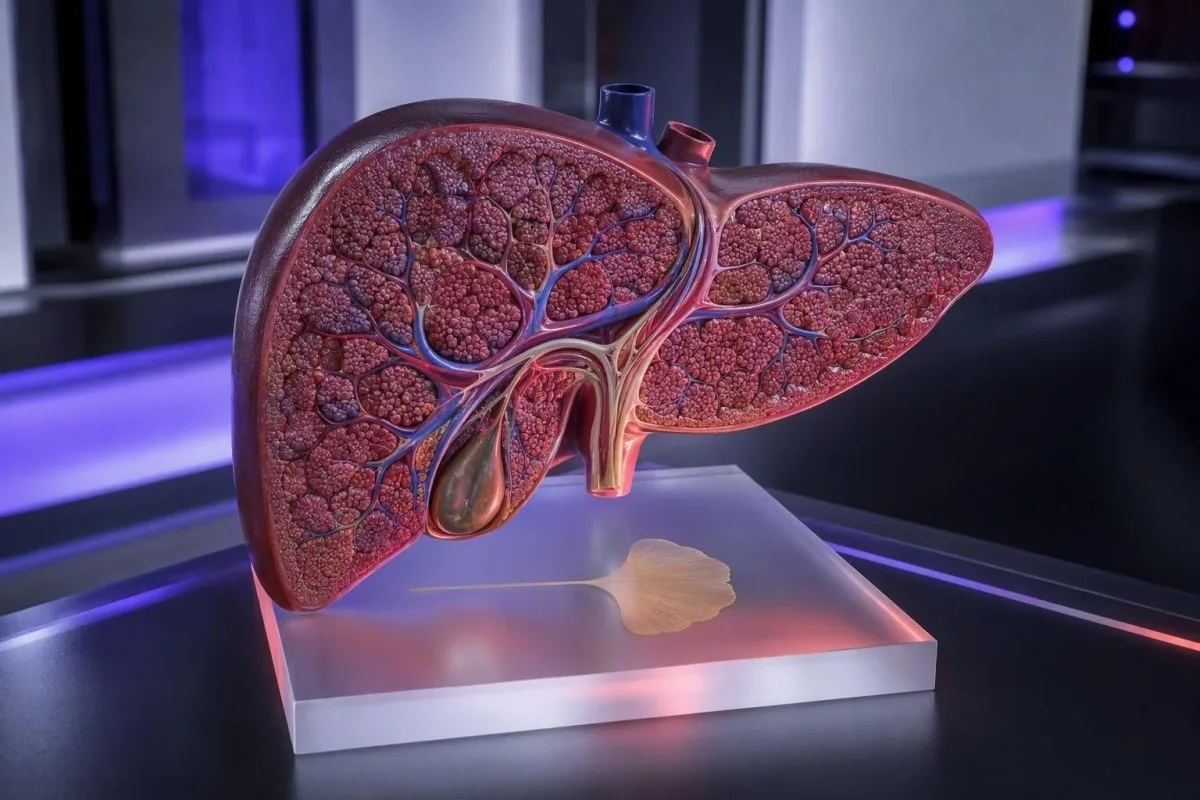
ALT - бауыр ферменті болып саналады, бірақ ол диагноз емес, жасуша стрессінің белгісі. Оның мағынасы оның мөлшерінен, үлгісінен, уақытынан және бауыр панелінің қалған бөлігінен туындайды.


- ALT мағынасы: ALT аланин аминотрансфераза дегенді білдіреді, бұл бауыр жасушаларында шоғырланған, IU/L-де өлшенетін фермент.
- Әдеттегі диапазон: Көптеген ересек зертханалар әйелдер үшін 35 IU/L, ерлер үшін 45 IU/L жоғарғы шегін қолданады, бірақ есептің өз диапазоны шешуші болып табылады.
- Жеңіл жоғарылау: Зертхананың жоғарғы шегінен 2 есе төмен ALT жиі кездеседі және қорқыныш емес, жоспарлы қайталауды талап етеді.
- үлгі маңызды: Жоғары AST, ALP, GGT, билирубин немесе INR бар ALT, жалғыз ALT жоғарылауынан басқаша мағынаны білдіреді.
- Жаттығу әсері: Күшті қарсылық жаттығулары ALT және AST-ты 7 күн немесе одан ұзақ уақытқа көтеруі мүмкін, әсіресе креатин киназа да жоғары болғанда.
- Дәрі-дәрмектерді шолу: Ацетаминофен, статин, антибиотиктер, құрысуға қарсы препараттар, қоспалар және шөп өнімдері ALT-қа әсер етуі мүмкін.
- Шұғыл белгілер: Сары ауру, шатасу, іштің оң жақ жоғары бөлігінде ауыр ауырсыну, қайталанатын құсу немесе өте қою несеп бір күн ішінде клиникалық бағалауды талап етеді.
- Үрдіс мәні: Триггерді жойғаннан кейін төмендейтін ALT, бір реткі шекаралық нәтижеге қарағанда әдетте сенімдірек болады.
Қан анализінде ALT нені білдіреді
ALT аланин аминотрансферазаны білдіреді, энергия метаболизмі кезінде амин топтарын тасымалдауға көмектесетін фермент. Ол бауыр жасушалары стресске ұшырағанда немесе зақымдалғанда қан айналымына енеді, сондықтан оны өлшейді; бұл өзіндік бауырдың тұрақты зақымдалғанын дәлелдемейді.
ALT негізінен бауырдың жұмысшы жасушалары болып табылатын гепатоциттердің ішінде кездеседі, бірақ аз мөлшерде қаңқа бұлшықеттері мен басқа да тіндерде де кездеседі. Жоғары нәтиже, күтілгеннен артық ферменттің сынамаға түскенін білдіреді; ол майлы бауырды, гепатитті, дәрі-дәрмектердің зақымдануын немесе жаттығуды қосымша дәлелдерсіз анықтай алмайды.
Менің клиникалық тәжірибемде ең пайдалы бірінші сұрақ “ол қаншалықты жоғары?” емес, “қандай базалық деңгеймен және қандай басқа маркерлермен салыстырғанда жоғары?” деген сұрақ. Жаңа спорт залы режимінен кейінгі 58 ХБ/Л ALT, 65 мкмоль/л билирубин және сары көздері бар ALT 58 ХБ/Л-дан басқа мәселе.
Кантести - бұл AI қан анализінің анализаторы бір бағаланған мәнді диагноз ретінде қарастырудың орнына, AST, ALP, GGT, билирубин, альбумин, тромбоциттер саны, дәрі-дәрмектер және бұрынғы нәтижелермен қатар ALT-ты бағалайды. Байланысты өлшемдердің кең картасын қараңыз биомаркер нұсқаулығымыз.
Ескі атауы SGPT неліктен пайда болуы мүмкін
Кейбір есептерде ALT әлі де “сарысулық глутамин-пируват трансминазасы” деп аталады немесе SGPT. ALT және SGPT бір ферментті сынақты білдіреді, бірақ заманауи зертханалық есеп беруде әдетте ALT қолданылады.
Клиницистер неге аланин аминотрансферазаны өлшейді
Клиницистер тапсырады аланин аминотрансфераза сынағы гепатоцеллюлярлық стрессті анықтау, белгілі бауыр ауруын бақылау және дәрі-дәрмектерге байланысты зақымдануды тексеру үшін. ALT жиі бауыр панеліне немесе жан-жақты метаболикалық панеліне қосылады, тіпті адамда симптомдар болмаса да.
ALT жиі қант диабеті немесе липидтік шолулар кезінде тексеріледі, өйткені бұрын майлы бауыр ауруы деп аталған метаболикалық дисфункцияға байланысты стеатозды бауыр ауруы жылдар бойы үнсіз болуы мүмкін. 2023 жылғы AASLD басшылығы метаболикалық қауіп факторлары және түсініксіз бауыр ферментінің жоғарылауы бар адамдарды стеатозды бауыр ауруы және фиброз қаупі (Rinella et al., 2023) үшін бағалауды ұсынады.
Қалыпты ALT маңызды фиброзды жоққа шығармайды, ал жоғары ALT фиброз сатысын өлшемейді. Мен ALT 24 ХБ/Л және мамандардың бағалауы бойынша мағыналы тыртықтары бар пациенттерді көрдім, әсіресе 2 типті қант диабетімен; фиброзды есептеулер мен визуализация әртүрлі сұрақтарға жауап береді.
ALT мониторингі дәрі-дәрмектерді өзгерткеннен кейін де практикалық, бірақ оны ойластырылған түрде жоспарлау керек. Біздің нұсқаулығымыз жылдық қан анализі тестілеу жиілігі негізсіз ғана емес, тәуекелді, симптомдарды және емдеуді қалай орындауы керектігін түсіндіреді.
ALT қалыпты диапазондары және зертхана шектері неге өзгереді
Ересектердегі ALT сынау диапазондары әйелдер үшін шамамен 7-35 ХБ/Л, ерлер үшін 10-45 ХБ/Л аралығында болады, бірақ диапазондар сынақ, популяция және зертхана бойынша өзгереді. Интернеттің шекті мәнінің орнына әрқашан өзіңіздің нәтижеңіздің қасында көрсетілген жоғарғы шекті қолданыңыз.
Жоғарғы шек статистикалық болып табылады, әдетте сынақ тобының негізінде алынады, бірақ одан төмен әрбір мән толығымен сау бауырды көрсетеді деген кепілдік емес. Кейбір еуропалық зертханалар әйелдер үшін 25 ХБ/Л, ерлер үшін 35 ХБ/Л жуық жынысқа арналған жоғарғы шектерді қолданады, бұл метаболикалық қауіпті ертерек анықтай алады, бірақ сонымен қатар көбірек шекаралық белгілерді тудырады.
Қалыпты жоғарғы шектен екі есе аз мән жиі жеңіл жоғарылау деп аталады. 40 ХБ/Л жоғарғы шегі бар зертхана үшін, ALT 55-тен 80 ХБ/Л-ға дейін контекстке және әдетте қайталау жоспарына лайық, ал ALT 400 ХБ/Л жоғарғы шектен 10 есе жоғары және өзектілікті өзгертеді.
Др. Томас Кляйн пациенттерге зертхананың аты, бірліктері, диапазоны, тапсырылған күні, соңғы аптадағы алкогольді тұтынуы және жаттығулары туралы жазып алуды ұсынады. Бұл барулар арасындағы нәтижелердің айырмашылығын әлдеқайда түсінікті етеді.
ALT және AST қалай бірге жұмыс істейді
ALT және AST бірге бағалануы керек, себебі ALT бауырға бағытталған, ал AST скелет және жүрек бұлшықеттерінде де көп кездеседі. AST-ке ALT қатынасы үлгілерді көрсете алады, бірақ ол алкогольге байланысты ауруды немесе циррозды жалғыз диагностикалай алмайды.
ALT AST-тен асып кеткенде, клиницистер жиі метаболикалық стеатозды, вирустық гепатитті немесе дәрі-дәрмектердің әсерін қарастырады, дегенмен көптеген ерекшеліктер бар. AST:ALT қатынасы 2-ден жоғары алкогольмен байланысты бауырдың зақымдануында пайда болуы мүмкін, бірақ созылмалы фиброз, бұлшықеттің зақымдануы және жедел жарақаттан кейінгі уақыт аралығы да қатынасты өзгерте алады.
AST 89 ХБ/Л, ALT 61 ХБ/Л және креатин киназасы 1450 ХБ/Л жарыснан кейін 52 жастағы марафоншының бірдей ферменттері және креатин киназасы 90 ХБ/Л бар адамнан басқаша әңгімелесуді талап етеді. AST + жоғары CK туралы алаңдау себебіміз бұлшықеттің босауы; жалғыз ALT бұлшықетке аз спецификалық, бірақ көтерілуі де мүмкін.
Осы айырмашылықтың бұлшықет тарапы үшін, біздің түсіндірмелерімізді оқыңыз жоғары AST белгілері. Егер физикалық белсенділік ықтимал себеп болса, клиницистің басқаша кеңес бермесе, қайта тапсыру алдында 7 күн бұрын әдеттегіден тыс күшті жаттығулардан аулақ болыңыз.
ALP, GGT және билирубин неге ALT мағынасын өзгертеді
ALT гепатоцеллюлярлық үлгіні көрсетеді, ал сілтілік фосфатаза, GGT және билирубин холестазды немесе өт ағынының бұзылуын анықтауға көмектеседі. ALT плюс жоғары ALP және GGT өт-бауыр ауруын, дәрі-дәрмектердің әсерін немесе бауырдың қабынуын қарастыруға себеп болуы керек, жай майлы бауыр деп есептеудің орнына.
Клиницист R қатынасын есептеуі мүмкін: ALT оның жоғарғы шегіне бөлінеді, содан кейін ALP оның жоғарғы шегіне бөлінеді. R қатынасы 5 немесе одан жоғары гепатоцеллюлярлық зақымдануды қолдайды, 2 немесе одан аз холестатикалық зақымдануды қолдайды, ал 2-ден 5-ке дейін аралас үлгіні көрсетеді; бұл бақылау құралы, соңғы диагноз емес.
GGT ALP жоғарылаған кезде пайдалы, себебі GGT жоғарылауы гепатобилиарлы бастаманы қолдайды, ал ALP сүйектің айналуынан да жоғарылауы мүмкін. Сондықтан қалыпты GGT бар жалғыз ALP жоғарылауы бауырды суретке түсірудің орнына сүйек және D дәрумені туралы сұрақтарға жетелеуі мүмкін.
Қараңғы зәр, бозғылт нәжіс, қышыну, қызба немесе жоғарылаған билирубинмен сарғаю “келесі жылдық тексеруді күтіңіз” белгілері емес. Біздің холестаз үлгісі жөніндегі нұсқаулық жедел бағалауды талап ететін комбинацияларды түсіндіреді.
Жоғарылаған ALT-тың жалпы себептері
ALT-тің жоғарылауы көбінесе метаболикалық майлы бауыр ауруын, алкогольдік әсерді, вирустық гепатитті, дәрі-дәрмектердің әсерін немесе уақытша жаттығуларға байланысты жоғарылауын көрсетеді. Әр себептің ықтималдығы дене салмағымен, глюкозамен, триглицеридтермен, алкогольдік үлгімен, саяхатпен, дәрі-дәрмектермен және жоғарылаудың мөлшерімен өзгереді.
Метаболикалық майлы бауыр ауруы, әсіресе, орталық салмақ жинақталуы, 150 мг/дл-дан жоғары триглицеридтер, төмен HDL холестерин, жоғарылаған қандағы глюкоза немесе 2 типті қант диабетімен бірге ALT деңгейінің жоғарылауымен байқалады. Ол кішігірім дене бітімді адамдарда да, әсіресе іш майы, генетика, ұйқы апноэсі немесе белгілі бір дәрі-дәрмектермен кездесуі мүмкін.
Вирустық гепатитті тексеру ALT-ға ғана емес, экспозицияға және тәуекелге байланысты. Гепатит В беткей антигені және гепатит С антиденесі, растайтын РНҚ тестілеуімен бірге, тарих, география немесе фермент үлгісі қолдау көрсеткен жағдайда, толық бағалаудың стандартты бөліктері болып табылады; біздің гепатит С бойынша нұсқаулық әдеттегі жолды қамтиды.
Гемохроматоз, аутоиммунды гепатит, жас адамдардағы Вильсон ауруы, целиакия және альфа-1 антитрипсин жетіспеушілігі сияқты сирек кездесетін, бірақ маңызды себептер бар. Доктор Томас Клей әрбір жоғарылаған ALT-ны алкогольмен байланыстыру қателігінің зиянын көрген; құрылымдалған тексеру әлдеқайда мейірімді және дәлірек.
ALT-ты көтере алатын дәрі-дәрмектер мен қоспалар
Дәрі-дәрмектер мен қоспалар тікелей бауыр зақымдануы, өт жолының өзгеруі, метаболикалық әсерлер немесе кездейсоқ сәйкестік арқылы ALT-ны жоғарылатуы мүмкін. Бір нәтижеге байланысты тағайындалған дәрі-дәрмекті кенеттен тоқтатпаңыз; дәрі-дәрмектің пайдасын үлгімен және тенденциямен салыстыра алатын дәрігерге хабарласыңыз.
Ацетаминофен, парацетамол деп те аталады, дозадан тыс қолданғанда ALT-ның айтарлықтай жоғарылауына, ал кейде жоғары терапиялық әсер ету кезінде жеңіл өзгерістерге әкелуі мүмкін. Ересектердің көпшілігі үшін әдеттегі ең жоғары мөлшері күніне 4000 мг құрайды, бірақ көптеген клиницистер үнемі алкоголь ішетін, бауыр аурулары бар, егде жастағы адамдар немесе суыққа қарсы кешенді дәрі-дәрмектерді қолданатындар үшін төмен шекті ұсынады.
Статиндер ALT-ның кішігірім жоғарылауына әкелуі мүмкін, бірақ статиндерге байланысты ауыр бауыр зақымдануы сирек кездеседі; жүрек-қан тамырлары ауруларын емдейтін дәрі-дәрмекті кеңессіз тоқтату фермент белгісінен қауіптірек болуы мүмкін. ACG нұсқаулығы кез келген тексеруді бастамас бұрын аномалды бауыр химиясын растауды және рецепт бойынша, рецептсіз берілетін және қоспаларды мұқият қарауды ұсынады (Kwo et al., 2017).
Жасыл шай сығындысы, анаболикалық өнімдер, жоғары дозадағы А дәрумені, көп компонентті “детокс” ұнтақтары және реттелмеген бодибилдинг қоспалары ерекше сұрақтарға лайық, себебі жапсырмалар толық емес болуы мүмкін. Жаңа өнімді қолданар алдында біздің практикалық қоспа қауіпсіздігі жөніндегі нұсқаулықты қараңыз.
Жатығулар уақытша ALT-ты көтере ала ма?
Иә, қарқынды жаттығулар ALT-ны уақытша жоғарылатуы мүмкін, әсіресе бұрын-соңды болмаған күш жаттығуларынан, төзімділік жарыстарынан немесе бұлшықет жарақаттарынан кейін. AST және креатин киназа әдетте айқынырақ жоғарылайды, ал мәндер жаттығу қарқындылығы мен бұлшықет массасына байланысты 3-тен 10 күнге дейін қалыпқа келуі мүмкін.
Жиі кездесетін қате түсінік - жоғарылаған ALT әрқашан бауырдың зақымдалғанын білдіреді. Іс жүзінде, эксцентрлік жүктемесі бар ауыр жаттығу - баяу төмендету қозғалыстары - AST, ALT, LDH және CK-ны бауырдың ішкі бұзылысынсыз өзгертуге жеткілікті бұлшықет мембраналарын бұзуы мүмкін.
Таза қайталап тексеру үшін, мен әдетте тұрақты, жақсы жағдайдағы пациенттерді 5-7 күн бойы қарқынды жаттығулардан, бірнеше күн бойы алкогольден аулақ болуға, суды қалыпты ішуге және мүмкіндігінше бір зертхананы пайдалануға шақырамын. Бұл қызыл ту симптомы болған немесе ALT ауытқуы бірнеше есе жоғарылаған жағдайда қолайлы емес; мұндай жағдайларда алдымен клиникалық кеңес қажет.
Кантести - бұл AI арқылы қуаттандырылған қан талдауын жүргізу құралы 127+ елдерінде қолданылатын, ALT, AST, CK және бұрынғы сынақтарды салыстырып, жаттығуларға сәйкес келетін үлгіні анықтайтын, бірақ оның зиянсыз екенін білдірмейтін белгісі бар. Спортшылар сондай-ақ марафон қан анализін жүргізу мерзімі.
ALT нәтижесін шұғыл ететін симптомдар
Көптеген жеңіл ALT деңгейлерінің жоғарылауы симптомсыз өтеді, бірақ сарғаю, қатты қоңыр несеп, ақшыл нәжіс, қатты іштің ауыруы, шатасу, оңай көгеру немесе ұзаққа созылған құсу жедел медициналық көмекті қажет етеді. Симптомдар билирубинді өңдеудің бұзылуын, өт жолдарының бітелуін, жедел гепатитті немесе бауырдың синтетикалық функциясының төмендеуін көрсетуі мүмкін болғандықтан, маңызды.
Көздің немесе терінің сарғаюы, шатасу, жаңа ұйқышылдық, оң қабырға астындағы ауырсынудың тез нашарлауы немесе сұйықтықты ішке іше алмау сияқты жағдайларға сол күні көмекке жүгініңіз. Бұл симптомдар ALT жоғарғы шектен 5 есе жоғары болғанда, билирубин жоғарылағанда немесе INR ұзартылғанда көбірек маңызға ие.
Жүктілік алаңдаушылық шегін өзгертеді: алақандар мен табандардың қышуы, оң жақ жоғарғы іштің ауыруы, бас ауруы, көрудің бұзылуы немесе жоғары қан қысымы ALT тек аздап жоғарылаған кезде де шұғыл акушерлік бағалауды қажет етеді. Жүктілікке тән жағдайлар әдеттегі амбулаторлық бауыр тестілеуінен басқа жолды талап етеді.
Несептің өзгеруі қосымша ақпарат бере алады, бірақ өздігінен диагноз қоюға болмайды. Біздің мақаламыз қоңыр несеп себептері сұйықтықтың жетіспеушілігі мен дәрі-дәрмектерді билирубинге байланысты ескерту белгілерінен ажыратуға көмектеседі.
Аномальды ALT нәтижесінен кейін әдетте не болады
Аномальды ALT нәтижесінен кейін, клиницистер әдетте нәтижені растайды, экспозицияларды қарайды және көтерілу мөлшері мен симптомдарына байланысты панельді қайталайды немесе кеңейтеді. Бір реттік жеңіл нәтиже әдетте бірнеше ай ішінде қайталануына әкеледі, ал айқын көтерілу немесе сарғаю тезірек бағалауды қажет етеді.
Ақылға қонымды алғашқы шолуға алкогольді тұтыну үлгісі, жақында болған ауру, салмақтағы өзгерістер, саяхат, отбасылық тарихы, рецепт бойынша және рецептсіз берілетін дәрі-дәрмектер, қоспалар және соңғы 7 күндегі жаттығулар кіреді. Қалыпты бақылау сынақтарына AST, ALP, GGT, билирубин, альбумин, толық қан санағы, INR, гепатит скринингі, ферритин мен трансферрин қанықтылығы, және глюкоза немесе HbA1c кіреді.
Ультрадыбыстық зерттеу стеатоз, өт тастары, өт жолдарының дилатациясы немесе құрылымдық өзгерістер үшін жиі пайдалы, бірақ ол ерте фиброзды сенімді түрде кезеңдестірмейді. FIB-4 фиброз қаупін бағалау үшін жасты, AST, ALT және тромбоциттер санын пайдаланады; ол 35 жасқа дейін сенімділігін жоғалтады және жедел ауру кезінде қолданылмауы керек.
Kantesti AI — бұл AI зертханалық талдау интерпретациясы қызметінде жарияланады бұл байланысты маркерлерді және клиницистпен талқылау үшін ұзақ мерзімді нәтижелерді ұйымдастырады. Біздің бауыр панелінің түсіндірмесі әрбір бақылау компонентінің не қосқанын көрсетеді.
ALT трендтері неге бір саннан артық пайдалы
ALT үрдісі, әдетте, бір нәтижеден гөрі ақпараттырақ, себебі ол сигналдың жойылып бара жатқанын, тұрақты екенін немесе жеделдеп бара жатқанын көрсетеді. 6 аптадан кейін 72-ден 34 IU/L-ге дейінгі өзгеріс 34-тен 72 IU/L-ге дейінгі өзгерістен әртүрлі клиникалық хабарды береді, тіпті екі сан да зертханалық шектеуге жақын болса да.
Биологиялық өзгерістер, гидратация, сынақ вариациясы және уақыттылық AST-ні әртүрлі үлгілер арасында аздап жылжытуы мүмкін. Бірдей зертханада, күннің ұқсас уақытында, салыстырмалы белсенділік пен алкогольді тұтынудан кейін қайталау, шуды азайтады және нақты өзгерісті анықтауды жеңілдетеді.
6 айдан астам уақыт бойы тұрақты жоғарылау, әсіресе қант диабеті, семіздік, бауыр ауруының отбасылық тарихы, тромбоциттердің азаюы немесе билирубиннің жоғарылауы кезінде, әлдеқайда мұқият бағалауды талап етеді. Керісінше, толық бағаланған науқаста тұрақты жеңіл ALT қайталамалы кеңейтілген тестілеумен емес, бақылаумен аяқталуы мүмкін.
Kantesti AI AST, тромбоциттер саны, билирубин және метаболикалық маркерлермен қатар ALT үрдістерін интерпретациялайды, 3 IU/L өзгерісті аурудың өршуі ретінде қарастырудан гөрі. Біздің бойлық (longitudinal) тестілеу жөніндегі нұсқаулығымызды қараңыз әрбір үлгіден кейін жазуға тұрарлық бөлшектер үшін.
Дұрыс емес шешімдерге әкелуі мүмкін ALT қате түсініктері
ALT - бұл “бауыр қызметінің анализі” емес, себебі ол ферменттің ағып кетуін өлшейді, бауырдың альбумин, ұю факторлары немесе өт өндіру қабілетін емес. Альбумин, INR, билирубин, тромбоциттер санағы, симптомдар және бейнелеу ALT-дан гөрі маңыздырақ әңгіме айтуы мүмкін.
Қалыпты ALT алкогольді көп тұтынуды, қант диабетін немесе бауыр ауруының күшті отбасылық тарихын елемеуге рұқсат бермейді. Сол сияқты, жоғарылаған ALT алкогольдің себебі екендігін дәлелдемейді; бұл болжам сенімділікті бұзуы және вирустық, аутоиммунды, генетикалық немесе дәрі-дәрмекке байланысты жағдайларды диагностикалауды кешіктіруі мүмкін.
“Бауырды тазарту” - тағы бір жиі кездесетін қақпан. Бауыр бұрыннан метаболизм мен шығаруды жүзеге асырады, ал қарқынды ашығу, реттелмеген шөптер және жылдам салмақ жоғалту кейде симптомдарды немесе зертханалық маркерлерді нашарлатуы мүмкін; коммерциялық детокс режимдеріне арналған дәлелдер шын мәнінде нашар.
Егер диета талқылаудың бір бөлігі болса, керемет өнімдерге қарағанда, тұрақты салмақ өзгеруіне, жеткілікті ақуызға, талшықтарға және өңделген өнімдерді азайтуға назар аударыңыз. Біздің дәлелдерге негізделген бауыр тағамы жөніндегі нұсқаулық қауіпсізірек бастау нүктесі болып табылады.
Балалардағы, жүктіліктегі және егде жастағы ALT интерпретациясы
ALT интерпретациясы балалар, жүктілік және ересектер үшін жасқа байланысты контексті қажет етеді, себебі сілтеме шектері мен ықтимал себептер әртүрлі. Педиатриялық ALT шектері әдетте ересек зертханалық диапазондардан төмен, ал жүктілікке байланысты бауыр симптомдары мамандар басқаратын тезірек бағалауды қажет етеді.
Балаларда семіздікке байланысты стеатозды бауыр ауруы көбірек танылуда, бірақ вирустық аурулар, бұлшықет аурулары, целиакия және тұқым қуалайтын метаболикалық бұзылулар дифференциалда қалуы керек. Педиатр дәрігер ересектердің “40 IU/L-ден төмен болса жақсы” деген ойын қолданбай, тұрақты ALT жоғарылауын интерпретациялауы керек.
Жүктілік кезінде, ALT әдетте жүкті емес сілтеме аралығында қалуы керек; гипертензиямен, тромбоциттердің төмендеуімен, қышынумен немесе жүрек айнуымен бірге көтерілу жүктілікке тән бұзылуларды жедел бағалауды қажет етеді. Альбумин әдетте плазма көлемінің кеңеюіне байланысты төмендейді, сондықтан альбумин мен ALT бірдей логикамен интерпретацияланбауы керек.
Егде жастағы адамдарда полипрагмазия мен әлсіздік толық дәрі-дәрмектерді қараудың маңыздылығын арттырады. Біздің Жоғары медициналық зертхана нұсқаулығы кездесуге қойылатын сұрақтарды қамтиды.
ALT нәтижелері үшін AI интерпретациясын қауіпсіз пайдалану
AI ALT нәтижесін ұйымдастыруға көмектесе алады, бірақ ол сізді қарай алмайды, симптомдарды тексере алмайды немесе елеулі бауыр үлгісін алмастыра алмайды. Ең қауіпсіз қолданыс - дайындық: үлгіні анықтау, бастапқы есепті сақтау және білікті клинициске нақты сұрақтар қою.
5 қыркүйек 2026 жылғы жағдай бойынша, Kantesti болып табылады AI қан талдауы нәтижесін түсіндіру платформасы жүктелген зертханалық есептерді шамамен 60 секунд ішінде қарайды және ALT-ты байланысты мәндер, тенденция тарихы және хабарланған дәрі-дәрмектер контекстінде орналастырады. Ол диагноз қоюға немесе емдеуге рецепт жазуға емес, сұрақтардың сапасын жақсартуға арналған.
Дәлдік үшін есеп суретінің оқылатындығын, бірліктердің дұрыс көрсетілгендігін және алдыңғы жылдағы нәтижені бүгінгі күнмен шатастырмауды тексеріңіз. Kantesti клиникалық тәсілі дәрігердің қадағалауымен қалыптасады; оқырмандар біздің медициналық валидация стандарттары және Медициналық консультативтік кеңес AI-қолдаулы интерпретацияны қалай қолдану керектігін шешкен кезде қара алады.
Қарауға үш зат әкеліңіз: толық панель, дозаларымен бірге барлық дәрі-дәрмектер мен қоспалардың тізімі, сондай-ақ алкоголь, ауру, саяхат және қарқынды жаттығулардың уақыт кестесі. Бұл қарапайым дайындық көбінесе қажетсіз алаңдаушылықты болдырмайды және маңызды үлгінің өткізіліп кетпеуін қамтамасыз етеді.
Келесі ALT сынағы алдында практикалық бақылау тізімі
Жоспарланған ALT қайта тестілеу алдында, өз әдетіңізді тұрақты ұстаңыз және ферменттерді өзгерте алатын факторларды құжаттаңыз. Клиникалық жағдайда қауіпсіз болған кезде 5-7 күн бойы ауыр жаттығулардан аулақ болыңыз, бірнеше күн бойы алкогольден аулақ болыңыз және дәрігер жазбаған дәрі-дәрмектерді өзгертпеңіз.
Ацетаминофен немесе парацетамолды қолдану, антибиотиктер, жаңа қоспалар, соңғы кездегі қызба, гастроэнтерит, вакцинация, аш қалу және салмақтың жылдам өзгеруін жазып алыңыз. Әдетте, тек ALT үшін аш қалу талап етілмейді, бірақ егер глюкоза, триглицеридтер немесе басқа тесттер сол кездесуде өлшенсе, бұл сұралуы мүмкін.
Клиницисттен қайта ALT құрамына AST, ALP, GGT, билирубин, альбумин, тромбоциттер және CK кіруі керек пе деп сұраңыз. Жауап көбінесе бірінші үлгіге байланысты; салмақ көтергеннен кейін 48 ХБ/Л жеке ALT, 48 мкмоль/л билирубині бар 248 ХБ/Л ALT сияқты зерттеуді қажет етпейді.
Егер сізге есебіңізден сұрақтар жинауға көмек қажет болса, біздің AI есеп беру дәлдігі бойынша чек-листті қараңыз. кездесу алдында пайдалы. Біздің жұмысымыз туралы ұйымдастыру ақпараты үшін қараңыз Кантешти туралы.
Жиі қойылатын сұрақтар
Қандай лабороториялық нәтижелерде ALT деген не білдіреді?
ALT — бұл аланин аминотрансфераза, бауыр жасушаларында басым болатын және литрге халықаралық бірлікпен (ХБ/л) өлшенетін фермент. Көптеген зертханалар ересек әйелдер үшін шамамен 35 ХБ/л, ал ересек еркектер үшін 45 ХБ/л жоғарғы шектерді қолданады, бірақ жеке есепте жазылған сілтеме аралығы дұрыс салыстыру болып табылады. Көтерілген ALT жасушаның стрессін немесе зақымдануын көрсетеді, бірақ оның себебін өзімен-өзі анықтай алмайды. AST, ALP, GGT, билирубин, дәрі-дәрмектер, алкоголь, жаттығулар және симптомдар нәтиженің нені білдіретінін анықтайды.
ALT 50 ХБ/Л жоғары ма?
50 ХБ/Л ALT көрсеткіші зертханаларда 35 немесе 40 ХБ/Л жоғарғы шегімен бірге аздап жоғары болып саналады, бірақ 55 ХБ/Л жоғарғы шегі бар кейбір зертханаларда қалыпты жағдайға жақын. Билирубин, ALP, INR және симптомдар қалыпты болған кезде 50 ХБ/Л шамасындағы мән әдетте аз жедел болып табылады, бірақ оған әлі де контекст және жиі қайталау қажет. Соңғы ауыр атлетика, алкоголь, метаболикалық стеатоз, дәрі-дәрмектер және қоспалар жиі кездесетін себептер болып табылады. 6 айдан асқан тұрақты жоғарылауы жүйелі клиникалық қарауды талап етеді.
Жаттығу ALT деңгейін көтере ала ма?
Қатты жаттығулар ALT, AST, LDH және креатинкиназаны жоғарылатуы мүмкін, себебі қаңқа бұлшықеті қарқынды немесе бейтаныс шамадан тыс жүктемеден кейін ферменттерді бөліп шығарады. Бұл жоғарылау 3-10 күнге дейін сақталуы мүмкін, AST және креатинкиназа жиі ALT-тан артық көтеріледі. Жаттығудың әсер еткенін анықтау үшін жоспарланған қайталанудан 5-7 күн бұрын әдеттен тыс қарқынды жаттығудан аулақ болуға болады. ALT-тың айқын жоғарылауы, сарғаю, қатты ауырсыну немесе қараңғы зәр әлі де жаттығуды кінәләудің орнына дереу медициналық кеңес алуды талап етеді.
ALT маңыздырақ па, әлде AST маңыздырақ па?
ALT пен AST екеуі де бір-бірлерінен әлдеқайда маңызды емес, себебі бұл жұп жеке нәтижелерге қарағанда көбірек ақпарат береді. ALT бауырға бағытталған, ал AST қаңқа бұлшықеттерінде де кездеседі және жаттығудан немесе бұлшықеттің жарақаттануынан кейін айтарлықтай көтерілуі мүмкін. Алкогольмен байланысты бауыр зақымдануында AST-ға ALT қатынасы 2-ден жоғары болуы мүмкін, бірақ бұл диагноз қою емес және сонымен қатар жетілген фиброзда немесе бұлшықеттің босауымен пайда болуы мүмкін. Клиницистер екі мәнді де GGT, ALP, билирубин, креатинкиназа, тромбоциттер саны және клиникалық тарихымен бірге талдайды.
Қашан жоғары ALT нәтижесі шұғыл емдеуді қажет етеді?
ALT көрсеткіші зертхананың жоғарғы шегінен 5 есе жоғары болғанда, жылдам көтерілгенде немесе сарғаю, шатасу, оң жақ жоғарғы іштің қатты ауыруы, тұрақты құсу, оңай көгеру немесе зәрдің өте қараюымен бірге пайда болғанда шұғыл бағалауды талап етеді. Билирубиннің жоғарылауы, ұзартылған INR, төмен глюкоза немесе тромбоциттердің азаюы, олар тек ферменттің бөлініп шығуынан артық болуы мүмкін екенін көрсететіндіктен, алаңдаушылықты арттырады. Жүктілікке байланысты қышу, бас ауруы, көру симптомдары немесе ALT жоғарылауымен бірге болатын жоғары қан қысымы да шұғыл акушерлік бағалауды талап етеді. Жоғарғы шектен 2 есе төмен оқшауланған жеңіл нәтиже әдетте азырақ шұғыл бағаланады, бірақ оған елемеуге болмайды.
Майлы бауыр жоғары ALT-ты тудыра ма?
Метаболизммен байланысты стеатозды бауыр ауруы ALT-ның аздап жоғарылауының жиі себебі болып табылады, әсіресе триглицеридтер 150 мг/дл-ден жоғары болғанда, глюкозаның жоғарылауы, 2 типті қант диабеті, орталық салмақ жинау немесе HDL холестеринінің төмендігі. Бауыр майы немесе фиброзы болғанына қарамастан, ALT қалыпты болуы мүмкін, сондықтан қалыпты нәтиже клиникалық маңызды ауруды жоққа шығармайды. 2023 AASLD нұсқаулығы метаболизм тәуекел факторлары мен себебі белгісіз ферменттің жоғарылауы бар адамдарда фиброз тәуекелін бағалауды қолдайды. Тұрақты салмақ басқару, қант диабетін бақылау, алкогольді азайту және клиникалық бақылау детокс өнімдерінен гөрі негізделген.
Бүгін AI арқылы қан талдауы нәтижесін алыңыз
Kantesti-ті лезде әрі дәл зертханалық талдау үшін сенетін бүкіл әлем бойынша 2 миллионнан астам пайдаланушыға қосылыңыз. Қан анализінің нәтижелерін ж.үктеп, бірнеше секунд ішінде 15,000+ биомаркерлерінің жан-жақты түсіндірмесін алыңыз.
📚 Сілтеме жасалған ғылыми жарияланымдар
Кляйн, Т., Митчелл, С., & Вебер, Х. (2026). B теріс қан тобы, LDH қан талдауы және ретикулоциттер саны бойынша нұсқаулық. Kantesti AI медициналық зерттеулер.
Кляйн, Т., Митчелл, С., & Вебер, Х. (2026). Оразадан кейінгі диарея, нәжістегі қара дақтар және асқазан-ішек жолдары бойынша нұсқаулық 2026. Kantesti AI медициналық зерттеулер.
📖 Сыртқы медициналық сілтемелер
⚕️ Медициналық ескерту
Бұл мақала тек білім беру мақсатында ғана және медициналық кеңес болып табылмайды. Диагноз және ем туралы шешімдер үшін әрдайым білікті медицина қызметкеріне жүгініңіз.
E-E-A-T сенім сигналдары
Тәжірибе
Дәрігер басқаратын зертханалық талдауды түсіндіру жұмыс ағындарын клиникалық шолу.
Сараптама
Биомаркерлердің клиникалық контексте қалай әрекет ететініне зертханалық медицина фокусы.
Билік
Доктор Томас Клейн жазған, доктор Сара Митчелл және профессор доктор Ханс Вебер шолған.
Сенімділік
Дабыл қаупін азайту үшін айқын бақылау жолдарымен дәлелге негізделген түсіндіру.