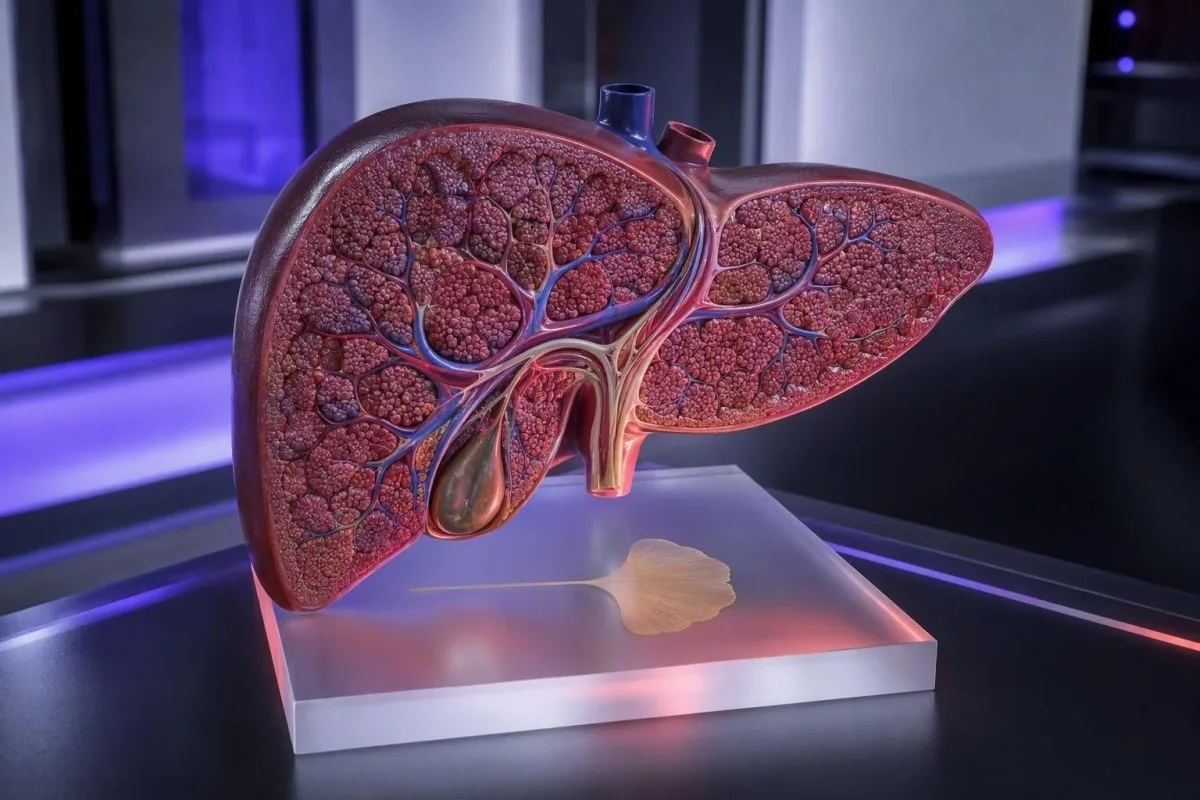
ALT minangka enzim ati sing umum dilapurake, nanging minangka tandha stres sel tinimbang diagnosis. Makna kasebut asale saka ukurane, pola, wektu, lan liyane saka panel ati sampeyan.


- Tegese ALT: ALT minangka singkatan saka alanine aminotransferase, enzim sing diukur ing IU/L sing konsentrasi ing sel ati.
- Rentang khas: akeh laboratorium wong diwasa nggunakake watesan ndhuwur ALT 35 IU/L kanggo wanita lan 45 IU/L kanggo pria, sanajan rentang laporan dhewe nemtokake.
- Kenaikan entheng: ALT ing ngisor 2 kaping wates ndhuwur laboratorium umum lan asring mbutuhake pengulangan sing direncanakake, ora panik.
- pola iku wigati: ALT kanthi AST, ALP, GGT, bilirubin, utawa INR sing dhuwur tegese beda tinimbang elevasi ALT sing terisolasi.
- Efek olahraga: Latihan beban abot bisa nambah ALT lan AST nganti 7 dina utawa luwih, utamane nalika creatine kinase uga dhuwur.
- Tinjauan obat: Acetaminophen, statin, antibiotik, obat antikonvulsan, suplemen, lan produk herbal bisa mengaruhi ALT.
- gejala sing darurat: Jaundice, bingung, nyeri weteng tengen ndhuwur sing parah, mutah bola-bali, utawa cipratan peteng banget mbutuhake evaluasi klinis dina sing padha.
- Nilai tren: Penurunan ALT sawise mbusak pemicu biasane luwih nyenengake tinimbang asil tunggal sing wates.
Apa tegese ALT ing tes getih
ALT minangka singkatan saka alanine aminotransferase, enzim sing mbantu sel nransfer gugus amino nalika metabolisme energi. Iki diukur amarga ALT mlebu ing sirkulasi nalika sel ati stres utawa rusak; ora, kanthi dhewe, mbuktekake karusakan ati permanen.
ALT utamane ditemokake ing njero hepatosit, sel kerja ati, sanajan ana jumlah cilik ing otot rangka lan jaringan liyane. Asil sing munggah tegese enzim luwih akeh tekan sampel tinimbang sing dikarepake; ora bisa ngidentifikasi ati lemak, hepatitis, cedera obat, utawa olahraga tanpa bukti pendukung.
Ing praktik klinisku, pitakonan pertama sing paling migunani dudu “sepira dhuwure?” nanging “dhuwur dibandhingake karo apa basisline lan tandha liyane?” ALT 58 IU/L sawise rutinitas gym anyar minangka masalah sing beda saka ALT 58 IU/L karo bilirubin 65 µmol/L lan mata kuning.
Kantesti iku sawijining Analisa tes getih AI sing maca ALT bebarengan karo AST, ALP, GGT, bilirubin, albumin, jumlah platelet, obat-obatan, lan asil sadurunge tinimbang nganggep siji nilai sing ditandhani minangka diagnosis. Kanggo peta sing luwih jembar babagan pangukuran sing ana gandhengane, waca kita biomarker.
Kenapa jeneng lawas SGPT bisa muncul
Sawetara laporan isih nyebut ALT “serum glutamic-pyruvic transaminase” utawa SGPT. ALT lan SGPT nuduhake tes enzim sing padha, sanajan laporan laboratorium modern biasane nggunakake ALT.
Kenapa para klinisi ngukur alanine aminotransferase
Dokter pesen tes alanine aminotransferase kanggo ndeteksi stres hepatoseluler, ngawasi penyakit ati sing dikenal, lan mriksa cedera sing ana gandhengane karo obat. ALT asring dilebokake ing panel ati utawa panel metabolisme komprehensif, sanajan wong ora duwe gejala.
ALT asring dipriksa sajrone review diabetes utawa lipid amarga penyakit ati steatotik sing ana gandhengane karo disfungsi metabolik, sadurunge diarani penyakit ati lemak, bisa nggegirisi nganti pirang-pirang taun. Panduan AASLD 2023 nyaranake ngevaluasi wong kanthi faktor risiko metabolik lan elevasi enzim ati sing ora bisa dijelasake kanggo penyakit ati steatotik lan risiko fibrosis (Rinella et al., 2023).
ALT normal ora ngilangi fibrosis sing signifikan, lan ALT dhuwur ora ngukur tahap fibrosis. Aku wis ndeleng pasien kanthi ALT 24 IU/L lan parut sing migunani ing evaluasi spesialis, utamane kanthi diabetes jinis 2; skor fibrosis lan pencitraan njawab pitakonan sing beda.
Pemantauan ALT uga praktis sawise owah-owahan obat, nanging kudu dijadwalake kanthi bijaksana. Pandhuan babagan tes getih taunan njelasake kenapa frekuensi tes kudu nuruti risiko, gejala, lan perawatan tinimbang mung kebiasaan.
Rentang normal ALT lan kenapa watesan laboratorium beda-beda
Rentang referensi ALT diwasa biasane saka kira-kira 7 nganti 35 IU/L kanggo wanita lan 10 nganti 45 IU/L kanggo pria, nanging rentang kasebut beda-beda gumantung saka assay, populasi, lan laboratorium. Tansah nggunakake wates ndhuwur sing dicetak ing jejere asil sampeyan dhewe tinimbang cutoff internet.
Wates ndhuwur iku statistik, biasane dijupuk saka populasi referensi, dudu jaminan yen saben nilai ing ngisor iku nggambarake ati sing sehat. Sawetara laboratorium Eropa nggunakake wates ndhuwur spesifik jender cedhak 25 IU/L kanggo wanita lan 35 IU/L kanggo pria, sing bisa ndeteksi risiko metabolik luwih awal nanging uga nggawe luwih akeh tandha wates.
Nilai ing ngisor kaping pindho wates ndhuwur normal asring diarani elevasi entheng. Kanggo laboratorium kanthi wates ndhuwur 40 IU/L, ALT 55 nganti 80 IU/L mbutuhake konteks lan biasane rencana pengulangan, nalika ALT 400 IU/L kaping 10 wates ndhuwur lan ngganti urgensi.
Dr. Thomas Klein nyaranake pasien supaya nyimpen jeneng laboratorium, unit, jangkauan, tanggal njupuk getih, konsumsi alkohol, lan olahraga ing minggu sadurunge. Iki nggawe beda asil antarane kunjungan luwih gampang diarteni.
Kepiye carane ALT lan AST bisa bebarengan
ALT lan AST kudu ditafsirake bebarengan amarga ALT luwih fokus ing ati nalika AST uga akeh ing otot rangka lan jantung. Rasio AST-to-ALT bisa nuduhake pola, nanging ora bisa ngobati penyakit sing ana gandhengane karo alkohol utawa sirosis dhewe.
Nalika ALT ngluwihi AST, klinisi asring nganggep steatosis metabolik, hepatitis virus, utawa efek obat, sanajan ana akeh pangecualian. Rasio AST:ALT sing luwih saka 2 bisa kedadeyan ing ciloko ati sing ana gandhengane karo alkohol, nanging fibrosis lanjut, ciloko otot, lan wektu sawise serangan akut uga bisa ngowahi rasio kasebut.
Pelari maraton umur 52 taun kanthi AST 89 IU/L, ALT 61 IU/L, lan kreatin kinase 1.450 IU/L sawise balapan mbutuhake obrolan sing beda saka wong sing duwe enzim sing padha lan kreatin kinase 90 IU/L. Alesan kita kuwatir babagan AST lan CK sing dhuwur yaiku pelepasan otot; ALT piyambak kurang spesifik kanggo otot nanging uga bisa mundhak.
Kanggo sisih otot saka prabédan iki, waca katrangan babagan gejala AST dhuwur. Yen aktivitas fisik minangka pemicu sing bisa ditindakake, hindari latihan sing ora biasa nganti 7 dina sadurunge ngulang kajaba dokter sampeyan menehi saran liya.
Kenapa ALP, GGT lan bilirubin ngganti tegese ALT
ALT nuduhake pola hepatocellular, dene alkaline phosphatase, GGT, lan bilirubin mbantu ngenali cholestasis utawa alangan aliran empedu. ALT ditambah ALP lan GGT sing dhuwur kudu nyebabake pertimbangan penyakit saluran empedu, efek obat, utawa peradangan ati tinimbang nganggep ati lemak sing gampang.
Klinisi bisa ngitung rasio R: ALT dipérang karo wates ndhuwur, banjur dipérang karo ALP dipérang karo wates ndhuwur. Rasio R 5 utawa luwih ndhukung ciloko hepatocellular, 2 utawa kurang ndhukung ciloko kolestatik, lan 2 nganti 5 nuduhake pola campuran; iki minangka alat triase, dudu diagnosis pungkasan.
GGT migunani nalika ALP mundhak amarga kenaikan GGT ndhukung sumber hepatobilier, dene ALP uga bisa mundhak saka omset balung. Mula, kenaikan ALP sing terisolasi kanthi GGT normal bisa nyebabake pitakonan balung lan vitamin D tinimbang pencitraan ati.
Urine peteng, bangku pucet, gatal, demam, utawa penyakit kuning kanthi bilirubin sing mundhak dudu gejala “tunggu tes taunan sabanjure”. pola kolestasis nerangake kombinasi sing kudu dinilai kanthi cepet.
Sababe umum saka ALT sing mundhak
Peningkatan ALT paling asring nuduhake penyakit ati steatotic metabolik, paparan alkohol, hepatitis virus, efek obat, utawa kenaikan sementara sing ana gandhengane karo olahraga. Probabilitas saben sababe owah-owahan gumantung ing bobot awak, glukosa, trigliserida, pola alkohol, lelungan, obat-obatan, lan ukuran kenaikan.
Penyakit ati steatotik metabolik banget kamungkinan nalika mundhake ALT dibarengi karo panambah bobot sentral, trigliserida ngluwihi 150 mg/dL, kolesterol HDL kurang, glukosa pasa mundhak, utawa diabetes jinis 2. Bisa uga ana ing wong sing awaké luwih cilik, utamané karo lemak visceral, genetika, sleep apnea, utawa obat-obatan tartamtu.
Tes hepatitis virus gumantung marang paparan lan risiko, ora mung ALT. Antigen permukaan Hepatitis B lan antibodi hepatitis C kanthi tes RNA konfirmasi minangka bagean standar saka evaluasi fokus nalika riwayat, geografi, utawa pola enzim ndhukung; kita pituduh hepatitis C ngliputi dalan sing umum.
Sababe sing kurang umum nanging penting kalebu hemochromatosis, hepatitis autoimun, penyakit Wilson ing wong enom, penyakit celiac, lan kekurangan alpha-1 antitrypsin. Dr. Thomas Klein wis weruh karusakan saka ngira-ira saben ALT sing mundhak iku ana gandhengane karo alkohol; pemeriksaan terstruktur luwih apik lan luwih akurat.
Obat-obatan lan suplemen sing bisa nambah ALT
Obat-obatan lan suplemen bisa mundhakake ALT liwat cilaning ati langsung, aliran empedu sing owah, efek metabolisme, utawa kebetulan sing ora ana gandhengane. Aja ngasoake obat sing diresepake kanthi tiba-tiba amarga siji asil; hubungi dokter sing bisa ngimbangake mupangate obat karo pola lan tren.
Acetaminophen, uga disebut paracetamol, bisa nyebabake mundhake ALT sing katon jelas ing overdosis lan kadang owah-owahan sing luwih entheng ing paparan terapeutik sing dhuwur. Kanggo umume wong diwasa, wates maksimal sing umum yaiku 4.000 mg saben dina, nanging akeh dokter nyaranake wates sing luwih murah kanggo wong sing ngombe alkohol kanthi rutin, duwe penyakit ati, luwih tuwa, utawa nggunakake obat selesma kombinasi.
Statin bisa ngasilake kenaikan ALT sing cilik, nanging karusakan ati sing serius amarga statin langka; mandhegake obat kardiovaskular tanpa saran bisa luwih mbebayani tinimbang tandha enzim. Pedoman ACG nyaranake konfirmasi kimia ati sing ora normal lan njupuk riwayat resep, obat bebas, lan suplemen sing ati-ati sadurunge tes ekstensif (Kwo et al., 2017).
Ekstrak teh ijo, produk anabolik, vitamin A dosis dhuwur, bubuk “detox” multi-komponen, lan suplemen binaraga sing ora diatur pantes ditakoni kanthi spesifik amarga label bisa ora lengkap. Priksa praktis kita pituduh keamanan suplemen sadurunge nambah produk anyar.
Apa olahraga bisa sementara nambah ALT?
Ya, olahraga abot bisa saya tambah ALT sadhela, utamane sawise latihan resistensi sing durung tau, acara daya tahan, utawa cilaning otot. AST lan creatine kinase biasane mundhak luwih katon, lan nilai bisa butuh 3 nganti 10 dina kanggo mandheg gumantung saka intensitas olahraga lan massa otot.
Kesalahpahaman umum yaiku mundhake ALT tansah tegese karusakan ati. Ing praktik, sesi sing abot kalebu angkat eksentrik—gerakan mudhun alon—bisa ngganggu membran otot cukup kanggo ngowahi AST, ALT, LDH, lan CK tanpa kelainan ati intrinsik.
Kanggo mriksa ulang sing resik, aku biasane njaluk pasien sing stabil lan sehat supaya ora nglemesake latihan nganti 5 nganti 7 dina, ngindhari alkohol nganti pirang-pirang dina, njaga hidrasi normal, lan nggunakake laboratorium sing padha yen bisa. Iki ora cocog yen ana gejala tandha bahaya utawa ALT kaping pirang-pirang luwih dhuwur saka kisaran; kahanan kasebut mbutuhake saran klinis dhisik.
Kantesti iku sawijining Piranti analisis tes getih berbasis AI digunakake ing 127+ negara sing bisa mbandhingake ALT, AST, CK, lan gambar sadurunge kanggo nandhani pola sing kompatibel karo olahraga tanpa nyatakake ora mbebayani. Atlet uga bisa mriksa wektu tes getih maraton.
Gejala sing nggawe asil ALT luwih penting
Umume mundhake ALT sing entheng ora nyebabake gejala, nanging penyakit kuning, cipratan sing peteng banget, bangku pucet, nyeri weteng sing parah, bingung, gampang memar, utawa muntah sing terus-terusan mbutuhake penilaian medis sing cepet. Gejala penting amarga bisa nuduhake penanganan bilirubin sing cacat, obstruksi empedu, hepatitis akut, utawa fungsi sintetik ati sing suda.
Golek perawatan dina sing padha kanggo mata utawa kulit kuning, bingung, ngantuk anyar, rasa nyeri ing sisih tengen ngisor iga sing saya parah, utawa ora bisa nguntal cairan. Gejala kasebut luwih penting nalika ALT luwih dhuwur saka 5 kaping wates ndhuwur, bilirubin mundhak, utawa INR ngluwihi.
Kandhutan ngowahi ambang kanggo prihatin: gatal ing telapak tangan utawa tlapak sikil, rasa ora nyaman ing weteng sisih tengen ndhuwur, lara sirah, gangguan visual, utawa tekanan darah tinggi mbutuhake penilaian kebidanan sing cepet sanajan ALT mung mundhak moderat. Kondisi spesifik meteng mbutuhake jalur sing beda saka tes ati rawat dalan biasa.
Owah-owahan urin bisa nambah petunjuk nanging ora diagnostik dhewe. Artikel babagan panyebab urin peteng mbantu mbedakake dehidrasi lan obat-obatan saka tandha-tandha bebaya sing ana hubungane karo bilirubin.
Apa sing biasane kedadeyan sawise asil ALT sing ora normal
Sasampunipun asil ALT ingkang mboten lumrah, para klinisi lumrahipun ngonfirmasi asil kasebut, mriksa paparan, saha mbaleni utawi ngambakaken panel gumantung ing gedhene kenaikan saha gejala. Asil alit tunggal asring ngasilaken mbaleni salebeting minggu ngantos sawetawis wulan, nalika kenaikan utawi jaundis ingkang kathah mbutuhaken panyelidikan ingkang langkung rikat.
Mriksa pisanan ingkang laras kalebet pola alkohol, gerah ingkang nembe, owah-owahan bobot badan, lelungan, riwayat kulawarga, obat resep saha non-resep, suplemen, saha olah raga salebeting 7 dinten saderengipun. Tes tindak lanjut ingkang umum kalebet AST, ALP, GGT, bilirubin, albumin, hitungan getih pepak, INR, panyaringan hepatitis, feritin kanthi saturasi transferin, saha glukosa utawi HbA1c.
Ultrasonografi asring migunani kangge steatosis, watu empedu, dilatasi saluran empedu, utawi owah-owahan struktural, nanging mboten saged kanthi andal ngukur fibrosis wiwitan. FIB-4 ngginakaken yuswa, AST, ALT, saha jumlah trombosit kangge ngira-ngira risiko fibrosis; dados kirang linuwih sangandhaping yuswa 35 lan mboten kedah dipun ginakaken nalika gerah akut.
Kantesti AI minangka layanan interpretasi tes lab AI ingkang ngaturaken tandha-tandha ingkang gegayutan saha asil longitudinal kangge diskusi kaliyan dokter. Kita panel ati panjelasan nuduhaken apa saben komponen tindak lanjut nyumbang.
Kenapa tren ALT luwih migunani tinimbang siji nomer
Tren ALT asring langkung informatif tinimbang asil tunggal amargi nuduhaken menawi sinyalipun ngrantamaken, tetep, utawi ngedab-edabi. Owah-owahan saking 72 dhateng 34 IU/L sasampunipun 6 minggu gadhah pesen klinis ingkang béda tinimbang 34 dhateng 72 IU/L, sanadyan angka kalihipun saged celak kaliyan watesan laboratorium.
Variasi biologis, hidrasi, variasi assay, saha wekdal saged mindhahaken ALT kanthi moderat antawisipun gambar. Mbaleni ing laboratorium ingkang sami, ing wekdal ingkang sami saking dinten, sasampunipun aktivitas saha paparan alkohol ingkang sami, ngirangi gangguan saha nggampilaken owah-owahan nyata kangge dipunpuntedhaki.
Kenaikan ingkang tetep langkung saking 6 wulan mbetahaken panyelidikan ingkang langkung tliti, utamanipun kaliyan diabetes, obesitas, riwayat kulawarga penyakit ati, panurunan trombosit, utawi paningkatan bilirubin. Kosok wangsulipun, ALT alit ingkang stabil ing pasien ingkang dipun padosi kanthi teliti saged dipantau tinimbang dipun buru kanthi tes jembar ingkang dipun baleni.
Kantesti AI nerjemahaken tren ALT kanthi AST, jumlah trombosit, bilirubin, saha penanda metabolik ingkang ngiringi tinimbang nganggep owah-owahan 3 IU/L minangka kemajuan penyakit. Pirsa kita kanggo tes longitudinal kangge perincian ingkang pantes dipun cathet sasampunipun saben gambar.
Kesalahpahaman ALT sing bisa nyebabake keputusan sing ala
ALT sanes “tes fungsi ati” ing artosipun ingkang ketat amargi ngukur bocoripun enzim, sanes kemampuan ati kangge damel albumin, faktor pembekuan, utawi empedu. Albumin, INR, bilirubin, jumlah trombosit, gejala, saha imaging saged nyariosaken crita ingkang langkung consequential tinimbang ALT piyambak.
ALT normal mboten maringi idin kangge ngirangaken konsumsi alkohol ingkang kathah, diabetes, utawi riwayat kulawarga penyakit ati ingkang kuat. Ugi, kenaikan ALT mboten mbuktekaken bilih alkohol dados sababipun; asumsi menika saged ngrusak kapercayan saha ngemot diagnosis kondisi ingkang gegayutan kaliyan virus, autoimun, genetik, utawi obat-obatan.
“Detoksifikasi ati” minangka jebakan umum sanesipun. Ati sampun ngatur metabolisme saha panyelarasaken, nalika puasa agresif, jamu ingkang mboten diatur, saha panurunan bobot badan ingkang rikat saged nambahi gejala utawi tandha laboratorium; bukti kangge regimen detoksifikasi komersial sejatosipun kirang.
Menawi panganan dados péranganing diskusi, fokus ing owah-owahan bobot badan ingkang sustainable, protein ingkang cekap, serat, saha ngirangi panganan ultra-olahan tinimbang produk miracle. Kita ingkang berbasis bukti pituduh panganan ati minangka titik wiwitan ingkang langkung aman.
Interpretasi ALT ing bocah-bocah, meteng lan umur tuwa
Interpretasi ALT mbetahaken konteks spesifik yuswa ing bocah-bocah, meteng, saha wong tuwa amargi watesan referensi saha sabab ingkang mungkin bènten. Titik potong pediatrik ALT asring langkung rendah tinimbang kisaran laboratorium diwasa, saha gejala ati ingkang gegayutan kaliyan meteng mbetahaken panyelidikan ingkang langkung rikat dipun pandhegani dening spesialis.
Ing bocah-bocah, penyakit ati steatotic ingkang gegayutan kaliyan obesitas langkung dipun kenali, nanging penyakit virus, kelainan otot, penyakit celiac, saha kondisi metabolik warisan kedah tetep wonten ing diferensial. Dokter anak kedah nerjemahaken kenaikan ALT ingkang tetep tinimbang ngginakaken pemikiran diwasa “sangandhaping 40 IU/L punika sae”.
Nalika meteng, ALT umume kedah tetep wonten ing interval referensi ingkang mboten meteng; kenaikan kanthi hipertensi, trombosit rendah, gatal, utawi mual mbutuhaken panyelidikan sigap kangge kelainan spesifik meteng. Albumin umume mudhun amargi ekspansi volume plasma, dados albumin saha ALT mboten kedah dipun nerjemahaken kanthi logika ingkang sami.
Ing wong tuwa, polifarmasi saha kerapuhan nambah rega mriksa obat pepak. Kita pituduh lab obat senior ngrangkum pitakonan kanggo digawa menyang janjian.
Nggunakake interpretasi AI kanthi aman kanggo asil ALT
AI bisa mbantu ngatur asil ALT, nanging ora bisa mariksa sampeyan, verifikasi gejala, utawa ngganti evaluasi medis kanggo pola ati sing mbebayani. Panggunaan sing paling aman yaiku persiapan: ngenali pola, ngreksa laporan asli, lan nggawa pitakonan sing fokus menyang dokter sing mumpuni.
Wiwit 5 September 2026, Kantesti minangka platform interpretasi hasil tes getih AI sing mriksa laporan laboratorium sing diunggah kira-kira 60 detik lan nempatake ALT ing konteks nilai sing gegandhengan, riwayat tren, lan obat-obatan sing dilaporake. Iki dirancang kanggo nambah kualitas pitakonan, ora kanggo menehi diagnosis utawa resep perawatan.
Kanggo akurasi, priksa manawa gambar laporan bisa diwaca, unit ditangkep kanthi bener, lan asil saka taun sadurunge ora disalahake minangka nilai dina iki. Pendekatan klinis Kantesti dibentuk dening pengawasan dokter; pamaos bisa mriksa kita standar validasi medis lan Dewan Penasehat Medis nalika mutusake carane nggunakake interpretasi sing didhukung AI.
Nggawa telung bab ing tinjauan: panel lengkap, dhaptar saben obat lan suplemen kanthi dosis, lan garis wektu alkohol, penyakit, lelungan, lan olahraga sing intens. Persiapan sing sithik kasebut asring nyegah rasa kuwatir sing ora perlu lan nyegah pola sing migunani ora kliwat.
Dhaptar priksa praktis sadurunge tes ALT sabanjure
Sadurunge tes ulang ALT sing direncanakake, pertahankan rutinitas sampeyan lan dokumentasi faktor sing bisa nggeser enzim. Ngindhari latihan abot nganti 5 nganti 7 dina nalika aman sacara klinis, ngindhari alkohol nganti pirang-pirang dina, lan aja ngowahi obat sing diresepake kajaba sing menehi resep ngandhani sampeyan.
Cathet panggunaan asetaminofen utawa parasetamol, antibiotik, suplemen anyar, demam anyar, gastroenteritis, vaksin, puasa, lan owah-owahan bobot sing cepet. Puasa biasane ora dibutuhake kanggo ALT wae, sanajan bisa dijaluk yen glukosa, trigliserida, utawa tes liyane diukur ing kunjungan sing padha.
Takon dhokter apa ALT ulang kudu kalebu AST, ALP, GGT, bilirubin, albumin, platelet, lan CK. Jawabe asring gumantung saka pola pisanan; ALT terisolasi 48 IU/L sawise angkat bobot ora mbutuhake kerja sing padha karo ALT 248 IU/L kanthi bilirubin 48 µmol/L.
Yen sampeyan butuh pitulungan ngumpulake pitakonan saka laporan sampeyan, kita checklist akurasi laporan AI migunani sadurunge kunjungan. Kanggo informasi organisasi babagan karya kita, ndeleng Babagan Kantesti.
Pitakonan sing Sering Ditakoni
Kepiye singkatan ALT ing asil lab?
ALT iku singkatan saka alanine aminotransferase, sawijining enzim sing akèh tinemu ing sel ati lan diukur ing unit internasional saben liter (IU/L). Akeh laboratorium migunakake wates ndhuwur watara 35 IU/L kanggo wanita diwasa lan 45 IU/L kanggo pria diwasa, sanajan wates referensi sing dicithak ing laporan individu minangka pembanding sing bener. ALT sing mundhak nuduhake stres sel utawa ciloko nanging ora bisa nemtokake sababe dhewe. AST, ALP, GGT, bilirubin, obatan, alkohol, olahraga, lan gejala nemtokake apa tegese asil kasebut.
Punapa ALT 50 IU/L punika inggil?
ALT 50 IU/L kalebu rada mundhak ing laboratorium kanthi wates ndhuwur 35 utawa 40 IU/L, nanging cedhak normal ing sawetara laboratorium kanthi wates ndhuwur 55 IU/L. Nilai watara 50 IU/L biasane ora pati wigati nalika bilirubin, ALP, INR, lan gejala normal, sanajan isih perlu konteks lan asring diulang. Latihan beban anyar, alkohol, steatosis metabolik, obat-obatan, lan suplemen minangka panjelasan umum. Mundhak terus ngluwihi 6 sasi mbutuhake tinjauan klinis sing terstruktur.
Apa olahraga bisa nambah tingkat ALT?
Olahraga kang abot bisa ngunggahake ALT, AST, LDH, lan kreatin kinase amarga otot rangka ngesok enzim sawise nglempengi utawa ora biasa. Paningkatan kasebut bisa tahan nganti 3 nganti 10 dina, kanthi AST lan kreatin kinase asring mundhak luwih saka ALT. Ngindhari aktivitas sing ora biasa abot sajrone 5 nganti 7 dina sadurunge rencana bola-bali bisa njlentrehake manawa olahraga nyumbang. Paningkatan ALT sing akeh, penyakit kuning, lara parah, utawa cipratan peteng isih mbutuhake saran medis kanthi cepet tinimbang nganggep olahraga sing tanggung jawab.
Endi sing luwih penting, ALT utawa AST?
Sanadyan ALT utawa AST ora ana sing luwih penting kanthi universal amarga pasangan kasebut menehi informasi luwih akeh tinimbang asil tunggal. ALT luwih fokus marang ati, nalika AST uga ana ing otot rangka lan bisa mundhak akeh sawise olahraga utawa ciloko otot. Rasio AST-lan-ALT sing luwih saka 2 bisa kedadeyan amarga ciloko ati sing ana gandhengane karo alkohol, nanging ora diagnostik lan uga bisa katon kanthi fibrosis sing maju utawa pelepasan otot. Dokter nafsirake nilai loro kasebut karo GGT, ALP, bilirubin, creatine kinase, jumlah trombosit, lan riwayat klinis.
Kapan hasil ALT sing dhuwur kudu dianggep penting?
Asil ALT dhuwur mbutuhake evaluasi cepet nalika luwih saka 5 kaping wates ndhuwur laboratorium, mundhak cepet, utawa kedadeyan bebarengan karo penyakit kuning, bingung, nyeri weteng tengen ndhuwur sing abot, muntah terus-terusan, gampang memar, utawa cipratan sing peteng banget. Kenaikan bilirubin, wektu INR sing dawa, glukosa sing kurang, utawa trombosit sing kurang bisa nambah rasa kuwatir amarga bisa nuduhake luwih saka pelepasan enzim sing kapisah. Gatal sing ana gandhengane karo meteng, lara sirah, gejala visual, utawa tekanan darah dhuwur kanthi kenaikan ALT uga mbutuhake evaluasi kebidanan sing cepet. Asil sing kapisah lan entheng ing ngisor 2 kaping wates ndhuwur biasane dievaluasi kurang cepet nanging kudu ora digatekake.
Apa steatosis hepatis bisa nyebabake ALT dhuwur?
Penyakit ati lemak sing ana gegayutané karo disfungsi metabolik iku umumé nyebabake mundhaké ALT, mliginé yèn trigliserida ngluwihi 150 mg/dL, glukosa mundhak, diabetes tipe 2, bobot awak ing tengah mundhak, utawa kolesterol HDL cendhèk. ALT bisa normal sanajan ana lemak ing ati utawa fibrosis, mula asil normal ora ngilangi penyakit sing relevan sacara klinis. Pandhuan AASLD 2023 ndhukung panilaian risiko fibrosis ing wong-wong sing duwé faktor risiko metabolik lan paningkatan enzim sing ora bisa dijlentrehake. Ngatur bobot awak sing lestari, ngontrol diabetes, ngurangi alkohol, lan ngawasi sing dipandu dhokter luwih berbasis bukti tinimbang produk detoksifikasi.
Entuk Analisis Tes Getih Berbasis AI Dina Iki
Gabung karo luwih saka 2 yuta pangguna ing saindenging jagad sing percaya Kantesti kanggo analisis tes lab sing instan lan akurat. Unggah asil tes getihmu lan tampa interpretasi lengkap saka 15,000+ biomarker sajrone sawetara detik.
📚 Publikasi Riset sing Dirujuk
Klein, T., Mitchell, S., & Weber, H. (2026). Pandhuan Golongan Darah B Negatif, Tes Getih LDH, lan Hitung Retikulosit. Riset Medis AI Kantesti.
Klein, T., Mitchell, S., & Weber, H. (2026). Diare Sawise Pasa, Titik Ireng ing Feses & Pandhuan GI 2026. Riset Medis AI Kantesti.
📖 Referensi Medis Eksternal
⚕️ Penafian Medis
Artikel iki mung kanggo tujuan edukasi lan ora dadi saran medis. Tansah konsultasi karo panyedhiya layanan kesehatan sing mumpuni kanggo keputusan diagnosis lan perawatan.
Sinyal Kepercayaan E-E-A-T
Pengalaman
Tinjauan klinis sing dipimpin dokter babagan alur kerja interpretasi lab.
Keahlian
Fokus kedokteran laboratorium babagan carane biomarker tumindak ing konteks klinis.
Kewibawaan
Ditulis dening Dr. Thomas Klein kanthi ditinjau dening Dr. Sarah Mitchell lan Prof. Dr. Hans Weber.
Kapercayan
Interpretasi adhedhasar bukti kanthi tindak lanjut sing cetha kanggo nyuda rasa kaget.