補給直後の正常な活性B12の結果は、組織供給の回復ではなく、最近の摂取量を裏付ける可能性があります。タイミング、腎機能、症状、メチルマロン酸は、しばしばその数値の意味を決定します。.


- 最近のB12投与量 数時間から数日でホロトランスコバラミンを上昇させることがあるため、治療直後の正常な結果は、以前の欠乏症を確実に除外するものではありません。.
- ホロトランスコバラミンの範囲 は一般的に約37-150 pmol/Lですが、各検査室は独自の測定法固有の間隔を使用する必要があります。.
- 活性B12検査 細胞への取り込みが可能なフラクションであるトランスコバラミンに結合したB12を測定します。細胞内B12活性を直接測定するものではありません。.
- MMA検査 細胞B12が不十分な場合に上昇しますが、腎機能の低下は、B12の状態が適切であってもMMAを上昇させる可能性があります。.
- 注射のタイミング が最も重要です。1,000マイクログラムの注射は、神経学的回復に時間がかかる間、数週間、血清および活性B12の結果を安心させるように見せることができます。.
- フォローアップ計画 は、正確なB12の形態、投与量、経路、および日付を記録する必要があります。これらの詳細がないと、結果の比較はしばしば誤解を招きます。.
- 緊急の見直し 新しい歩行困難、進行性のしびれ、錯乱、重度の脱力、または貧血の症状には、最近のB12検査が正常であったとしても、それらが適用されます。.
最近のB12は、ホロトランスコバラミンを正常に見せることができますか?
はい。最近の経口または注射によるビタミンB12は、欠乏が疑われたために検査が指示された場合でも、しばしばアクティブB12と呼ばれるホロトランスコーバラミンを一時的に上昇させることがあります。. その結果は、吸収可能なB12が最近循環に入ったことを示していますが、それだけでは組織の貯蔵、神経機能、または欠乏の元の原因が是正されたことを証明することはできません。2026年9月3日現在、私の実践的なルールは単純です。アクティブB12検査を安心できると判断する前に、過去14日間に服用したすべての投与量を記録してください。.
1回の1,000マイクログラムのB12錠剤でも、患者が臨床的な変化に気づく前に循環マーカーを変化させることがあります。私の15年間の診療で、患者が検査前に3日間サプリメントを服用し、正常なホロトランスコーバラミン結果を得て、数ヶ月にわたるしびれに栄養的な要素がないと判断するのを見てきました。.
B12注射は、標準的な錠剤よりも大きな、そしてより持続的な解釈上の問題を引き起こします。注射による治療後、血清B12とホロトランスコーバラミンは著しく上昇する可能性がありますが、メチルマロン酸、血球計算の回復、および神経学的症状は異なるタイムラインに従います。私たちの B12注射対錠剤ガイド は、薬理学的な違いを説明しています。.
Thomas Klein博士のアプローチは、投与後のアクティブB12結果をベースラインの診断結果ではなく、治療文脈の結果として扱うことです。TP6Tは AI血液検査分析装置 で、離散的な値はタイミングなしではしばしば間違った臨床的質問になるため、バイオマーカーとともに投与日を保存します。.
医師に尋ねるべき有用な質問
未治療の欠乏症を診断すること、生化学的反応を確認すること、または持続的な症状を調査することのいずれが目標であるか尋ねてください。これらは3つの異なる質問であり、異なるタイミングと異なる検査が必要になる場合があります。.
ホロトランスコバラミンが実際に測定するもの
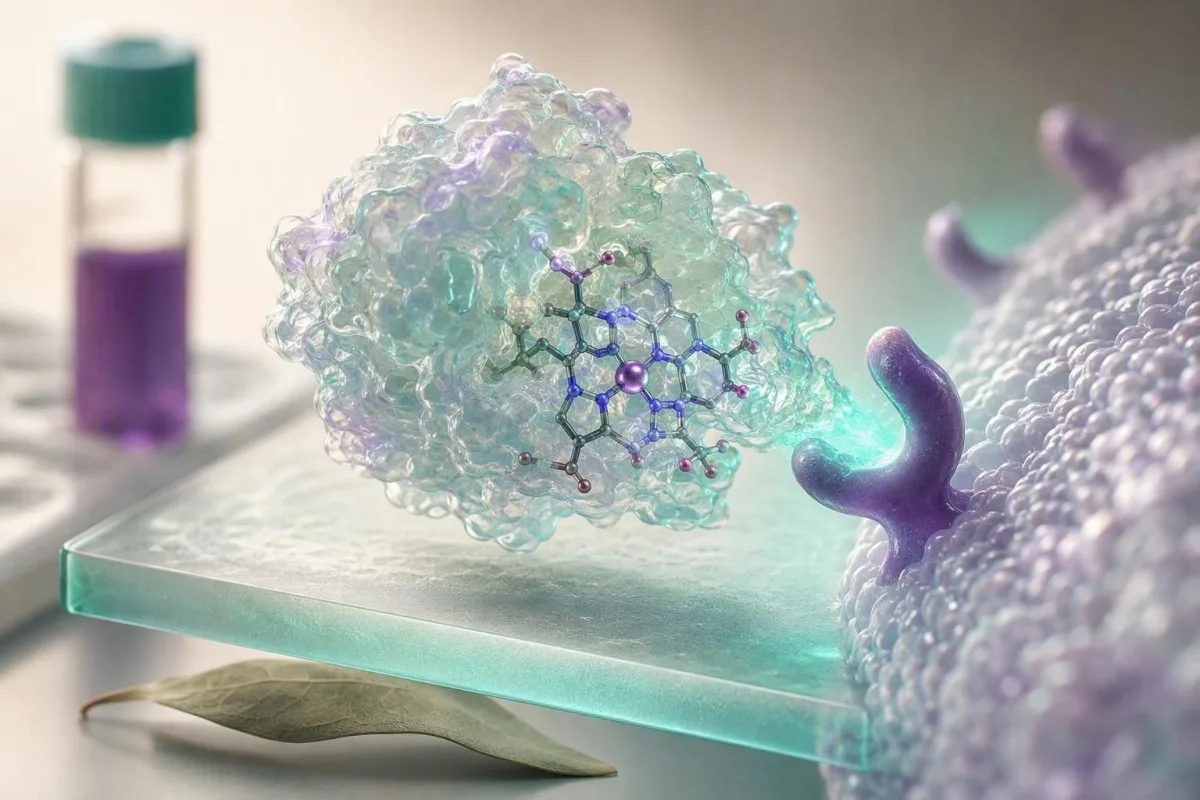
ホロトランスコーバラミンは、B12を細胞に運ぶ輸送タンパク質であるトランスコーバラミンに結合したビタミンB12を測定します。. それは生物学的に利用可能な循環画分ですが、それはまだ細胞内酵素機能の直接的な読み出しではなく、循環測定です。.
循環B12のほとんどはハプトコリンに結合しており、組織にはすぐに利用できません。ホロトランスコーバラミンは、総循環B12の約TP45Tから30TP54Tを占めています。その生物学が、アクティブB12検査が、特に境界線の総B12濃度周辺で、総B12が見逃す初期の欠乏症の一部を特定できる理由です。.
多くの検査室では、ホロトランスコーバラミンのおおよそ 35 pmol/L 未満を低値、 50 pmol/L 以上を十分値と分類し、その間にグレーゾーンがあります。ただし、これらのカットオフはアッセイに依存するため、報告された検査室が印刷した参照間隔は、インターネットのしきい値よりも優先されます。私たちの アクティブB12およびMMAの概要.
を参照してください。正常なホロトランスコーバラミン結果は、サプリメント、注射、または栄養強化エネルギードリンクが導入される前に採取された場合に最も強力です。高用量のB群製品(しばしば1回あたり500〜5,000マイクログラムのB12を含む)を使用している人では、その決定力は低下します。私たちの B群サプリメントガイド は、それらの隠された投与量について説明しています。.
経口B12が活性B12検査をどれだけ速く変化させるか
大量の経口B12は、内因子吸収が損なわれている場合でも、大量投与の一部が受動拡散によって吸収されるため、ホロトランスコーバラミンを急速に上昇させることができます。. したがって、数回 recent doses を摂取した後の正常な active B12 検査は、患者の未治療状態ではなく、サプリメントを反映している可能性があります。.
physiological doses では、intrinsic factor が terminal ileum での B12 uptake を支配します。 約 1,000 micrograms, では、約 1% が passive diffusion を通して入る可能性があります。その small percentage は臨床的に meaningful であり、high-dose tablets が多くの患者に効果がある理由ですが、diagnostic testing を曖昧にする可能性もあります。.
私は通常、numbness, balance change, anemia, pregnancy, または clinician-directed treatment plan が懸念される場合、washout period を自己判断で設けないように患者にアドバイスします。laboratory value を「きれい」にするためだけに治療を中断することは wrong trade-off になる可能性があります。clinician は代わりに dose history に対して結果を解釈できます。.
urgency のない diagnostic retest の場合、多くの clinicians は患者に少なくとも 48〜72時間後の再検査, oral B12 を避けるように依頼しますが、これは universally validated rule ではなく、pragmatic laboratory convention です。evidence は ideal interval について honestly mixed であり、consistency between tests は supposedly perfect day を追いかけることよりも important な場合が多いです。私の 血液検査タイミングガイド.
なぜB12注射が最大のタイミングの落とし穴を引き起こすのか
B12 injection は、holotranscobalamin と total B12 を数日間から数週間高く見せることがあるため、これらの markers は immediately afterward の baseline deficiency の diagnosis のための poor tools です。. 結果は B12 への exposure を確認するかもしれませんが、deficiency が発生した理由や tissue effects が resolved したかどうかを説明するものではありません。.
Hydroxocobalamin は一般的に 1,000マイクログラム 筋肉内注射, で投与され、loading regimens では 2〜3 週間にわたって数回投与されることもあります。その直後に採取された血液サンプルは、upper reference limit をはるかに超える結果を示すことがあり、その elevation はほとんどの状況で toxic ではなく expected です。.
British Society for Haematology のガイドラインでは、serum B12 は intramuscular B12 therapy を受けている患者の monitoring には useful ではないと advised されています (Devalia et al., 2014)。実際には、serial active B12 tests を注文するのではなく、症状、full blood count、anemia が存在する場合の reticulocyte response、および planned regimen への adherence を follow しています。.
Reticulocyte の上昇は約 3〜5日 effective treatment の後に始まることがありますが、hemoglobin は often over 4〜8週間 改善します。 B12 deficiency が anemia を引き起こしていた場合。 high-dose injection の結果であっても、持続的な pins-and-needles 症状には注意が必要です。私の B12高値のガイダンス は、expected supplementation effects を他のパターンと区別しています。.
MMA検査が有用な文脈を追加するのはいつか
Methylmalonic acid は、holotranscobalamin が borderline である場合、supplements によって recently altered された場合、または symptoms と blood-count findings と discordant である場合に最も useful です。. MMA は B12 依存性代謝が impaired されると上昇するため、clinical assessment の replacement ではなく functional companion test です。.
血漿 MMA 濃度が約 0.40マイクロモル/L 未満は normal と見なされることが多いですが、local assay ranges は異なります。より高い値は、腎機能が normal で major confounding illness がない場合に functional B12 deficiency を support します。私の詳細な MMA検査の説明 一般的な代替法について議論しています。.
B12治療が始まってもしばらくの間MMAは高値のままの可能性があるため、錠剤または注射の直後に検査しても疑問が解決しないことがあります。特に最初の評価前に治療を開始した患者では、単一の治療後値よりも数週間にわたる測定された低下の方が情報価値が高いと私は考えています。.
Kantesti AIは、いずれかのマーカーを決定的なものとして扱うのではなく、ホロトランスコバラミンをMMA、クレアチニン、eGFR、MCV、ヘモグロビン、および記録されたサプリメント暴露と併せて解釈します。Kantestiは、 AI血液検査の読み方プラットフォーム 1回のアップロードで悪性貧血を診断するためではなく、臨床医との議論のためにこのパターンを表面化させるために設計されています。.
腎機能がMMAを特異性を低下させるのはいつか
腎機能の低下はB12の状態とは無関係にMMAを上昇させることがあるため、eGFRが60 mL/min/1.73 m²未満の場合、MMAの上昇は特異性が低くなります。. これは、MMA検査が正常な活性B12の結果と矛盾するように見える最も一般的な理由の1つです。.
MMAは部分的に腎臓から排泄され、eGFRが低下すると濃度は一般的に上昇します。MMAが 0.55 micromol/L eGFR 38 mL/min/1.73 m²の高齢者では、eGFR 105の28歳での同じ結果とは異なる解釈が必要です。.
ホモシステインもB12欠乏症で上昇しますが、葉酸の状態、ビタミンB6、甲状腺機能低下症、腎機能、喫煙、およびいくつかの薬剤の影響を受けます。腎機能が保たれておりホロトランスコバラミンが低い人でMMAとホモシステインの両方が高い場合、機能的欠乏症の可能性はより説得力があります。.
クレアチニンとeGFRの軌跡をレビューせずに、腎臓関連のMMA上昇を治療失敗とラベル付けしないでください。私たちの CKDステージガイド そして 脱水後のGFRの記事 は、腎臓マーカーでさえ文脈が必要な理由を説明しています。.
どのCBCの変化が状況を明確にできるか
血球計算はB12欠乏症の独立した手がかりを提供できますが、正常なMCVはそれを除外しません。. 大赤血球症、貧血、高いRDW、低い白血球、または低い血小板は、存在する場合に診断を支持しますが、神経学的B12欠乏症は正常なCBCでも発生する可能性があります。.
MCVが 100 fL を超えて上昇している B12または葉酸欠乏症、アルコール暴露、肝疾患、甲状腺機能低下症、薬剤、または骨髄疾患の疑いを高めます。鉄欠乏症は大赤血球症を相殺し、誤って正常なMCVを生成する可能性があるため、私は1つの赤血球指数を拒否として使用することはありません。.
RDWの上昇は、新しく生成された細胞が古い細胞とサイズが異なるため、回復中の早期の手がかりになる可能性があります。治療が開始されると、CBCは改善する前に、より変動して見える可能性があります。私たちの 高MCVフォローアップガイド は鑑別診断の概要を説明しています。.
Carmelの臨床レビューは、貧血や大赤血球症がなくても神経学的徴候が現れる可能性があることを強調しています(Carmel, 2000)。新たな振動感覚の低下、歩行不安定、または認知機能の変化は、サプリメント後に活性B12が正常化した場合でも、タイムリーな医学的評価を促すべきです。.
なぜ投与後の正常な結果で悪性貧血を除外できないのか
B12治療後の正常なホロトランスコバラミン結果は、検査が供給されたB12を測定し、内因子自己免疫を測定しないため、悪性貧血を除外することはできません。. 終身補充と胃の監視の議論が必要かどうかを決定するため、根本的な診断が重要です。.
悪性貧血は、内因子産生と胃壁細胞に影響を与える自己免疫障害から生じ、生理的なビタミンB12吸収を低下させます。内因子抗体陽性は特異性が高いですが、陰性であっても病状を完全に除外することはできません。壁細胞抗体は特異性が低く、慎重に解釈する必要があります。.
私のクリニックでは、自己免疫性甲状腺疾患、白斑、慢性胃炎、過去の胃手術、定期的にビタミンB12注射を受けている親族といった、重要な病歴がしばしば見過ごされています。自己治療後の正常値でその議論を終わらせるべきではありません。当院の 悪性貧血検査ガイド.
Kantestiは、医師の監督のもとで開発されており、当社の医師とアドバイザーが、リスクに関する表現が患者に対してどのように組み立てられるかをレビューします。この取り組みの背後にいる臨床医については、当社の AI搭載の血液検査解析ツール, を参照してください。抗体検査結果、CBC指数、利用可能な場合はガストリン、および長期的なビタミンB12関連マーカーを整理できます。内視鏡検査、自己免疫評価、または parenterale 置換が依然として必要かどうかについての臨床医の判断に代わるものではありません。.
フォローアップ計画を変更する薬と病状
メトホルミン、プロトンポンプ阻害薬、胃手術、炎症性腸疾患、セリアック病、食事制限は、一時的に正常な活性ビタミンB12検査にもかかわらず、ビタミンB12欠乏症を引き起こしたり永続させたりする可能性があります。. 原因を特定せずに数値を修正すると、しばしば再発的な不確実性につながります。.
メトホルミン関連のB12低下は、用量が高いほど、また暴露期間が長いほど、特に〜を超える場合に起こりやすくなります 4歳以上; 貧血または神経障害のリスクのある患者には、定期的なビタミンB12評価が推奨されます。酸抑制は食事由来のビタミンB12放出を低下させる可能性がありますが、臨床効果は個人によって大きく異なります。.
毎日2,000mgのメトホルミンを服用している患者は、サプリメントを開始した後、健康に見える活性ビタミンB12の結果を示すかもしれませんが、元の吸収の問題は依然として関連性があります。それはアドバイスなしでメトホルミンを中止する理由ではありません。それは治療を記録し、当院の メトホルミンガイド後の血液検査.
で説明されているように、インテリジェントに監視する理由です。 セリアック病や回腸疾患は、経口補充を複雑にする可能性があります。なぜなら、反応は疾患活動性と用量に依存するからです。慢性的な下痢、体重減少、鉄欠乏、またはセリアック病の家族歴がある場合、臨床医は長期の自己治療の前に調査する必要があるかもしれません。当院の グルテンチャレンジタイミングガイド.
有用なホロトランスコバラミン検査のためにどのように準備するか
は、診断上の落とし穴の1つを説明しています。. 最も明確な活性ビタミンB12検査のために、ビタミンB12製品、用量、経路、および最後の投与日を正確に検査機関と処方者に伝えてください。.
経口摂取のタイミングを記録することは、活性ビタミンB12の解釈において絶食よりも価値があります。 35〜50 pmol/L.
担当医が未治療のベースラインを希望し、臨床的に安定している場合、経口サプリメントを中止すべきかどうかを具体的に尋ねてください 48〜72時間後の再検査 および注射後の検査がどれくらい待つべきかについて具体的に尋ねてください。一般的な絶食指示がビタミンB12に適用されると仮定しないでください。当院の 血液検査前のサプリメントに関するガイド は、より広範な検査前の影響について説明しています。.
サプリメントのラベルを写真に撮り、レポートと一緒に保存することで、驚くほど一般的な問題が回避されます。ビタミンB12は、ヘアケア製品、エナジードリンク、プレナタルビタミン、栄養強化飲料に隠されていることがよくあります。Kantesti のトレンドビューは、日付付きの入力に基づいて構築されています。なぜなら、治療日なしで2つの値を比較すると、改善または再発の誤った物語が作成される可能性があるからです。.
活性B12、MMA、およびCBCをいつ再検査するか
フォローアップのタイミングは、治療が開始された理由によって異なります。注射後は活性ビタミンB12は不要なことが多いですが、CBCと症状のレビューは4~8週間でより有用かもしれません。. MMA は、ベースラインが不確実であった場合に文脈を追加できますが、腎機能と治療タイミングを考慮して解釈する必要があります。.
血液学的欠乏に対しては、約 5日から10日目の網状赤血球の反応 および約 6〜8週間 でのCBC再評価で回復を文書化できます。期待される改善が見られない場合は、鉄、葉酸、持続的な失血、骨髄疾患、アドヒアランス、および元の診断が正しかったかどうかを再検討する必要があります。.
神経障害に対しては、高活性B12値を追いかけるよりも症状の経過が重要です。神経の回復には数ヶ月かかる場合があり、長期の欠乏の後では不完全になる可能性があるため、悪化するバランス、新たな脱力感、または膀胱症状は、繰り返しのサプリメントで管理するのではなく、速やかに評価する必要があります。.
Kantesti AIは以前の結果と比較し、通常の検査室の変動を超える可能性のある変化を強調しますが、フォローアップ計画は担当チームに委ねられます。採取間での意味のある変化を理解したい読者は、当社の 並列結果ガイド そして私たちの 医学的なバリデーションのアプローチ.
特別な状況:妊娠、高齢、菜食主義の食事
妊娠、晩年、および植物ベースの食事パターンは、B12欠乏の検査前確率を変える可能性がありますが、最近補充されたホロトランスコバラミン結果を診断的にするわけではありません。. 最も安全な解釈は、依然として暴露歴、症状、CBC、および適切な場合には機能マーカーを組み合わせています。.
妊娠は血漿量と検査室の解釈を変化させますが、胎児の需要は持続的なB12の十分性を臨床的に関連させます。妊婦用サプリメントを使用している人々は、すでに 1日あたり2.6マイクログラム またはそれ以上を摂取している可能性があるため、サプリメントのラベルはすべてのB12の議論の一部であるべきです。当社の 妊婦用サプリメント安全性ガイド は実践的な文脈を提供します。.
65歳以上の成人では、食物性コバラミン吸収不良、薬剤曝露、および自己免疫性胃炎の有病率が高くなります。転倒または認知症状のある高齢患者では、最近のマルチビタミンで正常な活性B12検査が出たとしても、B12を単純に無視しません。当社の 高齢者の血液検査ガイド は、より広範な脆弱性のパターンを説明しています。.
純粋なビーガン食は、強化されていない植物性食品は活性B12を確実に供給しないため、信頼できるB12源を必要とします。1日25〜100マイクログラムのサプリメントまたは間欠的な高用量計画を使用できますが、個別の処方アドバイスが重要です。当社の B12を多く含む食品ガイド.
最近の正常な結果よりも症状が重要なのはいつか
を参照してください。進行性のしびれ、歩行困難、新たな脱力感、錯乱、視力変化、または重度の貧血の症状は、最近のB12補充後にホロトランスコバラミンが正常であっても、医師の診察が必要です。. サプリメントによって変化した結果を、神経学的警告サインを説明するために使用してはいけません。.
急速に進行する歩行困難、重度の息切れ、胸痛、失神、または顕著な錯乱がある場合は、即日のアドバイスを求めてください。これらの症状には多くの原因があり、B12欠乏はそのうちの1つにすぎません。ビタミン検査を繰り返すために評価を遅らせることは、安全な計画ではありません。.
痛みだけではなく、振動覚または位置覚の喪失は、微妙ながらも意味のある手がかりです。CBCは正常であったため数ヶ月間症状がストレスに起因するとされていた患者に会いましたが、病歴と機能マーカーは治療とさらなる評価を正当化しました。.
Kantesti AIは、 AIラボ検査解釈サービス ユーザーがサプリメントの日付とペアになったCBC値を含む、簡潔な傾向の要約を医師のために準備するのに役立ちます。当社の 医療諮問委員会を は臨床的な安全性原則をレビューしますが、緊急の症状はオンラインでの解釈ではなく、地元の医療を必要とします。.
次の結果を解釈するための実践的な計画
誤解を招く可能性のあるホロトランスコバラミン値の結果が出た場合の次善策は、検査をベースライン、経口投与後、または注射後と分類し、それに応じてフォローアップマーカーを選択することです。. これにより、偽りの安心感と不要な再検査の両方が防止されます。.
検査がサプリメント摂取前に行われた場合、ホロトランスコバラミン値が低く、適合する症状または CBC の変化があれば、迅速な臨床評価を支持します。経口B12摂取後に行われた場合は、間隔を記録し、MMA、ホモシステイン、抗体、または一貫した条件下での再検査で残りの疑問に答えられるかどうかを検討してください。.
検査が注射後に行われた場合、治療成功の判定や悪性貧血の除外のために、上昇したアクティブB12値を使用しないでください。治療の適応、症状の経過、CBC の回復、および摂取または吸収不良の原因に焦点を当ててください。弊社の B12の正常範囲ガイドでは は、単位と閾値の違いを説明しています。.
Kantesti は、多言語の検査結果解釈により、127+ カ国で 200 万人以上のユーザーをサポートしてきましたが、B12 の結果は、タイムラインに結び付けられている場合に最も有用です。レポート、サプリメントのラベル、注射日、腎臓の結果、および症状を一緒に保管してください。弊社の AIテクノロジーガイド は、文脈的なトレンド分析が臨床ケアを支援するために設計されており、それに取って代わるものではないことを説明しています。.
よくある質問
B12 を摂取してからどのくらいでホロトランスコバラミンは上昇しますか?
経口ビタミンB12投与後、吸収されたコバラミンは速やかにトランスコバラミンに結合するため、ホロトランスコバラミンは数時間から数日で上昇する可能性があります。1,000マイクログラムを含む高用量の経口製剤は、吸収不良が持続している場合でも、活性型B12検査値に有意な影響を与える可能性があります。正確な持続時間は、投与量、製剤、腎機能、および事前の貯蔵量によって異なります。そのため、普遍的に検証された休薬期間はありません。安定しており緊急性のない診断再検査の場合、臨床医は経口ビタミンB12を48~72時間休薬することが多いですが、個別の指示を優先すべきです。.
アクティブB12値が正常でもB12欠乏症になることはありますか?
はい、正常な活性型ビタミンB12検査値は、最近のビタミンB12補給、早期治療、測定法のばらつき、またはさらなる精査が必要な臨床像と共存する可能性があります。ホロトランスコバラミンは、細胞内酵素の直接的な活性や吸収不良の原因ではなく、取り込み可能な循環ビタミンB12を測定します。eGFRが維持されている場合、MMA検査値が、しばしば0.40マイクロモル/L前後である地域の基準上限値を超えていることは、機能的欠乏を支持する可能性があります。最近の活性型ビタミンB12値が正常であっても、新しい神経症状は臨床評価が必要です。.
MMA検査の前にB12を止めるべきですか?
処方されたビタミンB12は、特に貧血、妊娠、神経障害、または悪性貧血が疑われる場合、検査を依頼した医師に相談せずに中止しないでください。ビタミンB12治療は時間とともにMMAを低下させる可能性があるため、治療後のMMA検査は、未治療のベースラインを代表しなくなる可能性があります。検査が緊急でない場合、医師は経口サプリメントの一時中断を指示することがあり、通常は48〜72時間ですが、これはすべての患者に適しているわけではありません。eGFRが60 mL/min/1.73 m²未満の場合、MMAが単独で上昇する可能性があるため、腎機能をチェックする必要があります。.
B12注射後、アクティブB12の検査はどのくらい後に行うべきですか?
1,000マイクログラムのB12注射直後の活性型B12検査は、循環濃度が数日から数週間持続する可能性があるため、通常、ベースラインの欠乏症の診断には有用ではありません。英国の血液学ガイドラインでは、筋肉内B12治療を受けている患者のモニタリングに血清B12を推奨していません。フォローアップは一般的に、症状の応答、貧血が存在する場合の約5日から10日後の網状赤血球の応答、および約6〜8週間後のCBCに依存します。MMA、抗体、またはその他の検査が有用であり続けるかどうかは、治療する臨床医が決定すべきです。.
ボーダーラインのホロトランスコバラミン値とは何ですか?
ホロトランスコバラミンの境界域の結果は、通常35~50 pmol/L前後ですが、検査室によって測定方法や基準範囲が異なります。境界域の活性型B12は、MMAが上昇している場合、eGFRが正常な場合、MCVが高い場合、またはしびれやふらつきなどの症状がある場合に、より注意が必要です。過去数日以内にB12を摂取した場合や最近注射を受けた場合は、解釈が難しくなります。一貫した条件下での再検査や、MMAとのペア検査で状況が明確になります。.
高葉酸はビタミンB12欠乏症を隠しますか?
葉酸の過剰摂取は、神経学的損傷が持続している間、B12欠乏による貧血を改善する可能性があります。そのため、ヘモグロビン値が正常であってもB12関連の神経障害を除外することはできません。この懸念は、通常の食事摂取量よりも、1日あたり約1 mg以上の補給用葉酸の用量で最も関連性があります。ホロトランスホルムコバラミン、MMA、ホモシステイン、CBC指数、および症状は、総合的に解釈されるべきです。葉酸値とヘモグロビン値が正常であっても、新たなしびれ、歩行の変化、または認知症状は、タイムリーな医学的評価を必要とします。.
今日、AIによる血液検査分析を
いますぐ利用しませんか。即時で正確な検査分析を提供するKantestiを信頼する、世界中の200万人以上のユーザーに参加してください。血液検査結果をアップロードすると、15,000+のバイオマーカーについて数秒で包括的な解釈が得られます。.
📚 参考文献
📖 外部の医学的参考文献
⚕️ 医療免責事項
この記事は教育目的のみを対象としており、医療助言を構成するものではありません。診断や治療の判断を行う際は、必ず有資格の医療提供者にご相談ください。.
E-E-A-T 信頼性シグナル
経験
医師主導による、検査結果解釈ワークフローの臨床レビュー。.
専門知識
臨床的な文脈においてバイオマーカーがどのように振る舞うかに焦点を当てた検査医学。.
権威
トーマス・クライン博士が執筆し、サラ・ミッチェル博士およびハンス・ヴェーバー教授によるレビュー。.
信頼性
アラームを減らすための明確なフォローアップ経路を備えた、エビデンスに基づく解釈。.