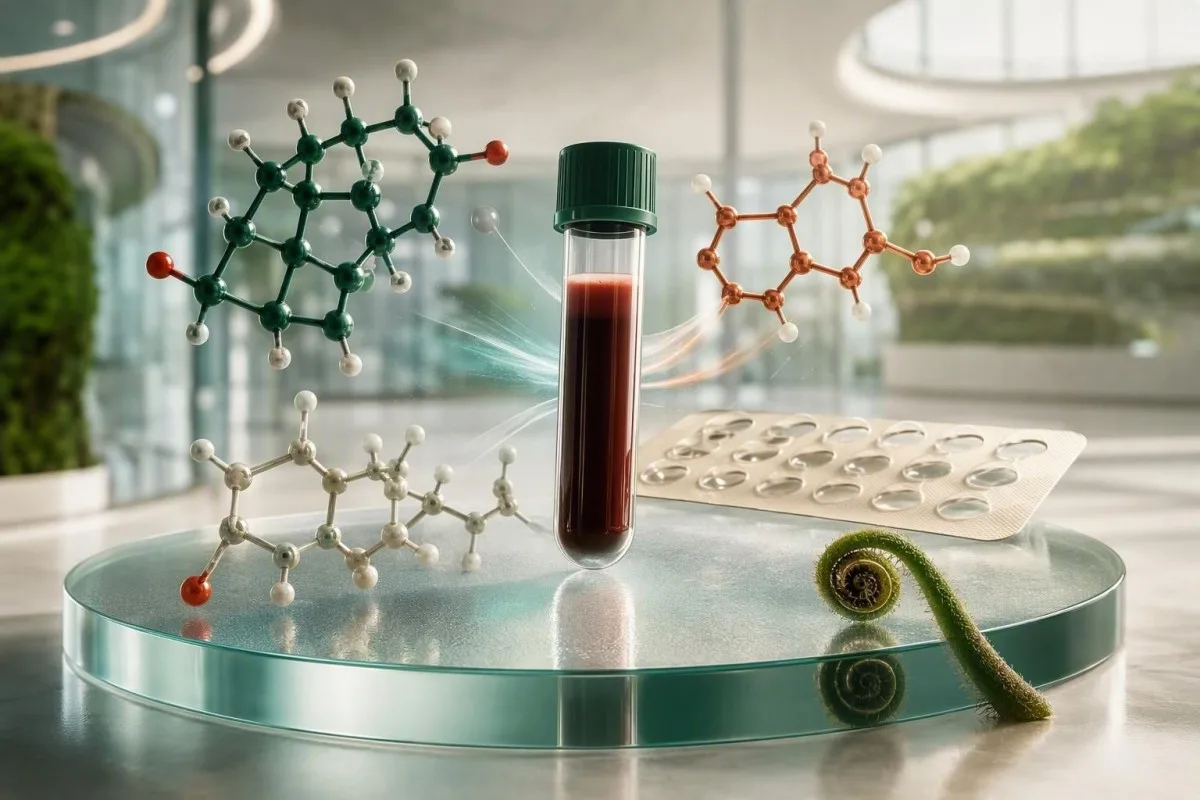
Hormónagetnaðarvarnir geta falið lífefnafræðilegt andrógenaugnauka á meðan efnaskiptaáhætta er enn sýnileg. Skynsamleg prófunaráætlun aðgreinir prófanir sem þurfa tíma frá prófunum sem ætti ekki að bíða með.


- Þriggja mánaða útskolun er venjulega lágmark áður en mæla má testósterón, SHBG, LH, FSH, östradíól eða prógesterón til greiningar á PCOS eftir samsetta pillu.
- Frítt testósterón er oft gervilega lágt á samsettum hormónagetnaðarvörnum vegna þess að etinýl-estradíól hækkar SHBG verulega.
- HbA1c og glúkósi er hægt að athuga strax; HbA1c 5.7-6.4% bendir til forsykursýki og 6.5% eða hærra krefst staðfestingar vegna sykursýki.
- 75-g OGTT er nákvæmasta glúkósaprófið í PCOS, einnig fyrir fólk með BMI undir 25 kg/m².
- DHEA-S og androstenedíon getur einnig verið bælt af hormónagetnaðarvörnum, þannig að eðlileg niðurstaða á pillunni útilokar ekki áreiðanlega andrógenaugnauka.
- 17-hýdroxýprógesterón ætti venjulega að mæla kl. 7-9 að morgni eftir útskolun, helst á snemma eggbússtigi, þegar skimun fer fram fyrir óklassískri meðfæddri nýrnahettubarkarofvirkni.
- Ekki hætta getnaðarvörnum án áætlunar ef þungunarmarkmið skipta máli; notaðu áreiðanlega, ekki-hormónalega aðferð á greiningartímabilinu.
- PCOS-greining er klínísk, ekki ein einasta rannsóknargildi: einkenni, tíðnisaga, útilokunarpróf og efnaskipta-/metabólískt mat skipta öll máli.
Hvenær ættir þú að bóka blóðpróf vegna PCOS eftir að þú hættir getnaðarvarnartöflum?
Pantaðu hormónapróf með áherslu á andrógen hjá að minnsta kosti 3 mánuðum eftir að hætt er samsettum hormónagetnaðarvörnum, nema læknir þurfi fyrri niðurstöður af annarri ástæðu. Próf fyrir glúkósa, HbA1c, fitusnið, starfsemi skjaldkirtils, nýrnastarfsemi og þungun er yfirleitt hægt að gera fyrr, með getnaðarvarnartegund skráða. Í klínískri vinnu minni er algengasta villan sem er mest forðastanleg að túlka lágt gildi frís testósteróns sem fæst á pillunni sem sönnun gegn PCOS. Frá og með 11. ágúst 2026 er hagnýta reglan enn: bíða í 3 mánuði eftir greiningarhormónum í æxlunarfærum, en ekki fresta mati á efnaskiptaáhættu.
The 3 mánaða bil kemur frá lífeðlisfræði frekar en reglum úr rannsóknarhandbók. Samsettar pillur bæla framleiðslu eggjastokka á andrógenum, kæla niður losun LH og FSH og auka kynhormónabindandi glóbúlín, eða SHBG; öll þessi þrjú áhrif geta látið undirliggjandi andrógenmynstur líta ótrúlega eðlilegt út. Áhrif estrógensprófs á getnaðarvarnir skipta sérstaklega máli þegar verið er að skoða eldri rannsóknarspjald.
Sjúklingur sem hætti pillu fyrir 10 dögum getur enn haft gagnlegar blóðrannsóknir. Ég myndi oftast athuga þungunarpróf, HbA1c, fastandi eða slembinn glúkósa, fitusnið, lifrarensím, kreatínín, TSH og stundum prólaktín þann dag; þessar niðurstöður geta breytt meðferð áður en greiningarhormón eru áreiðanleg. Kantesti er AI-blóðprófa greinir sem setur nýlega lyfjanotkun við hvern mælda niðurstöðuflokk, í stað þess að gera ráð fyrir að hvert talnagildi endurspegli ómeðhöndlaðan grunn.
Hagnýt ráð Dr. Thomas Klein eru að telja frá síðasta skammti virks hormóns, ekki frá blæðingu vegna hormónabreytingar. Blæðing vegna hormónabreytingar er lyfjatengd og sanna ekki að egglos sé hafið á ný. Haltu stuttu skrá yfir blæðingardaga, unglingabólur, hárlos í hársverði, óæskilega hárvöxt, breytingar á þyngd og nákvæma getnaðarvarnarsamsetningu meðan beðið er.
Einfaldur tímasetningarrammi
Prófaðu strax fyrir öryggi og efnaskiptaáhættu; prófaðu eftir 6–8 vikur aðeins ef læknir þarf millibilssýn; prófaðu æxlunarfærhormón eftir 12 vikur fyrir skýrustu lífefnafræðilegu PCOS-matið. Þessi tímasetning á best við um samsettar pillur, plástra og leggöngahringi.
Af hverju geta hormónagetnaðarvarnir raskað prófunum á PCOS-hormónum
Hormónagetnaðarvarnir geta lækkað mælt frítt testósterón og bælt framleiðslu eggjastokka á andrógenum sem fer eftir LH, sem felur lífefnafræðilega ofandrógenmyndun. Samsetta pillan eykur einnig SHBG, þannig að reiknað frítt testósterón breytist oft meira en heildar testósterón.
Etinýlestradíól örvar framleiðslu SHBG í lifur, sem bindur testósterón í blóðrás. Í kerfisbundinni yfirlitsgreiningu og meta-greiningu greindu Zimmerman o.fl. frá því að samsettar, til inntöku teknar getnaðarvarnir lækkuðu heildar testósterón um um 0,49 nmól/L og frítt testósterón um um 61%, á meðan SHBG hækkaði verulega (Zimmerman o.fl., 2014). Það er nóg til að fela væga hækkun sem tengist PCOS.
LH, FSH, estradíól og prógesterón eru ekki greiningarpróf á pillunni vegna þess að aðferðin bælar vísvitandi eða endurmótar merki undirstúku-heiladinguls-eggjastokka. Oft er rætt um hlutfallið LH:FSH, en það er hvorki nauðsynlegt né mælt með því til að greina PCOS, jafnvel þótt ekki sé notuð getnaðarvörn. Fyrir samhengi um túlkunaraðferðir, sjá leiðarvísinn okkar um útreikninga á fríu testósteróni.
DHEA-S er aðallega framleitt af nýrnahettum, en samsett getnaðarvörn getur samt lækkað það lítillega vegna víðtækari innkirtlaáhrifa. Eðlilegt DHEA-S á pillunni útilokar því ekki andrógenofgnótt; mjög hátt DHEA-S eftir útskolun (washout) á skilið aðra umræðu, því það getur bent út fyrir venjulegt PCOS.
Hvaða PCOS-hormónapróf ætti að bíða með eftir útskolun?
Heildar-testósterón, frítt testósterón, SHBG, androstenedíon, DHEA-S, LH, FSH, estradíól, prógesterón og oft 17-hýdroxýprógesterón er best að mæla eftir 3 mánaða hormónaskammtun (washout). Að mæla þau fyrr getur verið klínískt gagnlegt í völdum tilvikum, en ekki skal meðhöndla skýrsluna sem grunnlínu fyrir ómeðhöndlað PCOS.
Við grun um PCOS forgangsraða klínískir læknar venjulega heildar-testósteróni með LC-MS/MS, SHBG og reiknuðu fríu testósteróni eða fríandrógenvísitölu. Viðmiðunarsvið heildar-testósteróns breytist eftir aðferð, en mörg rannsóknarstofusvið kvenna með LC-MS/MS eru í kringum 0,3–1,7 nmól/L; það viðmiðunarsvið sem rannsóknarstofan sjálf setur gildir. Ónæmispróf (immunoassays) eru ónákvæmari við lágar styrkbreytingar testósteróns hjá konum.
Morgun 17-hýdroxýprógesterón hjálpar til við að skima fyrir óklassískri meðfæddri nýrnahettuhækkun (non-classic congenital adrenal hyperplasia), sem líkir eftir PCOS. Niðurstaða í upphafi eggbúsfasa (basal early-follicular) yfir um 200 ng/dL, eða 6 nmól/L, leiðir oft til ACTH örvunarprófunar, þó að viðmiðunarmörk séu mismunandi eftir prófi. Skýring okkar á DHEA-S vs. DHEA prófun getur hjálpað til við að skýra hvers vegna nýrnahettumerki er pantað samhliða testósteróni.
AMH er sérstakt tilvik. Samsett hormónagetnaðarvörn getur lækkað AMH og fjölda antral eggbúa tímabundið, þannig að óvænt lágt AMH fljótlega eftir að hætt er á pillu ætti ekki að nota til að spá fyrir um frjósemi eða útiloka fjölblöðruæxlun í eggjastokkum (polycyctic ovarian morphology). Ég hef séð sjúklinga verða óþarflega hrædda vegna nákvæmlega þess atburðar.
Hvaða efnaskipta- og öryggispróf er hægt að gera strax?
HbA1c, glúkósapróf, 75-g stakur (oral) glúkósaþolspróf, nýrnastarfsemi, lifrarensím og fitusnið má panta án þess að bíða í 3 mánuði. Hormónagetnaðarvarnir geta haft áhrif á fitur og insúlínnæmi hjá sumum, en að fresta skimun fyrir hjarta- og efnaskiptaáhættu skapar meiri áhættu en það kemur í veg fyrir.
Árið 2023 skilgreinir alþjóðleg leiðbeining byggð á bestu sönnunargögnum (International Evidence-based Guideline) að 75-g til inntöku glúkósaþolspróf sé nákvæmasta mat á blóðsykri í PCOS, óháð BMI; fastandi glúkósi og HbA1c eru óáreiðanlegri valkostir þegar ekki er hægt að framkvæma OGTT (Teede et al., 2023). Fastandi glúkósi 100–125 mg/dL, eða 5,6–6,9 mmól/L, bendir til skerts fastandi glúkósa; 126 mg/dL eða 7,0 mmól/L eða hærra þarf staðfestingu ef grunur er um sykursýki.
HbA1c 5,7-6,4% bendir til forsykursýki, en 6,5% eða hærra uppfyllir rannsóknarstofukröfu um sykursýki þegar það er staðfest í viðeigandi klínísku samhengi. HbA1c endurspeglar um það bil 8–12 vikna meðalgildi blóðsykurs, þannig að það getur ekki sagt þér hvort pillan hafi valdið efnaskipta-mynstri síðasta mánuð. Greinin okkar um háar fastandi insúlín vísbendingar útskýrir hvers vegna insúlín eitt og sér er minna staðlað mælikvarði.
Fitupróf er enn gagnlegt meðan á notkun eða nýlega hættri getnaðarvörn stendur, en skráðu lyfjaformið. Þríglýseríð yfir 150 mg/dL, eða 1,7 mmól/L, eru hækkuð; gildi sem eru jafnt og yfir 500 mg/dL, eða 5,6 mmól/L, auka áhyggjur af brisbólgu og krefjast tafarlausrar klínískrar endurskoðunar. Kantesti AI les glúkósa, HbA1c, þríglýseríð, HDL og lifrarmerki sem efnaskipta-mynstur frekar en að framsetja þau sem ótengd merki.
Hver er besti hringrásardagurinn fyrir PCOS-hormónapróf?
Fyrir fólk sem hefur hafið aftur sjálfkrafa blæðingu eru flest grunn-PCOS hormón mæld á milli hringdaga 2 og 5, þar sem dagur 3 er hagnýtur. Ef blæðingar vantar eða þær eru lengri en 90 dagar getur læknir tekið sýni fyrir rannsóknir hvaða dag sem er eftir að búið er að útiloka þungun.
Snemma prófun á eggbússtigi heldur estradíóli og prógesteróni tiltölulega lágum og gerir kleift að bera FSH, LH, testósterón og 17-hýdroxýprógesterón saman á samkvæmari hátt. Prógesterón undir 3 ng/mL, eða um 9,5 nmól/L, er væntanlegt fyrir egglos og getur ekki greint egglosleysi af sjálfu sér. Vandinn er tímasetningin, ekki endilega fjöldinn.
Til að skrá egglos ætti að taka prógesterónsýni um það bil 7 dögum fyrir næstu væntu blæðingar, ekki sjálfkrafa á hringdegi 21. Í 35 daga hringrás er það um dag 28; í 50 daga hringrás getur dagur 43 verið nær. Okkar leiðbeiningar um tímasetningu prógesteróns fjallar um þessa algengu orsök falskrar fullvissu.
Ef engin blæðing hefur verið í 3 mánuði, ekki bíða endalaust eftir „ideals“ degi. Athugaðu þungunarpróf og hafðu samband við lækni, sérstaklega ef engin hormónagetnaðarvörn er í notkun. Langir hlé án þess að slímhúð legsins losni gætu þurft meðferð jafnvel áður en greiningarvinna vegna PCOS er lokið.
Hvernig greina læknar PCOS eftir getnaðarvarnir?
Fullorðinsgreining á PCOS krefst tveggja af þremur einkennum eftir að aðrar orsakir hafa verið útilokaðar: truflun á egglosi, klínísk eða lífefnafræðileg ofandrógenismi og fjölblöðru-eiginleikar í eggjastokkum eða hækkað AMH þegar skilyrði leiðbeininga eru uppfyllt. Ekkert stakt blóðpróf fyrir PCOS staðfestir greininguna.
Saga sem tekin er áður en getnaðarvörn er hafin er oft meira virði en hormónapanel sem tekið er meðan á henni stendur. Blæðingar sem eru meira en 35 dagar á milli, færri en átta blæðingar á ári, viðvarandi unglingabólur, vöxtur stífra hárs á endahársvæðum, eða þynning hársvörðarhárs sem hófst áður en pillan var tekin eru marktækar vísbendingar. The óreglulegar blæðingar blóðprófsleið sýnir hvers vegna skjaldkirtils- og prólaktínpróf sitja oft við hlið andrógenprófa.
Árið 2023 segir í leiðbeiningum að ómskoðun eða AMH sé ekki nauðsynlegt þegar óreglulegar hringrásir og ofandrógenismi eru þegar til staðar hjá fullorðnum (Teede o.fl., 2023). Þessi áhersla sparar mörgum sjúklingum óþarfa rannsókn með ómskoðun og kemur í veg fyrir að PCOS sé ofgreint eingöngu út frá fjölda eggbúa. Hjá unglingum ætti ekki að nota ómskoðun og AMH til greiningar vegna þess að eðlileg þroskun á kynþroskaskeiði skarast mjög við einkenni PCOS.
Dr. Thomas Klein hefur líka séð hina mistökin: manneskja með reglulegar blæðingar við pillu-hlé er sagt að hringrásirnar séu eðlilegar. Þetta eru blæðingar sem eru stjórnaðar af lyfjum, ekki sönnun um reglulegt egglos. Spyrðu hvernig hringrásirnar hafi verið á 6–12 mánuðunum áður en getnaðarvörn var hafin og hvort einkennin hafi breyst eftir að hún hófst.
Er útskolunartímasetning mismunandi eftir getnaðarvarnaraðferð?
Samsettar pillur, plástrar og hringir nota almennt sama 3 mánaða hormónaprófunar-„washout“; inndælingar geta tekið lengri tíma vegna þess að egglos getur haldið áfram að vera bælt í marga mánuði. Hormónalyfja-IUD og ígræðslur þurfa meiri einstaklingsmiðaða túlkun vegna þess að kerfisbundin hormónaáhrif þeirra eru ólík.
Samsett getnaðarvarnarpilla, plástur eða hringur hefur tiltölulega stuttan úthreinsunartíma lyfsins, en SHBG og bati undirstúku-/heiladinguls–eggjastokka tekur lengri tíma; þess vegna er notað 3 mánaða bil. Aðeins prógestín-pilla getur haft minni áhrif á SHBG, en hún getur samt haft áhrif á blæðingar og egglos nægilega til að flækja tímasetningu. Það er engin áreiðanleg ein-lítil-aðferð-fyrir-allt flýtileið.
Depot medroxyprogesterone acetate er öðruvísi. Egglos getur haldist seinkað í 9-10 mánuði að meðaltali eftir síðustu inndælingu, þannig að það að bíða aðeins í 12 vikur getur ekki sýnt venjulega líffræði hringrásar viðkomandi. Ígræðsla eða hormónalykkja getur leyft meiri eggjastokka-virkni en inndæling, en læknar ættu að túlka andrógen- og hringrásargögn í samhengi.
Getnaðarvörn getur einnig breytt fitugildum. Ef upphafsskimun sýnir nýja hækkun á þríglýseríðum skaltu endurtaka mælinguna eftir breytingar á lyfjum og bera niðurstöðuna saman við kólesterólmynstur í getnaðarvörn frekar en að gera ráð fyrir að PCOS ein og sér sé orsökin.
Hvernig ættir þú að undirbúa þig fyrir nákvæm PCOS-hormónapróf?
Taktu sýni fyrir andrógen og 17-hýdroxýprógesterón á milli kl. 7 og 10 að morgni, forðastu skammtaða biótín í að minnsta kosti 48 klukkustundir ef rannsóknarstofan þín ráðleggur það, og segðu blóðtökuteyminu frá öllum hormónum og fæðubótarefnum sem notuð eru. Undirbúningur getur ekki afsnúið nýlegri áhrif getnaðarvarnar, en hann dregur úr óþarfa greiningartruflunum.
Testósterón hefur hóflegt sólarhringsmynstur, þannig að æskilegt er að taka sýni að morgni, sérstaklega ef niðurstaðan er nálægt efri mörkum rannsóknarstofunnar. Fastandi er ekki skylda fyrir testósterón, SHBG, TSH eða prólaktín, en það er skynsamlegt þegar glúkósa, þríglýseríð, insúlín eða OGTT er pantað á sama tíma. Lestu hagnýtar ráðleggingar okkar um fæðubótarefni fyrir fastandi blóðpróf.
Forðastu ákafa hreyfingu kvöldið áður ef mögulegt er þegar prólaktín er tekið, komdu aðeins fyrr, og üttu kyrr í 15-20 mínútur ef þú ert kvíðin. Væg hækkun á prólaktíni normaliserast oft við endurtekna mælingu; gildi yfir 100 ng/mL, eða um 2.120 mIU/L, er ólíklegra að skýrist af venjulegu álagi og krefst markvissrar mats.
Kantesti er þjónusta við túlkun niðurstaðna úr AI-laboratoríuprófum sem varðveitir dagsetningu prófs, fastandi stöðu, hringrásardag og samhengi lyfja við hlið niðurstöðu. Án þessara upplýsinga getur samanburður á júlí-testósteróni á pillu við október-testósterón án pillu skapað villandi þróun.
Hvernig ætti að túlka andrógenniðurstöður eftir útskolun?
Vægilega hækkað testósterón eftir 3 mánuði án getnaðarvarnar styður lífefnafræðilega ofandrógenhæfni þegar það er mælt með áreiðanlegu prófi, en það sanna ekki sjálfkrafa PCOS. Hversu mikil hækkunin er, hraði breytinga á einkennum og DHEA-S-mynstur ráða því hvort læknar víkka rannsóknina.
Fyrir marga rannsóknarstofur er heildar-testósterón yfir viðmiðunarmörkum fyrir konur—oft nálægt 1,7-2,0 nmól/L—óeðlilegt, en nákvæm mörk eru aðferðabundin. Hátt SHBG getur haldið heildar-testósteróni eðlilegu á meðan reiknað frítt testósterón er hækkað; offita, insúlínviðnám, skjaldvakabrestur og sum lyf geta lækkað SHBG og breytt sömu reikningum.
Hröð framvindu vöðvunar (virilisation), dýpkandi rödd, hratt aukin vöðvamassa eða testósterónniðurstaða yfir um 5 nmól/L ætti að leiða til bráðrar sérfræðimats vegna orsakar sem ekki er PCOS. Það er óalgengt, sem betur fer, en þess vegna ættu læknar ekki að vísa frá hverri óeðlilegri andrógenni sem venjulegu PCOS. Leiðarvísirinn okkar um hátt frítt testósterón hjá konum útskýrir SHBG-gildruna nánar.
Gildi DHEA-S sem eru yfir efri viðmiðunarmörkum rannsóknarstofu geta verið af nýrnahettum upprunnin; niðurstaða yfir um 700 µg/dL, eða 19 µmól/L, kallar oft á frekara mat, þó að aldursleiðréttar viðmiðanir skipti máli. Endurtekning með LC-MS/MS getur verið meira virði en langt spjald af illa staðfestum andrógenprófum.
Hvaða blóðpróf útiloka sjúkdóma sem líkjast PCOS?
TSH, prólaktín, 17-hýdroxýprógesterón og þungunarpróf eru algeng fyrstu útilokunarpróf þegar grunur er um PCOS. Læknar bæta við kortisólprófun, IGF-1 eða myndgreiningu aðeins þegar einkenni benda til Cushing-heilkennis, kirtilæxlis í heiladingli (akrómegalíu) eða ástands sem framleiðir andrógen.
Fyrirframkomin skjaldvakabrestur getur valdið óreglulegum eða miklum blæðingum, þyngdarbreytingum og hækkuðu prólaktíni. Dæmigert viðmiðabil TSH hjá fullorðnum er um 0,4-4,0 míkrógrömm ae/l, þó að rannsóknarstofur setji sín eigin mörk og frítt T4 skýrir óeðlilegar niðurstöður. Fyrir nánari skoðun á truflunum í skjaldkirtli, sjá túlkun á jaðri TSH.
Prólaktín yfir efri mörkum rannsóknarstofu, oft 20–25 ng/mL, ætti venjulega að endurtaka við rólegri aðstæður áður en gert er ráð fyrir orsök frá heiladingli. Viðvarandi hækkun á prólaktíni með höfuðverk, sjónbreytingum eða fjarverandi blæðingum þarf læknisfræðilegt mat; okkar leiðarvísir um einkenni prólaktíns lýsir næstu skrefum sem venjulega eru farin.
Cushing-heilkenni er ekki skimað bara vegna þess að sjúklingur sé með einkenni sem líkjast PCOS. Ég leita að mynstri—auðvelt mar, máttleysi í nálægum vöðvum, breiðum fjólubláum teygjumerkjum, nýrri alvarlegri háþrýstingi og hratt versnandi sykursýki—áður en ég panta sérhæfð kortisólpróf. Okkar Læknisfræðileg ráðgjafarnefnd fjalla um þessi öryggismörk í klínísku efni okkar.
Ætti ómskoðun eða AMH að bíða eftir að hætt sé getnaðarvörn?
Ómskoðun og AMH geta bæði tímabundið breyst vegna samsettrar hormónagetnaðarvarna, þannig að bið í um 3 mánuði bætir túlkun þegar hvoru tveggja er raunverulega þörf. Hvorki prófið er nauðsynlegt til að greina PCOS hjá fullorðnum sem þegar hefur óreglulega egglos og ofandrógenisma.
Langtímanotkun samsettra pillna getur minnkað eggjastokkamagn, sýnilegan fjölda eggbúa og AMH nægilega til að hylja fjölblöðruútlit eggjastokka. Í einni framsýnni rannsókn hækkaði AMH um um 53% og fjöldi eggbúa í eggjastokkum (antral follicle count) um 41% eftir að hætt var langtímanotkun samsettra getnaðarvarna, þar sem bati kom að mestu fram eftir 2 mánuði. Þessar breytingar tengjast lyfjum, ekki sönnun þess að eggjastokkaforði hafi skyndilega batnað.
Ekki ætti að nota AMH-niðurstöðu sem spá um frjósemi hjá einstaklingi sem er nýlega hættur á pillunni. Aldur, fyrri skurðaðgerð á eggjastokkum, legslímuflakk, reykingar og aðferð við mælingu breyta merkingu hennar. Yfirlit okkar um tímasetningarvandamál við lágt AMH er gagnlegt þegar niðurstaða skapar kvíða.
Sérstaklega fyrir PCOS verður ómskoðunarskýrsla að nota viðmið fullorðinna og viðeigandi myndgreiningartækni. Skoðun sem nefnir marga litla eggbúa jafngildir ekki greiningu; eggbúa-mynstur getur verið eðlilegt, sérstaklega hjá yngra fólki. Einkenni og útilokunarpróf bera samt klínískt vægi.
Hvað ættir þú að íhuga áður en þú hættir getnaðarvörn vegna prófana?
Hættu ekki hormónagetnaðarvörnum eingöngu vegna PCOS-blóðprófs án þess að ræða þungunarvarnir, stjórn á unglingabólum, miklar blæðingar, sögu um mígreni og ástæðuna fyrir því að þær voru ávísaðar. Greiningarávinningur „washout“ verður að vega á móti ástæðunni fyrir því að lyfið hjálpaði í fyrsta lagi.
Ef möguleiki er á þungun skaltu nota áreiðanlegan, hormónalausan valkost á útskolunartímabilinu eða gera áætlun sem læknir samþykkir. Þvagþungunarpróf er yfirleitt áreiðanlegt frá fyrsta degi seinkaðrar blæðingar, en sermi-hCG getur orðið jákvætt fyrr; sjá leiðarvísinn okkar til tímasetning meðgönguprófsins um hagnýtar takmarkanir.
Sumir upplifa að verkjaríðar blæðingar, alvarleg unglingabólur, höfuðverk eða miklar blæðingar komi aftur innan 4–12 vikna frá því að hætt er. Leitaðu bráðrar aðstoðar ef þú liggur í bleyti á stykki af stíflupúða eða tampóni á klukkustund í 2 samfellda klukkutíma, yfirlið, mikill, einhliða grindarverkir, verkur í brjósti, mæði eða jákvætt þungunarpróf með verkjum eða blæðingum.
Það er enginn verðlaunapeningur fyrir að þola þrjá óbærilega mánuði án meðferðar. Að mínu mati geta sjúklingar með augljósar óreglulegar lotur áður en getnaðarvarnarpillan var tekin og skýra klíníska ofandrógenmyndun (hyperandrogenism) þegar uppfyllt skilyrði fyrir PCOS, sem gerir heilbrigðisstarfsmönnum kleift að vernda legslímhúðina og meðhöndla einkenni á meðan prófanir utan pillutímabils eru fráteknar fyrir óleyst greiningarspurningar.
Hvenær ætti að endurtaka prófanir tengdar PCOS?
Endurtaktu æxlunarhormón þegar fyrsta sýnið eftir útskolun var tekið fyrir 12 vikur, þegar notuð var óáreiðanleg aðferð (assay) eða þegar niðurstöður stangast á við einkenni; endurtaktu efnaskipta-próf eftir áhættu og breytingum á meðferð. Ein eðlileg niðurstaða eyðir ekki sannfærandi sögu um óreglulega egglosmyndun eða einkenni sem tengjast andrógenum.
Ef testósterón er á jaðri (borderline) skaltu endurtaka það eftir að minnsta kosti einni fleiri sjálfsprottinni lotu við svipaðar aðstæður: morgunmæling, sama rannsóknarstofu ef hægt er, og engin ný andrógen-aukefni. Líffræðilegar sveiflur og óvissa í mælingum (assay imprecision) skipta mestu máli nálægt viðmiðunarmörkum. Okkar um mun á blóðprófum útskýrir hvers vegna lítil töluleg breyting getur ekki verið marktæk klínísk breyting.
Fyrir blóðsykurstjórnun (glycaemia) fer endurtekningartími eftir niðurstöðunni. HbA1c á forsykursviði er oft endurprófað í 3-12 mánaða fresti eftir áhættu og inngrip, en óeðlilegt OGTT gæti þurft fyrrt klínískt eftirfylgi. Þyngdartap jafnvel um 5–10% getur bætt egglos og efnaskiptamælingar hjá sumum með PCOS, þó einstaklingsbundin svörun sé mismunandi.
Kantesti AI getur skipulagt raðniðurstöður eftir lyfjaástandi og dagsetningu blóðtöku, sem er sérstaklega gagnlegt þegar prófaröð inniheldur á pillutímabili, útskolun og meðferðarstig. Nytsamleg þróunarnóta skráir svefn, veikindi, föstutíma, lotudag og allar breytingar á metformínskammti frekar en að treysta á minnið.
Ábendingalisti sem læknir getur notað fyrir PCOS-prófanir eftir getnaðarvarnir
Hágæða PCOS-mat skráir getnaðarvarnaraðferðina og lokaskammtinn, einkenni fyrir getnaðarvarnir, lotumynstur, aðferð við mælingu á andrógenum og áhættumerki í efnaskiptum. Þessi gátlisti kemur í veg fyrir að ófullkominn hormónapakki verði að oföruggri greiningu.
Komdu með nákvæm heiti vörunnar eða ljósmynd af umbúðunum, dagsetningu lokaskammts af virkum skammti, fyrri bil milli lota, þunganir, fjölskyldusögu um sykursýki og núverandi lyf. Spyrðu hvort heildar-testósterón verði mælt með LC-MS/MS og hvort frítt testósterón sé reiknað með SHBG og albúmíni. Þessar upplýsingar auka gildi rannsóknarstofuheimsóknarinnar meira en að bæta við óljósum hormónaprófum.
Kantesti er AI lífmerkjatúlkunarvettvangur sem getur varpað ljósi á ósamræmd mynstur—t.d. háar þríglýseríðgildi með eðlilegu HbA1c eða lágt frítt testósterón með óvenju háu SHBG—á meðan heilbrigðisstarfsmaðurinn ber ábyrgð á greiningunni. Aðferð okkar og verklag er lýst í yfirlit yfir klíníska staðfestingu, þar á meðal hvers vegna túlkun AI kemur aldrei í stað skoðunar eða bráðrar aðstoðar.
Dr. Thomas Klein mælir með að vista upprunalega PDF-skjalið frá rannsóknarstofunni frekar en aðeins skjámyndir, því viðmiðunarbili og heiti mælingaaðferða (assay) skipta máli. Fyrir lesendur sem vilja skilja hvernig greining okkar meðhöndlar einingar, samhengi þróunar og breytileika milli rannsóknarstofa, þá leiðarvísir fyrir gervigreindartækni veitir tæknilegan bakgrunn.
Algengar spurningar
Hversu lengi eftir að ég hætti getnaðarvarnarlyfjum ætti ég að bíða áður en ég læt taka blóðprufur vegna PCOS?
Bíddu að minnsta kosti í 3 mánuði eftir að hætt er með samsettri pillu, plástri eða hring áður en notað er testósterón, SHBG, LH, FSH, östradíól, prógesterón, DHEA-S eða androstenedíon til að meta PCOS. Samsett hormónagetnaðarvörn getur lækkað frítt testósterón um 61% og aukið SHBG, sem getur falið lífefnafræðilega ofandrógenisma. HbA1c, glúkósa, fitulítil, TSH og nýrna- eða lifrarpróf er venjulega hægt að framkvæma strax. Inndælingar með depot medroxýprógesteróni geta seinkað egglosi um 9-10 mánuði að meðaltali, þannig að tímalínan er oft lengri.
Get ég fengið hormónapróf vegna PCOS á meðan ég tek getnaðarvarnartöflur?
Hægt er að taka hormónapróf vegna PCOS meðan notað er getnaðarvarnarlyf, en testósterón, frítt testósterón, SHBG, LH, FSH, östradíól og prógesterón eru ekki áreiðanlegar mælingar á ómeðhöndlaðri líffræði PCOS. Eðlileg niðurstaða fyrir frítt testósterón á samsettu pillu útilokar ekki PCOS, því lyfið hækkar SHBG og bælar framleiðslu eggjastokkandrógena. Læknar geta samt sem áður pantað TSH, prólaktín, HbA1c, glúkósa, fitupróf og þungunarpróf meðan getnaðarvörn er áfram notuð. Ef nauðsynlegt er að meta lífefnafræðileg andrógen, er almennt æskilegt að bíða í 3 mánuði frá fráhvarfi.
Hvaða blóðprufur eru notaðar til að greina PCOS eftir getnaðarvarnarlyf?
Eftir viðeigandi útskolun mæla klínískir sérfræðingar almennt heildar-testósterón, SHBG, reiknað frítt testósterón og stundum DHEA-S og androstenedíon. Þeir nota einnig TSH, prólaktín og morgun-17-hýdroxýprógesterón til að útiloka algengar eftirlíkingar af PCOS; grunn-17-hýdroxýprógesterón yfir um 200 ng/dL eða 6 nmól/L leiðir oft til ACTH-stimprófunar. Greining PCOS hjá fullorðnum krefst tveggja af þremur einkennum: truflun á egglosi, ofandrógenisma og fjölblöðrulíkrar eggjastokkagerðar eða skilyrðandi AMH-skilyrða. Ein einasta hormónaniðurstaða getur ekki staðfest PCOS.
Þarf ég að fasta fyrir blóðpróf vegna PCOS?
Venjulega er ekki þörf á föstu fyrir mælingu á testósteróni, SHBG, LH, FSH, östradíóli, prógesteróni, TSH eða prólaktíni. Morgunfasta í 8–12 klukkustundir er gagnleg þegar sama heimsókn felur í sér föstu blóðsykur, þríglýseríð, insúlín eða 75 g til inntöku glúkósaþolspróf. Vatn er almennt ásættanlegt, en áfengi kvöldið áður, erfið líkamsrækt, bráð veikindi og stóra skammta af bíótíni geta haft áhrif á valin niðurstöðugildi. Spyrðu rannsóknarstofuna sem pantar rannsóknina um undirbúningsleiðbeiningar þar sem kröfur eru mismunandi eftir mæliaðferð.
Getur getnaðarvarnir falið PCOS í blóðprufum?
Já, samsett hormónagetnaðarvörn getur falið lífefnafræðilegar niðurstöður um PCOS með því að bæla framleiðslu eggjastokkahormónaandrógena og auka kynhormónabindandi glóbúlín. Í 2014 kerfisbundinni samantekt kom fram að samsettar getnaðarvarnartöflur lækkuðu frítt testósterón um það bil 61% hjá heilbrigðum notendum. Getnaðarvörn getur einnig bælt LH og FSH, þannig að LH:FSH hlutfall verður óviðeigandi til túlkunar; hvort hlutfallið er ekki heldur ráðlögð greiningarskilyrði. Klínísk einkenni sem eru til staðar áður en getnaðarvörn er hafin, svo sem hringrásir lengri en 35 dagar eða viðvarandi vöxtur endahárs, halda greiningargildi.
Ætti ég að bíða með að mæla HbA1c og insúlín eftir að ég hætti getnaðarvarnarlyfjum?
Nei, HbA1c- og glúkósaprófanir ættu yfirleitt ekki að bíða eftir getnaðarvarnaskolun, því að efnaskiptaáhætta sem tengist PCOS krefst tímanlegrar mats. HbA1c-gildi á bilinu 5,7–6,4% bendir til forsykursýki og 6,5% eða hærra krefst staðfestingar á sykursýki í flestum aðstæðum sem ekki eru bráð. Alþjóðleg leiðbeining frá 2023 um PCOS telur 75 g til inntöku glúkósaþolspróf vera nákvæmasta blóðsykurprófið í PCOS óháð BMI. Fastandi insúlín getur veitt samhengi en hefur ekki almennt viðurkenndan greiningarmörk fyrir insúlínviðnám.
Fáðu AI-knúna greiningu á blóðprufum í dag
Vertu með yfir 2 milljónir notenda um allan heim sem treysta Kantesti fyrir tafarlausa og nákvæma greiningu á blóðprufum. Hladdu upp niðurstöðum blóðrannsókna þinna og fáðu yfirgripsmikla túlkun á 15,000+ lífmerkjum á sekúndum.
📚 Tilvísuð rannsóknarútgáfa
Klein, T., Mitchell, S., & Weber, H. (2026). Kantesti LTD. (2026). Leiðbeiningar um sermisprótein: glóbúlín, albúmín og A/G hlutfall blóðprufu. Zenodo. https://doi.org/10.5281/zenodo.18316300. ResearchGate: https://www.researchgate.net/search.Search.html?query=SerumProteinsGuideGlobulinsAlbuminAGRatio. Academia.edu: https://www.academia.edu/search?q=SerumProteinsGuideGlobulinsAlbuminAGRatio. Kantesti AI Medical Research.
Klein, T., Mitchell, S., & Weber, H. (2026). Kantesti LTD. (2026). C3 C4 Komplements blóðprufa og leiðbeiningar um ANA Titer. Zenodo. https://doi.org/10.5281/zenodo.18353989. ResearchGate: https://www.researchgate.net/search.Search.html?query=C3C4ComplementBloodTestANATiterGuide. Academia.edu: https://www.academia.edu/search?q=C3C4ComplementBloodTestANATiterGuide. Kantesti AI Medical Research.
📖 Ytri læknisfræðilegar heimildir
⚕️ Fyrirvari vegna læknisfræðilegra mála
Þessi grein er eingöngu til fræðslu og felur ekki í sér læknisráðgjöf. Leitaðu alltaf til hæfs heilbrigðisstarfsmanns vegna ákvarðana um greiningu og meðferð.
E-E-A-T traustmerki
Reynsla
Læknastýrð klínísk yfirferð á vinnuferlum við túlkun rannsóknarniðurstaðna.
Sérþekking
Áhersla á rannsóknarstofulækningar: hvernig lífmarkarar hegða sér í klínísku samhengi.
Yfirvald
Skrifað af Dr. Thomas Klein með yfirferð Dr. Sarah Mitchell og próf. Dr. Hans Weber.
Traustleiki
Rökstudd túlkun byggð á gögnum með skýrum eftirfylgnileiðum til að draga úr ávörun.