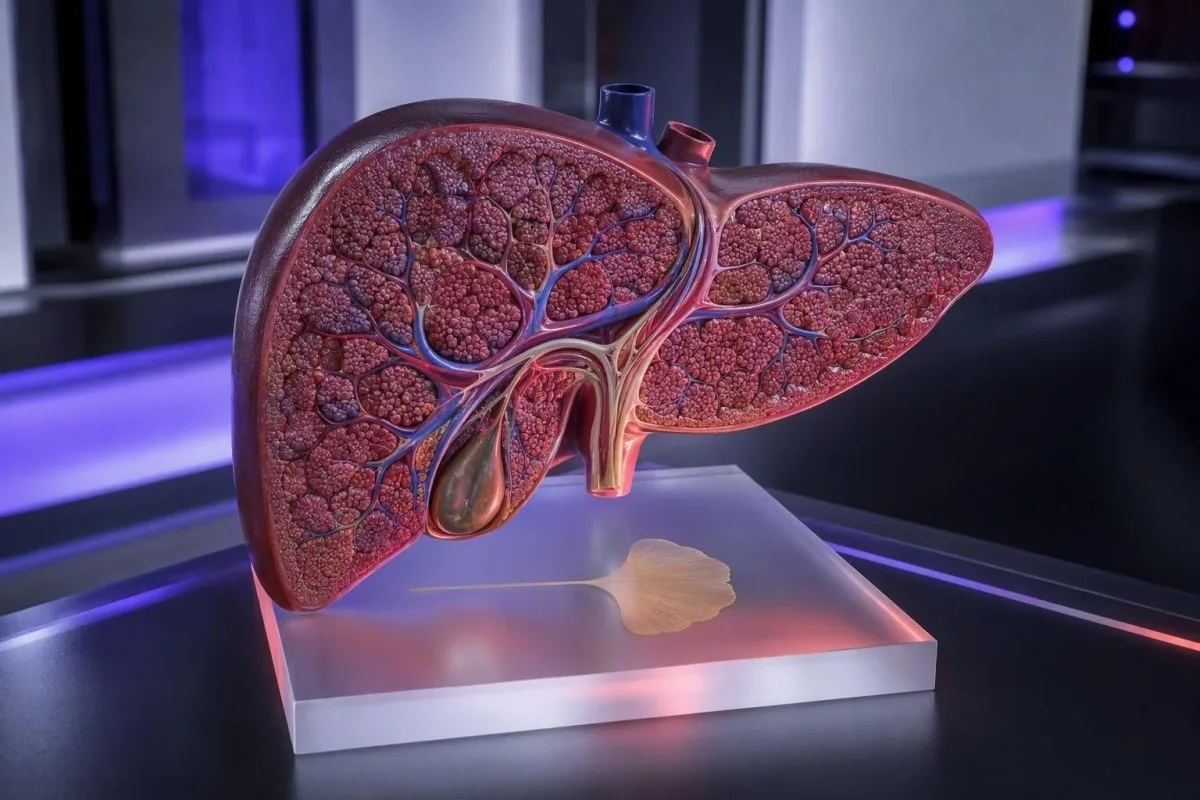
Tha ALT na enzymes ae mar as trice air aithris, ach is e comharra de dhragh claidheach seach breithneachadh. Tha an ciallagadh a’ tighinn bho a mheud, a phàtran, a thràth, agus a’ chòrr de do phannal ae.


- Ciallachadh ALT: Tha ALT a’ seasamh airson alanine aminotransferase, enzyme a thèid a thomhas ann an IU/L a tha dùmhail ann an ceallan ae.
- Raon àbhaisteach: Bidh mòran obair-lann inbheach a’ cleachdadh crìoch àrd ALT de 35 IU/L airson boireannaich agus 45 IU/L airson fir, ged a tha raon naithis an aithisg fhèin na chinneadh.
- Àrdachadh tlàth: Tha ALT fo 2 uair na crìoch àrd obair-lann cumanta agus gu tric airidh air ath-aithris planaichte, gun eagal.
- tha pàtran cudromach: Tha ALT le AST, ALP, GGT, bilirubin, no INR àrd a’ ciallachadh rudeigin eadar-dhealaichte na àrdachadh ALT iomallach.
- Buaidh eacarsaich: Faodaidh trèanadh neart trom àrdachadh ALT agus AST airson 7 latha no nas fhaide, gu sònraichte nuair a tha creatine kinase cuideachd àrd.
- Ath-sgrùdadh cungaidh-leigheis: Faodaidh acetaminophen, statins, antibiotics, cungaidhean-leigheis an-aghaidh glacaidhean, supplements, agus toraidhean luibheil buaidh a thoirt air ALT.
- Comharraidhean èiginneach: Tha jaundice, troimh-chèile, pian cruaidh anns an abdomen àrd air an làimh dheis, cur a-mach gu cunbhalach, no fual gu math dorcha a’ feumachdainn measadh clionaigeach air an aon latha.
- Luach treasa: Mar as trice, tha ALT a tha a’ tuiteam às deidh dùnadh brosnachaidh nas misneachaile na aon toradh a tha aig crìoch.
Dè tha ALT a’ ciallachadh air deuchainn fala
Tha ALT a’ seasamh airson alanine aminotransferase, enzyme a chuidicheas ceallan le bhith a’ gluasad buidhnean amino rè metabolism lùth. Thathas ga thomhas leis gu bheil ALT a’ dol a-steach don chuairteachadh nuair a tha ceallan ae fo chuideam no air am milleadh; chan eil e a’ dearbhadh milleadh maireannach air an ae leis fhèin.
Tha ALT ri lorg sa mhòr-chuid taobh a-staigh hepatocytes, ceallan obrach an ae, ged a tha suimean beaga a’ nochdadh ann am fèith bhuidheann agus maothran eile. Tha toradh àrdaichte a’ ciallachadh gun do ràinig barrachd enzyme an sampall na bha dùil; chan urrainn dha ae geir, galar ae, milleadh dhrogaichean, no eacarsaich a chomharrachadh às aonais fianais a bharrachd.
Nam chleachdadh clionaigeach, chan e “dè cho àrd ”s a tha e?“ a” chiad cheist as fheumaiche, ach “àrd an coimeas ri dè an suidheachadh bunaiteach agus dè na comharran eile?” Tha ALT de 58 IU/L às deidh clàr-ama ùr san gym na dhuilgheadas eadar-dhealaichte bho ALT 58 IU/L le bilirubin 65 µmol/L agus sùilean buidhe.
Tha Kantesti na Anailisiche deuchainn fala AI a leughas ALT còmhla ri ALT, AST, ALP, GGT, bilirubin, albumin, cunntas platelet, cungaidhean-leigheis, agus toraidhean roimhe na bhith a’ làimhseachadh aon toradh air a chomharrachadh mar dhearbhadh. Airson mapa nas fharsainge de thomhasan co-cheangailte, faic ar biomarker guide.
Carson a dh’ fhaodadh an t-ainm nas sine SGPT nochdadh
Tha cuid de dh“ aithisgean fhathast a” gairm ALT “serum glutamic-pyruvic transaminase” no SGPT. Tha ALT agus SGPT a’ toirt iomradh air an aon deuchainn enzyme, ged a bhios aithris obair-lann ùr-nodha a’ cleachdadh ALT mar as trice.
Carson a tha luchd-clionaigeach a’ tomhas alanine aminotransferase
Bidh luchd-clionaigeach ag òrdachadh deuchainn alanine aminotransferase gus cuideam hepatocellular a lorg, sgrùdadh a dhèanamh air tinneas ae aithnichte, agus sgrùdadh a dhèanamh air milleadh co-cheangailte ri cungaidhean-leigheis. Gu tric tha ALT air a ghabhail a-steach ann am pannal ae no pannal meatabolach coileanta, eadhon nuair nach eil comharraidhean aig neach.
Mar as trice bidh ALT air a sgrùdadh aig àm ath-sgrùdaidhean tinneas an t-siùcair no lipid leis gum faod milleadh steatotic ae co-cheangailte ri dysfunction meatabolach, roimhe seo air ainmeachadh mar thinneas ae geir, a bhith sàmhach airson bhliadhnaichean. Tha stiùireadh AASLD 2023 a’ comhairleachadh measadh a dhèanamh air daoine le factaran cunnairt meatabolach agus àrdachadh neo-mhìnichte de enzyme ae airson cunnart milleadh steatotic ae agus fibrosis (Rinella et al., 2023).
Chan eil ALT àbhaisteach a’ dùnadh a-mach fibrosis cudromach, agus chan eil ALT àrd a’ tomhas ìre fibrosis. Chunnaic mi euslaintich le ALT 24 IU/L agus mòran sgarradh air measadh speisealaiche, gu sònraichte le tinneas an t-siùcair seòrsa 2; tha sgòran fibrosis agus ìomhaigh a’ freagairt ceist eadar-dhealaichte.
Tha sgrùdadh ALT cuideachd practaigeach às deidh atharrachadh cungaidh-leigheis, ach bu chòir a chlàradh gu smaoineachail. Tha an stiùireadh againn airson obair fala bliadhnail a’ mìneachadh carson a bu chòir tricead deuchainn a leantainn cunnart, comharraidhean, agus làimhseachadh seach dìreach gnàth.
Raointean àbhaisteach ALT agus carson a tha crìochan obair-lann ag atharrachadh
Tha raointean iomraidh ALT inbheach mar as trice bho timcheall air 7 gu 35 IU/L airson boireannaich agus 10 gu 45 IU/L airson fir, ach tha raointean ag atharrachadh a rèir dòigh-obrach, sluagh, agus obair-lann. Cleachd an-còmhnaidh an ìre àrd air a chlò-bhualadh ri taobh do thoraidh fhèin seach crìoch eadar-lìn.
Tha an ìre àrd a’ buntainn ri staitistig, mar as trice air a thoirt bho shluagh iomraidh, chan e gealltanas gu bheil a h-uile toradh fon ìre sin a’ nochdadh ae gu tur fallain. Bidh cuid de dh’ obraichean-lann Eòrpach a’ cleachdadh ìrean àrda a tha sònraichte do gnè faisg air 25 IU/L airson boireannaich agus 35 IU/L airson fir, a dh’ fhaodas cunnart meatabolach a chomharrachadh nas tràithe ach cuideachd a chruthachadh barrachd bhrataichean aig crìoch.
Thathas gu tric a’ gairm toradh fo dhà uair an ìre àrd de rud àbhaisteach mar àrdachadh beag. Airson obair-lann le ìre àrd de 40 IU/L, tha ALT 55 gu 80 IU/L airidh air co-theacsa agus mar as trice plana ath-aithris, fhad ‘s a tha ALT 400 IU/L 10 uair an ìre àrd agus ag atharrachadh an èiginn.
Tha an Dotair Thomas Klein a'comhairleachadh euslaintich gus ainm an obair-lann, aonadan, raon, ceann-latha tarraing, caitheamh deoch-làidir, agus eacarsaich san t-seachdain roimhe a shàbhaladh. Tha seo a'dèanamh eadar-dhealachaidhean toraidh eadar tadhalan fada nas fhasa a mhìneachadh.
Mar a tha ALT agus AST ag obair còmhla
Bu chòir ALT agus AST a mhìneachadh còmhla oir tha ALT gu math fòcasach air an grùthan fhad 's a tha AST cuideachd pailt ann am fèithean cnàimhneach agus cridhe. Faodaidh co-mheas AST ri ALT pàtranan a chomharrachadh, ach chan urrainn dha tinneas co-cheangailte ri deoch-làidir no cirrhosis a dhearbhadh leis fhèin.
Nuair a tha ALT nas àirde na AST, bidh luchd-clionaigeach gu tric a' beachdachadh air steatosis metabolach, hepatitis viral, no buaidhean cungaidh-leigheis, ged a tha mòran eisgeulan ann. Faodaidh co-mheas AST:ALT os cionn 2 tachairt ann an leòintean grùthan co-cheangailte ri deoch-làidir, ach faodaidh fibrosis adhartach, leòn fèithe, agus ùine às dèidh ionnsaigh obann cuideachd an co-mheas atharrachadh.
Feumaidh rànaiche maraton 52-bliadhna le AST 89 IU/L, ALT 61 IU/L, agus creatine kinase 1,450 IU/L às dèidh rèis còmhradh eadar-dhealaichte bho neach le na h-aon enzymes agus creatine kinase 90 IU/L. Is e an adhbhar a tha dragh againn mu AST a bharrachd air CK àrd a bhith a' leigeil às fèithean; tha ALT leis fhèin nas lugha de shònrachadh fèithe ach faodaidh e cuideachd èirigh.
Air taobh fèithe an eadar-dhealachaidh seo, leugh ar mìneachadh de prìomh chomharran AST. Ma tha gnìomhachd chorporra na bhrosnachadh a ghabhas mìneachadh, seachain trèanadh gu sònraichte dian airson 7 latha mus ath-aithris thu mura h-òrdaich an dotair agad a chaochladh.
Carson a tha ALP, GGT agus bilirubin ag atharrachadh ciallachadh ALT
Tha ALT a' nochdadh pàtran hepatocellular, fhad 's a tha alkaline phosphatase, GGT, agus bilirubin a' cuideachadh le bhith a' comharrachadh cholestasis no sruthadh bile neo-leasaichte. Bu chòir ALT a bharrachd air ALP agus GGT àrd brosnachadh beachdachadh air tinneas nan ductan bile, buaidhean cungaidh-leigheis, no sèid hepatic seach a bhith a' gabhail ris gu bheil grùthan geir sìmplidh ann.
Faodaidh dotair co-mheas R a thomhas: ALT air a roinn leis an ìre àrd aige, an uairsin air a roinn le ALP air a roinn leis an ìre àrd aige. Tha co-mheas R de 5 no nas àirde a' toirt taic do leòn hepatocellular, 2 no nas lugha a' toirt taic do leòn cholestatic, agus 2 gu 5 a' nochdadh pàtran measgaichte; is e inneal triage a tha seo, chan e dearbhadh deimhinnte.
Tha GGT feumail nuair a tha ALP air a thogail oir tha togail GGT a' toirt taic do thùs hepatobiliary, fhad 's a dh' fhaodas ALP cuideachd èirigh bho ath-nuadhachadh cnàmhan. Faodaidh togail ALP iomallach le GGT àbhaisteach mar sin stiùireadh a dh'ionnsaigh ceistean mu chnàmhan agus bhiotamain D seach ìomhaigh grùthan.
Chan e comharran a th“ ann an fual dorcha, stòl bàn, tachas, fiabhras, no buidheachas le bilirubin àrdaichte a th” ann airson "feitheamh ris an ath dheuchainn bhliadhnail". Tha ar stiùireadh pàtran cholestasis a' mìneachadh nan cothlamaid a bu chòir a mheasadh gu sgiobalta.
Adhbharan cumanta airson àrdachadh ALT
Tha ALT àrdaichte a' nochdadh gu tric tinneas grùthan steatotic metabolach, nochdadh deoch-làidir, hepatitis viral, buaidhean cungaidh-leigheis, no àrdachadh sealach co-cheangailte ri eacarsaich. Tha an coltas gum bi gach adhbhar ag atharrachadh le cuideam bodhaig, glùcós, triglycerides, pàtran deoch-làidir, siubhal, cungaidhean-leigheis, agus meud an tograidh.
Tha tinneas grùthan geir meataibileach gu sònraichte dualtach nuair a bhios àrdachadh ALT an cois togail cuideam meadhain, triglycerides os cionn 150 mg/dL, cholesterol HDL ìosal, siùcar fala fuarain àrd, no tinneas an t-siùcair seòrsa 2. Faodaidh e tachairt ann an daoine le cuirp nas lugha cuideachd, gu sònraichte le geir visceral, gintinneachd, apnea cadail, no cungaidhean sònraichte.
Tha deuchainn air galairean viral a’ crochadh air nochdadh agus cunnart, chan ann a-mhàin air ALT. Tha antigen uachdar Hepatitis B agus antibody hepatitis C le deuchainn RNA dearbhte mar phàirtean àbhaisteach de mheasadh stèidhichte nuair a tha an eachdraidh, an talamh-eòlas, no an dùil-dhòigh enzyme ga thaic; tha ar iùl hepatitis C a’ còmhdach an t-slighe àbhaisteach.
Tha na h-adhbharan nach eil cho cumanta ach cudromach a’ toirt a-steach haemochromatosis, hepatitis autoimmune, galar Wilson ann an daoine nas òige, celiac disease, agus dìth alpha-1 antitrypsin. Tha Dr. Thomas Klein air faicinn cron a bhith a’ gabhail ris gu bheil a h-uile ALT àrdaichte co-cheangailte ri deoch-làidir; tha obair structaraichte nas caoimhneil agus nas cruinne.
Medicines agus supplements a dh’fhaodas ALT a thogail
Faodaidh cungaidhean-leigheis agus stuthan cur-ris ALT àrdachadh tro dhìon grùthan dìreach, sruthadh bile atharraichte, buaidhean meataibileach, no co-thuiteamas neo-cheangailte. Na stad cungaidh-leigheis òrdaichte gu h-obann air sgàth aon toradh; cuir fios chun neach-òrdaidh a dh’fhaodas buannachd dhrogaichean a thomhas an aghaidh an dùil-dhòigh agus an treise.
Faodaidh acetaminophen, ris an canar cuideachd paracetamol, àrdachadh mòr ann an ALT adhbhrachadh ann an cus-thomhas agus uaireannan atharrachaidhean nas buige aig nochdadh teirpeach àrd. Airson a’ mhòr-chuid de dh’inbhich, is e 4,000 mg gach latha an ìre as àirde, ach tha mòran de luchd-clionaigeach a’ moladh crìoch nas ìsle dhaibhsan a bhios ag òl deoch-làidir gu cunbhalach, aig a bheil tinneas grùthan, a tha nas sine, no a chleachdas cungaidhean fuar measgaichte.
Faodaidh Statins àrdachadh beag ann an ALT a dhèanamh, ge-tà, tha dìon grùthan dona co-cheangailte ri statin tearc; faodaidh stad a chuir air cungaidh-leigheis cardiovascular gun chomhairle a bhith nas cunnartach na am brat-fèidh enzyme. Tha stiùireadh ACG a’ moladh dearbhadh a dhèanamh air ceimigeachd grùthan neo-àbhaisteach agus a’ toirt eachdraidh cungaidhean-leigheis faiceallach, thar-chunntair, agus stuthan cur-ris mus dèanar deuchainn fharsaing (Kwo et al., 2017).
Tha earrann tì uaine, toraidhean anabolic, bhiotamain A dòs àrd, pùdar “detox” ioma-ghnìomhach, agus stuthan cur-ris togail bodhaig gun riaghladh airidh air ceistean sònraichte oir faodaidh bileagan a bhith neo-iomlan. Thoir sùil air ar iùl sàbhailteachd stuthan cur-ris practaigeach mus cuir thu toradh ùr ris.
An urrainn do eacarsaich àrdachadh ALT gu sealach?
Seadh, faodaidh eacarsaich dian àrdachadh sealach ann an ALT adhbhrachadh, gu sònraichte às deidh trèanadh dìon neo-àbhaisteach, tachartasan seasmhachd, no leòn fèithe. Tha AST agus creatine kinase mar as trice a’ nochdadh nas motha, agus faodaidh luachan 3 gu 10 latha a thoirt airson socair a rèir dùmhlachd eacarsaich agus tomad fèithe.
Is e am beachd ceàrr cumanta gu bheil ALT àrdaichte an-còmhnaidh a’ ciallachadh milleadh grùthan. Anns an fhìrinn, faodaidh seisean cruaidh a tha a’ toirt a-steach togail eccentric—gluasad slaodach sìos—briseadh a dhèanamh air buill-bodhaig fèithe gu leòr gus AST, ALT, LDH, agus CK atharrachadh gun tinneas grùthan a-staigh.
Airson ath-sgrùdadh glan, mar as trice bidh mi ag iarraidh air euslaintich seasmhach, fallain seachain trèanadh dian airson 5 gu 7 latha, seachain deoch-làidir airson grunn làithean, cùm uisgeachadh àbhaisteach, agus cleachd an aon obair-lann nuair a ghabhas e dèanamh. Chan eil seo freagarrach ma tha comharran rabhaidh ann no ALT grunn thursan os cionn na h-ìre; tha na suidheachaidhean sin feumach air comhairle clionaigeach an toiseach.
Tha Kantesti na Inneal mion-sgrùdaidh deuchainn fala le cumhachd AI air a chleachdadh ann an dùthchannan 127+ as urrainn ALT, AST, CK, agus tarraingean roimhe a choimeas gus pàtran a tha co-chòrdail ri eacarsaich a chomharrachadh gun a bhith ga fhoillseachadh mar gun chron. Faodaidh lùth-chleasaichean cuideachd ath-sgrùdadh ùine deuchainn fala marathon.
Comharran a nì toradh ALT nas èiginn
Chan eil mòran àrdachadh beag ann an ALT a’ nochdadh comharraidhean, ach faodaidh buidheachas, fual gu math dorcha, stòl bàn, pian dian bhoilg, troimh-chèile, gormadh furasta, no vomiting leantainneach feumach air measadh meidigeach sgiobalta. Tha comharraidhean cudromach oir faodaidh iad a bhith a’ nochdadh làimhseachadh bilirubin neo-iomlan, bacadh bile, hepatitis acute, no gnìomh synthetach grùthan lùghdaichte.
Iarr cùram an aon latha airson sùilean no craiceann buidhe, troimh-chèile, cadal ùr, pian a tha a’ fàs gu luath fo na h-asnagan deas, no neo-chomas lionn a chumail sìos. Tha na comharraidhean sin a’ giùlan barrachd cuideam nuair a tha ALT còig tursan os cionn na h-ìre as àirde, tha bilirubin air a bhith air a mheudachadh, no tha INR air a bhith fada.
Bidh torrachas ag atharrachadh an stairsnich airson dragh: itchiness de làmhan no buinn, mì-chofhurtachd bhoilg àrd-dheas, ceann-cinn, mì-rian lèirsinneach, no bruthadh-fala àrd feumaidh measadh obstetric èiginneach eadhon nuair nach eil ALT ach gu ìre mhòr air a mheudachadh. Feumaidh suidheachaidhean sònraichte do-mhaoin slighe eadar-dhealaichte bho dheuchainn grùthan clionaigeach àbhaisteach.
Faodaidh atharrachaidhean ann am fual molaidhean a thoirt seachad ach chan eil iad nan dearbhadh leotha fhèin. An artaigil againn air adhbharan fual dorcha a’ cuideachadh le bhith a’ sgaradh dìth uisge agus cungaidhean-leigheis bho shoidhnichean rabhaidh co-cheangailte ri bilirubin.
Dè thachras mar as trice às deidh toradh ALT neo-àbhaisteach
Às deidh toraidhean neo-àbhaisteach ALT, mar as trice bidh luchd-clionaigeach a’ dearbhadh an toraidh, ag ath-sgrùdadh nochdaidhean, agus ag ath-aithris no a’ leudachadh a’ phana stèidhichte air meud an àrdachaidh agus comharraidhean. Bidh aon toradh tlàth gu tric a’ leantainn gu ath-aithris ann an seachdainean gu beagan mhìosan, fhad ‘s a bhios àrdachadh mòr no buidheachas ag iarraidh measadh nas luaithe.
Tha ath-sgrùdadh ciallach air thoiseach a’ toirt a-steach pàtran deoch làidir, tinneas o chionn ghoirid, atharrachaidhean ann an cuideam bodhaig, siubhal, eachdraidh teaghlaich, cungaidhean-leigheis òrdaichte agus neo-òrdaichte, stuthan-leasachaidh, agus eacarsaich anns na 7 latha roimhe sin. Am measg nan deuchainnean leantainn cumanta tha AST, ALP, GGT, bilirubin, albumin, cunntas iomlan fala, INR, sgrìonadh hepatitis, ferritin le sàthadh transferrin, agus glùcois no HbA1c.
Tha ultrasound gu tric feumail airson steatosis, clachan searbhagach, leudachadh nam bilean, no atharrachadh structarail, ach chan eil e a’ tomhas fibrosis tràth gu earbsach. Bidh FIB-4 a’ cleachdadh aois, AST, ALT, agus cunntas platelet gus cunnart fibrosis a thomhas; bidh e a’ fàs nas earbsaiche fo 35 bliadhna a dh'aois agus cha bu chòir a chleachdadh rè tinneas geur.
Kantesti AI ’s e seirbheis eadar-mhìneachaidh deuchainn-lann AI a chuir air dòigh na comharran co-cheangailte seo agus na toraidhean fad-ùine airson beachdachadh le neach-clionaigeach. Ar mìneadair pana grùthan a’ sealltainn dè a chuireas gach pàirt leantainn ris.
Carson a tha gluasadan ALT nas feumail na aon àireamh
Tha gluasad ALT gu tric nas fhiosaiche na aon toradh oir tha e a’ sealltainn a bheil an comharra a’ fuasgladh, a’ mairsinn, no a’ luathachadh. Tha atharrachadh bho 72 gu 34 IU/L an dèidh 6 seachdainean a’ giùlan teachdaireachd clionaigeach eadar-dhealaichte na 34 gu 72 IU/L, eadhon ged a dh’fhaodadh an dà àireamh a bhith faisg air gearradh obair-lann.
Faodaidh atharrachadh bith-eòlasach, uisgeachadh, atharrachadh deuchainn, agus ùine gluasad ALT beagan eadar tarraingean. Le bhith ag ath-aithris aig an aon obair-lann, aig an aon àm den latha, an dèidh gnìomhachd co-ionann agus nochdadh deoch làidir, a’ lughdachadh fuaim agus a’ dèanamh atharrachadh fìor nas fhasa aithneachadh.
Tha àrdachadh leantainneach airson còrr is 6 mìosan airidh air measadh nas dùbhlanaiche, gu sònraichte le tinneas an t-siùcair, reamhrachd, eachdraidh teaghlaich de thinneas grùthan, lùghdachadh platelet, no àrdachadh bilirubin. Air an làimh eile, faodar ALT tlàth seasmhach ann an euslainteach air a mheasadh gu mionaideach a bhith air a chumail sùil seach a bhith air a leantainn le deuchainn farsaing ath-aithris.
Bidh Kantesti AI a’ mìneachadh gluasadan ALT leis an AST, cunntas platelet, bilirubin, agus comharran metabolach a tha an cois sin seach a bhith a’ làimhseachadh gluasad 3 IU/L mar adhartas galair. Faic ar iùl deuchainn fad-ùine airson mion-fhiosrachadh a tha airidh air clàradh às deidh gach tarraing.
Mearachdan ALT a dh’fhaodadh leantainn gu droch cho-dhùnaidhean
Chan e deuchainn obair grùthan a th“ ann an ALT anns an t-seadh cheart oir tha e a” tomhas dòrtadh enzyme, chan e comas an grùthan albumin, factaran fuilteach, no bile a dhèanamh. Faodaidh albumin, INR, bilirubin, cunntas platelet, comharraidhean, agus ìomhaighean innse sgeulachd nas cudromaiche na ALT leis fhèin.
Chan eil ALT àbhaisteach a’ toirt cead deoch làidir trom, tinneas an t-siùcair, no eachdraidh theaghlaich làidir de thinneas grùthan a bhith air an dearmad. San aon dòigh, chan eil àrdachadh ALT a’ dearbhadh gur e deoch làidir an t-adhbhar; faodaidh an tomhas seo cron a dhèanamh air earbsa agus dàil a chuir air breithneachadh air galairean viral, autoimmune, ginteil, no co-cheangailte ri cungaidhean-leigheis.
“Tha ”glanadh grùthan” nan ribe cumanta eile. Bidh an grùthan mar-thà a’ làimhseachadh metabolism agus glanadh, fhad ‘s a dh’ fhaodadh fastadh cruaidh, luibhean neo-riaghlaichte, agus call cuideam luath uaireannan comharraidhean no comharran obair-lann a dhèanamh nas miosa; tha fianais airson modhan glanaidh malairteach gu h-onarach gu math.
Mas e daithead a th’ ann mar phàirt den deasbad, dèan fòcas air atharrachadh cuideam seasmhach, pròtain gu leòr, fiber, agus lughdachadh biadh ultra-ghiollachdichte seach toraidhean mìorbhaileach. Ar stèidhichte air fianais treòr-bìdh grùthan.
Mìneachadh ALT ann an clann, torrachas agus aois nas sine
tha e na àite nas sàbhailte airson tòiseachadh. Feumaidh mìneachadh ALT co-theacsa aois-shònraichte ann an clann, torrachas, agus seann daoine oir tha crìochan iomraidh agus adhbharan a dh’ fhaodadh a bhith eadar-dhealaichte. Mar as trice bidh crìochan ALT cloinne nas ìsle na raointean obair-lann inbheach, agus feumaidh comharran grùthan co-cheangailte ri torrachas measadh nas luaithe air a stiùireadh le eòlaiche.
Ann an clann, thathas a“ toirt barrachd aithne air tinneas grùthan steatotic co-cheangailte ri reamhrachd, ach feumaidh galairean viral, tinneasan fèithe, tinneas celiac, agus suidheachaidhean metabolach oighreachail a bhith san eadar-dhealachadh. Bu chòir neach-clionaigeach cloinne mìneachadh a dhèanamh air àrdachadh ALT leantainneach seach a bhith a” cur an sàs smaoineachadh inbheach “fo 40 IU/L tha ceart gu leòr”.
Rè torrachas, bu chòir ALT mar as trice fuireach taobh a-staigh na h-ùine iomraidh neo-trom; tha àrdachadh le bruthadh-fala àrd, truailleadh ìosal, tachas, no nausea feumach air measadh sgiobalta airson eas-òrdughan sònraichte do bhoireannaich a tha trom. Mar as trice bidh albumin a’ tuiteam air sgàth leudachadh air tomhas-lìonaidh fala, agus mar sin chan fhaodar albumin agus ALT a mhìneachadh leis an aon loidsig.
Ann an seann daoine, tha polypharmacy agus cugallachd ag àrdachadh luach ath-sgrùdadh iomlan de chungaidh-leigheis. Ar stiùireadair cungaidhean-leigheis nas sine a’ toirt seachad ceistean ri thoirt chun na coinneimh.
A’ cleachdadh mìneachadh AI gu sàbhailte airson toraidhean ALT
Faodaidh AI cuideachadh le toradh ALT a chuir air dòigh, ach chan urrainn dha sgrùdadh a dhèanamh ort, dearbhadh a thoirt air comharraidhean, no ath-thaghas a dhèanamh air measadh meidigeach airson pàtran grùthan a dh’fhaodadh a bhith dona. Is e ullachadh an cleachdadh as sàbhailte: comharraich am pàtran, glèidh an aithisg tùsail, agus thoir ceistean cuimsichte gu neach-clionaigeach teisteanasach.
Air 5 Sultain, 2026, tha Kantesti na àrd-ùrlar mìneachaidh deuchainn fala AI a nì sgrùdadh air aithisgean obair-lann a chaidh a luchdachadh suas ann an timcheall air 60 diogan agus a chuireas ALT ann an co-theacs de luachan co-cheangailte, eachdraidh ghluasaid, agus cungaidhean-leigheis air an aithris. Tha e air a dhealbhadh gus càileachd cheistean a leasachadh, chan ann airson breithneachadh a thoirt seachad no cungaidh-leigheis òrdachadh.
Airson cruinneas, thoir sùil air a bheil ìomhaigh na h-aithisg a’ gabhail ris, gu bheil na h-aonadan air an glacadh gu ceart, agus nach eil toradh bho bhliadhna roimhe air a mhearachdachadh airson luach an latha an-diugh. Tha dòigh-obrach clionaigeach Kantesti air a chumadh le stiùireadh lighiche; faodaidh luchd-leughaidh sgrùdadh a dhèanamh air ar inbhean dearbhaidh meidigeach agus Bòrd Comhairleachaidh Meidigeach nuair a thathar a’ co-dhùnadh ciamar a chleachdas tu mìneachadh le taic AI.
Thoir leat trì rudan gu ath-bhreithneachadh: a’ phanailean slàn, liosta de gach cungaidh-leigheis agus stuth-leigheis le dòsan, agus clàr-ama deoch làidir, tinneas, siubhal, agus eacarsaich dian. Gu tric, tha an ullachadh beag sin a’ cur casg air uabhas neo-riatanach agus a’ cur casg air pàtran ciallach bho bhith air a chall.
Liosta-sgrùdaidh practaigeach mus dèan thu an ath dheuchainn ALT agad
Mus tèid ALT a-rithist, cùm do dhòigh-beatha seasmhach agus clàraich factaran a dh’ fhaodadh enzymes atharrachadh. Seachain trèanadh trom airson 5 gu 7 latha far a bheil sin sàbhailte gu clionaigeach, seachain deoch làidir airson grunn làithean, agus na atharraich cungaidhean-leigheis òrdaichte mura h-òrdaich an neach-òrdachaidh sin dhut.
Clàraich cleachdadh acetaminophen no paracetamol sam bith, antibiotics, stuthan ùra, fiabhras o chionn ghoirid, gastroenteritis, banachdachan, fastadh, agus atharrachadh cuideam luath. Mar as trice chan fheumar fastadh airson ALT a-mhàin, ged a dh’ fhaodar iarraidh air ma thèid glùcois, triglycerides, no deuchainnean eile a thomhas aig an aon tadhal.
Faighnich don neach-clionaigeach a bheil ath-thaghadh ALT a’ toirt a-steach AST, ALP, GGT, bilirubin, albumin, truailleadh, agus CK. Gu tric, bidh an freagairt an crochadh air a’ chiad phàtran; chan fheum ALT iomlan de 48 IU/L às dèidh togail cuideam an aon obair-obrach ri ALT 248 IU/L le bilirubin 48 µmol/L.
Ma tha feum agad air cuideachadh le ceistean a chruinneachadh bhon aithisg agad, tha ar liosta-sgrùdaidh cruinneas aithisg AI feumail ro’n tadhal. Airson fiosrachadh eagrachaidh mun obair againn, faic Mu dheidhinn Kantesti.
Ceistean Bitheanta
Dè tha ALT a' ciallachadh air toraidhean obair-lann?
Tha ALT a’ ciallachadh alanine aminotransferase, enzyme a lorgar gu ìre mhòr ann an ceallan grùthan agus air a thomhas ann an aonaidean eadar-nàiseanta gach liotair (IU/L). Bidh mòran de naobhailean-obrach a’ cleachdadh crìochan àrda timcheall air 35 IU/L airson boireannaich inbheach agus 45 IU/L airson fir inbheach, ged a tha an raon iomraidh a tha clò-bhuailte air an aithisg fa leth mar an comparator ceart. Tha ALT àrdaichte a’ comharrachadh cuideam no leòn cealla ach chan urrainn dha an adhbhar a chomharrachadh leis fhèin. Tha AST, ALP, GGT, bilirubin, cungaidhean-leigheis, deoch làidir, eacarsaich, agus comharran a’ dearbhadh dè tha an toradh a’ ciallachadh.
A bheil ALT 50 IU/L àrd?
Tha ALT de 50 IU/L air a thogail gu ìre bheag ann an obairlannan le crìoch àrd de 35 no 40 IU/L, ach tha e faisg air àbhaisteach ann an cuid de dh’obairlannan le crìoch àrd de 55 IU/L. Mar as trice tha luach timcheall air 50 IU/L nas èiginn nuair a tha bilirubin, ALP, INR, agus comharraidhean àbhaisteach, ged a tha e fhathast airidh air co-theacsa agus gu tric ath-aithris. Is e togail cuideam o chionn ghoirid, deoch-làidir, steatosis metabolach, cungaidhean-leigheis, agus stuthan cur-ris na mhìneachaidhean cumanta. Tha togail leantainneach nas fhaide na 6 mìosan a’ gealltainn ath-sgrùdadh clionaigeach structarail.
An urrainn do eacarsaich ìrean ALT a thogail?
Faodaidh eacarsaich chruaidh na h-ìrean ALT, AST, LDH, agus creatine kinase a thogail leis gu bheil fèithean cnàimhneach a’ leigeil a-mach enzymes às dèidh oidhirp dian no neo-àbhaisteach. Faodaidh an àrdachadh mairsinn airson 3 gu 10 latha, le AST agus creatine kinase gu tric ag èirigh nas motha na ALT. Le bhith a’ seachnadh gnìomhachd chruaidh neo-àbhaisteach airson 5 gu 7 latha ron ath-aithris a chaidh a phlanadh faodaidh sin soilleireachadh an robh eacarsaich an sàs. Tha àrdachadh mòr ann an ALT, buidheachas, pian làidir, no fual dorcha fhathast ag iarraidh comhairle mheidigeach sgiobalta seach a bhith a’ gabhail ris gu bheil eacarsaich an urra ris.
Dè a tha nas cudromaiche, ALT no AST?
Chan eil ALT no AST nas cudromaiche gu h-uile-fhillte leis gu bheil an càraid a’ toirt seachad barrachd fiosrachaidh na toradh sam bith leis fhèin. Tha ALT nas fòcasach air an ae, fhad ‘s a tha AST cuideachd an làthair ann am fèithean cnàimhneach agus faodaidh e èirigh gu mòr às deidh eacarsaich no leòn fèithe. Faodaidh ìre AST gu ALT os cionn 2 tachairt le leòn ae co-cheangailte ri deoch làidir, ach chan eil e dearbhach agus faodaidh e nochdadh cuideachd le fibrosis adhartach no fuasgladh fèithe. Tha luchd-clionaigeach a’ mìneachadh an dà luach leis an GGT, ALP, bilirubin, creatine kinase, àireamh truinnseir, agus an eachdraidh clionaigeach.
Cuin a bu chòir àrd thoradh ALT a bhith air a làimhseachadh mar èiginn?
Feumaidh àrd thoradh ALT measadh èiginneach nuair a tha e còrr air 5 tursan crìoch àrd an obair-lann, ag èirigh gu luath, no a ’tachairt le buidheachas, troimh-chèile, pian làidir san abdomen àrd air an làimh dheis, cuir a-mach leantainneach, bruis furasta, no fual gu math dorcha. Faodaidh àrdachadh bilirubin, ùine leudaichte INR, glùcois ìosal, no truinnsearan ìosal àrdachadh dragh oir is dòcha gu bheil iad a ’nochdadh barrachd air fuasgladh enzyme iomallach. Tha feum air measadh obstetric èiginneach cuideachd air tachas co-cheangailte ri torrachas, ceann goirt, comharraidhean lèirsinneach, no bruthadh-fala àrd le àrdachadh ALT. Mar as trice bidhlear a ’measadh toradh tlàth iomallach fon 2 thuras na chrìoch àrd nas lugha gu h-èiginneach ach cha bu chòir dearmad a dhèanamh air.
An urrainn do ghrùth reamhar dùmhlachd àrd ALT adhbhrachadh?
Is e tinneas ae geir co-cheangailte ri mì-ghnìomhachd metabolic an t-adhbhar cumanta airson ALT beagan àrdaichte, gu sònraichte le triglycerides os cionn 150 mg/dL, glùcois àrdaichte, tinneas an t-siùcair seòrsa 2, togail cuideam meadhanach, no cholesterol HDL ìosal. Faodaidh ALT a bhith àbhaisteach a dh'aindeoin geir ae no fibrosis, mar sin chan eil toradh àbhaisteach a' dùnadh a-mach tinneas a tha buntainneach gu clionaigeach. Tha stiùireadh AASLD 2023 a' toirt taic do mheasadh cunnairt fibrosis ann an daoine le factaran cunnairt metabolic agus àrdachadh enzyme neo-mhìnichte. Tha riaghladh cuideam seasmhach, smachd air tinneas an t-siùcair, lughdachadh deoch-làidir, agus sgrùdadh fo stiùireadh an dotair nas stèidhichte air fianais na toraidhean dì-ghalarachaidh.
Faigh Mion-sgrùdadh Deuchainn Fala le Cumhachd AI an-diugh
Thig còmhla ri còrr is 2 mhillean neach air feadh an t-saoghail a tha a’ earbsa Kantesti airson mion-sgrùdadh sa bhad, ceart air deuchainnean obair-lann. Luchdaich suas na toraidhean deuchainn fala agad agus faigh mìneachadh coileanta air biomarcair 15,000+ ann an diogan.
📚 Foillseachaidhean Rannsachaidh le Iomraidhean
Klein, T., Mitchell, S., & Weber, H. (2026). Stuth fala B àicheil, stiùireadh deuchainn fala LDH & cunntas reticulocyte. Rannsachadh Leigheis AI Kantesti.
Klein, T., Mitchell, S., & Weber, H. (2026). A' bhuinneach às dèidh trosgadh, breacan dubha anns an stòl & stiùireadh GI 2026. Rannsachadh Leigheis AI Kantesti.
📖 Iomraidhean Meidigeach Taobh a-muigh
⚕️ Àicheadh Meidigeach
Tha an artaigil seo dìreach airson adhbharan foghlaim agus chan eil e a’ dèanamh comhairle mheidigeach. Cuir fios an-còmhnaidh gu solaraiche cùram slàinte teisteanasach airson co-dhùnaidhean breithneachaidh is leigheis.
Comharran earbsa E-E-A-T
Eòlas
Lèirmheas clionaigeach air a stiùireadh le lighiche air sruthan-obrach mìneachaidh obair-lann.
Eòlas
Fòcas air leigheas obair-lann air mar a bhios bith-chomharraidhean (biomarkers) a’ giùlan ann an co-theacsa clionaigeach.
Ùghdarrasachd
Air a sgrìobhadh le Dr. Thomas Klein le ath-sgrùdadh le Dr. Sarah Mitchell agus Prof. Dr. Hans Weber.
Earbsachd
Mìneachadh stèidhichte air fianais le slighean leanmhainn soilleir gus dragh a lughdachadh.