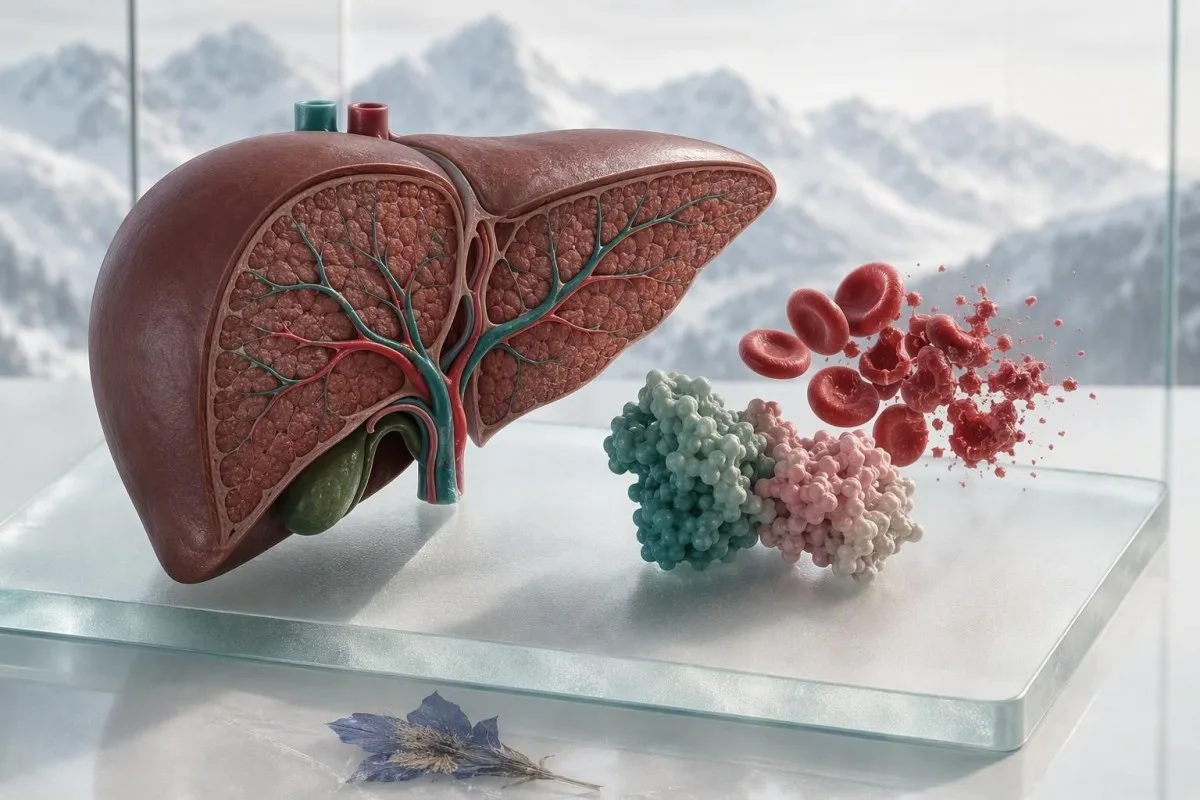
نتیجه پایین میتواند نشاندهنده تجزیه گلبولهای قرمز باشد، اما همچنین میتواند منعکسکننده کاهش تولید کبد، کمبود ارثی، ورزش اخیر، یا نحوه نگهداری نمونه باشد. CBC، رتیکولوسیتها، بیلی روبین، LDH و تست مستقیم آنتیگلوبولین همراه، تعیین میکنند که کدام توضیح مناسب است.


- معنی هاپتوگلوبین پایین لزوماً همولیز نیست؛ سنتز پایین کبدی و آنهاپتوگلوبینمی ارثی میتواند نتیجه مشابهی ایجاد کند.
- الگوی همولیز معمولاً با هاپتوگلوبین پایین همراه با افزایش LDH، بیلی روبین غیرمستقیم بالاتر از حدود 1.2 میلیگرم در دسیلیتر و رتیکولوسیتوز همراه است.
- پاسخ رتیکولوسیت کمتر از حدود 2% در طول کمخونی، بر علیه تخریب سریع گلبولهای قرمز محیطی است، مگر اینکه تولید مغز استخوان سرکوب شده باشد.
- زمینه کبدی مهم است زیرا سلولهای کبدی هاپتوگلوبین را تولید میکنند؛ آلبومین پایین، INR طولانی و افزایش بیلی روبین میتواند مقدار پایین را بدون همولیز توضیح دهد.
- تست DAT فقط زمانی که همراه با تصویر بالینی تفسیر شود، از همولیز ایمنی حمایت میکند؛ DAT منفی هر مکانیسم ایمنی را رد نمیکند.
- زمانبندی ورزش میتواند سطح هاپتوگلوبین را به طور موقت پس از فعالیت استقامتی کاهش دهد، به خصوص زمانی که خون ظرف 24 تا 48 ساعت کشیده شود.
- کمبود ارثی در برخی از جمعیتهای شرق آسیا شایعتر است و ممکن است منجر به نتیجهای بسیار پایین یا غیرقابل تشخیص در افراد سالم شود.
- بررسی فوری برای ادرار تیره رنگ شبیه کولا، زردی، تنگی نفس در حالت استراحت، درد قفسه سینه، گیجی، یا کاهش سریع هموگلوبین مناسب است.
نتیجه پایین هاپتوگلوبین واقعاً به چه معناست
هاپتوگلوبین پایین به این معنی است که مقدار کمی هاپتوگلوبین آزاد در سرم قابل اندازهگیری بود، نه اینکه همولیز اثبات شده است. در عمل، تجزیه واقعی گلبولهای قرمز داخل عروقی تنها یکی از چندین علت کاهش هاپتوگلوبین است؛ کاهش سنتز کبدی، کمبود ارثی، و مصرف گذرا پس از ورزش جایگزینهای معتبری هستند.
هاپتوگلوبین پروتئینی است که توسط کبد ساخته میشود و به هموگلوبین آزاد شده در پلاسما متصل میشود. اکثر آزمایشگاههای بزرگسالان بازه مرجع را در حدود 30 تا 200 میلیگرم در دسیلیتر یا 0.3 تا 2.0 گرم در لیتر, نقل میکنند، اما سنجش و بازه به اندازهای متفاوت هستند که محدوده آزمایشگاه چاپی ارجحیت دارد. نتیجه زیر 20 تا 30 میلیگرم در دسیلیتر نیازمند زمینه است، نه وحشت.
هنگامی که یک مقدار پایین را بررسی میکنم، ابتدا میپرسم که آیا هموگلوبین کاهش یافته است و آیا بدن در حال پاسخ دادن است. در تجربه بالینی من، فردی با هموگلوبین 14.1 گرم در دسیلیتر، LDH طبیعی و تعداد رتیکولوسیت 1.11% احتمال همولیز بسیار متفاوتی نسبت به کسی دارد که هموگلوبین او طی 10 روز از 12.8 به 8.9 گرم در دسیلیتر کاهش یافته است.
قانون کاری دکتر توماس کلین ساده است: یک پروتئین پاک کننده کاهش یافته به تنهایی نمیتواند فرآیندی را که باید چندین ردپای بیوشیمیایی از خود به جای بگذارد، تشخیص دهد. برای مروری عملی بر خود تست، به راهنمای نتیجه هپتوگلوبین.
چرا نتایج ایزوله گمراهکننده هستند
نگاه کنید. هاپتوگلوبین همچنین در طول التهاب افزایش مییابد زیرا یک واکنشدهنده فاز حاد است. این بدان معنی است که یک نتیجه طبیعی میتواند گاهی اوقات همولیز خفیف را در طول عفونت، بیماری خودایمنی، یا پس از جراحی پنهان کند؛ برعکس، یک نتیجه پایین با نشانگرهای چرخش طبیعی اغلب نشاندهنده عدم تخریب فعال است.
چگونه هاپتوگلوبین در همولیز واقعی کاهش مییابد
هاپتوگلوبین در همولیز داخل عروقی بیشتر کاهش مییابد زیرا هموگلوبین آزاد در گردش به سرعت کمپلکسهایی را تشکیل میدهد که از پلاسما پاک میشوند. همولیز خارج عروقی نیز میتواند آن را کاهش دهد، اما اغلب کمتر چشمگیر و با الگوی مخلوطتری است.
زیستشناسی مفید است. هموگلوبین آزاد به هاپتوگلوبین متصل میشود و کمپلکس از طریق مسیرهای ماکروفاژ حذف میشود؛ انتشار مداوم میتواند هاپتوگلوبین را به غلظت غیرقابل تشخیص برساند. LDH اغلب بالاتر از حد بالای طبیعی محلی افزایش مییابد, ، اگرچه LDH اختصاصی نیست و میتواند ناشی از آسیب کبدی، آسیب عضلانی، بدخیمی، یا نمونه آسیبدیده باشد.
بیلی روبین غیرمستقیم زمانی افزایش مییابد که هِم سریعتر از آنچه کبد میتواند آن را کونژوگه کند، پردازش شود. در یک بزرگسال پایدار، بیلی روبین کل بالاتر از 1.2 میلیگرم در دسیلیتر (حدود 20 میکرومول در لیتر) با کسری عمدتاً بدون کونژوگه، فقط پس از در نظر گرفتن سندرم گیلبرت، روزهداری و اختلال عملکرد کبد، همولیز را تأیید میکند. یافتههای بیلی روبین مستقیم در مقابل غیرمستقیم توضیح میدهد که این تقسیمبندی چگونه است.
بارسلینی و فاتیتزو، مجموعه کلاسیک را کاهش هاپتوگلوبین با افزایش LDH، بیلی روبین بدون کونژوگه و رتیکولوسیتها توصیف میکنند، اما آنها همچنین هشدار میدهند که هر نشانگر دارای علل غیر همولیتیک است (بارسلینی و فاتیتزو، 2015). این مجموعه - نه کمترین عدد - تشخیص را قانع کننده میسازد.
LDH، بیلی روبین و رتیکولوسیتها را به عنوان یک الگو بخوانید
هاپتوگلوبین پایین به علاوه LDH بالا، بیلی روبین غیرمستقیم بالا و پاسخ رتیکولوسیت مناسب، قویترین الگوی آزمایشگاهی معمول برای همولیز است. اگر دو یا سه مورد از این سیگنالها وجود نداشته باشند، پزشکان باید فعالانه به دنبال توضیحات غیر همولیتیک باشند.
درصد رتیکولوسیت به تنهایی میتواند ما را در کم خونی فریب دهد. درصد رتیکولوسیت اصلاح شده برای هماتوکریت تنظیم میشود؛ با هماتوکریت 24%، تعداد خام رتیکولوسیت 3% به طور تقریبی اصلاح میشود 1.6%, که یک پاسخ قوی مغز استخوان نیست. شاخص تولید رتیکولوسیت کمتر از 2 به طور کلی نشان دهنده تولید ناکافی است تا یک پاسخ جبرانی قوی.
LDH بالاتر از 2 برابر حد بالایی مرجع نسبت به افزایش مرزی 10% تا 20%، به ویژه اگر پتاسیم، AST و فسفات نیز از آسیب نمونه به طور غیرمنتظرهای بالا باشند، نگران کننده تر است. توضیح ما را در مورد منابع بالای LDH قبل از نسبت دادن تمام LDH به گلبولهای قرمز بررسی کنید.
کانتستی یک آنالایزر آزمایش خون هوش مصنوعی که هاپتوگلوبین را در رابطه با مسیر هموگلوبین، رتیکولوسیتها، بیلی روبین و مارکرهای کبدی میخواند به جای اینکه یک پرچم قرمز را به عنوان تشخیص در نظر بگیرد. این تمایز زمانی بیشترین اهمیت را دارد که یک نتیجه کمی پایینتر از محدوده باشد.
بیماری کبدی میتواند بدون از بین بردن گلبولهای قرمز، هاپتوگلوبین را کاهش دهد
بیماری کبد، هاپتوگلوبین را با کاهش سنتز پروتئین کبدی کاهش میدهد، بنابراین مقادیر پایین میتواند بدون افزایش تخریب گلبولهای قرمز رخ دهد. این توضیح زمانی محتملتر میشود که آلبومین پایین باشد، INR طولانی شود، یا بیلی روبین و آنزیمهای کبدی الگوی کبدی منسجمی را نشان دهند.
هاپتوگلوبین عمدتاً توسط سلولهای کبدی سنتز میشود. در بیماری مزمن کبدی پیشرفته، آلبومین پایین زیر 3.5 گرم بر دسیلیتر, ، INR بالاتر از محدوده آزمایشگاهی، ترومبوسیتوپنی و هاپتوگلوبین پایین ممکن است حتی زمانی که LDH و رتیکولوسیتها قابل توجه نباشند، همراه باشند. این یکی از دلایلی است که سطح پایین یک تست غربالگری همولیز مستقل نیست.
یک بیمار ۵۸ ساله که من با سیروز دیدم، هاپتوگلوبین زیر ۸ میلیگرم در دسیلیتر، هموگلوبین ۱۱.۶ گرم در دسیلیتر، LDH ۱۸۴ واحد در لیتر و رتیکولوسیتها ۱.۰۱٪ داشت. این نتیجه در ابتدا ارجاع فوری همولیز را آغاز کرد، اما شاخصهای پایدار و اختلال در عملکرد سنتزی، کارآزمایی را به سمت بیماری کبد و کمخونی تغذیهای هدایت کرد. پنل کبدی را مرور کنید آموزندهتر از تکرار هاپتوگلوبین بود.
دستورالعمل EASL در مورد سیروز جبراننشده تاکید میکند که آلبومین، بیلی روبین، INR، کراتینین و سدیم شدت و پیشآگهی کبدی را مشخص میکنند (انجمن اروپایی مطالعه کبد، ۲۰۱۸). هاپتوگلوبین میتواند آن تصویر را تکمیل کند، اما جایگزین آن معیارهای تثبیت شده نمیشود.
هاپتوگلوبین پایین یا غایب ارثی: یک توضیح آرام مادامالعمر
آنهاپتوگلوبینمی ارثی میتواند باعث هاپتوگلوبین بسیار پایین یا غیرقابل تشخیص در افرادی شود که کمخونی ندارند و هیچ مدرک بیوشیمیایی از همولیز ندارند. این یک مشکل تولید ژنتیکی است، نه تخریب مداوم گلبولهای قرمز.
کمبود کامل هاپتوگلوبین در سطح جهانی نادر است اما در جمعیتهای شرق آسیا که یک آلل حذف ژن HP در آن شناخته شده است، بیشتر گزارش میشود. مقادیر غیرقابل تشخیص مکرر در طول سالها، هموگلوبین طبیعی، بیلی روبین طبیعی و LDH طبیعی باید این احتمال را افزایش دهند - به خصوص اگر بستگان نتایج مشابه پایینی داشته باشند.
مسئله عملی معمولاً سلامت روزانه نیست. افراد با کمبود واقعی میتوانند پس از قرار گرفتن در معرض محصولات خونی حاوی هاپتوگلوبین، آنتیبادی تشکیل دهند، بنابراین تاریخچه مستند ممکن است قبل از انتقال خون اهمیت داشته باشد. یک متخصص خون یا سرویس انتقال خون میتواند مشاوره دهد که آیا تأیید اضافی مناسب است یا خیر.
پس از یک آزمایش، فرض نکنید که توضیح ژنتیکی وجود دارد. تکرار در زمان بهبودی، به علاوه CBC، رتیکولوسیتها، کسرهای بیلی روبین و پانل کبدی، یک گام اول ایمنتر است. نمای کلی پانل کامل خون ما نشان میدهد که چرا الگوها در پانلها اهمیت دارند.
التهاب میتواند همولیز را پنهان کند به جای اینکه باعث نتیجه پایین شود
التهاب معمولاً هاپتوگلوبین را افزایش میدهد، بنابراین سطح طبیعی یا بالا همولیز را در طول عفونت یا فعالیت خودایمنی به طور کامل رد نمیکند. یک نتیجه واقعاً پایین علیرغم CRP بالا میتواند نشاندهنده مصرف یا سنتز ضعیف کبدی نسبت به همین نتیجه در زمان سلامتی باشد.
هاپتوگلوبین به عنوان یک پروتئین فاز حاد عمل میکند و اغلب همراه با CRP افزایش مییابد. CRP بالاتر از 10 میلیگرم/لیتر در بسیاری از سیستمهای آزمایشگاهی نشاندهنده التهاب فعال است، اگرچه علت آن را مشخص نمیکند. در آن محیط، مقدار ۹۰ میلیگرم در دسیلیتر ممکن است در محدوده باشد اما کمتر از حد انتظار برای آن فرد باشد.
این تفاوت ظریف به ویژه در کمخونی همولیتیک خودایمنی که در آن التهاب و همولیز ممکن است همزمان رخ دهند، مرتبط است. Jaeger و همکاران خاطرنشان میکنند که تشخیص به زمینه بالینی، یافتههای اسمیر و ایمونوهماتولوژی بستگی دارد تا هر نشانگر همولیز مجزا (Jaeger و همکاران، ۲۰۲۰).
Kantesti’s پلتفرم تفسیر بیومارکرهای AI میتواند هاپتوگلوبین پایین-نرمال را به طور متفاوتی پرچمگذاری کند، زمانی که CRP 2 میلیگرم در لیتر است تا زمانی که ۹۶ میلیگرم در لیتر است. این یک سرنخ تریاژ است، نه جایگزینی برای یک پزشک که بیمار را معاینه میکند.
همولیز نمونه و زمینه آزمایشگاهی میتواند تصویر را گیج کند
یک نمونه آسیبدیده میتواند به اشتباه LDH، پتاسیم و AST را افزایش دهد و الگوی شبیه همولیز ایجاد کند، حتی اگر بیمار تجزیه گلبولهای قرمز درونتنی نداشته باشد. این معمولاً کمبود واقعی اندازهگیری شده هاپتوگلوبین را توضیح نمیدهد، اما میتواند شواهد حمایتی را تحریف کند.
شاخص همولیز آزمایشگاهی، اختلال گلبولهای قرمز را در لوله منعکس میکند، که اغلب ناشی از جمعآوری دشوار، لرزش هنگام حمل و نقل، دمای شدید یا جداسازی با تاخیر است. پتاسیم بالاتر 5.5 میلیمول/لیتر همراه با پرچم همولیز در آنالایزر و عملکرد کلیه طبیعی، معمولاً قبل از درمان نیاز به نمونهگیری مجدد را ایجاب میکند. منطق مشابه برای افزایش غیرمنتظره LDH صدق میکند.
بپرسید که آیا گزارش “نمونه همولیز شده”، “تداخل” یا “ممکن است نتیجه تحت تأثیر قرار گیرد” را بیان میکند. راهنمای نمونهگیری مجدد پس از همولیز نمونه مفید است زیرا ایمنترین اصلاح اغلب یک تکرار آرام و با پردازش صحیح است - نه یک بررسی جامع اورژانسی.
زمانبندی نیز تفسیر را تغییر میدهد. هاپتوگلوبین پاسخ عملکردی به اندازه کافی کوتاهی دارد که اندازهگیری پس از یک رویداد حاد ممکن است بهبودی یا تخلیه را ثبت کند، در حالی که بیلی روبین و رتیکولوسیتها میتوانند در جهات مختلف عقب بمانند.
ورزش و زمانبندی: زمانی که مقدار پایین گذرا است
دویدن طولانی مدت، مسابقه در مسیر و ورزش تکراری ضربه زدن به پا میتواند همولیز موقت ایجاد کند و هاپتوگلوبین را به مدت تقریبی 24 تا 48 ساعت کاهش دهد. بزرگی آن با مسافت، کفش، گرما، هیدراتاسیون و وضعیت پایه آهن ورزشکار به طور گستردهای متفاوت است.
همولیز ناشی از ضربه پا واقعی است، اما هاپتوگلوبین پایین پس از مسابقه لزوماً نشاندهنده بیماری نیست. من دوندههای ماراتن را با هاپتوگلوبین پایین، LDH کمی افزایش یافته و هموگلوبین پایدار پس از مسابقه دیدهام؛ آزمایش مجدد پس از 48 تا 72 ساعت بدون تمرین سخت اغلب خط پایه را روشن میکند.
ورزش سنگین همچنین میتواند CK و AST را افزایش دهد و باعث شود که پانل شومتر از آنچه هست به نظر برسد. اگر CK به شدت افزایش یافته باشد، درد شدید عضلانی، ضعف، کاهش خروجی ادرار یا ادرار بسیار تیره نیاز به بررسی فوری دارد زیرا آسیب عضلانی یک نگرانی جداگانه است؛ به راهنمای خطر CK.
مقاله مقالات فوری ما مراجعه کنید. دکتر توماس کلاین به ورزشکاران توصیه میکند مسافت مسابقه، ارتفاع، میزان قرار گرفتن در معرض گرما و هیدراتاسیون را با نتایج ثبت کنند. آن جدول زمانی کوچک اغلب ارزش تشخیصی بیشتری نسبت به یک آزمایش تصادفی دیگر شش ماه بعد دارد.
چه زمانی تست مستقیم آنتیگلوبولین کمک میکند
تست مستقیم آنتیگلوبولین، یا DAT، ایمونوگلوبولین یا کمپلمان متصل به گلبولهای قرمز را تشخیص میدهد و به ارزیابی همولیز ایمنی مشکوک کمک میکند. زمانی که کمخونی و الگوی همولیز قانعکننده از قبل وجود دارد، بیشترین کاربرد را دارد.
DAT مثبت لزوماً به معنای کمخونی همولیتیک خودایمنی نیست. نتایج مثبت میتواند پس از انتقال خون، با داروها، در طول عفونت، یا بدون همولیز بالینی قابل توجه رخ دهد؛ گزارش آزمایشگاه باید مشخص کند که آیا IgG، C3d، یا هر دو. را تشخیص داده است. گسترش و روند هموگلوبین مرکزی باقی میمانند.
برعکس، DAT منفی همولیز را از بین نمیبرد. همولیز ایمنی DAT-منفی وجود دارد، و علل غیرایمنی مانند همولیز دریچه مکانیکی، آسیب اکسیداتیو مرتبط با G6PD، میکروآنژیوپاتی، سوختگیها و عفونتها نیاز به آزمایش متفاوتی دارند. شیستوسیتها در گسترش نیاز به توجه فوری دارند، همانطور که در مقاله گسترش فوری ما توضیح داده شده است..
یک پزشک ممکن است بر اساس الگو، DAT، گسترش محیطی، هموگلوبین آزاد پلاسما، هِموسیدرین ادرار، فعالیت G6PD یا مطالعات کمپلمان را درخواست کند. آزمایش همه چیز در یک زمان میتواند نویز ایجاد کند، بنابراین پانل اولیه باید شاخه بعدی را هدایت کند.
رتیکولوسیتهای پایین سوال را به سمت تولید سوق میدهند
کمخونی با رتیکولوسیتهای پایین یا به طور نامناسب طبیعی، بیشتر تولید گلبول قرمز را نسبت به تخریب محیطی نشان میدهد. در آن وضعیت، هاپتوگلوبین پایین ممکن است نشاندهنده سنتز کبدی باشد یا به طور اتفاقی با کمبود آهن، کمبود B12، بیماری کلیوی یا سرکوب مغز استخوان همراه باشد.
شمارش رتیکولوسیت کمتر از 0.5% معمولاً پایین است، اما تفسیر صحیح به هموگلوبین و هماتوکریت بستگی دارد. فردی با هموگلوبین 8 گرم در دسیلیتر باید پاسخی نشان دهد؛ شمارش 1.2% ممکن است روی کاغذ نرمال به نظر برسد اما برای شدت کمخونی کافی نباشد.
میکروسیتوز، فریتین پایین و اشباع ترانسفرین پایین به تولید محدود به آهن اشاره دارند. ماکروسیتوز با رتیکولوسیت پایین، B12، فولات، الکل، بیماری کبدی، کمکاری تیروئید، داروها یا اختلالات مغز استخوان را مطرح میکند؛ مقایسه MCV و MCH ما میتواند به سازماندهی آن تشخیص افتراقی کمک کند.
هاپتوگلوبین پایین، کمبود آهن را غیرممکن نمیکند. مشکلات ترکیبی رخ میدهند: فردی با بیماری مزمن کبدی و از دست دادن آهن قاعدگی ممکن است هم تولید مختل شده هاپتوگلوبین و هم کمخونی با رتیکولوسیت پایین داشته باشد.
علائم هاپتوگلوبین پایین در واقع علائم علت آن هستند
هاپتوگلوبین پایین به خودی خود علائم خاصی ایجاد نمیکند؛ علائم ناشی از کمخونی، همولیز، بیماری کبدی یا محرک زمینهای هستند. بسیاری از افراد با سطوح پایین ارثی، کاملاً احساس خوبی دارند.
همولیز میتواند باعث خستگی، تنگی نفس هنگام فعالیت، تپش قلب، یرقان، ناراحتی کمر و ادرار به رنگ چای یا کولا شود. ادرار تیره جدید همراه با یرقان یا کاهش سریع هموگلوبین، یک مشکل نیازمند ارزیابی در همان روز است, ، نه چیزی که با مکملهای خانگی رصد شود. درباره نشانههای هشدار ادرار تیره.
بیشتر بخوانید. علائم مرتبط با کبد متفاوت هستند: تورم شکم، کبودی آسان، مدفوع رنگ پریده، خارش، گیجی یا تورم پیشرونده مچ پا نشان میدهد که بیماری کبدی ممکن است از نظر بالینی قابل توجه باشد. عدم وجود علائم اطمینانبخش است اما اختلال عملکرد اولیه کبد را رد نمیکند.
مراقبتهای اورژانسی برای درد قفسه سینه، غش، گیجی، تنگی نفس در حالت استراحت، کاهش خروجی ادرار، تب با ضعف شدید، یا بارداری با علائم کمخونی جدید منطقی است. یک عدد هاپتوگلوبین پایین به تنهایی، به خصوص در فردی پایدار، به ندرت فوریت را تعیین میکند.
یک پیگیری عملی گام به گام پس از نتیجه پایین
کارآمدترین پیگیری، تکرار نمونههای مشکوک و جفت کردن هاپتوگلوبین با CBC، رتیکولوسیتها، LDH، کسرهای بیلی روبین و تستهای کبدی است. DAT و آزمایش فیلم خون در مرحله بعد زمانی که مجموعه اولیه، همولیز را تأیید کند یا کمخونی قابل توضیح نباشد، انجام میشود.
مرحله 1 تأیید است: واحدها، محدوده مرجع، نظرات کیفیت نمونه، ورزش اخیر، تزریق خون، داروها و بیماریهای جدید را تأیید کنید. مرحله 2 یک پنل متمرکز است - CBC با شاخصها، شمارش رتیکولوسیت، LDH، بیلی روبین کل و مستقیم، AST، ALT، آلبومین و کراتینین. تکرار در ۱ تا ۲ هفته دوباره چک کنند اغلب برای فردی پایدار و بدون علامت که هیچ الگوی فوری وجود ندارد، منطقی است.
مرحله 3 به آنچه تغییر کرده بستگی دارد. کاهش هموگلوبین با رتیکولوسیتوز و افزایش بیلی روبین، بررسی اسمیر و DAT را تأیید میکند؛ آلبومین پایین یا INR غیرطبیعی، ارزیابی کبد را تأیید میکند؛ MCV و فریتین پایین، مطالعات آهن را تأیید میکنند. شمارش رتیکولوسیتها توضیح میدهد که چرا کسر رتیکولوسیت نابالغ میتواند یک سرنخ تولیدی مفید اضافه کند.
کانتستی یک ابزار تحلیل آزمایش خون مبتنی بر AI در 127+ کشور استفاده میشود تا این توالی را از یک PDF یا عکس آپلود شده سازماندهی کند، اما نمیتواند اسمیر را بررسی کند، یرقان را معاینه کند، یا جایگزین تشخیص بالینی شود. در علائم حاد، ابتدا به دنبال مراقبت پزشکی مستقیم باشید.
داروها، تزریق خون و شرایط خاص که تفسیر را تغییر میدهند
تاریخچه داروها و تزریق خون میتواند هم احتمال همولیز و هم معنی نتیجه DAT را تغییر دهد. لیست داروها به ویژه زمانی مرتبط است که هاپتوگلوبین پایین به طور ناگهانی پس از یک الگوی قبلاً پایدار ظاهر میشود.
محرکهای بالقوه همولیز شامل برخی داروهای ضد میکروبی، داروهای اکسیدان در کمبود G6PD، درمانهای ایمنی و به ندرت آنتیبادیهای وابسته به دارو هستند. زمانبندی مهم است: افت هموگلوبین که شروع میشود 5 تا 10 روز پس از یک تماس جدید، شایسته بررسی بالینی است، در حالی که هاپتوگلوبین پایین ثابت و طولانی مدت، فوریت مشابهی را نشان نمیدهد.
پس از انتقال خون، واکنشهای همولیتیک تأخیری ممکن است روزها بعد با کاهش هموگلوبین، افزایش بیلی روبین، آنتیبادی جدید و گاهی اوقات DAT مثبت ظاهر شوند. در صورت بروز تب، ادرار تیره، زردی یا خستگی غیرمنتظره پس از انتقال خون، بلافاصله با تیم درمان تماس بگیرید.
بارداری، بیماری کلیوی و عفونت شدید لایههای بیشتری اضافه میکنند. به عنوان مثال، آسیب کلیه میتواند عواقب آزاد شدن رنگدانه را بدتر کند، در حالی که بارداری حجم پلاسما و انتظارات مرجع را تغییر میدهد؛ ما پرچمهای قرمز آزمایشگاهیِ بارداری پوشش میدهد که چه زمانی بدون تأخیر تماس بگیرید.
چرا روندها بر نتیجه هاپتوگلوبین یکباره برتری دارند
تغییر از خط پایه هاپتوگلوبین قبلی خود فرد اغلب آموزندهتر از این است که آیا یک مقدار فقط خارج از بازه مرجع جمعیت قرار دارد. یک نتیجه پایین ثابت برای سالها معنای متفاوتی از افت از ۱۲۰ میلیگرم در دسیلیتر به زیر ۱۰ میلیگرم در دسیلیتر در طول چند روز دارد.
تاریخ جمعآوری، ورزش در ۷۲ ساعت قبل، مدت زمان ناشتایی، بیماری، مصرف الکل، سفر، انتقال خون و تغییرات دارویی را در کنار هر نتیجه نگه دارید. این جزئیات “تغییر آزمایشگاهی” آشکار را قابل تفسیر میکنند. یک نوسان تقریباً 20% تا 30% میتواند در نوسانات بیولوژیکی و تحلیلی برای بسیاری از پروتئینها رخ دهد، در حالی که سقوط مکرر به سطح غیرقابل تشخیص نیاز به توضیح دارد.
Kantesti AI نشانگرهای زیستی طولی را مقایسه میکند و میتواند نتیجه پایین هاپتوگلوبین را در کنار تغییرات هموگلوبین، RDW، بیلی روبین و آنزیمهای کبدی برجسته کند. ما راهنمای تحلیل روند آزمایش خون نحوه تشخیص یک شیب واقعی از نویز معمول بازدید به بازدید را شرح میدهد.
سعی نکنید هاپتوگلوبین را با مکملها افزایش دهید. هیچ مکمل هدفی مبتنی بر شواهد برای یک نتیجه پایین ایزوله وجود ندارد؛ درمان متوجه همولیز، بیماری کبد، کمبود مواد مغذی یا علت شناسایی شده دیگر است.
نکته اصلی بالینی: الگو را آزمایش کنید، نه ترس را
هاپتوگلوبین پایین مستلزم تشخیص الگوی فوری است، نه تشخیص خودکار همولیز. هاپتوگلوبین پایین با LDH، بیلی روبین، رتیکولوسیتهای طبیعی و هموگلوبین پایدار معمولاً نشاندهنده تولید پایین، فقدان ارثی یا زمینه است؛ الگوی همولیز چند نشانگری نیاز به پیگیری بالینی دارد.
از ۲۲ اوت ۲۰۲۶، هیچ دستورالعمل اصلی غربالگری بزرگسالان سالم از نظر همولیز تنها با هاپتوگلوبین را توصیه نمیکند. سوال مفید این است: “آیا این نتیجه با هموگلوبین در حال کاهش، پاسخ جبرانی مغز استخوان و شواهد بیوشیمیایی گردش سلولهای قرمز خون مطابقت دارد؟” اگر نه، قبل از پذیرش یک برچسب ترسناک، تفاوتها را گسترش دهید.
کانتستی یک سرویس تفسیر آزمایشهای آزمایشگاه AI منتشر میشوند با روشی که توسط پزشک بررسی شده است و به کاربران کمک میکند تا بحث متمرکز با پزشک خود را آماده کنند. ما اعتبارسنجی پزشکی ما محدودیتهای تفسیر خودکار و دلیل ضروری بودن بررسی بالینی برای همولیز مشکوک را توضیح میدهد.
برای زمینه مرتبط CBC، مقاله تحقیقاتی ما در مورد RDW و شاخصهای گلبول قرمز ممکن است مفید باشد. تیم پزشکی Kantesti، از جمله هیئت مشاوره پزشکی, ما، محتوای آموزشی را به طور منظم بررسی میکند؛ نتایج فردی همچنان نیاز به مراقبت متناسب با علائم، سابقه و معاینه دارد.
سوالات متداول
آیا هاپتوگلوبین میتواند بدون همولیز پایین باشد؟
بله. کاهش هاپتوگلوبین میتواند بدون همولیز رخ دهد، زمانی که کبد پروتئین کمتری تولید کند، زمانی که فرد دچار کمبود ارثی هاپتوگلوبین باشد، یا پس از استرس موقتی گلبولهای قرمز مرتبط با ورزش. نتیجه پایین همراه با هموگلوبین ثابت، LDH طبیعی، بیلی روبین غیرمستقیم طبیعی و رتیکولوسیتهای حدود ۰.۵۱TP54T تا ۲.۰۱TP54T، کمتر نشاندهنده همولیز فعال است. الگوی کامل آزمایشگاهی و علائم، تعیین کننده فوریت پیگیری هستند.
چه سطحی از هپتوگلوبین نشاندهنده همولیز است؟
مقدار هاپتوگلوبین کمتر از حدود 20 تا 30 میلیگرم در دسیلیتر میتواند به همولیز کمک کند، اما هیچ حد مشخصی آن را ثابت نمیکند زیرا محدودههای آزمایشگاهی متفاوت هستند. همولیز زمانی که هاپتوگلوبین پایین همراه با افزایش LDH، بیلی روبین غیرمستقیم بالاتر از حدود 1.2 میلیگرم در دسیلیتر، رتیکولوسیتوز و کاهش غلظت هموگلوبین رخ دهد، بسیار محتملتر است. بیماری کبدی و کمبود ارثی نیز میتواند مقادیر زیر 10 میلیگرم در دسیلیتر را بدون تخریب فعال گلبولهای قرمز تولید کند.
آیا بیماری کبد میتواند باعث کاهش هاپتوگلوبین شود؟
بله. کبد هاپتوگلوبین تولید میکند، بنابراین اختلال در سنتز پروتئین کبدی میتواند باعث کاهش هاپتوگلوبین سرم بدون همولیز شود. آلبومین پایین کمتر از 3.5 گرم در دسیلیتر، INR طولانی شده، ترومبوسیتوپنی و بیلی روبین یا آنزیمهای کبدی غیرطبیعی، تولید کاهش یافته را محتملتر میسازد. پزشک معمولاً هاپتوگلوبین را در کنار پنل کبدی تفسیر میکند تا اینکه آن را به عنوان یک تست جداگانه کبد در نظر بگیرد.
آیا سطح طبیعی LDH همولیز را با وجود هاپتوگلوبین پایین رد میکند؟
یک LDH طبیعی احتمال همولیز داخل عروقی سریع را کاهش میدهد، اما همولیز خفیف، متناوب یا عمدتاً خارج عروقی را مطلقاً رد نمیکند. اگر LDH طبیعی باشد و هموگلوبین، بیلی روبین غیر مستقیم و رتیکولوسیتها نیز پایدار باشند، هاپتوگلوبین پایین اغلب نشاندهنده سنتز کبدی، فقدان ارثی یا زمینه زمانی است. تکرار CBC و پنل همولیز در ۱ تا ۲ هفته ممکن است وضعیت پایدار را روشن کند.
آیا ورزش شدید میتواند هاپتوگلوبین را کاهش دهد؟
بله. ورزش استقامتی، به ویژه دویدن با ضربه مکرر پا، میتواند به طور موقت هپتوگلوبین را برای حدود ۲۴ تا ۴۸ ساعت کاهش دهد. LDH، CK و AST نیز ممکن است پس از فعالیت شدید افزایش یابند که میتواند تفسیر را پیچیده کند. تکرار آزمایش پس از ۴۸ تا ۷۲ ساعت بدون تمرین شدید، در صورتی که هموگلوبین پایدار باشد و علائم هشدار دهنده ای وجود نداشته باشد، اغلب منطقی است.
معنی تست کومبس مستقیم منفی چیست؟
تست مستقیم آنتیگلوبولین منفی به این معنی است که سنجش در آن زمان ایمونوگلوبولین یا کمپلمان قابل توجهی را که به گلبولهای قرمز متصل شده باشد، تشخیص نداده است. این امر کمخونی همولیتیک خودایمنی را کمتر محتمل میکند، اما همولیز ایمنی DAT-منفی یا علل غیر ایمنی مانند تخریب مکانیکی یا آسیب مرتبط با آنزیم را رد نمیکند. لام محیطی، سابقه دارویی، پاسخ رتیکولوسیت و الگوی بیلی روبین به تعیین آزمایش بعدی کمک میکنند.
همین امروز آنالیز آزمایش خون با هوش مصنوعی را دریافت کنید
به بیش از 2 میلیون کاربر در سراسر جهان بپیوندید که Kantesti را برای تحلیل فوری و دقیق آزمایشهای آزمایشگاهی مورد اعتماد قرار میدهند. نتایج آزمایش خون خود را بارگذاری کنید و در عرض چند ثانیه، تفسیر جامع 15,000+ از نشانگرهای زیستی را دریافت کنید.
📚 انتشارات پژوهشی ارجاعشده
کلاین، تی.، میچل، اس.، و وبر، اچ. (۲۰۲۶). آزمایش خون RDW: راهنمای کامل RDW-CV، MCV و MCHC. Kantesti LTD. (۲۰۲۶). Zenodo. https://doi.org/10.5281/zenodo.18202598. ResearchGate: https://www.researchgate.net/ | Academia.edu: https://www.academia.edu/. پژوهش پزشکی مبتنی بر هوش مصنوعی Kantesti.
کلاین، تی.، میچل، اس.، و وبر، اچ. (۲۰۲۶). BUN/Creatinine Ratio Explained: تست عملکرد کلیه Guide. Kantesti LTD. (2026). Zenodo. https://doi.org/10.5281/zenodo.18207872. ResearchGate: https://www.researchgate.net/ | Academia.edu: https://www.academia.edu/. پژوهش پزشکی مبتنی بر هوش مصنوعی Kantesti.
📖 منابع پزشکی خارجی
⚕️ سلب مسئولیت پزشکی
این مقاله فقط برای اهداف آموزشی است و توصیه پزشکی محسوب نمیشود. برای تصمیمهای مربوط به تشخیص و درمان، همیشه با یک ارائهدهنده مراقبتهای بهداشتی واجد شرایط مشورت کنید.
سیگنالهای اعتماد E-E-A-T
تجربه
بازبینی بالینی مبتنی بر نظر پزشک از فرایندهای تفسیر آزمایشگاه.
تخصص
تمرکز بر پزشکی آزمایشگاهی و اینکه نشانگرهای زیستی در زمینه بالینی چگونه رفتار میکنند.
اقتدارگرایی
نوشتهشده توسط دکتر توماس کلاین، با بازبینی توسط دکتر سارا میچل و پروفسور دکتر هانس وبر.
قابل اعتماد بودن
تفسیر مبتنی بر شواهد با مسیرهای پیگیری روشن برای کاهش هشدارها.