Los ojos amarillos no son una prueba de detección fiable de la hepatitis B. La infección es frecuentemente silenciosa, y las pruebas de anticuerpos y virales adecuadas —no solo los síntomas— establecen lo que está sucediendo.



- Infección silenciosa es común: muchas personas con hepatitis B no tienen ictericia ni síntomas reconocibles de hepatitis B.
- Período de incubación para la hepatitis B aguda suele ser de 60 a 150 días, con un promedio de unos 90 días.
- HBsAg positivo durante 6 meses define la infección crónica por hepatitis B y requiere seguimiento clínico.
- IgM anti-HBc generalmente apoya la infección aguda reciente, pero también puede elevarse durante un brote de hepatitis B crónica.
- Anti-HBs al menos 10 mIU/mL después de una serie de vacunación documentada se considera generalmente una respuesta inmune protectora.
- ALT por encima de 1,000 IU/L puede ocurrir en la hepatitis viral aguda, pero los medicamentos, la isquemia y otros virus pueden producir el mismo patrón.
- ADN del VHB mide la replicación viral; es la prueba que convierte un resultado de detección positivo en un plan de manejo.
- Atención de urgencia es apropiado para confusión, vómitos intensos, moretones inusuales, somnolencia que empeora o ictericia con heces pálidas.
¿Puede ocurrir la hepatitis B sin ictericia? Sí, a menudo de forma silenciosa
Sí, la hepatitis B sin ictericia es común. Muchas personas no tienen ningún síntoma y, la infección aguda sintomática puede sentirse como una enfermedad viral inespecífica en lugar de un problema hepático. La ictericia aparece solo cuando la bilirrubina se acumula lo suficiente como para decolorar los ojos y la piel; no es necesaria para el daño de las células hepáticas o la transmisión de la hepatitis B.

En mi experiencia clínica, la persona con mayor probabilidad de pasar desapercibida no es necesariamente la que está enferma: es el paciente que parece sano a quien se le solicitó un panel de detección por embarazo, inmigración, una nueva relación o una enzima hepática anormal no relacionada. Los síntomas de hepatitis B aguda se desarrollan en solo alrededor del 30%–50% de los adultos infectados, mientras que los niños pequeños son sintomáticos con mucha menos frecuencia; la ausencia de fiebre, ojos amarillos o dolor abdominal no lo descarta.
La ictericia refleja un aumento de la bilirrubina circulante, que comúnmente se vuelve visible una vez que la bilirrubina total supera aproximadamente 2–3 mg/dL (34–51 µmol/L). La inflamación del hígado puede ser considerable antes de ese punto, por lo que un color de orina y unos ojos blancos de aspecto normal solo son tranquilizadores en un sentido muy limitado; consulte nuestra guía de patrones de advertencia de bilirrubina.
Kantesti es un Analizador de sangre con inteligencia artificial que compara las enzimas hepáticas, la bilirrubina, la albúmina y los resultados de las plaquetas junto con la serología viral que el médico ha solicitado. No puede diagnosticar la hepatitis B solo con química de rutina, pero puede ayudar a alguien a notar que un resultado de “prueba hepática” está incompleto sin pruebas específicas para la hepatitis.
Por qué los síntomas son una herramienta de detección deficiente
El VHB puede transmitirse durante una fase asintomática porque la replicación viral precede, acompaña o supera la enfermedad visible. A partir del 11 de septiembre de 2026, la detección en adultos basada en el riesgo y única sigue siendo más confiable que esperar a los síntomas, particularmente para las personas nacidas en regiones con mayor prevalencia de VHB o aquellas con exposición en el hogar, sexual o por inyección.
¿Cuáles son los primeros síntomas de la hepatitis B?
Los primeros síntomas de la hepatitis B suelen ser fatiga, pérdida de apetito, náuseas, fiebre baja, dolores musculares y malestar debajo de las costillas derechas. Ninguno es lo suficientemente específico como para confirmar la hepatitis B, y el intervalo asintomático después de la exposición suele ser de 60 a 150 días.

Una pista clínica útil es el orden de los eventos. El malestar general y la pérdida de apetito a menudo llegan antes que la orina oscura o el amarilleo, y una persona puede sentirse notablemente cansada mientras la bilirrubina todavía es normal. El promedio de incubación es de casi 90 días, por lo que la prueba al día siguiente de una posible exposición puede ser demasiado pronto para resolver la cuestión.
Los dolores articulares y una erupción transitoria pueden ocurrir en el pródromo porque los complejos inmunes circulan antes de que se desarrolle la hepatitis manifiesta. He visto esto confundido con influenza o una nueva reacción alimentaria; el detalle discriminatorio fue un ALT de 642 IU/L junto con antígeno de superficie de hepatitis B positivo, no la erupción en sí.
El uso de paracetamol, suplementos, alcohol, el virus de Epstein-Barr y las lesiones musculares pueden elevar las aminotransferasas. Una cuidadosa revisión del resultado de ALT previene el error común de llamar a cada ALT elevado “hepatitis” antes de confirmar la causa.
Síntomas menos típicos
La picazón, las heces pálidas y la orina oscura persistente sugieren un deterioro en el manejo de la bilis y merecen una evaluación más rápida, pero no son la presentación temprana habitual. Una persona con hinchazón aislada, reflujo o dolor intermitente en el lado izquierdo tiene estadísticamente más probabilidades de tener otra explicación, aunque la exposición al riesgo aún debe justificar la prueba de VHB.
¿Cuándo se debe hacer la prueba de hepatitis B?
Hazte la prueba de hepatitis B de inmediato después de una exposición sanguínea, sexual, en el hogar o perinatal, incluso si te sientes completamente bien. La prueba de referencia documenta su estado, mientras que la prueba repetida se programa según el período de ventana y se guía por el historial de vacunación.

Los CDC recomiendan un cribado único en adultos con un panel de tres pruebas: HBsAg, anti-HBs y anti-HBc total (Conners et al., 2023). Esta combinación separa la infección actual, la infección pasada resuelta, la inmunidad por vacunación y la susceptibilidad de forma más eficaz que la solicitud de HBsAg sola.
Tras una exposición reciente significativa, un médico puede realizar una prueba ahora y repetir las pruebas en unos 6 meses si el panel inicial no establece la infección o la inmunidad. La profilaxis post-exposición es sensible al tiempo: la vacuna contra la hepatitis B debe iniciarse lo antes posible, y la inmunoglobulina contra la hepatitis B puede indicarse para exposiciones seleccionadas en personas no inmunes, por lo que no espere a los síntomas.
Kantesti es un plataforma de interpretación análisis de sangre de AI que puede organizar un informe serológico fotografiado o subido en el patrón de tres marcadores, pero el manejo de la exposición pertenece a un médico de atención urgente, salud sexual, salud ocupacional o atención primaria. Nuestra guía de síntomas de la hepatitis C explica por qué las pruebas de hepatitis viral deben interpretarse virus por virus.
Pruebas durante el embarazo
Cada embarazo debe incluir el cribado de HBsAg durante cada embarazo, independientemente del riesgo percibido. Un resultado positivo cambia la planificación de la prevención del recién nacido: el bebé necesita la vacuna contra la hepatitis B y, cuando esté indicado, inmunoglobulina en las 12 horas posteriores al nacimiento.
Las tres pruebas de sangre que aclaran el estado de la hepatitis B
HBsAg, anti-HBs y anti-HBc total son las pruebas de cribado básicas de la hepatitis B. Juntos, responden si el virus es detectable actualmente, si existe inmunidad y si el sistema inmunitario ha estado expuesto a la hepatitis B anteriormente.

HBsAg es el antígeno de superficie de la hepatitis B; un resultado positivo significa que es posible una infección actual y requiere confirmación y seguimiento clínico. Anti-HBs es el anticuerpo de superficie; un nivel de al menos 10 mIU/mL después de una serie completa de vacunación documentada se considera generalmente una respuesta protectora en personas inmunocompetentes.
Anti-HBc total detecta anticuerpos del núcleo de infecciones naturales previas o actuales y no se produce por vacunación. El patrón HBsAg negativo, anti-HBs positivo y anti-HBc total negativo se ajusta a la inmunidad derivada de la vacuna; HBsAg negativo, anti-HBs positivo y anti-HBc total positivo generalmente se ajusta a una infección natural resuelta.
Un anti-HBc total positivo aislado es uno de los patrones más complicados. Puede reflejar una infección remota resuelta con disminución de anti-HBs, un ensayo falso positivo, una infección oculta o, con menos frecuencia, una infección aguda temprana; los médicos pueden repetir la serología y solicitar ADN del VHB, especialmente antes de un tratamiento inmunosupresor. Nuestra explicación de resultados de anticuerpos positivos cubre por qué un anticuerpo rara vez cuenta la historia completa.
Cómo las pruebas distinguen la hepatitis B aguda de la crónica
La hepatitis B aguda y crónica se distinguen principalmente por el tiempo y la serología, no por cómo se siente de enferma una persona. La persistencia de HBsAg durante al menos 6 meses establece la infección crónica; un único resultado positivo de HBsAg no puede fechar la infección por sí solo.

IgM anti-HBc apoya firmemente la infección aguda reciente cuando se combina con positividad nueva para HBsAg y una enfermedad compatible. No es perfecto: el IgM anti-HBc también puede ser detectable durante un brote de hepatitis B crónica, por lo que los médicos comparan resultados previos, el momento de los síntomas, la trayectoria de la ALT y el ADN del VHB.
El ADN del VHB se informa en UI/mL y mide la cantidad de material genético viral en circulación. No etiqueta por sí solo la enfermedad como aguda o crónica, pero un resultado detectable confirma la replicación y se vuelve central para las decisiones de seguimiento y tratamiento; un ADN bajo o indetectable no elimina la necesidad de interpretar el HBsAg y el estado del hígado conjuntamente.
La guía de la AASLD enfatiza la ALT seriada, el ADN del VHB, el estado de HBeAg y la evaluación de la fibrosis en lugar de una única instantánea de laboratorio (Terrault et al., 2018). Esta es una razón por la que una ALT normal en una muestra no demuestra que el VHB crónico sea inofensivo.
La regla de los seis meses tiene un propósito
El umbral de 6 meses separa las infecciones que probablemente se resuelvan espontáneamente de aquellas que han persistido y conllevan un riesgo a más largo plazo de fibrosis y carcinoma hepatocelular. En adultos, más del 90% de las infecciones agudas inmunocompetentes se resuelven, mientras que la infección adquirida alrededor del nacimiento se vuelve crónica con mucha más frecuencia.
Lo que las pruebas hepáticas pueden y no pueden mostrar
La ALT y la AST revelan lesión hepatocelular, mientras que la bilirrubina, la albúmina, el INR y las plaquetas ayudan a mostrar la gravedad y la función hepática. Un panel hepático de rutina no puede identificar la hepatitis B como causa sin serología viral.

La ALT es más específica para el hígado que la AST, aunque ninguna es exclusiva del hígado. En la hepatitis viral aguda, la ALT puede exceder las 1.000 UI/L; ese mismo rango puede ocurrir con la toxicidad por paracetamol o la reducción del flujo sanguíneo hepático, por lo que la cifra exige un contexto urgente en lugar de un autodiagnóstico.
La bilirrubina refleja la conjugación y la excreción biliar, mientras que el INR y la albúmina reflejan la capacidad sintética. Un INR en aumento, especialmente a 1.5 o superior en alguien con hepatitis aguda y alteración del estado mental, genera preocupación por insuficiencia hepática aguda y requiere evaluación de emergencia; nuestro guía INR explica la medición.
La red neuronal de Kantesti lee transaminasas junto con bilirrubina, fosfatasa alcalina, albúmina y plaquetas para señalar patrones para revisión médica. Nuestro desglose del panel hepático es útil antes de asumir que una “prueba de función hepática” normal incluyó detección de VHB.
La relación AST:ALT no es una prueba de hepatitis B
Una relación AST:ALT inferior a 1 es común en la hepatitis viral pero no es ni sensible ni específica. El ejercicio intenso reciente puede elevar la AST por el músculo, mientras que la gamma-glutamil transferasa y la bilirrubina pueden permanecer normales; repetir las pruebas después de la recuperación puede evitar un estudio viral engañoso.
¿Qué síntomas de hepatitis B requieren atención el mismo día?
Confusión, somnolencia inusual, vómitos repetidos, ictericia que se profundiza rápidamente, aparición de hematomas nuevos o hinchazón abdominal severa requieren evaluación urgente el mismo día. Estos síntomas pueden indicar una alteración de la función hepática en lugar de simplemente una enfermedad aguda de hepatitis de rutina.
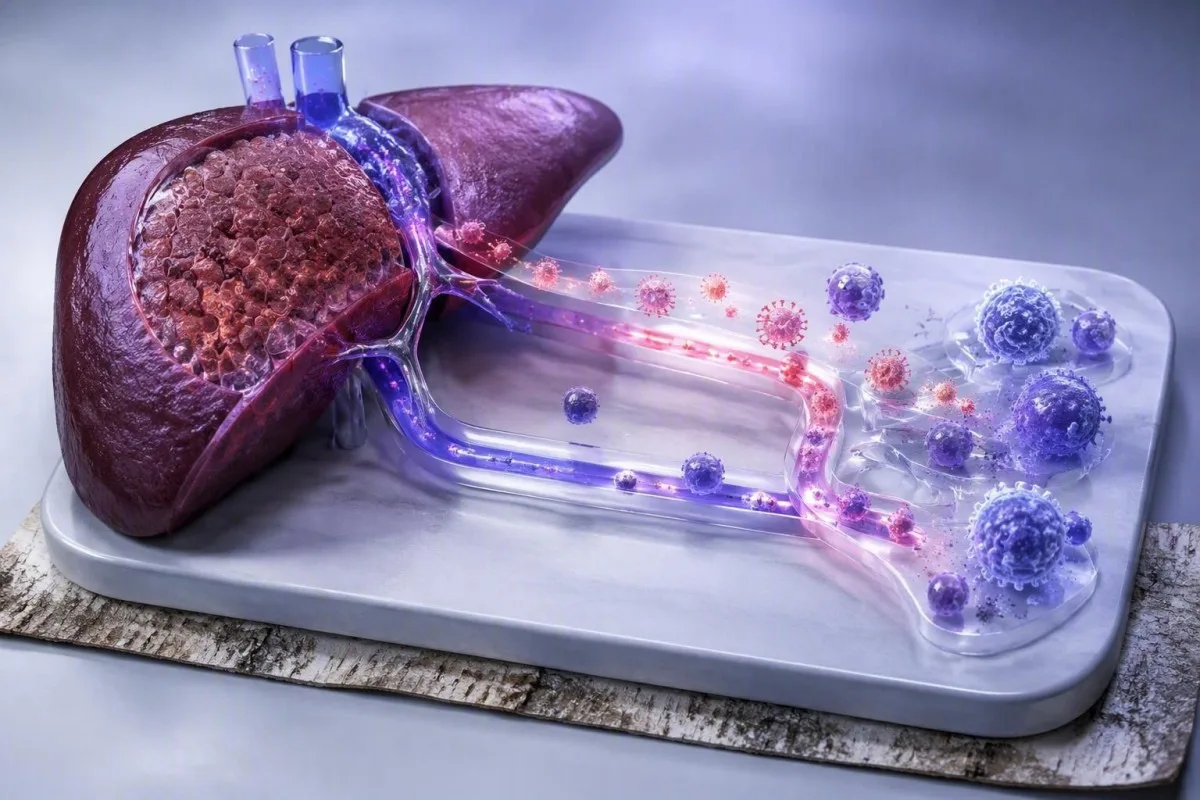
La confusión o un cambio en el patrón de sueño-vigilia pueden indicar encefalopatía hepática, especialmente cuando se combina con ictericia y un INR prolongado. Es poco común, pero no es un síntoma de “esperar hasta el lunes”; la insuficiencia hepática aguda puede progresar en cuestión de horas o días.
La orina oscura por sí sola no es automáticamente una emergencia; la deshidratación, los medicamentos y la orina concentrada son alternativas comunes. La orina oscura junto con heces pálidas, ojos amarillos, picazón, fiebre o dolor a la palpación en el cuadrante superior derecho del abdomen apuntan más fuertemente a una alteración de la bilirrubina o del flujo biliar, como se detalla en nuestro guía de orina oscura.
Evite el alcohol y no inicie “desintoxicaciones hepáticas” herbales mientras esté en evaluación. Muchos suplementos con múltiples ingredientes tienen contenidos inciertos, y un producto comercializado para la desintoxicación puede complicar la lesión hepática inducida por medicamentos justo cuando los médicos necesitan un cuadro diagnóstico claro.
¿Quién debe ser evaluado antes incluso sin síntomas?
Las personas embarazadas, con cirrosis, que toman quimioterapia o terapia inmunosupresora biológica, con VIH o con VHB crónico conocido necesitan una revisión individualizada después de un nuevo resultado anormal. La reactivación puede ser clínicamente silenciosa hasta que aumentan las ALT, por lo que la planificación antiviral preventiva puede ser más segura que las pruebas reactivas.
Por qué la hepatitis B crónica puede sentirse completamente normal
La hepatitis B crónica a menudo no causa síntomas diarios durante años, incluso cuando continúa la replicación viral o la lesión hepática de bajo grado. Sentirse enérgico, hacer ejercicio regularmente y tener una bilirrubina normal no excluyen el riesgo de fibrosis.

Aquí es donde los pacientes luchan comprensiblemente: una persona puede tener ALT normales o ligeramente elevadas y aún así necesitar un seguimiento estructurado porque el ADN del VHB, la edad, el estado del HBeAg, los antecedentes familiares y la fibrosis modifican el riesgo. Un recuento de plaquetas que desciende por debajo de aproximadamente 150 × 10⁹/L no es diagnóstico de cirrosis, pero con pruebas hepáticas anormales merece atención.
A Puntuación FIB-4 utiliza la edad, AST, ALT y el recuento de plaquetas como una estimación de triaje para la fibrosis; no puede diagnosticar la cirrosis ni reemplazar la elastografía. Nuestra guía de la calculadora FIB-4 explica por qué la edad puede hacer que una puntuación límite parezca más preocupante después de los 65 años.
Kantesti es un Herramienta de análisis de pruebas de sangre con IA diseñado para comparar paneles hepáticos anticuados, por lo que un cambio gradual en ALT o plaquetas no queda oculto por una sola marca de “dentro del rango”. El reconocimiento de tendencias ayuda a preparar una mejor conversación con el médico; no sustituye la prueba de ADN del VHB, la ecografía o la atención especializada.
La vigilancia del cáncer se basa en el riesgo
La vigilancia por ecografía para el carcinoma hepatocelular no se determina solo por los síntomas. Los médicos utilizan el estado de VHB crónico, la cirrosis, los antecedentes familiares, la edad, el sexo y el riesgo de región de origen para decidir si la vigilancia semestral es apropiada; a veces se añade la AFP, pero no es fiable como prueba de cribado independiente.
La fatiga no prueba la hepatitis B: cómo los médicos la resuelven
La fatiga es común en la hepatitis B, pero con mucha más frecuencia es causada por la interrupción del sueño, anemia, enfermedad tiroidea, depresión, efectos de medicamentos u otras infecciones. La pregunta útil es si la fatiga ocurre junto con la exposición a riesgos, cambios en las pruebas hepáticas o marcadores positivos del VHB.

Un corredor de resistencia de 52 años con AST 89 UI/L después de una carrera no tiene automáticamente enfermedad hepática; la liberación muscular puede elevar la AST, y la creatina quinasa junto con un panel de repetición después del descanso a menudo aclara la fuente. Por el contrario, ALT 289 UI/L con HBsAg positivo y orina oscura requiere una vía muy diferente.
La fatiga junto con hemoglobina baja, ferritina baja o marcadores tiroideos anormales merece una evaluación paralela en lugar de una historia de causa única. Nuestro artículo sobre los síntomas de la ferritina baja explica por qué la deficiencia de hierro puede causar fatiga antes de que aparezca la anemia.
La regla práctica del Dr. Thomas Klein es simple: los síntomas inician la investigación, pero los patrones la deciden. Un CBC, química hepática, revisión de medicamentos, historial de exposición y pruebas virales dirigidas suelen responder más que la comprobación repetida de una enzima.
No done sangre para “averiguar”
El cribado de donantes de sangre protege a los receptores, pero no es una estrategia diagnóstica personal y puede que no proporcione asesoramiento oportuno. Si es posible la exposición, programe pruebas clínicas o de salud pública confidenciales donde se puedan discutir el panel completo de tres marcadores y el seguimiento.
¿Qué sucede después de un resultado positivo de HBsAg?
Un resultado positivo de HBsAg debe motivar una evaluación confirmatoria, pruebas de ADN de VHB, química hepática y una revisión de la duración y la prevención de la transmisión. Es lo suficientemente grave como para hacer un seguimiento rápido, pero no significa automáticamente cirrosis o la necesidad de tratamiento antiviral inmediato.
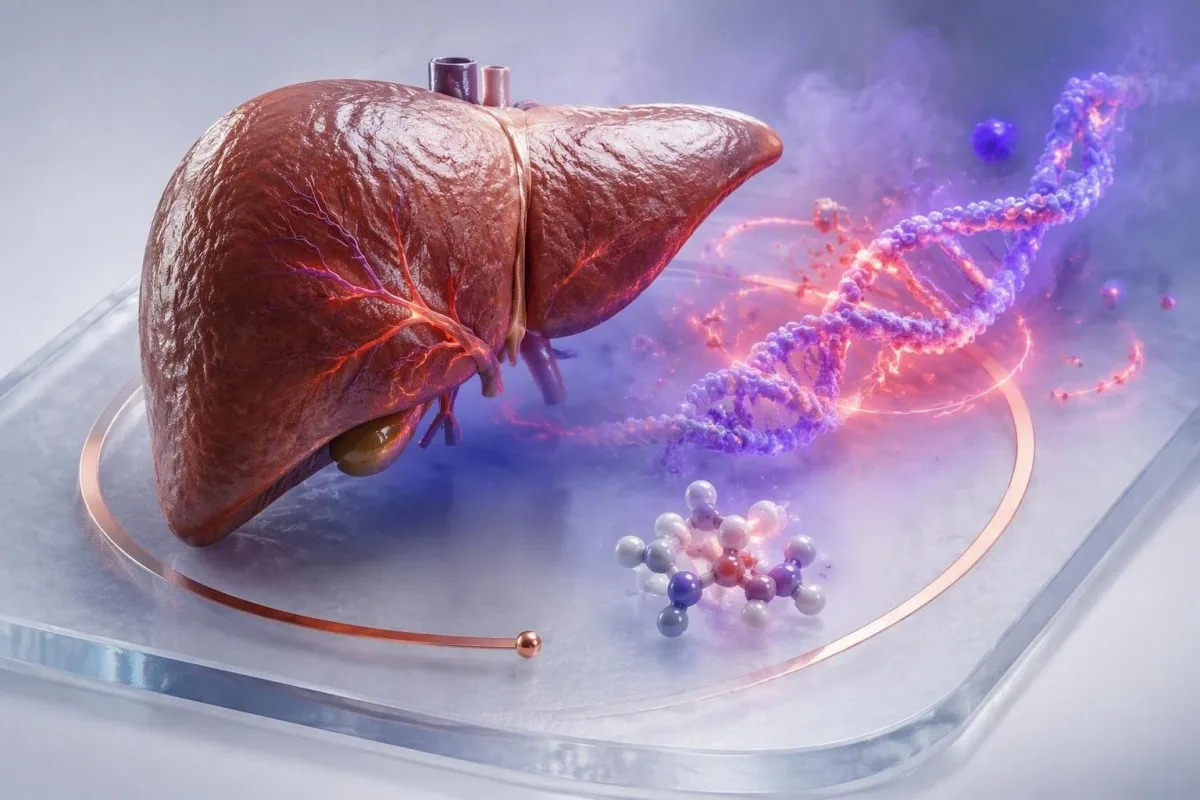
Los médicos suelen solicitar HBsAg repetido o confirmatorio, anti-HBc total e IgM, anti-HBs, HBeAg y anti-HBe, ADN de VHB cuantitativo, ALT, AST, bilirrubina, albúmina, INR, CBC y pruebas de hepatitis C, hepatitis D y VIH cuando sea relevante. Las pruebas adicionales responden a preguntas distintas: replicación, fase, lesión hepática, coinfecciones y seguridad del tratamiento.
Los contactos domésticos y sexuales deben ser examinados y vacunados si son susceptibles. No comparta navajas de afeitar, cepillos de dientes ni equipos de inyección; el VHB se transmite a través de la sangre y ciertos fluidos corporales, pero no se propaga por abrazos, compartir comidas, tos o contacto ordinario en el lugar de trabajo.
Un HBsAg positivo también debe motivar una revisión de patrones de AST elevada en lugar de culpar de forma refleja al alcohol o al hígado graso. La enfermedad hepática metabólica coexistente es lo suficientemente común como para que puedan estar presentes varios procesos.
¿Pueden los resultados ser falsos positivos?
Los resultados falsos positivos de HBsAg son poco comunes pero posibles, especialmente cerca de un punto de corte del ensayo o poco después de la vacunación en circunstancias inusuales. La confirmación mediante neutralización recomendada por el laboratorio o un método repetido es apropiada, pero una persona debe comportarse como potencialmente infecciosa hasta que se resuelva el resultado.
¿La hepatitis B crónica siempre necesita tratamiento?
No, la hepatitis B crónica no siempre requiere terapia antiviral inmediata, pero cada caso confirmado necesita un seguimiento basado en el riesgo. Las decisiones de tratamiento sopesan el ADN de VHB, la ALT, la fibrosis o la cirrosis, el estado de HBeAg, la edad, los antecedentes familiares y las afecciones coexistentes.

Los medicamentos de primera línea a largo plazo a menudo incluyen tenofovir o entecavir porque suprimen la replicación del VHB de manera efectiva y tienen una alta barrera a la resistencia. Controlan el virus en lugar de eliminarlo de forma fiable, por lo que suspender el tratamiento sin asesoramiento especializado puede precipitar un brote.
Los umbrales de ADN de VHB difieren según el estado de HBeAg y el contexto de las directrices; un punto de decisión comúnmente utilizado es 2.000 UI/mL, pero el tratamiento nunca se basa únicamente en ese número. La cirrosis cambia sustancialmente el cálculo, ya que cualquier ADN de VHB detectable puede justificar el tratamiento en la cirrosis compensada.
El marco de validación médica detrás de Kantesti enfatiza que una herramienta de interpretación debe presentar preguntas de seguimiento, no prescribir antivirales. La elección del medicamento requiere la función renal, los planes de embarazo, la salud ósea, el historial de resistencia y el juicio del especialista.
Los intervalos de monitorización varían
Las personas que no están actualmente en tratamiento pueden necesitar controles de ALT y ADN de VHB cada 3-6 meses durante las fases activas y con menos frecuencia en las fases estables, con intervalos establecidos por su médico. Un resultado normal hoy no establece permanentemente un estado inactivo porque la actividad del VHB puede fluctuar.
Cómo proteger a las parejas y a los miembros de la familia
La vacunación y las pruebas protegen a los contactos domésticos y sexuales de la hepatitis B de manera más fiable que la monitorización de síntomas. Las personas susceptibles deben comenzar la vacunación de inmediato, mientras que los contactos con HBsAg positivo necesitan una evaluación clínica en lugar de solo tranquilidad.
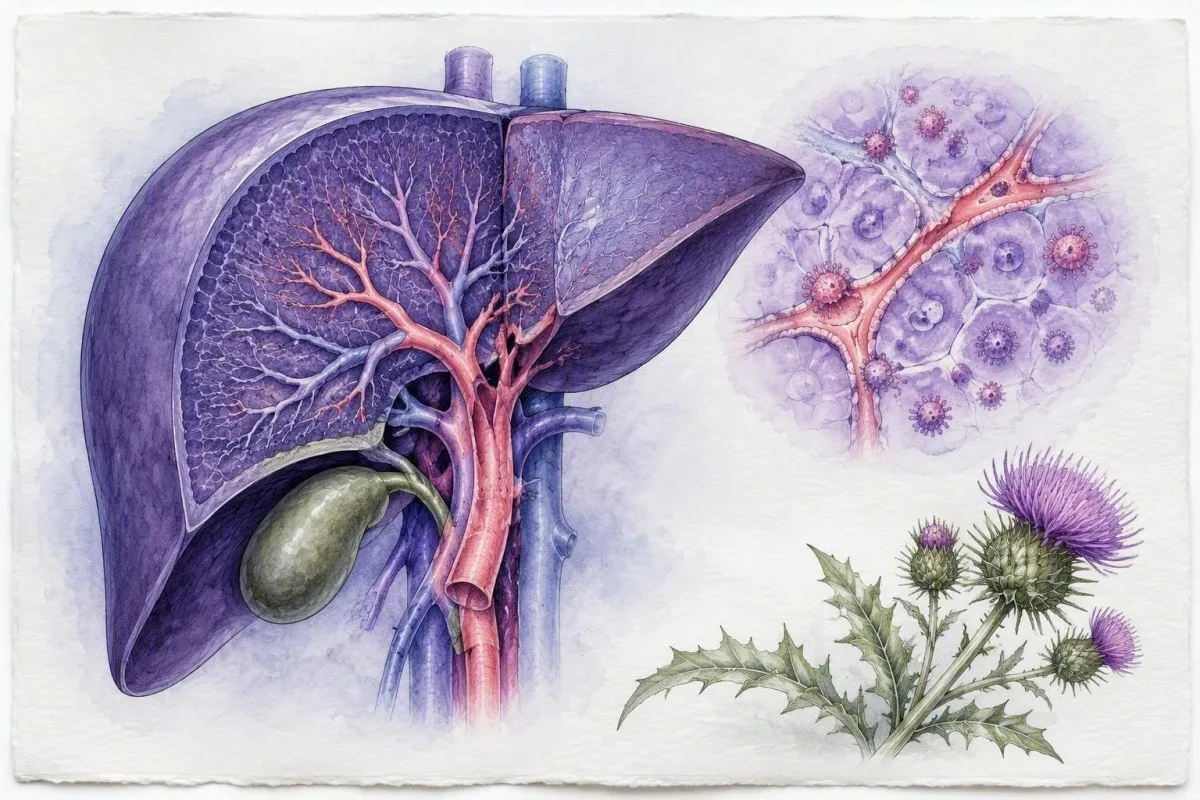
La vacuna contra la hepatitis B es muy eficaz cuando se completa la serie. Para los adultos que necesitan pruebas de respuesta postvacunación debido a riesgo ocupacional o inmunológico, se mide anti-HBs 1-2 meses después de la dosis final; 10 mUI/mL o más es el umbral protector convencional.
Usar condones hasta que la inmunidad de un compañero esté documentada, cubrirse las cortadas y mantener los artículos de higiene personal como algo privado. El contacto social rutinario es seguro y los niños no deben ser aislados de un padre con VHB; esta idea errónea aún causa ansiedad familiar innecesaria.
Kantesti’s recursos de seguimiento de la salud familiar pueden ayudar a los hogares a organizar resultados separados con consentimiento, pero cada persona necesita su propio registro de pruebas y vacunación. La prueba de anticuerpos positiva de un familiar no puede establecer la inmunidad de nadie más.
¿Qué pasa con la lactancia?
La lactancia materna generalmente se permite cuando el recién nacido recibe la inmunoprofilaxis recomendada contra la hepatitis B. Aún se necesita asesoramiento individual si hay pezones agrietados o sangrantes, coinfección por VIH o preguntas sobre la terapia antiviral materna.
¿Qué debe evitar mientras espera los resultados de la hepatitis B?
Evite el alcohol, el paracetamol innecesario y los nuevos suplementos herbales o para el culturismo mientras se evalúa la hepatitis B aguda. Estas exposiciones pueden empeorar el estrés hepático o dificultar la identificación de la fuente de resultados anormales.
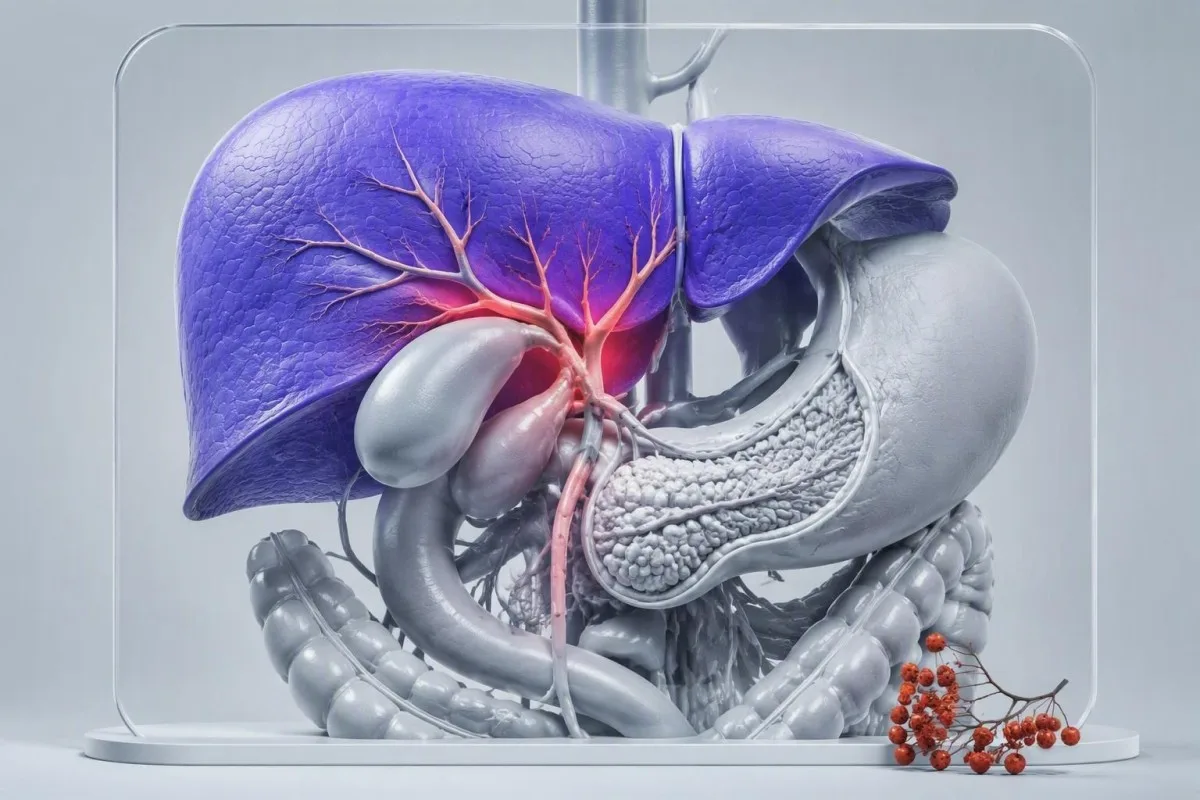
No hay evidencia de que los jugos desintoxicantes, los regímenes de ayuno o los productos de desintoxicación de venta libre eliminen la hepatitis B. Algunos productos contienen extractos concentrados o ingredientes no revelados, y el hígado puede ser especialmente vulnerable durante un episodio inflamatorio agudo; nuestra revisión de suplementos hepáticos de riesgo explica la preocupación.
No suspenda un medicamento recetado abruptamente a menos que el médico se lo indique. Para el paracetamol, los médicos a menudo individualizan los límites seguros cuando hay lesión hepática; un máximo de 4.000 mg diarios, por lo demás estándar, no es automáticamente apropiado para alguien con hepatitis aguda, consumo de alcohol, bajo peso corporal o enfermedad hepática crónica.
La hidratación, las comidas regulares sencillas, evitar el alcohol y mantener una lista fechada de medicamentos y suplementos son sensatos mientras se espera la revisión. Si los vómitos impiden la ingesta de líquidos o si la claridad mental cambia, busque atención urgente en lugar de intentar manejarlo en casa.
La comida no transmite el VHB
La hepatitis B no se contrae por la preparación de alimentos común, platos compartidos o vasos para beber. Esto es importante porque evitar las comidas familiares no reduce la transmisión, mientras que la vacunación y la evitación de artículos personales contaminados con sangre sí lo hacen.
Cómo prepararse para una cita de seguimiento de hepatitis B
Traiga todos los resultados de hepatitis B con las fechas de recolección, su registro de vacunación, una lista de medicamentos y una cronología de exposición concisa. Estos detalles a menudo distinguen una infección reciente, una infección remota, un patrón de falso positivo o una hepatitis B crónica establecida más rápido que repetir una sola prueba.
Anote las fechas de posible exposición, viajes, nuevas parejas sexuales, procedimientos de inyección o tatuaje, contacto en el hogar, embarazo y vacunación previa. Incluya también medicamentos inmunosupresores como rituximab, esteroides en dosis altas, quimioterapia o biológicos, porque la positividad de anti-HBc puede ser importante incluso cuando el HBsAg es negativo.
Haga cuatro preguntas directas: ¿Qué tres marcadores de detección fueron positivos? ¿Está presente el IgM anti-HBc? ¿Cuál es el ADN del VHB en UI/mL? ¿Necesito una evaluación de fibrosis o una prueba de hepatitis D? Esas preguntas mueven la conversación de la preocupación vaga a un plan.
El Dr. Thomas Klein recomienda guardar el PDF original en lugar de solo una captura de pantalla del portal, porque los rangos de referencia, los nombres de los ensayos, las fechas y los comentarios del laboratorio pueden afectar la interpretación. El Kantesti guía tecnológica explica cómo nuestra IA extrae el contexto del informe, mientras que su médico sigue siendo responsable del diagnóstico y el tratamiento.
Una perspectiva práctica final
Una sensación de malestar no es una prueba negativa, y la ictericia es un signo tardío e inconsistente. Si existe riesgo de exposición o de cribado, solicite el panel de tres marcadores incluso cuando se sienta completamente normal; el conocimiento temprano protege tanto su hígado como a las personas cercanas a usted.
Preguntas frecuentes
¿Se puede tener hepatitis B sin ictericia?
Sí. La hepatitis B puede ocurrir sin ictericia, y muchas personas infectadas no presentan ningún síntoma. La ictericia generalmente se hace notable cuando la bilirrubina total aumenta a aproximadamente 2–3 mg/dL (34–51 µmol/L), pero la hepatitis B puede causar inflamación hepática antes de que la bilirrubina alcance ese rango. El panel de cribado apropiado es HBsAg, anti-HBs y anti-HBc total, no una lista de verificación de síntomas.
¿Cuáles son los primeros síntomas de la hepatitis B?
Los primeros síntomas de la hepatitis B pueden incluir fatiga, falta de apetito, náuseas, fiebre leve, dolores musculares, dolor articular y malestar debajo de las costillas derechas. Los síntomas agudos suelen ocurrir después de un período de incubación de 60-150 días, con un promedio de unos 90 días. Estos síntomas se superponen con muchas enfermedades, por lo que se necesitan pruebas de HBsAg, anti-HBc total y anti-HBs para establecer el estado de la hepatitis B. La orina oscura o los ojos amarillos pueden ocurrir más tarde, pero ninguno de los dos es necesario.
¿Qué prueba muestra si la hepatitis B es aguda o crónica?
Ninguna prueba individual diagnostica la hepatitis B a la perfección, pero la persistencia de HBsAg durante 6 meses o más establece la infección crónica. IgM anti-HBc apoya una infección aguda reciente cuando se combina con positividad nueva para HBsAg, aunque también puede aumentar durante un brote de hepatitis B crónica. El ADN del VHB en UI/mL mide la replicación viral y ayuda a guiar el manejo, mientras que las fechas de pruebas anteriores a menudo brindan la respuesta más clara. Un médico suele interpretar estas pruebas junto con ALT, bilirrubina e historial de exposición.
¿Pueden ser normales las enzimas hepáticas con hepatitis B crónica?
Sí. La ALT y la AST pueden ser normales en un momento determinado en la hepatitis B crónica, aunque la infección persista y el ADN del VHB siga siendo detectable. Una ALT normal no excluye la fibrosis, por lo que los clínicos evalúan el ADN del VHB, el estado del HBeAg, las plaquetas, el riesgo de fibrosis, la edad y los antecedentes familiares junto con las enzimas hepáticas. Una ALT superior a 1.000 UI/L puede producirse en la hepatitis viral aguda, pero los valores de ALT leves o normales no descartan la enfermedad crónica. Los resultados seriados son más informativos que una sola extracción de sangre.
¿Qué significa un antígeno de superficie de hepatitis B positivo?
Un antígeno de superficie de hepatitis B, o HBsAg, positivo indica una posible infección activa por hepatitis B que requiere un seguimiento confirmatorio inmediato. Los médicos suelen añadir pruebas de ADN del VHB, anti-HBc total e IgM, anti-VHB, HBeAg, química hepática, hemograma completo y, a menudo, pruebas de hepatitis C, hepatitis D y VIH basadas en el riesgo. Si el HBsAg permanece positivo durante al menos 6 meses, la infección se clasifica como crónica. Un resultado positivo no demuestra por sí solo cirrosis ni determina si es necesario un tratamiento antiviral.
¿Cuándo debo buscar atención médica urgente por una posible hepatitis B?
Busque atención de urgencia el mismo día por confusión, somnolencia intensa, vómitos repetidos, ictericia que empeora rápidamente, hematomas inusuales, hinchazón abdominal significativa o incapacidad para retener líquidos. En la hepatitis aguda, un INR de 1,5 o superior combinado con un estado mental alterado genera preocupación por insuficiencia hepática aguda y requiere evaluación de emergencia. La orina oscura por sí sola puede tener causas benignas, pero la orina oscura con heces pálidas, fiebre, ojos amarillos o picazón intensa necesita una revisión médica rápida. No consuma alcohol ni suplementos de desintoxicación nuevos mientras espera la atención.
Obtén hoy un análisis de sangre con IA
Únete a más de 2 millones de usuarios en todo el mundo que confían en Kantesti para el análisis instantáneo y preciso de pruebas de laboratorio. Sube tus resultados de análisis de sangre y recibe una interpretación completa de los biomarcadores de 15,000+ en segundos.
📚 Publicaciones de investigación citadas
Klein, T., Mitchell, S., & Weber, H. (2026). Kantesti LTD. (2026). Analizador de análisis de sangre con IA: 2.5M pruebas analizadas | Informe global de salud 2026. Zenodo.. Investigación médica con IA de Kantesti.
Klein, T., Mitchell, S., & Weber, H. (2026). Kantesti LTD. (2026). Prueba de sangre RDW: guía completa de RDW-CV, MCV y MCHC. Zenodo.. Investigación médica con IA de Kantesti.
📖 Referencias médicas externas
Organización Mundial de la Salud (2024). Directrices para la prevención, el diagnóstico, la atención y el tratamiento de personas con infección crónica por hepatitis B. Organización Mundial de la Salud.





⚕️ Descargo de responsabilidad médica
Este artículo es solo con fines educativos y no constituye asesoramiento médico. Consulta siempre a un profesional sanitario cualificado para decisiones de diagnóstico y tratamiento.
Señales de confianza E-E-A-T
Experiencia
Revisión clínica dirigida por un médico de los flujos de interpretación de análisis.
Pericia
Enfoque en medicina de laboratorio sobre cómo se comportan los biomarcadores en el contexto clínico.
Autoridad
Escrito por el Dr. Thomas Klein, con revisión de la Dra. Sarah Mitchell y el Prof. Dr. Hans Weber.
Integridad
Interpretación basada en la evidencia con vías de seguimiento claras para reducir la alarma.