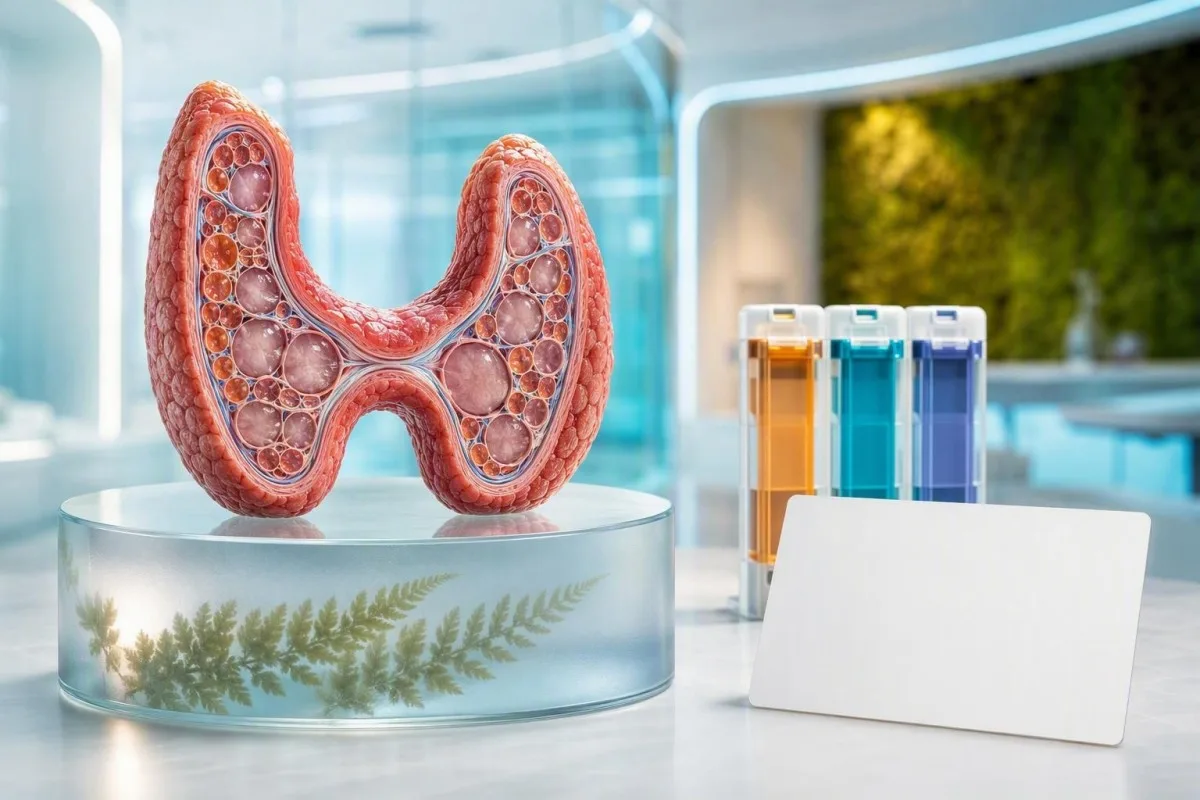
A targeted blood test can identify medical contributors to abrupt mood change, but no laboratory panel can diagnose bipolar disorder, depression, trauma, or relationship stress. The useful question is not “which test proves my mood swings?” but “which reversible medical clues fit my pattern?”


- Thyroid panel: A TSH above 10 mIU/L with low free T4 strongly supports overt hypothyroidism, which can present with slowed thinking, low mood, and irritability.
- CBC and ferritin: Ferritin below 15 ng/mL confirms depleted iron stores in most otherwise well adults; fatigue and poor concentration can appear before hemoglobin falls.
- Vitamin B12: A B12 result below 180 pg/mL (133 pmol/L) usually needs confirmation and treatment planning, particularly with numbness, memory change, or a raised MCV.
- Glucose: A fasting plasma glucose below 70 mg/dL (3.9 mmol/L) during symptoms supports hypoglycemia; an HbA1c of 6.5% or higher requires diabetes confirmation unless classic symptoms are present.
- Electrolytes: Sodium below 125 mmol/L can cause confusion, agitation, headache, or seizures and needs urgent clinical assessment.
- Medication review: Steroids, thyroid replacement, stimulants, some antidepressants, anticonvulsants, and hormonal medicines can shift mood without creating a single diagnostic lab signature.
- Mental-health assessment: Normal labs do not rule out depression, anxiety, bipolar-spectrum illness, substance-related symptoms, or a crisis requiring prompt care.
- Urgent symptoms: New suicidal thoughts, psychosis, severe confusion, a seizure, chest pain, or several nights without sleep plus escalating energy warrants same-day emergency help.
What a blood test can reveal about mood swings
A blood test for mood swings can uncover thyroid disease, anemia, low B12, glucose instability, electrolyte disturbance, organ dysfunction, and medication effects that may worsen irritability or emotional volatility. It cannot diagnose bipolar disorder or explain every emotional change; in my clinical experience, new symptoms still deserve a careful mental-health and life-context assessment alongside sensible labs.
Mood swings become medically more concerning when they are new after age 40, unusually abrupt, paired with weight change, palpitations, tremor, faintness, heavy periods, numbness, or confusion. Dr. Thomas Klein here: I start by asking whether the person feels unlike themselves between episodes, because a clear change from baseline is often more informative than how intense one difficult day felt.
A normal panel does not make symptoms imaginary. Depression, anxiety disorders, bipolar-spectrum conditions, ADHD, grief, sleep deprivation, trauma, alcohol use, and interpersonal stress can all produce real biological stress responses without a defining abnormality on a routine laboratory report.
Kantesti is an AI blood test analyzer that places abnormal and borderline results beside each other, which is useful when fatigue, sleep disruption, and mood changes overlap. Readers who want the laboratory vocabulary behind a thyroid panel can review our guide to thyroid function tests.
Thyroid and mood swings: the highest-yield first tests
TSH and free T4 are the first-line labs for thyroid and mood swings because excess and deficient thyroid hormone can both affect sleep, energy, attention, and emotional regulation. TSH is commonly about 0.4-4.0 mIU/L in non-pregnant adults, although each laboratory must supply its own interval.
A TSH above 10 mIU/L with a low free T4 indicates overt primary hypothyroidism in most settings; low mood, slowed speech, constipation, cold intolerance, and heavy menstrual bleeding are common companions. By contrast, a suppressed TSH below 0.1 mIU/L with raised free T4 or T3 suggests hyperthyroidism, which may feel like panic, anger, restlessness, or an inability to sleep.
The tricky group is subclinical disease: raised TSH with normal free T4, or low TSH with normal hormones. NICE guidance advises repeating and contextualising results rather than assuming a mild TSH shift explains every symptom, especially after acute illness or a major change in thyroid medicine (NICE, 2019). Borderline TSH results are a prompt for clinical follow-up, not a self-treatment cue.
Thyroid peroxidase antibodies help identify autoimmune thyroid disease but do not measure how severe a person’s mood symptoms are. I have seen patients blame a positive antibody result for years of distress when their TSH and free T4 were stable; checking sleep, medication adherence, iron status, and mental-health symptoms often opened a much more useful conversation.
Anemia and low iron: fatigue that looks like low mood
A complete blood count and ferritin test can identify iron deficiency or anemia that amplifies low mood, cognitive fog, and irritability. Ferritin below 15 ng/mL is highly specific for depleted iron stores in otherwise healthy adults, while inflammation can make ferritin appear misleadingly normal.
Hemoglobin reference ranges vary, but anemia is often defined as hemoglobin below 12.0 g/dL in non-pregnant adult women and below 13.0 g/dL in adult men. A low MCV plus low ferritin usually points toward iron deficiency; a normal hemoglobin does not exclude it, particularly in people with heavy menstrual bleeding, endurance training, dietary restriction, or recent blood donation.
The American Gastroenterological Association uses ferritin below 45 ng/mL to improve sensitivity for iron deficiency in patients with anemia, rather than relying solely on the older 15 ng/mL threshold (Ko et al., 2020). That wider cutoff is not a universal diagnosis of iron deficiency in a well person, but it explains why clinicians often order transferrin saturation and CRP when ferritin sits in the 20-50 ng/mL zone.
Kantesti AI reads ferritin with hemoglobin, MCV, RDW, CRP, and transferrin saturation rather than treating one number as a verdict. For cycle-related context, see ferritin ranges in women and our detailed iron studies guide.
B12, folate, and the neurological symptoms not to miss
Vitamin B12 deficiency can cause mood change, memory difficulty, irritability, and nerve symptoms even before anemia develops. A serum B12 level below 180 pg/mL (133 pmol/L) usually supports deficiency, while 180-350 pg/mL is a common grey zone where methylmalonic acid or homocysteine may clarify the picture.
B12 deficiency is more plausible when low or borderline B12 appears with numbness, unsteady gait, a sore tongue, macrocytosis, vegan eating without supplementation, metformin use, acid-suppressing medication, bowel disease, or prior gastric surgery. Folate deficiency may also raise MCV, but folate treatment can improve anemia while allowing B12-related nerve injury to progress.
The British Committee for Standards in Haematology recommends interpreting B12 against symptoms and confirmatory markers rather than using serum B12 in isolation (Devalia et al., 2014). Methylmalonic acid rises in B12 deficiency but can also rise with reduced kidney function, which is one of those details that changes an apparently simple result.
Do not start high-dose folic acid as a substitute for checking B12 if there are neurological symptoms. Our comparison of B12 and folate testing explains why clinicians often investigate both together.
Glucose changes that can feel like sudden mood shifts
Low glucose can produce shakiness, sweating, irritability, confusion, and a sudden sense of dread, but symptoms alone do not prove hypoglycemia. A laboratory plasma glucose below 70 mg/dL (3.9 mmol/L) during symptoms supports low glucose; confirmation is strongest when symptoms resolve after glucose rises.
A fasting glucose of 100-125 mg/dL (5.6-6.9 mmol/L) indicates impaired fasting glucose, and 126 mg/dL (7.0 mmol/L) or above on two tests supports diabetes. HbA1c of 5.7-6.4% indicates increased diabetes risk, while 6.5% or higher requires confirmation unless a person has unequivocal hyperglycemic symptoms.
Reactive symptoms two to four hours after a high-sugar meal are common, but true post-meal hypoglycemia is less common than people think. I ask patients to log food, alcohol, exercise, sleep, symptoms, and a clinician-approved glucose measurement for 10-14 days; patterns are much more persuasive than a single shaky afternoon.
Glucose medication, insulin, sulfonylureas, prolonged fasting, alcohol without food, and severe illness change the threshold for concern. Our practical guide to glucose ranges for women covers fasting, post-meal, and pregnancy-specific interpretation.
Electrolytes, kidney function, and liver markers
Sodium, calcium, kidney function, and liver markers can contribute to altered mood or thinking when significantly abnormal, although mild isolated changes rarely explain recurrent mood swings. Sodium below 125 mmol/L may cause confusion, agitation, vomiting, seizures, or reduced consciousness and needs urgent assessment.
Calcium above 12 mg/dL (3.0 mmol/L) can cause dehydration, constipation, impaired concentration, and emotional change; calcium below 7.5 mg/dL (1.9 mmol/L) may cause tingling, cramps, or seizures. Corrected calcium depends on albumin, and ionised calcium is preferable when results conflict with the clinical picture.
Reduced eGFR, markedly raised urea, severe liver dysfunction, and high ammonia can affect cognition, but routine liver enzymes do not diagnose a psychiatric condition. A basic metabolic panel is most useful when paired with blood pressure, fluid intake, vomiting or diarrhoea, supplements, alcohol use, and medication history; our basic metabolic panel guide explains these clusters.
Kantesti is an AI lab test interpretation service that identifies linked patterns such as low sodium plus low potassium after a medication change, rather than generating concern from one flagged digit. Methodology and clinical boundaries are described in our medical validation overview.
Hormones, menstrual cycles, and life-stage changes
Hormone testing is useful for mood symptoms when timing suggests pregnancy, perimenopause, irregular cycles, thyroid disease, or medication effects; it is not a routine screen for every mood swing. Perimenopausal hormone levels can fluctuate widely from one day to another, so a single FSH or estradiol result rarely settles the question.
Premenstrual dysphoric disorder is diagnosed from a prospective symptom pattern across at least two menstrual cycles, not from an estrogen, progesterone, or cortisol level. Testing is more valuable for ruling out mimics such as pregnancy, anemia, thyroid disease, or hyperprolactinemia when periods change alongside mood.
Pregnancy testing is appropriate whenever pregnancy is possible and symptoms or cycle timing are uncertain. Perimenopause often brings sleep fragmentation and vasomotor symptoms that worsen emotional resilience, yet new severe depression, agitation, or suicidal thoughts still needs direct mental-health assessment rather than being dismissed as “just hormones.”
For a targeted work-up, our article on blood tests for PMS separates useful exclusion tests from expensive hormone panels that seldom change management.
Medication, supplement, and substance effects to check first
Medication changes are among the most overlooked causes of new mood symptoms, and the key test is often a timeline rather than an additional blood panel. Symptoms beginning within days to weeks of starting, stopping, increasing, or missing a medicine deserve a pharmacist or prescriber review.
Oral or injected corticosteroids can trigger insomnia, irritability, depression, hypomania, or psychosis, sometimes within the first week. Thyroid hormone excess, stimulant medicines, decongestants, dopamine-active drugs, some antiseizure medicines, and antidepressant activation can also shift mood; never stop prescribed treatment abruptly without advice.
Metformin can lower B12 over time, while diuretics can lower sodium or potassium and proton-pump inhibitors may impair B12 or magnesium status in susceptible people. The relevant follow-up depends on the drug, dose, kidney function, and symptoms; our review of labs after starting metformin gives one concrete example.
Alcohol, cannabis, cocaine, amphetamines, MDMA, nicotine withdrawal, and unregulated “energy” or weight-loss products can cause marked mood cycling and distort sleep. Be candid with the clinician—this changes safety decisions, not moral judgement.
Sleep loss, alcohol, and physical stress: labs with limits
Sleep deprivation and alcohol withdrawal can cause severe irritability and emotional lability even when standard blood tests are normal. Labs are most helpful here when they identify complications, such as low magnesium, liver injury, anemia, infection, or unsafe electrolyte changes.
Three or more nights of little sleep with rapidly escalating energy, impulsivity, grandiosity, or pressured speech should prompt urgent assessment for mania or substance-related activation. A normal TSH, CBC, and CMP do not make this pattern safe to watch at home, particularly if there is risky spending, driving, or psychotic thinking.
GGT and carbohydrate-deficient transferrin can support an alcohol history in selected cases but neither measures mood nor proves alcohol use on its own. AST higher than ALT, raised MCV, low magnesium, and high triglycerides can form a supportive pattern, although medications, liver disease, and nutrition also matter.
If you have reduced or stopped alcohol, our guide to biomarker changes after quitting alcohol explains why liver markers and sleep may improve on different timelines.
Cortisol testing: when it helps and when it misleads
A random cortisol test is not a diagnostic test for everyday stress or “adrenal fatigue.” Cortisol testing becomes useful when symptoms suggest adrenal insufficiency or cortisol excess, such as unexplained weight change, persistent low blood pressure, skin changes, severe weakness, or characteristic medication exposure.
Morning serum cortisol is normally highest around 8 a.m., but assay-specific interpretation matters. A very low early-morning value may lead to urgent endocrine testing, while a clearly high value in an acutely stressed person often reflects illness, pain, poor sleep, or medication rather than Cushing syndrome.
The phrase “adrenal fatigue” is not a recognised endocrine diagnosis. In my experience, people using it are often describing a genuine cluster of sleep debt, burnout, iron deficiency, depression, anxiety, thyroid disease, overtraining, or medication effects—problems that deserve care without unnecessary steroid supplements.
Insomnia itself is a potent mood destabiliser, and it is usually more productive to assess iron, thyroid symptoms, sleep apnea risk, substances, and mental health. See our targeted insomnia lab guide before pursuing broad cortisol panels.
How to prepare for labs and avoid false alarms
The most useful labs for mood swings are drawn under ordinary, documented conditions rather than after extreme fasting, a hard workout, or a night without sleep. Biotin supplements can interfere with some thyroid immunoassays, and dehydration can concentrate hemoglobin, albumin, calcium, and sodium results.
Tell the laboratory and clinician about biotin, thyroid tablets, iron, B12 injections, creatine, hormonal contraception, steroids, herbal products, alcohol intake, and recent illness. Depending on the assay, clinicians may ask patients to withhold high-dose biotin for at least 48 hours; never hold prescribed medication unless the ordering clinician tells you to.
Repeat testing is sensible when a result is unexpected and the person is clinically well. A small laboratory difference may reflect hydration, time of day, menstrual timing, exercise, analytical variation, or a change in the reference method rather than a meaningful biological deterioration.
Kantesti compares dates and reference intervals to show whether a result has changed beyond ordinary noise. Our article on meaningful differences between visits explains why a trend is often more useful than a single flag.
When mood swings need mental-health assessment first
Mental-health assessment comes before routine testing when mood swings involve suicidal thoughts, self-harm risk, psychosis, severe agitation, dangerous impulsivity, or inability to care for yourself. These symptoms need immediate support even if a thyroid panel or CBC has already been ordered.
A clinician will ask about duration, sleep, energy, racing thoughts, concentration, trauma, substances, menstrual timing, family history, past episodes, and safety. Bipolar disorder is diagnosed from clinical episodes, not a blood biomarker; a missed history of hypomania can matter greatly before an antidepressant is started or increased.
Call emergency services or go to an emergency department now for intent or a plan to die, command hallucinations, severe confusion, a seizure, or mania with dangerous behaviour. If there is no immediate danger but symptoms are escalating over days, arrange urgent review through a primary-care clinician, mental-health crisis service, or qualified psychiatric professional.
Our Medical Advisory Board supports clear clinical escalation pathways: laboratory interpretation should reduce uncertainty, not delay a safety conversation.
Using an AI lab report safely without self-diagnosing
AI can organise laboratory information and highlight questions for a clinician, but it cannot examine you, assess suicide risk, confirm a diagnosis, or replace a prescriber’s medication decision. A useful report should retain the original laboratory ranges, dates, units, and a clear recommendation for clinical follow-up when needed.
Kantesti is an AI-powered blood test analysis tool designed to read uploaded laboratory PDFs or photos in context, including trends and related biomarkers. It should be used to prepare better questions, such as “Does my TSH change match my symptoms?” or “Could low ferritin explain fatigue while we assess my mood separately?”
Before uploading, remove or protect information you do not need to share, confirm that the name, date, unit, and laboratory reference interval were captured correctly, and keep the original file. A missing decimal point, confused unit, or OCR error can turn a routine result into an alarming but false interpretation.
Our privacy steps before uploading results and PDF OCR checklist are practical safeguards, especially when results are being shared with family or a clinician.
A practical lab request list for new or worsening symptoms
For persistent new mood swings without emergency red flags, clinicians commonly begin with a CBC, ferritin or iron studies when indicated, TSH with free T4, glucose or HbA1c, and a metabolic panel. B12, folate, pregnancy testing, CRP, medication-specific monitoring, and hormone tests are added when the history points that way.
Ask for testing based on your story, not a maximal shopping list. Heavy periods and breathlessness justify CBC and ferritin; tremor and palpitations make thyroid and glucose testing more useful; tingling or metformin use strengthens the case for B12; vomiting, diuretics, or confusion make electrolytes urgent.
As of August 1, 2026, Dr. Thomas Klein recommends bringing a one-page symptom timeline covering 4-8 weeks, medication and supplement doses, menstrual dates where relevant, sleep duration, alcohol or substance use, and previous laboratory reports. That document frequently prevents duplicate testing and makes a borderline result easier to judge.
Kantesti AI can organise multi-visit reports for discussion with a clinician, while our 15,000-plus biomarker guide explains test names in plain language. Learn how the system handles context and limitations in our AI technology guide, and read more about Kantesti as an organisation.
Frequently Asked Questions
What blood tests should I ask for if I have mood swings?
For new or worsening mood swings, clinicians commonly consider a CBC, ferritin or iron studies when iron deficiency is plausible, TSH with free T4, glucose or HbA1c, and a metabolic panel containing sodium, calcium, kidney, and liver markers. Vitamin B12, folate, pregnancy testing, CRP, and medication-specific tests are added only when symptoms or history support them. A TSH above 10 mIU/L with low free T4, ferritin below 15 ng/mL, sodium below 125 mmol/L, or glucose below 70 mg/dL during symptoms can each be clinically meaningful. No blood panel can diagnose bipolar disorder, depression, or anxiety by itself.
Can thyroid problems cause mood swings?
Thyroid dysfunction can contribute to mood swings because thyroid hormones influence energy, sleep, heart rate, and cognitive speed. A TSH above 10 mIU/L with low free T4 usually indicates overt hypothyroidism, while TSH below 0.1 mIU/L with elevated free T4 or T3 suggests hyperthyroidism. Hypothyroidism may feel like low mood, slowing, or apathy, whereas hyperthyroidism can resemble anxiety, irritability, agitation, or insomnia. Mild TSH abnormalities with normal free T4 need repeat testing and clinical context rather than automatic treatment.
Can low iron cause emotional changes even if hemoglobin is normal?
Low iron stores can contribute to fatigue, reduced concentration, sleep disturbance, and irritability before hemoglobin becomes low enough to meet anemia criteria. Ferritin below 15 ng/mL is strongly consistent with depleted iron stores in most healthy adults, while ferritin between 15 and 45 ng/mL may need interpretation with transferrin saturation and CRP. Hemoglobin below 12.0 g/dL in non-pregnant adult women or 13.0 g/dL in adult men is commonly classified as anemia. Heavy periods, dietary restriction, endurance training, gastrointestinal symptoms, and blood donation all change the likely cause and next step.
Can low blood sugar cause mood swings?
Low glucose can cause abrupt irritability, shakiness, sweating, hunger, palpitations, confusion, and anxiety-like sensations. A plasma glucose below 70 mg/dL, or 3.9 mmol/L, measured during symptoms supports hypoglycemia; symptom relief after glucose rises adds useful confirmation. Recurrent symptoms after meals do not always represent true hypoglycemia, so a food, sleep, exercise, alcohol, and symptom log is often more informative than random finger-prick checks. People using insulin or sulfonylurea medicines need prompt clinician advice for recurrent readings below 70 mg/dL.
Can a blood test diagnose bipolar disorder?
A blood test cannot diagnose bipolar disorder because bipolar disorder is identified through a clinical history of manic, hypomanic, and depressive episodes rather than a single biomarker. Blood tests are used to look for medical contributors or mimics, including thyroid disease, B12 deficiency, anemia, electrolyte disorders, substance effects, and medication complications. Several nights of little sleep with escalating energy, risky behaviour, racing thoughts, psychosis, or dangerous impulsivity needs urgent mental-health assessment even if laboratory tests are normal. A clinician may still order TSH, CBC, glucose, and metabolic testing as part of a safe initial evaluation.
When are mood swings an emergency?
Mood swings are an emergency when they include suicidal intent or a plan, command hallucinations, severe confusion, a seizure, inability to care for basic needs, or mania with dangerous behaviour. Sodium below 125 mmol/L, glucose below 54 mg/dL (3.0 mmol/L), or severe hyperthyroid symptoms with fever and a rapid heartbeat are medical reasons for same-day emergency assessment. Do not wait for a routine outpatient blood test if safety is in question. Contact local emergency services, go to an emergency department, or use an urgent mental-health crisis service.
Get AI-Powered Blood Test Analysis Today
Join over 2 million users worldwide who trust Kantesti for instant, accurate lab test analysis. Upload your blood test results and receive comprehensive interpretation of 15,000+ biomarkers in seconds.
📚 Referenced Research Publications
Klein, T., Mitchell, S., & Weber, H. (2026). Klein, T., et al. (2026). Multilingual AI Assisted Clinical Decision Support for Early Hantavirus Triage: Design, Engineering Validation, and Real-World Deployment Across 50,000 Interpreted Blood Test Reports. Figshare.. Kantesti AI Medical Research.
Klein, T., Mitchell, S., & Weber, H. (2026). Klein, T., et al. (2026). A Pre-Registered, Rubric-Based Automated Technical Benchmark of the Kantesti Blood-Test Interpretation Engine on 100,000 Synthetic Test Cases. Figshare.. Kantesti AI Medical Research.
📖 External Medical References
National Institute for Health and Care Excellence (2019). Thyroid disease: assessment and management. NICE guideline NG145.
⚕️ Medical Disclaimer
This article is for educational purposes only and does not constitute medical advice. Always consult a qualified healthcare provider for diagnosis and treatment decisions.
E-E-A-T Trust Signals
Experience
Physician-led clinical review of lab interpretation workflows.
Expertise
Laboratory medicine focus on how biomarkers behave in clinical context.
Authoritativeness
Written by Dr. Thomas Klein with review by Dr. Sarah Mitchell and Prof. Dr. Hans Weber.
Trustworthiness
Evidence-based interpretation with clear follow-up pathways to reduce alarm.