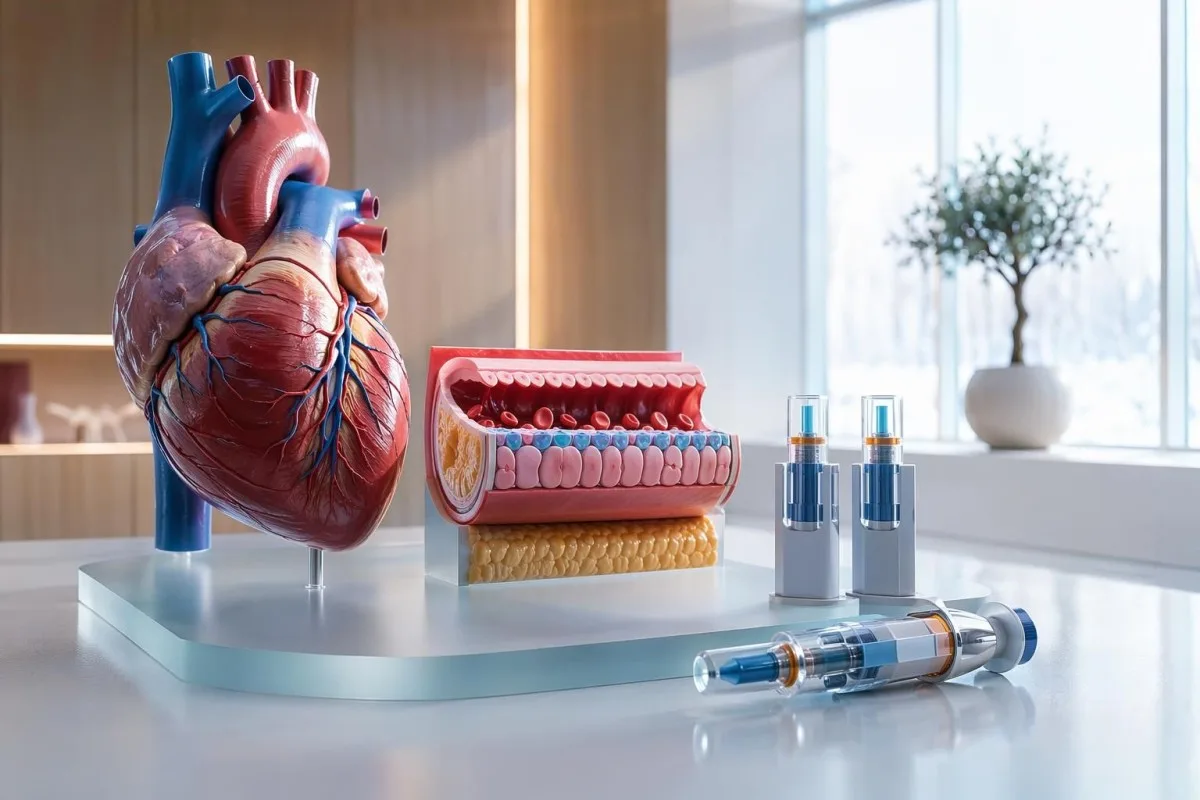
Erectile dysfunction is often a vascular and metabolic signal before it is a hormone diagnosis. The right lab pattern can point to heart risk, insulin resistance, thyroid disease, medication effects, or true androgen deficiency.


- ED is vascular until proven otherwise: new or worsening erectile dysfunction can precede coronary symptoms by 2–5 years in some men, especially with high glucose or abnormal lipids.
- A1c and fasting glucose: A1c 5.7–6.4% suggests prediabetes, while A1c ≥6.5% meets the diabetes threshold if confirmed.
- Fasting insulin: insulin above about 10–12 µIU/mL with normal A1c can suggest early insulin resistance before standard diabetes flags appear.
- Triglycerides and HDL: triglycerides ≥150 mg/dL or HDL below 40 mg/dL in men often point to cardiometabolic risk linked with ED.
- Testosterone timing matters: total testosterone should usually be checked before 10 a.m. and repeated if low, because a single afternoon result can mislead.
- SHBG changes the story: high or low SHBG can make total testosterone look normal while free testosterone is low, or vice versa.
- Thyroid clues: TSH above roughly 4.0–4.5 mIU/L or below 0.4 mIU/L can affect libido, erections, mood, and hormone binding.
- Medication effects: opioids, some antidepressants, spironolactone, finasteride, and some blood pressure drugs can contribute to ED even when routine labs look acceptable.
Why ED blood work should start with vascular risk
A blood test for erectile dysfunction should not start and stop with testosterone. As of May 22, 2026, I treat new ED as a possible early cardiometabolic warning sign: glucose, A1c, insulin, lipids, kidney markers, thyroid tests, CBC, prolactin, and morning testosterone all matter. You can upload results to blood test for erectile dysfunction analysis in Kantesti, but abnormal results still need clinical review.
The practical reason is anatomy. Penile arteries are about 1–2 mm wide, while coronary arteries are often 3–4 mm; a small plaque burden or endothelial problem can show up during erections before it causes chest pain. The Princeton III Consensus described ED as a marker that should trigger cardiovascular risk assessment in many men (Nehra et al., 2012).
In clinic, I have seen the same pattern many times: a 46-year-old man arrives asking only for testosterone, and his A1c is 6.1%, triglycerides 238 mg/dL, HDL 34 mg/dL, and blood pressure has quietly crept up. The low libido is real, but the vascular story is louder. For a deeper heart-marker checklist, see our guide to heart blood tests.
I am Thomas Klein, MD, and I would rather find insulin resistance or ApoB-driven risk at the ED visit than after the first cardiac event. Not every man with ED has heart disease, and anxiety, relationship stress, pelvic surgery, and medications matter too. Still, erectile dysfunction blood work is one of those places where pattern recognition beats a single flagged result.
Which labs catch diabetes risk before A1c looks high
The best labs for ED causes related to diabetes are fasting glucose, A1c, fasting insulin, and sometimes C-peptide. A1c 5.7–6.4% suggests prediabetes, and A1c ≥6.5% meets the diabetes threshold when confirmed, according to the ADA Standards of Care (American Diabetes Association Professional Practice Committee, 2024).
Fasting glucose of 100–125 mg/dL is impaired fasting glucose; fasting glucose ≥126 mg/dL on repeat testing supports diabetes. I pay special attention when fasting glucose is only 92–99 mg/dL but fasting insulin is 12–20 µIU/mL, because that often means the pancreas is working hard to keep sugar looking normal.
Kantesti AI interprets early metabolic ED patterns by comparing A1c, glucose, triglycerides, HDL, ALT, waist-risk proxies, and previous values rather than treating each result as isolated. Our guide to insulin resistance testing explains why A1c can stay normal while vascular nitric oxide signaling is already impaired.
C-peptide can help when the story is odd: low-normal insulin with high glucose suggests limited insulin production, while high insulin and high C-peptide suggest insulin resistance. A fasting insulin above 10–12 µIU/mL is not diagnostic by itself, because assays vary, but combined with triglycerides above 150 mg/dL it becomes a useful clinical clue.
One small but useful trick: compare A1c with fasting glucose. An A1c of 5.4% with fasting glucose 112 mg/dL may reflect morning glucose spikes, sleep apnea, recent diet change, or red-cell turnover effects. If hemoglobin is low or MCV is abnormal, I trust the A1c less.
Lipid patterns that make ED a heart warning sign
ED blood work should include a lipid panel because high triglycerides, low HDL, high non-HDL cholesterol, ApoB elevation, and high Lp(a) can all point to vascular ED risk. Triglycerides ≥150 mg/dL and HDL below 40 mg/dL in men are especially common in insulin-resistant ED patterns.
LDL cholesterol still matters, but I do not stop there. Non-HDL cholesterol above 130 mg/dL suggests excess atherogenic cholesterol for many adults, and ApoB above 90 mg/dL often means too many plaque-forming particles even when LDL looks unimpressive. This is why a standard lipid panel can be underpowered for a 42-year-old man with new ED.
The triglycerides-to-HDL ratio is a rough but helpful insulin-resistance clue. A ratio above 3.0 using mg/dL units often tracks with smaller LDL particles, fatty liver tendency, and impaired endothelial function. We go deeper into that pattern in our triglycerides-to-HDL ratio guide.
Lp(a) is the inherited result many men have never been offered. Lp(a) ≥50 mg/dL or ≥125 nmol/L is generally considered high and can raise lifetime vascular risk even when diet, weight, and exercise are strong. If a man has ED before age 50 plus a parent with early heart disease, I want Lp(a) checked once.
A clinical anecdote sticks with me: a lean cyclist had LDL 118 mg/dL, HDL 61 mg/dL, and testosterone 620 ng/dL, but ApoB was 126 mg/dL and Lp(a) was 178 nmol/L. His ED was not explained by testosterone. It was the first visible symptom of inherited vascular risk.
Hormone tests for erectile dysfunction beyond total testosterone
The core hormone tests for erectile dysfunction are morning total testosterone, calculated or measured free testosterone, SHBG, LH, FSH, prolactin, and sometimes estradiol. Total testosterone below about 264–300 ng/dL is low in many lab systems, but symptoms and repeat testing decide what it means.
The Endocrine Society recommends diagnosing hypogonadism only in men with consistent symptoms and unequivocally low testosterone on repeat morning testing (Bhasin et al., 2018). I like that wording because it protects patients from both undertreatment and the opposite problem: treating a single bad blood draw.
SHBG is the quiet troublemaker. High SHBG can make total testosterone look adequate while free testosterone is low; low SHBG can make total testosterone look low while free testosterone is acceptable. Our free testosterone guide explains why obesity, thyroid disease, liver disease, aging, and some medications change SHBG.
LH and FSH tell you whether the signal problem is coming from the pituitary or the gonads. Low testosterone with high LH suggests primary testicular failure; low testosterone with low or normal LH suggests secondary hypogonadism, which can follow opioids, obesity, sleep apnea, pituitary disease, or severe stress.
Prolactin deserves respect. A prolactin above 20–25 ng/mL in men is usually repeated fasting and rested; values above 100 ng/mL raise concern for a prolactin-secreting pituitary adenoma, though medications and macroprolactin can muddy the water.
Testosterone timing, sleep, and repeat testing
Testosterone should usually be measured between 7 a.m. and 10 a.m., especially in men under 60, because levels fall during the day. A low afternoon testosterone result can be 20–30% lower than a morning value and should not be used alone to diagnose hypogonadism.
Sleep is not a footnote. One week of restricted sleep can lower daytime testosterone in some men, and I have seen repeat values rise from 255 ng/dL to 410 ng/dL after treating sleep apnea and retesting properly. Before ordering therapy, fix the timing.
The best preparation is boring: normal sleep, no heavy endurance event in the previous 24–48 hours, no acute illness, and no crash dieting. Our testosterone blood test preparation guide covers fasting, morning timing, and supplement interference in more detail.
Kantesti’s neural network flags testosterone results differently when albumin, SHBG, TSH, A1c, liver enzymes, BMI context, and medication clues point in opposite directions. A total testosterone of 310 ng/dL is not the same result in a 29-year-old night-shift worker as it is in a 72-year-old man recovering from pneumonia.
I am cautious with men who arrive after buying testosterone online. Hematocrit above 54% during testosterone treatment is a stop-and-evaluate number because it raises viscosity and clotting concern. That is one reason baseline CBC, PSA when age-appropriate, and cardiovascular risk review come before treatment.
Thyroid patterns that quietly change libido and erections
Thyroid labs can contribute to ED when TSH is high, TSH is suppressed, or free T4 and T3 do not fit the symptom pattern. A typical adult TSH reference range is roughly 0.4–4.0 mIU/L, but age, medication timing, biotin, and lab method can shift interpretation.
Hypothyroidism can lower libido, worsen fatigue, increase prolactin modestly, and raise cholesterol. Hyperthyroidism can increase SHBG, raise total testosterone misleadingly, and still leave free testosterone or sexual function poor. The thyroid-ED connection is not always dramatic; it is often a slow drift.
I see this pattern in men who say they are depressed but also have cold intolerance, constipation, LDL elevation, and TSH 6.8 mIU/L. Our thyroid panel guide explains when free T4, free T3, TPO antibodies, and thyroglobulin antibodies add value beyond TSH.
Biotin can distort some thyroid immunoassays. A man taking 5–10 mg daily for hair or nails may show falsely low TSH and falsely high free T4 in certain assays, which can lead to a wrong diagnosis. I usually ask patients to stop high-dose biotin for 48–72 hours before thyroid testing, unless their clinician gives different advice.
Some European labs use a lower upper TSH reference limit than some US labs, and older adults may run slightly higher TSH without the same meaning. Context matters more than the number here. If ED appears alongside palpitations, unexplained weight loss, tremor, or severe fatigue, thyroid testing is not optional.
Medication effects: what labs can and cannot prove
Medication-related ED is common, but blood work cannot prove every drug effect. Labs can reveal opioid-related low testosterone, spironolactone-related hormone shifts, kidney or electrolyte changes from antihypertensives, or liver effects from multiple medications, while antidepressant sexual side effects may leave routine labs normal.
The timeline is often more useful than a single marker. ED beginning 2–8 weeks after starting an SSRI, dose increase, finasteride, beta blocker, thiazide, opioid, or antipsychotic deserves a medication review even if testosterone is 500 ng/dL and A1c is normal.
Opioids are different because labs often show the mechanism. Long-term opioid therapy can suppress GnRH signaling, leading to low LH and low testosterone; prolactin may also rise depending on the drug and dose. Our medication monitoring timeline helps patients map when labs are expected to move after a medication change.
Blood pressure medication is more nuanced than internet forums suggest. Uncontrolled hypertension itself damages endothelial function, so stopping treatment without supervision can make erections and cardiovascular risk worse. If potassium is 3.2 mmol/L on a diuretic, or creatinine rose after a new drug, that lab pattern is clinically useful.
Do not assume statins are the enemy. In men with vascular ED and high ApoB, lipid-lowering therapy may improve long-term endothelial health even if short-term sexual symptoms are blamed on the medication. The evidence here is honestly mixed, so I look for timing, rechallenge history, CK, ALT, thyroid status, and competing explanations.
CBC, ferritin, B12, and oxygen delivery clues
CBC, ferritin, iron saturation, B12, and sometimes folate can identify anemia, early iron deficiency, high hematocrit, or macrocytosis that worsens fatigue and sexual performance. Adult male hemoglobin is often about 13.5–17.5 g/dL, though ranges vary by lab and altitude.
Ferritin below 30 ng/mL is a strong clue for iron deficiency in many adults, even when hemoglobin is still normal. A man with ferritin 18 ng/mL, restless legs, poor sleep, and ED may not have a primary testosterone problem; he may be exhausted and under-recovered.
B12 deficiency can cause neuropathy, low mood, glossitis, and macrocytosis, but it can also occur without anemia. MCV above 100 fL with low-normal B12 should prompt methylmalonic acid or homocysteine in selected cases. Our guide to anemia blood test patterns walks through the CBC clues that change first.
High hematocrit has a different message. Hematocrit above about 52% in a man not on testosterone makes me ask about smoking, dehydration, high altitude, lung disease, and sleep apnea. If hematocrit rises above 54% on testosterone therapy, most guidelines recommend holding or adjusting treatment and evaluating risk.
A subtle pattern I see in athletes is AST 70 IU/L, CK 900 IU/L, normal ALT, ferritin drifting down, and low morning libido after hard training. That is not liver failure or instant hypogonadism. It is often a recovery and iron-balance problem.
Kidney, liver, and protein markers that shift hormones
Kidney, liver, and protein markers matter in ED because they affect vascular health, hormone binding, medication clearance, and inflammation. eGFR below 60 mL/min/1.73 m² for 3 months suggests chronic kidney disease, and urine albumin-creatinine ratio ≥30 mg/g can reveal early vascular kidney injury.
Creatinine alone can mislead muscular or low-muscle patients. A 38-year-old bodybuilder with creatinine 1.35 mg/dL may have normal cystatin C, while a frail 68-year-old with creatinine 0.9 mg/dL may have reduced true filtration. That difference matters before prescribing ED medication or testosterone.
Albumin is not just a nutrition marker. Albumin below 3.5 g/dL can reflect liver disease, kidney protein loss, inflammation, or malnutrition, and it changes calculated free testosterone because testosterone binds partly to albumin. Our kidney urine ACR guide explains why a urine test often completes the vascular picture.
Liver enzymes add another layer. ALT above 40–50 IU/L with high triglycerides and fasting insulin often points toward fatty liver physiology, which is tightly linked with insulin resistance and ED risk. GGT above 60 IU/L in adult men can reflect alcohol use, fatty liver, bile duct stress, or medication effects depending on the rest of the panel.
Kantesti AI reads albumin, globulin, A/G ratio, AST, ALT, ALP, GGT, bilirubin, creatinine, eGFR, and electrolytes together because one abnormal marker rarely tells the whole story. When I review a panel showing low albumin plus high urine ACR, I think vascular permeability and kidney risk before I think testosterone.
Inflammation, sleep apnea, and vascular tone markers
Inflammation and sleep apnea can worsen ED through endothelial dysfunction, oxidative stress, lower testosterone, and poor sleep architecture. hs-CRP below 1 mg/L is generally low cardiovascular inflammation risk, 1–3 mg/L is intermediate, and above 3 mg/L is higher risk when infection is absent.
CRP is not an ED diagnostic test, but it changes the risk conversation. hs-CRP 5.8 mg/L after a dental abscess is noise; hs-CRP 4.2 mg/L on three calm mornings with central weight gain, high ApoB, and ED is a vascular prevention signal. See our sleep apnea risk labs guide for the patterns that often travel together.
Sleep apnea can leave fingerprints: high-normal hematocrit, rising fasting glucose, higher triglycerides, low testosterone, and sometimes mildly elevated liver enzymes. A bed partner’s report of pauses in breathing is more valuable than any one lab value, but the lab pattern can push a reluctant patient toward a sleep study.
Uric acid is not just about gout. Uric acid above 7.0 mg/dL in men often clusters with insulin resistance, hypertension, kidney strain, and endothelial dysfunction. I do not blame ED on uric acid alone, but I do treat it as another smoke signal.
Fibrinogen and ESR are less specific, yet they can help when autoimmune disease, chronic infection, or inflammatory arthritis is in the story. The trap is overreacting to mild elevations after a cold. Repeat testing 2–4 weeks after recovery often prevents a wild goose chase.
When ED blood work should trigger urgent heart evaluation
ED blood work should trigger prompt heart evaluation when erectile symptoms occur with chest pressure, exertional breathlessness, fainting, new irregular heartbeat, very high glucose, severe hypertension, or markedly abnormal lipids. Troponin is for suspected acute heart injury, not routine ED screening.
A man with new ED plus exertional chest tightness should not receive an ED tablet and reassurance. He needs medical assessment first. The Princeton III Consensus recommends classifying sexual activity cardiac risk before treatment in men with possible unstable cardiovascular disease (Nehra et al., 2012).
Numbers that make me pause include A1c 10%, fasting glucose 280 mg/dL, LDL 220 mg/dL, triglycerides 650 mg/dL, potassium 5.8 mmol/L, or eGFR 38 mL/min/1.73 m². These are not subtle wellness findings. They change medication safety, cardiovascular risk, and the urgency of care.
Our guide to heart attack prediction labs separates long-term risk markers from emergency markers. BNP or NT-proBNP can help when breathlessness suggests heart failure, while troponin belongs in urgent settings with chest pain, pressure, or concerning symptoms.
One practical rule from my practice: if ED is new, sudden, and paired with reduced exercise tolerance, I want the heart checked before I argue about testosterone. That may feel cautious. It has also saved men from exercising through warning symptoms.
How to prepare for ED labs without distorting results
Prepare for erectile dysfunction blood work by testing testosterone in the morning, fasting 8–12 hours when glucose, insulin, and triglycerides are included, avoiding heavy exercise for 24–48 hours, and pausing high-dose biotin before thyroid or hormone immunoassays if your clinician agrees.
Water is fine for most fasting labs and usually helps sample quality. Coffee without sugar or cream may be allowed by some clinicians, but caffeine can affect cortisol, glucose, and heart rate in sensitive people. For clean ED blood work, I prefer plain water until the draw.
Alcohol can distort triglycerides, GGT, sleep quality, and testosterone for 24–72 hours, depending on amount. A hard gym session can raise CK, AST, ALT, white cells, and sometimes creatinine, which creates distracting false alarms. Our fasting rules guide covers what changes and what does not.
Do not start zinc, ashwagandha, DHEA, high-dose vitamin D, or testosterone boosters the week before baseline labs. If you change six variables before testing, your clinician loses the baseline. I would rather see an honest imperfect result than a polished one that cannot be interpreted.
Repeat abnormal results strategically. A mildly low testosterone, prolactin 28 ng/mL, or potassium 5.4 mmol/L may be real, but repeat timing, tourniquet time, recent exercise, and lab handling can matter. Borderline ED labs are where patience prevents misdiagnosis.
How Kantesti reads ED labs as patterns, not flags
Kantesti reads ED-related labs by comparing hormone, vascular, metabolic, thyroid, kidney, liver, CBC, medication, and trend data in one interpretation. Our platform does not diagnose erectile dysfunction; it helps patients and clinicians see which lab patterns deserve follow-up.
A single red flag can be misleading. Kantesti AI compares more than 15,000 biomarkers across uploaded PDFs or photos, and our system usually returns an interpretation in about 60 seconds. You can learn how our AI-powered blood test interpretation works before using it for ED-related blood work.
Our medical review process is overseen by physicians and clinical advisors, including our Medical Advisory Board. The reason we built trend analysis is simple: a triglyceride rise from 90 to 165 mg/dL, A1c drift from 5.2% to 5.8%, and testosterone drop from 620 to 390 ng/dL over 3 years tells a different story than one isolated result.
Kantesti’s clinical standards are documented in our medical validation materials, and I still tell users the same thing I tell patients: lab interpretation should support medical care, not replace it. If ED is paired with chest symptoms, neurological symptoms, severe depression, or very abnormal labs, get direct medical help.
Family risk matters too. A father with myocardial infarction at 52, a brother with type 2 diabetes, or several relatives with high Lp(a) changes how I read borderline results. That is why our Family Health Risk feature can be useful when ED is the first symptom that brings a man to testing.
Bottom line and Kantesti research notes
Bottom line: the most useful blood test for erectile dysfunction is a pattern-based panel, not a single testosterone result. Start with cardiometabolic risk, then thyroid, CBC, kidney-liver-protein markers, medication effects, and only then decide whether hormone imbalance is the main driver.
If you already have results, upload them to try free AI blood test analysis and bring the interpretation to your clinician. I am Thomas Klein, MD, and my strongest advice is this: do not let embarrassment delay a cardiovascular risk check. ED is common, treatable, and often clinically useful information.
Kantesti LTD is a UK company, and you can read more about Kantesti if you want to know who is behind the platform. Our tools are used across 127+ countries and 75+ languages, but the medical principle stays the same in every language: a lab value is only meaningful when placed in the patient’s story.
Kantesti research publication: Kantesti Ltd. (2026). Multilingual AI Assisted Clinical Decision Support for Early Hantavirus Triage: Design, Engineering Validation, and Real-World Deployment Across 50,000 Interpreted Blood Test Reports. Figshare. https://doi.org/10.6084/m9.figshare.32230290. ResearchGate: publication search. Academia.edu: publication search.
Kantesti research publication: Kantesti Ltd. (2026). Serum Proteins Guide: Globulins, Albumin & A/G Ratio Blood Test. Zenodo. https://doi.org/10.5281/zenodo.18316300. ResearchGate: publication search. Academia.edu: publication search.
Frequently Asked Questions
What blood tests should I ask for erectile dysfunction?
A practical blood test panel for erectile dysfunction usually includes fasting glucose, A1c, fasting insulin, lipid panel, ApoB or non-HDL cholesterol, TSH, free T4, CBC, CMP, morning total testosterone, SHBG, calculated free testosterone, LH, FSH, prolactin, and sometimes estradiol. A1c 5.7–6.4% suggests prediabetes, and total testosterone below about 264–300 ng/dL should be repeated before diagnosis. The best panel depends on age, medications, blood pressure, waist size, sleep quality, and cardiovascular symptoms.
Can erectile dysfunction be an early sign of heart disease?
Yes, erectile dysfunction can be an early sign of vascular or cardiometabolic disease, especially when it is new, progressive, or occurs before age 50. Penile arteries are smaller than coronary arteries, so endothelial dysfunction or plaque burden may affect erections before chest pain appears. ED with triglycerides ≥150 mg/dL, HDL below 40 mg/dL, A1c ≥5.7%, high ApoB, or high Lp(a) should prompt cardiovascular risk review.
Is testosterone the main blood test for ED?
Testosterone is one useful blood test for ED, but it is not the whole evaluation. Morning total testosterone should usually be checked before 10 a.m. and repeated if low, because levels vary by sleep, illness, calorie restriction, and time of day. SHBG, free testosterone, LH, FSH, and prolactin often explain why a total testosterone result does or does not match symptoms.
What A1c level can affect erections?
Erectile dysfunction risk rises as glucose control worsens, but problems can appear before diabetes is formally diagnosed. A1c 5.7–6.4% is the prediabetes range, and A1c ≥6.5% meets the diabetes threshold if confirmed. Fasting insulin above about 10–12 µIU/mL with normal A1c can also suggest early insulin resistance that may affect vascular function.
Can thyroid blood tests explain ED?
Thyroid blood tests can help explain ED when TSH is high, TSH is suppressed, or free T4 does not match symptoms. A common adult TSH reference range is about 0.4–4.0 mIU/L, though lab ranges and age matter. Hypothyroidism can reduce libido and worsen cholesterol, while hyperthyroidism can raise SHBG and make total testosterone look misleadingly normal or high.
Which medication labs matter for erectile dysfunction?
Medication-related ED often needs both a timeline and targeted labs. Long-term opioids can cause low LH and low testosterone, spironolactone may affect androgen balance, and diuretics or ACE inhibitors can shift potassium or creatinine. SSRIs and finasteride may cause sexual side effects even when routine labs are normal, so a normal panel does not exclude medication contribution.
When is ED a medical emergency?
ED itself is usually not an emergency, but ED with chest pressure, exertional breathlessness, fainting, new irregular heartbeat, severe hypertension, or neurological symptoms needs urgent medical evaluation. Very abnormal labs such as fasting glucose around 280 mg/dL, potassium 5.8 mmol/L, triglycerides 650 mg/dL, or eGFR 38 mL/min/1.73 m² also change urgency. Do not start ED medication until a clinician has assessed cardiovascular safety if these features are present.
Are home testosterone test kits accurate enough to diagnose low testosterone?
Home kits can be a screening tool, but they should not diagnose testosterone deficiency. Confirm any low result with a clinician-ordered early-morning blood test, usually repeated on another day.
What if I still have morning erections but have trouble maintaining an erection during sex?
Regular morning or masturbation erections make a severe blood-flow or hormone problem less likely, but they do not rule one out. Stress, performance anxiety, relationship concerns, alcohol, and medication timing can contribute; discuss symptoms that persist for more than 3 months with a clinician.
Should I stop sildenafil or tadalafil before erectile dysfunction blood tests?
Usually no, because these medicines do not meaningfully change A1c, cholesterol, testosterone, thyroid, kidney, or CBC results. Tell your clinician you use them, especially if you take nitrates or have chest symptoms.
Get AI-Powered Blood Test Analysis Today
Join over 2 million users worldwide who trust Kantesti for instant, accurate lab test analysis. Upload your blood test results and receive comprehensive interpretation of 15,000+ biomarkers in seconds.
📚 Referenced Research Publications
Klein, T., Mitchell, S., & Weber, H. (2026). Multilingual AI Assisted Clinical Decision Support for Early Hantavirus Triage: Design, Engineering Validation, and Real-World Deployment Across 50,000 Interpreted Blood Test Reports. Kantesti AI Medical Research.
Klein, T., Mitchell, S., & Weber, H. (2026). Serum Proteins Guide: Globulins, Albumin & A/G Ratio Blood Test. Kantesti AI Medical Research.
📖 External Medical References
American Diabetes Association Professional Practice Committee (2024). 2. Diagnosis and Classification of Diabetes: Standards of Care in Diabetes—2024. Diabetes Care.
⚕️ Medical Disclaimer
This article is for educational purposes only and does not constitute medical advice. Always consult a qualified healthcare provider for diagnosis and treatment decisions.
E-E-A-T Trust Signals
Experience
Physician-led clinical review of lab interpretation workflows.
Expertise
Laboratory medicine focus on how biomarkers behave in clinical context.
Authoritativeness
Written by Dr. Thomas Klein with review by Dr. Sarah Mitchell and Prof. Dr. Hans Weber.
Trustworthiness
Evidence-based interpretation with clear follow-up pathways to reduce alarm.