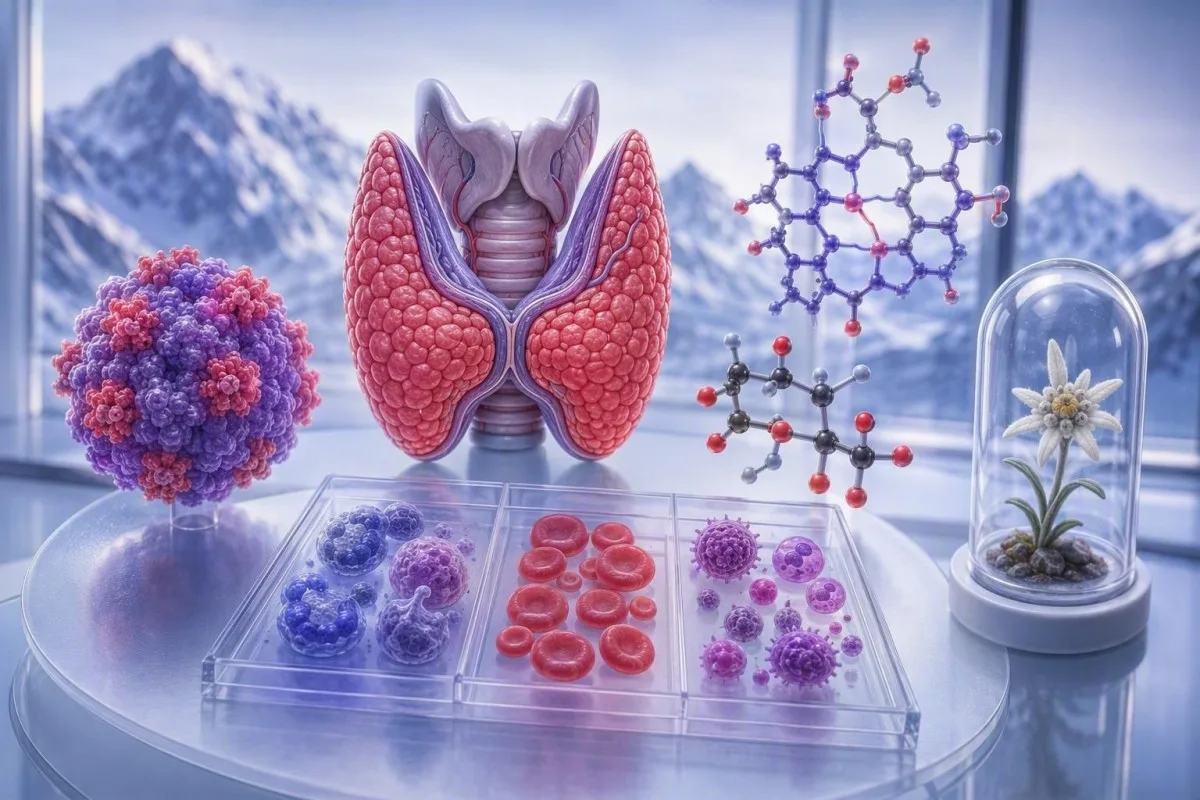
يمكن أن يكون انخفاض الدافع عرضًا للصحة العقلية، أو علامة على اضطراب النوم أو الإجهاد، أو مؤشرًا على مشكلة طبية يمكن عكسها. يساعد الفحص المركز للأعراض والأدوية ونتائج المختبر المختارة في فصل هذه الاحتمالات.


- প্ৰথম-সাৰিৰ (first-line) পেনেল غالبًا ما يشمل CBC، الفيريتين، TSH، T4 الحر، فيتامين B12، HbA1c، وظائف الكلى وإنزيمات الكبد عندما يستمر انخفاض الدافع لمدة 2-4 أسابيع.
- Ferritin 30 ng/mL ৰ তলত يشير عادةً إلى استنفاد مخزون الحديد لدى البالغين الأصحاء، حتى عندما يظل الهيموغلوبين طبيعيًا.
- 10 mIU/L ৰ ওপৰত TSH مع انخفاض T4 الحر يدعم بقوة قصور الغدة الدرقية الواضح ويحتاج إلى علاج بقيادة الطبيب.
- ভিটামিন B12 200 pg/mL ৰ তলত يعالج عادةً على أنه نقص؛ 200-350 بيكو جرام / مل هي منطقة رمادية يمكن لحمض الميثيل مالونيك فيها توضيح نقص الأنسجة.
- HbA1c 5.7-6.4% يشير إلى مرحلة ما قبل السكري، بينما يدعم 6.5% أو أعلى في الاختبار التأكيدي مرض السكري لدى معظم البالغين غير الحوامل.
- فقدان النوم يغير نتائج المختبر: يمكن أن تؤدي ليلة واحدة سيئة إلى زيادة جلوكوز الصيام والكورتيزول وعلامات الالتهاب دون تفسير كل عرض.
- مراجعة الأدوية مهمة لأن مضادات الهيستامين المهدئة، والأفيونات، والبنزوديازيبينات، وبعض الأدوية المضادة للاختلاج، وحاصرات بيتا يمكن أن تقلل من الدافع دون إنتاج نتيجة دم روتينية غير طبيعية.
- مساعدة عاجلة مطلوبة في حالة التفكير في الانتحار، أو عدم القدرة على الاحتفاظ بالطعام أو السوائل، أو الارتباك، أو الضعف الشديد، أو ألم الصدر، أو تفاقم الأعراض بسرعة.
ما يمكن أن يظهره فحص الدم لانخفاض الدافع فعليًا
A فحص دم لضعف الدافع يمكن أن يحدد المساهمات القابلة للعكس مثل نقص الحديد، وأمراض الغدة الدرقية، ونقص فيتامين ب 12، والسكري، واختلال وظائف الكلى أو الكبد، ولكنه لا يمكن أن يشخص الاكتئاب أو اضطراب فرط الحركة وتشتت الانتباه أو الاحتراق أو الحزن بمفرده. النهج المفيد هو الاختبار المستهدف جنبًا إلى جنب مع تقييم الصحة العقلية والأدوية، خاصة عندما تستمر الأعراض لفترة أطول من 2-4 أسابيع.
في عملي السريري، التمييز الذي أجريه أولاً هو بين انخفاض الطاقة، وانخفاض المتعة، وانخفاض البدء. قد يعاني الشخص الذي يريد القيام بالأشياء ولكنه لا يستطيع البدء من ديون النوم، أو الاكتئاب، أو صعوبة الوظائف التنفيذية، أو التهدئة الدوائية، أو نقص الحديد؛ نادرًا ما يحسم نتيجة المختبر وحدها الأمر. يوصي الدكتور توماس كلاين بتسجيل تاريخ البدء، ومدة النوم، وكل وصفة طبية، ومكمل غذائي، ومادة ترفيهية قبل إجراء الاختبار.
Kantesti হৈছে এটা AI তেজ পৰীক্ষা বিশ্লেষক الذي يفسر أنماط الفيريتين والغدة الدرقية وفيتامين ب 12 والجلوكوز وصورة الدم معًا بدلاً من التعامل مع قيمة واحدة محددة كتشخيص. biomarker guide مفيد عندما يستخدم تقريرك وحدات غير مألوفة أو نطاقًا خاصًا بالمختبر.
يجب أن يكون الفحص الروتيني متناسبًا مع القصة. يحتاج شاب يبلغ من العمر 26 عامًا يعاني من فترات نزيف شديدة، ومتلازمة تململ الساقين، وتدهور الأداء في صالة الألعاب الرياضية إلى تقييم مختلف عن شخص يبلغ من العمر 58 عامًا تغير دافعه بعد البدء في تناول حاصرات بيتا. النتائج هي أدلة للتحقق منها مع طبيب، وليست دليلاً على أن كل عرض عاطفي له سبب كيميائي حيوي.
ابدأ بنمط الأعراض والجدول الزمني
غالبًا ما يتنبأ توقيت ضعف الدافع بالاختبارات الجديرة بالاهتمام: الأعراض المفاجئة على مدى أيام تثير تساؤلات حول المرض والنوم والمواد وتغييرات الأدوية، بينما الانخفاض البطيء على مدى أشهر يبرر اختبارات العناصر الغذائية والغدة الدرقية والأيض بشكل أكثر شيوعًا. يمنع الجدول الزمني الواضح الاختبارات الواسعة ذات القيمة المنخفضة.
ضعف الدافع الذي يبدأ بعد عدوى فيروسية، أو جراحة، أو نظام غذائي جديد، أو حدث كبير في الحياة يستحق جدولًا زمنيًا قبل قائمة طويلة من الاختبارات. تغطي صورة الدم الكاملة (CBC)، والفيريتين، و TSH، والكرياتينين، والكهارل، و ALT، و HbA1c العديد من المساهمين الجسديين الشائعين في تمريرة أولى معقولة. دليل تعداد الدم الكامل يشرح سبب أهمية أنماط الهيموغلوبين، و MCV، وخلايا الدم البيضاء معًا.
أرى فخًا متكررًا لدى الأشخاص الذين أجروا الاختبار بعد ثلاث ليالٍ من النوم لمدة 4-5 ساعات: يفترضون أن ارتفاعًا طفيفًا في نسبة الجلوكوز أو انخفاضًا طبيعيًا في T3 يفسر كل شيء. قد يعكس فسيولوجيا مؤقتة، خاصة إذا تبع سحب الدم التمرين المكثف، أو الصيام، أو المرض الحاد. غالبًا ما يكون التكرار في الظروف العادية أكثر إفادة من مطاردة رقم هامشي.
اعتبارًا من 25 أغسطس 2026، لا توصي أي إرشادات رئيسية بلوحة هرمونات واسعة أو اختبار الكورتيزول كفحص روتيني لضعف الدافع وحده. يصبح الاختبار أكثر تحديدًا عندما تكون هناك أدلة جسدية: تغير الوزن، الإمساك، عدم تحمل البرد، التنميل، فقدان دم الحيض الغزير، العطش، الشخير، أو التعرض للأدوية.
استنزاف الحديد يمكن أن يقلل من القدرة على التحمل قبل ظهور فقر الدم
Ferritin 30 ng/mL ৰ তলত يشير عادةً إلى نقص الحديد لدى البالغين الذين لا يعانون من التهاب نشط، ويمكن أن يتواجد نقص الحديد مع هيموغلوبين طبيعي. تكون مخزونات الحديد المنخفضة قابلة للتصديق بشكل خاص عندما يصاحب ضعف الدافع إرهاق المجهود، وتساقط الشعر، ومتلازمة تململ الساقين، وضيق التنفس، أو فترات الحيض الغزيرة.
الفيريتين هو بروتين تخزين الحديد، بينما يقدر تشبع الترانسفيرين الحديد المتداول المتاح للأنسجة. يدعم تشبع الترانسفيرين الذي يقل عن 20% تقييد توافر الحديد؛ يمكن أن يبدو الفيريتين مطمئنًا بشكل خاطئ أثناء العدوى أو أمراض الالتهاب المزمن لأن مستواه يرتفع كمستجيب للطور الحاد. আয়রন অধ্যয়নৰ তথ্য يشرح المزيج المفيد من الفيريتين والحديد و TIBC والتشبع.
عندما أراجع لوحة بها فيريتين 14 نانوغرام/مل، وهيموغلوبين 13.1 جم/ديسيلتر، و MCV 86 فل، لا أعتبر صورة الدم الكاملة طبيعية وأنتقل. قد لا يكون المريض مصابًا بفقر الدم بعد، لكن النمط لا يزال يتناسب مع انخفاض الاحتياطي، خاصة بعد التبرع المتكرر بالدم أو فترات الحيض الطويلة الغزيرة. تحتاج الأسباب إلى التحقيق؛ لا ينبغي استخدام أقراص الحديد لتغطية فقدان الجهاز الهضمي غير المبرر.
Kantesti হৈছে এটা AI blood test interpretation প্লেটফৰ্ম الذي يقرأ الفيريتين جنبًا إلى جنب مع CRP، والهيموغلوبين، و MCV، وتشبع الترانسفيرين، مما يساعد في تحديد متى قد يشوه الالتهاب الفيريتين. يجب على الأشخاص الذين يعانون من انخفاض مستمر في الفيريتين وعدم وجود تفسير واضح للدورة الشهرية أو النظام الغذائي أو التبرع أن يسألوا عن فحص الداء الزلاقي وتقييم الجهاز الهضمي المناسب للعمر.
نتائج الغدة الدرقية التي يمكن أن تحاكي ضعف الدافع
يشير ارتفاع TSH مع انخفاض T4 الحر إلى قصور الغدة الدرقية الصريح ويمكن أن يساهم في تباطؤ التفكير، والمزاج المنخفض، والتعب، وانخفاض الدافع. في معظم المختبرات، يتراوح TSH تقريبًا بين 0.4-4.0 mIU/L، ولكن فترة كل تقرير ونتيجة T4 الحر أهم من الحد الأقصى العالمي الواحد.
يعتبر TSH أعلى من 10 mIU/L أكثر إثارة للقلق من ارتفاع طفيف معزول، خاصة عندما يكون T4 الحر أقل من المعدل الطبيعي. تنصح إرشادات الغدة الدرقية من NICE بتأكيد التشوهات الفرعية المستمرة والنظر في الأعراض والأجسام المضادة والعمر ومخاطر القلب والأوعية الدموية بدلاً من معالجة نتيجة TSH هامشية واحدة تلقائيًا (NICE، 2019، تم تحديثها 2023). يمكن أن تتداخل مكملات البيوتين مع بعض المقايسات المناعية، لذا أبلغ عن استخدام منتجات الشعر والأظافر بجرعات عالية.
لا يبرر TSH الطبيعي قياس T3 العكسي لضعف الدافع الروتيني؛ نادرًا ما يغير هذا الاختبار الإدارة خارج البيئات المتخصصة. يعتبر انخفاض T4 الحر مع TSH غير المرتفع أمرًا غير شائع ولكنه يستحق المراجعة السريرية لأن قضايا الفحص، والمرض الخطير، وأمراض الغدة النخامية هي احتمالات مختلفة. انظر تفسيرنا لـ أنماط انخفاض هرمون الغدة الدرقية الحر T4 ৰ সৈতে।.
الأجسام المضادة للغدة الدرقية تجيب على سؤال مختلف: فهي تقدر خطر الإصابة بأمراض الغدة الدرقية المناعية الذاتية، وليس ما إذا كانت إرهاق اليوم ناتجًا عن نقص هرمون الغدة الدرقية. وجود أجسام مضادة TPO مع TSH وهرمون الغدة الدرقية الحر T4 طبيعي غالبًا ما يعني المراقبة الدورية، وليس العلاج. هذا هو أحد المجالات التي يكون فيها السياق أكثر أهمية من العلامة النجمية بجوار قيمة المختبر.
فيتامين ب 12 والفولات والأدلة ما وراء تعداد الدم الكامل (CBC) الطبيعي
فيتامين B12 أقل من ২০০ pg/mL (১৪৮ pmol/L) يعتبر نقصًا بشكل شائع، بينما تتراوح القيمة 200-350 بيكوجرام/مل بين غير المؤكدة حيث قد يساعد حمض الميثيل مالونيك أو الهوموسيستين. غالبًا ما يصاحب انخفاض الدافعية المرتبط بفيتامين B12 ضباب الدماغ، تقرح اللسان، الوخز، تغير التوازن أو صعوبة الذاكرة، ولكن ليس فقر الدم دائمًا.
يمكن أن يشير ارتفاع MCV إلى نقص فيتامين B12 أو الفولات، التعرض للكحول، أمراض الكبد، قصور الغدة الدرقية أو تأثيرات الأدوية، ولكن MCV الطبيعي لا يستبعد نقص فيتامين B12 المبكر. توصي المبادئ التوجيهية البريطانية لـ Devalia وزملاؤه بالارتباط السريري وعلامات الأيض الثانوية عندما لا يتناسب مستوى فيتامين B12 في المصل مع العرض (Devalia et al., 2014). B12 বনাম ফ’লেট গাইডত আলোচনা কৰা হৈছে يغطي هذا التداخل بعمق أكبر.
يمكن للفولات تصحيح فقر الدم بينما تستمر الإصابات العصبية المرتبطة بفيتامين B12، وهذا هو السبب في أن العلاج الذاتي بجرعة عالية من حمض الفوليك قبل فحص فيتامين B12 غير حكيم. عادةً ما يشير انخفاض مستوى الفولات في المصل إلى ما دون 3 نانوجرام/مل إلى النقص، على الرغم من اختلاف طرق المختبر. الميتفورمين، مثبطات مضخة البروتون، الأنظمة الغذائية النباتية، جراحة الأمعاء وفقر الدم الخبيث هي أسباب شائعة للاختبار بعناية أكبر.
يسلط Kantesti AI الضوء على تركيبة B12، الفولات، MCV، الهيموجلوبين وتاريخ الأدوية لأن نتيجة B12 منفردة يمكن أن تضلل. التنميل الجديد، اختلال التوازن في المشي، تغير الذاكرة الملحوظ أو الضعف يتطلب مراجعة طبية فورية بدلاً من تجربة المكملات فقط.
تغيرات الجلوكوز يمكن أن تؤثر على الطاقة والمتابعة
উপবাসৰ গ্লুক’জৰ মান ১০০-১২৫ মিলিগ্রাম/ডেসিলিটাৰ (৫.৬-৬.৯ মিলিমোল/লিটাৰ) أو HbA1c 5.7-6.4% يشير إلى مرحلة ما قبل السكري، بينما يتطلب مرض السكري عادةً HbA1c 6.5% أو أعلى عند التأكيد المتكرر عندما تكون الأعراض غائبة. قد يسبب اختلال تنظيم الجلوكوز انخفاض الطاقة وضعف التركيز، ولكنه ليس تفسيرًا مستقلاً مثبتًا لانخفاض الدافعية.
يعكس HbA1c تقريبًا 8-12 أسبوعًا من متوسط التعرض للجلوكوز، بينما يعد الجلوكوز الصائم لقطة صباحية واحدة. تسرد جمعية السكري الأمريكية مستوى الجلوكوز في البلازما الصائم 126 مجم/ديسيلتر أو أعلى و HbA1c 6.5% أو أعلى كعتبات تشخيصية عند تأكيدها في بيئة سريرية مناسبة (American Diabetes Association, 2025). গ্লুক’জ ৰেঞ্জ গাইড يشمل سياق ما بعد الوجبات والصيام.
الأعراض التفاعلية بعد الوجبات تستحق سجلًا للطعام والأعراض، وليس افتراضًا بأن الأنسولين هو السبب. يتطلب تشخيص نقص السكر في الدم الحقيقي وجود أعراض، انخفاض موثق في جلوكوز البلازما - غالبًا أقل من 55 مجم/ديسيلتر - وتخفيف الأعراض عند تطبيع الجلوكوز. يمكن أن تكون أجهزة قياس الإصبع وأجهزة الاستشعار المستمرة مفيدة، ولكن الإنذارات الكاذبة شائعة حول الوجبات والتمارين الرياضية.
مستوى الأنسولين الصائم ليس اختبارًا تشخيصيًا قياسيًا لانخفاض الدافع. يمكن أن يوفر سياقًا أيضيًا في حالات مختارة، ومع ذلك فإن الحرمان من النوم، التمارين الحديثة والمرض الحاد يغيرانه بشكل كبير. يجب على الطبيب أيضًا مراعاة انقطاع التنفس أثناء النوم، الاكتئاب وتأثيرات الأدوية عندما يكون HbA1c طبيعيًا.
اضطراب النوم يمكن أن يغير كل من الدافع ونتائج المختبر
يعد النوم السيئ أحد الأسباب الأكثر شيوعًا لانخفاض الدافعية، ويمكن أن يزيد بشكل عابر من الجلوكوز الصائم، الكورتيزول وعلامات الالتهاب. لا يمكن لتحليل الدم تشخيص الأرق، اضطراب الإيقاع اليومي أو انقطاع التنفس الانسدادي أثناء النوم؛ تاريخ النوم، وعند الضرورة، التقييم الرسمي هو المفتاح.
غالبًا ما يصف البالغون الذين ينامون أقل من 6 ساعات معظم الليالي نفس الشعور “لا أستطيع دفع نفسي للبدء” الذي يُعزى إلى نقص الفيتامينات. الشخير، توقف التنفس الملاحظ، الصداع الصباحي والخمول النهاري يزيد من احتمالية انقطاع التنفس أثناء النوم أكثر من انخفاض CBC الطبيعي له. مراجعتنا لـ النوم السيئ والاختبارات المعملية توضح ما قد يتغير بعد ليلة قصيرة.
الكورتيزول الصباحي ليس “اختبار إجهاد” عام. يكون أفضل استخدام له عندما يشير نمط الأعراض إلى مرض في الغدة الكظرية - على سبيل المثال، فقدان الوزن غير المبرر، انخفاض ضغط الدم، فرط التصبغ، القيء المستمر أو انخفاض الصوديوم - أو عندما يوجهه طبيب الغدد الصماء. نتيجة مرتفعة واحدة بعد صباح مضطرب ومتوتر نادرًا ما تثبت اضطراب الكورتيزول.
Kantesti হৈছে AI-চালিত ৰক্ত পৰীক্ষা বিশ্লেষণৰ এটা সঁজুলি يشجع المستخدمين على تسجيل حالة الصيام، والتمارين الرياضية، وتناول الكحول، والمرض والنوم قبل مقارنة النتائج عبر التواريخ. هذا السياق العادي غالبًا ما يمنع تنبيه اتجاه مضلل.
غالبًا لا تظهر تأثيرات الأدوية في الفحوصات الروتينية
قد يحدث الخمول أو التخدير المتعلق بالأدوية مع نتائج دم طبيعية، لذلك فإن مراجعة الأدوية المنظمة لا تقل قيمة عن فحص الدم لانخفاض الدافعية. تشمل المساهمين الشائعين مضادات الهيستامين المهدئة، البنزوديازيبينات، الأفيونيات، بعض أدوية مضادات الاختلاج، مضادات الذهان، حاصرات بيتا والكحول.
لا توقف دواءً موصوفًا فجأة لأنك تشعر بالخمول. يمكن أن تسبب البنزوديازيبينات، مضادات الاكتئاب، مضادات الذهان، حاصرات بيتا والكورتيكوستيرويدات جميعها أعراض انسحاب أو ارتداد إذا تم إيقافها فجأة. يمكن للصيدلي أو الطبيب تقييم توقيت الجرعة، التفاعلات وما إذا كانت الأعراض بدأت في غضون 2-8 أسابيع من التغيير.
يمكن للميتفورمين أن يقلل تدريجياً من امتصاص فيتامين ب 12، كما أن الاستخدام المطول لمثبطات مضخة البروتون قد يزيد من فرصة انخفاض فيتامين ب 12 لدى الأشخاص المعرضين للإصابة. لهذا السبب، يغير سجل الأدوية معنى نتيجة فيتامين ب 12 الحدودية. دليلنا لـ المراقبة المخبرية بعد الميتفورمين يقدم إطار متابعة عملي.
المكملات ليست محايدة أيضاً: يمكن للبيوتين بجرعة عالية أن يشوه فحوصات الغدة الدرقية، وقد يساهم الزنك المفرط في نقص النحاس، ويمكن للمنتجات التي تحتوي على المنشطات أن تؤدي إلى تفاقم النوم. أحضر العبوات أو الصور إلى الموعد؛ “فيتامين متعدد” لا يكفي كتفصيل للتفسير الآمن.
أنماط الكلى والكبد والكهارل الجديرة بالتحقق
يمكن أن يقلل خلل وظائف الكلى، وأمراض الكبد، واضطرابات الكهارل الهامة من الطاقة والتركيز والدافع، ولكن الاضطرابات المعتدلة المنعزلة غالباً ما تكون غير محددة. لوحة التمثيل الغذائي الأساسية بالإضافة إلى إنزيمات الكبد معقولة عندما تكون الأعراض مستمرة، أو تخلق الأدوية خطراً، أو توجد علامات جسدية مثل التورم، الغثيان، الحكة، أو تغير التبول.
الصوديوم أقل من 135 ملي مكافئ/لتر هو نقص صوديوم الدم، والقيم الأقل من 125 ملي مكافئ/لتر يمكن أن تسبب الغثيان، الصداع، الارتباك، أو النوبات اعتماداً على سرعة الظهور. البوتاسيوم أقل من 3.0 ملي مكافئ/لتر أو أعلى من 6.0 ملي مكافئ/لتر يستدعي عموماً اهتماماً سريرياً عاجلاً، خاصة مع الضعف أو الخفقان. اقرأ دليلنا لـ تحذيرات الكهارل لفرز الأعراض.
يشير انخفاض eGFR أقل من 60 مل/دقيقة/1.73 م² لمدة 3 أشهر أو أكثر إلى مرض الكلى المزمن، على الرغم من أن انخفاض eGFR واحد أثناء الجفاف لا يؤسس له. ALT و AST ليستا “علامات للدافع”؛ يمكن للقيم غير الطبيعية أن تشير إلى مشاكل في الكبد، العضلات، الكحول، أو الأدوية التي تستدعي تقييماً منفصلاً. الإرهاق المصحوب باليرقان، البول الداكن، أو البراز الشاحب يتطلب مراجعة في الوقت المناسب.
يمكن أن يعكس انخفاض الألبومين الالتهاب، فقدان الكلى، ضعف الكبد، أو عدم كفاية المدخول، لكن الألبومين وحده ليس مقياساً للتغذية. أجد النمط - الألبومين، الكرياتينين، بروتين البول، إنزيمات الكبد، والأعراض - أكثر فائدة من أي نتيجة واحدة.
الالتهاب والعدوى وغيرها من أدلة المختبر الأقل شيوعًا
يمكن لـ CRP، ESR، وعدد خلايا الدم البيضاء أن تدعم البحث عن مرض التهابي أو معدي عندما يصاحب انخفاض الدافع حمى، تعرق ليلي، تورم في المفاصل، فقدان وزن، أو ألم مستمر. هذه الاختبارات غير محددة ولا ينبغي طلبها كـ "حملة صيد" للتوتر العادي.
يمكن أن يعكس CRP أعلى من 10 ملغ/لتر العدوى، المرض الالتهابي، السمنة، التدخين، أو التمارين الرياضية المجهدة الحديثة؛ ولكنه لا يحدد السبب. يرتفع ESR ببطء ويمكن أن يبقى مرتفعاً لأسابيع، خاصة مع فقر الدم، الحمل، أو زيادة العمر. دليل تفسير ESR يشرح لماذا CRP و ESR لا يتفقان أحياناً.
يمكن أن ينتج فقر الدم الالتهابي عن انخفاض الحديد في المصل مع مستويات طبيعية أو مرتفعة من الفيريتين، وهذا بالضبط حيث يساعد تشبع الترانسفيرين و CRP. يجب أن تؤدي الحمى المتكررة، التعرق الغزير، تضخم العقد اللمفاوية، أو فقدان غير مقصود لأكثر من 5% من وزن الجسم على مدى 6-12 شهراً إلى تقييم من قبل الطبيب بدلاً من لوحات منزلية متكررة.
يمكن أن يسبب الاختبار أيضاً ضرراً من خلال النتائج الإيجابية الخاطئة. لوحات المناعة الذاتية الواسعة معرضة بشكل خاص للخطر عندما يكون الاحتمال المسبق منخفضاً، وقد تسبب الأجسام المضادة ذات النتائج الإيجابية الضعيفة القلق دون تفسير الدافع. ابدأ بالأعراض ونتائج الفحص، ثم اختبر بشكل متعمد.
متى يكون تقييم الصحة العقلية هو الاختبار التالي الأساسي
النتائج المخبرية الطبيعية لا تجعل انخفاض الدافع وهمياً؛ بل تجعل التقييم الأولي للصحة العقلية، النوم، أو سياق الحياة أكثر أهمية. غالباً ما يشمل الاكتئاب انخفاض الاهتمام أو المتعة لمدة أسبوعين على الأقل، ولكن القلق، الصدمات، اضطراب فرط الحركة ونقص الانتباه، اضطراب ثنائي القطب، الحزن، وتعاطي المخدرات يمكن أن تظهر بشكل مختلف.
يجب على الطبيب أن يسأل مباشرة عن المتعة، الذنب، اليأس، التركيز، الاندفاعية، فترات الطاقة العالية بشكل غير عادي، والتفكير الانتحاري. لا يمكن لفحص الدم أن يميز الاكتئاب عن الإرهاق، ولا يستبعد انخفاض مستوى فيتامين الاكتئاب. دليل الكهارل لتقلبات المزاج يوضح أين تساعد الاختبارات وأين تتوقف.
لقد رأيت الناس يؤخرون العلاج الفعال لأشهر أثناء البحث عن واسم حيوي أكثر غموضاً. إذا كانت النتائج مطمئنة وكانت الأعراض تعيق العمل، العلاقات، الرعاية الذاتية، أو الأبوة، فإن العلاج النفسي، مراجعة طبيب عام، أو تقييم نفسي هو رعاية طبية مناسبة - وليس الملاذ الأخير. يمكن لأدوات الفحص أن تفتح محادثة ولكنها لا تحل محل تقييم كامل.
هناك حاجة إلى دعم عاجل في نفس اليوم للأفكار الانتحارية، خطة لإيذاء النفس، الذهان، الهياج الشديد، عدم القدرة على الأكل أو الشرب، أو الارتباك المفاجئ. في المملكة المتحدة والعديد من الأماكن الأخرى، خدمات الطوارئ، خطوط الأزمات، وفرق الصحة العقلية العاجلة مناسبة؛ لا تنتظر نتائج المختبر.
الاختبارات التي غالبًا ما تكون مضللة عندما يكون الدافع منخفضًا
لوحات واسعة للهرمونات الجنسية، T3 معكوس، الكورتيزول العشوائي، لوحات حساسية الطعام واختبارات “إجهاد الغدة الكظرية” المنفردة نادرًا ما تفسر انخفاض الدافعية في حالات غير معقدة أخرى. يمكن أن تنتج نتائج هامشية تؤدي إلى متابعة مكلفة دون تحسين الرعاية.
يتبع الكورتيزول إيقاعًا يوميًا قويًا، لذا فإن القياس العشوائي بعد الظهر له قيمة ضئيلة ما لم يكن أخصائي يجيب على سؤال محدد. لا تشخص مجموعات الكورتيزول اللعابية المسوقة لـ “إجهاد الغدة الكظرية” حالة غدد صماء معترف بها. دليل المختبر للإرهاق يفصل بين اختبارات الاستبعاد المفيدة ولوحات مدفوعة بالتسويق.
يمكن أن يكون هرمون التستوستيرون ذا صلة مع انخفاض الرغبة الجنسية، وفقدان الانتصاب الصباحي، والعقم، وانخفاض كثافة العظام، أو سمات قصور الغدد التناسلية الواضحة، ولكن نتيجة واحدة بعد الظهر غير موثوقة. بالنسبة للرجال، يلزم عمومًا تكرار الاختبار في الصباح الباكر قبل التشخيص؛ أما عند النساء، فإن توقيت الدورة الشهرية واستخدام وسائل منع الحمل الهرمونية يغير التفسير بشكل كبير.
تحدث نتيجة خارج النطاق المرجعي لدى حوالي 5% من الأشخاص الأصحاء حسب التصميم. السؤال الأكثر فائدة ليس “هل تم الإبلاغ عنه؟” ولكن “هل تتناسب هذه النتيجة مع أعراضي، وأدويتي، وفحصي، وقيمي السابقة؟”
كيفية تكرار الاختبارات دون مطاردة التباين الطبيعي
يكون تكرار الاختبار أكثر فائدة عندما كانت النتيجة الأولى هامشية، أو تم جمعها أثناء المرض، أو تأثرت بعامل معروف ما قبل التحليل، أو من المحتمل أن تتغير بعد العلاج. مقارنة المتشابهات - نفس المختبر، وقت اليوم، حالة الصيام، ونمط التمرين - تقلل من الإنذارات الكاذبة.
يتغير الفيريتين عادة على مدى أسابيع إلى أشهر، و HbA1c على مدى حوالي 90 يومًا، وغالبًا ما يحتاج TSH إلى 6-8 أسابيع للاستقرار بعد تعديل جرعة الليفوثيروكسين. غالبًا ما يلتقط إعادة الفحص اليومي أو الأسبوعي الضوضاء بدلاً من الفسيولوجيا. ৰক্ত-পৰীক্ষাৰ প্ৰৱণতা পথপ্ৰদৰ্শক يشرح متى يكون التغيير ذا مغزى محتمل.
يمكن لـ Kantesti AI مقارنة التقارير السابقة وتحديد اتجاه التغيير، لكن السؤال السريري يأتي أولاً: هل تم تعويض الحديد، هل تحسن النوم، هل تم تغيير دواء، أو هل كان الشخص مريضًا بشدة عند سحب الدم الأول؟ الأرقام بدون هذا التاريخ يسهل الإفراط في قراءتها.
للموعد، أحضر التواريخ، والتقارير الكاملة، وبداية الأعراض، والتغييرات في الدورة الشهرية أو النظام الغذائي عند الاقتضاء، وملاحظات النوم، وقائمة الأدوية. يمكن لهذا التحضير تحويل مراجعة لمدة 10 دقائق إلى محادثة تشخيصية مفيدة حقًا.
خطة عملية للخطوة التالية لانخفاض الدافع المستمر
لانخفاض الدافعية الذي يستمر لأكثر من 2-4 أسابيع، احجز موعدًا مع طبيب، وأحضر جدولًا زمنيًا للأعراض والأدوية، وناقش لوحة مركزة بدلاً من طلب كل اختبار متاح. مجموعة بداية معقولة هي CBC، الفيريتين، TSH مع T4 الحر عند الإشارة، B12، HbA1c أو الجلوكوز، وظائف الكلى، الكهارل، وإنزيمات الكبد.
أعط الأولوية للنوم، والوجبات المنتظمة، والتعرض لضوء النهار، والنشاط اللطيف، والتواصل الاجتماعي أثناء إجراء التقييم؛ تساعد هذه الإجراءات عبر العديد من الأسباب ولا تبطل الأعراض. تجنب البدء بالعديد من المكملات في وقت واحد، لأنها يمكن أن تغير النتائج وتجعل من المستحيل معرفة ما الذي ساعد. القاعدة العملية للدكتور توماس كلاين هي تغيير واحد، سبب واحد، تاريخ إعادة تقييم مخطط له.
يدعم Kantesti AI تنظيم التقارير والتعرف على الأنماط، بينما يتخذ الأطباء القرارات التشخيصية والعلاجية من الصورة الكاملة. منهجيتنا السريرية والإشراف موصوفان في سجل التحقق السريري, ، بما في ذلك سبب عدم استبدال تفسير الذكاء الاصطناعي أبدًا بالتقييم العاجل أو العلاقة العلاجية.
إذا كانت الاختبارات الأولى طبيعية ولكن الأداء لا يزال ضعيفًا، فهذا سبب لتوسيع المحادثة السريرية - وليس لتجاهل العرض. মেডিকেল এডভাইজাৰী ব’ৰ্ড تدعم معايير المراجعة التي يقودها الطبيب، ويمكن لطبيب عام أو أخصائي صحة نفسية أو أخصائي نوم توجيه الخطوة التالية بأمان.
সঘনাই সোধা প্ৰশ্ন
মোৰ উৎসাহ কম থাকিলে মই কোনবোৰ তেজৰ পৰীক্ষা কৰাবলৈ ক’ব লাগে?
কম উদ্যমৰ বাবে কৰা লক্ষ্যভিত্তিক ৰক্ত পৰীক্ষাত সাধাৰণতে CBC, ফেৰিটিন, TSH, থাইৰয়ড ৰোগৰ সন্দেহ থাকিলে মুক্ত T4, ভিটামিন B12, উপবাসৰ ৰক্ত-গ্লুক’জ বা HbA1c, ক্ৰিয়েটিনিন, ইলেক্ট্ৰ’লাইট আৰু যকৃতৰ এনজাইম অন্তৰ্ভুক্ত থাকে। 30 ng/mL-তকৈ কম ফেৰিটিনে হিম’গ্ল’বিন স্বাভাৱিক থাকিলেও লৌহৰ ভাণ্ডাৰ হ্ৰাস পোৱাৰ ইংগিত দিব পাৰে, আনহাতে 5.7-6.4% HbA1c-এ প্ৰিডায়েবেটিছ সূচাব পাৰে। সঠিক পৰীক্ষাৰ পেনেলে লক্ষণ, খাদ্যাভ্যাস, ঋতুস্ৰাৱজনিত ৰক্তক্ষয়, টোপনি, ঔষধ আৰু শাৰীৰিক পৰীক্ষাৰ ফল প্ৰতিফলিত কৰিব লাগে। ৰক্ত পৰীক্ষাই বিষণ্ণতা বা বাৰ্নআউট নিৰ্ণয় কৰিব নোৱাৰে; সেয়ে লক্ষণ স্থায়ী হ’লে মানসিক-স্বাস্থ্য মূল্যায়ন এতিয়াও প্ৰয়োজনীয়।.
হিম’গ্ল’বিন স্বাভাৱিক হ’লেও কম আইৰণে কোনো কাম কৰিবলৈ অনুপ্ৰেৰণা নথকাৰ কাৰণ হ’ব পাৰেনে?
হয়, স্বাভাৱিক হিম’গ্ল’বিনৰ সৈতে লৌহৰ ভঁৰাল হ্ৰাস পোৱাটো একেলগে থাকিব পাৰে আৰু ইয়াৰ ফলত ক্লান্তি, ব্যায়াম সহ্যক্ষমতা কমি যোৱা, অস্থিৰ ভৰি আৰু উদ্যম হ্ৰাস পোৱাত অৰিহণা যোগাব পাৰে। সক্ৰিয় প্ৰদাহ নথকা প্ৰাপ্তবয়স্কৰ ক্ষেত্ৰত ৩০ ng/mL-ৰ তলৰ ফেৰিটিনে সাধাৰণতে লৌহৰ ভঁৰাল হ্ৰাস পোৱাটো সমৰ্থন কৰে, আৰু 20%-ৰ তলৰ ট্ৰেন্সফেৰিন ছেচুৰেচনে অতিৰিক্ত সমৰ্থনমূলক প্ৰমাণ যোগ কৰে। প্ৰদাহৰ সময়ত ফেৰিটিন মিছাকৈ স্বাভাৱিক বা অধিক দেখা যাব পাৰে, সেয়েহে CRP আৰু সম্পূৰ্ণ লৌহ পেনেল গুৰুত্বপূৰ্ণ হ’ব পাৰে। অব্যাহত লৌহ চিকিৎসাৰ পৰামৰ্শ দিয়াৰ আগতে চিকিৎসকে লৌহৰ ভঁৰাল হ্ৰাস পোৱাৰ কাৰণ চিনাক্ত কৰা উচিত।.
هل يمكن أن تسبب مشاكل الغدة الدرقية انخفاض الدافع؟
হাইপোথাইৰয়ডিজমে কম প্ৰেৰণা, ধীর চিন্তা, ক্লান্তি, কোষ্ঠকাঠিন্য, শীতলতাত অসহিষ্ণুতা আৰু মনৰ অৱনতি ঘটিব পাৰে। TSH ১০ mIU/L তকৈ বেছি আৰু কম ফ্রী T4 থকাটো স্পষ্ট হাইপোথাইৰয়ডিজমৰ এক লক্ষণ, যদিও প্ৰতিখন পৰীক্ষাগাৰৰ সীমা ভিন্ন হয়। সামান্য বেছি TSH আৰু স্বাভাৱিক ফ্রী T4 থকাৰ বাবে তাৎক্ষণিক সিদ্ধান্ত নহয়, পুনৰ পৰীক্ষা আৰু চিকিৎসাৰ প্ৰয়োজন হ'ব পাৰে। থাইৰয়ড পৰীক্ষাই একেলগে ডিপ্রেশন, নিদ্ৰাৰ ব্যাঘাত বা ঔষধৰ প্ৰভাৱক নাকচ কৰে না।.
ما هو مستوى فيتامين ب 12 المنخفض جدًا للطاقة والتحفيز؟
فيتامين ب12 أقل من 200 بيكوجرام/مل، أي ما يعادل حوالي 148 بيكومول/لتر، يُعتبر عادةً نقصًا، بينما يتراوح المعدل 200-350 بيكوجرام/مل بين الحد الفاصل. تشمل الأعراض الإرهاق، وضعف الدافعية، والضبابية المعرفية، والتنميل، وتقرحات الفم، ومشاكل التوازن، ولكن قد لا يعاني بعض الأشخاص من فقر الدم. قد يساعد حمض ميثيل مالونيك في تأكيد النقص على مستوى الأنسجة عندما يكون فيتامين ب12 في المصل في الحد الفاصل وتتوافق الأعراض. يجب تقييم أي تنميل جديد أو ضعف أو صعوبة في المشي على الفور من قبل طبيب.
هل يجب فحص الكورتيزول لانخفاض الدافع؟
عادةً ما يكون اختبار الكورتيزول العشوائي غير مفيد لانخفاض الدافعية وحده لأن الكورتيزول يتغير بشكل كبير مع وقت اليوم، والنوم، والمرض، والتوتر الحاد. يستخدم كورتيزول الصباح بشكل أساسي عندما تشير الأعراض إلى مرض في الغدة الكظرية، مثل القيء المستمر، وانخفاض ضغط الدم، وفقدان الوزن غير المبرر، وفرط التصبغ، أو انخفاض الصوديوم. لا يشخص ارتفاع قيمة الكورتيزول المنفردة الإجهاد المزمن أو متلازمة كوشينغ. الاختبار الموجه من قبل الطبيب أكثر دقة من لوحات “إجهاد الغدة الكظرية” التجارية.
هل الاختبارات الدموية العادية قد تعني أنني مصاب بالاكتئاب؟
نعم، النتائج المخبرية الطبيعية لا تستبعد الاكتئاب أو القلق أو اضطراب نقص الانتباه مع فرط النشاط (ADHD) أو الأعراض المرتبطة بالصدمات أو الحزن أو اضطرابات النوم أو الأسباب المتعلقة بتعاطي المخدرات لانخفاض الدافعية. يتم تقييم الاكتئاب سريريًا بواسطة أعراض مثل المزاج المنخفض أو فقدان الاهتمام لمدة أسبوعين على الأقل، والتأثير على الأداء اليومي، وأسئلة السلامة. يمكن للاختبارات تحديد الحالات الطبية التي تحاكي الاكتئاب أو تزيده سوءًا، لكنها لا يمكن أن تثبت أن الأعراض نفسية. الأفكار الانتحارية أو الذهان أو عدم القدرة على الاعتناء بنفسك تتطلب مساعدة عاجلة بغض النظر عن نتائج فحوصات الدم.
আজিয়েই AI-চালিত তেজ পৰীক্ষাৰ বিশ্লেষণ লাভ কৰক
বিশ্বজুৰি ২ মিলিয়নতকৈ অধিক ব্যৱহাৰকাৰীয়ে বিশ্বাস কৰা Kantesti-ত যোগদান কৰক—তাৎক্ষণিক আৰু সঠিক লেব পৰীক্ষাৰ বিশ্লেষণৰ বাবে। আপোনাৰ তেজ পৰীক্ষাৰ ফলাফল আপলোড কৰক আৰু কেইছেকেণ্ডমানৰ ভিতৰতে 15,000+ বায়’মাৰ্কাৰৰ সম্পূৰ্ণ ব্যাখ্যা লাভ কৰক।.
📚 উদ্ধৃত গৱেষণা প্ৰকাশনা
Klein, T., Mitchell, S., & Weber, H. (2026)।. Kantesti LTD. (২০২৬)। ক্লিনিকেল ভ্যালিডেশন ফ্ৰেমৱৰ্ক v২.০ (মেডিকেল ভ্যালিডেশন পৃষ্ঠা)। জেনোডো। DOI: 10.5281/zenodo.17993721। ৰিচাৰ্চগেট: https://www.researchgate.net/ একাডেমীয়া.এডু: https://www.academia.edu/.। Kantesti AI Medical Research.
Klein, T., Mitchell, S., & Weber, H. (2026)।. Kantesti LTD. (২০২৬)। এআই ৰক্ত পৰীক্ষা বিশ্লেষক: ২.৫ মিলিয়ন পৰীক্ষা বিশ্লেষণ কৰা হৈছে | গ্ল’বাল হেলথ ৰিপৰ্ট ২০২৬। জেনোডো। DOI: 10.5281/zenodo.18175532। ৰিচাৰ্চগেট: https://www.researchgate.net/ একাডেমীয়া.এডু: https://www.academia.edu/.। Kantesti AI Medical Research.
📖 বাহ্যিক চিকিৎসা সম্পৰ্কীয় উৎসসমূহ
NICE (2023). থাইৰয়ড ৰোগ: মূল্যায়ন আৰু ব্যৱস্থাপনা.। NICE Guideline NG145।.
American Diabetes Association Professional Practice Committee (2025)।. 2. ডায়েবেটিছৰ নিৰ্ণয় আৰু শ্ৰেণীবিভাগ: Diabetes—2025 ৰ Standards of Care.। Diabetes Care.
⚕️ চিকিৎসা অস্বীকাৰ
এই লেখাটো কেৱল শিক্ষামূলক উদ্দেশ্যৰ বাবে, আৰু ই চিকিৎসাজনিত পৰামৰ্শ নহয়। ৰোগ নিৰ্ণয় আৰু চিকিৎসাৰ সিদ্ধান্তৰ বাবে সদায় যোগ্য স্বাস্থ্যসেৱা বিশেষজ্ঞৰ সৈতে পৰামৰ্শ কৰক।.
E-E-A-T বিশ্বাস সংকেত
অভিজ্ঞতা
চিকিৎসক-নিৰ্দেশিত লেব ব্যাখ্যা কাৰ্যপ্ৰবাহৰ ক্লিনিকেল পৰ্যালোচনা।.
বিশেষজ্ঞতা
ক্লিনিকেল পৰিপ্ৰেক্ষিতত বায়’মাৰ্কাৰসমূহ কেনেকৈ আচৰণ কৰে—সেই বিষয়ে লেবৰেটৰী মেডিচিনৰ গুৰুত্ব।.
কৰ্তৃত্বশীলতা
ড° থমাছ ক্লেইনৰ দ্বাৰা লিখিত; ড° ছাৰাহ মিচেল আৰু প্ৰফ. ড° হান্স ৱেবাৰৰ দ্বাৰা পৰ্যালোচনা।.
বিশ্বাসযোগ্যতা
স্পষ্ট অনুসৰণ পথৰ সৈতে প্ৰমাণ-ভিত্তিক ব্যাখ্যা—আতংক কমাবলৈ।.