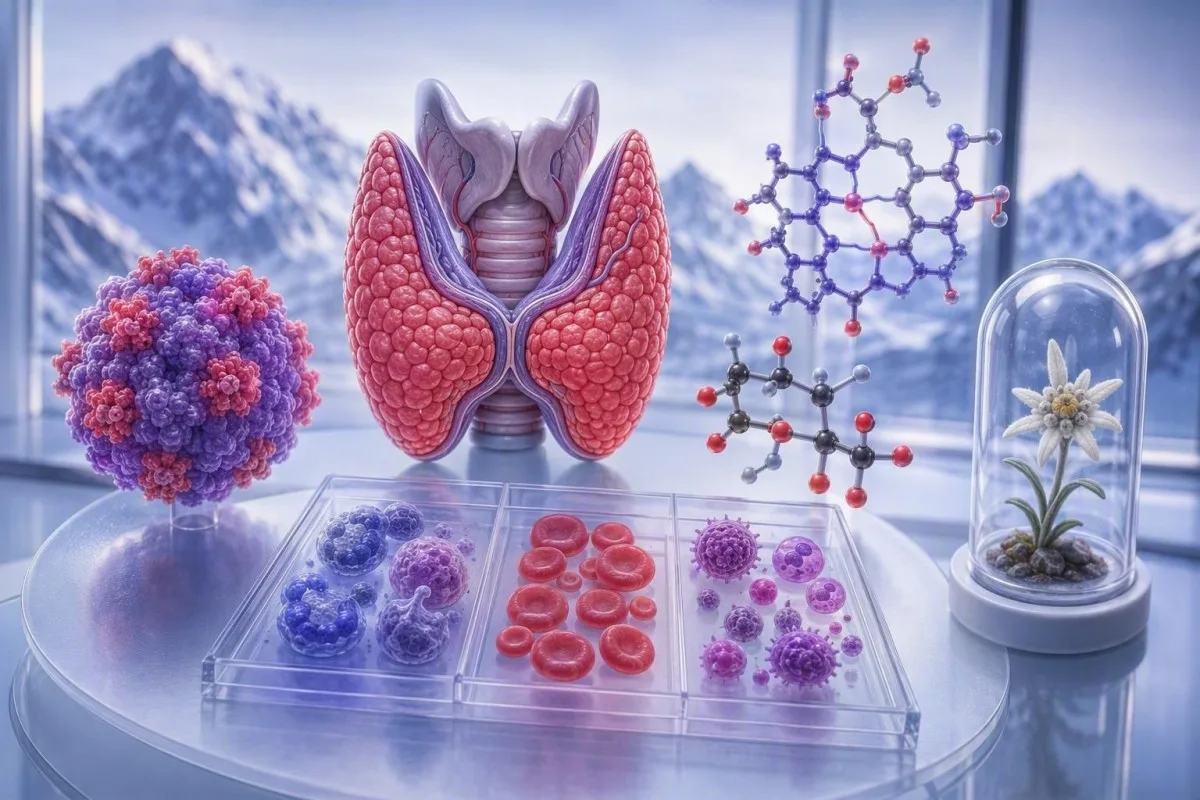
动力低下:可能揭示原因的血液检查

类别
文章
Motivation & Energy 实验室解读 2026年更新 面向患者的说明

Low motivation can be a mental-health symptom, a sign of disrupted sleep or stress, or a clue to a reversible medical problem. A focused review of symptoms, medicines and selected laboratory results helps separate those possibilities.

📖 ~11分钟 📅
📝 发表: 🩺 医学审阅: ✅ 基于证据
⚡ 快速概要 v1.0 —
  1. 一线检测项目 often includes a CBC, ferritin, TSH, free T4, vitamin B12, HbA1c, renal function and liver enzymes when low motivation persists for 2-4 weeks.
  2. 铁蛋白低于30 ng/mL usually indicates depleted iron stores in otherwise well adults, even when hemoglobin remains normal.
  3. TSH 高于 10 mIU/L with low free T4 strongly supports overt hypothyroidism and needs clinician-led treatment.
  4. 维生素B12低于200 pg/mL is commonly treated as deficient; 200-350 pg/mL is a gray zone where methylmalonic acid can clarify tissue deficiency.
  5. HbA1c为5.7-6.4% indicates prediabetes, while 6.5% or higher on confirmatory testing supports diabetes in most non-pregnant adults.
  6. Sleep loss changes labs: one poor night can raise fasting glucose, cortisol and inflammatory markers without explaining every symptom.
  7. Medication review matters because sedating antihistamines, opioids, benzodiazepines, some antiseizure drugs and beta-blockers can blunt drive without producing an abnormal routine blood result.
  8. Urgent help is needed for suicidal thoughts, inability to maintain food or fluids, confusion, severe weakness, chest pain, or rapidly worsening symptoms.

What a Blood Test for Low Motivation Can Actually Show

A blood test for low motivation can identify reversible contributors such as iron depletion, thyroid disease, B12 deficiency, diabetes, kidney or liver dysfunction, but it cannot diagnose depression, ADHD, burnout or grief on its own. The useful approach is targeted testing alongside a mental-health and medication assessment, particularly when symptoms last longer than 2-4 weeks.

Blood test for low motivation shown through an organized multi-biomarker laboratory panel
图1: A multi-marker panel helps identify medical contributors to low drive.

In my clinical work, the distinction I make first is between reduced energy, reduced pleasure and reduced initiation. A person who wants to do things but cannot start may have sleep debt, depression, executive-function difficulty, medication sedation or iron depletion; the lab result alone rarely settles it. Dr. Thomas Klein recommends recording the onset date, sleep duration and every prescription, supplement and recreational substance before testing.

Kantesti是一种AI血液检测分析仪 that interprets ferritin, thyroid, B12, glucose and blood-count patterns together rather than treating a single flagged value as a diagnosis. Our 生物标志物指南 is useful when your report uses unfamiliar units or a laboratory-specific range.

Routine screening should be proportional to the story. A 26-year-old with heavy periods, restless legs and declining gym performance needs a different work-up from a 58-year-old whose motivation changed after starting a beta-blocker. Results are clues to verify with a clinician, not proof that every emotional symptom has a biochemical cause.

Start With the Symptom Pattern and Timeline

The timing of low motivation often predicts which tests are worthwhile: abrupt symptoms over days raise questions about illness, sleep, substances and medication changes, whereas a slow decline over months more often justifies nutrient, thyroid and metabolic testing. A clear timeline prevents broad low-value testing.

Low motivation blood work reviewed beside a symptom calendar and sleep notes
图2: Symptom timing guides a focused rather than indiscriminate laboratory work-up.

Low motivation that begins after a viral illness, surgery, new diet or major life event deserves a timeline before a long list of tests. A CBC, ferritin, TSH, creatinine, electrolytes, ALT and HbA1c cover several common physical contributors in one sensible first pass. The 全血细胞计数指南 explains why hemoglobin, MCV and white-cell patterns matter together.

I see a recurring trap in people who have tested after three nights of 4-5 hours of sleep: they assume a mildly high glucose or low-normal T3 explains everything. It may reflect temporary physiology, especially if the draw followed intense exercise, fasting or acute illness. A repeat under ordinary conditions is often more informative than chasing a borderline number.

As of August 25, 2026, no major guideline recommends a broad hormone panel or cortisol test as routine screening for low motivation alone. Testing becomes more specific when there are physical clues: weight change, constipation, cold intolerance, numbness, heavy menstrual loss, thirst, snoring or medication exposure.

Iron Depletion Can Reduce Stamina Before Anemia Appears

铁蛋白低于30 ng/mL usually indicates iron depletion in adults without active inflammation, and iron depletion can coexist with normal hemoglobin. Low iron stores are especially plausible when low motivation accompanies exertional fatigue, hair shedding, restless legs, breathlessness or heavy periods.

Ferritin protein illustration and iron studies materials for low motivation blood work
图 3: Ferritin and transferrin saturation distinguish depleted stores from other anemia patterns.

Ferritin is an iron-storage protein, while transferrin saturation estimates circulating iron available for tissues. A transferrin saturation below 20% supports restricted iron availability; ferritin can look falsely reassuring during infection or chronic inflammatory disease because it rises as an acute-phase reactant. Our 铁研究参考 explains the useful combination of ferritin, iron, TIBC and saturation.

When I review a panel with ferritin 14 ng/mL, hemoglobin 13.1 g/dL and MCV 86 fL, I do not call the CBC normal and move on. The patient may not yet be anemic, but the pattern can still fit depleted reserve, particularly after frequent blood donation or prolonged heavy periods. Causes need investigation; iron tablets should not be used to cover unexplained gastrointestinal loss.

Kantesti是一个AI血液检查解读平台 that reads ferritin alongside CRP, hemoglobin, MCV and transferrin saturation, which helps flag when inflammation may distort ferritin. People with persistent low ferritin and no obvious menstrual, dietary or donation explanation should ask about celiac screening and age-appropriate gastrointestinal assessment.

Thyroid Results That Can Mimic Low Drive

A high TSH with a low free T4 supports overt hypothyroidism and can contribute to slowed thinking, low mood, fatigue and reduced initiative. In most laboratories, TSH is roughly 0.4-4.0 mIU/L, but each report’s interval and the free T4 result matter more than a single universal cutoff.

Thyroid hormone testing equipment and anatomical thyroid gland model for low motivation assessment
图 4: TSH and free T4 are interpreted together when motivation and energy change.

TSH above 10 mIU/L is more concerning than a mild isolated rise, especially when free T4 is below range. NICE thyroid guidance advises confirming persistent subclinical abnormalities and considering symptoms, antibodies, age and cardiovascular risk rather than treating one borderline TSH result automatically (NICE, 2019, updated 2023). Biotin supplements can interfere with some immunoassays, so report use of high-dose hair and nail products.

A normal TSH does not justify measuring reverse T3 for routine low motivation; that test rarely changes management outside specialist settings. Low free T4 with a non-elevated TSH is uncommon but deserves clinical review because assay issues, serious illness and pituitary disease are different possibilities. See our explanation of low free T4 patterns 进行比较。.

Thyroid antibodies answer a different question: they estimate autoimmune thyroid risk, not whether today’s fatigue is caused by thyroid hormone deficiency. A positive TPO antibody with normal TSH and free T4 often means periodic monitoring, not treatment. This is one of those areas where context matters more than the asterisk beside a lab value.

B12, Folate and the Clues Beyond a Normal CBC

维生素 B12 低于 200 pg/mL(148 pmol/L) is commonly considered deficient, while 200-350 pg/mL is an indeterminate range where methylmalonic acid or homocysteine may help. B12-related low motivation often travels with brain fog, tongue soreness, tingling, balance change or memory difficulty, but not always anemia.

Vitamin B12 testing sample and nerve pathway illustration for low motivation symptoms
图 5: Borderline B12 results need symptoms and confirmatory markers for interpretation.

A high MCV can point toward B12 or folate deficiency, alcohol exposure, liver disease, hypothyroidism or medication effects, but a normal MCV does not exclude early B12 deficiency. Devalia and colleagues’ British guideline recommends clinical correlation and second-line metabolic markers when serum B12 does not fit the presentation (Devalia et al., 2014). The B12 与叶酸指南中有覆盖。 covers this overlap in more depth.

Folate can correct anemia while B12-related neurologic injury continues, which is why self-treating with high-dose folic acid before checking B12 is unwise. Serum folate below 3 ng/mL usually indicates deficiency, although laboratory methods vary. Metformin, proton-pump inhibitors, vegan diets, bowel surgery and pernicious anemia are common reasons to test more carefully.

Kantesti AI highlights the combination of B12, folate, MCV, hemoglobin and medication history because an isolated B12 result can mislead. New numbness, gait imbalance, marked memory change or weakness needs prompt clinician review rather than a supplement-only experiment.

Glucose Changes Can Affect Energy and Follow-Through

空腹血糖为 100-125 mg/dL(5.6-6.9 mmol/L) 或 HbA1c 为 5.7-6.4% indicates prediabetes, while diabetes usually requires HbA1c of 6.5% or higher on repeat confirmation when symptoms are absent. Glucose dysregulation may cause energy dips and poor concentration, but it is not a proven standalone explanation for low motivation.

Glucose and HbA1c laboratory analysis used in tests for lack of motivation
图 6: Fasting glucose and HbA1c answer different questions about glycemic exposure.

HbA1c reflects roughly 8-12 weeks of average glucose exposure, whereas fasting glucose is a single morning snapshot. The American Diabetes Association lists fasting plasma glucose of 126 mg/dL or higher and HbA1c of 6.5% or higher as diagnostic thresholds when confirmed in an appropriate clinical setting (American Diabetes Association, 2025). Our 葡萄糖范围指南 includes fasting and post-meal context.

Reactive symptoms after meals deserve a food-and-symptom record, not an assumption that insulin is the culprit. A true hypoglycemia diagnosis requires symptoms, a documented low plasma glucose—often below 55 mg/dL—and symptom relief when glucose normalizes. Finger-stick meters and continuous sensors can be useful, but false alarms are common around meals and exercise.

A fasting insulin level is not a standard diagnostic test for low drive. It can provide metabolic context in selected cases, yet sleep deprivation, recent exercise and acute illness change it substantially. A clinician should also consider sleep apnea, depression and medication effects when HbA1c is normal.

Sleep Disruption Can Change Both Motivation and Lab Results

Poor sleep is one of the most common causes of reduced motivation, and it can transiently increase fasting glucose, cortisol and inflammatory markers. A blood panel cannot diagnose insomnia, circadian disruption or obstructive sleep apnea; sleep history and, when indicated, formal assessment are central.

Sleep diary beside laboratory samples for fatigue and low motivation labs
图 7: Sleep timing changes symptoms and can alter interpretation of metabolic results.

Adults sleeping under 6 hours most nights often describe the same “I cannot make myself start” feeling attributed to vitamin deficiency. Snoring, witnessed breathing pauses, morning headaches and daytime dozing raise the probability of sleep apnea more than a normal CBC lowers it. Our review of poor sleep and laboratory tests explains what may shift after a short night.

A morning cortisol is not a general “stress test.” It is best used when the symptom pattern suggests adrenal disease—for example, unexplained weight loss, low blood pressure, hyperpigmentation, persistent vomiting or low sodium—or when an endocrinologist directs it. A single high result after an anxious, sleepless morning rarely establishes a cortisol disorder.

Kantesti是一种由AI驱动的血液检测分析工具 that encourages users to record fasting status, exercise, alcohol intake, illness and sleep before comparing results across dates. That mundane context often prevents a misleading trend alert.

Medication Effects Often Do Not Appear on Routine Labs

Medication-related apathy or sedation may occur with normal blood results, so a structured medicines review is as valuable as low motivation blood work. Common contributors include sedating antihistamines, benzodiazepines, opioids, some antiseizure medicines, antipsychotics, beta-blockers and alcohol.

Medication review beside clinical laboratory samples for low motivation investigation
图 8: A medication timeline may explain low drive when routine laboratory results are normal.

Do not stop a prescribed medicine abruptly because you feel flat. Benzodiazepines, antidepressants, antipsychotics, beta-blockers and corticosteroids can all cause withdrawal or rebound effects if stopped suddenly. A pharmacist or prescriber can assess dose timing, interactions and whether the symptom began within 2-8 weeks of a change.

Metformin can gradually reduce B12 absorption, and prolonged proton-pump inhibitor use may also increase the chance of low B12 in susceptible people. That is why a medication list changes the meaning of a borderline B12 result. Our guide to laboratory monitoring after metformin gives a practical follow-up framework.

Supplements are not neutral either: high-dose biotin can distort thyroid assays, excessive zinc may contribute to copper deficiency, and stimulant-containing products can worsen sleep. Bring containers or photographs to the appointment; “a multivitamin” is not enough detail for safe interpretation.

Kidney, Liver and Electrolyte Patterns Worth Checking

Kidney dysfunction, liver disease and meaningful electrolyte abnormalities can reduce energy, concentration and motivation, but mild isolated abnormalities are often nonspecific. A basic metabolic panel plus liver enzymes is reasonable when symptoms are persistent, medications create risk, or there are physical signs such as swelling, nausea, itching or altered urination.

Electrolyte and liver function laboratory samples in a low motivation evaluation
图 9: Electrolyte, kidney and liver results can reveal systemic contributors to low energy.

Sodium below 135 mmol/L is hyponatremia, and values below 125 mmol/L can cause nausea, headache, confusion or seizures depending on speed of onset. Potassium below 3.0 mmol/L or above 6.0 mmol/L generally deserves urgent clinical attention, especially with weakness or palpitations. Read our electrolyte warning guide for symptom-based triage.

An eGFR below 60 mL/min/1.73 m² for 3 months or more suggests chronic kidney disease, although one low eGFR during dehydration does not establish it. ALT and AST are not “motivation markers”; abnormal values can point to liver, muscle, alcohol or medication issues that deserve separate evaluation. Fatigue with jaundice, dark urine or pale stools requires timely review.

Low albumin can reflect inflammation, kidney loss, liver impairment or inadequate intake, but albumin alone is not a nutrition score. I find the pattern—albumin, creatinine, urine protein, liver enzymes and symptoms—far more useful than any single result.

Inflammation, Infection and Other Less Common Lab Clues

CRP, ESR and white-cell counts can support a search for inflammatory or infectious disease when low motivation is accompanied by fever, night sweats, joint swelling, weight loss or persistent pain. These tests are nonspecific and should not be ordered as a fishing expedition for ordinary stress.

Inflammatory marker analysis supporting tests for lack of motivation with systemic symptoms
图 10: Inflammatory tests are most useful when systemic symptoms direct the investigation.

A CRP above 10 mg/L may reflect infection, inflammatory disease, obesity, smoking or recent vigorous exercise; it does not name the cause. ESR rises slowly and can remain elevated for weeks, particularly with anemia, pregnancy or increasing age. The ESR interpretation guide explains why CRP and ESR sometimes disagree.

Anemia of inflammation can produce low serum iron with normal or high ferritin, which is exactly where transferrin saturation and CRP help. Recurrent fevers, drenching sweats, enlarging nodes or unintentional loss of more than 5% body weight over 6-12 months should prompt clinician assessment rather than repeated home panels.

Testing can also cause harm through false positives. Broad autoimmune panels are particularly vulnerable when the prior probability is low, and a weakly positive antibody may create anxiety without explaining motivation. Start with symptoms and examination findings, then test deliberately.

When a Mental-Health Assessment Is the Essential Next Test

Normal labs do not make low motivation imaginary; they make a primary mental-health, sleep or life-context assessment more important. Depression commonly includes reduced interest or pleasure for at least 2 weeks, but anxiety, trauma, ADHD, bipolar-spectrum illness, grief and substance use can present differently.

Private clinical consultation for low motivation after medical blood tests are reviewed
图 11: Mental-health assessment remains essential when laboratory results do not explain symptoms.

A clinician should ask directly about pleasure, guilt, hopelessness, concentration, impulsivity, periods of unusually high energy and suicidal thinking. A blood test cannot distinguish depression from burnout, and a low vitamin level does not exclude depression. Our mood swings laboratory guide explains where testing helps and where it stops.

I have seen people delay effective therapy for months while searching for an ever-more obscure biomarker. If results are reassuring and symptoms are impairing work, relationships, self-care or parenting, psychological therapy, a GP review or psychiatric assessment is appropriate medical care—not a last resort. Screening tools can open a conversation but do not replace a full assessment.

Urgent same-day support is needed for suicidal thoughts, a plan to self-harm, psychosis, severe agitation, inability to eat or drink, or sudden confusion. In the UK and many other settings, emergency services, crisis lines and urgent mental-health teams are appropriate; do not wait for laboratory results.

Tests That Often Mislead When Motivation Is Low

Broad sex-hormone panels, reverse T3, random cortisol, food sensitivity panels and single “adrenal fatigue” tests rarely explain low motivation in otherwise uncomplicated cases. They can produce borderline results that trigger costly follow-up without improving care.

Focused lab selection for fatigue and low motivation labs compared with unnecessary tests
图 12: Focused testing reduces false positives and keeps follow-up clinically meaningful.

Cortisol follows a strong daily rhythm, so a random afternoon measurement has little value unless a specialist is answering a precise question. Salivary cortisol kits marketed for “adrenal fatigue” do not diagnose a recognized endocrine condition. The burnout laboratory guide separates useful exclusion tests from marketing-driven panels.

Testosterone can be relevant with reduced libido, loss of morning erections, infertility, low bone density or clear hypogonadal features, but a single afternoon result is unreliable. For men, repeat early-morning testing is generally needed before diagnosis; in women, cycle timing and hormonal contraception alter interpretation substantially.

A result outside the reference interval occurs in about 5% of healthy people by design. The most useful question is not “is it flagged?” but “does this result fit my symptoms, medications, examination and prior values?”

How to Repeat Tests Without Chasing Normal Variation

Repeat testing is most useful when the first result was borderline, collected during illness, affected by a known pre-analytical factor, or likely to change after treatment. Comparing like with like—same laboratory, time of day, fasting state and exercise pattern—reduces false alarms.

Sequential laboratory reports showing trends for a blood test for low motivation
图 13: Comparable test conditions make trends more reliable than isolated results.

Ferritin usually changes over weeks to months, HbA1c over about 90 days, and TSH commonly needs 6-8 weeks to settle after a levothyroxine dose adjustment. Rechecking daily or weekly often captures noise rather than physiology. Our 血液化验趋势指南 explains when a change is likely meaningful.

Kantesti AI can compare prior reports and flag direction of change, but the clinical question still comes first: was iron replaced, did sleep improve, was a medicine changed, or was the person acutely unwell at the first draw? Numbers without that history are easy to overread.

For the appointment, bring dates, full reports, symptom onset, menstrual or dietary changes where relevant, sleep notes and a medication list. That preparation can turn a 10-minute review into a genuinely useful diagnostic conversation.

A Practical Next-Step Plan for Persistent Low Motivation

For low motivation lasting more than 2-4 weeks, book a clinician review, bring a symptom-and-medication timeline, and discuss a focused panel rather than ordering every available test. A reasonable starting set is CBC, ferritin, TSH with free T4 when indicated, B12, HbA1c or glucose, kidney function, electrolytes and liver enzymes.

Clinician-reviewed checklist for blood testing and persistent low motivation follow-up
图 14: A structured follow-up plan combines laboratory review with symptom and safety assessment.

Prioritize sleep, regular meals, daylight exposure, gentle activity and social contact while the evaluation is underway; these measures help across many causes and do not invalidate symptoms. Avoid beginning several supplements at once, because they can change results and make it impossible to know what helped. Dr. Thomas Klein’s practical rule is one change, one reason, one planned reassessment date.

Kantesti AI supports report organization and pattern recognition, while clinicians make diagnoses and treatment decisions from the complete picture. Our clinical methodology and oversight are described in the medical validation record, including why an AI interpretation should never replace urgent assessment or a therapeutic relationship.

If the first tests are normal but functioning remains poor, that is a reason to widen the clinical conversation—not to dismiss the symptom. Our 医学咨询委员会 supports physician-led review standards, and a GP, mental-health professional or sleep specialist can direct the next step safely.

常见问题

如果我缺乏动力,应该要求进行哪些血液检查?

针对动机低下的专项血液检查通常包括 CBC、铁蛋白、TSH;怀疑甲状腺疾病时还包括游离 T4、维生素 B12、空腹血糖或 HbA1c、肌酐、电解质和肝酶。铁蛋白低于 30 ng/mL 即使血红蛋白正常,也可能提示铁储备耗竭;而 HbA1c 为 5.7-6.4% 则提示糖尿病前期。具体检查项目应根据症状、饮食、月经失血、睡眠、药物和体格检查结果确定。血液检查无法诊断抑郁症或职业倦怠,因此症状持续时仍有必要进行心理健康评估。.

即使我的血红蛋白正常,缺铁也会导致没有动力吗?

是的,铁储备耗竭可与血红蛋白正常并存,并可能导致疲劳、运动耐量下降、不宁腿和动力减退。对于无活动性炎症的成年人,铁蛋白低于 30 ng/mL 通常支持铁储备耗竭的判断,而转铁蛋白饱和度低于 20% 则可提供进一步支持证据。炎症期间铁蛋白可能出现假性正常或升高,因此 CRP 和完整的铁代谢检查可能很重要。在建议持续补铁治疗之前,临床医生应明确铁储备耗竭的原因。.

Can thyroid problems cause low motivation?

Hypothyroidism can contribute to low motivation, slowed thinking, fatigue, constipation, cold intolerance and low mood. TSH above 10 mIU/L with low free T4 is a pattern strongly suggestive of overt hypothyroidism, although reference ranges differ by laboratory. A mildly high TSH with normal free T4 often needs repeat testing and clinical context rather than immediate conclusions. Thyroid testing does not rule out coexisting depression, sleep disruption or medication effects.

What B12 level is too low for energy and motivation?

Vitamin B12 below 200 pg/mL, equivalent to about 148 pmol/L, is commonly treated as deficient, while 200-350 pg/mL is a borderline range. Symptoms can include fatigue, low motivation, cognitive fog, tingling, mouth soreness and balance problems, but some people have no anemia. Methylmalonic acid may help confirm tissue-level deficiency when serum B12 is borderline and symptoms fit. New numbness, weakness or walking difficulty should be assessed promptly by a clinician.

Should I get cortisol tested for low motivation?

A random cortisol test is usually not helpful for low motivation alone because cortisol changes substantially with time of day, sleep, illness and acute stress. Morning cortisol is mainly used when symptoms suggest adrenal disease, such as persistent vomiting, low blood pressure, unexplained weight loss, hyperpigmentation or low sodium. A single high cortisol value does not diagnose chronic stress or Cushing syndrome. Clinician-directed testing is more accurate than commercial “adrenal fatigue” panels.

Can normal blood tests still mean I am depressed?

Yes, normal laboratory results do not exclude depression, anxiety, ADHD, trauma-related symptoms, grief, sleep disorders or substance-related causes of low motivation. Depression is assessed clinically by symptoms such as low mood or loss of interest lasting at least 2 weeks, impact on daily functioning and safety questions. Tests can identify medical conditions that mimic or worsen depression, but they cannot prove that symptoms are psychological. Suicidal thoughts, psychosis or inability to care for yourself require urgent help regardless of blood-test results.

立即获取AI驱动的血液检测分析

加入全球超过2,000,000名用户,他们信任Kantesti进行即时、准确的检验分析。上传你的血液检查结果,并在几秒内获得对15,000+生物标志物的全面解读。.

📚 参考研究论文

1

Klein, T., Mitchell, S., & Weber, H. (2026). Kantesti LTD. (2026). Clinical Validation Framework v2.0 (Medical Validation Page). Zenodo. DOI: 10.5281/zenodo.17993721. ResearchGate: https://www.researchgate.net/ Academia.edu: https://www.academia.edu/. Kantesti AI医学研究。.

2

Klein, T., Mitchell, S., & Weber, H. (2026). Kantesti LTD. (2026). AI Blood Test Analyzer: 2.5M Tests Analyzed | Global Health Report 2026. Zenodo. DOI: 10.5281/zenodo.18175532. ResearchGate: https://www.researchgate.net/ Academia.edu: https://www.academia.edu/. Kantesti AI医学研究。.

📖 外部医学参考资料

3

NICE (2023). 甲状腺疾病:评估与管理.。 NICE 指南 NG145。.

4

Devalia V et al. (2014). 钴胺素(维生素B12)和叶酸疾病的诊断与治疗指南.。 英国血液学杂志(British Journal of Haematology)。.

5

美国糖尿病协会专业实践委员会(2025)。. 2. 糖尿病的诊断与分型:糖尿病护理中的标准——2025.。 Diabetes Care.

200万+测试分析
127+国家
75+语言

⚕️ 医疗免责声明

E-E-A-T信任信号

经验

由医生主导的临床审阅:实验室解读工作流程。.

📋

专业知识

实验室医学重点:生物标志物在临床情境中的表现。.

👤

权威

由 Thomas Klein 博士撰写,并由 Sarah Mitchell 博士与 Hans Weber 教授审阅。.

🛡️

可信度

基于循证的解读,并提供清晰的后续路径以减少警报。.

🏢 Kantesti LTD 在英格兰和威尔士注册 · 公司编号:. 17090423 英国伦敦 · kantesti.net
blank
作者:Prof. Dr. Thomas Klein

Thomas Klein 博士是获得美国内科医学委员会认证的临床血液科医生,担任 Kantesti AI 的首席医疗官。凭借超过 15 年的实验室医学经验,并对借助 AI 进行血液检查结果解读抱有浓厚兴趣,他致力于将新技术与日常临床实践相连接。他的研究兴趣包括生物标志物分析、临床决策支持研究以及针对特定人群的参考范围优化。作为 CMO,他为平台的内部基准评估提供临床输入,并对 Kantesti 教育报告的医疗质量提供临床监督。.

发表回复

您的邮箱地址不会被公开。 必填项已用 * 标注
