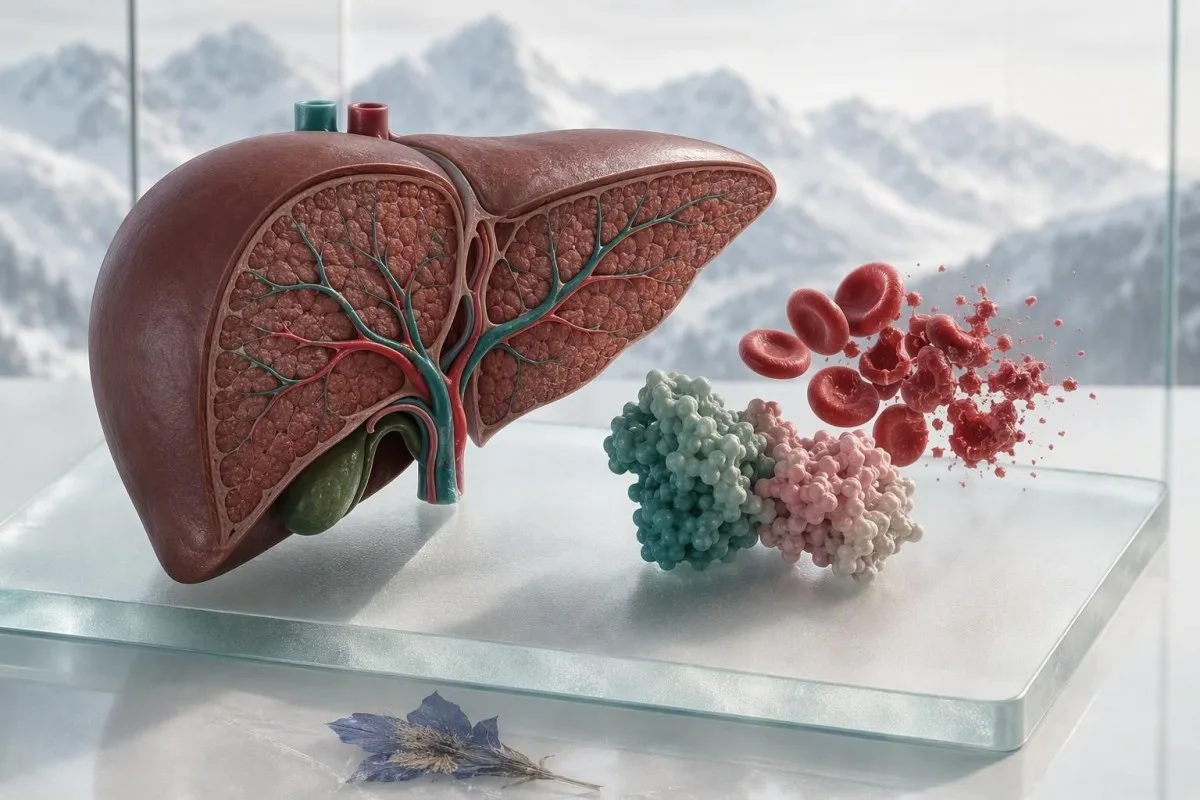
يمكن أن يعكس النتيجة المنخفضة تحلل خلايا الدم الحمراء، ولكنه يمكن أن يعكس أيضًا انخفاض الإنتاج الكبدي، أو نقصًا وراثيًا، أو تمرينًا حديثًا، أو طريقة التعامل مع العينة. يحدد فحص CBC المصاحب، وشبكية العين، والبيليروبين، و LDH، واختبار الأجسام المضادة المباشرة أي تفسير يناسب.


- معنى انخفاض الهابتوغلوبين ليس انحلال دم تلقائيًا؛ يمكن أن ينتج تخليق الكبد المنخفض وانعدام الهابتوغلوبين الوراثي نفس النتيجة.
- نمط انحلال الدم يجمع عادةً بين انخفاض الهابتوغلوبين وارتفاع LDH، والبيليروبين غير المباشر فوق حوالي 1.2 ملغم/ديسيلتر، وزيادة شبكية العين.
- استجابة شبكية العين أقل من حوالي 2% أثناء فقر الدم يجادل ضد التدمير السريع لخلايا الدم الحمراء الطرفية، ما لم يتم قمع إنتاج نخاع العظام.
- سياق الكبد مهم لأن الخلايا الكبدية تصنع الهابتوغلوبين؛ يمكن أن يفسر انخفاض الألبومين، وارتفاع INR، وارتفاع البيليروبين قيمة منخفضة بدون انحلال الدم.
- اختبار DAT يدعم انحلال الدم المناعي فقط عند تفسيره مع الصورة السريرية؛ لا يستبعد اختبار DAT السلبي كل آلية مناعية.
- توقيت التمرين يمكن أن يقلل بشكل مؤقت من الهابتوغلوبين بعد النشاط البدني المجهد، خاصة عند سحب الدم خلال 24 إلى 48 ساعة.
- غياب خلقي هو الأكثر شيوعًا في بعض المجموعات السكانية في شرق آسيا وقد يسبب نتيجة منخفضة جدًا أو غير قابلة للكشف بشكل مستمر لدى الأشخاص الأصحاء.
- مراجعة عاجلة مناسب للبول الداكن بلون الكولا، اليرقان، ضيق التنفس أثناء الراحة، ألم الصدر، الارتباك، أو انخفاض الهيموجلوبين السريع.
ما الذي تعنيه نتيجة الهابتوغلوبين المنخفضة حقًا
يشير انخفاض الهابتوغلوبين إلى أن كمية قليلة من الهابتوغلوبين الحر كانت قابلة للقياس في المصل، وليس أن انحلال الدم قد تم إثباته. في الممارسة العملية، يعتبر تحلل خلايا الدم الحمراء داخل الأوعية الدموية الحقيقي سببًا واحدًا فقط من عدة أسباب لانخفاض الهابتوغلوبين؛ فضعف تخليق الكبد، الغياب الخلقي، والاستهلاك العابر بعد التمرين هي بدائل معقولة.
الهابتوغلوبين هو بروتين يصنع في الكبد يرتبط بالهيموجلوبين المنطلق في البلازما. معظم مختبرات البالغين تذكر فاصلًا مرجعيًا قريبًا من 30 إلى 200 ملغم/ديسيلتر أو 0.3 إلى 2.0 غرام/لتر, ، ولكن الفحص والفاصل يختلفان بما يكفي ليفوز النطاق المخبري المطبوع. نتيجة أقل من 20 إلى 30 ملغم/ديسيلتر تستحق السياق، وليس الذعر.
عندما أقوم بمراجعة قيمة منخفضة، أسأل أولاً ما إذا كان الهيموجلوبين قد انخفض وما إذا كان الجسم يستجيب. في خبرتي السريرية، يكون لدى شخص لديه هيموجلوبين 14.1 غرام/ديسيلتر، و LDH طبيعي، وعدد شبكي 1.1% احتمال انحلال دم مختلف تمامًا عن شخص انخفض لديه الهيموجلوبين من 12.8 إلى 8.9 غرام/ديسيلتر على مدى 10 أيام.
قاعدة العمل للدكتور توماس كلاين بسيطة: بروتين كاشف واحد مستنفد لا يمكنه تشخيص عملية يجب أن تترك عدة بصمات كيميائية حيوية. للحصول على نظرة عامة عملية على الاختبار نفسه، انظر نتيجة haptoglobin كتوجّه.
لماذا تضلل النتائج المعزولة
يرتفع الهابتوغلوبين أيضًا أثناء الالتهاب لأنه بروتين طور حاد. هذا يعني أن نتيجة طبيعية يمكن أن تخفي أحيانًا انحلال دم خفيف أثناء العدوى، أو أمراض المناعة الذاتية، أو بعد الجراحة؛ وعلى العكس من ذلك، غالبًا ما تشير نتيجة منخفضة مع علامات دوران طبيعية إلى الابتعاد عن التدمير النشط.
كيف ينخفض الهابتوغلوبين أثناء انحلال الدم الحقيقي
ينخفض الهابتوغلوبين بشكل حاد في انحلال الدم داخل الأوعية الدموية لأن الهيموجلوبين الحر المتداول يشكل بسرعة مجمعات يتم إزالتها من البلازما. يمكن لانحلال الدم خارج الأوعية الدموية أن يخفضه أيضًا، ولكن غالبًا ما يكون أقل دراماتيكية وبنمط مختلط أكثر.
البيولوجيا مفيدة. يرتبط الهيموجلوبين الحر بالهابتوغلوبين، ويتم إزالة المعقد عبر مسارات البلاعم؛ يمكن أن يؤدي الإطلاق المستمر إلى دفع الهابتوغلوبين إلى تركيز غير قابل للكشف. غالبًا ما يرتفع LDH فوق الحد الأعلى المحلي الطبيعي, ، على الرغم من أن LDH غير محدد ويمكن أن يرتفع من تلف الكبد، أو تلف العضلات، أو الأورام الخبيثة، أو عينة تالفة.
يرتفع البيليروبين غير المباشر عندما تتم معالجة الهيم أسرع مما يمكن للكبد ربطه. لدى شخص بالغ مستقر، البيليروبين الكلي أعلى من 1.2 ملغم/ديسيلتر (حوالي 20 ميكرومول/لتر) مع وجود جزء غير مقترن بشكل سائد يدعم انحلال الدم فقط بعد النظر في متلازمة جيلبرت والصيام وخلل وظائف الكبد. حول البيليروبين المباشر مقابل غير المباشر ذلك الانقسام.
يصف بارتشيليني وفاتيتزو المجموعة الكلاسيكية على أنها انخفاض الهابتوغلوبين مع زيادة اللاكتات ديهيدروجيناز، والبيروبين غير المقترن، وشبكية الخلايا، لكنهم يحذرون أيضًا من أن كل علامة لها أسباب غير انحلالية (Barcellini & Fattizzo، 2015). المجموعة - وليست أقل عدد - تجعل التشخيص مقنعًا.
اقرأ LDH والبيليروبين وشبكية العين كنمط واحد
يعد انخفاض الهابتوغلوبين مع زيادة اللاكتات ديهيدروجيناز، وارتفاع البيروبين غير المباشر، والاستجابة المناسبة لشبكية الخلايا أقوى نمط مختبر روتيني لانحلال الدم. إذا غابت إشارتان أو ثلاث من هذه الإشارات، فيجب على الأطباء البحث بنشاط عن تفسيرات غير انحلالية.
يمكن لنسبة شبكية الخلايا وحدها أن تخدعنا في فقر الدم. تقوم نسبة شبكية الخلايا المصححة بتعديل الهيماتوكريت؛ مع هيماتوكريت 24%، يتم تصحيح عدد شبكية الخلايا الخام 3% إلى ما يقرب من 1.6%, ، وهي ليست استجابة قوية للنخاع. يشير مؤشر إنتاج شبكية الخلايا الأقل من 2 عمومًا إلى إنتاج غير كافٍ بدلاً من استجابة تعويضية قوية.
اللاكتات ديهيدروجيناز فوق ضعف الحد المرجعي العلوي يثير القلق بشأن انحلال الدم ذي المغزى السريري أكثر من الارتفاع الحدودي من 10% إلى 20%، خاصة إذا كان البوتاسيوم و AST والفوسفات مرتفعين أيضًا بشكل غير متوقع بسبب تلف العينة. راجع شرحنا ل مصادر ارتفاع اللاكتات ديهيدروجيناز قبل عزو كل اللاكتات ديهيدروجيناز إلى خلايا الدم الحمراء.
كانتيستي هو محلل اختبار الدم بالذكاء الاصطناعي والتي تقرأ الهابتوغلوبين فيما يتعلق بمسار الهيموجلوبين، وشبكية الخلايا، والبيروبين، وعلامات الكبد بدلاً من التعامل مع علامة حمراء واحدة كتشخيص. هذا التمييز هو الأكثر أهمية عندما تكون النتيجة أقل بقليل من النطاق.
يمكن أن يؤدي مرض الكبد إلى انخفاض الهابتوغلوبين دون تدمير خلايا الدم الحمراء
يقلل مرض الكبد من الهابتوغلوبين عن طريق تقليل تخليق البروتينات الكبدية، لذلك يمكن أن تحدث قيمة منخفضة دون زيادة تدمير خلايا الدم الحمراء. يصبح هذا التفسير أكثر احتمالاً عندما يكون الألبومين منخفضًا، أو يكون مؤشر INR ممتدًا، أو تظهر إنزيمات الكبد والصفراء نمطًا كبديًا متماسكًا.
يتم تصنيع الهابتوغلوبين بشكل أساسي بواسطة خلايا الكبد. في أمراض الكبد المزمنة المتقدمة، يكون الألبومين منخفضًا أقل من 3.5 غ/دل, ، مؤشر INR أعلى من نطاق المختبر، قلة الصفيحات، والهابتوغلوبين المنخفض قد تترافق معًا حتى عندما تكون LDH وعدد الخلايا الشبكية غير ملحوظة. هذا هو أحد أسباب عدم كون المستوى المنخفض فحصًا مستقلاً للانحلال.
مريض يبلغ من العمر 58 عامًا رأيته يعاني من تليف الكبد كان لديه هابتوغلوبين أقل من 8 ملجم/ديسيلتر، الهيموجلوبين 11.6 جم/ديسيلتر، LDH 184 وحدة/لتر، والخلايا الشبكية 1.0%. أدىت النتيجة مبدئيًا إلى إحالة عاجلة للانحلال، لكن المؤشرات المستقرة ووظيفة التخليق الضعيفة أعادت توجيه الفحص نحو أمراض الكبد وفقر الدم الغذائي. كانت مكوّنات تحليل الكبد أكثر إفادة من تكرار الهابتوغلوبين.
تؤكد المبادئ التوجيهية لـ EASL بشأن تليف الكبد غير المتكافئ أن الألبومين والصفراء ومؤشر INR والكرياتينين والصوديوم تحدد شدة الكبد والتنبؤ به (الجمعية الأوروبية لدراسة أمراض الكبد، 2018). يمكن للهابتوغلوبين أن يكمل تلك الصورة، لكنه لا يحل محل تلك المقاييس الراسخة.
انخفاض الهابتوغلوبين الوراثي أو غيابه: تفسير هادئ مدى الحياة
يمكن أن يسبب نقص هابتوغلوبين الموروث انخفاضًا مستمرًا جدًا أو عدم اكتشاف الهابتوغلوبين لدى الأشخاص الذين لا يعانون من فقر الدم ولا يوجد دليل بيوكيميائي على الانحلال. إنها مشكلة إنتاج جيني، وليست تدميرًا مستمرًا لخلايا الدم الحمراء.
نقص هابتوغلوبين الكامل غير شائع عالميًا ولكنه مسجل بشكل متكرر أكثر في المجموعات السكانية في شرق آسيا، حيث تم التعرف على أليل حذف جين HP. يجب أن يثير القيمة غير القابلة للاكتشاف بشكل متكرر على مدى سنوات، مع هيموجلوبين طبيعي، صفراء طبيعية، و LDH طبيعي، هذا الاحتمال - لا سيما إذا كان لدى الأقارب نتائج منخفضة مماثلة.
القضية العملية ليست عادةً الصحة اليومية. يمكن للأشخاص الذين يعانون من نقص حقيقي تكوين أجسام مضادة بعد التعرض لمنتجات الدم التي تحتوي على الهابتوغلوبين، لذلك قد يكون التاريخ الموثق مهمًا قبل نقل الدم. يمكن لطبيب أمراض الدم أو خدمة نقل الدم تقديم المشورة بشأن ما إذا كان التأكيد الإضافي مناسبًا.
لا تفترض تفسيرًا جينيًا بعد اختبار واحد. التكرار عند الشعور بالتحسن، بالإضافة إلى CBC، والخلايا الشبكية، وأجزاء الصفراء، ولوحة الكبد، هي خطوة أولى أكثر أمانًا. عرض لوحة الدم الكاملة لدينا يوضح سبب أهمية الأنماط عبر اللوحات.
يمكن أن يخفي الالتهاب انحلال الدم بدلاً من التسبب في نتيجة منخفضة
عادة ما يزيد الالتهاب من الهابتوغلوبين، لذلك فإن المستوى الطبيعي أو المرتفع لا يستبعد تمامًا الانحلال أثناء العدوى أو النشاط المناعي الذاتي. يمكن أن يكون نتيجة منخفضة حقًا على الرغم من ارتفاع CRP أكثر دلالة على الاستهلاك أو انخفاض تخليق الكبد من نفس النتيجة أثناء العافية.
يتصرف الهابتوغلوبين كبروتين مرحلة حادة، وغالبًا ما يزداد جنبًا إلى جنب مع CRP. يشير CRP فوق 10 mg/L إلى وجود التهاب نشط في العديد من أنظمة المختبرات، على الرغم من أنه لا يحدد السبب. في هذا الإعداد، قد تكون قيمة 90 ملجم/ديسيلتر ضمن النطاق ولكنها أقل مما هو متوقع لهذا الفرد.
هذا الفارق الدقيق مهم بشكل خاص في فقر الدم الانحلالي المناعي الذاتي، حيث قد يتواجد الالتهاب والانحلال. تشير Jäger وزملاؤه إلى أن التشخيص يعتمد على السياق السريري، ونتائج لطاخة الدم، وعلم الدم المناعي بدلاً من أي علامة انحلال معزولة (Jäger et al., 2020).
Kantesti’s منصة تفسير المؤشرات الحيوية بالذكاء الاصطناعي يمكن أن يشير إلى هابتوغلوبين منخفض طبيعي بشكل مختلف عندما يكون CRP 2 ملجم/لتر مقارنة بـ 96 ملجم/لتر. هذا مؤشر فرز، وليس بديلاً عن فحص الطبيب للمريض.
يمكن أن يؤدي انحلال الدم في العينة والسياق المختبري إلى تشويش الصورة
يمكن للعينة التالفة أن ترفع بشكل خاطئ LDH والبوتاسيوم و AST، مما يخلق نمطًا يبدو كأنه انحلال على الرغم من عدم وجود تكسر لخلايا الدم الحمراء داخل الجسم الحي لدى المريض. لا يفسر عادةً انخفاض الهابتوغلوبين المقاس بشكل حقيقي، ولكنه يمكن أن يشوه الأدلة الداعمة.
يعكس مؤشر انحلال الدم في المختبر تمزق خلايا الدم الحمراء في الأنبوب، وغالبًا ما يكون ناتجًا عن صعوبة الجمع، أو اهتزاز النقل، أو درجات الحرارة القصوى، أو التأخير في الفصل. البوتاسيوم فوق 5.5 ملي مول/لتر مع علامة انحلال الدم من المحلل ووظائف الكلى الطبيعية، غالبًا ما يؤدي ذلك إلى إعادة سحب قبل العلاج. المنطق نفسه ينطبق على ارتفاع غير متوقع في LDH.
اسأل عما إذا كان التقرير يذكر “عينة منحلة”، “تداخل”، أو “قد تتأثر النتائج”. دليل إعادة السحب بعد انحلال العينة مفيد لأن التصحيح الأكثر أمانًا غالبًا ما يكون إعادة اختبار هادئة ومنظمة بشكل صحيح، وليس فحصًا طارئًا واسع النطاق.
التوقيت يغير أيضًا التفسير. الهابتوغلوبين لديه استجابة وظيفية قصيرة بما فيه الكفاية بحيث قد يلتقط القياس بعد حدث حاد التعافي أو النضوب، بينما يمكن أن يتأخر البيليروبين والشبكية في اتجاهات مختلفة.
التمرين والتوقيت: متى تكون القيمة المنخفضة عابرة
يمكن أن يؤدي الجري لمسافات طويلة، وسباقات المضمار، والتمارين المتكررة لضربات القدم إلى انحلال دم مؤقت وانخفاض الهابتوغلوبين لمدة 24 إلى 48 ساعة تقريبًا. يختلف الحجم بشكل كبير حسب المسافة، والأحذية، والحرارة، والترطيب، وحالة الحديد الأساسية للرياضي.
انحلال الدم الناتج عن ضربات القدم حقيقي، ولكن انخفاض الهابتوغلوبين بعد السباق لا يمثل تلقائيًا مرضًا. لقد رأيت عدائي ماراثون لديهم انخفاض في الهابتوغلوبين، وارتفاع طفيف في LDH، وهيموغلوبين مستقر بعد السباق؛ إعادة الاختبار بعد 48 إلى 72 ساعة دون تدريب شاق غالبًا ما يوضح خط الأساس.
يمكن أن يؤدي التمرين الشاق أيضًا إلى زيادة CK و AST، مما يجعل اللوحة تبدو أكثر إثارة للقلق مما هي عليه. إذا كان CK مرتفعًا بشكل ملحوظ، فإن ألم العضلات الشديد، أو الضعف، أو قلة إخراج البول، أو البول الداكن جدًا يتطلب مراجعة عاجلة لأن إصابة العضلات مصدر قلق منفصل؛ انظر دليل الخطر ديال CK.
ينصح الدكتور توماس كلاين الرياضيين بتسجيل مسافة السباق، والارتفاع، والتعرض للحرارة، والترطيب مع النتيجة. غالبًا ما يكون هذا الجدول الزمني الصغير أكثر قيمة تشخيصية من اختبار عشوائي آخر بعد ستة أشهر.
متى يساعد اختبار الأجسام المضادة المباشرة
يكشف اختبار الغلوبولين المناعي المباشر، أو DAT، عن الغلوبولين المناعي أو المتمم المرتبط بخلايا الدم الحمراء ويساعد في تقييم انحلال الدم المناعي المشتبه به. يكون أكثر فائدة عندما يكون فقر الدم ونمط انحلال الدم المقنع موجودين بالفعل.
لا تعني نتيجة DAT الإيجابية تلقائيًا الإصابة بفقر الدم الانحلالي المناعي الذاتي. يمكن أن تحدث نتائج إيجابية بعد نقل الدم، مع الأدوية، أثناء العدوى، أو بدون انحلال دم له أهمية سريرية؛ يجب أن يحدد تقرير المختبر ما إذا كان قد كشف عن IgG، C3d، أو كليهما. لا تزال لطخة الدم واتجاه الهيموغلوبين مركزية.
على العكس من ذلك، لا يلغي DAT السلبي انحلال الدم. يوجد انحلال الدم المناعي سلبي DAT، وتتطلب الأسباب غير المناعية مثل انحلال الدم الميكانيكي للصمامات، والإصابة التأكسدية المتعلقة بـ G6PD، واعتلال الأوعية الدقيقة، والحروق، والالتهابات اختبارات مختلفة. تتطلب الخلايا المشوّهة (Schistocytes) في لطخة الدم اهتمامًا فوريًا، كما هو موضح في مقالنا عن اللطخة العاجلة.
قد يطلب الطبيب DAT، لطخة محيطية، هيموغلوبين بلازما حر، هيموسيدرين البول، نشاط G6PD، أو دراسات المتمم بناءً على النمط. يمكن أن يؤدي اختبار كل شيء في وقت واحد إلى توليد ضوضاء، لذا يجب أن يوجه الفحص الأولي الفرع التالي.
تؤدي شبكية العين المنخفضة إلى تحويل السؤال نحو الإنتاج
يشير فقر الدم مع انخفاض أو طبيعي بشكل غير مناسب للشبكية إلى انخفاض إنتاج خلايا الدم الحمراء أكثر من التدمير المحيطي. في تلك الحالة، قد يعكس انخفاض الهابتوغلوبين إنتاج الكبد أو يتواجد عرضياً مع نقص الحديد، نقص فيتامين ب12، أمراض الكلى أو تثبيط نخاع العظم.
انخفاض عدد الخلايا الشبكية 0.5% يكون منخفضًا بشكل شائع، ولكن التفسير الصحيح يعتمد على الهيموجلوبين والهيماتوكريت. يجب على الشخص المصاب بالهيموجلوبين 8 جم/ديسيلتر أن يبدي استجابة؛ قد يبدو العد 1.2% طبيعيًا على الورق ولكنه غير كافٍ لشدة فقر الدم.
تشير صغر الكريات الحمر، وانخفاض الفيريتين، وانخفاض تشبع الترانسفيرين إلى إنتاج مقيد بالحديد. تثير كبر الكريات الحمر مع انخفاض الخلايا الشبكية الشك في فيتامين ب12، الفولات، الكحول، أمراض الكبد، قصور الغدة الدرقية، الأدوية أو اضطرابات نخاع العظم؛ يمكن لـ مقارنة MCV و MCH أن يساعد في تنظيم هذا التفريق.
لا يمنع انخفاض الهابتوغلوبين استحالة نقص الحديد. تحدث مشاكل مختلطة: قد يعاني الشخص المصاب بمرض الكبد المزمن وفقدان الحديد الحيضي من ضعف إنتاج الهابتوغلوبين وفقر دم بانخفاض عدد الخلايا الشبكية.
أعراض الهابتوغلوبين المنخفض هي في الواقع أعراض السبب
لا يسبب انخفاض الهابتوغلوبين بحد ذاته أي أعراض محددة؛ تنشأ الأعراض من فقر الدم، انحلال الدم، أمراض الكبد أو المحفز الأساسي. يشعر العديد من الأشخاص المصابين بانخفاض مستويات وراثية بأنهم بحالة جيدة تمامًا.
يمكن أن يسبب انحلال الدم التعب، وضيق التنفس عند المجهود، والخفقان، واليرقان، وعدم الراحة في الظهر، وبول بلون الشاي أو الكولا. البول الداكن الجديد مع اليرقان أو انخفاض سريع في الهيموجلوبين يمثل مشكلة تتطلب تقييمًا في نفس اليوم, ، وليس شيئًا للمراقبة بالمكملات المنزلية. اقرأ المزيد عن علامات التحذير ديال البول الغامق.
تختلف أعراض أمراض الكبد: انتفاخ البطن، سهولة الكدمات، براز شاحب، حكة، ارتباك أو تورم تقدمي في الكاحل يشير إلى أن مرض الكبد قد يكون ذو أهمية سريرية. عدم وجود أعراض مطمئن ولكنه لا يستبعد خلل وظيفي مبكر في الكبد.
الرعاية الطارئة منطقية لآلام الصدر، الإغماء، الارتباك، ضيق التنفس أثناء الراحة، انخفاض إنتاج البول، الحمى مع ضعف ملحوظ، أو الحمل مع أعراض فقر دم جديدة. لا يحدد رقم الهابتوغلوبين المنخفض وحده، خاصة لدى شخص مستقر، مدى الإلحاح.
تقييم عملي خطوة بخطوة بعد نتيجة منخفضة
يتكرر الفحص الأكثر كفاءة للعينة المشكوك فيها ويقترن الهابتوغلوبين بـ CBC، الخلايا الشبكية، LDH، الكسور البيليروبينية واختبارات الكبد. يأتي اختبار DAT وفحص لطاخة الدم لاحقًا عندما تدعم المجموعة الأولية انحلال الدم أو يكون فقر الدم غير مفسر.
الخطوة 1 هي التحقق: تأكيد الوحدات، نطاق المرجع، تعليقات جودة العينة، التمرين الحديث، عمليات نقل الدم، الأدوية الجديدة والمرض. الخطوة 2 هي لوحة مركزة - CBC مع المؤشرات، عدد الخلايا الشبكية، LDH، البيليروبين الكلي والمباشر، AST، ALT، الألبومين والكرياتينين. التكرار في 1 إلى 2 أسابيع معقول في كثير من الأحيان لشخص مستقر وغير مصاب بأعراض عندما لا يكون هناك نمط عاجل.
تعتمد الخطوة 3 على ما تغير. يدعم انخفاض الهيموجلوبين مع ارتفاع الخلايا الشبكية وارتفاع البيليروبين مراجعة لطاخة الدم و DAT؛ يدعم انخفاض الألبومين أو ارتفاع INR تقييم الكبد؛ يدعم انخفاض MCV والفيريتين دراسات الحديد. دليل عدد الخلايا الشبكية يشرح لماذا يمكن أن يضيف الجزء الخلوي الشبكي غير الناضج مفتاح إنتاج مفيد.
كانتيستي هو أداة تحليل ديال تحاليل الدم مدعومة بالذكاء الاصطناعي المستخدمة في 127+ دولة لتنظيم هذا التسلسل من ملف PDF أو صورة تم تحميلها، ولكنه لا يمكنه فحص لطاخة الدم، أو فحص اليرقان، أو استبدال التشخيص الذي يقوده الطبيب. في الأعراض الحادة، اطلب الرعاية الطبية المباشرة أولاً.
الأدوية ونقل الدم والمواقف الخاصة التي تغير التفسير
يمكن أن تغير الأدوية وتاريخ نقل الدم كلاً من احتمالية انحلال الدم ومعنى نتيجة DAT. تعد قائمة الأدوية ذات صلة خاصة عندما يظهر انخفاض الهابتوغلوبين بشكل مفاجئ بعد نمط مستقر سابقًا.
تشمل المحفزات المحتملة لانحلال الدم بعض المضادات الحيوية، والأدوية المؤكسدة في نقص إنزيم G6PD، والعلاجات المناعية، ونادراً الأجسام المضادة المعتمدة على الأدوية. التوقيت مهم: انخفاض الهيموغلوبين الذي يبدأ 5 إلى 10 أيام بعد التعرض الجديد يستحق مراجعة الطبيب، بينما انخفاض هبتوغلوبين مستقر وطويل الأمد لا يعني نفس الإلحاح.
بعد نقل الدم، قد تظهر تفاعلات انحلال الدم المتأخرة بعد أيام مع انخفاض الهيموغلوبين، وارتفاع البيليروبين، وجسم مضاد جديد، وأحياناً اختبارDAT إيجابي. اتصل بالفريق المعالج على الفور إذا ظهرت حمى، أو بول داكن، أو يرقان، أو تعب غير متوقع بعد نقل الدم.
الحمل ومرض الكلى والعدوى الشديدة تضيف طبقات أخرى. على سبيل المثال، يمكن أن يؤدي تلف الكلى إلى تفاقم عواقب إطلاق الصباغ، بينما يغير الحمل حجم البلازما وتوقعات المراجع؛ علامات التحذير في تحاليل الحمل تغطي متى يجب الاتصال دون تأخير.
لماذا الاتجاهات تتفوق على نتيجة الهابتوغلوبين لمرة واحدة
غالباً ما يكون التغيير من خط الأساس الخاص بك في هبتوغلوبين السابق أكثر إفادة من ما إذا كانت قيمة واحدة تقع خارج نطاق المرجع السكاني. نتيجة منخفضة مستقرة لسنوات لها معنى مختلف عن الانخفاض من 120 ملغم/ديسيلتر إلى أقل من 10 ملغم/ديسيلتر على مدى أيام.
احتفظ بتاريخ الجمع، وممارسة الرياضة في الـ 72 ساعة السابقة، ومدة الصيام، والمرض، واستهلاك الكحول، والسفر، ونقل الدم، وتغييرات الأدوية بجانب كل نتيجة. هذه التفاصيل تجعل “التباين المخبري” الظاهر قابلاً للتفسير. تذبذب تقريبي تقريبي من 20% إلى 30% يمكن أن يحدث عبر التباين البيولوجي والتحليلي للعديد من البروتينات، بينما يحتاج الانهيار المتكرر إلى مستويات غير قابلة للكشف إلى تفسير.
يقارن Kantesti AI المؤشرات الحيوية الطولية ويمكن أن يظهر نتيجة هبتوغلوبين منخفضة بجانب تحولات في الهيموغلوبين، و RDW، والبيليروبين، وإنزيمات الكبد. دليل تحليل اتجاهات تحاليل الدم يصف كيفية التمييز بين منحدر حقيقي وضوضاء عادية من زيارة إلى أخرى.
لا تحاول رفع هبتوغلوبين بالمكملات الغذائية. لا يوجد مكمل مستهدف قائم على الأدلة لنتيجة منخفضة معزولة؛ يتم توجيه العلاج نحو انحلال الدم، أو أمراض الكبد، أو نقص التغذية، أو سبب آخر تم تحديده.
خلاصة سريرية: اختبر النمط، وليس الخوف
انخفاض هبتوغلوبين يستدعي التعرف السريع على النمط، وليس تشخيص انحلال الدم التلقائي. انخفاض هبتوغلوبين مع LDH طبيعي، والبيليروبين، والخلايا الشبكية، والهيموغلوبين المستقر يعكس عادة انخفاض الإنتاج، أو الغياب الوراثي، أو السياق؛ نمط انحلال الدم متعدد المؤشرات يحتاج إلى متابعة بقيادة الطبيب.
اعتباراً من 22 أغسطس 2026، لا توجد إرشادات رئيسية توصي بفحص البالغين الأصحاء لانحلال الدم باستخدام الهبتوغلوبين وحده. السؤال المفيد هو: “هل هذه النتيجة تتناسب مع انخفاض الهيموغلوبين، والاستجابة التعويضية للنخاع، والأدلة الكيميائية الحيوية لتقلب خلايا الدم الحمراء؟” إذا لم يكن الأمر كذلك، وسّع التشخيص التفريقي قبل قبول تسمية مخيفة.
كانتيستي هو خدمة تفسير تحاليل مختبر الذكاء الاصطناعي مع منهجية مراجعة الأطباء تساعد المستخدمين على إعداد مناقشة مركزة مع طبيبهم. نهج التحقق الطبي لدينا يشرح حدود التفسير الآلي وسبب بقاء المراجعة السريرية ضرورية لانحلال الدم المشتبه به.
لسياق CBC ذي الصلة، قد يكون منشور بحثنا حول RDW ومؤشرات كريات الدم الحمراء مفيداً. فريق Kantesti الطبي، بما في ذلك المجلس الاستشاري الطبي, ، يراجع المحتوى التعليمي بانتظام؛ لا تزال النتائج الفردية تتطلب رعاية مصممة خصيصاً للأعراض والتاريخ والفحص.
الأسئلة الشائعة
هل يمكن أن يكون الهابتوغلوبين منخفضًا بدون انحلال دم؟
نعم. يمكن أن يحدث انخفاض الهابتوغلوبين دون انحلال دم عندما ينتج الكبد كمية أقل من البروتين، أو عندما يكون لدى الشخص نقص هابتوغلوبين موروث، أو بعد إجهاد خلايا الدم الحمراء المؤقت المرتبط بالتمارين الرياضية. النتيجة المنخفضة مع الهيموغلوبين المستقر، وانخفاض نازعة هيدروجين اللاكتات الطبيعي (LDH)، والبيليروبين غير المباشر الطبيعي، وشبكية الكريات الحمراء حول 0.5% إلى 2.0% تكون أقل دعمًا للانحلال النشط. النمط المخبري الكامل والأعراض تحدد ما إذا كانت المتابعة عاجلة.
ما هو مستوى الهابتوغلوبين الذي يشير إلى انحلال الدم؟
إن قيمة الهابتوغلوبين الأقل من حوالي 20 إلى 30 ملغم/ديسيلتر يمكن أن تدعم انحلال الدم، ولكن لا يوجد حد فاصل واحد يثبته لأن نطاقات المختبرات تختلف. من المرجح جدًا حدوث انحلال الدم عندما يحدث انخفاض الهابتوغلوبين مع ارتفاع LDH، والبيليروبين غير المباشر أعلى من حوالي 1.2 ملغم/ديسيلتر، وزيادة عدد الخلايا الشبكية، وانخفاض تركيز الهيموغلوبين. يمكن أن يؤدي مرض الكبد ونقص وراثي أيضًا إلى إنتاج قيم أقل من 10 ملغم/ديسيلتر دون تدمير نشط لخلايا الدم الحمراء.
هل يمكن أن يسبب مرض الكبد انخفاض الهابتوغلوبين؟
نعم. ينتج الكبد الهابتوغلوبين، لذلك يمكن أن يؤدي ضعف تخليق البروتين الكبدي إلى خفض الهابتوغلوبين في الدم دون انحلال الدم. الألبومين المنخفض أقل من 3.5 جم/ديسيلتر، وارتفاع INR، وانخفاض الصفائح الدموية، وارتفاع البيليروبين أو إنزيمات الكبد تجعل انخفاض الإنتاج أكثر ترجيحًا. يفسر الطبيب عادةً الهابتوغلوبين جنبًا إلى جنب مع لوحة الكبد بدلاً من اعتباره اختبارًا منفصلاً للكبد.
هل يستبعد ارتفاع إنزيم نازع هيدروجين اللاكتات (LDH) الطبيعي حدوث انحلال الدم عند انخفاض الهابتوغلوبين؟
يجعل انخفاض إنزيم نازعة الهيدروجين (LDH) الطبيعي انحلال الدم السريع داخل الأوعية الدموية أقل احتمالاً، ولكنه لا يستبعد بشكل مطلق انحلال الدم الخفيف أو المتقطع أو الذي يحدث بشكل أساسي خارج الأوعية الدموية. إذا كان إنزيم LDH طبيعيًا، وكانت الهيموجلوبين، والبيليروبين غير المباشر، والشبكيات مستقرة أيضًا، فإن انخفاض الهابتوغلوبين يعكس بشكل متكرر تخليق الكبد، أو الغياب الوراثي، أو السياق الزمني. قد يوضح تكرار CBC ولوحة انحلال الدم بعد أسبوع إلى أسبوعين الوضع المستقر.
هل يمكن للتمرين المكثف أن يخفض الهابتوغلوبين؟
نعم. يمكن أن يؤدي تمرين التحمل، وخاصة فعاليات الجري التي تتطلب ضربات متكررة بالقدم، إلى خفض الهابتوغلوبين مؤقتًا لمدة 24 إلى 48 ساعة تقريبًا. قد ترتفع أيضًا LDH و CK و AST بعد النشاط الشاق، مما قد يعقد التفسير. غالبًا ما يكون تكرار الاختبار بعد 48 إلى 72 ساعة دون تدريب شاق أمرًا معقولًا إذا كان الهيموغلوبين مستقرًا ولا توجد أعراض تحذيرية.
ماذا يعني فحص مضادات الغلوبولين المباشر السلبي؟
يشير اختبار الأجسام المضادة المباشر السلبي إلى أن الفحص لم يكتشف كميات كبيرة من الغلوبولين المناعي أو المكمل المرتبط بخلايا الدم الحمراء في ذلك الوقت. يجعل فقر الدم الانحلالي المناعي الذاتي التقليدي أقل احتمالاً، ولكنه لا يستبعد انحلال الدم المناعي السلبي للاختبار المباشر أو الأسباب غير المناعية مثل التلف الميكانيكي أو الإصابات المتعلقة بالإنزيمات. يساعد لطاخة الدم المحيطية، والتاريخ الدوائي، واستجابة الشبكية، ونمط البيليروبين في تحديد الاختبار التالي.
احصل على تحليل الدم بالذكاء الاصطناعي اليوم
انضم إلى أكثر من 2 مليون مستخدم عالمي يثقون في Kantesti لتحليل فوري ودقيق لنتائج التحاليل المخبرية. ارفع نتائج تحليل الدم الخاصة بك واحصل على تفسير شامل لـ 15,000+ للـ biomarkers في ثوانٍ.
📚 أبحاث منشورة مُشار إليها
Klein, T., Mitchell, S., & Weber, H. (2026). اختبار RDW في الدم: دليل كامل لـ RDW-CV، MCV & MCHC. Kantesti LTD. (2026). Zenodo. https://doi.org/10.5281/zenodo.18202598. ResearchGate: https://www.researchgate.net/ | Academia.edu: https://www.academia.edu/. Kantesti بحث طبي بالذكاء الاصطناعي.
Klein, T., Mitchell, S., & Weber, H. (2026). شرح نسبة BUN/الكرياتينين: دليل تحليل وظائف الكلى. Kantesti LTD. (2026). Zenodo. https://doi.org/10.5281/zenodo.18207872. ResearchGate: https://www.researchgate.net/ | Academia.edu: https://www.academia.edu/. Kantesti بحث طبي بالذكاء الاصطناعي.
📖 مراجع طبية خارجية
⚕️ إخلاء مسؤولية طبية
هذه المقالة لأغراض تعليمية فقط ولا تشكل نصيحة طبية. استشر دائمًا مقدم رعاية صحية مؤهلًا لاتخاذ قرارات التشخيص والعلاج.
إشارات الثقة E-E-A-T
خبرة
مراجعة سريرية يقودها الأطباء لسير عمل تفسير التحاليل.
خبرة
تركيز طب المختبر على كيفية سلوك الـ biomarkers في السياق السريري.
السلطة
مكتوب من طرف الدكتور Thomas Klein مع مراجعة من طرف الدكتورة Sarah Mitchell والأستاذ الدكتور Hans Weber.
الجدارة بالثقة
تفسير قائم على الأدلة مع مسارات متابعة واضحة لتقليل الإنذار.