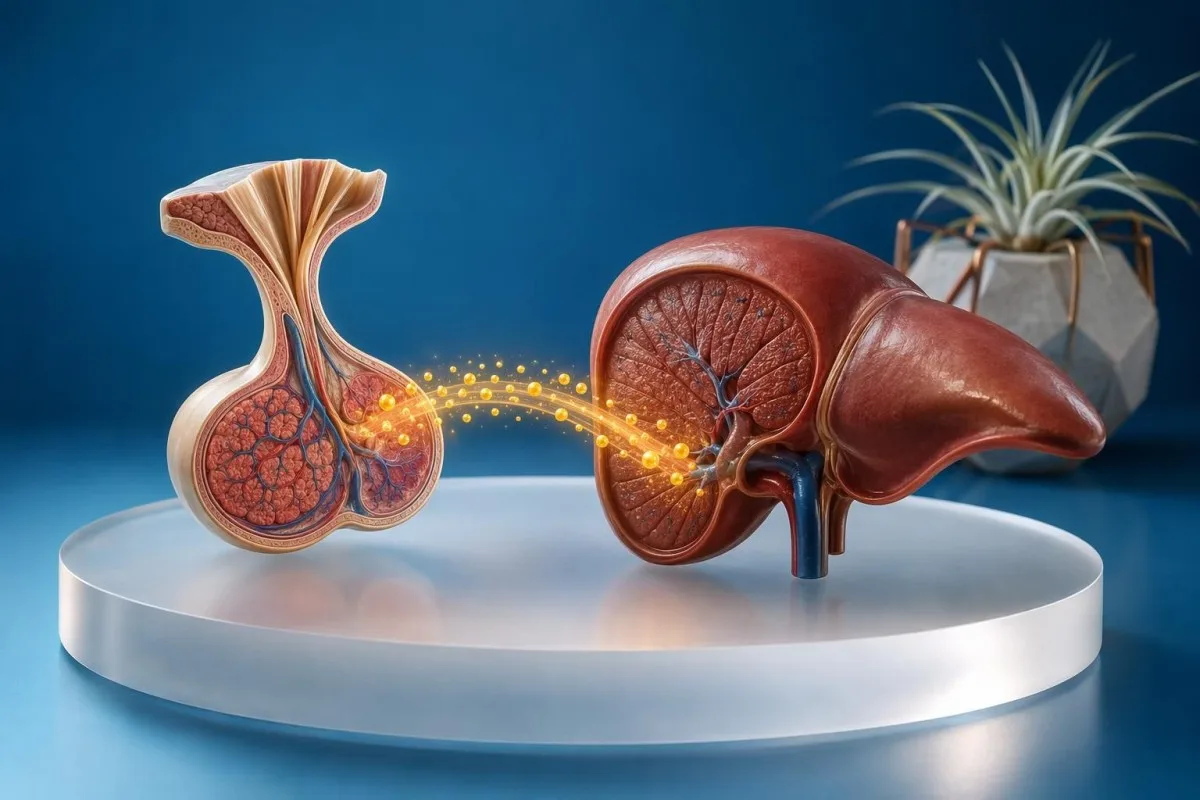
A random growth hormone result usually captures a normal pulse-free interval, not your overall hormone production. In adults with a credible pituitary history, age-adjusted IGF-1 is the practical first signal; stimulation testing confirms selected cases.


- Random GH has little diagnostic value because adult secretion occurs in short pulses, often during sleep.
- IGF-1 SDS below -2.0 supports reduced GH action after age- and assay-specific interpretation, but does not prove adult growth hormone deficiency alone.
- Normal IGF-1 does not reliably exclude adult growth hormone deficiency, especially after pituitary surgery, irradiation, or traumatic brain injury.
- Three or more pituitary hormone deficits plus a low IGF-1 can make additional provocative testing unnecessary in a compatible clinical setting.
- Insulin tolerance testing requires monitored hypoglycaemia, usually plasma glucose below 2.2 mmol/L (40 mg/dL), and is unsuitable for some patients.
- Macimorelin testing uses a peak GH cutoff near 2.8 ng/mL in approved protocols, although assay and local practice still matter.
- Low IGF-1 may reflect liver disease, undernutrition, oral oestrogen, poorly controlled diabetes, kidney disease, or acute illness rather than pituitary GH deficiency.
- GH replacement is monitored with symptoms, adverse effects, and IGF-1 kept within the age-adjusted reference range—not by chasing a random GH value.
Why a random growth hormone test usually answers the wrong question
A random growth hormone test is usually unhelpful for diagnosing adult growth hormone deficiency because GH is released in brief, irregular pulses and can be nearly undetectable between them in healthy adults. A result of 0.1 ng/mL at 2 pm may therefore be physiologically ordinary, not evidence of deficiency. Kantesti is an AI blood test analyzer that places IGF-1 beside age, sex, liver markers, glucose, and prior hormone results rather than treating one random GH number as a diagnosis.
Growth hormone secretion has a circadian pattern, with larger pulses commonly occurring during early slow-wave sleep; daytime sampling often misses them completely. Even a stimulated or stressful moment—exercise, fasting, fever, pain, or poorly controlled diabetes—can transiently change GH within minutes, which is why one value has poor reproducibility.
In clinic, I have seen patients referred after a “low GH” of less than 0.05 ng/mL whose IGF-1 was comfortably age-appropriate and whose pituitary history was unremarkable. The result was technically accurate but clinically uninformative; our detailed guide to IGF-1 by age shows why the reference interval changes so markedly across adulthood.
A random GH value can occasionally help in the opposite direction: a clearly elevated concentration during a proper acromegaly evaluation is a different clinical question. For suspected deficiency, however, a low random concentration has no standalone cutoff that establishes disease.
Dr. Thomas Klein’s practical rule is simple: do not let a low random GH result create a diagnosis before confirming whether the patient has a plausible hypothalamic-pituitary disorder. The pre-test probability—prior pituitary mass, cranial irradiation, significant head trauma, or multiple pituitary deficits—changes the meaning of every later test.
The pulse problem in one sentence
Healthy adults can have GH concentrations below an assay’s detection limit between pulses, while their 24-hour GH production remains normal. This biological variability is the central reason a random growth hormone test is not used as a screening test for adult deficiency.
Why IGF-1 is the first-line blood marker
IGF-1 is the preferred first blood test because liver production integrates GH exposure over hours to days, making its concentration far less pulse-dependent than GH itself. An IGF-1 result should be reported against the laboratory’s age-adjusted range or as a standard deviation score (SDS), not judged against one universal adult number.
Most laboratories express IGF-1 in ng/mL, but the absolute range can fall from roughly 100–300 ng/mL in younger adults to approximately 50–200 ng/mL later in life, depending on method. An IGF-1 SDS of -2.0 or lower means the value is at or below roughly the 2.5th percentile for the matched reference population.
IGF-1 is not a perfect surrogate for GH secretion. A normal result can occur in proven adult growth hormone deficiency, particularly with obesity, recent illness, or partial hypothalamic disease; it lowers suspicion but does not close the case when the pituitary history is compelling.
Kantesti AI reviews IGF-1 as part of a wider endocrine panel, including thyroid status, glucose, liver proteins, and gonadal hormones. That pattern-based approach is useful because the blood biomarkers guide contains many markers whose reference limits are method-specific rather than biologically absolute.
One detail patients often miss: the same IGF-1 result can look “low” after a laboratory changes assay platform without your physiology changing at all. When a value is borderline, I prefer repeating it at the same laboratory before escalating to a provocative test.
What IGF-1 actually measures
IGF-1 is produced mainly by the liver under GH stimulation and circulates bound to carrier proteins, which buffers sharp hourly swings. This stability makes it suitable for an initial adult growth hormone deficiency assessment, but not for self-diagnosis.
What a low IGF-1 result means—and what it does not
A low IGF-1 supports impaired GH action only after clinicians exclude common non-pituitary explanations, especially malnutrition, active systemic illness, advanced liver disease, uncontrolled diabetes, and oral oestrogen exposure. A low value is a clue, not a verdict.
Albumin below 30 g/L, marked weight loss, or a C-reactive protein rise during acute illness can accompany a temporarily low IGF-1 without permanent pituitary dysfunction. Severe liver dysfunction matters because the liver is the principal source of circulating IGF-1; reduced synthesis can mimic a GH-deficient pattern.
Oral oestrogen can lower IGF-1 through hepatic first-pass effects, whereas transdermal preparations usually have less effect on this axis. This is one reason medication history belongs on the laboratory requisition, alongside information about contraceptives, menopausal therapy, glucocorticoids, and insulin use.
An isolated result just below range deserves calm interpretation. Our explanation of out-of-range flags is relevant here: a flag reflects a statistical laboratory boundary, not automatic disease in the person who gave the sample.
Low IGF-1 can also appear in poorly controlled type 1 diabetes because portal insulin deficiency alters liver GH signaling, even when circulating GH is high. That apparent contradiction is a useful reminder that the GH–IGF axis is a feedback system, not a single switch.
When repeat testing is sensible
Repeating IGF-1 after recovery from an acute illness, stabilization of diabetes, or correction of clear undernutrition can prevent an unnecessary stimulation test. In most stable outpatients, a repeat sample after 6–12 weeks is more informative than a next-day redraw.
Age, assay, and body composition change the interpretation
IGF-1 must be interpreted using the reporting laboratory’s age-adjusted assay range, ideally with an SDS, because concentrations decline substantially after adolescence and different assays do not give interchangeable values. BMI and oral oestrogen can also shift the clinical probability of adult growth hormone deficiency.
A 55-year-old with IGF-1 of 95 ng/mL may be within range at one laboratory and below range at another, while the same number would be distinctly low for a 25-year-old. The appropriate question is not “is 95 low?” but “what is its age- and method-adjusted SDS?”
Obesity can blunt stimulated GH responses, which is why some stimulation-test cutoffs use BMI-specific thresholds. It does not mean every person with obesity has pituitary disease; it means a one-size-fits-all peak GH cutoff may create false-positive diagnoses.
Reference intervals can differ by sex, pubertal history, and assay calibration, and some European laboratories report results in nmol/L rather than ng/mL. For context on why ranges differ even in routine medicine, see sex-specific laboratory ranges.
A low IGF-1 with a stable body weight, normal albumin, normal liver tests, and a history of pituitary surgery carries more signal than the same value during a 10-kg unintentional weight loss. Context matters more than the decimal place.
Which histories make adult GH deficiency more likely
Adult growth hormone deficiency is most likely after a documented hypothalamic-pituitary disorder, especially pituitary surgery, cranial radiotherapy, a non-functioning pituitary adenoma, severe traumatic brain injury, or prior subarachnoid haemorrhage. Symptoms alone—fatigue, weight change, low mood, and reduced exercise capacity—are too nonspecific to diagnose it.
Pituitary irradiation can cause hormone deficits years after treatment, often in a sequence where GH loss appears before ACTH deficiency. A normal scan today does not erase that risk; the relevant exposure may have occurred 5, 10, or 20 years earlier.
Adults with childhood-onset GH deficiency require reassessment after final height, usually after a treatment washout directed by their endocrinologist. Some congenital genetic causes and clear structural lesions persist, while many people diagnosed with isolated childhood deficiency demonstrate adequate secretion on retesting.
The reason we look for other axes is practical: low free T4 with an inappropriately normal TSH, low morning cortisol, low sex steroids with non-elevated gonadotropins, and low IGF-1 together point toward pituitary disease. The paired logic is similar to the pattern discussed in our cortisol and ACTH guide.
Molitch et al. (2011) advised testing primarily in patients with structural pituitary disease, prior surgery or irradiation, or a history suggesting hypothalamic-pituitary injury—not as a broad explanation for everyday tiredness. That remains clinically sensible as of July 24, 2026.
Symptoms that merit a proper review
Reduced lean mass, increasing visceral fat, lower exercise capacity, low bone density, and impaired quality of life can occur in adult GH deficiency, but each has many alternatives. New headache, visual change, marked thirst, or multiple new hormonal symptoms warrants prompt clinical assessment rather than an isolated laboratory order.
Why doctors test the other pituitary axes first
Testing the other pituitary axes is essential because three or more documented pituitary hormone deficits plus a low IGF-1 can establish adult GH deficiency in the right structural setting without a stimulation test. It also identifies deficiencies that are more urgent to treat, particularly adrenal insufficiency.
A typical baseline panel includes 8–9 am cortisol, free T4 and TSH, prolactin, LH and FSH with oestradiol or testosterone as appropriate, sodium, and sometimes serum osmolality. Morning cortisol under 83 nmol/L (3 µg/dL) is strongly concerning for central adrenal insufficiency, although intermediate values need dynamic assessment.
Prolactin can be mildly elevated when pituitary stalk signaling is disrupted, while very low prolactin is uncommon but can accompany extensive anterior pituitary injury. Neither pattern diagnoses GH deficiency, yet both help localize the problem.
A low FSH or LH is only meaningful beside the relevant sex-steroid value and life stage. Readers evaluating that pair can review low FSH and pituitary health before assuming a fertility-related explanation.
In my experience, restoring cortisol and thyroid hormone safely takes precedence over deciding on GH replacement. Starting GH in untreated adrenal insufficiency can reduce cortisol availability and expose a fragile patient to avoidable risk.
The exception to stimulation testing
A low IGF-1 plus at least three other anterior pituitary hormone deficits in a patient with known pituitary disease is considered a sufficiently specific pattern by major adult guidelines. This exception applies to a defined clinical context, not to people with several borderline wellness-panel results.
How to prepare for an IGF-1 growth hormone test
IGF-1 testing generally does not require fasting, but clinicians should document acute illness, recent major exercise, pregnancy status, diabetes control, and medicines because each can change interpretation. The sample is most useful when obtained during a stable period of health.
Unlike fasting glucose, IGF-1 has modest short-term meal sensitivity, so a normal breakfast usually does not invalidate the sample. Still, drawing related tests—glucose, lipids, insulin, or cortisol—may require specific timing or fasting instructions, which is why a coordinated order is easier to interpret.
Biotin is not a universal problem for IGF-1 assays, but it can interfere with some immunoassays used elsewhere on an endocrine panel. Patients taking 5–10 mg daily for hair or nails should tell the laboratory and prescriber rather than stopping prescribed treatment without advice.
Recent high-intensity exercise can raise GH briefly but does not create a durable IGF-1 rise in a single afternoon. For broader practical preparation, our article on supplements and fasting tests explains why test-specific instructions beat generic fasting rules.
Keep a short record of oral oestrogen, glucocorticoid dose, nutritional changes, sleep disruption, and intercurrent illness. That one-minute note can prevent an endocrinologist from interpreting an explainable low IGF-1 as a pituitary signal.
When not to test
IGF-1 measured during hospitalization for severe illness, immediately after major surgery, or during active calorie restriction often reflects metabolic stress rather than baseline pituitary function. Deferring non-urgent testing until recovery is usually the safer choice.
When a growth hormone stimulation test is considered
A growth hormone stimulation test is considered when adult GH deficiency remains plausible after IGF-1, pituitary history, and other hormone axes are reviewed but the diagnosis is not already clear. It deliberately provokes GH release under controlled conditions because random sampling cannot assess reserve.
The insulin tolerance test, or ITT, is the reference standard in many centres because insulin-induced hypoglycaemia should trigger a substantial GH response. Adequate biochemical hypoglycaemia is generally plasma glucose below 2.2 mmol/L (40 mg/dL), so the procedure requires trained staff and continuous observation.
The ITT is usually avoided in people with seizure disorders, established coronary artery disease, or circumstances where induced hypoglycaemia poses unacceptable risk. A growth hormone peak cutoff may be near 5.1 ng/mL in some protocols, but assay calibration and local validation determine the actual decision limit.
Glucagon stimulation is a common alternative when ITT is unsafe, but the sampling schedule is longer—often 3 to 4 hours—and nausea is not rare. In adults with obesity, some practices use a lower peak threshold near 1 ng/mL rather than 3 ng/mL to reduce false-positive results.
Kantesti is an AI-powered blood test analysis tool that can organize the baseline evidence before referral, but it cannot replace supervised dynamic endocrine testing. Dr. Thomas Klein advises patients to ask the endocrine unit which assay-specific cutoff and BMI criteria it uses before interpreting a “failed” test.
Why testing is not a casual screening exercise
Provocative GH testing has meaningful false-positive and false-negative consequences, including unnecessary long-term replacement or missed pituitary disease. It belongs in an endocrine service that can manage hypoglycaemia, interpret assay limits, and assess competing causes of low IGF-1.
How insulin, glucagon, and macimorelin tests differ
The insulin tolerance test, glucagon stimulation test, and oral macimorelin test can each assess adult GH reserve, but they differ in safety, duration, and validated cutoffs. No test result should be interpreted without knowing the laboratory assay and the patient’s BMI and pituitary history.
Macimorelin is an oral ghrelin-receptor agonist that prompts GH release and is typically easier to administer than insulin tolerance testing. A peak GH cutoff of 2.8 ng/mL is used in the approved adult diagnostic protocol, although clinicians still consider medications, glucose control, and local analytical methods.
Glucagon testing is often chosen when ITT risk is unacceptable, but delayed GH peaks can occur around 180 minutes, making incomplete sample timing a real source of error. A single omitted late sample may matter more than patients realize.
Yuen et al. (2019) recommend choosing the provocative test according to safety, availability, and validated cutoffs rather than treating one protocol as interchangeable with another. The evidence is honestly mixed on the best obesity-adjusted thresholds, which is why endocrinology services sometimes differ.
If a test result conflicts sharply with the clinical picture, repeating with another validated test can be reasonable. That is not indecision; it is recognition that dynamic endocrine testing measures a variable biological response under artificial conditions.
Do you need to fast?
Most stimulation protocols require overnight fasting and review of diabetes medicines before the appointment. The testing centre should provide written, individualized instructions because insulin, sulfonylureas, GLP-1 medicines, and corticosteroids can create safety or interpretation issues.
How endocrinologists combine symptoms, scans, and laboratory results
Endocrinologists diagnose adult growth hormone deficiency by combining pituitary history, MRI findings, other hormone deficits, IGF-1, and—when needed—a validated stimulation test. Symptoms help assess impact, but they do not override an inconsistent biochemical evaluation.
A prior pituitary MRI showing postoperative change, an empty sella, stalk disease, or residual mass changes the pre-test probability substantially. Conversely, nonspecific fatigue with normal pituitary axes and no relevant history rarely justifies an ITT simply because an online panel found one low-normal hormone.
Bone density testing may be considered when deficiency is confirmed or when fracture risk is elevated, but low bone density itself is not specific to GH deficiency. Vitamin D status, sex steroids, thyroid function, coeliac disease, medications, and nutrition all need consideration.
Insulin resistance can complicate the picture because high fasting insulin and abnormal glucose alter hepatic GH signaling. If glucose is part of your workup, compare it with an appropriate fasting glucose range rather than treating GH and IGF-1 as isolated metabolism markers.
A meaningful trend is often more useful than two single values from different laboratories. The practical question is whether IGF-1 has moved from an SDS of -0.2 to -2.3 over 12 months alongside emerging pituitary deficits—not whether one isolated result looks alarming.
Imaging does not diagnose hormone function
Pituitary MRI can identify anatomy but cannot measure GH reserve. A normal MRI does not fully exclude hypothalamic injury after trauma or irradiation, while an incidental small pituitary finding does not automatically explain a low IGF-1.
Common misconceptions about low IGF-1 and GH testing
Low IGF-1 does not automatically mean you need growth hormone, and a normal random GH does not rule out deficiency. The most common error is treating endocrine laboratory values as isolated performance scores rather than results shaped by physiology, medicines, illness, and assay design.
“Low IGF-1 means anti-ageing treatment” is not a medical diagnosis. GH therapy is prescribed for confirmed deficiency with an appropriate clinical indication; using it to pursue body composition or vitality without diagnosis can cause oedema, joint pain, glucose intolerance, and other harms.
“More GH is always better” is equally misleading. Replacement doses are individualized and commonly begin low—often 0.1 to 0.3 mg daily in older adults—then adjust gradually against adverse effects and an age-appropriate IGF-1 target.
Kantesti is an AI biomarker interpretation platform that highlights when a low IGF-1 appears alongside liver abnormalities, glucose disturbance, or missing pituitary data. It also supports longitudinal review through blood-test trend analysis, which is usually more clinically honest than a one-time hormone score.
“A normal IGF-1 excludes the condition” is the misconception that can delay evaluation after cranial irradiation or pituitary surgery. In a genuinely high-risk patient, normal IGF-1 may still lead to a stimulation test if the consequences of missing deficiency are material.
A note on wellness testing
Direct-to-consumer hormone panels can reveal a result worth discussing, but they cannot supply the imaging review, medication assessment, or monitored stimulation testing required for diagnosis. A low value is a reason for a focused clinical conversation, not a reason to buy GH products.
What happens after adult GH deficiency is confirmed
Confirmed adult GH deficiency can be treated with individualized recombinant GH replacement, usually starting at a low daily dose and adjusting against symptoms, side effects, and age-adjusted IGF-1. Treatment is supervised because dose needs vary with age, sex, oral oestrogen use, and sensitivity to fluid retention.
A common starting dose is 0.1 mg daily for older adults or 0.2–0.3 mg daily for younger adults, with adjustments every 1–2 months in many practices. Women taking oral oestrogen may require higher doses because oral oestrogen reduces hepatic IGF-1 generation.
Joint stiffness, hand swelling, headache, paraesthesia, and rising glucose can signal that the dose is too high or has been increased too quickly. Adults with diabetes need glucose and HbA1c monitoring because GH can reduce insulin sensitivity.
The target is typically an IGF-1 within the age-adjusted reference range, often around the mid-normal range if tolerated—not a specific random GH concentration. Patients with a history of active malignancy or proliferative diabetic retinopathy need particularly careful specialist discussion.
Our AI technology guide explains how structured longitudinal data can make follow-up conversations clearer, but treatment decisions remain with the prescribing endocrinologist. A trend graph cannot assess oedema, visual symptoms, or clinical benefit for you.
What improvement may look like
Some patients report better exercise tolerance or quality of life within 3–6 months, while body-composition and bone effects take longer. Benefits are variable, so a treatment trial should include agreed goals and a plan to reconsider therapy if meaningful benefit does not emerge.
Practical next steps after a low IGF-1 result
After a low IGF-1 result, the appropriate next step is usually a non-urgent review with a GP or endocrinologist unless symptoms suggest adrenal crisis, pituitary mass effect, or severe metabolic illness. Bring the full laboratory report, medication list, and any history of brain injury, pituitary treatment, or cranial radiation.
Ask whether the result includes an age-adjusted reference interval and SDS, whether your nutritional and liver status could explain it, and whether any other pituitary hormones were tested. A report that simply says “low” without age context is not enough for a diagnosis.
Urgent assessment is appropriate for severe headache with visual change, repeated vomiting, confusion, fainting, very low blood pressure, or suspected cortisol deficiency. Those symptoms may indicate a broader pituitary or adrenal problem that should not wait for routine GH testing.
Kantesti can help you arrange a clean summary of related results before an appointment, including the hormone-panel pattern and dates of prior tests. Never start or stop hormone treatment solely because an automated report flags an endocrine result.
If you are unsure whether a referral is justified, a blood-test second opinion can help frame precise questions for your clinician. The useful question is “what would make this result clinically meaningful in my case?” rather than “how can I raise it quickly?”
What to take to the appointment
Bring prior endocrine reports, MRI summaries, radiation records when available, and a list of all prescribed and non-prescribed medicines with doses. A 2-year timeline of symptoms, weight change, and laboratory results often saves more time than repeating an uncoordinated panel.
Clinical standards, data limits, and when to seek specialist care
Adult GH deficiency is a specialist diagnosis because the safest interpretation depends on validated assays, supervised stimulation protocols, and the entire pituitary picture. AI can organize results and identify missing context, but it cannot establish GH deficiency or determine whether GH replacement is safe.
As of July 24, 2026, the key standard remains targeted testing in people with a credible pituitary-risk history rather than population screening for fatigue. Assay standardization has improved, yet GH decision limits still vary enough that the performing endocrine service must interpret its own protocol.
Kantesti’s approach is reviewed against clinical standards described in our medical validation framework, including source-report preservation and contextual flagging. A result extracted from a PDF or image should always be checked against the original laboratory units before acting on it.
Dr. Thomas Klein recommends endocrinology referral for low IGF-1 with known pituitary disease, two or more other pituitary abnormalities, prior cranial irradiation, moderate-to-severe head injury with persistent endocrine symptoms, or concern for a pituitary mass. This is one of those areas where cautious confirmation protects patients better than fast answers.
Our physicians and clinical reviewers are listed on the Medical Advisory Board. The final decision about stimulation testing, replacement therapy, and follow-up belongs to the clinician who can examine you, review imaging, and manage treatment risks.
Bottom line
Start with age-adjusted IGF-1 and clinical probability, not a random GH level. Use a stimulation test when the evidence remains uncertain, and treat only confirmed deficiency under endocrine supervision.
Frequently Asked Questions
Can a random growth hormone test diagnose adult growth hormone deficiency?
No. A random growth hormone test cannot reliably diagnose adult growth hormone deficiency because GH is secreted in short pulses and may be below 0.1 ng/mL between pulses in healthy adults. Diagnosis starts with age-adjusted IGF-1 and pituitary history, then uses a validated stimulation test when needed. A low random GH result should not be used alone to prescribe growth hormone or label someone deficient.
What IGF-1 level suggests adult growth hormone deficiency?
An IGF-1 standard deviation score of -2.0 or lower supports reduced GH action because it is at or below roughly the 2.5th percentile for age and assay, but it does not prove adult growth hormone deficiency by itself. Absolute values in ng/mL vary substantially by age and laboratory method, so there is no universal single cutoff. Low IGF-1 should be interpreted alongside nutrition, liver function, diabetes control, medicines, and pituitary history.
Can you have growth hormone deficiency with normal IGF-1?
Yes. A normal IGF-1 does not fully exclude adult growth hormone deficiency, particularly in people with prior pituitary surgery, cranial irradiation, traumatic brain injury, or partial hypothalamic disease. In a high-risk patient, an endocrinologist may still arrange a growth hormone stimulation test despite an IGF-1 within the laboratory range. Normal IGF-1 is more reassuring when there is no pituitary-risk history and the other pituitary axes are normal.
What is the gold-standard growth hormone stimulation test?
The insulin tolerance test is widely considered the reference growth hormone stimulation test because induced hypoglycaemia should provoke GH release in people with normal reserve. Most protocols require plasma glucose to fall below 2.2 mmol/L, or 40 mg/dL, under close clinical observation. The test is usually avoided in people with seizure disorders or significant coronary artery disease, where glucagon or macimorelin may be safer alternatives.
What is a normal macimorelin growth hormone test result?
In the approved adult macimorelin protocol, a peak GH concentration of 2.8 ng/mL or higher is generally considered sufficient to exclude adult growth hormone deficiency. The test uses an oral ghrelin-receptor agonist and timed GH samples, often making it more convenient than insulin tolerance testing. Results still require endocrinology interpretation because assay differences, medicines, glucose control, and the original probability of pituitary disease affect confidence.
Does a low IGF-1 mean I need growth hormone injections?
No. A low IGF-1 can result from undernutrition, liver disease, uncontrolled diabetes, acute illness, oral oestrogen, or confirmed pituitary GH deficiency, so treatment depends on the cause. When adult growth hormone deficiency is confirmed, starting doses are often about 0.1–0.3 mg daily and are adjusted by an endocrinologist using symptoms, side effects, and age-adjusted IGF-1. Starting GH without a confirmed diagnosis can cause fluid retention, joint symptoms, and worsening glucose control.
Can I use growth hormone replacement if I have type 2 diabetes?
Often, yes, if deficiency is confirmed, but GH can raise blood glucose and may change your diabetes medication needs. Your endocrinologist should review glucose control before treatment and monitor it closely after each dose adjustment.
Get AI-Powered Blood Test Analysis Today
Join over 2 million users worldwide who trust Kantesti for instant, accurate lab test analysis. Upload your blood test results and receive comprehensive interpretation of 15,000+ biomarkers in seconds.
📚 Referenced Research Publications
Klein, T., Mitchell, S., & Weber, H. (2026). Kantesti LTD. (2026). Urobilinogen in Urine Test: Complete Urinalysis Guide 2026.. Kantesti AI Medical Research.
Klein, T., Mitchell, S., & Weber, H. (2026). Kantesti LTD. (2026). Iron Studies Guide: TIBC, Iron Saturation & Binding Capacity.. Kantesti AI Medical Research.
📖 External Medical References
⚕️ Medical Disclaimer
This article is for educational purposes only and does not constitute medical advice. Always consult a qualified healthcare provider for diagnosis and treatment decisions.
E-E-A-T Trust Signals
Experience
Physician-led clinical review of lab interpretation workflows.
Expertise
Laboratory medicine focus on how biomarkers behave in clinical context.
Authoritativeness
Written by Dr. Thomas Klein with review by Dr. Sarah Mitchell and Prof. Dr. Hans Weber.
Trustworthiness
Evidence-based interpretation with clear follow-up pathways to reduce alarm.