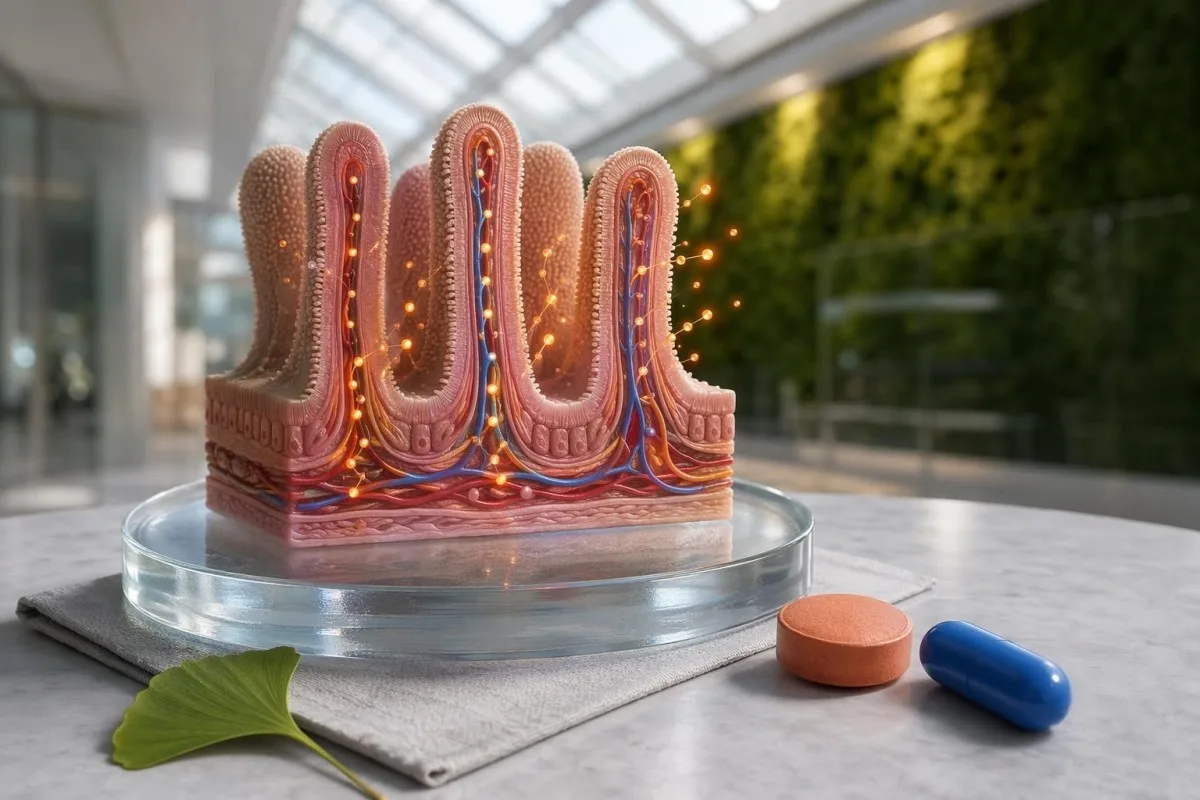
Both forms can raise iron stores, but the one you actually tolerate often wins. The smarter question is not only absorption; it is absorption plus adherence plus the right follow-up labs.


- Iron bisglycinate is usually gentler on the stomach and is often a reasonable first choice for people who stop iron because of nausea or constipation.
- Ferrous sulfate is cheaper, widely studied, and effective; one 325 mg tablet usually provides about 65 mg elemental iron.
- Elemental iron matters more than tablet weight: 25 mg bisglycinate and 65 mg ferrous sulfate are not equivalent doses.
- Absorption is strongly affected by hepcidin, food, calcium, tea, coffee, PPIs, inflammation, and whether you take iron daily or every other day.
- Constipation risk is generally higher with ferrous sulfate, but dehydration, low fibre, pregnancy, and opioid use often contribute more than patients realise.
- Ferritin below 15 ng/mL is strongly suggestive of depleted iron stores in adults; many clinicians treat symptomatic patients below 30 ng/mL.
- Transferrin saturation below 20% suggests too little circulating available iron, especially when ferritin is borderline or inflammation is present.
- Recheck timing is usually CBC in 2-4 weeks and ferritin or iron studies after 8-12 weeks, unless symptoms are severe or bleeding is ongoing.
- No response after 4-6 weeks should trigger a review of dose, timing, adherence, bleeding, celiac disease, inflammation, B12, folate, and the original diagnosis.
Which Form Is Easier to Absorb in Real Life?
Iron bisglycinate vs sulfate has a practical answer: bisglycinate is often easier to tolerate, while sulfate has the strongest long-term evidence and lowest cost. If nausea or constipation makes you skip tablets, bisglycinate may produce better real-world absorption because you keep taking it. If you tolerate ferrous sulfate, it reliably raises hemoglobin and ferritin. You can upload your results to iron bisglycinate vs sulfate for pattern-based interpretation, especially if you already have low ferritin with normal hemoglobin.
As of May 20, 2026, I do not tell patients that bisglycinate is magically superior. I tell them this: the best absorbed iron is the one that reaches your gut, is taken consistently, and is confirmed by labs 4-12 weeks later.
A typical ferrous sulfate 325 mg tablet contains about 65 mg elemental iron, while many iron bisglycinate capsules contain 18-30 mg elemental iron. That means one small bisglycinate capsule may be gentler but may also deliver less total iron unless the label and dose are checked carefully.
In our analysis of 2M+ blood test uploads at Kantesti, the pattern I see is almost boring: people rarely fail iron because the molecule is exotic; they fail because they take it with coffee, stop after 9 days, or never recheck ferritin. Our blood test numbers guide explains why one isolated result can mislead.
The short clinical rule
Choose ferrous sulfate if cost matters, anemia is clear, and your stomach tolerates it. Choose iron bisglycinate if you have a sensitive stomach, previous constipation, reflux, or you have abandoned sulfate before.
Absorption Depends on Elemental Iron and Hepcidin
Iron absorption depends less on the brand name and more on elemental iron dose, hepcidin level, gut conditions, and timing. Ferrous sulfate supplies ionic ferrous iron, while iron bisglycinate is a chelated form bound to glycine that may be less irritating for some people.
Hepcidin is the liver hormone that tells the intestine whether to absorb iron. When hepcidin rises after an iron dose, the next dose may be absorbed less efficiently for about 24 hours, which is why daily high-dose iron can backfire in some patients.
Stoffel et al. reported in Lancet Haematology that alternate-day dosing improved fractional iron absorption compared with consecutive-day dosing in iron-deficient women (Stoffel et al., 2017). In clinic, I often use 40-65 mg elemental iron every other morning before I escalate to daily dosing.
Serum iron after a tablet can jump sharply for several hours, but that does not prove stores are rebuilding. For the underlying panel, our iron studies guide is more useful than chasing a single serum iron number.
Why Ferrous Sulfate Causes More Stomach Side Effects
Ferrous sulfate side effects are common because unabsorbed ionic iron can irritate the gut lining and alter stool water, motility, and local oxidative chemistry. Nausea, cramps, dark stool, reflux, and constipation are the usual reasons patients stop it.
Tolkien et al. found that ferrous sulfate increased gastrointestinal side effects compared with placebo, with an odds ratio of 2.32 in a PLoS One meta-analysis (Tolkien et al., 2015). Compared with intravenous iron, the odds ratio for GI side effects was 3.05, which matches what I see in practice.
Dark stool after ferrous sulfate is expected and usually harmless, but black tarry stool with dizziness, weakness, or a falling hemoglobin is different. That pattern needs urgent assessment because iron tablets can hide gastrointestinal bleeding visually.
I once reviewed a 38-year-old teacher whose hemoglobin improved from 10.8 to 11.9 g/dL in 4 weeks, but she had stopped leaving the house because constipation was so severe. We switched form, reduced dose frequency, and tracked her iron supplement retest timing instead of pretending tolerance was a minor detail.
When side effects are a dosing problem
Side effects often improve when the same weekly elemental iron is spread as alternate-day dosing rather than forced daily dosing. A patient taking 65 mg every other day may absorb enough and tolerate far more than 65 mg every morning.
Iron Bisglycinate Benefits for a Sensitive Stomach
Iron bisglycinate benefits include better tolerability, smaller elemental doses, and less interaction with some dietary inhibitors in certain studies, though the evidence is not perfectly consistent. For many patients, it is the best iron supplement for sensitive stomach because fewer doses are abandoned.
Bisglycinate is iron bound to two glycine molecules, creating a chelate that may be less reactive in the stomach. In plain English: less free iron sitting in the gut can mean less nausea for some people, although not everyone notices a difference.
The evidence here is honestly mixed. Some trials show better absorption or fewer side effects with chelated iron, but ferrous sulfate has decades of outcome data for raising hemoglobin; I would not replace a working sulfate plan just because a label sounds more modern.
Vegetarians, heavy menstrual bleeders, and people with marginal ferritin often do well with 25-30 mg elemental bisglycinate every other day or daily, depending on labs. If diet is part of the picture, our guide to supplements for vegetarians adds B12, zinc, and folate checks that iron-only articles usually miss.
Constipation Risk: Form Matters, but So Does the Bowel
Ferrous sulfate tends to cause constipation more often than iron bisglycinate, but the risk is strongly modified by fluid intake, fibre, bowel history, pregnancy, thyroid status, opioids, and baseline magnesium. The pill is only one piece of the stool story.
Constipation from iron usually appears within 3-10 days, not after months. When a patient says they became constipated the same week they started sulfate, I take that seriously rather than blaming stress or diet by default.
A practical plan is boring but effective: water with the dose, 25-30 g fibre daily if tolerated, movement after meals, and avoiding accidental stacking with calcium or antacids. If you need magnesium as well, timing matters; our supplement timing guide explains which minerals compete.
Do not use constipation as proof that iron is being absorbed. I have seen patients with severe constipation and ferritin still below 10 ng/mL after 2 months because the dose was taken with tea and a proton pump inhibitor every morning.
Dosing Practicality: One Cheap Tablet or Several Gentle Capsules?
Ferrous sulfate is usually more practical for clear anemia because it gives a larger elemental iron dose in one inexpensive tablet. Iron bisglycinate is more practical when tolerability, travel, nausea, or constipation would otherwise make the patient stop treatment.
A common adult regimen is 40-65 mg elemental iron once every other day, taken in the morning. Traditional prescriptions sometimes use 100-200 mg elemental iron daily, but I increasingly reserve that for selected cases because side effects can sabotage adherence.
The British Society of Gastroenterology guideline recommends monitoring hemoglobin response within the first 4 weeks of oral iron therapy and continuing iron for about 3 months after hemoglobin normalises (Snook et al., 2021). That recommendation is sensible because hemoglobin recovers before ferritin stores are comfortably rebuilt.
A patient paying more for bisglycinate may still spend less overall if they avoid repeat visits, laxatives, and abandoned bottles. For a dose-by-lab approach, start with our anemia blood test patterns rather than guessing from fatigue alone.
Food, Coffee, Calcium, and Medications Can Change Absorption
Iron absorption falls when iron is taken with calcium, tea, coffee, high-phytate meals, some antacids, and proton pump inhibitors. If your labs are not improving, timing errors are often more common than true supplement failure.
Tea and coffee polyphenols can reduce non-heme iron absorption when taken with the dose, so I usually separate them by 1-2 hours. Calcium supplements and high-calcium meals should usually be separated by at least 2 hours from oral iron.
Vitamin C can increase absorption in some settings, but routine high-dose vitamin C is not always needed. Many patients do fine with water or a small amount of fruit; the larger win is avoiding coffee, calcium, and antacids at the same time.
Fasting is not mandatory if nausea is severe, but taking iron with a full mixed meal can reduce absorption. If your schedule is complicated, pair this with our fasting blood test guide so the follow-up lab is not distorted by recent supplements.
A simple timing plan
Take iron after waking with water, wait 60 minutes before coffee if you can, and keep calcium, magnesium, zinc, thyroid medication, and antacids away from it. Levothyroxine deserves special caution because iron can reduce its absorption.
Who Should Choose Bisglycinate, and Who Should Choose Sulfate?
Choose iron bisglycinate when stomach sensitivity, constipation, reflux, IBS, or previous sulfate intolerance threatens adherence. Choose ferrous sulfate when anemia is clear, cost matters, and prior oral iron has been tolerated without major side effects.
For menstruating adults with ferritin 10-30 ng/mL and normal hemoglobin, I often start gently because treatment may run for months. For hemoglobin below 10 g/dL, I am less relaxed and want a defined plan, bleeding history, and repeat CBC.
Runners, frequent blood donors, vegans, and postpartum patients can have different reasons for low ferritin. Our guides on runner supplement labs and postpartum blood tests cover patterns that change the iron plan.
A 52-year-old man with new iron deficiency is not the same clinical story as a 24-year-old with heavy periods. In adult men and postmenopausal women, iron deficiency anemia deserves a search for bleeding or malabsorption before anyone celebrates a rising ferritin.
Labs to Check Before You Assume You Need Iron
Before starting iron, check CBC, ferritin, transferrin saturation, TIBC or transferrin, and CRP when inflammation is possible. Serum iron alone is too unstable to diagnose iron deficiency or prove that a supplement is working.
Ferritin below 15 ng/mL is strongly suggestive of depleted iron stores in adults; many clinicians treat symptomatic adults below 30 ng/mL. Ferritin can rise with inflammation, liver disease, infection, and metabolic syndrome, so a normal ferritin does not always exclude iron-restricted blood production.
Transferrin saturation below 20% suggests reduced available circulating iron, especially when ferritin is borderline. TIBC often rises in classic iron deficiency because the body makes more binding capacity to catch scarce iron.
On CBC, low MCV below about 80 fL, low MCH below about 27 pg, high RDW above about 14.5%, and falling hemoglobin create a stronger iron-deficiency pattern than any single marker. If you want the CBC mechanics, our MCV blood test guide is a useful companion.
Which Lab Markers to Recheck Before Assuming It Works
Recheck CBC first, then ferritin and iron studies after enough time has passed to rebuild stores. A better energy level after 10 days is welcome, but it is not proof that hemoglobin, MCV, transferrin saturation, and ferritin are recovering.
A reticulocyte response can appear within 7-10 days if iron deficiency is the main problem and the dose is absorbed. Hemoglobin often rises by about 1 g/dL after 2-4 weeks, though heavy bleeding, inflammation, or mixed deficiencies can blunt that response.
Ferritin is slower. I usually recheck ferritin or full iron studies around 8-12 weeks, because checking after 12 days mostly measures recent dosing noise rather than rebuilt storage.
Kantesti AI interprets iron recovery by comparing CBC indices, ferritin, transferrin saturation, inflammation markers, and prior results rather than one green or red flag. Trend reading is exactly why our lab trend graph guide matters.
A response that reassures me
I like seeing hemoglobin rise, RDW stabilise, MCV stop falling, and ferritin move upward without ferritin overshooting unexpectedly. If hemoglobin improves but ferritin stays below 20 ng/mL, the tank is not full.
When Iron Does Not Work, Look Beyond the Capsule
Iron is not working if hemoglobin, ferritin, or transferrin saturation fail to improve after 4-8 weeks of a plausible dose taken correctly. The next step is to investigate adherence, absorption, bleeding, inflammation, and competing deficiencies.
The first question I ask is embarrassingly practical: how many tablets were actually swallowed, and with what? A patient taking iron 3 times per week with espresso may be doing their best but still absorbing too little.
Celiac disease, inflammatory bowel disease, heavy menstrual bleeding, occult gastrointestinal bleeding, kidney disease, and chronic inflammation can all keep iron markers low. If ferritin is high with low saturation, read our low iron saturation guide before increasing the dose.
Mixed deficiencies are common. Low B12 or folate can hide the expected microcytosis, and inflammation can make ferritin look acceptable while marrow iron delivery remains poor.
The safety trap
Do not keep escalating oral iron for months without confirming the diagnosis. Persistent iron deficiency anemia in adult men or postmenopausal women needs a bleeding and malabsorption work-up, not just a stronger bottle.
Special Groups Need Different Iron Decisions
Pregnancy, childhood, bariatric surgery, kidney disease, inflammatory bowel disease, and endurance training change iron dosing and monitoring. In these groups, the choice between bisglycinate and sulfate is only one part of a safer plan.
In pregnancy, ferritin can fall as blood volume expands and fetal iron demand rises. I avoid casual self-dosing above prenatal amounts without labs, because nausea, constipation, and hemoglobin dilution can blur the picture.
Children are different. Iron overdose can be dangerous, and pediatric dosing is usually calculated in mg/kg elemental iron, so adult bisglycinate or sulfate tablets should not be guessed; our child iron deficiency guide explains the lab clues parents often miss.
After bariatric surgery, absorption may be limited by anatomy and reduced stomach acid, so bisglycinate can help tolerance but may not be enough. Our bariatric supplement guide covers ferritin, B12, folate, copper, vitamin D, and albumin together.
How Kantesti AI Reads Iron Supplement Results
Kantesti AI reads iron supplement progress by connecting ferritin, CBC indices, transferrin saturation, CRP, symptoms, dose history, and previous panels. Our platform is built for pattern recognition because iron deficiency rarely lives in one isolated number.
Our AI-powered blood test interpretation system analyzes more than 15,000 biomarkers across uploaded PDFs and photos, usually in about 60 seconds. When I review iron panels, I want the same thing our AI looks for: direction, consistency, and biological plausibility.
Kantesti AI is CE Marked and designed under GDPR, HIPAA, and ISO 27001 standards, with clinical oversight described in our medical validation materials. For iron, the system checks whether ferritin, MCV, MCH, RDW, and hemoglobin move in the expected sequence.
If you have before-and-after labs, upload them to free blood test analysis and compare the trend rather than guessing from one flag. The broader biomarker guide also helps when iron overlaps with thyroid, B12, inflammation, kidney, or liver markers.
What our doctors still review carefully
Thomas Klein, MD and our clinical team pay special attention to discordant patterns: ferritin rising while hemoglobin falls, saturation low with high CRP, or MCV normal despite severe fatigue. Those are the cases where context matters more than a supplement label.
Bottom Line: Match the Iron Form to the Lab Pattern
Use ferrous sulfate when you need a proven, inexpensive, higher-dose option and can tolerate it; use iron bisglycinate when stomach side effects make adherence fragile. The correct choice is confirmed by lab movement, not by the supplement aisle.
If ferritin is 8 ng/mL, transferrin saturation is 9%, MCV is falling, and periods are heavy, I want a treatment plan and a recheck date. If ferritin is 80 ng/mL with CRP elevated, I pause before prescribing iron because inflammation may be distorting the signal.
Most patients do best with a simple experiment: pick a tolerated form, take a sensible elemental dose, separate it from blockers, and recheck on schedule. For broader symptom work-ups, our fatigue blood test guide keeps iron in context with thyroid, B12, vitamin D, glucose, and inflammation.
Kantesti can help you organise that context, but it does not replace urgent care for severe anemia symptoms, chest pain, fainting, pregnancy complications, or suspected bleeding. If you want our clinical background, read more about Kantesti as an organisation and how our medical team reviews patient-facing interpretation.
Kantesti Research Notes and Medical Review
This article was medically reviewed for the Kantesti blog by Thomas Klein, MD, Chief Medical Officer at Kantesti LTD, with editorial input aligned to our Medical Advisory Board. The dosing ranges here are educational and should be adapted by a clinician when anemia is severe, pregnancy is involved, or bleeding is suspected.
Our Medical Advisory Board reviews high-risk lab interpretation topics because iron deficiency can signal anything from heavy periods to gastrointestinal blood loss. Thomas Klein, MD has seen enough missed iron deficiency and enough unnecessary iron use to be fairly strict about rechecking labs.
Klein, T., & Kantesti Clinical AI Research Group. (2026). Multilingual AI Assisted Clinical Decision Support for Early Hantavirus Triage: Design, Engineering Validation, and Real-World Deployment Across 50,000 Interpreted Blood Test Reports. Figshare. DOI: 10.6084/m9.figshare.32230290. ResearchGate: research archive. Academia.edu: academic archive.
Klein, T., & Kantesti Clinical AI Research Group. (2026). Diarrhea After Fasting, Black Specks in Stool & GI Guide 2026. Figshare. DOI: 10.6084/m9.figshare.31438111. ResearchGate: research archive. Academia.edu: academic archive.
For clinicians and health teams evaluating AI-assisted interpretation, our clinical benchmark describes validation across medical specialties. Patients can start more simply by using the Kantesti AI blood test analyzer and bringing the interpreted trend to their own clinician.
Frequently Asked Questions
Is iron bisglycinate better absorbed than ferrous sulfate?
Iron bisglycinate may be better tolerated and may have good fractional absorption in some settings, but ferrous sulfate remains one of the best-studied oral iron treatments. A 325 mg ferrous sulfate tablet usually contains about 65 mg elemental iron, while many bisglycinate capsules contain 18-30 mg. In practice, the better absorbed option is often the one you can take consistently and confirm with CBC, ferritin, and transferrin saturation after 4-12 weeks.
Which iron supplement is best for a sensitive stomach?
Iron bisglycinate is often the best iron supplement for sensitive stomach symptoms because it tends to cause less nausea, reflux, and constipation than ferrous sulfate in many patients. A common starting dose is 18-30 mg elemental iron daily or every other day when anemia is mild or ferritin is low without severe symptoms. If hemoglobin is clearly low, the dose and form should be chosen with a clinician and rechecked within 2-4 weeks.
Does ferrous sulfate always cause constipation?
Ferrous sulfate does not always cause constipation, but it causes gastrointestinal side effects more often than placebo in clinical trials. Tolkien et al. found an odds ratio of 2.32 for GI side effects with ferrous sulfate versus placebo. Constipation risk is higher with low fluid intake, low fibre, pregnancy, opioid use, slow thyroid function, and higher daily elemental iron doses.
How long does it take for iron supplements to raise ferritin?
Ferritin usually changes more slowly than symptoms or reticulocyte count, so most clinicians recheck ferritin after about 8-12 weeks of consistent oral iron. Hemoglobin may rise by about 1 g/dL within 2-4 weeks if iron deficiency is the main problem and bleeding is controlled. If ferritin remains below 20-30 ng/mL after several months, dose timing, adherence, absorption, and ongoing blood loss should be reviewed.
Should I take iron every day or every other day?
Every-other-day iron is often a sensible option because hepcidin rises after an iron dose and can reduce absorption from the next dose. Stoffel et al. reported greater fractional absorption with alternate-day dosing than consecutive-day dosing in iron-deficient women. Many adults start with 40-65 mg elemental iron every other morning, but severe anemia, pregnancy, and chronic disease may need individual medical dosing.
What labs should I check before and after iron supplements?
Before iron supplements, check CBC, ferritin, transferrin saturation, TIBC or transferrin, and CRP when inflammation is possible. Ferritin below 15 ng/mL strongly suggests depleted iron stores in adults, and transferrin saturation below 20% suggests limited circulating iron. After starting treatment, CBC is often repeated in 2-4 weeks, while ferritin and iron studies are usually repeated after 8-12 weeks.
Can I take iron bisglycinate and ferrous sulfate together?
Most people should not combine iron bisglycinate and ferrous sulfate unless a clinician has calculated the total elemental iron dose. Taking both can push daily elemental iron above 100-150 mg, increasing nausea, constipation, and accidental overdose risk without guaranteeing better absorption. If one form is not working after 4-8 weeks, the safer move is to review timing, blockers, bleeding, and lab markers rather than simply stacking products.
Get AI-Powered Blood Test Analysis Today
Join over 2 million users worldwide who trust Kantesti for instant, accurate lab test analysis. Upload your blood test results and receive comprehensive interpretation of 15,000+ biomarkers in seconds.
📚 Referenced Research Publications
Klein, T., Mitchell, S., & Weber, H. (2026). Multilingual AI Assisted Clinical Decision Support for Early Hantavirus Triage: Design, Engineering Validation, and Real-World Deployment Across 50,000 Interpreted Blood Test Reports. Kantesti AI Medical Research.
Klein, T., Mitchell, S., & Weber, H. (2026). Diarrhea After Fasting, Black Specks in Stool & GI Guide 2026. Kantesti AI Medical Research.
📖 External Medical References
⚕️ Medical Disclaimer
This article is for educational purposes only and does not constitute medical advice. Always consult a qualified healthcare provider for diagnosis and treatment decisions.
E-E-A-T Trust Signals
Experience
Physician-led clinical review of lab interpretation workflows.
Expertise
Laboratory medicine focus on how biomarkers behave in clinical context.
Authoritativeness
Written by Dr. Thomas Klein with review by Dr. Sarah Mitchell and Prof. Dr. Hans Weber.
Trustworthiness
Evidence-based interpretation with clear follow-up pathways to reduce alarm.