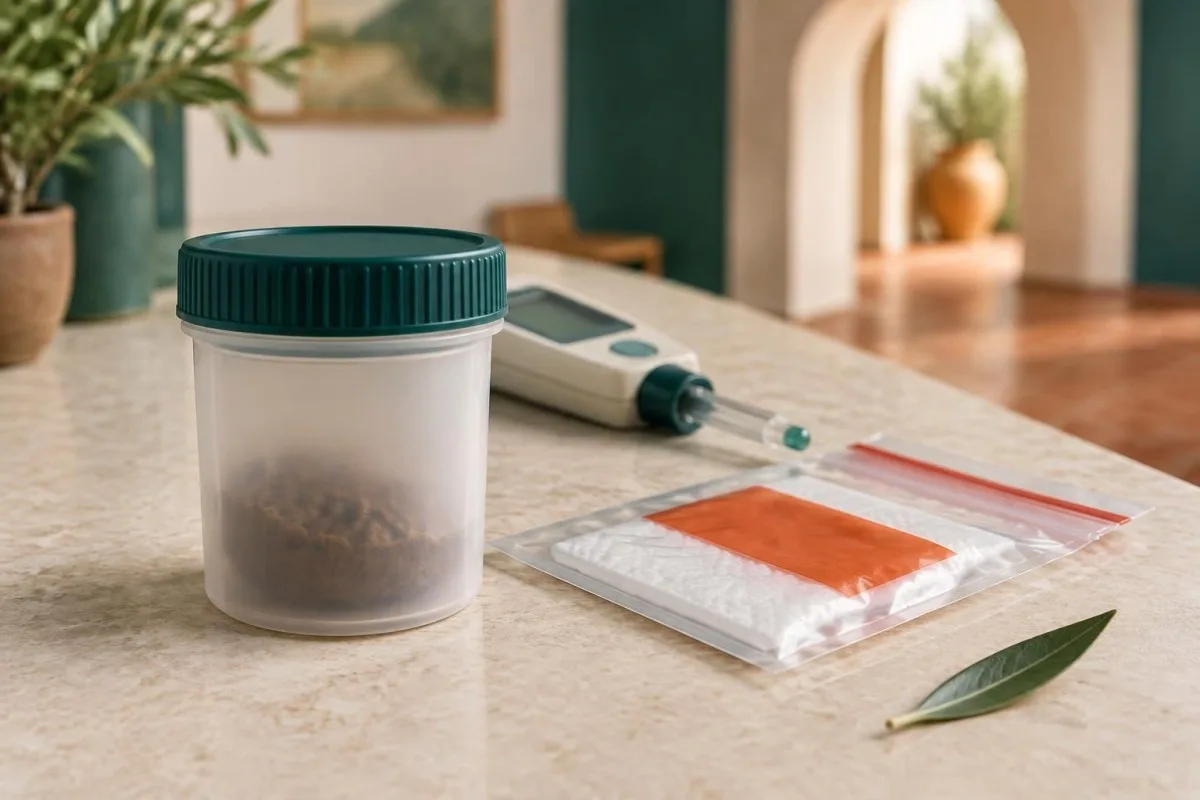
A stool sample can change between collection and measurement. The useful question is whether your laboratory’s handling requirements were met—not whether a universal deadline was missed.

要点
- 直接回答: Collection, storage conditions and processing delays can change a stool pH test result, but the direction and size of the change are not predictable for every sample.
- 时间: Ask your laboratory for its specific collection-to-testing limit; there is no single handling time that applies to every method.
- 采集: Use the supplied container and keep stool separate from urine, toilet water and cleaning products.
- Storage: Refrigerate, freeze or keep the specimen at room temperature only if the testing laboratory instructs you to do so.
- Laboratory review: Record the collection time, storage conditions and delivery time so the laboratory can assess whether the sample met its requirements.
- 解读: A pH below 7 is acidic on the pH scale, but that fact alone does not diagnose carbohydrate malabsorption.
- 复测: A clinician may consider a fresh sample when handling was outside the laboratory’s limits and the result would change care.
- 安全提示: Do not delay urgent assessment of severe dehydration, significant bleeding or severe abdominal pain while arranging another sample.
Why can collection and delays change a stool pH test?
A stool pH test can be affected by what happens after collection: microorganisms and chemical processes may continue to alter the specimen, while contamination or unsuitable storage can introduce additional uncertainty. A delay does not automatically make every result invalid.
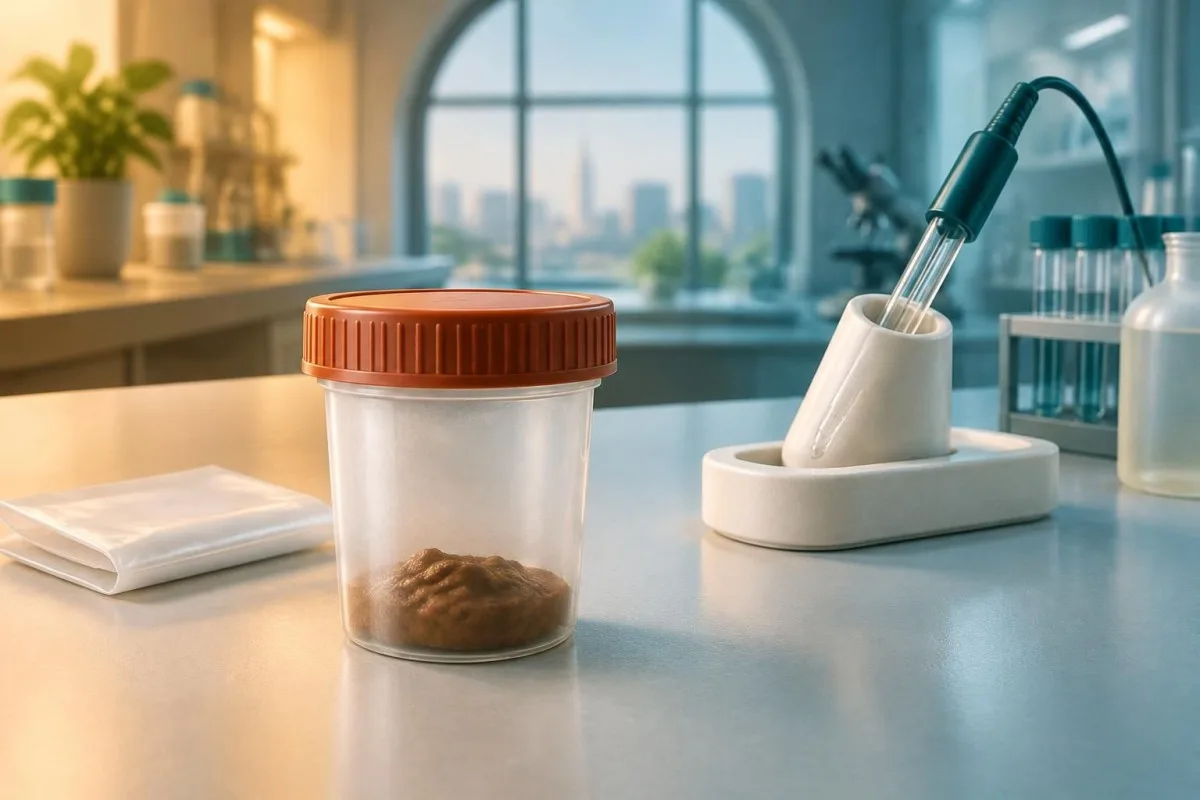
这 preanalytical phase is the interval before the laboratory measures the sample. For stool pH, it includes collection, time in the container, transport, any storage and processing at the laboratory.
Microorganisms can ferment carbohydrates and produce acids; other processes may also change the sample’s chemical environment. The net effect depends on the specimen, temperature, container and method, so a delay cannot reliably be translated into a fixed pH correction.
The pH scale is logarithmic: a change of 1 pH unit represents a tenfold difference in hydrogen ion activity. That does not mean a delayed sample will change by 1 unit, nor does it show which direction an individual sample moved.
Similar pre-test questions arise in other specimens, although their handling rules are different. The guide to urine sample handling illustrates why a result must be interpreted using the requirements for its own test.
How should stool pH sample collection be planned?
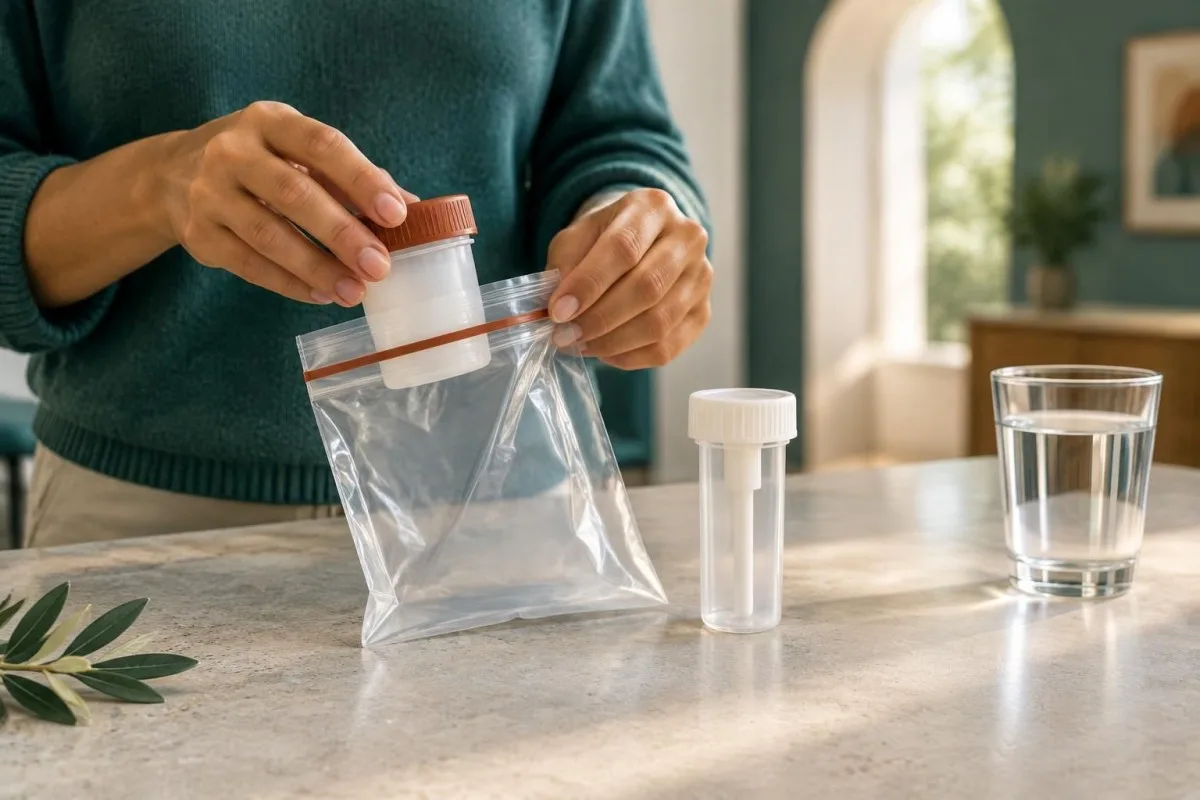
For stool pH sample collection, use the container and instructions supplied by the testing laboratory, and arrange delivery within its stated window. Collect the specimen before it contacts toilet water, urine or cleaning products.
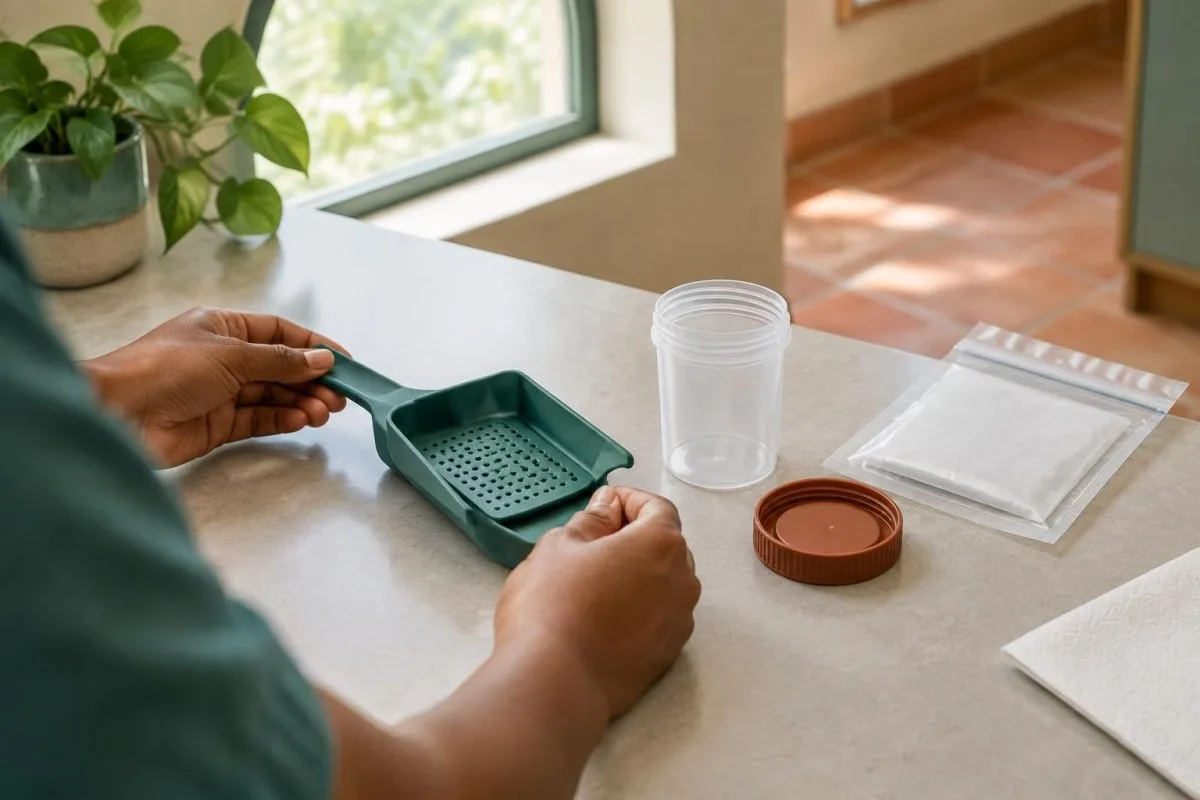
Before collecting, check that the laboratory is open and can accept the sample that day. Ask whether the clock starts at the bowel movement, at placement in the container or at another point specified by its procedure.
Use the collection device or clean, dry receptacle recommended by the laboratory, then transfer the requested amount into the correct container. Close it securely, label it as instructed and wash your hands with soap and water after handling the specimen.
For a baby or young child, ask specifically how to collect the sample and whether a diaper liner or another collection device is acceptable. Absorbent material can make recovery difficult, and urine can contaminate a specimen; do not assume a diaper sample is suitable for every laboratory.
The collection requirements for 儿童粪便 pH 值低 deserve particular attention because interpretation also depends on age, feeding and symptoms. If the sample falls into toilet water, contact the laboratory rather than guessing whether it can still be used.
What are the rules for stool pH sample storage?
Stool pH sample storage rules depend on the laboratory’s validated method and specimen container. Ask whether the sample should be refrigerated, kept at room temperature or handled another way; do not freeze it unless the laboratory directs you to.
A request for refrigeration is not permission to store a sample indefinitely. The laboratory may specify both a temperature and a maximum interval, and its instructions may differ from those for another stool test.
Ask whether a preservative is allowed. A container intended for a stool infection test, for example, may contain a substance that is unsuitable for pH measurement; do not transfer stool into it unless the laboratory confirms that it is appropriate.
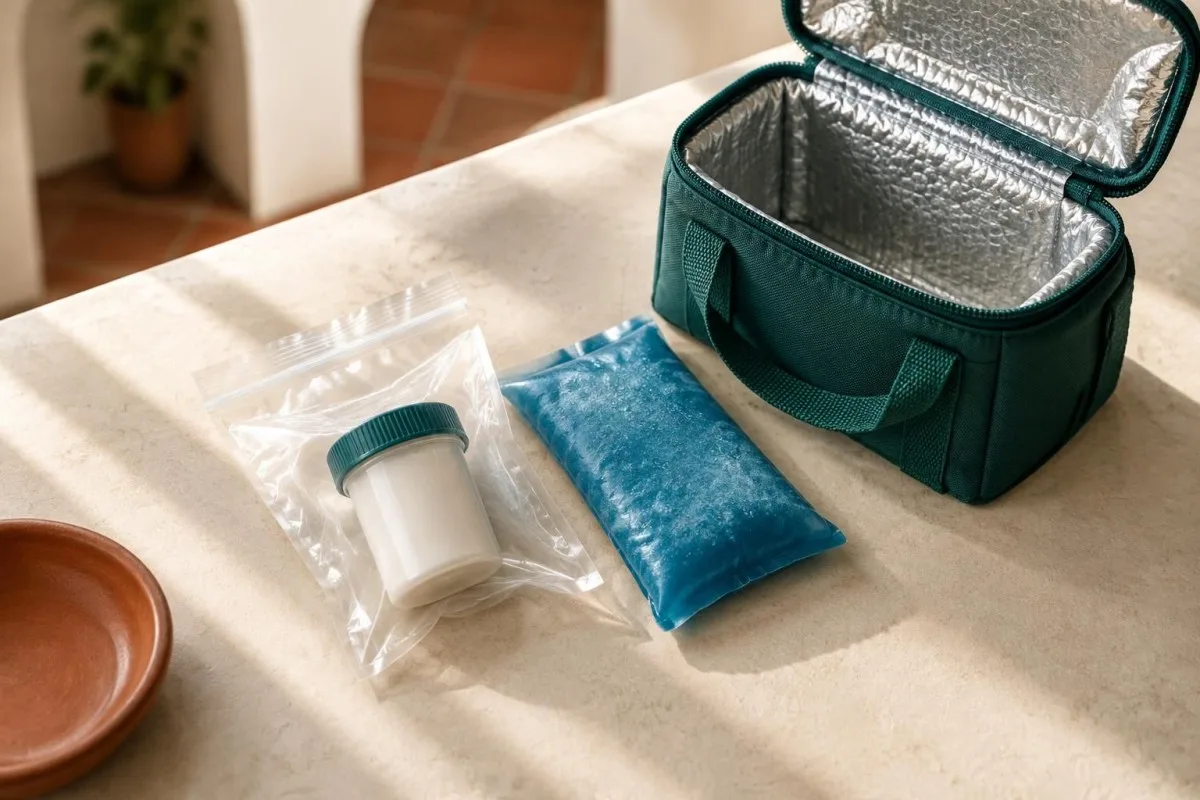
If a sample must be transported in a cool bag, follow the laboratory’s directions for packaging and temperature. A sealed specimen bag helps contain leaks, but it does not itself preserve the chemical properties of the sample.
Different stool tests answer different questions and can require different containers. The comparison of 钙卫蛋白和乳铁蛋白的比较 explains tests for intestinal inflammation—not substitute storage instructions for stool pH.
Which stool pH testing delays matter?
Stool pH testing delays can occur at home, in transit or after the laboratory receives the container. The relevant limit is the testing laboratory’s permitted interval and conditions, not a deadline borrowed from a different laboratory.
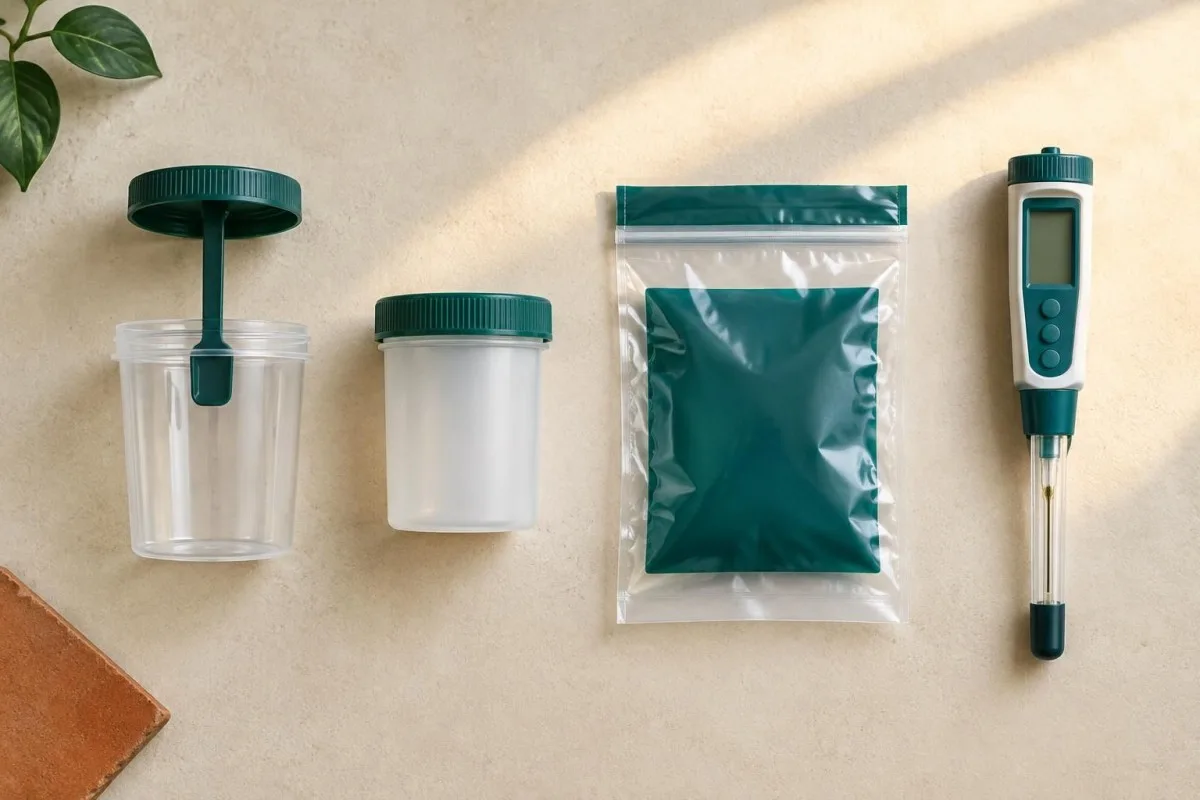
Record three events when possible: the time of the bowel movement, the time the sample reached the collection site and any known interruption in storage. The laboratory may need to check its own records for receipt, processing and analysis times.
A sample can arrive promptly but still wait before analysis. Conversely, a longer transport interval may be acceptable for a particular method if the laboratory’s validated storage conditions and time limits were met; only the testing laboratory can assess its own procedure.
Consider a hypothetical example: a sample collected at 8:00 a.m. reaches the collection site at 11:00 a.m., but the family does not know when it was tested. Those 3 hours describe collection to delivery—not the full collection-to-analysis interval, and not proof that the sample was unsuitable.
If you discover a delay after submission, tell the laboratory what happened instead of estimating a corrected pH yourself. Its staff can advise whether the result should be reported with a comment, questioned or recollected; the clinician then decides how it affects care.
How much can a stool pH result tell you?
A stool pH result is a clue about the tested specimen, not a diagnosis of lactose intolerance or another digestive condition. Its interpretation depends on the laboratory’s method, the patient’s age and diet, symptoms and whether the specimen was handled appropriately.
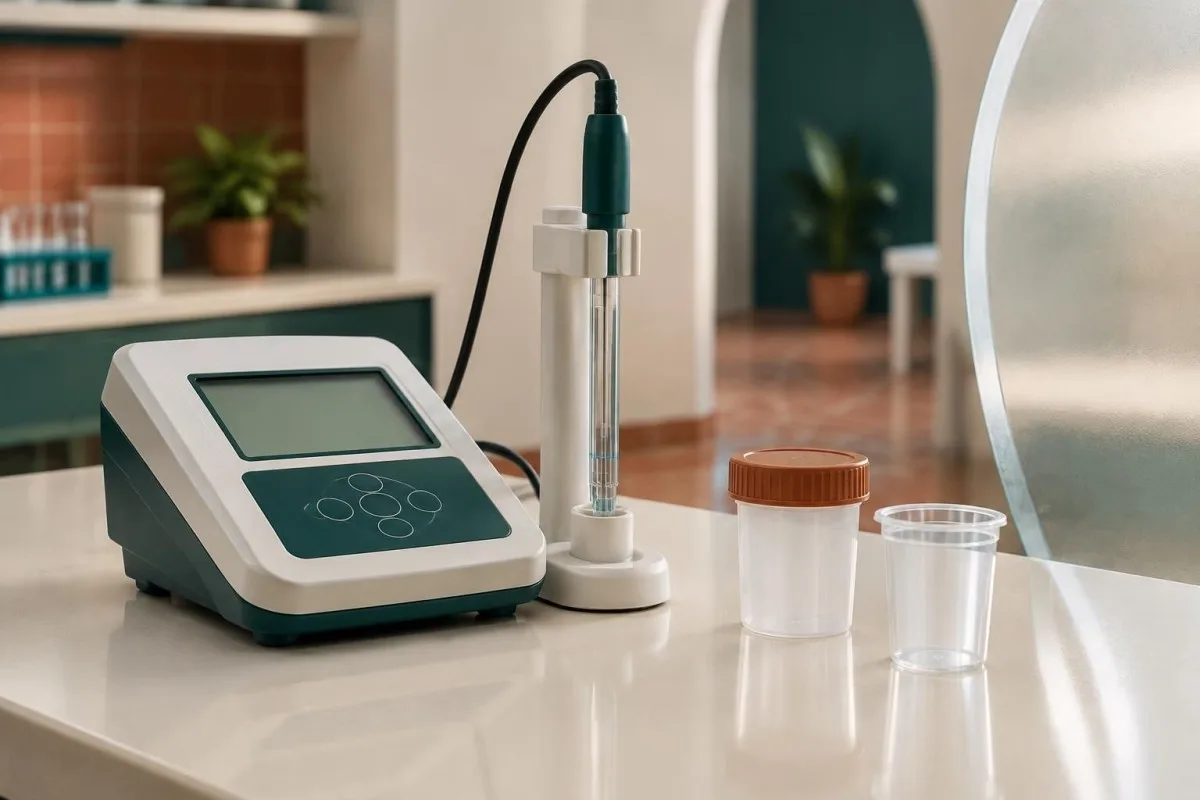
On the pH scale, 7 is neutral, a value below 7 is acidic and a value above 7 is alkaline. These are chemical descriptions, not universal diagnostic cutoffs for stool disease, and stool reference intervals may differ by method and population.
Unabsorbed carbohydrate can be fermented by intestinal bacteria, producing acids and sometimes loose stools or gas. But an acidic specimen does not identify which carbohydrate is involved, and a result that is not acidic does not reliably exclude a digestive problem.
In a pediatric study, Erickson and colleagues found that stool pH and reducing sugars were poor screening tests for intestinal disaccharidase deficiencies compared with tissue enzyme testing (Erickson et al., 2020). That finding limits what a single pH value can establish; it does not mean every child requires an invasive test.
Heyman’s American Academy of Pediatrics review describes several ways clinicians assess suspected lactose intolerance, including a clinically guided dietary trial or breath testing when appropriate (Heyman, 2006). Read more about lactose intolerance testing before assuming stool pH is the definitive test.
What should you ask the laboratory before and after collection?
Ask the laboratory that will perform the stool pH test for its container, timing, temperature and acceptance rules. If a result is already available, ask whether the recorded handling conditions met those rules and whether the report carries a specimen-quality comment.
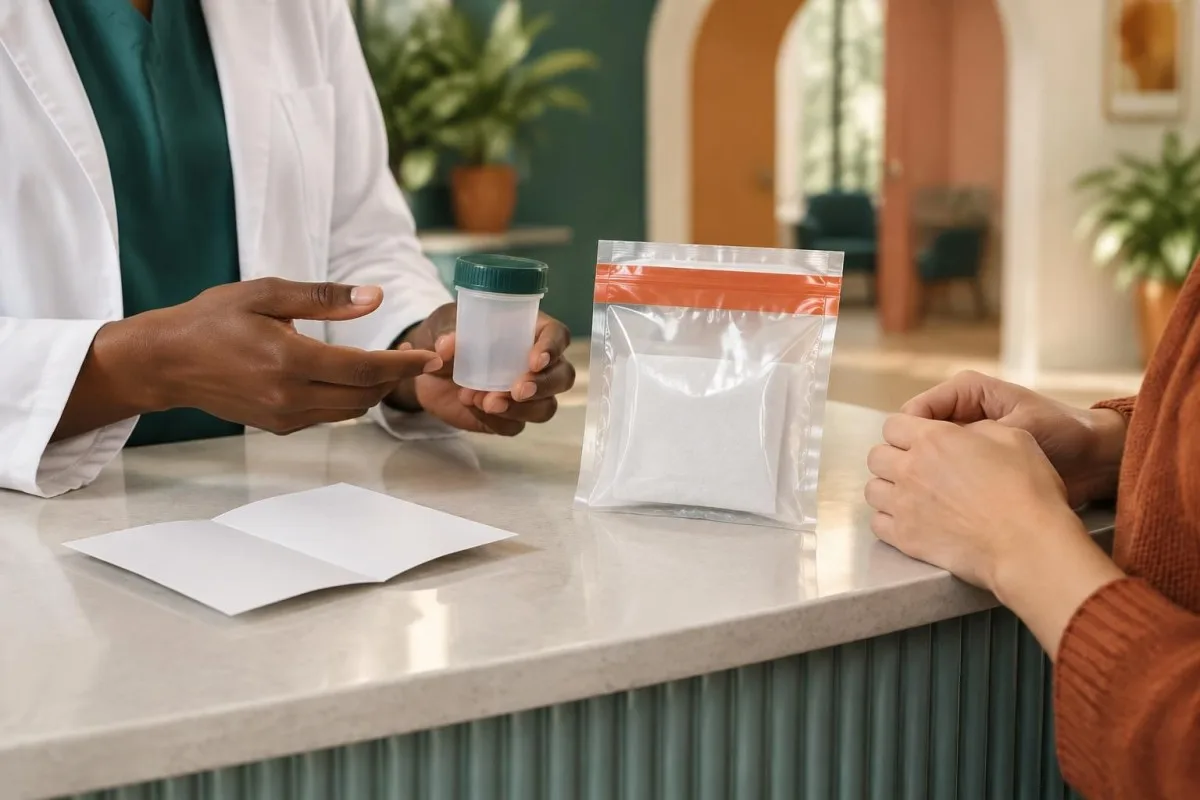
Before collection, ask: “What container and collection device should I use? How much stool is needed? Should the sample be refrigerated, and what is the maximum time from collection to receipt or analysis?” Request written instructions if available.
Also ask whether the site receiving the specimen performs the test or sends it elsewhere. A collection centre may know when it received the container but need to contact a referral laboratory to establish the analysis time.
After an unexpected result, describe what actually happened: collection time, any urine or water contact, storage location, time delivered and whether the lid or container was compromised. Ask whether those facts fall within the laboratory’s validated acceptance criteria—and whether the laboratory can document its assessment for the clinician.
For general information about how medical material is prepared, our 医疗内容标准 describe the editorial framework. They do not replace the testing laboratory’s specimen instructions.
When might a clinician repeat a stool pH sample?
A clinician may consider repeating stool pH when the specimen was contaminated, stored incorrectly or handled outside the laboratory’s time limit and the answer could affect a care decision. A repeat is not automatic, and a different test may be more useful.
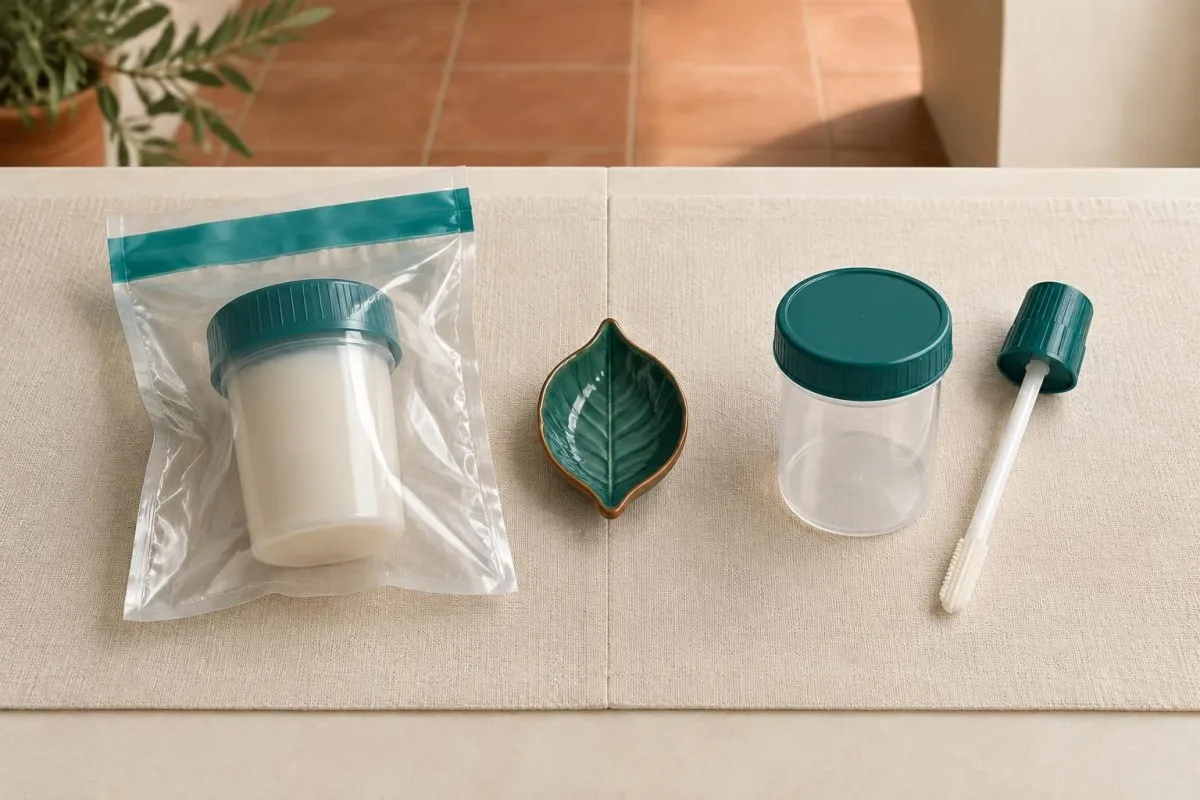
In one hypothetical case, a child has a low result after a specimen was left unrefrigerated, despite instructions requiring refrigeration. The clinician can ask the laboratory whether that deviation affects acceptability, then decide whether a correctly collected replacement would add useful information.
In another hypothetical case, collection was documented correctly but the result conflicts with the symptom pattern. Repeating the same test may clarify reproducibility, yet it cannot turn stool pH into a specific test for one enzyme deficiency or exclude every cause of diarrhea.
Ask what decision the repeat would change and whether symptoms are still present. If a clinician needs to investigate another cause, a targeted test or a supervised dietary assessment may be preferable to collecting several stool pH samples.
For a different example of why context affects repeat testing, see 临界值粪钙卫蛋白. Its retesting intervals and interpretation should not be transferred to stool pH.
What should you do while waiting for a reliable result?
While waiting for a stool pH result or repeat sample, follow the clinician’s care plan and seek urgent help for concerning symptoms rather than waiting for laboratory clarification. Stool pH cannot assess hydration or rule out a serious illness.
Seek urgent medical assessment for severe abdominal pain, significant rectal bleeding, fainting or signs of severe dehydration such as marked drowsiness, very little urine or inability to keep fluids down. Infants and medically vulnerable people can deteriorate quickly; contact their clinician promptly if diarrhea or feeding difficulties cause concern.
A symptom diary can help a clinician connect the result with the reason for testing. Record the time and frequency of loose stools, associated foods or feeds, fever, medications and any changes in drinking or urination—without deliberately provoking symptoms.
Do not stop prescribed medicines or restrict a baby’s milk or formula solely because of a stool pH result. Discuss feeding changes with the child’s clinician, particularly if there are concerns about weight gain, hydration or persistent diarrhea.
Persistent symptoms may call for a broader assessment, including targeted stool or blood tests when clinically appropriate. The guide to blood tests for digestive symptoms describes what those tests can and cannot show; our clinical methodology gives context on interpretation standards.
常见问题解答
Can a delayed stool sample change the pH result?
Yes. A delayed stool sample can continue to undergo microbial and chemical changes before the stool pH test is performed, although the direction and size of any change are not predictable for an individual specimen. Ask the laboratory for its permitted time from collection to analysis and tell it when the sample was collected, stored and delivered. A delay alone does not prove that a result is wrong.
How long can a stool pH sample be kept before testing?
There is no single reliable time limit for every stool pH test. The permitted interval depends on the testing laboratory’s method, container and storage conditions, and may refer to receipt or analysis rather than the same event in every laboratory. Record the collection time and follow the written instructions provided with the kit. If the limit was exceeded, ask the laboratory and ordering clinician whether a new sample is needed.
Should a stool sample for pH testing be refrigerated?
A stool sample for pH testing should be refrigerated only when the testing laboratory instructs you to do so. Other laboratories or methods may have different requirements, including a specific temperature and maximum storage interval. Refrigeration does not necessarily make a sample acceptable after an unlimited delay. Do not freeze the sample unless the laboratory specifically says to.
Does a low stool pH prove lactose intolerance?
No. A stool pH below 7 is chemically acidic, but that number alone does not diagnose lactose intolerance or identify a particular unabsorbed carbohydrate. Age, feeding, symptoms, handling and the laboratory’s interpretation all matter. A clinician may instead consider a supervised dietary assessment or breath testing where appropriate.
Can urine or toilet water affect a stool pH sample?
Yes. Urine, toilet water and cleaning products can contaminate or dilute a stool specimen and make a stool pH result harder to interpret. Use the laboratory’s collection device and instructions to keep the sample separate from these materials. If contamination occurs, tell the laboratory rather than assuming the sample is acceptable.
When should a stool pH test be repeated?
A clinician may consider repeating a stool pH test when the first specimen was contaminated, stored incorrectly or outside the laboratory’s handling window. A repeat is most useful when its result could change a decision about care. Because one pH result is not a definitive test for carbohydrate malabsorption, another investigation may be more informative. Do not wait for a repeat sample if severe symptoms or dehydration need urgent assessment.
获取血液检查结果解读
上传您的实验室报告,Kantesti 的 AI 会在几秒内用通俗语言解释每项生物标志物。全球已有超过 200 万人使用。.
参考
- Klein, T., Mitchell, S., & Weber, H. (2026). AI 血液检测分析:分析了 2.5M 项检测 | 全球健康报告 2026。. Kantesti AI 医学研究。. DOI
- Klein, T., Mitchell, S., & Weber, H. (2026). RDW 血液检测:RDW-CV、MCV 和 MCHC 完整指南。. Kantesti AI 医学研究。. DOI
- Erickson JA et al. (2020). Stool Reducing Sugars and Stool pH Are Poor Screening Tests for Intestinal Disaccharidase Deficiencies in Children. 《应用实验室医学杂志》。.
- Heyman MB (2006). Lactose intolerance in infants, children, and adolescents. 《儿科学》。. DOI
- 200万+分析的检测项目
- 127+国家
- 100+语言
关于医疗团队


E-E-A-T信任信号
经验
由医生主导的临床审阅:实验室解读工作流程。.
专业知识
实验室医学重点:生物标志物在临床情境中的表现。.
权威
经 Thomas Klein 医生医学审核,并由 Sarah Mitchell 医生和 Hans Weber 教授参与撰写。.
可信度
基于循证的解读,并提供清晰的后续路径以减少警报。.

医疗免责声明
本文仅用于教育目的,不构成医疗建议。诊断和治疗决策请始终咨询合格的医疗专业人员。.
发表 · 联系编辑团队
由 Kantesti Ltd 发布,在英格兰和威尔士注册,注册公司编号:. 17090423, ,英国伦敦。.
