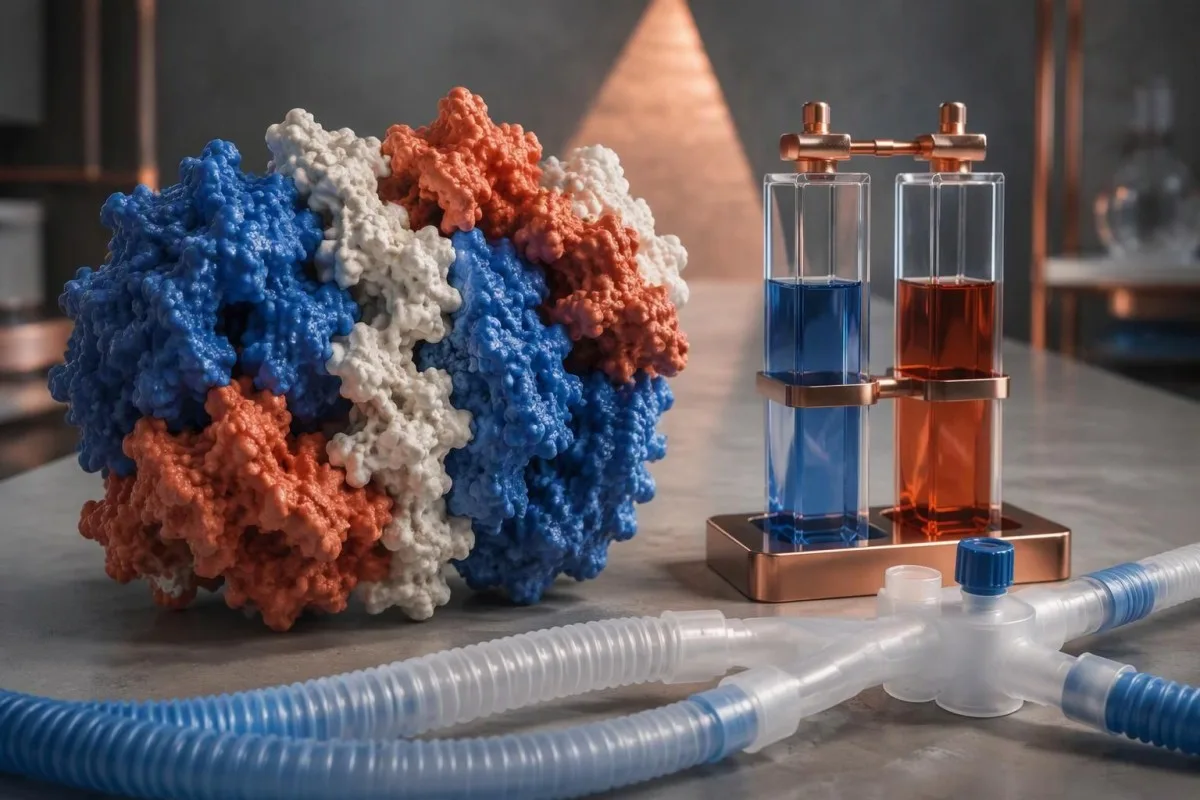
تۆۋەن دىبۇكايىن نومۇرى ھۈجەيرىدىن كېيىن مۇسكۇللارنى بوشاشتۇرۇش ياكى مىۋاكۇرىيۇم مۇسكۇللارنى بوشاشتۇرۇش ئۈچۈن يۈزلىنىشچان زىيانلىق ئېنزىم ۋارىيانتنى كۆرسىتىشى مۇمكىن. داۋالاشتىن بۇرۇن ئانېستېزىيە دوختۇرىڭىزغا ئېيتىڭ؛ نەتىجە ئېنزىمنىڭ خىزمىتىنى ئۆلچەيدۇ، سىزدە قانچىلىك ئېنزىم پائالىيىتى بارلىقىنى ئۆلچەمايدۇ.


- دىبۇكايىن نومۇرى سىنىقى دىبۇكايىن بىلەن چەكلەنگەن سۇيۇقلۇق خولىنىستېراز پائالىيىتىنىڭ نىسبىتىنى ئۆلچەيدۇ؛ ئۇ ئېنزىم مىقدارىنى ئۆلچەمايدۇ.
- ئادەتتىكى ئېنزىم فېنوتىپى ئادەتتە 80 ئەتراپىدا دىبۇكايىن نومۇرىنى ھاسىل قىلىدۇ، گەرچە تەجرىبىخانىنىڭ ئۇسۇلغا خاس ئارىلىقى ئالدىنقى ئورۇنغا قويۇلىدۇ.
- ئارىلىق نەتىجىلەر 40-70 ئەتراپىدا بىر ئادەتتىكى ۋە بىر ئاددىي بولمىغان BCHE ئاللېلىنى كۆرسىتىشى مۇمكىن، ئەمما نومۇرنىڭ ئۆزى گېنوتىپنى مۇقىملاشتۇرالمايدۇ.
- ناھايىتى تۆۋەن نەتىجىلەر ياۋا 30 گە يېقىن بولسا، سىناق ئىشەنچلىك بولسا، ئاددىي بولمىغان ئېنزىم فېنوتىپىنى كۈچلۈك كۆرسىتىدۇ.
- ئېنزىم پائالىيىتى ئۆتتۈرۈلگەن مىقدارى ئادەتتە U/L بىلەن خاتىرىلىنىدۇ، ھەملىدارلىق، جىگەر ئىقتىدارىنىڭ نورمال بولماسلىقى، كېسەللىك، ياكى دورا تەسىرىدە تۆۋەنلىشى مۇمكىن، گەرچە دىبۇكاين نومۇرى نورمال بولسىمۇ.
- دورىگەرلىك خەۋىپى سۇكسىنىلخوۋىن ياكى مىۋاكۇرىيۇم ئىشلىتىلگەندىن كېيىن ئۇزۇنغا سوزۇلغان پارالىچ ۋە نەپەس ئېلىش ناچارلىشىدىن ساقلىنىش؛ يېنىك يورۇقلۇق كەمچىللىكى بىر نەچچە سائەت داۋاملىشىشى مۇمكىن.
- بىر دَاۋالاشتىن بۇرۇن ئىككىلىسىنىڭمۇ تېست نەتىجىسىنى، ھەر قانداق BCHE گېن خاتىرىسىنى، ئىلگىرى ئۇزۇنغا سوزۇلغان ventilation ئەھۋالىنى دوختۇر بىلەن ئورتاقلىشىڭ.
- ئائىلە تەكشۈرۈشى يېنىك كەمچىللىك جەزملەشتۈرۈلگەن ياكى كۈچلۈك گۇمان قىلىنغاندا، بولۇپمۇ دورىگەرلىككە قارشى تۇرۇش ئۈچۈن بىرىنچى دەرىجىلىك تۇغقانلىرى ئۈچۈن ئەستايىدىل بولىدۇ.
- نورمال توسۇلۇش نەتىجىلىرى ھەر بىر BCHE تۈرىنى ياكى ئاستا-ئاستا ئەسلىگە كېلىشنىڭ باشقا سەۋەبلىرىنى ئۆز ئىچىگە ئالمايدۇ؛ پەرىقلەندۈرۈش ئىقتىدارى تېستى ۋە كلىنىكىلىق تارىخى داۋاملىق زۆرۈر.
دىبۇكايىن نومۇرى سىنىقى ھازىر قانداق ئىشلىتىلىدۇ؟
The دىبۇكاين نومۇرى تېستى دىبۇكايننىڭ سىزنىڭ سۇيۇقلۇق خولىنسىتېرون فېرمېنتىڭىزنى قانچىلىك كۈچلۈك توسىدىغانلىقىنى ئۆلچەيدۇ. تۆۋەن نەتىجە سۇكسىنىلخوۋىن ياكى مىۋاكۇرىيۇمنى ئاستا-ئاستا تازىلايدىغان ئادەتتىن تاشقىرى بىر فېرمېنتنى كۆرسىتىدۇ، شۇڭا دوختۇر بىرىنچى دورا قارالماي تۇرۇپ نەتىجىنى بىلىشى كېرەك.
80 دىن 80 گىچە بولغان دىبۇكاين نومۇرى شۇنى كۆرسىتىدۇكى، دىبۇكاين تەخمىنەن ئۆلچەنگەن فېرمېنت پائالىيىتىنىڭ 80% بۇ ئورگاننىڭ سىناق شارائىتىدا. بۇ سىزنىڭ فېرمېنتىڭىز نورمالنىڭ 80% ئىشلەيدىغانلىقىنى بىلدۈرمەيدۇ، ھەمدە دورىگەرلىك بىخەتەرلىكىنىڭ% 80% نىمۇنىسى ئەمەس.
دىبۇكايننى ئورگان سىناقلىرىغا قوشىدۇ، بۇ سىناقنىڭ بىر قىسمى سۈپىتىدە سىزگە بېرىلمەيدۇ. ئورگان توسقۇچ بار-يوقلۇقىنى سېلىشتۇرىدۇ؛ بۇ پەرقلەندۈرۈش دائىم دىبۇكايننى يەرلىك دورا دەپ تونۇيدىغان ۋە يەنە بىر يۇقىرى خەتەرلىك دورا ئىستېمال قىلىشدىن ئەنسىرەيدىغان كىشىنى خاتىرجەم قىلىدۇ.
كانتېستى بىر AI قان تەكشۈرۈش ئانالىزچىسى شۇنىڭ بىلەن دىبۇكاين نومۇرى 80 گە يېقىن ۋە تۆۋەن پائالىيەت نەتىجىسى ئوخشىمىغان نەتىجىلەرنى تەسۋىرلەيدىغانلىقىنى چۈشەندۈرۈشكە ياردەم بېرىدۇ. بىزنىڭ تەشكىلىي قوللىشىمىز ۋە كلىنىكىلىق مەقسىتىمىز دورا تاللاش ۋە ئەسلىگە كېلىشنى نازارەت قىلىش مەجبۇرىيىتىدىن ئايرىم.
مېنىڭ Thomas Klein، MD، رېداكتورلۇق خىزمىتىم، ئىككى ئايرىم سوئالدىن باشلايدۇ 2 ئايرىم سوئال: فېرمېنت ئادەتتىن تاشقىرى ھەرىكەت قىلامدۇ، ۋە كۇپايە ئېشىكىدىن باشقا فېرمېنت پائالىيىتى بارمۇ؟ بىرلا سوئالغا جاۋاب بېرىدىغان خاتىرە پايدىلىق بولسا، ئۇنى تولۇق pseudocholinesterase كەمچىللىك باھاسى دەپ قاراشقا بولمايدۇ.
دىبۇكايىن نومۇرى بىلەن خولىنىستېراز پائالىيىتىنىڭ پەرقى نېمە؟
خولىنسىتېرون پائالىيىتى فېرمېنتنىڭ ئومۇمىي رېئاكسىيە سۈرئىتىنى ئۆلچەيدۇ، ئادەتتە U/L بىلەن؛ دىبۇكاين نومۇرى ئۇنىڭ توسۇلۇشقا بولغان مېيىلدىارلىقىنى ئۆلچەيدۇ. پائالىيەت فېرمېنت مىقدارى ۋە فۇنكىسىيونallقىنىمۇ ئەكس ئەتتۈرىدۇ، توسۇلۇش تېستى بولسا ئوخشىمىغان سۈپەتلىك فېرمېنت تۈرلىرىنى تىپىغا ياردەم بېرىدۇ.
ئېلىپ بېرىلغان فېرمېنت بوتىرىلخوۋىنسىتېرون, also called plasma cholinesterase or pseudocholinesterase. It is different from acetylcholinesterase at the neuromuscular junction; ordering a red-cell acetylcholinesterase measurement does not substitute for the paired plasma tests used to investigate succinylcholine sensitivity.
The underlying calculation is 100 × [1 − activity with dibucaine ÷ activity without dibucaine]. If the uninhibited reaction rate is 100 arbitrary assay units and the inhibited rate is 20, the dibucaine number is 80; both reactions could be much slower overall while retaining that same ratio.
Kalow and Genest introduced dibucaine inhibition testing in 1957 to distinguish atypical forms of human serum cholinesterase. Their paper explains the central insight: a drug inhibitor can reveal an enzyme's qualitative behavior, rather than merely identifying a low concentration of enzyme (Kalow & Genest, 1957).
Two reports should therefore be read together: plasma cholinesterase activity and dibucaine inhibition. Our explanation of سۈپەتكە قارىغاندا مىقدارلىق نەتىجىلەر helps clarify why a phenotype assessment and an activity measurement are complementary, not competing answers.
تۆۋەن دىبۇكايىن نومۇرلىرى قانداق چۈشەندۈرۈلۈشى كېرەك؟
A usual dibucaine number is commonly near 80, an intermediate result around 40–70 can suggest an atypical carrier phenotype, and a result below approximately 30 strongly suggests an atypical phenotype. These are teaching ranges, not universal diagnostic cutoffs.
Laboratories differ in assay substrate, temperature, inhibitor concentration, and reporting conventions. A result of 70 may fall inside one laboratory's interval and near the boundary in another; the printed reference interval is more useful than a cutoff borrowed from an unrelated laboratory website.
A number of 55 with measurable activity is compatible with an intermediate inhibition phenotype, but it does not prove a specific BCHE allele combination. A number of 22 deserves particularly clear preoperative documentation because it is compatible with the classic atypical phenotype associated with substantially prolonged drug effects.
Borderline values should trigger clarification rather than automatic labeling. If the laboratory reports 35, ask whether the result is reproducible, whether activity was sufficient for interpretation, and whether further phenotyping or genetic testing would distinguish an unusual variant from analytical uncertainty.
A low result is an exposure-dependent medication risk, not evidence that you are currently unable to breathe normally. This is conceptually similar to DPYD medication-safety testing: the result matters because a future drug may expose a vulnerability that is otherwise clinically silent.
تۆۋەن نەتىجىلەر خۇسۇسىي BCHE كەملىكى توغرىسىدا قانداق كۆرسىتىدۇ؟
A persistently low dibucaine number suggests an inherited BCHE enzyme variant, especially the classic atypical variant. Clinically significant inherited pseudocholinesterase deficiency often involves 2 affected alleles, but carriers can also experience prolonged effects after susceptible medications.
The BCHE gene encodes butyrylcholinesterase, an enzyme produced mainly in the liver and released into circulation. A person with 1 atypical allele may have an intermediate inhibition pattern; a person with 2 atypical alleles may have a much lower number, although other allele combinations complicate this familiar pattern.
A genetic result and a functional result are not interchangeable. Lockridge's 2015 review describes multiple butyrylcholinesterase variants and their clinical relevance, including variants affecting enzyme quantity, catalytic properties, or inhibitor response (Lockridge, 2015); the dibucaine assay recognizes only part of that biological variation.
بىر خىيالىي 34-year-old whose parent needed unexpected ventilation after anesthesia and whose dibucaine number is 54. I would regard that combination as a reason for an anesthesia safety plan and further assessment, not as proof that the patient will have the same recovery time as their parent.
Kantesti explains this result as a possible drug-metabolism vulnerability, not an illness requiring daily treatment. Our discussion of TPMT enzyme testing illustrates the broader distinction between an inherited enzyme finding and the medication exposure that makes it clinically relevant.
خۇسۇسىي يېتىشمەسلىك بولمىسىمۇ خولىنىستېراز پائالىيىتى تۆۋەن بولامدۇ؟
Yes. Pregnancy, significant liver dysfunction, malnutrition, severe illness, certain medications, and organophosphate exposure can reduce plasma cholinesterase activity without producing the classic low dibucaine number associated with an atypical inherited enzyme.
Pregnancy commonly reduces plasma cholinesterase activity by roughly 20–30%, although the magnitude varies. This does not mean every pregnant patient has dangerous drug sensitivity; it means pregnancy can add to an inherited or acquired reduction, particularly when the baseline activity was already low.
Liver disease can reduce enzyme synthesis even though AST and ALT measure a different process: cellular injury rather than synthetic capacity. Our جىگەر تەكشۈرۈش قىسقارتىش قوللانمىسى explains why a normal transaminase result cannot establish normal cholinesterase activity or rule out an inherited enzyme variant.
Albumin and INR may help assess hepatic synthetic function, but neither substitutes for a pseudocholinesterase deficiency test. The سېرۇم ئاقسىلىنى چۈشەندۈرۈش قوللانمىسى provides background for interpreting these accompanying results when liver dysfunction or nutritional depletion is suspected.
A hypothetical activity of 4,200 U/L would be low if that particular laboratory's interval were 5,000–12,000 U/L, but another method may use a very different interval. If the dibucaine number is 81, I would investigate acquired causes and baseline activity rather than calling that paired pattern classic atypical inherited deficiency.
نېمىشقا ھۈجەيرىدىن كېيىن مۇسكۇللارنى بوشاشتۇرۇش ۋە مىۋاكۇرىيۇم ئانېستېزىيە خەۋپىنى پەيدا قىلىدۇ؟
Succinylcholine and mivacurium depend on plasma butyrylcholinesterase for rapid breakdown. Reduced activity or an atypical enzyme can prolong their neuromuscular-blocking effects, leaving a patient unable to move or breathe adequately until the drug effect resolves.
Succinylcholine usually has a clinical duration of approximately 5–10 minutes after a typical single intravenous dose, while mivacurium is also relatively short acting. These are not guaranteed recovery times: dose, repeat administration, temperature, other medicines, and the depth of blockade all influence the actual clinical course.
These drugs produce paralysis, not unconsciousness or pain relief. Adequate anesthesia or sedation must therefore continue if paralysis persists; a patient who cannot move may still need protection from awareness even when the original procedure has finished.
A low dibucaine number does not predict every succinylcholine complication. Hyperkalemia and malignant hyperthermia involve separate risk mechanisms, and disorders affecting neuromuscular transmission require their own assessment; our myasthenia testing explanation discusses one such distinct clinical problem.
Anesthesiologists can often choose drugs that do not rely on butyrylcholinesterase, such as rocuronium or cisatracurium, depending on the procedure and patient. The appropriate agent, monitoring, and any reversal strategy depend on airway needs, organ function, available equipment, and the clinician's plan—not on the dibucaine number alone.
مۇسكۇللارنى بوشاشتۇرۇش ئېنىمىدىن ئۇزۇنراق داۋاملاشسا قانداق بولىدۇ؟
Unexpected prolonged paralysis requires continued airway support, ventilation, appropriate sedation, and neuromuscular monitoring while clinicians investigate the cause. In severe inherited pseudocholinesterase deficiency, succinylcholine-related recovery can take several hours rather than the usual few minutes.
Recovery of approximately 2–8 hours is described with the classic severe atypical phenotype, but the range is not a prediction for an individual patient. An intermediate number, a different dose, or a mixed inherited-and-acquired reduction may produce a shorter or longer course.
Clinicians should exclude other explanations for delayed recovery, including residual nondepolarizing blockade, sedative effects, low temperature, and metabolic disturbances. Quantitative train-of-four monitoring helps assess neuromuscular recovery; oxygen saturation alone does not establish normal ventilation or recovered muscle strength.
Cornelius and Jacobs' 2020 Anesthesia Progress case study discusses recognition and management of pseudocholinesterase deficiency during delayed recovery (Cornelius & Jacobs, 2020). Supportive care is usually preferred to transfusing plasma solely to accelerate recovery because transfusion introduces risks and the drug effect generally resolves with monitored support.
Kantesti cannot determine whether a recovering patient is safe for extubation from a laboratory report. Our arterial gas result guide explains relevant respiratory measurements, but airway decisions require bedside assessment; new breathing difficulty after discharge warrants emergency medical attention.
ئەۋرەشكە قاچان يىغىۋېلىش كېرەك، ۋە تېز تۇتۇش كېرەكمۇ؟
Dibucaine inhibition and plasma cholinesterase activity are ideally tested before a planned anesthetic when risk is suspected. Fasting is generally unnecessary for these assays alone, but the collecting laboratory's instructions and the timing of recent anesthesia take priority.
After unexpected prolonged paralysis, clinicians can arrange investigation once the immediate problem has been managed. Some laboratories request waiting at least 48 hours after succinylcholine exposure for functional testing; requirements differ, so the anesthesia team should confirm the receiving laboratory's protocol rather than assume that timing is universal.
A recent plasma-containing transfusion can introduce donor enzyme and alter the functional phenotype being measured. Record the product and date, along with pregnancy status, acute illness, and medication exposure; a genetically atypical enzyme can be harder to recognize if the circulating sample temporarily contains a mixture.
Sample type matters: the laboratory may require serum or a specified plasma specimen, and not every anticoagulant is acceptable for every method. Our first laboratory draw preparation explains why following the actual requisition is safer than choosing a tube based on an internet description.
A visibly compromised specimen can also require laboratory review or recollection. The sample hemolysis explanation describes why interference is assay-specific; ask whether interference affected the cholinesterase measurement rather than assuming every flagged sample either invalidates or preserves the dibucaine result.
نورمال ياكى تۆۋەن دىبۇكايىن نومۇرى نېمىلەرنى قولدىن بېرەلەيدۇ؟
The dibucaine number does not identify every BCHE variant, and a normal result does not exclude low enzyme activity or all anesthesia-related drug sensitivity. Very low underlying activity may make the inhibition ratio unreliable or impossible to report.
Rare fluoride-resistant, silent, or other BCHE variants may not fit the classic usual/intermediate/atypical dibucaine pattern. A silent variant can leave too little enzyme activity to phenotype meaningfully; dividing 2 tiny assay signals does not necessarily produce a clinically trustworthy percentage.
An apparently usual number of 82 can coexist with significantly reduced activity, so it is not a blanket clearance for succinylcholine. Conversely, a low number does not establish the exact duration of paralysis, because drug dose, activity, mixed variants, and acquired modifiers influence recovery together.
كانتېستى بىر AI لابراتورىيە سىنىقىنى چۈشەندۈرۈش مۇلازىمىتىدە ئېلان قىلىنىدۇ that should treat missing activity data as missing—not infer it from an inhibition number. Our كلىنىكىلىق تەكشۈرۈش رامكىسى بار بولۇپ، تەجرىبىخانا ئىزاھاتلىرى قانداق سىناق قىلىنىپ ۋە داۋالاش جەھەتتىن قانداق تەكشۈرۈلىدىغانلىقىنى چۈشەندۈرىدۇ. Kantesti نىڭ داۋالاش تەكشۈرۈش مودېلى بىزنىڭ describes why source results, method-specific ranges, and uncertainty need to remain visible in an explanation.
Unexpected phenotype results can require repeat measurement or a different testing approach. Our discussion of G6PD functional testing limits provides a useful parallel, although the mechanisms differ: enzyme assays answer questions about the specimen tested and do not automatically reveal every inherited variant.
BCHE گېن سىنىقى قاچان پايدىلىق؟
BCHE genetic testing is useful when functional results suggest inherited deficiency, family history is compelling, or an unexplained anesthesia event remains unresolved. It can clarify inheritance, but the usefulness of a negative result depends on which variants the test actually assesses.
A targeted test may examine only selected common variants, while sequencing evaluates a broader portion of the gene. These are 2 different scopes of testing: a negative targeted panel does not prove that every possible BCHE-related cause has been excluded.
Genetic testing can be particularly helpful after transfusion or during an acquired reduction in enzyme activity because DNA testing does not measure the circulating enzyme mixture. The laboratory still needs to know the clinical question, and unusual circumstances such as stem-cell transplantation can affect specimen selection for genetic analysis.
A variant of uncertain significance is not equivalent to a confirmed explanation for prolonged paralysis. Its interpretation may require functional testing, family segregation, published evidence, or later reclassification; anesthesia precautions can still be reasonable when the clinical history is convincing even before the variant is fully understood.
The strongest assessment combines the anesthetic record, quantitative activity, inhibition phenotype, and appropriately selected DNA testing. Our alpha-1 antitrypsin family-risk guide explains a similar diagnostic principle: concentration, protein behavior, and genotype can contribute different pieces of an inherited-enzyme or protein puzzle.
قايسى تۇغقانلارنى سىناق قىلىشنى ئويلاشى كېرەك؟
First-degree relatives—parents, siblings, and children—should discuss testing when inherited pseudocholinesterase deficiency is confirmed or strongly suspected. Testing is particularly useful before anesthesia, but the appropriate assay depends on whether the family's specific BCHE variants are known.
For a simple recessive condition where both parents carry 1 relevant affected allele, each pregnancy has a 25% chance of inheriting 2 affected alleles, a 50% chance of inheriting 1, and a 25% chance of inheriting neither. BCHE families can have mixed variants, so these percentages apply only when that parental genetic model is established.
The absence of a previous anesthesia problem does not exclude inherited risk. A relative may never have received succinylcholine or mivacurium, or may have received a different muscle relaxant; an uncomplicated procedure therefore provides much less reassurance than many families understandably assume.
Children do not need to wait until symptoms appear, because this condition is often silent outside drug exposure. Our risk-based family test planning supports targeted testing linked to an actionable family finding rather than broad laboratory panels for everyone.
Kantesti's Family Health Risk feature cannot infer a child's BCHE genotype from a parent's uploaded report. Our multigenerational consent guidance explains why adult relatives should control their own records; a family warning should prompt individual assessment, not an unverified diagnosis copied across accounts.
جىراھىيلىقتىن بۇرۇن ئانېستېزىيە دوختۇرىڭىزغا قانداق دېيىشىڭىز كېرەك؟
Tell your anesthesiologist about a low dibucaine number, low cholinesterase activity, confirmed BCHE variant, or previous prolonged ventilation before the day of surgery whenever possible. Share the original report rather than relying on a remembered number or a generic allergy entry.
Bring 3 kinds of information if available: the paired laboratory results with reference intervals, the genetic report, and the anesthetic record from any delayed recovery. The actual drug, dose, timing, and duration of assisted ventilation help distinguish suspected pseudocholinesterase deficiency from other causes of a slow awakening.
A medical-alert bracelet or an electronic medication warning can make the finding easier to recognize during emergencies. Suggested wording is 'Pseudocholinesterase deficiency or suspected BCHE-related sensitivity—review before succinylcholine or mivacurium'; this identifies the risk without incorrectly describing it as an immune-mediated allergy.
A normal preoperative CBC, metabolic panel, PT, or aPTT does not screen for this enzyme problem. Our explanation of normal coagulation test limits addresses why normal routine testing should not override a specific history of a medication-related anesthesia event.
The coagulation marker background guide covers a different preoperative safety question, not an alternative pseudocholinesterase deficiency test. Also mention the finding before electroconvulsive therapy or another procedure using muscle relaxation; it does not mean all anesthesia or all local anesthetics must be avoided.
سۈنئىي ئىدراك (AI) ئىككى خىل نەتىجىنى خاتا ھالدا خەۋپنى ئاشۇرۇپ قويماي قانداق چۈشەندۈرۈشكە ياردەم بېرەلەيدۇ؟
AI can help organize dibucaine inhibition, cholinesterase activity, laboratory ranges, and clinical history, but it cannot provide anesthesia clearance. The safest interpretation preserves the distinction between a suspected enzyme phenotype and a confirmed genetic diagnosis.
كانتېستى بىر AI قان تەكشۈرۈش نەتىجىسىنى چۈشەندۈرۈش سۇپىسى that can put a number of 24 alongside the activity result and explain why the combination needs clinician review. The تېخنىكا ۋە چۈشەندۈرۈش قوللانمىسى describes the broader workflow; a specialized assay still needs its original laboratory commentary.
A scanned report can lose a decimal point, a unit, or a qualifier such as 'insufficient activity for interpretation'. بىزنىڭ PDF چىقىرىش خاتالىقى تىزىملىكى is especially relevant when a percentage-style inhibition result and a U/L activity measurement sit on adjacent lines.
A practical review should retain 4 source details: the exact assay name, result, reference interval, and collection date. Medication exposure, pregnancy, transfusion, and previous anesthesia events then supply context; a confident-sounding explanation is not useful if it quietly drops one of those limitations.
As Thomas Klein, MD, I would not turn a single uploaded number into a prediction of recovery time. The useful output is a focused question for the treating team—'Does this paired pattern justify avoiding BCHE-dependent relaxants, repeating functional testing, or arranging genetics?'—rather than an automated promise that surgery is safe.
تەتقىقات ئەسەرلىرى ۋە قوللايدىغان پاكىتنىڭ چېكى
The most directly relevant evidence comes from dibucaine assay research, BCHE variant reviews, and anesthesia reports. As of October 9, 2026, the practical approach remains to combine functional results with clinical history rather than use a single universal number to authorize a medication.
The 1957 Kalow–Genest paper established the inhibitor-based approach, and Lockridge's 2015 review explains why BCHE variation extends beyond the familiar atypical phenotype. Cornelius and Jacobs' 2020 case study adds a clinical management perspective; these sources answer related but different questions, so none supplies a personalized paralysis-duration calculator.
The 2 Zenodo resources listed below are background guides on coagulation and serum proteins. They are not studies validating the dibucaine number test, and a DOI alone does not establish peer review, clinical guideline status, or evidence for a specific anesthesia decision.
The formal citations use n.d. because verified publication dates and authorship metadata were not supplied for those 2 resources. ResearchGate and Academia.edu links are title-search links for discovery, not verified copies or endorsements; the DOI links identify the supplied Zenodo records.
Kantesti's medical advisory responsibilities are relevant to medical content governance, but an informational article cannot replace review by the anesthesiologist caring for you. Before a planned procedure, make the paired report available and ask for the medication warning to be documented; that is more useful than repeatedly retesting an established inherited phenotype without a clinical reason.
دائىم سورايدىغان سوئاللار
تۆۋەن دىبۇكايىن نومۇرى نېمىنى بىلدۈرىدۇ؟
تۆۋەن دىبوكايىن نومۇرى دىبوكايىننىڭ ئۆلچەنگەن پلازما خولىينېستېراز پائالىيىتىنى ئۈمىد قىلىنغاندىنمۇ ئاز چەكلىگەنلىكىنى بىلدۈرىدۇ، بۇ ئادەتتىن تاشقىرى ئېنزىم خۇسۇسىيىتىنى كۆرسىتىدۇ. 40-70 ئەتراپىدىكى نەتىجىلەر ئارىلىق خۇسۇسىيەتنى كۆرسىتىدۇ، تەخمىنەن 30 دىن تۆۋەن قىممەتلەر ئۆلچەش ئۇسۇلى ئىشەنچلىك بولغاندا ئادەتتىن تاشقىرى خۇسۇسىيەتنى كۈچلۈك كۆرسىتىدۇ. نەتىجىنىڭ ئۆزى BCHE نىڭ ئېنىق گېنوترىپىنى ياكى ئەسلىگە كېلىش ۋاقتىنى ئالدىن پەرەز قىلالمايدۇ. ئۇنى ئانېستېزىيە جېرائىتچىڭىزغا ئېيتىڭ، چۈنكى سۇكسىنىلخولىن ياكى مىۋاكۇرىيۇم ئۇزۇنغا سوزۇلغان پارالىچىنى كەلتۈرۈپ چىقىرىشى مۇمكىن.
80 دىبوكاين سانى نورمالمۇ؟
80 ئەتراپىدىكى دىبۇكايىن نومۇرى ئادەتتىكى دىبۇكايىنغا سەزگۈر بولغان ئېنزىمغا ماس كېلىدۇ. بۇ تەجرىبە شارائىتىدا تەخمىنەن 80% inhibition نى كۆرسىتىدۇ، نورمال ئېنزىم پائالىيىتىنىڭ 80% نى ئەمەس. ئۇسۇللار پەرق قىلىنغانلىقتىن، لაბوراتورىيەنىڭ پايدىلىنىش ئارىلىقى ئەۋزەل. ئادەتتىكى نومۇر تۆۋەن كولىنسېستېراز پائالىيىتىنى، ھەر قانداق BCHE ۋارىيانتنى ياكى باشقا نېرۋا توسۇش خەتىرىنى چەكلەپ قومايدۇ.
دىبۇكاين نومۇرى نورمال بولغاندا ئېنزىمىمىنىڭ ئاكتىپلىقى تۆۋەن بولامدۇ؟
ھەئە، دىبۇكاين 80 ئەتراپىدا تۇرسا، قان پلېزما خولىنئېستېراز فۇنكسىيەسى تۆۋەن بولۇشى مۇمكىن. ھامىلدارلىق، جىگەر ئىقتىدارىنىڭ بۇزۇلۇشى، ئېغىر كېسەللىك، ئوزۇقلۇق يېتىشمەسلىك، بەزى دورىلار ۋە زەھەرلىك چېكىملىككە تۇتۇلۇش كلاسسىك ئۆزگىچە چەكلەش ئەندىزىسىنى كەلتۈرۈپ چىقارماستىن، پائالىيەتنى تۆۋەنلىتىشى مۇمكىن. پائالىيەت ئادەتتە U/L بىلەن خەۋەر قىلىنىدۇ، دىبۇكاين 90% چەكلەشنى تەسۋىرلەيدۇ. ئانېستېزيا خەتىرىنى باھالاش ئۈچۈن ھەر ئىكالا ئۆلچەش ۋە كېسەللىك تارىخى لازىم.
حیس ماڈیفایڈ سنسزنسین ئۈچۈن سۇکسىنىلخولىن قانچىلىك ساقلىنالايدۇ؟
زوكىنىلىننىڭ ئادەتتىكى بىر قېتىملىق تومۇرىغا يەتكۈزۈلگەن مىقداردىن كېيىنكى ئېنىق داۋالاش ۋاقتى تەخمىنەن 5-10 مىنۇت بولىدۇ، ئەمما ئېغىر يېقىنقىلاردىن تارقالغان خۇددى سۇيۇقلۇق ئۆتكۈزگۈچى كەملىكى پارالىچنى بىر نەچچە سائەت ئۇزارتىشى مۇمكىن. كلاسسىك ئېغىر ئەتىۋارلىق فېنوتىپ بىلەن تەخمىنەن 2-8 سائەتتىن ساقىيىش بايان قىلىنغان، گەرچە ھەر بىر خىل ئەھۋاللار ئوخشىمايدۇ. مىقدار، ئېنىمىنىڭ پائالىيىتى، گېن تىپلىرى، تېمپېراتۇرا ۋە باشقا دورىلار ساقىيىشقا تەسىر قىلىدۇ. داۋالاش ئادەتتە ساقايتىش ئىقتىدارى قايتىپ كەلگۈچە ۋېنتىلاتىيەنى نازارەت قىلىش ۋە داۋاملىق توغرا ئۇخلىتىشنى ئۆز ئىچىگە ئالىدۇ.
ئائىلە ئەزالىرى pseudocholinesterase كەملىك ئىممۇنىتېت سىنىقىدىن ئۆتكۈزۈلۈشى كېرەك؟
تۇنجى دەرىجىلىك نەسىل-تۇغقانلار، يورۇقلۇق ئۆت كاپسۇلىنىڭ يورۇقلۇق كەمچىلىكىنى ئېنىقلاش ياكى كۈچلۈك گۇمان قىلىنغاندا، بولۇپمۇ ئۇيقۇغا كېتىشتىن بۇرۇن مۇزاكارە قىلىشى كېرەك. ئەگەر ئىككى ئاتا-ئانىمۇ مۇرەككەپ رېتسېسسىپلىق مودېلدا 1 مۇناسىۋەتلىك تەسىرگە ئۇچرىغان ئاللېلنى ئۆز ئىچىگە ئالسا، ھەر بىر ھامىلىدارلىق 25% تەسىرگە ئۇچرىغان ئاللېلنى مىراس قىلىش پۇرسىتىگە ئىگە. تەكشۈرۈش سۇيۇقلۇق كولېستېرول ئائىلىسىنىڭ پائالىيىتىنى، دىبۇكايىن ئىنگىبىتسىيىسىنى ياكى ئائىلىدە تونۇلغان BCHE ۋارىيانتى ئۈچۈن نىشانلىق تەكشۈرۈشنى ئۆز ئىچىگە ئالالايدۇ. ئۈزۈلۈپ قالغان ئىلگىرىكى ئۇيقۇ، تۇغقان تېز ياكى سەزگۈر دورا قوبۇل قىلمىسا خەتەرنى بىكار قىلالمايدۇ.
dibucaine number سىنىلىشى ئالدىدا بېياز تۇرۇش كېتەملىكى بارمۇ؟
Dibukain سانى ياكى ئاغزاڭدىكى خولىنېستېراز پائالىيىتىنى تەكشۈرۈش ئۈچۈن ئادەتتە بېيجىڭنىڭ تۇتقىلىق قىلىشى تەلەپ قىلىنمايدۇ، لېكىن جۇڭگو تەجرىبىخانىنىڭ كۆرسەتمىلىرىگە ئەمەل قىلىڭ. يېقىنقى بىر قېتىملىق ئانېستېزېيە، قان قۇيۇش، ھامىلدارلىق ۋە كېسەللىك يېمەك-ئىچمەكتىن كۆپرەك چۈشەندۈرۈشكە تەسىر قىلىشى مۇمكىن. بەزى تەجرىبىخانىلار سۇكسىنېلىنغا تۇتۇشۇپ 48 سائەتتىن كېيىن ياكى ئۇنىڭدىن كېيىنكى پائالىيەتنى تەكشۈرۈشنى تەلەپ قىلىدۇ، ئەمما بۇ ئومۇمىي قائىدە ئەمەس. ئۆزىڭىز دورا ئىستېمال قىلىشنى توختىتىشتىن بۇرۇن، بۇيرۇق بەرگەن دوختۇر ياكى تەجرىبىخانىدىن ئەۋلاد تىپى ۋە ۋاقتى توغرىسىدا سوراپ بېقىڭ.
تۆۋەن دىبۇكايىن نومۇرى بىلەن ئوپېراتسىيە قىلدۇرالامدۇ؟
تۆۋەن دىبۇكايىن نومۇرى ئوپېراتسىيەنىڭ ئالدىنى ئالمايدۇ، چۈنكى ئانېستېزىيەلىگۈچىلەر دورا خېيىم-خىزمىتىنى پىلانlaying. مۇمكىن بولسا 3 خىل خاتىرىنى ئورتاقلىشىڭ: جۈپتىڭ جىگەر نەتىجىلىرى، BCHE گېنلىق بايقاشلىرى، ۋە ئىلگىرى ئۇزۇن ۋاقىت ventilation نى قەيت قىلىش. روكۇرونىيوم ياكى سىساتراكىيۇمغا ئوخشاش باشقا تاللاشلار بوتېرىلخولېنېستېرازىيەسىنىڭ ئىس-تۈتەكلىرىگە باغلىق ئەمەس، گەرچە تاللاش سىزنىڭ بارلىق كلىنىكىلىق ئەھۋالىڭىزغا ماس كېلىشى كېرەك. ئېلېكترونلۇق ئالېرگىيە بەلگىسىگە سەلپىي تايىنىشتىن كۆرە، جەرياننى باشلاشتىن بۇرۇن ئانېستېزىيە گۇرۇپپىسىغا خەۋەر قىلىڭ.
بۈگۈنلا AI بىلەن قان تەكشۈرۈش تەھلىلى ئېلىڭ
دۇنيادىكى 2 مىليوندىن ئارتۇق ئىشلەتكۈچى Kantesti نى دەرھال، توغرا تەجرىبىخانا تەھلىلى ئۈچۈن ئىشەنچ قىلىدۇ. قان تەكشۈرۈش نەتىجىڭىزنى يوللاپ، 15,000+ بىئوماركىرلىرىنىڭ تولۇق چۈشەندۈرۈشىنى بىر نەچچە سېكۇنتتا ئېلىڭ.
📚 پايدىلىنىلغان تەتقىقات ئېلانلىرى
Klein, T., Mitchell, S., & Weber, H. (2026). aPTT نورمال دائىرىسى: D-Dimer، C ئاقسىلى قان ئۇيۇش قوللانمىسى. Kantesti AI Medical Research.
Klein, T., Mitchell, S., & Weber, H. (2026). قان زەردابى ئاقسىلى قوللانمىسى: گلوبۇلىن، ئالبۇمىن ۋە A/G نىسبىتى قان تەكشۈرۈشى. Kantesti AI Medical Research.
📖 تاشقى داۋالاش پايدىلىنىش ماتېرىياللىرى
Kalow W, Genest K. (1957). A method for the detection of atypical forms of human serum cholinesterase; determination of dibucaine numbers. Canadian Journal of Biochemistry and Physiology.
Lockridge O. (2015). Review of human butyrylcholinesterase structure, function, genetic variants, history of use in the clinic, and potential therapeutic uses.
Cornelius BW, Jacobs TM. (2020). Pseudocholinesterase Deficiency Considerations: A Case Study. Anesthesia Progress.
⚕️ تېببىي ئەسكەرتىش
بۇ ماقالە پەقەت تەربىيە-ئوقۇتۇش مەقسىتى ئۈچۈن بولۇپ، داۋالاش مەسلىھەتىنى تەشكىل قىلمايدۇ. دىئاگنوز قويۇش ۋە داۋالاش قارارلىرى ئۈچۈن ھەمىشە لاياقەتلىك ساغلاملىق مۇلازىمىتى تەمىنلىگۈچى بىلەن مەسلىھەتلىشىڭ.
E-E-A-T ئىشەنچ سىگناللىرى
تەجرىبە
دوختۇر رەھبەرلىكىدىكى لابوراتورىيە تەبىرىنى چۈشەندۈرۈش خىزمەت ئېقىملىرىنى بالىياتقۇچلۇق تەكشۈرۈش.
مۇتەخەسسىسلىك
بىئوماركىرلارنىڭ كىلىنىكىلىق مۇھىتتا قانداق ھەرىكەت قىلىدىغانلىقىغا مەركەزلەشكەن لابوراتورىيە تېبابىتى.
ھوقۇقدارلىق
دوكتور توماس كلېين تەرىپىدىن يېزىلغان، دوكتور سارا ميتچېل ۋە پروف. دوكتور ھانس ۋېبېر تەرىپىدىن تەكشۈرۈلگەن.
ئىشەنچلىكلىك
ئاگاھلاندۇرۇشنى ئازايتىش ئۈچۈن ئېنىق كېيىنكى قەدەملەر بىلەن ئىسپات-ئاساسلىق تەبىر.