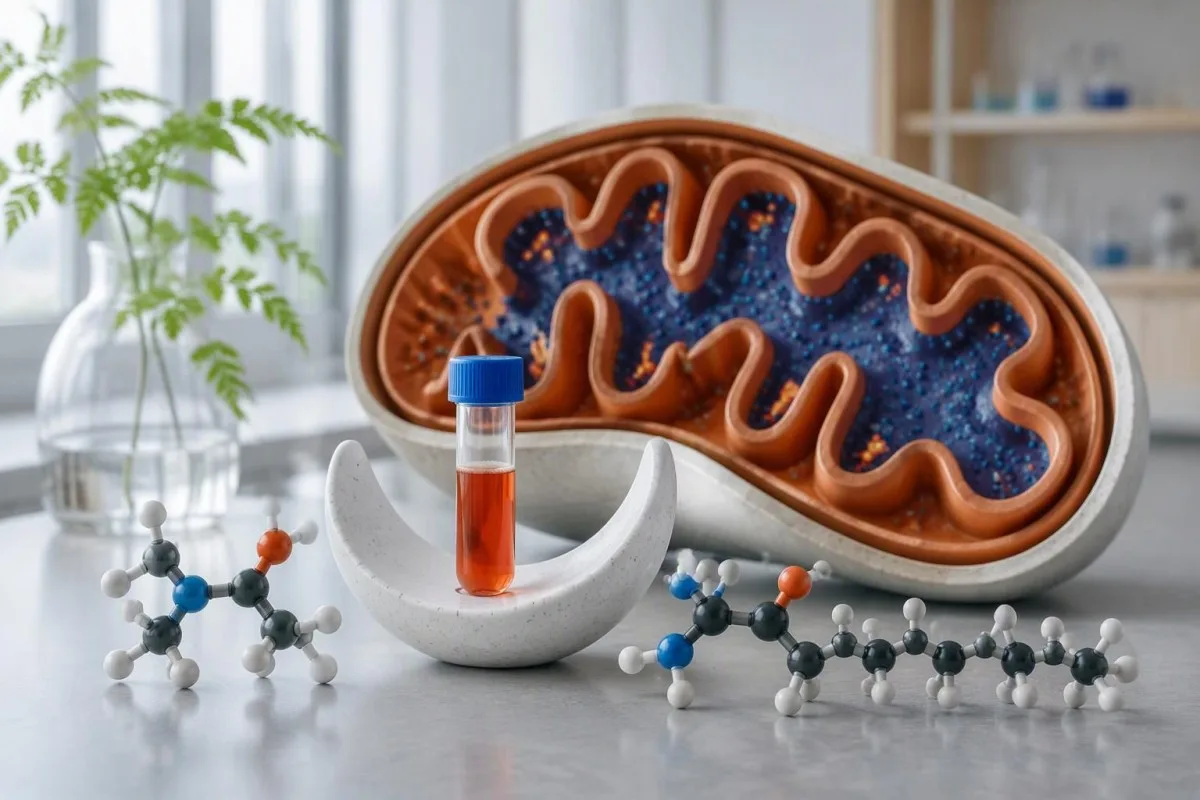
ئەركىن كارنىتىن ئېستېر بولمىغان توپنى ئەڭ يۇقىرى چەك بىلەن ئۆلچەيدۇ؛ ئومۇمىي كارنىتىن ئەركىن ۋە ئاچىل-باغلىنىشلىق شەكىللەردىن تەركىب تاپقان. ئۇلارنىڭ نىسبىتىنى يوقالغاندىن پەرق قىلىشقا ياردەم بېرىدۇ - ئەمما سەۋەبىنى ئۆزىلا ئېنىقلىمايدۇ.


- ئەركىن كارنىتىن ئېستېر بولمىغان بۆلەك؛ بىر كۆپ ئىشلىتىلىدىغان قۇرامىغا يەتكەنلەرنىڭ سۇيۇقلۇقى مىزان 25–54 µmol/L، ئەمما سىزنىڭ تەجرىبىخانىڭىزنىڭ مىزانى ئەۋزەل.
- ئومۇمىي كارنىتىن سەۋىيىسى ئەركىن كارنىتىننى قوشقاندا ئېستېرلىق كارنىتىننى ئۆز ئىچىگە ئالىدۇ؛ نورمال ئومۇمىي نەتىجە تۆۋەن ئەركىن كارنىتىننى يوشۇرۇپ قويىدۇ.
- ئاچىل-ئەركىن نىسبىتى ھەر ئىككىلىسى ئوخشاش ئەۋرىشكە ۋە بىرلىكلەرنى ئىشلەتكەندە (ئومۇمىي - ئەركىن) ÷ ئەركىن دەپ ھېسابلىنىدۇ.
- ئوخشىمىغان تەجرىبىخانا چەكلىمىسى مۇھىم: 0.40 نى چەكلىمىسى سۈپىتىدە ئىشلىتىدىغان تەجرىبىخانا تەرىپىدىن 0.60 لىك نىسبەت ئاگاھلاندۇرۇلۇشى مۇمكىن، ئەمما 0.80 نى ئىشلەتكەنلەر تەرىپىدىن بولمايدۇ.
- كۆرۈنەرلىك ئازىيىش تەخمىنەن 5 µmol/L تۆۋەن ئەركىن كارنىتىن بىلەن داۋاملىشىش ئاساسلىق كارنىتىن يېتىشمەسلىكىدىن ئەندىشىلىنىشكە سەۋەب بولىدۇ، گەرچە ئىككىنچى دەرىجىلىك سەۋەبلەرمۇ باھالاشقا تېگىشلىك.
- دورا تەكشۈرۈشى تərkىبىدە ۋالپروئېيت ۋە پىۋالات ئىچىدىغان دورىلارنى ئۆز ئىچىگە ئالmalı؛ دوختۇرنىڭ كۆرسەتمىسىز داۋالاشنى توختاتماڭ.
- ت spesiyalist تەكشۈرۈشى پۈتۈنلەي كارنىتىننى قايتا ئۆلچەشنىڭ ئورنىغا، ئايرىم-ئايرىم ئاچىل كارنىتىنلار، سۈيدۈك ئورگانىك كىسلاتالىرى ۋە گېن ئانالىزنى ئۆز ئىچىگە ئالىدۇ.
- جىددىي ئالامەتلەر چۈچۈش، قۇسۇش، يىقىلىش ياكى مۇسكۇلنىڭ ئېغىر كۈچسىزلىنىشى قاتارلىقلاردەك، جىددىي باھالاشنى تەلەپ قىلىدۇ؛ قان شېكىرى 54 مىللىگىرام/دىسلىتىر ياكى 3.0 mmol/L دىن تۆۋەن بولسا، بۇ جىنايەتچى قوشۇمچە پاكىت.
كارنىتىن قان تەكشۈرۈشى ئەسلىدە نېمە ئۆلچەيدۇ؟
A كارنىتىن قان تەكشۈرۈشى ئەركىن كارنىتىننى، ئادەتتە، پۈتۈن كارنىتىننى ئۆلچەيدۇ؛ پۈتۈنلەي ئاچىل كارنىتىن دەپ ئاتىلىدىغان ئەركىن ۋە ئېستېرلاشقان شەكىلنى ئۆز ئىچىگە ئالىدۇ. ئاچىل-ئەركىن نىسبىتى ئۇلارنىڭ تەڭپۇڭلۇقىنى تەسۋىرلەيدۇ، شۇڭا پۈتۈنلەي نورمال كارنىتىن ئەركىن كارنىتىن تۆۋەن بولۇشى بىلەن بىللە ياشىيالايدۇ؛ نورمالسىز ئەندىزە ئاپتوماتىك قوشۇمچە تولۇقلاشنى ئەمەس، بەلكى سەۋەبكە ئاساسلانغان تەكشۈرۈشنى تەلەپ قىلىدۇ.
ئەركىن كارنىتىن ئەركىن قemaking قان تومۇرى ھورمونى بىلەن ئوخشاش مەنىگە كەلمەيدۇ. بۇ يەردە، “ئەركىن” دېگەنلىك بىر ئاچىل گۇرۇپپىسى يوق كارنىتىننى كۆرسىتىدۇ - پەقەت قان تومۇرىدا تۇرۇۋاتقان ئاقسىلغا باغلىنىدىغان كارنىتىننى كۆرسىتىدۇ؛ بۇ مەنىلەرنى ئالماشتۇرۇش، سانلارنى تەكشۈرۈشتىن بۇرۇنلا تەبىرنى بۇراپ قويىدۇ.
A 40 µmol/L پۈتۈنلەي 15 µmol/L ئەركىن كارنىتىن بىلەن مەسىلىنى چۈشەندۈرىدۇ: پۈتۈنلەي قۇرامىغا يەتكەنلەرنىڭ دائىرىسىدە بولسا، ئەركىن قىسمى ئېنىق تۆۋەن بولىدۇ. ھېسابلىنىدىغان ئېستېرلاشقان قىسمى 25 µmol/L، شۇڭا مەسىلە قان تومۇرنىڭ قانچىلىك كۆپ قىسمى ئېستېرلاشقانلىقىنى سورىشىدۇ.
كانتېستى بىر AI قان تەكشۈرۈش ئانالىزچىسى ئەركىن، پۈتۈنلەي ۋە ھېسابلىنىدىغان كارنىتىن نەتىجىلىرىنى، شۇنىڭدەك ئىلمىي تەتقىقات ئورنىنىڭ ئۆزىنىڭ زىيارەت دائىرىسىنى تەرتىپكە سېلىشقا ياردەم بېرەلەيدۇ. بىزنىڭ تەشكىلىي ۋە كلىنىك خىزمەت ئۇسۇلىمىز قىسقىچە مەزمۇن بىلەن تەمىنلەيدۇ؛ مەن يەنىلا ھەر بىر نەتىجىنى دىئاگنوز قويۇشتىن بۇرۇن ئەسلى دوكلات، دورا تىزىملىكى ۋە كېسەللىك ئەھۋالىنى سىستېمىلىق تەكشۈرگۈم بار.
نېمىشقا ئەركىن ۋە ئومۇمىي كارنىتىن ئوخشىمىغان ھېكايىلەرنى سۆزلەيدۇ؟
ئەركىن كارنىتىن ۋە پۈتۈنلەي كارنىتىن ئوخشىمىغان سوئاللارغا جاۋاب بېرىدۇ: ئەركىن ئېستېرلاشمايدىغان قان تومۇرنى ئۆلچەيدۇ، پۈتۈنلەي بولسا ئۇنى ئېستېرلاشقان شەكىل بىلەن قوشۇپ ئۆلچەيدۇ. كارنىتىن ئۇزۇن زەنجىirli ماي كىسلاتالىق گۇرۇپپىلارنى مىتوخوندرىيەگە يۆتكىگەندە ياردەم قىلىدۇ، ئەمما قان تومۇرنىڭ قويۇقلۇقى مىتوخوندرىيەنىڭ ئىقتىدارى ياكى مۇسكۇل ھۈجەيرىسىنىڭ ئېنېرگىيە ھاسىل قىلىشىنى بىۋاسىتە ئۆلچەيدىغان ئىش ئەمەس.
كارنىتىن تىرانسپورتى CPT I، كارنىتىن-ئاچىل كارنىتىن ترانسلوكتازى ۋە CPT II نى ئۆز ئىچىگە ئالىدۇ. CPT I مىتوخوندرىيەنىڭ سىرتقى پەردىسىدە ئاچىل كارنىتىن ھاسىل قىلىدۇ، ترانسلوكتازى ئۇنى ئىچكى پەردىدىن ئۆتكۈزىدۇ، CPT II بولسا ئاچىل گۇرۇپپىنى مىتوخوندرىيە ئىچىدىكى ئوكسىدقا قايتۇرۇپ بېرىدۇ؛ بۇ بىر قاتار ئىشلەپچىقىرىش بىر قان تومۇرنى ئۆلچەش بارلىق مۇمكىن بولغان چېكىشلىكنى تېپىش مۇمكىن ئەمەسلىكىنى چۈشەندۈرىدۇ.
بەدەننىڭ كۆپ قىسىم كارنىتىنى قان تومۇرىدا ئەمەس، بەلكى توقۇلمىلاردا، بولۇپمۇ قەۋەت مۇسكۇل ۋە يۈرەك مۇسكۇلىدا ساقلىنىدۇ. لونگو، ئاماد دى سان فىلىپپو ۋە پاسكالى 2006-يىلدىكى تەكشۈرۈشىدە تىرانسپورتتىكى چېكىشلىك ۋە تىرانسپورت سىستېمىسىدىكى چېكىشلىكلەرنىڭ ئوخشىمىغان بىئولوگىيىلىك ئەندىزىلەرنى ھاسىل قىلىدىغانلىقىنى، شۇڭا قان تومۇردىكى تۆۋەن قىممەتنى توقۇلما زاپىسىنى تولۇق ئۆلچەشنىڭ ئورنىغا، قان تومۇرنى سىگنالى دەپ چۈشەندۈرۈشنى تەلەپ قىلىدىغانلىقىنى چۈشەندۈردى (Longo et al., 2006).
كارنىتىن كرىئېتىن ياكى كرىئېتىن ئەمەس, ، يېقىنلىشىش تەلەپ قىلىدىغان بولسىمۇ. ئۇ يەنە ئادەتتىكى ئاساسلىق ياكى تولۇق ئىقتىدارلىق مېتابولىزم پاراۋۇزغا كىرمەيدۇ؛ بىزنىڭ چۈشەندۈرۈشىمىز what metabolic panels include helps clarify why a separate carnitine request may be needed even after 2 routine chemistry panels.
ئەركىن ۋە ئومۇمىي كارنىتىننىڭ نورمال سەۋىيىسى قانداق؟
Carnitine reference intervals depend on age, specimen and laboratory method. One commonly used adult plasma set is free carnitine 25–54 µmol/L, total carnitine 34–78 µmol/L, esterified carnitine 5–30 µmol/L and an esterified-to-free ratio of 0.10–0.80; these are examples, not universal diagnostic cutoffs.
A laboratory reference interval describes a comparison population, not a treatment boundary. Free carnitine of 24 µmol/L against a lower limit of 25 µmol/L is a different clinical proposition from 4 µmol/L, even though both carry the same low flag; symptoms, reproducibility and the other fractions determine how quickly to investigate.
Infant and child results require age-specific interpretation. A newborn screening value from a dried laboratory spot cannot simply be compared with an adult plasma interval of 25–54 µmol/L; specimen composition, screening methodology and maternal carnitine status can all affect the apparent discrepancy between 2 reports.
Reference-range disagreement is not necessarily laboratory error. Some laboratories use broader free-carnitine intervals or a different ratio upper limit; our guide to out-of-range laboratory results explains why I prefer the printed interval over a search-engine cutoff, especially when a result is only 1–2 µmol/L outside range.
ئاچىل-ئەركىن كارنىتىن نىسبىتى قانداق ھېسابلىنىدۇ؟
The acyl to free carnitine ratio is esterified carnitine divided by free carnitine. When esterified carnitine is calculated from the same sample, the formula is (total carnitine − free carnitine) ÷ free carnitine; the result is unitless, and it is not the same as total divided by free.
Total 50 µmol/L and free 40 µmol/L produce a ratio of 0.25. First subtract 40 from 50 to obtain esterified carnitine of 10 µmol/L, then divide 10 by 40; dividing total directly by free would instead give 1.25, an entirely different quantity that could falsely alarm a reader.
A high ratio can reflect a small denominator rather than a large esterified concentration. Total 20 µmol/L and free 5 µmol/L yield esterified carnitine of 15 µmol/L and a ratio of 3.0; the striking feature is severe free-pool depletion, even though 15 µmol/L may fall within the laboratory’s esterified interval.
Calculated ratios inherit measurement and transcription errors. If rounding gives total slightly below free, the negative difference is not a real biological acyl pool; check units, dates and source values using our PDF extraction error checklist before comparing 2 results, and ask the laboratory about unexplained inconsistencies.
ئەركىن كارنىتىن تۆۋەن بولسا ئومۇمىي كارنىتىن نورمال بولامدۇ؟
Normal total carnitine does not exclude low free carnitine. The esterified fraction can keep the combined total within range while the free fraction falls; for example, total 40 µmol/L and free 15 µmol/L produce esterified carnitine of 25 µmol/L and an acyl-to-free ratio of approximately 1.67.
Proportionate depletion can produce a reassuring-looking ratio. Total 28 µmol/L and free 22 µmol/L give esterified carnitine of 6 µmol/L and a ratio of 0.27; both total and free may be low against the example adult intervals, so a ratio within range must not cancel those concentration findings.
A ratio of 0.50 is not automatically evidence of a metabolic disorder. Total 60 µmol/L and free 40 µmol/L generate esterified carnitine of 20 µmol/L; that balance may be acceptable under a laboratory interval extending to 0.80, whereas a laboratory using 0.40 would flag it and require contextual review.
Pattern changes are more useful when sampling conditions remain comparable. A fall in free carnitine from 35 to 15 µmol/L after a medication change carries a different meaning from 2 measurements collected at different points in an acute illness; our guide to بېكەتلەر ئارىسىدىكى (visits) مەنىلىك ئۆزگىرىشلەر explains that distinction without assuming every numerical shift is disease progression.
ۋارىسلىق قىلىدىغان كېسەللىكتىن باشقا ئەركىن كارنىتىننىڭ تۆۋەنلىشىگە سەۋەب نېمە؟
Low free carnitine can result from reduced intake or synthesis, urinary losses, dialysis, medication effects or secondary depletion during other metabolic disorders. An adult free-carnitine result of 20 µmol/L therefore does not, by itself, distinguish nutritional depletion from renal loss or increased formation and elimination of acylcarnitines.
Plant-based diets generally supply less preformed carnitine than diets containing animal foods. Healthy adults can synthesize carnitine from amino-acid precursors and conserve it through the kidneys; a free value of 23 µmol/L in a well vegan adult should not automatically prompt a high-dose prescription or a conclusion that the diet is inadequate.
Prematurity, prolonged nutrition support and substantial malnutrition change the interpretation. In a patient receiving long-term parenteral nutrition, 2 questions matter separately: whether the formulation provides carnitine and whether illness, organ function or losses have changed requirements; simply adding dietary meat is neither a feasible nor a sufficient answer in that setting.
Renal tubular dysfunction can cause carnitine wasting even when filtration looks relatively preserved. A low result accompanied by urinary glucose without hyperglycemia, phosphate loss or unexplained acidosis needs a renal assessment; our plant-based nutrient assessment guide addresses the separate nutritional question, including why 1 low marker does not prove a generalized deficiency state.
قايسى دورىلار كارنىتىنغا يۈزلەنگەن تەكشۈرۈشنى تەلەپ قىلىدۇ؟
Valproate and pivalate-containing medicines are particularly relevant when free carnitine is low. Medication review should consider exposure, dose changes, nutrition and symptoms rather than the carnitine value alone; free carnitine of 18 µmol/L in a person taking valproate warrants a different discussion from the same result without that exposure.
Valproate can contribute to carnitine depletion and hyperammonemic toxicity, but routine supplementation is not appropriate for every user. Lheureux and colleagues’ 2005 Critical Care review discusses the biochemical rationale and limitations of the evidence; overdose, encephalopathy and selected high-risk situations are different from an otherwise well adult with 1 mildly low value (Lheureux et al., 2005).
New confusion, vomiting or unusual drowsiness during valproate treatment needs prompt assessment. Clinicians may check ammonia, liver chemistry and valproate exposure even if free carnitine is above 25 µmol/L, because a normal carnitine concentration does not rule out toxicity; patients should not independently stop an antiseizure medicine while waiting for an explanation.
Pivalate can increase urinary carnitine loss through pivaloylcarnitine formation. Some medicines contain pivoxil or related pivalate-generating groups, so the exact generic drug name matters; our medication trend monitoring guide can help organize 2 dated reports around an exposure, but a prescriber or pharmacist must decide whether treatment should change.
بۆرەك كېسەللىكى ۋە دىيالىز كارنىتىن نەتىجىسىنى قانداق ئۆزگەرتىدۇ؟
Kidney dysfunction can alter carnitine clearance, while hemodialysis can remove circulating free carnitine. The resulting pattern depends on residual kidney function, dialysis timing and supplementation; a free value of 20 µmol/L before a session is not directly interchangeable with 20 µmol/L immediately after one.
Reduced clearance can increase some acylcarnitines without proving an inherited oxidation defect. A ratio of 0.90 in advanced kidney disease needs comparison with the laboratory interval and the wider renal picture; otherwise, a retention-related pattern could be mistaken for a primary metabolic condition and trigger unnecessary genetic testing.
Dialysis-related carnitine treatment is a nephrology decision, not a general supplement recommendation. Symptoms such as cramps and fatigue have multiple competing causes, and a numerical rise after supplementation does not establish clinical benefit; our kidney disease staging guide explains why eGFR and urine ACR answer different questions from 1 carnitine result.
A useful dialysis comparison records the session and treatment schedule. Ask whether each of 2 samples was collected before or after dialysis and before or after prescribed carnitine; the BUN and creatinine interpretation guide supplies complementary renal context, but neither the BUN/creatinine ratio nor eGFR can quantify carnitine stores.
تۆۋەن كارنىتىن قاچان ئاساسلىق توشۇش قالايمىقانچىلىقىنى كۆرسىتىدۇ؟
Persistent, markedly low free carnitine—often below approximately 5 µmol/L—raises concern for primary carnitine deficiency, especially with cardiomyopathy, hypoglycemia or suggestive family history. Primary carnitine deficiency involves impaired OCTN2 transport associated with SLC22A5 variants; a mildly low value alone is not enough to diagnose it.
Primary carnitine deficiency can present beyond infancy, including in adults with few symptoms. El-Hattab and Scaglia’s 2015 review describes the clinical spectrum and the role of biochemical and genetic assessment; 2 low results plus a credible renal-wasting or family pattern are more informative than assuming every adult case must resemble a newborn crisis (El-Hattab and Scaglia, 2015).
A low newborn screening carnitine result can reflect maternal deficiency as well as infant disease. That is why the follow-up pathway may assess 2 people—the infant and mother—rather than treating the screening result as a diagnosis; supplementation before confirmatory sampling should be coordinated with the metabolic team, without delaying treatment when the infant is unwell.
Specialists may assess urinary loss, SLC22A5 variants and, in selected unresolved cases, transport function. A family history of unexplained cardiomyopathy or sudden death increases concern even if the current patient feels well; our discussion of children’s interpretation safety limits explains why adult intervals such as 25–54 µmol/L must not guide pediatric decisions.
ئاچىل كارنىتىن ئەندىزىسى قاچان نىسبەتتىن پايدىلىق بولىدۇ؟
An acylcarnitine profile is more useful when the question is which metabolic pathway may be affected. Free and total carnitine summarize pools, whereas a profile measures individual species such as C8, C14:1 or C16; a ratio of 1.20 cannot reveal which species accounts for the imbalance.
Specific acylcarnitine patterns guide, but do not independently establish, metabolic diagnoses. C8 enrichment can support investigation for medium-chain acyl-CoA dehydrogenase deficiency, while C14:1 can support investigation for very-long-chain acyl-CoA dehydrogenase deficiency; the full pattern, ratios, clinical setting and confirmatory tests matter more than 1 isolated species (Longo et al., 2006).
Normal results between episodes do not exclude every fatty-acid oxidation disorder. Recurrent illness-associated hypoglycemia with unexpectedly low ketones is a stronger referral signal than a modest ratio elevation alone; our beta-hydroxybutyrate interpretation guide explains why a ketone result of 0.2 mmol/L must be interpreted against the simultaneous glucose and feeding state.
Specialist evaluation may combine acylcarnitines, urine organic acids, glucose, ketones, ammonia, lactate and genetics. Repeated exercise-associated episodes with creatine kinase above 1,000 IU/L also change the differential, although exercise itself can elevate CK; our high creatine kinase guide explains the muscle assessment, and clinicians should never provoke an episode through unsupervised fasting.
كارنىتىننى تەكرار قىلىدىغان تەكشۈرۈشكە قانداق تەييارلىق قىلىش كېرەك؟
A repeat carnitine test is most useful when specimen type, laboratory and sampling conditions are comparable. Record meals, supplements, illness and medication timing; there is no universal fasting or supplement washout rule, and a result of 22 µmol/L should not prompt a self-directed prolonged fast to “confirm” deficiency.
Recent L-carnitine supplementation can raise the circulating value and obscure the untreated baseline. Give the clinician the product, dose in mg and last-dose time, including acetyl-L-carnitine products; our explanation of supplements before laboratory testing helps separate ordinary preparation advice from a medication interruption that requires approval.
Repeat timing depends on the reason for testing, not a fixed calendar rule. An otherwise well adult with free carnitine of 24 µmol/L may have a planned outpatient repeat after a reversible issue is addressed, whereas 4 µmol/L with weakness should not wait weeks for a routine redraw; prescribed carnitine should not be withheld simply to produce an untreated number.
Acute illness and treatment can make 2 samples biologically different even with perfect laboratory technique. Dextrose, feeding and recovery may change a metabolic profile, so emergency teams may collect diagnostic specimens early when feasible without delaying care; our illness and medication timeline guide explains why the timestamp belongs beside the concentration.
نېمىشقا بارلىق نورمالسىز نەتىجىلەرنى كارنىتىن تولۇقلاش بىلەن داۋالاشقا بولمايدۇ؟
An abnormal carnitine result does not establish that an over-the-counter supplement will help. Treatment depends on the cause: confirmed primary deficiency, selected secondary deficiencies and certain toxicology situations differ from unexplained fatigue with free carnitine of 23 µmol/L; raising a plasma concentration is not the same as improving health.
Treatment for confirmed primary carnitine deficiency often uses weight-based prescription levocarnitine. El-Hattab and Scaglia describe doses around 100–200 mg/kg/day, adjusted to clinical response and laboratory monitoring; those specialist doses are not a self-treatment template, and a consumer serving of 500 mg or 1,000 mg does not address every reason a free value may be low.
Carnitine is not automatically beneficial in every fatty-acid oxidation disorder. In some long-chain disorders, clinicians are cautious about increasing potentially harmful long-chain acylcarnitine pools; our lab-guided fatigue supplement guide addresses the broader distinction between correcting a demonstrated need and trying 2 products while the actual diagnosis remains unresolved.
Levocarnitine can cause nausea, diarrhea or a fishy odor, and drug interactions require review. INR monitoring may need closer attention in people taking warfarin, and reported seizure events warrant discussion in susceptible patients; before prescribing 1 course, I would want a treatment goal, a monitoring plan and a clear reason that diet or medication review alone is insufficient.
قايسى سىملىق بەلگىلەر كارنىتىننىڭ نورمالسىز نەتىجىسىنى جىددىيلەشتۈرىدۇ؟
Urgency depends on symptoms and accompanying chemistry, not the carnitine flag alone. Confusion, collapse, repeated vomiting, inability to maintain intake, new cardiac symptoms or severe muscle weakness need prompt assessment; glucose below 54 mg/dL, or 3.0 mmol/L, is a serious finding whether carnitine is low or normal.
Symptomatic hypoglycemia should be treated without waiting for a carnitine assay. A conscious person able to swallow can follow their established rapid-carbohydrate plan, but confusion, seizures or inability to swallow require emergency help; our low glucose causes guide explains why medication exposure and illness remain common explanations even when glucose is below 70 mg/dL.
Severe muscle weakness with dark urine needs assessment for muscle breakdown and kidney complications. Free carnitine of 18 µmol/L does not explain away that presentation or establish the cause; our قېنىق سۈيدۈك ئاگاھلاندۇرۇش بەلگىلىرى help distinguish a color observation from the need to check CK, kidney function, potassium and hydration.
A known or suspected metabolic disorder changes the advice during vomiting or poor intake. Follow the individual emergency regimen and contact the metabolic team early, particularly for children; conversely, 1 borderline result in an asymptomatic adult is usually an outpatient investigation, and a ratio of 0.45 without other abnormalities should not be presented as an impending crisis.
كېيىنكى تەكشۈرۈشكە نېمىلەرنى ئېلىپ كېلىش كېرەك، AI نېمىنى چۈشەندۈرۈشكە ياردەم بېرەلەيدۇ؟
Bring the complete report, laboratory intervals, medication and supplement list, symptoms and collection conditions to follow-up. As of October 3, 2026, there is no universally accepted acyl-to-free cutoff that diagnoses a metabolic disorder; a ratio of 0.60 still needs interpretation alongside concentrations, age, kidney function and the clinical question.
كانتېستى بىر AI قان تەكشۈرۈش نەتىجىسىنى چۈشەندۈرۈش سۇپىسى that can help explain why free carnitine of 15 µmol/L deserves attention even when total carnitine is 40 µmol/L. Our technology and interpretation guide describes the workflow; checking units, calculations and source values remains necessary before any explanation is used in care.
AI-generated context is not confirmation of an inherited disorder or a prescribing instruction. بىزنىڭ clinical standards and limitations describe the boundaries of interpretation; I’m Thomas Klein, Kantesti’s Chief Medical Officer, and my editorial approach is to separate 3 questions: whether the result is reliable, whether depletion is present and what evidence identifies its cause.
A useful appointment should end with an agreed next step, not merely a renamed abnormality. Ask whether the plan is repeat testing, medication review, renal assessment or metabolic referral, and what would change that plan; Kantesti’s medical advisory board information describes our physician advisory roles, but this article does not document an individual consultation or completed patient-specific review.
Keep the original laboratory terminology
كانتېستى بىر AI ئارقىلىق قوزغىتىلغان قان تەكشۈرۈش تەھلىل قورالى that can help organize related measurements without treating every ratio as interchangeable. Our biomarker terminology guide supports that distinction; as Thomas Klein, I would want all 3 reported quantities—free, total and ratio—preserved exactly, including whether the laboratory called the numerator “acyl” or “esterified.”
Research publications and source boundaries
The 2 Zenodo publications below provide background on other laboratory measurements, not direct evidence for carnitine treatment. The RDW and red-cell guide may help when fatigue also prompts a CBC review; carnitine-specific reasoning in this article instead draws on the separately listed peer-reviewed references, and discovery links do not verify indexing or peer review.
دائىم سورايدىغان سوئاللار
كارنىتىن قان تەكشۈرۈشى نېمە كۆرسىتىدۇ؟
كارنىتىن قان تەكشۈرۈشى ئادەتتە ھەقسىز ۋە ئومۇمىي كارنىتىننى ئۆلچەيدۇ، ئېستېرىيللەشكەن مەركەزلىشىش ياكى ئاكىل-ھەقسىز نىسبىتى دوكلات قىلىنسا ياكى ھېسابلىنىدۇ. ھەقسىز كارنىتىن ئېستېرىيللەشمىگەن، ھالبۇكى ئومۇمىي ھەقسىز ۋە ئېستېرىيللەشكەن شەكىللەرنى ئۆز ئىچىگە ئالىدۇ. بىر كۆپ قوللىنىلغان قۇرامىغا يەتكەنلەر ئۈچۈن سۇيۇقلۇق كارنىتىننىڭ 25–54 µmol/L، ئومۇمىي كارنىتىننىڭ 34–78 µmol/L بولغان ئارىلىقى بار، ئەمما تەجرىبىخانىغا خاس ئارىلىق ئالدىنقى قاتارغا تۇرىدۇ. بۇ تەكشۈرۈش كەملىكنى ياكى ئۆزگەرتىلگەن تەڭپۇڭلۇقنى مۇقىملاشتۇرالايدۇ، ئەمما ئۇ كلېينىكىلىق مىجەزى بولمىسا سەۋەبىنى مۇقىملاشتۇرالمايدۇ.
ئالىق كارنىتىن نورمال بولغاندا ھۈجەيرە ئىچىدىكى كارنىتىن تۆۋەن بولۇشى مۇمكىنمۇ؟
ئازاد كارنيتين يەنە ئومۇمىي كارنيتيننىڭ لაბوراتورىيە پايدىلىنىش ئارىلىقىدا بولسىمۇ تۆۋەن بولىدۇ. ئومۇمىي 40 µmol/L، ئازاد 15 µmol/L بولسا 25 µmol/L esters غا ئايلانغان قىسمىنى ۋە تەخمىنەن 1.67 نىڭ ئازاد بىلەن تۇتقۇن قىسمىنى قالدۇرىدۇ. بىرلەشتۈرۈلگەن ئومۇمىي ھالەت، esters غا ئايلانغان شەكىللەر ئومۇمىي ھالەتكە تۆھپە قوشقانلىقتىن، ئازايغان ئازاد مەنبەسىنى يوشۇرىدۇ. دورا تەسىرى، بۆرەك ئىقتىدارى ۋە مېتابولىزم سەۋەبلىرىنى ئومۇمىي ھالەت نورمال بولسا مەسىلە يوق دەپ پەرەز قىلىشتىن بۇرۇن تەكشۈرۈش كېرەك.
ئاسىل-ياكى-ھۆل-كارنىتىن-ئورنىنى-قانداق-ھېسابلايسىز؟
ئاسىل-بوılması كارنىتىن نىسبىتى: ئېستېرلاشقان كارنىتىننى بوılması كارنىتىنغا بۆلىش. ئېستېرلاشقان كارنىتىننى ئومۇمىي ۋە بوılmasıدىن ھېسابلاشتا، (ئومۇمىي − بوılması) ÷ بوılması ئىشلىتىلىدۇ، بۇنىڭدىكى ھەر ئىككى كۆڭۈل بۆلۈش نۇقتىسى ئوخشاش تۈردىكى ئەۋرىشكە ئوخشاش بىرلىكتە. ئومۇمىي 50 µmol/L ۋە بوılması 40 µmol/L نىسبەتنى 0.25 گە ئېرىشتۈرىدۇ. ئومۇمىي نىسبەتنى بوılmasıغا بۆلىش 1.25 بولىدۇ، بۇ نىسبەت ئوخشاش ئەمەس.
ئاسىل-ھۆرلەرنى قەنت بىلەن بولغان نىسبىتى 0.4 تىن يۇقىرى بولسا نورمالسىزمۇ؟
0.4 تىن يۇقىرى ئاچیل-تەركىبلىك كارنىتىننىڭ ئازادە كارنىتىنغا نىسبىتى پەقەت شۇ چەكلىنىشلەرنى ئىشلىتىدىغان تەجرىبىخانا ياكى كىلىنىكىلىق رامكىغا نىسبەتەن نورمالسىز. بەزى چوڭلار تەجرىبىخانىسىنىڭ ئارىلىقى تەخمىنەن 0.8 گىچە سوزۇلغان، شۇڭا 0.6 نىسبىتى بىر دوكلاتتا بەلگىلىنىپ، يەنە بىرىدە بەلگىلىنىشى مۇمكىن. يۇقىرى نىسبەت ئازادە كارنىتىننىڭ تۆۋەنلىشىنى، ئېستېرىللەنگەن كارنىتىننىڭ كۆپىيىشىنى ياكى ھەر ئىككىسىنى ئەكس ئەتتۈرۈشى مۇمكىن. يەككە نىسبەت چەكلىنىشى مىراس قالغان مېتابولىزم كېسەللىكىنى مۇستەقىل دىئاگنوز قويمايدۇ.
تۆۋەنكە ھۈجەيرە ئاسان ئېمىگەن كارنىتىن مېنىڭ قوشۇمچە يېمەكلىك ئىستېمال قىلىشىم كېرەكمۇ؟
تۆۋەنكى ئەركىن كارنىتىن پايدىسىز قوشۇمچە يېمەكلىكنىڭ مۇۋاپىق ئىكەنلىكىنى بىۋاسىتە بىلدۈرمەيدۇ. 23 µmol/L قاتارلىق ئازراق تۆۋەن نەتىجەنى تەجرىبىخانا ئارىلىقى، دورا ئىستېمالى، ئوزۇقلۇق، بۆرەك ئىقتىدارى ۋە ئالامەتلەر بىلەن سېلىشتۇرۇش كېرەك. تەخمىنەن 5 µmol/L دىن تۆۋەن ئەركىن كارنىتىن داۋاملىق ساقلىنىش كېسەللىك تەكشۈرۈشنى تەلەپ قىلىدۇ، ئەمما ئۇ ئۆزلىكىدىن سەۋەبىنى تېپىشقا بولمايدۇ. بەزى ئۇزۇن زەنجىirli ياغ كىسلاتاسى ئوكسىدلىنىش كېسەللىكلىرى ئالاھىدە دىققەتنى تەلەپ قىلىدۇ.
ئادەتتىنكى كارنىتىن نەتىجىلىرى قاچان مېتابولىزم مۇتەخەسسىسلىرىنى تەكشۈرۈشكە سەۋەب بولۇشى كېرەك؟
كارنىتىن نورمالسىزلىقى ئېغىر، داۋاملىق ياكى قايتا-قايتا قان شېكەرى تۆۋەنلەش، كارىدىيومىيopatيا، چېنىقىش بىلەن مۇناسىۋەتلىك مۇسكۇل يېتىشمسچىلىكى ياكى ئائىلىدە ئوخشاش تارىخى باردا، مېتابولىزم تەكشۈرۈشى مۇۋاپىق. ئىككىلەمچى سەۋەبلەرنى ئويلىغاندىن كېيىن، 5 مىكرو مول/ل يېقىن ئەتراپتىكى ئەركىن كارنىتىننىڭ داۋاملىشىشى توشۇش قالايمىقانچىلىقىنى كۆرسىتىدىغان ئالاھىدە ئەندىشىلىنەرلىك ئالاھىدىلىك. كېيىنكى تەكشۈرۈش 2،3-DPG، ئازوت ئىس-تۈتەك، ئورگانىك كىسلاتا تەكشۈرۈشى ۋە گېن تەكشۈرۈشىنى ئۆز ئىچىگە ئالىدۇ، پەقەت ئەركىن ۋە ئومۇمىي كارنىتىننىلا ئەمەس. گېن كەسلىلىكى، قۇسۇش ياكى قاندىكى گلىكوزا 54 مىللىگىرام/دېللىتتىن تۆۋەن بولسا، سىرتتىن كېلىدىغان مۇتەخەسسىسلەرنى ساقلاش كېرەك، جىددىي باھالاش كېرەك.
بۈگۈنلا AI بىلەن قان تەكشۈرۈش تەھلىلى ئېلىڭ
دۇنيادىكى 2 مىليوندىن ئارتۇق ئىشلەتكۈچى Kantesti نى دەرھال، توغرا تەجرىبىخانا تەھلىلى ئۈچۈن ئىشەنچ قىلىدۇ. قان تەكشۈرۈش نەتىجىڭىزنى يوللاپ، 15,000+ بىئوماركىرلىرىنىڭ تولۇق چۈشەندۈرۈشىنى بىر نەچچە سېكۇنتتا ئېلىڭ.
📚 پايدىلىنىلغان تەتقىقات ئېلانلىرى
Klein, T., Mitchell, S., & Weber, H. (2026). RDW قان تەكشۈرۈشى: RDW-CV، MCV ۋە MCHC نىڭ تولۇق قوللانمىسى. Kantesti AI Medical Research.
Klein, T., Mitchell, S., & Weber, H. (2026). BUN/كرېئاتىنىن نىسبىتىنىڭ چۈشەندۈرۈلۈشى: بۆرەك ئىقتىدارى سىنىقى قوللانمىسى. Kantesti AI Medical Research.
📖 تاشقى داۋالاش پايدىلىنىش ماتېرىياللىرى
Longo N, Amat di San Filippo C, Pasquali M. (2006). Disorders of carnitine transport and the carnitine cycle. American Journal of Medical Genetics Part C: Seminars in Medical Genetics.
Lheureux PER et al. (2005). Science review: Carnitine in the treatment of valproic acid-induced toxicity—what is the evidence?. Critical Care.
El-Hattab AW, Scaglia F. (2015). Carnitine Deficiency Disorders: Clinical Diagnosis and Management. Molecules.
⚕️ تېببىي ئەسكەرتىش
بۇ ماقالە پەقەت تەربىيە-ئوقۇتۇش مەقسىتى ئۈچۈن بولۇپ، داۋالاش مەسلىھەتىنى تەشكىل قىلمايدۇ. دىئاگنوز قويۇش ۋە داۋالاش قارارلىرى ئۈچۈن ھەمىشە لاياقەتلىك ساغلاملىق مۇلازىمىتى تەمىنلىگۈچى بىلەن مەسلىھەتلىشىڭ.
E-E-A-T ئىشەنچ سىگناللىرى
تەجرىبە
دوختۇر رەھبەرلىكىدىكى لابوراتورىيە تەبىرىنى چۈشەندۈرۈش خىزمەت ئېقىملىرىنى بالىياتقۇچلۇق تەكشۈرۈش.
مۇتەخەسسىسلىك
بىئوماركىرلارنىڭ كىلىنىكىلىق مۇھىتتا قانداق ھەرىكەت قىلىدىغانلىقىغا مەركەزلەشكەن لابوراتورىيە تېبابىتى.
ھوقۇقدارلىق
دوكتور توماس كلېين تەرىپىدىن يېزىلغان، دوكتور سارا ميتچېل ۋە پروف. دوكتور ھانس ۋېبېر تەرىپىدىن تەكشۈرۈلگەن.
ئىشەنچلىكلىك
ئاگاھلاندۇرۇشنى ئازايتىش ئۈچۈن ئېنىق كېيىنكى قەدەملەر بىلەن ئىسپات-ئاساسلىق تەبىر.