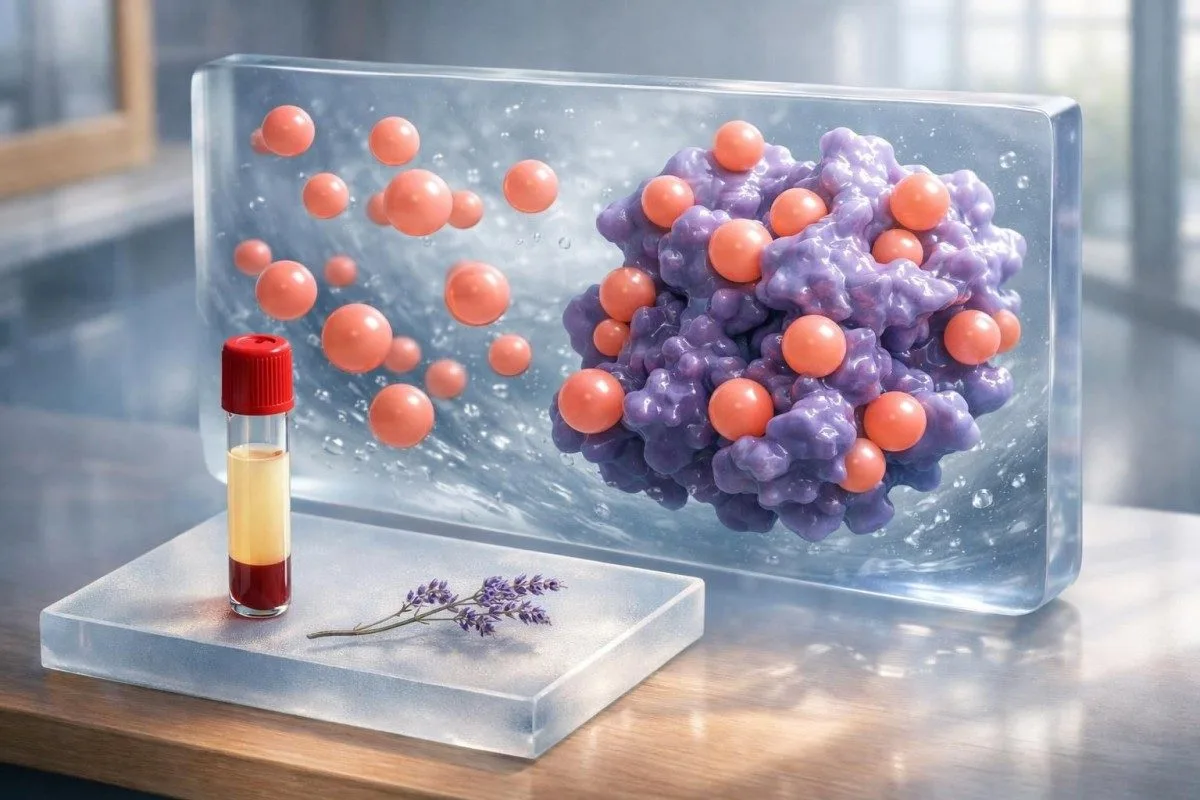
Kalsiyum için normal aralık genellikle toplam kalsiyum için 8,6-10,2 mg/dL ve yetişkinlerde iyonize kalsiyum için 1,12-1,32 mmol/L’dir; ancak albümin veya kan pH’ı anormal olduğunda normal bir toplam değer yine de yanıltıcı olabilir. İşte bazı hastaların, laboratuvar uyarısı “rahatlatıcı” olsa bile kramp, karıncalanma veya çarpıntı hissetmesinin nedeni tam olarak bu uyumsuzluktur.


- Toplam kalsiyum normal aralık genellikle 8,6-10,2 mg/dL Yetişkinlerde (2,15-2,55 mmol/L).
- İyonize kalsiyum normal aralık genellikle 1,12-1,32 mmol/L; biyolojik olarak aktif fraksiyondur.
- Albümin düzeltmesi mg/dL cinsinden hesaplama şunu kullanır: düzeltilmiş kalsiyum = ölçülen kalsiyum + 0,8 × (4,0 − albümin g/dL).
- Aksi halde susuz kalmış gibi görünen birinde düşük albümin, basit hemokonsantrasyondan ziyade karaciğer hastalığına, nefrotik idrarla kayba, protein kaybettiren bağırsak hastalığına, anlamlı inflamasyona veya malnütrisyona işaret eder. iyonize kalsiyum normal olsa bile toplam kalsiyumu düşük gösterebilir.
- Alkaloz iyonize kalsiyumu yaklaşık olarak 0,05 mmol/L her 0.1 pH yükselmesiyle düşürebilir.
- Acil yüksek kalsiyum genellikle toplam >14,0 mg/dL veya iyonize >1,50 mmol/L.
- Acil düşük kalsiyum genellikle toplam <7.6 mg/dL veya iyonize <0.90 mmol/L, özellikle spazm veya QT değişiklikleriyle birlikteyse.
- En iyi bir sonraki testler şunlardır: albümin, PTH, 25-OH D vitamini, magnezyum, fosfor, kreatinin ve eGFR.
Kalsiyum için “normal aralık” gerçekte ne anlama gelir
The kalsiyum için normal aralık genellikle 8,6-10,2 mg/dL . total kalsiyumu Ve 1,12-1,32 mmol/L . iyonize kalsiyum yetişkinlerde. Toplam sonuç normal olsa bile semptomlarınız varsa, sayı yine de yanıltıcı olabilir; çünkü toplam kalsiyum yalnızca aktif fraksiyonu değil, proteinlere bağlı kalsiyumu da içerir. Kantesti AI, bu kafa karışıklığını sürekli görüyoruz—özellikle de albümin düzeyi düşüktür, dehidrasyondan dolayı yüksektir veya hastalık sonrası değişkenlik gösterebilir.
Toplam kalsiyum Ve iyonize kalsiyum farklı sorulara yanıt verir. Toplam kalsiyum bir tarama değeridir; iyonize kalsiyum ise sinirlerin, kasların ve kalp dokusunun gerçekten maruz kaldığı şeyi yansıtır. Yaklaşık 40% serum kalsiyumu albümine bağlıdır, yaklaşık 45-50% iyonizedir ve geri kalan 5-10% sitrat veya fosfat gibi anyonlara bağlıdır.
Geçen ay, stresli bir uçuş sonrası parmaklarında karıncalanma olan 29 yaşında bir öğretmeni değerlendirdim. Toplam kalsiyumu 9.1 mg/dL, bu da normal görünüyordu; ancak iyonize kalsiyumu 1.06 mmol/L; idi; ipucu, hızlı nefes almanın ardından geçici solunumsal alkaloz gelişmesiydi. Bu tür bir uyumsuzluk gerçektir ve kimse bunu açıklamadığında hastalar sıklıkla ciddiye alınmadığını hisseder.
Laboratuvar referans aralıkları, insanların beklediğinden daha fazla değişir. Bazı Birleşik Krallık ve ABD laboratuvarları 8.5-10.5 mg/dL, kullanırken, bazı Avrupa laboratuvarları 2.20-2.60 mmol/L bildirir.. Çocuklar, yenidoğanlar ve gebelik farklı aralıklar kullanabilir; bu nedenle yerel laboratuvar aralığı hâlâ önemlidir.
Normal bir “uyarı” işaretinin neden yine de faydasız olabildiği
'Normal' toplam kalsiyum, normal kalsiyum fizyolojisini garanti etmez. Albümin anormalse veya pH kaymışsa, aktif fraksiyon toplam değerden ters yönde kayabilir.
CMP’de toplam kalsiyum normal aralığı—ve neleri kapsar
The toplam kalsiyum normal aralığı çoğu yetişkin biyokimya panelinde şunlar vardır: 8,6-10,2 mg/dL, bazı laboratuvarlar ise 8.5-10.5 mg/dL. olarak belirler. kalsiyum kan testi normal aralığı rutin bir raporda, fizyolojik olarak aktif kısmı değil tüm serum kalsiyumu ölçülür; bu yüzden bir temel laboratuvar raporu semptomlar sürse bile güven verici görünebilir. Sayınız daha dar bir metabolik panel yerine bir, CMP’den geldiyse, muhtemelen tam olarak bu nedenle albümin de aynı anda ölçülmüştür.
The toplam kalsiyum kan testi albümine bağlı kalsiyumu, küçük moleküllere komplekslenmiş kalsiyumu ve serbestçe dolaşan kalsiyumu kapsar. Bu da sonucun, yalnızca kalsiyum düzenlenmesini değil; kısmen protein durumunu ve hidrasyonu da yansıttığı anlamına gelir. Uygulamada, albümin 10.3 mg/dL olduğunda toplam kalsiyum, albümin 5,0 g/dL olduğundan çok daha az endişe verici olabilir. 3.8 g/dL.
Kusma, ishal, yoğun egzersiz ve hatta uzun yolculuk günlerinden sonra hafif “yanlış alarm”lar görüyorum. Albümin ve hemokonsantrasyon birlikte yükseldiğinde, iyonize kalsiyumda hiçbir değişiklik olmadan toplam kalsiyum 0,2-0,4 mg/dL kadar artabilir. Çoğu hasta, normal hidrasyonla yapılan tekrarda değer normale dönünce rahatlar.
Sınırda yüksek değerler panik değil, bağlam gerektirir. Uzun süre turnike uygulanması, tekrarlayan yumruk sıkma veya zor bir damar yolundan kan alınması, sınırda bir kalsiyum değerini değiştirecek kadar proteinleri yukarı itebilir. Sonuç yalnızca bir ondalık basamak kadar sapmışsa, dramatik yorumdan çok tekrarlanabilirliğe daha fazla önem veririm.
Bir Kapsamlı Metabolik Panel (CMP) size neyi söylemez
Düzenli bir CMP kan pH’sını raporlamaz ve pH, iyonize kalsiyumu dakikalar içinde değiştirebilir. Bu, toplam kalsiyum sonucunun teknik olarak doğru olup yine de klinik açıdan eksik kalabilmesinin nedenlerinden biridir.
Albümin düzeltmesi: işe yarayan formül, kusurlu yanıt
Düzeltilmiş kalsiyum Albümin normal olsaydı toplam kalsiyumun ne olabileceğini tahmin eder. mg/dL cinsinden yaygın formül şöyledir: düzeltilmiş kalsiyum = ölçülen kalsiyum + 0,8 × (4,0 − albümin g/dL), SI birimlerinde ise düzeltilmiş kalsiyum = ölçülen kalsiyum + 0.02 × (40 − albümin g/L). Bizim Yapay zeka destekli kan testi yorumu bu matematiği otomatik olarak yönetir ve bir serum proteinleri incelemesi ile eşleştirir, çünkü yalnızca formül hikâyenin tamamı değildir.
Formül, albümin düşük olduğunda ve hasta aksi halde stabil olduğunda en faydalıdır. Ölçülen kalsiyum 8.0 mg/dL ve albümin 2,0 g/dL, ise, düzeltilmiş kalsiyum 9.6 mg/dL. olur. Bu, düşük albüminin toplam kalsiyumun düşük görünmesinin ana nedeni olduğu durumlarda gereksiz endişeyi önleyebilir.
İşin püf noktası şu: düzeltme formülleri, albüminin kalsiyumu oldukça öngörülebilir bir şekilde bağladığını varsayar. Payne’in 1973 çalışması düzeltmeyi pratik hale getirdi; ancak formül pH, paraproteinler, kritik hastalık veya ileri düzey böbrek hastalığı. Yoğun bakım ortamlarında, düzeltilmiş kalsasyum ile yanlış sınıflandırma sık görüldüğü için birçok klinisyen mümkün olduğunda doğrudan iyonize ölçümü tercih eder.
Thomas Klein olarak kalsiyuma baktığımda 8.0 mg/dL albümin ile 2,0 g/dL, klinik durumu bilmeden bunu “çözüldü” diye adlandırmam. Çoğu hasta, aynı örneğin; toplam kalsiyum, düzeltilmiş kalsiyum veya iyonize kalsiyum kullanmanıza göre düşük, normal ya da hâlâ belirsiz görünebildiğine şaşırır.
Düzeltilmiş kalsiyumun en az güvenilir olduğu durumlar
, şu durumlarda düzeltilmiş kalsiyum daha az güvenilir hale gelir: albümin 3.0 g/dL’nin altındaysa, pH dengesizse, hasta kritik derecede hastaysa veya globulinler anormalse. Bu koşullarda iyonize kalsiyum genellikle daha “temiz” cevaptır.
İyonize kalsiyum normal aralığı ve ne zaman gerçeği söyler
The iyonize kalsiyum normal aralığı genellikle 1,12-1,32 mmol/L yetişkinlerde, bazı laboratuvarların kullandığı 1.15-1.33 mmol/L. İyonize kalsiyum biyolojik olarak aktif fraksiyonu yansıtır; bu nedenle belirtiler ile toplam kalsiyum birbiriyle uyuşmuyorsa daha iyi testtir. Kantesti, iyonize kalsiyumu bizim biyobelirteç referans kütüphanemize ile ilişkilendirir ve yöntem sınırlarını bizim klinik standartlar.
İyonize kalsiyum doğrudan ölçülür; bu yüzden yanıltıcı bir toplam kalsiyum sonucunu netleştirebilir. İyonize kalsiyum genellikle taze bir bütün örnek üzerinde.
Pre-analitik işlem, çoğu web sitesinin kabul ettiğinden daha önemlidir. Örnek havaya maruz kalırsa, CO2 kaçar, pH yükselir ve iyonize kalsiyum yanlışlıkla düşük görünebilir. Yaklaşık 15-30 dakika gecikmelerin ötesi önem kazanabilir; özellikle tedavi kararlarının küçük değişimlere bağlı olduğu yoğun bakım veya ameliyathane ortamlarında.
Bazı laboratuvarlar hem gerçek iyonize kalsiyumu hem de pH’a göre düzeltilmiş iyonize kalsiyumu. raporlar. Gerçek iyonize kalsiyum 1.09 mmol/L ise ancak pH ayarlı iyonize değer 1,14 mmol/L, hasta gerçek bir kalsiyum eksikliğinden ziyade geçici alkaloz yaşıyor olabilir. Bu fark, yanlış tanıyı kovalamaktan sizi kurtarabilir.
İyonize testten en çok kimler fayda sağlar
İyonize kalsiyum; albümin anormal olduğunda, hasta YBÜ’de (ICU) yattığında, büyük miktarda transfüzyon yapıldığında, böbrek hastalığı ileri düzeyde olduğunda veya toplam kalsiyum normal olmasına rağmen belirtiler güçlü olduğunda özellikle yararlıdır.
Toplam sonuç normal olsa bile neden düşük kalsiyum belirtileri hissedebilirsiniz
Toplam kalsiyum normal olsa bile; karıncalanma, kas seğirmesi, boğazda sıkışma veya elde kramp yaşayabilirsiniz çünkü alkaloz iyonize kalsiyumu dakikalar içinde düşürür. Kan pH’ında yaklaşık 0.1 artış, iyonize kalsiyumu kabaca 0,05 mmol/L, azaltabilir; bu da bazı kişilerde belirtileri tetiklemek için yeterlidir. Bu yüzden panikle ilişkili bir solunum paterni eksikliği taklit edebilir ve ben de belirti değerlendirmesini çoğu zaman magnezyum aralığı açıklaması gibi daha geniş testlerle eşleştiririm. anksiyete ile ilişkili test rehberi ve magnezyum aralığı açıklaması.
Acil servise başvurusundan sonra gördüğüm 34 yaşında yeni bir ebeveynin dudaklarında karıncalanma ve ellerinde pençeleşme vardı. Toplam kalsiyum 9,3 mg/dL, idi; bu yüzden ilk okuma normal görünüyordu, ancak iyonize kalsiyum 1,07 mmol/L hızlı nefes alıp vermenin birkaç dakikasından sonra ölçüldü. Belirtiler, kalsiyum infüzyonu gerekmeden önce nefes yavaşlayınca düzeldi.
Başka uyumsuzluk senaryoları da vardır. Büyük transfüzyondan gelen sitrat kalsiyumu hızla bağlayabilir; bu nedenle toplam kalsiyum daha az dramatik değişirken iyonize kalsiyum düşebilir. Benzer uyumsuzluklar akut pankreatitte, sepsiste, büyük ameliyatlardan sonra ve bazen ağır hiperventilasyonla seyreden doğum sırasında da görülür.
Magnezyum birçok hastanın hiç duymadığı asıl “sürpriz” etkendir. Magnezyum yaklaşık 1,5 mg/dL, seviyenin altına düştüğünde, PTH salgısı ve doku yanıtı aksayabilir; bu da kalsiyum belirtilerinin daha olası hale gelmesine ve kalsiyumun düzeltilmesinin zorlaşmasına yol açar. Normalleşmeyi reddeden düşük kalsiyum her zaman magnezyumu düşünmenizi sağlamalıdır.
Normal bir CO2 bu durumu dışlamaz
Laboratuvar çalıştırıldığında biyokimya CO2 değeri normal çıkabilir; özellikle de hiperventilasyon atağı daha önce sona erdiyse. Belirti zamanlamasının bu kadar önemli olmasının nedenlerinden biri de budur.
Kalsiyum sonucunu anlamlı kılan eşlik eden testler hangileridir
Kalsiyum, şu şekilde okuduğunuzda yorumlanabilir hale gelir: PTH, 25-hidroksi D vitamini, magnezyum, fosfor, kreatinin ve eGFR. Yüksek kalsiyum ve yüksek ya da uygunsuz şekilde normal PTH primer hiperparatiroidizmi düşündürür; buna karşılık baskılanmış PTH ile birlikte yüksek kalsiyum başka bir yeri işaret eder. Çoğu hasta için bir sonraki faydalı okumalar şunlardır: PTH desen kılavuzu, olan erkeklerde, D vitamini yorumlama makalesi, ve aldatıcı biçimde normal kreatinin ile birlikte düşük GFR’nin gözden geçirilmesi.
Baskılanmayan PTH ile birlikte yüksek kalsiyum ciddiye aldığım bir örüntüdür. Kalsiyum zaten yüksekse, 35-60 pg/mL düzeyindeki bir PTH bile anormal olabilir; çünkü beklenen fizyolojik yanıt baskılanma olurdu. Bu küçük nüans, ayaktan endokrinolojide en sık kaçırılan ipuçlarından biridir.
12 ng/mL’nin altında 25-OH D vitamini ile birlikte ve PTH’nin yüksek olması, eksikliğe bağlı sekonder hiperparatiroidizmi şaşırtıcı sıklıkta destekler. Üzerine alkalen fosfataz yüksek bir.
Böbrek hastalığı tüm ekseni değiştirir. Bir kez eGFR 60 mL/dk/1,73 m²’nin altına düşer, kalsitriol üretimi düşer ve fosfat tutulumu, toplam kalsiyum hareket etmeden önce bile, PTH’yi yukarı doğru itmeye başlar. 2026 itibarıyla böbrek-mineral kılavuzları, kalsiyumu hâlâ tek başına bir test değil; bir kümenin parçası olarak ele alır.
Hastaların kaçırdığı bir yavaş desen
9.7 → 10.0 → 10.3 mg/dL şeklinde bir kalsiyum trendi 12-18 ay boyunca böbrek taşı veya yorgunlukla birlikteyse, tek bir izole sonuçtan daha anlamlı olabilir. 10,6 mg/dL. Eğri çoğu zaman bayraktan daha önce hikâyeyi anlatır.
Kalsiyum sayısının kendisinin sizi ne zaman yanıltabileceği
Kalsiyum sonuçları en sık şu nedenlerle yanıltır: dehidratasyon, anormal proteinler, örnek işleme veya toplam kalsiyum ile iyonize kalsiyum arasında uyumsuzluk. Kusma veya yoğun egzersiz sonrası hafif yüksek toplam kalsiyum, hastalıktan çok hemokonsantrasyonu yansıtabilir; bu yüzden hastalardan, dehidratasyona odaklı bir laboratuvar rehberinde veya renal panel genel bakışında.
Albümin ile birlikte 5,1 g/dL, 149 mmol/L, Ve BUN 31 mg/dL genellikle önce konsantrasyonu düşünmemi sağlar. Sadece rehidratasyon, bazı hastalarda toplam kalsiyumu 0,2-0,5 mg/dL kadar düşürebilir. Bu her zaman olmaz ama yeterince sık görülür; bu yüzden temkinli olmaya devam ederim.
Yüksek globulinler veya paraproteinler psödohiperkalsemi, oluşturabilir; burada toplam kalsiyum yükselir ancak iyonize kalsiyum yükselmez. Bunu monoklonal gamopati incelemelerinde ara sıra görüyorum ve kalsiyum değerinin gerçekten anormal olmaktan ziyade teknik olarak yanıltıcı olabildiği, daha az konuşulan nedenlerden biridir.
Örnek işleme de önemlidir. Gecikmiş işlem, fazla heparin, havaya maruz kalma veya kalsiyum içeren sıvılar taşıyan bir hattan örnek alınması sonucu bozabilir. Kantesti'nin yapay zeka yorumlama iş akışı , hastalar gereksiz korkuya kapılmadan önce yüksek kalsiyum + yüksek albümin + dehidratasyon belirteçleri gibi uyumsuz paternleri yakalamak üzere tasarlanmıştır.
Hızlı pratik kontrol
Eğer kalsiyum ve albümin birlikte yükseliyorsa, endokrin hastalığa sıçramadan önce bağlanma veya dehidratasyonu düşünün. Kalsiyum yükselirken albümin stabil ya da düşükse, daha çok endişelenirim.
Kalsiyumu ne zaman tekrar ettirmeli ya da özellikle iyonize test istemelisiniz
Belirtiler sayıyla uyuşmuyorsa, iyonize kalsiyum tekrarlı bir test isteyin veya albümin 3.0 g/dL’nin altındaysa, kritik derecede hasta olduğunuzda ya da pH anormal olabileceğinde test edin. Tek bir kalsiyum değeri nadiren sorunu netleştirir; eğilimler çoğu hastanın sandığından daha önemlidir. Bu yüzden trend inceleme araçlarını oluşturduk. ve güvenli PDF yükleme iş akışımız daha eski sonuçlar için.
İyonize kalsiyumu CKD evre 4-5, yoğun bakım hastalarında, transfüzyon sonrası, bariatrik cerrahi sonrası, sirozda veya normal bir Kapsamlı Metabolik Panel (CMP) varken tekrarlayan karıncalanma olduğunda daha hızlı isterim. Ayrıca böbrek taşı olan ve tekrarlayan şekilde üst-normal kalsiyumu olup giderek yukarı kaymaya devam eden hastalarda da bunu düşünürüm.
Zamanlama önemlidir. Birisi semptomatikse veya toplam kalsiyum yaklaşık 11.5 mg/dL, üzerindeyse, genellikle aynı gün yeniden değerlendirme veya acil değerlendirme isterim. Hasta kendini iyi hissediyorsa ve değer 10.3-10.6 mg/dL, gibi hafif sınırda bir sonuçsa, olağan hidrasyon altında 1-2 hafta içinde bir tekrar çoğu zaman makul olur.
Benim deneyimime göre, eğilim çoğu zaman manşet sayıdan daha “yüksek sesle” konuşur. PTH 9.6, 10.0 ve 10.4 mg/dL ile 58 pg/mL olan bir seri, tek başına izole 10,6 mg/dL. olandan daha ilgi çekicidir. Platformumuz birimler ve referans aralıklarını saklar; çünkü aksi halde laboratuvarlar arası bir değişim, gerçekte olduğundan daha büyük görünür.
Tekrarlı testten önce
Kalsiyum takviyeleri, D vitamini, antasitler, lityum ve tiazid diüretiklerin bir listesini getirin. Bu ayrıntılar, çok mütevazı bir kalsiyum kaymasını bile nasıl yorumladığımı değiştirir.
Düşük ya da yüksek kalsiyum: daha hızlı müdahale gerektiren eşikler
A toplam kalsiyum 14.0 mg/dL’nin (3.5 mmol/L) üzerindeyse veya iyonize kalsiyum 1.50 mmol/L’nin üzerindeyse genellikle acil aynı gün değerlendirme gerekir. Bir toplam kalsiyum 7.6 mg/dL’nin (1.90 mmol/L) altındaysa veya iyonize kalsiyum 0.90 mmol/L’nin altındaysa özellikle kafa karışıklığı, kusma, aritmi veya spazm ile tehlikeli olabilir. Sonucunuz bu aralığa düşerse, özetimizi okuyun yüksek kalsiyum nedenleri ve daha geniş elektrolit paneli bağlamını in view.
Hafif hiperkalsemi 10.5 ve 11.9 mg/dL arasında genellikle az belirtiye neden olur ve genellikle ayakta tedavi ile halledilir. Orta derecede hiperkalsemi 12.0 ve 13.9 mg/dL arasında acil bir şekilde değerlendirilmelidir. Toplam kalsiyum 14.0 mg/dL veya daha fazlasına ulaştığında, dehidrasyon, kafa karışıklığı, kabızlık ve böbrek hasarı hızla tırmanabilir.
Düşük kalsiyumda belirtiler toplam sayıdan daha önemli olabilir. Ağız çevresi uyuşukluk, karpopedal spazm, stridor, nöbetler veya QT uzaması acil değerlendirme gerektirir çünkü iyonize kalsiyum, toplam kalsiyumun gösterdiğinden önemli ölçüde düşük olabilir. Bu nedenle ameliyat sonrası boyun ameliyatı hastaları bu kadar yakından izlenmektedir.
Her acil vaka dramatik görünmez. Yaşlı yetişkinler ve kanser hastaları bazen sadece yorgunluk, kabızlık veya zihinsel sis bildirir 13.0 mg/dL veya daha yüksek. Albümin veya pH anormal ise, metin tabanlı belirtileri beklemeden kalsiyum anormalliğini ciddiye almayı öğrendim.
Belirtiler bayrağın önüne geçiyorsa
Tetani olan ve iyonize kalsiyumu 0,95 mmol/L olan bir hasta, hafif düşük total kalsiyumu ve normal iyonize kalsiyumu olan rahat bir hastadan daha acildir. Laboratuvar, başucundaki hikâyeyi desteklemek için vardır; onun yerine geçmek için değil.
Kantesti’nin kalsiyum sonuçlarını günlük hayatta nasıl yorumladığı
Kantesti, kalsiyumu şu şekilde yorumlar: toplam kalsiyum, iyonize kalsiyum, albümin, total protein, fosfor, magnezyum, böbrek belirteçleri, PTH, D vitamini ve trend yönünü birlikte okuyarak. Şu tarihten itibaren 16 Nisan 2026, bu bağlamın tek bir kesim değerinden daha önemli olduğu anlamına gelir ve bu nedenle klinisyenlerimiz, sade İngilizce bir özet vermeden önce birbiriyle uyuşmayan panelleri gözden geçirir. Daha fazla bilgi edinebilirsiniz: kim olduğumuzu ve bizim Tıbbi Danışma Kurulu.
2.000.000+ yüklenen laboratuvar raporunu incelediğimiz derlemede 2M yüklenen laboratuvar raporları; yaygın bir yanlış alarm, kalsiyumun yaklaşık 10,4 mg/dL ile eşleşmesidir; albümin de yaklaşık 5,0 g/dL dehidratasyon veya Gİ (gastrointestinal) hastalık sonrası. Yaygın bir gözden kaçma ise kalsiyumun yaklaşık 8,4 mg/dL hastaneye yatış sırasında, albümin 2,8 g/dL, iken görülmesidir; burada düzeltilmiş kalsiyum iyi görünür ama iyonize kalsiyum hiç kontrol edilmemiştir. Bu iki hikâye takipte çok farklı davranır.
Ben, Thomas Klein, bir kalsiyum panelini incelerken en çok belirtilere, değişim hızına ve komşu analitlere dikkat ederim. Çoğu hasta, tek bir izole sayıya bakmaktansa panelin tamamını bizim ücretsiz kan testi demosunu sistemimize yüklemeyi daha kolay bulur. Sakin ve bağlamsal bir açıklama, genellikle başka bir genel normal aralık tablosundan daha faydalıdır.
Kantesti Ltd. (2025). Serum Proteinleri Rehberi: Globulinler, Albumin ve A/G Oranı Kan Testi. Zenodo. https://doi.org/10.5281/zenodo.18316300. Ayrıca şuradan da erişilebilir: ResearchGate Ve Academia.edu.
Kantesti Ltd. (2025). C3 C4 Tamamlayıcı Kan Testi ve ANA Titre Kılavuzu. Zenodo. https://doi.org/10.5281/zenodo.18353989. Ayrıca şuradan da erişilebilir: ResearchGate Ve Academia.edu.
Sonuç: Belirtiler gerçekteyse ve kalsiyum değeri uymuyorsa, daha iyi bir soru sormak için uyumsuzluğa yeterince güvenin. Benim deneyimime göre bu, tanının nihayet netleştiği an olma eğilimindedir.
Sıkça Sorulan Sorular
İyonize kalsiyum düşükse toplam kalsiyum normal olabilir mi?
Evet. Total kalsiyum, yetişkinler için olağan aralıkta kalabilir: 8,6-10,2 mg/dL iyonize kalsiyumun normal aralığın altına düşmesi durumunda 1,12-1,32 mmol/L. .
Düzeltilmiş kalsiyum formülü nedir?
geleneksel birimlerde kullanılan yaygın düzeltilmiş kalsiyum formülü düzeltilmiş kalsiyum = ölçülen kalsiyum + 0,8 × (4,0 − albümin g/dL). . düzeltilmiş kalsiyum = ölçülen kalsiyum + 0.02 × (40 − albümin g/L). SI birimlerinde birçok laboratuvar.
Düzeltilmiş kalsiyumdan daha iyi olan iyonize kalsiyum mu?
. iyonize kalsiyum normal aralığı yaklaşık olarak 1,12-1,32 mmol/L, .
Kalsiyum sonucu ne zaman daha az güvenilir olur?
iyonize kalsiyumun genellikle daha iyi olmasının nedeni, albüminden tahmin etmek yerine aktif kalsiyumu doğrudan ölçmesidir. Yetişkinlerde genellikle ., düzeltilmiş kalsiyum hâlâ hızlı bir tarama tahmini olarak faydalıdır; özellikle albümin hafif düşükse ve hasta stabilse. Belirtiler ile düzeltilmiş kalsiyum uyuşmuyorsa, genellikle iyonize kalsiyuma daha çok güvenirim.
Kalsiyum kan testi için aç kalmam gerekir mi?
Bir kalsiyum sonucu.
Yüksek kalsiyum ne zaman acil bir durumdur?
albümin 3,0 g/dL’nin (30 g/L) altındaysa daha az güven verici olur; çünkü düşük albümin, iyonize kalsiyumu düşürmeden toplam kalsiyumu düşürebilir. Yüksek albümin de ters yönde yanıltabilir; özellikle de dehidratasyon sırasında toplam kalsiyum sanki sahte şekilde yüksek-normal ya da hafif yüksekmiş gibi görünebilir. Bu nedenle bir kalsiyum sonucu, yalnız başına değil albümin ve toplam protein ile birlikte değerlendirilmelidir. Belirtiler varsa, iyonize kalsiyumun kontrol edilmesi çoğu zaman değerlidir. veya Genellikle hayır. Rutin bir kalsiyum ölçümü tipik olarak açlık gerektirmez ve kahvaltıyı atlamaktan çok hidrasyonun tutarlılığı daha önemlidir. Sınırda bir sonucu yeniden kontrol ediyorsanız, olağan koşullarda test etmeyi ve kalsiyum takviyeleri, D vitamini, antasitler, lityum veya tiyazid diüretiklerin bir listesini yanınıza almayı deneyin. Aynı sabah çok yüksek dozda kalsiyum almak yorumu bulanıklaştırabilir; bu nedenle, kendi klinisyenin aksi yönde söylemedikçe, tekrar öncesinde hastaların bundan kaçınmasını tercih ederim.. Toplam kalsiyum 14,0 mg/dL’nin üzerindeyse iyonize kalsiyum.
Kalsiyum ile birlikte hangi testler kontrol edilmelidir?
En yararlı eşlikçi testler 1,50 mmol/L’nin üzerindeyse. . 1,5 mg/dL Konfüzyon, kusma, şiddetli kabızlık, dehidratasyon veya halsizlik gibi belirtiler, daha düşük düzeylerde bile acil değerlendirme olasılığını artırır. 10,5-11,9 mg/dL civarındaki hafif yükselmeler çoğu zaman ayaktan takip konularıdır; ancak yine de nedeninin araştırılması gerekir. Altta yatan tanı önemlidir; fakat belirtilerin şiddeti de en az onun kadar önemlidir.
Gebelik kalsiyum kan testini nasıl etkiler?
Gebelik sırasında, normal kan hacmi değişiklikleriyle albümin seviyeleri yaygın olarak düştüğü için toplam kalsiyum düşebilir, hatta aktif iyonize kalsiyum normal olsa bile. Doktorunuz, yalnızca toplam kalsiyuma güvenmek yerine sonucu albümin, semptomlar ve bazen iyonize kalsiyum ile birlikte yorumlayabilir.
Kalsiyum veya D vitamini takviyelerini, kalsiyum kan testi öncesinde bırakmalı mıyım?
Doktorunuzun önerisi olmadan reçeteli kalsiyum veya D vitaminiyi kesmeyin. Reçetesiz takviye kullanıyorsanız, test günü sabah dozunu atlayıp atlamayacağınızı sorun ve tam dozu getirin; bazı kişilerde takviyeler kalsiyumu hafifçe yükseltebilir.
Dehidratasyon kalsiyum düzeyimin yüksek görünmesine neden olabilir mi?
Evet, dehidratasyon, iyonize kalsiyum normal olsa bile kan proteinlerini yoğunlaştırarak toplam kalsiyumu hafifçe yükseltebilir. Normal hidrasyondan sonra testi tekrarlamak, kalsiyum sorununun gerçekten olup olmadığını çoğu zaman netleştirir.
Bugün Yapay Zekâ Destekli Kan Tahlili Analizini Alın
Anlık ve doğru laboratuvar testi analizi için Kantesti’ye güvenen dünya genelindeki 2 milyondan fazla kullanıcıya katılın. Kan testi sonuçlarınızı yükleyin ve saniyeler içinde 15,000+ biyobelirteçlerinin kapsamlı yorumunu alın.
📚 Kaynak Gösterilen Araştırma Yayınları
Klein, T., Mitchell, S., & Weber, H. (2026). Serum Proteinleri Rehberi: Globulinler, Albumin ve A/G Oranı Kan Testi. Kantesti Yapay Zeka Tıbbi Araştırma.
Klein, T., Mitchell, S., & Weber, H. (2026). C3 C4 Kompleman Kan Testi ve ANA Titrasyon Rehberi. Kantesti Yapay Zeka Tıbbi Araştırma.
⚕️ Tıbbi Uyarı
Bu makale yalnızca eğitim amaçlıdır ve tıbbi tavsiye niteliği taşımaz. Tanı ve tedavi kararları için her zaman yetkin bir sağlık hizmeti sağlayıcısına danışın.
E-E-A-T Güven Sinyalleri
Deneyim
Hekim liderliğinde laboratuvar yorumlama iş akışlarının klinik incelemesi.
Uzmanlık
Klinik bağlamda biyobelirteçlerin nasıl davrandığına odaklanan laboratuvar tıbbı.
Otorite
Dr. Thomas Klein tarafından yazılmış; Dr. Sarah Mitchell ve Prof. Dr. Hans Weber tarafından gözden geçirilmiştir.
Güvenilirlik
Alarmı azaltmaya yönelik net takip yollarıyla kanıta dayalı yorumlama.