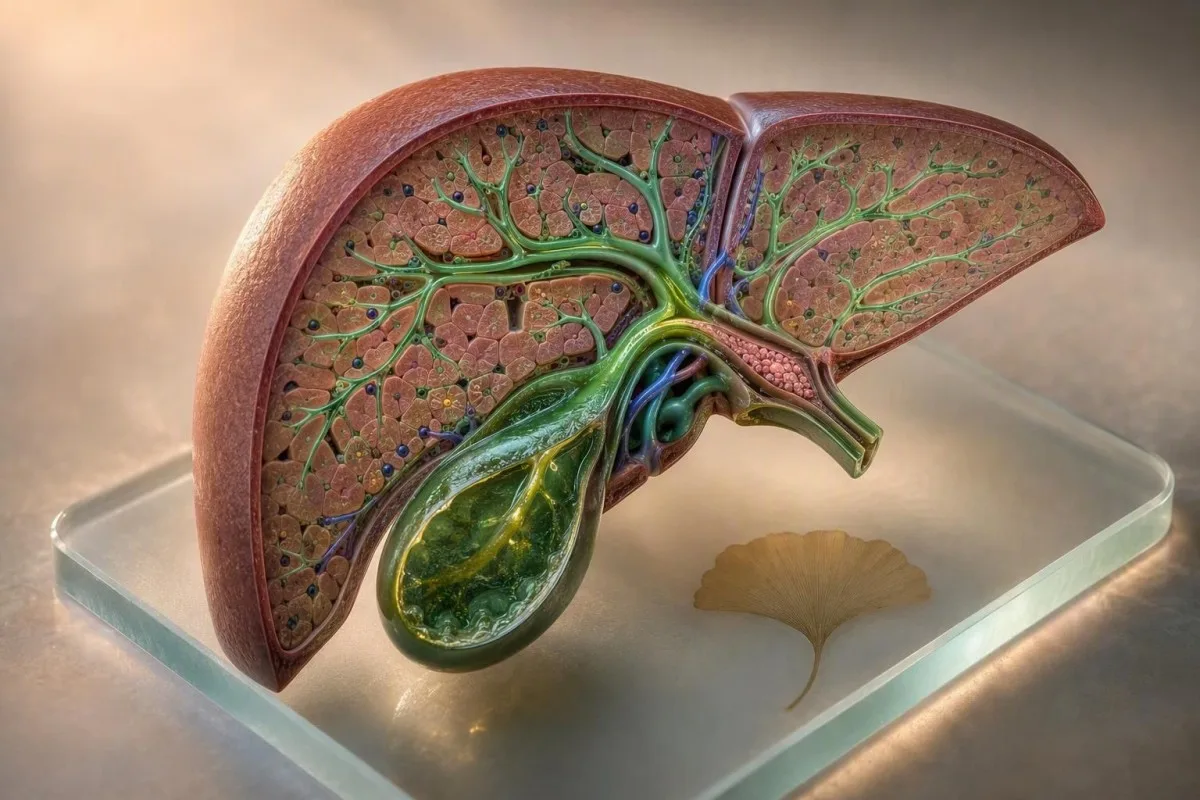
Ang mataas na resulta ng direct bilirubin ay nangangahulugan na ang atay ay may conjugated bilirubin ngunit hindi ito mailipat nang normal sa apdo. Ang nakapalibot na pattern ng liver-panel, lalo na ang ALP, GGT, kulay ng ihi, at mga sintomas, ay nagsasabi sa atin kung aling pagbara o pinsala sa mga selula ng atay ang mas malamang.


- Direktang bilirubin karaniwang mas mababa sa 0.3 mg/dL o 5 µmol/L; ang pagtaas ay nagpapahiwatig na ang conjugated bilirubin ay umaabot sa daluyan ng dugo.
- Ang bilirubin sa ihi nangyayari sa conjugated bilirubin dahil ito ay natutunaw sa tubig; ang indirect bilirubin ay hindi karaniwang nagpapadilim ng ihi.
- Cholestatic pattern nangangahulugan na ang alkaline phosphatase at GGT ay tumataas nang hindi pantay kumpara sa ALT at AST, kadalasang nagpapahiwatig ng kapansanan sa daloy ng apdo.
- R ratio na 2 o mas mababa ay sumusuporta sa isang cholestatic pattern, habang ang 5 o mas mataas ay sumusuporta sa pinsala sa hepatocellular.
- Urgent na kombinasyon ng paninilaw, lagnat, at sakit sa kanang itaas na bahagi ng tiyan ay nangangailangan ng pagtatasa sa parehong araw para sa posibleng impeksyon sa biliary.
- Pattern ng Hepatitis ay karaniwang gumagawa ng mas mataas na ALT at AST kaysa sa ALP, bagaman ang malubhang hepatitis ay maaari ring magpataas ng direct bilirubin.
- Maputlang dumi at madilim na ihi magkasamang nagmumungkahi ng nabawasang bile na pumapasok sa bituka at karapat-dapat sa agarang klinikal na pagsusuri.
- Ang isang solong halaga ay hindi isang diyagnosis; ang mga nakaraang resulta, gamot, katayuan ng pagbubuntis, pagkakalantad sa alkohol at imaging ay madalas na tumutukoy sa susunod na hakbang.
Ano ang tunay na ibig sabihin ng mataas na resulta ng direct bilirubin
Ang mataas na direktang bilirubin ay nangangahulugan na ang conjugated bilirubin ay naipon sa daluyan ng dugo pagkatapos itong maproseso ng atay. Ang karaniwang problema ay ang kapansanan sa pagdala ng bile mula sa mga selula ng atay patungo sa maliliit na kanal ng bile o isang bara na mas malayo sa mga duct ng bile; hindi ito ang klasikong pattern ng Gilbert syndrome na nauugnay sa pag-aayuno.
Sa karamihan ng mga laboratoryo para sa matatanda, ang direktang bilirubin ay mas mababa sa 0.3 mg/dL (5 µmol/L), bagaman ang lokal na reference interval ay palaging mas binibigyan ng pansin. Ang isang direktang bahagi na mas mataas sa humigit-kumulang 20% ng kabuuang bilirubin ay karaniwang itinuturing bilang conjugated hyperbilirubinaemia, ngunit ang mga doktor ay mas nagmamalasakit sa kasamang mga enzyme kaysa sa porsyentong iyon lamang. Direktang at hindi direktang mga pattern ng bilirubin ay binibigyang kahulugan nang magkaiba sa isang dahilan.
Hindi tulad ng unconjugated bilirubin, ang conjugated bilirubin ay natutunaw sa tubig at maaaring pumasok sa ihi. Iyan ang dahilan kung bakit ang isang pasyente ay maaaring mapansin ang kulay-tsa na ihi bago maging dilaw ang mga mata; ang urine dipstick ay maaaring makakita ng bilirubin kahit na ang kabuuang serum bilirubin ay bahagya lamang na mataas.
Sa Agosto 24, 2026, bibigyan ko ng kahulugan ang resultang ito bilang isang problema sa pagruruta kaysa sa isang diyagnosis. Ang praktikal na tuntunin ni Dr. Thomas Klein ay simple: direktang bilirubin kasama ang urine bilirubin ay nangangahulugang titingnan muna natin ang daloy ng bile, pinsala sa selula ng atay, pagkakalantad sa gamot at ang timeline ng mga sintomas.
Ang direktang laban sa hindi direkta ay hindi isang sukatan ng kalubhaan
Ang direktang bilirubin na 1.2 mg/dL ay hindi awtomatikong mas mapanganib kaysa sa hindi direktang bilirubin na 3.0 mg/dL; bawat isa ay tumutukoy sa ibang mekanismo. Ang kumbinasyon ng direktang bilirubin, alkaline phosphatase, GGT, ALT, INR at mga sintomas ang nagtatakda ng pagkaapurahan.
Paano nagiging direct bilirubin ang bilirubin
Binabago ng atay ang hindi direktang bilirubin sa direktang bilirubin sa pamamagitan ng pagdaragdag ng glucuronic acid, pagkatapos ay inilalabas ito sa bile. Ang isang mataas na direktang resulta samakatuwid ay nagsasabi na naganap ang conjugation ngunit ang paglabas palabas, pagdudugo ng duct, o pareho ay maaaring nabibigo.
Ang lumang red-cell haem ay nasisira sa unconjugated bilirubin, na naglalakbay na nakatali sa albumin at hindi maaaring pumasok sa ihi. Pinagsasama-sama ito ng mga Hepatocyte ng glucuronic acid sa pamamagitan ng UGT1A1, na lumilikha ng isang compound na natutunaw sa tubig na dapat dumaloy sa pamamagitan ng mga canaliculi patungo sa biliary tree.
Kapag bumagal ang paglabas na ito, ang conjugated bilirubin ay maaaring bumalik sa plasma at lumitaw sa urinalysis. Ang positibong resulta ay dapat basahin kasama ng mga natuklasan sa urine bilirubin, dahil ang bitamina C, mga lumang sample at pagkakalantad sa liwanag ay paminsan-minsan ay maaaring magdulot ng mapanlinlang na mga resulta sa dipstick.
Si Kantesti ay isang AI blood test analyzer na nagbabasa ng direktang bilirubin kasama ng kabuuang bilirubin, ALT, AST, ALP, GGT, albumin at mga nakaraang resulta sa halip na magtalaga ng kahulugan sa isang naka-flag na numero. Ang kontekstong iyon ay mahalaga kapag ang direktang bahagi ay 0.4 hanggang 0.6 mg/dL lamang ang taas sa normal na saklaw.
Bakit naiiba ang pag-uugali ng bilirubin na nakatali sa albumin
Ang direktang bilirubin ay nananatiling mahigpit na nakatali sa albumin sa karaniwang mga konsentrasyon, kaya't wala ito sa ihi. Ang madilim na ihi mula sa bilirubin ay samakatuwid isang biochemical clue, hindi lamang isang tanda ng dehydration.
Mga saklaw at bahagi ng direct bilirubin na ginagamit ng mga doktor
Ang direktang bilirubin ay karaniwang normal sa ibaba 0.3 mg/dL, ngunit ang mga laboratoryo ay gumagamit ng iba't ibang mga pagsusuri at mga limitasyon. Ang isang direktang halaga ay dapat ihambing sa kabuuang bilirubin at ang pinakamataas na limitasyon ng laboratoryong nag-uulat, hindi isang generic na saklaw sa internet.
Sa mga yunit na istilong UK, ang kabuuang limitasyon ng sanggunian ng bilirubin ay kadalasang 20 hanggang 21 µmol/L, habang ang direktang bilirubin ay kadalasang mas mababa sa 5 µmol/L. Ang ilang mga laboratoryo sa Europa ay nag-uulat ng isang kinakalkulang conjugated fraction, at ang maliit na pagkakaiba malapit sa limitasyon ay maaaring sumasalamin sa pamamaraan kaysa sa isang bagong sakit.
Isang direktang bilirubin na 2.0 mg/dL na may kabuuang bilirubin na 2.4 mg/dL ay isang napaka-ibang pattern mula sa direktang bilirubin na 0.2 mg/dL na may kabuuang bilirubin na 3.0 mg/dL. Ang una ay karamihan ay conjugated; ang pangalawa ay karamihan ay indirect at nagpapahiwatig ng ibang pagsusuri para sa haemolysis, Gilbert syndrome o impaired conjugation.
Kung hindi inaasahan ang mga resulta, makatuwirang ulitin ang pagsubok kapag ang tao ay maayos, ngunit hindi kapag lumalala ang paninilaw o sakit. Ang biglaang pagbabago ay maaaring suriin laban sa aming gabay sa isang makabuluhang delta sa laboratoryo.
Bakit mahalagang palatandaan ang madilim na ihi para sa conjugated bilirubin
Ang madilim na amber o kulay tsaa na ihi ay maaaring magpahiwatig ng bilirubin sa ihi kapag mataas ang direktang bilirubin. Ito ay mas nagpapahiwatig kapag ito ay nagpapatuloy sa kabila ng normal na hydration at kasama ang maputlang dumi, pangangati o dilaw na mga mata.
Ang bilirubinuria ay nangyayari dahil ang conjugated bilirubin ay natutunaw sa tubig; ang indirect bilirubin ay hindi nasasala sa ihi sa parehong paraan. Ang resulta ng bilirubin sa ihi ay maaaring maging positibo bago pa man makita ang paninilaw, na isang maliit ngunit kapaki-pakinabang na pahiwatig sa oras.
Ang dehydration ay maaaring gawing mas madilim ang ihi kahit walang bilirubin, kaya ang kulay lamang ay hindi makakapag-diagnose ng cholestasis. Sa praktika, ang madilim na ihi na nananatiling madilim pagkatapos uminom at nag-positibo sa bilirubin ay mas makabuluhan kaysa sa isang solong maagang-sam-sample; ang aming gabay sa kulay ng ihi ay nagpapaliwanag ng iba pang karaniwang sanhi.
Ang urobilinogen ay nagdaragdag ng detalye. Ang kumpletong extrahepatic obstruction ay maaaring magpababa ng urinary urobilinogen, habang ang hepatitis ay maaaring magpakita ng bilirubinuria na may normal o tumaas na urobilinogen, bagaman ang mga dipstick ay hindi perpekto at hindi ko ginagamit ang pagkakaiba na iyon nang mag-isa.
Ang mga gamot at pagkain ay maaaring gayahin ang madilim na ihi
Ang Nitrofurantoin, metronidazole, levodopa, senna at ilang mga suplemento ay maaaring magpabago ng kulay ng ihi nang walang bilirubin. Ang isang dipstick at isang liver panel ay mas makakalinaw ng tanong kaysa sa paghuhusga ng kulay sa ilalim ng ilaw sa banyo.
Ang pattern ng ALP at GGT na nagpapahiwatig ng cholestasis
Ang isang cholestatic liver pattern ay nangyayari kapag ang ALP ay mas tumataas kaysa sa ALT at AST, lalo na kapag ang GGT ay mataas din. Ang kumbinasyong ito ay sumusuporta sa isang hepatobiliary source para sa ALP at nagpapataas ng pag-aalala para sa obstruction, gamot-na-kaugnay na cholestasis o small-duct disease.
Ang ALP ay madalas na itinuturing na mataas kapag lumampas ito sa itaas na limitasyon ng laboratoryo, karaniwang mga 120 hanggang 130 IU/L sa mga matatanda, ngunit nagmumula rin ito sa buto at placenta. Ang mataas na GGT, madalas na higit sa 35 hanggang 45 IU/L sa mga babae o 55 hanggang 65 IU/L sa mga lalaki depende sa laboratoryo, ay nagiging mas malamang na magmula sa atay o bile-duct.
Ang R ratio ay tumutulong sa pormalisasyon ng pattern: Ang ALT na hinati sa itaas na limitasyon nito, pagkatapos ay hinati sa ALP na hinati sa itaas na limitasyon nito. Ang R ratio na 2 o mas mababa ay cholestatic, 2 hanggang 5 ay mixed, at 5 o mas mataas ay hepatocellular; ang kumbensiyon na ito ay ginagamit sa pagtatasa ng pinsala sa atay na dulot ng gamot at lalong kapaki-pakinabang kapag lahat ng enzyme ay abnormal.
Ang EASL cholestatic liver disease guideline ay nagpapayo ng ultrasound bilang unang imaging test kapag pinaghihinalaan ang cholestasis dahil maaari nitong matukoy ang duct dilation at gallstones nang walang radiation (EASL, 2017). Para sa mas malalim na paliwanag sa biochemistry, basahin ang aming gabay sa cholestasis pattern.
Kailan nagpapahiwatig ang mataas na direct bilirubin ng pagbara
Ang mataas na direct bilirubin na may mataas na ALP at GGT ay madalas na tumuturo sa impaired bile drainage, ngunit hindi nito pinapatunayan ang isang bato o isang baradong duct. Ang mga gallstone ay karaniwan, habang ang mga striktura, sakit sa lapay, pamamaga ng bile duct, at epekto ng gamot ay nananatiling posibleng mga sanhi.
Ang bato sa karaniwang bile duct ay maaaring magdulot ng biglaang sakit sa kanang itaas na bahagi ng tiyan, pagduduwal, madilim na ihi, at pagtaas ng direktang bilirubin sa loob ng ilang oras hanggang araw. Ang sakit ay maaaring humupa kung gumalaw ang bato, subalit ang mga liver test ay maaaring manatiling abnormal sa loob ng ilang araw; nakakagulat ang hindi pagtutugmang ito sa mga tao.
Ang maputla o mala-putik na dumi ay nagaganap kapag kakaunting bile pigment ang nakakarating sa bituka, habang ang pangangati ay maaaring maging matindi kapag ang mga bumubuo ng bile ay naipon sa balat. Wala sa alinmang sintomas ang nagpapatunay sa lokasyon ng pagbara, ngunit kasama ng direktang hyperbilirubinaemia, pinapawalang-bisa nito ang agarang pagsusuri at karaniwang ultrasound.
Ang pagbara sa bile duct ay maaari ding makaapekto sa pancreatic enzymes. Ang bagong sakit sa itaas na bahagi ng tiyan na may pagsusuka at mataas na lipase ay nangangailangan ng mas agarang pagsusuri kaysa sa isang nakahiwalay na abnormal na liver panel; tingnan ang aming praktikal na gabay sa mapanganib na mga pattern ng lipase.
Paano gumagawa ang hepatitis ng ibang pattern ng bilirubin
Ang Hepatitis ay karaniwang nagiging sanhi ng mas malakas na pagtaas ng ALT at AST kaysa sa ALP, na may direktang bilirubin na tumataas kapag ang transportasyon ng hepatocyte ay may kapansanan. Ang viral hepatitis, pinsalang nauugnay sa alkohol, metabolic fatty liver disease, autoimmune hepatitis, at pinsalang dulot ng gamot ay maaaring magdulot ng pattern na ito.
Ang mga halaga ng ALT na mas mataas sa 1,000 IU/L ay hindi tipikal ng hindi kumplikadong pagbara ng duct at nagpapataas ng posibilidad ng acute viral hepatitis, ischaemic injury, acetaminophen toxicity, o malubhang pinsalang dulot ng gamot, bagaman may pagkakatugma. Sa kabilang banda, ang chronic liver disease ay maaaring magdulot ng malaking pagtaas ng bilirubin na may ALT na mas mababa sa 200 IU/L kapag bumababa ang liver reserve.
Inirerekomenda ng American College of Gastroenterology ang pagpapatunay ng abnormal na liver chemistries at pagsusuri ng mga iniresetang gamot, mga produktong hindi kailangan ng reseta, at mga supplement bago ang malawak na pagsusuri (Kwo et al., 2017). Sa klinika, nakita ko na ang mga pinaghalong turmeric, mga produktong anabolic, at puro green-tea extract ay mas mahalaga kaysa sa inaasahan ng mga pasyente sa simula.
Ang mataas na AST ay hindi awtomatikong nangangahulugang hepatitis; ang matinding ehersisyo, pinsala sa kalamnan, at alkohol ay maaaring magpataas ng AST. Basahin ang tungkol sa mga babala sa mataas na AST na pattern bago ipagpalagay na ang atay lamang ang pinagmulan.
Mga pinagsamang pattern sa atay at bakit hindi perpekto ang R ratio
Ang pinaghalong pattern ay nangangahulugang parehong ALT o AST at ALP ay makabuluhang tumaas, karaniwan na may R ratio sa pagitan ng 2 at 5. Ang pinaghalong resulta ay nangyayari sa pinsalang dulot ng gamot sa atay, mga naantalang gallstone, viral hepatitis, pinsalang nauugnay sa alkohol sa atay, at sepsis-related cholestasis.
Ang R ratio ay isang snapshot, hindi isang pinal na diagnosis. Ang isang pasyente na ang duct ay saglit na nabarahan ay maaaring sa simula ay magpakita ng ALT na 600 IU/L at ang ALP ay bahagyang mataas lamang, pagkatapos ay lumipat sa isang cholestatic profile 48 oras pagkatapos habang nahuhuli ang bilirubin at ALP.
Ang pagbubuntis, edad, bone turnover, at kamakailang bali ay maaaring magpataas ng ALP nang hiwalay sa atay. Kapag normal ang GGT, dapat isaalang-alang ng mga clinician ang buto bilang pinagmulan; ang aming paliwanag ng ALP na may normal na GGT ay tumutulong sa paghihiwalay ng mga posibilidad na iyon.
Si Kantesti ay isang AI blood test interpretation platform na naghahambing ng mga marker na magkaparehong araw at mga pagbabago sa paglipas ng panahon, na partikular na kapaki-pakinabang kapag ang isang tumataas na direktang bilirubin ay sumusunod sa isang naunang ALT spike. Gayunpaman, ang isang algorithm ay hindi maaaring palitan ang pagsusuri, ultrasound, o agarang pagtatasa kapag ang mga sintomas ay nakakabahala.
Mga sintomas na nagpapalala sa pagiging urgent ng mataas na direct bilirubin
Ang paninilaw na may lagnat, panginginig, at sakit sa kanang itaas na bahagi ng tiyan ay isang pattern ng emergency dahil maaari itong magsenyas ng ascending cholangitis. Ang pagkalito, mababang presyon ng dugo, patuloy na pagsusuka, o matinding panghihina ay nangangailangan din ng agarang pagsusuri sa halip na maghintay ng pag-uulit ng pagsusuri sa dugo.
Ang klasikong Charcot triad ay lagnat, paninilaw, at pananakit sa kanang itaas na bahagi ng tiyan. Hindi lahat ng taong may cholangitis ay may lahat ng tatlong senyales, lalo na ang mga matatanda, kaya ang lagnat kasama ang paninilaw lamang ay dapat humihingi ng payo medikal sa parehong araw; ang impeksyon sa likod ng bara ay maaaring mabilis na lumala.
Humingi ng agarang pangangalaga para sa bagong paninilaw sa pagbubuntis, pagtaas ng bilirubin pagkatapos simulan ang isang potensyal na nakakalason sa atay na gamot, maitim na dumi, pagkalito, o kawalan ng kakayahang uminom ng likido. Ang INR na lampas sa 1.5 na may matinding pinsala sa atay ay partikular na nakakabahala dahil maaari itong magpahiwatig ng nabawasang hepatic synthetic function.
Ang isang hindi gaanong dramatikong presentasyon ay maaari pa ring mangailangan ng agarang pagsusuri: pangangati na may maputlang dumi at madilim na ihi sa loob ng 24 hanggang 48 oras ay sapat na upang makipag-ugnayan sa isang clinician. Ang aming gabay sa kung kailan kailangan ng pansin ang bilirubin ay naglilista ng mga red flags sa simpleng salita.
Mga pagsusuring karaniwang iniuutos ng mga clinician pagkatapos tumaas ang conjugated bilirubin
Ang unang follow-up ay karaniwang nagsasama ng pag-uulit ng liver panel, INR, albumin, full blood count, at abdominal ultrasound. Ang mga napiling pagsusuri ay nakasalalay sa kung ang profile ay cholestatic, hepatocellular, o halo-halo, at kung ang mga sintomas ay biglang nagsimula.
Sinusuri ng ultrasound ang mga gallstones, mga pagbabago sa gallbladder, at paglaki ng mas malalaking bile ducts; ang normal na scan ay hindi nagbubukod ng maliliit na bato o intrahepatic cholestasis. Maaaring sundin ang MRCP, endoscopic ultrasound, o ERCP kapag nananatiling mataas ang hinala, kung saan ang ERCP ay karaniwang nakalaan kapag maaaring kailanganin ang paggamot.
Ang viral hepatitis serology, autoimmune markers, ferritin, transferrin saturation, at pagsusuri ng gamot ay pinipili batay sa konteksto sa halip na basta-basta inorder. Ang isang kumpletong pangkalahatang-ideya ng liver panel ay tumutulong sa mga pasyente na makita kung bakit hindi kayang malaman ng bilirubin lamang ang sanhi.
Inirerekomenda ni Dr. Thomas Klein ang pagkuha ng litrato ng mga label ng gamot at suplemento bago ang appointment. Ang eksaktong dosis, petsa ng pagsisimula, at petsa ng paghinto ay madalas na nagpapakita ng isang pattern na nalilimutan ng memorya, lalo na kapag ang isang bagong produkto ay nagsimula sa loob ng nakaraang 5 hanggang 90 araw.
Mga gamot at suplemento na maaaring magpataas ng direct bilirubin
Maaaring magdulot ng conjugated bilirubin rise ang mga gamot sa pamamagitan ng cholestasis, hepatocellular injury, o pareho. Ang kaugnay na clue ay madalas ang timing: ang mga sintomas o abnormal na pagsusuri ay maaaring lumitaw ilang araw hanggang ilang buwan pagkatapos simulan ang isang gamot.
Ang Amoxicillin-clavulanate ay isang kilalang sanhi ng delayed cholestatic liver injury, na minsan ay lumilitaw pagkatapos matapos ang antibiotic course. Ang anabolic-androgenic steroids, chlorpromazine, azathioprine, ilang antifungals, at ilang herbal products ay maaari ding makasira sa daloy ng apdo, bagaman mahirap hulaan ang indibidwal na panganib.
Huwag itigil ang isang mahalagang iniresetang gamot nang hindi kumukonsulta sa nagreseta maliban kung ang mga emergency clinician ay nagpayo ng iba. Ang overdose ng acetaminophen ay iba: nangangailangan ito ng agarang aksyon at maaaring magdulot ng kapansin-pansing aminotransferase elevation, kadalasan lampas sa 1,000 IU/L, bago tumaas ang bilirubin.
Ang mga produktong ibinebenta bilang detoxification o suporta sa atay ay hindi awtomatikong ligtas. Ang aming pagsusuri ng supplements na nakakaapekto sa atay ay sumasaklaw sa mga karaniwang kategorya ng produkto na dapat ibunyag.
Alkohol at fatty liver: kapaki-pakinabang na konteksto, hindi awtomatikong sagot
Ang pag-inom ng alak at metabolic fatty liver disease ay maaaring magpataas ng GGT, ALT, AST at kung minsan ay direct bilirubin, ngunit hindi dapat gamitin ang mga ito upang ipaliwanag ang paninilaw. Ang bagong pagtaas ng conjugated bilirubin ay nangangailangan pa rin ng pagtatasa para sa sagabal, hepatitis, at pinsala mula sa gamot.
Ang alkohol-associated hepatitis ay kadalasang may mas mataas na AST kaysa sa ALT, karaniwang may ratio na AST:ALT na higit sa 2, ngunit ang ratio na ito ay hindi sensitibo o sapat na tiyak upang masuri ito nang mag-isa. Ang napakataas na bilirubin, tumataas na INR, pamamaga ng tiyan, o pagkalito ay nagpapahiwatig ng posibleng malubhang sakit at dapat na agad na masuri.
Ang metabolic fatty liver disease ay mas karaniwang nagdudulot ng banayad na pagtaas na mas dominante sa ALT at maaaring may normal na bilirubin hanggang sa umabot sa advanced disease o magkaroon ng ibang proseso. Ang pagbaba ng timbang ay maaaring panandaliang magbago ng ALT, ngunit hindi ito dapat magdulot ng patuloy na maputlang dumi o ihi na may bilirubin; tingnan ang liver enzymes pagkatapos ng pagbaba ng timbang.
Sa aking karanasan, kadalasang nakakaluwag ang mga tao kapag ang isang bahagyang GGT ay bumalik sa normal pagkatapos bawasan ang pag-inom ng alak, ngunit hindi nito ginagawang ligtas na bantayan sa bahay ang isang bilirubin na 3 mg/dL . Ang mga pattern ay maaaring magkasabay, na siyang dahilan kung bakit mahalaga ang kasaysayan at imaging.
Pagbubuntis, mas matandang edad, at iba pang espesyal na sitwasyon
Ang pagbubuntis, edad, at pinagbabatayan na karamdaman ay nagbabago sa pagkaapurahan at differential diagnosis ng mataas na direct bilirubin. Ang bagong pangangati nang walang pantal sa huling bahagi ng pagbubuntis ay nangangailangan ng agarang payo sa pagiging ina dahil ang intrahepatic cholestasis ng pagbubuntis ay maaaring magpataas ng bile acids bago pa man tumaas nang malaki ang bilirubin.
Sa pagbubuntis, ang serum bile acids ay karaniwang mas sensitibo kaysa sa bilirubin para sa intrahepatic cholestasis, at ginagamit ng mga koponan sa pagiging ina ang paulit-ulit na pagsubok dahil maaaring magbago ang mga halaga. Ang paninilaw, pananakit ng tiyan, o lagnat ay hindi ipinapalagay na nauugnay sa pagbubuntis at nangangailangan ng agarang pagsusuri.
Ang mga mas matatandang indibidwal ay maaaring magkaroon ng paninilaw na walang sakit, kawalan ng gana, o pagkalito sa halip na ang klasikong sakit na parang tinutusok mula sa sagabal. Ang pagtaas ng bilirubin na may hindi sinasadyang pagbaba ng timbang, bagong diabetes, o paninilaw na walang sakit ay nangangailangan ng agarang imaging na pinangungunahan ng clinician; hindi angkop ang paghihintay para sa karaniwang recheck.
Ang mga bata at bagong panganak ay sumusunod sa iba't ibang tuntunin ng bilirubin, lalo na sa unang mga linggo ng buhay. Ang patuloy na conjugated bilirubin na higit sa 1 mg/dL sa isang sanggol ay itinuturing na abnormal at nangangailangan ng pediatric evaluation, hindi ng kapanatagan tungkol sa karaniwang paninilaw ng bagong panganak.
Paano ligtas na masubaybayan ang direct bilirubin sa paglipas ng panahon
Ang bumababang direct bilirubin ay karaniwang sumusuporta sa paggaling, ngunit ang trend ay dapat na bigyang-kahulugan kasama ang ALP, ALT, INR, at mga sintomas. Maaaring mahuli ang bilirubin sa paggaling ng klinikal ng ilang araw o linggo pagkatapos ng isang panandaliang sagabal o episode ng hepatitis.
Itala ang petsa, fasting status, pag-inom ng alak, bagong gamot, karamdaman, sintomas sa tiyan, at kung nagbago ang kulay ng ihi o dumi. Ang pagkakaiba na 0.1 mg/dL malapit sa reference limit ay maaaring analytical variation, samantalang ang pag-akyat mula 0.4 hanggang 2.1 mg/dL sa loob ng isang linggo ay makabuluhan sa klinikal.
Si Kantesti ay isang AI-powered tool para sa pagsusuri ng dugo na maaaring mag-organisa ng mga trend ng bilirubin at liver-enzyme mula sa mga na-upload na ulat, na tumutulong sa mga user na maghanda ng mga nakatuong tanong para sa kanilang clinician. Ang aming 3-10 mEq/L nang walang potassium; 8-16 mEq/L na may potassium ay nagpapaliwanag kung bakit ang slope at timing ay kadalasang mas mahalaga kaysa sa isang nakahiwalay na flag.
Ang proseso ng medikal na pagsusuri ng Kantesti ay naiimpluwensyahan ng mga clinician na nakalista sa aming Medical Advisory Board, ngunit ang mga agarang sintomas ay dapat pumunta sa lokal na emergency services o sa isang personal na clinician. Walang serbisyo sa interpretasyon ng ulat ang makakapagtukoy kung ang isang baradong duct ay nangangailangan ng drainage.
Isang praktikal na plano para sa susunod na hakbang para sa mataas na direct bilirubin
Ang mataas na direct bilirubin ay dapat mag-udyok ng pagsusuri ng doktor sa parehong linggo kung ikaw ay nasa mabuting kalusugan, at agarang pagsusuri kung mayroon kang paninilaw (jaundice), lagnat, sakit, pagsusuka, o pagkalito. Huwag subukang linisin ang atay, mag-ayuno nang matindi, o gamutin ang sarili para sa pinaghihinalaang bara.
Dalhin ang kumpletong ulat ng laboratoryo, hindi lamang bilirubin. Kailangan ng doktor ang kabuuang at direct bilirubin, ALP, GGT, ALT, AST, albumin, INR kung magagamit, at mga nakaraang resulta; ikumpara ito sa aming gabay sa buong panel pattern.
Iwasan ang alak hanggang malinaw ang sanhi, panatilihin ang normal na hydration, at huwag lumampas sa nakasaad na dosis ng mga produktong naglalaman ng acetaminophen. Walang ebidensya na ang paglilinis ng juice ay nagbubukas ng mga bile duct, at ang pag-aayuno ay maaaring magpalala ng mga hindi kaugnay na indirect bilirubin elevation, na gagawing mas mahirap basahin ang larawan.
Kung hindi inaasahan ang resulta at wala kang mga sintomas, itanong kung ang pag-uulit ng liver chemistry sa loob ng 48 hanggang 72 oras at ultrasound ay angkop para sa iyong pattern. Ang Kantesti’s klinikal na pag-beripika na pamamaraan ay nagpapaliwanag kung bakit ang clinical context at safety triage ay isinasama sa interpretasyon sa halip na umasa sa isang solong reference-range flag.
Mga Madalas Itanong
Ano ang ibig sabihin ng mataas na direct bilirubin kung normal ang kabuuang bilirubin ko?
Ang mataas na direktang bilirubin na may normal o halos normal na kabuuang bilirubin ay maaaring isang maagang senyales ng may kapansanang pagbiyahe ng apdo, banayad na cholestasis, epekto ng gamot, o pagkakaiba-iba sa laboratoryo. Maraming laboratoryo ang gumagamit ng direktang bilirubin na hangganan ng 0.3 mg/dL o 5 µmol/L, kaya ang resulta na 0.4 mg/dL ay dapat ipakahulugan kasama ang ALP, GGT, ALT at mga naunang halaga. Kung ang bilirubin sa ihi ay positibo, ang conjugated bilirubin ay tunay na umiikot at mas kapaki-pakinabang ang pagsubaybay kaysa sa pag-aakala ng Gilbert syndrome. Ang bagong paninilaw, maputlang dumi, lagnat, o sakit ng tiyan ay nagbabago nito mula sa karaniwang pagsubaybay patungo sa pagsusuri sa parehong araw.
Maaari bang magdulot ng mataas na direct bilirubin ang dehydration?
Ang dehydration ay bahagyang makakapagpataas ng kabuuang bilirubin, ngunit mas madalas itong nagpapataas ng indirect fraction kaysa sa direct fraction. Maaari ding maging madilim ang ihi dahil sa dehydration kahit walang bilirubin, kaya naman nakatutulong ang urine dipstick. Ang direct bilirubin na higit sa 1.0 mg/dL o 17 µmol/L ay hindi dapat iugnay sa dehydration nang hindi sinusuri ang mga liver enzyme at sintomas. Ang patuloy na madilim na ihi pagkatapos ng normal na hydration ay nangangailangan ng medikal na pagsusuri, lalo na kung ang urine test ay nakadetect ng bilirubin.
Ang mataas na direct bilirubin ba ay palaging nangangahulugan ng baradong bile duct?
Ang mataas na direktang bilirubin ay hindi palaging nangangahulugan ng baradong bile duct. Mas malamang ang pagbara kapag mataas ang ALP at GGT, nagiging maputla ang dumi, dumidilim ang ihi, o nagpapakita ng paglaki ng duct ang ultrasound; ang hepatitis at cholestasis na dulot ng gamot ay maaaring magdulot ng parehong pattern ng bilirubin nang walang bato. Sinusuportahan ng R ratio na 2 o mas mababa ang cholestasis, habang sinusuportahan ng R ratio na 5 o mas mataas ang hepatocellular injury. Kadalasang kailangan ang imaging at clinical history upang mapagkaiba nang mapagkakatiwalaan ang mga sanhing ito.
Anong mga pagsusuri sa atay ang mataas sa pagbara ng biliary duct?
Ang karaniwang pagbara sa bile duct ay nagpapataas ng alkaline phosphatase at GGT nang hindi katimbang kumpara sa ALT at AST, at maaaring tumaas ang direct bilirubin habang lumalala ang pagdaloy. Ang karaniwang pinakamataas na antas ng ALP sa matatanda ay nasa humigit-kumulang 120 hanggang 130 IU/L, habang ang pinakamataas na antas ng GGT ay nag-iiba ayon sa kasarian at laboratoryo, madalas ay nasa humigit-kumulang 35 hanggang 65 IU/L. Maaaring panandaliang tumaas ang ALT sa daan-daan pagkatapos ng isang gallstone na dumaan, kaya ang isang unang sample ay maaaring magmukhang hepatocellular bago lumitaw ang cholestatic pattern. Ang ultrasound ay karaniwang ang unang imaging test kapag pinaghihinalaan ang obstruction.
Kailan ako dapat pumunta sa emergency department para sa mataas na direct bilirubin?
Pumunta sa emergency department o humingi ng agarang pagsusuri para sa mataas na direct bilirubin na may lagnat, panginginig na may ginaw, paninilaw, sakit sa kanang itaas na bahagi ng tiyan, pagkalito, panghihina, patuloy na pagsusuka, o mababang presyon ng dugo. Ang kombinasyong ito ay maaaring kumatawan sa cholangitis, isang potensyal na malubhang impeksiyon sa itaas ng naharang na bile duct. Ang acute liver injury na may INR na higit sa 1.5, bagong pagkalito, o mabilis na pagtaas ng paninilaw ay nangangailangan din ng agarang pagsusuri. Ang isang taong maayos na may bahagyang pagtaas na hiwalay ay kadalasang maaaring makipag-ugnayan sa isang clinician kaagad, ngunit hindi dapat maghintay kung magkakaroon ng mga sintomas.
Ang hepatitis ba ay maaaring magdulot ng bilirubin sa ihi?
Ang hepatitis ay maaaring maging sanhi ng bilirubin sa ihi kapag ang pinsala sa hepatocyte ay nagpapababa sa kakayahan ng atay na mag-export ng conjugated bilirubin patungo sa apdo. Sa ganitong kalagayan, ang ALT at AST ay madalas na mas mataas kumpara sa ALP, at ang mga halaga ng ALT na higit sa 1,000 IU/L ay nagpapataas ng pagkabahala para sa malubhang pinsala tulad ng viral, toxic, o ischemic hepatitis. Ang bilirubin sa ihi ay hindi mismo ang nagtutukoy ng eksaktong sanhi dahil ang pagbara ay maaaring magdulot ng parehong natuklasan. Ang timeline ng gamot, hepatitis testing, liver synthetic function, at imaging ang gagabay sa susunod na hakbang.
Kumuha ng AI-Powered Blood Test Analysis Ngayon
Sumali sa mahigit 2 milyong user sa buong mundo na nagtitiwala sa Kantesti para sa agarang at tumpak na pagsusuri ng lab test. I-upload ang iyong resulta ng blood test at makakuha ng komprehensibong interpretasyon ng mga biomarker ng 15,000+ sa loob ng ilang segundo.
📚 Mga Sanggunian na Publikasyon sa Pananaliksik
Klein, T., Mitchell, S., & Weber, H. (2026). Kantesti LTD. (2026). AI Blood Test Analyzer: 2.5M Pagsusuri ng mga Pagsusuri | Pandaigdigang Ulat sa Kalusugan 2026. Zenodo. https://doi.org/10.5281/zenodo.18175532. Kantesti AI Medical Research.
Klein, T., Mitchell, S., & Weber, H. (2026). Kantesti LTD. (2026). RDW Blood Test: Kumpletong Gabay sa RDW-CV, MCV & MCHC. Zenodo. https://doi.org/10.5281/zenodo.18202598. Kantesti AI Medical Research.
📖 Mga Panlabas na Sanggunian sa Medikal
⚕️ Pagtatanggi sa Medikal
Ang artikulong ito ay para sa mga layuning pang-edukasyon lamang at hindi ito bumubuo ng medikal na payo. Palaging kumonsulta sa isang kwalipikadong tagapagbigay ng pangangalagang pangkalusugan para sa mga desisyon sa diagnosis at paggamot.
Mga Signal ng Tiwala ng E-E-A-T
Karanasan
Pinamumunuan ng manggagamot na klinikal na pagsusuri ng mga daloy ng interpretasyon ng mga pagsusuri sa laboratoryo.
Kadalubhasaan
Pokus sa laboratoryong medisina kung paano kumikilos ang mga biomarker sa kontekstong klinikal.
Pagka-awtoridad
Isinulat ni Dr. Thomas Klein na may pagsusuri ni Dr. Sarah Mitchell at Prof. Dr. Hans Weber.
Pagiging Mapagkakatiwalaan
Interpretasyong nakabatay sa ebidensya na may malinaw na mga susunod na hakbang upang mabawasan ang pag-aalarma.