Ang normal na aktibong B12 na resulta pagkatapos ng suplementasyon ay maaaring magpatunay ng kamakailang paggamit kaysa sa naibalik na suplay sa tissue. Ang pag-timing, paggana ng bato, mga sintomas, at methylmalonic acid ay madalas na nagpapasya kung ano ang ibig sabihin ng numero.


- Kamakailang B12 dose maaaring magpataas ng holotranscobalamin sa loob ng ilang oras hanggang araw, kaya ang normal na resulta pagkatapos ng paggamot ay hindi maaasahang nagbubukod ng dating kakulangan.
- Saklaw ng Holotranscobalamin ay karaniwang nasa pagitan ng 37-150 pmol/L, ngunit ang bawat laboratoryo ay dapat gumamit ng sarili nitong interval na tukoy sa assay.
- Aktibong B12 test sinusukat ang B12 na nakakabit sa transcobalamin, ang bahagi na magagamit para sa paggamit ng cell; hindi nito direktang sinusukat ang aktibidad ng B12 sa loob ng cell.
- MMA test tumataas kapag hindi sapat ang B12 sa cell, ngunit ang nabawasan na paggana ng bato ay maaaring magpataas ng MMA kahit na sapat ang B12 status.
- Pag-timing ng Injection pinakamahalaga: ang 1,000 microgram na injection ay maaaring magmukhang nakakapanatag ang serum at aktibong B12 na mga resulta sa loob ng ilang linggo habang mas matagal ang paggaling ng neurological.
- Plano ng Follow-up dapat itala ang eksaktong B12 form, dose, ruta, at petsa; kung walang mga detalyeng ito, ang paghahambing ng mga resulta ay madalas na nakakalinlang.
- agarang pagsusuri Angkop para sa bagong kahirapan sa paglalakad, patuloy na pamamanhid, pagkalito, matinding panghihina, o mga sintomas ng anemia, anuman ang kamakailang normal na aktibong pagsusuri sa B12.
Maaari bang gawing normal ng kamakailang B12 ang holotranscobalamin?
Oo. Ang kamakailang oral o iniksyon na bitamina B12 ay maaaring pansamantalang magpataas ng holotranscobalamin, na madalas tawaging aktibong B12, kahit na ang pagsusuri ay inutos dahil sa pinaghihinalaang kakulangan. Ang resulta kung gayon ay nagsasabi sa atin na ang nasisipsip na B12 ay kamakailang pumasok sa sirkulasyon; hindi nito mapapatunayan, sa sarili nito, na ang mga imbakan ng tisyu, paggana ng nerbiyos, o ang orihinal na sanhi ng kakulangan ay naitama. Simula Setyembre 3, 2026, ang aking praktikal na tuntunin ay simple: idokumento ang bawat dosis na nakuha sa nakaraang 14 araw bago tawaging nakakapanatag ang isang aktibong pagsusuri sa B12.
Ang isang solong 1,000 microgram na tabletang B12 ay maaaring magbago ng circulating markers bago mapansin ng pasyente ang anumang klinikal na pagbabago. Sa aking 15 taon ng pagsasanay, nakakita ako ng mga pasyenteng uminom ng suplemento sa loob ng tatlong araw bago ang pagsubok, nakatanggap ng normal na resulta ng holotranscobalamin, at inakala na ang kanilang mga buwan ng panginginig ay walang bahaging nutrisyon.
Ang isang iniksyon ng B12 ay lumilikha ng mas malaki at mas matagal na problema sa interpretasyon kaysa sa isang karaniwang tableta. Ang serum B12 at holotranscobalamin ay maaaring tumaas nang husto pagkatapos ng parenteral na paggamot, habang ang methylmalonic acid, pagbawi ng bilang ng dugo, at mga sintomas ng neurological ay sumusunod sa iba't ibang mga timeline; ang aming gabay sa mga iniksyon ng B12 kumpara sa mga tableta nagpapaliwanag ng pagkakaiba sa parmakolohiya.
Ang pamamaraan ni Dr. Thomas Klein ay ituring ang isang aktibong resulta ng B12 pagkatapos ng dosis bilang isang resulta sa konteksto ng paggamot, hindi isang baseline diagnostic result. Kantesti ay isang AI blood test analyzer na nagpapanatili ng mga petsa ng dosis kasama ng mga biomarker, dahil ang isang nakahiwalay na halaga nang walang pag-timing ay madalas na maling klinikal na tanong.
Ang kapaki-pakinabang na tanong na itanong sa iyong clinician
Itanong kung ang layunin ay upang masuri ang hindi ginagamot na kakulangan, kumpirmahin ang tugon sa biyokemikal, o imbestigahan ang patuloy na mga sintomas. Iyon ay tatlong magkakaibang tanong, at maaaring mangailangan sila ng iba't ibang pag-timing at iba't ibang mga pagsusuri.
Ano ang sinusukat ng holotranscobalamin
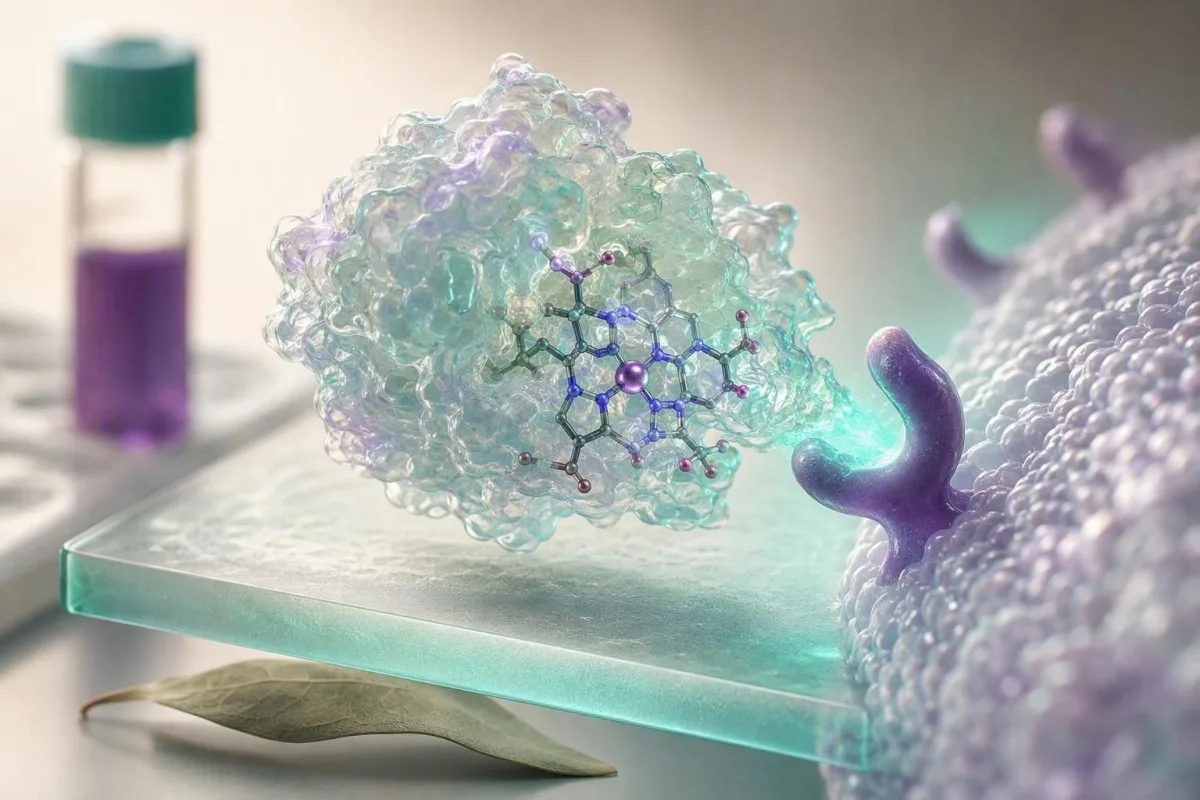
Sinusukat ng Holotranscobalamin ang bitamina B12 na nakatali sa transcobalamin, ang transport protein na naghahatid ng B12 sa mga selula. Ito ang biologically available circulating fraction, ngunit ito ay isang circulating measurement pa rin kaysa sa isang direktang pagbasa ng intracellular enzyme function.
Karamihan sa circulating B12 ay nakakabit sa haptocorrin at hindi agad magagamit ng mga tisyu; ang holotranscobalamin ay kumakatawan sa humigit-kumulang 10% hanggang 30% ng kabuuang circulating B12. Ang biyolohiyang iyon ang dahilan kung bakit ang aktibong pagsusuri sa B12 ay maaaring makakilala ng ilang mga maagang kakulangan na hindi nakikita ng kabuuang B12, lalo na sa mga hangganan na kabuuang konsentrasyon ng B12.
Maraming laboratoryo ang nag-uuri ng holotranscobalamin na mas mababa sa humigit-kumulang 35 pmol/L bilang mababa at mga halaga sa itaas 50 pmol/L bilang sapat, na may grey zone sa pagitan. Gayunpaman, ang mga cutoff na ito ay nakasalalay sa assay, kaya ang reference interval na nakalimbag ng nag-uulat na laboratoryo ay mas mataas sa anumang threshold sa internet; tingnan ang aming gabay sa aktibong B12 at MMA.
Ang normal na resulta ng holotranscobalamin ay pinakamalakas kapag kinuha ito bago ipakilala ang mga suplemento, iniksyon, o fortified energy drinks. Ito ay hindi gaanong mapagpasiya sa mga taong gumagamit ng mataas na dosis ng B-complex products, na madalas naglalaman ng 500 hanggang 5,000 micrograms ng B12 bawat dosis; ang aming gabay sa suplemento ng B-complex ay sumasaklaw sa mga nakatagong dosis na iyon.
Gaano kabilis binabago ng oral B12 ang isang aktibong B12 test
Ang Oral B12 ay maaaring magpataas ng holotranscobalamin nang mabilis dahil ang isang bahagi ng malaking dosis ay nasisipsip sa pamamagitan ng passive diffusion kahit na ang intrinsic-factor absorption ay may kapansanan. Ang normal na B12 test na aktibo pagkatapos ng ilang kamakailang dosis ay maaaring sumasalamin sa pandagdag kaysa sa hindi ginagamot na kalagayan ng pasyente.
Sa physiological doses, ang intrinsic factor ang namamahala sa pagpasok ng B12 sa terminal ileum; sa mga dosis na humigit-kumulang 1,000 micrograms, humigit-kumulang 1% ang maaaring pumasok sa pamamagitan ng passive diffusion. Ang maliit na porsyento na iyon ay makabuluhan sa klinikal, kung bakit ang mga high-dose tablet ay maaaring gumana para sa maraming pasyente ngunit maaari ring makubli ang diagnostic testing.
Karaniwan kong pinapayuhan ang mga pasyente na huwag mag-improvise ng washout period kapag sila ay may nakakabahalang pamamanhid, pagbabago sa balanse, anemia, pagbubuntis, o isang plano sa paggamot na itinagubilin ng doktor. Ang paghinto ng paggamot upang lamang gawing “mas malinis” ang isang laboratory value ay maaaring ang maling trade-off; sa halip ay maaaring bigyang-kahulugan ng doktor ang resulta laban sa kasaysayan ng dosis.
Para sa isang hindi agarang diagnostic retest, maraming doktor ang humihiling sa mga pasyente na iwasan ang oral B12 sa hindi bababa sa 48 hanggang 72 oras, bagaman ito ay isang praktikal na kombensyon sa laboratoryo kaysa sa isang unibersal na napatunayang tuntunin. Ang ebidensya ay mahirap sabihin kung ano ang pinakamahusay na agwat, kaya ang pagiging pare-pareho sa pagitan ng mga pagsusulit ay madalas na mas mahalaga kaysa sa paghabol sa isang tila perpektong araw; basahin ang aming gabay sa timing ng pagsusuri ng dugo.
Bakit ang mga B12 injection ay nagdudulot ng pinakamalaking problema sa timing
Ang B12 injection ay maaaring maging sanhi ng holotranscobalamin at total B12 na lumabas na mataas sa loob ng mga araw hanggang linggo, kaya ang mga marker na ito ay mahinang kagamitan para sa pag-diagnose ng baseline deficiency kaagad pagkatapos. Ang resulta ay maaaring kumpirmahin ang pagkakalantad sa B12 ngunit hindi ipaliwanag kung bakit nagkaroon ng kakulangan o kung ang mga epekto sa tissue ay nawala na.
Ang hydroxocobalamin ay karaniwang ibinibigay bilang 1,000 micrograms intramuscularly, minsan ilang beses sa loob ng 2 hanggang 3 linggo sa mga loading regimen. Ang isang blood sample na nakolekta pagkatapos kaagad ay maaaring magpakita ng resulta na mas mataas kaysa sa upper reference limit, at ang pagtaas na iyon ay inaasahan kaysa sa nakakalason sa karamihan ng mga sitwasyon.
Ang British Society for Haematology guideline ay nagpapayo na ang serum B12 ay hindi kapaki-pakinabang para sa pagsubaybay sa mga pasyenteng tumatanggap ng intramuscular B12 therapy (Devalia et al., 2014). Sa pagsasagawa, sinusunod ko ang mga sintomas, ang full blood count, ang tugon ng reticulocyte kapag may anemia, at ang pagsunod sa planong regimen kaysa sa pag-order ng mga serial active B12 tests.
Ang pagtaas ng reticulocyte ay maaaring magsimula ng mga 3 hanggang 5 araw pagkatapos ng epektibong paggamot, habang ang hemoglobin ay madalas na bumubuti sa loob ng 4 hanggang 8 linggo kung ang B12 deficiency ang nagdudulot ng anemia. Ang patuloy na sintomas ng pins-and-needles ay nangangailangan ng atensyon kahit na may mataas na post-injection na resulta; ang aming gabay sa mataas na resulta ng B12 ay naghihiwalay sa mga inaasahang epekto ng supplementation mula sa iba pang mga pattern.
Kailan nagdaragdag ng kapaki-pakinabang na konteksto ang isang MMA test
Ang methylmalonic acid ay pinaka-kapaki-pakinabang kapag ang holotranscobalamin ay borderline, kamakailan lamang nabago ng mga pandagdag, o hindi tugma sa mga sintomas at mga natuklasan sa blood count. Ang MMA ay tumataas kapag ang B12-dependent metabolism ay napinsala, ginagawa itong isang functional companion test kaysa sa kapalit para sa clinical assessment.
Ang isang plasma MMA concentration na mas mababa sa humigit-kumulang 0.40 micromol/L ay madalas na itinuturing na normal, bagaman nag-iiba ang mga lokal na assay range. Ang mas mataas na mga halaga ay sumusuporta sa functional B12 deficiency kapag normal ang kidney function at walang malaking nakakagambalang sakit; ang aming detalyadong Paliwanag sa MMA test tinatalakay ang mga karaniwang alternatibo.
Ang MMA ay maaaring manatiling mataas sa maikling panahon pagkatapos magsimula ang paggamot sa B12, kaya ang pag-test nito kaagad pagkatapos ng tableta o iniksyon ay hindi palaging nagpapasya sa tanong. Nakikita ko ang nasukat na pagbaba sa loob ng ilang linggo na mas nagbibigay-kaalaman kaysa sa isang solong halaga pagkatapos ng paggamot, lalo na sa mga pasyenteng nagsimula ng therapy bago ang kanilang unang pagtatasa.
Ang Kantesti AI ay nagbibigay-kahulugan sa holotranscobalamin kasama ng MMA, creatinine, eGFR, MCV, hemoglobin, at dokumentadong pagkakalantad sa suplemento sa halip na ituring ang isang marker bilang tiyak. Ang Kantesti ay isang AI blood test interpretation platform na idinisenyo upang ilabas ang pattern na ito para sa talakayan sa isang clinician, hindi upang mag-diagnose ng pernicious anemia mula sa isang upload.
Kailan ginagawang hindi gaanong tiyak ang MMA ang paggana ng bato
Ang nabawasang paggana ng bato ay maaaring magpataas ng MMA na hiwalay sa katayuan ng B12, kaya ang mataas na MMA ay hindi gaanong tiyak kapag ang eGFR ay mas mababa sa 60 mL/min/1.73 m². Ito ang isa sa mga pinakakaraniwang dahilan kung bakit tila salungat ang MMA test sa isang normal na aktibong resulta ng B12.
Ang MMA ay bahagyang nada-clear ng mga bato, at karaniwang tumataas ang mga konsentrasyon habang bumababa ang eGFR. Ang isang MMA na 0.55 micromol/L sa isang matandang adulto na may eGFR na 38 mL/min/1.73 m² ay nangangailangan ng ibang interpretasyon kaysa sa parehong resulta sa isang 28-taong-gulang na may eGFR na 105.
Tumaas din ang homocysteine sa kakulangan sa B12, ngunit naapektuhan ito ng katayuan ng folate, bitamina B6, hypothyroidism, paggana ng bato, paninigarilyo, at ilang mga gamot. Kapag ang parehong MMA at homocysteine ay mataas sa isang tao na may napreserbang paggana ng bato at mababang holotranscobalamin, ang kaso para sa functional deficiency ay nagiging mas mapaniniwalaan.
Huwag markahan ang pagtaas ng MMA na may kaugnayan sa bato bilang kabiguan sa paggamot nang hindi sinusuri ang creatinine at ang trajectory ng eGFR. Ang aming gabay sa mga yugto ng CKD at artikulo tungkol sa GFR pagkatapos ng dehydration ipaliwanag kung bakit kahit ang mga marker ng bato ay nangangailangan ng konteksto.
Anong mga pagbabago sa CBC ang maaaring maglinaw ng kwento
Ang isang kumpletong bilang ng dugo ay maaaring magbigay ng mga independiyenteng pahiwatig sa kakulangan sa B12, ngunit ang normal na MCV ay hindi ito isinasantabi. Ang macrocytosis, anemia, mataas na RDW, mababang white blood cells, o mababang platelets ay sumusuporta sa diagnosis kapag naroroon, ngunit ang neurological B12 deficiency ay maaaring mangyari na may normal na CBC.
Ang MCV na higit sa 100 fL nagpapataas ng hinala para sa kakulangan sa B12 o folate, pagkakalantad sa alkohol, sakit sa atay, hypothyroidism, gamot, o mga karamdaman sa utak ng buto. Ang iron deficiency ay maaaring makabawi sa macrocytosis at makabuo ng isang mapanlinlang na normal na MCV, na siyang dahilan kung bakit hindi ko kailanman ginagamit ang isang red-cell index bilang veto.
Ang tumataas na RDW ay maaaring isang maagang pahiwatig sa panahon ng pagbawi dahil ang mga bagong nalikhang selula ay naiiba sa laki mula sa mga lumang selula. Pagkatapos magsimula ang paggamot, ang CBC ay maaaring magmukhang mas pabago-bago bago ito bumuti; ang aming gabay sa follow-up ng mataas na MCV ay nagbabalangkas ng differential diagnosis.
Binibigyang-diin ng clinical review ni Carmel na ang mga neurological manifestation ay maaaring mangyari nang walang anemia o macrocytosis (Carmel, 2000). Ang bagong impaired vibration sense, gait instability, o cognitive change ay dapat mag-udyok ng napapanahong medikal na pagsusuri kahit na ang aktibong B12 ay nag-normalize pagkatapos ng isang suplemento.
Bakit ang isang normal na resulta pagkatapos ng dosis ay hindi maaaring ibukod ang pernicious anemia
Ang normal na resulta ng holotranscobalamin pagkatapos ng paggamot sa B12 ay hindi maaaring isantabi ang pernicious anemia dahil sinusukat ng test ang ibinibigay na B12, hindi ang autoimmunity ng intrinsic factor. Ang pinagbabatayang diagnosis ay mahalaga dahil ito ang nagdidikta kung kailangan ang panghabambuhay na kapalit at mga talakayan sa gastric surveillance.
Ang pernicious anemia ay nagreresulta mula sa autoimmune damage na nakaaapekto sa produksyon ng intrinsic factor at gastric parietal cells, na nagpapababa sa physiological B12 absorption. Ang positivity ng intrinsic-factor antibody ay napaka-espesipiko, ngunit ang negatibong resulta ay hindi lubusang nagbubukod sa kondisyon; ang mga parietal-cell antibody ay hindi gaanong espesipiko at dapat bigyan ng maingat na interpretasyon.
Sa aking klinika, ang mahalagang kasaysayan ay madalas na nakatago sa harap mismo ng iyong mga mata: autoimmune thyroid disease, vitiligo, chronic gastritis, dating gastric surgery, at mga kamag-anak na tumatanggap ng regular na B12 injections. Ang normal na halaga pagkatapos ng self-treatment ay hindi dapat isara ang pag-uusap na iyon; tingnan ang aming gabay sa pagsubok ng pernicious anemia.
Kantesti, isang AI-powered tool para sa pagsusuri ng dugo, ay maaaring mag-organisa ng mga resulta ng antibody, mga indeks ng CBC, gastrin kung magagamit, at longitudinal na B12-related markers. Hindi nito mapapalitan ang desisyon ng isang clinician tungkol sa endoscopy, autoimmune assessment, o kung kailangan pa rin ang parenteral replacement.
Mga gamot at kondisyon na nagbabago sa plano ng follow-up
Ang Metformin, proton-pump inhibitors, gastric surgery, inflammatory bowel disease, celiac disease, at dietary restriction ay maaaring maging sanhi o magpatuloy ng B12 deficiency sa kabila ng pansamantalang normal na active B12 test. Ang pagtutuwid sa numero nang hindi tinutukoy ang sanhi ay madalas humahantong sa paulit-ulit na kawalan ng katiyakan.
Ang Metformin-associated B12 lowering ay nagiging mas malamang sa mas mataas na dosis at mas matagal na exposure, lalo na lampas sa 4 na taon; ang pana-panahong B12 assessment ay pinapayuhan sa mga pasyenteng may anemia o neuropathy risk. Ang acid suppression ay maaaring magpababa sa paglabas ng B12 na nakatali sa pagkain, bagaman ang klinikal na epekto ay lubos na nag-iiba mula sa isang tao patungo sa isa pa.
Ang isang pasyente na umiinom ng metformin 2,000 mg araw-araw ay maaaring magpakita ng magandang tingnan na active B12 result pagkatapos simulan ang isang supplement, habang ang orihinal na isyu sa absorption ay nananatiling may kaugnayan. Hindi iyon dahilan para itigil ang metformin nang walang payo; iyon ay dahilan para itala ang paggamot at subaybayan nang matalino, gaya ng inilarawan sa aming gabay sa blood work pagkatapos ng metformin.
Ang Coeliac disease at ileal disorders ay maaaring maging kumplikado sa oral replacement dahil ang tugon ay nakasalalay sa aktibidad ng sakit at dosis. Kung mayroong chronic diarrhea, weight loss, iron deficiency, o family history ng coeliac disease, maaaring kailanganin ng isang clinician na siyasatin bago ang matagalang self-treatment; ang aming gabay sa timing ng gluten challenge ay nagpapaliwanag ng isang diagnostic pitfall.
Paano maghanda para sa isang kapaki-pakinabang na holotranscobalamin test
Para sa pinakamalinaw na active B12 test, ibigay sa laboratoryo at prescriber ang eksaktong B12 product, dosis, ruta, at petsa ng iyong huling dosis. Ang pag-aayuno ay karaniwang hindi kinakailangan para sa holotranscobalamin, ngunit ang pare-parehong pre-test conditions ay ginagawang mas maihahambing ang mga serial result.
Isulat kung ang produkto ay cyanocobalamin, methylcobalamin, hydroxocobalamin, o isang unlabelled multivitamin, kasama ang dosis sa micrograms. Ang “Minsan akong umiinom ng B12” ay hindi sapat na klinikal na impormasyon kapag ang mga resulta ay malapit sa isang decision threshold tulad ng 35 hanggang 50 pmol/L.
Kung nais ng iyong clinician ng untreated baseline at ikaw ay clinically stable, partikular na itanong kung ititigil ang oral supplements para sa 48 hanggang 72 oras at gaano katagal pagkatapos ng isang injection ang pagsubok ay dapat maghintay. Huwag ipagpalagay na ang isang pangkalahatang fasting instruction ay naaangkop sa B12; ang aming supplements bago ang mga blood test na gabay ay sumasaklaw sa mas malawak na pre-test effects.
Ang pagkuha ng litrato ng label ng supplement at pag-save nito kasama ang report ay nakakaiwas sa isang nakakagulat na karaniwang problema: ang B12 ay madalas na nakatago sa mga produktong pang-buhok, energy powders, prenatal vitamins, at fortified drinks. Ang trend view ng Kantesti ay binuo sa paligid ng may petsang mga input, dahil ang paghahambing ng dalawang halaga na walang treatment dates ay maaaring lumikha ng isang maling naratibo ng pagpapabuti o relapse.
Kailan uulitin ang aktibong B12, MMA, at CBC
Ang timing ng follow-up ay nakasalalay sa dahilan kung bakit nagsimula ang paggamot: ang active B12 ay madalas na hindi kinakailangan pagkatapos ng injections, habang ang CBC at symptom review ay maaaring mas kapaki-pakinabang sa loob ng 4 hanggang 8 linggo. Ang MMA ay maaaring magbigay ng karagdagang konteksto kapag hindi tiyak ang baseline, ngunit dapat bigyan ng interpretasyon kasama ang renal function at timing ng paggamot sa paningin.
Para sa kakulangan sa dugo, ang pagtugon ng reticulocyte bandang 5 hanggang 10 at muling pagsusuri ng CBC sa humigit-kumulang 6 hanggang 8 linggo ay maaaring magpatunay ng paggaling. Ang kawalan ng inaasahang pagbuti ay dapat mag-udyok ng pagsusuri ng bakal, folate, patuloy na pagdurugo, sakit sa buto, pagsunod, at kung tama ang orihinal na diagnosis.
Para sa neuropathy, ang takbo ng sintomas ay mas mahalaga kaysa sa paghahabol sa mataas na aktibong halaga ng B12. Ang paggaling ng ugat ay maaaring tumagal ng buwan at maaaring hindi kumpleto pagkatapos ng matagal na kakulangan, kaya ang lumalalang balanse, bagong kahinaan, o mga sintomas ng pantog ay dapat masuri kaagad sa halip na gamutin sa pamamagitan ng paulit-ulit na suplemento.
Kinukumpara ng Kantesti AI ang mga nakaraang resulta at binibigyang-diin ang mga pagbabago na maaaring lumampas sa ordinaryong laboratoryong pagkakaiba, ngunit ang plano sa follow-up ay nananatili sa pangkat ng paggamot. Ang mga mambabasa na nais maunawaan ang makabuluhang pagbabago sa pagitan ng mga pagsusuri ay maaaring suriin ang aming gabay sa resulta na magkatabi at ang ating pamamaraan ng pagpapatunay ng medikal.
Mga espesyal na sitwasyon: pagbubuntis, mas matandang edad, at mga diet na nakabatay sa halaman
Ang pagbubuntis, pagtanda, at mga pattern ng pagkain na batay sa halaman ay maaaring magbago sa posibilidad bago ang pagsusuri ng kakulangan sa B12, ngunit hindi nila ginagawang diagnostic ang kamakailang nasuplimentuhan na resulta ng holotranscobalamin. Ang pinakaligtas na interpretasyon ay pinagsasama pa rin ang kasaysayan ng pagkakalantad, mga sintomas, CBC, at mga functional marker kung naaangkop.
Ang pagbubuntis ay nagbabago sa dami ng plasma at interpretasyon sa laboratoryo, habang ang pangangailangan ng fetus ay ginagawang clinically relevant ang tuluy-tuloy na sapat na B12. Ang mga taong gumagamit ng prenatal supplement ay maaaring umiinom na 2.6 micrograms o higit pa araw-araw, kaya ang label ng supplement ay dapat na bahagi ng bawat talakayan tungkol sa B12; ang aming gabay sa kaligtasan ng supplement sa pagbubuntis ay nagbibigay ng praktikal na konteksto.
Ang mga matatanda na higit sa 65 ay may mas mataas na pagkalat ng malabsorption ng pagkain-cobalamin, pagkakalantad sa gamot, at autoimmune gastritis. Sa isang mas matandang pasyente na may mga pagkahulog o mga sintomas ng pag-iisip, hindi ko binabalewala ang B12 dahil lamang sa isang kamakailang multivitamin ang nagresulta sa isang normal na aktibong B12 test; ang aming gabay sa pagsusuri ng dugo para sa matatanda ay nagpapaliwanag ng mas malawak na mga pattern ng kahinaan.
Ang mahigpit na vegan diet ay nangangailangan ng maaasahang mapagkukunan ng B12 dahil ang mga hindi pinatibay na plant food ay hindi mapagkakatiwalaang nagbibigay ng aktibong B12. Maaaring gamitin ang isang pang-araw-araw na 25 hanggang 100 microgram supplement o isang paminsan-minsang mas mataas na dosis na plano, ngunit mahalaga ang indibidwal na payo sa pagrereseta; tingnan ang aming gabay sa mga pagkaing mataas sa B12.
Kailan mas mahalaga ang mga sintomas kaysa sa kamakailang normal na resulta
Ang progresibong pamamanhid, hirap sa paglalakad, bagong kahinaan, pagkalito, pagbabago sa paningin, o malubhang sintomas ng anemia ay nangangailangan ng medikal na pagsusuri kahit na normal ang holotranscobalamin pagkatapos ng kamakailang B12. Ang resultang binago ng supplement ay hindi dapat gamitin upang ipaliwanag ang mga neurologic red flags.
Humingi ng payo sa parehong araw para sa mabilis na lumalalang hirap sa paglalakad, matinding igsi ng paghinga, pananakit ng dibdib, pagkahimatay, o malubhang pagkalito. Ang mga sintomas na ito ay maraming posibleng sanhi, at ang kakulangan sa B12 ay isa lamang sa mga ito; ang pagkaantala ng pagsusuri upang ulitin ang isang pagsusuri ng bitamina ay hindi isang ligtas na plano.
Ang isang banayad ngunit makabuluhang pahiwatig ay ang pagkawala ng pandama ng panginginig o posisyon sa halip na pananakit lamang. Nakilala ko ang mga pasyente na ang mga sintomas ay iniuugnay sa stress sa loob ng maraming buwan dahil normal ang kanilang CBC, ngunit ang kasaysayan at mga functional marker ay nagbigay-katwiran sa paggamot at karagdagang pagsusuri.
Ang Kantesti AI ay isang serbisyo ng AI lab test interpretation na makakatulong sa mga user na maghanda ng isang maikli at malinaw na buod ng trend para sa isang clinician, kabilang ang mga petsa ng supplement at mga ipinares na halaga ng CBC. Ang aming medical advisory board ay sinusuri ang mga prinsipyo ng kaligtasan sa klinikal, ngunit ang mga agarang sintomas ay nangangailangan ng lokal na pangangalagang medikal sa halip na isang interpretasyon sa online.
Isang praktikal na plano para sa pagbibigay-kahulugan sa iyong susunod na resulta
Ang pinakamahusay na susunod na hakbang pagkatapos ng isang potensyal na nakaliligaw na resulta ng holotranscobalamin ay ang uriin ang pagsusuri bilang baseline, post-oral-dose, o post-injection, at pagkatapos ay piliin ang mga follow-up marker nang naaayon. Pinipigilan nito ang parehong maling pagiging kampante at hindi kinakailangang pag-uulit ng pagsusuri.
Kung ang pagsusuri ay kinuha bago ang mga suplemento, ang mababang resulta ng holotranscobalamin kasama ang magkatugmang mga sintomas o mga pagbabago sa CBC ay sumusuporta sa mabilis na klinikal na pagtatasa. Kung ito ay kinuha pagkatapos ng oral B12, itala ang interval at isaalang-alang kung ang MMA, homocysteine, antibodies, o isang pag-uulit sa ilalim ng parehong kondisyon ay sasagot sa natitirang tanong.
Kung ang pagsusuri ay sumunod sa isang iniksyon, huwag gamitin ang mataas na aktibong halaga ng B12 upang hatulan ang tagumpay ng paggamot o upang ibukod ang pernicious anemia. Ituon ang pansin sa indikasyon para sa paggamot, takbo ng mga sintomas, paggaling ng CBC, at ang sanhi ng kapansanan sa paggamit o pagsipsip; ang aming gabay sa normal na hanay ng B12 ay nagpapaliwanag ng mga pagkakaiba sa yunit at threshold.
Ang Kantesti ay sumuporta sa mahigit 2 milyong user sa 127+ na mga bansa na may multilingual na interpretasyon ng laboratoryo, ngunit ang resulta ng B12 ay nananatiling pinaka-kapaki-pakinabang kapag ito ay nakakabit sa isang timeline. Itabi ang ulat, etiketa ng suplemento, petsa ng iniksyon, mga resulta ng bato, at mga sintomas nang magkasama; ang aming gabay ng teknolohiyang AI ay naglalarawan kung paano ang contextual trend analysis ay idinisenyo upang tumulong—hindi palitan—ang klinikal na pangangalaga.
Mga Madalas Itanong
Gaano katagal pagkatapos uminom ng B12 ang pagtaas ng holotranscobalamin?
Maaaring tumaas ang holotranscobalamin sa loob ng ilang oras hanggang araw pagkatapos ng isang oral na dosis ng B12 dahil ang nasisipsip na cobalamin ay mabilis na ikinakarga sa transcobalamin. Ang produktong oral na may mataas na dosis na naglalaman ng 1,000 micrograms ay maaaring makabuluhang baguhin ang isang aktibong B12 test kahit na nananatiling may kapansanan ang pinagbabatayan na pagsipsip. Ang eksaktong tagal ay nag-iiba-iba sa dosis, formulation, paggana ng bato, at mga naunang reserba, kaya walang unibersal na balidong pagitan ng paghinto (washout interval). Para sa isang matatag, hindi kagyat na retest ng diyagnostikong pagsusuri, madalas gamitin ng mga clinician ang 48 hanggang 72 oras na walang oral B12, ngunit ang indibidwal na mga tagubilin ay dapat manaig.
Posible bang magkaroon ng normal na active B12 test at maging kulang pa rin sa B12?
Oo, ang normal na aktibong B12 test ay maaaring magkasabay sa kamakailang suplementasyon ng B12, maagang paggamot, pagkakaiba-iba ng assay, o isang klinikal na larawan na nangangailangan pa ng imbestigasyon. Sinusukat ng Holotranscobalamin ang circulating B12 na magagamit para sa pagkuha, hindi ang direktang intracellular enzyme activity o ang sanhi ng malabsorption. Ang MMA test na mas mataas sa lokal na upper limit, kadalasan ay nasa paligid ng 0.40 micromol/L, ay maaaring sumuporta sa functional deficiency kapag napreserba ang eGFR. Ang mga bagong neurologic na sintomas ay nangangailangan ng klinikal na pagtatasa anuman ang kamakailang normal na aktibong halaga ng B12.
Dapat ko bang itigil ang B12 bago ang isang MMA test?
Huwag itigil ang iniresetang B12 nang hindi muna kumukonsulta sa clinician na nag-order ng pagsusuri, lalo na kung ikaw ay may anemia, pagbubuntis, neuropathy, o pinaghihinalaang pernicious anemia. Maaaring mapababa ng B12 treatment ang MMA sa paglipas ng panahon, kaya ang MMA test pagkatapos ng treatment ay maaaring hindi na kumakatawan sa baseline bago gamutin. Kapag hindi kagyat ang testing, maaaring humiling ang clinician ng itinakdang paghinto mula sa mga oral supplement, karaniwan ay 48 hanggang 72 oras, ngunit hindi ito angkop para sa bawat pasyente. Kailangang suriin ang kidney function dahil ang eGFR na mas mababa sa 60 mL/min/1.73 m² ay maaaring independiyenteng magpataas ng MMA.
Gaano katagal pagkatapos ng B12 injection dapat kong i-test ang active B12?
Ang agarang pagsusuri ng Active B12 pagkatapos ng 1,000 microgram na B12 injection ay karaniwang hindi kapaki-pakinabang para sa pag-diagnose ng baseline deficiency dahil ang circulating concentration ay maaaring manatiling mataas sa loob ng ilang araw hanggang linggo. Hindi inirerekomenda ng British haematology guidance ang serum B12 para sa pagsubaybay sa mga pasyenteng tumatanggap ng intramuscular B12 treatment. Ang pagsubaybay ay karaniwang nakasalalay sa pagtugon ng sintomas, isang reticulocyte response pagkatapos ng humigit-kumulang 5 hanggang 10 araw kapag naroroon ang anemia, at isang CBC sa humigit-kumulang 6 hanggang 8 linggo. Dapat magpasya ang tumutulong clinician kung ang MMA, antibodies, o isa pang pagsusuri ay nananatiling kapaki-pakinabang.
Ano ang borderline na resulta ng holotranscobalamin?
Ang isang borderline na resulta ng holotranscobalamin ay karaniwang nasa pagitan ng 35 hanggang 50 pmol/L, bagaman gumagamit ang mga laboratoryo ng iba't ibang assay at mga agwat ng reperensiya. Ang borderline na aktibong B12 ay mas nakakabahala kapag mataas ang MMA, normal ang eGFR, mataas ang MCV, o may mga sintomas tulad ng pamamanhid at kawalan ng balanse. Mas mahirap itong bigyang-kahulugan kung ang tao ay uminom ng B12 sa nakalipas na ilang araw o nakatanggap ng iniksyon kamakailan. Ang pag-uulit ng pagsusuri sa ilalim ng pare-parehong kondisyon o isang ipinares na pagsusuri ng MMA ay maaaring linawin ang sitwasyon.
Maitatago ba ng mataas na folate ang kakulangan sa B12?
Ang mataas na pagkonsumo ng folate ay maaaring makatulong sa anemia ng B12 deficiency habang nagpapatuloy ang pinsala sa neurological, kaya't ang normal na hemoglobin ay hindi nagbubukod sa B12-related neuropathy. Ang pagkabahala na ito ay pinaka-relevant sa mga dosis ng folic acid na 1 mg araw-araw o higit pa, kaysa sa ordinaryong pagkain. Ang holotranscobalamin, MMA, homocysteine, CBC indices, at mga sintomas ay dapat bigyang-kahulugan nang magkasama. Ang bagong pamamanhid, pagbabago sa paglalakad, o mga sintomas sa pag-iisip ay nangangailangan ng napapanahong pagsusuri ng doktor kahit na normal ang folate at hemoglobin.
Kumuha ng AI-Powered Blood Test Analysis Ngayon
Sumali sa mahigit 2 milyong user sa buong mundo na nagtitiwala sa Kantesti para sa agarang at tumpak na pagsusuri ng lab test. I-upload ang iyong resulta ng blood test at makakuha ng komprehensibong interpretasyon ng mga biomarker ng 15,000+ sa loob ng ilang segundo.
📚 Mga Sanggunian na Publikasyon sa Pananaliksik
Klein, T., Mitchell, S., & Weber, H. (2026). Pagsusuri ng Dugo para sa Nipah Virus: Gabay sa Maagang Pagtuklas at Pagsusuri 2026. Kantesti AI Medical Research.
Klein, T., Mitchell, S., & Weber, H. (2026). Gabay sa B Negatibong Uri ng Dugo, LDH Blood Test, at Bilang ng Reticulocyte. Kantesti AI Medical Research.
📖 Mga Panlabas na Sanggunian sa Medikal
⚕️ Pagtatanggi sa Medikal
Ang artikulong ito ay para sa mga layuning pang-edukasyon lamang at hindi ito bumubuo ng medikal na payo. Palaging kumonsulta sa isang kwalipikadong tagapagbigay ng pangangalagang pangkalusugan para sa mga desisyon sa diagnosis at paggamot.
Mga Signal ng Tiwala ng E-E-A-T
Karanasan
Pinamumunuan ng manggagamot na klinikal na pagsusuri ng mga daloy ng interpretasyon ng mga pagsusuri sa laboratoryo.
Kadalubhasaan
Pokus sa laboratoryong medisina kung paano kumikilos ang mga biomarker sa kontekstong klinikal.
Pagka-awtoridad
Isinulat ni Dr. Thomas Klein na may pagsusuri ni Dr. Sarah Mitchell at Prof. Dr. Hans Weber.
Pagiging Mapagkakatiwalaan
Interpretasyong nakabatay sa ebidensya na may malinaw na mga susunod na hakbang upang mabawasan ang pag-aalarma.