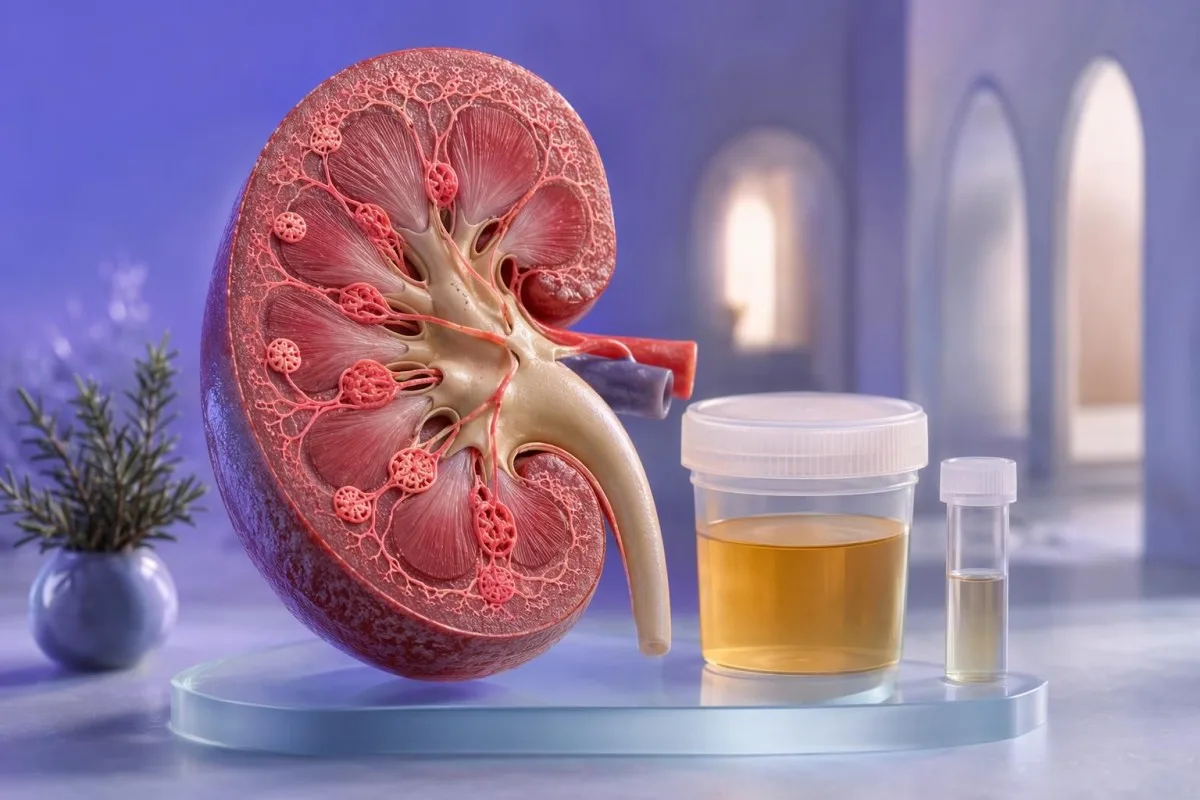
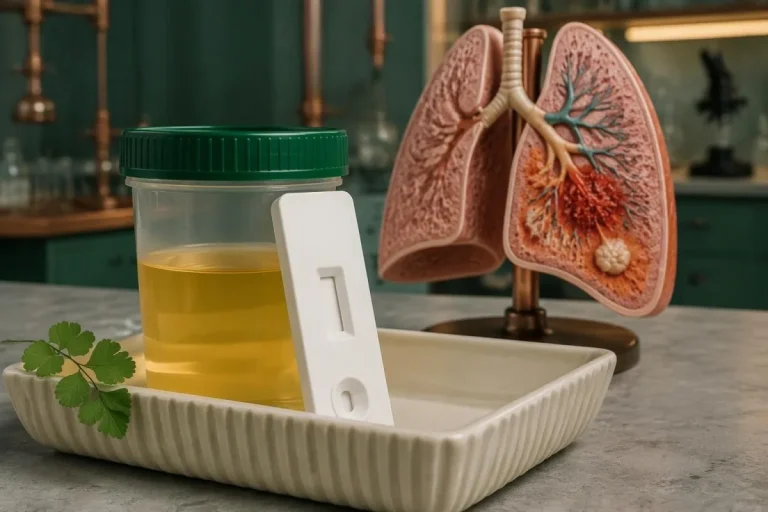
สำหรับค่า ACR ในปัสสาวะที่เป็นตัวแทนมากที่สุด ให้ใช้ตัวอย่างปัสสาวะช่วงกลางสายตอนเช้าแบบเก็บครั้งแรกที่สะอาด หลีกเลี่ยงการออกกำลังกายอย่างหนักเป็นเวลา 24 ชั่วโมง ดื่มน้ำตามปกติ และเลื่อนการตรวจออกไปหากมีการติดเชื้อทางเดินปัสสาวะ มีไข้ หรือมีเลือดประจำเดือน อย่าหยุดยาลดความดันหรือยาสำหรับโรคเบาหวานที่แพทย์สั่ง เว้นแต่แพทย์ผู้สั่งตรวจจะบอกให้คุณทำ.



- ตัวอย่างที่ดีที่สุด คือปัสสาวะช่วงกลางสายที่เก็บครั้งแรกตอนเช้าแบบเก็บให้สะอาด เพราะท่าทางขณะนอนค้างคืนและระดับการให้น้ำมีความสม่ำเสมอกว่า.
- ACR ปกติ ต่ำกว่า 3 mg/mmol ในหน่วยของสหราชอาณาจักร ซึ่งเทียบเท่ากับต่ำกว่า 30 mg/g ในหน่วยของสหรัฐอเมริกา.
- ผลจากการออกกำลังกาย สามารถทำให้แอลบูมินในปัสสาวะเพิ่มขึ้นชั่วคราวได้; หลีกเลี่ยงการวิ่งอย่างหนัก การยกของหนัก หรือการออกกำลังกายแบบช่วงความเข้มข้นสูงเป็นเวลา 24 ชั่วโมงก่อนการตรวจ.
- การให้น้ำ/ความชุ่มชื้น ควรเป็นการดื่มน้ำตามปกติ: อัตราส่วนช่วยชดเชยการเจือจาง แต่การให้น้ำมากเกินไปอย่างรุนแรงยังอาจทำให้ครีเอตินินในปัสสาวะต่ำผิดปกติได้.
- การติดเชื้อและไข้ สามารถทำให้เกิดภาวะอัลบูมินูเรียชั่วคราวได้ ดังนั้นการติดเชื้อทางเดินปัสสาวะที่มีอาการมักควรเลื่อนการตรวจคัดกรอง ACR ออกไป.
- เลือดประจำเดือน สามารถปนเปื้อนตัวอย่างด้วยแอลบูมินและเม็ดเลือดแดง; ควรตรวจหลังจากเลือดหยุดไหลอย่างสมบูรณ์แล้วหากทำได้.
- ความดันโลหิตสูงขึ้น สามารถเพิ่มอัลบูมินในปัสสาวะได้ แต่ไม่ควรหยุดยา ACE inhibitors, ARBs, SGLT2 inhibitors และยาขับปัสสาวะสำหรับการตรวจ.
- การยืนยันมีความสำคัญ: โดยทั่วไป ภาวะอัลบูมินูเรียอย่างต่อเนื่องต้องมีผลที่สูงอย่างน้อย 2 จาก 3 ตัวอย่างที่เก็บได้ในช่วง 3 ถึง 6 เดือน.
ACR ในปัสสาวะวัดอะไร และเหตุใดการเตรียมตัวจึงสำคัญ
A อัตราส่วนอัลบูมินต่อครีเอตินินในปัสสาวะ เปรียบเทียบอัลบูมินในปัสสาวะกับครีเอตินินในปัสสาวะจากตัวอย่างเดียว ช่วยให้แพทย์ตรวจพบความเครียดของไตได้ก่อนที่ค่า eGFR จะลดลง ผลที่ต่ำกว่า 3 mg/mmol หรือ 30 มก./ก. โดยปกติมีความหมายว่าอยู่ในเกณฑ์ปกติ ในขณะที่ค่าที่สูงขึ้นเพียงครั้งเดียวมักต้องยืนยันมากกว่าตกใจ.
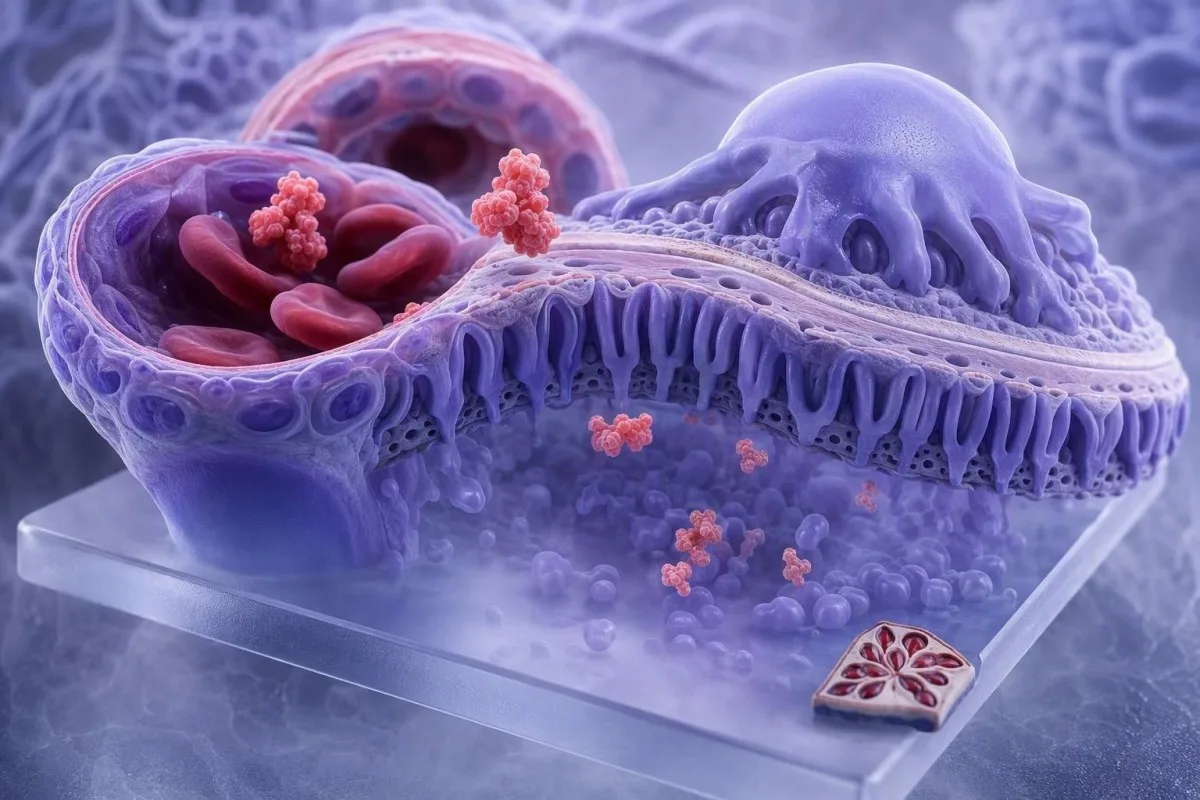
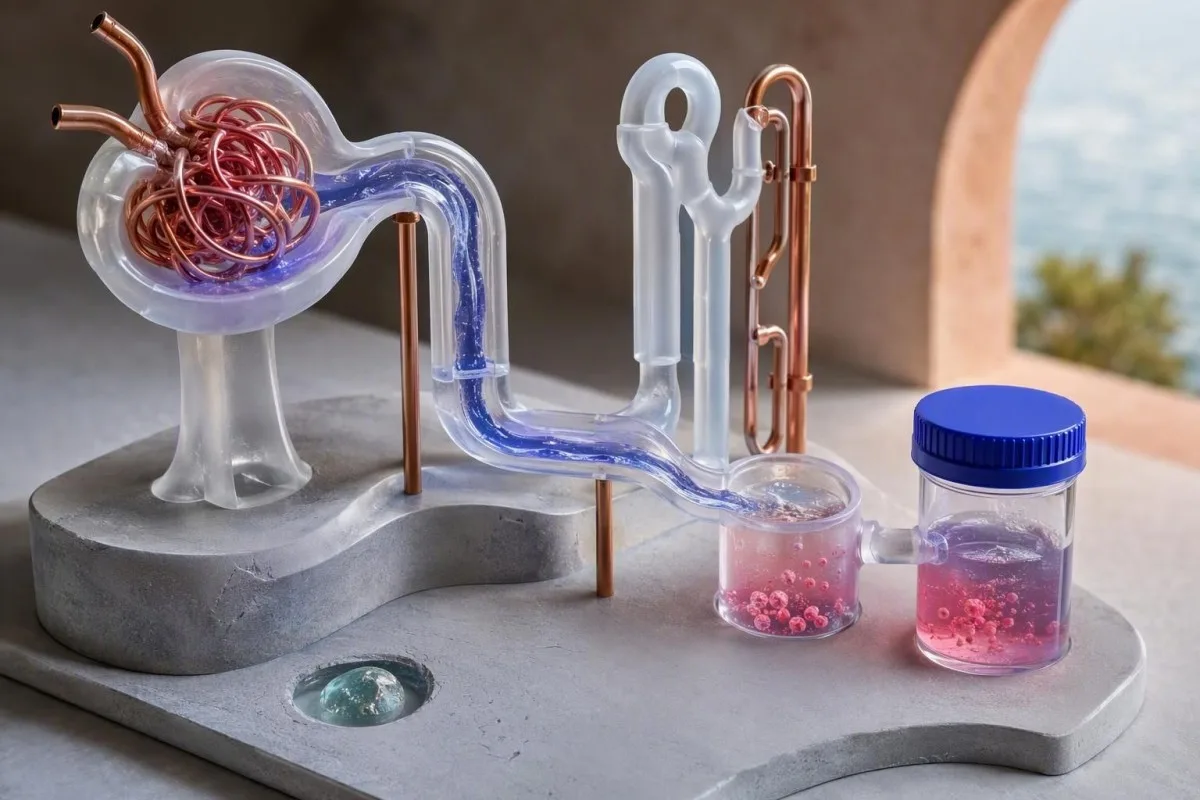
อัลบูมินเป็นโปรตีนที่ไหลเวียนอยู่ในกระแสเลือด ซึ่งตัวกรองโกลเมอรูลัสที่ทำงานได้ดีจะกักไว้ได้เป็นส่วนใหญ่ ส่วนครีเอตินินเป็นของเสียที่ได้จากกล้ามเนื้อซึ่งถูกปล่อยออกสู่ปัสสาวะในอัตราที่คาดเดาได้มากกว่า การนำค่าสองอย่างมาหารกันจะลดผลที่ทำให้เข้าใจผิดจากตัวอย่างปัสสาวะที่เข้มข้นหรือเจือจางเกินไป นี่จึงเป็นเหตุผลที่ ACR มีประโยชน์มากกว่าอัลบูมินในปัสสาวะเพียงอย่างเดียว. Kantesti's คู่มือไบโอมาร์กเกอร์ วางอัตราส่วนไว้ข้างตัวชี้วัดของไตและเมตาบอลิซึม.
คำว่า “microalbumin” เป็นภาษาทางห้องปฏิบัติการที่ล้าสมัย ไม่ได้หมายถึงการพบโมเลกุลอัลบูมินขนาดเล็ก 30 ถึง 300 มก./ก. “อัลบูมินูเรียเพิ่มขึ้นปานกลาง” และค่าที่สูงกว่า 300 mg/g “อัลบูมินูเรียเพิ่มขึ้นอย่างรุนแรง” หมวดหมู่เหล่านี้ใช้ทำนายความเสี่ยงต่อไตและโรคหัวใจและหลอดเลือดเมื่อเป็นภาวะต่อเนื่อง KDIGO แนะนำให้ยืนยันค่า random ACR ที่สูงด้วยตัวอย่างช่วงเช้าเป็นครั้งแรก (KDIGO, 2024).
คันเตสตีเป็น เครื่องวิเคราะห์ผลเลือด AI ที่วาง ACR ในปัสสาวะไว้ร่วมกับบริบทของ eGFR กลูโคส และความดันโลหิต แทนที่จะมองว่าอัตราส่วนเดียวเป็นการวินิจฉัย ในคลินิกของผม ชายอายุ 41 ปีที่วิ่ง 10 กม. ก่อนการคัดกรองที่ทำงานมี ACR เท่ากับ 48 mg/g; เมื่อพักแล้วตรวจซ้ำในช่วงเช้าเป็นครั้งแรกได้ 9 mg/g การเตรียมตัวเปลี่ยนคำถามที่การตรวจสามารถตอบได้อย่างซื่อสัตย์.
เหตุผลที่ตัวส่วนอาจทำให้เข้าใจผิด
ครีเอตินินในปัสสาวะที่ต่ำจากการได้รับน้ำมากเกินไปอย่างรุนแรงหรือมวลกล้ามเนื้อน้อย สามารถทำให้สัดส่วนดูสูงขึ้น ในขณะที่ตัวอย่างที่มีความเข้มข้นมากเกินไปอาจก่อให้เกิดปัญหาเชิงวิเคราะห์อื่น ๆ ได้ นี่เป็นเหตุผลหนึ่งที่แพทย์เปรียบเทียบตัวอย่างที่ตรวจซ้ำ ค่า GFR/eGFR ผลตรวจแถบปัสสาวะ และสรีรวิทยาปกติของผู้ป่วย แทนที่จะตอบสนองต่อค่าก้ำกึ่งเพียงค่าเดียว.
วิธีอ่านหน่วยของ ACR ก่อนที่คุณจะเตรียมตัว
ACR รายงานเป็นอย่างใดอย่างหนึ่ง mg/mmol หรือ mg/g, และค่าตัวเลขไม่สามารถใช้แทนกันได้ ACR 3 mg/mmol เท่ากับประมาณ 30 mg/g ในขณะที่ 30 mg/mmol เท่ากับประมาณ 300 mg/g.
สหราชอาณาจักร ยุโรป ออสเตรเลีย และห้องปฏิบัติการนานาชาติจำนวนมากมักใช้ mg/mmol ในขณะที่รายงานของสหรัฐฯ มักใช้ mg/g การแปลงแบบใช้งานจริงคือ มก./มิลลิโมล × 8.84 ≈ มก./กรัม, ดังนั้น ACR 5 mg/mmol จึงเท่ากับประมาณ 44 mg/g การสับสนหน่วยนั้นพบได้บ่อยอย่างน่าประหลาดใจเมื่อผู้ป่วยเปรียบเทียบผลระหว่างประเทศ.
ความเข้มข้นของอัลบูมินเพียงอย่างเดียว เช่น 25 mg/L ไม่สามารถยืนยันกลุ่มความเสี่ยงเดียวกันได้ เพราะได้รับอิทธิพลอย่างมากจากปริมาณน้ำที่ดื่ม ครีเอตินินในปัสสาวะในบริบทนี้ไม่ใช่การวัดการกรองของไต เป็นตัวส่วนที่ใช้ทำให้ตัวอย่างแบบจุดมีมาตรฐาน สำหรับความแตกต่างระหว่างครีเอตินินในเลือดและการวัดในปัสสาวะ โปรดดูคู่มือของเราเรื่อง การตรวจไตและ ACR ในปัสสาวะ.
ผล A2 ที่ก้ำกึ่งควรได้รับการประเมินภายใต้เงื่อนไขที่สงบและทำซ้ำได้ โดยเฉพาะเมื่อ eGFR สูงกว่า ต่ำกว่า 60 mL/min/1.73 m² และไม่มีเลือดปนในปัสสาวะ กฎคร่าว ๆ ของดร. โธมัส ไคลน์นั้นง่าย: บันทึกเวลาที่เก็บตัวอย่าง การออกกำลังกายหนักล่าสุด การเจ็บป่วยเฉียบพลัน สถานะช่วงเวลา และการเปลี่ยนแปลงยาก่อนตัดสินว่าผลนั้นสะท้อนชีววิทยาหรือสถานการณ์.
ACR ไม่เหมือนกับการเก็บโปรตีน 24 ชั่วโมง
โดยทั่วไป ACR แบบจุดจากปัสสาวะแรกตอนเช้าเป็นที่นิยมสำหรับการคัดกรอง เพราะทำซ้ำได้ง่ายกว่าและมีโอกาสพลาดการเก็บน้อยกว่า การเก็บ 24 ชั่วโมงอาจยังถูกขอเมื่อมีรูปแบบโปรตีนที่ผิดปกติ การประเมินการตั้งครรภ์ หรือเมื่อผลและภาพทางคลินิกไม่สอดคล้องกัน ข้อผิดพลาดในการเก็บพบได้บ่อยพอที่จะมีความสำคัญ การทบทวนของเราที่ ข้อผิดพลาดในการเก็บปัสสาวะ 24 ชั่วโมง อธิบายว่า ความคลาดเคลื่อนเหล่านั้นเกิดขึ้นจากตรงไหน.
วิธีเก็บตัวอย่าง ACR ช่วงกลางสายตอนเช้าแรกที่เชื่อถือได้ที่สุด
A ตัวอย่างปัสสาวะแรกตอนเช้า แบบเก็บกลางลำสะอาด เป็นการเตรียมที่ต้องการสำหรับ ACR เพราะช่วยลดความแปรปรวนจากท่าทาง กิจกรรม และภาวะการให้น้ำ เก็บก่อนอาหารเช้าหากสะดวก แต่ไม่จำเป็นต้องอดอาหารสำหรับการตรวจปัสสาวะเอง.
ใช้ภาชนะปลอดเชื้อที่ห้องปฏิบัติการให้มา เริ่มปัสสาวะลงชักโครก แล้วเก็บส่วนกลางของสายปัสสาวะโดยไม่ให้ภาชนะสัมผัสผิวหนัง ตัวอย่างส่วนกลางช่วยลดการปนเปื้อนจากเซลล์ผิวหนัง สารคัดหลั่งทางช่องคลอด หรือแบคทีเรีย ซึ่งมีความสำคัญที่สุดเมื่ออัลบูมินอยู่ใกล้ 3 mg/mmol ค่าขีดจำกัด ปิดฝาทันทีและทำตามคำแนะนำการส่งของห้องปฏิบัติการ.
หากคุณทำงานกลางคืน “ปัสสาวะแรกตอนเช้า” หมายถึงปัสสาวะครั้งแรกหลังช่วงเวลานอนหลับตามปกติที่ยาวที่สุด ไม่จำเป็นต้องเป็น 7 โมงเช้า เป้าหมายคือได้ตัวอย่างหลังจากพักค่อนข้างนานหลายชั่วโมงและไม่มีการเคลื่อนไหวในท่ายืนล่าสุด แทนที่จะบังคับให้ทำตามเวลานาฬิกาที่ไม่เข้ากับชีวิตของคุณ การพลาดการเก็บตัวอย่างปัสสาวะแรกตอนเช้าหนึ่งครั้งไม่ใช่เรื่องร้ายแรง—บอกแพทย์ว่าเก็บเมื่อใดและเก็บอย่างไร.
หลีกเลี่ยงการเก็บตัวอย่างทันทีหลังการเดินทางไกลนาน การออกกำลังกายในยิม หรือการยืนเป็นเวลาหลายชั่วโมงในที่ทำงานที่ร้อน ภาวะโปรตีนในปัสสาวะจากการเปลี่ยนท่าทาง (orthostatic proteinuria) ซึ่งอัลบูมินจะสูงขึ้นหลังการยืนนานในท่าตั้งตรง แต่จะปกติหลังการพักค้างคืน พบได้บ่อยในวัยรุ่นและผู้ใหญ่ตอนต้น. การแบ่งระยะโรคไตเรื้อรัง ใช้ทั้งหมวด ACR และหมวด eGFR ไม่ใช่ใช้ตัวชี้วัดใดตัวหนึ่งเพียงอย่างเดียว.
การออกกำลังกายสามารถทำให้แอลบูมินในปัสสาวะเพิ่มขึ้นชั่วคราวได้อย่างไร
การออกกำลังกายอย่างหนักสามารถเพิ่มอัลบูมินในปัสสาวะชั่วคราวได้ และควรหลีกเลี่ยงสำหรับ 24 ชั่วโมง ก่อนการคัดกรองด้วย ACR การวิ่งมาราธอน การฝึกแรงต้านหนักเป็นพิเศษ ช่วงวิ่งขึ้นเขา และกีฬาที่แข่งขันกัน สามารถทำให้เกิดผลที่มากกว่าและคงอยู่ไม่นานกว่าการเดินอย่างสบาย.

การออกกำลังกายเปลี่ยนแปลงการไหลเวียนเลือดที่โกลเมอรูลัส อุณหภูมิร่างกาย และการจัดการโปรตีนในท่อไต การขาดน้ำและการสลายของกล้ามเนื้ออาจทำให้เกิดความคลาดเคลื่อนเพิ่มเติม ในเชิงปฏิบัติ “อย่างหนัก” หมายถึงกิจกรรมที่ทำให้คุณหอบเหนื่อย เจ็บเมื่อย หรือรู้สึกหมดแรงผิดปกติในวันถัดไป ไม่ใช่การเคลื่อนไหวตามปกติในบ้าน การเดินผ่อนคลายเป็นเวลา 20 นาทีไม่น่าจะทำให้ผลการทดสอบเสียไป.
ฉันพบบ่อยที่สุดในผู้ป่วยที่ตั้งใจและฝึกหนักขึ้นเพราะต้องการให้ผลลัพธ์ดูดี ชายอายุ 52 ปีที่ปั่นจักรยานเพื่อการพักผ่อนคนหนึ่งให้ค่า ACR 6.8 mg/mmol หลังจากปั่น 90 กม. แล้วกลับมาได้ 1.1 mg/mmol ในการตรวจซ้ำอีก 8 วันต่อมาเมื่อพักผ่อนแล้ว ค่า creatinine ในเลือดที่มาพร้อมกันก็ลดลงเช่นกัน แนวทางของเรา ครีเอตินินหลังออกกำลังกาย อธิบายว่าทำไมผลการตรวจเลือดและปัสสาวะจึงสามารถเปลี่ยนไปพร้อมกันได้.
อย่าหยุดกิจกรรมทางกายตามปกติเป็นเวลาหนึ่งสัปดาห์ หรือพยายาม “พักเพื่อให้ได้ผลที่ดีกว่า” การเปรียบเทียบที่มีประโยชน์คือค่าพื้นฐานในชีวิตประจำวันของคุณภายใต้สภาวะปกติ โดยมีข้อยกเว้นเฉพาะคือการหลีกเลี่ยงงานที่ใช้แรงมากในวันก่อนหน้า นักกีฬาความอึดก็สามารถทบทวน การเปลี่ยนแปลงของผลตรวจทางห้องปฏิบัติการที่เกี่ยวข้องกับการฝึก ก่อนจะนำ ACR ไปผสานกับชุดตรวจในห้องปฏิบัติการขนาดใหญ่.
การให้น้ำ: ดื่มตามปกติแทนการพยายามเจือจางผลลัพธ์
การให้น้ำตามปกติเป็นสิ่งที่ดีที่สุดก่อนการตรวจ ACR: ดื่มตามความกระหาย และหลีกเลี่ยงทั้งการเติมน้ำอย่างตั้งใจ และการขาดน้ำที่ผิดปกติ อัตราส่วนอัลบูมินต่อครีเอตินีนจะปรับตามความเข้มข้นของปัสสาวะ แต่ไม่ได้ลบผลของตัวอย่างที่เจือจางมากได้อย่างสมบูรณ์.
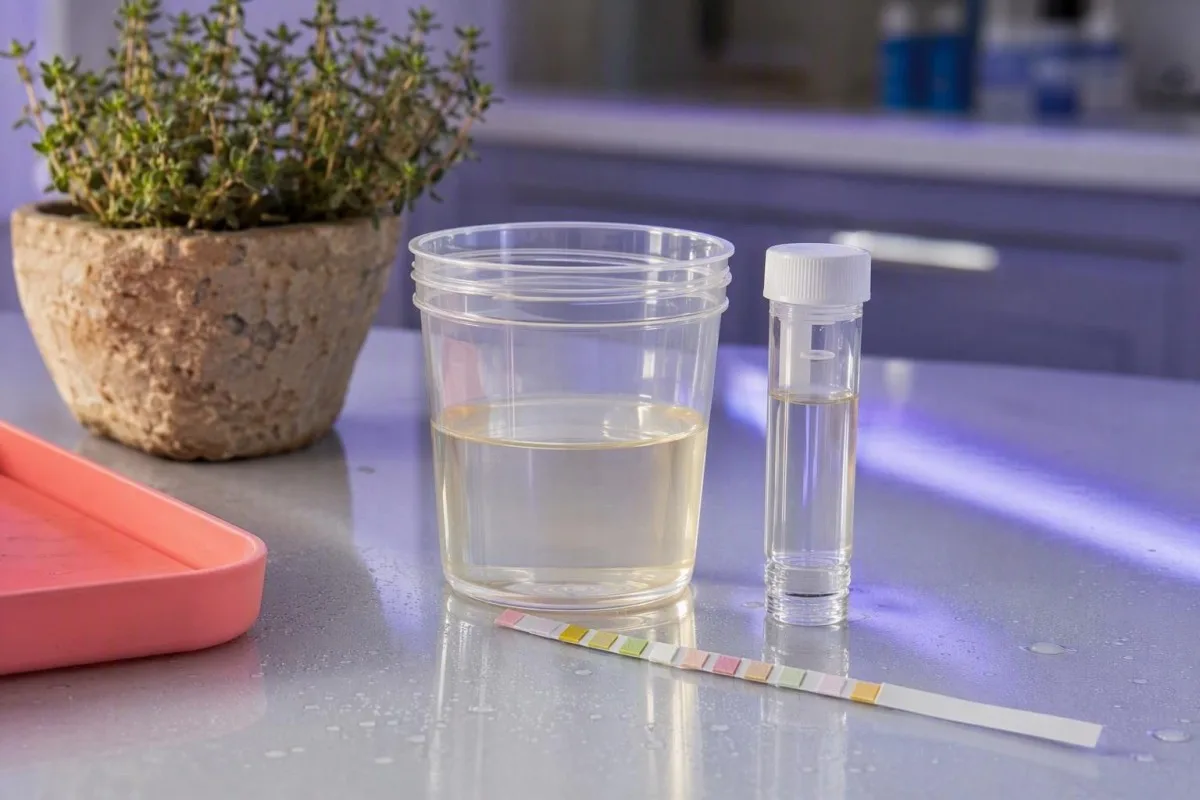
อย่าฝืนดื่มน้ำเป็นลิตรในช่วงไม่นานก่อนการเก็บตัวอย่างเพื่อพยายามปรับปรุงการทดสอบไมโครอัลบูมินในปัสสาวะ ครีเอตินีนในปัสสาวะที่ต่ำมากอาจทำให้ตัวหารไม่เสถียร และตัวอย่างที่เกือบไม่มีสีอาจทำให้ห้องปฏิบัติการหรือแพทย์ขอให้ตรวจซ้ำ ในทางกลับกัน ความถ่วงจำเพาะของปัสสาวะที่สูงกว่า 1.030 บ่งชี้ว่ามีความเข้มข้นมากอย่างชัดเจน และควรทำให้ผลที่ “ใกล้เคียงเส้นแบ่ง” เพียงลำพังไม่น่าเชื่อถือเท่าไร.
การเปลี่ยนแปลงจากการให้น้ำมีความเกี่ยวข้องเป็นพิเศษหลังอาเจียน ท้องเสีย ซาวน่า การได้รับความร้อนนานๆ หรือการเดินทางด้วยเครื่องบินเที่ยวไกล สถานการณ์เหล่านี้อาจทำให้ creatinine ในเลือดสูงขึ้นด้วย ทำให้ภาพของไตดูน่ากังวลกว่าสภาวะปกติของบุคคลนั้น. รูปแบบความเข้มข้นของปัสสาวะ (urine osmolality) สามารถช่วยอธิบายได้ว่าตัวอย่างนั้นเข้มข้นหรือเจือจางผิดปกติหรือไม่.
ไม่มีข้อกำหนดที่มีหลักฐานเชิงประจักษ์ว่าต้องดื่มปริมาณที่แน่นอน เช่น 500 mL หรือ 2 L ก่อนการทดสอบนี้ ผู้ป่วยส่วนใหญ่พบว่าการดื่มตามปกติในช่วงเย็น แล้วไม่ดื่มอย่างตั้งใจในช่วงค้างคืน จะทำให้ตัวอย่างแรกมีความแปรปรวนน้อยที่สุด ปัสสาวะสีเหลืองอ่อนแทนที่จะใสสนิทหรือสีเหลืองอำพันเข้ม เป็นการตรวจด้วยสายตาที่เหมาะสม ไม่ใช่เป้าหมายเชิงการวินิจฉัย.
ทำไมอัตราส่วนจึงมีประโยชน์แต่ไม่ใช่เรื่องมหัศจรรย์
ACR ชดเชยความแปรปรวนตามปกติของความเข้มข้นในปัสสาวะได้ดีกว่าการใช้อัลบูมินเพียงอย่างเดียว นั่นคือเหตุผลที่จึงเป็นมาตรการคัดกรองที่แนะนำ มันเชื่อถือได้น้อยลงในช่วงสุดโต่งของครีเอตินีนในปัสสาวะ รวมถึงปัสสาวะที่เจือจางมาก บุคคลที่มีกล้ามเนื้อมาก ผู้สูงอายุที่เปราะบาง และมวลกล้ามเนื้อต่ำผิดปกติ แพทย์บางครั้งอาจตรวจซ้ำหรือใช้การเก็บตัวอย่างตามเวลาหากผลไม่สอดคล้องกัน.
เมื่อใดที่การติดเชื้อ ไข้ หรืออาการทางระบบทางเดินปัสสาวะควรทำให้เลื่อนการตรวจ ACR
การติดเชื้อทางเดินปัสสาวะที่มีอาการ มีไข้ หรือเจ็บป่วยเฉียบพลันแบบเป็นระบบ สามารถทำให้อัลบูมินในปัสสาวะสูงขึ้นชั่วคราว ดังนั้นการคัดกรอง ACR แบบปกติมักควรเลื่อนออกไปจนกว่าจะฟื้นตัว อาการแสบขณะปัสสาวะ ความถี่เร่งด่วน มีเลือดให้เห็น ปวดสีข้าง หรือมีไข้ ควรประเมินทางคลินิกมากกว่าที่จะอธิบายว่าเป็นปัญหาจากการเตรียมการตรวจ.

การอักเสบในทางเดินปัสสาวะสามารถเพิ่มอัลบูมิน เซลล์เม็ดเลือดขาว และบางครั้งเลือดลงในตัวอย่าง โดยไม่จำเป็นต้องบ่งชี้การบาดเจ็บเรื้อรังของโกลเมอรูลัส หากมีอาการอยู่ ให้ถามว่าจำเป็นต้องตรวจปัสสาวะและเพาะเชื้อหรือไม่ ACR ที่เก็บระหว่างที่ยังมีอาการอยู่ยังสามารถบันทึกได้ แต่ควรไม่ค่อยใช้เพียงอย่างเดียวเพื่อระบุว่าเป็นโรคไตเรื้อรัง. การตรวจปัสสาวะเทียบกับการเพาะเชื้อ ชี้แจงว่าการตรวจแต่ละอย่างตอบคำถามอะไร.
ไข้ที่ 38.0°C ตั้งแต่ระดับดังกล่าวขึ้นไป ภาวะเจ็บป่วยคล้ายไข้หวัดใหญ่ โรคกระเพาะและลำไส้อักเสบ และ COVID-19 เฉียบพลัน ล้วนสามารถทำให้การไหลเวียนของเลือดในไตและภาวะน้ำในร่างกายเปลี่ยนแปลงได้ รอจนกว่าคุณจะรับประทาน ดื่ม และกลับสู่สภาวะปกติของคุณ—ซึ่งมักใช้เวลา 1 ถึง 2 สัปดาห์หลังจากช่วงอาการเฉียบพลัน—เว้นแต่แพทย์ของคุณต้องการผลอย่างเร่งด่วนสำหรับปัญหาไตที่มีอยู่ คำแนะนำนี้เกี่ยวกับความสามารถในการตีความ ไม่ใช่เหตุผลที่จะชะลอการดูแล.
การตรวจพบ leukocyte esterase หรือ nitrites บนแถบทดสอบช่วยสนับสนุนความเป็นไปได้ของการติดเชื้อทางเดินปัสสาวะ แต่ไม่ได้บ่งชี้สาเหตุของ ACR ที่สูงขึ้นด้วยตัวเอง. ผลการตรวจพบ leukocyte esterase มีความเสี่ยงต่อการปนเปื้อนของตัวอย่างเป็นพิเศษ นี่คือเหตุผลว่าทำไมอาการและการเก็บตัวอย่างอย่างถูกต้องจึงสำคัญพอๆ กับผลของแถบตรวจ.
ประจำเดือน การเปื้อนเลือด และการปนเปื้อนจากช่องคลอดก่อนการตรวจ ACR
เลือดประจำเดือนสามารถปนเปื้อนตัวอย่างปัสสาวะสำหรับ ACR ด้วยอัลบูมินและเม็ดเลือดแดง ดังนั้นควรเก็บหลังจากเลือดหยุดแล้วเมื่อเวลาสะดวก เลือดซึมเล็กน้อย ภาวะน้ำคาวปลาในหลังคลอด และตกขาว ควรแจ้งให้ห้องปฏิบัติการหรือแพทย์ทราบ เพราะสิ่งเหล่านี้อาจส่งผลต่อการตีความ.
ความกังวลไม่ใช่ว่าประจำเดือนทำลายไต แต่เป็นว่าโปรตีนและเซลล์จากเลือดเข้าสู่ถ้วยเก็บตัวอย่างจากภายนอกทางเดินปัสสาวะ ตัวอย่างที่มีเลือดออกมากอาจทำให้แถบทดสอบให้ผลบวกสำหรับโปรตีนหรือเลือด และทำให้ ACR สูงขึ้น ซึ่งมีคุณค่าน้อยสำหรับการคัดกรองไต หากเป็นการตรวจตามปกติ การรอประมาณ 3 วันหลังจากเลือดประจำเดือนหยุด เป็นแนวปฏิบัติที่เหมาะสมในพื้นที่นั้น แม้หลักฐานจะไม่ได้กำหนดช่วงเวลาสากลเพียงช่วงเดียว.
ผ้าอนามัยแบบสอดหรือถ้วยประจำเดือนอาจลดการปนเปื้อนที่มองเห็นได้สำหรับบางคน แต่ไม่ได้รับประกันว่าจะได้ตัวอย่างที่สะอาด และไม่ควรใช้เพื่อบังคับให้ทำการคัดกรองแบบเร่งด่วนตามปกติ หากการตั้งครรภ์ ภาวะครรภ์เป็นพิษ โรคไตที่ทราบอยู่แล้ว หรืออาการบวมใหม่ ทำให้การประเมินต้องใช้เวลา ให้เก็บตัวอย่างและระบุอย่างชัดเจนว่ามีเลือดออก แทนที่จะชะลอโดยไม่ขอคำแนะนำ. สัญญาณอันตรายเมื่อมีเลือดปนในปัสสาวะ ไม่ควรสันนิษฐานโดยอัตโนมัติว่าเป็นประจำเดือน.
Kantesti AI เป็น บริการตีความผลการทดสอบของ AI ที่เป็นตัวชี้ธงผล ACR เมื่ออัลบูมินในปัสสาวะปรากฏร่วมกับเลือด เม็ดเลือดขาว eGFR เปลี่ยนแปลง หรือมีปัญหาที่รายงานเกี่ยวกับการเก็บตัวอย่าง บริบทนี้ช่วยแยกสัญญาณจากไตที่ตรวจซ้ำได้ออกจากตัวอย่างที่เพียงต้องเก็บซ้ำเท่านั้น มันไม่สามารถแทนที่การตรวจด้วยกล้องจุลทรรศน์ การเพาะเชื้อ หรือการทบทวนโดยแพทย์ได้เมื่อมีอาการ.
ความดันโลหิต ยา และ ACR ในวันตรวจ
ความดันโลหิตสูงสามารถเพิ่มอัลบูมินในปัสสาวะได้ แต่คุณควรรับประทานยาลดความดันโลหิตที่แพทย์สั่งตามปกติก่อนการตรวจ ACR เว้นแต่แพทย์ของคุณให้คำแนะนำอื่น การหยุด ACE inhibitor, ARB, ยาขับปัสสาวะ หรือ SGLT2 inhibitor เพื่อปรับผลลัพธ์ อาจทำให้ได้การวัดที่ไม่ปลอดภัยและไม่เป็นประโยชน์ทางคลินิกเท่าที่ควร.
ค่าที่ 180/120 มม.ปรอท หรือสูงกว่า ร่วมกับอาการเจ็บหน้าอก หายใจลำบาก อาการทางระบบประสาท ปวดศีรษะรุนแรง หรือการเปลี่ยนแปลงทางการมองเห็น เป็นภาวะทางการแพทย์ฉุกเฉิน ไม่ใช่ปัญหาการเตรียมตัวสำหรับ ACR แม้ความดันโลหิตสูงที่ควบคุมไม่ได้ซึ่งไม่รุนแรงเท่ากันก็สามารถเพิ่มความดันในโกลเมอรูลัสและทำให้มีการรั่วของอัลบูมินได้ โดยเฉพาะเมื่อค่าการวัดยังคงสูงกว่า 140/90 มม.ปรอท นอกสถานพยาบาล บันทึกค่าที่วัดที่บ้านล่าสุดแทนที่จะพยายามทำให้ดูดีขึ้นในวันตรวจ.
ACE inhibitors และ ARBs มักลดภาวะอัลบูมินูเรียโดยการลดความดันภายในโกลเมอรูลัส ซึ่งเป็นผลจากการรักษาที่แพทย์ต้องการเห็นในระยะเวลา Diuretics สามารถเปลี่ยนภาวะน้ำ และ NSAIDs สามารถส่งผลต่อการไหลเวียนเลือดในไตได้ แต่ทั้งสองอย่างไม่ควรปรับเองก่อนการคัดกรอง. การตรวจโพแทสเซียมหลังมีการเปลี่ยนแปลงยาลดความดันโลหิต อธิบายเหตุผลหนึ่งที่ทำให้การติดตามผลมักมีการตรวจมากกว่าการตรวจปัสสาวะ.
สำหรับการวัดที่บ้านให้แม่นยำ ให้นั่งนิ่งๆ เป็นเวลา 5 นาที, วางเท้าบนพื้น และใช้ผ้าพันแขนขนาดที่เหมาะสมกับต้นแขนก่อนบันทึกการวัด 2 ครั้งห่างกัน 1 นาที โดย ACR ไม่จำเป็นต้องมีการวัดความดันโลหิตในนาทีเดียวกัน แต่ข้อมูลที่บ้านเป็นเวลาหนึ่งสัปดาห์อาจให้ข้อมูลที่เป็นประโยชน์มากกว่าค่าความกังวลเพียงครั้งเดียวในคลินิก.
โรคเบาหวาน กลูโคสสูง และการกำหนดเวลาในการตรวจ ACR ในปัสสาวะ
ระดับน้ำตาลในเลือดที่สูงต่อเนื่องสามารถเพิ่มอัลบูมินในปัสสาวะได้ แต่การมีวันน้ำตาลสูงเพียงวันเดียวไม่ได้วินิจฉัยโรคไตจากเบาหวาน ผู้ที่เป็นเบาหวานมักต้องได้รับการประเมิน ACR และ eGFR ทุกปี และควรติดตามถี่ขึ้นเมื่อมีภาวะอัลบูมินูเรียอยู่แล้ว.

สมาคมโรคเบาหวานแห่งสหรัฐอเมริกา (American Diabetes Association) แนะนำให้ประเมินอัลบูมินในปัสสาวะและ eGFR เป็นประจำทุกปีในผู้ป่วยเบาหวานชนิดที่ 1 หลังจากมีระยะเวลาอย่างน้อย 5 ปี และในผู้ป่วยทุกคนที่เป็นเบาหวานชนิดที่ 2 ตั้งแต่เริ่มการวินิจฉัย (American Diabetes Association Professional Practice Committee, 2024) ค่า ACR ของ 30 mg/g หรือมากกว่า ควรได้รับการยืนยัน เพราะการออกกำลังกาย การติดเชื้อ และภาวะน้ำตาลในเลือดสูงอาจทำให้เพิ่มขึ้นชั่วคราวได้ นี่เป็นแนวทางการคัดกรอง ไม่ใช่หลักฐานยืนยันโรคไตจากเบาหวานจากตัวอย่างเพียงครั้งเดียว.
ไม่ต้องงดอาหาร งดอินซูลิน หรือปรับเปลี่ยนยาสำหรับเบาหวานเพื่อ “เตรียม” สำหรับการตรวจอัลบูมินในปัสสาวะ ภาวะน้ำตาลในเลือดสูงรุนแรง คีโตน ภาวะขาดน้ำ และการเจ็บป่วยเฉียบพลันควรได้รับการจัดการของตนเอง การปรับการรักษาเพื่อให้ได้ผลทางห้องปฏิบัติการที่ดูน่าพอใจมากขึ้นอาจเป็นอันตรายได้. แผนการปรับปรุง HbA1c มีประโยชน์มากกว่าในบริบทของระดับกลูโคสระยะยาว.
เหตุผลที่แพทย์กังวลมากที่สุดเกี่ยวกับ ACR ที่สูงร่วมกับ eGFR ที่ลดลง คือการวัดทั้งสองนี้บรรยายถึงสุขภาพไตคนละด้าน: การรั่วไหลผ่านตัวกรองและความสามารถในการกรอง ค่า ACR 70 mg/g ร่วมกับ eGFR 95 อาจต้องมีความถี่ในการติดตามที่ต่างจาก ACR เดียวกันกับ eGFR 42 รูปแบบมีความสำคัญกว่าการดูสัญญาณเตือนเพียงครั้งเดียว.
อาหาร การงดอาหาร อาหารเสริมโปรตีน และแอลกอฮอล์ก่อนการตรวจ ACR
ไม่จำเป็นต้องงดอาหารสำหรับ ACR แบบเดี่ยว และมื้ออาหารปกติไม่ค่อยทำให้สัดส่วนเพี้ยนไป หากเป้าหมายคือการวัดค่าพื้นฐานไตตามปกติของคุณ.
อาหารเช้าหรือกาแฟมาตรฐานหลังจากเก็บตัวอย่างทำได้ และอาหารก่อนตัวอย่างในช่วงเวลาต่อมาของวันมักไม่สำคัญเท่ากับกิจกรรม ท่าทาง และภาวะขาดน้ำ อย่างไรก็ตาม การงดอาหารเป็นเวลานานอาจเปลี่ยนแปลงภาวะขาดน้ำและการสร้างคีโตน ในขณะที่วันออกกำลังกายเพื่อเพิ่มกล้ามเนื้อที่เน้นโปรตีนมักมาพร้อมกับการออกกำลังกายหนัก—เมื่อรวมกันแล้วอาจทำให้การตีความทั้งครีเอตินินในปัสสาวะและอัลบูมินทำได้ยากขึ้น. การอดอาหารเป็นช่วงและการเปลี่ยนแปลงของผลตรวจในห้องปฏิบัติการ ครอบคลุมการเปลี่ยนแปลงในวงกว้างเหล่านี้.
อาหารเสริมครีเอทีนสามารถเพิ่มครีเอตินินในเลือดได้โดยไม่จำเป็นต้องลด GFR ที่แท้จริง แต่ผลโดยตรงต่อ ACR ในปัสสาวะคาดเดาได้ไม่แน่นอน อย่าหยุดอาหารเสริมที่แพทย์สั่งหรือที่ใช้เป็นประจำเพียงเพราะการตรวจนี้ เว้นแต่แพทย์ผู้สั่งตรวจจะขอ; ให้ระบุผลิตภัณฑ์ ขนาดยา และครั้งล่าสุดที่ใช้ เวย์เชคที่ให้ 20 ถึง 40 กรัม ของโปรตีน ไม่ใช่เหตุผลเพียงพอที่จะยกเลิกการตรวจ ACR.
การดื่มแอลกอฮอล์ปริมาณมากอาจทำให้ภาวะขาดน้ำแย่ลง เพิ่มความดันโลหิต และรบกวนการควบคุมกลูโคสในวันถัดไป ผมแนะนำให้ผู้ป่วยหลีกเลี่ยงการดื่มหนักเป็น 24 ถึง 48 ชั่วโมง ก่อนการคัดกรองไตตามปกติ ไม่ใช่เพราะการดื่มครั้งเดียวทำให้การทดสอบใช้ไม่ได้ แต่เพราะการตรวจควรสะท้อนสรีรวิทยาตามปกติ.
ความผิดพลาดในการจัดการตัวอย่างที่อาจทำให้ผล ACR เปลี่ยนไป
การเก็บตัวอย่างปัสสาวะช่วงกลางที่สะอาดและส่งถึงห้องปฏิบัติการอย่างรวดเร็วเป็นวิธีที่ง่ายที่สุดในการลดความผิดพลาดของ ACR ก่อนการตรวจ การปนเปื้อน การเก็บไว้ในที่อุ่นนานเกินไป และการเก็บจาก “หมวกชักโครก” หรือขวดที่ไม่ปลอดเชื้ออาจทำให้ต้องเก็บตัวอย่างซ้ำ.
ใช้เฉพาะภาชนะของห้องปฏิบัติการและหลีกเลี่ยงการเทปัสสาวะจากภาชนะอื่น หากเก็บที่บ้าน ให้ทำตามคำแนะนำท้องถิ่นเกี่ยวกับเวลาและการแช่เย็น ห้องปฏิบัติการจำนวนมากต้องการให้ส่งถึงภายใน 2 ชั่วโมง อุณหภูมิห้อง ในขณะที่การแช่เย็นอาจยอมรับได้สำหรับช่วงเวลาที่ยาวกว่า คำแนะนำที่เป็นลายลักษณ์อักษรของห้องปฏิบัติการมีความสำคัญกว่า เพราะการจัดการตัวอย่างสำหรับการตรวจแตกต่างกัน.
น้ำยาทำความสะอาดผิว ครีมสำหรับช่องคลอด น้ำอสุจิ และมูกจำนวนมากสามารถเปลี่ยนแปลงผลการตรวจด้วยแถบทดสอบ (dipstick) และกล้องจุลทรรศน์ได้ แม้ผลของมันต่ออัลบูมินเชิงปริมาณจะแปรผันได้ บอกแพทย์หากคุณมีเพศสัมพันธ์ไม่นานก่อนเก็บตัวอย่าง หรือกำลังใช้ผลิตภัณฑ์ทาเฉพาะที่ โดยปกตินี่จะทำให้ต้องให้บริบทเพิ่มเติมหรือเก็บซ้ำ ไม่ใช่ต้องตื่นตระหนก. การแปลผล pH ของปัสสาวะ เป็นอีกตัวอย่างหนึ่งว่าทำไมเงื่อนไขการเก็บตัวอย่างจึงมีความสำคัญ.
คันเตสตีเป็น เครื่องมือวิเคราะห์ผลตรวจเลือดที่ขับเคลื่อนด้วย AI ที่สามารถจัดระเบียบรายงานห้องปฏิบัติการที่ถ่ายรูปได้ แต่วิธีการตรวจทางห้องปฏิบัติการเดิมและบันทึกการเก็บตัวอย่างยังคงเป็นแหล่งข้อมูลที่ถูกต้องที่สุด หากรายงานที่อัปโหลดมี ACR ที่ไม่คาดคิด our คู่มือเทคโนโลยี อธิบายว่าทำไมการทบทวนตามบริบทควรนำไปสู่ขั้นตอนถัดไปที่แพทย์ยืนยันแล้ว ไม่ใช่การวินิจฉัยอัตโนมัติ.
ควรทำอย่างไรหากผลตรวจไมโครอัลบูมินในปัสสาวะสูง
ACR ที่สูงขึ้นโดยทั่วไปควรทำซ้ำภายใต้สภาวะที่คงที่ก่อน จึงจะเรียกว่าเป็นภาวะอัลบูมินูเรียที่คงอยู่ หากผลสูงมาพร้อมกับอาการบวม เลือดที่มองเห็นได้ ความดันโลหิตสูงมาก ปริมาณปัสสาวะลดลง หรือ eGFR ลดลงอย่างรวดเร็ว จำเป็นต้องได้รับการประเมินโดยแพทย์อย่างรวดเร็ว.
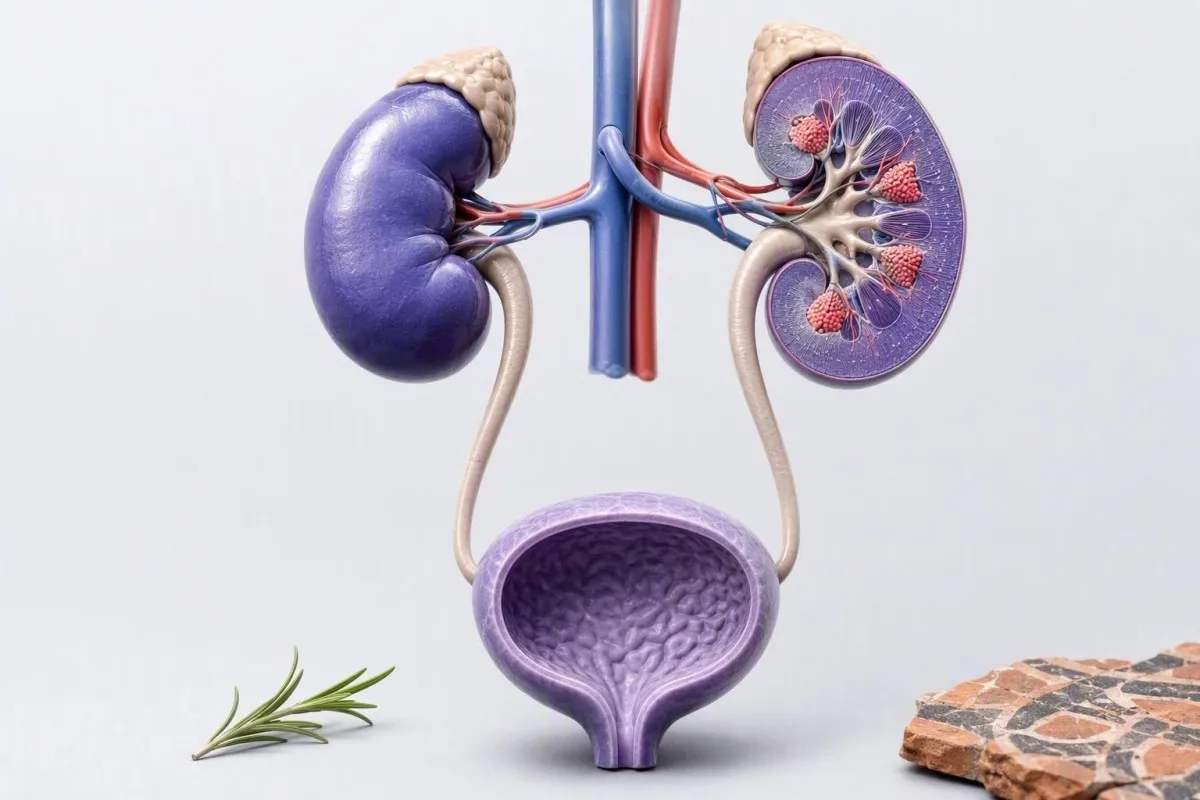
สำหรับ ACR ระหว่าง 3 ถึง 30 mg/mmol (30 ถึง 300 mg/g) แพทย์มักจะทำซ้ำตัวอย่างที่เก็บตอนเช้าหลังตื่นนอน (first-morning) และทบทวนความดันโลหิต HbA1c หรือกลูโคส eGFR ตะกอนปัสสาวะ และการใช้ยา KDIGO กำหนดโรคไตเรื้อรังจากความผิดปกติที่มีอยู่เป็นเวลาอย่างน้อย 3 เดือน, ไม่ใช่จากการตรวจเพียงครั้งเดียวหลังจากสัปดาห์ที่ยากลำบาก (KDIGO, 2024) เงื่อนไขด้านเวลานี้ช่วยปกป้องผู้ป่วยจากการติดป้ายที่ไม่จำเป็น.
ACR ที่สูงกว่า 30 mg/mmol (300 mg/g) โดยเฉพาะหากเป็นครั้งใหม่ ควรได้รับการทบทวนอย่างทันท่วงที แม้ว่าคุณจะรู้สึกดีอยู่ก็ตาม แถบทดสอบปัสสาวะที่แสดงเลือด การพบ red-cell casts ในกล้องจุลทรรศน์ ค่าคอมพลีเมนต์ต่ำ หรือการเพิ่มขึ้นของครีเอตินินอย่างรวดเร็ว บ่งชี้ถึงเส้นทางที่แตกต่างจากภาวะอัลบูมินูเรียจากเมตาบอลิซึมที่ไม่ซับซ้อน. โปรตีนในปัสสาวะทำให้ สรุปสัญญาณอันตรายที่สำคัญในทางปฏิบัติ.
ฉันคงไม่ปลอบใจใครเพียงเพราะอัตราส่วนที่สูงขึ้นตามหลังการออกกำลังกาย หากเขามีอาการบวมที่ข้อเท้าด้วยหรือมี eGFR ต่ำกว่า 60 mL/min/1.73 m² บริบทอาจอธิบายตัวเลขได้ แต่ไม่ควรกลายเป็นข้ออ้างที่จะพลาดการตรวจพบโรคไตที่แท้จริง.
เหตุใดการตรวจ ACR ซ้ำจึงมีประโยชน์มากกว่าการไล่ตามตัวเลขเพียงค่าเดียว
โดยทั่วไปภาวะอัลบูมินูเรียที่คงอยู่จะได้รับการยืนยันเมื่ออย่างน้อย 2 จาก 3 ตัวอย่าง ACR ของปัสสาวะมีค่าสูงกว่าที่ 3 ถึง 6 เดือน. การทำซ้ำภายใต้เงื่อนไขที่เทียบเคียงกันช่วยแยกความเปลี่ยนแปลงทางชีววิทยาออกจากการออกกำลังกาย การเจ็บป่วย การเก็บตัวอย่าง และความแปรผันปกติในแต่ละวัน.
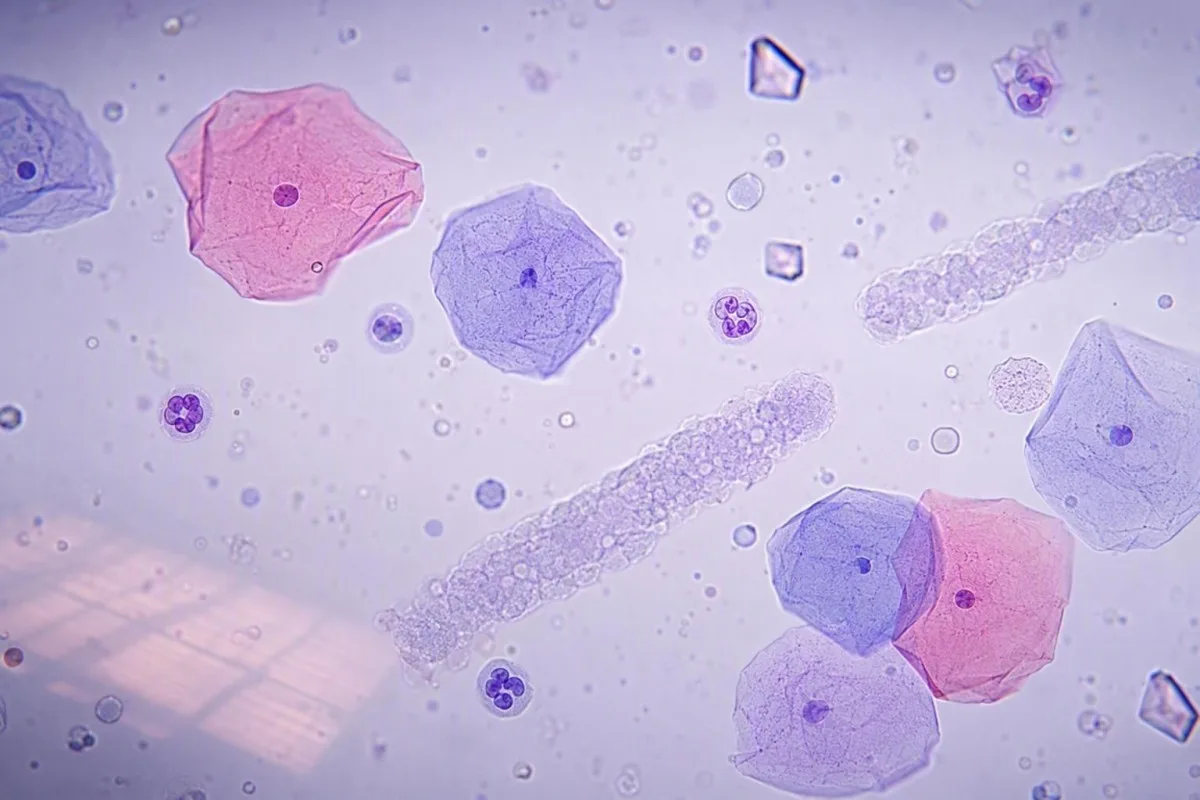
ใช้ห้องปฏิบัติการเดิมเมื่อเป็นไปได้ เก็บในเวลาประมาณเดียวกันของวัน และจดบันทึกว่าคุณป่วย มีประจำเดือน ขาดน้ำ หรือมีกิจกรรมที่ผิดปกติหรือไม่ การลดลงจาก 4.2 เป็น 1.8 mg/mmol อาจเป็นสัญญาณที่น่าเป็นห่วงน้อยลง แต่จะไม่มีความหมายหากตัวอย่างแรกเก็บหลังการแข่งขัน และตัวอย่างที่สองเก็บหลังสุดสัปดาห์ที่อยู่เฉยๆ. ทำไมค่าจากห้องปฏิบัติการจึงแตกต่างระหว่างการมาตรวจ อธิบายปัญหาที่กว้างกว่านี้.
สำหรับโรคไตเรื้อรังที่ยืนยันแล้ว ความถี่ในการทำซ้ำขึ้นอยู่กับทั้ง eGFR และหมวดหมู่ของ ACR คนที่มี eGFR 85 และ ACR 4 mg/mmol อาจได้รับการติดตามทุกปีหรือบ่อยกว่านั้นตามโรคเบาหวานและความดันโลหิต ขณะที่ eGFR 38 และ ACR 40 mg/mmol มักต้องได้รับการติดตามอย่างใกล้ชิดกว่ามากโดยแพทย์ที่เป็นผู้ดูแลโดยตรง ตัวเลขที่แน่นอนมีความสำคัญ แต่การรวมกันของตัวเลขเหล่านั้นสำคัญยิ่งกว่า.
Kantesti AI เป็น แพลตฟอร์มการตีความไบโอมาร์กเกอร์ด้วย AI ที่เปรียบเทียบผลที่เกี่ยวข้องกับไตแบบต่อเนื่อง โดยยังคงรักษาวันที่เดิมและหน่วยที่ใช้ในห้องปฏิบัติการไว้ our แนวทางการยืนยันทางการแพทย์ ถูกออกแบบมาเพื่อเน้นการชี้ให้เห็นบริบทที่มีความหมายสำหรับการทบทวน ไม่ใช่การประกาศว่าการเปลี่ยนแปลงตัวเลขเพียงเล็กน้อยเป็นการดำเนินของโรค.
เช็กลิสต์การเตรียมตัวสำหรับการตรวจ ACR 24 ชั่วโมงของคุณ
วันก่อนการตรวจ ACR หลีกเลี่ยงการออกกำลังกายอย่างหนัก กินและดื่มตามปกติ รับประทานยาที่แพทย์สั่ง และเลื่อนการเก็บตัวอย่างตามปกติออกไปหากคุณมีไข้ มีอาการทางระบบทางเดินปัสสาวะ หรือมีเลือดออกทางประจำเดือน ในวันเก็บตัวอย่าง ให้ใช้ปัสสาวะครั้งแรกหลังการนอนหลับหลัก และเก็บตัวอย่างแบบ midstream ที่สะอาด.
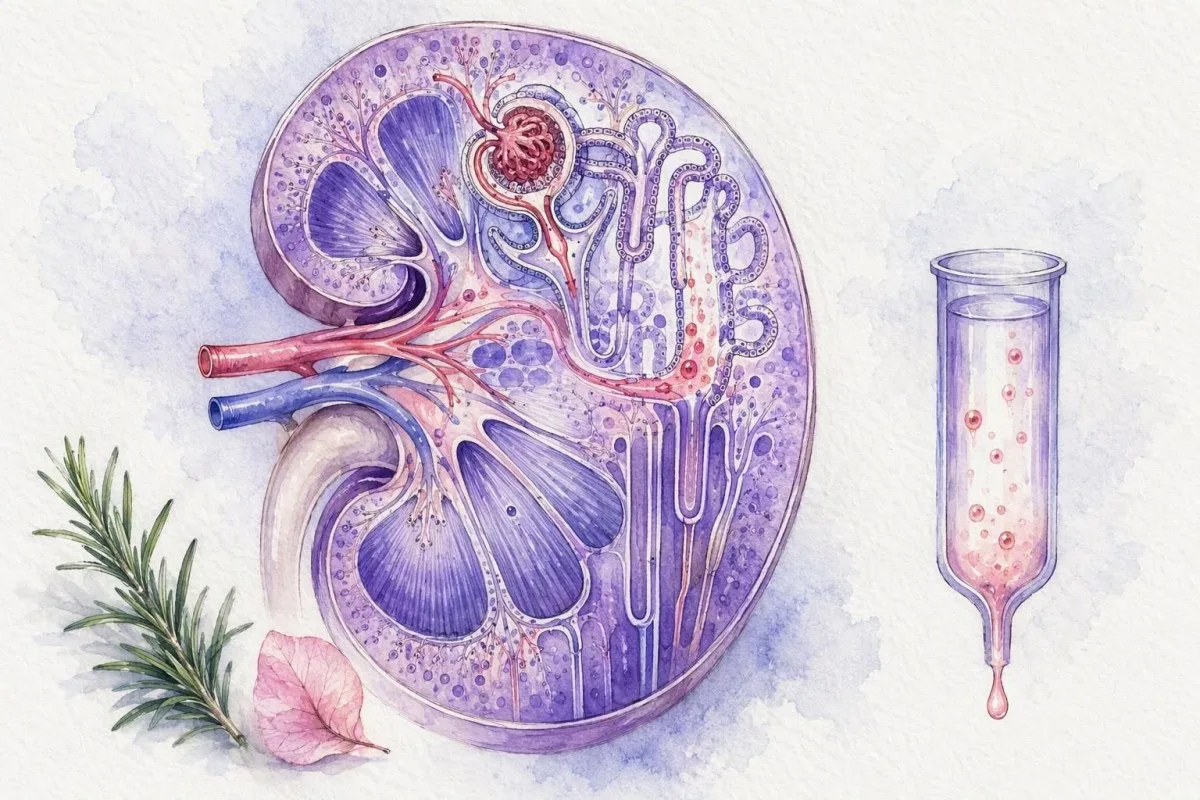
คืนก่อน: ไม่ควรออกกำลังกายอย่างหนัก ไม่ควรดื่มแอลกอฮอล์แบบดื่มหนัก และไม่ควรดื่มน้ำมากเกินไปโดยตั้งใจ ตอนเช้า: เก็บตัวอย่างก่อนการเดินเป็นเวลานาน การเดินทางไปทำงาน/เรียน กาแฟ หรืออาหารเช้า หากสอดคล้องกับแผนของห้องแล็บ แม้ว่า ACR ไม่จำเป็นต้องอดอาหารตามหลักการทางการแพทย์ จดบันทึกค่าความดันโลหิตที่บ้านหากคุณมี.
นำรายการยาที่รวมถึง ACE inhibitors, ARBs, ยาขับปัสสาวะ, ยากลุ่ม SGLT2 inhibitors, NSAIDs, ยาสำหรับโรคเบาหวาน และอาหารเสริมที่ไม่ต้องสั่งโดยแพทย์มาด้วย การเปลี่ยนแปลงยาภายในช่วงก่อนหน้า 2 ถึง 4 สัปดาห์ สามารถช่วยอธิบายแนวโน้มที่เกิดขึ้นจริง โดยเฉพาะหากระดับโพแทสเซียมในเลือด ครีเอตินีน หรือความดันโลหิตเปลี่ยนแปลงในเวลาเดียวกัน อย่าปรับเปลี่ยนยาเพียงเพื่อเตรียมตัวสำหรับการคัดกรอง.
ณ วันที่ 29 กรกฎาคม 2026 ข้อความที่ปลอดภัยและปฏิบัติได้มากที่สุดยังคงเป็น: ตั้งเป้าให้ได้ตัวอย่างที่เป็นตัวแทน ไม่ใช่ตัวอย่างที่สมบูรณ์แบบ หากผลลัพธ์ไม่คาดคิด ให้ทำซ้ำอย่างเหมาะสมแทนที่จะพยายามเอาชนะห้องแล็บ ดร. Thomas Klein และเรา คณะกรรมการที่ปรึกษาทางการแพทย์ แนะนำให้แพทย์ผู้ดูแลทบทวนในกรณีที่ระดับสูงต่อเนื่อง มีข้อกังวลที่เกี่ยวข้องกับการตั้งครรภ์ หรือมีอาการใด ๆ ที่เกี่ยวข้องกับไต.
คำถามที่พบบ่อย
ฉันควรงดอาหารก่อนการตรวจอัตราส่วนไมโครอัลบูมินต่อครีเอตินินหรือไม่?
ไม่ จำเป็นต้องงดอาหารสำหรับการตรวจอัตราส่วนอัลบูมินต่อครีเอตินินในปัสสาวะแบบเดี่ยว (standalone) การเก็บตัวอย่างช่วงเช้าตรู่ก่อนอาหารเช้ามักเป็นที่นิยม เพราะได้รับผลกระทบจากกิจกรรมในช่วงกลางวันและการดื่มน้ำค่อนข้างน้อย ไม่ใช่เพราะอาหารเปลี่ยนแปลงอัลบูมินโดยตรง หลีกเลี่ยงการงดอาหารที่ผิดปกติ การดื่มแอลกอฮอล์หนัก และการออกกำลังกายอย่างหนักเป็นเวลา 24 ชั่วโมง เนื่องจากสิ่งเหล่านี้อาจทำให้ความเป็นตัวแทนของอัลบูมินในปัสสาวะหรือครีเอตินินในปัสสาวะลดลง หากกำลังเก็บ ACR ร่วมกับการตรวจเลือดที่ต้องงดอาหาร ให้ปฏิบัติตามคำแนะนำสำหรับการตรวจเลือดที่ให้โดยห้องปฏิบัติการของคุณ.
ฉันควรดื่มน้ำมากแค่ไหนก่อนการตรวจปัสสาวะ ACR?
ดื่มตามปกติและตามความกระหายก่อนการตรวจปัสสาวะ ACR; ห้ามจงใจดื่มปริมาณมากเพื่อเจือจางตัวอย่าง อัตราส่วนอัลบูมินต่อครีเอตินีนช่วยชดเชยความแตกต่างของความเข้มข้นของปัสสาวะตามปกติ แต่การให้น้ำปริมาณมากอย่างรุนแรงอาจทำให้ครีเอตินีนในปัสสาวะต่ำมาก และอาจนำไปสู่การตรวจซ้ำที่ไม่เป็นประโยชน์ ปัสสาวะสีเข้มและมีความเข้มข้นสูงหลังอาเจียน การสัมผัสความร้อน หรือการออกกำลังกายหนักก็อาจทำให้การแปลผลซับซ้อน แนวทางที่เหมาะสมคือการดื่มน้ำในช่วงเย็นตามปกติ และเก็บปัสสาวะครั้งแรกหลังการนอนหลับ.
การออกกำลังกายสามารถทำให้ผลตรวจปัสสาวะไมโครอัลบูมินสูงได้หรือไม่?
ใช่ การออกกำลังกายอย่างหนักอาจทำให้ระดับอัลบูมินในปัสสาวะเพิ่มขึ้นชั่วคราว และดังนั้นอาจทำให้ผลตรวจปัสสาวะไมโครอัลบูมินสูงได้ หลีกเลี่ยงการวิ่งมาราธอน การยกของหนัก การฝึกแบบช่วงที่หนักมาก หรือกีฬาที่แข่งขันอย่างน้อย 24 ชั่วโมงก่อนการคัดกรอง ACR; การเดินเบามักจะทำได้ โดยทั่วไปแล้ว ACR 30 มก./ก. หรือมากกว่าหลังการฝึกอย่างหนักควรทำซ้ำด้วยตัวอย่างปัสสาวะตอนเช้าครั้งแรกที่พักแล้วก่อนที่จะถือว่าเป็นภาวะอัลบูมินูเรียที่คงอยู่ อาการ ระดับ GFR eGFR ความดันโลหิต และผลตรวจซ้ำเป็นตัวกำหนดว่าจำเป็นต้องมีการประเมินเพิ่มเติมหรือไม่.
ฉันสามารถตรวจ ACR ได้ในขณะที่มีประจำเดือนได้หรือไม่?
เลือดประจำเดือนอาจปนเปื้อนตัวอย่าง ACR ของปัสสาวะด้วยโปรตีนและเม็ดเลือดแดง ดังนั้นการตรวจตามปกติจึงควรทำหลังจากที่เลือดหยุดไหลอย่างสมบูรณ์ แพทย์หลายท่านแนะนำให้รอประมาณ 3 วันหลังสิ้นสุดประจำเดือนเมื่อสามารถยืดหยุ่นเรื่องเวลาได้ แม้ว่าไม่มีช่วงเวลาใดช่วงเวลาหนึ่งที่ห้องปฏิบัติการทุกแห่งกำหนด หากการตรวจมีความเร่งด่วนเนื่องจากการตั้งครรภ์ โรคไตที่ทราบอยู่แล้ว อาการบวม หรือความดันโลหิตสูง ให้เก็บตัวอย่างและแจ้งแพทย์ว่ามีเลือดออกหรือมีเลือดกะปริบกะปรอย ผลบวกที่เก็บได้ระหว่างมีประจำเดือนมักจำเป็นต้องตรวจซ้ำ.
ฉันควรรับประทานยาลดความดันโลหิตก่อนการตรวจปัสสาวะ ACR หรือไม่?
ใช่ ให้รับประทานยาลดความดันโลหิตตามที่สั่งก่อนการตรวจปัสสาวะ ACR เว้นแต่แพทย์ผู้สั่งตรวจได้ให้คำแนะนำเป็นอย่างอื่น ACE inhibitors และ ARBs สามารถลดภาวะอัลบูมินในปัสสาวะได้ แต่ผลดังกล่าวมีความสำคัญทางคลินิกและควรวัดประเมินแทนที่จะปกปิดด้วยการหยุดการรักษา อย่าหยุดยาขับปัสสาวะ ยา SGLT2 inhibitors หรือยาอื่น ๆ เพื่อมีอิทธิพลต่อผลปัสสาวะเพียงครั้งเดียว เพราะการเปลี่ยนแปลงอย่างฉับพลันอาจส่งผลต่อความดันโลหิต ภาวะน้ำตาลในร่างกาย การให้น้ำ และการทำงานของไต บันทึกการเปลี่ยนแปลงยาล่าสุด โดยเฉพาะอย่างยิ่งภายในช่วง 2 ถึง 4 สัปดาห์ที่ผ่านมา.
ระดับ ACR ใดที่ถือว่าสูง?
ค่า ACR ต่ำกว่า 3 mg/mmol ซึ่งเทียบเท่ากับต่ำกว่า 30 mg/g โดยทั่วไปถือว่าปกติถึงเพิ่มขึ้นเล็กน้อย ค่า ACR 3 ถึง 30 mg/mmol (30 ถึง 300 mg/g) คือภาวะอัลบูมินูเรียเพิ่มขึ้นปานกลาง และค่า ACR สูงกว่า 30 mg/mmol (300 mg/g) คือภาวะอัลบูมินูเรียเพิ่มขึ้นอย่างรุนแรง ผลตรวจที่สูงเพียงครั้งเดียวไม่สามารถวินิจฉัยโรคไตเรื้อรังได้ เพราะการออกกำลังกาย การติดเชื้อ ไข้ การมีประจำเดือน และภาวะขาดน้ำสามารถทำให้ค่าสูงขึ้นชั่วคราวได้ การที่ค่าสูงอย่างต่อเนื่องในอย่างน้อย 2 ใน 3 ตัวอย่างภายในช่วง 3 ถึง 6 เดือน มีความหมายทางคลินิกมากกว่ามาก.
รับการวิเคราะห์ผลตรวจเลือดด้วย AI วันนี้
เข้าร่วมผู้ใช้งานมากกว่า 2 ล้านคนทั่วโลกที่ไว้วางใจ Kantesti สำหรับการวิเคราะห์ผลตรวจทางห้องแล็บแบบทันทีและแม่นยำ อัปโหลดผลตรวจเลือดของคุณ แล้วรับการอ่านผลตรวจเลือดอย่างครอบคลุมของไบโอมาร์กเกอร์ 15,000+ ภายในไม่กี่วินาที.
📚 งานวิจัยที่อ้างอิง
Klein, T., Mitchell, S., & Weber, H. (2026). อาการท้องเสียหลังอดอาหาร, จุดดำในอุจจาระ และคู่มือระบบทางเดินอาหาร ปี 2026.
Klein, T., Mitchell, S., & Weber, H. (2026). คู่มือสุขภาพสตรี: การตกไข่ วัยหมดประจำเดือน และอาการผิดปกติของฮอร์โมน.
📖 อ้างอิงทางการแพทย์ภายนอก

⚕️ ข้อสงวนสิทธิ์ทางการแพทย์
บทความนี้จัดทำเพื่อวัตถุประสงค์ด้านการศึกษาเท่านั้น และไม่ถือเป็นคำแนะนำทางการแพทย์ โปรดปรึกษาผู้ให้บริการด้านสุขภาพที่มีคุณสมบัติเหมาะสมเสมอสำหรับการตัดสินใจด้านการวินิจฉัยและการรักษา.
สัญญาณความน่าเชื่อถือ E-E-A-T
ประสบการณ์
การทบทวนเชิงคลินิกโดยแพทย์ที่นำโดยกระบวนการตีความผลตรวจในห้องแล็บ.
ความเชี่ยวชาญ
โฟกัสด้านเวชศาสตร์ห้องปฏิบัติการเกี่ยวกับพฤติกรรมของไบโอมาร์กเกอร์ในบริบททางคลินิก.
อำนาจ
เขียนโดย ดร. โธมัส ไคลน์ (Dr. Thomas Klein) พร้อมทบทวนโดย ดร. ซาราห์ มิตเชลล์ (Dr. Sarah Mitchell) และ ศ.ดร. ฮันส์ เวเบอร์ (Prof. Dr. Hans Weber).
ความน่าเชื่อถือ
การตีความที่อิงหลักฐาน พร้อมเส้นทางการติดตามที่ชัดเจนเพื่อลดความตื่นตระหนก.