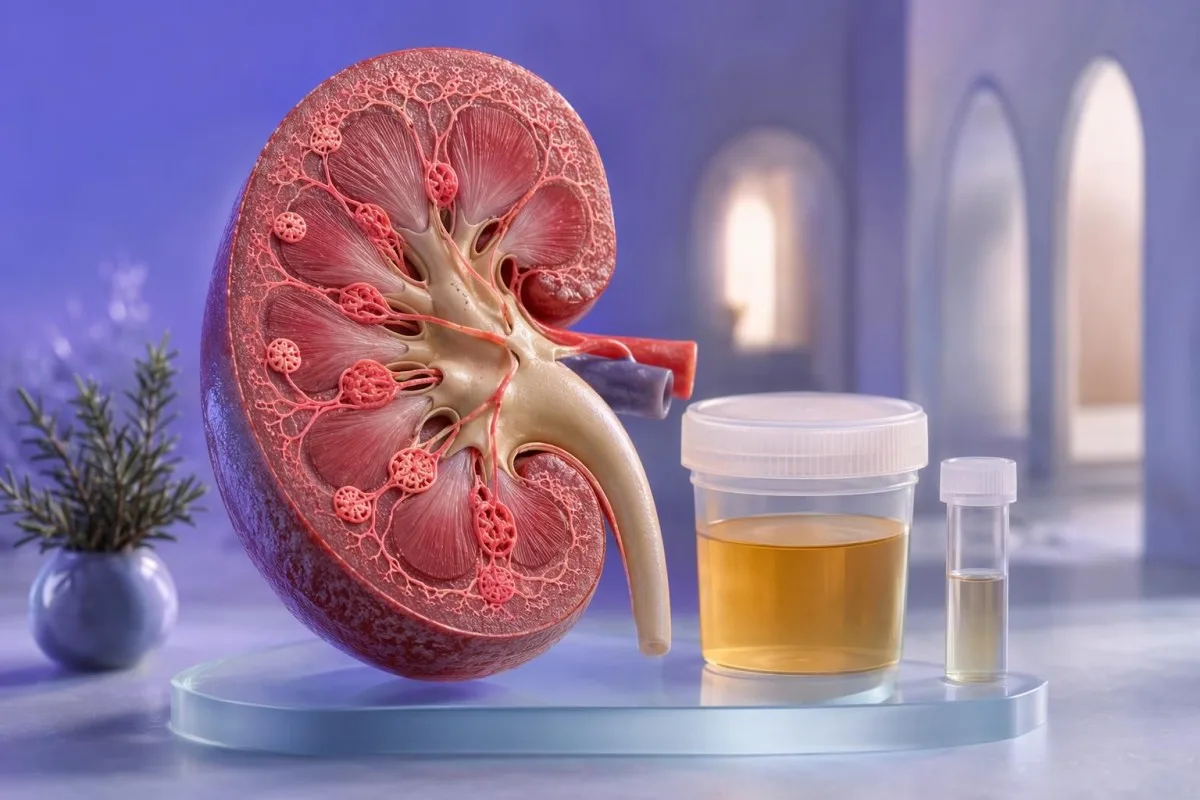
For den mest representative urin-ACR, bruk en ren morgenurinmidstrøprøve, unngå anstrengende trening i 24 timer, drikk normalt, og utsett testing ved urinveisinfeksjon, feber eller menstruasjonsblødning. Ikke slutt med foreskrevet blodtrykks- eller diabetesmedisin med mindre legen som bestilte testen ber deg om det.



- Best sample er en morgenurinmidstrøprøve som er ren, fordi nattens holdning og hydrering er mer konsistente.
- Normal ACR er under 3 mg/mmol i britiske enheter, tilsvarende under 30 mg/g i amerikanske enheter.
- Treningseffekt kan midlertidig øke urin albumin; unngå hard løping, tung løfting eller harde intervaller i 24 timer før testing.
- Hydration bør være vanlig: forholdet korrigerer for fortynning, men ekstrem væskebelastning kan fortsatt gjøre urinkreatinin uvanlig lav.
- Infeksjon og feber kan gi midlertidig albuminuri, så symptomatisk urinveisinfeksjon gir vanligvis grunn til å utsette en screening ACR.
- Menstrual bleeding kan forurense prøven med albumin og røde blodlegemer; test etter at blødningen har stoppet helt der det er praktisk.
- Økt blodtrykk kan øke urinalbumin, men foreskrevne ACE-hemmere, ARB-er, SGLT2-hemmere og diuretika skal ikke stoppes for en test.
- Bekreftelse betyr noe: vedvarende albuminuri krever som regel minst 2 forhøyede prøver av 3 innsamlet i løpet av 3 til 6 måneder.
Hva urin-ACR måler og hvorfor forberedelser er viktig
A mikroalbumin/kreatinin-ratio sammenligner urinalbumin med urinkreatinin i én prøve, og hjelper klinikere å oppdage nyrestress før eGFR faller. Et resultat under 3 mg/mmol or 30 mg/g er vanligvis normalt, mens en enkeltstående høy verdi ofte trenger bekreftelse heller enn alarm.
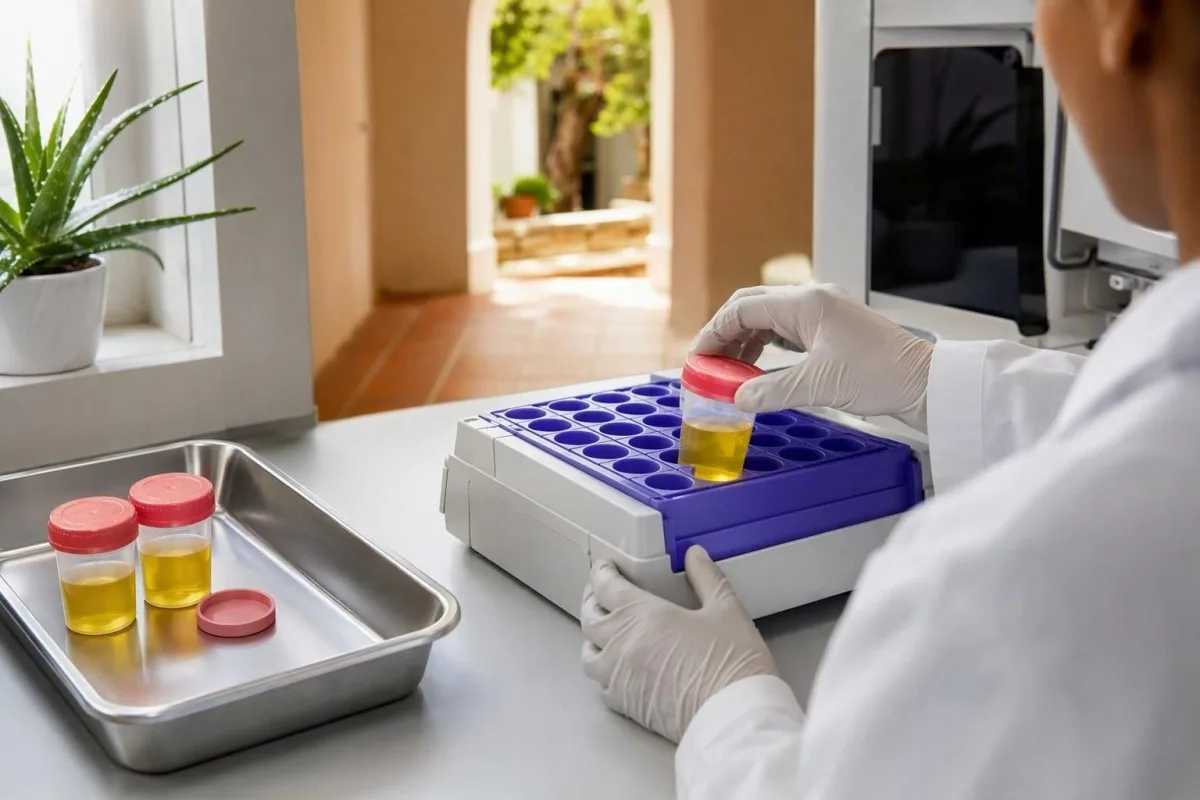
Albumin er et sirkulerende protein som en velfungerende glomerulær filter i stor grad tilbakeholder; kreatinin er et avfallsprodukt fra muskel som slippes ut i urin i en mer forutsigbar hastighet. Ved å dele det ene på det andre reduseres den misvisende effekten av en svært konsentrert eller fortynnet urinprøve, og derfor er ACR mer nyttig enn urinalbumin alene. Kantesti's biomarkørveiledning plasserer ratioen ved siden av nyre- og metabolske markører.
Begrepet “mikroalbumin” er utdatert laboratoriespråk, ikke et funn av små albuminmolekyler. Moderne veiledning for nyre kaller 30 til 300 mg/g “moderat økt albuminuri”, og verdier over 300 mg/g “kraftig økt albuminuri”; kategoriene forutsier nyre- og kardiovaskulær risiko når det er vedvarende. KDIGO anbefaler å bekrefte en forhøyet tilfeldig ACR med en første-morgenprøve (KDIGO, 2024).
Kantesti er en AI-blodprøveanalysator som plasserer en urin-ACR sammen med eGFR, glukose og blodtrykkskontekst, i stedet for å behandle én ratio som en diagnose. På min poliklinikk hadde en 41-åring som hadde løpt 10 km før en screening på arbeidsplassen en ACR på 48 mg/g; den hvilte gjentatte første-morgenprøven var 9 mg/g. Forberedelser endrer spørsmålet testen ærlig kan besvare.
Hvorfor nevneren kan være misvisende
Lav urinkreatinin fra ekstrem væskeinntak eller lav muskelmasse kan få forholdet til å se høyere ut, mens en veldig konsentrert prøve kan skape andre analytiske problemer. Dette er en grunn til at klinikere sammenligner gjentatte prøver, eGFR, urin-dipstick funn, og pasientens vanlige fysiologi heller enn å reagere på et enkelt grenseverdi-tall.
Hvordan lese ACR-enheter før du forbereder deg
ACR rapporteres i enten mg/mmol or mg/g, og de numeriske verdiene er ikke utskiftbare. ACR på 3 mg/mmol er omtrent 30 mg/g, mens 30 mg/mmol er omtrent 300 mg/g.
Storbritannia, Europa, Australia og mange internasjonale laboratorier bruker vanligvis mg/mmol, mens amerikanske rapporter vanligvis bruker mg/g. Den praktiske konverteringen er mg/mmol × 8,84 ≈ mg/g, så en ACR på 5 mg/mmol er omtrent 44 mg/g. Forveksling av enheten er overraskende vanlig når pasienter sammenligner resultater på tvers av land.
Albumin konsentrasjon alene, som 25 mg/L, kan ikke etablere samme risikokategori fordi den er sterkt påvirket av hvor mye vann som ble drukket. Urinkreatinin er ikke et mål på nyrefiltrering i denne sammenhengen; det er nevneren som brukes til å standardisere spotprøven. For skillet mellom serumkreatinin og urinmålinger, se vår veiledning om nyretester og urin ACR.
Et grenseverdi A2-resultat fortjener rolige, repeterbare forhold, spesielt når eGFR er over 60 mL/min/1,73 m² og det ikke er blod i urinen. Dr. Thomas Kleins tommelfingerregel er enkel: noter tidspunkt for innsamling, nylig hard trening, akutt sykdom, periode status, og medisinendringer før du bestemmer om et resultat representerer biologi eller omstendigheter.
ACR er ikke det samme som en 24-timers proteinkolleksjon
En spot første-morgen ACR foretrekkes vanligvis for screening fordi den er enklere å gjenta og mindre utsatt for tapte innsamlinger. En 24-timers samling kan fortsatt bli bedt om for uvanlige proteinstoffmønstre, svangerskapsvurdering, eller når resultatet og det kliniske bildet er uenige; innsamlingsfeil er vanlige nok til å ha betydning. Vår gjennomgang av Feil ved 24-timers urinprøve forklarer hvor disse avvikene oppstår.
Hvordan samle den mest pålitelige morgen-ACR-prøven
A første-morgen, midtstrøm ren-fangst urinprøve er den foretrukne forberedelsen for en ACR fordi den reduserer variasjon relatert til stilling, aktivitet og hydrering. Samle den før frokost hvis det passer, men faste er ikke nødvendig for selve urinprøven.
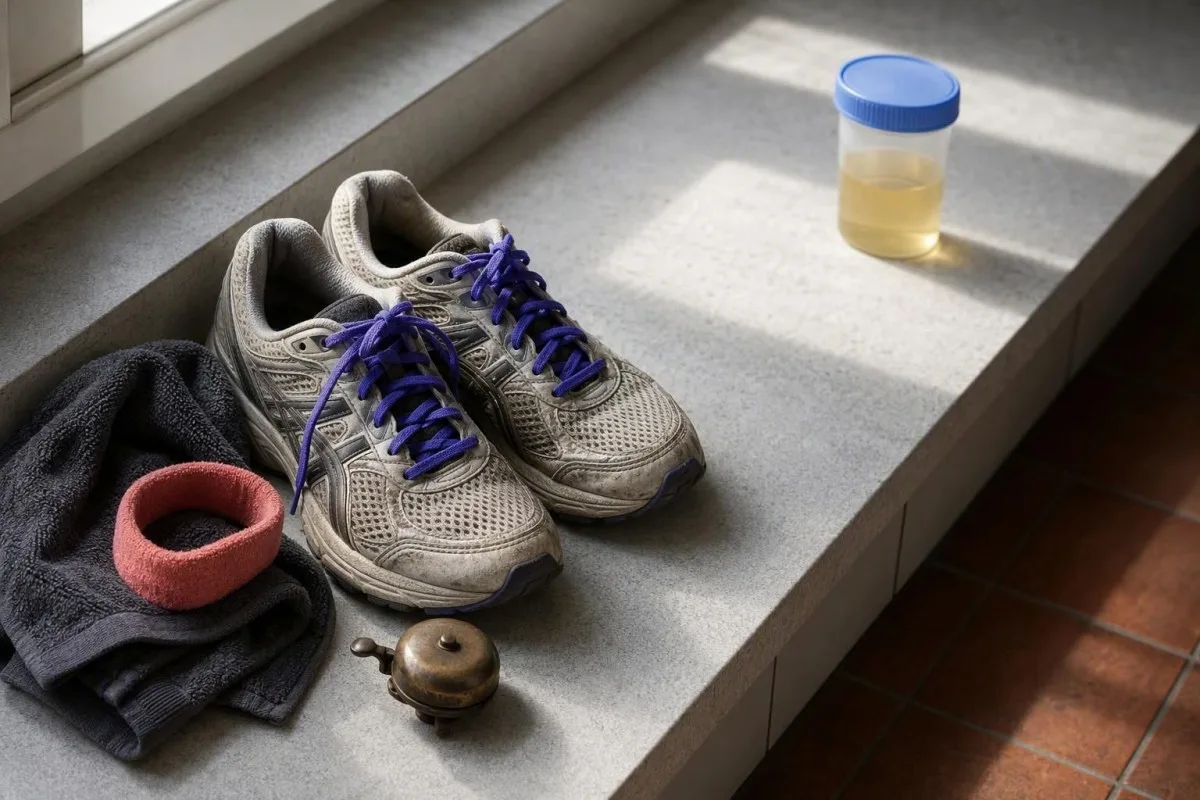
Bruk den sterile beholderen som laboratoriet har levert, begynn å urinere i toalettet, og samle deretter midtre del av strømmen uten at beholderen berører huden. En midtstrømsprøve reduserer kontaminering fra hudceller, vaginale sekreter eller bakterier; dette er viktigst når albumin er nær 3 mg/mmol terskelen. Sett på lokket umiddelbart og følg laboratoriets leveringsinstruksjoner.
Hvis du jobber nattevakt, betyr “første morgen” den første urinen etter din lengste vanlige søvnperiode, ikke nødvendigvis kl. 07.00. Målet er en prøve etter flere timers relativ hvile og ingen nylig oppreist aktivitet, heller enn å tvinge en rutine basert på klokkeslett som ikke passer ditt liv. En enkelt savnet første-morgen prøve er ikke en katastrofe - fortell klinikeren når og hvordan den ble samlet inn.
Unngå å samle inn umiddelbart etter en lang pendling, en treningsøkt, eller flere timers stående på en varm arbeidsplass. Ortostatisk proteinuri, der albumin øker etter langvarig oppreist stilling, men er normal etter hvile over natten, er mer vanlig hos ungdom og yngre voksne. Kronisk nyresykdom staging bruker både ACR-kategori og eGFR-kategori, ikke hver markør isolert sett.
Hvordan trening kan midlertidig øke urin albumin
Intens trening kan midlertidig øke urinalbumin og bør unngås for 24 hours før en screening ACR. Maratonløp, tung styrketrening, intervaller i motbakke og konkurranseidrett kan gi en større kortvarig effekt enn en rolig spasertur.
Trening endrer glomerulær blodstrøm, kroppstemperatur og tubulær proteinhåndtering; dehydrering og muskelskade kan gi støy. I praksis betyr “intens” aktivitet som gjør at du puster tungt, er sår eller uvanlig utmattet dagen etter, ikke vanlig husarbeid. En rolig 20-minutters spasertur vil sannsynligvis ikke ugyldiggjøre en test.
Jeg ser dette oftest hos samvittighetsfulle pasienter som trener hardere fordi de ønsker at resultatene deres skal se bra ut. En 52 år gammel rekreasjonssyklist ga en ACR på 6,8 mg/mmol etter en 90 km tur, deretter 1,1 mg/mmol ved en ny prøve 8 dager senere; det tilhørende serumkreatininet stabiliserte seg også. Vår veiledning til kreatinin etter trening forklarer hvorfor blod- og urinprøvene kan bevege seg sammen.
Ikke stopp normal fysisk aktivitet en uke eller prøv å “hvile deg til” et bedre resultat. Den nyttige sammenligningen er din daglige baseline under vanlige forhold, med det spesifikke unntaket å unngå anstrengende arbeid dagen før. Utholdenhetsutøvere kan også gjennomgå treningsrelaterte laboratorieforandringer før kombinasjon av en ACR med en stor laboratoriepanel.
Hydrering: drikk normalt i stedet for å prøve å fortynne resultatet
Normal hydrering er best før en ACR: drikk etter tørst og unngå både bevisst væskebelastning og uvanlig dehydrering. Albumin-kreatinin-forholdet justerer for urinkonsentrasjon, men det fjerner ikke fullstendig effekten av en ekstremt fortynnet prøve.
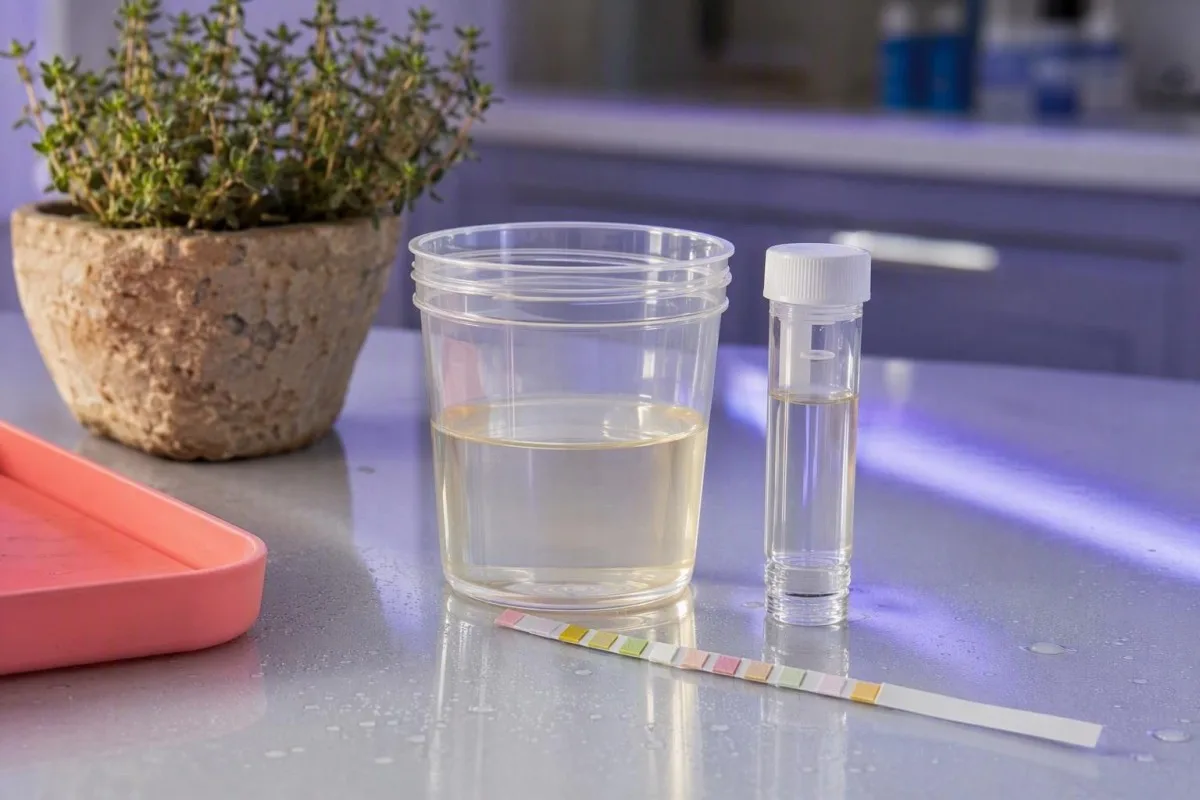
Ikke tving i deg liter med vann kort tid før innsamling for å forbedre mikroalbumin urintesten. Veldig lav urinkreatinin kan gjøre nevneren ustabil, og en nesten fargeløs prøve kan føre til at laboratoriet eller legen ber om en ny prøve. Omvendt, en urins spesifikk vekt over 1.030 tyder på markert konsentrasjon og bør gjøre et isolert grenseresultat mindre overbevisende.
Hydreringsendringer er spesielt relevante etter oppkast, diaré, badstue, langvarig varmeeksponering eller en lang flytur. Disse situasjonene kan også øke serumkreatinin, noe som gjør at nyrebildet ser mer bekymringsfullt ut enn personens vanlige tilstand. Urinosmolalitetsmønstre kan bidra til å forklare om prøven var uvanlig konsentrert eller fortynnet.
Det er ingen evidensbasert krav om å drikke et presist volum som 500 ml eller 2 l før denne testen. De fleste pasienter finner at deres normale kveldsinntak, deretter ingen bevisst drikking over natten, gir den minst variable første prøven. Blek gul snarere enn helt klar eller mørk ravfarget urin er en rimelig visuell sjekk, ikke et diagnostisk mål.
Hvorfor forholdet er nyttig, men ikke magisk
ACR korrigerer mer effektivt for vanlig variasjon i urinkonsentrasjon enn albumin konsentrasjon alene, noe som er grunnen til at det er det anbefalte screening tiltaket. Det er mindre pålitelig ved ytterpunktene av urinkreatinin, inkludert veldig fortynnet urin, veldig muskuløse individer, skrøpelighet og uvanlig lav muskelmasse; klinikere gjentar eller bruker tidsbestemt innsamling når resultater er motstridende.
Når infeksjon, feber eller urinveisymptomer bør forsinke ACR
En symptomatisk urinveisinfeksjon, feber eller akutt systemisk sykdom kan midlertidig øke urinalbumin, så rutinemessig ACR-screening utsettes vanligvis til etter bedring. Brennende vannlating, hastverk, synlig blod, flankesmerter eller feber bør vurderes klinisk heller enn å forklares bort som et problem med testforberedelse.

Betennelse i urinveiene kan legge til albumin, hvite blodlegemer og noen ganger blod til en prøve uten å indikere kronisk glomerulær skade. Hvis symptomer er til stede, spør om urinanalyse og kultur er nødvendig; en ACR samlet inn under aktive symptomer kan fortsatt dokumenteres, men den bør sjelden brukes alene til å diagnostisere kronisk nyresykdom. Urinanalyse versus kultur klargjør hva hver test svarer på.
En feber på 38.0°C eller over, influensalignende symptomer, gastroenteritt og akutt COVID-19 kan alle endre renal hemodynamikk og hydrering. Vent til du spiser, drikker og føler deg tilbake til din vanlige tilstand – ofte 1 til 2 uker etter den akutte episoden – med mindre legen din trenger resultatet umiddelbart for et eksisterende nyreproblem. Dette rådet handler om tolkbarhet, ikke en grunn til å utsette behandling.
Leukocyttesterase eller nitritter på en teststrimmel støtter mulig urininfeksjon, men identifiserer ikke årsaken til forhøyet ACR alene. Leukocyttesterasefunn er spesielt sårbare for prøveforurensning, og det er grunnen til at symptomer og en riktig samlet prøve betyr like mye som stråleresultatet.
Menstruasjon, spotting og vaginal forurensning før ACR
Menstruasjonsblødning kan forurense en urin ACR-prøve med albumin og røde blodlegemer, så samle etter at blødningen har stoppet når tiden tillater det. Lett spotting, postpartale utflod og vaginal utflod bør opplyses til laboratoriet eller legen da de kan påvirke tolkningen.
Bekymringen er ikke at menstruasjon skader nyrene; det er at blodproteiner og celler kommer inn i oppsamlingskoppen fra utsiden av urinveiene. En prøve med kraftig blødning kan gi en positiv teststrimmel for protein eller blod og en forhøyet ACR som har liten verdi for nyrescreening. Hvis testen er rutinemessig, er det en fornuftig lokal praksis å vente omtrent 3 dager etter at blødningen har stoppet , selv om det ikke finnes et universelt intervall i evidensen.
En tampong eller menstruasjonskopp kan redusere synlig forurensning for noen, men det garanterer ikke en ren prøve og bør ikke brukes til å tvinge frem en akutt rutinemessig screening. Hvis graviditet, preeklampsi, kjent nyresykdom eller ny hevelse gjør vurderingen tidskritisk, gi prøven og noter tydelig blødning i stedet for å forsinke uten råd. Røde flagg for blod i urinen bør aldri automatisk tilskrives en periode.
Kantesti AI er en Tjeneste for tolkning av laboratorieprøver med AI som utløser ACR-resultater når urin-albumin vises sammen med blod, leukocytter, eGFR-endringer eller et rapportert innsamlingsproblem. Denne konteksten bidrar til å skille et gjentakbart nyresignal fra en prøve som rett og slett må samles inn på nytt; den kan ikke erstatte mikroskopi, dyrking eller legegjennomgang når symptomer er tilstede.
Blodtrykk, medisiner og ACR på testdagen
Høyt blodtrykk kan øke urin-albumin, men du bør ta foreskrevet blodtrykksmedisin som vanlig før en ACR, med mindre legen din gir andre instruksjoner. Å stoppe en ACE-hemmer, ARB, diuretikum eller SGLT2-hemmer for å endre et resultat kan skape en mindre trygg og mindre klinisk nyttig måling.
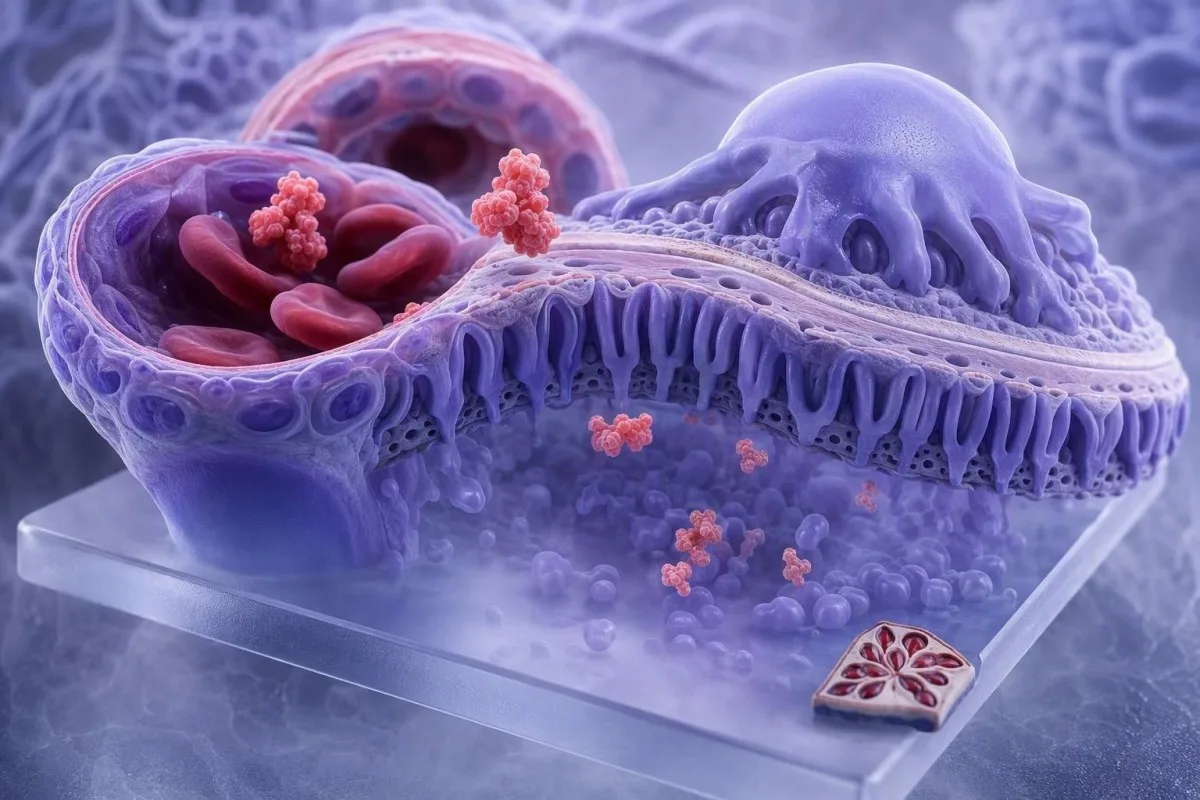
En måling på 180/120 mmHg eller høyere med brystsmerter, tung pust, nevrologiske symptomer, alvorlig hodepine eller synsforandringer er en akutt medisinsk situasjon, ikke et problem med forberedelse til ACR. Selv mindre dramatisk ukontrollert hypertensjon kan øke glomerulus-trykket og albuminlekkasjen, spesielt når målingene forblir over 140/90 mmHg utenfor en klinikk. Registrer nylige hjemmemålinger i stedet for å prøve å få dem til å se bedre ut på dagen.
ACE-hemmere og ARB-er senker vanligvis albuminuri ved å redusere trykket inne i glomerulus, noe som er en behandlingseffekt leger ønsker å se over tid. Diuretika kan endre hydreringen, og NSAIDs kan påvirke nyreblodstrømmen, men ingen av dem bør justeres selv før screening. Kaliumkontroller etter endringer i blodtrykksmedisiner forklarer en grunn til at oppfølgingspaneler ofte inkluderer mer enn urin.
For en nøyaktig hjemmemåling, sitt stille i 5 minutes, hold føttene på gulvet, og bruk en riktig tilpasset mansjett på overarmen før du registrerer to målinger med ett minuts mellomrom. ACR krever ikke en blodtrykksmåling på samme minutt, men en ukes data fra hjemmet kan være langt mer informativ enn en enkelt angstfull måling på klinikken.
Diabetes, høyt glukosenivå og tidspunkt for urin ACR
Vedvarende høyt blodsukker kan øke urin-albumin, men en enkelt dag med høyt sukkerinnhold diagnostiserer ikke diabetisk nyresykdom. Personer med diabetes trenger vanligvis en årlig ACR- og eGFR-vurdering, med hyppigere overvåking når albuminuri allerede er til stede.
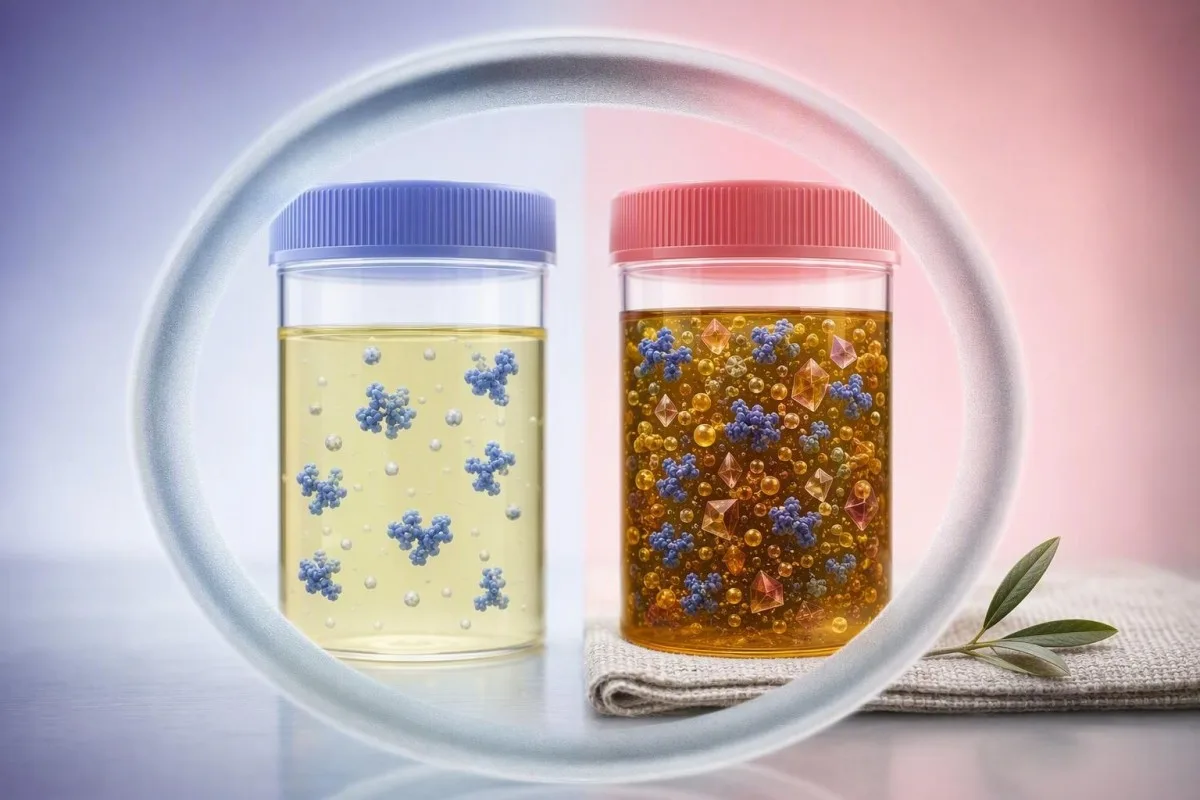
Den amerikanske diabetesforeningen anbefaler årlig vurdering av urin-albumin og eGFR ved type 1-diabetes etter minst 5 år av varighet og hos alle med type 2-diabetes fra diagnose (American Diabetes Association Professional Practice Committee, 2024). En ACR på 30 mg/g eller mer bør bekreftes fordi trening, infeksjon og hyperglykemi kan øke den forbigående. Dette er en screeningvei, ikke bevis på diabetisk nyresykdom fra en enkelt prøve.
Ikke faste, hopp over insulin, eller endre diabetesmedisiner for å “forberede” deg på en urin-albumin-test. Alvorlig hyperglykemi, ketoner, dehydrering og akutt sykdom krever sin egen behandling; endring av behandling for et mer attraktivt laboratorieresultat kan være skadelig. HbA1c forbedringsplaner er mer nyttige for langsiktig glukosekontekst.
Grunnen til at klinikere bekymrer seg mest for høy ACR kombinert med fallende eGFR er at de to målingene beskriver forskjellige aspekter av nyrehelse: lekkasje gjennom filteret og filtreringskapasitet. En ACR på 70 mg/g med eGFR 95 kan kreve et annet oppfølgingstempo enn den samme ACR med eGFR 42. Mønstre er viktigere enn isolerte resultater.
Mat, faste, proteintilskudd og alkohol før ACR
Du trenger ikke å faste for en frittstående ACR, og et normalt måltid forstyrrer vanligvis ikke forholdet. Unngå uvanlig faste, overdrevent alkoholinntak eller et svært proteinrikt kosthold dagen før hvis målet er å måle din vanlige nyrebunnpunkt.
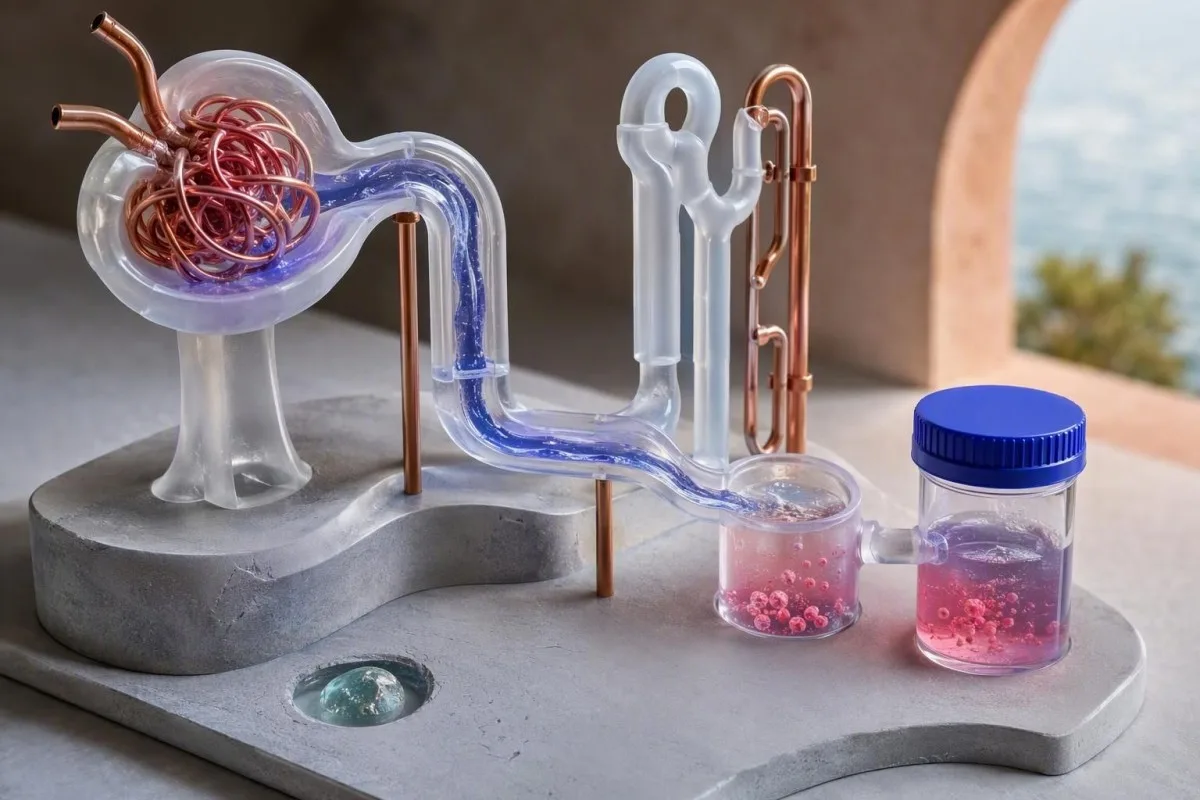
En standard frokost eller kaffe etter prøvetaking er greit, og mat før en senere prøve på dagen er vanligvis mindre viktig enn aktivitet, holdning og hydrering. Langvarig faste kan imidlertid endre hydrering og ketonproduksjon, mens en proteinrik bodybuilding-dag ofte sammenfaller med hard trening – til sammen kan de gjøre både urin-kreatinin og albumin vanskeligere å tolke. Periodisk faste og laboratorieendringer dekker disse bredere skiftene.
Kreatintilskudd kan øke serumkreatinin uten nødvendigvis å senke ekte GFR, men deres direkte effekt på urin-ACR er mindre forutsigbar. Ikke slutt å ta et foreskrevet eller rutinemessig brukt tilskudd kun for denne testen med mindre legen som bestilte den ber om det; i stedet, list opp produktet, dosen og siste bruk. En myse-shake som gir 20 til 40 g protein er ikke i seg selv en grunn til å avlyse en ACR.
Kraftig alkoholinntak kan forverre dehydrering, øke blodtrykket og forstyrre glukosekontrollen over neste dag. Jeg råder pasienter til å unngå overdrevent inntak i 24 til 48 timer før rutinemessig nyrescreening, ikke fordi en enkelt drink ugyldiggjør analysen, men fordi en test skal representere vanlig fysiologi.
Feilhåndtering av prøver som kan endre et ACR-resultat
En ren midtstrømsprøve levert raskt er den enkleste måten å redusere pre-analytisk ACR-feil på. Forurensning, langvarig varm lagring, og innsamling fra en toalettskål eller et ikke-sterilt glass kan gjøre en ny prøve nødvendig.
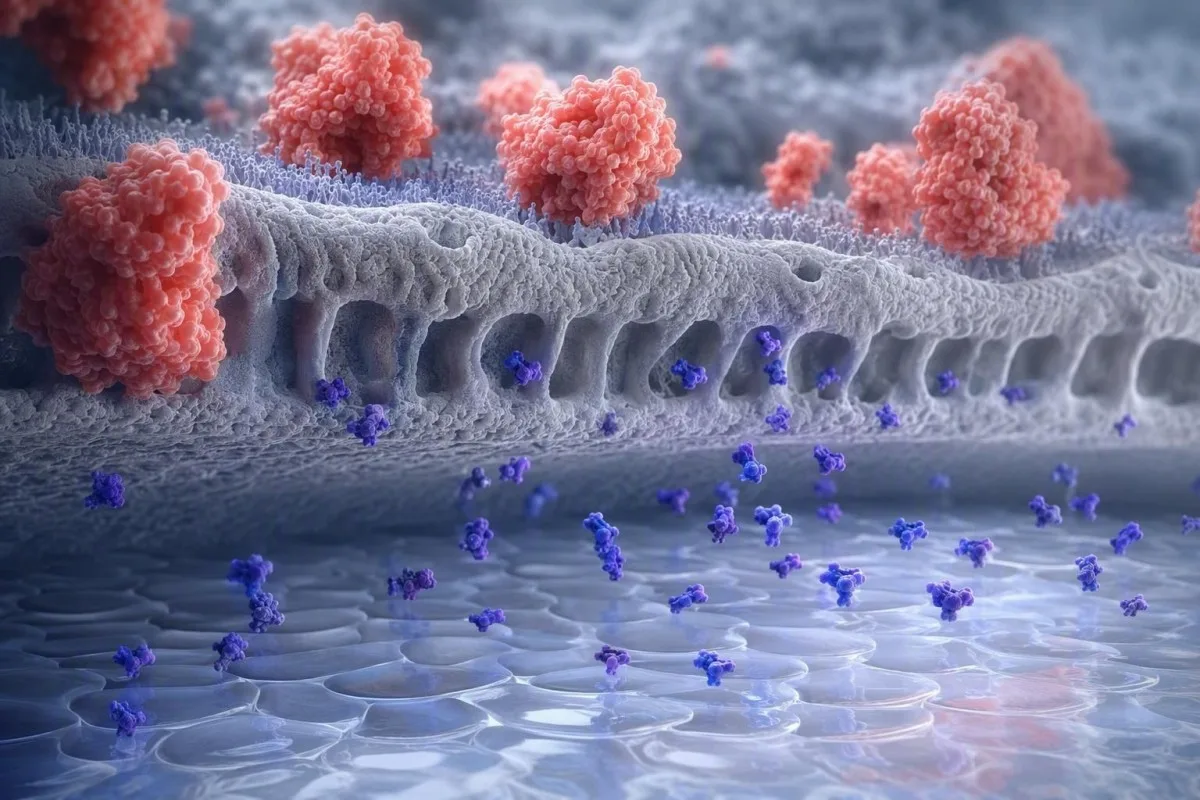
Bruk kun laboratoriebeholderen og unngå å helle urin fra et annet kar. Hvis innsamling skjer hjemme, følg lokale instruksjoner om tidspunkt og kjøling; mange laboratorier foretrekker ankomst innen 2 timer ved romtemperatur, mens kjøling kan være akseptabelt for et lengre intervall. Laboratoriets skriftlige anvisninger har prioritet fordi analysebehandling varierer.
Hudrens, vaginale kremer, sæd og betydelig slim kan endre funn fra teststrimler og mikroskopi, selv når effekten på kvantitativ albumin er variabel. Fortell legen om du har hatt seksuell aktivitet kort tid før innsamling eller bruker topiske produkter; vanligvis gir dette kontekst eller en ny prøve, ikke panikk. Tolkning av urin-pH gir et annet eksempel på hvorfor innsamlingsforhold er viktige.
Kantesti er en Analyseverktøy for blodprøver drevet av KI som kan organisere en fotografert laboratorierapport, men den opprinnelige laboratoriemetoden og innsamlingsnotatene forblir sannhetens kilde. Hvis en opplastet rapport har en uventet ACR, vår technology guide forklarer hvorfor en kontekstuell gjennomgang bør føre til et kliniker-bekreftet neste trinn heller enn en automatisert diagnose.
Hva du skal gjøre hvis urinanalsen for mikroalbumin er høy
En forhøyet ACR bør vanligvis gjentas under stabile forhold før det kalles vedvarende albuminuri. Et høyt resultat ledsaget av hevelse, synlig blod, svært høyt blodtrykk, redusert urinmengde eller et raskt fall i eGFR krever raskere klinisk vurdering.
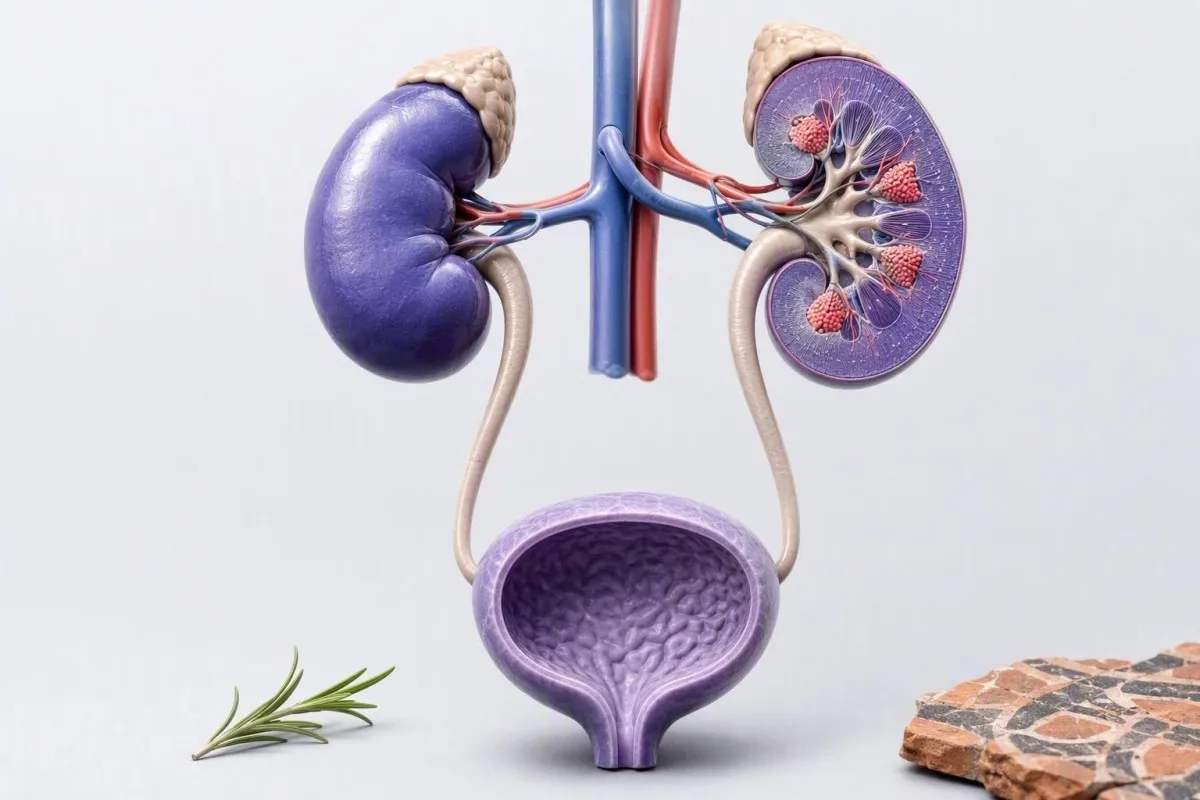
For en ACR mellom 3 og 30 mg/mmol (30 til 300 mg/g) gjentar klinikere vanligvis en morgenprøve og gjennomgår blodtrykk, HbA1c eller glukose, eGFR, urinsediment og medisinbruk. KDIGO definerer kronisk nyresykdom ved abnormaliteter til stede i minst 3 måneder, ikke ved én test etter en vanskelig uke (KDIGO, 2024). Den tidsbegrensningen beskytter pasienter mot unødvendige etiketter.
En ACR over 30 mg/mmol (300 mg/g), spesielt hvis den er ny, fortjener rettidig gjennomgang selv om du føler deg bra. En urinstix som viser blod, røde blodlegemer på mikroskopi, lavt komplement eller en skarp kreatininstigning, antyder en annen vei enn ukomplisert metabolsk albuminuri. Protein i urin forårsaker skisserer de praktiske faresignalene.
Jeg ville ikke beroliget noen bare fordi et forhøyet forhold fulgte en treningsøkt hvis de også har ankelhevelse eller en eGFR under 60 mL/min/1,73 m². Kontekst kan forklare et tall, men det bør aldri bli en unnskyldning for å overse reell nyresykdom.
Hvorfor gjentatt ACR-testing er mer nyttig enn å jage ett tall
Vedvarende albuminuri bekreftes vanligvis når minst 2 av 3 urin ACR-prøver er forhøyet over 3 til 6 måneder. Gjentakelse under sammenlignbare forhold bidrar til å skille biologisk endring fra trening, sykdom, prøvetaking og normal daglig variasjon.
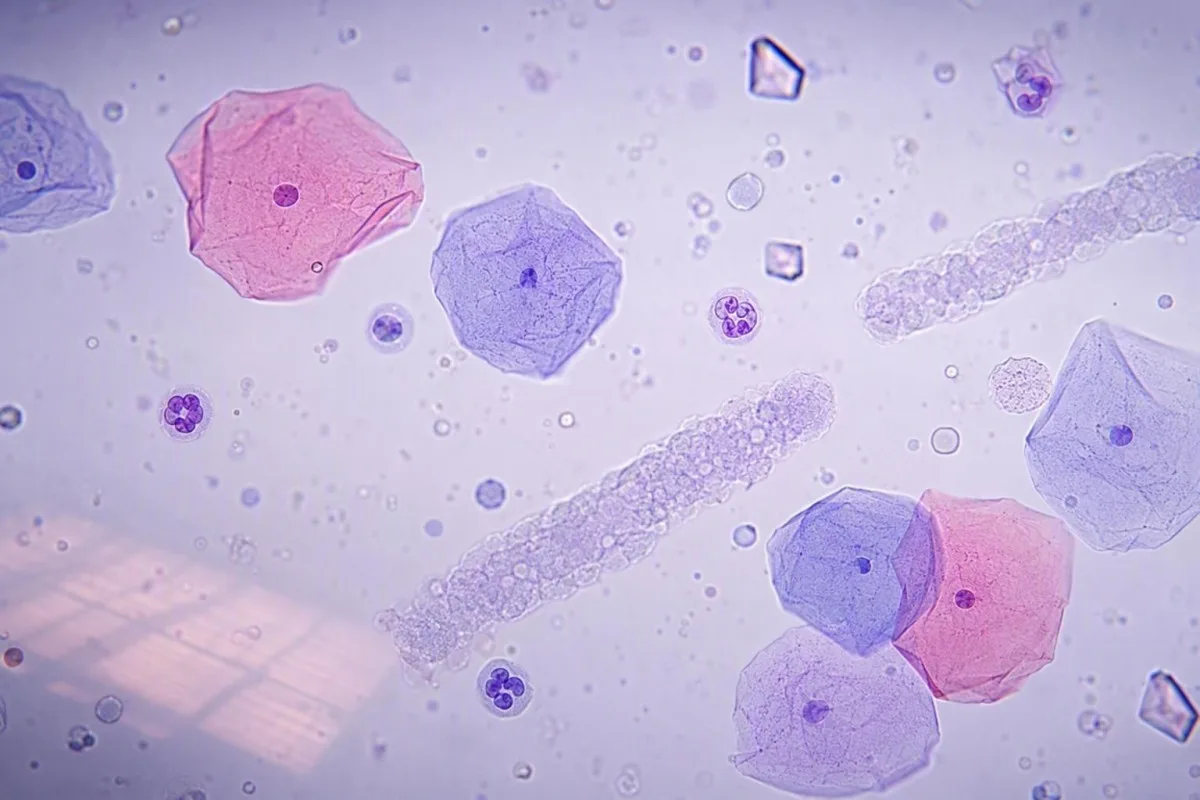
Bruk samme laboratorium når mulig, samle på et lignende tidspunkt på dagen, og skriv ned om du var syk, menstruerte, dehydrert eller uvanlig aktiv. Et fall fra 4,2 til 1,8 mg/mmol kan være betryggende, men det er ikke meningsfullt hvis den første prøven kom etter et løp og den andre etter en stillesittende helg. Hvorfor laboratorieverdiene varierer mellom besøk forklarer dette bredere problemet.
For etablert kronisk nyresykdom avhenger gjentakelsesfrekvensen av både eGFR og ACR-kategori. Noen med eGFR 85 og ACR 4 mg/mmol kan overvåkes årlig eller oftere basert på diabetes og blodtrykk, mens eGFR 38 med ACR 40 mg/mmol vanligvis trenger mye tettere klinikerledet oppfølging. De absolutte tallene betyr noe, men kombinasjonen av dem betyr mer.
Kantesti AI er en AI-plattform for tolkning av biomarkører som sammenligner serielle nyre-relaterte resultater, samtidig som de opprinnelige datoene og laboratorieenhetene bevares. Vår medisinske valideringsmetode er utformet rundt flagging av meningsfull kontekst for gjennomgang, ikke erklæring om at en liten numerisk endring er en sykdomsprogresjon.
Sjekkliste for din 24-timers ACR-forberedelse
Dagen før en ACR, unngå anstrengende trening, spis og drikk normalt, ta foreskrevne medisiner, og utsett en rutinemessig prøve hvis du har feber, urinveissymptomer eller menstruasjonsblødning. På innsamlingsdagen, bruk den første urinen etter din hovedsøvn og gi en ren midtstrømsprøve.
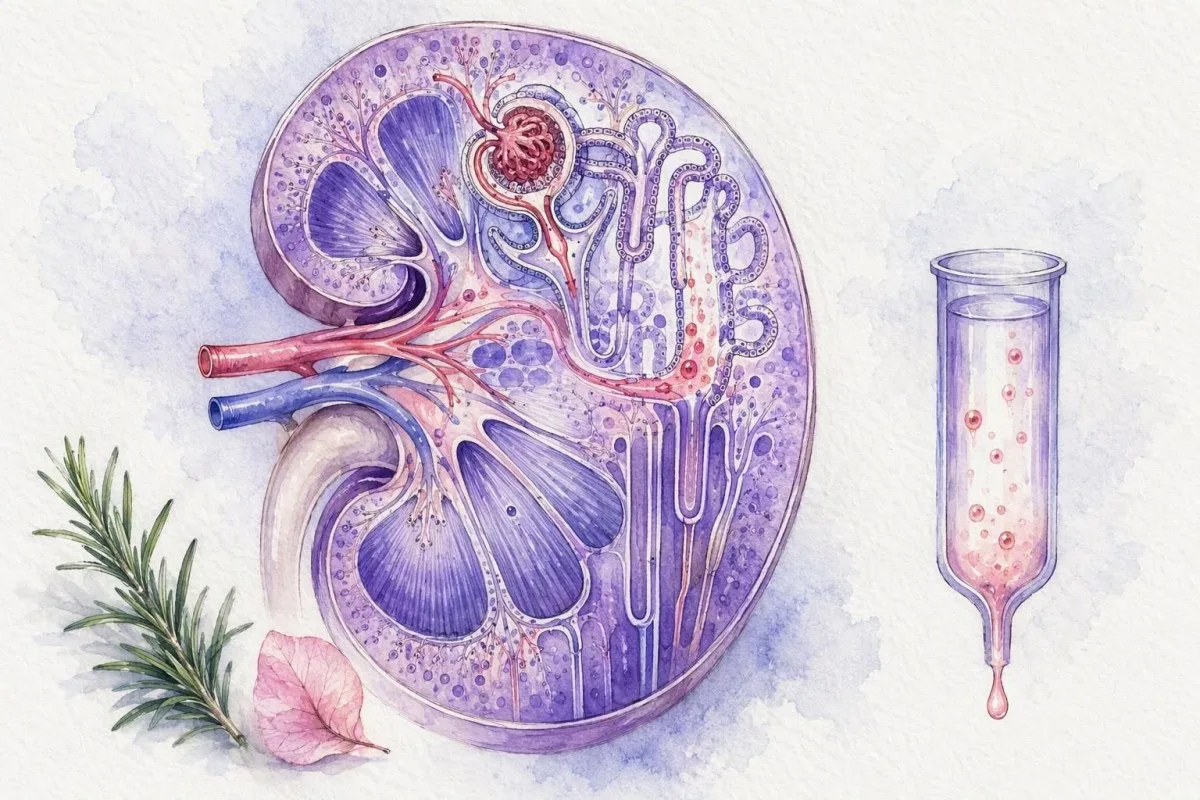
Kvelden før: ikke tren intenst, ikke drikk mye alkohol, og ikke drikk mye vann med vilje. Morgenen av: samle før langvarig gange, pendling, kaffe eller frokost hvis det passer laboratorieplanen, selv om faste ikke er medisinsk nødvendig for ACR. Skriv ned en hjemmeblodtrykksmåling hvis du har en.
Ta med en medisinliste som inkluderer ACE-hemmere, ARB-er, diuretika, SGLT2-hemmere, NSAIDs, diabetesmedisiner og kosttilskudd uten resept. En medisinendring innenfor de forrige 2 til 4 uker kan bidra til å forklare en reell trend, spesielt hvis serumkalium, kreatinin eller blodtrykk endret seg samtidig. Foreta aldri en medisinendring bare for å forberede deg til screening.
Fra og med 29. juli 2026 er det tryggeste praktiske budskapet fortsatt: sikt på en representativ prøve, ikke en perfekt en. Hvis resultatet er uventet, gjenta det heller enn å prøve å overliste laboratoriet. Dr. Thomas Klein og vårt Medisinsk rådgivende styre anbefaler klinisk gjennomgang ved vedvarende forhøyelse, graviditetsrelaterte bekymringer eller andre nyre-relaterte symptomer.
Ofte stilte spørsmål
Bør jeg faste før en test for mikroalbumin/kreatinin-forhold?
Nei, faste er ikke nødvendig for en separat test for mikroalbumin/kreatinin-forhold. En prøve fra første morgenurin før frokost foretrekkes ofte fordi den påvirkes mindre av aktivitet på dagtid og væskeinntak, ikke fordi mat endrer albumin direkte. Unngå uvanlig faste, inntak av mye alkohol og hard fysisk trening i 24 timer, da dette kan gjøre urin-albumin eller urin-kreatinin mindre representativt. Hvis ACR-en din samles inn sammen med faste blodprøver, følg instruksjonene for blodprøven gitt av laboratoriet ditt.
Hvor mye vann bør jeg drikke før en urin ACR-test?
Drikk normalt og etter tørst før en urin ACR-test; ikke drikk bevisst store mengder for å fortynne prøven. Albumin-til-kreatinin-ratioen korrigerer for vanlige forskjeller i urinkonsentrasjon, men ekstrem væskebelastning kan gi svært lav urinkreatinin og kan føre til en lite nyttig ny test. Mørk, konsentrert urin etter oppkast, varmeeksponering eller hard trening kan også gjøre tolkningen vanskelig. Et vanlig væskeinntak på kvelden og første urin etter søvn er en praktisk tilnærming.
Kan trening føre til en forhøyet mikroalbumin-urinprøve?
Ja, kraftig trening kan føre til en midlertidig økning i urinalbumin og dermed en høy mikroalbumin-urintest. Unngå maratonløping, tung løfting, harde intervaller eller konkurranseidrett i minst 24 timer før en screening ACR; rolig gange er vanligvis helt greit. En ACR på 30 mg/g eller mer etter hard trening bør som regel gjentas med en hvilt første-morgenprøve før det anses som persisterende albuminuri. Symptomer, GFR, blodtrykk og gjentatte resultater avgjør om det er behov for videre vurdering.
Kan jeg ta en ACR-test mens jeg har menstruasjon?
Menstruasjonsblødning kan forurense en urin ACR-prøve med protein og røde blodceller, så rutinemessig testing er best å gjøre etter at blødningen er helt stoppet. Mange klinikere foreslår å vente omtrent 3 dager etter slutten av en periode når tidspunktet kan tilpasses, selv om det ikke finnes noe enkelt intervall som kreves av alle laboratorier. Hvis testen haster på grunn av graviditet, kjent nyresykdom, hevelse eller høyt blodtrykk, gi prøven og informer klinikeren om at blødning eller spotting forekommer. Et positivt resultat som er innsamlet under menstruasjon, trenger ofte ny testing.
Bør jeg ta blodtrykksmedisin før en urin ACR-test?
Ja, ta foreskrevet blodtrykksmedisin før en urin ACR-test med mindre den behandlende legen som bestilte den, spesifikt har instruert noe annet. ACE-hemmere og ARB-er kan redusere albuminuri, men denne effekten er klinisk relevant og bør måles i stedet for å skjules ved å stoppe behandlingen. Ikke stopp diuretika, SGLT2-hemmere eller andre legemidler for å påvirke ett enkelt urinresultat, fordi brå endringer kan påvirke blodtrykk, væskebalanse, glukose og nyrefunksjon. Registrer nylige endringer i medisineringen, særlig i løpet av de foregående 2 til 4 ukene.
Hvilket ACR-nivå regnes som høyt?
En ACR under 3 mg/mmol, tilsvarende under 30 mg/g, regnes generelt som normalt til lett forhøyet. ACR på 3 til 30 mg/mmol (30 til 300 mg/g) er moderat økt albuminuri, og en ACR over 30 mg/mmol (300 mg/g) er sterkt økt albuminuri. Et enkelt forhøyet resultat diagnostiserer ikke kronisk nyresykdom, fordi trening, infeksjon, feber, menstruasjon og hydrering kan øke det midlertidig. Vedvarende forhøyelse i minst 2 av 3 prøver over 3 til 6 måneder er mye mer klinisk meningsfullt.
Få AI-drevet analyse av blodprøver i dag
Bli med over 2 millioner brukere over hele verden som stoler på Kantesti for øyeblikkelig, nøyaktig analyse av laboratorietester. Last opp blodprøveresultatene dine og få omfattende tolkning av 15,000+-biomarkører på sekunder.
📚 Refererte forskningspublikasjoner
Klein, T., Mitchell, S., & Weber, H. (2026). Diaré etter faste, svarte prikker i avføringen og GI-veiledning 2026. Kantesti KI medisinsk forskning.
Klein, T., Mitchell, S., & Weber, H. (2026). Women's Health Guide: Ovulation, Menopause & Hormonal Symptoms. Kantesti KI medisinsk forskning.
📖 Eksterne medisinske referanser
⚕️ Medisinsk ansvarsfraskrivelse
Denne artikkelen er kun for informasjonsformål og utgjør ikke medisinsk rådgivning. Rådfør deg alltid med en kvalifisert helsepersonell for beslutninger om diagnose og behandling.
E-E-A-T tillitssignaler
Experience
Klinisk gjennomgang ledet av lege av arbeidsflyter for laboratorietolkning.
Expertise
Fagområde laboratoriemedisin med fokus på hvordan biomarkører oppfører seg i klinisk kontekst.
Authoritativeness
Skrevet av Dr. Thomas Klein med gjennomgang av Dr. Sarah Mitchell og Prof. Dr. Hans Weber.
Trustworthiness
Evidensbasert tolkning med tydelige oppfølgingsveier for å redusere uro.