
ஒரு மரபணுக் கண்டுபிடிப்பு FMF நோயறிதலை வலுப்படுத்தலாம்—அல்லது தவறாக வழிநடத்தும் நோய்ப் பெயரை உருவாக்கலாம். இந்த வேறுபாடு, மரபணு மாறுபாடு, அதன் மரபுரிமை முறை, காய்ச்சல் தாக்கங்களின்போது உண்மையில் என்ன நிகழ்கிறது என்பவற்றைப் பொறுத்தது.



- MEFV மரபணுப் பரிசோதனை முடிவுகள் குடும்ப வழி மத்தியதரைக் காய்ச்சல் நோயறிதலை ஆதரிக்கின்றன; ஆனால் அறிகுறிகளுடன் கூடிய நோயைத் தானாகவே உறுதிப்படுத்துவதில்லை.
- இரண்டு நோயுண்டாக்கும் மரபணு மாறுபாடுகள் மரபணுவின் எதிரெதிர் பிரதிகளில் இருப்பது, ஒரு மரபணு மாறுபாட்டைவிட வலுவான மூலக்கூறு ஆதரவை வழங்குகிறது; அவற்றின் பொருத்தத்தை மருத்துவ மதிப்பீடே தீர்மானிக்கிறது.
- ஐந்து வகைப்பாட்டுப் பிரிவுகள் நோயுண்டாக்கும், நோயுண்டாக்க வாய்ப்புள்ள, உறுதியற்ற, பெரும்பாலும் தீங்கற்ற, தீங்கற்ற கண்டுபிடிப்புகளைத் தனித்தனியாகப் பிரிக்கின்றன.
- உறுதியற்ற முக்கியத்துவம் கொண்ட MEFV மரபணு மாறுபாடு FMF-க்கான சான்றல்ல; சிகிச்சையையோ முன்கணிப்புப் பரிசோதனையையோ தனியாகத் தீர்மானிக்கக் கூடாது.
- வழக்கமான FMF தாக்கங்கள் பெரும்பாலும் 12–72 மணி நேரம் நீடிக்கும்; மீண்டும் மீண்டும் வரும் காய்ச்சலுடன் வயிறு, மார்பு அல்லது மூட்டுத் தொடர்பான அறிகுறிகளும் இருக்கும்.
- எதிர்மறையான மரபணுப் பரிசோதனை FMF-ஐ விலக்காது; குறிப்பாக, தேர்ந்தெடுக்கப்பட்ட பொதுவான மாறுபாடுகளை மட்டுமே பரிசோதனை ஆய்வு செய்யும்போது.
- CRP மற்றும் சீரம் அமிலாய்டு A தாக்கங்களின்போதும் தாக்கங்களுக்கு இடையிலும் விளக்கப்பட வேண்டும்; இந்தக் குறியீடுகளில் எதுவும் தனியாக FMF-ஐ அடையாளம் காணாது.
- தொடர்ந்து காணப்படும் சீரம் அமிலாய்டு A முக்கியமானது; ஏனெனில் தொடர்ச்சியான அழற்சி AA அமிலாய்டோசிஸுக்கு வழிவகுக்கலாம்; 2016 EULAR பரிந்துரைகள் 10 mg/L-க்குக் குறைவான சிகிச்சை இலக்கை விவரிக்கின்றன.
- அவசர அறிகுறிகள் வயிறு இறுக்கமாக இருத்தல், புதிதாக மூச்சுத்திணறல் ஏற்படுதல் அல்லது கடுமையான மார்பு வலி போன்றவற்றுக்கு, ஏற்கெனவே FMF உறுதிசெய்யப்பட்ட ஒருவரிடம்கூட மதிப்பீடு தேவை.
நேர்மறையான MEFV முடிவு உண்மையில் FMF-ஐ உறுதிப்படுத்துகிறதா?
ஒரு MEFV மரபணுப் பரிசோதனை குடும்ப வழி மத்தியதரைக் காய்ச்சலைத் தானாகவே உறுதிப்படுத்தாது. மரபணுவின் எதிரெதிர் நகல்களில் உள்ள இரண்டு நோயுண்டாக்கும் அல்லது நோயுண்டாக்கக்கூடும் மாறுபாடுகள் நோயறிதலை வலுவாக ஆதரிக்கின்றன; ஆனால் தனித்த மாறுபாடு அல்லது தெளிவற்ற கண்டறிதல் அறிகுறிகளை விளக்காமல் இருக்கலாம். மீண்டும் மீண்டும் ஏற்படும் தாக்கங்களின் வடிவமும் மருத்துவ மதிப்பீடும் இன்னும் அவசியம்; எதிர்மறையான முடிவு FMF-ஐ விலக்காது.

வேறுபாடு இருப்பது மூலக்கூறு கண்டறிதலுக்கும் மருத்துவ நோயறிதலுக்கும் இடையில்தான்: ஆய்வகம் DNA-வை விவரிக்கிறது; ஒருவருக்கு FMF உள்ளதா என்பதை மருத்துவர் தீர்மானிக்கிறார். நோயுடன் தொடர்புடைய 2 மாறுபாடுகள் இருந்தாலும்கூட, நோயாளியின் தற்போதைய அழற்சியின் அளவையோ, ஒரு குறிப்பிட்ட வயிற்றுவலி நிகழ்வு FMF தாக்கமா என்பதையோ அவை தெரிவிப்பதில்லை; நோய் வெளிப்பாடும் தீவிரமும் மாறுபடும்.
“பரிசோதனை நேர்மறையாக இருந்ததா?” என்பதுதான் என் முதல் கேள்வி அல்ல. “எந்த மாறுபாடு, மரபணுவின் எத்தனை நகல்களில், மேலும் என்ன அறிகுறிகளுடன்?” என்பதே என் கேள்வி. நான் Thomas Klein, MD, Kantesti-இன் தலைமை மருத்துவ அதிகாரி; எங்கள் நிறுவனத்தின் பின்னணி எங்களின் கல்விசார் பங்கை விளக்குகிறது; ஆனால் தனிநபருக்கான FMF நோயறிதல் அவருக்குச் சிகிச்சையளிக்கும் மருத்துவரின் பொறுப்பாகும்.
கான்டெஸ்டி என்பது ஒரு AI இரத்த பரிசோதனை பகுப்பாய்வி உடன் வரும் அழற்சி ஆய்வக முடிவுகளை வாசகர்கள் புரிந்துகொள்ள உதவக்கூடும்; ஆனால் மரபுவழிக் காய்ச்சல் கோளாறைத் தனியாக உறுதிப்படுத்தாது. ஓர் எடுத்துக்காட்டுப் ஒப்பீட்டைக் கருதுங்கள்: 36 மணிநேரம் நீடிக்கும் காய்ச்சல் மற்றும் வயிற்றுவலி தாக்கங்கள் கொண்ட ஒருவரும், தொடர்ந்து சோர்வுடன் அதே ஒற்றை MEFV கண்டறிதல் உள்ள ஒருவரும் கணிசமாக வேறுபடுகின்றனர்; இருவரின் மருத்துவ வரலாறுகளையும் நேர்மறை/எதிர்மறை என்ற முத்திரையாகச் சுருக்கக்கூடாது.
MEFV மரபணுப் பரிசோதனை எதை அளவிடுகிறது?
தி MEFV மரபணுப் பரிசோதனை, பைரின் புரதத்தை உருவாக்கும் மரபணுவில் உள்ள DNA மாற்றங்களை ஆய்வு செய்கிறது, ; பைரின் உள்ளார்ந்த நோயெதிர்ப்பு ஒழுங்குமுறையில் பங்கேற்கும் ஒரு புரதமாகும். MEFV குரோமோசோம் 16-இல் அமைந்துள்ளது; ஆய்வகத்தையும் மருத்துவக் கேள்வியையும் பொறுத்து, பரிசோதனையில் பொதுவான மாறுபாடுகளின் குறுகிய பட்டியலை ஆய்வு செய்யலாம் அல்லது மரபணுவின் மிகப் பெரும்பகுதியை வரிசைப்படுத்தலாம்.

பைரின், அழற்சிப் பாதைமாற்றுத் தொகுதியையும் இன்டர்லூகின்-1β-யையும் உள்ளடக்கிய ஓர் அழற்சிப் பாதையை ஒழுங்குபடுத்த உதவுகிறது; FMF-உடன் தொடர்புடைய மாற்றங்கள், பாதைமாற்றுத் தொகுதியைத் தகாத முறையில் செயல்படுத்துவதற்கான வரம்பைக் குறைக்கக்கூடும். தாக்கத்தின்போதும் அறிகுறியற்ற இடைவெளியின்போதும் மரபணு முடிவு பொதுவாக மாறாது; ஆகவே, காய்ச்சலின் முதல் நாளில் DNA சேகரிப்பதால், பின்னர் சேகரிப்பதைவிட மரபணுப் பரிசோதனைக்கு எந்தச் சிறப்பு நன்மையும் இல்லை.
ஆய்வகம் மேற்கொண்டது இலக்கிடப்பட்ட மாறுபாட்டுப் பரிசோதனையா, வரிசைப்படுத்தலா அல்லது விரிவான காலமுறை காய்ச்சல் பரிசோதனைக் குழுவா என்று கேளுங்கள். தேர்ந்தெடுக்கப்பட்ட 10 மாறுபாடுகளைச் சரிபார்க்கும் பரிசோதனை, தெளிவாகக் குறிப்பிடப்பட்டுள்ள பரிசோதனை வரம்புடன் அனைத்து குறியீட்டுப் பகுதிகளையும் வரிசைப்படுத்துவதற்கு இணையானதல்ல; எதிர்மறையான முடிவு என்பது அந்தக் குறிப்பிட்ட முறையின் வரம்புக்குள் எதுவும் கண்டறியப்படவில்லை என்பதையே குறிக்கும், பொருத்தமுடைய சாத்தியமான மாற்றங்கள் அனைத்தும் விலக்கப்பட்டுவிட்டன என்று பொருளல்ல.
DNA மாதிரி ஆய்வக மாதிரியிலிருந்தோ முறையாகச் சேகரிக்கப்பட்ட கன்னத்தின் உட்புற மாதிரியிலிருந்தோ பெறப்படலாம்; பிற பரிசோதனைகளுக்குத் தேவைப்படாவிட்டால் பொதுவாக உண்ணாவிரதம் தேவையில்லை. மரபணுப் பரிசோதனைகள் வெவ்வேறு கேள்விகளுக்கும் பதிலளிக்கின்றன: எங்கள் விளக்கம் இதைப் பற்றியது. drug-response gene testing shows why a medication-risk finding and an inherited disease investigation should not be interpreted using the same assumptions.
நோயுண்டாக்கும், நோயுண்டாக்க வாய்ப்புள்ள, தீங்கற்ற: என்ன மாறுகிறது?
A pathogenic MEFV variant has evidence supporting a disease-causing role, whereas a benign variant does not. Clinical laboratories commonly use 5 categories: pathogenic, likely pathogenic, variant of uncertain significance, likely benign, and benign; these classifications describe the variant's evidence, not the certainty that a particular patient has symptomatic FMF.

The ACMG/AMP framework defines likely pathogenic as greater than 90% confidence in pathogenicity, not a greater than 90% probability that the patient has FMF (Richards et al., 2015). That difference is easy to miss: variant classification considers population frequency, family segregation, functional evidence, and other data, while patient diagnosis adds inheritance, symptoms, and alternative explanations.
A report should identify the exact change using standardized notation, ideally including both DNA and protein descriptions—for example, p.Met694Val, often shortened to M694V. Two reports using different shorthand may describe the same change, while superficially similar names can represent different changes; the transcript and laboratory interpretation help prevent mistaken comparisons.
அந்த சொல் mutation is less informative than a classification with supporting evidence and a review date. One reason I discourage treating every highlighted genetic result as a diagnosis is that common variants can acquire unjustified significance; our discussion of common variant interpretation illustrates that broader reporting problem without implying that MEFV and MTHFR have equivalent clinical consequences.
ஒரு MEFV மரபணு மாறுபாடு இருப்பது கடத்துநர் நிலையைக் குறிக்கிறதா அல்லது FMF-ஐக் குறிக்கிறதா?
One pathogenic MEFV variant often indicates carrier status, but some people with clinically convincing FMF have only 1 detectable pathogenic variant. Two relevant variants provide stronger support when they are on opposite gene copies—called in trans—rather than together on one copy, called in cis.
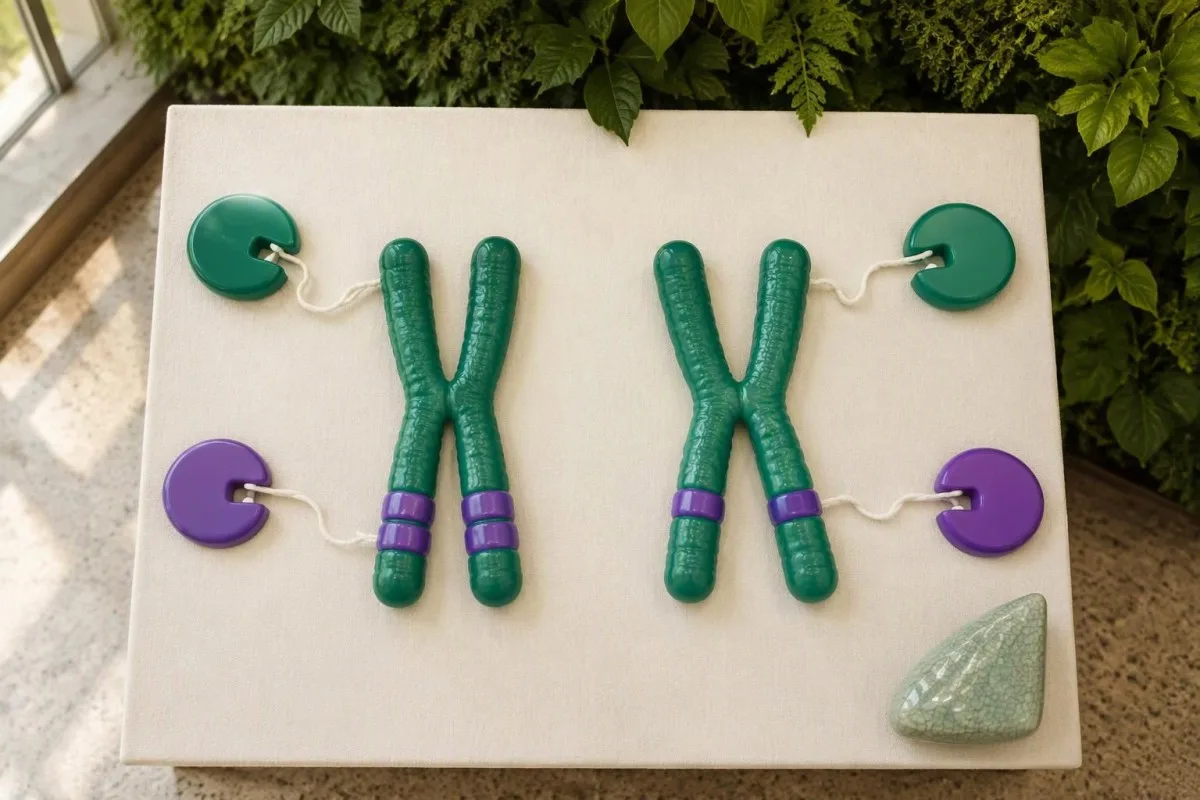
FMF usually follows an autosomal recessive inheritance pattern, but real-world genotype–phenotype relationships are not perfectly tidy. A heterozygous finding should neither automatically trigger an FMF label nor end the investigation when there are repeated, objectively documented 24–48-hour attacks with serosal symptoms; selected variants and families can have more complex inheritance.
Two different reported variants do not necessarily mean both MEFV copies are affected. If the laboratory cannot establish phase, testing biological parents may show whether the variants were inherited together from 1 parent or separately from both; this is particularly useful before giving recurrence-risk advice or describing the result as a biallelic molecular diagnosis.
Homozygous M694V is associated with greater disease severity and amyloidosis risk in many cohorts, but it does not dictate an individual's future. Genetic risk is not a timetable: our explanation of inherited kidney-risk findings offers another example of why 2 genetic findings still require careful clinical interpretation, although APOL1 and FMF have different biological mechanisms.
உறுதியற்ற முக்கியத்துவம் கொண்ட MEFV மரபணு மாறுபாடு இருந்தால் நீங்கள் என்ன செய்ய வேண்டும்?
ஒரு உறுதியற்ற முக்கியத்துவம் கொண்ட MEFV மரபணு மாறுபாடு, or VUS, means the laboratory lacks enough evidence to classify the change as disease-causing or benign. A VUS is not a positive FMF diagnosis, and finding 2 uncertain variants does not convert uncertainty into confirmation.

The ACMG/AMP recommendations state that a VUS should not be used in clinical decision-making as though it were pathogenic (Richards et al., 2015). Clinicians can still investigate and treat a convincing clinical syndrome; the distinction is that the symptoms and inflammatory evidence justify the decision, not the uncertain DNA finding by itself.
தி p.Glu148Gln, or E148Q, variant deserves particular care because its disease contribution has been debated and classifications can differ. E148Q alone does not establish FMF, even when an older report calls it a mutation; the FMF-specific recommendations discuss this interpretive difficulty and the need to relate findings to phenotype (Giancane et al., 2015).
Ask the reporting laboratory about reclassification policies and whether a genetics specialist considers targeted family studies useful; there is no universal 6- or 12-month retesting rule for every VUS. Relatives should not be assigned an FMF diagnosis through an uncertain finding alone, just as a positive HLA-B27 result does not independently establish inflammatory spinal disease.
MEFV மரபணுப் பரிசோதனை எதிர்மறையாக இருந்தாலும் உங்களுக்கு FMF இருக்க முடியுமா?
ஆம்—a negative MEFV gene test does not exclude familial Mediterranean fever. The result may reflect limited variant coverage, technical limitations, or a clinically compatible syndrome without an identifiable molecular explanation; the next step depends on what the original assay examined and how convincing the attacks are.

There is no single negative-test percentage that applies to every clinic, ancestry, and assay. A common-variant panel and full-gene sequencing have different detection capabilities, so the useful questions are whether coding regions and splice boundaries were assessed, whether low-coverage regions were filled in, and whether the laboratory reports 1 or more categories of technically undetectable changes.
Repeating exactly the same limited panel rarely resolves the uncertainty unless there was a specimen or technical problem. A specialist may instead request broader MEFV analysis or a multigene autoinflammatory panel; that choice should follow the symptom pattern, because looking at 20 genes rather than 1 also increases the chance of incidental and uncertain findings.
The FMF genetic-diagnosis recommendations preserve a role for clinical diagnosis when molecular testing is inconclusive (Giancane et al., 2015). An unrevealing result should prompt a structured reassessment, not endless testing; our discussion of borderline inherited-disease testing demonstrates how clinical evidence can remain relevant when a different diagnostic assay does not provide a simple answer.
எந்த வகையான மீண்டும் மீண்டும் வரும் காய்ச்சல் முறை FMF இருப்பதற்கான சாத்தியத்தை அதிகரிக்கிறது?
Typical FMF attacks often last 12–72 hours and recur with fever, abdominal pain, pleuritic chest pain, or joint symptoms. Recovery between episodes, repeated similarity of attacks, and objective inflammatory changes increase suspicion, although joint manifestations can last longer and not every patient follows the textbook pattern.

Record measured temperature, start and finish times, pain location, joint swelling, and whether you returned fully to baseline. Three well-documented episodes are often more informative for an appointment than a recollection of “fevers for years”; that is a practical documentation suggestion, not a universal diagnostic requirement or a reason to postpone care.
FMF abdominal attacks can resemble an acute abdomen, but a previous diagnosis must not become an excuse to miss appendicitis or another emergency. New focal pain, guarding, persistent vomiting, or an episode lasting beyond the person's usual 48-hour pattern needs assessment; normal appendicitis laboratory results cannot reliably provide reassurance by themselves.
Pleuritic pain means pain worsened by breathing; it does not identify its cause. A first episode of severe chest pain, breathlessness, fainting, or a different pattern from previous attacks needs urgent evaluation rather than waiting 72 hours to see whether it settles; our explanation of positional inflammatory chest pain describes another condition that can overlap symptomatically.
தாக்கங்களின்போதும் அவற்றுக்கு இடைப்பட்ட காலத்திலும் எந்த இரத்தப் பரிசோதனைகள் உதவும்?
CRP, serum amyloid A, ESR, and a complete blood count can document inflammation during suspected FMF attacks, but none confirms FMF by itself. Comparing an attack sample with a symptom-free sample—often approximately 1–2 weeks after recovery when clinically appropriate—can distinguish episodic inflammation from a persistently abnormal baseline.
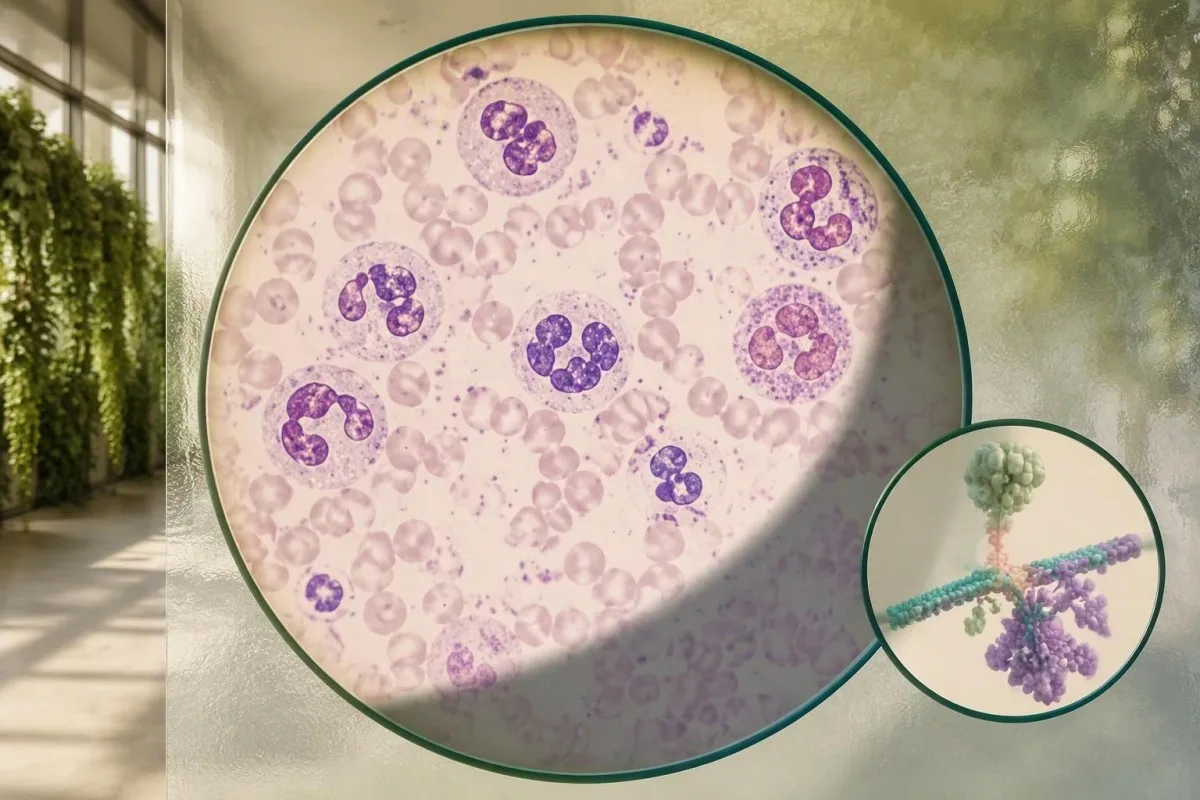
பல ஆய்வகங்கள் பயன்படுத்துகின்றன CRP 5 mg/L-க்கு கீழ் as a reference limit, but the printed laboratory range should govern interpretation. An illustrative CRP of 85 mg/L during fever and 3 mg/L after recovery documents a substantial inflammatory swing; it does not distinguish FMF from an infection, and WBC மற்றும் CRP இடையிலான முரண்பாடு need clinical context.
Serum amyloid A, or SAA, may remain elevated between attacks even when a person feels well; many assays use a reference limit around 10 mg/L, with laboratory variation. Kantesti is an AI இரத்த பரிசோதனை விளக்கம் தளம் that can help organize these accompanying laboratory results, but our AI cannot decide whether an elevated SAA comes from FMF, another inflammatory disorder, or a concurrent illness.
ESR changes more slowly than CRP and can remain elevated after an attack; anemia, age, and other factors also influence it. Record whether a sample was taken 6 hours into symptoms or several days after recovery, and avoid treating an isolated ESR of 40 mm/hour as a genetic-disease signature; the உயர்ந்த ESRக்கான காரணங்கள் extend well beyond autoinflammatory conditions.
குடும்ப வழி மத்தியதரைக் காய்ச்சலைப் போல வேறு எவை தோன்றலாம்?
Recurrent infections, PFAPA, TRAPS, mevalonate kinase deficiency, and other inflammatory disorders can resemble FMF. Attack duration, mouth ulcers, lymph-node swelling, rash, exposures, and symptom-free intervals help prioritize alternatives; a 1-day abdominal attack and a 2-week fever with migrating muscle pain suggest different diagnostic pathways.

PFAPA commonly produces episodes lasting approximately ஒரு எளிய பதிவு உண்மையான போக்குகளை சீரற்ற சத்தத்திலிருந்து வேறுபடுத்த உதவும்., often with aphthous mouth ulcers, pharyngitis, and cervical lymph-node swelling. TRAPS episodes are often longer, approximately 5–25 days, while mevalonate kinase deficiency can produce 3–7-day attacks; these are characteristic patterns, not strict cutoffs that independently diagnose or exclude a syndrome.
Repeated mouth ulcers with eye inflammation, genital ulcers, or vascular symptoms require a different review, including possible Behçet disease. Painful red eyes or new visual change should receive urgent assessment rather than being attributed to the same MEFV result; our guide to Behçet symptom patterns explains why the combination matters more than any 1 symptom.
A roughly 21-day cycle of fever, mouth ulcers, and infections can raise concern for cyclic neutropenia; a single normal neutrophil count may miss the low point. Kantesti can support explanation of available laboratory reports, but identifying a cycle requires clinician-directed serial testing and an exposure history, as discussed in testing for repeated infections.
மரபணு அறிக்கைக்கு அப்பால் மருத்துவர்கள் FMF-ஐ எவ்வாறு கண்டறிகிறார்கள்?
FMF diagnosis combines attack history, examination, inflammatory measurements, family history, and genetic findings, while checking plausible alternatives. Clinical criteria support this process but are not interchangeable with genetic confirmation; a clinician may also assess response to a supervised colchicine trial over several months when the diagnosis remains uncertain.

Different criteria sets were developed for different purposes and populations: adult diagnostic criteria and pediatric classification tools need not agree in every patient. Counting 2 compatible symptoms is not a substitute for establishing discrete attacks, documenting inflammation, and excluding important alternatives; classification criteria are particularly easy to misuse as a self-diagnosis checklist.
தி 2016 EULAR recommendations advise starting colchicine once a clinical FMF diagnosis is made, rather than waiting indefinitely for perfect genetic certainty (Ozen et al., 2016). Those recommendations describe an initial adult dose of 1.0–1.5 mg/day in suitable patients, but actual prescribing depends on local tablet strengths, kidney and liver function, interactions, tolerability, and current specialist guidance.
A clinician-supervised trial lasting approximately 3–6 மாதங்கள் may provide useful evidence when enough attacks occur to assess change, but spontaneous variation and imperfect adherence complicate interpretation. Do not start or stop colchicine yourself: interactions with medicines such as clarithromycin can be dangerous, and மருந்து பாதுகாப்பு போக்கு ஆய்வு supplements rather than replaces a prescriber or pharmacist assessment.
நோயறிதலுக்குப் பிறகு SAA மற்றும் சிறுநீர்ப் புரதம் ஏன் முக்கியம்?
Persistent inflammation in FMF can cause AA amyloidosis, which often affects the kidneys; preventing that complication is a major treatment goal. The 2016 EULAR recommendations describe maintaining SAA below 10 mg/L as a target where measurement is available, alongside control of attacks and monitoring for proteinuria.
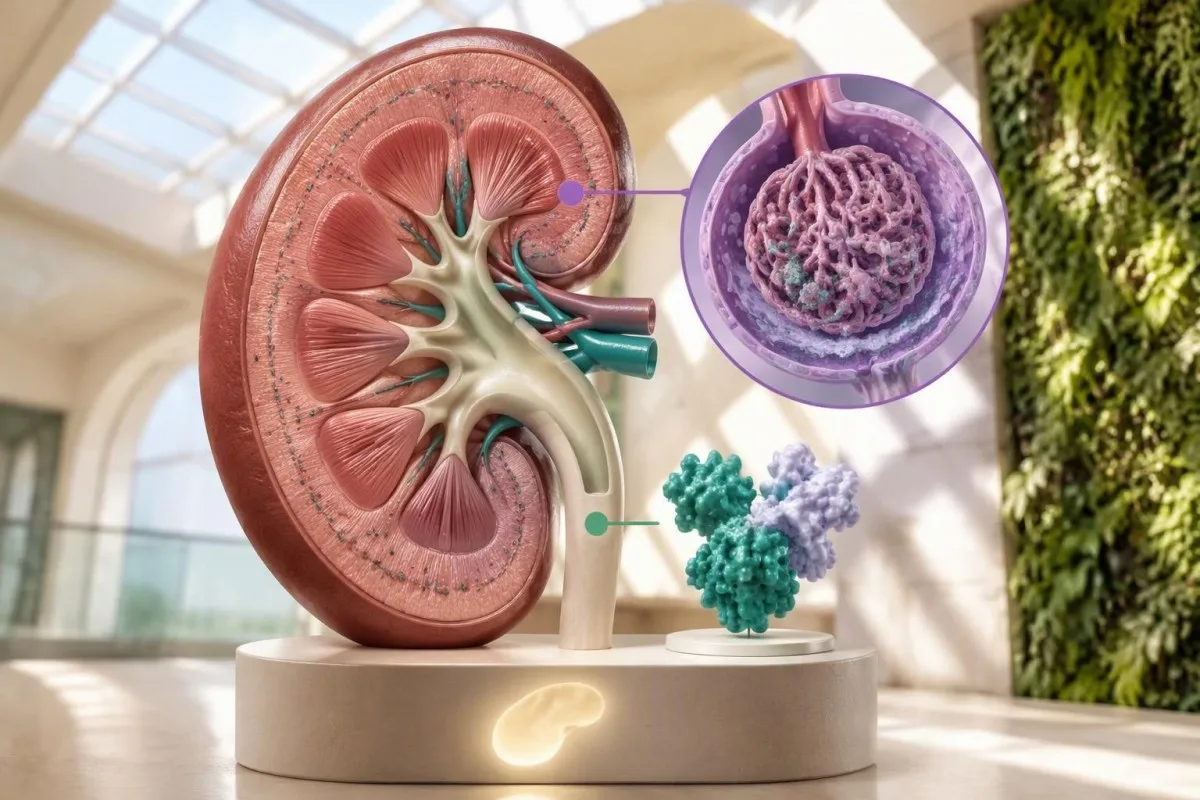
An SAA of 30 mg/L between attacks deserves follow-up, but it does not prove that amyloid has deposited in the kidneys. The result may reflect persistent FMF activity or another inflammatory cause; repeat measurement, adherence review, and an assessment for other illness are more useful than assuming a single elevated value means irreversible damage.
A urine albumin-to-creatinine ratio of 30 mg/g, approximately 3 mg/mmol, is a commonly used threshold for increased albuminuria, although total urine protein measurement may also be needed. Fever, exercise, urinary infection, and menstruation can affect urine results, so repeat testing under appropriate conditions matters; persistent foamy urine needing testing is a prompt to investigate, not a diagnosis of amyloidosis.
Normal creatinine does not exclude early kidney involvement because protein leakage can precede a measurable decline in filtration. If urine protein is substantial or persistent, clinicians assess kidney function, serum albumin, and competing causes; our சீரம் புரத விளக்கம் வழிகாட்டி explains why low albumin can reflect urinary loss as well as inflammation, liver disease, or nutritional problems.
உறவினர்களுக்கு குடும்ப வழி மத்தியதரைக் காய்ச்சலுக்கான மரபணுப் பரிசோதனை செய்ய வேண்டுமா?
Family testing is most informative after the affected person's variants and inheritance are clarified. If both biological parents carry a pathogenic variant in the same recessive condition, each pregnancy has a 25% chance of inheriting both relevant variants, a 50% chance of carrier status, and a 25% chance of inheriting neither.

அந்த 25/50/25 percentages apply to the standard two-carrier recessive model; they are not automatic probabilities for every MEFV-positive family. Variants in cis, uncertain classifications, unusual dominant inheritance, and incomplete penetrance can alter the interpretation, while inheriting a genotype does not precisely predict attack frequency or future severity.
Testing relatives for a known familial pathogenic variant can answer a specific inheritance question more cleanly than ordering another broad panel. A VUS may sometimes be studied in relatives to help a laboratory assess segregation, but that is different from predictive testing; nobody should be told they have FMF solely because they share an uncertain family finding.
Children with repeated unexplained fevers need clinical assessment whether their parent has 0, 1, or 2 reported variants, and ancestry should modify suspicion rather than act as a gatekeeper. Genetic counseling also separates carrier information from disease diagnosis; our discussion of family carrier-screening results illustrates that distinction, although FMR1 inheritance is not the same as MEFV inheritance.
MEFV முடிவை மறுபரிசீலனை செய்யும்போது நீங்கள் எவற்றைக் கொண்டுவர வேண்டும்?
கொண்டு வா complete genetic report, an attack diary, and laboratory results linked to symptom dates to an FMF review. Five details are especially useful: exact variants, classification, zygosity, assay coverage, and whether phase is known; a screenshot showing only “positive” leaves out most of the information a specialist needs.
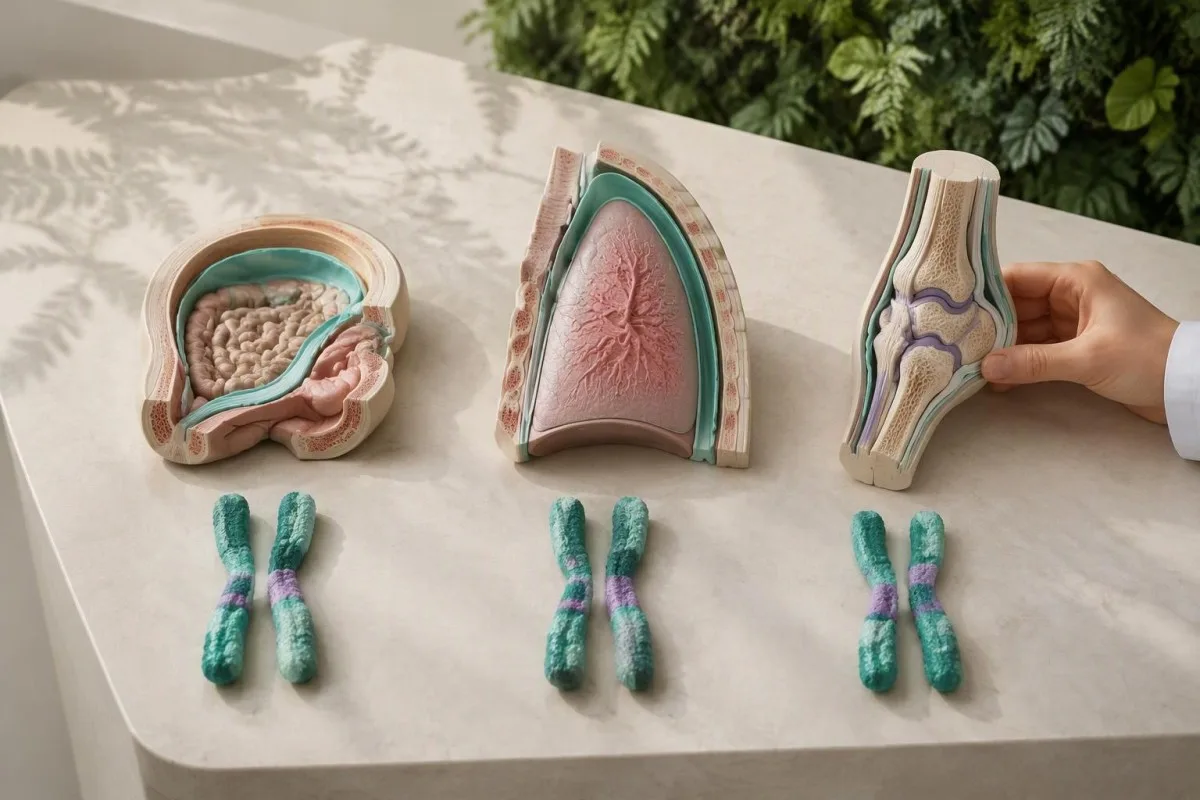
My practical approach, as Thomas Klein, MD, is to separate 3 questions: does the history fit FMF, does the genotype support it, and is inflammation controlled? These questions can have different answers; our மருத்துவ ஆலோசனை கட்டமைப்பு describes physician oversight, but this article does not substitute for an individual rheumatology, pediatric rheumatology, or clinical genetics consultation.
கான்டெஸ்டி என்பது ஒரு AI பயோமார்க்கர் விளக்க தளம் that can help explain accompanying CRP, CBC, kidney, and albumin results; it cannot sequence MEFV, establish variant phase, or independently reclassify a VUS. Before sharing a report, consider removing unnecessary identifiers and check our தனியுரிமை மற்றும் தரவுத் தகவல்கள், especially when the document contains genetic information about more than 1 family member.
இதுவரை அக்டோபர் 24, 2026, the practical message remains to interpret the report's scope and evidence rather than its headline alone. Ask what would change the working diagnosis, which tests should be repeated during the next attack, and when to seek urgent care; new severe chest pain, breathlessness, a rigid abdomen, confusion, or inability to keep fluids down should not wait for a genetics appointment.
ஆராய்ச்சி வெளியீடுகள் மற்றும் AI ஆதாரத்தின் வரம்புகள்
Technical benchmarks and validation frameworks are not evidence that an AI system can diagnose FMF or classify MEFV variants independently. The 2 publications below concern laboratory interpretation methods and oversight; their results should not be transferred to genetic diagnosis without condition-specific clinical validation and clearly stated reference standards.

Kantesti LTD. (n.d.). A pre-registered, rubric-based automated technical benchmark of the Kantesti blood-test interpretation engine on 100,000 synthetic test cases [Technical benchmark]. Figshare. DOI வெளியீட்டுப் பதிவு. The title specifies 100,000 செயற்கை வழக்குகள், which are not equivalent to 100,000 prospectively evaluated patients with suspected FMF.
Kantesti LTD. (n.d.). Clinical validation framework v2.0 (Medical validation page) [Validation framework]. Zenodo. DOI கட்டமைப்புப் பதிவு. A version 2.0 framework describes an evaluation approach rather than establishing diagnostic sensitivity for this condition; our தொழில்நுட்ப சரிபார்ப்பு மற்றும் மேற்பார்வை page should be read with that distinction in mind.
Publication discovery is available through a ResearchGate தலைப்பு தேடல் and does not itself establish independent peer review. An Academia.edu தலைப்பு தேடல் is likewise a discovery route, not proof of clinical performance; the 3 external medical references listed separately support this article's clinical and variant-interpretation statements.
அடிக்கடி கேட்கப்படும் கேள்விகள்
MEFV மரபணு சோதனையில் நேர்மறை முடிவு வந்தால், எனக்கு குடும்ப மத்தியதரைக் கடல் காய்ச்சல் இருப்பதாக அர்த்தமா?
MEFV மரபணுப் பரிசோதனையில் நேர்மறை முடிவு வந்தால், உங்களுக்கு குடும்ப மத்தியதரைக் காய்ச்சல் உள்ளது என்று தானாகவே பொருளல்ல. மரபணுவின் எதிரெதிர் நகல்களில் உள்ள இரண்டு நோயுண்டாக்கும் அல்லது நோயுண்டாக்கும் சாத்தியமுள்ள மாறுபாடுகள், ஒற்றை மாறுபாட்டைவிட வலுவான மூலக்கூறு ஆதாரத்தை வழங்குகின்றன; எனினும் அறிகுறிகள், ஊடுருவல் திறன் மற்றும் மாற்று விளக்கங்களும் முக்கியம். FMF-இன் வழக்கமான தாக்குதல்கள் பெரும்பாலும் 12–72 மணிநேரம் நீடித்து, வயிறு, மார்பு அல்லது மூட்டு அறிகுறிகளுடன் காய்ச்சலையும் ஏற்படுத்தும். “நேர்மறை” என்ற சொல்லை மட்டும் கருத்தில் கொள்ளாமல், முழுமையான அறிக்கையை வாத நோயியல் அல்லது மரபியல் நிபுணர் மதிப்பாய்வு செய்து விளக்க வேண்டும்.
ஒரே ஒரு MEFV மரபணு மாற்றம் உள்ள ஒருவருக்கு FMF இருக்க முடியுமா?
1 கண்டறியப்பட்ட நோயுண்டாக்கும் MEFV மரபணு மாறுபாடு மட்டுமே உள்ள ஒருவருக்கும் மருத்துவ ரீதியாக FMF நோய் கண்டறியப்படலாம்; இருப்பினும், ஒரு மாறுபாடு உள்ள பலர் பாதிப்பில்லாத மரபணு கடத்திகளாக இருக்கலாம். மீண்டும் மீண்டும் ஏற்படும் தாக்கங்கள், அழற்சி அளவீடுகள், குடும்ப வரலாறு மற்றும் மரபணுப் பரிசோதனையின் வரம்பு ஆகியவற்றை மருத்துவர் மதிப்பிட வேண்டும். வரையறுக்கப்பட்ட பரிசோதனைத் தொகுப்பு, தொடர்புடைய இரண்டாவது மாற்றத்தைக் கண்டறியாமல் விடக்கூடும்; ஆனால் விரிவான பரிசோதனையும் அத்தகைய மாற்றத்தை எப்போதும் கண்டறியாது. கடத்தி நிலையை மட்டும் அடிப்படையாகக் கொள்ளாமல், மருத்துவ மதிப்பீட்டின் அடிப்படையில் சிகிச்சை அளிக்கப்பட வேண்டும்.
MEFV-இல் நிச்சயமற்ற மருத்துவ முக்கியத்துவம் கொண்ட மாறுபாடு என்றால் என்ன?
முக்கியத்துவம் அறியப்படாத MEFV மாறுபாடு என்பது, அந்த DNA மாற்றத்தை நோயுண்டாக்கக்கூடியது அல்லது தீங்கற்றது என வகைப்படுத்துவதற்குப் போதுமான ஆதாரம் இல்லை என்பதைக் குறிக்கிறது. ஒரு VUS, FMF-ஐ உறுதிப்படுத்தாது; மேலும் முக்கியத்துவம் அறியப்படாத 2 மாறுபாடுகளைக் கண்டறிவதும் நோயறிதலை நிறுவாது. மருத்துவ ஆதாரங்களின் அடிப்படையில் மருத்துவர்கள் இன்னும் தன்னழற்சி நிலையைப் கண்டறியலாம்; ஆனால் VUS மட்டும் சிகிச்சையையோ முன்கணிப்புப் பரிசோதனையையோ தீர்மானிக்கக் கூடாது. மறுவகைப்படுத்தல் குறித்தும், குடும்ப உறுப்பினர்களுக்கான இலக்குக் கொண்ட ஆய்வுகள் உதவுமா என்பது குறித்தும் பரிசோதனை அறிக்கை வழங்கிய ஆய்வகத்திடமோ மரபியல் நிபுணரிடமோ கேளுங்கள்.
எதிர்மறையான MEFV பரிசோதனை குடும்ப மத்தியதரைக் காய்ச்சலை இல்லை என்று உறுதிப்படுத்துமா?
எதிர்மறையான MEFV பரிசோதனை, குடும்ப மத்தியதரைக் காய்ச்சலை முழுமையாக விலக்க முடியாது. தேர்ந்தெடுக்கப்பட்ட பொதுவான மாறுபாடுகளைப் பரிசோதிக்கும் சோதனையின் வரம்பு, மரபணுவை வரிசைப்படுத்துவதிலிருந்து வேறுபடும்; மேலும் விரிவான பகுப்பாய்விலும் மருத்துவ ரீதியாகப் பொருந்தக்கூடிய ஒரு பாதிப்புக்கான மூலக்கூறு விளக்கம் கிடைக்காமல் போகலாம். 12–72 மணிநேரம் நீடிக்கும் வழக்கமான மீண்டும் மீண்டும் வரும் தாக்குதல்கள் மற்றும் அழற்சி அளவீடுகளுடன் சேர்த்தே முடிவை மதிப்பாய்வு செய்ய வேண்டும். அதே பரிசோதனையை மீண்டும் செய்வதற்குப் பதிலாக, விரிவான பரிசோதனையையோ அல்லது மீண்டும் மீண்டும் ஏற்படும் காய்ச்சல் நோய்க்குறி வேறொன்றுக்கான மறுமதிப்பீட்டையோ நிபுணர் பரிந்துரைக்கலாம்.
MEFV E148Q மாறுபாடு FMF-ஐ உறுதிப்படுத்துகிறதா?
MEFV E148Q மரபணு மாறுபாடு, p.Glu148Gln என்றும் எழுதப்படுகிறது; அது மட்டுமே FMF-ஐ உறுதிப்படுத்தாது. அதன் மருத்துவப் பங்களிப்பு குறித்து விவாதம் நிலவுகிறது, மேலும் ஆய்வகங்களின் வகைப்பாடுகள் மாறுபடலாம். கூடுதலாகப் பொருத்தமான மரபணு மாறுபாடுகள் உள்ளனவா, கண்டறியப்பட்ட மாற்றங்கள் மரபணுவின் 1 அல்லது இரு பிரதிகளையும் பாதிக்கின்றனவா, மேலும் மருத்துவத் தாக்குதல் முறை FMF-க்கு ஒத்துள்ளதா என்பவற்றைப் பொறுத்தே விளக்கம் அமையும். E148Q-ஐ “மியூட்டேஷன்” என்று குறிப்பிடும் பழைய அறிக்கையை நோயறிதலாக ஏற்றுக்கொள்வதற்குப் பதிலாக, அதன் தற்போதைய வகைப்பாட்டை அறிய மறுபரிசீலனை செய்ய வேண்டும்.
FMF சந்தேகிக்கப்படும்போது எந்த இரத்தப் பரிசோதனைகள் பயனுள்ளதாக இருக்கும்?
FMF சந்தேகிக்கப்படும்போது, CRP, சீரம் அமிலாய்டு A, ESR மற்றும் ஒரு முழு இரத்த எண்ணிக்கை ஆகியவை அழற்சியைப் பதிவு செய்ய உதவும்; ஆனால் இவற்றில் எதுவும் தனியாக FMF-ஐ அடையாளம் காணாது. பல ஆய்வகங்கள் CRP-க்கு 5 mg/L-க்குக் கீழ் உள்ள அளவை குறிப்பு வரம்பாகப் பயன்படுத்துகின்றன; SAA வரம்புகள் பெரும்பாலும் 10 mg/L அளவில் இருக்கும்; உள்ளூர் பரிசோதனையின் வரம்புக்கே முன்னுரிமை அளிக்க வேண்டும். தாக்கத்தின்போது எடுக்கப்பட்ட மாதிரியை, குணமடைந்த சுமார் 1–2 வாரங்களுக்குப் பிறகு எடுக்கப்பட்ட மாதிரியுடன் ஒப்பிடுவது, அழற்சி தணிகிறதா என்பதைக் காட்டும். FMF கண்டறியப்பட்டாலோ வலுவாகச் சந்தேகிக்கப்பட்டாலோ, சாத்தியமான சிக்கல்களைக் கண்காணிக்க சிறுநீர்ப் புரதம் மற்றும் சிறுநீரகச் செயல்பாட்டுப் பரிசோதனைகள் உதவும்.
எனது MEFV பரிசோதனை நேர்மறையாக இருப்பதால், நான் கொல்சிசின் எடுத்துக்கொள்ள வேண்டுமா?
மருத்துவ மதிப்பீடு இல்லாமல் கொல்சிசின் சிகிச்சையைத் தொடங்குவதற்கு MEFV பரிசோதனையில் நேர்மறை முடிவு மட்டும் போதுமான காரணமல்ல. 2016 EULAR பரிந்துரைகள், மருத்துவ ரீதியாக FMF நோயறிதல் செய்யப்பட்டவுடன் சிகிச்சையை ஆதரிக்கின்றன; பொருத்தமான நோயாளிகளுக்கு தொடக்க வயது வந்தோர் அளவாக 1.0–1.5 mg/day எனக் குறிப்பிடுகின்றன. சிறுநீரக அல்லது கல்லீரல் செயலிழப்பு, மருந்து இடைவினைகள், உள்ளூரில் கிடைக்கும் மாத்திரை வலிமைகள் மற்றும் பக்கவிளைவுகள் ஆகியவை மருந்துச் சீட்டில் மாற்றங்களை ஏற்படுத்தலாம். மேற்பார்வையுடன் மேற்கொள்ளப்படும் சிகிச்சை முயற்சி நோயறிதலுக்கான ஆதாரத்தை வழங்கக்கூடும்; ஆனால் சிகிச்சைக்கான எதிர்வினை மட்டும் FMF-ஐ உறுதிப்படுத்தாது.
இன்று AI இயக்கப்படும் இரத்த பரிசோதனை பகுப்பாய்வைப் பெறுங்கள்
உடனடி, துல்லியமான ஆய்வக பரிசோதனை பகுப்பாய்வுக்காக Kantesti-ஐ நம்பும் உலகம் முழுவதும் 2 மில்லியனுக்கும் மேற்பட்ட பயனர்களுடன் சேருங்கள். உங்கள் இரத்த பரிசோதனை முடிவுகளை பதிவேற்றி, சில வினாடிகளில் 15,000+ பயோமார்க்கர்களின் முழுமையான விளக்கத்தை பெறுங்கள்.
📚 மேற்கோள் காட்டப்பட்ட ஆராய்ச்சி வெளியீடுகள்
Klein, T., Mitchell, S., & Weber, H. (2026). 100,000 செயற்கை சோதனை வழக்குகளில் Kantesti இரத்த-பரிசோதனை விளக்க இயந்திரத்தின் மீது ஒரு முன்பதிவு செய்யப்பட்ட, ரூப்ரிக்-அடிப்படையிலான தானியக்க தொழில்நுட்ப பெஞ்ச்மார்க். Kantesti AI மருத்துவ ஆராய்ச்சி.
Klein, T., Mitchell, S., & Weber, H. (2026). மருத்துவ சரிபார்ப்பு கட்டமைப்பு v2.0 (மருத்துவ சரிபார்ப்பு பக்கம்). Kantesti AI மருத்துவ ஆராய்ச்சி.
📖 வெளிப்புற மருத்துவ குறிப்புகள்
Giancane G et al. (2015). Evidence-based recommendations for genetic diagnosis of familial Mediterranean fever. Annals of the Rheumatic Diseases.






⚕️ மருத்துவ மறுப்பு
இந்த கட்டுரை கல்வி நோக்கங்களுக்காக மட்டுமே; இது மருத்துவ ஆலோசனையாகாது. நோயறிதல் மற்றும் சிகிச்சை முடிவுகளுக்காக எப்போதும் தகுதியான சுகாதார வழங்குநரை அணுகுங்கள்.
E-E-A-T நம்பிக்கை சிக்னல்கள்
அனுபவம்
ஆய்வக விளக்க (lab interpretation) பணிச்சூழல்களின் மீது மருத்துவர் வழிநடத்தும் மருத்துவ மதிப்பாய்வு.
நிபுணத்துவம்
மருத்துவ சூழலில் உயிர்க்குறிகள் (biomarkers) எவ்வாறு நடக்கின்றன என்பதில் ஆய்வக மருத்துவத்தின் கவனம்.
அதிகாரம்
டாக்டர் தாமஸ் க்ளைன் எழுதியது; டாக்டர் சாரா மிட்செல் மற்றும் பேராசிரியர் டாக்டர் ஹான்ஸ் வெபர் மதிப்பாய்வு செய்தது.
நம்பகத்தன்மை
எச்சரிக்கையை குறைக்க தெளிவான பின்தொடர்பு பாதைகளுடன் ஆதார அடிப்படையிலான விளக்கம்.
