Žute oči nisu pouzdan test skrininga na hepatitis B. Infekcija je često tiha, a odgovarajući testovi na antitela i viruse – ne samo simptomi – utvrđuju šta se dešava.



- Tiha infekcija je česta: mnogi ljudi sa hepatitisom B nemaju žuticu i nemaju prepoznatljive simptome hepatitisa B.
- Period inkubacije za akutni hepatitis B je obično 60–150 dana, sa prosekom od oko 90 dana.
- HBsAg pozitivan 6 meseci definiše hroničnu infekciju hepatitisom B i zahteva kliničko praćenje.
- IgM anti-HBc obično podržava nedavnu akutnu infekciju, ali može se javiti i tokom pogoršanja hroničnog hepatitisa B.
- Anti-HBs najmanje 10 mIU/mL nakon dokumentovane serije vakcinacije generalno se smatra zaštitnim imunološkim odgovorom.
- ALT iznad 1.000 IU/L se može javiti kod akutnog virusnog hepatitisa, ali lekovi, ishemija i drugi virusi mogu proizvesti isti obrazac.
- HBV DNA meri replikaciju virusa; to je test koji pretvara pozitivan rezultat skrininga u plan lečenja.
- хитна амбуланта je prikladan za konfuziju, jako povraćanje, neuobičajeno krvarenje, pojačanu pospanost ili žuticu sa svetlom stolicom.
Da li hepatitis B može da se javi bez žutice? Da – često tiho
Da, hepatitis B bez žutice je čest. Mnogi ljudi uopšte nemaju simptome, a čak i simptomatska akutna infekcija može se osećati kao nespecifična virusna bolest, a ne kao problem sa jetrom. Žutica se pojavljuje samo kada se bilirubin nakupi dovoljno da oboji oči i kožu; nije neophodan za povredu ćelija jetre ili prenos hepatitisa B.
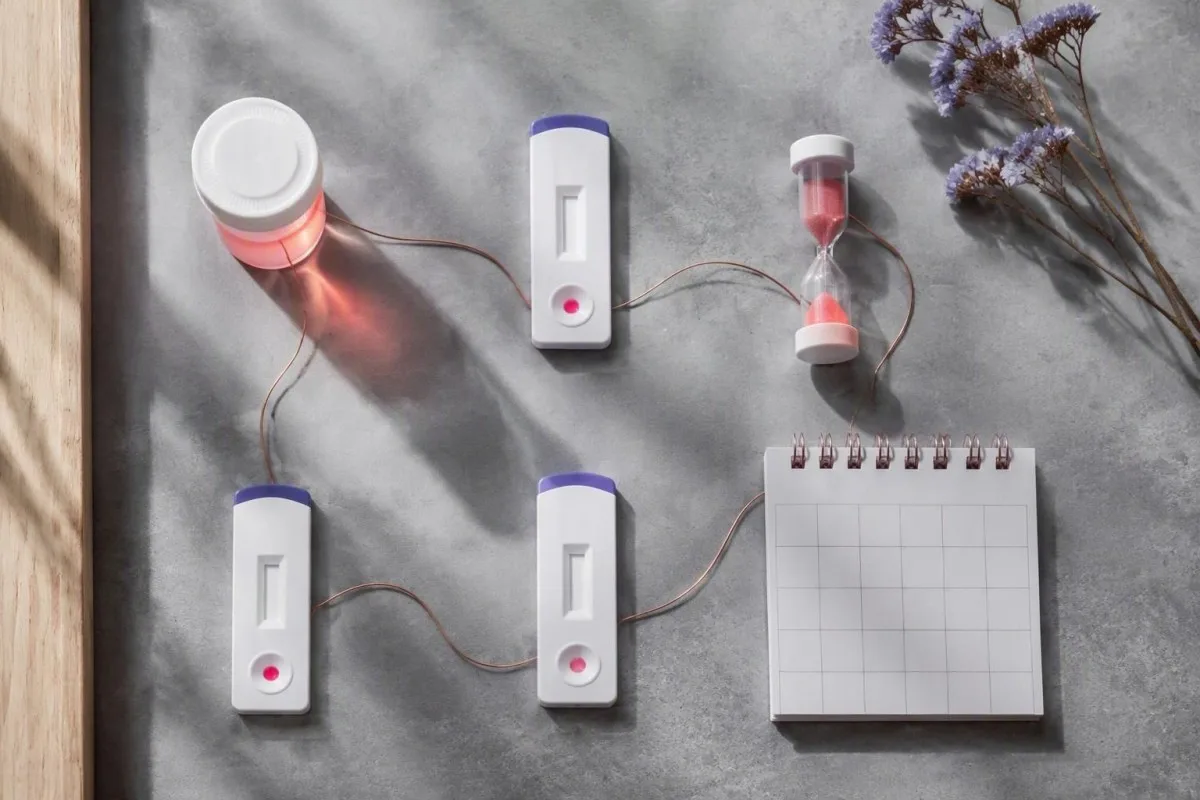
Po mom kliničkom iskustvu, osoba kojoj se najverovatnije neće postaviti dijagnoza nije nužno bolesna: to je pacijent dobrog izgleda čiji je skrining panel naručen zbog trudnoće, imigracije, nove veze ili nenadane abnormalnosti enzima jetre. Simptomi akutnog hepatitisa B razvijaju se kod samo oko 30%–50% zaraženih odraslih osoba, dok su mala deca simptomatična daleko ređe; odsustvo groznice, žutih očiju ili abdominalnog bola ne isključuje ga.
Žutica odražava povećan cirkulišući bilirubin, koji obično postaje vidljiv kada ukupni bilirubin pređe grubo 2–3 mg/dL (34–51 µmol/L). Upala jetre može biti značajna pre te tačke, tako da normalna boja urina i bele oči umiruju samo u vrlo ograničenom smislu; pogledajte naš vodič za obrasce upozorenja za bilirubin.
Кантести је АИ анализатор крви koji postavlja enzime jetre, bilirubin, albumin i rezultate trombocita pored serologije virusa koju je lekar naručio. Ne može dijagnostikovati hepatitis B samo iz rutinske hemije, ali može pomoći nekome da primeti da je rezultat “testa jetre” nekompletan bez testova specifičnih za hepatitis.
Zašto su simptomi loš alat za skrining
HBV se može preneti tokom faze bez simptoma jer replikacija virusa prethodi, prati ili nadživljuje vidljivu bolest. Od septembra 11, 2026, skrining odraslih zasnovan na riziku i jednokratni skrining ostaju pouzdaniji od čekanja na simptome, posebno za ljude rođene u regionima sa većom prevalencijom HBV-a ili one sa kućnim, seksualnim ili injekcionim izlaganjem.
Koji su najraniji simptomi hepatitisa B?
Rani simptomi hepatitisa B obično su umor, smanjen apetit, mučnina, blaga groznica, bolovi u mišićima i nelagodnost ispod desnih rebara. Nijedan nije dovoljno specifičan da potvrdi hepatitis B, a interval bez simptoma nakon izlaganja je obično 60–150 dana.

Koristan klinički trag je redosled događaja. Malaksalost i gubitak apetita često stižu pre tamnog urina ili žutila, a osoba se može osećati primetno umorno dok je bilirubin još uvek normalan. Prosečna inkubacija je blizu 90 dana, što je razlog zašto testiranje dan nakon moguće izloženosti može biti prerano da se pitanje reši.
Bolovi u zglobovima i prolazni osip mogu se pojaviti u prodromalnom periodu jer cirkulišu imuni kompleksi pre nego što se razvije očigledan hepatitis. Video sam da je ovo pomešano sa gripom ili novom reakcijom na hranu; diskriminativni detalj bio je ALT od 642 IU/L uz pozitivan površinski antigen hepatitisa B, a ne sam osip.
Upotreba acetaminofena, suplemenata, alkohola, Epstein–Barr virusa i povrede mišića mogu svi povisiti aminotransferaze. Pažljiva analiza ALT rezultata sprečava uobičajenu grešku nazivanja svakog povišenog ALT-a “hepatitisom” pre potvrde uzroka.
Simptomi koji su manje tipični
Svrab, svetla stolica i uporan taman urin ukazuju na oštećeno varenje žuči i zaslužuju bržu procenu, ali nisu uobičajena rana prezentacija. Osoba sa izolovanom nadutošću, refluksom ili povremenim bolom sa leve strane statistički je verovatnije da ima drugo objašnjenje, mada izlaganje riziku i dalje treba da podstakne HBV testiranje.
Kada treba da uradite testiranje na hepatitis B?
Hitno se testirajte na hepatitis B nakon izlaganja krvi, seksualnog, kućnog ili perinatalnog izlaganja, čak i ako se osećate potpuno dobro. Osnovno testiranje dokumentuje vaš status, dok se ponovljeno testiranje tempira prema periodu prozora i vodi istorijom vakcinacije.
CDC препоручује једнократни скрининг одраслих панелом од три теста: HBsAg, anti-HBs и total anti-HBc (Conners et al., 2023). Ова комбинација ефикасније разликује тренутну инфекцију, прошлу излечену инфекцију, имунитет од вакцине и подложност него наручивање само HBsAg.
Након значајне недавне изложености, лекар може тестирати одмах и поновити тестирање око 6 месеци ако почетни панел не утврди инфекцију или имунитет. Пост-експозициона профилакса је временски осетљива — вакцина против хепатитиса Б треба да се започне што је пре могуће, а имуноглобулин против хепатитиса Б може бити индикован за одабране неимуне експозиције — тако да не чекајте симптоме.
Кантести је AI платформа за тумачење крвне слике који може организовати фотографисани или отпремљени серолошки извештај у тромаркерски образац, али управљање излагањем припада лекару хитне помоћи, сексуалног здравља, професионалног здравља или примарне здравствене заштите. Наш водич за симптоме хепатитиса Ц објашњава зашто се тестови на вирусни хепатитис морају тумачити вирус по вирус.
Тестирање током трудноће
Свака трудноћа треба да укључује HBsAg скрининг током сваке трудноће, без обзира на процењени ризик. Позитиван резултат мења план превенције новорођенчета: детету је потребна вакцина против хепатитиса Б и, када је индиковано, имуноглобулин у року од 12 сати од рођења.
Tri krvna testa koja razjašnjavaju status hepatitisa B
HBsAg, anti-HBs и total anti-HBc су основни тестови за скрининг хепатитиса Б. Заједно, они одговарају на питање да ли је вирус тренутно детектован, да ли постоји имунитет и да ли је имуни систем претходно наишао на хепатитис Б.
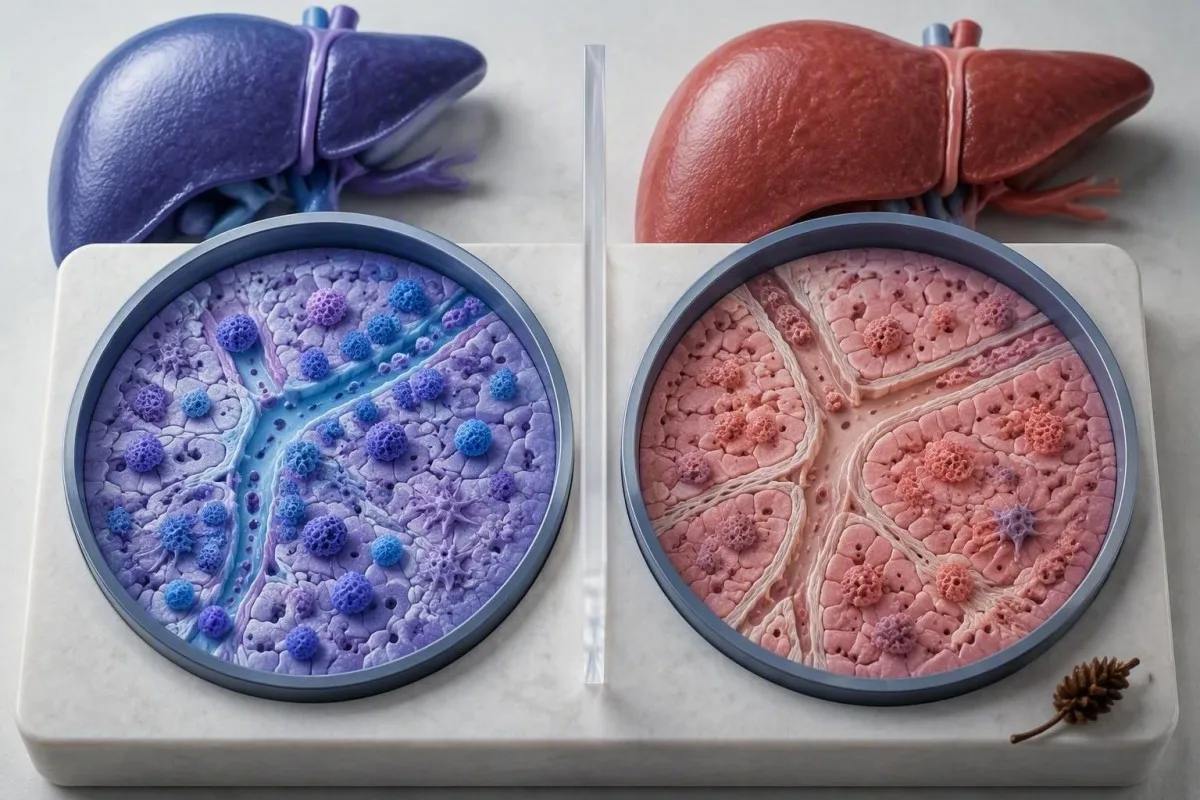
HBsAg је антиген хепатитиса Б површине; позитиван резултат значи да је могућа тренутна инфекција и захтева потврду и клиничко праћење. Anti-HBs је антитело површине; ниво од најмање 10 mIU/mL након комплетиране документоване серије вакцинације се генерално сматра заштитним одговором код имунокомпетентних особа.
Укупни anti-HBc детектује антитело језгра из претходне или тренутне природне инфекције и не производи се вакцинацијом. Образац HBsAg негативан, anti-HBs позитиван и total anti-HBc негативан одговара имунитету стеченом вакцином; HBsAg негативан, anti-HBs позитиван и total anti-HBc позитиван обично одговара излеченој природној инфекцији.
Изоловани позитивни total anti-HBc један је од најзгоднијих образаца. Може одражавати давну излечену инфекцију са опадајућим anti-HBs, лажно позитиван тест, окултну инфекцију или ређе рану акутну инфекцију; лекари могу поновити серологију и наручити HBV DNA, посебно пре имуносупресивне терапије. Наше објашњење позитивних резултата антитела покрива зашто једно антитело ретко говори целу причу.
Kako testovi razlikuju akutni od hroničnog hepatitisa B
Акутни и хронични хепатитис Б разликују се углавном по времену и серологији, а не по томе колико се особа лоше осећа. Перзистентни ХБСАг најмање 6 месеци успоставља хроничну инфекцију; један позитиван резултат ХБСАг сам по себи не може да одреди датум инфекције.

IgM anti-HBc снажно подржава недавну акутну инфекцију када се упари са новом ХБСАг позитивношћу и компатибилном болешћу. Није савршен: ИгМ анти-ХБц се такође може детектовати током појачања хроничног хепатитиса Б, тако да клиничари пореде претходне резултате, време симптома, трајекторију АЛТ-а и ХБВ ДНА.
ХБВ ДНА се извештава у ИУ/мЛ и мери количину вирусне генетске материје у циркулацији. Сама по себи не означава болест као акутну или хроничну, али детектован резултат потврђује репликацију и постаје централан за одлуке о праћењу и лечењу; ниска или неодредива ДНА не укида потребу да се ХБСАг и статус јетре тумаче заједно.
На смернице ААСЛД-а наглашавају серијски АЛТ, ХБВ ДНА, ХБеАг статус и процена фиброзе, а не један лабораторијски снимак (Terrault et al., 2018). Ово је један од разлога зашто нормалан АЛТ при једном узимању узорака не доказује да је хронични ХБВ безопасан.
Правило од шест месеци има сврху
Праг од 6 месеци одваја инфекције које ће се вероватно спонтано очистити од оних које су перзистирале и носе дугорочни ризик од фиброзе и хепатоцелуларног карцинома. Код одраслих, више од 90% акутних инфекција код имунокомпетентних се решава, док инфекција стечена око рођења много чешће постаје хронична.
Šta testovi jetre mogu – a šta ne mogu – da pokažu
АЛТ и АСТ откривају повреду хепатоцита, док билирубин, албумин, ИНР и тромбоцити помажу у показивању тежине и функције јетре. Рутинска панела јетре не може идентификовати хепатитис Б као узрок без вирусне серологије.

АЛТ је више специфичан за јетру него АСТ, иако ниједан није ексклузиван за јетру. Код акутног вирусног хепатитиса, АЛТ може премашити 1.000 ИУ/Л; исти опсег се може јавити код токсичности ацетаминофена или смањеног протока крви у јетри, тако да број захтева хитни контекст, а не самодијагнозу.
Билирубин одражава конјугацију и екскрецију жучи, док ИНР и албумин одражавају синтетички капацитет. Повећање ИНР-а, посебно код 1,5 или више код некога са акутним хепатитисом и промењеним менталним статусом, изазива забринутост због акутне инсуфицијенције јетре и захтева хитну процену; наш INR водич објашњава мерење.
Kantesti-ова неуронска мрежа чита трансминазе заједно са билирубином, алкалном фосфатазом, албумином и тромбоцитима како би означила обрасце за медицински преглед. Наша анализа панеле јетре је корисна пре него што претпоставите да је нормалан “тест функције јетре” укључивао скрининг на ХБВ.
Однос АСТ:АЛТ није тест за хепатитис Б
Однос АСТ:АЛТ испод 1 је уобичајен код вирусног хепатитиса, али није ни осетљив ни специфичан. Недавна интензивна вежба може повећати АСТ из мишића, док гама-глутамил трансфераза и билирубин могу остати нормални; понављање тестова након опоравка може спречити погрешан вирусни рад.
Koji simptomi hepatitisa B zahtevaju negu istog dana?
Конфузија, необична поспаност, понављано повраћање, брзо продубљивање жутице, ново настајање модрица или јака отока абдомена захтевају хитну процену истог дана. Ovi simptomi mogu signalizirati oštećenu funkciju jetre, a ne samo uobičajenu akutnu bolest jetre.
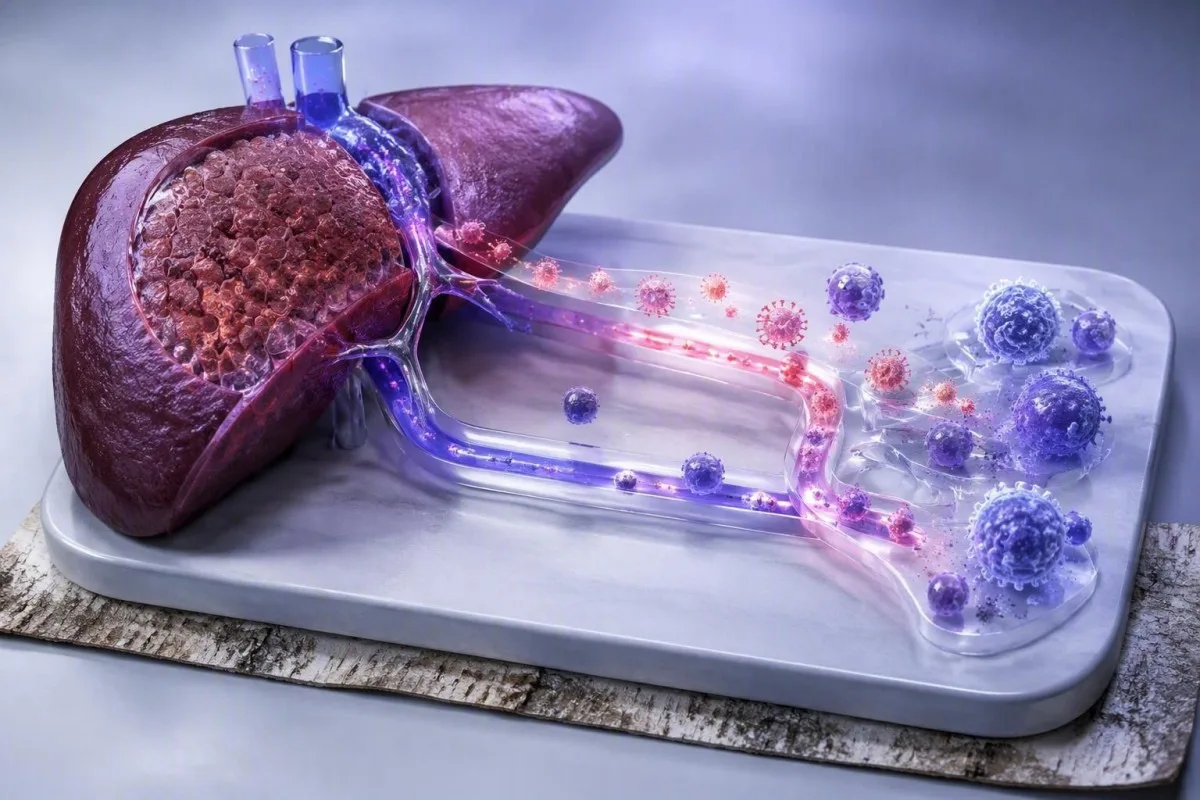
Konfuzija ili promenjen obrazac spavanja i budnosti može ukazivati na hepatičnu encefalopatiju, posebno kada je praćena žuticom i produženim INR. Retko je, ali nije simptom “sačekaj do ponedeljka” — akutno otkazivanje jetre može napredovati tokom sati do dana.
Tamna mokraća sama po sebi nije automatski hitna; dehidratacija, lekovi i koncentrovana mokraća su česte alternative. Tamna mokraća plus bleda stolica, žute oči, svrab, groznica ili osetljivost u gornjem desnom delu stomaka jače ukazuju na poremećaj bilirubina ili protoka žuči, kako je detaljnije opisano u našem водич за таман урин.
Izbegavajte alkohol i nemojte započinjati biljne “detoksikacije jetre” tokom procene. Mnogi suplementi sa više sastojaka imaju neizvesne sadržaje, a proizvod koji se prodaje za detoksikaciju može zakomplikovati povredu jetre izazvanu lekovima upravo kada lekarima treba jasna dijagnostička slika.
Ko treba da bude procenjen ranije, čak i bez simptoma?
Osobe koje su trudne, imaju cirozu, primaju hemoterapiju ili biološku terapiju za suzbijanje imuniteta, imaju HIV, ili imaju poznatu hroničnu HBV infekciju, potreban je individualizovani pregled nakon novog abnormalnog rezultata. Reaktivacija može biti klinički tiha dok se ALT ne povisi, tako da preventivno antivirusno planiranje može biti sigurnije od reaktivnog testiranja.
Zašto hronični hepatitis B može da se oseća potpuno normalno
Hronični hepatitis B često ne izaziva dnevne simptome godinama, čak i kada se nastavlja replikacija virusa ili povreda jetre niskog stepena. Osećaj energije, redovno vežbanje i normalan bilirubin ne isključuju rizik od fibroze.

Ovde se pacijenti neizbežno muče: osoba može imati normalan ili blago povišen ALT i dalje joj je potrebno strukturirano praćenje jer HBV DNA, starost, status HBeAg, porodična istorija i fibroza modifikuju rizik. Broj trombocita koji pada ispod oko 150 × 10⁹/L nije dijagnostički za cirozu, ali sa abnormalnim testovima jetre zaslužuje pažnju.
A FIB-4 rezultat koristi starost, AST, ALT i broj trombocita kao procenu trijaže za fibrozu; ne može dijagnostikovati cirozu niti zameniti elastografiju. Naš Vodič za FIB-4 kalkulator objašnjava zašto starost može učiniti granični rezultat zabrinjavajućim nakon 65. godine.
Кантести је Алат за анализу крвних тестова уз помоћ AI dizajniran za poređenje starih panel testa jetre, tako da postepena promena ALT-a ili trombocita nije skrivena oznakom “unutar opsega”. Prepoznavanje trenda pomaže u pripremi boljeg razgovora sa lekarom; to nije zamena za HBV DNA testiranje, ultrazvuk ili specijalističku negu.
Nadzor raka zasnovan na riziku
Ultrazvučni nadzor za hepatocelularni karcinom se ne određuje samo simptomima. Lekari koriste status hroničnog HBV-a, cirozu, porodičnu istoriju, starost, pol i rizik porekla za odlučivanje da li je šestomesečni nadzor prikladan; AFP se ponekad dodaje, ali nije pouzdan kao samostalni skrining test.
Umor ne dokazuje hepatitis B – kako lekari to razvrstavaju
Umor je čest kod hepatitisa B, ali je daleko češće uzrokovan poremećajem sna, anemijom, bolestima štitne žlezde, depresijom, dejstvom lekova ili drugim infekcijama. Korisno pitanje je da li se umor javlja uz izloženost riziku, promene u testovima jetre ili pozitivne HBV markere.
Petdesetdvogodišnji trkač na duge staze sa AST 89 IU/L nakon trke nema automatski bolest jetre; oslobađanje mišića može povisiti AST, a kreatin kinaza plus ponovljeni panel nakon odmora često razjašnjavaju izvor. Nasuprot tome, ALT 289 IU/L sa pozitivnim HBsAg i tamnom mokraćom zahteva potpuno drugačiji pristup.
Umor uz nizak hemoglobin, nizak feritin ili abnormalne markere štitne žlezde zaslužuje paralelnu procenu, a ne priču o jedinstvenom uzroku. Naš članak o simptomima niskog feritina objašnjava zašto nedostatak gvožđa može izazvati umor pre nego što se javi anemija.
Praktično pravilo dr. Tomasa Klajna je jednostavno: simptomi započinju istragu, ali obrasci je odlučuju. CBC, hemija jetre, pregled lekova, istorija izloženosti i ciljano testiranje na viruse obično daju više odgovora nego ponovljeno proveravanje jednog enzima.
Ne donirajte krv da biste “saznali”
Provera davaoca krvi štiti primaoce, ali nije lična dijagnostička strategija i možda ne pruža blagovremeno savetovanje. Ako je izlaganje moguće, dogovorite poverljivo kliničko ili javno-zdravstveno testiranje gde se može razgovarati o punom panelu od tri markera i praćenju.
Šta se dešava nakon pozitivnog rezultata HBsAg?
Pozitivan rezultat HBsAg trebalo bi da pokrene potvrđujuću procenu, testiranje HBV DNA, hemiju jetre i pregled trajanja i prevencije prenosa. Dovoljno je ozbiljno da se odmah reaguje, ali to automatski ne znači cirozu ili potrebu za hitnim antivirusnim lečenjem.
Kliničari obično naručuju ponovljeni ili potvrđujući HBsAg, ukupni i IgM anti-HBc, anti-HBs, HBeAg i anti-HBe, kvantitativni HBV DNA, ALT, AST, bilirubin, albumin, INR, CBC i testove na hepatitis C, hepatitis D i HIV kada je to relevantno. Dodatni testovi odgovaraju na različita pitanja – replikacija, faza, oštećenje jetre, ko-infekcije i bezbednost lečenja.
Članove domaćinstva i seksualne kontakte treba testirati i vakcinisati ako su podložni. Ne delite brijače, četkice za zube ili opremu za injekcije; HBV se prenosi krvlju i nekim telesnim tečnostima, ali se ne širi grljenjem, deljenjem obroka, kašljanjem ili uobičajenim kontaktom na radnom mestu.
Pozitivan HBsAg takođe treba da podstakne pregled obrazaca visoke AST umesto refleksnog okrivljavanja alkohola ili masne jetre. Koegzistirajući metabolički poremećaj jetre je dovoljno čest da više procesa može biti prisutno.
Mogu li rezultati biti lažno pozitivni?
Lažno pozitivni rezultati HBsAg su retki, ali mogući, posebno blizu granice analize ili kratko nakon vakcinacije u neobičnim okolnostima. Potvrda putem neutralizacije ili ponovljene metode koju preporučuje laboratorija je adekvatna, ali osoba bi trebalo da se ponaša kao potencijalno zarazna dok se rezultat ne razjasni.
Da li hronični hepatitis B uvek zahteva lečenje?
Ne, hronični hepatitis B ne zahteva uvek neposrednu antivirusnu terapiju, ali svaki potvrđeni slučaj zahteva praćenje zasnovano na riziku. Odluke o lečenju uzimaju u obzir HBV DNA, ALT, fibrozu ili cirozu, HBeAg status, starost, porodičnu istoriju i koegzistirajuća stanja.

Prvoklasni dugoročni lekovi često uključuju tenofovir ili entekavir jer efikasno suzbijaju replikaciju HBV i imaju visoku barijeru za rezistenciju. Oni kontrolišu virus, a ne pouzdano ga eliminišu, tako da prekid lečenja bez saveta specijaliste može dovesti do pogoršanja.
Pragovi HBV DNA se razlikuju po HBeAg statusu i kontekstu smernica; uobičajena tačka odlučivanja je 2,000 IU/mL, ali lečenje nikada nije zasnovano samo na tom broju. Ciroza značajno menja kalkulaciju, jer bilo koja detektabilna HBV DNA može opravdati lečenje u kompenzovanoj cirozi.
Тхе оквир за медицинску валидацију iza Kantesti naglašava da alat za interpretaciju treba da ponudi pitanja za praćenje, a ne da propisuje antivirusne lekove. Izbor lekova zahteva bubrežnu funkciju, planove za trudnoću, zdravlje kostiju, istoriju rezistencije i stručni sud.
Interval praćenja varira
Ljudima koji trenutno nisu na terapiji možda će biti potrebne provere ALT-a i HBV DNA svakih 3–6 meseci tokom aktivnih faza i ređe u stabilnim fazama, sa intervalima koje određuje njihov lekar. Normalan rezultat danas ne uspostavlja trajno mirno stanje jer aktivnost HBV može da varira.
Kako zaštititi partnere i članove porodice
Vakcinacija i testiranje pouzdanije štite članove domaćinstva i seksualne kontakte od hepatitisa B nego praćenje simptoma. Ljudima koji su podložni trebalo bi odmah započeti vakcinaciju, dok su kontakti sa pozitivnim HBsAg potrebni klinička procena, a ne samo uveravanje.
Vakcina protiv hepatitisa B je veoma efikasna kada se serija završi. Za odrasle kojima je potreban dokaz o odgovoru nakon vakcinacije zbog profesionalnog ili imunološkog rizika, anti-HBs se meri 1–2 meseca nakon poslednje doze; 10 mIU/mL или више je konvencionalni zaštitni prag.
Koristite kondome dok se ne utvrdi imunitet partnera, pokrijte posekotine i lične predmete za negu čuvajte odvojeno. Uobičajen društveni kontakt je bezbedan i deca ne treba da budu izolovana od roditelja sa HBV-om – ovaj netačan stav i dalje izaziva nepotrebnu porodičnu anksioznost.
Kantesti’s resursi za praćenje zdravlja porodice mogu pomoći domaćinstvima da organizuju odvojene rezultate uz pristanak, ali svaka osoba treba da ima sopstvene evidencije o testiranju i vakcinaciji. Pozitivan test na antitela kod jednog rođaka ne može utvrditi imunitet kod nikog drugog.
Šta je sa dojenjem?
Dojenje je generalno dozvoljeno kada novorođenče primi preporučenu hepatitis B imunoprofilaksu. Pojedinačni savet je i dalje potreban ako postoje ispucale ili krvareće bradavice, HIV ko-infekcija ili pitanja o majčinoj antivirusnoj terapiji.
Čega treba izbegavati dok čekate rezultate hepatitisa B?
Izbegavajte alkohol, nepotreban acetaminofen i nove biljne suplemente ili suplemente za izgradnju mišića dok se akutni hepatitis B procenjuje. Ove izloženosti mogu pogoršati stres jetre ili otežati identifikaciju izvora abnormalnih rezultata.
Nema dokaza da čišćenja sokovima, režimi gladovanja ili proizvodi za detoksikaciju bez recepta uklanjaju hepatitis B. Neki proizvodi sadrže koncentrovane ekstrakte ili neprijavljene sastojke, a jetra može biti posebno osetljiva tokom akutne upalne epizode; naša recenzija rizičnim suplementima za jetru objašnjava zabrinutost.
Nemojte naglo prekidati propisani lek osim ako lekar to ne savetuje. Za acetaminofen, kliničari često individualizuju bezbedne granice kada je prisutno oštećenje jetre; inače standardni maksimum od 4.000 mg dnevno nije automatski prikladan za nekoga sa akutnim hepatitisom, upotrebom alkohola, niskom telesnom težinom ili hroničnom bolešću jetre.
Hidratacija, redovni jednostavni obroci, izbegavanje alkohola i vođenje datiranog spiska lekova i suplemenata su razumni dok čekate pregled. Ako povraćanje sprečava unošenje tečnosti ili ako se mentalna bistrina promeni, potražite hitnu pomoć umesto da pokušavate da se nosite kod kuće.
Hrana ne prenosi HBV
Hepatitis B se ne stiče uobičajenom pripremom hrane, deljenjem tanjira ili čaša. Ovo je važno jer izbegavanje porodičnih obroka ne smanjuje prenos, dok vakcinacija i izbegavanje ličnih predmeta kontaminiranih krvlju to čine.
Kako se pripremiti za kontrolni pregled na hepatitis B
Ponesite svaki rezultat hepatitisa B sa datumima prikupljanja, svoju evidenciju vakcinacije, spisak lekova i sažetu vremensku liniju izlaganja. Ovi detalji često brže razlikuju nedavnu infekciju, daleku infekciju, obrazac lažno pozitivnog rezultata ili utvrđeni hronični hepatitis B, nego ponavljanje pojedinačnog testa.
Zapišite datume mogućeg izlaganja, putovanja, nove seksualne partnere, postupke injektiranja ili tetoviranja, kontakte u domaćinstvu, trudnoću i prethodnu vakcinaciju. Takođe uključite imunosupresivne lekove kao što su rituksimab, steroidi visoke doze, hemoterapija ili biološki lekovi, jer anti-HBc pozitivnost može biti važna čak i kada je HBsAg negativan.
Postavite četiri direktna pitanja: Koja su tri skrining markera bila pozitivna? Da li je prisutan IgM anti-HBc? Koliki je HBV DNA u IU/mL? Da li mi je potrebna procena fibroze ili testiranje na hepatitis D? Ova pitanja pomeraju razgovor sa opšte zabrinutosti ka planu.
Dr Tomas Klajn preporučuje čuvanje originalnog PDF-a umesto samo snimka ekrana portala, jer referentni opsezi, nazivi testova, datumi i laboratorijski komentari mogu uticati na interpretaciju. Kantesti’s технолошки водич objašnjava kako naš AI ekstrahuje kontekst izveštaja, dok vaš lekar ostaje odgovoran za dijagnozu i lečenje.
Konačna praktična perspektiva
Negativan osećaj nije negativan test, a žutica je kasni i nedosledan pokazatelj. Ako je izloženost ili rizik od skrininga primenljiv, dogovorite panel sa tri markera čak i kada se osećate potpuno normalno; rano saznanje štiti i vašu jetru i ljude bliske vama.
Често постављана питања
Можете ли имати хепатитис Б без жутице?
Da. Hepatitis B se može javiti bez žutice, a mnogi zaraženi ljudi nemaju nikakvih simptoma. Žutica obično postaje primetna kada ukupni bilirubin poraste na otprilike 2–3 mg/dL (34–51 µmol/L), ali hepatitis B može izazvati upalu jetre pre nego što bilirubin dostigne taj opseg. Odgovarajući panel za skrining je HBsAg, anti-HBs i ukupni anti-HBc, a ne lista simptoma.
Koji su prvi simptomi hepatitisa B?
Najraniji simptomi hepatitisa B mogu uključivati umor, slab apetit, mučninu, blagu groznicu, bolove u mišićima, bolove u zglobovima i nelagodu ispod desnih rebara. Akutni simptomi obično se javljaju nakon inkubacionog perioda od 60–150 dana, u proseku oko 90 dana. Ovi simptomi se preklapaju sa mnogim bolestima, tako da je potrebno testiranje na HBsAg, ukupno anti-HBc i anti-HBs da bi se utvrdio status hepatitisa B. Tamna mokraća ili žute oči mogu se javiti kasnije, ali nijedno nije obavezno.
Који тест показује да ли је хепатитис Б акутан или хроничан?
Nijedan pojedinačni test ne datira hepatitis B savršeno, ali HBsAg perzistencija od 6 meseci ili duže utvrđuje hroničnu infekciju. IgM anti-HBc podržava nedavnu akutnu infekciju kada se upari sa novom HBsAg pozitivnošću, iako može porasti i tokom egzacerbacije hroničnog hepatitisa B. HBV DNA u IU/mL meri replikaciju virusa i pomaže u vođenju terapije, dok istorijski datumi testiranja često pružaju najjasniji odgovor. Kliničar obično tumači ove testove zajedno sa ALT, bilirubinom i istorijom izlaganja.
Mogu li enzimi jetre biti normalni kod hroničnog hepatitisa B?
Da. ALT i AST mogu biti normalni u određenom trenutku kod hroničnog hepatitisa B, iako infekcija i dalje postoji i HBV DNA ostaje detektibilna. Normalna ALT ne isključuje fibrozu, tako da lekari uz enzime jetre procenjuju HBV DNA, HBeAg status, trombocite, rizik od fibroze, starost i porodičnu anamnezu. ALT iznad 1.000 IU/L može se javiti kod akutnog virusnog hepatitisa, ali blage ili normalne vrednosti ALT ne isključuju hroničnu bolest. Serijske vrednosti su informativnije od jednog uzorka krvi.
Šta znači pozitivan test na hepatitis B površinski antigen?
Pozitivan nalaz površinskog antigena hepatitisa B, ili HBsAg, ukazuje na moguću trenutnu infekciju hepatitisom B i zahteva hitno potvrdno praćenje. Kliničari obično dodaju HBV DNA, ukupni i IgM anti-HBc, anti-HBs, HBeAg, biohemiju jetre, CBC i često testiranje na hepatitis C, hepatitis D i HIV na osnovu rizika. Ako HBsAg ostane pozitivan najmanje 6 meseci, infekcija se klasifikuje kao hronična. Pozitivan rezultat sam po sebi ne dokazuje cirozu niti određuje da li je potrebno antivirusno lečenje.
Kada treba potražiti hitnu medicinsku pomoć zbog sumnje na hepatitis B?
Potražite hitnu negu istog dana zbog konfuzije, jake pospanosti, ponovljenog povraćanja, brzo pogoršavajuće žutice, neuobičajenih modrica, značajnog oticanja stomaka ili nemogućnosti zadržavanja tečnosti. Kod akutnog hepatitisa, INR od 1,5 ili više u kombinaciji sa izmenjenim mentalnim statusom izaziva zabrinutost zbog akutne jetrene insuficijencije i zahteva hitnu procenu. Tamni urin sam po sebi može imati benigne uzroke, ali taman urin sa svetlom stolicom, groznicom, žutim očima ili jakim svrabom zahteva hitan lekarski pregled. Nemojte koristiti alkohol ili nove detox suplemente dok čekate na negu.
Укључите AI анализу крвне слике данас
Придружите се више од 2 милиона корисника широм света који верују Kantesti-у за тренутну и прецизну анализу лабораторијских тестова. Отпремите своје резултате крвне слике и добијте свеобухватно тумачење 15,000+ биомаркера за неколико секунди.
📚 Референциране научне публикације
Klajn, T., Mičel, S., i Veber, H. (2026). Kantesti LTD. (2026). AI Analizator krvnih testova: Analizirano 2,5 miliona testova | Globalni zdravstveni izveštaj 2026. Zenodo.. Kantesti AI Medical Research.
Klajn, T., Mičel, S., i Veber, H. (2026). Kantesti LTD. (2026). RDW крвна анализа: комплетан водич за RDW-CV, MCV и MCHC. Zenodo.. Kantesti AI Medical Research.
📖 Спољне медицинске референце
Светска здравствена организација (2024). Smernice za prevenciju, dijagnozu, negu i lečenje osoba sa hroničnom infekcijom hepatitisom B. Светска здравствена организација.


⚕️ Медицинска одрицање одговорности
Овај чланак је само у образовне сврхе и не представља медицински савет. За одлуке о дијагнози и лечењу увек се консултујте са квалификованим здравственим радником.
Е-Е-А-Т сигнали поверења
Искуство
Клиничка ревизија процеса тумачења лабораторијских налаза коју води лекар.
Експертиза
Фокус на лабораторијску медицину: како се биомаркери понашају у клиничком контексту.
Ауторитативност
Написао др Томас Клајн, уз рецензију др Саре Мичел и проф. др Ханса Вебера.
Поузданост
Тумачење засновано на доказима, са јасним путевима праћења како би се смањила узнемиреност.