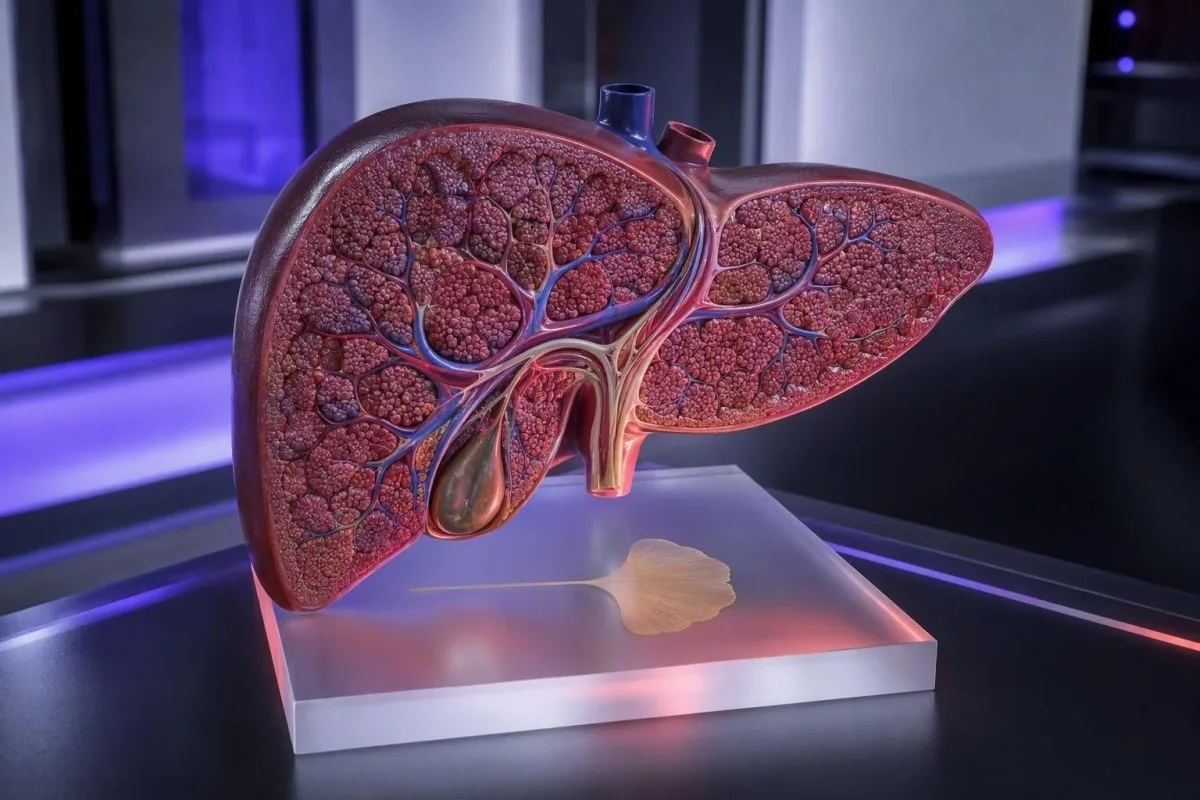
ALT යනු බහුලව වාර්තා වන අක්මා එන්සයිමයක් වන අතර, එය රෝග විනිශ්චයක් වෙනුවට සෛලීය ආතතියේ සංඥාවකි. එහි අර්ථය එහි ප්රමාණය, රටාව, කාලය සහ ඔබේ අක්මා පැනලයේ ඉතිරි කොටසින් පැමිණේ.


- ALT අර්ථය: ALT යනු ඇලනීන් ඇමිනෝ ට්රාන්ස්ෆෙරේස් යන්නයි, එය IU/L වලින් මනිනු ලබන එන්සයිමයක් වන අතර එය අක්මා සෛලවල සංකේන්ද්රණය වී ඇත.
- සාමාන්ය පරාසය: බොහෝ වැඩිහිටි රසායනාගාර කාන්තාවන් සඳහා 35 IU/L සහ පිරිමින් සඳහා 45 IU/L හි ALT ඉහළ සීමාව භාවිතා කරයි, වාර්තාවේ තමන්ගේම පරාසය තීරණාත්මක වුවද.
- සුළු ඉහළ යාම: රසායනාගාරයේ ඉහළ සීමාවෙන් 2 ගුණයකට වඩා අඩු ALT සාමාන්ය වන අතර බොහෝ විට කලබල නොව, සැලසුම්ගත නැවත පරීක්ෂාවක් ලැබිය යුතුය.
- රටාව වැදගත් වේ: ඉහළ AST, ALP, GGT, බිලිරුබින්, හෝ INR සහිත ALT, හුදකලා ALT ඉහළ යාමකට වඩා වෙනස් දෙයක් අදහස් කරයි.
- ව්යායාමයේ බලපෑම: දැඩි ප්රතිරෝධී පුහුණුව දින 7ක් හෝ ඊට වැඩි කාලයක් සඳහා ALT සහ AST වැඩි කළ හැකිය, විශේෂයෙන් ක්රියේටීන් කිනේස් ද ඉහළ මට්ටමක පවතින විට.
- ඖෂධ සමාලෝචනය: ඇසිටමිනොෆෙන්, ස්ටැටින්, ප්රතිජීවක, අපස්මාර විරෝධී ඖෂධ, අතිරේක, සහ කහට නිෂ්පාදන ALT වලට බලපෑම් කළ හැකිය.
- හදිසි ලක්ෂණ: කහගුඳ, ව්යාකූලත්වය, දරුණු දකුණු-ඉහළ උදර වේදනාව, නැවත නැවත වමනය, හෝ ඉතා තද මුත්රා එකම දින වෛද්ය ඇගයීමක් අවශ්ය වේ.
- ප්රවණතා අගය: හේතුව ඉවත් කිරීමෙන් පසු පහත වැටෙන ALT එක තනි මායිම් ප්රතිඵලයකට වඩා සාමාන්යයෙන් සහතික වේ.
රුධිර පරීක්ෂාවකදී ALT හි අර්ථය
ALT යනු ඇලනීන් ඇමිනොට්රාන්ස්ෆෙරේස් (alanine aminotransferase) ය, ශක්ති පරිවෘත්තිය අතරතුර ඇමයිනෝ කණ්ඩායම් මාරු කිරීමට සෛලවලට උපකාර වන එන්සයිමයක්. ALT අක්මා සෛල ආතතියට පත්වන විට හෝ තුවාල වූ විට සංසරණයට ඇතුළු වන නිසා එය මනිනු ලැබේ; එය විසින්ම, ස්ථීර අක්මා හානිය ඔප්පු නොකරයි.
ALT ප්රධාන වශයෙන් හෙපටෝසයිට් (hepatocytes) තුළ, එනම් අක්මාවේ ක්රියාකාරී සෛල තුළ දක්නට ලැබේ, නමුත් කුඩා ප්රමාණයක් අස්ථි මාංශ පේශි සහ අනෙකුත් පටකවල ද දක්නට ලැබේ. ඉහළ ප්රතිඵලය යනු අපේක්ෂිත ප්රමාණයට වඩා වැඩි එන්සයිමයක් නියැදියට ළඟා වී ඇති බවයි; එය මේද අක්මාව, හෙපටයිටිස්, ඖෂධ හානි, හෝ අනුකූල සාක්ෂි නොමැතිව ව්යායාම හඳුනාගත නොහැක.
මගේ සායනික භාවිතයේදී, වඩාත්ම ප්රයෝජනවත් පළමු ප්රශ්නය “එය කොපමණ ඉහළද?” යනුවෙන් නොව, “කිසියම් මුලික අගයක් සහ අනෙකුත් සලකුණු සමඟ සසඳන විට ඉහළද?” යනුවෙන් වේ. නව ජිම් චර්යාවකින් පසු 58 IU/L වන ALT, 65 µmol/L බිලිරුබින් සහ කහ ඇස් සහිත ALT 58 IU/L එකකට වඩා වෙනස් ගැටලුවකි.
කන්ටෙස්ටි යනු AI රුධිර පරීක්ෂණ විශ්ලේෂකය එය AST, ALP, GGT, බිලිරුබින්, ඇල්බුමින්, පට්ටිකා ගණන, ඖෂධ සහ පෙර ප්රතිඵල සමඟ ALT කියවනු මිස රෝග විනිශ්චයක් ලෙස එක සලකුණු කළ අගයක් සලකන්නේ නැත. අදාළ මිනුම්වල පුළුල් සිතියමක් සඳහා, අපගේ බලන්න අවශ්ය වේ,.
පැරණි නම SGPT පෙනී සිටීමට හේතුව
සමහර වාර්තා තවමත් ALT “සීරම් ග්ලූටමික්-පයිරුවික් ට්රාන්ස්එමිනේස්” (serum glutamic-pyruvic transaminase) ලෙස හඳුන්වයි SGPT. ALT සහ SGPT එකම එන්සයිම පරීක්ෂාවට යොමු කරයි, නමුත් නූතන රසායනාගාර වාර්තාකරණයේදී සාමාන්යයෙන් ALT භාවිතා කරයි.
වෛද්යවරු ඇලනීන් ඇමිනෝ ට්රාන්ස්ෆෙරේස් මනින්නේ ඇයි
වෛද්යවරුන් විසින් ඇලනීන් ඇමිනොට්රාන්ස්ෆෙරේස් පරීක්ෂාව (alanine aminotransferase test) නියම කරනුයේ හෙපටෝසෙලියුලර් ආතතිය හඳුනා ගැනීමට, දන්නා අක්මා රෝග නිරීක්ෂණය කිරීමට සහ ඖෂධ-ආශ්රිත හානි පරීක්ෂා කිරීමටය. පුද්ගලයෙකුට රෝග ලක්ෂණ නොමැති වුවද, ALT බොහෝ විට අක්මා පැනලයේ හෝ පුළුල් පරිවෘත්තීය පැනලයේ අඩංගු වේ.
ALT සාමාන්යයෙන් දියවැඩියාව හෝ ලිපිඩ සමාලෝචන අතරතුරදී පරීක්ෂා කරනු ලැබේ, මන්ද පරිවෘත්තීය අක්රියතාව-ආශ්රිත ස්ටීටොටික් අක්මා රෝගය, මීට පෙර මේද අක්මා රෝගය ලෙස හැඳින්වූ, වසර ගණනාවක් පුරා නිහඬව පැවතිය හැකිය. 2023 AASLD මාර්ගෝපදේශය නිර්දේශ කරන්නේ පරිවෘත්තීය අවදානම් සාධක සහ නොපැහැදිලි අක්මා-එන්සයිම ඉහළ යාම සහිත පුද්ගලයන් ස්ටීටොටික් අක්මා රෝගය සහ ෆයිබ්රෝසිස් අවදානම (Rinella et al., 2023) සඳහා ඇගයීමට ලක් කරන ලෙසය.
සාමාන්ය ALT එකක් සැලකිය යුතු ෆයිබ්රෝසිස් බැහැර නොකරයි, සහ ඉහළ ALT එකක් ෆයිබ්රෝසිස් අදියර මනින්නේ නැත. විශේෂඥ ඇගයීමෙන්, විශේෂයෙන් දෙවන වර්ගයේ දියවැඩියාව ඇති අය අතර, ALT 24 IU/L සහ අර්ථවත් කැළැල් සහිත රෝගීන් මම දැක ඇත්තෙමි; ෆයිබ්රෝසිස් ලකුණු සහ රූප විද්යාව වෙනත් ප්රශ්නයකට පිළිතුරු සපයයි.
ඖෂධ වෙනස් කිරීමෙන් පසු ALT නිරීක්ෂණය කිරීම ද ප්රායෝගික ය, නමුත් එය සිතා බලා උපලේඛනගත කළ යුතුය. අපගේ මාර්ගෝපදේශය වාර්ෂික රුධිර පරීක්ෂාව සඳහා පරීක්ෂණ සංඛ්යාතය පුරුද්දට පමණක් නොව, අවදානම, රෝග ලක්ෂණ සහ ප්රතිකාරය අනුගමනය කළ යුත්තේ මන්ද යන්න පැහැදිලි කරයි.
ALT සාමාන්ය පරාසයන් සහ රසායනාගාර කප්-ඕෆ්ස් වෙනස් වන්නේ ඇයි
කාන්තාවන් සඳහා 7 ත් 35 IU/L ත් අතර සහ පිරිමින් සඳහා 10 ත් 45 IU/L ත් අතර සාමාන්ය ALT යොමු පරාසයන් සාමාන්යයෙන් ධාවනය වේ, නමුත් පරාසයන් assay, ජනගහනය සහ රසායනාගාරය අනුව වෙනස් වේ. අන්තර්ජාල සීමාවකට වඩා ඔබේම ප්රතිඵලයට යාබදව මුද්රණය කර ඇති ඉහළ සීමාව සැමවිටම භාවිතා කරන්න.
ඉහළ සීමාව සංඛ්යානමය, සාමාන්යයෙන් යොමු ජනගහනයකින් ලබා ගත් එකක් මිස, ඊට පහළින් ඇති සෑම අගයක්ම සම්පුර්ණයෙන්ම සෞඛ්ය සම්පන්න අක්මාවක් පිළිබිඹු කරන බවට සහතිකයක් නොවේ. සමහර යුරෝපීය රසායනාගාර කාන්තාවන් සඳහා 25 IU/L සහ පිරිමින් සඳහා 35 IU/L අසල ලිංග-විශේෂිත ඉහළ සීමාවන් භාවිතා කරයි, එය පරිවෘත්තීය අවදානම කලින් හඳුනාගත හැකි නමුත් මායිම් කොඩි ද වැඩි කරයි.
සාමාන්ය ඉහළ සීමාව මෙන් දෙගුණයකටත් අඩු අගයක් බොහෝ විට මෘදු ඉහළ යාමක් ලෙස හැඳින්වේ. 40 IU/L ඉහළ සීමාවක් සහිත රසායනාගාරයක් සඳහා, ALT 55 සිට 80 IU/L දක්වා සන්දර්භයක් සහ සාමාන්යයෙන් නැවත සැලසුම් කිරීමක් ලැබිය යුතුය, එය ALT 400 IU/L යනු ඉහළ සීමාව මෙන් 10 ගුණයක් වන අතර හදිසිය වෙනස් කරයි.
ආචාර්ය තෝමස් ක්ලයින් රෝගීන්ට රසායනාගාරයේ නම, ඒකක, සීමාව, රුධිරය ලබාගත් දිනය, මත්පැන් පානය කිරීම සහ පෙර සතියේ ව්යායාම වාර්තා කරන ලෙස උපදෙස් දෙයි. මෙය සංචාර අතර ප්රතිඵල වෙනස්කම් වඩාත් අර්ථවත් කරයි.
ALT සහ AST එකට ක්රියා කරන ආකාරය
ALT සහ AST එක්ව අර්ථකථනය කළ යුතුය, මන්ද ALT සාපේක්ෂව අක්මාව-මූලික වන අතර AST අස්ථි හා හෘද මාංශ පේශිවල ද බහුලව පවතී. AST-ALT අනුපාතයක් රටා යෝජනා කළ හැකි නමුත්, එය මත්පැන් සම්බන්ධ රෝග හෝ සිරෝසිස් පමණක් හඳුනාගත නොහැක.
ALT, AST ඉක්මවා යන විට, වෛද්යවරු බොහෝ විට පරිවෘත්තීය මේද තැන්පත් වීම, වෛරස් හෙපටයිටිස්, හෝ ඖෂධවල බලපෑම් සලකා බලයි, නමුත් බොහෝ ව්යතිරේඛයන් ද ඇත. 2 ට වඩා වැඩි AST:ALT අනුපාතයක් මත්පැන්-ආශ්රිත අක්මා හානිය තුළ සිදුවිය හැකිය, නමුත් උසස් ෆයිබ්රෝසිස්, මාංශ පේශි හානි සහ උග්ර ආබාධයකින් පසු කාලය ද අනුපාතය මාරු කළ හැකිය.
ධාවන තරඟයකින් පසු AST 89 IU/L, ALT 61 IU/L, සහ ක්රියේටිනීන් කිනේස් 1,450 IU/L සහිත 52 හැවිරිදි මැරතන් ධාවකයෙකුට, එම එන්සයිම සහ ක්රියේටිනීන් කිනේස් 90 IU/L ඇති අයෙකුගෙන් වෙනස් කතිකාවක් අවශ්ය වේ. AST සහ ඉහළ CK ගැන අපි කනස්සල්ලට පත්වීමට හේතුව මාංශ පේශි නිකුත් වීමයි; ALT පමණක් මාංශ පේශි-විශේෂිත නොවේ, නමුත් ඉහළ යා හැකිය.
මෙම වෙනසෙහි මාංශ පේශි පැත්ත සඳහා, අපගේ පැහැදිලි කිරීම කියවන්න ඉහළ AST රෝග ලක්ෂණ. ශාරීරික ක්රියාකාරකම් යථාර්ථවාදී හේතුවක් නම්, ඔබේ වෛද්යවරයා වෙනත් ආකාරයකින් උපදෙස් දෙන තුරු, නැවත පරීක්ෂා කිරීමට පෙර දින 7ක් සඳහා අසාමාන්ය ලෙස වෙහෙස මහන්සි වී පුහුණු කිරීමෙන් වළකින්න.
ALP, GGT සහ බිලිරුබින් ALT හි අර්ථය වෙනස් කරන්නේ ඇයි
ALT හෙපටෝසෙලියුලර් රටාවක් පෙන්නුම් කරයි, අනෙක් අතට ඇල්කලೈನ್ පොස්පේටේස්, GGT, සහ බිලිරුබින් කොලෙස්ටැසිස් හෝ බාධාකාරී පිත්තාශය ගලා යාම හඳුනා ගැනීමට උපකාරී වේ. ALT සමඟ ඉහළ ALP සහ GGT, සරල මේද අක්මාව උපකල්පනය කිරීමට වඩා, පිත්තාශ නාල රෝග, ඖෂධවල බලපෑම්, හෝ අක්මා දැවිල්ල සලකා බැලීමට හේතු විය යුතුය.
වෛද්යවරයෙකුට R අනුපාතයක් ගණනය කළ හැකිය: ALT එහි ඉහළ සීමාවෙන් බෙදා, පසුව ALP එහි ඉහළ සීමාවෙන් බෙදා. R අනුපාතය 5ක් හෝ ඊට වැඩි නම් හෙපටෝසෙලියුලර් හානියට සහාය වේ, 2ක් හෝ ඊට අඩු නම් කොලෙස්ටැටික් හානියට සහාය වේ, සහ 2 ත් 5 ත් අතර නම් මිශ්ර රටාවක් යෝජනා කරයි; මෙය අවසාන රෝග විනිශ්චයක් නොව, වර්ග කිරීමේ මෙවලමක් වේ.
ALP ඉහළ යන විට GGT ප්රයෝජනවත් වේ, මන්ද GGT ඉහළ යාම අක්මා-පිත්තාශ ප්රභවයකට සහාය වන අතර, ALP අස්ථි පරිවර්තනයෙන් ද ඉහළ යා හැකිය. එබැවින් සාමාන්ය GGT සමඟ හුදකලා ALP ඉහළ යාම අක්මා රූප විද්යාවට වඩා අස්ථි සහ විටමින් D ප්රශ්න වෙත යොමු කළ හැකිය.
අඳුරු මුත්රා, සුදුමැලි මළපහ, කැසීම, උණ, හෝ ඉහළ බිලිරුබින් සමඟ කහගුළිය “ඊළඟ වාර්ෂික පරීක්ෂණය සඳහා රැඳී සිටින්න” රෝග ලක්ෂණ නොවේ. අපගේ cholestasis රටා මාර්ගෝපදේශය කඩිනමින් තක්සේරු කළ යුතු සංයෝජන පැහැදිලි කරයි.
ඉහළ ගිය ALT හි පොදු හේතු
ඉහළ ALT බොහෝ විට පරිවෘත්තීය මේද අක්මා රෝග, මත්පැන් නිරාවරණය, වෛරස් හෙපටයිටිස්, ඖෂධවල බලපෑම්, හෝ තාවකාලික ව්යායාම-ආශ්රිත ඉහළ යාමක් පිළිබිඹු කරයි. සෑම හේතුවකම සම්භාවිතාව ශරීර බර, ග්ලූකෝස්, ට්රයිග්ලිසරයිඩ, මත්පැන් රටාව, ගමන්, ඖෂධ, සහ ඉහළ යාමේ ප්රමාණය සමඟ වෙනස් වේ.
පරිවෘත්තීය මේද අක්මා රෝගය (Metabolic steatotic liver disease) විශේෂයෙන්ම ALT ඉහළ යාම මධ්යම ශරීර ස්කන්ධය වැඩි වීම, ට්රයිග්ලිසර්රයිඩ් 150 mg/dL ට වඩා වැඩි වීම, අඩු HDL කොලෙස්ටරෝල්, නිරාහාරව රුධිරයේ සීනි ඉහළ යාම හෝ දෙවන වර්ගයේ දියවැඩියාව සමඟ ඇතිවන විට සිදුවිය හැක. කුඩා ශරීර ඇති පුද්ගලයන් තුළද, විශේෂයෙන් උදර මේදය, ජානමය, නින්දේ හුස්ම හිරවීම (sleep apnea) හෝ ඇතැම් ඖෂධ සමඟද මෙය සිදුවිය හැක.
වෛරස් හෙපටයිටිස් පරීක්ෂණය (Viral hepatitis testing) ALT පමණක් නොව, නිරාවරණය (exposure) සහ අවදානම (risk) මත රඳා පවතී. හෙපටටයිටිස් බී මතුපිට ඇන්ටිජන් (Hepatitis B surface antigen) සහ හෙපටටයිටිස් සී ප්රතිදේහ (hepatitis C antibody) තහවුරු කිරීමේ RNA පරීක්ෂණය සමඟ (confirmatory RNA testing) ඉතිහාසය, භූගෝලය හෝ එන්සයිම රටාව (enzyme pattern) එයට සහාය දක්වන විට සාමාන්ය අවධානය යොමු කළ තක්සේරුවක (focused evaluation) කොටස් වේ; අපගේ හෙපටටයිටිස් සී මාර්ගෝපදේශය (hepatitis C guide) සාමාන්ය මාර්ගය ආවරණය කරයි.
අඩු වශයෙන් දක්නට ලැබෙන නමුත් වැදගත් හේතූන් අතරට හීමොක්රොමාටෝසිස් (hemochromatosis), ස්වයං ප්රතිශක්ති හෙපටයිටිස් (autoimmune hepatitis), තරුණ අය අතර විල්සන් රෝගය (Wilson disease), සිලියැක් රෝගය (celiac disease) සහ ඇල්ෆා-1 ඇන්ටිට්රිප්සින් ඌණතාවය (alpha-1 antitrypsin deficiency) ඇතුළත් වේ. සෑම ඉහළ ගිය ALT එකක්ම මත්පැන් ආශ්රිත බව උපකල්පනය කිරීමේ හානිය (harm) ආචාර්ය තෝමස් ක්ලයින් දැක ඇත; එක් පිළිවෙලකට සකස් කරන ලද කාර්ය පරීක්ෂණයක් (structured work-up) වඩාත් කාරුණික හා නිවැරදි ය.
ALT වැඩි කළ හැකි ඖෂධ සහ අතිරේක
ඖෂධ සහ අතිරේක (supplements) සෘජු අක්මා හානි (direct liver injury), පිත්තාශයේ ගමනාගමනය වෙනස් වීම (altered bile flow), පරිවෘත්තීය බලපෑම් (metabolic effects) හෝ අනවශ්ය අහම්බයක් (unrelated coincidence) හරහා ALT ඉහළ නැංවිය හැක. එක් ප්රතිඵලයක් (result) නිසා නියමිත ඖෂධයක් හදිසියේ නතර නොකරන්න; ඖෂධයේ ප්රතිලාභය (drug benefit) රටාව (pattern) සහ ප්රවණතාවය (trend) සමඟ සසඳා බැලිය හැකි නිර්දේශකයා (prescriber) අමතන්න.
පැරසිටමෝල් (paracetamol) ලෙසද හඳුන්වන ඇසිටමිනොෆෙන් (Acetaminophen), අධික මාත්රාවලදී (overdose) සැලකිය යුතු ALT ඉහළ යාමක් (marked ALT elevation) සහ සමහර විට ඉහළ චිකිත්සක නිරාවරණයකදී (high therapeutic exposure) මෘදු වෙනස්කම් (milder changes) ඇති කළ හැකිය. වැඩිහිටියන්ගෙන් වැඩි දෙනෙකුට, සාමාන්ය උපරිමය දිනකට 4,000 mg වන අතර, නමුත් බොහෝ වෛද්යවරු නිතිපතා මත්පැන් පානය කරන, අක්මා රෝග ඇති, වයස්ගත අය හෝ සංයෝග සෙම්ප්රතිශ්යාව ඖෂධ (combination cold remedies) භාවිතා කරන පුද්ගලයින් සඳහා අඩු සීමාවක් (lower ceiling) නිර්දේශ කරති.
ස්ටැටින් (Statins) මගින් කුඩා ALT වැඩි වීම් (small ALT increases) සිදු විය හැක, එහෙත් දරුණු ස්ටැටින් ආශ්රිත අක්මා හානි (serious statin-related liver injury) දුර්ලභ ය; උපදෙස් නොමැතිව හෘද වාහිනී ඖෂධයක් (cardiovascular medicine) නතර කිරීම එන්සයිම සලකුණට (enzyme flag) වඩා අවදානම් විය හැකිය. ACG මාර්ගෝපදේශය (ACG guideline) පුළුල් පරීක්ෂණයට (extensive testing) පෙර අසාමාන්ය අක්මා රසායන (abnormal liver chemistries) තහවුරු කරන ලෙසත්, පරෙස්සමින් ඖෂධ, වෛද්යවරයෙකු නොවන ඖෂධ (over-the-counter), සහ අතිරේක ඉතිහාසයක් (supplement history) ගන්නා ලෙස නිර්දේශ කරයි (Kwo et al., 2017).
ඖෂධ ලේබල (labels) අසම්පූර්ණ විය හැකි බැවින්, කොළ තේ සාරය (Green tea extract), ඇනබලික් නිෂ්පාදන (anabolic products), අධික විටමින් A මාත්රාව (high-dose vitamin A), බහු-අමුද්රව්ය “විෂ නාශක” කුඩු (multi-ingredient “detox” powders) සහ නියාමනය නොකළ ශරීර ගොඩනැගීමේ අතිරේක (unregulated bodybuilding supplements) විශේෂ ප්රශ්න කිරීම් (specific questions) ලැබිය යුතුය. නව නිෂ්පාදනයක් එක් කිරීමට පෙර අපගේ ප්රායෝගික අතිරේක ආරක්ෂාව පිළිබඳ මාර්ගෝපදේශය (supplement safety guide) සමාලෝචනය කරන්න.
ව්යායාමයට తాత్కాలිකව ALT වැඩි කළ හැකිද?
ඔව්, දැඩි ව්යායාම (strenuous exercise) මගින් ALT තාවකාලිකව වැඩි විය හැක, විශේෂයෙන්ම හුරුපුරුදු නොවන ප්රතිරෝධක පුහුණුව (resistance training), විඳදරාගැනීමේ සිදුවීම් (endurance events), හෝ මාංශ පේශි තුවාල (muscle injury) වලින් පසුව. AST සහ ක්රියේටීන් කිනේස් (creatine kinase) සාමාන්යයෙන් වඩාත් කැපී පෙනෙන ලෙස ඉහළ යන අතර, ව්යායාමයේ තීව්රතාවය (exercise intensity) සහ මාංශ පේශි ස්කන්ධය (muscle mass) අනුව අගයන් පදිංචි වීමට දින 3 සිට 10 දක්වා ගත විය හැක.
පොදු වැරදි මතය (common misconception) නම් ඉහළ ගිය ALT එකක් සෑම විටම අක්මා හානියක් (liver damage) අදහස් කරන බවයි. එබැවින්, අක්රීය එසවීම (eccentric lifting)—මන්දගාමී ලෙස පහත් කිරීමේ චලනයන්—ඇතුළත් දැඩි සැසියක් (hard session) AST, ALT, LDH, සහ CK වෙනස් කිරීමට ප්රමාණවත් තරම් මාංශ පේශි පටල (muscle membranes) අවුල් කළ හැකි අතර, අභ්යන්තර අක්මා ආබාධයක් (intrinsic liver disorder) නොමැතිවය.
පිරිසිදු නැවත පරීක්ෂණයකදී (clean recheck), මම සාමාන්යයෙන් ස්ථාවර, යහපත් රෝගීන්ට (stable, well patients) දින 5 සිට 7 දක්වා දැඩි පුහුණුව (vigorous training) මග හැරීමට, දින කිහිපයක් මත්පැන් මග හැරීමට, හයිඩ්රේෂන් (hydration) සාමාන්යව තබා ගැනීමට, සහ හැකි සෑම විටම එකම රසායනාගාරය (laboratory) භාවිතා කිරීමට ඉල්ලා සිටිමි. රතු-ධජ රෝග ලක්ෂණ (red-flag symptoms) හෝ පරාසයට (range) කිහිප ගුණයකින් ඉහළින් ALT තිබේ නම් මෙය සුදුසු නොවේ; එම අවස්ථාවන්හිදී මුලින්ම සායනික උපදෙස් (clinical advice) අවශ්ය වේ.
කන්ටෙස්ටි යනු AI මගින් බලගැන්වූ රුධිර පරීක්ෂණ විශ්ලේෂණ මෙවලම රටවල් 127+ පුරා භාවිතා කරන, ALT, AST, CK, සහ පෙර ඇඳීම් (prior draws) සංසන්දනය කළ හැකි, එය හානික නොවන බව ප්රකාශ නොකර ව්යායාම-අනුකූල රටාවක් (exercise-compatible pattern) සලකුණු කිරීමට (flag) භාවිතා කරයි. මලල ක්රීඩකයන්ටද සමාලෝචනය කළ හැක මැරතන් රුධිර පරීක්ෂණ කාලය (marathon blood test timing).
ALT ප්රතිඵල වඩාත් හදිසි කරන රෝග ලක්ෂණ
බොහෝ මෘදු ALT උන්නති (mild ALT elevations) රෝග ලක්ෂණ (symptoms) ඇති නොකරයි, නමුත් කහගැන්ම (jaundice), මුත්රා තද වීම (very dark urine), මළ මූත්රා සුදු වීම (pale stool), දරුණු උදර වේදනාව (severe abdominal pain), ව්යාකූලත්වය (confusion), පහසුවෙන් තැලීම් (easy bruising), හෝ නොකඩවා වමනය (persistent vomiting) වහාම වෛද්ය තක්සේරුවක් (medical assessment) අවශ්ය වේ. රෝග ලක්ෂණ වැදගත් වන්නේ ඒවා බිලිරුබින් හැසිරවීම (bilirubin handling), පිත්තාශ අවහිර වීම (bile obstruction), තියුණු හෙපටයිටිස් (acute hepatitis), හෝ අක්මා සංශ්ලේෂණ ක්රියාකාරිත්වය අඩුවීම (reduced liver synthetic function) ආබාධිත බව දැක්විය හැකි බැවිනි.
කහ ඇස් හෝ සම (yellow eyes or skin), ව්යාකූලත්වය, නව නිදිමත (new sleepiness), දකුණු ඉළ ඇට යට වේදනාව වේගයෙන් නරක අතට හැරීම (rapidly worsening pain under the right ribs), හෝ දියර රඳවා තබා ගැනීමට නොහැකි වීම (inability to keep fluids down) සඳහා එකම දින රැකවරණයක් (same-day care) සොයන්න. ALT ඉහළ සීමාවෙන් 5 ගුණයකට වඩා වැඩි වූ විට, බිලිරුබින් ඉහළ ගිය විට, හෝ INR දිගු වූ විට මෙම රෝග ලක්ෂණ වැඩි බරක් (carry more weight) දරයි.
ගැබ් ගැනීම (Pregnancy) සැලකිල්ල සඳහා වන සීමාව (threshold for concern) වෙනස් කරයි: අත්ල හෝ යටි පතුල්වල කැසීම (itching of palms or soles), දකුණු-උදරයේ ඉහළ අසහනය (right-upper abdominal discomfort), හිසරදය (headache), දෘශ්ය ආබාධ (visual disturbance), හෝ අධි රුධිර පීඩනය (high blood pressure) ALT මධ්යස්ථව ඉහළ ගියත් (modestly elevated) හදිසි ප්රසව තක්සේරුවක් (urgent obstetric assessment) අවශ්ය වේ. ගැබ් ගැනීම-විශේෂිත තත්වයන්ට (Pregnancy-specific conditions) සාමාන්ය බාහිර රෝගී අක්මා පරීක්ෂණයට (routine outpatient liver testing) වඩා වෙනස් මාර්ගයක් (different pathway) අවශ්ය වේ.
මුත්රා වෙනස්වීම් (Urine changes) අතිරේක තොරතුරු (clues) එක් කළ හැකි නමුත් තනිව රෝග විනිශ්චය (diagnostic) නොවේ. අපගේ ලිපිය තද මුත්රා හේතු (dark urine causes) විජලනය (dehydration) සහ ඖෂධ බිලිරුබින් ආශ්රිත අනතුරු ඇඟවීමේ සංඥා වලින් වෙන්කර හඳුනා ගැනීමට උපකාරී වේ.
අසාමාන්ය ALT ප්රතිඵලයකින් පසු සාමාන්යයෙන් සිදුවන්නේ කුමක්ද?
අසාමාන්ය ALT ප්රතිඵලයකින් පසුව, වෛද්යවරු සාමාන්යයෙන් ප්රතිඵලය තහවුරු කර, නිරාවරණයන් සමාලෝචනය කර, උන්නතියේ ප්රමාණය සහ රෝග ලක්ෂණ මත පදනම්ව පැනලය නැවත සිදු කරයි හෝ පුළුල් කරයි. තනි මෘදු ප්රතිඵලයක් බොහෝ විට සති කිහිපයක සිට මාස කිහිපයකින් නැවත නැවත සිදුවීමට හේතු වන අතර, සලකුණු කරන ලද උන්නතියක් හෝ සෙංගමාලය වේගවත් තක්සේරුවක් ඉල්ලා සිටී.
යහපත් පළමු සමාලෝචනයක alkohol රටාව, මෑතකදී ඇති වූ අසනීප, ශරීර බර වෙනස්කම්, ගමන්, පවුල් ඉතිහාසය, නියමිත සහ නියමිත නොවන ඖෂධ, අතිරේක, සහ පෙර දින 7 තුළ ව්යායාම් ඇතුළත් වේ. පොදු අනුගමන පරීක්ෂණවලට AST, ALP, GGT, bilirubin, albumin, සම්පූර්ණ රුධිර ගණනය, INR, hepatitis screening, ferritin with transferrin saturation, සහ glucose හෝ HbA1c ඇතුළත් වේ.
steatosis, gallstones, bile-duct dilation, හෝ structural change සඳහා Ultrasound බොහෝ විට ප්රයෝජනවත් වේ, නමුත් එය මුල් fibrosis හි අදියර විශ්වාසදායක ලෙස නොපෙන්වයි. FIB-4 fibrosis අවදානම ඇස්තමේන්තු කිරීමට වයස, AST, ALT, සහ platelet count භාවිතා කරයි; එය වයස 35ට අඩු වන විට අඩු විශ්වාසදායක වන අතර තියුණු රෝගාබාධයකදී භාවිතා නොකළ යුතුය.
Kantesti AI යනු AI රසායනාගාර පරීක්ෂණ අර්ථකථන සේවාව මෙම අදාළ සලකුණු සහ කල්පවතින ප්රතිඵල වෛද්යවරයකු සමඟ සාකච්ඡා කිරීම සඳහා සංවිධානය කරයි. අපගේ අක්මා පැනල පැහැදිලි කිරීම සෑම අනුගමන අංගයක්ම දායක වන දේ පෙන්වයි.
තනි අංකයකට වඩා ALT ප්රවණතා වඩාත් ප්රයෝජනවත් වන්නේ ඇයි
තනි ප්රතිඵලයකට වඩා ALT ප්රවණතාව බොහෝ විට තොරතුරු සපයන්නේ එය විසඳෙමින්, පවතිමින් හෝ වේගවත් වෙමින් තිබේද යන්න පෙන්වන බැවිනි. සති 6කට පසු 72 සිට 34 IU/L දක්වා වන වෙනසක්, 34 සිට 72 IU/L දක්වා වන වෙනසකට වඩා වෙනස් සායනික පණිවිඩයක් දරයි, මෙම සංඛ්යා දෙකම රසායනාගාර කප්පාදුවට ආසන්න විය හැකිය.
ජීව විද්යාත්මක වෙනස්කම්, ජලීයකරණය, assay වෙනස්කම්, සහ කාලය ALT එක මදක් චලනය කළ හැක. එකම රසායනාගාරයේ, දිනයේ සමාන වේලාවක, සැසඳිය හැකි ක්රියාකාරකම් සහ alkohol නිරාවරණයෙන් පසුව නැවත නැවත සිදු කිරීම, ශබ්දය අඩු කර සැබෑ වෙනසක් හඳුනා ගැනීම පහසු කරයි.
මාස 6කට වඩා වැඩි කාලයක් සඳහා පවතින උන්නතිය, දියවැඩියාව, තරබාරුකම, අක්මා රෝග පිළිබඳ පවුල් ඉතිහාසය, පට්ටිකා අඩුවීම, හෝ bilirubin ඉහළ යාම සමඟ විශේෂයෙන් සැලසුම් සහගත තක්සේරුවක් ඉල්ලා සිටී. ඊට වෙනස්ව, හොඳින් තක්සේරු කරන ලද රෝගියෙකු තුළ ස්ථාවර මෘදු ALT, නැවත නැවත පුළුල් පරීක්ෂණ සමඟ ලුහුබැඳීමට වඩා නිරීක්ෂණය කළ හැකිය.
Kantesti AI, 3 IU/L මාරුවක් රෝග වර්ධනයක් ලෙස සැලකීමට වඩා, ඒ සමඟ ඇති AST, පට්ටිකා ගණන, bilirubin, සහ පරිවෘත්තීය සලකුණු සමඟ ALT ප්රවණතා අර්ථකථනය කරයි. එක් එක් ඩ්රෝ එකෙන් පසු වාර්තා කිරීම වටිනා විස්තර සඳහා අපගේ දිගුකාලීන පරීක්ෂණ මාර්ගෝපදේශය (longitudinal testing guide) බලන්න බලන්න.
දුර්වල තීරණ වලට තුඩු දිය හැකි ALT වැරදි අදහස්
ALT යනු “අක්මා ක්රියාකාරිත්ව පරීක්ෂණය” එකක් නොවේ, මන්ද එය එන්සයිම කාන්දු වීම මනිනු මිස අක්මාවේ ඇල්බුමින්, කැටි ගැසීමේ සාධක, හෝ පිත්තාශය සෑදීමේ හැකියාව නොවේ. ඇල්බුමින්, INR, bilirubin, පට්ටිකා ගණන, රෝග ලක්ෂණ, සහ රූප විද්යාව, ALT වලට වඩා වැඩි බලපෑමක් ඇති කතාවක් කියන්නට පුළුවන.
සාමාන්ය ALT, දරුණු alkohol පානය, දියවැඩියාව, හෝ අක්මා රෝග පිළිබඳ ශක්තිමත් පවුල් ඉතිහාසයක් නොසලකා හැරීමට අවසර ලබා නොදේ. ඒ හා සමානව, ඉහළ ගිය ALT alkohol හේතුව බව ඔප්පු නොකරයි; මෙම උපකල්පනය විශ්වාසය හානි කිරීමට සහ වෛරස්, ස්වයං ප්රතිශක්තිකරණ, ජානමය, හෝ ඖෂධ-ආශ්රිත තත්වයන් හඳුනා ගැනීම ප්රමාද කිරීමට හේතු විය හැක.
“අක්මා ඩෙටොක්ස්” තවත් පොදු උගුලකි. අක්මාව දැනටමත් පරිවෘත්තීය හා ඉවත් කිරීම් සිදු කරයි, අතර ආක්රමණශීලී නිරාහාරව සිටීම, අනিয়ంత్రිත පැළෑටි, සහ වේගවත් බර අඩු වීම සමහර විට රෝග ලක්ෂණ හෝ රසායනාගාර සලකුණු නරක අතට හැරවිය හැකිය; වාණිජ ඩෙටොක්ස් පිළිවෙත් සඳහා සාක්ෂි ඇත්තෙන්ම දුර්වලය.
ආහාර වේල සාකච්ඡාවේ කොටසක් නම්, ආශ්චර්යමත් නිෂ්පාදනවලට වඩා, තිරසාර බර වෙනසක්, ප්රමාණවත් ප්රෝටීන්, තන්තු, සහ අඩු අති-සැකසූ ආහාර කෙරෙහි අවධානය යොමු කරන්න. අපගේ සාක්ෂි-ආධාරක අක්මා ආහාර මාර්ගෝපදේශය වඩා ආරක්ෂිත ආරම්භක ස්ථානයකි.
ළමුන්, ගැබ් ගැනීම් සහ වැඩිහිටි වයසේදී ALT අර්ථ නිරූපණය
ALT අර්ථකථනයට ළමුන්, ගර්භණීභාවය, සහ වැඩිහිටියන් තුළ වයස-විශේෂිත සන්දර්භයක් අවශ්ය වේ, මන්ද යොමු සීමාවන් සහ සම්භාවිතා හේතු වෙනස් වේ. ළමා ALT කප්පාදුව බොහෝ විට වැඩිහිටි රසායනාගාර පරාසයන්ට වඩා අඩු වන අතර, ගැබ්ගැනීම්-ආශ්රිත අක්මා රෝග ලක්ෂණ සඳහා වේගවත් විශේෂඥ-නායකත්වයෙන් යුත් තක්සේරුවක් අවශ්ය වේ.
ළමුන් තුළ, තරබාරුකම-ආශ්රිත steatotic liver disease වඩ වඩාත් හඳුනාගනු ලැබේ, නමුත් වෛරස් රෝග, මාංශ පේශි ආබාධ, celiac disease, සහ උරුම වූ පරිවෘත්තීය තත්වයන් වෙනස්කම්වල ඉතිරිව තිබිය යුතුය. ළමා වෛද්යවරයකු, වැඩිහිටි “40 IU/Lට අඩු නම් හොඳයි” යන චින්තනය යෙදීමට වඩා, පවතින ALT උන්නතිය අර්ථකථනය කළ යුතුය.
ගර්භණීභාවය තුළ, ALT සාමාන්යයෙන් ගැබ් නොගත් යොමු පරතරය තුළ පැවතිය යුතුය; අධි රුධිර පීඩනය, අඩු පට්ටිකා, කැසීම, හෝ ඔක්කාරය සමඟ නැගීමක්, ගැබ්ගැනීම්-විශේෂිත ආබාධ සඳහා කඩිනම් තක්සේරුවක් අවශ්ය වේ. ඇල්බුමින් සාමාන්යයෙන් ප්ලාස්මා-පරිමාව පුළුල් වීම නිසා වැටෙන අතර, එබැවින් ඇල්බුමින් සහ ALT එකම තර්කයකින් අර්ථකථනය නොකළ යුතුය.
වැඩිහිටියන් තුළ, polypharmacy සහ frailty, සම්පූර්ණ medicine සමාලෝචනයේ වටිනාකම වැඩි කරයි. අපගේ ජ්යෙෂ්ඨ ඖෂධ විද්යාගාර මාර්ගෝපදේශක හමුවීම සඳහා ගෙන යා යුතු ප්රශ්න පිළිබඳව දක්වයි.
ALT ප්රතිඵල සඳහා AI අර්ථ නිරූපණය ආරක්ෂිතව භාවිතා කිරීම
AI මඟින් ALT ප්රතිඵලය සංවිධානය කිරීමට උපකාර කළ හැකි නමුත්, එය ඔබව පරීක්ෂා කිරීමට, රෝග ලක්ෂණ තහවුරු කිරීමට, හෝ රෝගී අක්මා රටාවකට වෛද්ය ඇගයීමක් වෙනුවට ආදේශ කළ නොහැක. ආරක්ෂිතම භාවිතය වන්නේ සූදානම් වීමයි: රටාව හඳුනා ගැනීම, මුල් වාර්තාව සුරැකීම, සහ සුදුසුකම් ලත් වෛද්යවරයෙකුට අවධානය යොමු කළ ප්රශ්න ඉදිරිපත් කිරීම.
2026 සැප්තැම්බර් 5 වන දින වන විට, Kantesti යනු AI රුධිර පරීක්ෂණ ප්රතිඵල වේදිකාව එය පැය 1ක් පමණ තුළ උඩුගත කරන ලද රසායනාගාර වාර්තා සමාලෝචනය කරන අතර, ALT සම්බන්ධිත අගයන්, ප්රවණතා ඉතිහාසය, සහ වාර්තා කරන ලද ඖෂධ සමඟ සන්දර්භගත කරයි. එය රෝග විනිශ්චයක් නිකුත් කිරීමට හෝ ප්රතිකාර නියම කිරීමට නොව, ප්රශ්නවල ගුණාත්මකභාවය වැඩි දියුණු කිරීම සඳහා නිර්මාණය කර ඇත.
නිරවද්යතාවය සඳහා, වාර්තා රූපය කියවිය හැකිද, ඒකක නිවැරදිව ග්රහණය කරගෙන තිබේද, සහ පෙර වසරක ප්රතිඵලයක් අද දින අගයට වැරදි ලෙස ගෙන නොමැතිදැයි පරීක්ෂා කරන්න. Kantesti හි වෛද්යමය ප්රවේශය වෛද්ය අධීක්ෂණය මඟින් හැඩගස්වා ඇත; පාඨකයින්ට අපගේ වෛද්ය සත්යාපන ප්රමිතීන් සහ වෛද්ය උපදේශක මණ්ඩලය AI-සහාය ලත් අර්ථ නිරූපණය භාවිතා කරන ආකාරය තීරණය කිරීමේදී.
සමාලෝචනයක් සඳහා දේවල් තුනක් ගෙන එන්න: සම්පූර්ණ පැනලය, මාත්රාවන් සහිත සෑම ඖෂධයක් සහ අතිරේක ලැයිස්තුවක්, සහ මධ්යසාර, අසනීප, ගමන්, සහ දැඩි ව්යායාම පිළිබඳ කාල රේඛාවක්. එම සරල සූදානම් වීම බොහෝ විට අනවශ්ය අනතුරු ඇඟවීම් වළක්වන අතර අර්ථවත් රටාවක් මග හැරීම වළක්වයි.
ඔබේ ඊළඟ ALT පරීක්ෂණයට පෙර ප්රායෝගික චෙක්-ලැයිස්තුවක්
සැලසුම්ගත ALT නැවත පරීක්ෂාවකට පෙර, ඔබේ දින චරියාව ස්ථාවරව තබා ගන්න සහ එන්සයිම වෙනස් කළ හැකි සාධක ලේඛනගත කරන්න. සායනිකව ආරක්ෂිත නම්, දින 5 සිට 7 දක්වා දැඩි පුහුණුවෙන් වළකින්න, දින කිහිපයක් මධ්යසාරයෙන් වළකින්න, සහ නියම කරන වෛද්යවරයා ඔබට නොකියන තුරු නියමිත ඖෂධ වෙනස් නොකරන්න.
ඇසිටමිනොෆෙන් හෝ පැරසිටමෝල් භාවිතය, ප්රතිජීවක, නව අතිරේක, මෑත උණ, ආමාශ ආන්ත්ර රෝග, එන්නත්, නිරාහාරව සිටීම, සහ වේගවත් බර වෙනස්වීම වාර්තා කරන්න. ALT සඳහා පමණක් නිරාහාරව සිටීම සාමාන්යයෙන් අවශ්ය නොවේ, නමුත් ග්ලූකෝස්, ට්රයිග්ලිසරයිඩ, හෝ වෙනත් පරීක්ෂණ එම සංචාරයේදී මැනුවහොත් එය ඉල්ලා සිටිය හැකිය.
AST, ALP, GGT, බිලිරුබින්, ඇල්බුමින්, පට්ටිකා, සහ CK ඇතුළත් කළ යුතුද යන්න පිළිබඳව වෛද්යවරයාගෙන් විමසන්න. පිළිතුර බොහෝ විට පළමු රටාව මත රඳා පවතී; බර ඉසිලීමෙන් පසු ALT 48 IU/L හි හුදකලා කිරීම බිලිරුබින් 48 µmol/L සමඟ ALT 248 IU/L තරම් සංකීර්ණ පරීක්ෂණයක් අවශ්ය නොවේ.
ඔබේ වාර්තාවෙන් ප්රශ්න එකතු කිරීමට ඔබට උදව් අවශ්ය නම්, අපගේ AI වාර්තා නිරවද්යතා චෙක්ලිස්ට් එක සංචාරයට පෙර ප්රයෝජනවත් වේ. අපගේ කටයුතු පිළිබඳ සංවිධානාත්මක තොරතුරු සඳහා, බලන්න කන්ටෙස්ටි ගැන.
නිතර අසන ප්රශ්න
රසායනාගාර ප්රතිඵලවල ALT යන්නෙන් අදහස් කරන්නේ කුමක්ද?
ALT යනු ඇලනීන් ඇමිනොට්රාන්ස්ෆෙරේස් (alanine aminotransferase) යන්නයි. මෙය අක්මා සෛලවල ප්රධාන වශයෙන් දක්නට ලැබෙන එන්සයිමයක් වන අතර, ලෝක ඒකක/ලීටරයකින් (IU/L) මනිනු ලැබේ. බොහෝ රසායනාගාරවල වැඩිහිටි කාන්තාවන් සඳහා 35 IU/L පමණ සහ වැඩිහිටි පිරිමින් සඳහා 45 IU/L පමණ ඉහළ සීමාවන් භාවිතා කරන නමුත්, තනි වාර්තාවක මුද්රණය කර ඇති යොමු පරතරය නිවැරදි සංසන්දනාත්මක අගයයි. ඉහළ ගිය ALT සෛල ආතතියක් හෝ හානියක් පෙන්නුම් කරන නමුත් එය විසින්ම හේතුව හඳුනාගත නොහැක. AST, ALP, GGT, බිලිරුබින්, ඖෂධ, මත්පැන්, ව්යායාම සහ රෝග ලක්ෂණ මගින් ප්රතිඵලයෙහි අර්ථය තීරණය වේ.
ALT 50 IU/L කියන්නේ වැඩියද?
රසායනාගාරවලට අනුව, 50 IU/L හි ALT 35 හෝ 40 IU/L හි ඉහළ සීමාවක් සහිතව මඳක් ඉහළ මට්ටරක පවතී, නමුත් 55 IU/L හි ඉහළ සීමාවක් සහිත රසායනාගාර කිහිපයක සාමාන්ය අගයට ආසන්න වේ. බිලිරුබින්, ALP, INR සහ රෝග ලක්ෂණ සාමාන්ය වන විට 50 IU/L වටා ඇති අගයක් සාමාන්යයෙන් අඩු හදිසි වන නමුත්, එය තවමත් සන්දර්භය සහ නැවත පරීක්ෂාව ද ලැබිය යුතුය. මෑතකාලීන බර ඉසිලීම, මධ්යසාර, පරිවෘත්තීය මේද රෝග, ඖෂධ සහ අතිරේක යෙදුම් සාමාන්ය පැහැදිලි කිරීම් වේ. මාස 6 කට වඩා දිගට පවතින ඉහළ යාමක්, සංවිධානාත්මක සායනික සමාලෝචනයක් සුදුසු වේ.
ව්යායාම කිරීමෙන් ALT මට්ටම් ඉහළ යා හැකිද?
[ALT], [AST], [LDH], සහ ක්රියේටීන් කිනේස් (creatine kinase) වැනි එන්සයිම තීව්ර ව්යායාමවලදී ඉහළ යාමට ලක්විය හැක්කේ, අස්ථි පේශි (skeletal muscle) දැඩි හෝ අසාමාන්ය වෙහෙසකට පසුව එන්සයිම නිකුත් කරන බැවිනි. මෙම ඉහළ යාම දින 3 සිට 10 දක්වා පැවතිය හැකි අතර, බොහෝ විට [AST] සහ ක්රියේටීන් කිනේස් (creatine kinase) [ALT] වලට වඩා වැඩි වේ. නැවත පරීක්ෂා කිරීමට පෙර දින 5 සිට 7 දක්වා අසාමාන්ය ලෙස තීව්ර ක්රියාකාරකම් වලින් වැළකී සිටීම, ව්යායාමය දායක වී ඇත්ද යන්න පැහැදිලි කිරීමට උපකාරී වේ. කැපී පෙනෙන [ALT] ඉහළ යාමක්, කහගැල්ම, දැඩි වේදනාවක් හෝ තද මුත්රා තවමත් ව්යායාමය ඊට හේතුව යැයි උපකල්පනය කිරීමට වඩා වහාම වෛද්ය උපදෙස් පැතිය යුතුය.
ALT හෝ AST වලින් වඩා වැදගත් වන්නේ කුමක්ද?
ALT හෝ AST විශ්වීය වශයෙන් වඩා වැදගත් නොවේ, මන්ද මෙම යුගලය තනි ප්රතිඵලයකට වඩා වැඩි තොරතුරු සපයයි. ALT අක්මාව-කේන්ද්රීය වන අතර, AST දශාස්ථි මාංශ පේශිවලද පවතී. ව්යායාම කිරීමෙන් පසු හෝ මාංශ පේශි තුවාල වීමෙන් පසු AST සැලකිය යුතු ලෙස ඉහළ යා හැක. AST-ALT අනුපාතය 2 ට වඩා වැඩි වීම මධ්යසාර-අක්මා තුවාල වලදී සිදුවිය හැක, නමුත් එය රෝග විනිශ්චයකාරී නොවන අතර දියුණු ෆයිබ්රෝසිස් හෝ මාංශ පේශි මුදා හැරීම සමඟද දිස්විය හැකිය. වෛද්යවරු GGT, ALP, බිලිරුබින්, ක්රියේටීන් කිනේස්, පට්ටිකා ගණන සහ සායනික ඉතිහාසය සමඟ මෙම අගයන් දෙකම අර්ථකථනය කරති.
ඉහළ ALT ප්රතිඵලයක් කවදා ත්රිව්රවශයෙන් සැලකිය යුතුද?
රසායනාගාරයේ ඉහළ සීමාව මෙන් 5 ගුණයකට වඩා වැඩි ALT ප්රතිඵලයක්, වේගයෙන් ඉහළ යාමක්, හෝ කහගැසීම, ව්යාකූලත්වය, දරුණු දකුණු-ඉහළ උදර වේදනාව, නොනැවතෙන වමනය, පහසුවෙන් තැලීම් ඇතිවීම, හෝ ඉතා තද මුත්රා සමඟ ඇතිවන විට urgent assessment එකක් අවශ්ය වේ. බිලිරුබින් ඉහළ යාම, දීර්ඝ වූ INR, අඩු ග්ලූකෝස්, හෝ අඩු පට්ටිකා මගින් වැඩි සැලකිල්ලක් ඇතිවිය හැක, මන්ද ඒවා හුදකලා එන්සයිම නිකුතුවට වඩා වැඩි යමක් දැක්විය හැකිය. ALT ඉහළ යාමක් සමඟ ගැබ්ගැනීම්-ආශ්රිත කැසීම, හිසරදය, දෘශ්ය රෝග ලක්ෂණ, හෝ අධි රුධිර පීඩනය ද urgent obstetric assessment එකක් අවශ්ය වේ. ඉහළ සීමාවට 2 ගුණයකට වඩා අඩු හුදකලා මෘදු ප්රතිඵලයක් සාමාන්යයෙන් අඩු urgency එකකින් assessment කෙරේ, නමුත් එය නොසලකා හැරිය යුතු නොවේ.
මේද අක්මාව ALT ඉහළ යාමට හේතු විය හැකිද?
පරිවෘත්තීය අක්රියතාව-අనుబంధිත මේද අක්මා රෝගය (Metabolic dysfunction-associated steatotic liver disease) යනු ALT මට්ටම මදක් ඉහළ යාමට පොදු හේතුවකි, විශේෂයෙන් ට්රයිග්ලිසරයිඩ 150 mg/dL ට වඩා වැඩි වූ විට, ග්ලූකෝස් ඉහළ යාම, ටයිප් 2 දියවැඩියාව, මධ්යම ශරීර බර වැඩිවීම හෝ අඩු HDL කොලෙස්ටරෝල් සමඟ. අක්මා මේදය හෝ ෆයිබ්රෝසිස් තිබියදීත් ALT සාමාන්ය විය හැකිය, එබැවින් සාමාන්ය ප්රතිඵලයක් සායනිකව අදාළ රෝගයක් බැහැර නොකරයි. 2023 AASLD මාර්ගෝපදේශය පරිවෘත්තීය අවදානම් සාධක සහ පැහැදිලි කළ නොහැකි එන්සයිම ඉහළ යාම සහිත පුද්ගලයින් තුළ ෆයිබ්රෝසිස් අවදානම් තක්සේරුවට සහාය දක්වයි. ඩිටොක්ස් නිෂ්පාදනවලට වඩා තිරසාර බර කළමනාකරණය, දියවැඩියා පාලනය, මධ්යසාර අඩුවීම සහ වෛද්යවරයෙකු විසින් අධීක්ෂණය කිරීම වඩාත් සාක්ෂි-පාදක වේ.
අදම AI බලයෙන් රුධිර පරීක්ෂණ විශ්ලේෂණය ලබාගන්න
තත්පර කිහිපයකින් ක්ෂණික හා නිවැරදි රසායනාගාර පරීක්ෂණ විශ්ලේෂණය සඳහා Kantesti විශ්වාස කරන ලොව පුරා මිලියන 2කට වැඩි පරිශීලකයන්ට එක්වන්න. ඔබගේ රුධිර පරීක්ෂණ ප්රතිඵල උඩුගත කර, තත්පර කිහිපයකින් 15,000+ ජෛව සලකුණු පිළිබඳ සවිස්තර අර්ථකථනය ලබාගන්න.
📚 යොමු කර ඇති පර්යේෂණ ප්රකාශන
ක්ලයින්, ටී., මිචෙල්, එස්., සහ වෙබර්, එච්. (2026). B Negative රුධිර වර්ගය, LDH රුධිර පරීක්ෂණය සහ රෙටිකියුලොසයිට් ගණන මාර්ගෝපදේශය. Kantesti AI වෛද්ය පර්යේෂණ.
ක්ලයින්, ටී., මිචෙල්, එස්., සහ වෙබර්, එච්. (2026). නිරාහාරව සිටීමෙන් පසු පාචනය, මළපහ වල කළු ලප සහ ආමාශ ආන්ත්රික රෝග මාර්ගෝපදේශය 2026. Kantesti AI වෛද්ය පර්යේෂණ.
📖 බාහිර වෛද්ය යොමු
⚕️ වෛද්ය වියාචනය
මෙම ලිපිය අධ්යාපනික අරමුණු සඳහා පමණක් වන අතර වෛද්ය උපදෙස් ලෙස නොසැලකේ. රෝග නිદાન සහ ප්රතිකාර තීරණ සඳහා සෑම විටම සුදුසුකම් ලත් සෞඛ්ය සේවා සපයන්නෙකුගෙන් උපදෙස් ලබාගන්න.
E-E-A-T විශ්වාස සංඥා
අත්දැකීම්
වෛද්යවරයා විසින් මෙහෙයවන ලද රසායනාගාර අර්ථකථන ක්රියාවලි පිළිබඳ සමාලෝචනය.
ප්රවීණතාව
සායනික සන්දර්භය තුළ ජෛව සලකුණු (biomarkers) හැසිරෙන ආකාරය පිළිබඳ රසායනාගාර වෛද්ය විද්යා අවධානය.
අධිකාරීත්වය
ආචාර්ය තෝමස් ක්ලයින් විසින් ලියන ලද අතර ආචාර්ය සාරා මිචෙල් සහ මහාචාර්ය ආචාර්ය හෑන්ස් වෙබර් විසින් සමාලෝචනය කරන ලදී.
විශ්වසනීයත්වය
අනතුරු ඇඟවීම් අඩු කිරීමට පැහැදිලි පසුකැඳවීම් මාර්ග සහිත සාක්ෂි-පාදක අර්ථකථනය.