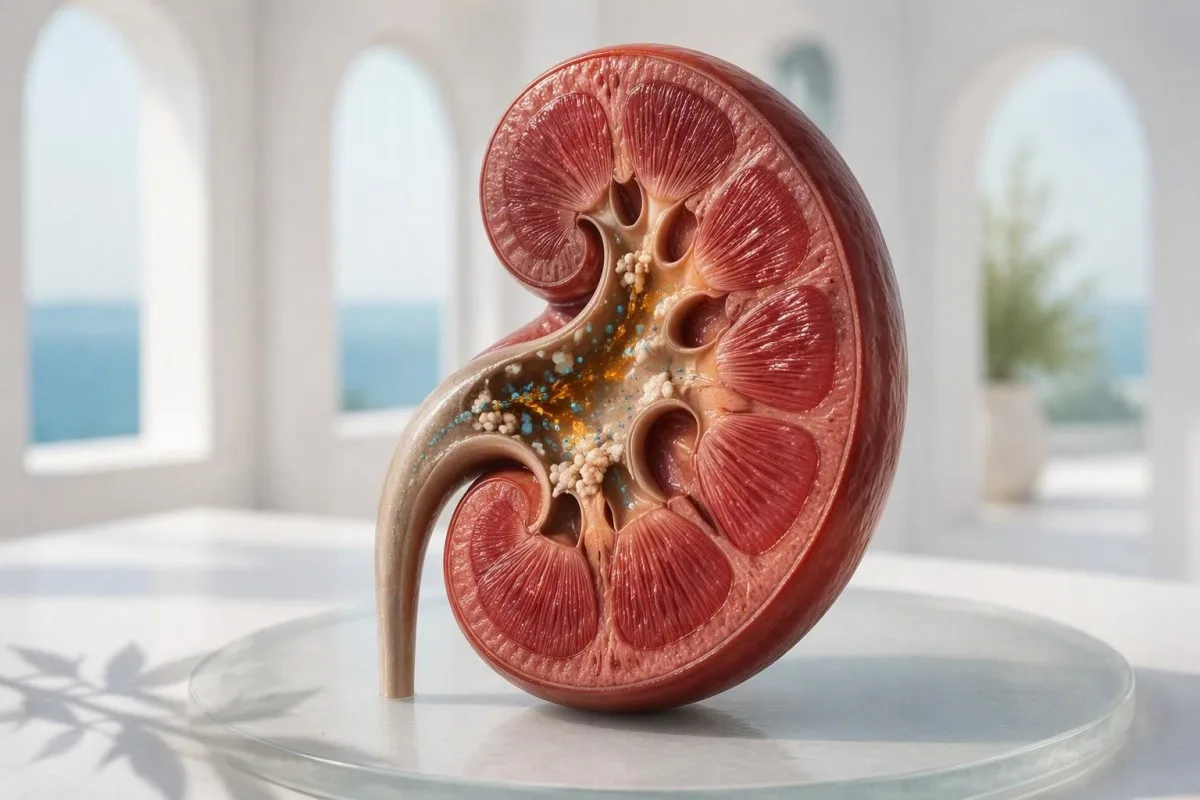
گهٽ سٽريٽ نتيجو هڪ ترميم لائق گردن جي پٿري جو خطرو عنصر آهي، نه پاڻ هڪ تشخيص. مفيد اڳيون قدم ان کي پيشاب جي مقدار، pH، ڪلسيم، سوڊيم، آڪساليٽ، ۽ توهان جي پٿري جي تاريخ سان گڏ سمجهڻ آهي.


- هائپوسيٽراٽوريا عام طور تي 320 mg في 24 ڪلاڪن کان گهٽ پيشاب سٽريٽ جو مطلب آهي، جيتوڻيڪ ليبارٽري ۽ جنس-مخصوص ٽارگيٽ مختلف هوندا آهن.
- گهٽ پيشاب citrate ڪلسيم پٿري جو خطرو وڌائي ٿو ڇاڪاڻ ته سٽريٽ آزاد پيشاب جي ڪلسيم کي ڍڪي ٿو ۽ بلورن جي واڌ کي سست ڪري ٿو.
- هڪ عملي ٽارگيٽ بار بار ٿيندڙ ڪلسيم پٿر ٺاهيندڙن لاءِ اڪثر گهٽ ۾ گهٽ 600 mg سٽريٽ في ڏينهن هوندو آهي، پيشاب جي مقدار ۽ pH سان سمجهيو ويندو آهي.
- پوٽاشيم سٽريٽ عام طور تي 30-60 mEq روزانو ورهايل دوز ۾ لکيو ويندو آهي؛ ان کي پوٽاشيم ۽ گردن جي ڪم جي نگراني جي ضرورت آهي.
- غذائي الڪلي ميوو ۽ ڀاڄين مان سٽريٽ وڌائي سگهي ٿو، جڏهن ته تمام گهڻو جانورن جي پروٽين جو استعمال، سوڊيم جي زيادتي، ۽ گهٽ پوٽاشيم جو استعمال ان کي گهٽائي سگهي ٿو.
- دائمي دست ۽ distal renal tubular acidosis اعليٰ نڪاس وارا سبب آهن ڇاڪاڻ ته اهي امل جي برقرار رکڻ ۽ پيشاب جي الڪلي جي نقصان پيدا ڪن ٿا.
- گڏ ڪرڻ جي معيار اهم آهي: جسم جي ماپ لاءِ گهٽ 24-ڪلاڪ creatinine هڪ نامڪمل گڏ ڪرڻ جو اشارو ڏئي سگهي ٿو ۽ citrate جي نتيجن کي غير معتبر بڻائي سگهي ٿو.
- تڪڙي (Urgent) جائزو بخار جي درد، مسلسل الٽي، پيشاب ڪرڻ جي ناڪامي، يا رڪاوٽ جي شڪ سان هڪ ڪم ڪندڙ ڳاٽ سان ضروري آهي.
پيشاب ۾ گهٽ سٽريٽ جو نتيجو حقيقت ۾ ڇا مطلب آهي
گهٽ پيشاب citrate، hypocitraturia سڏيو ويندو آهي، مطلب ته پيشاب ۾ calcium crystal جي ٺهڻ کي روڪڻ لاءِ تمام گهٽ citrate هوندو آهي. بالغن ۾، ڪيترائي پٿر ليبارٽريز hypocitraturia کي 24-ڪلاڪ گڏ ڪرڻ ۾ 320 mg کان گهٽ بيان ڪن ٿا؛ calcium پٿرن جي ماڻهوءَ لاءِ، مان عام طور تي 600 mg في ڏينهن يا ان کان مٿي جي قدر ڏسڻ چاهيان ٿو، بشرطيڪ پيشاب جو pH اڳي ئي تمام گهڻو نه هجي.
Citrate هڪ قدرتي طور تي پيشاب جو anion آهي جيڪو جزوي طور کاڌي مان ٺهيل آهي ۽ ڳاٽ جي نلين ذريعي سنڀاليو ويندو آهي. اهو calcium سان مرڪب ٺاهي ٿو، آزاد calcium جي مقدار کي گهٽائي ٿو جيڪو oxalate يا phosphate سان گڏ ٿيڻ لاءِ موجود آهي. 180 mg في ڏينهن جو نتيجو صرف کاڌي جو اسڪور ناهي؛ اهو پيشاب جي ڪيمسٽري ۾ هڪ قابل ماپ تبديلي آهي جيڪا هڪ سڃاتل calcium oxalate پٿر جي ماحول کي وڌيڪ اجازت ڏئي سگهي ٿي.
نمبر کي ڊينومينيٽر جي ضرورت آهي: 900 mL گڏ ڪرڻ مان 24-ڪلاڪ پيشاب citrate جو نتيجو 2.8 L پيشاب ۾ ساڳئي citrate اخراج کان مختلف معنى رکي ٿو. گهٽ مقدار هر پٿر ٺاهڻ واري شئي کي گهٽائي ٿو، جنهن سبب 24-ڪلاڪ urine collection guide بائلاجي غير معمولي آهي اها سمجهڻ کان اڳ پڙهڻ گهرجي.
سيپٽمبر 20، 2026 تائين، مون اڃا به مريضن کي ٻڌي رهيو آهيان ته هڪ گهٽ نتيجو مطلب ته انهن کي ليمونيڊ پيئڻ گهرجي ۽ اڳتي وڌڻ گهرجي. اها صلاح هڪ معمولي گهٽتائي لاءِ معقول ٿي سگهي ٿي، پر اها امل- بنيادن جي خرابي، آنڊن جي بيماري، دوا جي اثرن، ۽ نامڪمل گڏ ڪرڻ کي وساري ٿي. ٿامس ڪلين، MD، نتيجي کي هڪ سراغ جي طور تي علاج ڪندو جنهن کي اڪيلو تشخيص جي بدران نموني تي ٻڌل جائزي جي ضرورت آهي.
24-ڪلاڪ پيشاب سٽريٽ ٽيسٽ رينجز ۽ علاج جا ٽارگيٽ
24-ڪلاڪ پيشاب citrate ٽيسٽ عام طور تي 320 mg في ڏينهن کان گهٽ سمجهي ويندي آهي، پر هڪ روڪٿام واري علاج جو هدف اڪثر ليبارٽري جي گهٽ حد کان مٿي هوندو آهي. ڪيترائي ليبارٽري جنس-خاص حوالا انٽرويل استعمال ڪن ٿا، ۽ سڀ کان وڌيڪ معنى جو هدف پٿر جي ساخت ۽ پيشاب جي pH تي منحصر آهي.
هڪ ڪارائتو ڪلينڪل بينچ مارڪ ڪيترين ئي عورتن لاءِ 450 mg في ڏينهن کان مٿي ۽ ڪيترين ئي مردن لاءِ 550 mg في ڏينهن کان مٿي citrate آهي، جيتوڻيڪ اهي عالمگير تشخيصي ڪٽوف نه آهن. امريڪن يورولوجيڪل ايسوسي ايشن جي گائيڊ لائن مڪمل ميٽابولڪ پروفائل استعمال ڪرڻ تي زور ڏئي ٿي جڏهن ته هڪ حوالو انٽرويل کي فنيش لائن جي طور تي علاج ڪرڻ بدران (Pearle et al.، 2014).
بار بار calcium oxalate پٿرن لاءِ، مان اڪثر 600 mg في ڏينهن جي گهٽ ۾ گهٽ ڪم ڪندڙ هدف تي بحث ڪريان ٿو جڏهن اهو پيشاب جي pH کي تمام گهڻو مٿي ڌڪڻ کان سواء حاصل ڪري سگهجي ٿو. calcium phosphate پٿر ٺاهڻ وارن ۾، 6.8 کان مٿي مستقل پيشاب pH فاسفٽ سپر سچوريشن کي وڌائي سگھي ٿو، تنهنڪري وڌيڪ الڪلي خود بخود بهتر ناهي؛ اسان جي وضاحت ڏسو پيشاب pH نمونن.
ڪينٽيسٽي هڪ آهي اي آءِ بلڊ ٽيسٽ اينالائيزر that can place serum bicarbonate, potassium, calcium, creatinine, and glucose beside a stone-risk panel, but a urine citrate result itself still requires the ordering clinician's interpretation. That distinction matters, because normal serum tests do not exclude a clinically relevant low urinary citrate value.
Why reference intervals differ
Citrate assays and reference populations differ between laboratories, and citrate excretion also tracks body size, diet, and collection quality. A laboratory flag is useful, but the stone-prevention question is whether the measured citrate is adequate for that person's calcium, oxalate, urine volume, and pH profile.
سٽريٽ ڪلسيم گردن جي پٿرين کان ڇو بچائي ٿو
Citrate lowers low citrate kidney stone risk by binding urinary calcium and by directly slowing calcium oxalate crystal nucleation, growth, and aggregation. It is particularly relevant for calcium oxalate stones, which account for roughly 70% to 80% of kidney stones in many adult series.
Chemically, citrate forms soluble calcium-citrate complexes, reducing calcium ion activity rather than merely changing the total calcium number. This is why a person can have normal urine calcium, around 150 mg per day, and still form stones when citrate is 150 mg per day and urine volume is low.
Citrate also creates a less favorable surface for calcium oxalate crystals to stick together. That second effect is easy to overlook: a patient may improve citrate from 220 to 480 mg per day without any visible change in serum calcium, yet their supersaturation calculation can fall materially.
The AUA guideline recommends potassium citrate for recurrent calcium stone formers with low or relatively low urinary citrate (Pearle et al., 2014). In my practice, the combination that concerns me most is citrate below 250 mg per day plus urine volume below 1.5 L per day; together they often explain recurrence better than either finding alone. The companion article on ڪلسيم آڪسالٽ ڪرسٽلز explains why a routine urinalysis cannot quantify this risk.
ڇا نامڪمل مجموعو گهٽ سٽريٽ نتيجي جو سبب بڻجي سگهي ٿو؟
Yes—an incomplete or improperly timed 24-hour collection can falsely lower urine citrate, calcium, sodium, oxalate, and total volume together. Before changing medication, clinicians should compare measured urine creatinine with expected daily creatinine excretion for the person's size and muscle mass.
Most laboratories use 24-hour creatinine as a plausibility check, not a perfect lie detector. Roughly 15–20 mg/kg per day in women and 20–25 mg/kg per day in men is often expected, but age, frailty, vegetarian diet, muscularity, and amputation shift that estimate substantially.
A 62-kg woman whose urine creatinine is 450 mg per day may have an incomplete collection, whereas that same value in an older sarcopenic patient may be plausible. One missing morning or post-workout void can meaningfully change a citrate result because excretion varies over the day.
I ask patients to collect on an ordinary workday, maintain their usual food and fluid pattern, and record any missed samples rather than quietly guessing. Review urine creatinine and dilution before interpreting an unexpectedly extreme result; repeating two collections is often more informative than repeating one.
هائپوسيٽراٽوريا جا غذائي سبب
The most common dietary hypocitraturia causes are a high net acid load from animal protein, low fruit and vegetable intake, potassium-poor diets, and low fluid intake. The kidney reabsorbs more citrate during acid stress because citrate can be metabolized to generate bicarbonate.
Animal protein is not forbidden for stone formers, but very high intakes can lower urine pH and citrate while increasing uric acid. A practical first review is portion size: consuming 250–350 g of meat daily while eating few plants can create a substantially different urinary profile than a mixed diet with 75–100 g of protein spread across meals.
Citrus contains citrate, yet the form matters. Lemon and lime juice contain abundant citric acid, but not every commercial lemonade provides meaningful alkali because sugar, dilution, and the accompanying cation alter the effect. Unsweetened lemon juice may help fluid intake, while potassium-rich produce usually has a more dependable alkali effect.
ڪينٽيسٽي هڪ آهي AI blood test interpretation پليٽ فارم that helps users connect serum potassium, bicarbonate, uric acid, and kidney-function results with dietary patterns, rather than claiming that one food fixes a stone disorder. For realistic meal changes, our kidney nutrition safety guide also covers when potassium-rich foods need supervision in chronic kidney disease.
ميتيبولڪ ۽ آنڊن جون حالتون جيڪي پيشاب ۾ سٽريٽ گهٽ ڪن ٿيون
Chronic diarrhea, inflammatory bowel disease, bowel resection, malabsorption, and distal renal tubular acidosis can cause marked hypocitraturia through bicarbonate loss or sustained acid retention. These causes deserve more attention than diet alone because they can drive recurrent stones despite good hydration.
With chronic loose stools, bicarbonate is lost through the gastrointestinal tract; the kidneys respond by reclaiming citrate, often lowering urine citrate well below 200 mg per day. Fat malabsorption adds a separate calcium oxalate risk because unbound oxalate becomes more available for intestinal absorption.
Distal renal tubular acidosis, especially incomplete distal RTA, classically produces a pattern of urine pH persistently above 5.5, low citrate, calcium phosphate stones, and sometimes low serum bicarbonate. Serum CO2 below 22 mmol/L or potassium below 3.5 mmol/L strengthens the case, but incomplete forms can have normal routine bicarbonate between episodes; our renal tubular acidosis overview explains the work-up.
Sjögren syndrome is one autoimmune condition clinicians consider when distal RTA appears, particularly with dry eyes, dry mouth, low potassium, or recurrent calcium phosphate stones. The association is real but not common enough to screen everyone with a citrate of 290 mg per day; targeted review is more sensible, as discussed in our Sjögren testing article.
دوائون ۽ سپليمنٽس جيڪي گهٽ سٽريٽ سان ڳنڍيل آهن
Carbonic anhydrase inhibitors such as topiramate and acetazolamide are classic medication causes of low urine citrate because they alter renal bicarbonate handling. Potassium-wasting diuretics, chronic laxative use, and poorly managed diarrhea can also lower citrate indirectly.
Topiramate can raise urine pH, lower citrate, and increase calcium phosphate stone risk; this is a recognizable pattern rather than a reason to stop an effective neurological medicine without advice. In a patient taking 100 mg twice daily for migraine, I would ask about stone history before treatment and repeat urine chemistry after dose changes or a first stone.
Acetazolamide has a similar acid-base effect, while loop diuretics can increase urinary calcium and thiazides can lower potassium, potentially worsening hypocitraturia if potassium is not replaced. Prescription potassium citrate sometimes offsets this, but serum potassium and creatinine must guide the decision.
Supplements can confuse the picture. High-dose vitamin C, often 1,000 mg daily or more, may increase urinary oxalate in susceptible people rather than correcting low citrate; review our evidence-based kidney supplement safety notes. Never discontinue seizure, glaucoma, or diuretic medication based solely on a home interpretation.
پٿري-خطري واري پينل جي باقي حصي سان سٽريٽ ڪيئن پڙهجي
Low urine citrate is most actionable when interpreted with urine volume, calcium, oxalate, sodium, uric acid, pH, and supersaturation. A citrate value of 280 mg per day carries more risk when paired with 2.8 L of urine calcium or high oxalate supersaturation than when all other values are favorable.
Urine volume is usually the first lever: many stone clinics aim for at least 2.0–2.5 L of urine daily, which commonly requires about 2.5–3.0 L of fluid intake depending on heat and activity. A marathon runner or outdoor worker may need considerably more, and a pale urine color alone does not prove a 24-hour target was met.
Urine sodium above 100 mmol per day often signals an intake that will make hypercalciuria harder to control; sodium-driven calcium excretion can overwhelm a modest improvement in citrate. Urine oxalate above 40 mg per day points toward diet, malabsorption, vitamin C use, or less commonly a primary metabolic disorder.
ڪينٽيسٽي جو AI-powered رت جي ٽيسٽ تجزيي جو اوزار can identify related serum clues such as high calcium, low bicarbonate, impaired eGFR, or high uric acid, but it cannot determine stone composition from blood alone. Pair the urine panel with a stone analysis whenever one is available and read the بنيادي ميٽابولڪ پينل گردي جا اشارا in that context.
کاڌو ۽ مائع قدمن جيڪي پيشاب ۾ سٽريٽ وڌائي سگهن ٿا
Increasing fruits and vegetables, reducing excessive sodium and animal-protein load, and producing at least 2 to 2.5 L of urine daily are the safest first measures for mild low urine citrate. These changes should be individualized for people with diabetes, advanced kidney disease, heart failure, or potassium restrictions.
I favor an addition plan over a deprivation plan: add two servings of fruit and three servings of vegetables most days, then reduce the foods displacing them. Melon, bananas, potatoes, beans, squash, leafy greens, oranges, and many legumes provide potassium precursors that tend to generate alkali after metabolism.
Use fluid scheduling rather than thirst alone. A 500 mL drink with breakfast, lunch, dinner, and evening, plus 250–500 mL around exercise, is easier for most patients than carrying an enormous bottle and forgetting it. The goal is measured urine output, not heroic single-day water intake.
Calcium should usually remain in the diet at roughly 1,000–1,200 mg daily with meals; cutting calcium too low can increase intestinal oxalate absorption. People often confuse a calcium oxalate stone with a need for zero calcium, so our guide to stone-related urine crystals is useful before making major dietary restrictions.
پوٽاشيم سٽريٽ جو علاج ڪڏهن استعمال ڪيو ويندو آهي
Potassium citrate is commonly used for recurrent calcium stones with hypocitraturia, usually starting around 30–60 mEq daily in two or three divided doses. The dose is adjusted to urine citrate, urine pH, tolerance, serum potassium, and kidney function—not simply to eliminate a laboratory flag.
Extended-release tablets are often taken with meals to reduce upper gastrointestinal upset. A clinician may start at 10–20 mEq two or three times daily, then repeat a 24-hour urine study after about 8–12 weeks; doses above 100 mEq per day are uncommon and need careful oversight.
A 2015 Cochrane review found citrate salts reduced recurrent calcium-containing stone events, although the underlying trials varied in quality and treatment adherence was a recurring problem (Phillips et al., 2015). The evidence supports treatment, but it does not tell us that every borderline value requires a prescription.
Potassium citrate is not casual supplementation. It can be unsafe with eGFR below 30 mL/min/1.73 m², baseline hyperkalemia, potassium-sparing diuretics, ACE inhibitors, ARBs, or severe delayed gastric emptying unless the prescriber judges benefits and monitoring appropriate. Our گهٽ eGFR علامت گائيڊ explains why kidney reserve changes medication choices.
گهٽ سٽريٽ کي يورولوجي يا نيفرولوجي فالو اپ جي ڪڏهن ضرورت آهي
Specialist follow-up is appropriate after recurrent stones, bilateral stones, a first stone before age 25, calcium phosphate stones, marked hypocitraturia below 100 mg daily, impaired kidney function, or a suspected systemic cause. One uncomplicated first calcium oxalate stone with citrate of 290 mg per day can often begin with primary-care review and a repeat collection.
A urologist can confirm stone type, assess anatomy and obstruction, and decide whether imaging or preventive medication is needed. A nephrologist is particularly valuable when low citrate accompanies metabolic acidosis, potassium abnormalities, reduced eGFR, uncontrolled hypertension, or concern for renal tubular disease.
Thomas Klein, MD, has seen a recurring pattern in stone clinics: patients with three “ordinary” stones over five years are sometimes reassured repeatedly because creatinine is normal. Normal creatinine does not rule out a preventable urine chemistry disorder, particularly in smaller adults or people with preserved filtration despite recurrent obstruction.
Bring the actual 24-hour report, stone analysis, medication list, and a 3-day food record to the appointment. If you use algorithm-assisted interpretation, check how clinical safeguards are applied; our طبي تصديق جا معيار describe why results should trigger clinician discussion rather than replace it.
حامله عورتن، ٻارن ۽ دائمي گردن جي بيماري ۾ گهٽ سٽريٽ
Low urine citrate in pregnancy, children, or chronic kidney disease needs individualized assessment because standard adult stone-prevention targets and potassium citrate dosing may not apply. Pregnancy changes filtration and urinary mineral handling, while children require weight-based dosing and an inherited-disorder review.
In children with recurrent stones, clinicians look more carefully for cystinuria, primary hyperoxaluria, bowel disorders, and inherited tubular conditions. A single low citrate value can follow a difficult collection day, so pediatric metabolic testing is often repeated with specialist support before labeling a child with a chronic disorder.
Pregnancy does not make flank pain benign. Hydronephrosis can be physiologic, but fever, escalating pain, or reduced urine output needs urgent obstetric and urologic assessment; see our guide to pregnancy kidney filtration changes for context around blood tests.
In chronic kidney disease, dietary potassium increases and potassium citrate may be appropriate for selected patients but can also produce dangerous hyperkalemia. A serum potassium above 5.0 mmol/L, rising creatinine, or use of a renin-angiotensin system blocker warrants prescriber-led planning rather than a generic citrus or supplement protocol.
علامتون جن کي غذا جي تبديلي جي بدران فوري خيال جي ضرورت آهي
Fever or chills with flank pain, vomiting that prevents fluid intake, inability to pass urine, confusion, or pain in a person with one kidney requires urgent medical assessment. A stone plus urinary obstruction can become an infected obstructed system, which is a time-sensitive emergency even when the urine citrate result is old or incidental.
Seek same-day emergency care for a temperature of 38.0°C or higher with suspected renal colic, especially if there is shaking, weakness, or rapid heart rate. Pain intensity alone is unreliable: a small ureteral stone can hurt severely, while a more dangerous obstructing stone may intermittently hurt less.
Visible blood in urine can occur with a stone, but persistent hematuria still needs assessment after the acute episode resolves. Smoking history, age over 35–40, unexplained weight loss, or repeated blood without documented stones broadens the evaluation; our پيشاب ۾ رت بابت رهنمائي explains the usual testing pathway.
Do not use leftover antibiotics, high-dose sodium bicarbonate, or unlimited potassium supplements to self-treat a suspected stone. If you have diabetes, immunosuppression, a solitary kidney, pregnancy, or known CKD, the threshold for urgent assessment should be lower.
گهٽ سٽريٽ جي نتيجي کانپوءِ 90-ڏينهن جو عملي منصوبو
After a reliable low citrate result, the usual next step is to address fluid, diet, medications, and possible acid-base causes, then repeat a 24-hour urine panel in about 8 to 12 weeks. A repeat test should be done on the plan you can actually sustain, not during an unusually strict “perfect week.”
First, confirm collection completeness and obtain stone analysis if a specimen exists. Second, aim for urine output of at least 2.0–2.5 L daily, add plant-based potassium sources if medically safe, moderate sodium, and review medication contributors with the prescriber. Third, check serum bicarbonate, potassium, calcium, creatinine/eGFR, and uric acid when the clinical picture suggests an underlying disorder.
At the repeat test, compare citrate, volume, pH, sodium, calcium, oxalate, uric acid, and supersaturation rather than celebrating one improved number. For example, citrate rising from 180 to 520 mg per day is encouraging, but a simultaneous urine pH of 7.1 in a calcium phosphate stone former calls for a different conversation.
Kantesti، هڪ AI ليب ٽيسٽ جي تشريح واري سروس, can organize the blood-side trends and generate questions for your clinician across 75+ languages, while the stone-risk panel remains a specialist-guided urine test. Our طبي صلاحڪار بورڊ reviews the clinical principles behind these safety boundaries; treatment decisions belong with the clinician who knows your stone type, medicines, and kidney function.
وچان وچان سوال ڪرڻ
پيشاب ۾ سائٽريٽ جي ڪهڙي سطح کي گهٽ سمجهيو ويندو آهي؟
بالغ عمر ۾ پيشاب جي سٽريٽ 320 mg في 24 ڪلاڪن کان گهٽ عام طور تي هائپو سيٽراتوريا سڏجي ٿو، جيتوڻيڪ انفرادي ليبارٽريون مختلف حوالا واريون استعمال ڪن ٿيون. بار بار ڪلسيم پٿري جي روڪٿام لاء، ڪيترائي ڪلينڪ 600 mg في ڏينهن جو مقصد رکندا آهن جڏهن پيشاب جي pH ۽ پٿري جو قسم اجازت ڏئي ٿو. 200–319 mg في ڏينهن جو نتيجو اڪثر هڪ نرم، تبديل ٿيندڙ گهٽتائي آهي، جڏهن ته 100 mg في ڏينهن کان گهٽ قيمت دائمي ايسڊ رٽينشن، آنڊن جي نقصان، دوا جي اثرن، يا گڏ ڪرڻ جي غلطي جي ويجهي ڳولا جو مستحق آهي. نتيجو هميشه پيشاب جي حجم، pH، ڪلسيم، اوڪسليٽ، سوڊيم، ۽ پٿري جي ساخت سان پڙهيو وڃي.
ڇا پيشاب ۾ سٽريٽ جي گهٽتائي گردن جي پٿري جو سبب بڻجي سگهي ٿي؟
پيشاب ۾ سٽريٽ جي گهٽتائي کیلشيم گردي جي پٿري جو خطرو وڌائي ٿي ڇو ته سٽريٽ آزاد کیلشيم سان ڳنڍي ٿو ۽ کیلشيم آڪساليٽ جي ڪرسٽل جي واڌ ۽ ڍڳن کي سست ڪري ٿو. اهو ضمانت جي بدران هڪ خطرو عنصر آهي: روزانو 320mg کان گهٽ سٽريٽ وارا ڪجهه ماڻهو ڪڏهن به پٿري نه ٺاهيندا آهن، جڏهن ته ٻيا پٿري ٺاهيندا آهن ڇو ته گهٽ سٽريٽ گهٽ پيشاب جي مقدار، اعلي آڪساليٽ، يا اعلي پيشاب جي کیلشيم سان گڏجي ٿو. خطرو اڪثر ڪري سڀ کان وڌيڪ هوندو آهي جڏهن سٽريٽ روزانو 250mg کان گهٽ هوندو آهي ۽ پيشاب جو اخراج روزانو 1.5L کان گهٽ هوندو آهي. پٿري جو تجزيو ۽ 24 ڪلاڪن جي پيشاب جو مڪمل پينل سڃاڻي ٿو ته ڪهڙو ميلاپ لاڳو ٿئي ٿو.
ڇا ليمن جو رس پيشاب ۾ سائٽريٽ وڌائي ٿو؟
کنولينو ليمن يا ليمي جو رس ڪجهه ماڻهن کي وڌيڪ پاڻي پيئڻ ۾ مدد ڪري سگهي ٿو ۽ پيشاب جي ڪيمسٽري کي ٿورو بهتر ڪري سگهي ٿو، پر اهو ڪنهن به اهم هائيپو سيٽراٽوريا کي يقيني طور تي درست نٿو ڪري. سائٽرس رس ۾ سائٽرڪ ايسڊ شامل آهي، جڏهن ته پوٽاشيم سيٽريٽ هڪ الڪلي لوڊ فراهم ڪري ٿو جيڪو وڌيڪ اڳڪٿي سان پيشاب جي سيٽريٽ کي وڌائي ٿو. خوراڪ تي پهريون عمل ميون ۽ ڀاڄيون وڌائڻ آهي جڏهن ته روزانو گهٽ ۾ گهٽ 2.0–2.5 ايل پيشاب پيدا ڪيو وڃي، جيستائين ڪنهن ڪلينڪيئن پاڻي يا پوٽاشيم کي محدود نه ڪيو هجي. کنولينو ليمنيڊ ڪنهن به گردي جي پٿري جو علاج ناهي ۽ اهو باقاعده استعمال ڪرڻ تي ماليڪيولر خطرن کي وڌائي سگهي ٿو.
ڪهڙيون دوائون پيشاب ۾ سٽريٽ گهٽائي سگهن ٿيون؟
ٽوپيرامٽ ۽ ايسٽازولامائڊ پيشاب ۾ سٽريٽ جي گھٽتائي جا سڃاتل سبب آھن ڇاڪاڻ ته اھي بڪين جي بائيڪاربونيٽ جي سنڀال کي تبديل ڪن ٿا ۽ پيشاب جي پي ايڇ کي وڌائي سگھن ٿا. لوپ ڊائريٽيڪس پيشاب ۾ ڪلسيم وڌائي سگھن ٿا، جڏھن ته پوٽاشيم ضايع ڪندڙ ڊائريٽيڪس اھي سڌي طرح مدد ڪري سگھن ٿا جڏھن اھي سيرم پوٽاشيم کي گھٽ ڪن. جلاب جو دائمي استعمال ۽ اھي دوائون جيڪي مسلسل الٽي سبب بڻجن ٿيون اھي پڻ گيسٽروئنٽيسٽينل بائيڪاربونيٽ جي نقصان ذريعي سٽريٽ کي گھٽ ڪري سگھن ٿيون. سٽريٽ جي نتيجي سبب prescribed دوا بند نه ڪريو؛ ڊاڪٽر کان پڇو ته ڇا پيشاب جي ٻيھري جانچ، پوٽاشيم متبادل، يا بچاءُ واري علاج جي ضرورت آھي.
پوٽاشيم سائيٽريٽ ڪم ڪرڻ ۾ ڪيترو وقت وٺندو آهي؟
پوٽاشيم سائيٽريٽ بغير ڪجهه ڏينهن ۾ پيشاب جي pH ۽ سائيٽريٽ جي خارج ٿيڻ کي تبديل ڪرڻ شروع ڪري ٿو، پر ڊاڪٽر عام طور تي 8-12 هفتن ۾ مستحڪم دوز تي 24 ڪلاڪن جي پيشاب جي پروفائل جو ٻيهر جائزو وٺندا آهن. عام طور تي شروعاتي دوز 30-60 mEq في ڏينهن کاڌي سان ورهايل هونديون آهن، پوءِ پيشاب جي سائيٽريٽ، pH، سيرم پوٽاشيم، ۽ گردن جي ڪم مطابق ترتيب ڏني ويندي. مقصد سائيٽريٽ جو اعليٰ ممڪن قدر نه آهي، ڇاڪاڻ ته 6.8 کان مٿي پيشاب جو pH ڪلسيم فاسفيٽ پٿري ٺهڻ وارن لاءِ فائديمند نه ٿي سگهي ٿو. گيسٽروئنٽيسٽئنل ضمني اثرات ۽ پوٽاشيم جو وڌڻ مکيه عملي سببن ۾ شامل آهن جن جي ڪري دوز کي ترتيب ڏيڻ جي ضرورت پئجي سگهي ٿي.
مون کي گهٽ سٽريٽ لاءِ گردن جي پٿري واري ماهر کي ڪڏهن ڏسڻ گهرجي؟
بار بار پٿري ٿيڻ، ٻنهي گردن ۾ پٿري، 25 سالن کان اڳ پٿري ٿيڻ، ڪلسيم فاسفٽ پٿري، 100 mg في ڏينهن کان گهٽ سٽريٽ، گهٽ eGFR، گهٽ سيرم بائيڪاربونيٽ، يا پوٽاشيم جي غيرمعمولي حالت ۾ يورولوجسٽ يا نيفرولوجسٽ کي ڏيکاريو. آنت جي سرجري، دائمي دستن، يا ٽوپي ميٽ استعمال ڪرڻ کانپوءِ جڏهن پٿري ٻيهر ٿين ته ماهر جو جائزو وٺڻ پڻ سمجهه ۾ اچي ٿو. 38.0°C يا ان کان وڌيڪ بخار، پاسي ۾ درد، الٽي، پيشاب ڪرڻ کان قاصر هجڻ، يا هڪ گردي واري شخص ۾ علامتون، معمول جي ماهر جي ملاقات بجاءِ فوري علاج جي ضرورت آهي. ٿوري گهٽ سٽريٽ سان پهرين سادي پٿري لاءِ، اڪثر ڪري پرائمري ڪيئر جو جائزو وٺي ۽ ٻيهر گڏ ڪرڻ سان شروع ڪري سگهجي ٿو.
اڄ ئي AI-طاقتور خون جي جاچ جو تجزيو حاصل ڪريو
دنيا ڀر ۾ 2 ملين کان وڌيڪ استعمال ڪندڙن ۾ شامل ٿيو جيڪي فوري ۽ درست ليب ٽيسٽ تجزيو لاءِ Kantesti تي ڀروسو ڪن ٿا. پنهنجا خون جي جاچ جا نتيجا اپلوڊ ڪريو ۽ سيڪنڊن ۾ 15,000+ بائيو مارڪرز جي جامع تشريح حاصل ڪريو.
📚 حوالا ڏنل تحقيقي اشاعتون
ڪلين، ٽي.، مچل، ايس.، ۽ ويبر، ايڇ. (2026). Klein, T. (2026). BUN/Creatinine Ratio Explained: Kidney Function Test Guide. Zenodo. DOI: 10.5281/zenodo.18207872. Kantesti AI Medical Research.
ڪلين، ٽي.، مچل، ايس.، ۽ ويبر، ايڇ. (2026). Klein, T. (2026). Urobilinogen in Urine Test: Complete Urinalysis Guide 2026. Zenodo. DOI: 10.5281/zenodo.18226379. Kantesti AI Medical Research.
📖 ٻاهرين طبي حوالا
⚕️ طبي دستبرداري
هي آرٽيڪل صرف تعليمي مقصدن لاءِ آهي ۽ طبي مشورو نٿو بڻجي. تشخيص ۽ علاج جي فيصلن لاءِ هميشه ڪنهن قابل صحت فراهم ڪندڙ سان صلاح ڪريو.
E-E-A-T اعتماد جا سگنل
تجربو
ڊاڪٽر جي نگرانيءَ هيٺ ليبارٽري نتيجن جي تشريح واري عمل جو جائزو.
ماهر
ليبارٽري دوائن جو ڌيان ان ڳالهه تي ته بايو مارڪرز ڪلينڪل حوالي سان ڪيئن رويو ڏيکارين ٿا.
اختيار
ڊاڪٽر ٿامس ڪلين لکيو، ۽ ڊاڪٽر ساره مچل ۽ پروف. ڊاڪٽر هانس ويبر طرفان جائزو ورتل.
اعتبار
ثبوتن تي ٻڌل تشريح، جنهن سان خبرداري گهٽائڻ لاءِ واضح پيرويءَ جا رستا موجود هجن.