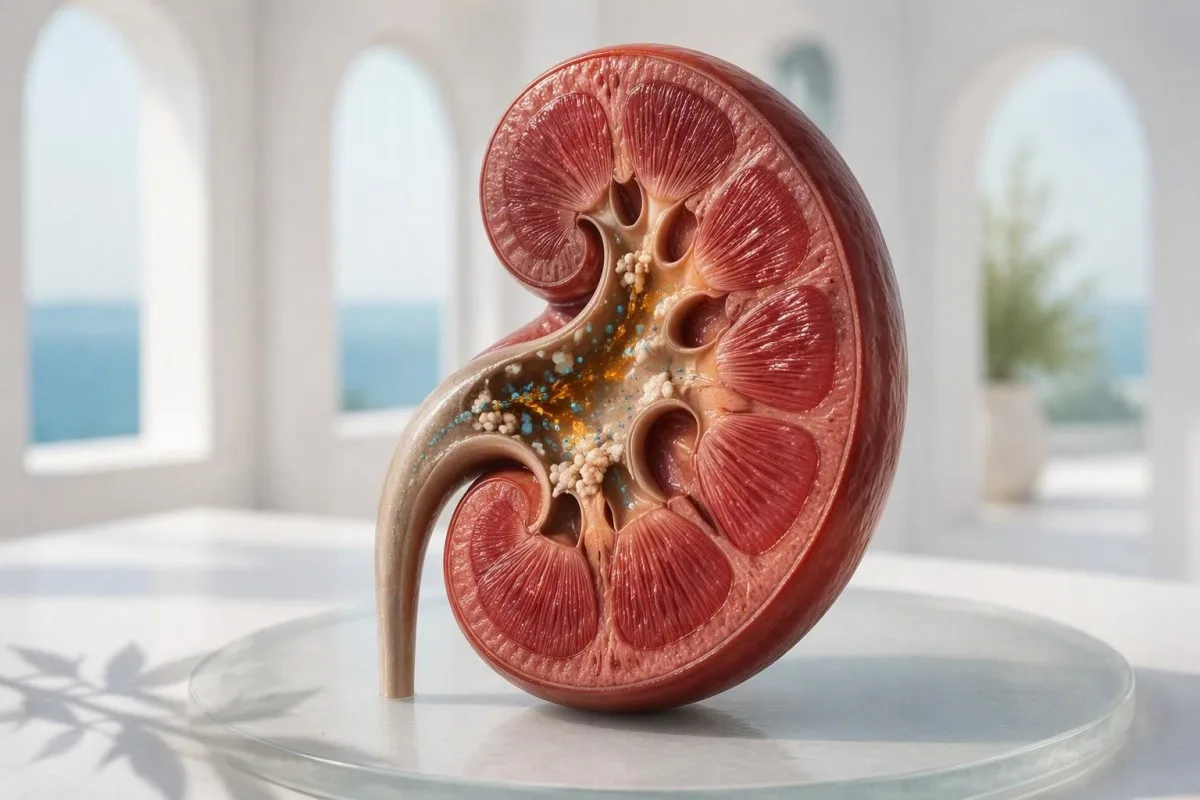
د citrate ټیټ پایله د پښتورګو د تیږو د خطر یوه د بدلېدونکې فکټور دی، په خپله تشخیص نه دی. ګټور راتلونکی ګام دا دی چې د ادرار حجم، pH، کلسیم، سوډیم، اکسیلیټ، او ستاسو د تیږو د تاریخ سره یوځای تفسیر شي.


- Hypocitraturia معمولا د 320 mg په 24 ساعتونو کې د ادرار citrate معنی لري، که څه هم د لابراتوار او د جنسیت ځانګړي اهداف توپیر لري.
- د ادرار ټیټ سیټرېټ د کلسیم د تیږو خطر زیاتوي ځکه چې citrate د ادرار وړیا کلسیم سره تړلی او د کرسټال وده ورو کوي.
- یو عملي هدف د بیا تکراریدونکو کلسیم تیږو جوړوونکو لپاره اکثرا لږ تر لږه 600 mg citrate په ورځ کې وي، چې د ادرار حجم او pH سره تفسیر کیږي.
- پوتاشیم citrate معمولا په ورځ کې 30-60 mEq په ویشل شوي دوزونو کې تجویز کیږي؛ دا د پوتاشیم او د پښتورګو د فعالیت نظارت ته اړتیا لري.
- د رژیم الکالي له میوو او سبزیجاتو څخه citrate لوړولی شي، پداسې حال کې چې د غوښې ډیره لوړه مصرف، د سوډیم زیاتوالی، او د پوتاشیم ټیټ مصرف کولی شي دا کم کړي.
- مزمن اسهال او د پښتورګو د نل د تیزابیت اختلالات لوړ ارزښت لرونکي لاملونه دي ځکه چې دوی د تیزاب ساتنه او د الکولي ادرار ضایع کیدو لامل کیږي.
- د راټولولو کیفیت مهم دی: د بدن اندازې لپاره د 24-ساعتونو کم کریټینین کولی شي د نامکمل راټولولو نښه کړي او د سیټریټ پایلې د باور وړ نه کړي.
- بیړنۍ ارزونه د تبه سره د ملا درد، دوامداره کانګې، د ادرار کولو توان نشتوالی، یا د یوې فعالې پښتورګو سره د بندیدو شک لپاره اړین دی.
د ادرار د citrate ټیټ پایله په حقیقت کې څه معنی لري
د ادرار سیټریټ کمول، چې د هایپوسیټراټوریا په نوم یادیږي، پدې معنی ده چې ادرار د کلسیم کریسټال جوړښت مخه نیولو لپاره لږ سیټریټ لري. په لویانو کې، د ډبرو ډیری لابراتوارونه هایپوسیټراټوریا د 24-ساعتونو راټولولو کې له 320 ملی ګرام څخه کم تعریفوي؛ د تکراري کلسیم ډبرو لرونکي کس لپاره، زه معمولا غواړم چې ارزښت د 600 ملی ګرام په ورځ کې یا له دې څخه لوړ وي، په دې شرط چې د ادرار pH دمخه ډیر لوړ نه وي.
سیټریټ یو طبیعي ادرار انیون دی چې په جزوي توګه له خواړو څخه جوړ شوی او د پښتورګو د نلونو لخوا تنظیم کیږي. دا د کلسیم سره تړاو لري، د وړیا کلسیم مقدار کموي چې د اکسیلیټ یا فاسفیت سره د ترکیب لپاره شتون لري. د 180 ملی ګرام په ورځ کې پایله یوازې د رژیم سکور نه ده؛ دا د ادرار کیمیا کې یو اندازه د پام وړ بدلون دی چې کولی شي د کلسیم اکسیلیټ ډبرو پیژندل شوي چاپیریال ډیر زغمونکی کړي.
شمیرې ته یوه مخرج ته اړتیا ده: د 900 mL راټولولو څخه د 24-ساعتونو ادرار سیټریټ پایله د 2.8 L ادرار په ورته سیټریټ اخراج کې د بل څه معنی لري. ټیټ حجم د ډبرو جوړولو هر محلول متمرکز کوي، له همدې امله د ۲۴ ساعته ادرار راټولولو لارښود باید د بیولوژي غیر معمولي ګڼلو دمخه لوستل شي.
د سپتمبر 20، 2026 پورې، زه لاهم هغه ناروغان ګورم چې ورته ویل شوي چې یوه ټیټه پایله پدې معنی ده چې دوی باید لیمونډ وڅښي او پرمخ لاړ شي. دا مشوره د معتدل کمښت لپاره مناسبه کیدی شي، مګر دا د اسید-بیس اختلالاتو، د کولمو ناروغۍ، د درملو اغیزو، او نامکمل راټولولو له لاسه ورکوي. توماس کلین، MD، پایله به د یوې نښې په توګه وګوري چې د انفرادي تشخیص پرځای د نمونې پر بنسټ بیاکتنې ته اړتیا لري.
د 24-ساعتونو د ادرار د citrate ازموینې سلسلې او د درملنې اهداف
د 24-ساعتونو د ادرار سیټریټ ازموینه معمولا د 320 ملی ګرام څخه کم په ورځ کې ټیټه ګڼل کیږي، مګر د مخنیوي درملنې هدف اکثرا د لابراتوار د لاندې حد څخه لوړ وي. څو لابراتوارونه د جنسیت ځانګړي حوالې وقفې کاروي، او تر ټولو د پام وړ هدف د ډبرو جوړښت او د ادرار pH پورې اړه لري.
یو ګټور کلینیکي معیار د میرمنو لپاره له 450 ملی ګرام څخه لوړ سیټریټ دی او د نارینه وو لپاره له 550 ملی ګرام څخه لوړ دی، که څه هم دا نړیوال تشخیصي حدونه ندي. د امریکا د اورولوژي ټولنې لارښود د یوې حوالې وقفې د پای کرښې په توګه درملنې پرځای د بشپړ میټابولیک پروفایل کارولو باندې ټینګار کوي (Pearle et al., 2014).
د تکراري کلسیم اکسیلیټ ډبرو لپاره، زه ډیری وختونه لږترلږه 600 ملی ګرام په ورځ کې د کاري هدف په اړه بحث کوم کله چې دا د ادرار pH ډیر لوړ نه کوي ترلاسه کیدی شي. د کلسیم فاسفیت ډبرو جوړونکي کې، د 6.8 څخه پورته دوامداره د ادرار pH کولی شي د فاسفیت سوپر سنترشن زیات کړي، نو ډیر الکلي په اتوماتيک ډول ښه نه دی؛ زموږ توضیحات وګورئ د ادرار pH نمونې.
کانټیسټي یو دی د AI د وینې معاینې شنونکی that can place serum bicarbonate, potassium, calcium, creatinine, and glucose beside a stone-risk panel, but a urine citrate result itself still requires the ordering clinician's interpretation. That distinction matters, because normal serum tests do not exclude a clinically relevant low urinary citrate value.
Why reference intervals differ
Citrate assays and reference populations differ between laboratories, and citrate excretion also tracks body size, diet, and collection quality. A laboratory flag is useful, but the stone-prevention question is whether the measured citrate is adequate for that person's calcium, oxalate, urine volume, and pH profile.
ولې citrate د کلسیم د پښتورګو د تیږو په وړاندې ساتنه کوي
Citrate lowers low citrate kidney stone risk by binding urinary calcium and by directly slowing calcium oxalate crystal nucleation, growth, and aggregation. It is particularly relevant for calcium oxalate stones, which account for roughly 70% to 80% of kidney stones in many adult series.
Chemically, citrate forms soluble calcium-citrate complexes, reducing calcium ion activity rather than merely changing the total calcium number. This is why a person can have normal urine calcium, around 150 mg per day, and still form stones when citrate is 150 mg per day and urine volume is low.
Citrate also creates a less favorable surface for calcium oxalate crystals to stick together. That second effect is easy to overlook: a patient may improve citrate from 220 to 480 mg per day without any visible change in serum calcium, yet their supersaturation calculation can fall materially.
The AUA guideline recommends potassium citrate for recurrent calcium stone formers with low or relatively low urinary citrate (Pearle et al., 2014). In my practice, the combination that concerns me most is citrate below 250 mg per day plus urine volume below 1.5 L per day; together they often explain recurrence better than either finding alone. The companion article on د کلسیم اکسالېټ کریسټالونو explains why a routine urinalysis cannot quantify this risk.
ایا د نا بشپړې راټولولو له امله د citrate ټیټ پایله کیدی شي؟
Yes—an incomplete or improperly timed 24-hour collection can falsely lower urine citrate, calcium, sodium, oxalate, and total volume together. Before changing medication, clinicians should compare measured urine creatinine with expected daily creatinine excretion for the person's size and muscle mass.
Most laboratories use 24-hour creatinine as a plausibility check, not a perfect lie detector. Roughly 15–20 mg/kg per day in women and 20–25 mg/kg per day in men is often expected, but age, frailty, vegetarian diet, muscularity, and amputation shift that estimate substantially.
A 62-kg woman whose urine creatinine is 450 mg per day may have an incomplete collection, whereas that same value in an older sarcopenic patient may be plausible. One missing morning or post-workout void can meaningfully change a citrate result because excretion varies over the day.
I ask patients to collect on an ordinary workday, maintain their usual food and fluid pattern, and record any missed samples rather than quietly guessing. Review urine creatinine and dilution before interpreting an unexpectedly extreme result; repeating two collections is often more informative than repeating one.
د hypocitraturia رژیمي لاملونه
The most common dietary hypocitraturia causes are a high net acid load from animal protein, low fruit and vegetable intake, potassium-poor diets, and low fluid intake. The kidney reabsorbs more citrate during acid stress because citrate can be metabolized to generate bicarbonate.
Animal protein is not forbidden for stone formers, but very high intakes can lower urine pH and citrate while increasing uric acid. A practical first review is portion size: consuming 250–350 g of meat daily while eating few plants can create a substantially different urinary profile than a mixed diet with 75–100 g of protein spread across meals.
Citrus contains citrate, yet the form matters. Lemon and lime juice contain abundant citric acid, but not every commercial lemonade provides meaningful alkali because sugar, dilution, and the accompanying cation alter the effect. Unsweetened lemon juice may help fluid intake, while potassium-rich produce usually has a more dependable alkali effect.
کانټیسټي یو دی AI د وینې ازموینې تشریح پلیټفارم that helps users connect serum potassium, bicarbonate, uric acid, and kidney-function results with dietary patterns, rather than claiming that one food fixes a stone disorder. For realistic meal changes, our kidney nutrition safety guide also covers when potassium-rich foods need supervision in chronic kidney disease.
د حجراتو او کولمو شرایط چې د ادرار citrate کموي
Chronic diarrhea, inflammatory bowel disease, bowel resection, malabsorption, and distal renal tubular acidosis can cause marked hypocitraturia through bicarbonate loss or sustained acid retention. These causes deserve more attention than diet alone because they can drive recurrent stones despite good hydration.
With chronic loose stools, bicarbonate is lost through the gastrointestinal tract; the kidneys respond by reclaiming citrate, often lowering urine citrate well below 200 mg per day. Fat malabsorption adds a separate calcium oxalate risk because unbound oxalate becomes more available for intestinal absorption.
Distal renal tubular acidosis, especially incomplete distal RTA, classically produces a pattern of urine pH persistently above 5.5, low citrate, calcium phosphate stones, and sometimes low serum bicarbonate. Serum CO2 below 22 mmol/L or potassium below 3.5 mmol/L strengthens the case, but incomplete forms can have normal routine bicarbonate between episodes; our renal tubular acidosis overview explains the work-up.
Sjögren syndrome is one autoimmune condition clinicians consider when distal RTA appears, particularly with dry eyes, dry mouth, low potassium, or recurrent calcium phosphate stones. The association is real but not common enough to screen everyone with a citrate of 290 mg per day; targeted review is more sensible, as discussed in our Sjögren testing article.
درمل او اضافي مواد چې له citrate سره تړاو لري
Carbonic anhydrase inhibitors such as topiramate and acetazolamide are classic medication causes of low urine citrate because they alter renal bicarbonate handling. Potassium-wasting diuretics, chronic laxative use, and poorly managed diarrhea can also lower citrate indirectly.
Topiramate can raise urine pH, lower citrate, and increase calcium phosphate stone risk; this is a recognizable pattern rather than a reason to stop an effective neurological medicine without advice. In a patient taking 100 mg twice daily for migraine, I would ask about stone history before treatment and repeat urine chemistry after dose changes or a first stone.
Acetazolamide has a similar acid-base effect, while loop diuretics can increase urinary calcium and thiazides can lower potassium, potentially worsening hypocitraturia if potassium is not replaced. Prescription potassium citrate sometimes offsets this, but serum potassium and creatinine must guide the decision.
Supplements can confuse the picture. High-dose vitamin C, often 1,000 mg daily or more, may increase urinary oxalate in susceptible people rather than correcting low citrate; review our evidence-based kidney supplement safety notes. Never discontinue seizure, glaucoma, or diuretic medication based solely on a home interpretation.
د تیږو د خطر د پینل له پاتې برخې سره د citrate لوستلو څرنګوالی
Low urine citrate is most actionable when interpreted with urine volume, calcium, oxalate, sodium, uric acid, pH, and supersaturation. A citrate value of 280 mg per day carries more risk when paired with 2.8 L of urine calcium or high oxalate supersaturation than when all other values are favorable.
Urine volume is usually the first lever: many stone clinics aim for at least 2.0–2.5 L of urine daily, which commonly requires about 2.5–3.0 L of fluid intake depending on heat and activity. A marathon runner or outdoor worker may need considerably more, and a pale urine color alone does not prove a 24-hour target was met.
Urine sodium above 100 mmol per day often signals an intake that will make hypercalciuria harder to control; sodium-driven calcium excretion can overwhelm a modest improvement in citrate. Urine oxalate above 40 mg per day points toward diet, malabsorption, vitamin C use, or less commonly a primary metabolic disorder.
د کانټیسټي د AI پر بنسټ د وینې ازموینې تحلیل وسیله can identify related serum clues such as high calcium, low bicarbonate, impaired eGFR, or high uric acid, but it cannot determine stone composition from blood alone. Pair the urine panel with a stone analysis whenever one is available and read the سره او کلوراید له in that context.
خواړه او مایعات چې کولی شي د ادرار citrate لوړ کړي
Increasing fruits and vegetables, reducing excessive sodium and animal-protein load, and producing at least 2 to 2.5 L of urine daily are the safest first measures for mild low urine citrate. These changes should be individualized for people with diabetes, advanced kidney disease, heart failure, or potassium restrictions.
I favor an addition plan over a deprivation plan: add two servings of fruit and three servings of vegetables most days, then reduce the foods displacing them. Melon, bananas, potatoes, beans, squash, leafy greens, oranges, and many legumes provide potassium precursors that tend to generate alkali after metabolism.
Use fluid scheduling rather than thirst alone. A 500 mL drink with breakfast, lunch, dinner, and evening, plus 250–500 mL around exercise, is easier for most patients than carrying an enormous bottle and forgetting it. The goal is measured urine output, not heroic single-day water intake.
Calcium should usually remain in the diet at roughly 1,000–1,200 mg daily with meals; cutting calcium too low can increase intestinal oxalate absorption. People often confuse a calcium oxalate stone with a need for zero calcium, so our guide to stone-related urine crystals is useful before making major dietary restrictions.
کله د پوتاشیم citrate درملنه کارول کیږي
Potassium citrate is commonly used for recurrent calcium stones with hypocitraturia, usually starting around 30–60 mEq daily in two or three divided doses. The dose is adjusted to urine citrate, urine pH, tolerance, serum potassium, and kidney function—not simply to eliminate a laboratory flag.
Extended-release tablets are often taken with meals to reduce upper gastrointestinal upset. A clinician may start at 10–20 mEq two or three times daily, then repeat a 24-hour urine study after about 8–12 weeks; doses above 100 mEq per day are uncommon and need careful oversight.
A 2015 Cochrane review found citrate salts reduced recurrent calcium-containing stone events, although the underlying trials varied in quality and treatment adherence was a recurring problem (Phillips et al., 2015). The evidence supports treatment, but it does not tell us that every borderline value requires a prescription.
Potassium citrate is not casual supplementation. It can be unsafe with eGFR below 30 mL/min/1.73 m², baseline hyperkalemia, potassium-sparing diuretics, ACE inhibitors, ARBs, or severe delayed gastric emptying unless the prescriber judges benefits and monitoring appropriate. Our د ټیټ eGFR نښو لارښود explains why kidney reserve changes medication choices.
کله چې ټیټ citrate د urology یا nephrology تعقیب ته اړتیا لري
Specialist follow-up is appropriate after recurrent stones, bilateral stones, a first stone before age 25, calcium phosphate stones, marked hypocitraturia below 100 mg daily, impaired kidney function, or a suspected systemic cause. One uncomplicated first calcium oxalate stone with citrate of 290 mg per day can often begin with primary-care review and a repeat collection.
A urologist can confirm stone type, assess anatomy and obstruction, and decide whether imaging or preventive medication is needed. A nephrologist is particularly valuable when low citrate accompanies metabolic acidosis, potassium abnormalities, reduced eGFR, uncontrolled hypertension, or concern for renal tubular disease.
Thomas Klein, MD, has seen a recurring pattern in stone clinics: patients with three “ordinary” stones over five years are sometimes reassured repeatedly because creatinine is normal. Normal creatinine does not rule out a preventable urine chemistry disorder, particularly in smaller adults or people with preserved filtration despite recurrent obstruction.
Bring the actual 24-hour report, stone analysis, medication list, and a 3-day food record to the appointment. If you use algorithm-assisted interpretation, check how clinical safeguards are applied; our د طبي تایید معیارونه describe why results should trigger clinician discussion rather than replace it.
په امیندوارۍ، ماشومانو او مزمنو پښتورګو په ناروغیو کې ټیټ citrate
Low urine citrate in pregnancy, children, or chronic kidney disease needs individualized assessment because standard adult stone-prevention targets and potassium citrate dosing may not apply. Pregnancy changes filtration and urinary mineral handling, while children require weight-based dosing and an inherited-disorder review.
In children with recurrent stones, clinicians look more carefully for cystinuria, primary hyperoxaluria, bowel disorders, and inherited tubular conditions. A single low citrate value can follow a difficult collection day, so pediatric metabolic testing is often repeated with specialist support before labeling a child with a chronic disorder.
Pregnancy does not make flank pain benign. Hydronephrosis can be physiologic, but fever, escalating pain, or reduced urine output needs urgent obstetric and urologic assessment; see our guide to pregnancy kidney filtration changes for context around blood tests.
In chronic kidney disease, dietary potassium increases and potassium citrate may be appropriate for selected patients but can also produce dangerous hyperkalemia. A serum potassium above 5.0 mmol/L, rising creatinine, or use of a renin-angiotensin system blocker warrants prescriber-led planning rather than a generic citrus or supplement protocol.
هغه نښې چې د رژیم بدلون پرځای عاجل پاملرنې ته اړتیا لري
Fever or chills with flank pain, vomiting that prevents fluid intake, inability to pass urine, confusion, or pain in a person with one kidney requires urgent medical assessment. A stone plus urinary obstruction can become an infected obstructed system, which is a time-sensitive emergency even when the urine citrate result is old or incidental.
Seek same-day emergency care for a temperature of 38.0°C or higher with suspected renal colic, especially if there is shaking, weakness, or rapid heart rate. Pain intensity alone is unreliable: a small ureteral stone can hurt severely, while a more dangerous obstructing stone may intermittently hurt less.
Visible blood in urine can occur with a stone, but persistent hematuria still needs assessment after the acute episode resolves. Smoking history, age over 35–40, unexplained weight loss, or repeated blood without documented stones broadens the evaluation; our په ادرار کې وینه لارښود explains the usual testing pathway.
Do not use leftover antibiotics, high-dose sodium bicarbonate, or unlimited potassium supplements to self-treat a suspected stone. If you have diabetes, immunosuppression, a solitary kidney, pregnancy, or known CKD, the threshold for urgent assessment should be lower.
د citrate ټیټې پایلې وروسته یو عملي 90-ورځنی پلان
After a reliable low citrate result, the usual next step is to address fluid, diet, medications, and possible acid-base causes, then repeat a 24-hour urine panel in about 8 to 12 weeks. A repeat test should be done on the plan you can actually sustain, not during an unusually strict “perfect week.”
First, confirm collection completeness and obtain stone analysis if a specimen exists. Second, aim for urine output of at least 2.0–2.5 L daily, add plant-based potassium sources if medically safe, moderate sodium, and review medication contributors with the prescriber. Third, check serum bicarbonate, potassium, calcium, creatinine/eGFR, and uric acid when the clinical picture suggests an underlying disorder.
At the repeat test, compare citrate, volume, pH, sodium, calcium, oxalate, uric acid, and supersaturation rather than celebrating one improved number. For example, citrate rising from 180 to 520 mg per day is encouraging, but a simultaneous urine pH of 7.1 in a calcium phosphate stone former calls for a different conversation.
Kantesti، یو د AI لاب ټېسټ د تفسیر خدمت, can organize the blood-side trends and generate questions for your clinician across 75+ languages, while the stone-risk panel remains a specialist-guided urine test. Our طبي مشورتي بورډ reviews the clinical principles behind these safety boundaries; treatment decisions belong with the clinician who knows your stone type, medicines, and kidney function.
پوښتل شوې پوښتنې
د ادرار د سیټریټ کومه کچه ټیټه ګڼل کیږي؟
د 24 ساعتونو په ترڅ کې د ادرار سیټریټ له 320 ملی ګرام څخه ښکته په لویانو کې معمولا د هایپوسیټراټوریا په نوم یادیږي، که څه هم انفرادي لابراتوارونه مختلف حوالې وقفې کاروي. د بیا تکراریدونکي کلسیم ډبرو مخنیوي لپاره، ډیری کلینیکونه لږترلږه 600 ملی ګرامه هره ورځ په نښه کوي کله چې د ادرار pH او د ډبرو ډول یې اجازه ورکړي. په ورځ کې د 200-319 ملی ګرام پایله اکثرا یو نرم، د تعدیل وړ کمښت دی، پداسې حال کې چې په ورځ کې له 100 ملی ګرام څخه کم ارزښت د مزمن اسید ساتلو، د کولمو ضایع، د درملو اغیزو، یا د راټولولو غلطي لپاره نږدې لټون مستحق دی. پایله باید تل د ادرار حجم، pH، کلسیم، اوکسالټ، سوډیم، او د ډبرو جوړښت سره ولولئ.
ایا د ادرار د سیتریک اسید کمښت د پښتورګو تیږو لامل کیدی شي؟
د ادرار د سیټریټ کموالی د کلسیم پښتورګو د تیږو خطر زیاتوي ځکه چې سیټریټ وړیا کلسیم سره تړلی شي او د کلسیم اوکسالټ کرسټال وده او کلپینګ ورو کوي. دا د تضمین په پرتله د خطر یوه عامل دی: په ورځ کې له 320 ملی ګرام څخه کم سیټریټ لرونکي خلک هیڅکله تیږې نه جوړوي ، پداسې حال کې چې نور تیږې جوړوي ځکه چې ټیټ سیټریټ د ادرار کم حجم ، لوړ اوکسالټ ، یا د ادرار لوړ کلسیم سره ترکیب کیږي. خطر اکثرا ترټولو لوړ وي کله چې سیټریټ په ورځ کې له 250 ملی ګرام څخه کم وي او د ادرار تولید په ورځ کې له 1.5 لیتر څخه کم وي. د تیږو تحلیل او د 24-ساعتونو بشپړ ادرار پینل په ګوته کوي چې کوم ترکیب پلي کیږي.
ایا د لیمو جوس د ادرار سیټریټ زیاتوي؟
خوږ نه لرونکی لیمو یا لیمو جوس ممکن ځینې خلکو سره د مایعاتو مصرف زیاتولو کې مرسته وکړي او د پیشاب کیمیا په ټیټه کچه ښه کړي ، مګر دا په معتبر ډول د پام وړ هایپوسیټراتوریا سم نه کوي. د لیمو جوس کې سیټریک اسید شتون لري ، پداسې حال کې چې پوټاشیم سیټریټ الکولي بار چمتو کوي چې د پیشاب سیټریټ په ډیر احتمال سره لوړوي. د خواړو لومړی عملي چلند دا دی چې میوې او سبزیجات وخورئ پداسې حال کې چې په ورځ کې لږترلږه 2.0-2.5 لیتره پیشاب تولید کوئ ، پرته لدې چې کوم معالج مایعات یا پوټاشیم محدود کړي. د شکر لرونکی لیمونډ د پښتورګو د تیږو درملنه نه ده او کله چې په منظم ډول وخوړل شي نو دا د میتابولیک خطر خراب کولی شي.
کوم درمل کولی شي د پیشاب سیټریټ کم کړي؟
ټوپیرامیټ او اسیټازولامایډ د پیشاب سیټریټ کمیدو لاملونه دي ځکه چې دوی د پښتورګو بای کاربونیټ اداره کوي او د پیشاب pH لوړوي. لوپ ډیوریتیکس کولی شي د پیشاب کلسیم زیات کړي، پداسې حال کې چې پوټاشیم ضایع کونکي ډیوریتیکس کولی شي په غیر مستقیم ډول د سیرم پوټاشیم کمولو سره مرسته وکړي. د ملا د درملو دوامداره کارول او هغه درمل چې دوامداره اسهال رامینځته کوي کولی شي د معدې د بای کاربونیټ ضایع کیدو له لارې سیټریټ هم کم کړي. د سیټریټ پایلې له امله د تجویز شوي درملو اخیستل مه ودروئ؛ له ډاکټر څخه پوښتنه وکړئ چې ایا د پیشاب ازموینې بیا تکرار، پوټاشیم بدلول، یا مخنیوی درملنه مناسبه ده.
د پوتاشیم سیترات اغیز څومره وخت نیسي؟
پوتاشیم سیترات په څو ورځو کې د ادرار pH او سیترات اخراج بدلول پیل کوي، مګر کلینیکي پوهان معمولا د ثابت دوز په 8-12 اونیو وروسته د 24-ساعت بشپړ ادرار پروفایل بیا ارزونه کوي. معمول شروع شوي خوراکونه په ورځ کې 30-60 mEq دي چې د خواړو سره ویشل کیږي، بیا د ادرار سیترات، pH، د سیرم پوتاشیم، او د پښتورګو د فعالیت سره سم تنظیم کیږي. هدف د لوړ ممکنه سیترات ارزښت نه دی، ځکه چې د ادرار pH له 6.8 څخه پورته د کلسیم فاسفیټ تیږو جوړوونکو لپاره ممکن ګټور نه وي. د معدې او کولمو اړخیزې اغیزې او د پوتاشیم لوړیدل اصلي عملي دلیلونه دي چې دوز تنظیم کولو ته اړتیا لري.
کله باید د سټریټ کمښت له امله د پښتورګو تیږو متخصص ته مراجعه وکړم؟
د پښتورګو د تکراري تیږو، دوه اړخیزو تیږو، د ۲۵ کلونو څخه کم عمر کې د تیږو، کلسیم فاسفیټ تیږو، د سایټریټ کمښت له ۱۰۰ ملی ګرامه څخه کم په ورځ کې، کم شوي eGFR، د سرم بې کاربونیټ کمښت، یا د پوټاشیم غیر معمولي حالتونو لپاره د یورولوجیسټ یا نیفرولوجیسټ سره مشوره وکړئ. د کولمو له جراحي، مزمنې اسهال، یا د توپیرامات له کارولو وروسته د تیږو په تکرار کې د متخصص ارزونه هم معقوله ده. د ۳۸.۰ درجې سانتي ګراد یا لوړ تبه د فلینک درد، کانګې، د پیشاب کولو ناتوانۍ، یا په یوه پښتورګي لرونکي کس کې د نښو سره د معمول متخصص ملاقات پرځای عاجل پاملرنې ته اړتیا لري. د لږ کم شوي سایټریټ سره لومړني بې پیچلې تیږې ډیری وخت د لومړني پاملرنې له بیاکتنې او تکراري راټولولو سره پیل کیدی شي.
همدا نن د AI په مرسته د وینې ازموینې تحلیل ترلاسه کړئ
له 2M+ څخه زیات کاروونکي په ټوله نړۍ کې زموږ په Kantesti باور لري چې د لابراتوار ازموینو تحلیل په فوري او دقیق ډول کوي. خپل د وینې ازموینې پایلې اپلوډ کړئ او په ثانیو کې د 15,000+ بایومارکرونو بشپړه تشریح ترلاسه کړئ.
📚 د څېړنې خپرونې چې حواله شوې دي
کلین، ټي، مېچېل، ایس، او وېبر، ایچ. (2026). Klein, T. (2026). BUN/Creatinine Ratio Explained: Kidney Function Test Guide. Zenodo. DOI: 10.5281/zenodo.18207872. Kantesti د AI طبي څېړنه.
کلین، ټي، مېچېل، ایس، او وېبر، ایچ. (2026). Klein, T. (2026). Urobilinogen in Urine Test: Complete Urinalysis Guide 2026. Zenodo. DOI: 10.5281/zenodo.18226379. Kantesti د AI طبي څېړنه.
📖 بهرني طبي مراجع
پیرل MS او نور. (2014). د پښتورګو د تیږو طبي مدیریت: د AUA لارښود. د یورولوژي ژورنال.
Phillips R et al. (2015). Citrate salts for preventing and treating calcium containing kidney stones in adults. د سیستماتیک بیاکتنو Cochrane ډیټابیس.
⚕️ طبي ردونه
دا مقاله یوازې د زده کړې لپاره ده او طبي مشوره نه جوړوي. د تشخیص او درملنې د پرېکړو لپاره تل د وړ روغتیايي خدمت وړاندې کوونکي سره سلا وکړئ.
د E-E-A-T باور نښې
تجربه
د ډاکټر تر مشرۍ لاندې کلینیکي بیاکتنه د لابراتواري تفسیر د کاري بهیرونو لپاره.
تخصص
د لابراتواري طب تمرکز پر دې چې بایومارکرونه په کلینیکي شرایطو کې څنګه چلند کوي.
واک ورکول
د ډاکټر توماس کلاین له خوا لیکل شوی، د ډاکټر سارا میچل او پروف. ډاکټر هانس ویبر له خوا بیاکتنه.
اعتبار
د شواهدو پر بنسټ تفسیر د روښانه تعقیبي لارو چارو سره، تر څو اندیښنه کمه شي.