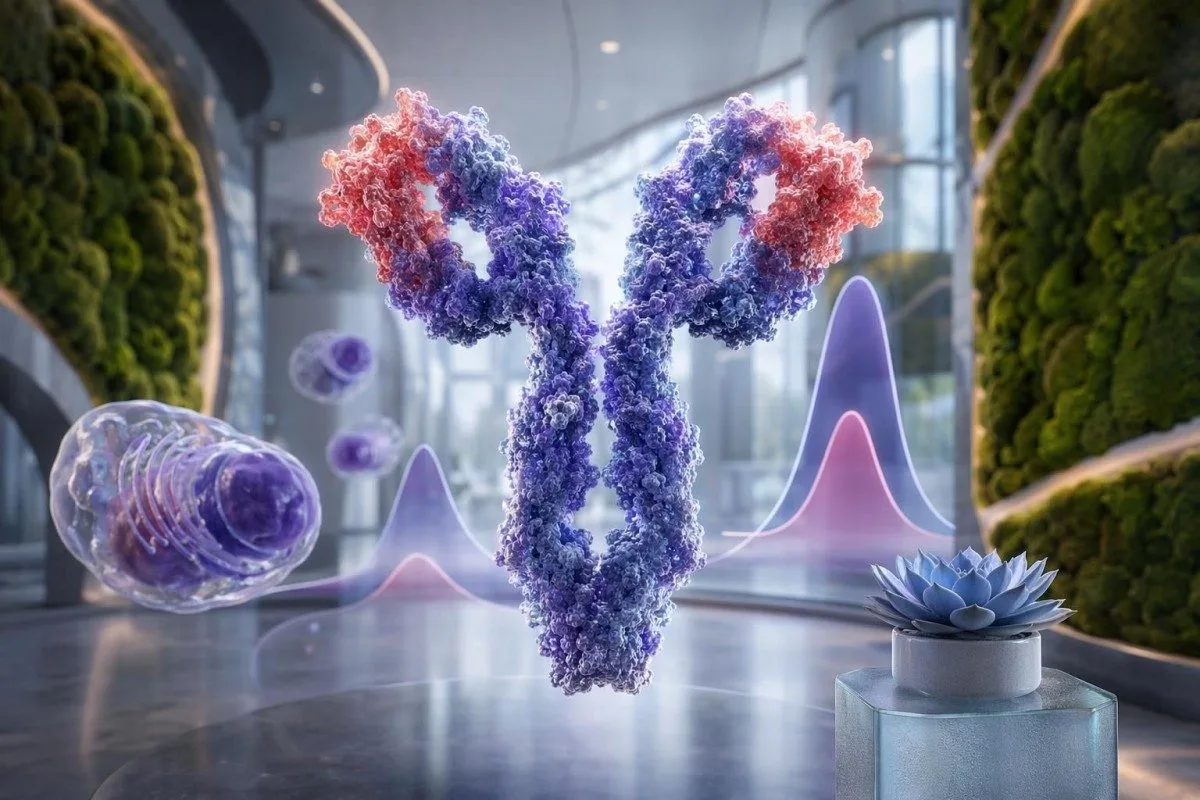
Un IgG seric crescut este un marker real de imunologie, nu același lucru cu marketingul privind intoleranța la IgG din alimente. Medicii îl citesc împreună cu globulina, albumina, enzimele hepatice, markerii de inflamație și electroforeza proteinelor.


- IgG crescut de obicei înseamnă că imunoglobulina G serică este peste aproximativ 1600 mg/dL, sau 16 g/L, deși intervalele de referință diferă de la un laborator la altul.
- IgG policlonal indică o activare imună amplă din cauza unei infecții cronice, a unei boli autoimune, a inflamației hepatice sau a unor tulburări inflamatorii.
- IgG monoclonal este un singur clon de anticorp pe SPEP sau imunofixare și necesită monitorizare pentru MGUS, mielom sau tulburări asociate ale celulelor plasmatice.
- Panouri IgG pentru alimente Nu diagnosticați intoleranța alimentară; testarea serică IgG este un test de sânge medical diferit, utilizat în evaluarea imunității și a proteinelor.
- Hepatită autoimună adesea prezintă IgG crescut plus ALT și AST crescute, iar ghidurile EASL tratează IgG ca un indiciu diagnostic central.
- Diferența de proteine deasupra aproximativ 4,0 g/dL poate sugera globuline crescute, dar nu este suficient de precisă pentru a confirma sau exclude o boală monoclonală.
- Semne de alarmă urgente includeți IgG în cazul anemiei, calciului peste 11 mg/dL, creatininei peste 2 mg/dL, durerilor osoase, infecțiilor recurente sau scăderii inexplicabile în greutate.
- Următoarele analize includ frecvent imunoglobuline cantitative repetate, SPEP, imunofixare, lanțuri ușoare serice libere, CBC, CMP, ESR, CRP și serologie pentru infecții.
IgG crescut la un test de sânge: semnificația directă
IgG crescut înseamnă că imunoglobulina G serică este peste intervalul de referință al laboratorului, cel mai adesea peste aproximativ 1600 mg/dL, sau 16 g/L, la adulți. De obicei indică stimulare imună în desfășurare, inflamație legată de ficat, activitate autoimună, infecție cronică sau, mai rar, un clone de anticorp monoclonal. Începând cu 1 mai 2026, al nostru Analizor de sânge Kantesti AI citește IgG doar în context, niciodată ca diagnostic de sine stătător.
IgG seric la adult este raportat frecvent în jur de 700-1600 mg/dL, egal cu 7-16 g/L, dar am văzut laboratoare europene care folosesc limite superioare mai mici, apropiate de 14,5 g/L. Dacă rezultatul dvs. este 1700 mg/dL, este un semnal ușor; dacă este 3500 mg/dL, discuția se schimbă. Pentru contextul markerilor imuni, ghidul nostru pentru analize de sânge pentru sistemul imunitar explică de ce un singur rezultat imun rareori spune întreaga poveste.
Când revizuiesc un test de sânge cu IgG crescut, prima întrebare nu este "cât de mare este?". Prima întrebare este dacă creșterea este policlonală sau monoclonală, deoarece activarea imună generalizată și un singur clon producător de anticorpi au implicații complet diferite.
Thomas Klein, MD, scriind în calitate de Chief Medical Officer al Kantesti, tratează de obicei IgG ca un marker de tipar. Un IgG de 1850 mg/dL cu hemoleucogramă completă (CBC) normală, albumină normală și enzime hepatice normale duce adesea la un test repetat; același IgG cu ALT 220 UI/L, globulină 4.8 g/dL și oboseală merită o evaluare medicală mai rapidă.
IgG seric nu este un panou de IgG pentru intoleranța la alimente
Un test de sânge pentru IgG seric crescut este un rezultat medical de proteină imună; un panel de IgG alimentară este un test comercial diferit care adesea reflectă expunerea sau toleranța, nu boala. Le separ săptămânal, deoarece pacienții, în mod justificat, văd aceleași trei litere și presupun că înseamnă același lucru.
IgG seric cantitativ măsoară cantitatea totală de imunoglobulină G circulantă în ser, de obicei în mg/dl sau g/L. Panelurile de IgG alimentară măsoară legarea IgG sau IgG4 de zeci de alimente; valori mari înseamnă frecvent că sistemul imunitar a văzut acel aliment, nu că alimentul vă face rău.
De aceea, o persoană poate avea un IgG seric normal de 1100 mg/dL și totuși să primești o listă lungă de rezultate "pozitive" ale IgG alimentare. Dacă ți s-a întâmplat asta, recenzia noastră separată a limitelor testării IgG alimentare merită citită înainte să scoți din dietă jumătate.
Adevărata alergie alimentară este de obicei investigată prin IgE, istoricul clinic și, uneori, prin teste de provocare supravegheate, nu prin IgG total. Din experiența mea, restricția alimentară inutilă după panourile IgG poate duce la feritină scăzută, B12 scăzut sau pierdere în greutate în 3-6 luni, mai ales la adolescenți și la sportivii de anduranță.
IgG policlonal versus IgG monoclonal: răscrucea
IgG crescut policlonal înseamnă că sunt active multe linii celulare producătoare de anticorpi; IgG crescut monoclonal înseamnă că un singur clone produce un anticorp dominant. Această diferențiere se face de obicei cu electroforeza proteinelor serice, imunofixarea și lanțurile ușoare libere serice.
Creșterea policlonală a IgG determină de obicei o creștere amplă în regiunea gamma pe SPEP. Creșterea monoclonală a IgG determină de obicei un vârf M îngust, uneori la fel de mic ca 0,2 g/dL, iar acel vârf mic poate conta atunci când este asociat cu lanțuri ușoare libere anormale.
Kantesti AI interpretează rezultatele IgG crescute comparând IgG cu albumina, globulina, raportul A/G, calciul, creatinina, hemoglobina și enzimele hepatice. Același indicator de laborator poate însemna un lucru la cineva cu hepatită cronică și altceva la cineva cu anemie fără o cauză explicată.
Rajkumar și colab. au actualizat criteriile Grupului de Lucru Internațional pentru Mielom Multiplu în The Lancet Oncology în 2014, adăugând biomarkeri precum raportul lanțurilor ușoare libere implicate/neimplicate ≥100 atunci când lanțul ușor implicat este ≥100 mg/L (Rajkumar și colab., 2014). De aceea, un medic poate solicita lanțuri ușoare libere chiar și atunci când rezultatul IgG este doar moderat crescut.
Tipare de infecție cronică care cresc IgG
Infecțiile cronice pot crește IgG deoarece sistemul imunitar continuă să producă anticorpi pe parcursul lunilor sau anilor. Modelul este de obicei policlonal și devine mai convingător când ESR, CRP, limfocitele, enzimele hepatice sau serologia specifică infecției sunt anormale.
Hepatita B, hepatita C, HIV, tuberculoza, infecția cronică a sinusurilor sau a plămânilor și endocardita pot produce toate cauze de IgG crescut. Un rezultat de 1800-2600 mg/dL nu este neobișnuit în expunerea susținută la antigen, deși numărul nu vă spune ce organism este implicat.
Capcana este momentul anticorpilor. Un anticorp IgG pozitiv la o infecție poate însemna expunere anterioară, răspuns la vaccin sau infecție cronică, în funcție de test; articolul nostru despre tipare de anticorpi pentru hepatită arată de ce antigenul de suprafață, anticorpul de nucleu și încărcătura virală schimbă interpretarea.
Văd acest tipar la pacienți care se simt doar vag rău: CRP 12 mg/L, ESR 48 mm/oră, anemie ușoară, globulină 4,5 g/dL și IgG 2100 mg/dL. În acest context, clinicianul de obicei nu urmărește IgG în sine; caută factorul inflamator persistent, iar o strategie poate fi mai utilă decât repetarea unor panouri aleatorii. test de sânge pentru infecție o strategie poate fi mai utilă decât repetarea unor panouri aleatorii.
Indicii de boală autoimună ascunși într-un IgG crescut
Bolile autoimune pot determina IgG crescut atunci când celulele B sunt stimulate persistent de o inflamație îndreptată împotriva propriei persoane. Cele mai puternice indicii provin din corelarea IgG cu simptomele, ANA, ENA, dsDNA, complementul C3/C4, factorul reumatoid, anti-CCP, ESR și CRP.
Boala Sjögren, lupusul, artrita reumatoidă, boala de țesut conjunctiv mixtă și vasculita pot crește toate IgG, adesea în intervalul 1700-3000 mg/dL . Numărul crescut este mai puțin specific decât speră pacienții; tiparul de anticorpi însoțitor face munca diagnostică reală.
Un ANA pozitiv la 1:80 cu IgG crescut și fără simptome nu este același lucru cu ANA 1:1280, C3 scăzut, C4 scăzut, proteinurie și umflare articulară. Pentru o hartă practică a ceea ce includ și a ceea ce ratează aceste panouri, vezi la noi ghidul pentru panelul de autoimunitate.
Îmi amintesc de un singur pacient care avea IgG 2460 mg/dL, ESR 72 mm/oră, anti-CCP peste 200 U/mL, și doar o rigiditate matinală ușoară, deoarece își normalizase simptomele ca "îmbătrânind". În tiparele reumatoide, un rezultat anti-CCP poate avea o greutate predictivă mai mare decât IgG în sine.
Inflamația hepatică: de ce contează IgG împreună cu ALT și AST
IgG crescut cu ALT și AST crescute ridică suspiciunea de boală hepatică inflamatorie, mai ales hepatită autoimună. În hepatita autoimună, IgG peste limita superioară a normalului face parte din sistemul de punctaj diagnostic, iar valorile mai mari de 1,1 ori limita superioară au o greutate suplimentară.
Ghidul EASL pentru hepatita autoimună descrie IgG crescut ca o caracteristică tipică, deși prezentările acute pot avea uneori IgG normal (EASL, 2015). Un indiciu tipic este IgG 2200 mg/dL cu ALT 180 UI/L, AST 140 UI/L, anticorp anti-mușchi neted pozitiv sau ANA și excluderea hepatitei virale.
Nu orice creștere a IgG legată de ficat este hepatită autoimună. Hepatita cronică C, boala hepatică asociată alcoolului, ficatul gras metabolic cu suprapunere inflamatorie și ciroza pot crește toate globulinele; teste funcție hepatică ne ajută să separăm tiparele enzimatice hepatocelulare, colestatice și mixte.
Medicii nu sunt de acord cât de insistent ar trebui urmărită o ușoară creștere a IgG atunci când ALT este doar 45-65 UI/L. În practica mea, persistența, 3 luni, creșterea bilirubinei, albumină scăzută, INR crescut sau scăderea trombocitelor mută cazul din "urmărire și repetare" către un consult de specialitate pentru evaluare hepatică; raportul AST/ALT este o piesă utilă din acest puzzle.
Subclasele de IgG și IgG4: când detaliul ajută
Testarea subclaselor de IgG împarte IgG totală în IgG1, IgG2, IgG3 și IgG4, dar nu este necesară pentru fiecare rezultat cu IgG crescut. Medicii o solicită de obicei când există infecții recurente, boală suspectată asociată cu IgG4 sau tipare imune neobișnuite care fac IgG totală prea puțin specifică.
IgG1 este de obicei cea mai mare subclasă, adesea în jur de 60-70% din IgG totală, în timp ce IgG4 este în mod normal o fracție mică. IgG4 seric peste 135 mg/dL este adesea folosit ca indiciu de screening pentru boala asociată IgG4, dar nu este diagnostic prin el însuși.
Criteriile de clasificare ACR/EULAR din 2020 pentru boala asociată IgG4 combină constatări clinice la nivel de organ, serologie, imagistică și caracteristici tisulare, mai degrabă decât să se bazeze pe un singur prag pentru IgG4 (Wallace et al., 2020). Acest lucru contează deoarece alergia, infecția și bolile autoimune pot, de asemenea, să crească ușor IgG4.
În infecțiile recurente ale sinusurilor sau toracelui, problema poate fi IgG2 scăzută sau un răspuns slab la vaccin, în ciuda IgG totală normală, nu IgG totală crescută. Acesta este unul dintre motivele pentru care rețeaua neuronală Kantesti semnalează când un rezultat "normal" al imunoglobulinei totale merită totuși context din titrurile anticorpilor post-vaccinare sau dintr-o evaluare de imunologie de specialitate.
Indicii privind „gap-ul” proteic, globulina și raportul A/G
O IgG crescută apare adesea indirect ca globuline crescute, proteine totale crescute sau un raport albumină/globulină scăzut înainte ca IgG cantitativă să fie comandată. „Gap-ul” proteic este proteina totală minus albumina, iar un „gap” peste aproximativ 4.0 g/dL determină adesea evaluări suplimentare.
Dacă proteina totală este 8.6 g/dL și albumina este 4.0 g/dL, diferența proteică este 4.6 g/dL. Această diferență poate proveni din imunoglobuline crescute, deshidratare, inflamație sau o proteină monoclonală; așadar, este un indiciu, nu un răspuns.
Un raport A/G normal este adesea în jur de 1.1-2.2, în funcție de laborator. Când raportul scade sub 1.0, analizez împreună pierderea de albumină, sinteza hepatică, pierderea proteică renală și extinderea globulinelor; pentru proteinele serice ne plimbă prin aceste componente în mișcare.
Iată partea pe care multe rezumate online o omit: o diferență proteică normală nu exclude gamapatia monoclonală. Un mic M-spike IgG-kappa poate exista într-o proteină totală de 7.2 g/dL, motiv pentru care simptomele sau anemia neexplicată pot justifica în continuare SPEP și imunofixarea.
Ce comandă de obicei medicii după un IgG crescut
După IgG crescut, medicii de obicei confirmă rezultatul și apoi caută sursa, tiparul și impactul asupra organelor. Testele următoare uzuale sunt repetarea cantitativă a IgG, IgA, IgM, SPEP, imunofixarea, lanțurile ușoare libere serice, hemoleucograma completa, CMP, ESR, CRP și teste țintite pentru infecții sau autoimunitate.
O repetare a IgG în 6-12 săptămâni este rezonabilă când creșterea este ușoară și pacientul se simte bine. Dacă IgG este peste 2500-3000 mg/dL, sau dacă hemoglobina, creatinina, calciul ori enzimele hepatice sunt anormale, așteptarea atât de mult poate să nu fie o idee bună.
Kantesti AI mapează IgG crescut către markeri adiacenți din raportul tău încărcat, inclusiv CBC differential, albumină, globulină, calciu, creatinină, ALT, AST și CRP. Poți compara cum sunt etalonate clinic modelele noastre în validare medicală materialele noastre.
Un panou practic include adesea Hemoleucograma completă cu formulă leucocitară, CMP, ESR, CRP, SPEP, imunofixarea și lanțurile ușoare libere serice. Dacă simptomele indică inflamație, ghidul nostru pentru CRP vs hs-CRP te ajută, deoarece CRP standard și hs-CRP cardiac răspund la întrebări diferite.
Semne de alarmă care fac IgG crescut mai urgent
IgG crescut devine mai urgent atunci când apare împreună cu anemie, disfuncție renală, calciu crescut, dureri osoase, infecții recurente, scădere în greutate, transpirații nocturne sau electroforeză proteică anormală. Aceste combinații ridică îngrijorări privind tulburări ale celulelor plasmatice, limfom, boală autoimună activă sau infecție cronică serioasă.
O hemoglobină sub 10 g/dL, calciu peste 11 mg/dL, creatinină peste 2 mg/dL, sau eGFR sub 40 mL/min/1,73 m² schimbă calculul riscului. Acestea nu sunt semnale subtile de „wellness”; ele pot reflecta implicare de organ.
Vâscozitatea crescută este rară la IgG comparativ cu IgM, dar poate apărea când nivelurile de imunoglobuline devin foarte mari, adesea peste 5000-6000 mg/dL în funcție de tipul de anticorp. Dureri de cap severe noi, tulburări de vedere, confuzie sau sângerare la nivelul mucoaselor cu un paraprotein marcat necesită evaluare medicală în aceeași zi.
Dacă IgG crescut apare împreună cu ganglioni limfatici măriți, limfocite anormale sau o creștere a LDH neexplicată, medicii pot căuta dincolo de celulele plasmatice. Articolul nostru ghid pentru analizele de sânge în limfom explică de ce hemoleucograma completă și LDH pot ridica suspiciunea, dar nu pot diagnostica limfomul singure.
Cauze temporare sau benigne pentru care IgG poate părea crescut
IgG ușor crescut poate fi temporar după o infecție recentă, vaccinare, terapie cu IVIG sau o exacerbare a inflamației cronice. Ideea-cheie este dacă rezultatul revine spre valoarea de bază în săptămâni până la luni și dacă ceilalți markeri rămân liniștitori.
IgG are un timp de înjumătățire biologic de aproximativ 21-28 zile, deci nu „sare” peste noapte. După IVIG, IgG total poate rămâne peste interval pentru câteva săptămâni, iar scăderea exactă depinde de doză, de obicei 0,4-2 g/kg pe fiecare cură.
Deshidratarea poate concentra proteina totală și albumina, făcând globulina să pară mai mare, dar de obicei nu creează o creștere reală izolată a imunoglobulinelor. Dacă albumina ta este 5.2 g/dL și raportul BUN/creatinină este crescut, articolul nostru despre deshidratare care dă valori fals crescute poate explica o parte din acest tipar.
Cel mai liniștitor tipar este o ușoară creștere a IgG, SPEP normal, hemoleucograma completă normală, teste funcție hepatică normală și o tendință descendentă la repetarea analizelor. Chiar și atunci, prefer să documentez tendința, mai degrabă decât s-o resping; modificările mici contează mai puțin decât direcția persistentă pe parcursul a 2-3 măsurători.
Vârsta, sarcina și medicamentele schimbă interpretarea
Interpretarea IgG se schimbă odată cu vârsta, sarcina, medicamentele imunosupresoare și terapia recentă cu anticorpi. O valoare care pare ușor crescută la o persoană poate fi așteptată sau poate induce în eroare la alta, mai ales când albumina și echilibrul hidric se modifică.
La nou-născuți, IgG reflectă în mare transferul matern, în timp ce sugarii își construiesc treptat propriul profil de anticorpi în timpul primelor 6-12 luni. La vârstnici, principala preocupare este adesea dacă a apărut o nouă bandă monoclonală, nu dacă IgG totală este puțin peste interval.
Sarcina poate scădea proteinele serice măsurate prin hemodiluție, astfel încât o IgG la limita superioară cu albumină scăzută poate încă merita context. Când sunt implicate analize legate de sarcină, PIYA.AI oferă o imagine mai realistă a interpretării specifice trimestrului. pentru analizele prenatale de sange PIYA.AI.
Rituximab și unele alte terapii pentru celulele B scad adesea imunoglobulinele, nu le cresc, iar recuperarea poate dura 6-12 luni sau mai mult. Un pacient cu IgG crescută în pofida imunosupresiei este un caz diferit de cineva testat la două săptămâni după o infecție respiratorie.
MGUS, mielom și riscul de IgG monoclonal
IgG monoclonală poate reprezenta MGUS, mielom mocnit, mielom activ sau altă tulburare a celulelor plasmatice, dar IgG totală singură nu le poate diferenția. MGUS este definită, de obicei, prin proteină M sub 3 g/dL, celule plasmatice din măduva osoasă sub 10%, și lipsa afectării organelor legate de mielom.
MGUS clasică progresează către mielom sau o tulburare înrudită la aproximativ 1% pe an în medie, dar riscul variază în funcție de dimensiunea proteinei M, tipul de imunoglobulină și raportul lanțurilor ușoare libere. MGUS IgG are, în general, un risc mai mic decât MGUS IgA sau MGUS IgM atunci când ceilalți factori sunt egali.
Mielomul activ necesită celule plasmatice clonale plus caracteristici CRAB sau evenimente care definesc mielomul, inclusiv creșterea calciului, disfuncție renală, anemie, leziuni osoase, celule plasmatice clonale ≥60%, sau raportul lanțurilor ușoare libere ≥100 cu lanț implicat ≥100 mg/L (Rajkumar et al., 2014). De aceea, un rezultat normal pentru calciu și creatinină este liniștitor, dar nu reprezintă evaluarea completă.
Pacienții întreabă uneori dacă o IgG de 2200 mg/dL înseamnă cancer. De obicei, nu; multe cazuri sunt inflamatorii sau legate de ficat. Dar dacă SPEP arată un vârf IgG-kappa și raportul lanțurilor ușoare libere este 8.0, un hematolog poate monitoriza la fiecare 3-6 luni la început.
De ce contează mai mult evoluția IgG decât un singur rezultat
Evoluția IgG în timp este adesea mai utilă clinic decât un singur număr izolat. Un IgG stabil de 1750 mg/dL timp de doi ani, cu analize de susținere normale, este diferit de o creștere de la 1100 la 2300 mg/dL în patru luni.
Variația de laborator pentru imunoglobulinele cantitative este frecvent în jur de 5-10%, în funcție de analiză și laborator. O modificare de la 1600 la 1680 mg/dL poate fi zgomot; o modificare de la 1600 la 2400 mg/dL nu este de obicei zgomot.
Platforma noastră acceptă comparații ale tendințelor din PDF-uri și fotografii, ceea ce ajută atunci când rezultatele provin din țări și unități diferite. Dacă vrei să înțelegi cum a fost benchmark-uit motorul AI Kantesti's 2.78T pe cazuri de analize de sânge anonimizate, vezi benchmark-ul de validare Kantesti și studiul pre-înregistrat conectat.
Thomas Klein, MD, le spune adesea pacienților să aducă analizele vechi, nu doar cel mai nou indicator de anormalitate. O globulină istorică de 3,2 g/dL în creștere până la 4.9 g/dL împreună cu albumină în scădere poate fi mai revelator decât numărul de IgG tipărit cu aldine.
Cum se citește în siguranță un IgG crescut cu Kantesti
Kantesti citește IgG crescut prin recunoașterea tiparelor pe întregul raport de sânge, nu tratând imunoglobulina G ca un scor izolat. AI-ul nostru caută semnale de ficat, inflamație, rinichi, proteine, hemoleucograma (CBC) și risc de monoclonalitate înainte de a sugera ce ar putea însemna rezultatul.
AI Kantesti nu diagnostichează mielomul, hepatita autoimună sau infecția cronică doar pe baza IgG. Poate însă semnaliza combinații precum IgG 2800 mg/dL, raport A/G scăzut, ALT 190 UI/L, ESR 65 mm/oră sau creatinină 1,8 mg/dL care merită evaluarea clinicianului.
Procesul nostru de revizuire medicală implică medici și consilieri clinici, inclusiv echipa listată pe Consiliul consultativ medical. Obiectivul este simplu: să le oferim pacienților o interpretare mai clară în aproximativ 60 de secunde , menținând totodată direcționarea către un medic atunci când tiparul este cu miză mare.
Dacă compari mai multe proteine anormale, ai noștri ghidul biomarkerilor te pot ajuta să decodifici termeni adiacenți precum albumina, globulina, proteina totală, raportul A/G și lanțurile ușoare libere. În acel context se află multe indicii ratate.
Ce să întrebi medicul după un IgG crescut
După un rezultat IgG crescut, întreabă dacă tiparul pare policlonal sau monoclonal, dacă markerii hepatici sau autoimuni sunt anormali și dacă este necesar SPEP cu imunofixare. Adu simptomele, medicația, infecțiile recente și rezultatele anterioare ale analizelor, deoarece aceste detalii schimbă pasul următor.
O primă întrebare utilă este: "A fost confirmată creșterea IgG și au fost măsurate și IgA și IgM?" Dacă doar proteina totală sau globulina a fost crescută, pasul următor poate fi imunoglobulinele cantitative, nu repetarea aceluiași panou de bază.
Întreabă despre indicii legate de organe: hemoglobină, creatinină, calciu, albumină, ALT, AST, ALP, bilirubină, ESR și CRP. Dacă vrei o revizuire pe înțelesul tuturor înainte de programare, încarcă raportul tău pe Încercați analiza gratuită a testelor de sânge AI și salvează explicația pentru a o discuta cu clinicianul tău.
Pe scurt: IgG crescut este un indiciu, nu un verdict. Folosește Kantești pentru a organiza tiparul, dar nu ignora valorile persistente peste 2000 mg/dL, un M-spike confirmat sau IgG crescut cu anemie, modificări renale, inflamație hepatică ori simptome sistemice.
Întrebări frecvente
Ce înseamnă IgG crescut într-o analiză de sânge?
IgG crescut la o analiză de sânge înseamnă că imunoglobulina G serică este peste intervalul de referință al laboratorului, frecvent peste aproximativ 1600 mg/dL sau 16 g/L la adulți. Cele mai frecvente cauze sunt stimularea imună cronică, bolile autoimune, infecțiile cronice, inflamația hepatică sau o proteină de anticorp monoclonal. Rezultatul se interpretează împreună cu albumina, globulinele, hemoleucograma completa, enzimele hepatice, ESR, CRP, SPEP și lanțurile ușoare libere. O creștere ușoară, izolată, este adesea repetată, în timp ce IgG peste 2500-3000 mg/dL sau IgG crescut asociat cu anemie, modificări renale sau calciu crescut necesită o reevaluare mai rapidă.
Este IgG crescut este același lucru cu un rezultat IgG pentru intoleranță alimentară?
Un IgG seric crescut nu este același lucru cu un panou IgG pentru intoleranțe alimentare. IgG seric măsoară imunoglobulina G totală din sânge, de obicei aproximativ 700-1600 mg/dL la adulți, și îi ajută pe medici să evalueze activarea imunitară sau tulburările de proteine. Panourile alimentare IgG măsoară legarea anticorpilor de alimente și adesea reflectă expunerea sau toleranța, mai degrabă decât o boală. O persoană poate avea un IgG seric normal și multe rezultate pozitive la IgG pentru alimente, astfel încât cele două teste nu ar trebui tratate ca fiind echivalente.
Ce nivel de IgG este îngrijorător?
Nivelul de îngrijorare depinde de tipar, dar IgG peste 2000 mg/dL merită, de obicei, o evaluare structurată dacă persistă. IgG peste 3000 mg/dL este mai îngrijorător, mai ales dacă SPEP evidențiază o bandă M sau dacă hemoglobina, creatinina, calciul ori enzimele hepatice sunt anormale. Semnele de alarmă urgente includ calciu peste 11 mg/dL, creatinină peste 2 mg/dL, hemoglobină sub 10 g/dL, dureri osoase, infecții recurente sau scădere inexplicabilă în greutate. Rezultatele ușoare, în jur de 1600-1800 mg/dL, pot necesita doar repetarea testării și corelarea clinică.
Poate o boală hepatică să cauzeze IgG crescut?
Da, bolile hepatice pot determina valori crescute de IgG, în special hepatita autoimună și afecțiunile hepatice inflamatorii cronice. Hepatita autoimună prezintă adesea IgG peste limita superioară a valorilor normale, împreună cu ALT și AST crescute, iar valorile peste 1,1 ori limita superioară sunt utilizate în scorurile de diagnostic. Hepatita virală cronică, ciroza și alte boli hepatice inflamatorii pot, de asemenea, să crească globulinele și IgG. Medicii interpretează, de obicei, IgG împreună cu ALT, AST, bilirubina, ALP, albumina, INR și serologia pentru hepatite.
Oare IgG crescut înseamnă cancer sau mielom?
IgG crescut nu înseamnă automat cancer sau mielom. Multe rezultate cu IgG crescute sunt policlonale și sunt cauzate de boli autoimune, infecții cronice sau inflamație hepatică. Îngrijorarea crește atunci când SPEP sau imunofixarea evidențiază o proteină monoclonală IgG, mai ales în asociere cu un raport anormal al lanțurilor ușoare serice libere, anemie, disfuncție renală, calciu crescut sau leziuni osoase. MGUS este adesea monitorizat deoarece riscul mediu de progresie este de aproximativ 1% pe an, însă riscul variază în funcție de dimensiunea, tipul și raportul lanțurilor ușoare ale proteinei M.
Ce analize ar trebui să urmeze după un rezultat IgG crescut?
Testele uzuale de control după IgG crescut includ repetarea IgG cantitativă, IgA și IgM, electroforeza proteinelor serice, imunofixarea, lanțurile ușoare libere serice, hemoleucograma completă, CMP, ESR și CRP. Dacă testele enzimelor hepatice sunt anormale, medicii adaugă adesea teste pentru hepatită, anticorpi autoimuni antihepatice și uneori imagistică. Dacă există simptome sugestive pentru o boală autoimună, pot fi luate în considerare ANA, ENA, dsDNA, complementul C3/C4, factorul reumatoid sau anti-CCP. Un interval de repetare de 6-12 săptămâni este frecvent pentru o creștere ușoară izolată, însă markerii anormali de organ justifică o evaluare mai rapidă.
Poate IgG crescut să revină la normal?
Da, IgG crescut poate reveni la normal dacă a fost declanșat de un stimul imunitar temporar, cum ar fi o infecție recentă, vaccinarea sau tratamentul cu IVIG. IgG are un timp de înjumătățire de aproximativ 21-28 de zile, astfel încât o îmbunătățire semnificativă poate dura câteva săptămâni, nu zile. O creștere persistentă pe o perioadă mai mare de 3 luni este mai probabil să necesite investigații pentru cauze autoimune, hepatice, infecții cronice sau cauze monoclonale. Monitorizarea IgG împreună cu albumina, globulinele, hemoleucograma completă, enzimele hepatice și markerii inflamatori este mai utilă decât repetarea IgG singur.
Poate un nivel ridicat de IgG să mă facă să mă simt rău?
De obicei, nu: un nivel crescut de IgG este un indiciu de laborator, mai degrabă decât cauza directă a simptomelor. Nivelurile foarte ridicate de proteină monoclonală pot contribui rar la hipervâscozitate; solicitați îngrijiri de urgență în caz de confuzie nouă, modificări vizuale, dureri de cap severe, dureri în piept sau dificultăți de respirație.
Un vaccin recent poate face ca IgG total să pară crescut?
Vaccinurile sunt concepute pentru a crește anticorpi protectori specifici, dar de obicei nu cresc IgG seric total suficient cât să explice un rezultat clar anormal. Spuneți medicului dumneavoastră dacă testarea a fost efectuată la câteva săptămâni după vaccinare, mai ales dacă creșterea este ușoară.
Pot exercițiul sau stresul să crească IgG la un test de sânge?
Exercițiul fizic intens sau stresul pe termen scurt, de obicei, nu determină singur o creștere semnificativă și susținută a IgG. Dacă rezultatul dumneavoastră este crescut, medicul va căuta mai degrabă tipare de imunitate, ficat, infecție sau proteine monoclonale decât să pună totul pe seama stresului.
Obține astăzi analiză de sânge cu AI
Alătură-te a peste 2 milioane de utilizatori din întreaga lume care au încredere în Kantesti pentru analiza instantanee și precisă a analizelor de laborator. Încarcă rezultatele analizelor tale de sânge și primește o interpretare completă a biomarkerilor 15,000+ în câteva secunde.
📚 Publicații de cercetare citate
Klein, T., Mitchell, S., & Weber, H. (2026). Ghid de sănătate pentru femei: Ovulația, menopauza și simptomele hormonale. Kantesti AI Medical Research.
Klein, T., Mitchell, S., & Weber, H. (2026). Validare clinică a engine-ului Kantesti AI (2.78T) pe 100,000 de cazuri anonimizate de analize de sânge în 127 de țări: un benchmark pre-înregistrat, bazat pe rubrică, la scară de populație, incluzând cazuri-capcană de hiperdia gnoză — V11 Second Update. Kantesti AI Medical Research.
📖 Referințe medicale externe
⚕️ Declarație medicală
Acest articol are doar scop educațional și nu constituie sfat medical. Consultă întotdeauna un furnizor calificat de servicii medicale pentru decizii privind diagnosticarea și tratamentul.
Semnale de încredere E-E-A-T
Experienţă
Revizuire clinică condusă de medici a fluxurilor de lucru pentru interpretarea analizelor.
Expertiză
Focalizare pe medicina de laborator asupra modului în care biomarkerii se comportă în context clinic.
Autoritate
Scris de dr. Thomas Klein, cu revizuire de dr. Sarah Mitchell și prof. dr. Hans Weber.
Încredere
Interpretare bazată pe dovezi, cu căi clare de urmărire pentru a reduce alarmele.