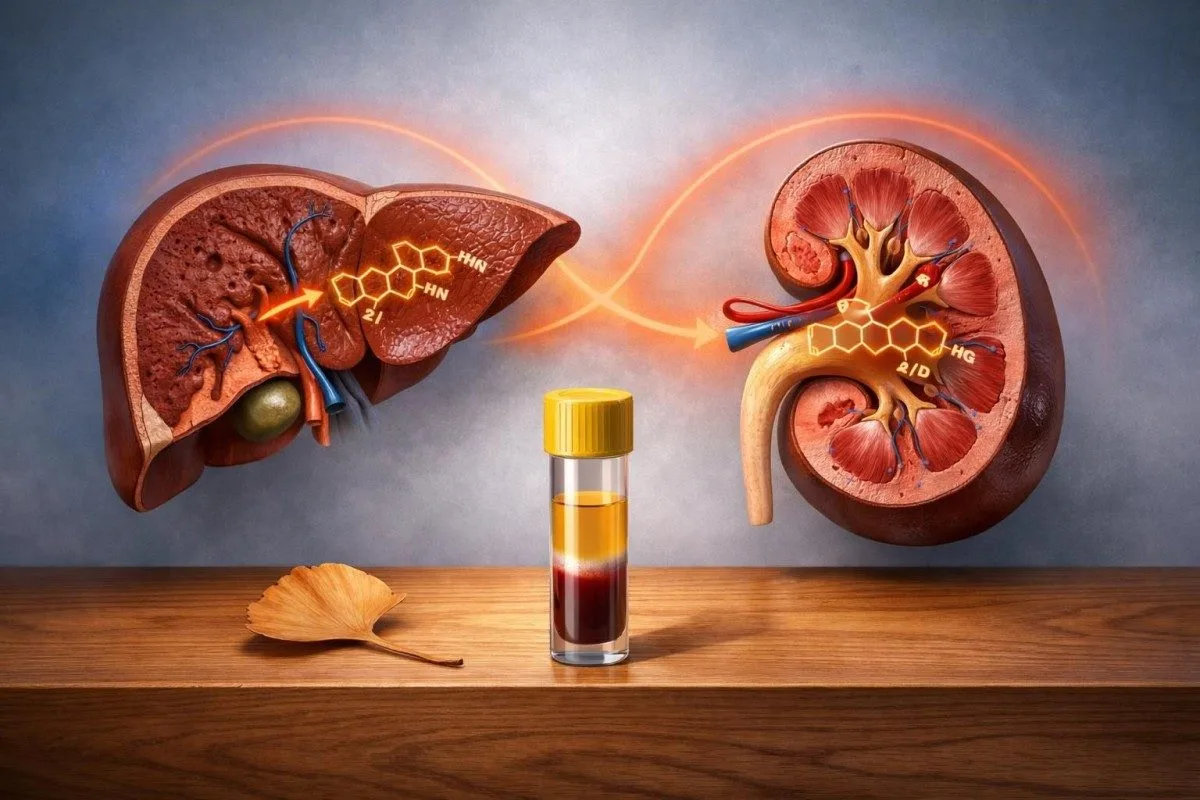
For en vitamin D blodprøve, resultatet som påviser mangel er nesten alltid 25-OH vitamin D. The 1,25-dihydroksy eller aktiv form er en spesialtest som kan se normal eller høy ut selv når lagrene er lave, så jeg reserverer den for nyresykdom, høyt kalsium, mistenkt granulomatøs sykdom eller uvanlige paratyreoideaproblemer.


- 25-OH vitamin D er den korrekte mangeltesten i rutinebehandling; nivåer under 20 ng/mL or 50 nmol/L indikerer vanligvis mangel.
- 1,25-dihydroxy vitamin D er den aktive hormon-testen, ikke lagertesten; den kan være normal eller høy selv når 25-OH vitamin D er lav.
- Enheter convert as 1 ng/mL = 2,5 nmol/L, noe som er grunnen til at et resultat på 20 ng/mL tilsvarer 50 nmol/L.
- Gråsoneresultater of 20 til 29 ng/mL er hvor klinikere er uenige; mange benfokuserte retningslinjer aksepterer 20 ng/mL, mens mange endokrine klinikere sikter mot 30 til 50 ng/mL hos voksne med høyere risiko.
- Testing av aktiv D er vanligvis reservert for avansert nyresykdom, uforklarlig hyperkalsemi, mistenkt sarkoidose eller annen granulomatøs sykdom, lymfom eller sjeldne fosfordefekter.
- Sjekk tidspunktet på nytt etter at vitamin D-behandling er endret er det vanligvis 8 til 12 uker fordi serum 25-OH beveger seg over uker, ikke dager.
- Følgeskapsmarkører som endrer bildet er kalsium, fosfat, PTH, magnesium, alkalisk fosfatase, kreatinin og eGFR.
- Bekymring for toksisitet stiger når 25-OH vitamin D forblir over 100 ng/mL, spesielt hvis kalsium også er høyt.
- Metoden for analysen betyr noe fordi noen immunanalyser underestimerer vitamin D2, mens LC-MS/MS skiller vanligvis D2 og D3 mer nøyaktig.
- Kantesti AI sjekker om resultatet du har lastet opp er 25-OH or 1,25-dihydroksy, konverterer enheter automatisk og flagger misvisende mønstre før folk trekker feil konklusjon.
Hvilken vitamin D-blodprøve finner faktisk mangel?
25-OH vitamin D er den riktige vitamin D blodprøve for å finne mangel i nesten alle rutinetilfeller. 1,25-dihydroxy vitamin D er det aktive hormonet, men det kan forbli normalt eller stige når kroppens lagre er lave, så jeg bruker det for utvalgte endokrine eller nyrespørsmål, ikke for rutinemessig screening. Hvis du vil ha hjelp til å skille de to analysene på en ekte laboratorierapport, Kantesti AI kan tolke panelet i kontekst. Vår separate vitamin D-nivåer styrer er et nyttig neste steg når resultatet foreligger.
Serum 25-OH vitamin D har en halveringstid på omtrent 2 til 3 uker, så den gjenspeiler kroppens lagre ganske godt. Serum 1,25-dihydroxy vitamin D har en halveringstid på bare 4 til 6 timer og er tett regulert av PTH, kalsium, fosfat og nyrefunksjon, noe som gjør den til en dårlig screeningmarkør for enkel mangel.
I vår gjennomgang av mer enn 2 millioner rapporter lastet opp hos Kantesti, en av de vanligste vitamin D-feilene er å bestille den aktive testen etter tretthet, diffuse smerter eller hårtap. I våre legegjennomgangssamtaler ser jeg, Thomas Klein, MD, det samme mønsteret: en pasient med 25-OH 14 ng/mL og 1,25-dihydroksy 58 pg/mL får beskjed om at vitamin D-statusen er normal, når den tydeligvis ikke er det.
Ikke alle trenger rutinemessig screening. USPSTF-anbefalingen i JAMA sa at bevisene var utilstrekkelige til å screene alle asymptomatiske voksne i primærhelsetjenesten, men når klinikere tester på grunn av osteoporose, malabsorpsjon, tilbakevendende fall, mørkere hud med lav soleksponering, bruk av antikonvulsiva, eller kronisk nyresykdom, er den tiltenkte analysen fortsatt 25-OH vitamin D snarere enn den aktive metabolitten (Davidson et al., 2021).
Hvordan 25-OH vitamin D blir til 1,25-dihydroxy vitamin D
25-OH vitamin D er lagringsformen som dannes etter at leveren hydroksylerer vitamin D, mens 1,25-dihydroxy vitamin D er det nyreaktiverte hormonet som utfører signaliseringen. Den ene svarer på om du har nok vitamin D tilgjengelig; den andre svarer på hvor hardt kroppen jobber for å aktivere det.
Vitamin D3 fra hud eller kosttilskudd og vitamin D2 fra berikede matvarer reiser først til leveren. Hepatisk 25-hydroksylering, i stor grad via CYP2R1, omdanner dem til 25-OH vitamin D, som er grunnen til at denne analysen speiler den totale tilførselen bedre enn det aktive hormonet.
Nyren bruker deretter 1-alpha-hydroxylase to convert 25-OH til 1,25-dihydroxy vitamin D. PTH stimulerer det trinnet, mens FGF23 og høyt fosfat kan undertrykke det; det er en grunn til at nyresykdom og biskjoldbruskkjertelforstyrrelser forvrenger det aktive resultatet på måter som har svært lite med ernæringsinntak å gjøre.
Det er et andre lag som de fleste artikler hopper over. Makrofager og noen morkakevev kan lage 1,25-dihydroxy vitamin D utenfor nyren, noe som bidrar til å forklare hvorfor sarkoidose, noen immunforstyrrelser og graviditet kan øke aktivt D uten å reflektere normale lagre. Hvis du liker å se på hele kjemikartet, er vår biomarkørbibliotek nyttig. For mineralsiden av historien, se vår kalsium-tolkning artikkel.
Vitamin D-nivåer: grenseverdier, enheter og hvorfor laboratorier er uenige
As of 17. april 2026, de fleste klinikere bruker fortsatt 25-OH vitamin D under 20 ng/mL or 50 nmol/L for å definere mangel. Den grå sonen er 20 til 29 ng/mL, og her er retningslinjene ulike. Vårt vitamin D-diagram etter alder hjelper med enhetskonverteringen. Og vår artikkel om hvorfor normalområder kan villede forklarer hvorfor en laboratorieflagg ofte er for grov alene.
A 25-OH vitamin D nivå av 12 ng/mL tilsvarer 30 nmol/L, og det er det området der risikoen for osteomalasi begynner å bli mer enn en teoretisk bekymring. 1 ng/mL er lik 2,5 nmol/L, så en verdi på 20 ng/mL er det samme som 50 nmol/L, noe som forhindrer mye unødvendig panikk når folk sammenligner amerikanske og europeiske rapporter.
Ifølge Holick et al., 2011, mangel er under 20 ng/mL, utilstrekkelighet er 21 til 29 ng/mL, og 30 til 100 ng/mL anses som tilstrekkelig i endokrin praksis. Andre grupper er mer komfortable med å akseptere 20 ng/mL som tilstrekkelig for beinhelse hos mange voksne, så to kompetente klinikere kan se på 24 ng/mL og gi litt forskjellige råd uten at noen av dem er hensynsløse.
Metodikk er en del av uenigheten. Noen automatiserte immunanalyser underestimerer vitamin D2, mens LC-MS/MS usually separates D2 og D3 renere, og i praksis har jeg sett laboratorie-til-laboratorie-skift på 10% til 20% som var analyse-relaterte snarere enn biologiske. Kantesti AI konverterer enheter automatisk og holder det opprinnelige laboratorie-referanseintervallet synlig fordi et resultat på 28 ng/mL betyr noe annet hvis laboratoriemetoden endret seg mellom testene.
Hvorfor aktivt vitamin D kan være normalt eller høyt ved mangel
Et normalt eller høyt 1,25-dihydroxy vitamin D gjør ikke utelukke vitamin D-mangel. I tidlig mangel, økende PTH kan få nyrene til å konvertere mer av den begrensede 25-OH substrat til aktivt hormon, slik at det aktive tallet ser betryggende ut mens kroppens lagre fortsatt er lave.
Jeg ser dette hver vinter. En pasient kommer inn med tretthet, mild proximal muskelsvakhet og en 25-OH-verdi på 12 ng/mL, men 1,25-dihydroksy-verdi er 64 pg/mL og familien antar at ingenting er galt. Det aktive tallet er forhøyet fordi kroppen har oppdaget mangel og presser hardere på aktiveringstrinnet.
Dette er klassisk sekundær hyperparatyreoidisme fra vitamin D-mangel. En PTH over 65 pg/mL med lavt 25-OH og kalsium på 8,5 til 9,1 mg/dL er et veldig vanlig mønster; vår PTH-guide forklarer hvorfor kalsium kan forbli i normalområdet selv når bena betaler prisen.
Det motsatte mønsteret er det jeg ikke ignorerer. Hvis 1,25-dihydroxy vitamin D er høy, er kalsium 10,8 eller 11,2 mg/dL, og PTH er undertrykt, begynner jeg å tenke på sarkoidose, andre granulomatøse sykdommer eller lymfom heller enn vanlig mangel. Mange av disse pasientene klager først over vag tretthet eller hjernetåke, noe som er grunnen til at vår artikkel om blodprøver for tretthet holder vitamin D ved siden av jern, skjoldbruskkjertelen, nyremarkører og B12 i stedet for å behandle det som et enkelt svar.
Når klinikere bestiller den aktive 1,25-dihydroxy-testen
We order 1,25-dihydroxy vitamin D for en kort liste over problemer: avansert nyresykdom, uforklarlig høyt kalsium, mistenkt sarkoidose eller annen granulomatøs sykdom, noen lymfomer og sjeldne arvelige fosfatsykdommer. Vi ikke bestiller det for å screene for rutinemessig lavt vitamin D-inntak.
Avansert CKD endrer bildet tidlig. Som eGFR faller under omtrent 60 mL/min/1,73 m², blir nyreaktiveringen mindre effektiv, og ved stadium 4 eller 5 CKD kan det aktive hormonet være lavt selv om 25-OH bare er mildt redusert; det er derfor KDIGO 2017 -oppdateringen behandler kalsitriolbiologi annerledes enn enkel næringsmangel (KDIGO, 2017). Hvis kreatininet ser uventet betryggende ut til tross for symptomer, er vår artikkel om lav GFR med normal kreatinin er verdt å lese.
Uforklarlig hyperkalsemi er den andre klassiske grunnen. Et kalsium på 10,5 mg/dL eller høyere with low PTH får meg til å sjekke aktiv D og se etter ekstrarenal kalsitriolproduksjon; vår veiledning ved høyt kalsium går gjennom den bredere differensialdiagnostikken.
Referanseintervaller for 1,25-dihydroxy vitamin D er vanligvis rundt 18 til 72 pg/mL, selv om noen laboratorier bruker 20 til 79 pg/mL. En verdi utenfor dette området er kun tolkbar hvis du kjenner nyrefunksjonen, kalsium, fosfat, og om personen tar reseptbelagt calcitriol or alfacalcidol.
To situasjoner der den aktive testen gir mer verdi
Den aktive testen forsvarer sin plass når nyreaktivering er usikker eller når hyperkalsemi trenger en forklaring som PTH ikke gir deg. I disse tilfellene, 1,25-dihydroxy vitamin D svarer på et annet spørsmål enn 25-OH: ikke lagring, men aktivering og dysregulering.
Panelet som gir mening til et vitamin D-resultat
A vitamin D blodprøve gir mest mening når du leser den sammen med kalsium, fosfat, PTH, magnesium, alkalisk fosfatase og nyrefunksjon. Et ensomt tall savner mønsteret; kombinasjonen er det som forteller meg om jeg ser på enkel ernæringsmangel, CKD-relatert mineralsk beinsykdom, malabsorpsjon, eller en helt annen kalsiumforstyrrelse.
Det vanlige mønsteret for ernæringsmangel er 25-OH under 20 ng/mL, PTH over 65 pg/mL, kalsium lav-normal rundt 8,5 til 9,1 mg/dL, og fosfat lav eller lav-normal. Når jeg ser den klyngen, bekymrer jeg meg for beinmetabolisme og muskelsymptomer mer enn jeg bekymrer meg for den aktive D-verdien.
Nyresykdom skriver om manuset. Ved CKD stiger ofte fosfat, 1,25-dihydroxy vitamin D pleier å falle, og PTH kan stige enda før kalsium endres, så en normal 25-OH utelukker ikke CKD-relatert mineral- og benforstyrrelse; hvis nyretallene ser rare ut, start med vår GFR vs eGFR guide.
Magnesium endrer stille behandlingsresponsen. Et serum-magnesium under omtrent 1,8 mg/dL kan få PTH gjør at behandling og vitamin D-håndtering blir mindre effektiv, og pasienter kan noen ganger se ut til å mislykkes med tilskudd før magnesium er korrigert; vår magnesiumområde-artikkel går inn i den fellen.
Ved Kantesti bygde våre leger på Medisinsk rådgivende styre gjennomgå disse avvikende mønstrene fordi den samme 25-OH på 22 ng/mL betyr én ting når kalsium er 9,4 mg/dL og noe helt annet når kalsium er 10,9 mg/dL. Dette er ett av de områdene der kontekst betyr mer enn det isolerte tallet.
Den røde-flagg-kombinasjonen jeg ringer tilbake raskt på
Høyt kalsium, lavt PTH, og høyt eller upassende normalt 1,25-dihydroxy vitamin D fortjener rask oppfølging av kliniker, spesielt hvis kalsium er over 11.0 mg/dL eller symptomer som forstoppelse, tørste eller forvirring er til stede. Dette mønsteret er ikke den vanlige historien ved kostholdsrelatert mangel.
Tilskudd, timing og laboratoriefeller som skjev tolking
Du trenger vanligvis ikke ikke å faste for en blodprøve for vitamin D, og tidspunkt på dagen betyr langt mindre enn det gjør for kortisol eller testosteron. De praktiske reglene er enklere: vet hvilket tilskudd du tar, vent 8 til 12 uker etter at du har endret dose før du sjekker på nytt, og si til klinikeren din hvis du bruker ergokalsiferol, kalsifediol eller kalsitriol.
Fasting er vanligvis unødvendig, og morgen versus ettermiddag endrer lite for 25-OH. Det som endrer tolkningen mye mer, er tilskuddsformen: kolekalsiferol øker 25-OH jevnt, ergocalciferol kan lese lavere på noen immunanalyser, og calcifediol often raises 25-OH raskere fordi den allerede er 25-hydroksylert.
Jeg spør også om reseptbelagte calcitriol. Kalsitriol påvirker kalsiumfysiologien direkte og kan øke kalsium eller undertrykke PTH uten å bygge opp vitamin D-lagre, så noen kan føle at de allerede tar vitamin D mens den målte 25-OH stays low.
Analysemetode betyr mer enn de fleste pasienter innser. LC-MS/MS generally separates D2 og D3 bedre enn mange automatiserte immunanalyser, og jeg har sett laboratorie-til-laboratorie-skift på 10% til 20% som var metode-relaterte snarere enn biologiske endringer; det er derfor en hårfall-utredning ikke bør stoppe ved ett vitamin D-resultat uten ferritin- og skjoldbruskkontekst, som vi dekker i vår artikkel om blodprøver for hårtap.
Kostholdsmønster teller fortsatt, bare ikke på den forenklede måten sosiale medier antyder. Folk som unngår meieriprodukter, fet fisk, egg eller berikede matvarer kan synke lavt over måneder, men jeg ser like mye mangel hos altetere som bor innendørs, og vår årlig laboratorieveiledning for veganere er egentlig en veiledning til gjenkjenning av mønstre snarere enn etikettbaserte antagelser.
Graviditet, fedme, høy alder, nyresykdom og andre spesielle tilfeller
Visse grupper trenger mer kontekst rundt vitamin D-nivåer: personer med fedme, eldre voksne, graviditet, kronisk nyresykdom, malabsorpsjon, og de med svært lav soleksponering. Laboratorieresultatet har samme enhet, men fysiologien er ikke det.
Fedme senker sirkulerende 25-OH vitamin D ved volumetrisk fortynning og sekvestrering i fettvev. I praksis, mange voksne med en BMI over 30 kg/m² need 2 til 3 ganger den vedlikeholdsdosen som en mager voksen trenger for å nå samme målområde, noe som er grunnen til at et grensetall hos én person ikke alltid er grenseoverskridende hos en annen.
Graviditet er vanskelig fordi 1,25-dihydroxy vitamin D stiger ofte 2-ganger eller til og med 3-ganger som en normal fysiologisk tilpasning. Det gjør at den aktive testen er spesielt lite nyttig for mangelutredning i svangerskapet; jeg sentrerer fortsatt tolkningen på 25-OH, kalsium, symptomer og eventuelle samtidige jern- eller skjoldbruskkjertelproblemer.
Eldre voksne produserer mindre vitamin D i huden, absorberer mindre effektivt når det foreligger tarmproblemer, og har ofte mindre sol-eksponering. Det er én grunn til at vi rutinemessige blodprøver for eldre ofte plasserer vitamin D sammen med kalsium, B12, nyremarkører og proteinstatus.
Hudfarge og geografi betyr noe, men det er ikke skjebne. En mørkhudet voksen som trener utendørs kan ha bedre nivåer enn en lyshudet kontorarbeider som sjelden ser dagslys, så vår personlige grunnlinjeveiledning er ofte mer nyttig enn gjetting basert på rase. Når det gjelder metodikken, vår medisinske valideringsstandarder forklarer hvordan Kantesti AI håndterer disse kontekstuelle faktorene uten å late som om én grense passer for alle kropper.
Hva du skal gjøre etter en lav eller grenseverdi vitamin D-blodprøve
Hvis din 25-OH vitamin D er lav, bekreft først enhetene, se deretter etter årsaken, og sjekk så på nytt etter behandling. De fleste voksne med ukomplisert mangel blir kontrollert på nytt i 8 til 12 uker, ikke i 5 days, fordi markøren beveger seg gradvis.
De fleste voksne med mild mangel starter med 800 til 2 000 IE/dag of vitamin D3, mens noen klinikere bruker 50 000 IE ukentlig i 6 til 8 uker when 25-OH er svært lavt, ofte under 12 ng/mL. Jeg individualiserer dette valget ut fra vekt, malabsorpsjon, nyresykdom og kalsium-PTH mønsteret heller enn bare vitamin D-tallet.
Å sjekke for tidlig på nytt kaster bort penger og skaper støy. Fordi 25-OH endrer seg over uker, en ny kontroll etter 8 til 12 uker gir et mer sant signal, og trendgjennomgang er langt mer nyttig enn enkeltstående øyeblikksbilder; vår guide for sammenligning av blodprøver viser hvordan du skiller reell biologisk bedring fra laboratoriedrift.
Toksisitet er sjeldent, men svært reelt når folk hoper flere kosttilskudd sammen. Vedvarende 25-OH over 100 ng/mL vekker bekymring, og symptomene følger vanligvis med hyperkalsemi som tørste, forstoppelse, kvalme eller forvirring, mer enn med selve vitamin D-nivået.
Hjemmeinnsamling kan være nyttig for oppfølging, men bare hvis laboratoriemetoden er pålitelig og prøvehåndteringen er solid. Vår artikkel om testing hjemmefra forklarer hvor hjemmeprøvetaking fungerer godt og hvor den ikke gjør det. Hvis du er usikker på om rapporten din viser 25-OH eller aktiv D, er Prøv gratis analyse av blodprøve med kunstig intelligens verktøyet et praktisk startpunkt.
Hvordan Kantesti AI tolker vitamin D-mønstre trygt
Kantesti sitt nevrale nettverk tolker en vitamin D blodprøve ved først å identifisere om den opplastede analysen er 25-hydroksyvitamin D or 1,25-dihydroxyvitamin D, deretter å konvertere ng/mL og nmol/L, og deretter å sammenholde resultatet med kalsium, fosfat, kreatinin, GFR, magnesium, PTH, og alkalisk fosfatase. Det betyr noe fordi et vakkert normalt resultat for aktiv-D kan skjule en helt ordinær mangel hvis feil analyse ble bestilt.
I vår analyse av mer enn 2 millioner brukeren rapporterer på tvers av 127+-land, den enkelt vanligste forvekslingen med vitamin D er at et normalt aktiv-D-resultat blir tatt for normale lagre. Ved vår AI-blodprøveplattform, markerer vi akkurat denne situasjonen og forklarer hvorfor en 25-OH på 16 ng/mL fortsatt regnes som mangel selv om den aktive formen ser fin ut.
Vårt system leser PDF-rapporter eller tydelige mobilbilder på omtrent 60 seconds, og arbeidsflyten er beskrevet i vår guide for opplasting av blodprøve-PDF. Den tekniske delen dekkes separat i vår technology guide. I praksis er det nyttige ikke hastigheten; det er at programvaren bevarer usikkerhet og peker på når en kliniker bør se etter CKD, hyperkalsemi, malabsorpsjon eller bruk av reseptpliktig kalsitriol.
Kantesti brukes i 75+ languages, men fysiologien endres ikke med oversettelsen. Vi forankrer fortsatt tolkningen til de samme harde faktaene: 25-OH under 20 ng/mL er vanligvis mangelfull, 1,25-dihydroksy er vanligvis en spesialtest, og høyt kalsium omformulerer alltid samtalen.
Thomas Klein, MD, gjennomgår disse vanskelige tilfellene med det bredere medisinske teamet fordi overdreven selvsikker labkommentar kan gjøre reell skade. Hvis du vil se hvem som har bygget og medisinsk overvåker dette arbeidet, vårt About Us side det ut tydelig.
Ofte stilte spørsmål
Hvilken blodprøve for vitamin D viser mangel?
Den riktige testen for rutinemessig vitamin D-mangel er serum 25-hydroksyvitamin D, også skrevet 25-OH vitamin D. De fleste retningslinjer kaller nivåer under 20 ng/mL or 50 nmol/L deficient, while 20 til 29 ng/mL er en gråsone og 30 til 50 ng/mL er et vanlig klinisk mål hos voksne med høyere risiko. 1,25-dihydroksy testen måler det aktive hormonet og kan være normal eller høy selv når lagrene er lave. Jeg reserverer vanligvis 1,25-dihydroxy vitamin D for nyresykdom, uforklarlig høyt kalsium, mistenkt granulomatøs sykdom, lymfom eller sjeldne fosfatforstyrrelser.
Hva er et normalt nivå av 25-OH-vitamin D?
A 25-OH vitamin D nivå av 30 til 50 ng/mL or 75 til 125 nmol/L er et vanlig praktisk mål i endokrinologisk praksis, selv om noen grupper aksepterer 20 ng/mL or 50 nmol/L som tilstrekkelig for benhelse hos mange voksne. Nivåer under 20 ng/mL indikerer vanligvis mangel, og nivåer under 12 ng/mL tyder på mer alvorlig uttømming. Enhetskonverteringen betyr noe: 1 ng/mL er lik 2,5 nmol/L. Etter min erfaring, et resultat nær 22 til 28 ng/mL trenger kontekst heller enn refleksbehandling eller refleksberoligelse.
Hvorfor kan 1,25-dihydroksy vitamin D være normal når 25-OH er lav?
En normal 1,25-dihydroxy vitamin D resultat kan oppstå ved mangel fordi kroppen øker PTH og presser nyrene til å aktivere mer av det begrensede 25-OH substratet. Det betyr at en pasient kan ha 25-OH vitamin D på 14 ng/mL og 1,25-dihydroksyvitamin D på 55 pg/mL samme dag. Det aktive tallet reflekterer regulering, ikke lagring. Dette er nettopp grunnen til at 1,25-dihydroxy vitamin D er en dårlig screeningtest for rutinemessig mangel.
Når bør en lege bestille testen for aktivt vitamin D?
Leger bestiller vanligvis 1,25-dihydroxy vitamin D når de mistenker et problem med aktivering eller uregulert kalsiummetabolisme snarere enn enkelt lavt inntak. Vanlige årsaker inkluderer avansert kronisk nyresykdom, hyperkalsemi med lav PTH, suspected sarcoidosis eller annen granulomatøs sykdom, noen lymfomer og sjeldne arvelige fosfatforstyrrelser. Et typisk laboratoriereferanseområde er omtrent 18 til 72 pg/mL, men det tallet betyr lite uten resultater for kalsium, fosfat, PTH og nyrer. For vanlig screening av mangel er, 25-OH vitamin D fortsatt den riktige testen.
Trenger du å faste før en blodprøve for vitamin D?
De fleste gjør ikke må faste før en vitamin D blodprøve. Tidspunktet på dagen har også mye mindre betydning enn for hormoner som kortisol eller testosteron, så morgen versus ettermiddag er vanligvis greit for 25-OH vitamin D. Det mer nyttige forberedelsestrinn er å ta med en nøyaktig medisin- og tilskuddsliste, spesielt hvis du tar ergokalsiferol, kalsifediol eller kalsitriol. Jeg foretrekker også å gjenta testen ved samme laboratorium når jeg sporer et grenseverdiresultat fordi metodeendringer kan forskyve tallet med 10% til 20%.
Hvor lenge etter oppstart av vitamin D-tilskudd bør nivåene kontrolleres på nytt?
En ny 25-OH vitamin D nivå sjekkes vanligvis etter 8 til 12 uker konsekvent behandling. Den tidtakingen passer omtrent 2- til 3-ukers half-life of 25-OH vitamin D og gir kroppen nok tid til å nå en ny jevn tilstand. Ny sjekk om 1 eller 2 uker skaper vanligvis støy snarere enn innsikt. Hvis startnivået er veldig lavt, under 12 ng/mL, eller hvis det er malabsorpsjon eller fedme til stede, kan oppfølgingen måtte være mer individualisert.
Kan tilskudd av vitamin D gjøre nivået ditt for høyt?
Ja, vitamintilskudd kan presse nivåene for høyt, spesielt når folk kombinerer flere produkter uten å innse det. Vedvarende 25-OH vitamin D over 100 ng/mL vekker bekymring for toksisitet, og den virkelige faren kommer vanligvis fra hyperkalsemi, ikke fra selve vitamintallene alene. Symptomer kan inkludere tørste, forstoppelse, kvalme, svakhet og forvirring. I praksis bekymrer jeg meg mest når høyt vitamin D er kombinert med kalsium over 10,5 mg/dL eller når noen også tar calcitriol.
Kan jeg bruke en hjemmetest med fingerprikking for vitamin D i stedet for en laboratorieblodprøve?
Hjemmetester kan gi et omtrentlig screeningresultat, men metoder og håndtering av prøver varierer. Bekreft et uventet, svært lavt eller høyt resultat med en standard laboratorietest for 25-OH vitamin D i serum før du starter med høydose tilskudd.
Kan bruk av solkrem gjøre vitamin D-testen min for 25-OH unøyaktig?
Nei – solkrem påvirker ikke selve blodprøven. Den kan redusere produksjonen av vitamin D i huden, så hyppig bruk av solkrem kan være én grunn til at et nivå er lavt, særlig hvis du har begrenset tid utendørs.
Kan lavt vitamin D-nivå være grunnen til at jeg føler meg trøtt hele tiden?
Lavt vitamin D kan bidra til muskelsmerter, svakhet og noen ganger tretthet, men tretthet har mange årsaker, inkludert anemi, thyreoideasykdom, søvnproblemer og depresjon. Det er verdt å korrigere mangel, men vedvarende tretthet fortjener en grundigere undersøkelse.
Få AI-drevet analyse av blodprøver i dag
Bli med over 2 millioner brukere over hele verden som stoler på Kantesti for øyeblikkelig, nøyaktig analyse av laboratorietester. Last opp blodprøveresultatene dine og få omfattende tolkning av 15,000+-biomarkører på sekunder.
📚 Refererte forskningspublikasjoner
Klein, T., Mitchell, S., & Weber, H. (2026). Women's Health Guide: Ovulation, Menopause & Hormonal Symptoms. Kantesti KI medisinsk forskning.
Klein, T., Mitchell, S., & Weber, H. (2026). Klinisk valideringsrammeverk v2.0 (medisinsk valideringsside). Kantesti KI medisinsk forskning.
📖 Eksterne medisinske referanser
Davidson KW et al. (2021). Screening for Vitamin D-mangel hos voksne: US Preventive Services Task Force anbefalingsuttalelse. JAMA.
Kidney Disease: Improving Global Outcomes (KDIGO) CKD-MBD Update Work Group (2017). KDIGO 2017 klinisk praksisretningslinjeoppdatering for diagnostikk, utredning, forebygging og behandling av kronisk nyresykdom–mineral- og benskade (CKD-MBD). Kidney International Supplements.
⚕️ Medisinsk ansvarsfraskrivelse
Denne artikkelen er kun for informasjonsformål og utgjør ikke medisinsk rådgivning. Rådfør deg alltid med en kvalifisert helsepersonell for beslutninger om diagnose og behandling.
E-E-A-T tillitssignaler
Experience
Klinisk gjennomgang ledet av lege av arbeidsflyter for laboratorietolkning.
Expertise
Fagområde laboratoriemedisin med fokus på hvordan biomarkører oppfører seg i klinisk kontekst.
Authoritativeness
Skrevet av Dr. Thomas Klein med gjennomgang av Dr. Sarah Mitchell og Prof. Dr. Hans Weber.
Trustworthiness
Evidensbasert tolkning med tydelige oppfølgingsveier for å redusere uro.