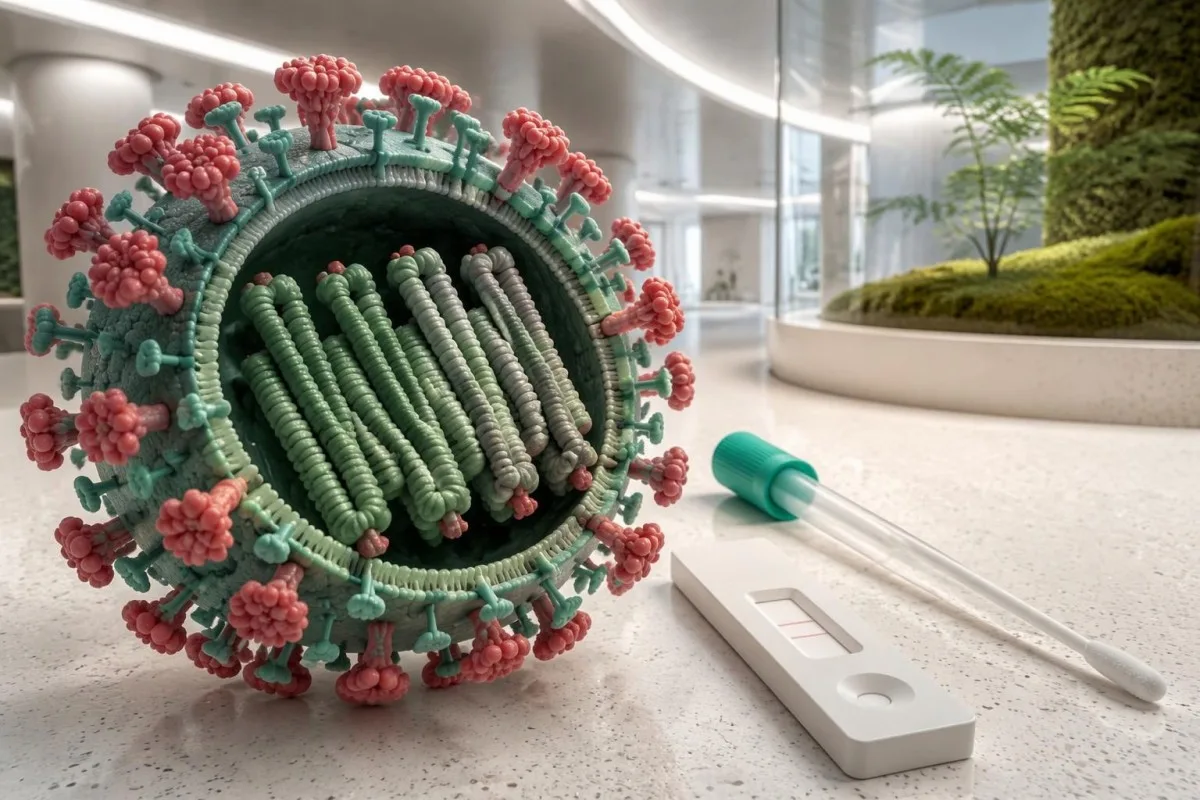
တုပ်ကွေး A စစ်ဆေးမှု ရလဒ်အပေါင်းဖြစ်ခြင်းသည် သင့်အသက်ရှူလမ်းကြောင်းနမူနာတွင် အင်ဖလူအင်ဇာဗိုင်းရပ်စ်ကို တွေ့ရှိခဲ့သည်ဟု များသောအားဖြင့် ဆိုလိုသည်။ ရှုပ်ထွေးမှုမရှိသော လက္ခဏာအများစုသည် ၃–၇ ရက်အတွင်း သက်သာလာသည်။ ဗိုင်းရပ်စ်ဆန့်ကျင်ဆေး သုံးစွဲရန် ဆုံးဖြတ်ချက်သည် လက္ခဏာစတင်ချိန်၊ အန္တရာယ်ဖြစ်စေသောအချက်များနှင့် ရောဂါပြင်းထန်မှုတို့အပေါ် မူတည်သည်။.

အဓိက မှတ်သားစရာများ
- အပြုသဘော (Positive result) အင်ဖလူအင်ဇာ A အန်တီဂျင် သို့မဟုတ် မျိုးဗီဇပစ္စည်းကို တွေ့ရှိခဲ့သည်ဟု ဆိုလိုသည်။ စစ်ဆေးမှုသည် သင့်ရောဂါ မည်မျှပြင်းထန်လာမည်ကို တိုင်းတာခြင်းမဟုတ်ပါ။.
- မျှော်မှန်းထားသော ပြန်လည်နာလန်ထူချိန် ရောဂါ၏ ပြင်းထန်သောကာလအတွက် ပုံမှန်အားဖြင့် ၃–၇ ရက်ဖြစ်သော်လည်း ချောင်းဆိုးခြင်းနှင့် ပင်ပန်းနွမ်းနယ်ခြင်းတို့သည် ၂ ပတ် သို့မဟုတ် ထို့ထက်ပိုကြာနိုင်သည်။.
- ဗိုင်းရပ်စ်ဆန့်ကျင်ဆေး စတင်သုံးစွဲချိန် လက္ခဏာစတင်ပြီး ၄၈ နာရီအတွင်းတွင် အရေးအကြီးဆုံးဖြစ်သော်လည်း ပြင်းထန်သောရောဂါနှင့် အန္တရာယ်မြင့်လူနာများသည် နောက်မှစတင်ကုသသည့်အခါတွင်လည်း အကျိုးရှိနိုင်သည်။.
- အရွယ်ရောက်သူများအတွက် စံ oseltamivir ကုသမှုပမာဏ ကျောက်ကပ်လုပ်ဆောင်ချက်က ခွင့်ပြုပါက ၅ ရက်ကြာ တစ်နေ့လျှင် နှစ်ကြိမ် ၇၅ mg ဖြစ်သည်။ သင့်လျော်သော ဆေးညွှန်းကို ဆရာဝန်က ရွေးချယ်ရမည်။.
- အန္တရာယ်ပိုမြင့်သော အုပ်စုများ အသက် ၆၅ နှစ်နှင့်အထက် အရွယ်ရောက်သူများ၊ အသက် ၅ နှစ်အောက် ကလေးများ၊ ကိုယ်ဝန်ဆောင်သူများနှင့် နာတာရှည်ရောဂါအချို့ရှိသူများ သို့မဟုတ် ကိုယ်ခံအားနည်းသူများ ပါဝင်သည်။.
- ကူးစက်နိုင်မှု လက္ခဏာများမပေါ်မီ ၁ ရက်ခန့်တွင် အများအားဖြင့် စတင်ပြီး ထို့နောက် ၅–၇ ရက်အထိ ဆက်လက်ကူးစက်နိုင်သည်။ ကလေးများနှင့် ကိုယ်ခံအားနည်းသူများသည် ဗိုင်းရပ်စ်ကို ပိုကြာကြာ စွန့်ထုတ်နိုင်သည်။.
- လှုပ်ရှားမှုများ ပြန်လည်လုပ်ဆောင်ခြင်း ပုံမှန်အားဖြင့် CDC ၏ လူထုလမ်းညွှန်ချက်အရ ရောဂါလက္ခဏာများ သက်သာလာပြီး အဖျားမရှိဘဲ သို့မဟုတ် အဖျားကျဆေးမသုံးဘဲ အနည်းဆုံး ၂၄ နာရီကြာပြီးနောက်၊ နောက်ထပ် ၅ ရက်ကြာ ပိုမိုသတိထားရန် လိုအပ်သည်။.
- အရေးပေါ် သတိပေးလက္ခဏာများ အသက်ရှူရခက်ခြင်း၊ ရင်ဘတ်တွင် ဖိအားတင်းကျပ်မှု ဆက်တိုက်ဖြစ်ခြင်း၊ စိတ်ရှုပ်ထွေးခြင်း၊ ပြင်းထန်စွာ ရေဓာတ်ခန်းခြောက်ခြင်း သို့မဟုတ် ကနဦးသက်သာလာပြီးနောက် အခြေအနေဆိုးလာခြင်းတို့ ပါဝင်သည်။ နောက်ထပ်စစ်ဆေးမှုတစ်ခုကို စောင့်မနေပါနှင့်။.
အင်ဖလူအင်ဇာ A ရလဒ်အပေါင်းရပြီးနောက် ဘာလုပ်သင့်သလဲ။
တစ်ခု တုပ်ကွေး A ပိုးတွေ့ရှိသည် ရလဒ်သည် ပုံမှန်အားဖြင့် တုပ်ကွေးဗိုင်းရပ်စ်ကို တွေ့ရှိခဲ့သည်ဟု ဆိုလိုသည်။ အိမ်တွင်နေပါ၊ အနားယူပါ၊ အရည်များသောက်ပါ၊ သင်သည် အန္တရာယ်မြင့်အုပ်စုဝင်ဖြစ်ပါက သို့မဟုတ် ရောဂါလက္ခဏာများ စတင်ဖြစ်ပေါ်ခဲ့သည်မှာ 48 နာရီ. ဖြစ်ပါက ဆရာဝန်ထံ အမြန်ဆက်သွယ်ပါ။ မရှုပ်ထွေးသော ရောဂါအများစုသည် ရိုးရှင်းတဲ့ မှတ်တမ်းတစ်ခုက အမှန်တကယ် လမ်းကြောင်းတွေကို ကျပန်းဆူညံသံ (random noise) နဲ့ ခွဲခြားပေးပါတယ်။, အတွင်း သက်သာလာတတ်သော်လည်း အသက်ရှူရခက်ခြင်း၊ ရင်ဘတ်အောင့်ခြင်း၊ စိတ်ရှုပ်ထွေးခြင်း သို့မဟုတ် ပြင်းထန်စွာ ရေဓာတ်ခန်းခြောက်ခြင်း ဖြစ်ပါက အရေးပေါ်စစ်ဆေးမှု လိုအပ်သည်။.
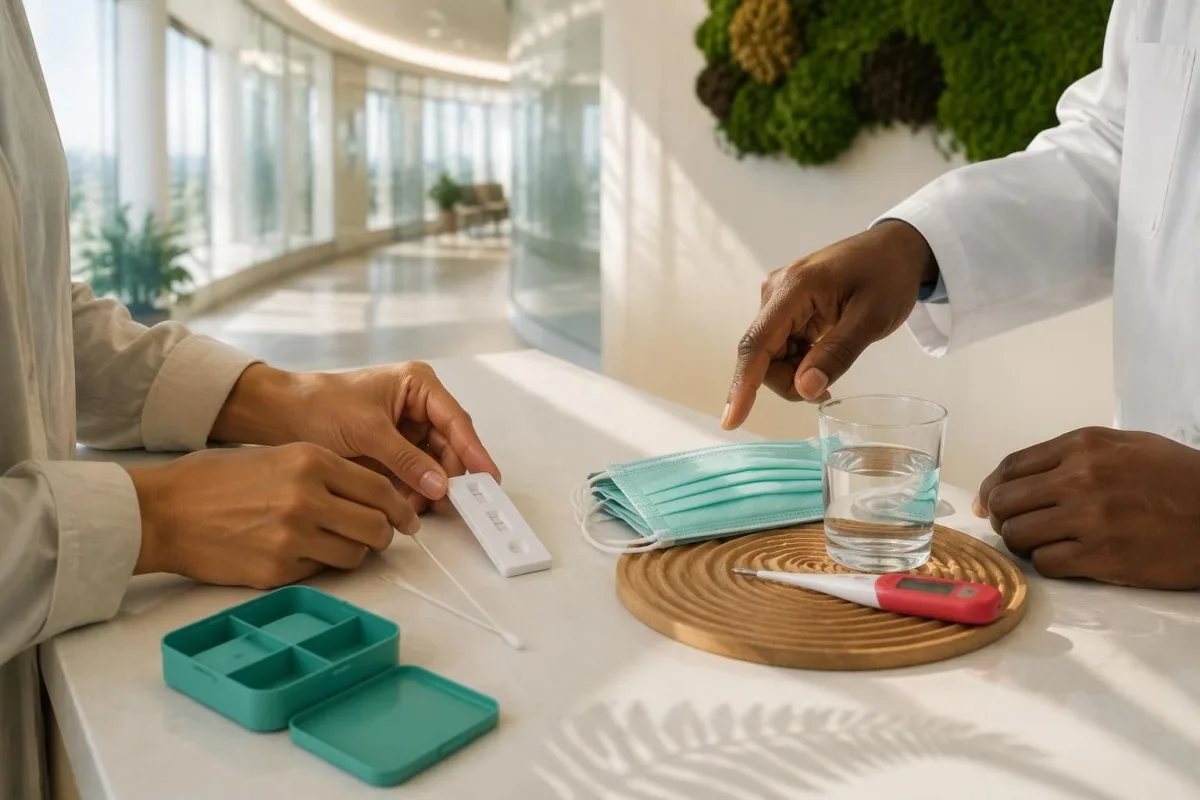
ရေတွက်ပါ ၄၈ နာရီကြာ ကုသမှုစတင်နိုင်သည့်အချိန်ကာလကို သင်၏ ပထမဆုံးရောဂါလက္ခဏာများ စတင်ချိန်မှ, စတင်ရေတွက်ပါ၊ ဓာတ်ခွဲခန်းက ရလဒ်ထုတ်ပြန်သည့်အချိန်မှ မဟုတ်ပါ။ တနင်္လာနေ့ညနေတွင် ချမ်းတုန်ခြင်း စတင်ဖြစ်ပေါ်ပြီး ဗုဒ္ဓဟူးနေ့မနက်တွင် ရလဒ်အပေါင်းရရှိသူတစ်ဦးသည် ထိုအချိန်ကာလအတွင်း ရှိနေနိုင်သေးသည်။ ၅ ရက်မြောက်နေ့တွင် စစ်ဆေးခံရသူတစ်ဦးမှာမူ မဟုတ်ပါ။.
ဖုန်းမခေါ်မီ အသုံးဝင်သော အချက်အလက် ၃ ခုကို မှတ်တမ်းတင်ပါ- ရောဂါလက္ခဏာများ စတင်သည့်အချိန်၊ တိုင်းတာရရှိသည့် အမြင့်ဆုံးကိုယ်အပူချိန်နှင့် သင် ပုံမှန်အတိုင်း ရေသောက်နိုင်၊ ဆီးသွားနိုင်ခြင်း ရှိမရှိတို့ ဖြစ်သည်။ ကိုယ်ဝန်ရှိခြင်း၊ ကိုယ်ခံအားကို ဖိနှိပ်သောဆေးများ သောက်သုံးခြင်း၊ နာတာရှည် နှလုံး သို့မဟုတ် အဆုတ်ရောဂါနှင့် ကျောက်ကပ်ပြဿနာများကိုလည်း ထည့်ပြောပါ။ အဆိုပါအချက်များကြောင့် အပေါင်းရလဒ်တူညီနေသော်လည်း ဆုံးဖြတ်ချက် ပြောင်းလဲနိုင်သည်။.
အပေါင်းရလဒ်သည် ရောဂါပြင်းထန်မှုကို တိုင်းတာသည့်အဆင့် မဟုတ်ပါ။ တူညီသောအစီရင်ခံစာ ရရှိထားသူ ၂ ဦးသည် မတူညီသော စောင့်ရှောက်မှု လိုအပ်နိုင်သည်။ ၄ ရက်မြောက်နေ့တွင် သက်သာလာနေသော ကျန်းမာသည့် အသက် ၂၅ နှစ်အရွယ်သူတစ်ဦးသည် ရောဂါလက္ခဏာသက်သာစေရန် ပံ့ပိုးကုသမှုသာ လိုအပ်နိုင်သော်လည်း အသက်ရှူမဝမှု ပိုဆိုးလာနေသော အသက် ၇၀ အရွယ်သူတစ်ဦးမှာ စမ်းသပ်ကိရိယာပေါ်ရှိ မျဉ်းကြောင်း မည်မျှဖျော့ဖျော့ အမြန်စစ်ဆေးမှု ခံယူရန် လိုအပ်သည်။.
ကန်တက်စတီသည် AI သွေးစမ်းသပ်မှုခွဲခြမ်းစိတ်ဖြာ တွဲဖက်တွေ့ရှိရသော ဓာတ်ခွဲခန်းရလဒ်များကို ရှင်းပြရာတွင် အထောက်အကူပြုသော်လည်း အသက်ရှူလမ်းကြောင်း စစ်ဆေးမှု သို့မဟုတ် ဗိုင်းရပ်စ်တားဆေးညွှန်းပေးခြင်းကို အစားထိုးနိုင်ခြင်း မရှိပါ။ ကျွန်ုပ်တို့၏ အဖွဲ့အစည်းနှင့် ရည်ရွယ်ချက် ထိုကွာခြားချက်ကို ရှင်းပြထားသည်။ တုပ်ကွေးစစ်ဆေးသည့် နှာခေါင်းတို့ဖတ်နှင့် CBC တို့သည် မတူညီသော ဆေးဘက်ဆိုင်ရာ မေးခွန်း ၂ ခုကို ဖြေဆိုပေးသည်။.
အင်ဖလူအင်ဇာ A စစ်ဆေးမှုရလဒ်အပေါင်းသည် အမှန်တကယ် ဘာကိုရှာဖွေတွေ့ရှိသလဲ။
A တုပ်ကွေး A ပိုးတွေ့ရှိသော စမ်းသပ်ရလဒ် အမြန် အန်တီဂျင်စစ်ဆေးမှုတွင် ဗိုင်းရပ်စ်ပရိုတင်းများကိုဖြစ်စေ၊ PCR ကဲ့သို့ မော်လီကျူးစစ်ဆေးမှုတွင် ဗိုင်းရပ်စ်၏ မျိုးဗီဇပစ္စည်းကိုဖြစ်စေ တွေ့ရှိခြင်း ဖြစ်သည်။ ရလဒ်တစ်ခုတည်းဖြင့် သင် မည်မျှကူးစက်နိုင်သည်၊ ရောဂါမည်မျှပြင်းထန်သည် သို့မဟုတ် သင့်တွင် မည်သည့် တုပ်ကွေး A အမျိုးအစားခွဲရှိသည်ကို မဆုံးဖြတ်နိုင်ပါ။ ပုံမှန်အစီရင်ခံစာအများစုတွင် A နှင့် B ကိုသာ ခွဲခြားဖော်ပြသည်.
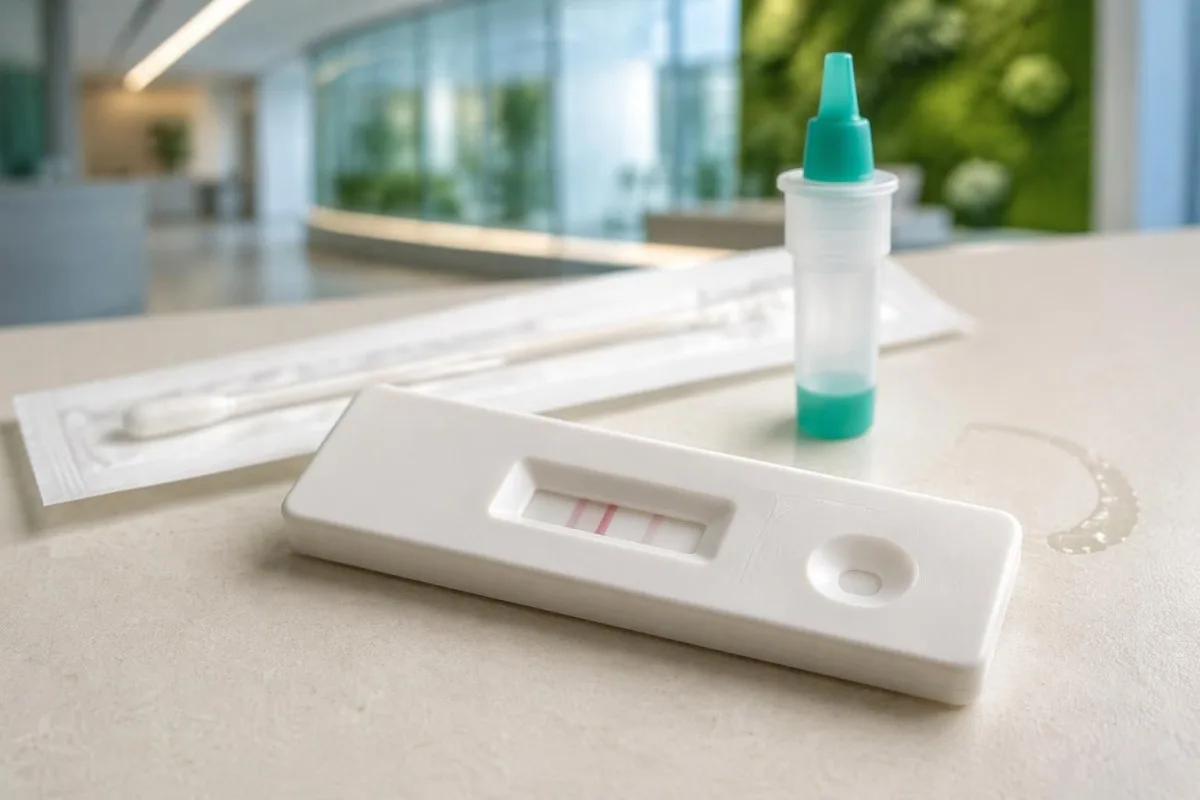
အမြန် အန်တီဂျင်စစ်ဆေးမှုများသည် ပုံမှန်အားဖြင့် ၁၀–၁၅ မိနစ်ခန့်အတွင်း, ရလဒ်ထွက်ပေးသော်လည်း ဖျော့သော စစ်ဆေးတွေ့ရှိမှုမျဉ်းကို ထိုစမ်းသပ်ကိရိယာ၏ ညွှန်ကြားချက်များအတိုင်း အဓိပ္ပာယ်ဖွင့်ဆိုရမည်။ သတ်မှတ်ထားသော ဖတ်ရှုချိန်ကာလ ကျော်လွန်ပြီးမှ ပေါ်လာသောမျဉ်း သို့မဟုတ် ထိန်းချုပ်မျဉ်း မရှိခြင်းကို တရားဝင် အပေါင်းရလဒ်အဖြစ် သတ်မှတ်၍မရပါ။.
PCR သည် ရွေးချယ်ထားသော RNA အစဉ်များကို ပွားများစေပြီး ပုံမှန်အားဖြင့် ရိုးရာအမြန် အန်တီဂျင်စစ်ဆေးမှုထက် ပိုမိုအာရုံခံနိုင်စွမ်းမြင့်သည်။ အချို့သော အမြန်မော်လီကျူးစနစ်များသည် ရလဒ်ကို ၁၅–၃၀ မိနစ်, အတွင်း ပြန်ပေးနိုင်သည်။ ထို့ကြောင့် စစ်ဆေးမှုမြန်ဆန်ခြင်းတစ်ခုတည်းဖြင့် မည်သည့်နည်းပညာကို အသုံးပြုထားကြောင်း မသိနိုင်ပါ။ သက်ဆိုင်ရာ ဆေးဘက်ဆိုင်ရာနေရာများတွင် ရရှိနိုင်ပါက ရိုးရာ အန်တီဂျင်စစ်ဆေးမှုများထက် မော်လီကျူးစစ်ဆေးမှုကို အသုံးပြုရန် IDSA ၏ တုပ်ကွေးလမ်းညွှန်ချက်က အကြံပြုထားသည် (Uyeki et al., 2019)။.
ပုံမှန် ရာသီတုပ်ကွေးစစ်ဆေးမှုများသည် မကြာခဏ ခွဲခြားမပေးပါဘူး A(H1N1)pdm09 from A(H3N2), and they do not automatically identify an unusual animal-associated influenza strain. Tell your clinician about recent poultry, livestock, or relevant occupational exposure rather than assuming that an ordinary A-positive report has answered the subtype question.
Flu antigen and PCR results are usually အရည်အသွေး, not measurements comparable with a glucose concentration in mg/dL. Our explanation of အရည်အသွေး နှင့် အရေအတွက်ဆိုင်ရာ ရလဒ်များ clarifies why a detected/not-detected report cannot be converted into a percentage of illness severity.
အင်ဖလူအင်ဇာ A ရလဒ်အပေါင်း မှားယွင်းနိုင်သလား။
An influenza A positive result can occasionally be false, especially with an antigen test when little flu is circulating. Traditional rapid antigen assays have often shown approximately 50–70% sensitivity and 95–99% specificity, although performance varies substantially by product, specimen quality, age, and testing conditions.
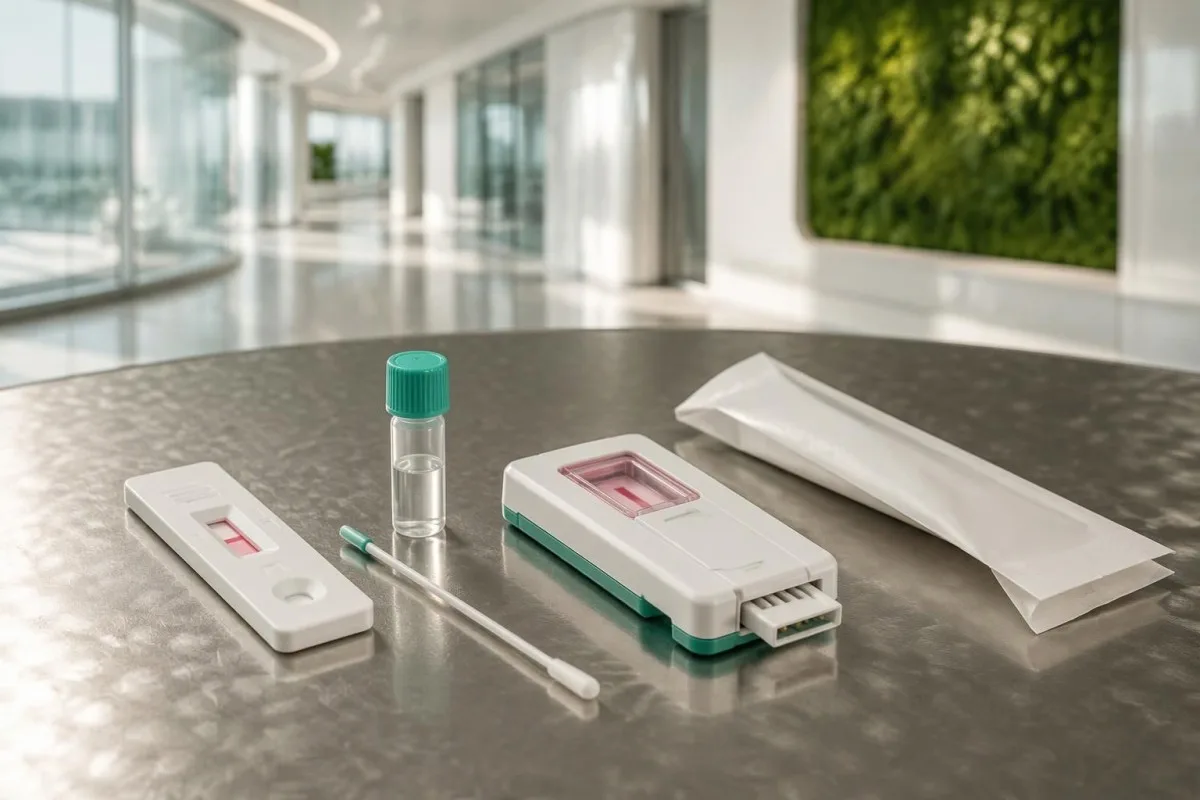
Consider a clearly hypothetical test with 60% sensitivity and 98% specificity used in 1,000 people when 5% truly have influenza. It would identify about 30 true positives and 19 false positives, so approximately 61% of positive results would represent true influenza—not 98%, because specificity and positive predictive value are different measures.
မှာ 30% prevalence, that same hypothetical test would produce about 180 true positives and 14 false positives among 1,000 people. Its positive predictive value would rise to roughly 93%; this is why clinicians weigh local circulation and symptoms rather than treating every positive rapid result as equally certain.
A positive antigen result followed by a negative PCR deserves context, not an automatic verdict that 1 test must be defective. Different collection times, swab sites, sampling quality, and assay targets can contribute to disagreement; repeat molecular testing may be appropriate when the result changes treatment or institutional precautions.
Another respiratory virus can produce similar symptoms, and 2 viruses can coexist. နှင့် တွဲဖက်ကြသည်။ အရွယ်ရောက်သူများတွင် RSV လက္ခဏာများ explains overlapping presentations; separately, recent live nasal influenza vaccination can occasionally affect molecular detection, whereas an injected inactivated flu vaccine cannot create influenza RNA in a nasal swab.
အင်ဖလူအင်ဇာ A ဘယ်လောက်ကြာတတ်သလဲ။
Uncomplicated influenza A usually causes ရိုးရှင်းတဲ့ မှတ်တမ်းတစ်ခုက အမှန်တကယ် လမ်းကြောင်းတွေကို ကျပန်းဆူညံသံ (random noise) နဲ့ ခွဲခြားပေးပါတယ်။ of acute illness, with fever often lasting around 3–4 days. Cough, reduced stamina, and fatigue can continue for 2 weeks or longer, particularly in older adults or people with chronic lung disease; gradual improvement matters more than a fixed recovery deadline.
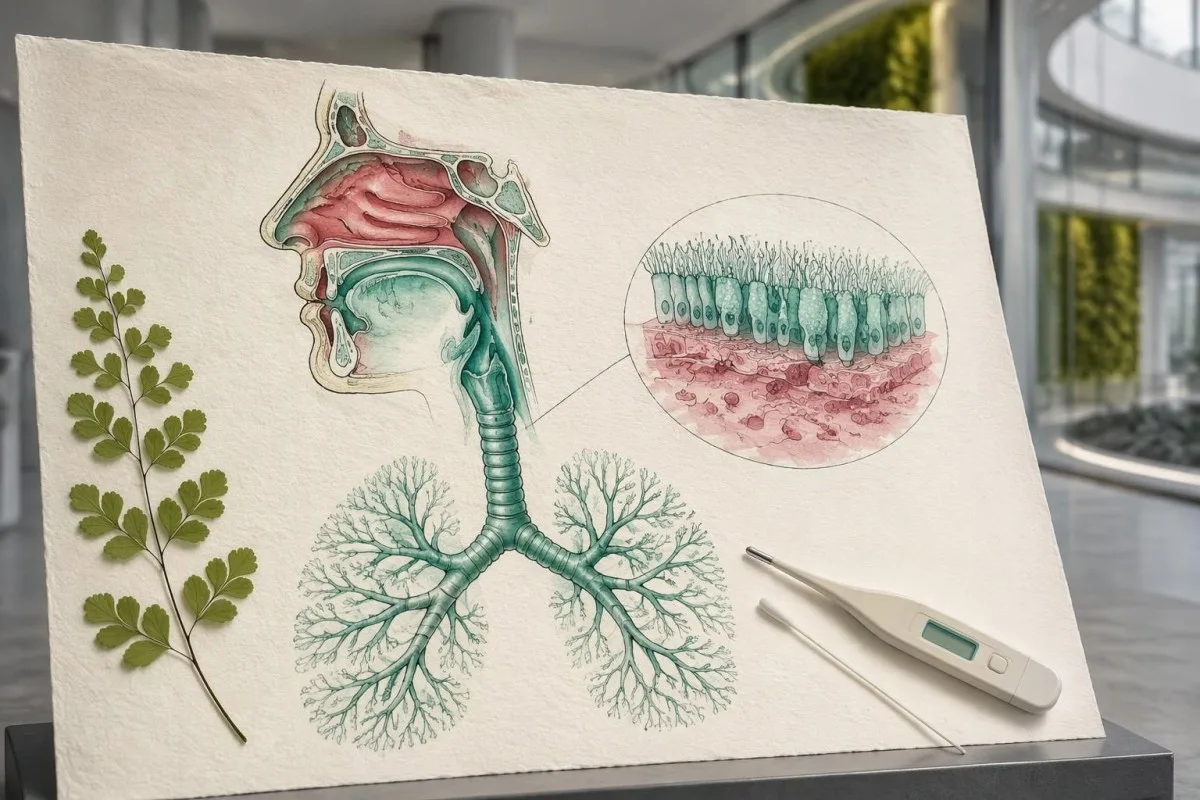
Influenza symptoms commonly begin 1–4 days after exposure, with an average incubation around 2 days. Day 1 of illness means the first symptoms, not the exposure day; mixing those starting points makes recovery and antiviral timelines appear contradictory when they are not.
A hypothetical adult whose fever ends on day 4 may still cough on day 10 because airway irritation and clearance mechanisms recover more slowly. A dry cough that is steadily easing is different from new breathlessness, recurrent fever, or chest pain after apparent recovery.
Persistent fever beyond approximately သို့ လျော့လာခြင်း, or fever that returns after disappearing, warrants clinical advice—sooner for high-risk people or anyone worsening. This is a practical reassessment point rather than a diagnostic cutoff: some uncomplicated cases run longer, while a complication can appear before day 4.
Fatigue lasting ၂-၃ ပတ် does not by itself diagnose a chronic fatigue disorder, and supplements should not replace assessment when symptoms are substantial. Our persistent fatigue assessment guide distinguishes short post-viral recovery from a much longer syndrome; prolonged or worsening symptoms deserve a broader review.
PCR ရလဒ်အပေါင်းဖြစ်ခြင်းက ကူးစက်နိုင်မှုကို ဘာကြောင့် တိတိကျကျ မတိုင်းတာနိုင်သလဲ။
PCR positivity does not precisely determine contagiousness because PCR detects influenza RNA, not whether enough viable virus is present to transmit to another person. Many adults can spread flu from about 1 day before symptoms until 5–7 days afterward, but RNA detection and infectious-virus shedding do not end on identical schedules.

Transmission risk is usually greatest during the first 3 days of illness, when respiratory viral burden is often high. Children and immunocompromised people may shed infectious virus for longer than typical adults, so their isolation decisions sometimes need individualized advice rather than a calendar copied from another household member.
A PCR result that remains positive after day 7 may reflect ongoing replication, residual RNA, or a mixture of both. Routine PCR cannot separate those possibilities reliably; viral culture can assess viable virus in specialized settings, but it is not a practical everyday clearance test.
A cycle threshold of 30, for example, is not a universal safe-to-return number. Ct values depend on the assay, specimen type, collection quality, and processing, and many reports omit them; using a cutoff from another laboratory can create false reassurance or unnecessarily prolonged isolation.
Persistent molecular detection is also discussed in our adenovirus PCR interpretation guide, but the timelines for 2 different viruses should not be equated. For influenza, assess symptom progression, time since onset, immune status, and the vulnerability of people you may expose.
ဘယ်အချိန်တွင် အလုပ်၊ ကျောင်း သို့မဟုတ် ပုံမှန်လှုပ်ရှားမှုများသို့ ပြန်သွားနိုင်သလဲ။
အရ CDC community respiratory-virus guidance, return to usual activities generally requires symptoms improving overall and at least 24 hours without fever, without fever-reducing medicine. After returning, use added precautions for 5 ရက်; healthcare settings, vulnerable patients, local public-health rules, and school policies may require different arrangements.

Fever-free means fever-free without paracetamol, acetaminophen, or ibuprofen masking the temperature for those 24 နာရီ. If you never had fever, you still need overall symptom improvement; the absence of fever does not prove that you cannot transmit influenza.
During the next 5 ရက်, improve ventilation, wear a well-fitting mask when appropriate, keep distance from vulnerable people, and use careful hand and cough hygiene. A hypothetical person returning on day 6 should not interpret permission to work as permission to share a poorly ventilated room with an immunocompromised relative.
UK public-facing advice commonly emphasizes staying home when you have a high temperature or feel too unwell for normal activities rather than using an identical numbered return rule. The 24-hour plus 5-day framework is a named CDC approach, not a universal legal requirement across every country or workplace.
Repeat PCR is not usually needed to return after uncomplicated flu, and a negative antigen test is not a complete transmission guarantee. Our နိုရိုဗိုင်းရပ်စ် ပြန်လည်ကောင်းမွန်ခြင်းနှင့် ကူးစက်ပျံ့နှံ့မှုဆိုင်ရာ လမ်းညွှန်ချက် illustrates why rules differ between pathogens; do not borrow its commonly used 48-hour gastrointestinal exclusion interval for influenza.
ဘယ်သူတွေက ယနေ့ပင် ဗိုင်းရပ်စ်ဆန့်ကျင်ဆေးအကြောင်း ဆရာဝန်နှင့် ဆက်သွယ်သင့်သလဲ။
Prompt antiviral assessment is especially appropriate for hospitalized patients, severe or worsening illness, and people at increased complication risk—even when symptoms began more than 48 နာရီ ago. Higher-risk groups include adults 65 နှစ် သို့မဟုတ် အထက်, children younger than 5, pregnant people, and people with important chronic conditions or weakened immunity.

ကလေးများ younger than 2 years have particularly high complication risk, while pregnancy-related risk continues through the first 2 weeks after delivery. Asthma, chronic lung or heart disease, diabetes, kidney disease, and immune suppression also influence treatment; US risk lists additionally include severe obesity, commonly defined as BMI 40 kg/m² or higher.
The IDSA guideline recommends starting treatment promptly for hospitalized or high-risk patients and those with severe or progressive illness, without delaying for test confirmation when influenza is suspected (Uyeki et al., 2019). Its 48-hour threshold mainly helps guide treatment of otherwise healthy outpatients; it is not a rule that forbids later treatment.
Imagine 2 hypothetical adults testing positive on day 4: a healthy 32-year-old whose symptoms are improving and a 68-year-old with diabetes and increasing breathlessness. Their prescriptions may differ because preventing complications in the second person matters more than achieving a small reduction in symptom duration in the first.
For children, dosing depends on age and weight, not simply dividing a 75 mg adult capsule without guidance. Our explanation of pediatric interpretation safety limits supports clinician-led decisions; vulnerable household contacts should also ask promptly whether exposure management is appropriate, especially within 48 hours of exposure.
ဆရာဝန်က ဘယ်လို အင်ဖလူအင်ဇာ A ကုသမှုကို ဆေးညွှန်းပေးနိုင်သလဲ။
Influenza A treatment may include oseltamivir, baloxavir, inhaled zanamivir, or intravenous peramivir, depending on age, severity, pregnancy, kidney function, and local availability. A common adult oseltamivir regimen is 75 mg twice daily for 5 days, but that dose is not appropriate for everyone.
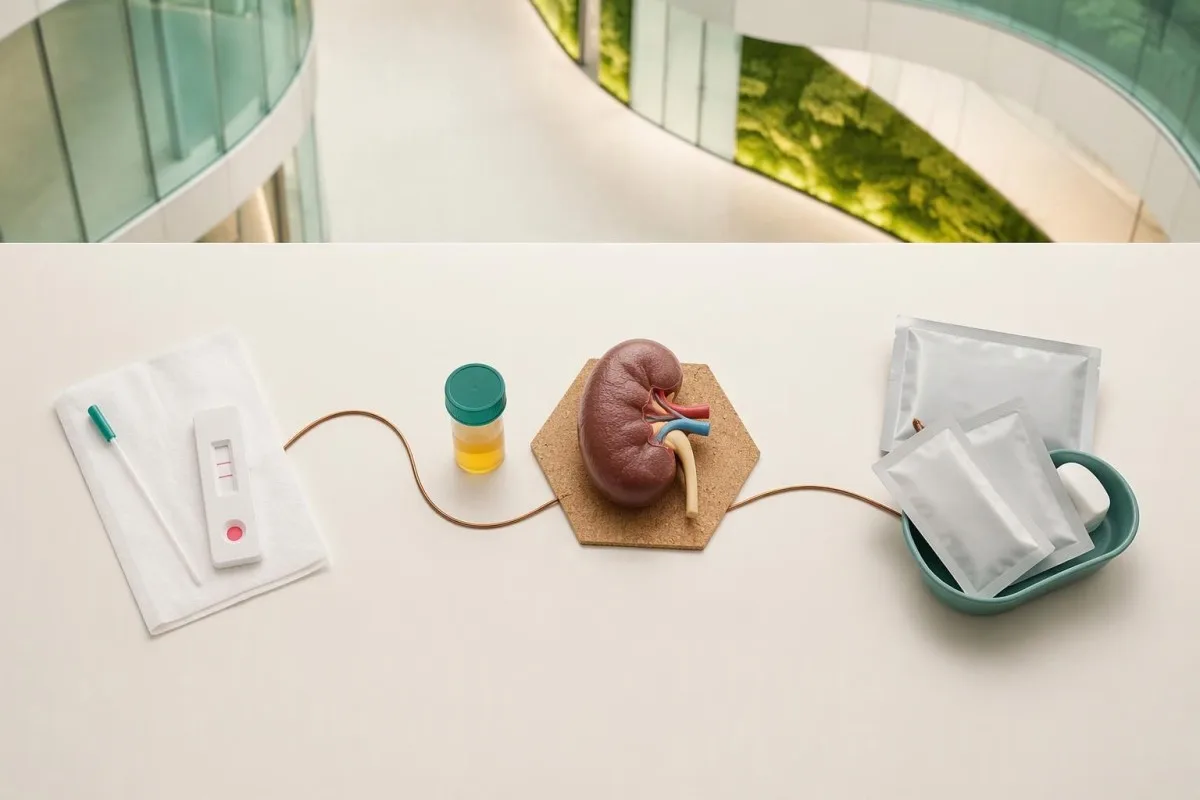
Oseltamivir is often preferred for hospitalized patients and during pregnancy because it has the most established clinical experience in those settings. Its usual adult dose assumes suitable renal clearance; dose adjustment is generally needed when creatinine clearance is 60 mL/min or lower, and children require age- or weight-specific prescriptions.
Baloxavir is a single-dose oral option for eligible uncomplicated influenza patients in some countries. For eligible patients weighing 20 to less than 80 kg, the usual dose is 40 mg; at 80 kg or more, it is 80 mg, and it should not be taken together with calcium-, iron-, magnesium-, or zinc-containing products because absorption can fall.
Inhaled zanamivir is commonly prescribed as 10 mg twice daily for 5 days, but clinicians generally avoid it in asthma or COPD because of bronchospasm risk. Peramivir can be given intravenously as a 600 mg single adult dose for appropriate uncomplicated cases with normal renal function; these alternatives are not interchangeable choices for every severely ill patient.
ကန်တက်စတီသည် AI-powered သွေးစစ်ဆေးမှု ခွဲခြမ်းစိတ်ဖြာ ကိရိယာ that can help explain why kidney measurements affect medication discussions, without selecting or changing a prescription. Our ဆေးဘက်ဆိုင်ရာ validation framework describes interpretation safeguards, while ရေဓာတ်ခမ်းခြောက်ပြီးနောက် ကျောက်ကပ် ရလဒ်များ explains why a single illness-time eGFR may not represent your baseline.
ဗိုင်းရပ်စ်ဆန့်ကျင်ဆေးတွေက ဘယ်လောက်အထိ အထောက်အကူပြုသလဲ၊ အပေးအယူတွေက ဘာတွေလဲ။
For otherwise healthy adults treated early, oseltamivir generally shortens influenza symptoms by approximately 17–25 hours, not several guaranteed days. The size of benefit varies across analyses; evidence about preventing serious complications in uncomplicated outpatients is less consistent than evidence for modest symptom relief.
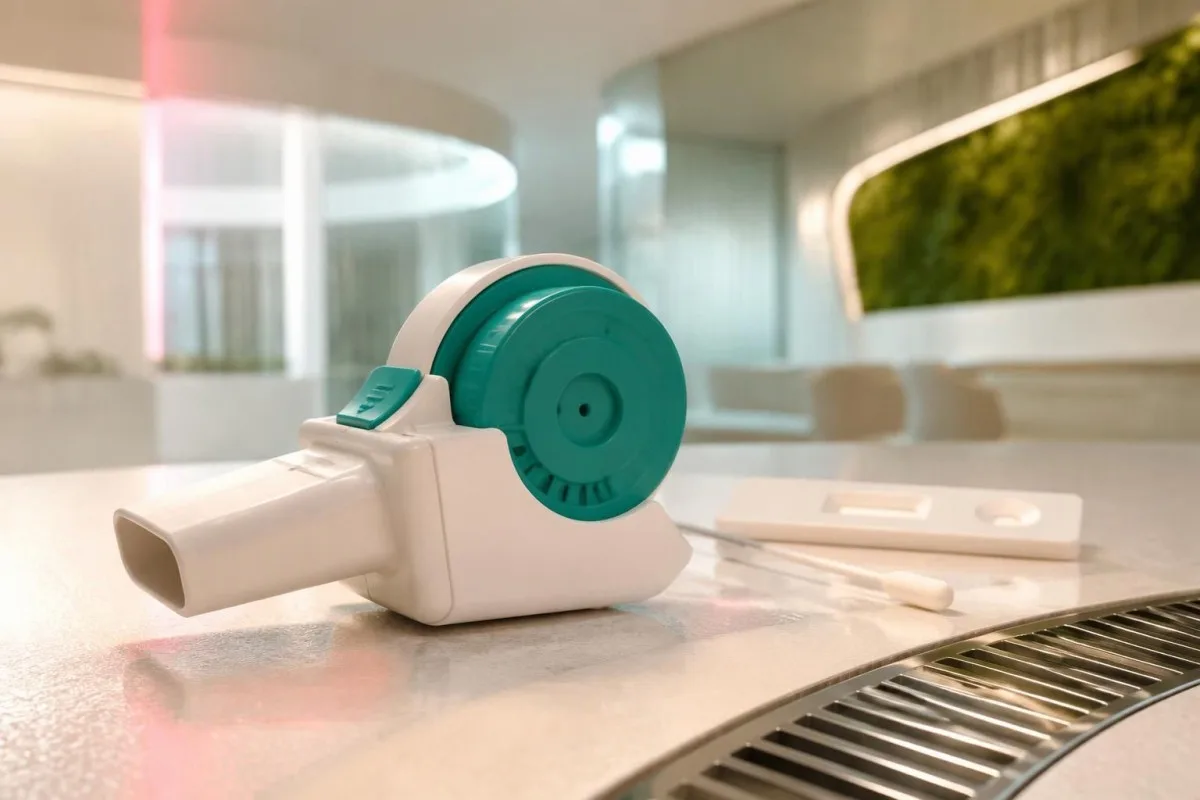
An individual-patient meta-analysis in The Lancet reported median symptom alleviation at 97.5 hours with oseltamivir versus 122.7 hours with placebo among adults with confirmed influenza (Dobson et al., 2015). Those trial averages do not predict exactly when an individual patient will recover, and treatment was studied mainly when started early.
A clinical-study-report review in BMJ estimated a smaller adult benefit of about 16.8 hours and questioned some complication outcomes because definitions and verification were inconsistent (Jefferson et al., 2014). The evidence here is genuinely mixed: different analysis populations and outcome definitions partly explain why the conclusions do not line up perfectly.
In the Dobson analysis, nausea occurred in approximately 9.9% versus 6.2%, and vomiting in 8.0% versus 3.3%, with oseltamivir versus placebo. Taking oseltamivir with food may improve tolerance; persistent vomiting matters because it can prevent hydration and reliable medication absorption, not merely cause inconvenience.
Kantesti does not translate a 1-day average benefit into a promise of preventing hospitalization or becoming noncontagious sooner. Medication review is particularly useful in older adults; our guide to medication effects in seniors explains why renal function and concurrent medicines deserve attention even when the antiviral course is short.
ဘယ်အိမ်တွင်းကုသမှုတွေက အသုံးဝင်ပြီး ဘေးကင်းသလဲ။
Useful home care includes regular fluids, rest, and fever or pain relief when appropriate; these measures improve comfort but do not directly eliminate influenza. For many adults, paracetamol or acetaminophen is taken as 500–1,000 mg per dose, with intervals and daily limits determined by the local product label and personal risk factors.
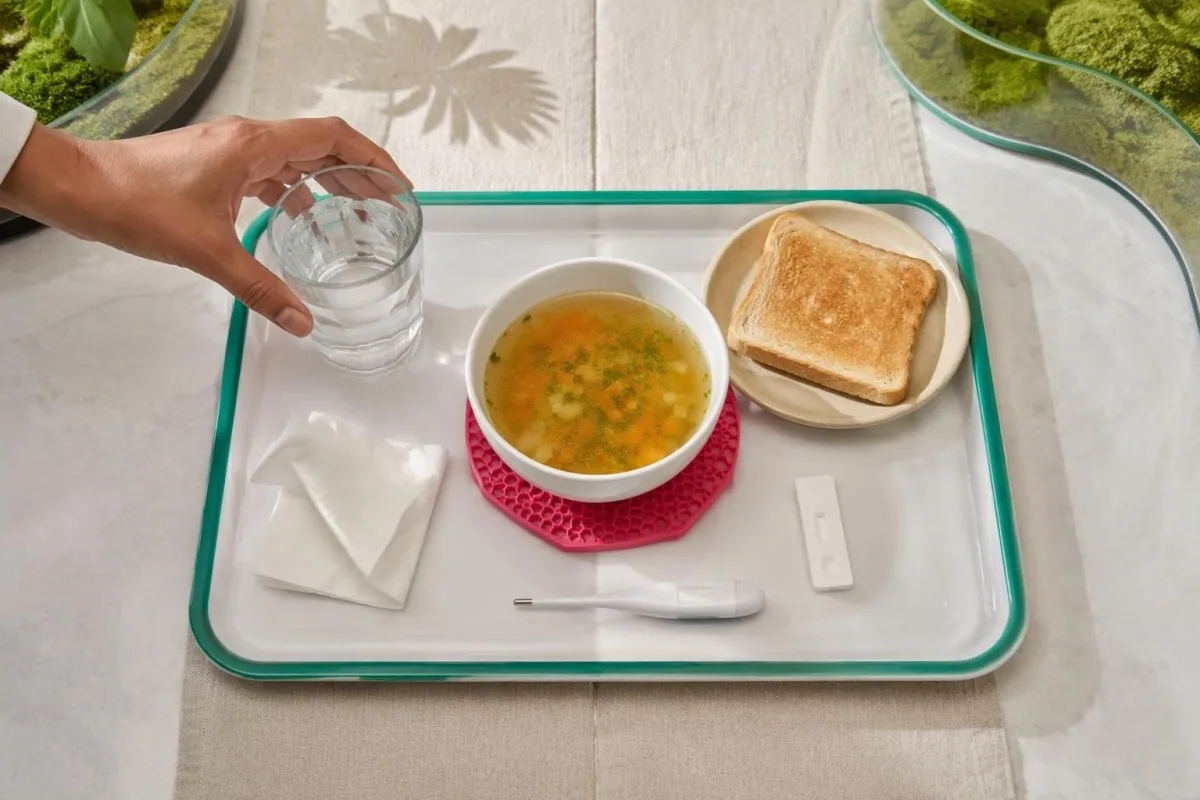
Do not exceed the package's daily acetaminophen limit, often 3,000–4,000 mg in adults, and obtain advice about lower limits with liver disease, low body weight, or regular heavy alcohol use. Combination cold remedies may contain the same ingredient; our acetaminophen overdose timing guide explains why accidental duplication needs prompt advice even before symptoms appear.
Ibuprofen may help suitable adults, commonly at 200–400 mg per over-the-counter dose, but dehydration, kidney disease, stomach ulcer history, anticoagulants, and pregnancy can make it unsuitable. Avoid using a fixed number of litres as a universal hydration target when heart or kidney disease requires fluid restriction; take small, frequent sips if nausea limits intake.
Do not give aspirin or salicylate-containing products to children or adolescents with suspected influenza unless a clinician specifically directs otherwise, because of Reye syndrome risk. Our salicylate safety explanation addresses a different concern—overdose—and reinforces why an adult 325 mg tablet is not a routine pediatric fever treatment.
Honey may soothe cough for children older than 1 year and adults, but it should never be given to infants younger than 12 months. Broth and ordinary food can help maintain intake; high-dose vitamin or zinc products are not proven influenza cures, and mineral supplements can interfere with single-dose baloxavir.
ဘယ်အင်ဖလူအင်ဇာလက္ခဏာတွေမှာ အရေးပေါ်ဆေးကုသမှု လိုအပ်သလဲ။
Seek emergency help for breathing difficulty, persistent chest pressure, new confusion, blue or grey lips, collapse, or inability to stay awake. Influenza can cause respiratory or other complications before a planned follow-up visit; a reassuring test result or fewer than 48 hours of symptoms does not make those warning signs safe to watch at home.
If you use a pulse oximeter, a repeated oxygen saturation of 92% or lower at sea level usually warrants emergency assessment unless a clinician has given a different individualized plan. Readings of 93–94%, a significant fall from your baseline, or worsening breathlessness need prompt advice; altitude, circulation, device quality, and skin pigmentation can affect accuracy.
In children, fast or laboured breathing, ribs pulling inward, unusual unresponsiveness, or dehydration with no urine for about 8 hours are urgent warning signs. A temperature of 38°C or higher in an infant younger than 3 months needs immediate medical assessment, even if a flu test offers an apparent explanation.
Chest pain, new palpitations, fainting, or disproportionate breathlessness can signal problems beyond ordinary airway irritation. Our myocarditis စစ်ဆေးမှုလမ်းညွှန် explains why troponin sometimes matters; however, neither a single normal value nor a positive influenza result can independently rule out every cause of chest pain.
Severe muscle pain or weakness with cola-coloured urine deserves urgent evaluation because influenza can occasionally affect muscle and kidney function. Our ဆီးမဲမဲ (dark urine) သတိပေးလက္ခဏာများ distinguishes concentrated urine from other causes; do not assume that 1 unusually dark sample is harmless when substantial weakness accompanies it.
အင်ဖလူအင်ဇာ A ရလဒ်အပေါင်းဖြစ်ခြင်းက အဆုတ်ရောင်ခြင်း သို့မဟုတ် ဘက်တီးရီးယားကူးစက်မှု မရှိကြောင်း သေချာစေသလား။
A positive influenza A test does not rule out pneumonia, bacterial coinfection, or another respiratory virus. New fever after improvement, increasing breathlessness, low oxygen, or focal chest findings may require examination and imaging; WBC, CRP, and procalcitonin can support reasoning but cannot independently settle whether antibiotics are needed.

A hypothetical person who improves on days 3–4 and develops fever and breathlessness on day 6 needs reassessment for complications, rather than simply restarting the original recovery countdown. Bacterial pneumonia can occur during influenza or after initial improvement; some patients also develop primary viral pneumonia without bacterial coinfection.
A WBC of 12 × 10⁹/L သို့မဟုတ် CRP of 80 mg/L, for example, does not prove bacterial infection because influenza and physiological stress can elevate both. Our guide to WBC နှင့် CRP မတူညီမှု explains why direction of change, examination findings, steroid use, and sampling time matter more than isolated labels.
A procalcitonin below 0.25 ng/mL may lower suspicion of bacterial infection in some respiratory-care algorithms, but it must not override clinical evidence of pneumonia or sepsis. Our procalcitonin အဓိပ္ပာယ်ဖွင့်ဆိုချက် လမ်းညွှန် explains timing limitations; early infection and localized disease can produce lower values than expected.
Kantesti explains accompanying inflammatory markers as contextual evidence, not an antibiotic prescription or a way to clear someone for home care. Antibiotics do not treat influenza itself; 2 simultaneous processes, such as viral influenza plus bacterial pneumonia, require a different plan from uncomplicated flu and may justify treatment before all results are available.
နောက်ထပ်တုပ်ကွေးစစ်ဆေးမှု သို့မဟုတ် နောက်ဆက်တွဲသွေးစစ်မှု လိုအပ်ပါသလား။
Most people recovering normally from uncomplicated influenza do not need repeat PCR, routine blood tests, or a test of cure. Follow-up is more useful when symptoms worsen, remain substantial after ၂-၃ ပတ်, or create a specific concern such as dehydration, pneumonia, anemia, or a medication-related kidney problem.

Repeating PCR on day 10 simply to obtain a negative result can prolong worry without changing care. Exceptions include selected immunocompromised patients, severe hospitalized illness, unusual exposures, and institutional outbreak decisions; clinicians may use additional testing for those specific purposes rather than treating negativity as a universal recovery endpoint.
Influenza can temporarily alter inflammatory markers, white-cell counts, and sometimes liver enzymes, while dehydration can affect kidney measurements. Our illness-related laboratory timeline explains why comparing an acute-illness result with a well-state sample 2–4 weeks later, when clinically appropriate, is often more informative than testing every day.
Return to exercise gradually after fever has resolved and ordinary daily activity is comfortable; begin with perhaps ၁၀–၁၅ မိနစ်ခန့်အတွင်း of easy activity rather than your usual training session. Stop and obtain medical advice for chest pain, palpitations, fainting, or disproportionate breathlessness, because those symptoms should not be dismissed as deconditioning.
Kantesti can help organize existing laboratory results and trends, but our အနက်ဖွင့်နည်းပညာ လမ်းညွှန် explains why the original report, units, and clinical context remain necessary. A creatinine measured during day 2 dehydration should not automatically be interpreted as a new permanent baseline or used to change medicines without professional review.
ကျွန်ုပ်တို့၏ အဓိပ္ပာယ်ဖော်ပြချက်နှင့် သုတေသနရင်းမြစ်များက သင့်အား ဘာတွေပြောပြနိုင်သလဲ။
Laboratory interpretation can explain associated findings, but it cannot establish influenza contagiousness or replace a clinical assessment. Kantesti is an AI သွေးစစ်ဆေးမှု ရလဒ် ပလက်ဖောင်း that places supplied values and trends in context; a flu PCR result and a creatinine result describe 2 different biological processes, not interchangeable measures of infection severity.

Protect identifying information when sharing results, especially if a report contains names, dates of birth, or family details alongside multiple laboratory values. ကျွန်တော်တို့ရဲ့ ကိုယ်ရေးလုံခြုံမှုနှင့် ဒေတာဆိုင်ရာ လမ်းညွှန်ချက်များ explains the relevant controls; a family member's report should be shared only with appropriate permission, not because flu affected the same household.
Creatinine and urea can help clinicians investigate dehydration, but no single ratio proves its cause or determines an antiviral dose by itself. Our urea and creatinine guide explains the distinction; for example, BUN 30 mg/dL and creatinine 1.0 mg/dL can reflect several clinical contexts rather than a definitive influenza complication.
ဟိ 3 external clinical references below support the influenza discussion: the IDSA guideline addresses testing and treatment decisions, while the Lancet and BMJ analyses explain oseltamivir benefits and uncertainty. Our 0 ဆေးဘက်ဆိုင်ရာ အကြောင်းအရာစံနှုန်းများ distinguish guideline evidence, trial evidence, hypothetical examples, and product information rather than presenting them as equally authoritative.
ဟိ Figshare ထုတ်ဝေစာတမ်း ၂ ခု listed separately below are broader educational resources on gastrointestinal and women's health topics; they are not influenza treatment trials or evidence that our software determines infectiousness. A DOI makes a resource identifiable and retrievable—it does not, by itself, establish peer review, clinical validation, or relevance to a flu treatment decision.
ተደጋግሞ የሚጠየቁ ጥያቄዎች
ကျွန်ုပ်၏ အင်ဖလူအင်ဇာ A စစ်ဆေးမှု ရလဒ် အပေါင်းဖြစ်ပါက ဘာလုပ်သင့်ပါသလဲ။
0 သင့် Influenza A စစ်ဆေးမှုရလဒ် positive ဖြစ်ပါက အိမ်တွင်နေပါ၊ အနားယူပါ၊ ရေဓာတ်လုံလောက်စွာ ဖြည့်တင်းပါ၊ ဆေးဘက်ဆိုင်ရာ အကြံဉာဏ်ကို အမြန်ရယူရန် လိုအပ်ခြင်းရှိမရှိ ဆန်းစစ်ပါ။ ရောဂါလက္ခဏာများ စတင်ပေါ်ပေါက်သည်မှာ ၄၈ နာရီအတွင်းဖြစ်ပါက၊ သို့မဟုတ် ကိုယ်ဝန်ဆောင်ဖြစ်ပါက၊ အသက် ၆၅ နှစ်နှင့်အထက်ဖြစ်ပါက၊ ကိုယ်ခံအားနည်းပါက၊ သို့မဟုတ် နာတာရှည်ရောဂါပြင်းထန်များရှိပါက မည်သည့်အချိန်တွင်မဆို ဆရာဝန်ထံ စောစီးစွာ ဆက်သွယ်ပါ။ ရှုပ်ထွေးမှုမရှိသော ရောဂါလက္ခဏာအများစုသည် ၃–၇ ရက်အတွင်း သက်သာလာသော်လည်း ချောင်းဆိုးခြင်းနှင့် ပင်ပန်းနွမ်းနယ်ခြင်းတို့သည် ပိုကြာရှည်နိုင်သည်။ အသက်ရှူရခက်ခဲခြင်း၊ ရင်ဘတ်တွင် ဖိအားဆက်တိုက်ခံစားရခြင်း၊ စိတ်ရှုပ်ထွေးခြင်း၊ သို့မဟုတ် ရေဓာတ်အလွန်ခန်းခြောက်ခြင်း ဖြစ်ပါက အိမ်တွင် နောက်ထပ်စမ်းသပ်မှု ပြုလုပ်မည့်အစား အရေးပေါ်ကုသမှုခံယူရန် လိုအပ်သည်။.
လူကြီးများတွင် အင်ဖလူအင်ဇာ A သည် ဘယ်လောက်ကြာကြာ ဖြစ်တတ်သလဲ?
ရှုပ်ထွေးမှုမရှိသော Influenza A သည် အရွယ်ရောက်သူများတွင် ယေဘုယျအားဖြင့် ၃–၇ ရက်ကြာ ပြင်းထန်သောဖျားနာမှုကို ဖြစ်စေပြီး၊ အဖျားမှာ မကြာခဏ ၃–၄ ရက်ကြာတတ်သည်။ အဖျားကျသွားပြီးနောက်တွင်ပင် ချောင်းဆိုးခြင်းနှင့် ပင်ပန်းနွမ်းနယ်ခြင်းတို့သည် ၂ ပတ် သို့မဟုတ် ထို့ထက်ပို၍ ဆက်လက်ဖြစ်ပွားနိုင်သည်။ တိကျသော ပြက္ခဒိန်ရက်တစ်ရက်သို့ ရောက်ရှိခြင်းထက် တဖြည်းဖြည်း သက်သာလာသည့်ပုံစံက ပို၍ စိတ်ချရသည်။ အဖျားပြန်တက်ခြင်း၊ အသစ်ဖြစ်ပေါ်လာသော အသက်ရှူမဝခြင်း သို့မဟုတ် သက်သာလာပြီးနောက် အခြေအနေပိုဆိုးလာခြင်းတို့ရှိပါက နောက်ဆက်တွဲပြဿနာများအတွက် ပြန်လည်စစ်ဆေးသင့်သည်။.
၄၈ နာရီကျော်ပြီးနောက် oseltamivir ကို သောက်နိုင်သေးပါသလား။
ဆေးရုံတက်ကုသနေရသူများ၊ ပြင်းထန်သော သို့မဟုတ် ပိုဆိုးလာသော တုပ်ကွေးရောဂါရှိသူများနှင့် နောက်ဆက်တွဲပြဿနာ ဖြစ်နိုင်ခြေ ပိုများသူများအတွက် ၄၈ နာရီကျော်ပြီးနောက်တွင်လည်း Oseltamivir သည် သင့်လျော်နိုင်ပါသည်။ ၄၈ နာရီအတွင်းသည် ရှုပ်ထွေးမှုမရှိသော ပြင်ပလူနာများတွင် ရောဂါလက္ခဏာ သက်သာစေမှု အထင်ရှားဆုံးဖြစ်သည့် ကာလကိုသာ သတ်မှတ်ခြင်းဖြစ်ပြီး၊ လူတိုင်းအတွက် ကုသမှုခံယူရန် အတိအကျ နောက်ဆုံးအချိန်သတ်မှတ်ချက် မဟုတ်ပါ။ အရွယ်ရောက်သူများအတွက် အသုံးများသော ဆေးပမာဏမှာ ၅ ရက်ကြာ တစ်နေ့လျှင် နှစ်ကြိမ် 75 mg ဖြစ်သော်လည်း၊ ကျောက်ကပ်လုပ်ဆောင်မှု ချို့ယွင်းခြင်းနှင့် ကလေးများ၏ အသက် သို့မဟုတ် ကိုယ်အလေးချိန်အလိုက် ဆေးပမာဏ ပြောင်းလဲပါသည်။ ထပ်မံစစ်ဆေးမှုအတွက် အရေးပေါ်ကုသမှုကို မနှောင့်နှေးစေဘဲ ကုသမှုခံယူရန် ဆုံးဖြတ်ချက်ကို ဆရာဝန်က ချမှတ်သင့်ပါသည်။.
တုပ်ကွေး A PCR အဖြေ ပေါ့စတစ်ဖြစ်နေခြင်းက ကျွန်ုပ်သည် ကူးစက်နိုင်သေးသည်ဟု ဆိုလိုပါသလား။
Influenza A PCR အဖြေ positive ဖြစ်ခြင်းသည် ဗိုင်းရပ်စ် RNA ကို တွေ့ရှိခဲ့ကြောင်းသာ ဆိုလိုပြီး ကူးစက်နိုင်မှုကို တိကျစွာ တိုင်းတာထားကြောင်း မဆိုလိုပါ။ အရွယ်ရောက်သူအများစုသည် ရောဂါလက္ခဏာများ မပေါ်မီ ၁ ရက်ခန့်မှစ၍ နောက် ၅–၇ ရက်အထိ တုပ်ကွေးကို ကူးစက်စေနိုင်ပြီး ကလေးများနှင့် ကိုယ်ခံအားကျဆင်းနေသူများတွင် ကူးစက်နိုင်သော ဗိုင်းရပ်စ်ကို ပိုကြာကြာ စွန့်ထုတ်နိုင်သည်။ တွေ့ရှိနိုင်သော RNA နှင့် အသက်ရှင်နေသော ဗိုင်းရပ်စ်တို့သည် တစ်ချိန်တည်း ပျောက်ကွယ်သွားခြင်းမရှိသောကြောင့် ကူးစက်နိုင်ခြေ လျော့ကျသွားသည့်အခါတွင်လည်း PCR အဖြေ positive ဖြစ်နေနိုင်သည်။ လက်တွေ့ဆုံးဖြတ်ချက်များအတွက် PCR တစ်ခုတည်းထက် ရောဂါလက္ခဏာများ၊ စတင်ဖြစ်ပွားချိန်မှ ကြာချိန်၊ ကိုယ်ခံအားအခြေအနေနှင့် အန္တရာယ်ရှိသူများနှင့် ထိတွေ့မှုတို့က ပိုအသုံးဝင်သည်။.
တုပ်ကွေး A ပိုးတွေ့ရှိကြောင်း စစ်ဆေးအတည်ပြုပြီးနောက် ဘယ်အချိန်မှာ အလုပ်ပြန်ဆင်းနိုင်ပါသလဲ။
CDC ၏ လူထုလမ်းညွှန်ချက်အရ ရောဂါလက္ခဏာများ ယေဘုယျအားဖြင့် သက်သာလာပြီး အဖျားကျစေသောဆေး မသောက်ဘဲ အဖျားမရှိသည်မှာ အနည်းဆုံး ၂၄ နာရီရှိပါက ပုံမှန်လုပ်ငန်းများသို့ ပြန်လည်ဝင်ရောက်နိုင်သည်။ နောက်ထပ် ၅ ရက်အတွင်း လေဝင်လေထွက်ကောင်းစေရန်နှင့် သင့်တော်သည့်နေရာများတွင် မျက်နှာနှင့် ကောင်းစွာကပ်လျက်ရှိသော နှာခေါင်းစည်းတပ်ဆင်ရန်အပါအဝင် ထပ်ဆောင်းကြိုတင်ကာကွယ်မှုများကို လုပ်ဆောင်ပါ။ အဖျားလုံးဝမဖြစ်ခဲ့လျှင်ပင် ရောဂါလက္ခဏာများ ယေဘုယျအားဖြင့် သက်သာလာခြင်းသည် အရေးကြီးပါသည်။ ဒေသဆိုင်ရာ အလုပ်ခွင်၊ ကျောင်း၊ ကျန်းမာရေးစောင့်ရှောက်မှုနှင့် ပြည်သူ့ကျန်းမာရေးဆိုင်ရာ စည်းမျဉ်းများ ကွဲပြားနိုင်ပြီး၊ ရှုပ်ထွေးမှုမရှိဘဲ ပြန်လည်နာလန်ထူလာပါက PCR ထပ်မံစစ်ဆေးပြီး အဖြေမတွေ့ရှိကြောင်း ပြသရန် ပုံမှန်အားဖြင့် မလိုအပ်ပါ။.
Influenza A စစ်ဆေးမှု အပေါင်းလက္ခဏာပြပါက ပဋိဇီဝဆေးများ လိုအပ်ပါသလား?
ပဋိဇီဝဆေးများသည် Influenza A ကိုယ်တိုင်ကို မကုသနိုင်သဖြင့် တုပ်ကွေးစစ်ဆေးမှု အဖြေ positive ဖြစ်ခြင်းတစ်ခုတည်းကြောင့် ၎င်းတို့ကို သောက်ရန် အကြောင်းမရှိပါ။ ဆရာဝန်က ဘက်တီးရီးယားပူးတွဲကူးစက်မှု ဥပမာ အဆုတ်ရောင်ရောဂါကို တွေ့ရှိပါက သို့မဟုတ် ပြင်းပြင်းထန်ထန် သံသယရှိပါက ပဋိဇီဝဆေးများ လိုအပ်နိုင်သည်။ ရောဂါလက္ခဏာများ သက်သာလာပြီးနောက် ၃–၇ ရက်ခန့်တွင် အဖျားအသစ်တက်ခြင်းနှင့် အသက်ရှူမဝခြင်း ဖြစ်လာပါက မိမိဘာသာ ဆေးစသောက်ခြင်းထက် ပြန်လည်စစ်ဆေးမှု ခံယူသင့်သည်။ WBC 12 × 10⁹/L ဖြစ်ခြင်းနှင့် CRP 80 mg/L ဖြစ်ခြင်းတို့အနက် မည်သည့်တစ်ခုတည်းကမျှ ဘက်တီးရီးယားပိုးကူးစက်မှုနှင့် တုပ်ကွေးကြောင့်ဖြစ်သော ရောင်ရမ်းမှုကို သီးခြားခွဲခြားမပေးနိုင်ပါ။.
သင့်သွေးစစ်ဆေးမှု ရလဒ်ကို ရှင်းလင်းချက်ရယူပါ
သင့်ဓာတ်ခွဲခန်းအစီရင်ခံစာကို တင်ပါ၊ Kantesti ၏ AI က ဇီဝအမှတ်အသားတစ်ခုစီကို နားလည်လွယ်သော ဘာသာစကားဖြင့် စက္ကန့်ပိုင်းအတွင်း ရှင်းပြပေးမည်။ ကမ္ဘာတစ်ဝန်းရှိ လူ ၂ သန်းကျော် အသုံးပြုထားသည်။.
ကိုးကားချက်များ
- Klein, T., Mitchell, S., & Weber, H. (2026)။. အစာရှောင်ပြီးနောက် ဝမ်းလျှောခြင်း၊ ဝမ်းထဲတွင် အမည်းစက်များနှင့် GI လမ်းညွှန် ၂၀၂၆။. Kantesti AI ဆေးဘက်ဆိုင်ရာသုတေသန။. DOI
- Klein, T., Mitchell, S., & Weber, H. (2026)။. အမျိုးသမီးကျန်းမာရေး လမ်းညွှန်: မျိုးဥထွက်ခြင်း၊ သွေးဆုံးခြင်းနှင့် ဟော်မုန်းဆိုင်ရာ လက္ခဏာများ။. Kantesti AI ဆေးဘက်ဆိုင်ရာသုတေသန။. DOI
- Uyeki TM et al. (2019). Clinical Practice Guidelines by the Infectious Diseases Society of America: 2018 Update on Diagnosis, Treatment, Chemoprophylaxis, and Institutional Outbreak Management of Seasonal Influenza. Clinical Infectious Diseases။. DOI
- Dobson J et al. (2015). Oseltamivir treatment for influenza in adults: a meta-analysis of randomised controlled trials. The Lancet။. DOI
- Jefferson T et al. (2014). Oseltamivir for influenza in adults and children: systematic review of clinical study reports and summary of regulatory comments. BMJ။. DOI
- 2M+ခွဲခြမ်းစိတ်ဖြာထားသော စစ်ဆေးမှုများ
- 127+နိုင်ငံတွေ
- 100+ဘာသာစကားများ
ဆေးဘက်ဆိုင်ရာအဖွဲ့အကြောင်း


E-E-A-T ယုံကြည်မှု အချက်ပြများ
အတွေ့အကြုံ
ဆရာဝန်ဦးဆောင်သည့် ဓာတ်ခွဲခန်း အဓိပ္ပာယ်ဖတ်ခြင်း လုပ်ငန်းစဉ်များကို ပြန်လည်သုံးသပ်ခြင်း။.
ကျွမ်းကျင်မှု
biomarker များသည် ဆေးဘက်ဆိုင်ရာ အခြေအနေတွင် မည်သို့ ပြုမူနေသည်ကို အာရုံစိုက်သည့် ဓာတ်ခွဲခန်း ဆေးပညာ။.
အခွင့်အာဏာရှိခြင်း
ဒေါက်တာ Sarah Mitchell နှင့် ပါမောက္ခ ဒေါက်တာ Hans Weber တို့၏ ပံ့ပိုးကူညီမှုဖြင့် ဒေါက်တာ Thomas Klein က ဆေးဘက်ဆိုင်ရာသုံးသပ်မှုပြုလုပ်ထားသည်။.
ယုံကြည်စိတ်ချရမှု
စိတ်ပူစရာများကို လျော့ချရန်အတွက် ရှင်းလင်းသော နောက်ဆက်တွဲ လမ်းကြောင်းများပါဝင်သည့် သက်သေအထောက်အထားအခြေပြု အဓိပ္ပာယ်ဖတ်ချက်။.






ဆေးဘက်ဆိုင်ရာ ငြင်းဆိုချက်
ဤဆောင်းပါးသည် ပညာရေးဆိုင်ရာ ရည်ရွယ်ချက်အတွက်သာ ဖြစ်ပြီး ဆေးဘက်ဆိုင်ရာ အကြံဉာဏ် မဟုတ်ပါ။ ရောဂါရှာဖွေခြင်းနှင့် ကုသမှု ဆုံးဖြတ်ချက်များအတွက် အရည်အချင်းပြည့်မီသော ကျန်းမာရေးစောင့်ရှောက်မှုပေးသူနှင့် အမြဲတမ်း တိုင်ပင်ပါ။.
ထုတ်ဝေသည်။ · အယ်ဒီတာအဖွဲ့ကို ဆက်သွယ်ပါ
Kantesti Ltd မှ ထုတ်ဝေသည်၊ အင်္ဂလန်နှင့် ဝေလနယ်တွင် မှတ်ပုံတင်ထားပြီး ကုမ္ပဏီအမှတ်. 17090423, ၊ လန်ဒန်၊ ယူနိုက်တက်ကင်းဒမ်း။.
