
A normal average red-cell size does not rule out low iron stores. The next step depends on your hemoglobin, ferritin, symptoms, and medical history.

Perkara utama
- MCH rendah means the average red blood cell contains less hemoglobin than the laboratory's reference interval; an adult interval is often approximately 27–33 pg per cell.
- MCV normal means average red-cell size is within the laboratory's interval, commonly about 80–100 fL in adults; it does not exclude early iron deficiency.
- Hemoglobin normal can coexist with low MCH and low iron stores, so low MCH without anemia is possible.
- Feritin di bawah 15 ng/mL is strong evidence of depleted iron stores in an otherwise healthy adult; clinicians may use a higher threshold, often 30 ng/mL, in clinical assessment.
- Keradangan can raise ferritin even when iron is unavailable or stores are low, so a normal or high ferritin does not always settle the question.
- Ciri talasemia is another possible explanation for low MCH; iron studies and, when appropriate, hemoglobin testing help distinguish causes.
- Susulan may include ferritin or a repeat complete blood count, but the timing depends on symptoms, the degree of abnormality, and the person's risk factors.
- Gejala yang mendesak such as chest pain, fainting, severe breathlessness, or significant active bleeding need prompt medical assessment rather than waiting for a routine repeat test.
What does low MCH with normal MCV actually mean?
Low MCH with normal MCV means that the average red blood cell carries less hemoglobin than the lab expects, even though its average size remains within the lab's reference interval. Early iron deficiency is one possible cause, but this pattern alone cannot diagnose it.
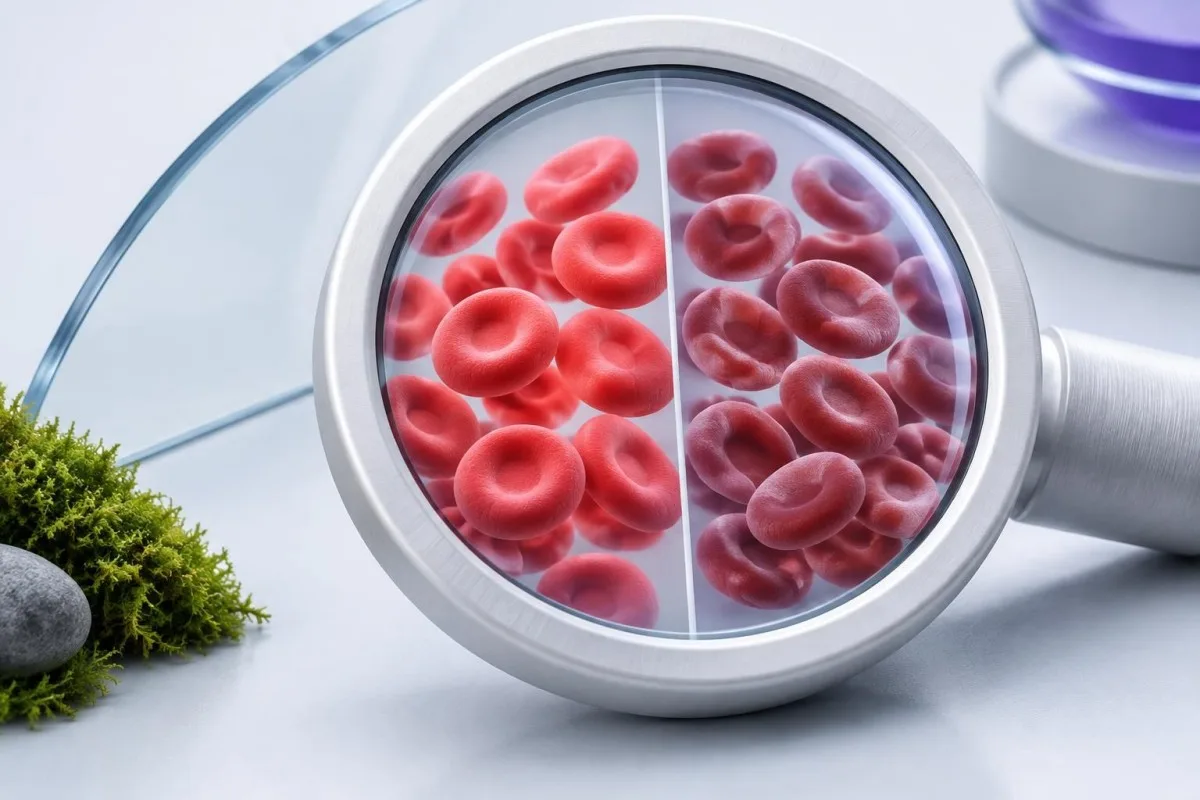
Mean corpuscular hemoglobin, or MCH, estimates the average mass of hemoglobin in each red blood cell and is reported in picograms per cell. Many adult laboratories use an interval around 27–33 pg, although the range printed on your own report takes priority.
Mean corpuscular volume, or MCV, describes average red-cell volume in femtoliters; a commonly used adult interval is approximately 80–100 fL. Age, pregnancy, laboratory methods, and local reference populations can change how a result is flagged.
MCH and MCV are related, but they are not interchangeable: a cell population can have a normal average volume while its average hemoglobin content falls just below a different reference limit. Our guide to reading MCV with MCH explains why the two flags do not always match.
MCH is calculated from hemoglobin and the red blood cell count, while MCV is derived from measurements of red-cell volume. A borderline flag can therefore reflect the combined measurements and rounding, not a separate measurement of every cell's hemoglobin.
| Tahap | Julat | Maksudnya |
|---|---|---|
| MCH | Approximately 27–33 pg per cell | Typical adult reference interval; use the range on the report. |
| MCV | Approximately 80–100 fL | Typical adult average red-cell volume; a normal result does not rule out iron deficiency. |
| MCHC | Often approximately 32–36 g/dL | Average hemoglobin concentration within red cells, not the same measure as MCH. |
Can early iron deficiency lower MCH before MCV or hemoglobin?
Iron deficiency can develop before anemia, and MCH or other red-cell measurements may change while hemoglobin or MCV is still within range. The sequence is not identical for everyone, so a normal MCH or MCV cannot reliably exclude depleted iron stores.
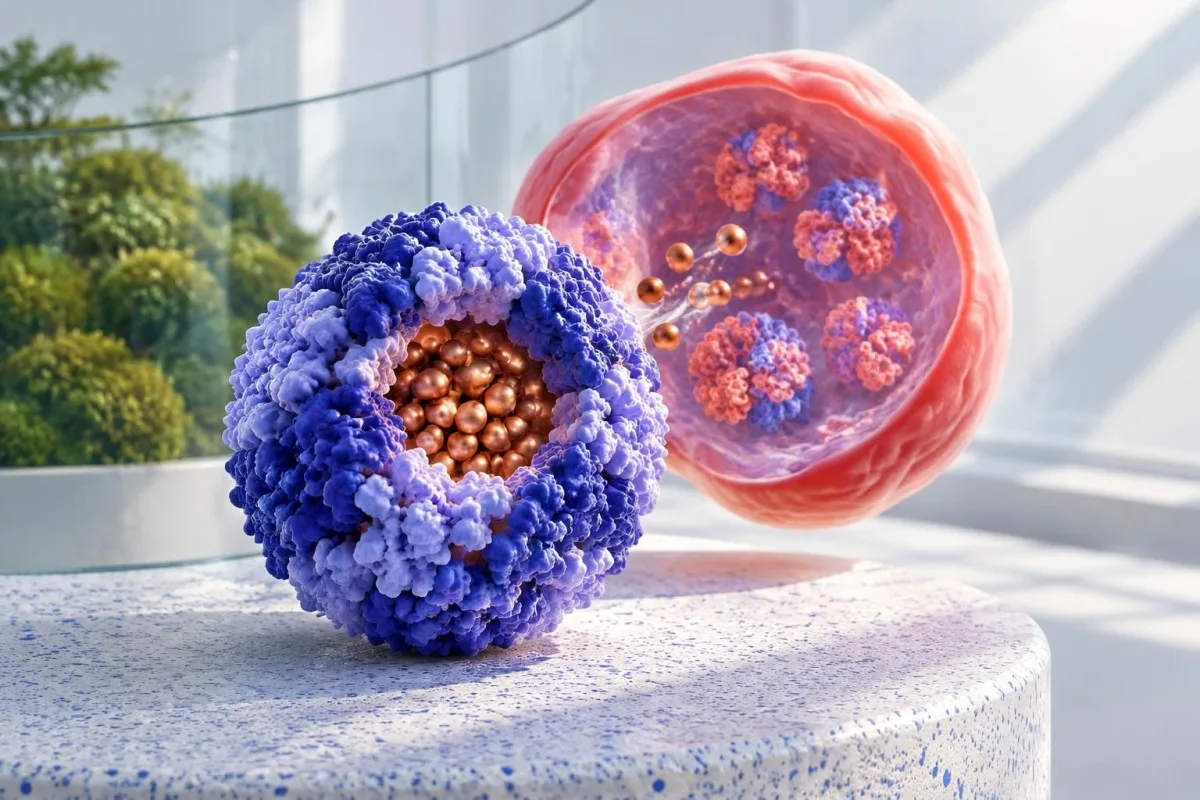
Iron is needed to make hemoglobin, the oxygen-carrying protein in red cells. When available iron falls, newly produced cells may contain less hemoglobin even while older cells keep the overall MCV within its reference interval.
Normal hemoglobin means the CBC does not currently show anemia by that laboratory's criteria; it does not prove that iron stores are adequate. The distinction matters for people with fatigue, restless legs, frequent blood donation, restrictive diets, pregnancy, or substantial menstrual losses, although none of these findings alone confirms iron deficiency.
The British Society of Gastroenterology guideline recognizes non-anemic iron deficiency as depletion of iron stores before hemoglobin falls below the anemia threshold (Snook et al., 2021). For a closer look at symptoms and their limits, see feritin rendah sebelum anemia.
A normal average can also conceal variation: a mixture of smaller and larger red cells may produce an MCV within 80–100 fL. The red-cell distribution width, or RDW, describes variation in cell size, but a normal RDW does not rule out early deficiency; the Panduan RDW menjelaskan perbezaan ini.
Which CBC results make a low MCH more meaningful?
Hemoglobin, red blood cell count, MCV, MCHC, and RDW help put a low MCH in context. A persistent pattern or a falling hemoglobin is generally more informative than a single MCH result just outside the reference interval.

Consider a hypothetical adult whose report shows MCH 26.5 pg, MCV 82 fL, and hemoglobin 13.2 g/dL. If those are respectively low, normal, and normal for that person's laboratory, the result is low MCH without current anemia—but it does not identify the cause.
A high or relatively preserved red blood cell count alongside low MCH and low or borderline MCV can raise the possibility of thalassemia trait. Iron deficiency can overlap with thalassemia, however, and no single count or screening ratio establishes either diagnosis; the low MCV guide explains the overlap.
MCHC estimates hemoglobin concentration within red cells, whereas MCH estimates hemoglobin mass per cell. A result below a lab's MCHC range may add context but does not automatically mean a patient has both iron deficiency and anemia; see low MCHC causes.
Compare prior results using the same units and, where possible, the same laboratory. A change from 29 pg to 26 pg over several tests may be more useful to discuss than one isolated 26.9 pg result, although differences in laboratory methods and reference intervals can affect comparisons.
When does ferritin help explain low MCH?
Ferritin testing helps assess iron stores when low MCH occurs with symptoms, iron-loss risks, a suggestive CBC pattern, or an unexplained persistent result. Ferritin is usually more informative about stored iron than serum iron alone.

The World Health Organization's 2020 ferritin guideline uses kurang daripada 15 ng/mL as a cutoff for iron deficiency in apparently healthy adults; 1 ng/mL is equivalent to 1 µg/L. Some clinical guidance uses less than 30 ng/mL to improve detection of low stores, so a result between 15 and 30 ng/mL still deserves interpretation in context (WHO, 2020; Snook et al., 2021).
Feritin juga merupakan protein fasa akut: infection, inflammation, liver disease, and other conditions can increase it. A ferritin result within the laboratory range may therefore be less reassuring when inflammation is present, and a clinician may consider C-reactive protein or additional iron tests rather than treating the range as a definitive answer.
Ketepuan transferrin estimates how much of the iron transport capacity is occupied; a value below 20% can indicate restricted iron availability, but it must be interpreted with ferritin and the clinical picture. The panduan kajian besi explains how serum iron, transferrin, and total iron-binding capacity fit together.
For example, a hypothetical ferritin of 9 ng/mL strongly supports depleted iron stores even if hemoglobin is normal, while ferritin of 75 ng/mL during an inflammatory illness cannot by itself exclude iron deficiency. Pregnancy, chronic kidney disease, and other conditions may call for different thresholds or testing strategies; discuss ferritin in pregnancy with the clinician overseeing care.
What else can cause low MCH with normal MCV?
Thalassemia trait, inflammation, mixed nutritional deficiencies, and measurement variation can also accompany low MCH with a normal MCV. Iron deficiency remains an important possibility, but the CBC pattern does not identify one cause on its own.
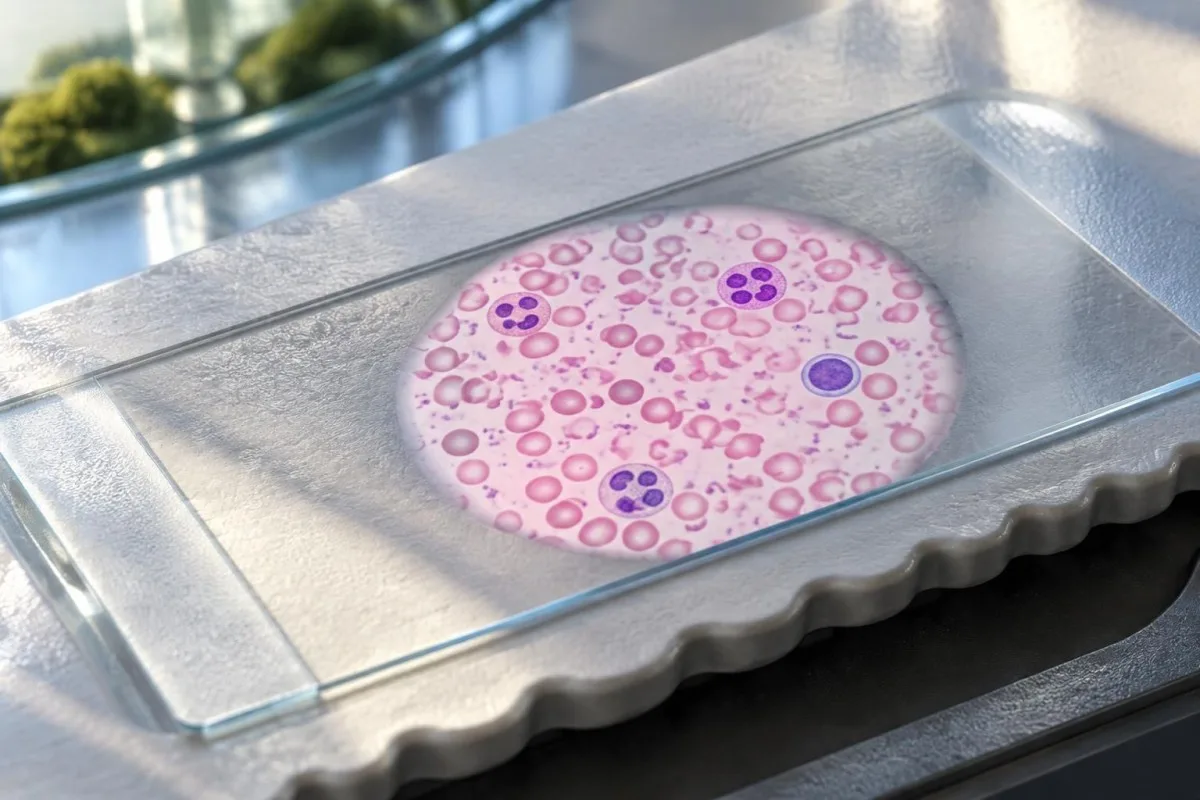
Ciri talasemia is an inherited difference in hemoglobin production that can cause low MCH with little or no anemia. A clinician may order hemoglobin electrophoresis or a related hemoglobin analysis after reviewing iron studies; alpha-thalassemia trait may have a normal electrophoresis result and sometimes requires genetic testing.
Iron deficiency can lower hemoglobin A2 and complicate interpretation of testing for beta-thalassemia trait. If clinical suspicion remains after iron deficiency has been addressed, a clinician may consider whether repeat or additional testing is appropriate; our elektroforesis hemoglobin kami explains what the test measures.
Inflammatory conditions can restrict iron availability even when stored iron is present, and ferritin may rise rather than fall. Some people also have more than one process at once: iron deficiency can reduce cell size while vitamin B12 or folate deficiency tends to increase it, leaving the average MCV within a range such as 80–100 fL.
Less common explanations include lead exposure and certain disorders of red-cell production; testing is guided by exposure history and other CBC findings, not by a mildly low MCH alone. If the result is unexpected or inconsistent, the laboratory may review sample quality or recommend a repeat; a hemolysis index is one example of a separate sample-quality flag.
If iron stores are low, how do clinicians look for the cause?
A confirmed low ferritin calls for a discussion of why iron stores fell, not just how to replace iron. Menstrual losses, pregnancy, blood donation, dietary intake, reduced absorption, and gastrointestinal blood loss are among the possibilities.
In a person who menstruates, heavy or prolonged periods can contribute to iron deficiency; other causes can coexist. A history of changing pads or tampons very frequently, passing large clots, or bleeding for more than 7 days is useful to share, as explained in our guide to pendarahan haid yang banyak.
Iron deficiency can also reflect poor absorption, including from celiac disease, or blood loss from the digestive tract. Adults with confirmed iron deficiency and concerning symptoms should not assume diet is the only cause; the appropriate investigation depends on age, sex, symptoms, family history, and whether anemia is present.
The British Society of Gastroenterology notes that the risk of gastrointestinal cancer is low in non-anemic iron deficiency, and investigation is individualized rather than automatic for every person (Snook et al., 2021). The threshold for investigating can be lower in men, postmenopausal women, or people with gastrointestinal symptoms or a relevant family history.
Black, tarry stool or visible blood may signal gastrointestinal bleeding, although iron supplements and some foods can also darken stool. New darah dalam najis should be assessed rather than attributed to the CBC result alone.
Should you repeat the CBC or start iron supplements?
A clinician may repeat the CBC, order ferritin, or do both, depending on symptoms, prior results, and the likelihood of iron deficiency. Do not start high-dose iron solely because one MCH value is slightly low.

A repeat CBC can check whether a borderline result persists, but there is no universal interval for an isolated low MCH. A clinician may choose a repeat in several weeks or a few months when the person is well and risk is low; symptoms, pregnancy, falling hemoglobin, or suspected bleeding can justify earlier assessment and ferritin testing.
If iron deficiency is confirmed, oral iron is a common treatment, but preparation, dose, schedule, and duration should be individualized. Iron can cause constipation, nausea, or dark stools, and excess iron can be harmful; keep supplements away from children because accidental ingestion can be dangerous.
Hemoglobin may improve before iron stores are fully replenished, so follow-up can involve both a CBC and ferritin at a clinician-selected interval. Red cells circulate for roughly 120 days, which helps explain why MCH and MCV may take time to reflect a change in iron availability.
Ask whether the sample needs special preparation: a CBC and ferritin generally do not require fasting, but other tests ordered at the same time may. The fasting requirement guide can help you identify what to confirm with the ordering laboratory.
When should a low MCH result prompt medical attention?
Book a clinical review for persistent low MCH, symptoms, or risk factors for iron loss, even when MCV and hemoglobin are normal. Seek urgent help for severe symptoms or significant active bleeding rather than waiting for repeat blood tests.

Chest pain, fainting, severe shortness of breath, or heavy ongoing bleeding warrants urgent assessment. Black tarry stools with dizziness, weakness, or significant abdominal symptoms also need prompt evaluation; emergency services are appropriate when symptoms are severe or rapidly worsening.
A routine appointment is a reasonable starting point for an otherwise well adult with a mildly low MCH and stable hemoglobin. Bring the full CBC, earlier results, medication and supplement list, menstrual or donation history where relevant, and any ferritin results; a value such as 26.5 pg means more when the clinician can see the trend and reference range.
Ask three practical questions: Is ferritin appropriate now? Could inflammation or a hereditary hemoglobin condition affect the interpretation? If testing is deferred, what change in symptoms or results should trigger an earlier review?
This article is educational and cannot determine an individual diagnosis or replace an assessment. Our piawaian kandungan perubatan describe the approach used for health information, while the lembaga penasihat perubatan page provides background on clinical oversight.
Soalan lazim
What does low MCH mean if MCV is normal?
Low MCH with normal MCV means the average red blood cell contains less hemoglobin than the laboratory expects, while average cell size is within its reference interval. Early iron deficiency is one possible explanation, but thalassemia trait and other factors can produce a similar pattern. An adult MCH interval is often around 27–33 pg, although your laboratory's range applies. Ferritin and the rest of the CBC may help clarify the finding.
Bolehkah anda mempunyai MCH rendah tanpa anemia?
Yes, low MCH can occur without anemia when hemoglobin remains within the applicable reference interval. Iron stores can fall before hemoglobin becomes low, so a normal hemoglobin does not exclude iron deficiency. In an otherwise healthy adult, ferritin below 15 ng/mL strongly supports depleted iron stores. Clinicians may also consider a cutoff of 30 ng/mL and will interpret ferritin differently when inflammation is present.
Is low MCH always caused by iron deficiency?
No, low MCH is not always caused by iron deficiency. Thalassemia trait is an inherited alternative, and inflammatory conditions or a combination of conditions can complicate the CBC pattern. An MCH just below a laboratory's lower limit, such as 26.9 pg where the cutoff is 27 pg, may also warrant review of previous results and measurement variation. Ferritin testing and, when appropriate, hemoglobin testing can help distinguish possibilities.
Can ferritin be normal when iron is low?
Yes, ferritin can be within the laboratory range despite iron deficiency when inflammation or another condition raises ferritin. Ferritin is an acute-phase protein, so infection, inflammation, and liver disease can make the result harder to interpret. A transferrin saturation below 20% can suggest restricted iron availability, but it is not diagnostic on its own. A clinician may interpret ferritin alongside C-reactive protein, transferrin saturation, and the CBC.
How soon should low MCH be rechecked?
There is no single recommended retesting interval for every isolated low MCH result. For a well person with a borderline result, a clinician may suggest repeating the CBC in several weeks or a few months, sometimes alongside ferritin. Earlier assessment is appropriate when hemoglobin is falling, pregnancy is involved, or symptoms suggest bleeding or another active problem. Severe breathlessness, chest pain, fainting, or significant ongoing bleeding requires urgent care rather than a scheduled repeat.
Should I take iron if my MCH is low?
A low MCH alone does not establish that you need an iron supplement. A clinician may first review ferritin, which below 15 ng/mL strongly suggests depleted stores in an otherwise healthy adult, as well as possible causes of iron loss. Iron can cause gastrointestinal side effects and can be dangerous in excess, especially for children. If iron deficiency is confirmed, treatment and follow-up should be tailored to the individual.
Dapatkan penjelasan tentang keputusan ujian darah anda
Muat naik laporan makmal anda dan AI Kantesti menerangkan setiap biomarker dalam bahasa mudah dalam beberapa saat. Digunakan oleh lebih daripada 2 juta orang di seluruh dunia.
Rujukan
- Klein, T., Mitchell, S., & Weber, H. (2026). Panduan Ujian Darah Komplemen C3 C4 & Titer ANA. Penyelidikan Perubatan AI Kantesti. DOI
- Klein, T., Mitchell, S., & Weber, H. (2026). Ujian Darah Virus Nipah: Panduan Pengesanan Awal & Diagnosis 2026. Penyelidikan Perubatan AI Kantesti. DOI
- Pertubuhan Kesihatan Sedunia (2020). Garis panduan WHO tentang penggunaan kepekatan feritin untuk menilai status zat besi dalam individu dan populasi. Pertubuhan Kesihatan Dunia. DOI
- Snook J et al. (2021). Garis panduan British Society of Gastroenterology untuk pengurusan anemia kekurangan zat besi dalam kalangan orang dewasa. Gut. DOI
- 2J+Ujian dianalisis
- 127+negara
- 100+Bahasa
Mengenai pasukan perubatan


Isyarat Kepercayaan E-E-A-T
Pengalaman
Semakan klinikal yang diketuai oleh doktor terhadap aliran kerja tafsiran makmal.
Kepakaran
Fokus perubatan makmal tentang bagaimana biomarker berkelakuan dalam konteks klinikal.
Kewibawaan
Disemak secara perubatan oleh Dr. Thomas Klein, dengan sumbangan daripada Dr. Sarah Mitchell dan Prof. Dr. Hans Weber.
Kebolehpercayaan
Tafsiran berasaskan bukti dengan laluan susulan yang jelas untuk mengurangkan kebimbangan.




Penafian perubatan
Artikel ini adalah untuk tujuan pendidikan sahaja dan tidak merupakan nasihat perubatan. Sentiasa rujuk pembekal penjagaan kesihatan yang berkelayakan untuk keputusan diagnosis dan rawatan.
Diterbitkan · Hubungi pasukan editorial
Diterbitkan oleh Kantesti Ltd, berdaftar di England & Wales, nombor syarikat. 17090423, London, United Kingdom.
