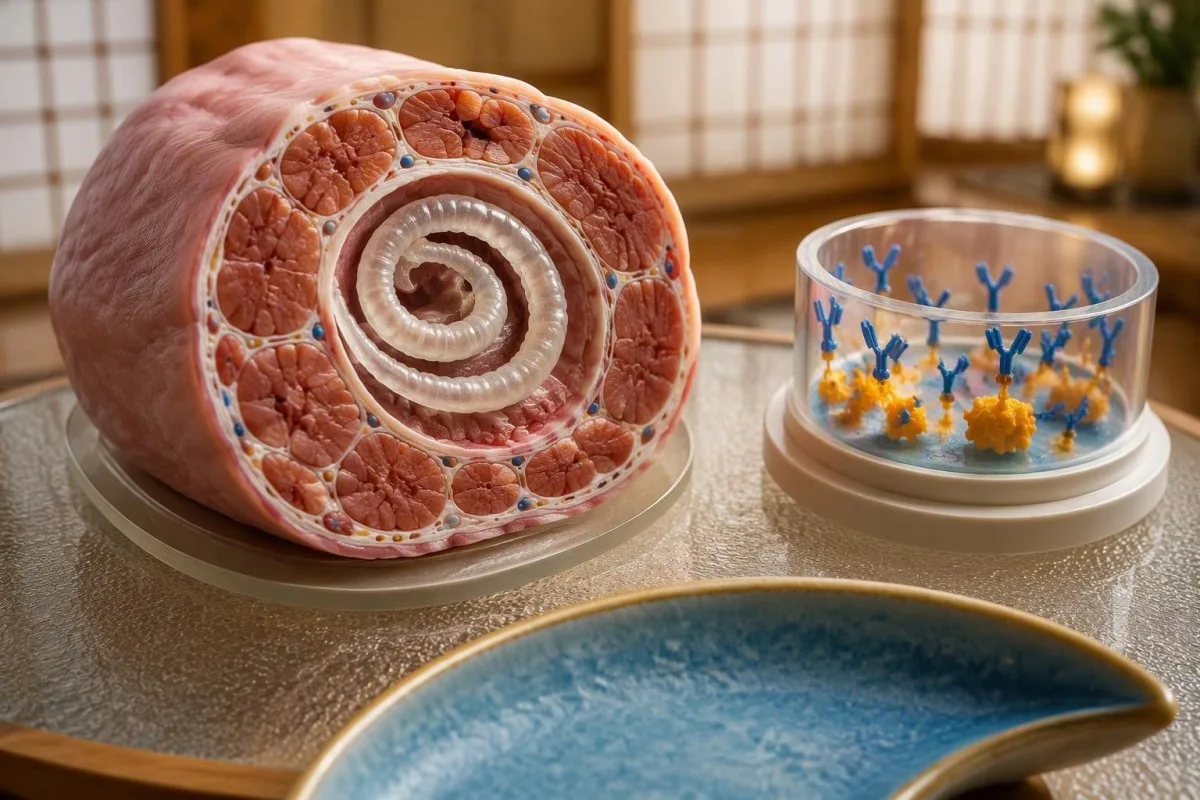
പോസിറ്റീവ് ഫലം ട്രിച്ചിനെല്ലയുമായുള്ള സമ്പർക്കത്തെ പിന്തുണയ്ക്കുന്നു, എന്നാൽ അണുബാധ എപ്പോൾ സംഭവിച്ചുവെന്നോ അത് ഇന്നത്തെ ലക്ഷണങ്ങൾ വിശദീകരിക്കുന്നുണ്ടോയെന്നോ സ്ഥാപിക്കുന്നില്ല. അണുബാധയുടെ തുടക്കത്തിലെ നെഗറ്റീവ് ഫലങ്ങളിൽ അണുബാധ കണ്ടെത്താനാകാതെ പോകാം; ഭക്ഷണം കഴിച്ച തീയതി, ലക്ഷണങ്ങൾ, പിന്തുണയ്ക്കുന്ന ലബോറട്ടറി കണ്ടെത്തലുകൾ, ആവർത്തിച്ചുള്ള പരിശോധന എന്നിവയാണ് അടുത്ത ഘട്ടം നിർണയിക്കുന്നത്.


- പോസിറ്റീവ് ആൻ്റിബോഡികൾ ട്രിച്ചിനെല്ല സമ്പർക്കത്തെ പിന്തുണയ്ക്കുന്നു; സമീപകാല അണുബാധയെന്നില്ല; ആന്റിബോഡികൾ 10 വർഷമോ അതിൽ കൂടുതലോ കാലം കണ്ടെത്താനാകുന്ന നിലയിൽ തുടരാം.
- പരിശോധനാ കാലയളവ് വ്യത്യാസപ്പെടുന്നു: അണുബാധയ്ക്ക് ഏകദേശം 12–60 ദിവസങ്ങൾക്കുശേഷം ട്രിച്ചിനെല്ല IgG കണ്ടെത്താനായേക്കാം; അതിനാൽ ആദ്യഘട്ടത്തിലെ നെഗറ്റീവ് ഫലം അണുബാധയില്ലെന്ന് വിശ്വസനീയമായി തള്ളിക്കളയുന്നില്ല.
- ആവർത്തിച്ച പരിശോധന ആദ്യഘട്ടത്തിലെ നെഗറ്റീവ് അല്ലെങ്കിൽ നിർണയിക്കാനാകാത്ത ഫലത്തിന് 2–3 ആഴ്ചകൾക്കുശേഷം സാധാരണയായി പരിശോധന ക്രമീകരിക്കുന്നു; സമ്പർക്കം വളരെ അടുത്തിടെയായിരുന്നെങ്കിൽ അധിക സാമ്പിളുകളും എടുക്കുന്നു.
- ലക്ഷണങ്ങൾ പ്രത്യക്ഷപ്പെടുന്ന സമയം പ്രധാനമാണ്: ദഹനസംബന്ധമായ ലക്ഷണങ്ങൾ 1–2 ദിവസത്തിനുള്ളിൽ തുടങ്ങാം; അതേസമയം പനി, പേശിവേദന, കൺപോളകളുടെ വീക്കം എന്നിവ സാധാരണയായി പിന്നീട് ഉണ്ടാകുന്നു.
- ഇസിനോഫിൽസ് 500 സെല്ലുകൾ/µL-ൽ കൂടുതലുള്ള അളവ് കലകളിലേക്ക് കടന്നുകയറുന്ന പരാന്നഭോജിയുടെ സാധ്യതയെ പിന്തുണയ്ക്കുന്നു; എന്നാൽ അലർജികൾ, മരുന്നുകൾ, മറ്റ് അവസ്ഥകൾ എന്നിവയും ഇതേ കണ്ടെത്തലിന് കാരണമാകാം.
- പരിശോധനാ സംഖ്യകൾ ലബോറട്ടറി അനുസരിച്ച് വ്യത്യാസപ്പെടുന്നു; 2.0 എന്ന ആന്റിബോഡി ഇൻഡക്സ് വിരകളുടെ എണ്ണമോ, രോഗത്തിന്റെ തീവ്രതാ സ്കോറോ, സാർവത്രിക ചികിത്സാ പരിധിയോ അല്ല.
- അടിയന്തര വിലയിരുത്തൽ സാധ്യതയുള്ള സമ്പർക്കത്തിന് ശേഷം നെഞ്ചുവേദന, ശ്വാസംമുട്ടൽ, ആശയക്കുഴപ്പം, അല്ലെങ്കിൽ കൂടിക്കൊണ്ടിരിക്കുന്ന ബലഹീനത എന്നിവയുണ്ടെങ്കിൽ ഇത് ആവശ്യമാണ്—ആന്റിബോഡി പരിശോധന ആവർത്തിക്കാൻ 2–3 ആഴ്ച കാത്തിരിക്കരുത്.
- ആദ്യഘട്ട ചികിത്സ ആന്റിബോഡി സ്ഥിരീകരണത്തിന് മുമ്പുതന്നെ പ്രാധാന്യമുണ്ടാകാം; വിദഗ്ധ പരിശോധന ക്രമീകരിക്കുന്നതിനിടെ, വിശ്വസനീയമായ സമീപകാല സമ്പർക്കവും അതിനോട് പൊരുത്തപ്പെടുന്ന രോഗലക്ഷണങ്ങളും ഉള്ളവരെ ചികിത്സകർ ചികിത്സിച്ചേക്കാം.
ട്രിച്ചിനെല്ല ആന്റിബോഡി ഫലം പോസിറ്റീവായാൽ എന്താണ് അർത്ഥം?
A ട്രിച്ചിനെല്ല ആന്റിബോഡി പരിശോധന പോസിറ്റീവ് പരിശോധനയിൽ ട്രിച്ചിനെല്ല ആന്റിജനുകളെ തിരിച്ചറിയുന്ന പ്രതിരോധപ്രതികരണം കണ്ടെത്തിയെന്നാണ് അർത്ഥം. വേവിക്കാത്ത പന്നിയിറച്ചിയോ കാട്ടുമൃഗത്തിന്റെ മാംസമോ കഴിച്ചതിനുശേഷം, ഇത് ട്രിച്ചിനെല്ലോസിസ് ഉണ്ടാകാനുള്ള സാധ്യതയെ പിന്തുണയ്ക്കുന്നു; എന്നാൽ ഭക്ഷണം കഴിച്ച തീയതി, രോഗലക്ഷണങ്ങൾ, ലബോറട്ടറി വിവരങ്ങൾ എന്നിവയില്ലാതെ, 1 പോസിറ്റീവ് ഫലത്തിന് സമീപകാല അണുബാധയെ പഴയ സമ്പർക്കത്തിൽനിന്നോ ക്രോസ്-റിയാക്ടിവിറ്റിയിൽനിന്നോ വേർതിരിക്കാനാവില്ല.
ആന്റിബോഡികൾ തിരിച്ചറിഞ്ഞതിന്റെ തെളിവാണ്; പരാദങ്ങളുടെ നേരിട്ടുള്ള എണ്ണമല്ല. ട്രിച്ചിനെല്ല IgG 10 വർഷമോ അതിലധികമോ കാലം കണ്ടെത്താനാകുന്ന നിലയിൽ തുടരാം; അതിനാൽ വേട്ടയാടൽ യാത്രയ്ക്ക് മാസങ്ങൾക്കുശേഷമുള്ള പോസിറ്റീവ് ഫലം പുതിയ പേശിവേദനയുടെ കാരണം വിശദീകരിക്കണമെന്നില്ല; 2009-ലെ അവരുടെ ക്ലിനിക്കൽ അവലോകനത്തിൽ ഗോട്ട്സ്റ്റൈൻ, പോസിയോ, നോക്ക്ലർ എന്നിവർ ഈ നിലനിൽപ്പിനെക്കുറിച്ച് വിവരിക്കുന്നു.
സങ്കൽപ്പിതമായി, കരടിയിറച്ചി വേണ്ടത്ര വേവിക്കാതെ കഴിച്ച് 3 ആഴ്ചയ്ക്കുശേഷം പനിയും കാൽവണ്ണകളിൽ വേദനയും കൺപോളകളിൽ വീക്കവും ഉണ്ടാകുന്ന 46 വയസ്സുകാരനെ പരിഗണിക്കുക. രോഗലക്ഷണങ്ങളോ വിശ്വസനീയമായ സമ്പർക്കമോ ഇല്ലാത്ത ഒരാളിൽ ലഭിക്കുന്ന അതേ ഫലത്തേക്കാൾ, ഈ ലക്ഷണങ്ങളുടെ കൂട്ടം പോസിറ്റീവ് ആന്റിബോഡി ഫലത്തെ വളരെ കൂടുതൽ വിശ്വസനീയമാക്കുന്നു; ഞങ്ങളുടെ വഴികാട്ടി പോസിറ്റീവ് ആന്റിബോഡി ഫലങ്ങളെക്കുറിച്ച് സംബന്ധിച്ച മാർഗ്ഗനിർദ്ദേശം വിശദീകരിക്കുന്നു.
കാന്റേസ്റ്റി ഒരു AI രക്ത പരിശോധന അനലൈസർ ട്രിച്ചിനെല്ല ഫലത്തോടൊപ്പം ഇസിനോഫിലുകൾ, പേശി എൻസൈമുകൾ, സാമ്പിളുകളുടെ തീയതികൾ എന്നിവ ക്രമപ്പെടുത്താൻ സഹായിക്കും; എന്നാൽ 1 റിപ്പോർട്ടിന് പരാദരോഗനിർണയം സ്ഥിരീകരിക്കാനാവില്ല. തോമസ് ക്ലൈൻ, MD എന്ന നിലയിൽ എന്റെ എഡിറ്റോറിയൽ ഊന്നൽ വ്യക്തമാണ്: ചികിത്സാ തീരുമാനങ്ങൾ ഇതിനകം എടുത്തശേഷമുള്ള വേറൊരു സംഭാഷണത്തിൽ അല്ല, ലബോറട്ടറി ഫലത്തിനൊപ്പം തന്നെ സമ്പർക്കത്തിന്റെ കാലക്രമവും രേഖപ്പെടുത്തണം.
ട്രിച്ചിനെല്ല ആന്റിബോഡി പരിശോധന യഥാർത്ഥത്തിൽ എന്താണ് അളക്കുന്നത്?
മിക്ക സാധാരണ ട്രിച്ചിനെല്ല സീറോളജി പരിശോധനകളും കണ്ടെത്തുന്നത് IgG ആന്റിബോഡികൾ എൻസൈം ഇമ്യൂണോഅസേ ഉപയോഗിച്ചാണ്; പലപ്പോഴും ലാർവകളുടെ വിസർജ്യ-സ്രവ ആന്റിജനുകൾ ഉപയോഗിക്കുന്നു. ഫലങ്ങൾ പോസിറ്റീവ്, നെഗറ്റീവ്, സംശയാസ്പദം, അല്ലെങ്കിൽ അസേ സൂചിക എന്നിങ്ങനെ റിപ്പോർട്ട് ചെയ്യാം; രീതികളും വ്യാഖ്യാനനിയമങ്ങളും ഒരുപോലെയല്ലെങ്കിൽ 1 സംഖ്യാ സൂചികയെ മറ്റൊരു ലബോറട്ടറിയുടെ സൂചികയുമായി താരതമ്യം ചെയ്യാനാവില്ല.
ലബോറട്ടറി കട്ട്ഓഫ് അസേ സിഗ്നലുകളെ വേർതിരിക്കുന്നു; രോഗത്തിന്റെ ഘട്ടങ്ങളെ അല്ല. ഉദാഹരണത്തിന്, 1.2 എന്ന് കാണിക്കുന്ന റിപ്പോർട്ടിനെ ആ ലബോറട്ടറിയിലെ നെഗറ്റീവ്, സംശയാസ്പദം, പോസിറ്റീവ് പരിധികളില്ലാതെ വ്യാഖ്യാനിക്കാനാവില്ല; ബന്ധമില്ലാത്ത മറ്റൊരു ലബോറട്ടറിയുടെ കട്ട്ഓഫ് പകർത്തുന്നത് അനിശ്ചിതമായ ഫലത്തെ തെറ്റായ ആത്മവിശ്വാസമുള്ള ഉത്തരമാക്കി മാറ്റാം.
ആവശ്യപ്പെടുക പരിശോധനാരീതി, ആന്റിബോഡി ക്ലാസ്, റഫറൻസ് പരിധി, സാമ്പിൾ ശേഖരിച്ച തീയതി—രോഗിയുടെ പോർട്ടൽ സന്ദേശത്തിലേക്ക് ഫലം പകർത്തുമ്പോൾ പലപ്പോഴും നഷ്ടപ്പെടുന്ന 4 വിവരങ്ങൾ. ഞങ്ങളുടെ വിശദീകരണം ഗുണപരമായതും പരിമാണാത്മകവുമായ പരിശോധനകൾ സംഖ്യാ ആന്റിബോഡി സിഗ്നലിനെ കൃത്യമായ ജൈവ അളവായി കാണുന്നതിനുപകരം ഒരു വിഭാഗമായി വ്യാഖ്യാനിക്കുന്നത് എന്തുകൊണ്ടാണെന്ന് വ്യക്തമാക്കാൻ സഹായിക്കുന്നു.
ട്രിച്ചിനെല്ല IgG ഉപയോഗിച്ച് സ്പീഷീസിനെയോ ഭക്ഷണം കഴിച്ച തീയതിയെയോ തിരിച്ചറിയാനാവില്ല. T. spiralis-ൽ നിന്നുള്ള ആന്റിജനുകൾ ഉപയോഗിച്ച് നിർമിച്ച അസേ, മറ്റ് ട്രിച്ചിനെല്ല സ്പീഷീസുകളോടുള്ള പ്രതിരോധപ്രതികരണങ്ങളും കണ്ടെത്തിയേക്കാം; എന്നാൽ അതിന്റെ പ്രവർത്തനക്ഷമത ആന്റിജൻ തയ്യാറാക്കുന്ന രീതിയെയും സാധൂകരണത്തിനായി ഉപയോഗിച്ച ജനവിഭാഗത്തെയും ആശ്രയിച്ചിരിക്കുന്നു; 2.0 പോലുള്ള സാർവത്രിക സൂചികാ പരിധിയില്ല, അത് സമീപകാല അണുബാധ തെളിയിക്കുകയോ ചികിത്സ നിർദേശിക്കുകയോ ചെയ്യില്ല.
ആദ്യഘട്ടത്തിലെ ട്രിച്ചിനെല്ല പരിശോധന നെഗറ്റീവാകാൻ കാരണമെന്ത്?
An early negative trichinella antibody test can occur because detectable antibodies have not developed yet. CDC's DPDx resource places initial IgG detection at approximately 12–60 days after infection, with variation related to the infecting dose, host response, and test method; testing during the first week is particularly poor for exclusion.
Symptoms and antibody production run on different clocks. A person may have digestive upset on day 2 and muscle symptoms around week 2 while serology is still negative; tissue involvement does not guarantee that an assay has crossed its detection threshold on the same day.
A negative result on day 7 therefore answers a narrow question: detectable antibodies were not found in that sample. It does not answer whether the recent meal contained viable larvae; the same timing-versus-method problem appears in ehrlichiosis antibody testing, although the organisms, preferred early tests, and diagnostic rules are different.
A later negative lowers suspicion more than an early negative, but no single day creates perfect certainty. If symptoms, eosinophilia, and a shared-meal cluster are convincing, a clinician may consult a reference laboratory even after a negative sample at 6–8 weeks; immunosuppression or an uncertain exposure date can complicate interpretation further.
ട്രിച്ചിനെല്ല ആന്റിബോഡി പരിശോധന എപ്പോൾ ആവർത്തിക്കണം?
Repeat Trichinella serology is commonly obtained 2–3 weeks after an early negative or equivocal result when exposure and symptoms remain concerning. The interval is measured from the first sample, but interpretation must also consider time since the meal; a second sample can still be too early if the first was collected immediately.
Seroconversion means a previously negative sample becomes positive. In a compatible illness, a negative sample at day 10 followed by a positive sample at day 31 supports a recent immune response more strongly than 1 positive sample collected without an earlier baseline, although cross-reactivity and assay changes still need consideration.
Use the same laboratory and method when feasible, and ask whether paired samples can be compared together. A change from an index of 1.1 to 1.4 may reflect analytical variation rather than a meaningful rise; our രക്തപരിശോധന ടൈംലൈൻ ഗൈഡ് explains why dates and methods matter when interpreting changing results.
There is no universal fourfold-rise rule for every Trichinella ELISA index. A reference laboratory may use its own validated criteria, and a clinician may arrange another sample around 6–8 weeks after exposure if earlier specimens remain negative; worsening symptoms should trigger reassessment now, not simply another calendar reminder.
ട്രൈക്കിനോസിസ് രോഗനിർണയത്തെ പിന്തുണയ്ക്കുന്ന സമ്പർക്കവിവരങ്ങളും ലക്ഷണങ്ങളും ഏതെല്ലാം?
Trichinosis diagnosis becomes more likely when a plausible meat exposure is followed by digestive symptoms, then fever, muscle soreness, eyelid swelling, or eosinophilia. Digestive symptoms can begin within 1–2 days, while systemic features often emerge over subsequent weeks; the sequence is more informative than any single symptom.
The animal species and preparation method change the probability of exposure. Ask about bear, wild boar, walrus, and other relevant game, as well as pork, homemade sausage, jerky, curing, smoking, and tasting meat during preparation; a meal 3 weeks earlier may be more relevant than the memorable restaurant meal from yesterday.
Eyelid swelling is a useful clue only in context. Swelling after a shared wild-game meal, fever, and sore muscles suggests a different workup from longstanding morning puffiness without systemic symptoms; our puffy eyes laboratory guide covers thyroid, kidney, and allergy alternatives that 1 Trichinella result cannot eliminate.
Other diners can provide stronger evidence than another nonspecific test. If 3 people who ate the same batch develop similar symptoms, tell the clinician even if their antibody results differ; portion size, uneven cooking, infecting dose, and sample timing can produce different illness and testing patterns after a single shared exposure.
ഫലം വ്യാഖ്യാനിക്കാൻ ഈസിനോഫിലുകളും പേശി എൻസൈമുകളും എങ്ങനെ സഹായിക്കുന്നു?
Eosinophilia and elevated creatine kinase support, but do not prove, trichinellosis in a compatible exposure. An absolute eosinophil count above 500 കോശങ്ങൾ/µL is generally considered elevated, while CK must be judged against the local upper limit; neither normal eosinophils nor normal CK independently excludes infection.
Use the absolute eosinophil count rather than the percentage alone. A white-cell count of 8,000 cells/µL with 12% eosinophils gives an absolute count of 960 cells/µL; our ഉയർന്ന ഈസിനോഫിലുകൾ ഗൈഡ് explains why that calculation is more useful than comparing percentages across visits.
CK measures muscle injury from many causes, including strenuous exercise, medications, and inflammatory muscle disease. A CK of 1,100 U/L with a laboratory upper limit of 200 U/L is 5.5 times that limit, but does not measure Trichinella burden; see creatine kinase warning signs for symptom-based reasons to seek prompt assessment.
The combination matters more than an isolated abnormality. New eosinophilia, rising CK, fever, and a credible exposure within the preceding 2–8 weeks form a more coherent pattern than elevated CK alone; AST and LDH may also rise with muscle injury, so an abnormal AST should not automatically be labeled liver disease.
പോസിറ്റീവ് ട്രിച്ചിനെല്ല ആന്റിബോഡി പരിശോധന തെറ്റായി പോസിറ്റീവാകാമോ?
.cross-reactive antibodies and assay limitations can produce a positive Trichinella result without recent trichinellosis. Cross-reactions with other helminth infections are described, and performance varies by antigen preparation; a weak positive in someone with no plausible exposure has a different meaning from the same result after a documented outbreak.
Other parasite exposures belong in the differential, not in an automatic testing bundle. Depending on travel and residence history, clinicians may consider conditions such as toxocariasis, filariasis, schistosomiasis, or strongyloidiasis; our Strongyloides IgG interpretation explains another parasite antibody result that must be matched to epidemiology.
Total IgE cannot identify which parasite caused a positive antibody assay. An IgE of 600 IU/mL, for example, may accompany allergy or helminth exposure but does not confirm Trichinella; the high IgE differential is useful when eosinophilia and allergy history overlap.
Predictive value falls when the disease is unlikely before testing. As a purely mathematical illustration—not a claim about a particular Trichinella assay—a test with 95% sensitivity and 95% specificity used at 1% prevalence would have a positive predictive value of about 16%; this is why indiscriminate screening can generate more confusing positives than true diagnoses.
സമീപകാല അണുബാധയെ കഴിഞ്ഞകാല സമ്പർക്കത്തിൽ നിന്ന് എങ്ങനെ വേർതിരിക്കാം?
Recent infection is supported by a new compatible illness, a plausible recent meal, and seroconversion or other corroborating evidence. Past exposure is more plausible when antibodies were already positive before the meal or remain positive without a new clinical syndrome; persistent antibodies can last 10 years or longer and do not date infection.
A positive result four days after a meal is usually too early to attribute to that meal alone. Because initial IgG detection is generally reported around 12–60 days after infection, clinicians should look for earlier exposures, previous serology, or cross-reactivity rather than assuming the most recent meal caused the positive.
കാന്റേസ്റ്റി ഒരു AI രക്ത പരിശോധന ഫലം മനസ്സിലാക്കൽ പ്ലാറ്റ്ഫോം that can place current and historical laboratory reports on 1 timeline, helping identify whether an antibody result predates symptoms. The distinction between immune memory and present illness also appears in ബാബീസിയ ആന്റിബോഡികളുടെ വ്യാഖ്യാനത്തിലും, although Babesia requires different direct tests and treatment decisions.
A stable positive does not prove harmlessness, eradication, or protective immunity. Trichinella larvae can persist in muscle, and some patients have prolonged symptoms, but antibodies cannot determine whether viable larvae remain or explain a new complaint 2 years later; those questions require clinical assessment rather than serial positivity checks.
സ്ക്രീനിംഗ് പരിശോധന പോസിറ്റീവായതിന് ശേഷം ഏതെല്ലാം സ്ഥിരീകരണ പരിശോധനകൾ ലഭ്യമാണ്?
Confirmation may involve repeat serology or a reference-laboratory assay, sometimes including immunoblot, depending on local availability. Muscle tissue examination can demonstrate larvae but is invasive and not routinely required; a negative specimen does not reliably exclude infection because sampling site, timing, and parasite distribution affect detection.
Confirmation should answer a specific uncertainty. A borderline result without symptoms may need a different assay, whereas a convincing shared-meal illness with an early negative may need a later sample; these are 2 different problems, and repeating the same assay tomorrow is unlikely to resolve either one.
Ask whether the original sample can be sent to a specialist laboratory and what result would change management. The principle of checking a weak screening signal with an appropriate confirmatory method is explained in our HSV ആന്റിബോഡി സ്ഥിരീകരണ മാർഗ്ഗനിർദ്ദേശം, but HSV index cutoffs must never be transferred to Trichinella testing.
Routine stool ova-and-parasite testing is not a dependable rule-out test for human trichinellosis. Trichinella's adult and larval biology does not produce the usual stool egg-detection pathway, and routine blood PCR is not an established universal replacement for serology; Gottstein et al. (2009) describe the complementary roles and limitations of serology and muscle examination.
ആന്റിബോഡി പരിശോധന ആവർത്തിക്കുന്നതിന് മുമ്പ് ഏതെല്ലാം ലക്ഷണങ്ങൾക്ക് അടിയന്തര പരിചരണം വേണം?
Chest pain, shortness of breath, fainting, confusion, or progressive weakness require urgent assessment after a plausible Trichinella exposure. Severe trichinellosis can involve the heart, lungs, or nervous system; a negative antibody result collected in the first 1–2 weeks must not delay evaluation of these symptoms.
Cardiac involvement is assessed with clinical findings, ECG, and appropriate cardiac biomarkers—not the antibody index. A person with new chest pain and palpitations needs a different workup from someone with uncomplicated muscle soreness; our myocarditis testing guide explains why 1 normal troponin or an isolated antibody result cannot settle every cardiac question.
Progressive difficulty walking, swallowing, or breathing is not a routine retesting issue. These symptoms can have several urgent neurological causes, including conditions discussed in our progressive weakness warning guide; the priority is prompt examination, even if only 7 days have passed since the suspected meal.
CK above roughly 5 times the upper limit, or above 1,000 U/L, can support evaluation for rhabdomyolysis when the clinical picture fits. These are commonly used muscle-injury criteria, not Trichinella-specific severity cutoffs; dark urine, reduced urine output, dehydration, or marked weakness increase concern and may prompt kidney-function and electrolyte testing.
പോസിറ്റീവ് ഫലത്തിന് എല്ലായ്പ്പോഴും പരാന്നഭോജി വിരുദ്ധ ചികിത്സ ആവശ്യമാണോ?
A positive antibody result does not automatically require treatment, but a convincing recent exposure with compatible illness may justify treatment before serology becomes positive. Antiparasitic therapy works best early, before larvae are established in muscle; by approximately നിലനിന്നേക്കാം; പ്രാരംഭ രോഗാവസ്ഥ കഴിഞ്ഞിട്ടും ശ്വാസനാളങ്ങളുടെ സംവേദനക്ഷമത തുടരുന്നതിനാലാണിത്. ആ നിരീക്ഷണം RSV തന്നെയായിരുന്നു കാരണമെന്ന് ഉറപ്പുനൽകുന്നില്ല; പുതുതായി ഉണ്ടാകുന്ന വീസിങ്ങിനെയോ വഷളാകുന്ന ചുമയെയോ അതുകൊണ്ട് അപകടമില്ലാത്തതാക്കുന്നുമില്ല., tissue involvement can make complete elimination more difficult.
CDC lists albendazole 400 mg by mouth twice daily for 8–14 days as a treatment regimen for trichinellosis. This is clinician-directed treatment, not advice to self-medicate after a positive portal result; pregnancy, childhood, liver disease, medication interactions, and the severity of illness can change the choice, monitoring, or setting of care.
Corticosteroids may be added for severe inflammatory complications, but they are not a substitute for assessing the parasite exposure. A clinician should also consider Strongyloides risk before immunosuppression when the travel or residence history warrants it; our മെഡിക്കൽ ഉപദേശക സമിതി describes Kantesti's clinical expertise, but an online interpretation cannot prescribe or supervise an 8–14-day treatment course.
Antibody disappearance is not a reliable test of cure. Follow-up focuses on fever, strength, functional recovery, eosinophils, and muscle or organ injury as appropriate, because IgG may persist for years; CDC's clinical-care guidance also notes bone-marrow suppression risk with longer antiparasitic courses, making blood-count monitoring a treatment issue rather than an antibody issue.
ഒരുമിച്ച് കഴിച്ച ഭക്ഷണവും ബാക്കിയുള്ള മാംസവും സംബന്ധിച്ച് എന്തുചെയ്യണം?
Stop serving the suspected meat, tell the clinician who else ate it, and follow local public-health instructions about leftovers. Trichinellosis is acquired through meat containing viable larvae, not ordinary person-to-person contact; freezing, drying, curing, or smoking may fail to make wild game safe, even after പല ആഴ്ചകളോളം തെറ്റിദ്ധരിപ്പിക്കുന്ന രീതിയിൽ ഉയർന്ന നിലയിൽ തുടരാം of storage.
A household member who did not eat the meat is not exposed simply by sharing a home. By contrast, someone who tasted 1 uncooked sausage portion during preparation may have had a meaningful exposure; record tasting, handling practices, and cross-contamination separately rather than assuming only the main meal counts.
CDC's consumer prevention advice includes cooking wild game to at least 74°C/165°F, with temperatures verified in the thickest part. USDA guidance for whole pork cuts uses 63°C/145°F plus a 3-minute rest, while ground pork uses 71°C/160°F; these distinctions do not make freezing wild game a dependable substitute for cooking.
Hives or an allergic reaction several hours after mammalian meat suggest a different pathway from delayed fever and muscle symptoms. നമ്മുടെ alpha-gal meat allergy guide explains that alternative; a positive Trichinella IgG result should not distract from urgent allergy care or be used to explain every reaction occurring within 3–6 hours of a meal.
ക്ലിനിക്കൽ വ്യാഖ്യാനത്തിനായി ഫലം എങ്ങനെ തയ്യാറാക്കണം?
തയ്യാറാക്കുക 4 ഇനങ്ങൾ for interpretation: the full laboratory report, the suspected meal date, the symptom timeline, and relevant companion results. An AI explanation can organize this information, but diagnosis requires a clinician who can assess exposure probability, examine symptoms, arrange reference testing, and decide whether waiting is safe.
കാന്റേസ്റ്റി ഒരു AI-ശക്തിയുള്ള രക്തപരിശോധന വിശകലന ഉപകരണം that can explain uploaded laboratory reports alongside eosinophil counts and CK reference intervals, rather than treating 1 positive line as the whole diagnosis. Our ടെക്നോളജി ഗൈഡ് describes the interpretation approach; the source laboratory's report remains the authority for assay-specific cutoffs.
General interpretation performance is not proof of Trichinella diagnostic accuracy. No overall benchmark should be read as a sensitivity or specificity estimate for this uncommon infection unless a condition-specific validation supports it; our ക്ലിനിക്കൽ വാലിഡേഷൻ ഫ്രെയിംവർക്ക് provides methodological context, not permission to replace an examination or defer urgent care for 2–3 weeks.
Thomas Klein, MD, is the editorial voice for this article, and the practical questions are the same whether a report contains 5 markers or 50: what was measured, when was it collected, and what would change care? Our organization overview explains the team behind Kantesti; this educational page does not document an individual examination, diagnosis, or treatment decision.
ഗവേഷണ പ്രസിദ്ധീകരണങ്ങളും സഹായക തെളിവുകളുടെ പരിമിതികളും
Trichinella-specific diagnosis should rely on directly relevant clinical evidence, not unrelated laboratory publications. മുതൽ 2026 ഒക്ടോബർ 21, this article uses CDC diagnostic and treatment resources plus the Gottstein et al. clinical review; the 2 educational DOI publications below concern kidney and urine interpretation, not Trichinella assay validation.
Kidney testing becomes relevant when significant muscle injury or dehydration is suspected. ദി BUNയും ക്രിയേറ്റിനിൻ ഗൈഡും supplies background for interpreting those companion tests, but neither a BUN/creatinine ratio nor an eGFR value confirms Trichinella; their role is assessing consequences or alternatives when CK is markedly elevated, such as above 1,000 U/L.
Urinalysis can help assess dark urine, hydration, or possible muscle-pigment release, but urobilinogen is not a parasite marker. Our പൂർണ്ണമായ മൂത്രപരിശോധന ഗൈഡ് is included for that limited educational purpose; a urine dipstick reacting to heme with few red cells on microscopy can prompt further assessment, but 1 dipstick cannot establish rhabdomyolysis or its cause.
A DOI establishes a persistent identifier, not peer review or diagnostic performance. Kantesti separates educational interpretation from medical decision-making through our ഉത്തരവാദിത്തമുള്ള AI തത്ത്വങ്ങൾ; the 2 supplied repository records are listed with title-based discovery links, and their exact deposited authorship and publication dates should be checked on the repository before being cited as research.
പതിവ് ചോദ്യങ്ങൾ
ട്രിച്ചിനെല്ല ആന്റിബോഡി പരിശോധന പോസിറ്റീവ് ആണെന്നത് എനിക്ക് സജീവമായ അണുബാധയുണ്ടെന്നാണോ അർത്ഥമാക്കുന്നത്?
പോസിറ്റീവ് ട്രിച്ചിനെല്ല ആന്റിബോഡി പരിശോധന ട്രിച്ചിനെല്ല ആന്റിജനുകളോടുള്ള രോഗപ്രതിരോധ പ്രതികരണത്തെ പിന്തുണയ്ക്കുന്നു, എന്നാൽ പുതിയതോ നിലവിൽ രോഗലക്ഷണങ്ങളുള്ളതോ ആയ അണുബാധയാണെന്ന് തെളിയിക്കുന്നില്ല. IgG 10 വർഷമോ അതിലധികമോ കാലം കണ്ടെത്താനാകുന്ന നിലയിൽ തുടരാം, കൂടാതെ ചില പരിശോധനകൾക്ക് മറ്റ് പരാദ ആന്റിബോഡികളുമായി ക്രോസ്-റിയാക്ഷൻ ഉണ്ടാകാം. അടുത്തിടെ മാംസം കഴിച്ചതിന്റെ സമ്പർക്കം, പൊരുത്തപ്പെടുന്ന ലക്ഷണങ്ങൾ, ഈസിനോഫീലിയ, സെറോകൺവേർഷൻ എന്നിവ സമീപകാല അണുബാധയ്ക്കുള്ള സാധ്യത വർധിപ്പിക്കുന്നു. പോസിറ്റീവ് ഫലം മാത്രം അടിസ്ഥാനമാക്കിയല്ല, ക്ലിനിക്കൽ വിലയിരുത്തലിന്റെ അടിസ്ഥാനത്തിലാണ് ചികിത്സാ തീരുമാനങ്ങൾ എടുക്കേണ്ടത്.
വേവിക്കാത്ത മാംസം കഴിച്ചതിന് എത്ര സമയത്തിനുശേഷം ട്രിച്ചിനെല്ല ആന്റിബോഡികൾ കണ്ടെത്താനാകും?
CDC-യുടെ DPDx രോഗനിർണയ വിവരസ്രോതസ്സനുസരിച്ച്, അണുബാധയുണ്ടായി ഏകദേശം 12–60 ദിവസങ്ങൾക്ക് ശേഷം Trichinella IgG കണ്ടെത്താനായേക്കാം. അതിനാൽ ആദ്യത്തെ 1–2 ആഴ്ചകളിലെ നെഗറ്റീവ് ഫലം അണുബാധയില്ലെന്ന് വിശ്വസനീയമായി തള്ളിക്കളയാനാവില്ല. ആന്റിബോഡികൾ പ്രത്യക്ഷപ്പെടുന്നതിന് മുമ്പ് ദഹനസംബന്ധമായ ലക്ഷണങ്ങൾ ഉണ്ടാകാം; പോസിറ്റീവ് പരിശോധനാഫലത്തിന് മുമ്പ് വ്യവസ്ഥാപരമായ ലക്ഷണങ്ങളും പ്രത്യക്ഷപ്പെടാം. സമ്പർക്കവും രോഗലക്ഷണങ്ങളും അണുബാധയുണ്ടെന്നതിന് ശക്തമായ സൂചന നൽകുന്നുവെങ്കിൽ, സ്ഥിരീകരണത്തിന് മുമ്പുതന്നെ ഒരു ഡോക്ടർ വീണ്ടും സാമ്പിൾ ശേഖരിക്കാൻ ക്രമീകരിക്കുകയും ചികിത്സ പരിഗണിക്കുകയും ചെയ്തേക്കാം.
നെഗറ്റീവ് ട്രിച്ചിനെല്ല ആന്റിബോഡി പരിശോധന എപ്പോൾ ആവർത്തിക്കണം?
ആദ്യകാല നെഗറ്റീവ് അല്ലെങ്കിൽ അവ്യക്തമായ ഫലത്തിനുശേഷവും ക്ലിനിക്കൽ സംശയം നിലനിൽക്കുമ്പോൾ, ട്രിച്ചിനെല്ല സെറോളജി ആവർത്തിക്കുന്നത് സാധാരണയായി 2–3 ആഴ്ചയ്ക്കുശേഷം ക്രമീകരിക്കുന്നു. സംശയിക്കുന്ന ഭക്ഷണം കഴിച്ച സമയം മുതലുള്ള കാലയളവും ഡോക്ടർ കണക്കിലെടുക്കണം, കാരണം വളരെ നേരത്തേ ശേഖരിച്ച രണ്ട് സാമ്പിളുകളുടെയും ഫലം നെഗറ്റീവ് ആയിരിക്കാം. മുമ്പത്തെ പരിശോധനകൾ അനിശ്ചിതമാണെങ്കിൽ, സമ്പർക്കമുണ്ടായിട്ട് ഏകദേശം 6–8 ആഴ്ചയ്ക്കുശേഷം അധിക സാമ്പിൾ ശേഖരിക്കുന്നത് പരിഗണിക്കാം. രോഗലക്ഷണങ്ങൾ വഷളായാൽ ആവർത്തിച്ചുള്ള പരിശോധനയ്ക്കായി കാത്തിരിക്കാതെ ഉടൻ പുനർമൂല്യനിർണയം നടത്തണം.
ചികിത്സയ്ക്കുശേഷവും ട്രിച്ചിനെല്ല ആന്റിബോഡികൾ പോസിറ്റീവായി തുടരാമോ?
ചികിത്സയ്ക്കു ശേഷവും ട്രിച്ചിനെല്ല ആന്റിബോഡികൾ വർഷങ്ങളോളം പോസിറ്റീവായി തുടരുകയും 10 വർഷമോ അതിലധികമോ കാലം കണ്ടെത്താനാകുകയും ചെയ്യാം. IgG നിലനിൽക്കുന്നത് ചികിത്സ പരാജയപ്പെട്ടെന്നോ, പരാദം നീക്കം ചെയ്യപ്പെട്ടെന്നോ, സംരക്ഷണ പ്രതിരോധശേഷിയുണ്ടെന്നോ തെളിയിക്കുന്നില്ല. ആന്റിബോഡികൾ അപ്രത്യക്ഷമാകുന്നതിനു പകരം, തുടർപരിശോധനയിൽ സാധാരണയായി ലക്ഷണങ്ങൾ, പേശികളുടെ പ്രവർത്തനം, ഈസിനോഫിലുകൾ, അവയവങ്ങൾക്ക് പരിക്കേറ്റതിന്റെ തെളിവുകൾ എന്നിവയ്ക്കാണ് ഊന്നൽ നൽകുന്നത്. മറ്റൊരു സമ്പർക്കത്തിനു ശേഷം പുതിയൊരു രോഗാവസ്ഥ ഉണ്ടായാൽ, പഴയ പരിശോധനാഫലം നേരത്തേ പോസിറ്റീവായിരുന്നാലും അതിന് വിലയിരുത്തൽ ആവശ്യമാണ്.
സാധാരണ ഈസിനോഫിൽ നിലയോ നെഗറ്റീവ് മലപരിശോധനയോ ട്രൈക്കിനോസിസ് ഇല്ലെന്ന് ഉറപ്പാക്കുമോ?
സാധാരണ ഇസിനോഫിൽ നിലയും പതിവ് മലപരിശോധനയിൽ പരാന്നഭോജികൾ കണ്ടെത്താത്തതും മാത്രം ട്രൈക്കിനല്ലോസിസ് ഇല്ലെന്ന് ഉറപ്പാക്കാനാവില്ല. 500 കോശങ്ങൾ/µL-ൽ കൂടുതലുള്ള സമ്പൂർണ ഇസിനോഫിൽ എണ്ണം, കലകളെ ആക്രമിക്കുന്ന പരാന്നഭോജികളെ പരിഗണിക്കേണ്ടതിനെ പിന്തുണയ്ക്കാം; എന്നാൽ പരിശോധന നടത്തുന്ന സമയവും മറ്റ് കാരണങ്ങളും ഈ എണ്ണത്തെ ബാധിക്കും. പതിവ് മലത്തിലെ മുട്ടകളും പരാന്നഭോജികളും പരിശോധിക്കുന്നത് Trichinella ബാധയില്ലെന്ന് വിശ്വസനീയമായി ഉറപ്പാക്കുന്ന മാർഗമല്ല. രോഗനിർണയത്തിൽ രോഗബാധയ്ക്കുള്ള സമ്പർക്കം, ലക്ഷണങ്ങൾ, സീറോളജി, ചിലപ്പോൾ വിദഗ്ധൻ നടത്തുന്ന കലാപരിശോധന എന്നിവ സംയോജിപ്പിക്കുന്നു.
ചികിത്സ തേടുന്നതിന് മുമ്പ് ആന്റിബോഡി പരിശോധനാഫലം പോസിറ്റീവ് ആകുന്നതുവരെ ഞാൻ കാത്തിരിക്കണോ?
വിശ്വസനീയമായ സമ്പർക്കവും അനുയോജ്യമായ രോഗലക്ഷണങ്ങളും ഉണ്ടെങ്കിൽ, ട്രൈക്കിനെല്ല ആന്റിബോഡികൾക്കായി കാത്തിരിക്കുമ്പോൾ ക്ലിനിക്കൽ വിലയിരുത്തൽ വൈകിക്കരുത്. ലാർവകൾ ഏകദേശം 3–4 ആഴ്ചയ്ക്കുള്ളിൽ പേശികളിൽ സ്ഥിരതാമസമാക്കുന്നതിനുമുമ്പ്, നേരത്തേ നൽകുമ്പോഴാണ് പരാന്നഭോജിവിരുദ്ധ ചികിത്സ ഏറ്റവും ഫലപ്രദമാകുന്നത്. ഡോക്ടറുടെ നിർദേശപ്രകാരം ആൽബെൻഡസോൾ 400 mg ദിവസത്തിൽ രണ്ടുതവണ, 8–14 ദിവസത്തേക്ക് നൽകാമെന്ന് CDC പറയുന്നു; എന്നാൽ ഓരോരുത്തരുടെയും സുരക്ഷയെ ബാധിക്കുന്ന ഘടകങ്ങൾ ചികിത്സയിൽ മാറ്റം വരുത്താം. ആന്റിബോഡി ഫലം എന്തായാലും, നെഞ്ചുവേദന, ശ്വാസതടസ്സം, ആശയക്കുഴപ്പം, അല്ലെങ്കിൽ വർധിച്ചുവരുന്ന ബലഹീനത എന്നിവയുണ്ടെങ്കിൽ അടിയന്തര ചികിത്സ തേടണം.
ഇന്ന് തന്നെ AI-ശക്തിയുള്ള രക്ത പരിശോധന വിശകലനം നേടൂ
തൽക്ഷണവും കൃത്യവുമായ ലാബ് പരിശോധന വിശകലനത്തിനായി Kantesti-നെ വിശ്വസിക്കുന്ന ലോകമെമ്പാടുമുള്ള 2 മില്യണിലധികം ഉപയോക്താക്കളിൽ ചേരൂ. നിങ്ങളുടെ രക്ത പരിശോധന ഫലങ്ങൾ അപ്ലോഡ് ചെയ്ത് സെക്കൻഡുകൾക്കുള്ളിൽ 15,000+ ബയോമാർക്കറുകളുടെ സമഗ്രമായ വ്യാഖ്യാനം നേടൂ.
📚 റഫറൻസ് ചെയ്ത ഗവേഷണ പ്രസിദ്ധീകരണങ്ങൾ
Klein, T., Mitchell, S., & Weber, H. (2026). BUN/ക്രിയാറ്റിനിൻ അനുപാതം വിശദീകരിച്ചു: വൃക്ക പ്രവർത്തന പരിശോധനാ ഗൈഡ്. Kantesti AI മെഡിക്കൽ റിസർച്ച്.
Klein, T., Mitchell, S., & Weber, H. (2026). മൂത്രത്തിലെ യൂറോബിലിനോജെൻ (Urobilinogen) ടെസ്റ്റ്: പൂർണ്ണ മൂത്രപരിശോധന ഗൈഡ് 2026. Kantesti AI മെഡിക്കൽ റിസർച്ച്.
📖 ബാഹ്യ മെഡിക്കൽ റഫറൻസുകൾ
രോഗ നിയന്ത്രണത്തിനും പ്രതിരോധത്തിനുമുള്ള കേന്ദ്രങ്ങൾ (n.d.). DPDx—Trichinellosis. CDC DPDx.
രോഗ നിയന്ത്രണത്തിനും പ്രതിരോധത്തിനുമുള്ള കേന്ദ്രങ്ങൾ (n.d.). Clinical Care of Trichinellosis. CDC Trichinellosis.
⚕️ മെഡിക്കൽ നിരാകരണം
ഈ ലേഖനം വിദ്യാഭ്യാസ ആവശ്യങ്ങൾക്കായി മാത്രമാണ്; ഇത് മെഡിക്കൽ ഉപദേശം എന്ന നിലയിൽ കണക്കാക്കരുത്. രോഗനിർണയത്തിനും ചികിത്സാ തീരുമാനങ്ങൾക്കും വേണ്ടി എപ്പോഴും യോഗ്യതയുള്ള ആരോഗ്യപരിചരണ വിദഗ്ധനെ സമീപിക്കുക.
E-E-A-T വിശ്വാസ സൂചനകൾ
അനുഭവം
ലാബ് ഫലം വ്യാഖ്യാനിക്കുന്ന പ്രവാഹങ്ങളുടെ വൈദ്യനേതൃത്വത്തിലുള്ള ക്ലിനിക്കൽ അവലോകനം.
വൈദഗ്ദ്ധ്യം
ക്ലിനിക്കൽ സാഹചര്യത്തിൽ ബയോമാർക്കറുകൾ എങ്ങനെ പെരുമാറുന്നു എന്നതിൽ ലബോറട്ടറി മെഡിസിൻ കേന്ദ്രീകരിക്കുന്നു.
ആധികാരികത
ഡോ. തോമസ് ക്ലൈൻ എഴുതിയത്; ഡോ. സാറ മിച്ചൽയും പ്രൊഫ്. ഡോ. ഹാൻസ് വെബറും.
വിശ്വാസ്യത
അലാറം കുറയ്ക്കാൻ വ്യക്തമായ തുടർനടപടി മാർഗങ്ങളോടെയുള്ള തെളിവാധിഷ്ഠിത വ്യാഖ്യാനം.