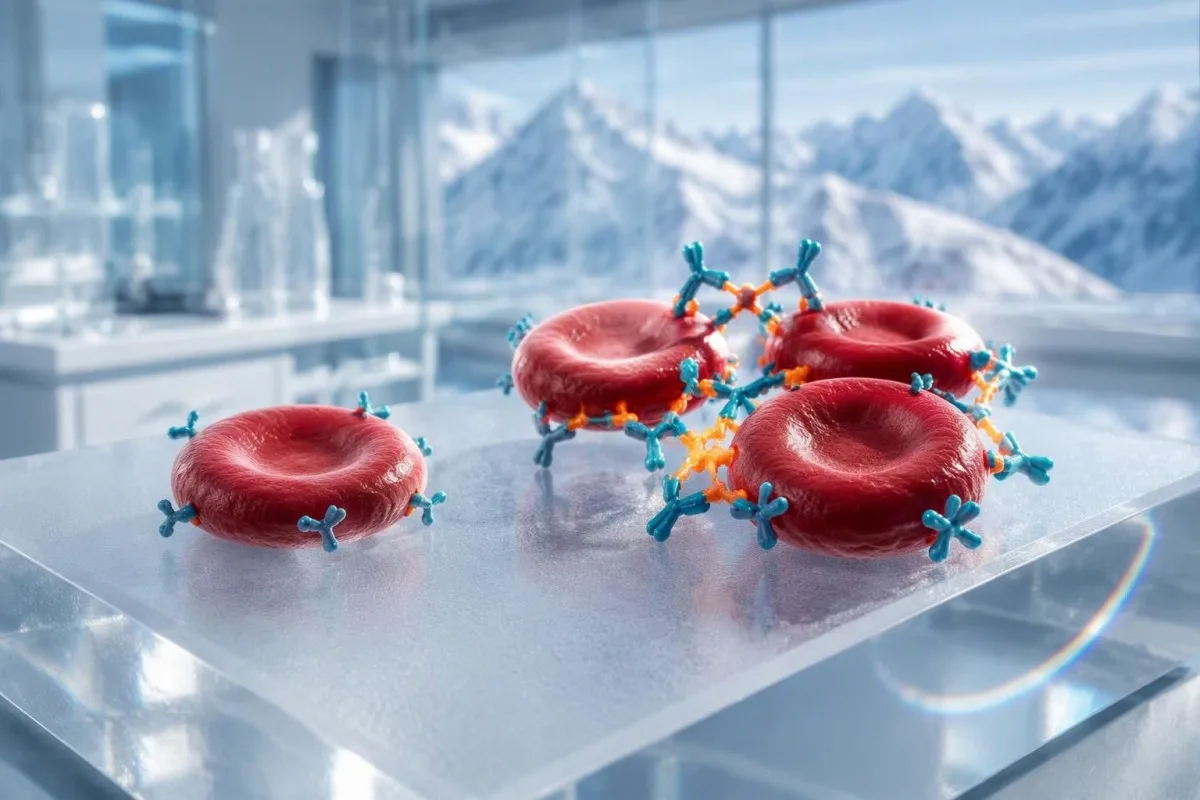
ผลบวกบ่งชี้ว่ามีสารที่เกาะติดกับเม็ดเลือดแดง ซึ่งไม่จำเป็นต้องหมายถึงการทำลายเม็ดเลือดแดง การตัดสินใจขั้นต่อไปขึ้นอยู่กับแนวโน้มฮีโมโกลบิน, เครื่องหมายการสลายตัวของเม็ดเลือดแดง, ยา และประวัติการรับเลือด.


- ผลการทดสอบคูมส์โดยตรงเป็นบวก หมายถึง ตรวจพบแอนติบอดี, คอมพลีเมนต์ หรือทั้งสองอย่างบนเม็ดเลือดแดง; แต่ไม่ได้วินิจฉัยภาวะโลหิตจางจากการสลายตัวของเม็ดเลือดแดงโดยตรง.
- การทดสอบโดยตรงเทียบกับการทดสอบทางอ้อม แยกคำถามที่แตกต่างกัน 2 คำถาม: สารที่เกาะติดกับเม็ดเลือดแดงอยู่แล้ว เทียบกับ แอนติบอดีที่หมุนเวียนในซีรั่มหรือพลาสมา.
- ความแรงของ DAT มักจะแบ่งระดับตั้งแต่ 1+ ถึง 4+ แต่ระดับนี้ไม่ได้วัดความรุนแรงของภาวะโลหิตจางได้อย่างน่าเชื่อถือหรือกำหนดการรักษา.
- แนวโน้มฮีโมโกลบิน สำคัญกว่าผลลัพธ์เดียว: การลดลงจาก 12 เป็น 9 g/dL เทียบเท่ากับการลดลงจาก 120 เป็น 90 g/L และต้องการคำอธิบาย.
- การสลายตัวของเม็ดเลือดแดงที่กำลังเกิดขึ้น ประเมินโดยใช้ฮีโมโกลบิน, เรติคูโลไซต์, LDH, บิลิรูบิน, ฮัปโตโกลบิน และการย้อมสไลด์รอบนอก – ไม่ใช่แค่ DAT เพียงอย่างเดียว.
- ການໃຫ້ເລືອດແບບໃໝ່ໆ ຄວ在確切日期披露,尤其是在過去 3 個月內;延遲反應通常在幾天後出現。.
- ການທົບທວນຢາ (Medication review) 必須包括抗生素、免疫療法、IVIG 和已停用 2-4 週的藥物;請勿僅因單獨的 DAT 結果而停止處方治療。.
- ອາການດ່ວນ 包括休息時氣喘、昏厥、胸痛或帶有黃疸的新尿液;請勿等待預定的重複檢查。.
ผลการทดสอบคูมส์โดยตรงที่เป็นบวกหมายความว่าอย่างไรกันแน่?
A 直接抗球蛋白試驗呈陽性 表示抗體、補體蛋白或兩者都附著在您的紅血球上。它並 ບໍ່ 不一定意味著溶血性貧血:臨床醫生會通過血紅蛋白趨勢、網狀紅血球、LDH、膽紅素和結合珠蛋白來尋找紅血球破壞,同時檢查藥物和近期輸血。第一次評估會問兩個獨立的問題:是什麼附著在上面,以及它是否正在造成傷害。.
直接抗球蛋白試驗, ,通常縮寫為 DAT,是直接抗球蛋白試驗的實驗室名稱。其兩個經常調查的目標是免疫球蛋白 G,或 IgG,以及補體碎片,如 C3d;陽性發現可識別表面塗層,而不是測量您的身體正在破壞多少細胞。.
溶血和貧血是不同的發現。. 有些人可能有代償性溶血,血紅蛋白正常,因為骨髓生成跟上了,而另一個人可能患有缺鐵性貧血和無關的陽性 DAT;10 克/分升的血紅蛋白無法確定哪種解釋適用。.
當我審查 DAT 時,我的第一個問題是其餘的測試是否支持免疫原因。作為首席醫療官 Thomas Klein, MD,我不會在沒有第二步的情況下將 1+ 的實驗室標誌變成診斷;區別可以防止不必要的治療和錯過的惡化。.
Kantesti 是一種人工智能驗血分析儀,可幫助整理陽性 DAT 以及伴隨的 CBC 和溶血標誌物。. 我們的職責是解釋,而不是血庫相容性測試或緊急分診;我們的 องค์กรและวัตถุประสงค์ทางคลินิกของเรา 描述該區別,包括為何上傳一份報告可能需要額外的臨床病史。.
การทดสอบคูมส์โดยตรงเทียบกับการทดสอบคูมส์ทางอ้อม: แตกต่างกันอย่างไร?
ໄດ້ 直接抗球蛋白試驗 檢查已附著在人紅血球上的抗體或補體。 การทดสอบ Coombs ทางอ้อม, ,也稱為間接抗球蛋白試驗或 IAT,檢查血清或血漿中可與實驗室測試細胞結合的抗體;這是兩個具有不同臨床目的的相關測試。.
當懷疑有免疫性紅血球破壞時,會進行 DAT 測試, ,包括自身免疫性溶血、某些輸血反應和新生兒評估。DAT 不識別您的 ABO 血型或 RhD 型別,其通常的陽性/陰性結果不能與報告為 IU/mL 的抗體濃度互換。.
IAT 測試支持輸血前抗體篩查和妊娠篩查。. 實驗室工作人員將測試細胞暴露於患者的血清或血漿並評估結合情況;因此,母親的篩查結果與新生兒的 DAT 回答了不同的問題,即使兩個報告都使用了 Coombs 一詞。.
這兩個測試可能不一致,但沒有一個是錯誤的。. 一個人可能有循環抗體和陰性 DAT,因為這些抗體沒有塗在其自身細胞上,或者有陽性 DAT 而常規篩查未檢測到抗體,因為這些方法檢查的是不同的樣本和反應條件。.
ສໍາລັບລາຍງານການຖືພາ, ກວດເບິ່ງວ່າຫົວຂໍ້ເວົ້າວ່າ ການກວດພູມຕ້ານທານ, IAT, ຫຼື DAT ກ່ອນທີ່ຈະຕີຄວາມຫມາຍຜົນໄດ້ຮັບໃນທາງບວກ. ຂອງພວກເຮົາ คำอธิบายการตรวจคัดกรองแอนติบอดีการตั้งครรภ์ ອະທິບາຍວ່າເປັນຫຍັງການລະບຸຕົວຕົນຂອງພູມຕ້ານທານ ແລະການບໍລິຫານ anti-D ກ່ອນໜ້ານີ້ຈຶ່ງມີຄວາມສຳຄັນ; ການລວມເອົາຜົນໄດ້ຮັບ 2 ປະເພດນີ້ເຂົ້າໄປໃນປ້າຍຊື່ພູມຕ້ານທານທົ່ວໄປໜຶ່ງອັນສາມາດສົ່ງການຕິດຕາມໄປໃນທິດທາງທີ່ຜິດ.
DAT ตรวจจับ IgG และคอมพลีเมนต์บนเซลล์เม็ดเลือดแดงได้อย่างไร?
ໄດ້ DAT ກວດພົບການເຄືອບຈຸລັງແດງ ໂດຍການເພີ່ມສານຕ້ານອະນຸພູມທີ່ເຮັດປະຕິກິລິຍາກັບ immunoglobulin ຂອງມະນຸດ ຫຼື complement ທີ່ຕິດກັບຈຸລັງ. ຫ້ອງທົດລອງມັກຈະໃຊ້ສານປະສົມທົ່ວໄປເລີ່ມຕົ້ນຕາມດ້ວຍການທົດສອບ monospecific 2 ອັນ—anti-IgG ແລະ anti-C3d—ເພື່ອຊີ້ແຈງຮູບແບບ.
ວິທີການທໍ່, ຖັນເຈລ, ແລະພື້ນຜິວແຂງບໍ່ມີຄວາມອ່ອນໄຫວເທົ່າກັນ. ຜົນບວກທີ່ອ່ອນແອຈາກວິທີການໜຶ່ງອາດບໍ່ປະກົດຂຶ້ນກັບອີກວິທີໜຶ່ງ, ແລະຫ້ອງທົດລອງອ້າງອີງອາດສືບສວນຜົນທີ່ບໍ່ສາມາດອະທິບາຍໄດ້ໂດຍໃຊ້ເຕັກນິກເພີ່ມເຕີມແທນທີ່ຈະພຽງແຕ່ເຮັດຊ້ໍາການທົດສອບເດີມໂດຍບໍ່ມີການປ່ຽນແປງ.
ປະຕິກິລິຍາ DAT ອາດຖືກລາຍງານວ່າເປັນບວກອ່ອນແອ ຫຼື ຈັດລຽງ 1+ ຫາ 4+. ການຈັດລຽງເຫຼົ່ານີ້ອະທິບາຍປະຕິກິລິຍາຫ້ອງທົດລອງທີ່ສັງເກດເຫັນ, ບໍ່ແມ່ນຄວາມເຂັ້ມຂົ້ນຂອງພູມຕ້ານທານທີ່ຖືກຄິດໄລ່; ບໍ່ມີການປ່ຽນແປງຈາກ DAT 3+ ໄປຫາການຄາດຄະເນການຫຼຸດລົງຂອງ hemoglobin ໃນ g/dL.
ຕົວຢ່າງ EDTA ຊ່ວຍຈໍາກັດການຕິດ complement ຫຼັງຈາກການເກັບກໍາ, ຫຼຸດຜ່ອນແຫຼ່ງຂໍ້ມູນທີ່ອາດເປັນການຕີຄວາມໝາຍທີ່ເຮັດໃຫ້ເຂົ້າໃຈຜິດ. ອາຍຸຂອງຕົວຢ່າງ, ຄວາມສະເພາະຂອງສານປະສົມ, ແລະວິທີການທົດສອບກໍ່ມີຄວາມສຳຄັນ; ການທົບທວນປີ 2017 ຂອງ Parker ແລະ Tormey ອະທິບາຍວ່າເປັນຫຍັງ DAT ບວກ 1 ຈຶ່ງຕ້ອງໄດ້ຮັບການຕີຄວາມໝາຍດ້ວຍລາຍລະອຽດຫ້ອງທົດລອງ ແລະ ຜົນການກວດພົບທາງຄລີນິກແທນທີ່ຈະໄດ້ຮັບການປິ່ນປົວຄືກັບການບົ່ງມະຕິແບບຢືນດຽວ.
C3d ຢູ່ໃນຈຸລັງແດງບໍ່ແມ່ນການວັດແທກດຽວກັນກັບຄວາມເຂັ້ມຂົ້ນຂອງ C3 ໃນເລືອດ. ຄົນໜຶ່ງສາມາດມີ DAT ທີ່ເປັນບວກ C3d ໂດຍບໍ່ມີລະດັບ C3 ທີ່ گردشຕໍ່າ; ຂອງພວກເຮົາ ຄູ່ມືການກວດ complement ແຍກສອງຄໍາຖາມນີ້ອອກເພື່ອບໍ່ໃຫ້ປ້າຍຊື່ complement ຖືກອ່ານຜິດວ່າເປັນຫຼັກຖານຂອງພະຍາດ autoimmune ລະບົບ.
เหตุใด DAT จึงอาจเป็นผลบวกโดยไม่มีภาวะโลหิตจางจากการสลายตัวของเม็ดเลือดแดง?
A DAT ທີ່ເປັນບວກໂດຍບໍ່ມີໂລກເລືອດຈາງ hemolysis ສາມາດເກີດຂຶ້ນໄດ້ເມື່ອການເຄືອບຈຸລັງແດງບໍ່ໄດ້ເຮັດໃຫ້ເກີດການທໍາລາຍທີ່ສໍາຄັນທາງຄລີນິກ, ຫຼືເມື່ອການເຄືອບເປັນເຫດການໂດຍບັງເອີນກັບພະຍາດອື່ນຫຼືການປິ່ນປົວ. ການຕີຄວາມຫມາຍຮຽກຮ້ອງໃຫ້ມີການປະເມີນສອງຢ່າງທີ່ເປັນເອກະລາດ: ຫຼັກຖານຂອງ hemolysis ແລະຫຼັກຖານຂອງພະຍາດເລືອດຈາງ.
ປະລິມານພູມຕ້ານທານພຽງຢ່າງດຽວບໍ່ໄດ້ກໍານົດການຢູ່ລອດຂອງຈຸລັງແດງ. ລັກສະນະຂອງພູມຕ້ານທານ, ການກະຕຸ້ນ complement, ແລະການຕອບສະຫນອງການກໍາຈັດຂອງຮ່າງກາຍທັງຫມົດມີອິດທິພົນຕໍ່ການເກີດການທໍາລາຍ; ຜົນໄດ້ຮັບ 1+ ອາດມີຄວາມສໍາຄັນໃນຄົນເຈັບໜຶ່ງ, ໃນຂະນະທີ່ປະຕິກິລິຍາທີ່ແຂງແກ່ນກວ່າອາດມາພ້ອມກັບ hemoglobin ທີ່ຫມັ້ນຄົງໃນອີກຄົນໜຶ່ງ.
ການເປີດຮັບພູມຕ້ານທານແບບ passive ສາມາດເຮັດໃຫ້ DAT ທີ່ເປັນບວກຊົ່ວຄາວ, ໂດຍສະເພາະຫຼັງຈາກ IVIG ຫຼືຜະລິດຕະພັນອື່ນໆທີ່ມີພູມຕ້ານທານ. ການທົບທວນການປິ່ນປົວທີ່ໄດ້ຮັບໃນຊ່ວງ 2–4 ອາທິດກ່ອນໜ້ານີ້ມັກຈະມີປະໂຫຍດຫຼາຍກ່ວາການສັ່ງແຜນ autoimmune ທີ່ກວ້າງຂວາງທັນທີ, ເຖິງແມ່ນວ່າໄລຍະເວລາທີ່ກ່ຽວຂ້ອງແມ່ນຂຶ້ນກັບຜະລິດຕະພັນແລະສະພາບຄລີນິກ.
ພະຍາດເລືອດຈາງສາມາດຢູ່ຮ່ວມກັບ DAT positivity ໂດຍບັງເອີນ. ພິຈາລະນາຄົນເຈັບຕົວຢ່າງທີ່ມີ hemoglobin 10.5 g/dL, ferritin ຕ່ໍາ, bilirubin ຫມັ້ນຄົງ, ແລະບໍ່ມີຮູບແບບ hemolysis ທີ່ຫນ້າເຊື່ອຖື: ການຂາດທາດເຫຼັກຍັງສົມຄວນໄດ້ຮັບການປະເມີນແທນທີ່ຈະຖືກແທນທີ່ດ້ວຍປ້າຍ autoimmune ເນື່ອງຈາກ DAT ເປັນບວກ.
hemoglobin ປົກກະຕິບໍ່ໄດ້ຍົກເວັ້ນ hemolysis, ເພາະວ່າໄຂກະດູກອາດຈະຊົດເຊີຍໂດຍການຜະລິດຈຸລັງເພີ່ມເຕີມ. ຂອງພວກເຮົາ ผลบวกของแอนติบอดี ອະທິບາຍຄວາມແຕກຕ່າງທີ່ກວ້າງກວ່າລະຫວ່າງການກວດຫາພູມຄຸ້ມກັນແລະພະຍາດທີ່ເກີດຂື້ນ; ຢູ່ທີ່ນີ້, ຢ່າງຫນ້ອຍ 1 ການປະເມີນການໄຫຼວຽນຂອງຈຸລັງເມັດເລືອດແດງແມ່ນຕ້ອງການກ່ອນທີ່ຈະສະບາຍໃຈ.
การตรวจเลือดใดที่แสดงให้เห็นว่ามีการสลายตัวของเม็ดเลือดแดงที่กำลังเกิดขึ้นหรือไม่?
hemolysis ທີ່ເກີດຂື້ນແມ່ນສະຫນັບສະຫນູນໂດຍຮູບແບບ, ປົກກະຕິແລ້ວ hemoglobin ຫຼຸດລົງ, LDH ແລະ indirect bilirubin ເພີ່ມຂຶ້ນ, haptoglobin ຫຼຸດລົງ, ແລະການຕອບສະຫນອງ reticulocyte ທີ່ເຫມາະສົມ. ບໍ່ມີຕົວຊີ້ວັດດຽວພິສູດ hemolysis; ທ່ານຫມໍປະສົມປະສານຜົນໄດ້ຮັບເຫຼົ່ານີ້ກັບອາການ, smear, ແລະການປ່ຽນແປງໃນຢ່າງຫນ້ອຍ 2 ຈຸດເວລາເມື່ອມີ.
LDH ສະທ້ອນໃຫ້ເຫັນເຖິງການໄຫຼວຽນຂອງຈຸລັງແຕ່ບໍ່ສະເພາະກັບຈຸລັງແດງ. ຕົວຢ່າງ, LDH ຂອງ 500 U/L ແມ່ນສອງເທົ່າຂອງຂອບເຂດສູງສຸດຂອງ 250 U/L, ແຕ່ການບາດເຈັບກ້າມຊີ້ນຫຼືຕັບກໍ່ສາມາດເຮັດໃຫ້ເກີດການເພີ່ມຂື້ນ; ຂອງພວກເຮົາ ຄໍາອະທິບາຍການຕີຄວາມ LDH ຊ່ວຍແຍກອັດຕາສ່ວນອອກຈາກສາເຫດ.
Low haptoglobin ສະຫນັບສະຫນູນ hemolysis ແຕ່ກໍ່ສາມາດສະທ້ອນເຖິງການຜະລິດຕັບຫຼຸດລົງ. ຜົນໄດ້ຮັບຕ່ໍາກວ່າປະມານ 25 mg/dL, ເທົ່າກັບ 0.25 g/L, ສາມາດສະຫນັບສະຫນູນໃນສະຖານະການທີ່ຖືກຕ້ອງ, ແຕ່ການອັກເສບອາດຈະເພີ່ມ haptoglobin ແລະປິດບັງການ depleted; ຂອງພວກເຮົາ ສາເຫດ haptoglobin ທີ່ບໍ່ແມ່ນ hemolytic ອະທິບາຍວ່າເປັນຫຍັງທັງຜົນໄດ້ຮັບຕ່ໍາຫຼືປົກກະຕິບໍ່ໄດ້ຕັ້ງການບົ່ງມະຕິ.
Indirect bilirubin ມີຄວາມກ່ຽວຂ້ອງຫຼາຍກັບການທໍາລາຍຈຸລັງແດງກ່ວາ direct bilirubin ຢ່າງດຽວ. bilirubin ທັງຫມົດຂອງ 2 mg/dL ແມ່ນປະມານ 34 µmol/L, ແຕ່ການແຍກ bilirubin ແມ່ນຕ້ອງການເພື່ອເຂົ້າໃຈຮູບແບບ; Gilbert syndrome, ພະຍາດຕັບ, ແລະ hemolysis ສາມາດທັບຊ້ອນກັນແທນທີ່ຈະປາກົດເປັນປະເພດທີ່ແຍກຕ່າງຫາກ.
Kantesti is an AI blood test interpretation platform that places DAT findings beside hemoglobin and turnover-marker trends. Hill et al.'s 2017 British Society for Haematology guideline starts with establishing hemolysis and then assessing its immune cause; comparing 2 reports can clarify direction, but our AI cannot replace examination or specialist interpretation.
CBC, การนับจำนวนเรติคูโลไซต์ และการย้อมสไลด์ให้ข้อมูลอะไรบ้าง?
CBC ວັດແທກພະຍາດເລືອດຈາງ, reticulocytes ປະເມີນການຊົດເຊີຍໄຂກະດູກ, ແລະ smear ເພີ່ມຄໍາແນະນໍາກ່ຽວກັບກົນໄກ. ການປະເມີນເຫຼົ່ານີ້ 3 ຢ່າງຊ່ວຍແຍກການທໍາລາຍພູມຄຸ້ມກັນອອກຈາກການມີເລືອດອອກ, ການຜະລິດຫຼຸດລົງ, ຄວາມຜິດປົກກະຕິຂອງຈຸລັງແດງທີ່ໄດ້ຮັບ, ແລະ artifacts ຫ້ອງທົດລອງທີ່ສາມາດຢູ່ຮ່ວມກັນກັບ DAT ທີ່ເປັນບວກ.
ການປ່ຽນແປງ hemoglobin ຄວນໄດ້ຮັບການອ່ານໃນຫນ່ວຍທີ່ສອດຄ່ອງແລະບໍລິບົດ. ການຫຼຸດລົງຈາກ 12 ຫາ 9 g/dL ເທົ່າກັບ 120 ຫາ 90 g/L; dehydration, fluids intravenous, ແລະການຖ່າຍເລືອດເມື່ອບໍ່ດົນມານີ້ສາມາດປ່ຽນຄວາມເຂັ້ມຂົ້ນ, ດັ່ງນັ້ນວັນທີແລະສະພາບການຂອງທັງສອງການວັດແທກແມ່ນຢູ່ຂ້າງຕົວເລກ.
ເປີເຊັນ reticulocyte ສາມາດຂະຫຍາຍການຕອບສະຫນອງຂອງໄຂກະດູກໃນພະຍາດເລືອດຈາງ. ການນັບ reticulocyte illustrative ຂອງ 6% ດ້ວຍ hematocrit 24%, ຖືກແກ້ໄຂກັບ 45%, ກາຍເປັນປະມານ 3.2%; ດັດຊະນີການຜະລິດ reticulocyte ຕ້ອງການການປັບການແກ່ອີກ, ແລະການນັບຢ່າງແທ້ຈິງມັກຈະໃຫ້ຈຸດເລີ່ມຕົ້ນທີ່ຊັດເຈນກວ່າ.
Spherocytes and polychromasia support particular mechanisms but are not diagnostic alone. Spherocytes can occur in immune hemolysis or hereditary spherocytosis, whereas polychromasia reflects younger cells entering circulation; our polychromasia interpretation guide explains why 1 smear feature cannot establish an autoimmune cause.
An inadequate reticulocyte response does not rule out severe hemolysis. Marrow suppression, nutrient deficiency, or delayed compensation can blunt the expected increase; our คู่มือเรติคูโลไซต์และโลหิตวิทยา also distinguishes reticulocyte count from other red-cell measurements, which becomes especially useful when 2 abnormalities point in different directions.
ยาชนิดใดที่อาจทำให้ DAT เป็นผลบวกหรือทำให้ผลซับซ้อนขึ้น?
Medicines can cause immune hemolysis, produce red-cell coating without hemolysis, or interfere with antibody testing. Clinicians review current drugs and exposures from the preceding 2–4 weeks, sometimes longer, including antibiotics, IVIG, immune therapies, and medicines discontinued during a hospital stay.
Ceftriaxone and piperacillin are recognized causes of drug-induced immune hemolytic anemia. A sudden hemoglobin decline soon after an implicated medicine is more concerning than an isolated positive DAT; recording the exact administration date and whether symptoms began within hours or days is more useful than listing only the drug class.
Methyldopa can produce red-cell autoantibodies and DAT positivity without hemolysis. A positive result alone does not prove the drug is harming red cells, but an accompanying hemolysis pattern changes the assessment; a hemoglobin of 9 g/dL needs comparison with the pretreatment baseline and an evaluation for other causes.
Anti-CD38 therapies such as daratumumab particularly complicate indirect antiglobulin testing and compatibility work. They should not be casually equated with drug-induced hemolysis or a reliably positive DAT; telling the blood bank about 1 such treatment can prevent avoidable confusion when arranging a transfusion.
As Thomas Klein, MD, I would ask for the discharge medication list as well as the current list, because a medicine stopped 7 days ago may still explain today's result. Kantesti can help organize that timeline, while our medication effects checklist supports preparation; suspected acute drug-related hemolysis requires urgent clinical assessment, not self-directed stopping and restarting.
การถ่ายเลือดเมื่อเร็วๆ นี้เปลี่ยนแปลงการตีความ DAT อย่างไร?
A positive DAT after transfusion can reflect antibodies coating donor red cells, with or without clinically significant hemolysis. Give the clinician and blood bank the exact transfusion dates, particularly for transfusions within the previous 3 months, and describe any new jaundice, dark urine, or unexpected hemoglobin decline.
Delayed hemolytic transfusion reactions often appear several days after transfusion, commonly around 5–14 days, although timing varies and later presentations occur. A previously formed antibody may have fallen below detection before transfusion and then reappear after exposure to the relevant donor-cell antigen.
A new positive DAT is not automatically a hemolytic transfusion reaction. A delayed serologic reaction can occur without demonstrable hemolysis; clinicians compare posttransfusion hemoglobin, bilirubin, LDH, and haptoglobin with earlier values, rather than interpreting 1 positive compatibility-related result as proof of injury.
The blood bank may repeat the antibody screen and identify antibodies eluted from the cells. This helps distinguish an alloantibody against donor cells from an autoantibody, and a mixed-field pattern may reflect coated donor cells alongside uncoated recipient cells; requesting at least 1 pretransfusion result can materially improve interpretation.
Transfusion also changes the interpretation of other tests. HbA1c reflects a mixture of donor and recipient red-cell histories rather than only your own glucose exposure; our A1c after transfusion guide explains why a reassuring percentage obtained shortly after transfusion may be misleading, particularly when red-cell survival is also shortened.
DAT ที่มีผลเป็น IgG หรือ C3 บ่งชี้สาเหตุหรือไม่?
An IgG-positive DAT often supports warm-antibody hemolysis, while a C3d-positive pattern raises consideration of cold-antibody processes. Neither pattern establishes the diagnosis by itself: clinicians interpret the 2 reagent results alongside hemolysis, antibody studies, treatment exposure, and transfusion history.
Warm autoimmune hemolytic anemia commonly has an IgG-positive DAT, with or without C3d. The name warm refers to antibody activity near 37°C, not whether a patient feels hot; drug-related and transfusion-related causes still need exclusion before this pattern is labeled primary autoimmune disease.
Cold agglutinin disease typically has a strongly C3d-positive DAT, because the antibody may detach while complement remains on the red cell. A cold agglutinin titer of at least 1:64 at 4°C is commonly part of diagnostic criteria, but titer alone does not establish clinically significant disease.
Thermal amplitude can matter more than a cold antibody's titer. An antibody reacting near or above 30°C may be more clinically relevant than one reacting only at very low temperatures; Jäger et al.'s 2020 international consensus recommendations emphasize classifying the antibody process because treatment decisions differ between warm and cold disease.
Confirmed cold-antibody hemolysis may prompt investigation for an underlying clonal disorder, rather than assuming every case is a transient response to illness. Our immunofixation result explanation explains one possible component of that work-up; detecting 1 small monoclonal band is not, by itself, a diagnosis of lymphoma.
โรคภูมิคุ้มกันทำลายตนเองหรือการติดเชื้ออธิบายความผิดปกติของ DAT ได้เมื่อใด?
Autoimmune conditions, some infections, and lymphoproliferative disorders can accompany DAT positivity or immune hemolysis. Investigation should follow the clinical pattern rather than trigger an indiscriminate panel: 1 positive DAT without hemolysis provides much less justification for extensive testing than anemia with convincing immune destruction.
Lupus can be associated with DAT positivity, with or without autoimmune hemolytic anemia. A DAT does not diagnose lupus, and testing should be guided by findings such as inflammatory joint symptoms, rashes, kidney abnormalities, or multiple cytopenias; the presence of 2 immune-related test flags still does not replace a clinical assessment.
Anti-dsDNA testing answers a different question from the DAT. ຂອງພວກເຮົາ anti-dsDNA interpretation guide explains its relevance to lupus assessment; clinicians also consider complement concentrations and urinalysis when appropriate, rather than assuming that 1 red-cell coating result predicts autoimmune activity throughout the body.
Some infections can trigger cold-antibody hemolysis or transient immune red-cell findings. Recent respiratory illness or mononucleosis-like symptoms may guide testing, but an EBV IgG-positive result alone commonly reflects previous exposure; our ຄູ່ມືຮູບແບບພູມຕ້ານທານ EBV distinguishes that from evidence of a recent episode.
Primary autoimmune hemolytic anemia is considered only after relevant secondary explanations are assessed. Persistent lymph-node enlargement, unexplained weight loss, or abnormalities in more than 1 blood-cell lineage can change the work-up; no universal number of scans or antibody tests suits every patient, and specialists often stage the investigation to avoid misleading incidental findings.
ผล DAT เป็นบวกในการตั้งครรภ์หรือทารกแรกเกิดหมายถึงอะไร?
In pregnancy, the maternal antibody screen is usually an indirect test; in a newborn, the DAT detects coating of the baby's red cells. A DAT-positive newborn needs assessment for jaundice and anemia, but the result alone does not determine treatment: bilirubin interpretation changes with age measured in hours, not simply 1 adult reference range.
Maternal antibodies can cross the placenta and attach to fetal or newborn red cells. ABO or other red-cell antigen incompatibility may contribute, but the antibody involved and the baby's laboratory course matter more than a DAT grade of 1+ or 2+ considered in isolation.
Preventive maternal anti-D immunoglobulin can sometimes explain newborn DAT positivity without significant hemolysis. The maternity and pediatric teams interpret this against the mother's antibody history and the infant's bilirubin and hemoglobin; 1 positive DAT is not a reason to assume preventive treatment has caused clinically important harm.
Newborn bilirubin treatment decisions depend on gestational age, age in hours, and relevant risk factors. Jaundice appearing during the first 24 hours warrants prompt assessment; an adult bilirubin threshold in mg/dL should never be copied into a newborn's treatment plan or used to delay pediatric advice.
Children need age-specific interpretation and a pediatric safety pathway. ຂອງພວກເຮົາ ข้อจำกัดในการตีความ AI สำหรับเด็ก explain why pediatric and newborn results require additional context; arrange the recommended bilirubin check before leaving care, because a follow-up scheduled 24 hours later may address a different risk window than a routine adult repeat test.
อาการหรือการเปลี่ยนแปลงในห้องปฏิบัติการใดที่ต้องได้รับการดูแลอย่างเร่งด่วน?
A positive DAT becomes urgent when it accompanies symptoms of severe anemia or rapidly developing hemolysis. Seek immediate care for breathlessness at rest, chest pain, fainting, confusion, or new dark urine with jaundice; do not wait 24–48 hours for a routine repeat if symptoms are progressing.
The speed of hemoglobin decline matters as much as the final value. A fall from 12 to 8 g/dL over 2 days deserves urgent assessment even if the person initially appears comfortable; bleeding, dilution, sampling error, and hemolysis all remain possible until evaluated.
Hemoglobin near or below 7 g/dL, equivalent to 70 g/L, requires prompt clinical assessment, but transfusion decisions are individualized. Symptoms, cardiovascular disease, rate of decline, and instability can make a higher concentration dangerous; conversely, a stable chronic value is not interpreted the same way as an abrupt new fall.
Schistocytes with anemia and a low platelet count raise concern for a different urgent mechanism, such as thrombotic microangiopathy. Our urgent schistocyte findings guide explains why an incidental positive DAT must not distract from this pattern; a platelet count of 40 × 10^9/L adds a separate warning signal.
Dark urine has several possible causes, including hemoglobin, bilirubin, medicines, and urinary red cells. Our សញ្ញាព្រមានទឹកនោមខ្មៅ explain that distinction; when dark urine starts within days of a transfusion or alongside jaundice and weakness, the transfusion service and treating team need the information immediately rather than at the next routine visit.
คุณควรทำอย่างไรต่อไปหลังจากผลการทดสอบคูมส์โดยตรงเป็นบวก?
The next step is to establish whether hemolysis is active, review the DAT pattern, and identify relevant exposures. Bring at least 2 dated CBC results if available, the medication list, transfusion dates, and any IgG/C3d breakdown; treatment is directed at the cause and clinical severity, not at making the DAT negative.
Ask whether the clinician needs a repeat CBC, reticulocytes, LDH, bilirubin fractions, haptoglobin, and smear. If results are unexpected, the laboratory may repeat the DAT or use another method; a damaged sample can distort some chemistry results, but an elevated hemolysis index is not itself proof of immune destruction inside your body.
Repeat-testing intervals depend on risk rather than one fixed calendar rule. An evolving hemoglobin decline may require reassessment within 24 hours or sooner, while an asymptomatic person with stable markers may have a planned outpatient review; Thomas Klein, MD's practical starting point is to arrange the follow-up before debating whether the DAT should be repeated.
Kantesti is an AI-powered blood test analysis tool that helps compare dated laboratory findings while keeping clinical interpretation separate from compatibility testing. ຂອງພວກເຮົາ ຄໍາອະທິບາຍເຕັກໂນໂລຍີ AI describes the interpretation workflow; verify that a 1+ result, units, and the collection date were read correctly before discussing the generated explanation with your clinician.
Blood-bank expertise remains necessary when transfusion is needed, particularly if autoantibodies complicate identification of clinically significant alloantibodies. Our វិធីសាស្ត្រធ្វើឲ្យមានសុពលភាពផ្នែកព្យាបាល (clinical validation) describes the standards behind our explanatory service, not a guarantee for every case; neither a 4+ DAT nor a difficult crossmatch should automatically delay a medically necessary emergency transfusion under specialist supervision.
หลักฐานทางการแพทย์, ลิงก์สิ่งตีพิมพ์, และข้อจำกัดในการตีความ
DAT interpretation rests on hematology and transfusion evidence, not on general wellness publications. As of October 5, 2026, the 2017 British Society for Haematology guideline, the 2020 international consensus recommendations, and Parker and Tormey's laboratory review support the central approach: establish hemolysis, characterize the immune finding, and investigate its context.
The 3 external medical references below directly concern DAT interpretation or autoimmune hemolytic anemia. Their publication years are stated so readers can distinguish an article update from a newly issued guideline; this October 5, 2026 update does not imply that a new 2026 DAT grading threshold or universal retesting schedule exists.
The 2 Figshare items below were supplied as related organizational publications, not evidence for DAT diagnosis or treatment. With verified author and publication-date metadata unavailable here, the APA-style entries begin with their titles and use n.d.; a DOI identifies an archived item but does not, by itself, establish peer review or clinical validation.
Diarrhea after fasting, black specks in stool & GI guide 2026. (n.d.). Figshare. DOI: 10.6084/m9.figshare.31438111. Discovery links are available through ຄົ້ນຫາສິ່ງພິມຂອງ ResearchGate ແລະ ຄົ້ນຫາສິ່ງພິມຂອງ Academia; these search destinations are not verified copies of the publication.
Women's health guide: Ovulation, menopause & hormonal symptoms. (n.d.). Figshare. DOI: 10.6084/m9.figshare.31830721. Discovery links include ResearchGate title search ແລະ Academia title search; neither item replaces the 3 DAT-specific references, and Kantesti's medical advisory board directory identifies our clinical contributors without implying an independent review of every individual result.
ຄໍາຖາມທີ່ຖາມເລື້ອຍໆ
ການກວດ direct Coombs ທີ່ເປັນບວກໝາຍຄວາມວ່າຂ້ອຍເປັນພະຍາດເລືອດຈາງແອັກຕິນົດບໍ?
ການທົດສອບ Coombs ໂດຍກົງທີ່ເປັນບວກບໍ່ໄດ້ໝາຍຄວາມວ່າເປັນໂລກເລືອດຈາງທີ່ເຮັດໃຫ້ເມັດເລືອດແດງເສຍຫາຍໂດຍອັດຕະໂນມັດ; ມັນກວດຫາພູມຕ້ານທານຫຼືສ່ວນເສີມທີ່ຕິດກັບເມັດເລືອດແດງ. ທ່ານໝໍປະເມີນຈຳນວນເມັດເລືອດແດງ, reticulocytes, LDH, bilirubin, haptoglobin, ແລະການຕິດຕາມເພື່ອກວດຫາວ່າເມັດເລືອດແດງກຳລັງຖືກທຳລາຍຫຼືບໍ່. ການໃຫ້ຄະແນນ DAT 1+ ຫາ 4+ ອະທິບາຍການຕອບສະໜອງຂອງຫ້ອງທົດລອງ, ບໍ່ແມ່ນຄວາມຮຸນແຮງຂອງໂລກເລືອດຈາງ. ຈຳນວນເມັດເລືອດແດງປົກກະຕິສາມາດຢູ່ຮ່ວມກັບການເຮັດໃຫ້ເມັດເລືອດແດງເສຍຫາຍໄດ້, ດັ່ງນັ້ນເຄື່ອງໝາຍການປ່ຽນແທນທີ່ມາພ້ອມຍັງມີຄວາມສຳຄັນ.
ຄວາມແຕກຕ່າງລະຫວ່າງການທົດສອບ Coombs ແບບກົງ ແລະແບບອ້ອມແມ່ນຫຍັງ?
ການທົດສອບ Coombs ໂດຍກົງແມ່ນການກວດຫາພູມຕ້ານທານຫຼືສ່ວນປະກອບທີ່ຕິດກັບຈຸລັງແດງຂອງຄົນ, ໃນຂະນະທີ່ການທົດສອບ Coombs ທາງອ້ອມແມ່ນການກວດຫາພູມຕ້ານທານໃນກະແສເລືອດທີ່ສາມາດຕິດກັບຈຸລັງທົດສອບໃນຫ້ອງທົດລອງ. ການທົດສອບ 2 ອັນນີ້ຕອບຄໍາຖາມທີ່ແຕກຕ່າງກັນແລະສາມາດມີຜົນໄດ້ຮັບທີ່ແຕກຕ່າງກັນໃນຄົນດຽວກັນ. ການທົດສອບທາງອ້ອມແມ່ນໃຊ້ທົ່ວໄປສໍາລັບການກວດຫາພູມຕ້ານທານໃນການຖືພາແລະການກວດກ່ອນການຖ່າຍເລືອດ. ການທົດສອບໂດຍກົງແມ່ນໃຊ້ເມື່ອມີການປະເມີນການທໍາລາຍຈຸລັງແດງທີ່ເກີດຈາກພູມຕ້ານທານ, ປະຕິກິລິຍາການຖ່າຍເລືອດບາງຢ່າງ, ຫຼືການເຄືອບຈຸລັງແດງຂອງເດັກເກີດໃຫມ່.
ยาทำปฏิกิริยา Coombs แบบตรงเป็นบวกได้หรือไม่?
ยาอาจทำให้เกิดผลบวกต่อการทดสอบ Coombs โดยตรงผ่านการเคลือบเม็ดเลือดแดงด้วยภูมิคุ้มกัน, การแตกทำลายของเม็ดเลือดแดงจากภูมิคุ้มกันที่มีความสำคัญทางคลินิก, หรือภาวะแทรกซ้อนจากการทดสอบ Ceftriaxone และ piperacillin เป็นสาเหตุที่รู้จักกันในการทำให้เกิดโรคโลหิตจางจากการแตกทำลายของเม็ดเลือดแดงจากภูมิคุ้มกันที่เกิดจากยา ในขณะที่ methyldopa อาจทำให้ DAT เป็นบวกโดยไม่มีการแตกทำลายของเม็ดเลือดแดง แพทย์จะทบทวนการรักษาปัจจุบันและยาที่ใช้ในช่วง 2–4 สัปดาห์ที่ผ่านมา บางครั้งอาจนานกว่านั้น อย่าหยุดการรักษาตามใบสั่งแพทย์เพียงเพราะผล DAT ที่แยกได้ แต่ให้รีบประเมินอาการอ่อนเพลียเฉียบพลัน, ตัวเหลือง, หรือปัสสาวะสีเข้ม.
ການທົດສອບ Coombs ທີ່ເປັນບວກຫລັງຈາກການໃຫ້ເລືອດເປັນອັນຕະລາຍບໍ?
ການທົດສອບ Coombs ໂດຍກົງໃນທາງບວກຫຼັງຈາກການຖ່າຍເລືອດອາດສະທ້ອນເຖິງເມັດເລືອດແດງຂອງຜູ້ບໍລິຈາກທີ່ຖືກເຄືອບດ້ວຍພູມຕ້ານທານ, ແຕ່ມັນບໍ່ໄດ້ພິສູດເຖິງປະຕິກິລິຍາອັນຕະລາຍດ້ວຍຕົວມັນເອງ. ປະຕິກິລິຍາການຖ່າຍເລືອດແບບ hemolytic ທີ່ຊັກຊ້າ, ມັກຈະປາກົດປະມານ 5-14 ມື້ຫຼັງຈາກການຖ່າຍເລືອດ, ເຖິງແມ່ນວ່າເວລາຈະແຕກຕ່າງກັນ. Hemoglobin ທີ່ຫຼຸດລົງ, ອາການເຫຼືອງ, LDH ທີ່ເພີ່ມຂຶ້ນ, ແລະ haptoglobin ທີ່ຫຼຸດລົງ, ເຮັດໃຫ້ເກີດຄວາມກັງວົນກ່ຽວກັບການ hemolysis ທີ່ກໍາລັງດໍາເນີນຢູ່. ຕິດຕໍ່ທີມແພດທີ່ປິ່ນປົວຫຼືການບໍລິການຖ່າຍເລືອດທັນທີ ຖ້າມີອາການໃໝ່ເກີດຂຶ້ນ, ແລະໃຫ້ວັນທີທີ່ແນ່ນອນຂອງການຖ່າຍເລືອດ.
ການທົດສອບ antiglobulin ໂດຍກົງທີ່ເປັນ C3-positive ໝາຍຄວາມວ່າແນວໃດ?
A C3d-positive direct antiglobulin test means complement fragments were detected on red cells and can support investigation for a cold-antibody process. Warm-antibody disease, medication effects, and transfusion-related findings can also involve complement, so C3d positivity alone does not identify the cause. A cold agglutinin titer of at least 1:64 at 4°C is commonly part of cold agglutinin disease criteria, but hemolysis and the wider clinical picture are also required. A C3d-positive DAT is not equivalent to a low serum C3 concentration.
ຂ້ອຍຕ້ອງໄດ້ຮັບການປິ່ນປົວບໍ ຖ້າ DAT ຂອງຂ້ອຍເປັນບວກ ແຕ່ຮີໂມໂກບິນຂອງຂ້ອຍເປັນປົກກະຕິ?
DAT ທີ່ເປັນບວກໂດດດ່ຽວດ້ວຍ hemoglobin ປົກກະຕິບໍ່ຈໍາເປັນຕ້ອງໃຊ້ steroids ຫຼືການປິ່ນປົວດ້ວຍພູມຄຸ້ມກັນອື່ນໆໂດຍອັດຕະໂນມັດ. ທ່ານຫມໍຈະກວດເບິ່ງການ hemolysis ທີ່ຊົດເຊີຍ, ຜົນກະທົບຂອງຢາ, ແລະປະຫວັດການຖ່າຍເລືອດກ່ອນທີ່ຈະຕັດສິນໃຈວ່າການຕິດຕາມຫຼືການສືບສວນເພີ່ມເຕີມແມ່ນເຫມາະສົມ. ການປຽບທຽບຜົນ hemoglobin ທີ່ລົງວັນທີຢ່າງໜ້ອຍ 2 ຄັ້ງສາມາດຊ່ວຍສ້າງຄວາມໝັ້ນຄົງໄດ້, ແຕ່ບໍ່ມີໄລຍະເວລາປົ່ງຄືນດຽວທີ່ເຫມາະສົມກັບທຸກໆຄົນ. ໄປພົບແພດທັນທີຖ້າຫາກມີອາການຫາຍໃຈຝືດໃນເວລັກັກ, ເປັນລົມ, ເຈັບຫນ້າอก, ຫຼືມີນໍ້າເຫຼືອງກັບປັດສາວະສີເຂັ້ມໃຫມ່.
ຮັບການວິເຄາະຜົນກວດເລືອດດ້ວຍ AI ທັນທີ
ເຂົ້າຮ່ວມຜູ້ໃຊ້ຫຼາຍກວ່າ 2 ລ້ານຄົນທົ່ວໂລກ ທີ່ໄວ້ໃຈ Kantesti ສຳລັບການວິເຄາະການກວດເລືອດທີ່ທັນທີ ແລະຖືກຕ້ອງ. ອັບໂຫຼດຜົນກວດເລືອດຂອງທ່ານ ແລະຮັບການຕີຄວາມໝາຍຢ່າງຄົບຖ້ວນຂອງ biomarker 15,000+ ໃນວິນາທີ.
📚 ບົດຄວາມວິຈັຍທີ່ອ້າງອີງ
Klein, T., Mitchell, S., & Weber, H. (2026). ຖອກທ້ອງຫຼັງຈາກອົດອາຫານ, ມີຈຸດດຳໃນອາຈົມ ແລະ ຄູ່ມືກ່ຽວກັບລະບົບຍ່ອຍອາຫານ ປີ 2026. ການຄົ້ນຄວ້າທາງການແພດຂອງ AI Kantesti.
Klein, T., Mitchell, S., & Weber, H. (2026). ຄູ່ມືສຸຂະພາບຂອງແມ່ຍິງ: ການຕົກໄຂ່, ການໝົດປະຈຳເດືອນ ແລະ ອາການຂອງຮໍໂມນ. ການຄົ້ນຄວ້າທາງການແພດຂອງ AI Kantesti.
📖 ເອກະສານອ້າງອີງທາງການແພດພາຍນອກ
Hill QA et al. (2017). ການວິນິດໄຊ ແລະ ການຈັດການຂອງ primary autoimmune haemolytic anaemia. ວາລະສານ British Journal of Haematology.
Jäger U et al. (2020). ການບົ່ງມະຕິ ແລະ ການປິ່ນປົວໂລກເລືອດຈາງ anemic ທີ່ເກີດຈາກພູມຕ້ານທານໃນຜູ້ໃຫຍ່: ຄຳແນະນຳຈາກກອງປະຊຸມສາກົນຄັ້ງທຳອິດ. Blood Reviews.
Parker V, Tormey CA. (2017). The Direct Antiglobulin Test: Indications, Interpretation, and Pitfalls. Archives of Pathology & Laboratory Medicine.
⚕️ ຂໍ້ສັງເກດທາງການແພດ
ບົດຄວາມນີ້ມີຈຸດປະສົງເພື່ອການສຶກສາເທົ່ານັ້ນ ແລະບໍ່ແມ່ນຄຳແນະນຳທາງການແພດ. ຄວນປຶກສາຜູ້ໃຫ້ບໍລິການດ້ານສຸຂະພາບທີ່ມີຄຸນວຸດທິສະເໝີ ສຳລັບການວິນິດໄຊ ແລະ ການຕັດສິນໃຈດ້ານການຮັກສາ.
ສັນຍານຄວາມໄວ້ໃຈ E-E-A-T
ປະສົບການ
ການທົບທວນຄລີນິກຂອງແພດຜູ້ນຳພາ ກ່ຽວກັບຂັ້ນຕອນການຕີຄວາມໝາຍຜົນການກວດໃນຫ້ອງທົດລອງ.
ຄວາມຊ່ຽວຊານ
ວິຊາການແພດທົດລອງ (ການແພດທາງຫ້ອງທົດລອງ) ເນັ້ນໃສ່ວ່າຕົວຊີ້ວັດ (biomarkers) ມີພຶດຕິກຳແນວໃດໃນບັນບົດທາງຄລີນິກ.
ຄວາມເປັນອຳນາດ
ຂຽນໂດຍທ່ານດຣ. Thomas Klein ໂດຍມີການກວດທານໂດຍທ່ານດຣ. Sarah Mitchell ແລະ ສາດສະດາຈານດຣ. Hans Weber.
ຄວາມໜ້າເຊື່ອຖື
ການຕີຄວາມໝາຍອີງຕາມຫຼັກຖານດ້ວຍເສັ້ນທາງຕິດຕາມທີ່ຊັດເຈນ ເພື່ອຫຼຸດການຕົກໃຈ.