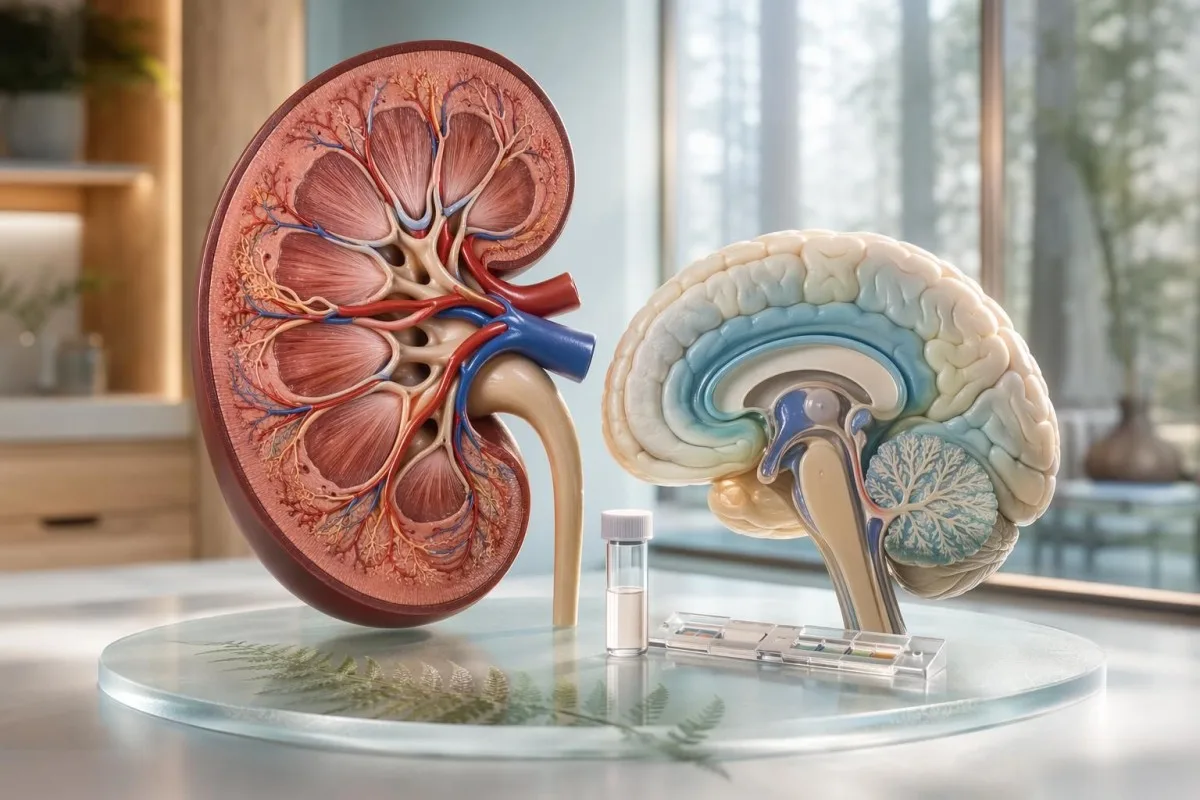
ຜົນ sodium ສູງມັກຈະເປັນບັນຫາດຸນຍ້ຳນ້ຳ (water-balance) ບໍ່ແມ່ນຄົນກິນອາຫານເຄັມມື້ດຽວ. ກຸນແຈທາງຄລິນິກແມ່ນການຕັດສິນວ່າການສູນເສຍນ້ຳແມ່ນງ່າຍໆ, ຂັບເຄື່ອນໂດຍໄຕ, ກ່ຽວຂ້ອງກັບຢາ, ຫຼື ເປັນສະພາບດ່ວນ.


- ໂຊດຽມສູງ ມັກໝາຍເຖິງ serum sodium ສູງກວ່າ 145 mmol/L; hypernatremia ຮ້າຍແຮງມັກເລີ່ມຂຶ້ນຫຼັງຈາກ 155-160 mmol/L.
- ຂາດນ້ຳຢ່າງງ່າຍ ມັກຈະຜະລິດຍ່ຽວທີ່ເຂັ້ມຂຸ້ນ (concentrated urine), ແລະມັກຈະເປັນ urine osmolality ຫຼາຍກວ່າ 600 mOsm/kg ຖ້າໄຕສາມາດຕອບສະໜອງໄດ້ຕາມປົກກະຕິ.
- ພາວະຂາດນ້ຳຂັບປັດສະວະ (Diabetes insipidus) ຈະຖືກສົງໄສເມື່ອ sodium ສູງ, ຄວາມກະຫາຍ (thirst) ຮຸນແຮງ, ປະລິມານຍ່ຽວເກີນ 3 L/ວັນ, ແລະ ຍ່ຽວຍັງຈາງຢູ່ຕ່ຳກວ່າປະມານ 300 mOsm/kg.
- ສາເຫດຈາກຢາ ປະກອບມີ lithium, loop diuretics, osmotic agents, SGLT2 inhibitors, lactulose, sodium bicarbonate ຂະໜາດສູງ, ແລະ ການສຳຜັດກັບ hypertonic saline.
- ជាតិស្ករខ្ពស់ ສາມາດເຮັດໃຫ້ osmotic diuresis; sodium ທີ່ປັບແກ້ (corrected) ຈະເພີ່ມຂຶ້ນປະມານ 1.6-2.4 mmol/L ສຳລັບ glucose ແຕ່ລະ 100 mg/dL ທີ່ເກີນ 100 mg/dL.
- ອາການເຕືອນທາງລະບົບປະສາດ ເຊັ່ນ confusion, seizure, ອ່ອນແອໃໝ່, ງ່ວງນອນຮ້າຍແຮງ, ຫຼື ເປັນລົມ (fainting) ພ້ອມກັບ sodium ສູງກວ່າ 150 mmol/L ຕ້ອງກວດທາງການແພດຢ່າງດ່ວນ.
- ຄວາມໄວໃນການປັບແກ້ (Correction speed) ມີຄວາມສຳຄັນ; hypernatremia ຊຳເຮື້ອ (chronic) ມັກຈະຖືກປັບແກ້ໄດ້ບໍ່ເກີນ 10-12 mmol/L ໃນ 24 ຊົ່ວໂມງ ຍົກເວັ້ນຖ້າຜູ້ຊ່ຽວຊານສັ່ງເປັນຢ່າງອື່ນ.
- ការបញ្ជាក់ដោយមន្ទីរពិសោធន៍ មានសារៈសំខាន់ ព្រោះការចម្លងកខ្វក់តាមខ្សែសាលីន (saline-line contamination) ការបង្កឲ្យមានកំហុសពីឧបករណ៍ ion-selective electrode ដោយប្រយោល និងឯកតាមិនត្រូវគ្នា អាចធ្វើឲ្យការធ្វើតេស្តសូដ្យូមក្នុងឈាមមានតម្លៃខ្ពស់ ទោះបីជាសូដ្យូមក្នុងខ្លួនមិនពិតជាខ្ពស់ក៏ដោយ។.
ສິ່ງທີ່ຜົນ sodium ສູງມັກຈະໝາຍເຖິງໃນການກວດເລືອດ
សូដ្យូមខ្ពស់បណ្តាលឲ្យ ជាធម្មតា ជាបញ្ហាបាត់បង់ទឹក (water-loss)៖ ការខះជាតិទឹក (dehydration), ជំងឺទឹកនោមមិនអាចទប់បាន (diabetes insipidus), ការនោមដោយសារអូសម៉ូសពីជាតិស្ករខ្ពស់ (osmotic urination from high glucose), ផលប៉ះពាល់ពីថ្នាំ, ឬកម្រជាងនេះ គឺការទទួលបានសូដ្យូមដោយផ្ទាល់។ ចំពោះមនុស្សពេញវ័យ សូដ្យូមក្នុងសេរ៉ូមលើសពី 145 mmol/L គឺ hypernatremia; លើសពី 155-160 mmol/L អាចធ្វើឲ្យខូចខួរក្បាល ជាពិសេសប្រសិនបើវាកើតឡើងយ៉ាងឆាប់រហ័ស។ គ្រូពេទ្យបែងចែកការខះជាតិទឹកសាមញ្ញ ពីជំងឺបាត់បង់ទឹក ដោយពិនិត្យការស្រេកទឹក (thirst), បរិមាណទឹកនោម (urine volume), ភាពប្រមូលផ្តុំទឹកនោម (urine concentration), ជាតិស្ករ (glucose), មុខងារតម្រងនោម (kidney function), ប្រវត្តិការប្រើថ្នាំ (medication history) និងរោគសញ្ញាផ្នែកប្រព័ន្ធប្រសាទ (neurologic symptoms)។ Kantesti គឺជា AI ເຄື່ອງວິເຄາະເລືອດ ដែលអានសូដ្យូមរួមជាមួយ creatinine, glucose, urea, chloride, bicarbonate និងសញ្ញាសម្គាល់ទឹកនោម (urine markers) ជាជាងព្យាបាលលេខដែលត្រូវបានរាយការណ៍ថាខុសតែមួយ ជាដំណោះស្រាយទាំងមូល។.
A ការធ្វើតេស្តសូដ្យូមក្នុងឈាមមានតម្លៃខ្ពស់ លទ្ធផលនេះមិនដូចនឹង “អំបិលតុច្រើនពេក” នៅបន្ទប់ពិនិត្យភាគច្រើនទេ។ តាមបទពិសោធន៍របស់ខ្ញុំ រឿងដែលកើតឡើងជាញឹកញាប់ជាងនេះ គឺថា រាងកាយបានបាត់បង់ទឹកច្រើនជាងសូដ្យូម — តាមរយៈគ្រុនក្តៅ (fever), រាគ (diarrhoea), ការបែកញើស (sweating), ជំងឺទឹកនោមផ្អែមដែលមិនបានគ្រប់គ្រង (uncontrolled diabetes), ការចូលប្រើសារធាតុរាវមិនគ្រប់គ្រាន់ (poor access to fluids), ឬតម្រងនោមដែលមិនអាចរក្សាទឹកបាន។.
ជួរធម្មតានៃសូដ្យូមក្នុងសេរ៉ូមសម្រាប់មនុស្សពេញវ័យ ជាទូទៅ 135-145 mmol/L, ទោះបីជាមន្ទីរពិសោធន៍ខ្លះបោះពុម្ព 136-144 mmol/L ຫຼື 134-146 mmol/L អាស្រ័យលើម៉ាស៊ីនវិភាគ (analyser) និងការធ្វើឲ្យមានសុពលភាពក្នុងតំបន់។ ប្រសិនបើរបាយការណ៍របស់អ្នកប្រើបន្ទះ U&E តាមរចនាបថចក្រភពអង់គ្លេស (UK-style U&E panel) នោះ មគ្គុទេសក៍លទ្ធផលតម្រងនោម U&E របស់យើង ពន្យល់ពីមូលហេតុដែលសូដ្យូមត្រូវបានបកស្រាយរួមជាមួយ potassium, urea, creatinine និង bicarbonate។.
Adrogué និង Madias បានពិពណ៌នា hypernatremia ជាជំងឺនៃតុល្យភាពទឹក មិនមែនតុល្យភាពសូដ្យូម នៅក្នុងទស្សនាវដ្តី New England Journal of Medicine ហើយការបកស្រាយនោះនៅតែជារបៀបដែលខ្ញុំប្រើនៅគ្រែអ្នកជំងឺ (Adrogué & Madias, 2000)។ អ្នករត់អាយុ 52 ឆ្នាំដែលមានសូដ្យូម 149 mmol/L បន្ទាប់ពីការរត់ក្តៅ (hot race) គឺជាអ្នកជំងឺមួយផ្សេងពីអ្នកដែលមានអាយុ 82 ឆ្នាំដែលមានសូដ្យូម 149 mmol/L, ភាពច្របូកច្របល់ (confusion) និងបរិមាណទឹកនោម (urine output) នៃ 4.5 L/day.
Kantesti’s ຄູ່ມື biomarker ព្យាបាលសូដ្យូមជាអេឡិចត្រូលីតមួយក្នុងលំនាំធំជាងនេះ ព្រោះការបកស្រាយសូដ្យូមតែឯកោ (isolated sodium interpretation) គឺជាកន្លែងដែលអ្នកជំងឺត្រូវបានបំភាន់។ សូដ្យូមនៃ 147 mmol/L ជាមួយ albumin ខ្ពស់ និង urea ខ្ពស់ ជាញឹកញាប់បង្ហាញទៅរកការខះជាតិទឹក; សូដ្យូមដូចគ្នានោះ ប៉ុន្តែជាមួយទឹកនោមដែលស្តើងខ្លាំង (very dilute urine) បង្ហាញទៅកន្លែងផ្សេងទាំងស្រុង។.
ທ່ານໝໍຢືນຢັນ sodium ສູງແນວໃດກ່ອນຈະໂທດວ່າເກີດຈາກຂາດນ້ຳ (dehydration)
គ្រូពេទ្យបញ្ជាក់ថាសូដ្យូមខ្ពស់ ដោយធ្វើការធ្វើគំរូឡើងវិញ ពិនិត្យវិធីប្រមូលគំរូ និងពិនិត្យ serum osmolality នៅពេលលទ្ធផលមិនសមស្របនឹងអ្នកជំងឺ។ សូដ្យូមពិតខ្ពស់ជាង 145 mmol/L ជាទូទៅគួរតែស្របទៅនឹង serum osmolality ខ្ពស់ ជាញឹកញាប់លើសពី 295 mOsm/kg, លើកលែងតែមានកំហុសពីការវាស់វែង។.
ចំណុចសម្គាល់ដែលជាក់ស្តែងគួរឱ្យភ្ញាក់ផ្អើល គឺថាតើគំរូបានមកពីខ្សែ (line) ដែលទើបតែបញ្ចូល saline ថ្មីៗឬទេ។ សូម្បីតែ saline ចំនួនតិចក៏អាចធ្វើឲ្យសូដ្យូម និង chloride កើនឡើងជាមួយគ្នា ហើយខ្ញុំបានឃើញគំរូ peripheral ធ្វើឡើងវិញធ្លាក់ពី 154 mmol/L ກັບ 142 mmol/L ក្នុងរយៈពេលមួយម៉ោង។.
Pseudohypernatremia មិនសូវកើតទេ ប៉ុន្តែអាចកើតឡើងជាមួយនឹងវិធី indirect ion-selective electrode មួយចំនួន នៅពេលប្រូតេអ៊ីន ឬ lipid មានភាពមិនប្រក្រតីខ្លាំង។ Kantesti’s neural network ដាស់តឿនលំនាំមិនស្របគ្នាទៅនឹងច្បាប់គីមីវិទ្យាគ្លីនិកដែលប្រើក្នុង workflow របស់យើង ប៉ុន្តែគ្មាន algorithm ណាមួយគួរជំនួសការធ្វើតេស្តឡើងវិញទេ នៅពេលអ្នកជំងឺមើលទៅល្អ និងលេខមើលទៅចម្លែក។ ການກວດສອບທາງການແພດ លំនាំ chloride ជួយ។ ការបាត់បង់ទឹកពិតជាញឹកញាប់ធ្វើឲ្យសូដ្យូម និង chloride កើនឡើងស្របគ្នា ខណៈដែលការកើនឡើងសូដ្យូមតែឯងជាមួយ chloride ដែលនៅធម្មតា អាចបង្ហាញពីបញ្ហាការរាយការណ៍ ឯកតា ឬគំរូ; ជួរ chloride ធម្មតាជាធម្មតា.
Thomas Klein, MD ដែលជាឈ្មោះផ្ទាល់ខ្ញុំលើអត្ថបទនេះ ត្រូវបានដាក់បញ្ចូលនៅទីនេះដោយមានហេតុផលមួយ៖ electrolyte មិនប្រក្រតី គឺជាកន្លែងមួយក្នុងចំណោមកន្លែងដែលការវិនិច្ឆ័យរបស់វេជ្ជបណ្ឌិតនៅតែមានសារៈសំខាន់។ គំរូឡើងវិញដែលស្អាត បញ្ជីថ្នាំ និងលទ្ធផលទឹកនោម ជាញឹកញាប់អាចដោះស្រាយសំណួរបានលឿនជាងការបញ្ជាទិញតេស្ត endocrine ដ៏កម្រជាច្រើន។ 98-107 mmol/L ໃນຜູ້ໃຫຍ່.
ការខ្វះជាតិទឹកសាមញ្ញ ជាធម្មតាបណ្តាលឲ្យសូដ្យូមខ្ពស់ជាមួយទឹកនោមដែលប្រមូលផ្តុំខ្លាំង urea ឬ BUN ខ្ពស់ជាង និងពេលខ្លះ albumin ឬ hematocrit ខ្ពស់។ ប្រសិនបើតម្រងនោមមានសុខភាពល្អ osmolarity ទឹកនោមជាញឹកញាប់កើនឡើងលើសពី.
ຂາດນ້ຳຢ່າງງ່າຍມີແບບຮູບແບບທາງຫ້ອງທົດລອງທີ່ຈົດຈຳໄດ້
ព្រោះ antidiuretic hormone ប្រាប់តម្រងនោមឲ្យសន្សំទឹក។ 600 mOsm/kg ការខ្វះជាតិទឹក ជាធម្មតាធ្វើឲ្យតម្រងនោមប្រមូលផ្តុំទឹកនោមខ្លាំង។.
146-152 mmol/L , urea ឬ BUN ខ្ពស់ជាង baseline, creatinine កើនឡើងបន្តិច, ទឹកនោមងងឹតជាងធម្មតា និងរឿងរ៉ាវច្បាស់៖ ក្អួត រាគ គ្រុនក្តៅ ការទទួលទានមិនគ្រប់ ឬបែកញើសខ្លាំង។ ក្នុងស្ថានការណ៍នោះ តម្រងនោមកំពុងធ្វើការងាររបស់វា; មនុស្សនោះគ្រាន់តែខ្វះទឹកសេរីគ្រប់គ្រាន់។, នៅក្នុងឯកតា US អាចគាំទ្រការថយចុះនៃ effective circulating volume ប៉ុន្តែវាមិនមែនជាការធ្វើរោគវិនិច្ឆ័យដោយខ្លួនឯងទេ។ មគ្គុទេសក៍របស់យើងស្តីពី.
ອັດຕາສ່ວນ BUN/creatinine ທີ່ສູງກວ່າ 20:1 ຂອງໜ່ວຍສະຫະລັດສາມາດສະໜັບສະໜູນປະລິມານເລືອດໄຫຼວຽນທີ່ມີປະສິດທິພາບຫຼຸດລົງ, ເຖິງແມ່ນວ່າມັນບໍ່ແມ່ນການວິນິດໄສໃນຕົວມັນເອງ. ຄູ່ມືຂອງພວກເຮົາກ່ຽວກັບ BUN ខ្ពស់ គ្រោះថ្នាក់ ອະທິບາຍວ່າເຫດໃດຄວາມສູງຂອງ urea ຈຶ່ງເພີ່ມຂຶ້ນໃນເວລາຂາດນ້ຳ, ການກິນໂປຣຕີນສູງ, ການເລືອດອອກທາງລຳໄສ້, ແລະການປ່ຽນແປງການໄຫຼຂອງເລືອດທີ່ໄປລ້ຽງໄຕໄຂ່ຫຼັງ.
Albumin ກໍສາມາດດູສູງໄດ້ຈາກ hemoconcentration. Adult albumin ມັກຖືກລາຍງານປະມານ 35-50 g/L ຫຼື 3.5-5.0 g/dL; ຄ່າທີ່ສູງກວ່າຊ່ວງພ້ອມກັບ sodium ສູງ ແລະຄວາມກະຫາຍກະຫວາຍ (thirst) ມັກເປັນຂໍ້ບອກການສູນເສຍນ້ຳ ຫຼາຍກວ່າຈະເປັນຄວາມຜິດປົກກະຕິດ້ານໂປຣຕີນ.
ຄຳຖາມທີ່ເປັນປະໂຫຍດບໍ່ແມ່ນ “ມື້ວານນີ້ຂ້ອຍດື່ມນ້ຳພໍບໍ?” ແຕ່ແມ່ນ “ຂ້ອຍສາມາດທົດແທນນ້ຳໄດ້ຢ່າງປອດໄພບໍ, ແລະເປັນຫຍັງຂ້ອຍຈຶ່ງສູນເສຍມັນ?” ຜູ້ສູງອາຍຸທີ່ອ່ອນແອມີ sodium 150 mmol/L ຫຼັງຈາກສອງມື້ທີ່ກິນໜ້ອຍ ຕ້ອງການແຜນການທີ່ຕ່າງຈາກຜູ້ໃຫຍ່ທີ່ສຸຂະພາບດີທີ່ 146 mmol/L ຫຼັງຈາກການນັ່ງອົບເຫື່ອຍ (sauna) ດົນ.
ເມື່ອປັດສາວຍ່ຽວ (urine) ຈາງຊີ້ໄປທາງ diabetes insipidus
ຈະສົງໄສ diabetes insipidus ເມື່ອ sodium ສູງປາກົດພ້ອມກັບຄວາມກະຫາຍກະຫວາຍຫຼາຍ, ປະລິມານຍ່ຽວສູງ, ແລະຍ່ຽວທີ່ຍັງຈາງ (dilute) ຢູ່ເຖິງຈະຂາດນ້ຳ. ໃນຜູ້ໃຫຍ່, ການຂັບຍ່ຽວທີ່ເກີນ 3 L/ວັນ ດ້ວຍ urine osmolality ຕ່ຳກວ່າ 300 mOsm/kg ແມ່ນຂໍ້ບອກທີ່ເປັນແບບຄລາສສິກ.
ຄົນເຈັບຫຼາຍຄົນບັນຍາຍເລື່ອງທີ່ຈະເປັນຮູບແບບສະເພາະຫຼາຍ: ຕື່ນຂຶ້ນຍ່ຽວຫຼາຍຄັ້ງໃນກາງຄືນ, ຖືກະຕຸກນ້ຳໄປທຸກບ່ອນ, ຢາກດື່ມເຄື່ອງດື່ມເຢັນ, ແລະຮູ້ສຶກຕົກໃຈ/ກະວົນກະວາຍຖ້າບໍ່ມີນ້ຳໃກ້ຕົວ. ຄຳເກົ່າ ໂຣກບໍ່ມີການຂັບນ້ຳ (diabetes insipidus) ຍັງຖືກໃຊ້ກວ້າງຂວາງ, ເຖິງແມ່ນວ່າທີມ endocrine ຈຳນວນຫຼາຍຕອນນີ້ກ່າວວ່າ arginine vasopressin deficiency ຫຼື arginine vasopressin resistance.
Christ-Crain ແລະຄະນະໄດ້ທົບທວນ diabetes insipidus ໃນ Nature Reviews Disease Primers ແລະເນັ້ນວ່າການວິນິດໄຊຕ້ອງອາໄສການຈັບຄູ່ blood osmolality ກັບ urine concentration, ບໍ່ແມ່ນອາໄສອາການຢ່າງດຽວ (Christ-Crain et al., 2019). ຄົນທີ່ມີ sodium 148 mmol/L, ຄວາມເຂັ້ມຂຸ້ນຂອງ serum osmolality 305 mOsm/kg, ແລະ urine osmolality 120 mOsm/kg ບໍ່ໄດ້ປະພຶດຕົວແບບການຂາດນ້ຳທົ່ວໄປ.
Kantesti ອ່ານຮູບແບບນີ້ຄຽງຄູ່ກັບຂໍ້ບອກທີ່ກ່ຽວກັບຄວາມກະຫາຍກະຫວາຍ ເພາະວ່າຄວາມກະຫາຍກະຫວາຍທີ່ບໍ່ຢຸດຢັ້ງກໍສາມາດເກີດຈາກ diabetes mellitus, calcium ສູງ, ພະຍາດໄຕ, ຢາປິ່ນປົວປາກແຫ້ງ, ຫຼືຄວາມກັງວົນ. ຄູ່ມືຂອງພວກເຮົາສຳລັບ ການກວດເລືອດສຳລັບຄວາມກະຫາຍກະຫວາຍທີ່ບໍ່ຢຸດຢັ້ງ ວາງອອກການແຍກຄັ້ງທຳອິດທີ່ແພດມັກຈະເຮັດ.
ຄວາມໜາແນ່ສະເພາະຂອງຍ່ຽວ (urine specific gravity) ສາມາດເປັນຂໍ້ບອກທີ່ມີປະໂຫຍດໃນຂ້າງຕຽງ, ແຕ່ມັນຄ່ອນຂ້າງຫຍາບ. ຄວາມໜາແນ່ສະເພາະທີ່ຕ່ຳກວ່າ 1.005 ຊີ້ວ່າຍ່ຽວຈາງຫຼາຍ, ໃນຂະນະທີ່ຄ່າທີ່ສູງກວ່າ 1.020 ມັກຊີ້ວ່າມີການເຂັ້ມຂຸ້ນ; glucose ຫຼື protein ໃນຍ່ຽວສາມາດທຳໃຫ້ການອ່ານຜິດພາດໄດ້.
ການແຍກ central ແລະ nephrogenic diabetes insipidus
Central diabetes insipidus ດີຂຶ້ນຫຼັງ desmopressin ເພາະຮ່າງກາຍຂາດສັນຍານ vasopressin, ໃນຂະນະທີ່ nephrogenic diabetes insipidus ດີຂຶ້ນໜ້ອຍຫຼາຍເພາະໄຕບໍ່ສາມາດຕອບສະໜອງໄດ້. ການເພີ່ມຂຶ້ນຂອງ urine osmolality ເກີນປະມານ 50% បន្ទាប់ពី desmopressin ជួយគាំទ្រជំងឺប្រភេទកណ្តាល (central disease) ការកើនឡើងតិចតួចជាញឹកញាប់បង្ហាញថាជាជំងឺប្រភេទ nephrogenic។.
ការធ្វើតេស្តបែបបុរាណនៃការខ្វះទឹក (water-deprivation test) មិនមែនជាការពិសោធន៍ DIY ទេ។ វាអាចមិនមានសុវត្ថិភាពនៅពេលដែលសូដ្យូម (sodium) ខ្ពស់រួចទៅហើយ ហើយក្នុងជំងឺទឹកនោមផ្អែមមួយផ្នែក (partial diabetes insipidus) លទ្ធផលស្ថិតនៅតំបន់កណ្តាលដែលច្របូកច្របល់ ដែលសូម្បីតែអ្នកឯកទេសខាងអរម៉ូនក៏នៅតែជជែកគ្នា។.
នៅមជ្ឈមណ្ឌលឯកទេស ការប្រើ copeptin ដែលត្រូវបានជំរុញ (stimulated copeptin) កំពុងត្រូវបានប្រើកាន់តែច្រើន ព្រោះ copeptin តាមដានការបញ្ចេញ vasopressin បានត្រឹមត្រូវជាងការវាស់ vasopressin ដោយខ្លួនឯង។ copeptin ដែលត្រូវបានជំរុញខ្ពស់ជាងប្រហែល 4.9 pmol/L បន្ទាប់ពីការធ្វើតេស្តជាមួយ saline ដែលមានជាតិខ្ពស់ (hypertonic saline) ត្រូវបានប្រើដើម្បីបែងចែក primary polydipsia ពី central diabetes insipidus ទោះបីពិធីសាស្ត្រខុសគ្នាតាមប្រទេសក៏ដោយ។.
Nephrogenic diabetes insipidus មានថ្នាំ និងរឿងរ៉ាវតម្រងនោមខុសគ្នាខ្លាំង។ Lithium ជាមូលហេតុបុរាណ; បន្ទាប់ពីការប៉ះពាល់រយៈពេលយូរ មានស៊េរីខ្លះរាយការណ៍ថាការប្រមូលផ្តុំទឹកនោម (urinary concentration) ត្រូវបានខូចនៅក្នុង 20-40% នៃអ្នកប្រើប្រាស់ ទោះបីជាការកើនសូដ្យូមខ្លាំងធ្ងន់ធ្ងរ (hypernatremia) ក៏កើតឡើងមិនសូវជាញឹកញាប់ក្នុងផ្នែកព្យាបាល។.
ការនោមពេលយប់ (night urination) សំខាន់ ព្រោះ polyuria ជាញឹកញាប់ត្រូវបានកត់សម្គាល់ជាមុននៅម៉ោង 2 ព្រឹក មិនមែនក្នុងពេលទៅពិនិត្យនៅគ្លីនិកទេ។ Our คู่มือการตรวจทางห้องแล็บเรื่องการปัสสาวะตอนกลางคืน ពន្យល់ពីរបៀបដែល glucose មុខងារតម្រងនោម សូដ្យូម និងការប្រមូលផ្តុំទឹកនោម ត្រូវបានរៀបចំ/បែងចែក មុនពេលស្វែងរកការវិនិច្ឆ័យដ៏កម្រណាមួយ។.
ຜົນຂອງຢາທີ່ສາມາດເຮັດໃຫ້ sodium ສູງ
ថ្នាំបង្កើនសូដ្យូម ដោយបណ្តាលឲ្យបាត់បង់ទឹក (water loss) រារាំងសកម្មភាព vasopressin បង្កើនការនោមដែលទាក់ទងនឹង glucose ឬបន្ថែមសូដ្យូមដោយផ្ទាល់។ Lithium, loop diuretics, mannitol, lactulose, SGLT2 inhibitors, sodium bicarbonate និង hypertonic saline ជាឈ្មោះទូទៅដែលវេជ្ជបណ្ឌិតពិនិត្យជាមុន។.
Lithium សមនឹងមានបន្ទាត់ផ្ទាល់ខ្លួន ព្រោះវាអាចបណ្តាលឲ្យ nephrogenic diabetes insipidus ក្នុងរយៈពេលប៉ុន្មានខែ ឬច្រើនឆ្នាំបន្ទាប់ពីចាប់ផ្តើមការព្យាបាល។ អ្នកជំងឺអាចមានសូដ្យូម 147-151 mmol/L, osmolality នៃទឹកនោមទាបជាង 300 mOsm/kg, និងប្រវត្តិការប្រើថ្នាំដែលពន្យល់អ្វីៗទាំងមូលដោយស្ងៀមស្ងាត់។.
Loop diuretics អាចរួមចំណែកដោយបង្កើនការបាត់បង់អំបិល និងទឹក ជាពិសេសនៅពេលដែលចំណង់អាហារមិនល្អ ឬការទទួលបានទឹកមានកម្រិត។ SGLT2 inhibitors ជាទូទៅមិនបណ្តាលឲ្យ hypernatremia ដែលគ្រោះថ្នាក់ដោយខ្លួនឯងទេ ប៉ុន្តែការរួមបញ្ចូលគ្នានៃ glycosuria កំដៅ ការទទួលទានកាបូអ៊ីដ្រាតទាប ក្អួត ឬការផឹកតិច អាចធ្វើឲ្យសូដ្យូមឡើងខ្ពស់។.
Lactulose ការរៀបចំលំពែង/ពោះវៀន (bowel preparations) និង osmotic agents អាចបង្កើតការបាត់បង់ទឹកច្រើនក្នុងលាមក ឬទឹកនោម។ គ្រាប់ sodium bicarbonate និងថ្នាំដែលមានសារធាតុបង្កើតពពុះ (effervescent medicines) អាចបន្ថែមបន្ទុកសូដ្យូមពិតៗ; ការរៀបចំខ្លះមានសូដ្យូមរាប់រយមីលីក្រាមក្នុងមួយដូស។.
នៅពេល Kantesti ពិនិត្យមើលលំនាំដែលភ្ជាប់នឹងថ្នាំ (medication-linked patterns) ពេលវេលានៃការប្រើថ្នាំមានសារៈសំខាន់ដូចតម្លៃដែរ។ Our ຄູ່ມືການຕິດຕາມຢາ មានប្រយោជន៍ ព្រោះការផ្លាស់ប្តូរសូដ្យូមជាញឹកញាប់លេចឡើងក្នុងរយៈពេលប៉ុន្មានថ្ងៃសម្រាប់ diuretics ប៉ុន្តែអាចចំណាយពេលច្រើនខែ ឬច្រើនឆ្នាំសម្រាប់កំហុសក្នុងការប្រមូលផ្តុំដែលទាក់ទងនឹង lithium។.
ນ້ຳຕານສູງ (glucose) ສາມາດຊ່ອນ ຫຼື ເປີດເຜີຍ hypernatremia
Glucose ខ្ពស់បណ្តាលឲ្យ osmotic diuresis ដែលអាចបង្កើតការបាត់បង់ទឹកធ្ងន់ធ្ងរ និងសូដ្យូមខ្ពស់បន្ទាប់ពីការកែតម្រូវ។ សូដ្យូមដែលបានកែតម្រូវឡើងប្រហែល 1.6-2.4 mmol/L ສຳລັບທຸກໆ 100 mg/dL ນ້ຳຕານສູງກວ່າ 100 mg/dL, អាស្រ័យលើរូបមន្តដែលបានប្រើ។.
នេះជាកន្លែងមួយដែលសូដ្យូមដែលបោះពុម្ពអាចធ្វើឲ្យមនុស្សយល់ច្រឡំ។ ក្នុង hyperglycaemia ធ្ងន់ធ្ងរ ការផ្លាស់ប្តូរទឹកចេញពីកោសិកា អាចធ្វើឲ្យសូដ្យូមដែលវាស់បានថយចុះ ដូច្នេះ “សូដ្យូម” ដែល “ធម្មតា” នៃ 140 mmol/L ກັບນ້ຳຕານ (glucose) 600 mg/dL អាចតំណាងឲ្យ hypernatremia ដែលបានកែតម្រូវបានពិតប្រាកដ។.
ແຄນເທສຕີ ເປັນ ឧបករណ៍វិភាគតេស្តឈាមដែលដំណើរការដោយ AI ត្រូវបានប្រើដោយមនុស្សនៅក្នុងប្រទេសជាច្រើន ដូច្នេះការបកស្រាយរបស់យើងគ្របដណ្តប់ទាំងពីរ mg/dL ແລະ mmol/L ឯកតា glucose។ glucose មួយដែល 33.3 mmol/L ແມ່ນປະມານ 600 mg/dL, ហើយការកែតម្រូវសូដ្យូមមិនគួរត្រូវបានរំលងទេ ដោយសារតែឯកតាមើលទៅមិនស្គាល់។.
ស្ថានភាព hyperosmolar hyperglycaemic គឺជាចុងដ៏គ្រោះថ្នាក់នៃជួរនេះ។ គ្រូពេទ្យព្រួយបារម្ភពេល glucose ខ្ពស់ខ្លាំង ប្រសិទ្ធភាព osmolality ខិតជិត ឬលើស 320 mOsm/kg, ប្រសិនបើអ្នកជំងឺមានការភ័ន្តច្រឡំ ឬងងុយដេក ហើយការកែតម្រូវសូដ្យូមបង្ហាញពីការខ្វះ free water ដ៏ធំ។.
ប្រសិនបើ glucose ខ្ពស់លេចឡើងនៅក្នុងបន្ទះដូចគ្នា សូមអាន កម្រិតកាត់ជាតិស្ករខ្ពស់ មុននឹងសន្មត់ថាការខ្វះជាតិទឹកគឺជាបញ្ហាតែមួយគត់។ ក្នុងការអនុវត្ត ការបាត់បង់ទឹកដោយសារតែ glucose និងការខ្វះជាតិទឹកធម្មតា ជាញឹកញាប់កើតមានជាមួយគ្នា។.
ການສູນເສຍຈາກລຳໄສ້ (gut loss), ການເຫື່ອອອກ (sweating) ແລະ ໄຂ້ (fever) ສາມາດເຮັດໃຫ້ sodium ສູງໄດ້ໄວ
រាគ, ក្អួត, គ្រុនក្តៅ និងការបែកញើសខ្លាំង ធ្វើឲ្យសូដ្យូមកើនឡើង នៅពេលដែលការបាត់បង់ទឹកលើសការបាត់បង់សូដ្យូម ឬនៅពេលដែលសារធាតុរាវជំនួសមានជាតិអំបិលច្រើនពេក។ គ្រុនក្តៅអាចបង្កើនការបាត់បង់ទឹកដោយមិនដឹងខ្លួនប្រហែល 10-15% ក្នុង 1°C កើនឡើងនៃសីតុណ្ហភាពរាងកាយ ដែលគ្រប់គ្រាន់ដើម្បីមានសារៈសំខាន់ចំពោះអ្នកជំងឺដែលទន់ខ្សោយ។.
ប្រវត្តិលាមក ជាញឹកញាប់មានប្រយោជន៍ជាងការបោះពុម្ពលទ្ធផលមន្ទីរពិសោធន៍ដំបូង។ រាគរាវធំសម្រាប់ 24-48 ຊົ່ວໂມງ អាចធ្វើឲ្យសូដ្យូមកើនឡើង ប្រសិនបើមនុស្សនោះមិនអាចតាមទាន់ជាមួយ free water ជាពិសេសចំពោះមនុស្សវ័យចាស់ ឬកុមារ។.
ញើសមានសូដ្យូម ប៉ុន្តែជាទូទៅវាមានសមត្ថភាព hypotonic បើប្រៀបធៀបទៅនឹង plasma។ សូដ្យូមក្នុងញើសប្រែប្រួលយ៉ាងទូលំទូលាយ ជាញឹកញាប់ប្រហែល 20-80 mmol/L, ដូច្នេះ ការបែកញើសយូរដោយគ្មានទឹកគ្រប់គ្រាន់ អាចធ្វើឲ្យឈាមមានភាពប្រមូលផ្តុំខ្ពស់ជាងធម្មតា។.
អ្នកកីឡាអត់ធន់ បង្កើតល្បែងផ្គុំរោគវិនិច្ឆ័យខុសប្លែក។ សូដ្យូមទាប ត្រូវបានគេស្គាល់ច្រើនក្រោយការប្រកួត ប៉ុន្តែសូដ្យូមខ្ពស់កើតឡើងនៅពេលដែលកំដៅ ការផឹកមិនគ្រប់គ្រាន់ ក្អួត ឬការចូលប្រើស្ថានីយជំនួយមានកំណត់ បង្កឲ្យមានការបាត់បង់ទឹកសុទ្ធ; ការណែនាំ មគ្គុទេសក៍តេស្តឈាមសម្រាប់រាគ គ្របដណ្តប់លើសញ្ញាណនៃការឆ្លង និងការខ្វះជាតិទឹក ដែលគ្រូពេទ្យភ្ជាប់ជាមួយសូដ្យូម។.
ការពិនិត្យជាក់ស្តែងរបស់ Liamis និងសហការី ក្នុង Postgraduate Medicine សង្កត់ធ្ងន់ថា ការកំណត់ផ្លូវនៃការបាត់បង់ទឹក គឺជាចំណុចកណ្តាលសម្រាប់ជម្រើសនៃការព្យាបាល (Liamis et al., 2016)។ អ្នកជំងឺដែលបាត់បង់ទឹកតាមលាមក ត្រូវការផែនការការពារខុសពីអ្នកដែលបាត់បង់ទឹកតាមទឹកនោមដែលមានជាតិរំលាយទាប។.
ການໄດ້ sodium ຈິງໆ ແມ່ນພົບໜ້ອຍກວ່າ ແຕ່ມີຄວາມສຳຄັນທາງຄລິນິກ
ការទទួលបានសូដ្យូមពិត (true sodium gain) បង្កឲ្យ hypernatremia នៅពេលដែលសូដ្យូមចូលក្នុងរាងកាយលឿនជាងទឹកអាចធ្វើឲ្យវាសមតុល្យ។ hypertonic saline, sodium bicarbonate កម្រិតខ្ពស់, ការពុលអំបិល, ការចាក់បញ្ចូល tube feeds ដែលប្រមូលផ្តុំខ្លាំងពេក និងការផ្លាស់ប្តូរសូដ្យូមដែលទាក់ទងនឹង dialysis គឺជាស្ថានភាពសំខាន់ៗដែលគ្រូពេទ្យស្វែងរក។.
ក្រុមនេះតូចជាង ប៉ុន្តែមិនមែនគ្មានគ្រោះថ្នាក់ទេ។ អ្នកជំងឺដែលសម្រាកព្យាបាលនៅមន្ទីរពេទ្យ ហើយទទួល hypertonic saline, sodium bicarbonate ដែលធ្វើឡើងវិញ ឬការចាក់បញ្ចូលដែលមានសូដ្យូមខ្ពស់ អាចផ្លាស់ប្តូរពី 142 mmol/L ກັບ 152 มิลลิโมล/ลิตร ໄວກວ່າການເປັນຄົນນອກການຮັກສາທີ່ສູນເສຍນ້ຳຄ່ອຍໆ.
ຄລอไรດ໌ຊ່ວຍແຍກແບບຮູບແບບ ເພາະການໄດ້ຮັບ sodium chloride ມັກຈະເຮັດໃຫ້ chloride ສູງຂຶ້ນດ້ວຍ. ຄລอไรດ໌ຂອງຜູ້ໃຫຍ່ປົກກະຕິຢູ່ປະມານ 98-107 mmol/L, ແລະ chloride ຂອງ 115 mmol/L ຂ້າງຄຽງກັບ sodium 153 mmol/L ເຮັດໃຫ້ຂ້ອຍຖາມເຖິງ saline, bicarbonate, ການຈັດການຂອງໄຕ, ແລະສະຖານະກົດ-ດ່າງ.
ອາຫານທໍ່ (tube feeds) ແມ່ນສາເຫດອີກຢ່າງທີ່ບໍ່ຄ່ອຍຖືກກ່າວເຖິງ. ຖ້າສູດອາຫານເຂັ້ມຂຸ້ນ, ການລ້າງນ້ຳອິດສະຫຼະ (free-water flushes) ຖືກພາດ, ຫຼືມີທ້ອງສຽງ (diarrhoea), sodium ສາມາດສູງຂຶ້ນໄດ້ ເຖິງບໍ່ມີການປ່ຽນແປງຢ່າງຊັດເຈນໃນການເຮັດວຽກຂອງໄຕ.
ຂອງພວກເຮົາ ຄູ່ມືການກວດເລືອດ chloride ຄວນອ່ານເມື່ອ sodium ແລະ chloride ເຄື່ອນທີ່ພ້ອມກັນ. ການຈັບຄູ່ sodium-chloride ມັກຈະບອກເລື່ອງທີ່ຊັດກວ່າຕົວເລກໃດໜຶ່ງຢ່າງດຽວ.
ອາການເຕືອນທາງລະບົບປະສາດຫຼັງຈາກຜົນ sodium ສູງ
ຄວາມສັບສົນ, ຊັກ, ງ່ວງນອນຮ້າຍແຮງ, ອ່ອນແອໃໝ່, ສະຫຼົບລົ້ມ, ຫຼືບໍ່ສາມາດດື່ມນ້ຳໄດ້ຢ່າງປອດໄພຫຼັງຈາກຜົນ sodium ສູງ ຕ້ອງການການປະເມີນທາງການແພດຢ່າງດ່ວນ. ເຊວສະໝອງຫົດລົງໃນພາວະ hypernatremia ທີ່ເກີດຂຶ້ນໄວ, ແລະອາການຈະເປັນໄປໄດ້ຫຼາຍຂຶ້ນເມື່ອ sodium ຂຶ້ນເໜືອ 150-155 mmol/L.
ສະໝອງແມ່ນອະໄວຍະວະທີ່ເຮັດໃຫ້ hypernatremia ອັນຕະລາຍ. ການຂຶ້ນຂອງ sodium ຢ່າງໄວ ດຶງນ້ຳອອກຈາກເຊວສະໝອງ; ການຂຶ້ນຢ່າງຊ້າ ໃຫ້ສະໝອງປັບຕົວດ້ວຍ osmolytes, ນັ້ນແມ່ນເຫດຜົນທີ່ຕ້ອງປະເມີນຄວາມໄວຂອງການຮັກສາຢ່າງລະມັດລະວັງ.
ເປົ້າໝາຍການປັບຄ່າໃຫ້ປອດໄພທົ່ວໄປສຳລັບ hypernatremia ທີ່ເກີດມາດົນແມ່ນບໍ່ເກີນ 10-12 mmol/L ຕໍ່ 24 ຊົ່ວໂມງ, ຊ່ວງຄ່າ bilirubin ລວມປົກກະຕິສຳລັບຜູ້ໃຫຍ່ສ່ວນໃຫຍ່ແມ່ນ 0.5 mmol/L ຕໍ່ຊົ່ວໂມງ. hypernatremia ທີ່ເກີດຂຶ້ນໄວ ອາດຖືກຈັດການແຕກຕ່າງໃນໂຮງໝໍ, ແຕ່ການຕັດສິນໃຈນັ້ນເປັນຂອງແພດຜູ້ຊຶ່ງສາມາດຕິດຕາມ sodium ໄດ້ທຸກ 2-4 ຊົ່ວໂມງ.
Thomas Klein, MD, ເວົ້າໃນຖານະແພດບໍ່ແມ່ນໃນຖານະຜູ້ບໍລິຫານຊອບແວຢູ່ທີ່ນີ້: ຂ້ອຍຢາກຈັດສົ່ງຄົນເຂົ້າການປະເມີນສູງເກີນໄປກ່ຽວກັບຄວາມສັບສົນດ້ວຍ sodium 151 mmol/L ດີກວ່າຈະປອບໃຈຄົນໃຫ້ສະບາຍໃຈຜ່ານຂໍ້ຄວາມໃນເວັບໄຊ. ອາການຂອງ sodium ສູງ ອາດເບິ່ງຄ້າຍຄວາມເມື່ອຍ, ຄວາມຫງຸດຫງິດ, ການປະສານງານບໍ່ດີ, ເຈັບຫົວ, ຫຼື delirium ກ່ອນທີ່ຈະມີຊັກ.
ຖ້າມີອາການວິນຫົວ, ສະຫຼົບລົ້ມ, ໃຈສັ່ນ (palpitations), ຫຼືອ່ອນແອ ເປັນສ່ວນໜຶ່ງຂອງອາການ, ພວກເຮົາ មគ្គុទេសក៍វិលមុខក្នុងការធ្វើតេស្តឈាម ອະທິບາຍເຫດຜົນທີ່ແພດມັກຈະກວດ glucose, sodium, potassium, ການເຮັດວຽກຂອງໄຕ, CBC, ແລະຄວາມດັນເລືອດພ້ອມກັນ.
ຜູ້ສູງອາຍຸ, ເດັກນ້ອຍ ແລະ ການຖືພາ ປ່ຽນແປງການຄຳນວນຄວາມສ່ຽງ
ຜູ້ສູງອາຍຸ, ເດັກອ່ອນ, ຄົນທີ່ມີຄວາມພິການທາງ neurologic, ແລະຜູ້ປ່ວຍຖືພາບາງຄົນ ສາມາດພັດທະນາ sodium ສູງທີ່ອັນຕະລາຍໄດ້ໄວກວ່າ ເພາະຄວາມກະຫາຍນ້ຳ (thirst) ແລະການເຂົ້າເຖິງນ້ຳອາດຖືກຈຳກັດ. sodium ຂອງ 148 mmol/L ນ່າກັງວົນຫຼາຍກວ່າໃນຄົນທີ່ອ່ອນແອ ຫຼືສັບສົນ ກວ່າໃນຜູ້ໃຫຍ່ທີ່ສຸຂະພາບດີທີ່ສາມາດດື່ມໄດ້ຕາມປົກກະຕິ.
ຜູ້ສູງອາຍຸມັກຈະມີການຕອບສະນອງຄວາມຫິວນ້ຳອ່ອນກວ່າ ແລະ ມີຄວາມສະຫຼັບສະຫຼອງການເຂັ້ມຂອງໄຕຕ່ຳກວ່າ. ເພີ່ມຄວາມຮ້ອນຈາກຄື້ນຄວາມຮ້ອນ, ການຕິດເຊື້ອ, ຢາຂັບຍ່ຽວ (diuretic), ຫຼື ການກິນບໍ່ດີ 2 ມື້ ແລ້ວ ຄ່າໂຊດຽມ (sodium) ສາມາດສູງຂຶ້ນກ່ອນທີ່ໃຜຈະສັງເກດວ່າຮູບແບບການດື່ມໄດ້ປ່ຽນໄປ.
ເດັກອ່ອນມີຄວາມສ່ຽງ ເພາະພວກເຂົາບໍ່ສາມາດຮ້ອງຂໍນ້ຳໄດ້ ແລະ ມີການໝູນວຽນນ້ຳສູງກວ່າຂະໜາດຂອງຮ່າງກາຍ. ຄວາມຜິດພາດໃນການປົນສູດນົມ (formula mixing), ໄຂ້, ທ້ອງບິດ (diarrhoea), ຫຼື ການກິນບໍ່ດີ ສາມາດທຳໃຫ້ຄ່າ sodium ສູງກວ່າ 150 mmol/L ທີ່ຕ້ອງການການປະເມີນຂອງແພດເດັກ (paediatric assessment) ຢ່າງທັນດ່ວນ.
ການຖືພາມັກຈະຫຼຸດ sodium ລົງເລັກນ້ອຍ ເພາະ plasma osmolality ຖືກປັບຄ່າລົງ; ຜູ້ປ່ວຍຖືພາຫຼາຍຄົນນັ່ງຢູ່ໃກ້ 130-138 mmol/L ໂດຍບໍ່ມີພະຍາດ. ດັ່ງນັ້ນ sodium ຂອງ 145 mmol/L ໃນການຖືພາ ອາດຈະຄວນໃຫ້ຄວາມສົນໃຈຫຼາຍກວ່າ ຈຳນວນດຽວກັນໃນຜູ້ໃຫຍ່ທີ່ບໍ່ຖືພາ, ໂດຍສະເພາະຖ້າມີອາເຈຍ (vomiting) ຫຼື ການກິນບໍ່ພໍດີ.
ສຳລັບຜູ້ດູແລ, ແນວໂນ້ມ (trend) ແລະ ພຶດຕິກຳ ສຳຄັນກວ່າ ຄ່າດຽວທີ່ແຍກອອກ. ພວກເຮົາ ຄູ່ມືການກວດຫ້ອງທົດລອງສຳລັບຜູ້ສູງອາຍຸ ເນັ້ນໃສ່ ຮູບແບບທີ່ເຊື່ອມຕໍ່ ການຂາດນ້ຳ (dehydration), ການລົ້ມ, ການເຮັດວຽກຂອງໄຕ, ຢາ, ແລະ ການຮູ້ຄິດ.
ການກວດຕິດຕາມທີ່ທ່ານໝໍມັກສັ່ງຫຼັງຈາກ sodium ສູງ
ການກວດຕິດຕາມຫຼັງຈາກ sodium ສູງ ມັກຈະລວມເຖິງ ການກວດ electrolytes ຊ້ຳ, glucose, urea ຫຼື BUN, creatinine, calcium, serum osmolality, urine osmolality, urine sodium, ແລະ ບາງຄັ້ງ urine specific gravity. ເປົ້າໝາຍແມ່ນຊອກຫາບັນຫານ້ຳ: ທ້ອງ (gut), ຜິວໜັງ (skin), ໄຕ (kidney), glucose, ຢາ, ຫຼື ການໄດ້ຮັບ sodium.
ຮູບແບບສຸກເສີນທີ່ໄວທີ່ສຸດ ມັກແມ່ນ basic metabolic panel ຫຼື renal panel. Sodium, potassium, chloride, bicarbonate, urea ຫຼື BUN, creatinine, ແລະ glucose ສາມາດຖືກປະມວນໄດ້ໄວໃນຫຼາຍໂຮງໝໍ, ມັກພາຍໃນ 30-90 ນາທີ ຂຶ້ນກັບຫ້ອງທົດລອງ.
Urine osmolality ແມ່ນຕົວແຍກ (separator) ທີ່ຂ້ອຍຢາກໃຫ້ຜູ້ປ່ວຍຮູ້ຫຼາຍກວ່ານີ້. ຍ່ຽວເຂັ້ມຂຸ້ນສູງກວ່າ 600 mOsm/kg ຊີ້ໄປທາງບໍ່ແມ່ນ diabetes insipidus, ໃນຂະນະທີ່ຍ່ຽວຈາງກວ່າ 300 mOsm/kg ໃນ hypernatremia ຊີ້ໄປທາງຄວາມລົ້ມເຫຼວໃນການສະຫງວນນ້ຳ.
Calcium ແລະ potassium ມີຄວາມສຳຄັນ ເພາະ hypercalcaemia ແລະ hypokalaemia ສາມາດຫຼຸດຄວາມສາມາດໃນການເຂັ້ມຂອງໄຕ. calcium ສູງກວ່າປະມານ 2.60 mmol/L ຫຼື ໂພແທດຊຽມຕ່ຳກວ່າ 3.5 mmol/L ສາມາດກໍ່ໃຫ້ເກີດ polyuria ແລະ ບໍ່ຄວນຖືກມອງຂ້າມ.
ຂອງພວກເຮົາ ຄູ່ມືການກວດເລືອດ BMP ອະທິບາຍວ່າເປັນຫຍັງແພດສຸກເສີນຈຶ່ງສັ່ງໃຫ້ກວດແຜງນີ້ໄວ. ມັນບໍ່ແມ່ນສິ່ງທີ່ຫນ້າຕື່ນເຕັ້ນ, ແຕ່ມັນຈະແຍກຮູບແບບ electrolyte ທີ່ມີຄວາມສ່ຽງສູງຫຼາຍຢ່າງໄວ ອອກຈາກບັນຫາການຕິດຕາມທີ່ຊ້າກວ່າຂອງຄົນເຈັບນອກ.
ການວິເຄາະແນວໂນ້ມ (trend analysis) ຊ່ວຍປ້ອງກັນການຕື່ນຕົກໃຈເກີນໄປກັບສັນຍານ sodium ຄັ້ງດຽວ
ການວິເຄາະແນວໂນ້ມ (trend analysis) ເປັນປະໂຫຍດ ເພາະວ່າ sodium ທີ່ສູງຂຶ້ນຈາກ 139 ເຖິງ 146 mmol/L ໃນໄລຍະ 2 ປີ ໝາຍຄວາມຫຼາຍຢ່າງບໍ່ຄືກັນກັບການສູງຂຶ້ນຈາກ 139 ຫາ 152 mmol/L ໃນສອງມື້. ທ່ານໝໍປຽບທຽບຄ່າພື້ນຖານ, ອາການ, ຢາ, ການຮັບນ້ຳ, ຮູບແບບການຂັບປັດສະວະ, ແລະ ການເຈັບປ່ວຍລ່າສຸດ ກ່ອນຈະຕັດສິນຄວາມຈຳເປັນດ່ວນ.
ຜູ້ໃຫຍ່ທີ່ສຸຂະພາບດີສ່ວນຫຼາຍຮັກສາ sodium ໃນຊ່ວງທີ່ແຄບສຳລັບຕົນເອງ, ມັກຈະຢູ່ໃນ 2-3 mmol/L ໃນການກວດປົກກະຕິ. ການເລື່ອນຂຶ້ນຊ້ຳໆ, ເຖິງຢູ່ໃນຊ່ວງທີ່ພິມໄວ້, ສາມາດເປັນຂໍ້ບອກວ່າການເຂົ້າເຖິງນ້ຳຫຼຸດລົງ, ຄວາມເຂັ້ມຂອງຢາຂັບປັດສະວະ (diuretic), ການຄວບຄຸມ glucose, ຫຼື ຄວາມສະຫງວນການເຂັ້ມຂອງໄຕ (kidney concentrating reserve) ກຳລັງຫຼຸດລົງ.
Kantesti ບັນທຶກຜົນກ່ອນໜ້າ ເພື່ອໃຫ້ຄົນເຈັບເຫັນວ່າ sodium 146 mmol/L ເປັນຄ່າໃໝ່ ຫຼື ເປັນຄ່າທີ່ຄຸ້ນເຄີຍຢູ່ໃກ້ຂອບຊ່ວງ. ທ່ານໝໍຂອງພວກເຮົາໃນ ຄະນະທີ່ປຶກສາດ້ານການແພດ ການທົບທວນວ່າພວກເຮົານຳສະເໜີແບບແຜນເຫຼົ່ານີ້ແນວໃດ ເພື່ອໃຫ້ຜົນອອກມາສະໜັບສະໜູນ ແທນທີ່ຈະທົດແທນການຕັດສິນທາງຄລີນິກ.
ໃນການດູແລຄົນເຈັບນອກ, sodium ທີ່ບໍ່ຮຸນແຮງແຕ່ບໍ່ມີອາການ ຂອງ 146-148 mmol/L ມັກຈະຖືກກວດຊ້ຳຫຼັງຈາກການໃຫ້ນ້ຳ (hydration) ແລະ ການທົບທວນຢາ, ມັກຈະພາຍໃນບໍ່ກີ່ມື້ ຫາ ສອງສາມອາທິດ ຂຶ້ນກັບບໍລິບົດ. Sodium ທີ່ມີອາການ ເກີນ 150 mmol/L ບໍ່ແມ່ນ “ລໍຖ້າກວດປະຈຳປີ” ແບບນັ້ນ.
ຖ້າທ່ານກຳລັງຕິດຕາມສະມາຊິກໃນຄອບຄົວ ຫຼື ພະຍາດລະຍະຍາວ, ພວກເຮົາ ຄູ່ມືການວິເຄາະຕາມເວລາຍາວ ສະແດງວ່າການປ່ຽນແປງຈາກຄ່າພື້ນຖານ ອ່ານແລ້ວງ່າຍກວ່າການເຕືອນແບບສີແດງຢ່າງດຽວ. Sodium ແມ່ນຕົວຢ່າງທີ່ດີ ເພາະການປ່ຽນແປງນ້ອຍໆອາດເປັນເລື່ອງບໍ່ສຳຄັນ ຫຼື ສຳຄັນ ຂຶ້ນກັບຄົນ.
ບັນທຶກການຄົ້ນຄວ້າ Kantesti ແລະການກຳກັບຂອງທ່ານແພດ
ນັບແຕ່ວັນທີ 26 ມິຖຸນາ 2026, Kantesti ຕີຄວາມໝາຍ sodium ໃນບໍລິບົດຂອງ hydration, ການເຮັດວຽກຂອງໄຕ, glucose, ການໄດ້ຮັບຢາ, ແລະ ຂໍ້ມູນປັດສະວະຄູ່ (paired urine data) ເມື່ອມີ. Kantesti ແມ່ນ ບໍລິການຕີຄວາມຜົນການກວດຂອງ AI ຖືກສ້າງຂຶ້ນພ້ອມການກຳກັບໂດຍແພດ, ການຮອງຮັບຫຼາຍພາສາ, ແລະ ການຈັດການເນັ້ນຄວາມປອດໄພດ້ານຄວາມລັບ ສຳລັບຜູ້ໃຊ້ທົ່ວ ຫຼາຍກວ່າ 127 ປະເທດ.
ພື້ນຫຼັງຂອງບໍລິສັດມີຄວາມສຳຄັນໃນ AI ທາງການແພດ ເພາະຄຳແນະນຳກ່ຽວກັບ electrolyte ສາມາດປ່ຽນການຕັດສິນໃຈການຈັດລຳດັບຄວາມດ່ວນ (triage). ທ່ານສາມາດອ່ານຂໍ້ມູນເພີ່ມເຕີມກ່ຽວກັບ Kantesti ໃນຖານະເປັນອົງກອນ ຢູ່ໜ້າ ກ່ຽວກັບພວກເຮົາ ຂອງພວກເຮົາ, ລວມທັງໂຄງສ້າງດ້ານຄລີນິກ ແລະ ວິສະວະກຳທີ່ຢູ່ຫຼັງຜະລິດຕະພັນ.
ວຽກອ້າງອີງທີ່ພວກເຮົາເຜີຍແຜ່ ກວ້າງກວ່າ sodium ຢ່າງດຽວ ເພາະການຕີຄວາມໝາຍຂອງຫ້ອງທົດລອງຈິງໆ ບໍ່ຄ່ອຍເກີດຂຶ້ນແບບທີລະຕົວຊີ້ວັດທີລະຕົວ. ຂໍ້ ຄູ່ມືໂປຣຕີນໃນເລືອດ (serum proteins) ມີຄວາມກ່ຽວຂ້ອງກັບການຂາດນ້ຳ (dehydration) ເພາະ albumin ແລະ total protein ສາມາດເຂັ້ມຂຶ້ນ ເມື່ອນ້ຳຟຣີ (free water) ຕ່ຳ.
ໄດ້ ຄູ່ມືການກວດ complement ແມ່ນການພິມທາງ immunology ແຍກຕ່າງຫາກ ແຕ່ມັນສະແດງຫຼັກການດຽວກັນ: ຄ່າໃນຫ້ອງທົດລອງຕ້ອງມີບໍລິບົດ, ການກວດຄຸນນະພາບຕົວຢ່າງ, ແລະ ຂອບເຂດທາງຄລີນິກ. ຂ້ອຍບໍ່ຕ້ອງການໃຫ້ຄົນເຈັບຄົນໃດນຳການຕີຄວາມໝາຍຂອງ AI ໄປໃຊ້ເປັນການດູແລສຸກເສີນ; ອາການທາງລະບົບປະສາດທີ່ມີ sodium ສູງ ຍັງຕ້ອງໄປກັບທ່ານໝໍທີ່ຈັດການຄວາມດ່ວນ.
ການອ້າງອີງການຄົ້ນຄວ້າຢ່າງເປັນທາງການຂອງ Kantesti ຖືກລົງລາຍຊື່ຢູ່ດ້ານລຸ່ມນີ້ ພ້ອມລິ້ງ DOI, ລິ້ງຄົ້ນຫາ ResearchGate, ແລະ ລິ້ງຄົ້ນຫາ Academia.edu ເພື່ອການຢັ້ງຢືນ. ບໍ່ແມ່ນການທົດແທນຄູ່ມື hypernatremia ແຕ່ມັນບັນທຶກວິທີການທີ່ກວ້າງກວ່າຂອງພວກເຮົາ ສຳລັບການຕີຄວາມໝາຍ biomarker ແບບເປັນລະບົບ.
ຄໍາຖາມທີ່ຖາມເລື້ອຍໆ
ສາເຫດທີ່ພົບເລື້ອຍທີ່ສຸດຂອງຄວາມເຄັມສູງມີຫຍັງແດ່?
สาเหตุที่พบบ่อยที่สุดของโซเดียมสูงคือภาวะที่มีการสูญเสียน้ำ เช่น ภาวะขาดน้ำ ท้องเสีย ไข้ เหงื่อออกมาก การควบคุมเบาหวานที่ไม่ดีร่วมกับการปัสสาวะแบบออสโมติก เบาจืด และผลจากยา ในผู้ใหญ่ ภาวะโซเดียมสูงมักหมายถึงโซเดียมในเลือดสูงกว่า 145 mmol/L การได้รับโซเดียมโดยตรงจากน้ำเกลือความเข้มข้นสูง (hypertonic saline) โซเดียมไบคาร์บอเนต การได้รับพิษจากเกลือ หรือการให้อาหารทางสายแบบเข้มข้นนั้นพบได้น้อยกว่าแต่มีความสำคัญทางคลินิก แพทย์จะแยกสาเหตุเหล่านี้โดยตรวจปริมาณปัสสาวะ ความเข้มข้นของออสโมลาลิตีในปัสสาวะ กลูโคส การทำงานของไต และประวัติการใช้ยา.
ອາການສູງທາດໂຊດຽມອັນໃດຄວນເຮັດໃຫ້ຂ້ອຍກັງວົນ?
រោគសញ្ញាជាតិសូដ្យូមខ្ពស់ដែលគួរជំរុញឲ្យពិនិត្យវេជ្ជសាស្ត្រជាបន្ទាន់រួមមាន ភាពច្របូកច្របល់ ការងងុយដេកខ្លាំង ការប្រកាច់ ការដួលសន្លប់ ភាពទន់ខ្សោយថ្មីៗ អសមត្ថភាពក្នុងការផឹក ឬការផ្លាស់ប្តូរឥរិយាបថយ៉ាងច្បាស់។ រោគសញ្ញាកាន់តែគួរឲ្យព្រួយបារម្ភ នៅពេលជាតិសូដ្យូមខ្ពស់ជាង 150-155 mmol/L ឬនៅពេលការកើនឡើងហាក់ដូចជាកើតឡើងភ្លាមៗ។ ជំងឺ hypernatremia ស្រាលជុំវិញ 146-150 mmol/L អាចបណ្តាលឲ្យស្រេកទឹក មាត់ស្ងួត ភាពទន់ខ្សោយ ឈឺក្បាល ឬឆាប់ខឹង ប៉ុន្តែរោគសញ្ញាអាចប្រែប្រួល។ មនុស្សដែលមានរោគសញ្ញាផ្នែកប្រព័ន្ធសរសៃប្រសាទ និងលទ្ធផលតេស្តឈាមជាតិសូដ្យូមខ្ពស់ មិនគួររង់ចាំការតាមដានជាប្រចាំឡើយ។.
ແພດຈະບອກແນວໃດວ່າຄວາມຂາດນ້ຳ (dehydration) ແມ່ນບໍ່ແມ່ນໂລກບຽດນ້ຳປັດສະວະບໍ່ສົມດຸນ (diabetes insipidus)?
ທ່ານໝໍແຍກຄວາມຂາດນ້ຳອອກຈາກໂຣກບໍ່ມີການຂັບຂອງນ້ຳ (diabetes insipidus) ໂດຍການປຽບທຽບເລືອດ sodium ແລະ osmolality ກັບຄວາມເຂັ້ມຂອງຍ່ຽວ ແລະປະລິມານຍ່ຽວ. ການຂາດນ້ຳຢ່າງງ່າຍດາຍມັກຈະເຮັດໃຫ້ຍ່ຽວເຂັ້ມຂຶ້ນ, ມັກຈະສູງກວ່າ 600 mOsm/kg, ເນື່ອງຈາກໄຕຊ່ວຍສະຫງວນນ້ຳ. ຈະສົງໄສ diabetes insipidus ເມື່ອປະລິມານຍ່ຽວເກີນປະມານ 3 L/ວັນ ແລະຍ່ຽວຍັງຈືດ, ມັກຈະຕ່ຳກວ່າ 300 mOsm/kg, ເຖິງວ່າ sodium ສູງ ຫຼື serum osmolality ສູງ. ການຕອບສະໜອງຕໍ່ desmopressin ຫຼືການກວດ copeptin ອາດຖືກນຳໃຊ້ພາຍໃຕ້ການດູແລຂອງຜູ້ຊ່ຽວຊານ.
ຢາສາມາດເຮັດໃຫ້ການກວດເລືອດໂຊດຽມສູງໄດ້ບໍ?
ແມ່ນ, ຢາສາມາດເຮັດໃຫ້ການກວດເລືອດໂຊດຽມສູງໄດ້ ໂດຍການເພີ່ມການສູນເສຍນ້ຳ, ກີດຂວາງການອອກິດຂອງ vasopressin, ເພີ່ມການຂັບປັດຍ່ຽວທີ່ກ່ຽວກັບນ້ຳຕານ, ຫຼື ເພີ່ມໂຊດຽມ. Lithium ສາມາດເຮັດໃຫ້ເກີດ nephrogenic diabetes insipidus, ໃນຂະນະທີ່ loop diuretics, mannitol, lactulose, ການກະກຽມລ້າງລຳໄສ້, ແລະ SGLT2 inhibitors ສາມາດຊ່ວຍເຮັດໃຫ້ມີການສູນເສຍນ້ຳໃນສະພາບທີ່ເໝາະສົມ. ເມັດ sodium bicarbonate, ນ້ຳເກືອແຮ່ງສູງ (hypertonic saline), ແລະ ຢາບາງຊະນິດແບບ effervescent ສາມາດເພີ່ມໂຊດຽມໂດຍກົງ. ເວລາມີຄວາມສຳຄັນ: ຜົນຂອງ diuretics ອາດປາກົດໃນພາຍໃນບໍ່ກີ່ມື້, ໃນຂະນະທີ່ບັນຫາການສະສົມຄວາມເຂັ້ມຂອງນ້ຳທີ່ກ່ຽວກັບ lithium ອາດພັດທະນາໃນພາຍໃນເດືອນ ຫຼື ປີ.
ນ້ຳຕານສູງສາມາດເຮັດໃຫ້ໂຊດຽມສູງໄດ້ບໍ?
ນ້ຳຕານສູງສາມາດເຮັດໃຫ້ເກີດ ຫຼື ປິດບັງ ຄວາມເປັນໂຊດຽມສູງ ເພາະວ່ານ້ຳຕານດຶງນ້ຳເຂົ້າໄປໃນຍ່ຽວ ແລະ ປ່ຽນຄ່າໂຊດຽມທີ່ວັດໄດ້ຜ່ານການປ່ຽນແປງຂອງນ້ຳ. ໂຊດຽມທີ່ປັບແລ້ວ (corrected sodium) ຈະເພີ່ມຂຶ້ນປະມານ 1.6-2.4 mmol/L ສຳລັບທຸກໆ 100 mg/dL ຂອງນ້ຳຕານທີ່ເກີນ 100 mg/dL, ຂຶ້ນກັບສູດທີ່ໃຊ້. ຄ່າໂຊດຽມທີ່ວັດໄດ້ 140 mmol/L ທີ່ມີນ້ຳຕານປະມານ 600 mg/dL ອາດຈະເປັນຄວາມເປັນໂຊດຽມສູງແທ້ (true hypernatremia) ຫຼັງຈາກການປັບແລ້ວ. ຮູບແບບນີ້ມີຄວາມສຳຄັນເປັນພິເສດໃນ hyperosmolar hyperglycaemic state, ບ່ອນທີ່ effective osmolality ສາມາດເກີນ 320 mOsm/kg.
โซเดียม 146 หรือ 147 อันตรายไหม?
សូដ្យូម 146 ឬ 147 mmol/L គឺជា hypernatremia កម្រិតស្រាល ហើយមិនមែនជារឿងគ្រោះថ្នាក់ដោយស្វ័យប្រវត្តិចំពោះមនុស្សពេញវ័យដែលមានសុខភាពល្អនោះទេ ប៉ុន្តែវាត្រូវបកស្រាយក្នុងបរិបទ។ វាគួរឲ្យព្រួយបារម្ភជាងនេះ ប្រសិនបើវាថ្មី កំពុងកើនឡើង រួមជាមួយការភ័ន្តច្រឡំ គ្រុនក្តៅ ក្អួត រាគ ជាតិស្ករក្នុងឈាមខ្ពស់ ការខ្សោយមុខងារតម្រងនោម ឬបរិមាណទឹកនោមខ្ពស់ខ្លាំង។ គ្រូពេទ្យជាច្រើនធ្វើតេស្តឡើងវិញ ពិនិត្យថ្នាំដែលកំពុងប្រើ និងពិនិត្យសូចនាករជាតិទឹក មុននឹងបញ្ជាតេស្តអង់ដូគ្រីនដ៏កម្រនោះ។ ចំពោះមនុស្សវ័យចំណាស់ ទារក ការមានផ្ទៃពោះ ឬអ្នកណាដែលមិនអាចផឹកទឹកបានដោយសុវត្ថិភាព សូម្បីតែការកើនឡើងកម្រិតស្រាល ក៏សមនឹងប្រុងប្រយ័ត្នជាងនេះ។.
ควรแก้ไขโซเดียมที่สูงให้ถูกต้องเร็วเพียงใด?
ជាទូទៅ ការកែតម្រូវជាតិសូដ្យូមខ្ពស់រ៉ាំរ៉ៃ ត្រូវបានកែតម្រូវមិនលើសពី 10-12 mmol/L ក្នុងរយៈពេល 24 ម៉ោង ឬប្រហែល 0.5 mmol/L ក្នុងមួយម៉ោងទេ ព្រោះការកែតម្រូវលឿនពេកអាចបណ្តាលឲ្យខួរក្បាលហើម។ ជាតិសូដ្យូមខ្ពស់ភ្លាមៗ (acute hypernatremia) ពេលខ្លះអាចកែតម្រូវបានលឿនជាងនេះនៅក្នុងមន្ទីរពេទ្យ ប៉ុន្តែវាទាមទារការតាមដានយ៉ាងជិតស្និទ្ធ និងការវិនិច្ឆ័យរបស់គ្រូពេទ្យ។ អត្រាកែតម្រូវដែលមានសុវត្ថិភាព អាស្រ័យលើរយៈពេលដែលសូដ្យូមខ្ពស់ សញ្ញារោគ សមត្ថភាពតម្រងនោម កម្រិតជាតិស្ករ (glucose) និងមូលហេតុនៃការបាត់បង់ទឹក។ អ្នកដែលមានសូដ្យូមលើស 155-160 mmol/L ឬមានរោគសញ្ញាផ្នែកប្រព័ន្ធប្រសាទ ជាទូទៅត្រូវការការថែទាំបន្ទាន់ដែលត្រូវបានតាមដាន។.
ฉันควรใช้น้ำดื่มสำหรับกีฬาเพื่อช่วยลดผลโซเดียมสูงหรือไม่
น้ำดื่มสำหรับกีฬาไม่ใช่การรักษาที่เชื่อถือได้สำหรับภาวะไฮเปอร์นาเทรเมีย เพราะปริมาณโซเดียมและน้ำตาลอาจแตกต่างกัน และอาจไม่สามารถจัดการสาเหตุที่แท้จริงได้ ใช้สารน้ำที่ผู้ให้บริการดูแลของคุณแนะนำ โดยเฉพาะอย่างยิ่งหากคุณมีโรคเบาหวาน โรคไต โรคหัวใจล้มเหลว หรือมีอาเจียนหรือท้องเสียอย่างต่อเนื่อง.
ຮັບການວິເຄາະຜົນກວດເລືອດດ້ວຍ AI ທັນທີ
ເຂົ້າຮ່ວມຜູ້ໃຊ້ຫຼາຍກວ່າ 2 ລ້ານຄົນທົ່ວໂລກ ທີ່ໄວ້ໃຈ Kantesti ສຳລັບການວິເຄາະການກວດເລືອດທີ່ທັນທີ ແລະຖືກຕ້ອງ. ອັບໂຫຼດຜົນກວດເລືອດຂອງທ່ານ ແລະຮັບການຕີຄວາມໝາຍຢ່າງຄົບຖ້ວນຂອງ biomarker 15,000+ ໃນວິນາທີ.
📚 ບົດຄວາມວິຈັຍທີ່ອ້າງອີງ
Klein, T., Mitchell, S., & Weber, H. (2026). ຄູ່ມືໂປຣຕີນໃນເລືອດ: ການກວດເລືອດກ່ຽວກັບໂກລບູລິນ, ອາລະບູມິນ ແລະ ອັດຕາສ່ວນ A/G. ການຄົ້ນຄວ້າທາງການແພດຂອງ AI Kantesti.
Klein, T., Mitchell, S., & Weber, H. (2026). ຄູ່ມືການກວດເລືອດ C3 C4 Complement & ຄ່າທິດສະດີ ANA. ການຄົ້ນຄວ້າທາງການແພດຂອງ AI Kantesti.
📖 ເອກະສານອ້າງອີງທາງການແພດພາຍນອກ
Liamis G ແລະຄະນະ (2016). ການປະເມີນແລະການຮັກສາ hypernatremia: ຄູ່ມືທີ່ເປັນປະໂຫຍດສຳລັບແພດຫມໍ. ວາລະສານ Postgraduate Medicine.
Christ-Crain M ແລະຄະນະ (2019). ພາວະຂາດນ້ຳຂັບປັດສະວະ (Diabetes insipidus). ວາລະສານ Nature Reviews Disease Primers.
⚕️ ຂໍ້ສັງເກດທາງການແພດ
ບົດຄວາມນີ້ມີຈຸດປະສົງເພື່ອການສຶກສາເທົ່ານັ້ນ ແລະບໍ່ແມ່ນຄຳແນະນຳທາງການແພດ. ຄວນປຶກສາຜູ້ໃຫ້ບໍລິການດ້ານສຸຂະພາບທີ່ມີຄຸນວຸດທິສະເໝີ ສຳລັບການວິນິດໄຊ ແລະ ການຕັດສິນໃຈດ້ານການຮັກສາ.
ສັນຍານຄວາມໄວ້ໃຈ E-E-A-T
ປະສົບການ
ການທົບທວນຄລີນິກຂອງແພດຜູ້ນຳພາ ກ່ຽວກັບຂັ້ນຕອນການຕີຄວາມໝາຍຜົນການກວດໃນຫ້ອງທົດລອງ.
ຄວາມຊ່ຽວຊານ
ວິຊາການແພດທົດລອງ (ການແພດທາງຫ້ອງທົດລອງ) ເນັ້ນໃສ່ວ່າຕົວຊີ້ວັດ (biomarkers) ມີພຶດຕິກຳແນວໃດໃນບັນບົດທາງຄລີນິກ.
ຄວາມເປັນອຳນາດ
ຂຽນໂດຍທ່ານດຣ. Thomas Klein ໂດຍມີການກວດທານໂດຍທ່ານດຣ. Sarah Mitchell ແລະ ສາດສະດາຈານດຣ. Hans Weber.
ຄວາມໜ້າເຊື່ອຖື
ການຕີຄວາມໝາຍອີງຕາມຫຼັກຖານດ້ວຍເສັ້ນທາງຕິດຕາມທີ່ຊັດເຈນ ເພື່ອຫຼຸດການຕົກໃຈ.