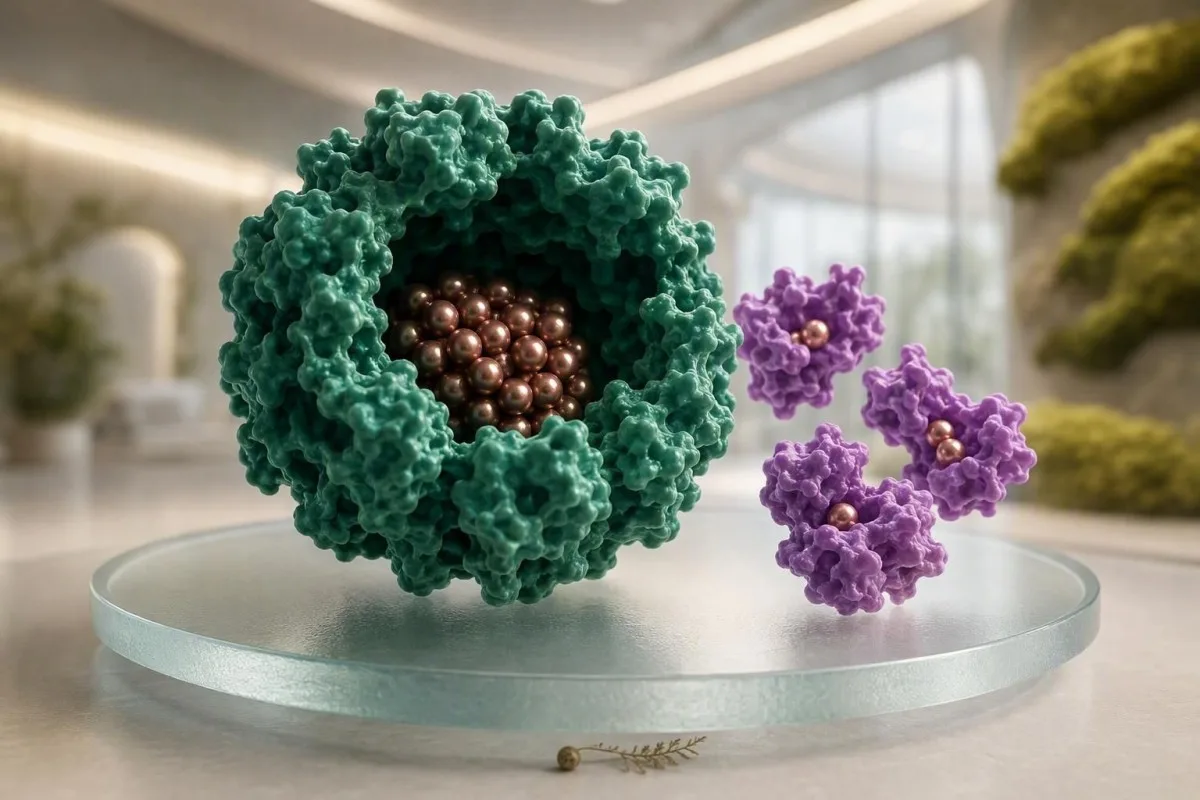
Ferritin ແມ່ນຕົວຊີ້ທີ່ດີກວ່າສໍາລັບການບັນທຶກເລືອດເຫຼັກ, ໃນຂະນະທີ່ serum iron ແມ່ນການສັງເກດແບບໄວຂອງເລືອດທີ່ກຳລັງຜ່ານຜ່ານໃນມື້ນັ້ນ. ການອ່ານສອງອັນຮ່ວມກັນຊ່ວຍຫຼັກການປ້ອງກັນການສຸດທ້າຍຜິດພາດຫຼາຍ.


- ເຟີຣິຕິນ ຕໍ່ໄປຕໍ່ລຸ່ມ 15 ng/mL ຢືນຢັນການຂາດເລືອດໃນຜູ້ໃຫຍ່ທີ່ສຸດສະພາບດີອື່ນ; ມັນສະແດງເລືອດທີ່ບັນທຶກດີກວ່າ serum iron.
- Serum iron can shift by 30% or more across a day and may rise sharply after an iron tablet or iron-rich meal.
- ການອັກເສບ can raise ferritin despite low usable iron; a ferritin below 100 ng/mL with transferrin saturation below 20% can still support deficiency in chronic disease.
- Transferrin saturation below 20% suggests too little iron is available for red-cell production, especially when paired with low ferritin.
- ເວລາທົດສອບ ມີຄວາມສໍາຄັນ: ຕົວຢ່າງເຊົ່າ, ການອາຫານກ່ອນການຮັບປະຈາກເລືອດປະຈານທຸກມື້ມັກເປັນການວັດສະດຸກັນທີ່ສຸດ.
- Ferritin ສູງກວ່າ 300 ng/mL ໃນຜູ້ຊາຍ ຫຼື 200 ng/mL ໃນຜູ້ຍິງ ຕ້ອງການບ່ອນສະເພາະການຄລິນິກ, ແຕ່ບໍ່ສາມາດຕັດສິນໃຈດ່ວນເລືອດກ່ອນ.
- CRP ແລະ soluble transferrin receptor ສາມາດຊ່ວຍອະທິບາຍ ferritin ທີ່ປະກົດປະຈາກທີ່ປະຈົບການອຸພາບສຸດ.
ຜົນການທົດສອບໃດທີ່ສະແດງການສະກັດເລືອດຈິງແທ້?
Ferritin ແມ່ນການທົດສອບທີ່ດີທີ່ສຸດໃນການຄາດຄະເນສະກັດເລືອດ., ໃນຂະນະທີ່ ການວັດສະເລີຍເລືອດແບບຊັດຊະນະສະແດງອິດສະຕິກ່ອນວັນທີ່ດຶງຕົວຢ່າງ. ການມີ ferritin ຕໍ່ກວ່າການມີເລີຍເລືອດແບບຊັດຊະນະສະແດງທີ່ຕໍ່ສູ້ກັບການວິເຄາະທີ່ສະດວກກວ່າຜົນການວັດສະເລີຍເລືອດແບບດຽວ.
ໃນຄວາມໝາຍທາງປະຕິບັດ, ferritin ແມ່ນສິນຄ້າສະຫຼຸບສະໝັກ ແລະ serum iron ແມ່ນຈຳນວນລົດຂົນສິນຄ້າທີ່ກຳລັງດໍາເນີນຢູ່ໃນທາງ. ໃນຜູ້ໃຫຍ່ທີ່ບໍ່ມີການອຸບາຍການອຸບາຍ, ferritin ຕ່ຳກວ່າ 15 ng/mL ແມ່ນມີຄວາມແນ່ນອນສູງສຳລັບການບໍ່ມີຫຼືເກືອບການສະຫງວນທີ່ຈະມີ.; ຜູ້ແພດຫຼາຍຄົນສຳຫຼວດອາການແລະແຫຼ່ງການອ່າງເລືອດແບບຕໍ່ເມື່ອມັນຕ່ຳກວ່າ 30 ng/mL. Serum iron ອາດຈະເປັນ 45 µg/dL ໃນເຊົ້າຕອນໜຶ່ງ ແລະ 110 µg/dL ໃນເຊົ້າຕອນອື່ນ ໂດຍບໍ່ມີການປ່ຽນແປງທີ່ສໍາຄັນໃນອິດສະຕິຂອງຮ່າງກາຍ.
ສິ່ງທີ່ມີປະໂຫຍດກວ່າ serum iron ແມ່ນ ການຕັ້ງຄ່າການຕັ້ງສະພາບຂອງ transferrin (TSAT), ທີ່ຄິດຄ່າໂດຍ serum iron ແບ່ງດ້ວຍຄວາມສາມາດຕິດກັບອິດສະຕິທັງໝົດ (TIBC). TSAT below 20% indicates restricted iron availability, while values above 45% on repeat fasting studies raise the question of iron loading. Our ຄູ່ມືການສຶກສາກ່ຽວກັບທາດເຫຼັກ ອະທິບາຍວ່າເພາະຫຍັງຄ່າເຫຼົ່ານີ້ຈະຢູ່ໃນໜ້າເຈັດດຽວ.
ແຄນເທສຕີ ເປັນ AI ເຄື່ອງວິເຄາະເລືອດ ທີ່ອ່ານ ferritin, iron, TIBC, TSAT, haemoglobin, MCV ແລະຕົວຊີ້ວັດອຸບາຍເປັນແບບຮ່າງການ ແບບບໍ່ແມ່ນການກ່າວຜົນຈາກຈຳນວນໜຶ່ງ. ຕາມວັນທີ 20 ສິງຫາ 2026, ການແບ່ງຕ່າງນັ້ນຍັງຄົງເປັນພື້ນຖານສຳລັບການອະທິບາຍທີ່ປອດໄພ: ferritin ການສະຫງວນປ່ຽນແປງໃນອາທິດຫາເດືອນ; serum iron ສາມາດຜັນຜະລິດໃນຊ່ວງຊົ່ວໂມງ.
Ferritin ແລະ serum iron ວັດຈະການວັດທະນະພາບທາງຊີວະພາບ
Ferritin ວັດສະເລີຍອິດສະຕິທີ່ສະຫງວນໃນເຊວ, ໃນຂະນະທີ່ serum iron ວັດສະເລີຍອິດສະຕິທີ່ຕິດກັບ transferrin ໃນການໂຫຼດ. ພວກເຂົາຕອບສອບຄໍາຖາມຊີວະວິທະຍາສາດທີ່ແຕກຕ່າງ ແລະ ບໍ່ຄວນຖືວ່າແມ່ນອັນດຽວກັນ.
Ferritin ແມ່ນແປັກພາກປະກອບທີ່ສາມາດຈັບອັນສິນອິດສະຕິຫລາຍພັນ, ສ່ວນຫຼາຍໃນເຊວຕັກແລະແມໂກຟາກ ແລະ ກໍສັດກະດູກ. ຈໍານວນນ້ອຍບາງສ່ວນອອກຈາກຫຼືຖອກອອກສູ່ serum, ເຮັດໃຫ້ເຮົາມີການອ່ານອິດສະຕິທັງຫມົດຂອງຮ່າງກາຍໂດຍອິດສະຕິທີ່ບໍ່ຕັດສິດ. ການທຽບທຽງ 1 ng/mL ຂອງ ferritin ປະມານກັບ 8‑10 mg ອິດສະຕິທີ່ສະຫງວນໃນຜູ້ໃຫຍ່ທີ່ດີ., ແມ່ນວ່າການປ່ຽນແປງທີ່ບໍ່ຊັດເຈນນີ້ອາດບໍ່ແມ່ນໃນຂະນະອຸບາຍຫຼືການເຈັບເຕັງເຊວ.
Serum iron ແມ່ນສ່ວນໃຫຍ່ຂອງອິດສະຕິທີ່ຕິດກັບ transferrin, ໂປໂຣແທຍນການຂົນອິດສະຕິເພື່ອສົ່ງໄປຍັງກໍລະນັບເພື່ອຜະລິດ haemoglobin. ມັນບໍ່ແມ່ນການວັດສະເລີຍອິດສະຕິທັງໝົດໃນຮ່າງກາຍ. ບຸກຄົນທີ່ມີ ferritin 8 ng/mL ອາດມີ serum iron ປົກກະຕິຊົ່ວໂມງຫຼັງການກິນເຊົ້າ, ແລະບຸກຄົນທີ່ມີ ferritin 400 ng/mL ອາດມີ serum iron ຕ່ຳໃນເວລາທີ່ມີພາຍໃນພະຍາດກາຍຈາກການຕິດເຊັບ.
ເມື່ອຂ້ອຍທົບທວນກັບພານເພື່ອການກວດ, ຂ້ອຍກໍ່ເບິ່ງອັນຕໍ່ໄປນີ້. low transferrin saturation pattern and red-cell indices. MCV often drops only after stores have been low for some time, so normal haemoglobin and normal MCV do not rule out iron depletion.
Why the body separates storage from transport
The body keeps free iron extremely low because unbound iron can drive oxidative chemical reactions. Ferritin locks iron away; transferrin carries it in a controlled form. That separation is why ferritin vs serum iron disagreement is often physiology, not a laboratory error.
ເພາະຫຍັງ ferritin ແລະ serum iron ມັກຈະບໍ່ສອດຄ່ອງກັນ
Ferritin and serum iron disagree because serum iron changes rapidly, whereas ferritin is altered by storage, inflammation and liver-cell release. The apparent contradiction often becomes clear once timing and CRP are known.
A classic example is serum iron of 35 µg/dL with ferritin of 75 ng/mL during a chest infection. Hepcidin, a liver-made hormone, blocks iron release from macrophages and gut cells, so circulating iron falls even though ferritin is normal or high. That is កង្វះជាតិដែកមុខងារ, meaning iron exists but is not reaching marrow efficiently.
The opposite pattern—serum iron 180 µg/dL with ferritin 12 ng/mL—often follows a 65 mg elemental-iron tablet, an iron-containing multivitamin or a meat-rich meal shortly before testing. This is why a high serum iron result does not reliably prove healthy stores. For preparation details, see iron and fasting advice.
Dr. Thomas Klein has seen this mismatch repeatedly in people tested after an endurance event: transient muscle stress, dehydration and a morning supplement can make the panel look far more reassuring than the underlying ferritin. A repeat, standardized sample is usually more informative than arguing over a single draw.
ວິທີທີ່ການອຸພາບສາດສ້າງໃຫ້ ferritin ມີຮູບແບບທີ່ບໍ່ແທ້ຈິງ
Inflammation raises ferritin because ferritin is an acute-phase reactant, so a normal ferritin cannot reliably exclude iron deficiency during illness. CRP, TSAT and sometimes soluble transferrin receptor help separate storage from inflammatory sequestration.
Interleukin-6 increases hepcidin, and hepcidin closes ferroportin—the cellular export channel for iron. The result is low serum iron, low or normal TIBC, low TSAT, and ferritin that may be 50, 100 or 300 ng/mL despite limited iron for erythropoiesis. A CRP above 5 mg/L makes ferritin less specific for stores.
The World Health Organization recommends using a ferritin threshold of less than 70 µg/L in adults with infection or inflammation to identify iron deficiency (WHO, 2020). In chronic kidney disease, heart failure and inflammatory bowel disease, several specialty guidelines use ferritin below 100 ng/mL plus TSAT below 20% as a practical deficiency pattern, though the exact threshold remains debated.
ແຄນເທສຕີ ເປັນ ແພລດຟອມການຕີຄວາມໝາຍ biomarker ຂອງ AI that flags ferritin alongside CRP, ESR, kidney function and liver enzymes, because an isolated ferritin can mislead in either direction. Readers with a high CRP may find our guide to ferritin និង CRP useful before assuming stores are adequate.
ວິທີທີ່ອາຫານ, ອາຫານສົມພັນ ແລະ ເວລາມື້ປ່ຽນ serum iron
Recent meals, oral iron and morning-versus-afternoon sampling can alter serum iron substantially without changing iron stores. Ferritin is less sensitive to these short-term exposures, although it still should be trended under similar conditions.
Serum iron is commonly highest in the morning and tends to decline later in the day, although individual variation is wide enough that timing alone should not diagnose deficiency. In one classic clinical study, fasting did not eliminate all variation, but samples collected after 12 hours of fasting could show higher iron values than shorter fasts. Consistency matters more than chasing a perfect clock time.
For a planned iron panel, I generally advise a morning sample, usual water intake, and no oral iron for at least 24 hours unless the prescribing clinician says otherwise. This is a testing convention, not a reason to stop prescribed treatment without guidance. A multivitamin with 18 mg iron can be enough to distort serum iron for that visit.
A 29-year-old vegetarian patient once had serum iron of 156 µg/dL after a supplement, yet ferritin of 9 ng/mL and TSAT of 32%. Her repeat pre-dose TSAT was 12%, which fit the symptoms far better. Foods with heme and non-heme iron can support intake, but dietary change alone may not correct an ongoing loss.
ຮູບແບບທີ່ຊີ້ເຖິງການຂາດເລືອດຈິງແທ້
True iron deficiency usually produces low ferritin and low TSAT, often before haemoglobin falls. The most convincing pattern is ferritin below 30 ng/mL with TSAT below 20%, after considering inflammation.
Early deficiency can show ferritin 18 ng/mL, haemoglobin 13.2 g/dL and MCV 87 fL—technically no anaemia, but no comfortable reserve either. Symptoms such as exertional fatigue, restless legs, hair shedding or reduced exercise tolerance are real but non-specific; they deserve a search for cause rather than reflex supplementation. See ferritin ຕໍ່າ ແຕ່ບໍ່ມີປະຈຳເດືອນຫຼາຍ for the overlooked gastrointestinal and dietary clues.
Once iron-restricted erythropoiesis develops, RDW ມັກຈະສູງຂຶ້ນກ່ອນທີ່ MCV ຈະຕໍ່າລົງ, reflecting mixed older normal-sized and newer smaller red cells. A reticulocyte haemoglobin measurement below about 28 pg, where available, can show insufficient recent iron delivery to marrow. Laboratory cutoffs vary by assay and population.
Camaschella's review in the New England Journal of Medicine describes ferritin as the most accurate single marker of iron stores in uncomplicated deficiency, while stressing that inflammatory states complicate its interpretation (Camaschella, 2015). That nuance is the difference between treating a number and understanding a pattern.
ຮູບແບບທີ່ຊີ້ເຖິງການຈຳກັດເລືອດຈາກພະຍາດທີ່ຕໍ່ເນື່ອງ
Inflammation-related iron restriction usually causes low serum iron and TSAT with ferritin that is normal or elevated. TIBC is often low or normal because transferrin falls during the acute-phase response.
In uncomplicated iron deficiency, transferrin production usually rises, making TIBC high—often above 400 µg/dL—while ferritin falls. In inflammatory iron restriction, transferrin is downregulated, so TIBC may be below 300 µg/dL despite low serum iron. That opposite TIBC direction is clinically useful and often missed.
Soluble transferrin receptor (sTfR) is less affected by inflammation than ferritin and can help when ferritin is 50-150 ng/mL with a raised CRP. A high sTfR suggests cellular iron need or increased red-cell production; it is not completely immune to confounding, particularly with haemolysis or thalassaemia. Our soluble transferrin receptor guide covers when it is worth requesting.
In my experience, clinicians should not label this pattern “anaemia of chronic disease” and stop there. The chronic condition may coexist with absolute deficiency from menstrual loss, gastrointestinal blood loss, reduced absorption or frequent donation—two processes can be true at once.
ເມື່ອ ferritin ສູງບໍ່ແທ້ວ່າມີການເກີດການສະຫຼຸບເລືອດ
High ferritin is more often caused by inflammation, fatty liver, alcohol exposure, metabolic disease or cell injury than by iron overload. Transferrin saturation is the essential second test when ferritin is elevated.
Ferritin above 200 ng/mL in women or 300 ng/mL in men is outside many laboratory reference intervals, but reference intervals are not diagnoses. TSAT persistently above 45% is more suggestive of increased iron absorption or overload than ferritin alone. A serum iron drawn after supplements, however, can make TSAT falsely impressive.
Ferritin may exceed 500 ng/mL in metabolic dysfunction-associated steatotic liver disease, acute infection, heavy alcohol use or poorly controlled diabetes. Liver enzymes, CRP, fasting glucose and alcohol history change the interpretation. Review liver-support evidence rather than assuming a “detox” will explain or fix a high number.
Ferritin ສູງກວ່າ 1,000 ng/mL warrants timely medical assessment, especially with raised ALT or AST, unexplained fatigue, skin pigmentation, joint symptoms or a family history of iron overload. It is rarely an emergency by itself, but it should not sit unreviewed for six months.
ເພາະການຕັດສະໝັກ, ການຝຶກກິລາທີ່ຕ້ານການດັບສູງ ແລະ ການບໍລິຈາກເລືອດ ຕ້ອງມີບັນຍາຍຕ່າງກັນ
Pregnancy, endurance training and blood donation can lower ferritin before standard CBC values become abnormal. These groups need trend-based interpretation because changing plasma volume and iron demand can mask depletion.
During pregnancy, plasma volume expansion lowers haemoglobin by dilution, while fetal and placental demands increase iron needs. Many obstetric services treat ferritin ຕ່ຳກວ່າ 30 ng/mL as iron deficiency in pregnancy, but local protocols differ. For other pregnancy-specific reference shifts, consult our pregnancy lab guide.
Endurance athletes can lose iron through gastrointestinal micro-loss, sweat, dietary restriction and foot-strike haemolysis; low ferritin may impair training quality even with haemoglobin in range. Testing immediately after a marathon is poor practice because inflammation and fluid shifts cloud ferritin and iron. A quieter training week gives a cleaner baseline.
Whole-blood donation removes roughly 200-250 mg of iron per donation. Ferritin can remain low for months even after haemoglobin passes donor screening, so frequent donors should consider a scheduled ferritin check and discuss replacement with their clinician. Our post-donation ferritin timing guide ให้กรอบการทำงานที่เป็นประโยชน์.
ຢາແລະສະພາບລະບາຍທາງລະດັບທີ່ປ່ຽນແປງຮູບແບບເລືອດ
Acid-suppressing medicines, coeliac disease, bariatric surgery and ongoing gastrointestinal loss can cause low ferritin despite an apparently iron-rich diet. Serum iron may still look normal on a supplement day.
Non-heme iron needs an acidic, reducing environment and dedicated intestinal transporters, so long-term proton-pump inhibitor use can contribute to poor absorption in susceptible people. Coeliac disease may present first as iron deficiency, sometimes without obvious bowel symptoms. Unexplained iron deficiency in adult men and postmenopausal women needs a cause-focused medical work-up, not just tablets.
Calcium taken with iron can reduce absorption during that dose, while vitamin C-containing food may improve non-heme iron uptake modestly. The effect is smaller than many marketing claims suggest; the practical obstacle is often nausea, constipation or an unrecognized source of loss. Iron bisglycinate versus sulfate reviews tolerability differences.
Dr. Thomas Klein advises patients not to self-treat a ferritin of 6 ng/mL indefinitely without asking why it fell. If periods are not heavy, the history should include donation, diet, NSAID use, bowel symptoms, prior surgery and family history; the answer is occasionally simple, but not always.
ວິທີການກຽມການທົດສອບເລືອດທີ່ເຊື່ອງທີ່ສຸດ
For the most comparable iron panel, use the same laboratory, test in the morning when possible, avoid the pre-test iron dose, and record recent illness. Ferritin changes slowly, but serum iron needs controlled conditions to be meaningful.
Ask for a CBC, ferritin, serum iron, TIBC or transferrin, and calculated TSAT; add CRP when infection, inflammatory disease or obesity-related inflammation is plausible. A fasting period of 8-12 hours is commonly used for iron studies, although laboratories differ, so follow the laboratory's specific instructions. Water is fine unless told otherwise.
Do not schedule a routine iron panel during fever, within several days of a hard endurance event, or immediately after an iron infusion unless the treating team specifically needs it. Intravenous iron can elevate ferritin for weeks, making early rechecks hard to interpret. Our blood-test timing guide details other short-term influences.
ແຄນເທສຕີ ເປັນ ឧបករណ៍វិភាគតេស្តឈាមដែលដំណើរការដោយ AI that can compare prior ferritin, TSAT and CBC values after you upload a report, highlighting whether a change exceeds ordinary noise. The useful record is not only the number: save test time, fasting status, supplement dose, menstrual timing, recent illness and donation date.
ສິ່ງທີ່ຄວນເກີດຂຶ້ນຫຼັງຈາກເລີ່ມການຮັບການຮັບເລືອດ
Effective iron treatment usually raises reticulocytes within 7-10 days and haemoglobin by about 1-2 g/dL over 2-4 weeks if the diagnosis and absorption are correct. Ferritin replenishes later than haemoglobin.
A good response is not judged from serum iron the morning after a tablet. Serum iron may spike immediately, while the clinically meaningful response is a reticulocyte rise followed by a sustained haemoglobin increase. Failure of haemoglobin to rise by about 1 g/dL after 2-4 weeks should trigger review of adherence, ongoing loss, absorption and the original diagnosis.
Ferritin often takes several months to rebuild, particularly if the cause continues. Many clinicians continue oral iron for around 3 months after haemoglobin normalizes, then recheck ferritin, but treatment length should be individualized for tolerance, pregnancy, kidney disease and the source of deficiency. See iron treatment retest timing for a safer monitoring plan.
High RDW during early treatment is not necessarily bad news; it can reflect new iron-replete red cells entering circulation alongside older microcytic cells. A rising RDW with a rising reticulocyte count is different from worsening anaemia without a marrow response.
ເມື່ອຜົນ ferritin ຫຼື serum iron ຕ້ອງການການທົບທวນດ່ວນ
Seek prompt medical review for severe symptoms, falling haemoglobin, black stools, chest pain, breathlessness at rest, or ferritin above 1,000 ng/mL. Iron studies guide evaluation but do not replace an assessment of bleeding, infection or organ disease.
Anaemia can become urgent when it causes fainting, chest pressure, new breathlessness at rest, a racing heartbeat or marked weakness. Haemoglobin below 8 g/dL (80 g/L) is often clinically significant, but urgency depends on symptoms, speed of decline, pregnancy, cardiac disease and active loss. Black tarry stools or vomiting material that resembles coffee grounds require urgent care.
A low ferritin in an adult man or a person after menopause should prompt discussion of gastrointestinal evaluation, because chronic blood loss must be excluded. In contrast, a single low serum iron with normal ferritin, normal TSAT and recent illness commonly needs repeat testing rather than panic. Pale-skin and anaemia clues can help readers recognize the broader symptom picture.
Kantesti AI does not diagnose or prescribe; it organizes the questions a clinician needs to answer. Our medical review standards are described through the ຄະນະທີ່ປຶກສາທາງການແພດ, where physician oversight remains the safeguard when results and symptoms do not line up.
ການທົດສອບຕໍ່ໄປທີ່ດີທີ່ສຸດເມື່ອ ferritin ແລະ iron ຂັດຂ້າງກັນ
When ferritin and serum iron conflict, repeat a standardized full iron panel and add CRP; soluble transferrin receptor, reticulocyte haemoglobin or haemoglobin electrophoresis may be appropriate next tests. The right follow-up depends on the pattern, not the isolated flag.
Low serum iron plus ferritin 80 ng/mL should usually lead to TSAT, TIBC and CRP before an iron diagnosis is made. Low ferritin plus normal serum iron usually needs a cause assessment, not reassurance. Ferritin below 30 ng/mL is generally sufficient evidence of low stores in an otherwise well adult, even if the serum iron happened to be normal.
If MCV is low but ferritin and TSAT are not, consider thalassaemia trait, chronic inflammation, lead exposure in relevant settings or less common causes. A high red-cell count with disproportionately low MCV is one clue that haemoglobin electrophoresis may be more useful than escalating iron. The ការប្រៀបធៀប MCV និង MCH explains this distinction.
Kantesti AI interprets discordant ferritin vs serum iron results through linked biomarkers and longitudinal changes, while our ກອບການຢືນຢັນທາງຄລີນິກ (clinical validation framework) describes the limits of automated interpretation. The final decision belongs with the clinician who can examine you, assess bleeding risk and order targeted follow-up.
ຂໍ້ສະເໝີທີ່ປະຕິບັດໄດ້ສຳລັບການອ່ານ panel ເລືອດ
Use ferritin to estimate stored iron, use serum iron and TSAT to assess current availability, and use CRP to judge whether inflammation is distorting the picture. No single iron marker is definitive in every clinical setting.
The most reliable everyday sequence is simple: confirm whether ferritin is low, then inspect TSAT, TIBC, CBC and CRP for the reason it is low—or for the reason it only appears adequate. A ferritin of 10 ng/mL deserves attention even with normal haemoglobin; a serum iron of 35 µg/dL after an infection often deserves context first. That is the honest answer to ferritin vs serum iron.
Kantesti, ເຊິ່ງເປັນ ບໍລິການຕີຄວາມຜົນການກວດຂອງ AI, helps users preserve the contextual details that make repeat tests clinically interpretable across time. For people with multiple reports, our មគ្គុទេសក៍វិភាគនិន្នាការមន្ទីរពិសោធន៍ shows why a 6-month ferritin slope is often more meaningful than one serum iron result.
Research publications: Klein, T. (2026). Clinical Validation Framework v2.0 (ໜ້າການຢັ້ງຢືນທາງການແພດ). Zenodo. https://doi.org/10.5281/zenodo.17993721. ResearchGate: https://www.researchgate.net/; Academia.edu: https://www.academia.edu/. Klein, T. (2026). ເຄື່ອງວິເຄາະການກວດເລືອດດ້ວຍ AI: ການກວດ 2.5M ທີ່ຖືກວິເຄາະ | ລາຍງານສຸຂະພາບໂລກ 2026. Zenodo. https://doi.org/10.5281/zenodo.18175532. ResearchGate: https://www.researchgate.net/; Academia.edu: https://www.academia.edu/.
ຄໍາຖາມທີ່ຖາມເລື້ອຍໆ
ຟຣີໂຕຈິນມີຄວາມຖືກຕ້ອງກວ່າເລັດໂສດແບບເຊຣັມສິດສະພາບສຳລັບການຂາດເກັບເຫຼັກສາ?
ຟິເຣີຕິນມີຄວາມແມ່ນອັນດັບກວ່າເຊຣັມແອຣອນໃນການຄາດຄະເນສະຕ້ອນແອຣອນໃນຜູ້ທີ່ບໍ່ມີການອຸພາບກະຕຸ້ນກິ່ນ. ຟິເຣີຕິນຕ່ຳກວ່າ 15 ນານໂກຣມລ/ມລ ຊີ້ບອກການຂາດແອຣອນຢ່າງແຂງແຂງ, ແລະຜູ້ແພດຫຼາຍຈັດວ່າຄ່າຕ່ຳກວ່າ 30 ນານໂກຣມລ/ມລ ແມ່ນສະຕ້ອນທີ່ຫຼຸດຫຼືຢູ່ໃກ້ຂອບເກີດເມື່ອມີອາການຫຼືອັດຕາສ່ວນຂອງຄວາມສ່ຽງ. ເຊຣັມແອຣອນສາມາດປ່ຽນແປງຫຼັງການກິນ, ອາຫານສົມພັດ ແລະ ເວລາມື້, ດັ່ງນັ້ນຜົນທົ່ວໄປບໍ່ແມ່ນການຍົກເລີກສະຕ້ອນຕໍ່ໄປ. ໃນເວລາອຸພາບກະຕຸ້ນກິ່ນ, ຟິເຣີຕິນສາມາດເພີ່ມຂຶ້ນຢ່າງປິດກັບ, ຊ່ວຍໃຫ້ TSAT ແລະ CRP ເປັນພາກສ່ວນທີ່ຈໍາເປັນ.
ສາມາດເປັນໄດ້ບໍ່ທີ່ລະດັບເລັດໃນເສັດແຕ່ບໍ່ມີການປ່ຽນແປງຂອງເພັດຟິນ?
Yes, low serum iron with normal or high ferritin commonly occurs during infection, autoimmune disease, chronic kidney disease and other inflammatory states. Hepcidin reduces iron release into plasma, so serum iron and TSAT may fall below 20% even while ferritin is 50-300 ng/mL. This pattern is called iron restriction or functional iron deficiency. A CRP above 5 mg/L and a low or normal TIBC make inflammation more likely.
ຂ້ອຍຄວນອາຫານກັ່ນກ່ອນການທົດສອບ ferritin ແລະ serum iron ຫຼືບໍ?
Fasting is not usually crucial for ferritin, but an 8-12 hour fast can make serum iron and TSAT easier to compare with prior results. Many clinicians prefer a morning sample because serum iron often declines later in the day. Do not take the morning oral iron dose before a planned iron panel unless your clinician has directed otherwise; holding it for about 24 hours is commonly advised. Always follow the instructions supplied by the laboratory that performs the test.
ອາດຈະສາມາດເພີ່ມລະດັບເຫຼັກເຫຼັກໃນເສັ້ນເລັດແຕ່ບໍ່ເພີ່ມຟິເຣັດຊິນ?
ແມ່ນ, ການຮັບປະລິມານເຫຼັກສາຍອາດສາມາດເພີ່ມລະດັບເຫລັກໃນເວລາສັບຜົນໃນຊ່ວງຊົ່ວໂມງໃນຂະນະທີ່ຟຣິດຊິນຍັງຕ່ຳເນື່ອງຈາກສິ່ງສະຫຼັບຕ້ອງໃຊ້ເວລາອາທິດຫຼືເດືອນເພື່ອຟື້ນຟອຍ. ຕົວຢ່າງ, ບຸກຄົນທີ່ມີຟຣິດຊິນທີ່ 12 ng/mL ອາດຈະສະແດງລະດັບເຫລັກໃນເຈັບການຫຼືສູງຫຼັງຈາກກິນເຫລັກ 65 mg ຂອງເຫລັກທີ່ມີອິດສະຕິກັນໃນເຊົ້ານັ້ນ. ນັ້ນບໍ່ໝາຍຄວາມວ່າການຂາດສານໄດ້ຖືກແກ້ໄຂ. ການຕອບສະໜອງຂອງການຮັບປະທານດີກວ່າຈະຖືກປະເມີນດ້ວຍອາການ, ຣີຕິຄູລອຍ, ເຮມໂກບລິນ ແລະ ຟຣິດຊິນໃນການກວດສອບທີ່ມີເວລາຖືກຕ້ອງ.
ລະດັບເຟຣຣິຕິນໃດທີ່ສູງໂກ່ນ?
Ferritin above 200 ng/mL in women or 300 ng/mL in men is above many reference ranges, but it does not automatically mean iron overload. Inflammation, liver disease, alcohol exposure and metabolic disease frequently raise ferritin. Persistent TSAT above 45% makes iron overload more plausible, while ferritin above 1,000 ng/mL warrants timely clinician-led evaluation. The cause is determined from the full panel, symptoms, liver tests and sometimes genetic or imaging assessment.
ຂ້ອຍສາມາດມີການຂາດແຮງເລັດໂດຍມີຮັມໂພດທຳມະດາບໍ?
ແມ່ນ, ການຂາດແພດເຫຼັກສ່ວນບໍ່ມັກຈະພັດທະນາກ່ອນທີ່ຮັມໂກບລິນຈະຕ່ຳ. ຟິເຣັດິນອາດຈະລົງຕ່າງກວ່າ 30 ນານໂກຣມ/ມລ ໃນຂະນະທີ່ຮັມໂກບລິນຍັງສູງກວ່າ 12 ກຣາມ/ດຊ ສຳລັບຜູ້ຍິງ ຫຼື 13 ກຣາມ/ດຊ ສຳລັບຜູ້ຊາຍ ແລະ MCV ຍັງປกົດປົກກະຕິ. ບາງຄົນອາດຈະມີອາການເຫັບແພດ, ການສະຫນຸກກາຍກາຍຂອງການອອກກໍາລັງ, ສະເພາະຂາຍຂອງຂາຍຫຼື ການຜິດຜົນຂອງຜົມໃນຂັ້ນຕອນນັ້ນ, ແມ່ນວ່າອາການເຫັບແພດເຫຼົ່ານັ້ນມີສາເຫດຫຼາຍ. ຄວາມສໍາຄັນຄືການຢືນຢັນຮູບແບບແລະການຊອກຫາສາເຫດທີ່ສາມາດເຮັດໃຫ້ສະຕິດສະພາບແພດລົດລົງ.
ຮັບການວິເຄາະຜົນກວດເລືອດດ້ວຍ AI ທັນທີ
ເຂົ້າຮ່ວມຜູ້ໃຊ້ຫຼາຍກວ່າ 2 ລ້ານຄົນທົ່ວໂລກ ທີ່ໄວ້ໃຈ Kantesti ສຳລັບການວິເຄາະການກວດເລືອດທີ່ທັນທີ ແລະຖືກຕ້ອງ. ອັບໂຫຼດຜົນກວດເລືອດຂອງທ່ານ ແລະຮັບການຕີຄວາມໝາຍຢ່າງຄົບຖ້ວນຂອງ biomarker 15,000+ ໃນວິນາທີ.
📚 ບົດຄວາມວິຈັຍທີ່ອ້າງອີງ
Klein, T., Mitchell, S., & Weber, H. (2026). ກອບການຢືນຢັນທາງຄລີນິກ v2.0 (ໜ້າການຢືນຢັນທາງການແພດ). ການຄົ້ນຄວ້າທາງການແພດຂອງ AI Kantesti.
Klein, T., Mitchell, S., & Weber, H. (2026). ເຄື່ອງວິເຄາະການກວດເລືອດດ້ວຍ AI: ກວດວິເຄາະ 2.5M ກໍລະນີ | ລາຍງານສຸຂະພາບທົ່ວໂລກ 2026. ການຄົ້ນຄວ້າທາງການແພດຂອງ AI Kantesti.
📖 ເອກະສານອ້າງອີງທາງການແພດພາຍນອກ
ອົງການອະນາໄມໂລກ (2020). ຄູ່ມືຂອງ WHO ກ່ຽວກັບການນຳໃຊ້ຄວາມເຂັ້ມຂອງ ferritin ເພື່ອປະເມີນສະຖານະເຫຼັກໃນບຸກຄົນ ແລະ ປະຊາກອນ. ອົງການອະນາໄມໂລກ.
⚕️ ຂໍ້ສັງເກດທາງການແພດ
ບົດຄວາມນີ້ມີຈຸດປະສົງເພື່ອການສຶກສາເທົ່ານັ້ນ ແລະບໍ່ແມ່ນຄຳແນະນຳທາງການແພດ. ຄວນປຶກສາຜູ້ໃຫ້ບໍລິການດ້ານສຸຂະພາບທີ່ມີຄຸນວຸດທິສະເໝີ ສຳລັບການວິນິດໄຊ ແລະ ການຕັດສິນໃຈດ້ານການຮັກສາ.
ສັນຍານຄວາມໄວ້ໃຈ E-E-A-T
ປະສົບການ
ການທົບທວນຄລີນິກຂອງແພດຜູ້ນຳພາ ກ່ຽວກັບຂັ້ນຕອນການຕີຄວາມໝາຍຜົນການກວດໃນຫ້ອງທົດລອງ.
ຄວາມຊ່ຽວຊານ
ວິຊາການແພດທົດລອງ (ການແພດທາງຫ້ອງທົດລອງ) ເນັ້ນໃສ່ວ່າຕົວຊີ້ວັດ (biomarkers) ມີພຶດຕິກຳແນວໃດໃນບັນບົດທາງຄລີນິກ.
ຄວາມເປັນອຳນາດ
ຂຽນໂດຍທ່ານດຣ. Thomas Klein ໂດຍມີການກວດທານໂດຍທ່ານດຣ. Sarah Mitchell ແລະ ສາດສະດາຈານດຣ. Hans Weber.
ຄວາມໜ້າເຊື່ອຖື
ການຕີຄວາມໝາຍອີງຕາມຫຼັກຖານດ້ວຍເສັ້ນທາງຕິດຕາມທີ່ຊັດເຈນ ເພື່ອຫຼຸດການຕົກໃຈ.