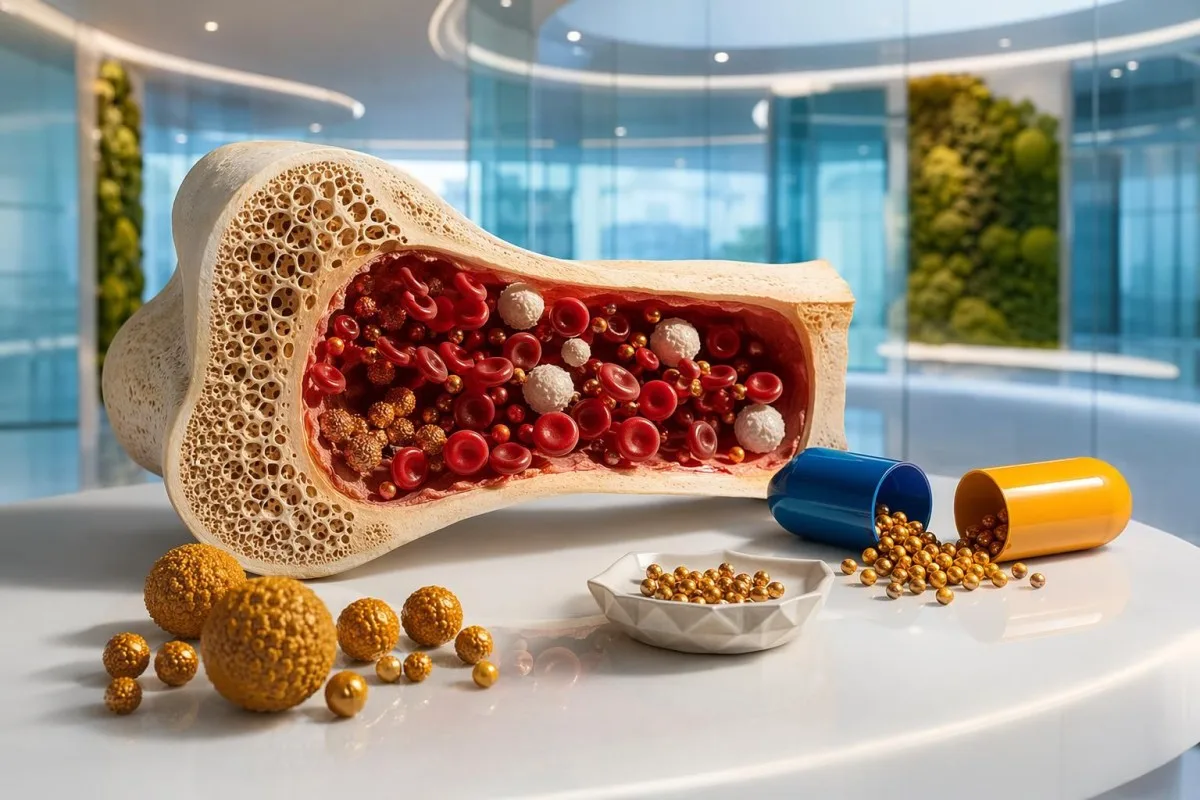
ວິທີທີ່ປະຕິບັດໄດ້ ແລະອີງໃສ່ການກວດໃນຫ້ອງທົດລອງ ເພື່ອເລືອກຮູບແບບຂອງເຫຼັກ, ຫຼີກລ່ຽງການເສີມເກີນຂະໜາດ, ແລະຮູ້ວ່າຕົວເລກຂອງທ່ານກຳລັງເຄື່ອນໄປໃນທິດທາງທີ່ຖືກບໍ.


- Ferritin ຕໍ່າກວ່າ 30 ng/mL ມັກຈະຊີ້ບອກການຂາດເຫຼັກໃນຜູ້ໃຫຍ່ ໃນຂະນະທີ່ການອັກເສບອາດຕ້ອງຕີຄວາມໝາຍ ferritin ໄດ້ເຖິງ 100 ng/mL ພ້ອມກັບ transferrin saturation.
- hemoglobin ຕ່ຳກວ່າ 13 g/dL ໃນຜູ້ຊາຍ ຫຼື 12 g/dL ໃນຜູ້ຍິງທີ່ບໍ່ຖືພາ ຕອບເຂົ້າເກນຂອງພາວະເລືອດຈາງໃນຜູ້ໃຫຍ່ທົ່ວໄປ ແລະຕ້ອງຊອກຫາສາເຫດ ບໍ່ແມ່ນພຽງແຕ່ເສີມອາຫານ.
- ຄວາມອີ່ມຕົວຂອງ Transferrin ຕ່ຳກວ່າ 20% ຊີ້ວ່າມີເຫຼັກໃນກະແສເລືອດບໍ່ພຽງພໍສຳລັບການຜະລິດເມັດເລືອດແດງ ໂດຍສະເພາະເມື່ອ TIBC ສູງ.
- ຂະໜາດການເສີມເຫຼັກສຳລັບເລືອດຈາງ ມັກແມ່ນ 40-65 mg ຂອງເຫຼັກທີ່ເປັນອົງປະກອບ (elemental iron) ມື້ລະຄັ້ງ ຫຼື ທຸກໆມື້ອື່ນ ປັບຕາມຄວາມທົນທານ ແລະ ຄວາມຮຸນແຮງ.
- ເຫຼັກຊັນເຟຣຣັດ 325 mg ມີເຫຼັກທີ່ເປັນອົງປະກອບປະມານ 65 mg; ferrous gluconate 325 mg ມີປະມານ 35 mg; ferrous fumarate 325 mg ມີປະມານ 106 mg.
- Reticulocytes ຄວນເພີ່ມຂຶ້ນພາຍໃນ 7-10 ວັນ ຖ້າມີການດູດຊຶມເຫຼັກ ແລະ ໄຂກະດູກສາມາດຕອບສະໜອງໄດ້.
- ຮີໂມໂກບິນຄວນເພີ່ມຂຶ້ນປະມານ 1 g/dL ພາຍໃນ 2-4 ອາທິດ ໃນໂລກຈຳເພາະຂາດເຫຼັກທີ່ບໍ່ສັບສົນ; ຖ້າບໍ່ເພີ່ມ ຕ້ອງທົບທວນການວິນິດໄສ, ຂະໜາດຢາ, ຫຼື ການດູດຊຶມ.
- ການເຕີມ Ferritin ຈະຊັກຊ້າກວ່າຮີໂມໂກບິນ ແລະ ແພດຫຼາຍຄົນຍັງສືບຕໍ່ໃຫ້ເຫຼັກປະມານ 3 ເດືອນຫຼັງຈາກທີ່ຮີໂມໂກບິນກັບສູ່ປົກກະຕິ.
- ຢ່າກິນເຫຼັກໂດຍບໍ່ມີການກວດຢືນຢັນ ຖ້າ ferritin ປົກກະຕິ ຫຼື ສູງ, ຄວາມອີ່ມຕົວຂອງ transferrin ເກີນ 45%, ຫຼື MCV ຕ່ຳມາພ້ອມກັບຈຳນວນ RBC ສູງ.
- Kantesti AI ສາມາດປຽບທຽບ CBC, ferritin, MCV, RDW, ເຫຼັກ, TIBC ແລະ ຄວາມອີ່ມຕົວຂອງ transferrin ຈາກລາຍງານກວດທີ່ອັບໂຫຼດໄດ້ໃນປະມານ 60 ວິນາທີ.
ຄຳຕອບທີ່ອີງໃສ່ການກວດໃນຫ້ອງທົດລອງ ກ່ອນທີ່ທ່ານຈະຊື້ເຫຼັກ
ເຫຼັກທີ່ເໝາະສົມ ສຳລັບພາວະເລືອດຈາງ ຖືກເລືອກໂດຍການກວດ: ຢືນຢັນວ່າຮ້ານເຫຼັກຕ່ຳດ້ວຍ ferritin, ກວດເຫຼັກໃນກະແສເລືອດດ້ວຍ transferrin saturation, ຢືນຢັນພາວະເລືອດຈາງດ້ວຍຮີໂມໂກບິນ, ຈາກນັ້ນກວດຄືນເພື່ອເບິ່ງການເພີ່ມຂຶ້ນຂອງຮີໂມໂກບິນໃນ 2-4 ອາທິດ. ໃນຜູ້ໃຫຍ່ສ່ວນຫຼາຍ, ເຫຼັກທາດອົງປະກອບ 40-65 mg ມື້ລະຄັ້ງ ຫຼື ມື້ຂ້າມມື້ ກໍພຽງພໍເພື່ອເລີ່ມການຮັກສາ ຍົກເວັ້ນຖ້າການຖືພາ, ໂລກໄຂ່ຫຼັງ, ການເລືອດອອກ, ຫຼື ການດູດຊຶມບໍ່ດີ ປ່ຽນແຜນ.
ຂ້ອຍແມ່ນ Thomas Klein, MD, ແລະ ເວລາຂ້ອຍທົບທວນແຜງກວດເລືອດຈາງທີ່ Kantesti, ຄວາມຜິດພາດທີ່ຂ້ອຍເຫັນບໍ່ເລືອກຫຼາຍທີ່ສຸດບໍ່ແມ່ນຍີ່ຫໍ້ຂອງເຫຼັກ. ມັນແມ່ນການຮັກສາຜົນອັນດຽວທີ່ແຍກອອກ. ferritin 9 ng/mL ກັບ hemoglobin 10.8 g/dL ເປັນບັນຫາທີ່ຕ່າງຈາກ MCV 72 fL ກັບ ferritin 180 ng/mL ແລະ ຈຳນວນ RBC ສູງ.
ຕັ້ງແຕ່ວັນທີ 15 ພຶດສະພາ 2026, ວິທີການຂອງພວກເຮົາໃນ Kantesti AI ແມ່ນອີງຕາມຮູບແບບ: CBC, ferritin, serum iron, TIBC, transferrin saturation, CRP, ການກວດການເຮັດວຽກຂອງໝາກໄຂ່ຫຼັງ ແລະ ແນວໂນ້ມໃນອະດີດ ຖືກຕີຄວາມຮ່ວມກັນ. ຖ້າທ່ານບໍ່ແນ່ໃຈວ່າ CBC ຂອງທ່ານສະແດງການຂາດເຫຼັກຈິງບໍ, ຄູ່ມືທີ່ເລິກກວ່າຂອງພວກເຮົາກ່ຽວກັບ ການກວດທາງໂລກຂາດເຫຼັກແລະເລືອດຈາງ (iron deficiency anemia) ອະທິບາຍວ່າຕົວຊີ້ວັດມັກຈະປ່ຽນກ່ອນ.
ກົດເລີ່ມຕົ້ນທີ່ໃຊ້ໄດ້ງ່າຍແມ່ນດັ່ງນີ້. ຖ້າ ferritin ຕ່ຳກວ່າ 30 ng/mL ແລະ hemoglobin ຕ່ຳ, ເຫຼັກກິນທາງປາກມັກຈະເໝາະສົມ ໃນຂະນະທີ່ກຳລັງສືບສວນສາເຫດ; ຖ້າ ferritin ປົກກະຕິ ຫຼື ສູງ, ຢ່າຄິດວ່າເຫຼັກຈະຊ່ວຍໄດ້. ສາເຫດອາດເປັນການອັກເສບ, ພັນທຸກຳ thalassemia, ໂລກໄຂ່ຫຼັງ, ຂາດວິຕາມິນ B12, ການເລືອດອອກ, ຫຼື ເລືອດຈາງປະສົມ.
ຄວນກວດຫຍັງແດ່ກ່ອນເລີ່ມເສີມເຫຼັກ?
ຊຸດການກວດທີ່ຕ່ຳສຸດທີ່ໃຊ້ໄດ້ກ່ອນເລີ່ມໃຫ້ເຫຼັກແມ່ນ CBC ພ້ອມດັດຊະນີ, ferritin, serum iron, TIBC ຫຼື transferrin, transferrin saturation, ແລະ CRP. ມັກຈະເພີ່ມ creatinine/eGFR ແລະ B12/folate ເພາະໂລກໄຂ່ຫຼັງ ແລະ ການຂາດແບບ macrocytic ສາມາດຊ່ອນຢູ່ໃນເລືອດຈາງປະສົມ.
Hemoglobin ບອກທ່ານວ່າມີເລືອດຈາງບໍ, ແຕ່ບໍ່ບອກວ່າເປັນຍ້ອນຫຍັງ. Ferritin ປະເມີນການສະສົມເຫຼັກ, transferrin saturation ປະເມີນການສົ່ງເຫຼັກໄປຫາໄຂກະດູກ, ແລະ MCV ສະແດງວ່າເມັດເລືອດແດງກຳລັງຈະນ້ອຍລົງ; ການປະສົມກັນນີ້ປອດໄພກວ່າ serum iron ຢ່າງດຽວຫຼາຍ.
ຜົນ serum iron ສາມາດປ່ຽນແປງ 30-50% ຕະຫຼອດມື້ ແລະ ຫຼັງອາຫານ, ນັ້ນເຫັນຂ້ອຍຈຶ່ງບໍ່ຄ່ອຍຕັດສິນໃຈຈາກມັນຢ່າງດຽວ. ຂໍ້ ຄູ່ມືການສຶກສາກ່ຽວກັບທາດເຫຼັກ ແມ່ນມີປະໂຫຍດ ຖ້າລາຍງານຂອງທ່ານລະບຸ TIBC, UIBC, transferrin ຫຼື saturation ໃນຫົວໜ່ວຍທີ່ບໍ່ຄຸ້ນເຄີຍ.
Kantesti AI ຕີຄວາມໝາຍແຜງເຫຼັກໂດຍການແຜນທີ່ຕົວຊີ້ວັດ ແລະ ຕົວແປຂອງໜ່ວຍຫຼາຍກວ່າ 15,000 ລາຍການ, ລວມທັງ ferritin ໃນ ng/mL ຫຼື µg/L ແລະ ເຫຼັກໃນ µmol/L ຫຼື µg/dL. ສ່ວນທີ່ກວ້າງກວ່າ ຄູ່ມືການກວດເລືອດ biomarkers ສະແດງວ່າຕົວຊີ້ວັດເຫຼົ່ານັ້ນຢູ່ໃນການກວດ CBC ຄົບຖ້ວນ ແລະການກວດເຄມີສະພາບຮ່າງກາຍ (chemistry review) ແນວໃດ.
ວິທີທີ່ ferritin ຊີ້ນຳການເສີມເມື່ອ ferritin ຕ່ຳ
Ferritin ຕ່ຳກວ່າ 30 ng/mL ແມ່ນຈຸດຕັດທົ່ວໄປຂອງຜູ້ໃຫຍ່ສຳລັບການຂາດເຫຼັກ, ແຕ່ວ່າ ferritin ຕ່ຳກວ່າ 15 ng/mL ຈະຈຳເພາະກວ່າ ແລະພາດຄົນເຈັບທີ່ມີອາການຈຳນວນຫຼາຍ. ໃນພະຍາດທີ່ມີການອັກເສບ, ferritin ອາດຈະເບິ່ງຄືວ່າສະບາຍໃຈເກີນຈິງ (ບໍ່ຖືກຕ້ອງ), ດັ່ງນັ້ນ TSAT ຕ່ຳກວ່າ 20% ຈຶ່ງມີປະໂຫຍດຫຼາຍຂຶ້ນ.
Ferritin ແມ່ນໂປຣຕີນສຳລັບເກັບເຫຼັກ, ແຕ່ມັນກໍ່ເປັນຕົວຊີ້ວັດການອັກເສບໄລຍະສັ້ນ (acute-phase reactant) ດ້ວຍ. ຂ້ອຍເຄີຍເຫັນຄົນເຈັບທີ່ມີການກຳເລີດຂອງໂຣກ rheumatoid ແລະ ferritin 90 ng/mL ແຕ່ຍັງຂາດເຫຼັກຢູ່ ເພາະວ່າ transferrin saturation ແມ່ນ 11% ແລະ CRP ສູງ.
ການທົບທວນຂອງ Camaschella ໃນວາລະສານ New England Journal of Medicine ອະທິບາຍວ່າ ferritin ຕ່ຳກວ່າ 30 ng/mL ເປັນຫຼັກຖານຢ່າງແຂງແຮງສຳລັບການຂາດເຫຼັກໃນຜູ້ໃຫຍ່ທົ່ວໄປ, ໃນຂະນະທີ່ການອັກເສບຕ້ອງຕີຄວາມແບບລະມັດລະວັງກວ່າ (Camaschella, 2015). ຖ້າ ferritin ຂອງທ່ານສູງ, ອ່ານຮູບແບບ (pattern) ຢ່າງລະອຽດ; ຂອງ ferritin ສູງ ມັກບໍ່ກ່ຽວຂ້ອງກັບການກິນເຫຼັກເກີນໄປ.
ໄດ້ ເສີມອາຫານທີ່ດີທີ່ສຸດສຳລັບ ferritin ຕ່ຳ ບໍ່ແມ່ນວ່າຈະເປັນຢາເມັດທີ່ແຂງແຮງທີ່ສຸດສະເໝີໄປ. ຄົນທີ່ມີ ferritin 18 ng/mL ແລະເຮໂມໂກບິນປົກກະຕິ ອາດຈະດີຂຶ້ນດ້ວຍເຫຼັກທາດແບບອົງປະກອບ (elemental iron) 40 mg ທຸກໆມື້ອື່ນ, ໃນຂະນະທີ່ ferritin 6 ng/mL ກັບ hemoglobin 9.5 g/dL ມັກຈະຕ້ອງການວາງແຜນຕິດຕາມທີ່ເປັນລະບົບຫຼາຍກວ່າ. ສຳລັບຊ່ວງອ້າງອີງ ແລະຂໍ້ຈຳກັດ, ເບິ່ງຂອງພວກເຮົາ ຄູ່ມືຊ່ວງ ferritin.
ສິ່ງທີ່ hemoglobin, MCV ແລະ RDW ຄວນເຮັດຫຼັງຈາກເສີມເຫຼັກ
ຮີໂມໂກບິນຄວນຈະເພີ່ມຂຶ້ນປະມານ 1 g/dL ພາຍໃນ 2-4 ອາທິດ ຂອງການຮັກສາດ້ວຍເຫຼັກທີ່ມີຜົນຜະລິດໃນພາວະໂລກຂາດເຫຼັກທີ່ບໍ່ສັບສົນ. MCV ມັກຈະດີຂຶ້ນຊ້າກວ່າ, ແລະ RDW ອາດຈະເພີ່ມຂຶ້ນຊົ່ວຄາວ ເພາະວ່າເມັດເລືອດໃໝ່ທີ່ໃຫຍ່ກວ່າ ປົນກັບເມັດເລືອດ microcytic ເກົ່າ.
ພາວະຈຳເປັນຂອງໂລກຈາງໃນຜູ້ໃຫຍ່ ມັກຖືກນິຍາມວ່າ ຮີໂມໂກບິນຕ່ຳກວ່າ 13 g/dL ໃນຜູ້ຊາຍ ແລະຕ່ຳກວ່າ 12 g/dL ໃນຜູ້ຍິງທີ່ບໍ່ຖືພາ. MCV ຕ່ຳກວ່າ 80 fL ສະໜັບສະໜູນ microcytosis ແຕ່ບໍ່ໄດ້ຢືນຢັນວ່າເປັນຂາດເຫຼັກ; ພາວະ thalassemia trait ສາມາດສ້າງຮູບແບບຂະໜາດເມັດເລືອດທີ່ຄ້າຍຄືກັນຫຼາຍ.
ການຕອບສະໜອງຂອງໄຂກະດູກ ມັກຈະເຫັນໄດ້ກ່ອນທີ່ຄົນເຈັບຈະຮູ້ສຶກດີຂຶ້ນແບບຊັດເຈນ. Reticulocytes ອາດຈະເພີ່ມຂຶ້ນຫຼັງ 7-10 ວັນ, ຮີໂມໂກບິນຈະຕາມມາໃນຮອບຫຼາຍອາທິດ, ແລະ ferritin ຈະໃຊ້ເວລາດົນກວ່າ ເພາະວ່າການສະສົມຖືກສ້າງຄືນຫຼັງຈາກຄວາມຕ້ອງການທີ່ໄຫຼວຽນຢູ່ໄດ້ຖືກຕອບສະໜອງ. ຂອງພວກເຮົາ ຄູ່ມືການຟື້ນຕົວຂອງ reticulocyte ອະທິບາຍວ່າ ເປັນຫຍັງການເພີ່ມຂຶ້ນແບບໄວໆນັ້ນຈຶ່ງສຳຄັນ.
ການຕິດກັບກັນທີ່ພົບເລື້ອຍແມ່ນ ຢຸດເຫຼັກໃນມື້ທີ່ຮີໂມໂກບິນເຂົ້າໄປຢູ່ໃນຊ່ວງອ້າງອີງ. ຈາກປະສົບການຂອງຂ້ອຍ ນັ້ນແມ່ນວິທີທີ່ ferritin ກັບມາເປັນ 11 ng/mL ໃນອີກສາມເດືອນຕໍ່ມາ. ຂອງ ຄູ່ມືຊ່ວງ hemoglobin ຊ່ວຍແຍກຄວາມຟື້ນຕົວແທ້ ອອກຈາກຕົວເລກທີ່ຢູ່ແຄມຂອບເຊິ່ງຍັງຕ້ອງການບໍລິບົດ.
ຂະໜາດຢາເຫຼັກທີ່ເປັນປົກກະຕິມັກໃຊ້ໄດ້ແມ່ນເທົ່າໃດ?
ຄ່າປົກກະຕິ ຂະໜາດຢາເສີມເຫຼັກສຳລັບໂລກຈາງ ແມ່ນ 40-65 mg ຂອງເຫຼັກທີ່ເປັນອົງປະກອບ (elemental iron) ຄັ້ງລະຄັ້ງຕໍ່ມື້ ຫຼື ທຸກໆມື້ອື່ນ ສຳລັບຜູ້ໃຫຍ່, ຈາກນັ້ນປັບຕາມຄວາມທົນໄດ້ ແລະການຕອບສະໜອງ. ຂະໜາດສູງກວ່າທຸກມື້ ມັກຈະເຮັດໃຫ້ມີອາການຄື່ນໄສ້ ຫຼື ທ້ອງຜູກ ຫຼາຍຂຶ້ນ ໂດຍບໍ່ໄດ້ຊ່ວຍໃຫ້ດູດຊຶມໄດ້ດີຂຶ້ນຢ່າງສົມສ່ວນ.
Ferrous sulfate 325 mg ມີເຫຼັກທີ່ເປັນອົງປະກອບປະມານ 65 mg, ferrous gluconate 325 mg ມີປະມານ 35 mg, ແລະ ferrous fumarate 325 mg ມີປະມານ 106 mg. ຄົນເຈັບມັກປຽບທຽບນ້ຳໜັກເມັດຢາ ແລະບັງເອີນເພີ່ມເປັນສອງເທົ່າ ຫຼື ສາມເທົ່າຂອງ elemental iron ທີ່ຕັ້ງໃຈຈະກິນ.
Stoffel ແລະຄະນະພົບວ່າ ການກິນທຸກໆມື້ອື່ນ ດູດຊຶມໄດ້ດີກວ່າການກິນຕິດຕໍ່ກັນໃນຜູ້ຍິງທີ່ຂາດເຫຼັກແລະເປັນໂລກຈາງ ບາງສ່ວນເພາະວ່າ hepcidin ເພີ່ມຂຶ້ນຫຼັງການກິນເຫຼັກ ແລະຂັດຂວາງການດູດຊຶມຊົ່ວຄາວ (Stoffel et al., 2020). ຫຼັກຖານບໍ່ໄດ້ສອດຄ່ອງຢ່າງສົມບູນໃນທຸກກຸ່ມປະຊາກອນ ແຕ່ໃນຄລິນິກ ການກິນທຸກໆມື້ອື່ນ ມັກຈະຊ່ວຍໃຫ້ແຜນການສຳເລັດ ເພາະວ່າຄົນສາມາດທົນໄດ້ແທ້.
ຖ້າທ່ານກິນຄາວຊຽມ, ແມກນີຊຽມ, ສັງກະສີ, levothyroxine ຫຼືຢາຕ້ານຊີວະບາງຊະນິດ ການຈັດໄລຍະເວລາສຳຄັນ. ຄູ່ມືຂອງພວກເຮົາກ່ຽວກັບ ເສີມອາຫານທີ່ບໍ່ຄວນປະສົມ ໃຫ້ກົດເກນການຈັດເວລາທີ່ເປັນປະໂຫຍດ ເພື່ອໃຫ້ເຫຼັກບໍ່ໄປຂັດຂວາງຢາອື່ນ.
ເມື່ອໃດຄວນກິນເຫຼັກເພື່ອການດູດຊຶມທີ່ດີທີ່ສຸດ?
ເຫຼັກມັກຈະຖືກດູດຊຶມໄດ້ດີທີ່ສຸດໃນທ້ອງວ່າງ, ແຕ່ຕາຕະລາງທີ່ດີທີ່ສຸດແມ່ນຕາຕະລາງທີ່ທ່ານສາມາດຮັກສາໄດ້ 8-12 ອາທິດ. ກາເຟ, ຊາ, ຄາວຊຽມ ແລະ ຂີ້ເຫຍື່ອທີ່ມີໄຟເບີສູງ (bran) ສາມາດຫຼຸດການດູດຊຶມ, ໃນຂະນະທີ່ການກິນເຫຼັກພ້ອມກັບຂອງວ່າງນ້ອຍໆ ອາດຈຳເປັນ ຖ້າອາການຄື່ນໄສ້ (nausea) ເປັນສິ່ງຈຳກັດ.
ປົກກະຕິຂ້ອຍແນະນຳເຫຼັກໃນຕອນເຊົ້າພ້ອມນ້ຳ, ແລ້ວກາເຟ ຫຼື ນົມ ຫຼັງຈາກນັ້ນຢ່າງໜ້ອຍ 1-2 ຊົ່ວໂມງ ຖ້າຄົນເຈັບສາມາດຈັດການໄດ້. ຖ້າສິ່ງນັ້ນເຮັດໃຫ້ຮູ້ສຶກຄື່ນເຄືອງ, ການກິນໃນເວລານອນ ໂດຍແຍກອອກຈາກມື້ອາຫານແມ່ນຂໍ້ປະນີປະນອມທີ່ດີພໍສົມຄວນ.
ວິຕາມິນ C ສາມາດເພີ່ມການດູດຊຶມເຫຼັກທີ່ບໍ່ແມ່ນ heme ໃນສະພາບທີ່ຄວບຄຸມໄດ້, ແຕ່ການກິນວິຕາມິນ C ຂະໜາດສູງເປັນປະຈຳບໍ່ແມ່ນຈຳເປັນສຳລັບທຸກຄົນ. ຜົນໄມ້ລະດັບສົ້ມນ້ອຍໆ ຫຼື ອາຫານທີ່ມີວິຕາມິນ C ພໍສຳລັບຄົນເຈັບຫຼາຍຄົນ, ແລະຄົນທີ່ມີອາການກົດກັບ (reflux) ອາດຈະຮູ້ສຶກແຍ່ລົງຖ້າເພີ່ມສິ່ງທີ່ເປັນກົດ.
ຢ່າຄິດຫຼາຍເກີນໄປເລື່ອງການຖືກອົດອາຫານ ຖ້າມັນເຮັດໃຫ້ບໍ່ສາມາດກິນຕາມແຜນໄດ້. ເມັດທີ່ກິນພ້ອມກັບແຄຣັກເກີ້ 10 ອາທິດ ດີກວ່າເມັດທີ່ກຳນົດເວລາໄດ້ພໍດີແຕ່ຖິ້ມຫຼັງຈາກ 4 ມື້. ຖ້າທ່ານກຳລັງຈະວາງແຜນກວດຫ້ອງທົດລອງຮອບເຫຼັກ, ຂອງພວກເຮົາ ຄູ່ມືການກວດເລືອດໃນຂະນະງົດອາຫານ (fasting blood test guide) ອະທິບາຍວ່າການກວດໃດແທ້ທີ່ຖືກຜົນກະທົບຈາກອາຫານ.
ເມື່ອໃດຄວນກວດຊ້ຳ ferritin ແລະ CBC?
ແຜນການກວດຊ້ຳທີ່ເໝາະສົມແມ່ນ CBC ແລະ ການນັບ reticulocyte ໃນ 2-4 ອາທິດ ຖ້າອານີເມຍຮ້າຍແຮງພໍສົມຄວນ, ແລ້ວ ferritin ແລະ ການກວດການໃຊ້ເຫຼັກ (iron studies) ໃນ 8-12 ອາທິດ. ບໍ່ຄວນຕັດສິນ ferritin ໄວເກີນໄປ ເພາະການຟື້ນຕົວຂອງ hemoglobin ມັກຈະມາກ່ອນການເຕີມສາງເຫຼັກ.
ຖ້າ hemoglobin ບໍ່ເພີ່ມຂຶ້ນປະມານ 1 g/dL ຫຼັງຈາກ 2-4 ອາທິດ, ຂ້ອຍຢຸດການປັບຂະໜາດທັນທີ ແທນທີ່ຈະເພີ່ມຂະໜາດຢ່າງງ່າຍໆ. ການວິນິດໄສອາດຈະຜິດ, ການເລືອດອາດຍັງດຳເນີນຢູ່, ເມັດອາດບໍ່ມີເຫຼັກທາດອົງຄະທາດພໍ, ຫຼື ການດູດຊຶມອາດບໍ່ດີ.
Ferritin ອາດຍັງຕ່ຳຢູ່ເປັນເວລາຫຼາຍອາທິດຫຼັງຈາກ hemoglobin ດີຂຶ້ນ ເພາະຮ່າງກາຍໃຫ້ຄວາມສຳຄັນກັບການຜະລິດເມັດເລືອດແດງ ຫຼາຍກວ່າການເຕີມສາງ. ແພດຫຼາຍຄົນຍັງກິນເຫຼັກຕໍ່ປະມານ 3 ເດືອນຫຼັງຈາກ hemoglobin ກັບສູ່ປົກກະຕິ, ແຕ່ເປົ້າໝາຍ ferritin ທີ່ແນ່ນອນຈະແຕກຕ່າງ; 50 ng/mL ແມ່ນເປົ້າໝາຍທີ່ໃຊ້ໄດ້ທົ່ວໄປ, ແລະ 75 ng/mL ມັກຖືກນຳໃຊ້ໃນການສົນທະນາເລື່ອງ restless legs.
ການວິເຄາະແນວໂນ້ມຂອງ Kantesti ແມ່ນມີປະໂຫຍດຢູ່ທີ່ນີ້ ເພາະການກວດເລືອດພາບດຽວອາດຊັກນຳໄດ້. ສຳລັບການຕັດສິນວ່າການປ່ຽນແປງແມ່ນເປັນຈິງ ຫຼືແມ່ນພຽງສຽງລົບກວນ, ຄູ່ມືຂອງພວກເຮົາກ່ຽວກັບ ການຕິດຕາມຄວາມຄືບໜ້າຂອງການກວດເລືອດ ໃຫ້ເວລາທີ່ຄາດຫວັງຕາມຕົວຊີ້ວັດ.
ເປັນຫຍັງເຫຼັກກິນທາງປາກບາງຄັ້ງຈຶ່ງບໍ່ໄດ້ຜົນ
ການກິນເສີມເຫຼັກທາງປາກບໍ່ຄ່ອຍສຳເລັດເລື້ອຍໆ ເພາະສາເຫດຍັງມີການເລືອດອອກຕໍ່ເນື່ອງ, ການດູດຊຶມບໍ່ດີ, ການອັກເສບ, ການວິນິດໄສຜິດ, ຫຼື ການທົນບໍ່ໄດ້ບໍ່ດີ. ການບໍ່ເພີ່ມຂຶ້ນຂອງ hemoglobin ຫຼັງ 4 ອາທິດ ແມ່ນຂໍ້ບົ່ງຊີ້ທາງຄລີນິກ, ບໍ່ແມ່ນເຫດຜົນທີ່ຈະເພີ່ມຢາໄປຕະຫຼອດແບບນັ້ນ.
ນັກແລ່ນອາຍຸ 42 ປີ ທີ່ຂ້ອຍໄດ້ທົບທວນກໍລະນີໃຫ້ມີ ferritin 7 ng/mL, ກິນເຫຼັກຢ່າງສະໝ່ຳສະເໝີ, ແລະ ຍັງມີ hemoglobin 10.2 g/dL ຫຼັງ 6 ອາທິດ. ຂໍ້ບົ່ງຊີ້ບໍ່ໄດ້ຖືກປິດບັງ: ການເລືອດປະຈຳເດືອນຫຼາຍຫນັກ ພ້ອມກັບການໃຊ້ NSAID ເລື້ອຍໆ. ຖ້າບໍ່ແກ້ໄຂການສູນເສຍ, ການເສີມກໍກຳລັງໄລ່ຕາມຮົ່ວ.
ໂລກ celiac, ການຜ່າຕັດ bariatric, ພະຍາດລຳໄສ້ອັກເສບ (inflammatory bowel disease) ແລະ ການກົດກົດກົດກະເພາະຢ່າງຕໍ່ເນື່ອງ (chronic acid suppression) ສາມາດຫຼຸດການດູດຊຶມໄດ້ທັງໝົດ. ຖ້າມີທ້ອງບິດ, ນ້ຳໜັກຫຼຸດ, albumin ຕ່ຳ, ຫຼື ferritin ຕ່ຳຢ່າງຕໍ່ເນື່ອງ ປາກົດພ້ອມກັນ, ກໍ ການກວດເລືອດ celiac ຄວນອ່ານກ່ອນຈະສົມມຸດວ່າຂະໜາດຢາອ່ອນເກີນໄປ.
ຄຳແນະນຳຂອງ British Society of Gastroenterology ຂອງ Snook ແລະຄະນະ ແນະນຳໃຫ້ກວດສອບພາວະພະຍາດ anemia ຂາດເຫຼັກໃນຜູ້ໃຫຍ່, ໂດຍສະເພາະຜູ້ຊາຍ ແລະ ຜູ້ຍິງຫຼັງໄວເຂົ້າສູ່ໄວໝົດປະຈຳເດືອນ, ເພາະການເສຍເລືອດຈາກທາງລຳໄສ້ອາດບໍ່ມີອາການຊັດ (Snook et al., 2021). ໃນການປະຕິບັດ, ການຂາດເຫຼັກທີ່ບໍ່ມີສາເຫດອະທິບາຍໃນຊາຍອາຍຸ 58 ປີ ບໍ່ແມ່ນບັນຫາການຊື້ເສີມຢ່າງດຽວ.
ferritin ຕ່ຳຈະມີຄວາມສຳຄັນບໍ ເມື່ອ hemoglobin ຢູ່ໃນລະດັບປົກກະຕິ?
ferritin ຕ່ຳພ້ອມ hemoglobin ປົກກະຕິ ສາມາດເປັນການຂາດເຫຼັກໄລຍະເລີ່ມ ກ່ອນທີ່ anemia ຈະເກີດຂຶ້ນ. ຫຼາຍຄົນຮູ້ສຶກປົກກະຕິ, ແຕ່ບາງຄົນລາຍງານຄວາມເມື່ອຍລ້າ, ຜົມຫຼົ່ນ, ຂາບໍ່ຢຸດຢັ້ງ (restless legs), ໃຈສັ່ນເມື່ອເຮັດກິດຈະກຳ, ຫຼື ຄວາມທົນການຝຶກຫຼຸດລົງ ເມື່ອ ferritin ຕ່ຳກວ່າ 30 ng/mL.
ນີ້ແມ່ນໜຶ່ງໃນຂົງເຂດທີ່ແພດບໍ່ເຫັນດີກັນໃນເກນ (threshold). ferritin 22 ng/mL ອາດຖືກເອີ້ນວ່າປົກກະຕິທາງວິຊາການໂດຍໜຶ່ງຫ້ອງທົດລອງ ແລະ ຖືກຖືກຈັດວ່າຕ່ຳທາງຄລີນິກໂດຍອີກຫ້ອງທົດລອງ, ໂດຍສະເພາະໃນຜູ້ຍິງທີ່ຍັງມີປະຈຳເດືອນ ຫຼື ນັກກິລາ endurance.
ຂ້ອຍພະຍາຍາມບໍ່ສັນຍາວ່າເຫຼັກຈະແກ້ທຸກອາການທີ່ມີພະລັງງານຕ່ຳ. ຖ້າ ferritin ຕ່ຳ ແລະ ການກວດ TSH, B12, ວິຕາມິນດີ, CRP ແລະ ປະຫວັດການນອນ ຖືກມອງຂ້າມ, ຄົນເຈັບອາດໃຊ້ເວລາເປັນເດືອນໆ ໃນການຮັກສາບັນຫາທີ່ຜິດ. ບົດຄວາມຂອງພວກເຮົາກ່ຽວກັບ ferritin ຕໍ່າ ແຕ່ເຮໂມໂກລບິນປົກກະຕິ ອະທິບາຍໄລຍະເລີ່ມນັ້ນໃນລາຍລະອຽດຫຼາຍຂຶ້ນ.
Restless legs ແມ່ນກໍລະນີພິເສດ. ແພດການນອນຫຼາຍຄົນຕັ້ງເປົ້າໝາຍ ferritin ເກີນ 75 ng/mL ເມື່ອອາການເຂົ້າກັບ, ແຕ່ຫຼັກຖານ ແລະ ເປົ້າໝາຍຈະແຕກຕ່າງຕາມຄຳແນະນຳ ແລະ ບໍລິບົດຂອງຄົນເຈັບ. ນັ້ນແມ່ນເປົ້າໝາຍທີ່ແພດເປັນຜູ້ກຳນົດ, ບໍ່ແມ່ນເຫດຜົນທົ່ວໄປທີ່ຈະໃຫ້ທຸກຄົນຍູ້ ferritin ໃຫ້ສູງ.
ການຖືພາ, ເດັກນ້ອຍ ແລະ ຫຼັງເກີດລູກ ຕ້ອງໃຊ້ກົດລະບຽບທີ່ຕ່າງກັນສຳລັບເຫຼັກ
ການຖືພາ, ໄວເດັກ ແລະ ໄລຍະຫຼັງຄອດ ຕ້ອງໃຊ້ເກນເຫຼັກ, ຂະໜາດຢາ ແລະ ການກວດຄວາມປອດໄພ ທີ່ແຕກຕ່າງຈາກການເສີມປົກກະຕິສຳລັບຜູ້ໃຫຍ່. ເດັກບໍ່ຄວນໄດ້ຮັບເມັດເຫຼັກສຳລັບຜູ້ໃຫຍ່, ແລະ ການຈັດການ anemia ໃນການຖືພາ ຄວນອີງໃສ່ການອ່ານ hemoglobin ແລະ ferritin ຕາມໄຕມາດ (trimester-specific).
ໃນການຖືພາ, ປະລິມານນ້ຳເລືອດໃນເລືອດພລາສມາ (plasma volume) ຂະຫຍາຍຕົວ, ດັ່ງນັ້ນ hemoglobin ຈຶ່ງຫຼຸດລົງ ເຖິງແມ່ນວ່າມວນຈຳນວນເມັດເລືອດແດງ (red cell mass) ກຳລັງເພີ່ມຂຶ້ນ. ແພດຫຼາຍຄົນປິ່ນປົວ ferritin ຕ່ຳກວ່າ 30 ng/mL ໃນການຖືພາ ວ່າເປັນຮ້ານເກັບທີ່ຖືກໃຊ້ໝົດ, ແຕ່ trimester, ອາການ ແລະ ຄວາມສ່ຽງຂອງການອອກລູກ ມີຄວາມສຳຄັນ. ຂອງພວກເຮົາ ຄູ່ມືຊ່ວງທາດເຫຼັກໃນການຖືພາ ໃຫ້ບໍລິບົດຫຼາຍຂຶ້ນ.
ສຳລັບເດັກ, ຂະໜາດຢາມັກຈະອີງຕາມນ້ຳໜັກ ແລະ ສັ່ງເປັນ mg/kg ຂອງ elemental iron, ບໍ່ແມ່ນອີງຕາມຄວາມແຮງຂອງເມັດ. ການກິນເຫຼັກໂດຍບັງເອີນແມ່ນອັນຕະລາຍສຳລັບເດັກນ້ອຍ; ຜະລິດຕະພັນເຫຼັກທັງໝົດຄວນເກັບໄວ້ຄືກັບຢາ, ບໍ່ແມ່ນເກັບໄວ້ຄືກັບວິຕາມິນ.
anemia ຫຼັງຄອດ ອາດກ່ຽວຂ້ອງກັບການເສຍເລືອດ, ການອັກເສບ ແລະ ຄວາມຕ້ອງການການໃຫ້ນົມລູກໄປພ້ອມກັນ. ຖ້າ hemoglobin ຕ່ຳກວ່າ 10 g/dL ຫຼັງຄອດ, ຫຼື ອາການລວມມີການເປັນລົມ (fainting), ເຈັບໜ້າເອິກ (chest pain) ຫຼື ຫາຍໃຈບໍ່ອອກ (breathlessness), ນັ້ນຕ້ອງໃຫ້ແພດທົບທວນ ບໍ່ແມ່ນລອງເສີມຢາເອງແບບຊ້າໆ.
ເມື່ອໃດການເສີມເຫຼັກຈຶ່ງອາດບໍ່ປອດໄພ
ເຫຼັກອາດບໍ່ປອດໄພ ເມື່ອ ferritin ສູງ, transferrin saturation ເກີນ 45%, ຄ່າ enzyme ຂອງຕັບຜິດປົກກະຕິ, ຫຼື microcytosis ເກີດຈາກ thalassemia trait ບໍ່ແມ່ນການຂາດເຫຼັກ. ການກິນເຫຼັກໂດຍບໍ່ຢືນຢັນຮູບແບບ (pattern) ອາດຊັກຊ້າການວິນິດໄສທີ່ແທ້ຈິງ.
MCV ຕ່ຳພ້ອມກັບຈຳນວນ RBC ປົກກະຕິ ຫຼື ສູງ ມັກເຮັດໃຫ້ຂ້ອຍຄິດເຖິງ thalassemia trait, ໂດຍສະເພາະຖ້າ ferritin ບໍ່ຕ່ຳ. ຮູບແບບບໍ່ຊັດເຈນ: ເມັດນ້ອຍຈຳນວນຫຼາຍ, ແລະ hemoglobin ອາດຖືກຫຼຸດລົງພຽງເລັກນ້ອຍ. ຄູ່ມືຂອງພວກເຮົາກ່ຽວກັບ RBC ສູງພ້ອມກັບ MCV ຕໍ່າ ອະທິບາຍຄວາມບໍ່ສອດຄ່ອງນັ້ນ.
transferrin saturation ເກີນ 45% ສາມາດເພີ່ມຄວາມກັງວົນເລື່ອງ iron overload, ໂດຍສະເພາະຖ້າ ferritin ກໍສູງດ້ວຍ. ໂລກຕັບ, ການບາດເຈັບທີ່ກ່ຽວຂ້ອງກັບເຫຼົ້າ, ການອັກເສບທາງເມຕາໂບລິກ (metabolic inflammation) ແລະ hereditary hemochromatosis ສາມາດຊັບຊ້ອນການອ່ານໄດ້ທັງໝົດ, ດັ່ງນັ້ນການກະທຳທີ່ປອດໄພຄື ຢຸດການເສີມເອງຈົນກວ່າສາເຫດຈະຊັດເຈນ.
Tolkien ແລະຄະນະ ພົບວ່າ ferrous sulfate ເພີ່ມຜົນຂ້າງຄຽງທາງລຳໄສ້ ທຽບກັບ placebo ໃນຜູ້ໃຫຍ່, ໂດຍທ້ອງຜູກ, ຄືນຄໍ (nausea) ແລະ ບໍ່ສະບາຍທ້ອງ (abdominal discomfort) ເປັນເຫດຜົນທີ່ພົບເລື້ອຍທີ່ຄົນຢຸດການກິນ (Tolkien et al., 2015). ຜົນຂ້າງຄຽງບໍ່ແມ່ນຫຼັກຖານວ່າເຫຼັກອັນຕະລາຍຕໍ່ທ່ານ, ແຕ່ມັນເປັນເຫດຜົນໃຫ້ປັບຂະໜາດຢາ, ຮູບແບບ ຫຼື ເວລາກິນ ກ່ອນທີ່ການກິນຢ່າງຕໍ່ເນື່ອງຈະລົ້ມລົງ.
ອາຫານຊ່ວຍໃຫ້ຮ່າງກາຍຟື້ນຟູເຫຼັກໄດ້ ໂດຍບໍ່ເສີມເກີນໄປແນວໃດ
ອາຫານຊ່ວຍໃຫ້ຮ່າງກາຍເຕີມເຫຼັກໄດ້ດີທີ່ສຸດ ເມື່ອຈັບຄູ່ອາຫານທີ່ມີເຫຼັກສູງກັບຕົວຊ່ວຍເພີ່ມການດູດຊຶມ (absorption enhancers) ແລະ ຫຼີກລ້ຽງຕົວຂັດຂວາງ (blockers) ຮອບເວລາກິນເສີມ. ອາຫານຢ່າງດຽວອາດບໍ່ສາມາດປັບແກ້ anemia ຂາດເຫຼັກໄດ້ໄວ, ແຕ່ມັນສາມາດຫຼຸດການກັບມາເປັນຊ້ຳ ຫຼັງຈາກ ferritin ຖືກຟື້ນຟູແລ້ວ.
ເຫຼັກ heme ຈາກແຫຼ່ງສັດຖືກດູດຊຶມໄດ້ມີປະສິດທິພາບກວ່າເຫຼັກ non-heme ຈາກພືດ, ແຕ່ຄົນເຈັບຫຼາຍຄົນສາມາດປັບປຸງ ferritin ໄດ້ດ້ວຍອາຫານທີ່ເນັ້ນພືດເປັນຫຼັກ ຖ້າຈັດການວິຕາມິນ C ແລະເວລາໃຫ້ດີ. ເລນທິນ, ຖົ່ວ, tofu, ແກ່ນຟັກທອມ, ຜັກຂຽວ (spinach) ແລະ ທັນຍາພືດທີ່ເສີມແຮ່ທາດ ແມ່ນມີປະໂຫຍດ, ແຕ່ phytates ສາມາດຫຼຸດການດູດຊຶມໄດ້.
ກາເຟ ແລະ ຊາ ສາມາດຫຼຸດການດູດຊຶມເຫຼັກ non-heme ໄດ້ຢ່າງມີນັຍສຳຄັນ ເມື່ອກິນພ້ອມອາຫານ. ປົກກະຕິຂ້ອຍຈະຂໍໃຫ້ຄົນເຈັບທີ່ ferritin ຕ່ຳກວ່າ 20 ng/mL ແຍກຊາ ຫຼື ກາເຟ ອອກຈາກມື້ອາຫານທີ່ມີເຫຼັກສູງທີ່ສຸດ ໂດຍຢ່າງນ້ອຍ 1 ຊົ່ວໂມງ, ເພາະນິໄສນ້ອຍໆນີ້ງ່າຍກວ່າການປັບແກ້ອາຫານທັງໝົດໃໝ່.
ສຳລັບຄົນເຈັບທີ່ຕ້ອງການການຊ່ວຍເຫຼືອຈາກອາຫານເປັນຫຼັກ, ຂອງພວກເຮົາ ຄູ່ມືອາຫານສຳລັບ ferritin ຕ່ຳ ໃຫ້ແບບແຜນອາຫານທີ່ເປັນປະໂຫຍດ. ສິ່ງສຳຄັນບໍ່ແມ່ນກິນສະຫຼັດ spinach ທີ່ເປັນຕົວຊ່ວຍຢ່າງໜັກເທື່ອດຽວ; ແຕ່ແມ່ນການຊ້ຳການໄດ້ຮັບເຫຼັກທີ່ດູດຊຶມໄດ້ ໃນໄລຍະ 8-12 ອາທິດ.
Kantesti ອ່ານແນວໂນ້ມຂອງເຫຼັກແນວໃດໃນໄລຍະເວລາ
Kantesti AI ອ່ານການຟື້ນຕົວຂອງເຫຼັກໂດຍການປຽບທຽບ ferritin, hemoglobin, MCV, RDW, transferrin saturation ແລະລາຍງານກ່ອນໜ້າ ແທນທີ່ຈະໝາຍຄ່າດຽວໂດຍລຳພັງ. ການເພີ່ມຂອງ ferritin ຈາກ 8 ເປັນ 24 ng/mL ອາດເປັນຄວາມກ້າວໜ້າ ເຖິງແມ່ນວ່າຫ້ອງທົດລອງຍັງໝາຍວ່າຕ່ຳຢູ່.
ແພລດຟອມຂອງພວກເຮົາສາມາດອັບໂຫຼດ PDF ຫຼືຮູບຖ່າຍຂອງລາຍງານການກວດ ແລະສົ່ງຄືນການວິເຄາະໂດຍ AI ໃນປະມານ 60 ວິນາທີ, ພ້ອມກັບການແປງໜ່ວຍ ແລະການກວດພົບແນວໂນ້ມຂ້າມປະຫວັດຄອບຄົວ. ສຳລັບການຂາດເຫຼັກ ເລື່ອງນີ້ສຳຄັນ ເພາະວ່າການຟື້ນຕົວຂອງ CBC ແລະການຟື້ນຕົວຂອງ ferritin ບໍ່ຄ່ອຍຈະສອດຄ່ອງກັນ.
Thomas Klein, MD ທົບທວນແບບແຜນເຫຼົ່ານີ້ໂດຍເນັ້ນຄວາມປອດໄພ: ຖ້າ hemoglobin ດີຂຶ້ນແຕ່ ferritin ຍັງຄົງທີ່, ພວກເຮົາຖາມເລື່ອງຂະໜາດຢາ, ການດູດຊຶມ ແລະການສູນເສຍຢ່າງຕໍ່ເນື່ອງ; ຖ້າ ferritin ເພີ່ມຂຶ້ນສູງຜິດປົກກະຕິ, ພວກເຮົາຊອກຫາການໃຫ້ຢາທາງເສັ້ນທີ່ຜ່ານມາ, ການອັກເສບ ຫຼືເວລາການກວດ. ທີ່ ຄູ່ມືການປຽບທຽບການກວດເລືອດ ສະແດງວ່າການປ່ຽນແປງນ້ອຍໆອາດເປັນຄວາມເປັນຈິງ ຫຼືພຽງແຕ່ສຽງລົບກວນທາງຊີວະພາບ.
Kantesti AI ບໍ່ແມ່ນການທົດແທນການດູແລສຸກເສີນ ຫຼືແພດຜູ້ທີ່ຮູ້ປະຫວັດການເລືອດອອກຂອງທ່ານ. ມັນເປັນຊຸດສາຍຕາທີ່ມີໂຄງສ້າງອີກຊຸດໜຶ່ງໃນການກວດກາລາຍງານການກວດຂອງທ່ານ, ໂດຍສະເພາະເມື່ອຜົນຂອງທ່ານມາຈາກປະເທດ, ໜ່ວຍ ຫຼືຊ່ວງອ້າງອີງທີ່ຕ່າງກັນ.
ຄວນຖາມທ່ານໝໍ/ຜູ້ໃຫ້ການດູແລກ່ອນ ແລະ ຫຼັງການຮັກສາຫຍັງແດ່
ຖາມແພດຂອງທ່ານ 3 ຢ່າງກ່ອນເລີ່ມການຮັກສາດ້ວຍເຫຼັກ: ອັນໃດເປັນສາເຫດຂອງການຂາດ, ທ່ານຄວນກິນຂະໜາດເຫຼັກທາດອົງປະລິມານເທົ່າໃດ, ແລະ CBC ແລະ ferritin ຈະຖືກກວດຊ້ຳເມື່ອໃດ. ແຜນອາຫານເສີມທີ່ບໍ່ມີວັນກວດຊ້ຳ ແມ່ນການດູແລທີ່ຍັງບໍ່ສົມບູນ.
ຖ້າທ່ານເປັນຜູ້ຊາຍຜູ້ໃຫຍ່, ແມ່ຍິງຫຼັງໄວປະຈຳເດືອນ, ຫຼືຜູ້ໃດກໍຕາມທີ່ມີອາຈົມສີດຳ, ນ້ຳໜັກຫຼຸດ, ການປ່ຽນແປງນິໄສການຂັບຖ່າຍ ຫຼື ປວດທ້ອງຢ່າງຕໍ່ເນື່ອງ, ຂໍໃຫ້ຖາມວ່າຈຳເປັນຕ້ອງກວດກາງທາງລະບົບຍ່ອຍອາຫານບໍ. ການຂາດເຫຼັກຈາກອາຫານຢ່າງດຽວແມ່ນເປັນໄປໄດ້, ແຕ່ການເລືອດອອກທີ່ບໍ່ມີສັນຍານ (silent blood loss) ບໍ່ຄວນຖືກພາດ.
ຖ້າທ່ານມີປະຈຳເດືອນ, ຈົ່ງປະເມີນການເລືອດອອກໃນແງ່ປະຕິບັດ: ຖ້ວມ, ກ້ອນເລືອດໃຫຍ່ກວ່າເງິນຫຼຽນ, ປ່ຽນອຸປະກອນປ້ອງກັນທຸກ 1-2 ຊົ່ວໂມງ, ຫຼື ເລືອດອອກດົນກວ່າ 7 ວັນ. ລາຍລະອຽດເຫຼົ່ານີ້ມັກຈະອະທິບາຍວ່າເປັນຫຍັງ ferritin ຍັງຄົງຕົກລົງ ເຖິງແມ່ນຂະໜາດຢາທີ່ກິນຢູ່ມີເຫດຜົນດີ.
ສຳລັບວິທີການ ແລະການຄຸ້ມຄອງດ້ານການແພດ, ທີມການແພດຂອງ Kantesti ບັນທຶກມາດຕະຖານການຢືນຢັນໃນຂອງພວກເຮົາ ໜ້າການຢືນຢັນດ້ານການແພດ. ຖ້າກໍລະນີຂອງທ່ານຊັບຊ້ອນ, ນຳເອົາແຜນວາດແນວໂນ້ມມາ ແລະຖາມວ່າຄວນເພີ່ມ B12, folate, CRP, ກວດການເຮັດວຽກຂອງໝາກໄຂ່ຫຼັງ, ການກວດຊີໂລຍີຂອງ celiac ຫຼື hemoglobin electrophoresis ບໍ.
ສັນຍານເຕືອນທີ່ບໍ່ຄວນລໍຖ້າໃຫ້ກວດຊ້ຳ
ອາການຫາຍໃຈຫອບຫຼາຍຮຸນແຮງ, ເຈັບໜ້າເອິກ, ເປັນລົມສະຫຼົບ, ອາຈົມສີດຳ, ຫົວໃຈເຕັ້ນໄວໃນຂະນະພັກ, ການຖືພ້ອມທີ່ມີອາການສຳຄັນ, ຫຼື hemoglobin ໃກ້ 7-8 g/dL ຄວນຖືກປະເມີນຢ່າງດ່ວນ. ເຫຼັກກິນທາງປາກເຮັດວຽກຊ້າ ແລະບໍ່ແມ່ນຄຳຕອບທີ່ເໝາະສົມສຳລັບອາການທີ່ບໍ່ສະຖຽນ.
ຂ້ອຍເຄີຍເຫັນຄົນເຈັບພະຍາຍາມຮັກສາ hemoglobin 7.4 g/dL ດ້ວຍເມັດທີ່ຊື້ໄດ້ທົ່ວໄປ ໃນຂະນະທີ່ຍັງເລືອດອອກຫຼາຍຢູ່. ນັ້ນບໍ່ປອດໄພ. ຄວາມສາມາດຂົນສົ່ງອົກຊີຕ່ຳສາມາດກະທົບຫົວໃຈ ເປັນພິເສດໃນຜູ້ສູງອາຍຸ ຫຼືຜູ້ໃດກໍຕາມທີ່ມີພະຍາດຫົວໃຈແລະຫຼອດເລືອດທີ່ຮູ້ຢູ່ແລ້ວ.
ການປະເມີນຢ່າງດ່ວນບໍ່ໄດ້ໝາຍວ່າຈະຕ້ອງໃຫ້ເລືອດແທນທັນທີສະເໝີ, ແຕ່ມັນໝາຍວ່າຈັງຫວະຈະປ່ຽນໄປ. ແພດອາດກວດ CBC ຊ້ຳ, reticulocytes, ferritin, ການກວດການກ້າມຂອງເລືອດ, ການກວດອາຈົມ, ສະຖານະການຖືພ້ອມ ຫຼືຕົວຊີ້ວັດການອັກເສບ ຂຶ້ນກັບເລື່ອງລາວ.
Kantesti ຊ່ວຍທ່ານຈັດລະບຽບການກວດກ່ອນໜ້າກ່ອນໄປພົບແພດ, ແລະຂອງພວກເຮົາ ການວິເຄາະເລືອດດ້ວຍ AI ຟຣີຂອງພວກເຮົາ ເປັນວິທີໄວໆເພື່ອເບິ່ງວ່າຕົວເລກຂອງທ່ານສ້າງເປັນແບບທີ່ສອດຄ່ອງກັນບໍ. ຖ້າອາການຮຸນແຮງ, ໃຊ້ສິ່ງນັ້ນເປັນການກຽມພ້ອມ ບໍ່ແມ່ນເປັນເຫດຜົນໃນການຊັກຊ້າການດູແລ.
ບັນທຶກການຄົ້ນຄວ້າ, ການຢັ້ງຢືນ ແລະ Kantesti ເຂົ້າຢູ່ບ່ອນໃດ
Kantesti AI ຖືກອອກແບບເພື່ອຊ່ວຍການວິທີອ່ານຜົນກວດລະບົບການກວດ, ບໍ່ແມ່ນເພື່ອສັ່ງເຫຼັກໂດຍບໍ່ມີບໍລິບົດທາງຄລີນິກ. ຂະບວນການທົບທວນທາງການແພດຂອງພວກເຮົາ ຖືກກຳກັບໂດຍແພດ ແລະສອດຄ່ອງກັບມາດຕະຖານຄວາມປອດໄພສຳລັບເນື້ອຫາດ້ານສຸຂະພາບທີ່ມີຄວາມສ່ຽງສູງ.
ຄຸນຄ່າທາງປະຕິບັດຂອງ AI ໃນການຂາດເຫຼັກ ບໍ່ແມ່ນການຄາດວິນິດໄຊຈາກຜົນຕ່ຳພຽງຄ່າດຽວ. ມັນແມ່ນການຫຼຸດການພາດແບບ: MCV ຕ່ຳພ້ອມກັບຈຳນວນ RBC ສູງ, ferritin ຖືກບິດເບືອນໂດຍ CRP, ການຟື້ນຕົວຂອງ hemoglobin ແຕ່ບໍ່ຟື້ນຕົວຂອງ ferritin, ຫຼືຂໍ້ຜິດພາດໃນການແປງໜ່ວຍລະຫວ່າງ µg/L ແລະ ng/mL.
Kantesti LTD ເປັນບໍລິສັດຂອງສະຫະລາຊະອານາຈັກ (UK) ແລະການອຸປະກອນການຄຸ້ມຄອງດ້ານຄລີນິກ (clinical governance) ຂອງພວກເຮົາໄດ້ຖືກອະທິບາຍໄວ້ໃນ ຄະນະທີ່ປຶກສາດ້ານການແພດ. . ກ່ຽວກັບ Kantesti.
Kantesti AI. (2026). ການຊ່ວຍຕັດສິນໃຈທາງຄລີນິກດ້ວຍ AI ຫຼາຍພາສາສຳລັບການຄັດແຍກໄວຂອງພະຍາດ Hantavirus: ການອອກແບບ, ການກວດສອບດ້ານວິສະວະກຳ, ແລະການນຳໃຊ້ໃນໂລກຈິງຂ້າມບົດລາຍງານການກວດເລືອດທີ່ຖືກຕີຄວາມໄດ້ 50,000 ສະບັບ. Figshare. https://doi.org/10.6084/m9.figshare.32230290. ResearchGate: ໂປຣໄຟລ໌ການຄົ້ນຄວ້າຂອງ Kantesti. Academia.edu: ຫໍຄອຍວິຊາການຂອງ Kantesti.
Kantesti AI. (2026). Urobilinogen ໃນການກວດປັດສະວະ: ຄູ່ມືການກວດປັດສະວະຄົບຖ້ວນ 2026. Zenodo. https://doi.org/10.5281/zenodo.18226379. ResearchGate: ໂປຣໄຟລ໌ການຄົ້ນຄວ້າຂອງ Kantesti. Academia.edu: ຫໍຄອຍວິຊາການຂອງ Kantesti. ຖ້າທ່ານຢາກທົດສອບລາຍງານຂອງທ່ານເອງ, ໃຫ້ເລີ່ມຈາກ ແພລດຟອມຂອງພວກເຮົາ.
ຄໍາຖາມທີ່ຖາມເລື້ອຍໆ
ຢາເສີມທາດເຫຼັກທີ່ດີທີ່ສຸດສຳລັບພາວະເລືອດຈາງແມ່ນຫຍັງ?
ການເສີມເຫຼັກທີ່ດີທີ່ສຸດສຳລັບພາວະເລືອດຈາງ (anemia) ໂດຍທົ່ວໄປແມ່ນອັນທີ່ໃຫ້ຂະໜາດເຫຼັກທາດທີ່ເໝາະສົມ (elemental iron) ແລະກິນໄດ້ດົນພໍທີ່ຈະເຮັດວຽກໄດ້. ຜູ້ໃຫຍ່ຫຼາຍຄົນເລີ່ມດ້ວຍເຫຼັກທາດ 40-65 mg ມື້ລະຄັ້ງ ຫຼື ທຸກໆມື້ອື່ນ (once daily ຫຼື every other day) ໂດຍທົ່ວໄປຈາກ ferrous sulfate, ferrous gluconate ຫຼື ferrous fumarate. Ferrous sulfate 325 mg ມີເຫຼັກທາດປະມານ 65 mg ໃນຂະນະທີ່ ferrous gluconate 325 mg ມີເຫຼັກທາດປະມານ 35 mg. ການເລືອກຄວນອີງໃສ່ ferritin, hemoglobin, MCV ແລະ transferrin saturation ຫຼາຍກວ່າການອ້າງຂອງຍີ່ຫໍ້.
ເສີມທາດເຫຼັກຕ້ອງໃຊ້ເວລາດົນປານໃດຈຶ່ງຈະເພີ່ມ HGB?
ຮີໂມໂກບິນມັກຈະເພີ່ມຂຶ້ນປະມານ 1 g/dL ພາຍໃນ 2-4 ອາທິດ ເມື່ອການວິນິດໄຊ້ໂຣກຂາດເຫຼັກ (iron deficiency anemia) ໄດ້ຖືກຕ້ອງ ແລະມີການດູດຊຶມເຫຼັກທາງປາກ. ຈຸລັງເລືອດແດງອ່ອນ (reticulocytes) ອາດຈະເພີ່ມຂຶ້ນໄວກວ່າ ໂດຍທົ່ວໄປພາຍໃນ 7-10 ວັນ. Ferritin ມັກຈະໃຊ້ເວລານານກວ່າໃນການຟື້ນຟູ ເພາະວ່າຮ່າງກາຍໃຫ້ຄວາມສຳຄັນກັບການຜະລິດເມັດເລືອດແດງ ກ່ອນຈະຟື້ນຟູຄັງເຫຼັກ. ຖ້າຮີໂມໂກບິນບໍ່ເພີ່ມຂຶ້ນຫຼັງ 4 ອາທິດ ທົ່ວໄປແພດຈະທົບທວນຄືນການເລືອດອອກ, ການກິນຢາຕາມຄຳແນະນຳ, ການດູດຊຶມ ແລະການວິນິດໄຊອື່ນໆ.
ລະດັບ ferritin ບອກຫຍັງ ແລະ ຂ້ອຍຈຳເປັນຕ້ອງກິນອາຫານເສີມເຫຼັກບໍ?
Ferritin ຕໍ່າກວ່າ 30 ng/mL ມັກຈະຊ່ວຍຢືນຢັນພາວະຂາດເຫຼັກໃນຜູ້ໃຫຍ່, ແລະ ferritin ຕໍ່າກວ່າ 15 ng/mL ແມ່ນມີຄວາມຈຳເພາະສູງຫຼາຍສຳລັບການສະສົມເຫຼັກທີ່ຖືກໃຊ້ໝົດ. ໃນພາວະອັກເສບ, ferritin ອາດຈະຖືກລາຍງານວ່າປົກກະຕິ ຫຼື ສູງໂດຍຜິດ, ດັ່ງນັ້ນການກວດຄວາມອີ່ມຕົວຂອງ transferrin ທີ່ຕໍ່າກວ່າ 20% ຈຶ່ງກາຍເປັນສິ່ງສຳຄັນ. ບາງຄົນທີ່ມີອາການເຊັ່ນ ຂາບໍ່ຢຸດຢັ້ງ (restless legs) ຫຼື ຜົມຫຼົ່ນ ອາດຈະຖືກປະເມີນແມ່ນເມື່ອ hemoglobin ຍັງປົກກະຕິ. ບໍ່ຄວນເລີ່ມໃຫ້ເຫຼັກໂດຍບໍ່ມີຂໍ້ມູນຢ່າງຕັ້ງໃຈ ເມື່ອ ferritin ສູງ ຫຼື transferrin saturation ສູງກວ່າ 45%.
ຂ້ອຍຄວນກິນເຫຼັກທຸກມື້ ຫຼືກິນທຸກໆມື້ອື່ນ?
ຜູ້ໃຫຍ່ຫຼາຍຄົນສາມາດດີກັບການກິນເຫຼັກທຸກໆມື້ອື່ນໄດ້ ເພາະ hepcidin ຈະເພີ່ມຂຶ້ນຫຼັງຈາກການກິນເຫຼັກ ແລະສາມາດຫຼຸດການດູດຊຶມໄດ້ປະມານ 24 ຊົ່ວໂມງ. ການກິນທຸກໆມື້ອື່ນອາດຊ່ວຍໃຫ້ດູດຊຶມໄດ້ດີຂຶ້ນ ແລະຫຼຸດອາການຄື່ນໄສ້ ຫຼືທ້ອງຜູກໃນບາງຄົນ ແມ່ນແຕ່ຕາຕະລາງທີ່ດີທີ່ສຸດຂຶ້ນກັບຄວາມຮຸນແຮງຂອງໂລຫິດເລືອດຈາງ (anemia) ແລະຄຳແນະນຳຂອງແພດ. ແຜນທີ່ພົບເລື້ອຍແມ່ນ 40-65 mg ເຫຼັກທີ່ເປັນອົງປະກອບ (elemental iron) ທຸກໆມື້ອື່ນ ຫຼືມື້ລະຄັ້ງ. ຜົນການກວດຄືນ (retest) ມີຄວາມສຳຄັນຫຼາຍກວ່າຄວາມພຽບພ້ອມຕາມທິດສະດີ.
ຂ້ອຍຄວນກວດ ferritin ຄືນເມື່ອໃດຫຼັງຈາກເລີ່ມກິນຢາເຫຼັກ?
Ferritin ມັກຈະເປັນປະໂຫຍດຫຼາຍທີ່ຈະກວດຄືນອີກຄັ້ງຫຼັງຈາກ 8-12 ອາທິດຂອງການຮັກສາດ້ວຍທາດເຫຼັກ ເພາະວ່າທາດເຫຼັກສະສົມຈະຟື້ນຟູຊ້າກວ່າ hemoglobin. ຖ້າມີພາວະເລືອດຈາງຢ່າງຫຼວງຫຼາຍ, ອາດຈະກວດ CBC ແລະບາງຄັ້ງອາດກວດຈຳນວນ reticulocyte ກ່ອນໄດ້ທີ່ 2-4 ອາທິດ. ການທີ່ hemoglobin ເພີ່ມຂຶ້ນປະມານ 1 g/dL ພາຍໃນ 2-4 ອາທິດ ຊີ້ວ່າການຮັກສາໄດ້ຜົນ. ຢ່າງໃດກໍຕາມ ferritin ອາດຍັງຕ່ຳໃນຈຸດນັ້ນ, ດັ່ງນັ້ນການຢຸດໄວເກີນໄປອາດນຳໄປສູ່ການກັບມາເປັນຊ້ຳ (relapse).
ຢາເສີມທາດເຫຼັກສາມາດກໍ່ໃຫ້ເກີດອັນຕະລາຍໄດ້ບໍ?
ຢາເສີມເຫຼັກອາດກໍ່ເປັນອັນຕະລາຍໄດ້ ຖ້າກິນເມື່ອຮ່າງກາຍບໍ່ຕ້ອງການເຫຼັກ ຫຼື ຖ້າເດັກກິນໂດຍບັງເອີນຂອງເມັດຜູ້ໃຫຍ່. ຜູ້ໃຫຍ່ຄວນຫຼີກລ່ຽງການກິນເຫຼັກໂດຍບໍ່ມີການຄຸ້ມຄອງ ເມື່ອ ferritin ສູງ, ຄວາມອີ່ມຕົວຂອງ transferrin ສູງກວ່າ 45%, ຄ່າທາດເຄມີຂອງຕັບຜິດປົກກະຕິ, ຫຼື MCV ຕໍ່າອາດເກີດຈາກລັກສະນະ thalassemia. ການໄດ້ເຫຼັກຫຼາຍເກີນໄປອາດເຮັດໃຫ້ມີອາການທາງລະບົບກະເພາະ ແລະ ໃນສະພາບທີ່ມີການສະສົມເກີນ ອາດກໍ່ເຮັດໃຫ້ເກີດການບາດເຈັບຂອງອະໄວຍະວະ. ອາການຮຸນແຮງ ເຊັ່ນ ເຈັບໜ້າເອິກ, ເປັນລົມຫຼືອອກແຮງ, ອາຈົມສີດໍາ, ຫຼື ຫາຍໃຈຫອບຫຼາຍຢ່າງຊັດເຈນ ຕ້ອງການການປະເມີນທາງການແພດຢ່າງດ່ວນ.
ຂ້ອຍສາມາດບໍລິຈາກເລືອດໄດ້ບໍໃນຂະນະທີ່ຂ້ອຍກໍາລັງຟື້ນຕົວຈາກການຂາດທາດເຫຼັກ?
ປົກກະຕິແລ້ວ, ລໍຖ້າຈົນກ່ວາ hemoglobin ແລະທາດເຫຼັກສຳຮອງຂອງເຈົ້າຈະຖືກປະເມີນຄືນໃໝ່ ແລະທ່ານໝໍຂອງເຈົ້າເວົ້າວ່າການບໍລິຈາກແມ່ນເໝາະສົມ. ການບໍລິຈາກເລືອດທັງໝົດແບບມາດຕະຖານຈະເອົາທາດເຫຼັກອອກເປັນຈຳນວນຫຼວງຫຼາຍ ແລະສາມາດເຮັດໃຫ້ການຟື້ນຕົວຊ້າລົງ ຫຼືເຮັດໃຫ້ການຂາດທາດເຫຼັກກັບຄືນມາ, ໂດຍສະເພາະກັບການມີເລືອດອອກປະຈຳເດືອນຫຼາຍ.
ខ្ញុំអាចធ្វើអ្វីបាន ប្រសិនបើថ្នាំបំប៉នជាតិដែកធ្វើឲ្យទល់លាមក ឬចង្អោរ?
ព្យាយាមលេបទៅជាមួយអាហារបរិមាណតិច ប្រសិនបើមានចង្អោរ ទោះបីការស្រូបយកអាចទាបបន្តិចក៏ដោយ ហើយពិចារណាការលេបរៀងរាល់ថ្ងៃឆ្លាស់ (every-other-day) ប្រសិនបើអ្នកចេញវេជ្ជបញ្ជាយល់ព្រម។ ទល់លាមកជាញឹកញាប់ប្រសើរឡើងជាមួយនឹងទឹក បរិមាណជាតិសរសៃ សកម្មភាព ឬផែនការធ្វើឲ្យលាមកទន់; ទាក់ទងអ្នកព្យាបាលរបស់អ្នក មុននឹងឈប់ ឬប្តូរការព្យាបាល។.
ຂ້ອຍສາມາດກິນເຫຼັກໄດ້ບໍ ຖ້າຂ້ອຍກໍກຳລັງກິນຢາ proton pump inhibitor ຫຼືຢາສຳລັບອາຊິດໄຫຼຍ້ອນ (acid reflux)?
ຢາທີ່ຫຼຸດກົດອາຊິດອາດຈະເຮັດໃຫ້ເກືອເຫຼັກບາງຊະນິດດູດຊຶມໄດ້ຍາກຂຶ້ນ, ແຕ່ຢ່າຢຸດການຮັກສາອາການອາຊິດໄຫຼຍ້ອນທີ່ຖືກສັ່ງໂດຍຕົນເອງ. ຖາມທ່ານໝໍວ່າຄວນປັບເວລາກິນ, ໃຊ້ວິຕາມິນ C ພ້ອມກັບເຫຼັກ, ປ່ຽນຮູບແບບຂອງເຫຼັກ, ຫຼືພິຈາລະນາເຫຼັກສັກ IV ຖ້າຜົນການກວດບໍ່ດີຂຶ້ນ.
ຮັບການວິເຄາະຜົນກວດເລືອດດ້ວຍ AI ທັນທີ
ເຂົ້າຮ່ວມຜູ້ໃຊ້ຫຼາຍກວ່າ 2 ລ້ານຄົນທົ່ວໂລກ ທີ່ໄວ້ໃຈ Kantesti ສຳລັບການວິເຄາະການກວດເລືອດທີ່ທັນທີ ແລະຖືກຕ້ອງ. ອັບໂຫຼດຜົນກວດເລືອດຂອງທ່ານ ແລະຮັບການຕີຄວາມໝາຍຢ່າງຄົບຖ້ວນຂອງ biomarker 15,000+ ໃນວິນາທີ.
📚 ບົດຄວາມວິຈັຍທີ່ອ້າງອີງ
Klein, T., Mitchell, S., & Weber, H. (2026). ການຊ່ວຍຕັດສິນໃຈທາງການແພດດ້ວຍ AI ຫຼາຍພາສາ ສຳລັບການຄັດກອງໄວຣັສ Hantavirus ໃນໄລຍະເລີ່ມ: ການອອກແບບ, ການພັດທະນາດ້ານວິສະວະກຳ, ການຢືນຢັນ, ແລະ ການນຳໃຊ້ໃນສະພາບຈິງ ຂ້າມການຕີຄວາມໝາຍລາຍງານການກວດເລືອດ 50,000 ສະບັບ. ການຄົ້ນຄວ້າທາງການແພດຂອງ AI Kantesti.
Klein, T., Mitchell, S., & Weber, H. (2026). Urobilinogen ໃນການກວດຍ່ຽວ: ຄູ່ມືການກວດຍ່ຽວຄົບຖ້ວນ 2026. ການຄົ້ນຄວ້າທາງການແພດຂອງ AI Kantesti.
📖 ເອກະສານອ້າງອີງທາງການແພດພາຍນອກ
⚕️ ຂໍ້ສັງເກດທາງການແພດ
ບົດຄວາມນີ້ມີຈຸດປະສົງເພື່ອການສຶກສາເທົ່ານັ້ນ ແລະບໍ່ແມ່ນຄຳແນະນຳທາງການແພດ. ຄວນປຶກສາຜູ້ໃຫ້ບໍລິການດ້ານສຸຂະພາບທີ່ມີຄຸນວຸດທິສະເໝີ ສຳລັບການວິນິດໄຊ ແລະ ການຕັດສິນໃຈດ້ານການຮັກສາ.
ສັນຍານຄວາມໄວ້ໃຈ E-E-A-T
ປະສົບການ
ການທົບທວນຄລີນິກຂອງແພດຜູ້ນຳພາ ກ່ຽວກັບຂັ້ນຕອນການຕີຄວາມໝາຍຜົນການກວດໃນຫ້ອງທົດລອງ.
ຄວາມຊ່ຽວຊານ
ວິຊາການແພດທົດລອງ (ການແພດທາງຫ້ອງທົດລອງ) ເນັ້ນໃສ່ວ່າຕົວຊີ້ວັດ (biomarkers) ມີພຶດຕິກຳແນວໃດໃນບັນບົດທາງຄລີນິກ.
ຄວາມເປັນອຳນາດ
ຂຽນໂດຍທ່ານດຣ. Thomas Klein ໂດຍມີການກວດທານໂດຍທ່ານດຣ. Sarah Mitchell ແລະ ສາດສະດາຈານດຣ. Hans Weber.
ຄວາມໜ້າເຊື່ອຖື
ການຕີຄວາມໝາຍອີງຕາມຫຼັກຖານດ້ວຍເສັ້ນທາງຕິດຕາມທີ່ຊັດເຈນ ເພື່ອຫຼຸດການຕົກໃຈ.