铁蛋白通常是储存铁的更好指标,而血清铁则是当日循环铁的快速快照。将两者一起阅读可避免许多错误结论。.


- 铁蛋白 低于15 ng/mL 在大多数其他健康成人中确认铁缺乏;它比血清铁更能反映储存铁。.
- 血清铁 can shift by 30% or more across a day and may rise sharply after an iron tablet or iron-rich meal.
- 炎症 can raise ferritin despite low usable iron; a ferritin below 100 ng/mL with transferrin saturation below 20% can still support deficiency in chronic disease.
- 转铁蛋白饱和度 below 20% suggests too little iron is available for red-cell production, especially when paired with low ferritin.
- 检测时机 重要性:空腹晨检、在每日铁剂服用前的样本通常是最可比的重复测量。.
- 男性铁蛋白高于 300 ng/mL 或女性高于 200 ng/mL 需要临床背景解释,但单凭此并不能诊断铁过载。.
- C反应蛋白和可溶性转铁蛋白受体 在存在炎症时可澄清表面正常的铁蛋白。.
哪个结果实际上显示了铁储备?
铁蛋白是最能估计铁储备的检测, 主要告诉我们的是细胞应激或渗漏情况。 血清铁测量的是抽血当天暂时循环的铁。. 低铁蛋白比单一低血清铁结果在诊断上更为稳定。.
实际上,铁蛋白相当于仓库库存,而血清铁相当于当前在路上的配送车数量。在没有活动性炎症的成人中,, 铁蛋白低于 15 ng/mL 高度特异性地提示储备缺失或几乎缺失,; ;许多临床医生在铁蛋白降至 30 ng/mL 以下时会调查症状和出血来源。血清铁在某天早晨可能为 45 µg/dL,另一日可能为 110 µg/dL,却并不意味着体内铁含量有实质性变化。.
与血清铁更有用的伴随指标是 转铁蛋白饱和度(TSAT), ,其计算方法为血清铁除以总铁结合力。. TSAT below 20% indicates restricted iron availability, while values above 45% on repeat fasting studies raise the question of iron loading. Our 铁元素研究指南 解释了这些数值为何应放在同一页面上。.
Kantesti 是一个 人工智能血液检测分析仪 该页面将铁蛋白、血清铁、TIBC、TSAT、血红蛋白、MCV 和炎症标志物视为一个整体模式,而不是仅凭单一数值作出结论。截止 2026 年 8 月 20 日,这一区别仍是安全解读的核心:铁蛋白储备在数周至数月内变化;血清铁波动可在数小时内出现。.
铁蛋白和血清铁的生物学测量意义
铁蛋白测量的是细胞内储存的铁,而血清铁测量的是循环中与转铁蛋白结合的铁。. 两者回答的是不同的生物学问题,不应视为可互换。.
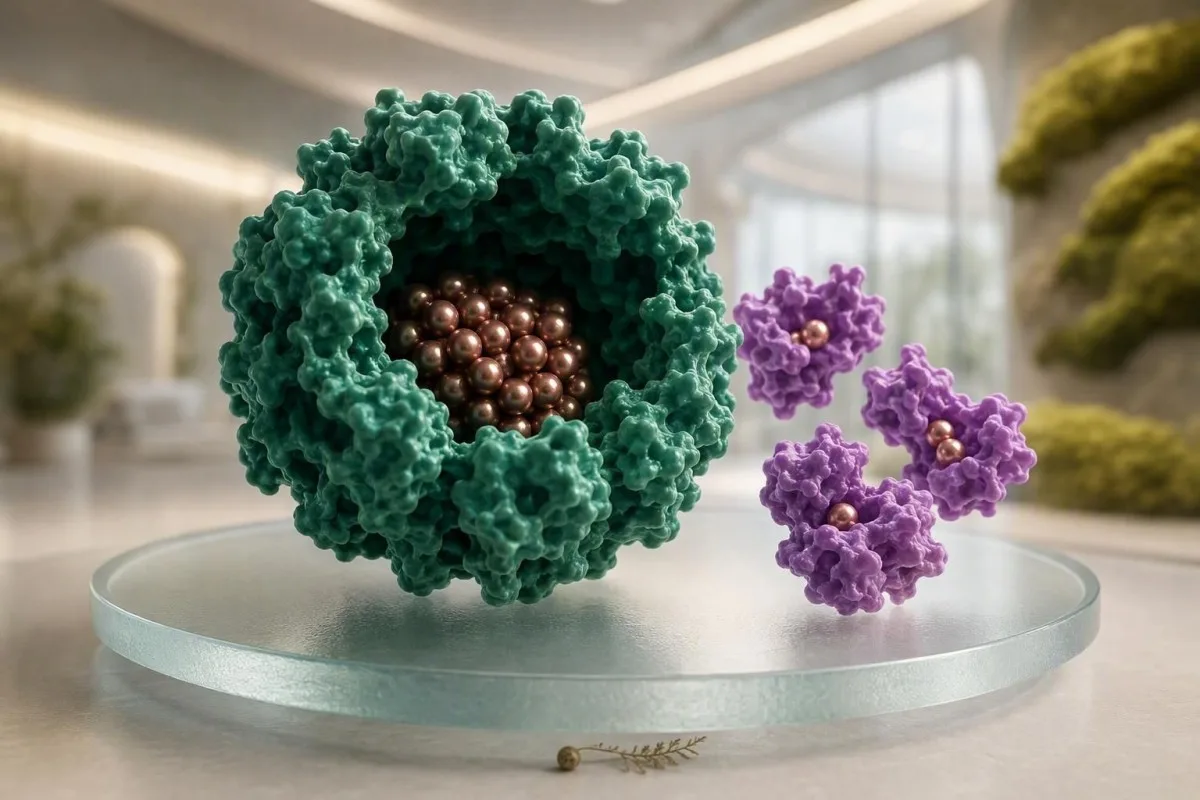
铁蛋白是一种蛋白壳,能够容纳数千个铁原子,主要存在于肝细胞、巨噬细胞和骨髓中。少量铁蛋白泄漏或分泌入血清,为我们提供了总体储备的间接读数。. 每 1 ng/mL 的铁蛋白大致相当于健康成人体内储存 8‑10 mg 的铁,, 虽然在炎症或肝细胞损伤时这一粗略换算会失效。.
血清铁几乎全部是与转铁蛋白结合的铁,转铁蛋白是将铁输送至骨髓用于血红蛋白合成的运输蛋白。它并不代表体内全部铁。铁蛋白为 8 ng/mL 的人早餐后血清铁可能暂时正常,而铁蛋白为 400 ng/mL 的人在肺炎期间血清铁可能偏低。.
当我审阅一套检测时,我也会关注 低转铁蛋白饱和度模式。 和红细胞指标。. MCV 通常只有在储备低了一段时间后才会下降,, 因此正常血红蛋白和正常 MCV 并不能排除铁缺乏。.
为什么身体将储存与运输分开
身体将游离铁保持在极低水平,因为未结合的铁会驱动氧化化学反应。铁蛋白将铁锁住;转铁蛋白以受控形式携带铁。这种分离是铁蛋白与血清铁不一致常因生理而非实验室错误的原因。.
为什么铁蛋白和血清铁常常不一致
铁蛋白和血清铁不一致是因为血清铁变化快,而铁蛋白受储存、炎症和肝细胞释放影响。. 一旦了解时间点和 CRP,表面上的矛盾常会变得清晰。.
一个经典例子是胸部感染期间血清铁 35 µg/dL、铁蛋白 75 ng/mL。肝脏产生的激素 hepcidin 阻止巨噬细胞和肠道细胞释放铁,导致循环铁下降,即使铁蛋白正常或升高。这意味着铁仍在体内,但未有效到达骨髓。 功能性缺铁, ,意味着铁存在但未有效到达骨髓。.
相反的模式——血清铁 180 µg/dL、铁蛋白 12 ng/mL——常在服用 65 mg 元素铁片、含铁复合维生素或摄入富含肉类的餐后不久出现。这就是为何高血清铁结果并不能可靠地证明储备健康。有关准备细节,请参见 铁与空腹建议.
Thomas Klein 医生在耐力运动后检测的人群中反复看到这种不匹配:短暂的肌肉压力、脱水和早晨补充剂会使面板看起来比实际的铁蛋白更令人安心。重复、标准化的样本通常比争论单次抽血更具信息价值。.
炎症如何使铁蛋白看起来误导性地正常
炎症会升高铁蛋白,因为铁蛋白是急性相反应物,所以在疾病期间正常的铁蛋白不能可靠地排除缺铁。. CRP、TSAT 有时还有可溶性转铁蛋白受体有助于将储存与炎症性封存区分开来。.
IL-6 增加 hepcidin,hepcidin 关闭 ferroportin——细胞铁输出通道。结果是血清铁低、TIBC 低或正常、TSAT 低,铁蛋白可能为 50、100 或 300 ng/mL,尽管用于红细胞生成的铁有限。. CRP 高于 5 mg/L 会降低铁蛋白对储备的特异性。.
世界卫生组织建议在感染或炎症的成人中使用 小于 70 µg/L 的铁蛋白阈值 to identify iron deficiency (WHO, 2020). In chronic kidney disease, heart failure and inflammatory bowel disease, several specialty guidelines use ferritin below 100 ng/mL plus TSAT below 20% as a practical deficiency pattern, though the exact threshold remains debated.
Kantesti 是一个 AI 生物标志物解读平台 将铁蛋白与 CRP、ESR、肾功能和肝酶一起标记,因为单独的铁蛋白可能在任一方向上产生误导。CRP 较高的读者可能会在假设储备充足之前发现我们的指南很有用。 铁蛋白和CRP 有用,在假设储备充足之前。.
餐饮、补充剂和时间如何影响血清铁水平
最近的餐食、口服铁以及早晨与下午取样会显著改变血清铁而不改变铁储备。. 铁蛋白对这些短期暴露的敏感性较低,尽管仍应在相似条件下进行趋势观察。.
Serum iron is commonly highest in the morning and tends to decline later in the day, although individual variation is wide enough that timing alone should not diagnose deficiency. In one classic clinical study, fasting did not eliminate all variation, but samples collected after 12 hours of fasting could show higher iron values than shorter fasts. Consistency matters more than chasing a perfect clock time.
For a planned iron panel, I generally advise a morning sample, usual water intake, and no oral iron for at least 24 hours unless the prescribing clinician says otherwise. This is a testing convention, not a reason to stop prescribed treatment without guidance. A multivitamin with 18 mg iron can be enough to distort serum iron for that visit.
A 29-year-old vegetarian patient once had serum iron of 156 µg/dL after a supplement, yet ferritin of 9 ng/mL and TSAT of 32%. Her repeat pre-dose TSAT was 12%, which fit the symptoms far better. Foods with heme and non-heme iron can support intake, but dietary change alone may not correct an ongoing loss.
指向真正铁缺乏的模式
True iron deficiency usually produces low ferritin and low TSAT, often before haemoglobin falls. The most convincing pattern is ferritin below 30 ng/mL with TSAT below 20%, after considering inflammation.
Early deficiency can show ferritin 18 ng/mL, haemoglobin 13.2 g/dL and MCV 87 fL—technically no anaemia, but no comfortable reserve either. Symptoms such as exertional fatigue, restless legs, hair shedding or reduced exercise tolerance are real but non-specific; they deserve a search for cause rather than reflex supplementation. See 月经过多以外的低铁蛋白 for the overlooked gastrointestinal and dietary clues.
Once iron-restricted erythropoiesis develops, RDW往往在MCV下降之前就先升高, reflecting mixed older normal-sized and newer smaller red cells. A reticulocyte haemoglobin measurement below about 28 pg, where available, can show insufficient recent iron delivery to marrow. Laboratory cutoffs vary by assay and population.
Camaschella's review in the New England Journal of Medicine describes ferritin as the most accurate single marker of iron stores in uncomplicated deficiency, while stressing that inflammatory states complicate its interpretation (Camaschella, 2015). That nuance is the difference between treating a number and understanding a pattern.
暗示慢性疾病导致铁受限的模式
Inflammation-related iron restriction usually causes low serum iron and TSAT with ferritin that is normal or elevated. TIBC is often low or normal because transferrin falls during the acute-phase response.
In uncomplicated iron deficiency, transferrin production usually rises, making TIBC high—often above 400 µg/dL—while ferritin falls. In inflammatory iron restriction, transferrin is downregulated, so TIBC may be below 300 µg/dL despite low serum iron. That opposite TIBC direction is clinically useful and often missed.
Soluble transferrin receptor (sTfR) is less affected by inflammation than ferritin and can help when ferritin is 50-150 ng/mL with a raised CRP. A high sTfR suggests cellular iron need or increased red-cell production; it is not completely immune to confounding, particularly with haemolysis or thalassaemia. Our soluble transferrin receptor guide covers when it is worth requesting.
In my experience, clinicians should not label this pattern “anaemia of chronic disease” and stop there. The chronic condition may coexist with absolute deficiency from menstrual loss, gastrointestinal blood loss, reduced absorption or frequent donation—two processes can be true at once.
当高铁蛋白并不意味着铁过载时
High ferritin is more often caused by inflammation, fatty liver, alcohol exposure, metabolic disease or cell injury than by iron overload. Transferrin saturation is the essential second test when ferritin is elevated.
Ferritin above 200 ng/mL in women or 300 ng/mL in men is outside many laboratory reference intervals, but reference intervals are not diagnoses. TSAT persistently above 45% is more suggestive of increased iron absorption or overload than ferritin alone. A serum iron drawn after supplements, however, can make TSAT falsely impressive.
Ferritin may exceed 500 ng/mL in metabolic dysfunction-associated steatotic liver disease, acute infection, heavy alcohol use or poorly controlled diabetes. Liver enzymes, CRP, fasting glucose and alcohol history change the interpretation. Review liver-support evidence rather than assuming a “detox” will explain or fix a high number.
女性铁蛋白高于 1,000 ng/mL warrants timely medical assessment, especially with raised ALT or AST, unexplained fatigue, skin pigmentation, joint symptoms or a family history of iron overload. It is rarely an emergency by itself, but it should not sit unreviewed for six months.
妊娠、耐力运动和献血为何需要不同的解读背景
Pregnancy, endurance training and blood donation can lower ferritin before standard CBC values become abnormal. These groups need trend-based interpretation because changing plasma volume and iron demand can mask depletion.
During pregnancy, plasma volume expansion lowers haemoglobin by dilution, while fetal and placental demands increase iron needs. Many obstetric services treat 铁蛋白低于30 ng/mL as iron deficiency in pregnancy, but local protocols differ. For other pregnancy-specific reference shifts, consult our pregnancy lab guide.
Endurance athletes can lose iron through gastrointestinal micro-loss, sweat, dietary restriction and foot-strike haemolysis; low ferritin may impair training quality even with haemoglobin in range. Testing immediately after a marathon is poor practice because inflammation and fluid shifts cloud ferritin and iron. A quieter training week gives a cleaner baseline.
Whole-blood donation removes roughly 200-250 mg of iron per donation. Ferritin can remain low for months even after haemoglobin passes donor screening, so frequent donors should consider a scheduled ferritin check and discuss replacement with their clinician. Our post-donation ferritin timing guide 吸烟和饮酒量高会通过影响氧化应激、叶酸状态以及肝脏对甲基基团的处理来提高同型半胱氨酸。一个每天吸15支烟并在周末大量饮酒的患者,可能需要与乳糜泻且吸收不良的人完全不同的方案。.
改变铁状态的药物和肠道疾病
Acid-suppressing medicines, coeliac disease, bariatric surgery and ongoing gastrointestinal loss can cause low ferritin despite an apparently iron-rich diet. Serum iron may still look normal on a supplement day.
Non-heme iron needs an acidic, reducing environment and dedicated intestinal transporters, so long-term proton-pump inhibitor use can contribute to poor absorption in susceptible people. Coeliac disease may present first as iron deficiency, sometimes without obvious bowel symptoms. 成人男性和绝经后女性的原因不明的缺铁需要以原因为中心的医学检查,而不是仅仅服用药片。, ,而不是仅仅服用药片。.
与铁同服的钙会在该剂量期间降低吸收,而含维生素C的食物可能略微改善非血红素铁的摄取。其效果比许多营销宣传所示的要小;实际障碍常常是恶心、便秘或未被识别的失血来源。. 双甘氨酸铁与硫酸铁 对耐受性差异进行评估。.
Thomas Klein 医生建议患者不要在不询问原因的情况下无限期自行治疗血清铁蛋白 6 ng/mL。若月经不重,病史应包括献血、饮食、NSAID 使用、肠道症状、既往手术和家族史;答案有时很简单,但并非总是如此。.
如何准备最可靠的铁指标检测
为获得最可比的铁指标,使用同一家实验室,尽可能在上午检测,避免检测前服用铁剂,并记录近期疾病。. 铁蛋白变化缓慢,但血清铁需在受控条件下才能具有意义。.
要求进行 CBC、铁蛋白、血清铁、TIBC 或转铁蛋白以及计算的 TSAT;若感染、炎症性疾病或肥胖相关炎症可能存在时,加测 CRP。. 8‑12 小时的空腹期通常用于铁检查,, 虽然各实验室有所不同,请遵循实验室的具体说明。除非另有指示,饮用水是可以的。.
不要在发热期间、剧烈耐力运动后数天内或铁剂输注后立即安排常规铁面板,除非治疗团队特别需要。静脉铁可使铁蛋白在数周内升高,导致早期复查难以解释。我们的 血液检测时机指南 详细说明了其他短期影响因素。.
Kantesti 是一个 基于 AI 的血液检测分析工具 可在您上传报告后比较先前的铁蛋白、TSAT 和 CBC 值,突出变化是否超过普通噪声。有用的记录不仅是数值:保存检测时间、空腹状态、补充剂剂量、月经时间、近期疾病和献血日期。.
开始铁治疗后应出现的变化
有效的铁治疗通常在 7‑10 天内提升网织红细胞,在 2‑4 周内使血红蛋白升高约 1‑2 g/dL,前提是诊断和吸收正确。. 铁蛋白的恢复晚于血红蛋白。.
好的反应不能仅凭服药后次日早晨的血清铁判断。血清铁可能立即峰值,而临床上有意义的反应是网织红细胞升高随后血红蛋白持续上升。. 血红蛋白在 2‑4 周后未升高约 1 g/dL 应触发对依从性、持续失血、吸收以及原始诊断的复审。.
铁蛋白通常需要数月才能恢复,尤其在原因仍在持续时。许多临床医生在血红蛋白正常化后约 3 个月继续口服铁剂,, 然后复查铁蛋白,但治疗时长应根据耐受性、妊娠、肾病和缺铁来源个体化。参见 铁治疗复检时间。 为更安全的监测计划。.
早期治疗期间的RDW升高不一定是坏消息;它可能反映了含铁充足的新红细胞进入循环,同时伴有较老的微细胞。RDW升高伴随网织红细胞计数上升,与无骨髓反应的贫血恶化不同。.
当铁蛋白或血清铁结果需及时复审时
对于严重症状、血红蛋白下降、黑便、胸痛、静息时呼吸困难或血清铁蛋白超过1,000 ng/mL,请及时就医。. 铁检查可指导评估,但不能取代对出血、感染或器官疾病的评估。.
当贫血导致晕厥、胸部压迫感、静息时出现新呼吸困难、心跳加速或明显虚弱时,可视为紧急情况。. 血红蛋白低于8 g/dL(80 g/L) 通常具有临床意义,但紧急程度取决于症状、下降速度、妊娠、心脏疾病和活动性失血。黑色柏油样大便或呕吐物呈咖啡渣样需紧急处理。.
成年男性或绝经后女性的低铁蛋白应提示进行胃肠道评估,因为需排除慢性失血。相反,单纯血清铁低而铁蛋白、TSAT正常且近期有感染时,通常需要重复检测而非惊慌。. 皮肤苍白和贫血线索 可帮助读者识别更广泛的症状图景。.
Kantesti AI does not diagnose or prescribe; it organizes the questions a clinician needs to answer. Our medical review standards are described through the 医疗顾问委员会, ,在结果与症状不匹配时,医生的监督仍是保障。.
铁蛋白与血清铁冲突时的最佳后续检查
当铁蛋白与血清铁结果冲突时,重复标准化的全铁面板并加入CRP;可适当检测可溶性转铁蛋白受体、网织红细胞血红蛋白或血红蛋白电泳。. 正确的随访取决于整体模式,而非单一异常。.
低血清铁加铁蛋白80 ng/mL以下时,通常应先测TSAT、TIBC和CRP,再作铁缺乏诊断。低铁蛋白伴正常血清铁时,通常需要寻找原因,而非安慰。. 铁蛋白低于30 ng/mL在 otherwise 健康的成年人中通常足以证明储铁不足,, 即使血清铁恰好正常。.
若MCV偏低而铁蛋白和TSAT未低,需考虑地中海贫血基因、慢性炎症、相关环境中的铅暴露或其他罕见原因。红细胞计数升高且MCV相对过低是提示血红蛋白电泳可能比加大铁剂更有价值的线索。该 MCV 和 MCH 对比 解释了这一区别。.
Kantesti AI interprets discordant ferritin vs serum iron results through linked biomarkers and longitudinal changes, while our 临床验证框架 描述了自动解释的局限性。最终决定权在于能够检查患者、评估出血风险并下达针对性随访的临床医生。.
解读铁指标的实用要点
使用铁蛋白估计储存铁,使用血清铁和TSAT评估当前可利用性,使用CRP判断炎症是否扭曲结果。. 没有单一铁标志物能在所有临床情境中决定性。.
最可靠的日常顺序很简单:先确认铁蛋白是否低,再检查TSAT、TIBC、CBC和CRP,寻找铁蛋白低的原因——或寻找其看似正常的原因。铁蛋白为10 ng/mL即需关注,即使血红蛋白正常;感染后血清铁为35 µg/dL时通常需先置于情境中解释。这就是铁蛋白与血清铁的诚实答案。.
Kantesti是一款 AI 实验室检测解读服务, ,帮助用户保留重复检测在不同时间点的临床可解释性细节。对于拥有多份报告的患者,我们的 化验趋势分析指南 显示为什么6个月的铁蛋白斜率通常比单次血清铁结果更有意义。.
研究出版物:Klein, T. (2026)。. 临床验证框架 v2.0(医学验证页面)。. Zenodo。. https://doi.org/10.5281/zenodo.17993721. ResearchGate: https://www.researchgate.net/; Academia.edu: https://www.academia.edu/. Klein, T. (2026)。. AI 血液检测分析:分析了 2.5M 项检测 | 全球健康报告 2026。. Zenodo。. https://doi.org/10.5281/zenodo.18175532. ResearchGate: https://www.researchgate.net/; Academia.edu: https://www.academia.edu/.
常见问题
铁蛋白比血清铁更能准确诊断缺铁吗?
在无活动性炎症的人群中,铁蛋白比血清铁更准确地估计体内铁储备。铁蛋白低于15 ng/mL 强烈支持缺铁诊断,许多临床医生在出现症状或风险因素时将低于30 ng/mL 的数值视为储备耗竭或边缘低储备。血清铁会因进食、补充剂和时间而变化,因此正常结果并不能排除储备不足。在炎症期间,铁蛋白可能人为升高,需要结合铁饱和度(TSAT)和C反应蛋白(CRP)一起评估。.
血清铁可以低而铁蛋白正常吗?
Yes, low serum iron with normal or high ferritin commonly occurs during infection, autoimmune disease, chronic kidney disease and other inflammatory states. Hepcidin reduces iron release into plasma, so serum iron and TSAT may fall below 20% even while ferritin is 50-300 ng/mL. This pattern is called iron restriction or functional iron deficiency. A CRP above 5 mg/L and a low or normal TIBC make inflammation more likely.
我需要空腹进行铁蛋白和血清铁检测吗?
空腹对铁蛋白通常不是关键,但8-12小时的禁食可以使血清铁和转铁蛋白饱和度(TSAT)更容易与之前的结果进行比较。许多临床医生更倾向于上午采血,因为血清铁在一天后期往往会下降。除非临床医生另有指示,否则不要在计划的铁检查前服用早晨的口服铁剂;通常建议停服约24小时。务必遵循进行检测的实验室提供的说明。.
铁补充剂能提高血清铁水平但不提升铁蛋白吗?
是的,口服铁剂可以在数小时内暂时提高血清铁水平,而铁蛋白仍然偏低,因为储备需要数周至数月才能补充。例如,血清铁蛋白为12 ng/mL的人在当天早晨服用65 mg元素铁后,血清铁可能显示为正常或偏高。这并不意味着缺铁已得到解决。治疗效果应通过症状、网织红细胞、血红蛋白以及在适当时间复查的铁蛋白水平来更好地评估。.
哪个血清铁蛋白水平算太高?
Ferritin above 200 ng/mL in women or 300 ng/mL in men is above many reference ranges, but it does not automatically mean iron overload. Inflammation, liver disease, alcohol exposure and metabolic disease frequently raise ferritin. Persistent TSAT above 45% makes iron overload more plausible, while ferritin above 1,000 ng/mL warrants timely clinician-led evaluation. The cause is determined from the full panel, symptoms, liver tests and sometimes genetic or imaging assessment.
我可以在血红蛋白正常的情况下出现缺铁吗?
是的,铁缺乏常在血红蛋白下降之前出现。血清铁蛋白可降至30 ng/mL以下,而女性血红蛋白仍保持在12 g/dL以上,男性保持在13 g/dL以上,且平均红细胞体积(MCV)仍正常。有些人在此阶段会报告疲劳、运动耐力下降、腿部不宁或脱发,尽管这些症状有多种原因。首要任务是确认这种模式并找出铁储备下降的原因。.
立即获取AI驱动的血液检测分析
加入全球超过2,000,000名用户,他们信任Kantesti进行即时、准确的检验分析。上传你的血液检查结果,并在几秒内获得对15,000+生物标志物的全面解读。.
📚 参考研究论文
Klein, T., Mitchell, S., & Weber, H. (2026). 临床验证框架 v2.0(医学验证页面). Kantesti AI医学研究。.
Klein, T., Mitchell, S., & Weber, H. (2026). AI血液检测分析:已分析2.5M项检测 | 全球健康报告2026. Kantesti AI医学研究。.
📖 外部医学参考资料
世界卫生组织(2020)。. 关于使用铁蛋白浓度评估个人与人群铁状态的WHO指南.。 世界卫生组织。.
⚕️ 医疗免责声明
本文仅用于教育目的,不构成医疗建议。诊断和治疗决策请始终咨询合格的医疗专业人员。.
E-E-A-T信任信号
经验
由医生主导的临床审阅:实验室解读工作流程。.
专业知识
实验室医学重点:生物标志物在临床情境中的表现。.
权威
由 Thomas Klein 博士撰写,并由 Sarah Mitchell 博士与 Hans Weber 教授审阅。.
可信度
基于循证的解读,并提供清晰的后续路径以减少警报。.