
An ulcerative colitis blood test can reveal systemic inflammation, anaemia, nutritional effects and treatment safety issues, but no blood result confirms ulcerative colitis by itself. Diagnosis normally combines symptoms, stool testing, colonoscopy and tissue examination.

ຂໍ້ສະຫຼຸບສຳຄັນ
- ການວິນິດໄສ: No ulcerative colitis blood test confirms the condition; colonoscopy with tissue samples is usually needed to establish the diagnosis and extent.
- CRP ແລະ ESR: CRP ຕ່ຳກວ່າ 5 mg/L ແລະ ESR ຕ່ຳມັກຈະບົ່ງຊີ້ວ່າກິດຈະກຳການອັກເສບທົ່ວຮ່າງກາຍມີໜ້ອຍກວ່າ, ແຕ່ຜົນປົກກະຕິບໍ່ໄດ້ຕັດຄວາມເປັນໄປໄດ້ຂອງລຳໄສ້ໃຫຍ່ອັກເສບທີ່ຍັງກຳລັງກຳເລີບ.
- CBC: Haemoglobin below 120 g/L in many non-pregnant adult women or below 130 g/L in adult men suggests anaemia, which may reflect intestinal blood loss or chronic inflammation.
- ເມັດເລືອດ: ຈຳນວນເກັດເລືອດທີ່ສູງກວ່າ 450 × 10⁹/L ອາດພົບຮ່ວມກັບພະຍາດອັກເສບທີ່ກຳລັງກຳເລີບ, ແຕ່ການຕິດເຊື້ອ, ການຂາດທາດເຫຼັກ ແລະ ສາເຫດອື່ນໆ ກໍອາດເຮັດໃຫ້ເກີດຮູບແບບດຽວກັນໄດ້.
- ອັນລະບັ້ມ: Albumin ຕ່ຳກວ່າ 30 g/L ເປັນຕົວບົ່ງຊີ້ທີ່ໜ້າກັງວົນໃນພາວະລຳໄສ້ໃຫຍ່ອັກເສບຮຸນແຮງ ເພາະອາດສະທ້ອນເຖິງການສູນເສຍໂປຣຕີນຈາກການອັກເສບ, ການຮັບປະທານອາຫານຫຼຸດລົງ ຫຼື ການຮົ່ວຂອງໂປຣຕີນໃນລຳໄສ້.
- ການກວດອາຈົມ: ຄ່າ calprotectin ໃນອາຈົມບໍ່ແມ່ນການກວດເລືອດ, ແຕ່ຄ່າທີ່ສູງກວ່າປະມານ 150 µg/g ມັກສະໜັບສະໜູນວ່າມີການອັກເສບຂອງລຳໄສ້ທີ່ກຳລັງດຳເນີນຢູ່ ແລະ ຊ່ວຍຕັດສິນວ່າຈຳເປັນຕ້ອງປະເມີນດ້ວຍການສ່ອງກ້ອງຫຼືບໍ່.
- ການປະເມີນການກຳເລີບ: Clinicians interpret trends in CRP, haemoglobin, albumin and platelets alongside stool frequency, urgency, weight and objective stool or endoscopic findings.
- Limits: CRP ປົກກະຕິ, ຜົນກວດແອນຕິບອດີເປັນລົບ ຫຼື ຈຳນວນເມັດເລືອດຂາວປົກກະຕິ ບໍ່ສາມາດຕັດພະຍາດລຳໄສ້ໃຫຍ່ອັກເສບອອກໄດ້ຢ່າງປອດໄພ ຫຼື ຢືນຢັນວ່າພະຍາດສະຫງົບແລ້ວ.
What an ulcerative colitis blood test can and cannot show
Blood tests support ulcerative colitis assessment but do not confirm the diagnosis. They can show systemic inflammation, anaemia, dehydration, low protein, liver involvement and medication risks; they cannot demonstrate the characteristic continuous mucosal pattern that endoscopy and tissue examination provide.

ຄ່າທີ່ສູງຂຶ້ນ C-reactive protein, elevated ESR, low haemoglobin or high platelet count can make active inflammatory bowel disease more plausible, but each finding has alternatives. For example, CRP above 10 mg/L may occur with respiratory infection, urinary infection, obesity or another inflammatory condition, so the result is not specific to colitis.
ແນວທາງຂອງ ACG ປີ 2019 ອະທິບາຍວ່າ ພະຍາດລຳໄສ້ໃຫຍ່ອັກເສບແມ່ນການວິນິດໄສທີ່ອາໄສຂໍ້ມູນທາງຄລີນິກ, ການສ່ອງກ້ອງ ແລະ ຂໍ້ມູນທາງຈຸລະພາກວິທະຍາ ແທນທີ່ຈະອາໄສຄ່າເກນທາງຫ້ອງປະລິການພຽງຄ່າດຽວ (Rubin et al., 2019). ຂອງພວກເຮົາ ມາດຕະຖານການຢັ້ງຢືນທາງການແພດ ສະທ້ອນຂອບເຂດດຽວກັນ: ຜົນການກວດທີ່ມີການແປຜົນສາມາດຈັດລຽງຫຼັກຖານໄດ້, ແຕ່ບໍ່ສາມາດທົດແທນການປະເມີນໂດຍແພດທາງເດີນອາຫານ.
A hypothetical 28-year-old with six loose stools daily, CRP 38 mg/L and haemoglobin 108 g/L has a pattern that deserves prompt evaluation, not an automatic label. The combination suggests active inflammation with anaemia, whereas CRP 38 mg/L alone could reflect many conditions; stool pathogen testing and colonoscopy still decide the diagnosis.
CRP, ESR and white cells during a flare
CRP, ESR and white-cell counts measure inflammatory response, not ulcerative-colitis-specific injury. CRP ປ່ຽນແປງຄ່ອນຂ້າງໄວພາຍໃນປະມານ 24 ຫາ 48 ຊົ່ວໂມງ, ESR ປ່ຽນແປງຊ້າກວ່າ, ແລະ ຈຳນວນເມັດເລືອດຂາວໄວຕໍ່ການຕິດເຊື້ອ, ຢາຄໍຕິໂຄສະເຕຍຣອຍ ແລະ ຄວາມເຄັງ.
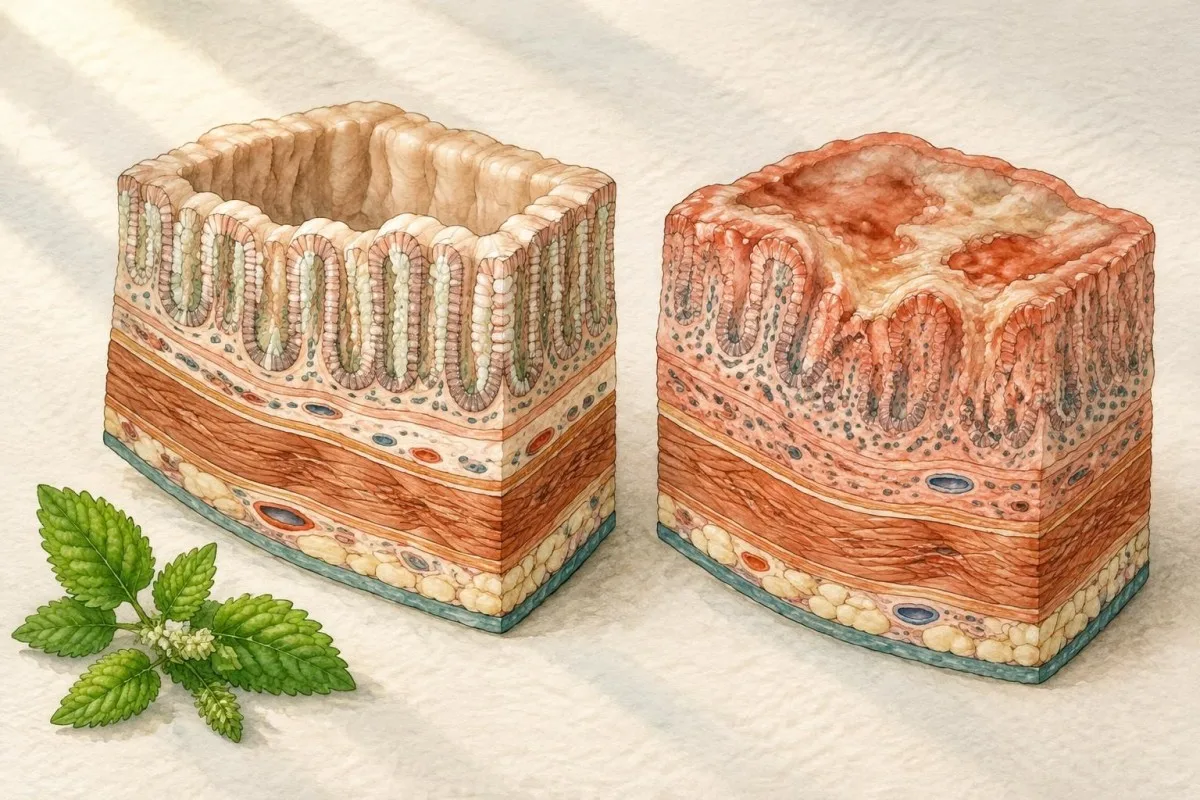
ຫຼາຍຫ້ອງປະລິກກະລາຍງານວ່າ CRP ຂອງຜູ້ໃຫຍ່ຖືວ່າປົກກະຕິເມື່ອຕ່ຳກວ່າ 5 mg/L, ເຖິງແມ່ນບາງແຫ່ງໃຊ້ເກນຕ່ຳກວ່າ 3 mg/L; ດັ່ງນັ້ນ ຜົນ 20 mg/L ຈຶ່ງບົ່ງຊີ້ເຖິງການຕອບສະໜອງການອັກເສບທີ່ມີຄວາມໝາຍ ແຕ່ບໍ່ສາມາດລະບຸແຫຼ່ງທີ່ມາໄດ້. ຄ່າອ້າງອີງຂອງ ESR ແຕກຕ່າງຕາມອາຍຸ ແລະເພດ, ແລະ ESR 35 mm/hour ອາດຍັງສູງຢູ່ ຫຼັງຈາກ CRP ຫຼຸດລົງແລ້ວ.
ຈຳນວນເມັດເລືອດຂາວທີ່ສູງກວ່າປະມານ 11 × 10⁹/L ອາດພົບຮ່ວມກັບລຳໄສ້ໃຫຍ່ອັກເສບທີ່ກຳລັງກຳເລີບ, ແຕ່ prednisolone ອາດເພີ່ມຈຳນວນນິວໂທຣຟິວຜ່ານການປ່ອຍອອກຈາກຂອບຜະໜັງເສັ້ນເລືອດ ໂດຍບໍ່ໄດ້ຊີ້ວ່າການຕອບສະໜອງຂອງເນື້ອເຍື່ອລຳໄສ້ຮ້າຍແຮງຂຶ້ນ. ໃນທາງກັບກັນ, ການຮັກສາດ້ວຍຢາກົດພູມຄຸ້ມກັນອາດຫຼຸດຜ່ອນການເພີ່ມຂອງເມັດເລືອດຂາວ, ຊຶ່ງເປັນເຫດຜົນທີ່ຈຳນວນປົກກະຕິ 6 × 10⁹/L ບໍ່ສາມາດຕັດຄວາມເປັນໄປໄດ້ຂອງອາການກຳເລີບ.
ຄວາມບໍ່ກົງກັນລະຫວ່າງ CRP ແລະ ESR ເກີດຂຶ້ນເລື້ອຍໆ: ບຸກຄົນໜຶ່ງອາດມີ CRP 4 mg/L ແຕ່ ESR 42 mm/hour ເນື່ອງຈາກພະຍາດເລືອດຈາງ, ອາຍຸ ຫຼື ພາວະເຮື້ອຮັງອື່ນ. ຄູ່ມືຂອງພວກເຮົາກ່ຽວກັບ ຄວາມແຕກຕ່າງຂອງ WBC ແລະ CRP explains why trend, symptoms and sample timing are more informative than treating either marker as a yes-or-no test.
ເປັນຫຍັງ calprotectin ໃນອຸຈາລະຈຶ່ງມັກໃຫ້ຂໍ້ມູນເພີ່ມເຕີມຫຼາຍກວ່າການກວດເລືອດ
Faecal calprotectin reflects neutrophil activity in the intestine and is often more gut-specific than CRP. It is not a blood test, but a result below about 50 µg/g generally supports low intestinal inflammatory activity, while values above 150 µg/g commonly justify repeat assessment or further investigation.

Calprotectin ລະຫວ່າງ 50 ແລະ 150 µg/g ເປັນເຂດທີ່ຍັງບໍ່ແນ່ນອນ ບໍ່ແມ່ນການວິນິດໄສ; ການຕິດເຊື້ອຫວ່າງບໍ່ດົນມານີ້, ຢາຕ້ານການອັກເສບທີ່ບໍ່ແມ່ນສະເຕຣອຍ ແລະ ການອອກກຳລັງກາຍໜັກສາມາດເຮັດໃຫ້ຄ່ານີ້ສູງຂຶ້ນ. ຜົນທີ່ສູງກວ່າ 250 µg/g ໜ້າເປັນຫ່ວງຫຼາຍກວ່າວ່າອາດມີການອັກເສບລຳໄສ້ທີ່ກຳລັງເຄື່ອນໄຫວ, ແຕ່ຍັງບໍ່ສາມາດແຍກລຳໄສ້ໃຫຍ່ອັກເສບອອກຈາກໂຣກ Crohn, ການຕິດເຊື້ອ ຫຼື ຄວາມຜິດປົກກະຕິອື່ນໆຂອງລຳໄສ້ໄດ້.
The STRIDE-II treat-to-target update places symptoms, biomarkers such as CRP and faecal calprotectin, and endoscopic healing on different levels of assessment (Turner et al., 2021). That hierarchy matters because CRP 3 mg/L and calprotectin 420 µg/g are not contradictory: the first may be quiet systemically while the second detects local bowel activity.
A hypothetical patient whose calprotectin falls from 1,100 to 180 µg/g after treatment may be improving without having reached a low-risk target. Our calprotectin interpretation guide compares calprotectin with lactoferrin and explains why a sample collected during diarrhoea or shortly after NSAID use may need context.
Blood tests do not distinguish a flare from infection
ຮູບແບບຜົນເລືອດທີ່ຄ້າຍກັບການກຳເລີບອາດເກີດຈາກການຕິດເຊື້ອ, ດັ່ງນັ້ນການກວດຈຸລະຊີວະວິທະຍາຂອງອາຈົມຈຶ່ງເປັນສ່ວນໜຶ່ງຂອງການປະເມີນຢ່າງປອດໄພ. C. difficile, Campylobacter, Salmonella, Shigella, ພະຍາດຈາກປາຣາຊິດ ແລະພະຍາດທີ່ກ່ຽວກັບ cytomegalovirus ສາມາດເຮັດໃຫ້ຖອກທ້ອງ, CRP ສູງຂຶ້ນ ແລະອັລບູມິນຕ່ຳ ຊຶ່ງມີລັກສະນະຄ້າຍກັບການກຳເລີບຂອງລຳໄສ້ໃຫຍ່ອັກເສບແບບແຜ.
CRP above 50 mg/L and a white-cell count of 14 × 10⁹/L may indicate severe inflammation, but the same numbers can occur with C. difficile colitis. Starting corticosteroids before appropriate infection assessment can worsen some infections, so clinicians often request stool toxin or molecular testing before escalating immunosuppression.
ຜົນກວດວິເຄາະສານພັນທຸກຳຂອງ C. difficile ທີ່ເປັນບວກອາດບົ່ງຊີ້ເຖິງການມີຍີນສ້າງສານພິດ ແທນທີ່ຈະເປັນພະຍາດທີ່ເກີດຈາກສານພິດ, ໂດຍສະເພາະເມື່ອອຸຈາລະເປັນກ້ອນ ຫຼືອາການມີສາເຫດອື່ນ. ການແປຜົນໃນທາງປະຕິບັດຂອງ C. difficile test combinations ຂຶ້ນກັບອາການ, ຜົນກວດສານພິດ ແລະ ວິທີການຂອງຫ້ອງປະຕິບັດການ, ບໍ່ແມ່ນຂຶ້ນກັບຈຳນວນເມັດເລືອດຢ່າງດຽວ.
ຜົນກວດຫາເຊື້ອກໍ່ພະຍາດໃນອຸຈະທີ່ເປັນລົບກໍຍັງມີຂໍ້ຈຳກັດ: ເວລາເກັບຕົວຢ່າງ, ການໃຊ້ຢາຕ້ານເຊື້ອກ່ອນໜ້ານີ້ ແລະຂອບເຂດຊະນິດເຊື້ອທີ່ຊຸດກວດຄອບຄຸມ ລ້ວນມີຜົນຕໍ່ຄວາມໄວໃນການກວດພົບ. ຖ້າຄົນເຈັບມີ CRP 12 mg/L, calprotectin 700 µg/g ແລະຖອກທ້ອງມີເລືອດປົນຢ່າງຕໍ່ເນື່ອງຫຼັງຈາກຜົນກວດແບັກທີເຣຍເປັນລົບ, ອາດຍັງຈຳເປັນຕ້ອງປະເມີນດ້ວຍການສ່ອງກ້ອງ ແທນທີ່ຈະສັນນິຖານວ່າຜົນນັ້ນພິສູດວ່າເປັນອາການກຳເລີບທີ່ບໍ່ແມ່ນຈາກການຕິດເຊື້ອ.
CBC results: anaemia, platelets and hidden disease burden
The complete blood count often reveals complications of ulcerative colitis rather than proving colitis itself. ຮີໂມໂກລບິນຕ່ຳອາດເກີດຈາກການຂາດທາດເຫຼັກ, ການອັກເສບ, ການຂາດວິຕາມິນ ຫຼືການສູນເສຍເລືອດຈາກລຳໄສ້ທີ່ຍັງດຳເນີນຢູ່; ພາວະເກັດເລືອດສູງອາດສະທ້ອນການອັກເສບ ແຕ່ກໍພົບໄດ້ໃນພາວະຂາດທາດເຫຼັກແລະການຕິດເຊື້ອ.

ເກນຂອງ WHO ໂດຍທົ່ວໄປກຳນົດວ່າ ພາວະເລືອດຈາງແມ່ນຮີໂມໂກລບິນຕ່ຳກວ່າ 130 g/L ໃນຜູ້ຊາຍຜູ້ໃຫຍ່ ແລະ ຕ່ຳກວ່າ 120 g/L ໃນແມ່ຍິງຜູ້ໃຫຍ່ທີ່ບໍ່ຖືພາ, ເຖິງແມ່ນວ່າການຖືພາ, ອາຍຸ ແລະ ຄຳແນະນຳທ້ອງຖິ່ນຈະປ່ຽນແປງການແປຜົນ. MCV ຕ່ຳກວ່າ 80 fL ຮ່ວມກັບ ferritin ຕ່ຳ ສະໜັບສະໜູນພາວະຂາດທາດເຫຼັກ, ໃນຂະນະທີ່ MCV ປົກກະຕິ ຫຼື ສູງ ບໍ່ໄດ້ຕັດພາວະຂາດທາດເຫຼັກ ແລະ B12 ຮ່ວມກັນອອກ.
ຈຳນວນເກັດເລືອດທີ່ສູງກວ່າ 450 × 10⁹/L ມັກຖືກເອີ້ນວ່າ thrombocytosis ແລະ ອາດສະທ້ອນລະດັບກິດຈະກຳການອັກເສບ, ແຕ່ຈຳນວນເກັດເລືອດ 510 × 10⁹/L ບໍ່ແມ່ນຄ່າຈຳເພາະ. ການຂາດທາດເຫຼັກສາມາດເຮັດໃຫ້ຄ່ານີ້ເພີ່ມຂຶ້ນໃນລັກສະນະຄ້າຍກັນ, ເຊິ່ງເປັນເຫດໃຫ້ແພດກວດ CBC ຄວບຄູ່ກັບ ferritin, transferrin saturation, CRP ແລະ ປະຫວັດທາງຄລີນິກ.
A hypothetical 52-year-old with haemoglobin 96 g/L, MCV 72 fL, ferritin 8 µg/L and platelets 590 × 10⁹/L has strong evidence of iron depletion with reactive thrombocytosis, not proof of a severe colitis flare. Reviewing MCHC ຕ່ຳ ແລະ ຮູບແບບຂອງເມັດເລືອດແດງ ສາມາດຊ່ວຍອະທິບາຍວ່າເຫດໃດ CBC ຈຶ່ງຕ້ອງການການກວດທາດເຫຼັກ ແທນການສະຫຼຸບຈາກຕົວຊີ້ວັດພຽງຕົວດຽວ.
Ferritin and iron studies when inflammation is present
Ferritin can be low in iron deficiency and falsely normal or high during inflammation. Ferritin ຕ່ຳກວ່າ 30 µg/L ມັກຊີ້ວ່າສະສົມທາດເຫຼັກໝົດໄປ, ແຕ່ໃນພະຍາດລຳໄສ້ອັກເສບທີ່ກຳລັງກຳເລີບ ຄ່າຕ່ຳກວ່າ 100 µg/L ອາດຍັງສອດຄ່ອງກັບການຂາດທາດເຫຼັກ ເມື່ອອັດຕາຄວາມອີ່ມຕົວຂອງ transferrin ຕ່ຳກວ່າ 20%.

Transferrin saturation below 20% suggests insufficient circulating iron for red-cell production, while a high total iron-binding capacity often supports absolute iron deficiency. In inflammation, hepcidin reduces iron release and transferrin may fall, creating a mixed pattern in which ferritin 65 µg/L does not guarantee adequate iron stores.
A hypothetical patient with CRP 46 mg/L, ferritin 74 µg/L, serum iron 4 µmol/L and transferrin saturation 9% may have inflammation-associated functional iron restriction plus true deficiency. The សម្រាប់ការសិក្សាជាតិដែក explains why the result should be interpreted as a pattern and why oral or intravenous replacement depends on disease activity and clinical advice.
Iron deficiency can persist even when haemoglobin is 128 g/L, because storage depletion often precedes anaemia. Fatigue, reduced exercise tolerance and restless legs therefore deserve attention even when the CBC looks close to normal; repeat ferritin and saturation after treatment are more useful than assuming one normal haemoglobin ends the investigation.
albumin, ອິເລັກໂຕຣໄລຕ໌ ແລະພາວະຂາດນ້ຳໃນລະຫວ່າງພະຍາດກຳລັງກຳເລີບ
Low albumin and abnormal electrolytes indicate disease burden or physiological stress, not a unique ulcerative-colitis signature. Albumin ຕ່ຳກວ່າ 35 g/L ອາດສະທ້ອນເຖິງການອັກເສບ, ການໄດ້ຮັບອາຫານຫຼຸດລົງ ຫຼືການສູນເສຍໂປຣຕີນ, ໃນຂະນະທີ່ຄ່າຕ່ຳກວ່າ 30 g/L ໜ້າເປັນຫ່ວງຫຼາຍຂຶ້ນ ເມື່ອມີອາການຖ່າຍທ້ອງເລື້ອຍ, ບວມ, ຫົວໃຈເຕັ້ນໄວ ຫຼືນ້ຳໜັກຫຼຸດຮ່ວມດ້ວຍ.
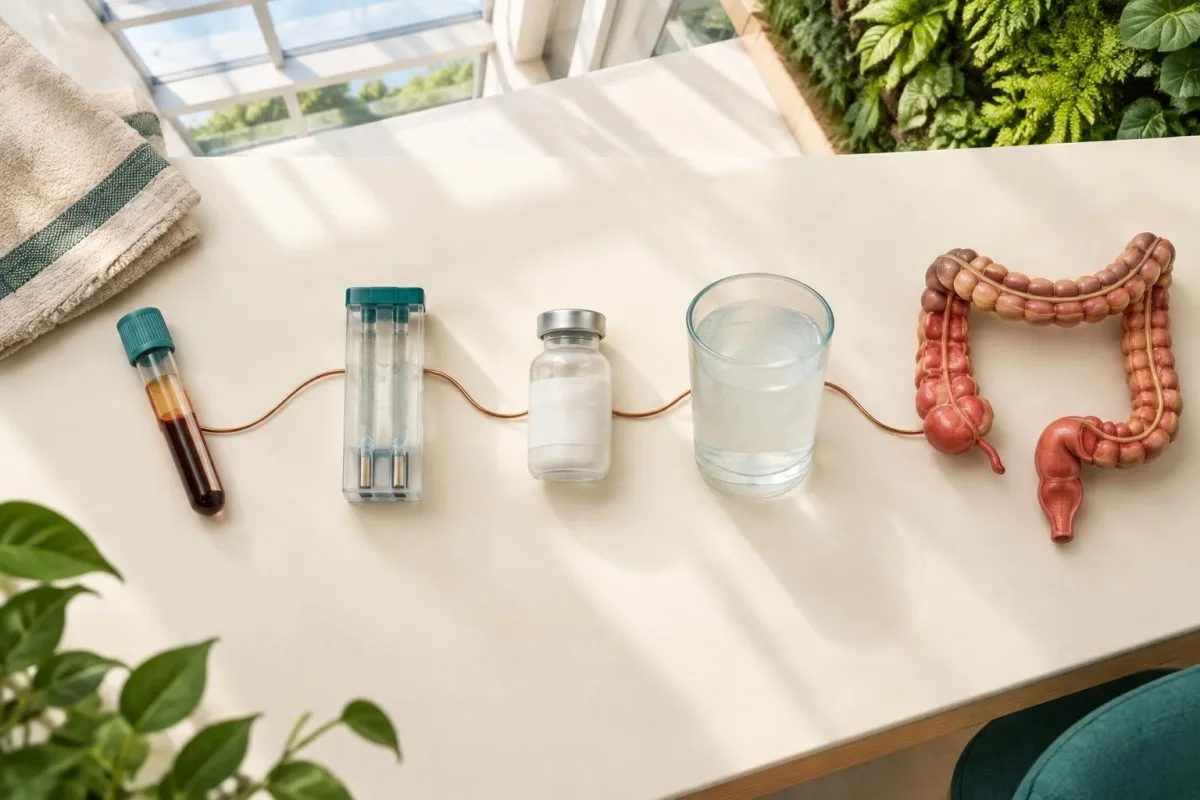
Albumin has a half-life of roughly 20 days, so it may remain low after CRP improves and should not be used as an instant flare meter. A sodium level of 132 mmol/L may reflect gastrointestinal losses or excess free-water intake, whereas potassium below 3.0 mmol/L can become clinically urgent because diarrhoea and some medicines increase arrhythmia risk.
ຜູ້ປ່ວຍທີ່ມີ albumin 27 g/L, potassium 2.9 mmol/L ແລະ creatinine 118 µmol/L ອາດຈຳເປັນຕ້ອງໄດ້ຮັບການປະເມີນສານນ້ຳແລະອິເລັກໂຕຣໄລຕ໌ຢ່າງຮີບດ່ວນ ເຖິງແມ່ນວ່າ CRP ຈະມີພຽງ 18 mg/L. ເຫດຜົນຄື ຮູບແບບທີ່ປະກອບກັນນີ້ບົ່ງຊີ້ເຖິງພາວະຂາດນ້ຳແລະການສູນເສຍໂປຣຕີນ; ຄ່າແຕ່ລະຄ່າພຽງລຳພັງໃຫ້ຂໍ້ມູນໜ້ອຍກວ່າກຸ່ມຂໍ້ມູນທາງສະລີລະສາດນີ້.
Prealbumin changes faster than albumin but is also affected by inflammation, liver function and kidney disease, so it is not a pure nutrition score. Our prealbumin limitations guide ອະທິບາຍວ່າເຫດໃດການປະເມີນໂດຍນັກກຳນົດອາຫານ, ແນວໂນ້ມຂອງນ້ຳໜັກ ແລະ ປະຫວັດການຮັບປະທານອາຫານຄວນດຳເນີນຄວບຄູ່ກັບຕົວຊີ້ວັດໂປຣຕີນ.
Liver blood tests and ulcerative-colitis-associated conditions
ການກວດຕັບສາມາດລະບຸຜົນກະທົບຈາກຢາ, ພະຍາດທໍ່ນ້ຳດີ ຫຼື ໄຂມັນພອກຕັບໃນຜູ້ທີ່ມີລຳໄສ້ໃຫຍ່ອັກເສບ, ແຕ່ບໍ່ສາມາດວິນິດໄສລຳໄສ້ໃຫຍ່ອັກເສບໄດ້. An alkaline phosphatase or gamma-glutamyl transferase rise may prompt evaluation for cholestasis, including primary sclerosing cholangitis, while ALT and AST more often reflect hepatocellular stress.

An ALT of 85 IU/L is approximately twice the upper limit in many laboratories, but reference limits differ and the result may reflect medication, metabolic liver disease or viral hepatitis. An alkaline phosphatase above 1.5 times the local upper limit, especially with raised GGT or bilirubin, deserves a different pathway from isolated mild ALT elevation.
Primary sclerosing cholangitis is associated with inflammatory bowel disease but is not identified by a single enzyme threshold; persistent cholestatic results may lead to ultrasound or magnetic-resonance cholangiography. A bilirubin of 45 µmol/L with alkaline phosphatase 360 IU/L is more suggestive of impaired bile flow than an isolated CRP rise, but obstruction and drug injury remain alternatives.
Medication review matters because thiopurines, biologics, corticosteroids and non-IBD medicines can alter liver results. A focused ຄຳອະທິບາຍຜົນກວດຕັບ can help organise ALT, AST, ALP, GGT and bilirubin, but persistent or worsening abnormalities require clinician-led investigation rather than self-directed drug changes.
ເປັນຫຍັງ IL-6 ແລະຕົວຊີ້ວັດສະເພາະທາງອື່ນໆຈຶ່ງບໍ່ແມ່ນການກວດປະຈຳ
Specialist inflammatory markers such as interleukin-6 may rise in active disease, but they are not routine diagnostic substitutes for CRP, stool testing or endoscopy. IL-6 ມີຄວາມໜ້າສົນໃຈທາງຊີວະວິທະຍາ ເພາະມັນກະຕຸ້ນການຕອບສະໜອງໄລຍະສ້ວຍແຫຼມຂອງຕັບ, ແຕ່ຄວາມພ້ອມຂອງວິທີກວດ, ເວລາກວດ ແລະຜົນຂອງການປິ່ນປົວ ຈຳກັດຄຸນຄ່າທາງຄລີນິກສະເພາະບຸກຄົນຂອງມັນ.
An IL-6 concentration of 12 pg/mL may be above one assay's reference interval and normal for another, because methods and calibration differ. Cytokines also fluctuate over hours, so a single measurement can be less reproducible than CRP, whose routine interpretation is better standardised.
ເຫດຜົນທີ່ IL-6 ແລະ CRP ອາດບໍ່ສອດຄ່ອງກັນແມ່ນດ້ານຊີວະວິທະຍາ: IL-6 ອາດເພີ່ມຂຶ້ນແຕ່ເຊົ້າ, ໃນຂະນະທີ່ການຕອບສະໜອງຂອງ CRP ທີ່ຜະລິດຈາກຕັບຈະເກີດຂຶ້ນພາຍຫຼັງ ແລະ ອາດຖືກປ່ຽນແປງໂດຍການຮັກສາແບບເຈາະຈົງ. ຂອງພວກເຮົາ IL-6 result guide explains why a specialist marker should answer a defined clinical question rather than become an expensive general screen.
Research assays may help compare populations or investigate treatment response, but a patient should not infer remission from IL-6 2 pg/mL if stool calprotectin is 600 µg/g and symptoms persist. The opposite combination also needs review, because a low cytokine result does not visualise the mucosa or exclude a structural complication.
ການກວດເລືອດເພື່ອຄວາມປອດໄພໃນການປິ່ນປົວ ແລະ ລະດັບຢາຊີວະພາບ
Once ulcerative colitis is diagnosed, blood tests often monitor treatment safety and drug exposure rather than diagnose the disease. ເອນໄຊມ໌ຕັບ, ຄຣີເອຕິນິນ, ການກວດນັບເລືອດຄົບຊຸດ ແລະການກວດຄັດກອງການຕິດເຊື້ອ ຊ່ວຍປ້ອງກັນອັນຕະລາຍທີ່ຫຼີກລ່ຽງໄດ້; ລະດັບຢາຕ່ຳສຸດກ່ອນຮັບຢາຄັ້ງຕໍ່ໄປ ອາດຊ່ວຍອະທິບາຍການຕອບສະໜອງທີ່ຫຼຸດລົງໃນບາງສະຖານະການ.
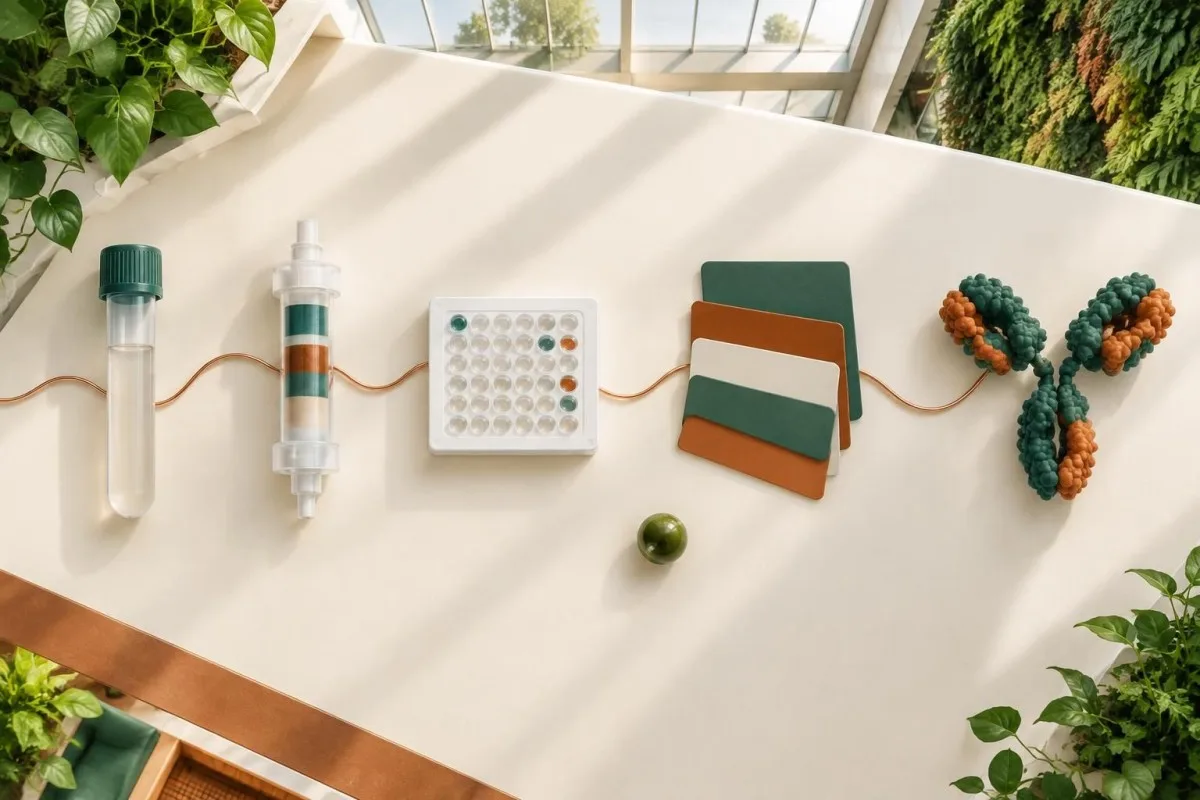
ສຳລັບ infliximab, ຄວາມເຂັ້ມຂຸ້ນຕ່ຳກວ່າປະມານ 3 ຫາ 5 µg/mL ອາດບົ່ງຊີ້ວ່າໄດ້ຮັບຢາບໍ່ພຽງພໍໃນບາງສະຖານະການຂອງການຮັກສາຕໍ່ເນື່ອງ, ແຕ່ຄ່າເປົ້າໝາຍແຕກຕ່າງກັນຕາມວິທີວິເຄາະ, ໄລຍະການຮັກສາ ແລະ ເປົ້າໝາຍວ່າເປັນການຄວບຄຸມອາການ ຫຼື ການຮັກສາເຍື່ອເມືອກໃຫ້ຫາຍດີ. ແອນຕິບໍດີຕໍ່ຢາ ແລະ albumin ມີຜົນຕໍ່ການແປຜົນ, ດັ່ງນັ້ນລະດັບຕ່ຳບໍ່ໄດ້ໝາຍຄວາມວ່າຢານັ້ນລົ້ມເຫຼວສະເໝີໄປ.
ຜົນການກວດສົມມຸດທີ່ສະແດງ infliximab 1.2 µg/mL, ມີພູມຕ້ານທານຕໍ່ຢາສູງ ແລະ CRP 28 mg/L ບົ່ງຊີ້ວ່າເປັນບັນຫາດ້ານເພສັດຈະລົນພົນຫຼາຍກວ່າການທີ່ພຽງແຕ່ຕ້ອງເພີ່ມຂະໜາດຢາ. The ຄູ່ມືລະດັບ infliximab explains why timing must be recorded precisely: a sample drawn immediately after infusion is not a trough.
Before biologic or immunomodulator treatment, clinicians may check hepatitis B, tuberculosis risk, vaccination status and baseline CBC or liver tests. A normal CRP does not make a medicine safe, and a raised ALT does not automatically prove toxicity; the medication timeline and repeat testing are essential.
TPMT, ຈຳນວນເມັດເລືອດ ແລະ ຄວາມປອດໄພຂອງ thiopurine
ການກວດ TPMT ແລະ NUDT15 ສາມາດຄາດຄະເນຄວາມໄວຕໍ່ພິດຈາກຢາ thiopurine ໄດ້, ແຕ່ບໍ່ສາມາດວິນິດໄສພະຍາດລຳໄສ້ໃຫຍ່ອັກເສບເປັນແຜໄດ້. A normal genotype or enzyme activity reduces one risk pathway; it does not remove the need for serial CBC and liver monitoring because toxicity can occur through other mechanisms.

ກິດຈະກຳ TPMT ທີ່ຕ່ຳກວ່າປະມານ 10 ໜ່ວຍຕໍ່ມິນລີລິດຂອງເມັດເລືອດແດງ ມັກຖືວ່າຕ່ຳ, ໃນຂະນະທີ່ກິດຈະກຳລະດັບປານກາງອາດຕ້ອງຫຼຸດຂະໜາດຢາ thiopurine; ຫ້ອງປະຕິບັດການແຕ່ລະແຫ່ງໃຊ້ໜ່ວຍ ແລະ ຄ່າຕັດທີ່ແຕກຕ່າງກັນ. ຕົວແປ NUDT15 ມີຄວາມສຳຄັນເປັນພິເສດໃນປະຊາກອນຊາວເອເຊຍ ແລະ ຊາວຮິສແປນິກບາງກຸ່ມ, ດັ່ງນັ້ນຜົນ TPMT ປົກກະຕິຢ່າງດຽວອາດບໍ່ສາມາດບົ່ງບອກຄວາມສ່ຽງທາງພັນທຸກຳໄດ້ຄົບຖ້ວນ.
ຈຳນວນນິວໂທຣຟິວທີ່ຫຼຸດລົງຕ່ຳກວ່າ 1.5 × 10⁹/L ຫຼື ALT ທີ່ເພີ່ມຂຶ້ນຫຼັງເລີ່ມຢາ azathioprine ຈຳເປັນຕ້ອງໄດ້ຮັບການທົບທວນທາງຄລີນິກໂດຍໄວ, ເຖິງແມ່ນວ່າການກວດພື້ນຖານຈະປົກກະຕິກໍຕາມ. ການ thiopurine metabolite guide shows why metabolite results can separate underdosing, non-adherence, preferential metabolism and toxicity patterns.
A blood test taken 3 days after treatment starts cannot reliably establish long-term safety because marrow suppression may develop later. Monitoring intervals vary by local protocol, but repeat CBC and liver tests during the first weeks and months are more informative than relying on one reassuring baseline panel.
ເຫດໃດການສ່ອງກ້ອງຈຶ່ງຍັງຄົງເປັນຫົວໃຈສຳຄັນຂອງການວິນິດໄສ
ການສ່ອງກ້ອງລຳໄສ້ໃຫຍ່ພ້ອມການກວດເນື້ອເຍື່ອຍັງຄົງເປັນຫຼັກສຳຄັນ ເພາະສາມາດປະເມີນການກະຈາຍຂອງເຍື່ອເມືອກ, ຄວາມຮຸນແຮງ ແລະການປ່ຽນແປງລະດັບຈຸລະທັດໄດ້ໂດຍກົງ. ຜົນກວດເລືອດສາມາດບົ່ງຊີ້ລະດັບການອັກເສບໄດ້, ແຕ່ບໍ່ສາມາດສະແດງວ່າການອັກເສບຕໍ່ເນື່ອງມາຈາກຮູທະວານຫຼືບໍ່, ມີແຜເກີດຂຶ້ນຫຼືບໍ່ ຫຼືລັກສະນະທາງຈຸລະພາກສະໜັບສະໜູນການວິນິດໄສອື່ນຫຼືບໍ່.
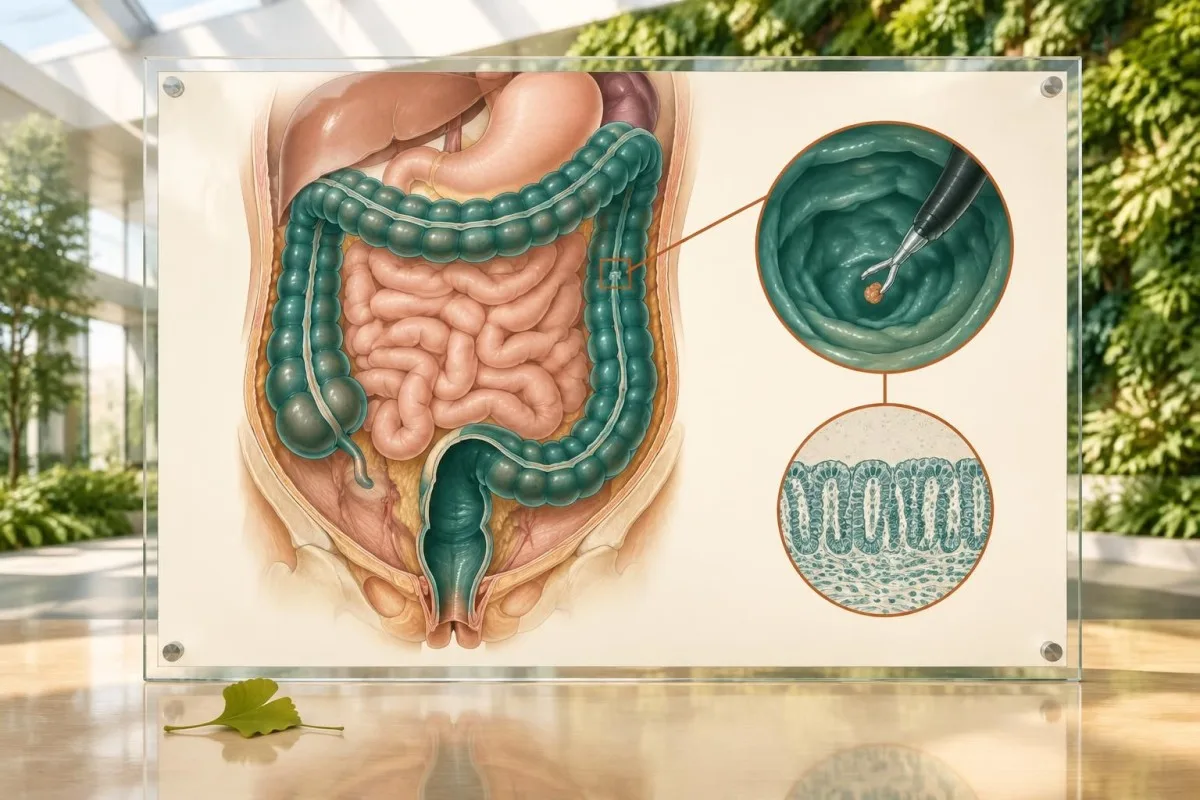
ແນວທາງການວິນິດໄສ ECCO-ESGAR ແນະນຳໃຫ້ປະສົມປະສານອາການ, ຜົນການກວດຫ້ອງປະລິກ, ການກວດອຸຈະ, ການສ່ອງກ້ອງ ileocolonoscopy ແລະການກວດຊິ້ນເນື້ອ ເມື່ອປະເມີນສົງໄສໂລກລຳໄສ້ອັກເສບ (Maaser et al., 2019). CRP ທີ່ 6 mg/L ຮ່ວມກັບອາການຢາກຖ່າຍຢ່າງຮີບດ່ວນທາງຮູທະວານ ອາດຍັງຈຳເປັນຕ້ອງສ່ອງກ້ອງ, ໃນຂະນະທີ່ CRP 80 mg/L ອາດຕ້ອງຮັກສາໃຫ້ອາການຄົງທີ່ຢ່າງຮີບດ່ວນກ່ອນດຳເນີນຫັດຖະການຄົບຖ້ວນ.
ການສ່ອງກ້ອງຍັງກວດພົບຂອບເຂດຂອງພະຍາດໄດ້ ເຊິ່ງການກວດເລືອດບໍ່ສາມາດປະເມີນລະດັບໄດ້ຢ່າງເຊື່ອຖື: ລຳໄສ້ໃຫຍ່ສ່ວນປາຍອັກເສບ, ລຳໄສ້ໃຫຍ່ດ້ານຊ້າຍອັກເສບ ແລະ ລຳໄສ້ໃຫຍ່ອັກເສບຢ່າງກວ້າງຂວາງ ອາດເຮັດໃຫ້ຄ່າ CRP ທັບຊ້ອນກັນ. ການກວດວິທະຍາເນື້ອເຍື່ອອາດພົບການປ່ຽນແປງຂອງໂຄງສ້າງເຮື້ອຮັງ, ກິດຈະກຳຂອງພະຍາດລະດັບຈຸລະທັດ ຫຼື ຜົນການກວດທີ່ກ່ຽວກັບໄຊໂຕເມກາໂລໄວຣັສ ເຊິ່ງອາດປ່ຽນແປງການປິ່ນປົວ, ແມ່ນແຕ່ໃນຂະນະທີ່ຈຳນວນເມັດເລືອດໃກ້ຄຽງກັບຄ່າປົກກະຕິ.
A negative colonoscopy does not always end the workup if symptoms persist, because sampling location, preparation quality and treatment exposure affect what is seen. The diagnostic process should document medication use, stool results and the number and distribution of tissue samples rather than treating an isolated normal blood marker as decisive.
When blood results suggest severe disease or urgent care
ຜົນກວດເລືອດຈະຕ້ອງຮີບດຳເນີນການເມື່ອພົບຮ່ວມກັບການຖ່າຍອຸຈາລະມີເລືອດເລື້ອຍໆ, ໄຂ້, ຫົວໃຈເຕັ້ນໄວ, ຂາດນ້ຳ, ເຈັບຮຸນແຮງ ຫຼືອາການຊຸດໂຊມລົງຢ່າງໄວວາ. ໃນພະຍາດລຳໄສ້ໃຫຍ່ອັກເສບເປັນແຜຮຸນແຮງສະເພາະໜ້າ, ເກນ Truelove and Witts ແບບດັ້ງເດີມລວມມີການຖ່າຍເປັນເລືອດຢ່າງໜ້ອຍ 6 ຄັ້ງຕໍ່ມື້ ບວກກັບອາການທົ່ວຮ່າງກາຍ ເຊັ່ນ ຊີບພະຈອນເກີນ 90 ຄັ້ງຕໍ່ນາທີ, ອຸນຫະພູມເກີນ 37.8°C, haemoglobin ຕ່ຳກວ່າ 105 g/L ຫຼື ESR ເກີນ 30 mm/hour.

A haemoglobin of 101 g/L with pulse 112, temperature 38.1°C and six or more bloody stools is not a result to manage through an online interpretation alone. The combination raises concern for acute severe disease, where hospital assessment may include intravenous fluids, infection exclusion, abdominal imaging and urgent gastroenterology review.
Creatinine ທີ່ສູງກວ່າຄ່າພື້ນຖານຂອງບຸກຄົນ, ຄ່າ urea ສູງ, potassium ຕ່ຳກວ່າ 3.0 mmol/L ຫຼື ຄ່າ lactate ສູງ ອາດບົ່ງບອກເຖິງການຂາດນ້ຳ ຫຼື ພາວະຮ້າຍແຮງທົ່ວຮ່າງກາຍ, ແຕ່ຜົນແຕ່ລະຄ່າຕ້ອງພິຈາລະນາຮ່ວມກັບສະພາບທາງຄລີນິກ. ຄ່າ lactate ປົກກະຕິ 1.3 mmol/L ບໍ່ໄດ້ໝາຍຄວາມວ່າ colitis ຮ້າຍແຮງຈະປອດໄພ ຖ້າຜູ້ປ່ວຍມີອາການຈະເປັນລົມ, ບໍ່ສາມາດດື່ມນ້ຳ ຫຼື ຖ່າຍອຸຈາລະປົນເລືອດເລື້ອຍໆ.
ຢ່າລໍຖ້າກວດຊ້ຳຢູ່ເຮືອນ ຫາກມີເລືອດອອກທາງຮູທະວານຫຼາຍ, ເປັນລົມ, ສັບສົນ, ທ້ອງອືດຮຸນແຮງ, ອາເມັນຕໍ່ເນື່ອງ ຫຼືບໍ່ສາມາດດື່ມນ້ຳໃຫ້ຢູ່ໄດ້. ຄຳອະທິບາຍຂອງພວກເຮົາກ່ຽວກັບ coagulation test limits ຍັງຊີ້ແຈງວ່າ PT ຫຼື aPTT ປົກກະຕິບໍ່ໄດ້ຕັດອອກການເສຍເລືອດໃນລະບົບທາງເດີນອາຫານ ຫຼື ບອກສາເຫດຂອງມັນ.
How to read ulcerative colitis blood-test trends
Trends are more useful than isolated ulcerative colitis blood-test values. A falling CRP, recovering albumin, stable haemoglobin and normalising platelets support improvement, but objective stool or endoscopic assessment is still needed because symptoms and mucosal activity can move at different speeds.

A CRP decline from 64 to 18 mg/L over 7 days is encouraging, but it does not prove mucosal healing; albumin may lag because its half-life is about 20 days. A haemoglobin fall from 124 to 111 g/L over the same period is a separate warning that ongoing loss or dilution may be occurring.
Kantesti is an AI blood test analyzer that compares serial biomarker patterns while preserving the distinction between inflammation, anaemia, nutrition and treatment safety. Our ຄູ່ມືເທັກໂນໂລຍີ AI ອະທິບາຍວ່າເປັນຫຍັງການແປຜົນຕາມແນວໂນ້ມຈຶ່ງສາມາດຊີ້ກຸ່ມຄ່າທີ່ຄວນໃຫ້ແພດທົບທວນ ໂດຍບໍ່ປ່ຽນຮູບແບບເຫຼົ່ານັ້ນໃຫ້ກາຍເປັນການວິນິດໄສ.
ບັນທຶກສ່ວນຕົວທີ່ເປັນປະໂຫຍດທີ່ສຸດປະກອບມີວັນທີເກັບຕົວຢ່າງ, ອາການ, ຄວາມຖີ່ຂອງການຖ່າຍອຸຈະ, ຂະໜາດຢາ, ການຕິດເຊື້ອໃນຊ່ວງຜ່ານມາ, ການເສຍເລືອດຈາກປະຈຳເດືອນຫຼືສາເຫດອື່ນ ແລະວ່າເກັບຕົວຢ່າງໃນຂະນະທີ່ໃຊ້ສະເຕີຣອຍຫຼືບໍ່. ຜົນ CRP ສອງຄັ້ງທີ່ຫ່າງກັນ 48 ຊົ່ວໂມງຫຼັງຈາກປ່ວຍຈາກໄວຣັສ ບໍ່ມີຄວາມໝາຍຄືກັນກັບຜົນສອງຄັ້ງທີ່ຫ່າງກັນ 6 ອາທິດໃນຂະນະທີ່ການຮັກສາຄົງທີ່.
Can normal blood tests rule out ulcerative colitis?
ຜົນກວດເລືອດປົກກະຕິບໍ່ສາມາດຕັດພະຍາດລຳໄສ້ໃຫຍ່ອັກເສບເປັນແຜອອກໄດ້, ໂດຍສະເພາະເມື່ອພະຍາດຈຳກັດຢູ່ທີ່ຮູທະວານ ຫຼືລຳໄສ້ໃຫຍ່ສ່ວນຊ້າຍ. CRP ອາດຍັງຕ່ຳກວ່າ 5 mg/L ໃນພາວະອັກເສບຂອງເຢື່ອເມືອກທີ່ກຳລັງດຳເນີນ, ແລະຄ່າຮີໂມໂກລບິນ ຫຼືຈຳນວນເມັດເລືອດຂາວທີ່ປົກກະຕິບອກຫຍັງໄດ້ໜ້ອຍຫຼາຍກ່ຽວກັບການອັກເສບໃນໄລຍະເລີ່ມຕົ້ນ, ທີ່ຈຳກັດຢູ່ບາງບ່ອນ ຫຼືເກີດເປັນບາງໄລຍະ.
A patient with rectal bleeding, urgency and CRP 2 mg/L may have clinically significant proctitis even though systemic inflammation is minimal. The practical reason is anatomical: a small inflamed area may release too little signal to raise a whole-body marker, while symptoms remain locally intense.
Conversely, CRP 35 mg/L can result from pneumonia, dental infection or a strenuous inflammatory illness without any colitis. This is why a normal or abnormal result must be matched to stool studies, examination, calprotectin and endoscopy rather than used as a standalone rule-in or rule-out test.
A normal blood panel is reassuring for anaemia, kidney function and some complications, but it does not replace surveillance or a planned review. If symptoms persist for more than a few weeks, recur after treatment reduction or include blood and nocturnal diarrhoea, clinical assessment should take priority over repeated self-ordered panels.
How to use blood-test interpretation without replacing care
AI interpretation can organise laboratory patterns, but it cannot confirm ulcerative colitis or decide urgent treatment. A safe workflow uses the original report, laboratory reference intervals, dates, medicines and symptoms, then sends concerning combinations to a qualified clinician.
Kantesti ແມ່ນແພລດຟອມການອ່ານຜົນກວດເລືອດດ້ວຍ AI ທີ່ອ່ານຜົນກວດຕາມບໍລິບົດ, ລວມທັງໜ່ວຍ, ຊ່ວງອ້າງອີງ ແລະການປ່ຽນແປງຕາມເວລາ. ມັນສາມາດຊ່ວຍຜູ້ອ່ານລະບຸໄດ້ວ່າ CRP 42 mg/L, albumin 29 g/L ແລະ haemoglobin 104 g/L ປະກອບເປັນຮູບແບບທີ່ໜ້າເປັນຫ່ວງກວ່າຜົນໃດໆພຽງຢ່າງດຽວ, ແຕ່ມັນບໍ່ສາມາດກວດເບິ່ງລຳໄສ້ ຫຼື ຕີຄວາມໝາຍຮູບພາບຈາກການສ່ອງກ້ອງໄດ້.
Kantesti uses a large biomarker knowledge base to explain possible meanings and follow-up questions, not to issue a definitive inflammatory bowel disease diagnosis. Uploading a report should never delay urgent care for severe pain, fainting, heavy rectal blood loss, fever above 38°C or inability to drink.
Before sharing results, remove identifiers when appropriate and retain the original laboratory report because ranges differ between countries and analysers. A clinician needs the exact assay, collection date and medication timeline; a copied number without units, such as CRP 18, is incomplete because mg/L and mg/dL differ by a factor of 10.
ສິ່ງທີ່ຄວນຖາມຫຼັງຈາກໄດ້ຮັບຜົນການກວດເລືອດພະຍາດລຳໄສ້ໃຫຍ່ອັກເສບ
The best follow-up questions connect the result to diagnosis, disease activity, complications and next action. Ask which findings are specific, whether infection has been excluded, whether a trend matters, and whether stool testing or endoscopy is needed.
Ask whether the laboratory used CRP below 5 mg/L as its reference limit, whether ferritin is reliable in the presence of inflammation, and whether the haemoglobin pattern suggests iron, B12 or folate deficiency. These questions prevent a result such as ferritin 70 µg/L from being misread as proof that iron stores are adequate.
Ask what would trigger repeat testing: for example, a CRP rise from 4 to 25 mg/L, albumin falling below 30 g/L or potassium below 3.0 mmol/L may each change urgency, but thresholds depend on symptoms and baseline values. Also ask whether the sample was taken before or after steroids, antibiotics, biologic dosing or intravenous fluids.
Kantesti ແມ່ນເຄື່ອງມືວິເຄາະການກວດເລືອດທີ່ຂັບເຄື່ອນດ້ວຍ AI ເຊິ່ງສາມາດຊ່ວຍກະກຽມລາຍການຄຳຖາມສັ້ນໆສະເພາະຕາມຜົນກວດສຳລັບການນັດໝາຍ, ໃນຂະນະທີ່ ຄະນະທີ່ປຶກສາທາງການແພດ explains the clinical oversight principles behind our health content. Bring the complete report and symptom timeline; do not bring only highlighted abnormal values.
ຄໍາຖາມທີ່ຖືກຖາມເລື້ອຍໆ
ການກວດເລືອດສາມາດຢືນຢັນພະຍາດລຳໄສ້ໃຫຍ່ອັກເສບ (ulcerative colitis) ໄດ້ບໍ?
No blood test confirms ulcerative colitis by itself. CRP above 5 mg/L, ESR above the local reference range, anaemia or platelets above 450 × 10⁹/L may support active inflammation or complications, but these results are not specific. Diagnosis usually combines symptoms, stool testing, colonoscopy and tissue examination, because blood tests cannot show the distribution or microscopic pattern of bowel disease.
ລະດັບ CRP ເທົ່າໃດຈຶ່ງບົ່ງຊີ້ວ່າລຳໄສ້ໃຫຍ່ອັກເສບກຳເລີບ?
CRP ສູງກວ່າ 5 mg/L ຖືວ່າສູງກວ່າຄ່າອ້າງອີງທົ່ວໄປສຳລັບຜູ້ໃຫຍ່, ແລະຄ່າສູງກວ່າ 10 mg/L ມັກຈະບົ່ງຊີ້ເຖິງການອັກເສບທີ່ມີຄວາມໝາຍທາງຄລີນິກ, ແຕ່ບໍ່ມີຄ່າຕັດຂອງ CRP ໃດທີ່ຢືນຢັນການກຳເລີບຂອງລຳໄສ້ໃຫຍ່ອັກເສບແບບແຜໄດ້. CRP ອາດສູງຂຶ້ນຈາກການຕິດເຊື້ອ, ການບາດເຈັບ ຫຼືພາວະອັກເສບອື່ນໆ, ໃນຂະນະທີ່ລຳໄສ້ໃຫຍ່ອັກເສບທີ່ຈຳກັດຢູ່ບໍລິເວນໜຶ່ງອາດເກີດຂຶ້ນໂດຍທີ່ CRP ຕ່ຳກວ່າ 5 mg/L. ແພດຈະແປຜົນ CRP ຄວບຄູ່ກັບຄວາມຖີ່ໃນການຖ່າຍອຸຈາລະ, calprotectin ໃນອຸຈາລະ, ການກວດຫາການຕິດເຊື້ອ ແລະການກວດຮ່າງກາຍ.
ການກວດເລືອດໃດສະແດງພາວະໂລຫິດຈາງຈາກລຳໄສ້ໃຫຍ່ອັກເສບ?
ການກວດນັບເມັດເລືອດສົມບູນສະແດງພາວະໂລຫິດຈາງ, ໃນຂະນະທີ່ ferritin ແລະຄວາມອີ່ມຕົວຂອງ transferrin ຊ່ວຍລະບຸການຂາດທາດເຫຼັກ. ຮີໂມໂກລບິນຕ່ຳກວ່າ 130 g/L ໃນຜູ້ຊາຍຜູ້ໃຫຍ່ຫຼາຍຄົນ ຫຼືຕ່ຳກວ່າ 120 g/L ໃນແມ່ຍິງຜູ້ໃຫຍ່ທີ່ບໍ່ຖືພາ ຖືວ່າເຂົ້າເກນພາວະໂລຫິດຈາງທີ່ໃຊ້ກັນທົ່ວໄປ, ແລະຄວາມອີ່ມຕົວຂອງ transferrin ຕ່ຳກວ່າ 20% ສະໜັບສະໜູນວ່າມີທາດເຫຼັກພ້ອມໃຊ້ບໍ່ພຽງພໍ. Ferritin ຕ່ຳກວ່າ 30 µg/L ມັກຊີ້ບອກວ່າແຫຼ່ງສະສົມທາດເຫຼັກຫຼຸດລົງ, ແຕ່ການອັກເສບສາມາດເຮັດໃຫ້ ferritin ສູງຂຶ້ນ, ດັ່ງນັ້ນຄ່າຕ່ຳກວ່າ 100 µg/L ກໍຍັງອາດສອດຄ່ອງກັບການຂາດທາດເຫຼັກໃນໂລກລຳໄສ້ອັກເສບແບບແຜທີ່ກຳລັງອັກເສບ.
ພະຍາດລຳໄສ້ໃຫຍ່ອັກເສບເປັນແຜສາມາດກຳລັງກຳເລີບໄດ້ບໍ ເມື່ອ CRP ປົກກະຕິ?
Yes, ulcerative colitis can be active with a normal CRP, particularly when inflammation is limited to the rectum or left colon. A CRP below 5 mg/L indicates a low systemic inflammatory signal but does not prove mucosal healing. Persistent urgency, diarrhoea or rectal blood may require faecal calprotectin, stool infection testing or endoscopy even when CRP and white-cell count are normal.
ກວດເລືອດຫຍັງແດ່ໃນຊ່ວງທີ່ລຳໄສ້ໃຫຍ່ອັກເສບກຳເລີບ?
Common flare assessments include a full blood count, CRP, ESR, electrolytes, kidney function, albumin, liver tests and iron studies. Haemoglobin below 105 g/L, albumin below 30 g/L, potassium below 3.0 mmol/L or creatinine rising above baseline can indicate complications that need prompt evaluation, although each threshold requires clinical context. Stool pathogen testing and faecal calprotectin are also important because blood tests cannot reliably distinguish infection from intestinal inflammation.
ຈຳນວນເກັດເລືອດສູງເປັນສັນຍານຂອງລຳໄສ້ໃຫຍ່ອັກເສບບໍ?
ຈຳນວນເກັດເລືອດທີ່ສູງກວ່າ 450 × 10⁹/L ອາດພົບຮ່ວມກັບໂລກລຳໄສ້ໃຫຍ່ອັກເສບແບບແຜທີ່ກຳລັງກຳເລີບ, ແຕ່ເປັນຜົນຕອບສະໜອງທີ່ບໍ່ຈຳເພາະ. ການຂາດທາດເຫຼັກ, ການຕິດເຊື້ອ, ການຜ່າຕັດ ແລະພະຍາດອັກເສບອື່ນໆ ສາມາດໃຫ້ຜົນແບບດຽວກັນ, ດັ່ງນັ້ນຈຳນວນເກັດເລືອດຈຶ່ງບໍ່ສາມາດວິນິດໄສໂລກລຳໄສ້ໃຫຍ່ອັກເສບແບບແຜໄດ້. ຈຳນວນທີ່ສູງຈະມີຄວາມໝາຍຫຼາຍຂຶ້ນເມື່ອມັນຫຼຸດລົງພ້ອມກັບ CRP ແລະອາການຫຼັງການຮັກສາ, ຫຼືເມື່ອພົບຮ່ວມກັບ ferritin ຕ່ຳ ແລະເມັດເລືອດແດງຂະໜາດນ້ອຍຊຶ່ງຊີ້ບອກການຂາດທາດເຫຼັກ.
ຮັບຄຳອະທິບາຍຜົນກວດເລືອດຂອງທ່ານ
ອັບໂຫຼດລາຍງານຜົນກວດຂອງທ່ານ ແລະ AI ຂອງ Kantesti ຈະອະທິບາຍ biomarker ແຕ່ລະຕົວດ້ວຍພາສາເຂົ້າໃຈງ່າຍພາຍໃນບໍ່ກີ່ວິນາທີ. ມີຜູ້ໃຊ້ຫຼາຍກວ່າ 2 ລ້ານຄົນທົ່ວໂລກ.
ເອກະສານອ້າງອີງ
- Klein, T., Mitchell, S., & Weber, H. (2026). ຄູ່ມືການກວດທາດເຫຼັກ: TIBC, ຄວາມອີ່ມຕົວຂອງທາດເຫຼັກ ແລະ ຄວາມສາມາດໃນການຈັບທາດເຫຼັກ. ການຄົ້ນຄວ້າທາງການແພດດ້ວຍ AI ຂອງ Kantesti. ດອຍ
- Klein, T., Mitchell, S., & Weber, H. (2026). ຊ່ວງປົກກະຕິຂອງ aPTT: ຄູ່ມືການແຂງຕົວຂອງເລືອດກ່ຽວກັບ D-Dimer ແລະ Protein C. ການຄົ້ນຄວ້າທາງການແພດດ້ວຍ AI ຂອງ Kantesti. ດອຍ
- Rubin DB et al. (2019). ແນວທາງເວຊປະຕິບັດທາງຄລີນິກ ACG: ພະຍາດລຳໄສ້ໃຫຍ່ອັກເສບໃນຜູ້ໃຫຍ່. ວາລະສານອາເມຣິກັນດ້ານລະບົບທາງເດີນອາຫານ. ດອຍ PubMed
- Maaser C et al. (2019). ແນວທາງ ECCO-ESGAR ສຳລັບການປະເມີນວິນິດໄສໃນ IBD ພາກທີ 1: ການວິນິດໄສເບື້ອງຕົ້ນ, ການຕິດຕາມ IBD ທີ່ວິນິດໄສແລ້ວ, ການກວດພົບພາວະແຊກຊ້ອນ. Journal of Crohn's and Colitis. ດອຍ PubMed
- Turner D et al. (2021). STRIDE-II: ການປັບປຸງຄວາມຄິດລິເລີ່ມການກຳນົດເປົ້າໝາຍການຮັກສາໃນພະຍາດລຳໄສ້ອັກເສບ ຂອງອົງການສາກົນເພື່ອການສຶກສາ IBD. ວາລະສານລະບົບທາງເດີນອາຫານ. ດອຍ PubMed
- 2 ລ້ານ+ການກວດທີ່ວິເຄາະ
- 127+ປະເທດ
- 100+ພາສາ
ກ່ຽວກັບທີມແພດ


ສັນຍານຄວາມໄວ້ໃຈ E-E-A-T
ປະສົບການ
ການທົບທວນຄລີນິກຂອງແພດຜູ້ນຳພາ ກ່ຽວກັບຂັ້ນຕອນການຕີຄວາມໝາຍຜົນການກວດໃນຫ້ອງທົດລອງ.
ຄວາມຊ່ຽວຊານ
ວິຊາການແພດທົດລອງ (ການແພດທາງຫ້ອງທົດລອງ) ເນັ້ນໃສ່ວ່າຕົວຊີ້ວັດ (biomarkers) ມີພຶດຕິກຳແນວໃດໃນບັນບົດທາງຄລີນິກ.
ຄວາມເປັນອຳນາດ
ກວດທົບທວນທາງການແພດໂດຍ ດຣ. Thomas Klein, ໂດຍມີສ່ວນຮ່ວມຈາກ ດຣ. Sarah Mitchell ແລະ ສາດສະດາຈານ ດຣ. Hans Weber.
ຄວາມໜ້າເຊື່ອຖື
ການຕີຄວາມໝາຍອີງຕາມຫຼັກຖານດ້ວຍເສັ້ນທາງຕິດຕາມທີ່ຊັດເຈນ ເພື່ອຫຼຸດການຕົກໃຈ.




ຂໍ້ປະຕິເສດຄວາມຮັບຜິດຊອບທາງການແພດ
ບົດຄວາມນີ້ມີຈຸດປະສົງເພື່ອການສຶກສາເທົ່ານັ້ນ ແລະບໍ່ແມ່ນຄຳແນະນຳທາງການແພດ. ຄວນປຶກສາຜູ້ໃຫ້ບໍລິການດ້ານສຸຂະພາບທີ່ມີຄຸນວຸດທິສະເໝີ ສຳລັບການວິນິດໄຊ ແລະ ການຕັດສິນໃຈດ້ານການຮັກສາ.
ໄດ້ຮັບການເຜີຍແຜ່ · ຕິດຕໍ່ທີມບັນນາທິການ
ຈັດພິມໂດຍ Kantesti Ltd, ຈົດທະບຽນໃນອັງກິດ ແລະເວວສ໌, ເລກທີບໍລິສັດ. 17090423, ລອນດອນ, ສະຫະລາຊະອານາຈັກ.
