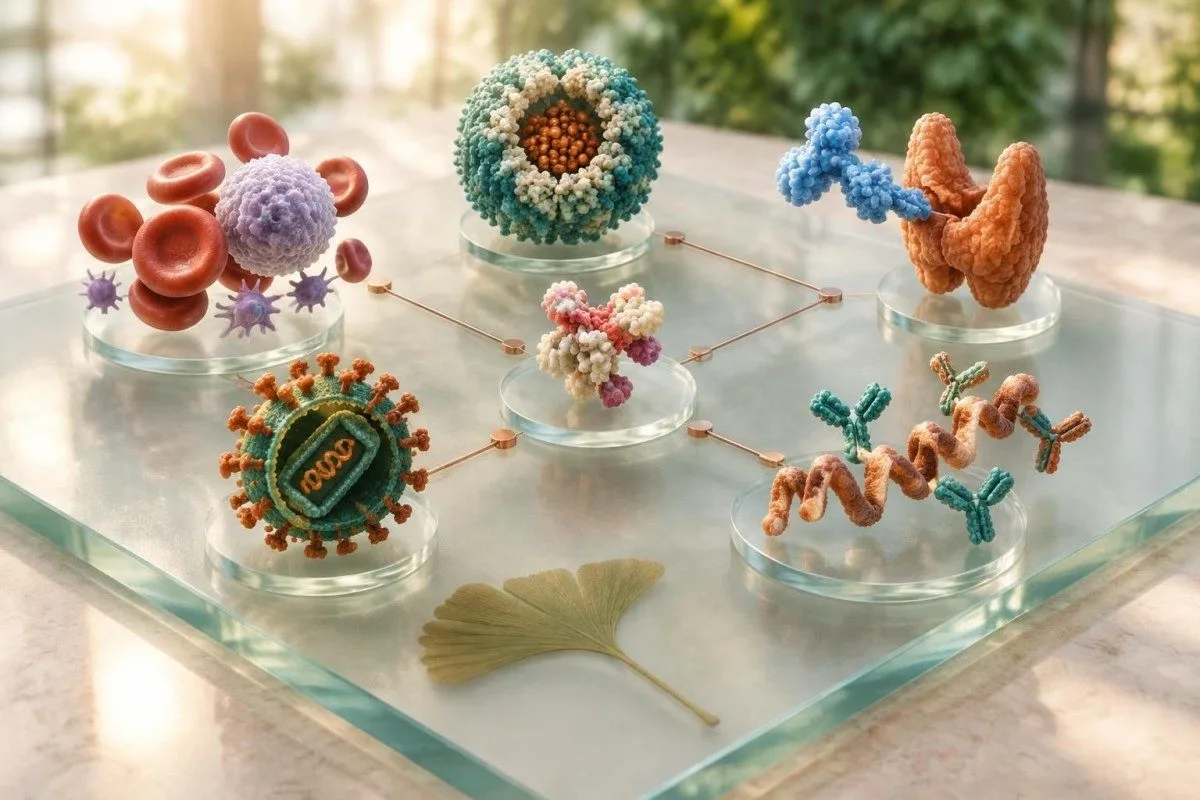
Most healthy women aged 20 to 29 do not need a broad annual blood panel. The right blood test depends on symptoms, pregnancy possibility, sexual exposure, medicines, menstrual bleeding, family history, and conditions such as diabetes or thyroid disease.

ຂໍ້ສະຫຼຸບສຳຄັນ
- Routine prevention does not usually require a yearly CBC, thyroid panel, vitamin panel, or hormone panel when you feel well and have no risk factors.
- CBC checks hemoglobin, white cellular elements, platelets, and red-cell indices; a hemoglobin below 12.0 g/dL in a nonpregnant adult woman generally meets the anemia definition.
- ເຟີຣິຕິນ below 30 ng/mL commonly indicates depleted iron stores even when hemoglobin remains normal, although inflammation can make ferritin appear falsely reassuring.
- ການກວດໄທລອຍ usually starts with TSH; a typical adult reference interval is about 0.4–4.0 mIU/L, but each laboratory sets its own range.
- ການກວດການຖືພາ uses hCG; many laboratories interpret serum hCG below 5 IU/L as negative and 25 IU/L or higher as positive, with repeat testing for uncertain results.
- STI screening may require blood tests for HIV, syphilis, or hepatitis, while chlamydia and gonorrhea are usually detected with a NAAT from urine or a site-specific swab.
- ການຄັດເລືອກທາງເດີນເມຕາໂບລິກ is risk-based: HbA1c of 5.7%–6.4% indicates prediabetes, while LDL cholesterol of 190 mg/dL or higher warrants evaluation regardless of age.
- Unnecessary panels can create false positives; order a test when the result is likely to change treatment, follow-up, pregnancy care, or risk assessment.
Which routine labs are useful in your 20s?
For most healthy women aged 20–29, routine blood testing is selective rather than automatic: there is no universally recommended annual panel containing CBC, ferritin, thyroid markers, vitamins, hormones, and inflammation tests. A blood test for women in their 20s is most useful when a symptom, exposure, medication, pregnancy possibility, or inherited risk creates a clear clinical question.
The most useful preventive checks in the 20s often include blood pressure, vaccination review, mental-health assessment, cervical screening when age-appropriate, and sexual-health screening rather than a large blood panel. A routine CBC, thyroid panel, or vitamin D test in an entirely well person may find a borderline result without proving that treatment will improve health.
A practical starting point is a personal risk inventory: heavy or prolonged periods, vegetarian or vegan eating, pregnancy possibility, family history of early heart disease, obesity, diabetes risk, thyroid disease, kidney disease, or medicines that require monitoring. The ຄູ່ມືການກວດເລືອດປະຈຳປີ explains why a symptom-free person may need fewer tests than a person taking regular medication.
Reference intervals are statistical, not guarantees of health. A result inside a range can still matter when symptoms are strong, while a result just outside the range may reflect dehydration, recent illness, timing, or ordinary biological variation; reviewing the ຄູ່ມືອ້າງອີງ biomarker can help identify which results deserve context rather than alarm.
A test is worthwhile when it answers a decision
A useful laboratory question has three parts: what problem is being considered, what result would change the next step, and when would the result be repeated. For example, checking ferritin for heavy menstrual bleeding can guide iron treatment, whereas ordering 40 unrelated markers may produce several mildly abnormal findings that do not explain the symptom.
CBC and ferritin: the most useful pair for fatigue and heavy periods
A CBC identifies anemia and blood-cell patterns, while ferritin estimates stored iron; together they are more informative for suspected iron deficiency than hemoglobin alone. Hemoglobin below 12.0 g/dL generally indicates anemia in a nonpregnant adult woman, and ferritin below 30 ng/mL often indicates low iron stores before anemia develops.
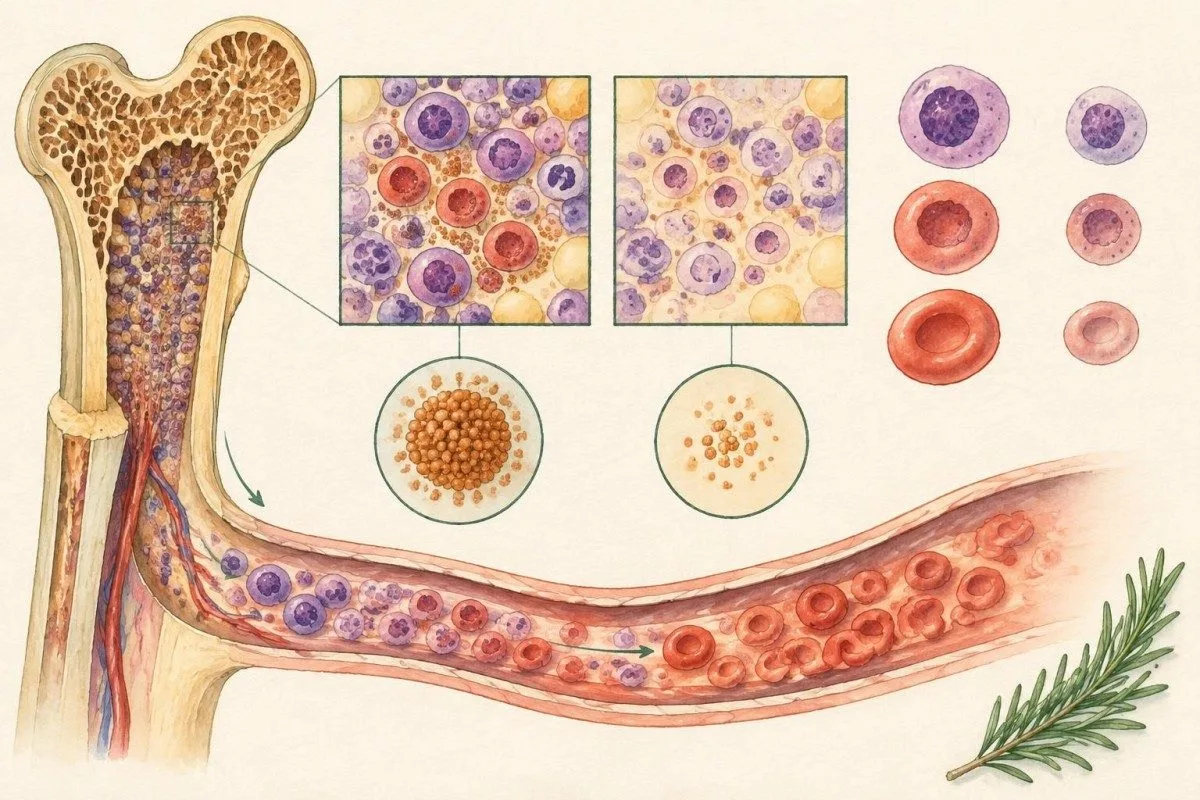
The CBC reports hemoglobin, hematocrit, mean corpuscular volume, mean corpuscular hemoglobin, red-cell distribution width, white-cell counts, and platelets. A typical adult female hemoglobin interval is approximately 12.0–16.0 g/dL, but a low MCV below about 80 fL suggests small red cells and makes iron deficiency or a hemoglobin trait more likely.
Ferritin below 15 ng/mL is strongly consistent with depleted iron stores, while ferritin between 15 and 30 ng/mL can still be clinically meaningful when fatigue, hair shedding, restless legs, or heavy periods are present. Ferritin rises during infection or inflammation, so a result of 50 ng/mL does not always exclude iron deficiency; the WHO ferritin guideline recommends interpreting ferritin alongside inflammation markers when inflammatory disease is possible (World Health Organization, 2020).
A normal hemoglobin does not prove normal iron status. A hypothetical 24-year-old with hemoglobin 12.6 g/dL, MCV 82 fL, and ferritin 18 ng/mL may have early iron depletion rather than an entirely normal result, especially if menstrual bleeding lasts 8 days; the low-ferritin symptom guide describes this pre-anemia pattern.
| ລະດັບ | ຊ່ວງ | ຄວາມໝາຍ |
|---|---|---|
| ມັກມີສາງພຽງພໍ | Ferritin about 30–150 ng/mL | Iron stores are usually adequate, but inflammation and symptoms still affect interpretation. |
| Borderline or context-dependent | Ferritin 150–300 ng/mL | May reflect inflammation, liver effects, iron supplementation, or metabolic factors rather than iron overload. |
| ຮ້ານເກັບຕ່ຳ | Ferritin 15–29 ng/mL | Often indicates depleted stores, particularly with heavy periods or low iron intake. |
| ການຫຼຸດລົງຢ່າງຊັດເຈນ | Ferritin <15 ng/mL | Strongly supports iron deficiency and needs evaluation for blood loss, intake, absorption, and treatment. |
When ferritin needs an iron panel
Transferrin saturation below 20% supports iron-restricted production, but serum iron changes substantially with meals and time of day. If ferritin is confusing, an iron panel containing transferrin or total iron-binding capacity can clarify the pattern; the ຄູ່ມືການສຶກສາກ່ຽວກັບທາດເຫຼັກ explains why one iron result should not be interpreted alone.
Heavy menstrual bleeding, gastrointestinal symptoms, restrictive eating, frequent endurance exercise, and recent blood donation can all lower iron stores. A heavy-periods assessment is more useful than simply taking iron indefinitely, because supplementation does not address fibroids, bleeding disorders, or gastrointestinal blood loss.
Which thyroid blood tests should women in their 20s get?
TSH is usually the first thyroid blood test for symptoms such as cold intolerance, constipation, tremor, unexplained weight change, palpitations, or persistent fatigue. A typical adult TSH reference interval is about 0.4–4.0 mIU/L, while free T4 commonly falls near 0.8–1.8 ng/dL, although laboratory methods and pregnancy ranges differ.
A raised TSH with low free T4 supports primary hypothyroidism, whereas a low TSH with high free T4 supports hyperthyroidism. A mildly abnormal TSH between roughly 4.0 and 10.0 mIU/L with normal free T4 is called subclinical hypothyroidism, and treatment depends on symptoms, pregnancy plans, thyroid antibodies, age, and repeat results.
Free T3 is not usually the best first test for suspected hypothyroidism because it can remain normal while thyroid hormone production is already insufficient. The T4 explanation clarifies why TSH, free T4, and T3 answer different clinical questions rather than forming one interchangeable hormone panel.
A hypothetical 27-year-old with TSH 6.2 mIU/L, normal free T4, and no symptoms should not automatically start treatment from one result. Repeating TSH, reviewing biotin and medicines, and considering thyroid peroxidase antibodies may be more appropriate; the ຄູ່ມືພາວະໄທຣອຍເຮັດວຽກຕ່ຳແບບບໍ່ມີອາການ discusses why clinicians may reasonably disagree about the next step.
ເມື່ອພູມຕ້ານທານຕ່ອມໄທລອຍເພີ່ມຄຸນຄ່າ
Thyroid peroxidase antibodies are most useful when TSH is persistently abnormal, autoimmune thyroid disease is suspected, or pregnancy planning makes risk assessment important. Ordering TPO antibodies for every person with fatigue is less helpful because a positive antibody result predicts immune activity but does not by itself prove that symptoms are caused by thyroid dysfunction.
When is a pregnancy blood test useful?
A pregnancy blood test measures human chorionic gonadotropin, or hCG, and is useful when a period is late, symptoms suggest pregnancy, contraception failed, or a medicine or procedure requires pregnancy status. Many laboratories classify serum hCG below 5 IU/L as negative, 5–25 IU/L as uncertain, and 25 IU/L or higher as positive.
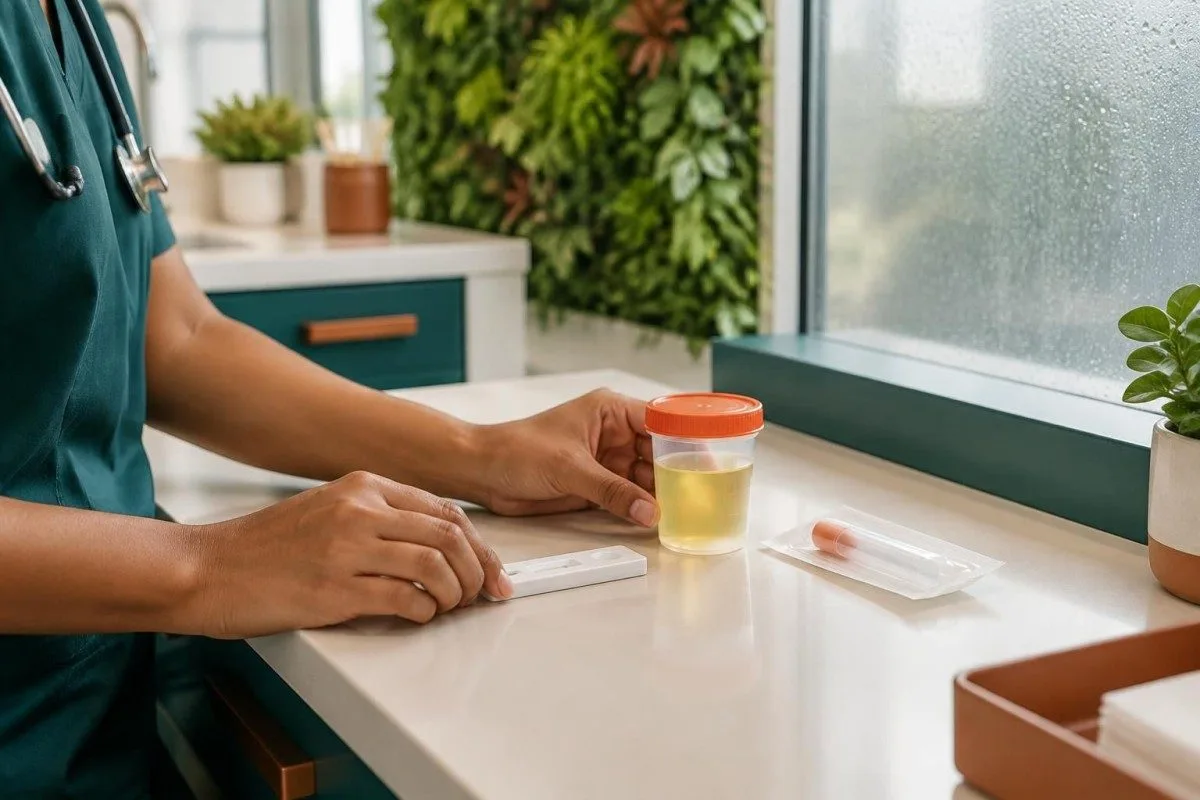
Serum hCG can become detectable roughly 8–10 days after ovulation, but testing too early can produce a negative result despite an early pregnancy. A urine test is often adequate around the first day of a missed period, while quantitative serum hCG is more useful when timing is uncertain, symptoms are concerning, or a clinician needs to follow a changing value.
An hCG result of 12 IU/L is not automatically reassuring or diagnostic; repeating it after about 48 hours may show whether the level is rising, falling, or remaining indeterminate. Early pregnancy values vary widely, and the old idea that every viable pregnancy must exactly double in 48 hours is too rigid for clinical decision-making.
Pregnancy status can change the interpretation of thyroid tests, ferritin, medication safety, and imaging choices. After a pregnancy loss, hCG may remain detectable for weeks, so the beta-hCG follow-up guide explains why a single positive result does not establish a new pregnancy.
Do routine fertility hormone panels help?
FSH, LH, estradiol, progesterone, prolactin, and anti-Müllerian hormone are not general wellness tests for every woman in her 20s. Their usefulness depends on the question, cycle day, contraception, pregnancy status, and fertility history; a random hormone panel can look abnormal simply because hormone concentrations change throughout the menstrual cycle.
Which STI screening tests require blood?
Blood-based STI screening commonly includes HIV, syphilis, hepatitis B, and hepatitis C testing, while chlamydia and gonorrhea are usually detected with a nucleic acid amplification test from urine or a swab of the exposed site. Sexually active women younger than 25 are routinely recommended for annual chlamydia and gonorrhea screening by the USPSTF, with risk-based testing at older ages (USPSTF, 2021).
A laboratory HIV antigen-antibody test usually detects infection 18–45 days after exposure, while an HIV nucleic acid test may detect it about 10–33 days after exposure. A negative result before the relevant window period does not reliably exclude infection, so the testing date and exposure date belong in the same clinical conversation.
Syphilis screening generally starts with a treponemal or nontreponemal blood test, followed by a complementary assay when the first result is reactive. Hepatitis B testing is best understood as a panel containing surface antigen, surface antibody, and core antibody, because one marker cannot distinguish active infection from immunity or past exposure.
Chlamydia and gonorrhea are not reliably ruled out by a routine blood panel; a urine or vaginal NAAT is usually the correct test, and throat or rectal exposure may require site-specific sampling. The chlamydia NAAT guide explains why a negative test from one body site does not automatically assess another.
The CDC STI guideline advises against routine type-specific herpes blood testing in asymptomatic people because false-positive results and uncertain interpretation can cause harm (Workowski et al., 2021). A positive HSV-2 antibody index near the assay cutoff may need confirmation rather than an immediate lifelong diagnosis; gonorrhea retesting information covers situations where site and timing alter follow-up.
When HIV screening should be repeated
The USPSTF recommends HIV screening for adolescents and adults aged 15–65, with repeat testing based on ongoing exposure risk, pregnancy, local prevalence, or a new sexual partner. A person with a recent high-risk exposure should seek urgent clinical advice about post-exposure prophylaxis rather than waiting for a routine test result; HIV viral-load terminology is mainly relevant after diagnosis, not for initial screening.
Should women in their 20s check cholesterol and blood sugar?
Cholesterol and glucose testing in the 20s is risk-based, not a requirement for every healthy person each year. An LDL cholesterol of 190 mg/dL or higher is considered severe elevation, while HbA1c of 5.7%–6.4% indicates prediabetes and 6.5% or higher suggests diabetes when confirmed appropriately.

The ACC/AHA approach commonly assesses traditional cardiovascular risk factors every 4–6 years in adults aged 20–39, with earlier or more frequent testing when family history, obesity, diabetes, hypertension, smoking, kidney disease, or inflammatory disease is present. LDL cholesterol below 100 mg/dL is often described as optimal, but treatment decisions depend on the whole risk pattern rather than one isolated number.
A family history of a parent or sibling with premature cardiovascular disease can justify earlier lipid testing, and an LDL result of 160–189 mg/dL deserves more attention in a young adult than the same mild elevation might receive in an older low-risk context. Lipoprotein(a) is often measured once in adulthood when inherited risk is suspected, but repeating it every year rarely adds value.
HbA1c reflects roughly 2–3 months of average glucose and does not require fasting, but iron-deficiency anemia can distort the result. A hypothetical woman with ferritin 9 ng/mL and HbA1c 5.8% may need iron deficiency addressed before interpreting a borderline HbA1c as definite prediabetes; the ຄູ່ມື triglyceride ຄ່າກ້ຳກຶ່ງ explains why recent meals and metabolic context matter.
Which wellness panels are usually low value?
Fasting insulin, reverse T3, cortisol, broad food-antibody panels, and multiple sex hormones are not standard screening tests for an asymptomatic woman in her 20s. A test becomes more defensible when a defined symptom or diagnosis gives the result a decision threshold, such as glucose testing for polyuria or a lipid panel for a strong family history.
Which blood tests match common symptoms?
Symptoms should determine the laboratory plan: fatigue often starts with CBC, ferritin, TSH, pregnancy testing when relevant, and targeted tests for diet or disease; irregular periods may require pregnancy testing, prolactin, TSH, and androgen assessment; hair loss may need ferritin and thyroid testing. A symptom-led panel is safer than ordering every available hormone or vitamin.
For persistent fatigue, CBC and ferritin are reasonable first-line tests when menstrual loss or dietary restriction is possible, while TSH becomes more useful when temperature sensitivity, bowel change, tremor, or weight change accompanies fatigue. Vitamin B12 is more relevant with vegan eating, malabsorption, neurological symptoms, or certain medicines; a borderline B12 result may need methylmalonic acid rather than automatic injections.
Irregular periods require a pregnancy test before many other investigations because pregnancy changes both symptoms and treatment safety. Depending on the pattern, clinicians may add TSH, prolactin, total testosterone, free testosterone or SHBG, and 17-hydroxyprogesterone; the ຄູ່ມືການກວດ PCOS explains why diagnosis uses symptoms and clinical findings, not one hormone value.
Mood changes, poor concentration, or low motivation do not automatically indicate a thyroid problem or vitamin deficiency. A CBC, ferritin, TSH, pregnancy test, medication review, sleep assessment, and mental-health evaluation may be more informative than a commercial hormone panel; the low-mood blood-test guide discusses how common medical mimics are assessed without overtesting.
A normal test does not invalidate a symptom. For example, a 22-year-old with severe fatigue, hemoglobin 13.1 g/dL, ferritin 11 ng/mL, and TSH 1.8 mIU/L has no anemia or obvious thyroid abnormality, yet depleted iron stores may still deserve evaluation alongside sleep, nutrition, mood, and bleeding history.
Why broad hormone panels can mislead
Hormone concentrations vary with cycle phase, contraception, illness, sleep, and time of day, so a single result may not represent a stable baseline. Testing testosterone, estradiol, progesterone, FSH, LH, and cortisol together without a defined question increases the chance of a confusing abnormality; the hormone testing guide after stopping the pill describes why timing matters.
How should you prepare for and interpret these tests?
Preparation depends on the test: CBC, ferritin, TSH, hCG, HIV testing, and most STI blood tests usually do not require fasting, whereas some lipid or glucose orders may specify 8–12 hours without food. The result should be interpreted using the reporting laboratory’s interval, recent symptoms, medicines, cycle timing, and whether the test was taken during acute illness.
Water is generally acceptable during a fasting period, while alcohol, intense exercise, and a large fatty meal can affect selected results. Do not stop prescribed medicines without advice, and tell the laboratory about supplements; high-dose biotin can interfere with some thyroid and hormone immunoassays, so many clinicians recommend stopping it 48 hours before testing when medically safe.
Menstrual timing matters for reproductive hormones but usually does not prevent CBC or ferritin testing. Ferritin can rise during inflammation, and a blood test taken during a fever may not reflect the usual baseline; repeating a surprising result after recovery can be more informative than ordering five additional markers immediately.
A result should be judged against both a reference interval and a clinical decision threshold. For example, a TSH of 4.2 mIU/L may be flagged by one laboratory and accepted by another, while hCG thresholds such as 5 IU/L and 25 IU/L are commonly used decision points; the ຄຳແນະນຳການງົດອາຫານ explains why orders differ.
Keeping results from several dates side by side can reveal whether ferritin is rising, TSH is stable, or an isolated abnormality was temporary. Methodology and clinical review standards also matter, which is why readers may find the ຂໍ້ມູນການຢັ້ງຢືນທາງການແພດ ແລະ ມາດຕະຖານເນື້ອຫາທາງການແພດ useful when assessing how health information is produced.
When an abnormal result needs prompt care
Seek urgent care for severe shortness of breath, fainting, chest pain, heavy uncontrolled bleeding, confusion, or severe one-sided pelvic pain, regardless of whether a blood result looks normal. A laboratory report cannot rule out every emergency, and a normal hemoglobin, negative early pregnancy test, or normal white-cell count should not delay assessment when symptoms are severe.
ຄໍາຖາມທີ່ຖືກຖາມເລື້ອຍໆ
ແມ່ຍິງສຸຂະພາບດີໃນໄວ 20 ປີຄວນກວດເລືອດຫຍັງແດ່?
ໂດຍປົກກະຕິ ແມ່ຍິງສຸຂະພາບດີທີ່ມີອາຍຸໃນຊ່ວງ 20 ປີ ບໍ່ຈຳເປັນຕ້ອງກວດເລືອດປະຈຳປີທີ່ລວມມີ CBC, ເຟີຣິຕິນ, ຮໍໂມນໄທຣອຍ, ວິຕາມິນ ແລະຮໍໂມນສືບພັນ. ການກວດຄວນອີງຕາມຄວາມສ່ຽງ ຫຼືການຕັດສິນໃຈ ເຊັ່ນ ກວດ CBC ແລະເຟີຣິຕິນເມື່ອປະຈຳເດືອນມາຫຼາຍ, ກວດ TSH ເມື່ອມີອາການຂອງພະຍາດໄທຣອຍ, ກວດ hCG ເມື່ອອາດຈະຖືພາ, ຫຼືກວດ HIV ແລະ STI ຫຼັງຈາກສຳຜັດທາງເພດ. ການກວດນ້ຳຕານໃນເລືອດແລະໄຂມັນຕາມຄວາມສ່ຽງອາດເໝາະສົມ, ໂດຍສະເພາະໃນຜູ້ທີ່ມີພາວະອ້ວນ, ຄວາມສ່ຽງເປັນເບົາຫວານ ຫຼືມີປະຫວັດຄອບຄົວເປັນພະຍາດຫົວໃຈແລະຫຼອດເລືອດກ່ອນໄວອັນຄວນ.
ແມ່ຍິງອາຍຸ 20 ກວ່າປີຄວນກວດ CBC ແລະຟີຣຣິຕິນທຸກປີບໍ?
ແມ່ຍິງໃນໄວ 20 ປີບໍ່ຈຳເປັນຕ້ອງກວດ CBC ແລະ ferritin ທຸກປີໂດຍອັດຕະໂນມັດ ຖ້າຮູ້ສຶກສະບາຍດີ, ປະຈຳເດືອນມາສະໝ່ຳສະເໝີແລະມາໜ້ອຍ, ແລະບໍ່ມີປັດໄຈສ່ຽງດ້ານໂພຊະນາການຫຼືທາງການແພດ. ຄ່າ hemoglobin ໃນ CBC ຕ່ຳກວ່າ 12.0 g/dL ໂດຍທົ່ວໄປບົ່ງຊີ້ວ່າເປັນໂລກເລືອດຈາງໃນແມ່ຍິງຜູ້ໃຫຍ່ທີ່ບໍ່ຖືພາ, ຂະນະທີ່ ferritin ຕ່ຳກວ່າ 30 ng/mL ມັກບົ່ງຊີ້ວ່າສະສົມທາດເຫຼັກຕ່ຳ ກ່ອນທີ່ຈະເກີດພາວະເລືອດຈາງ. ການກວດຈະມີປະໂຫຍດກວ່າເມື່ອມີປະຈຳເດືອນອອກຫຼາຍ, ເມື່ອຍລ້າ, ຂາຢຸກຢິກ, ຈຳກັດການກິນອາຫານ, ຝຶກກິລາຄວາມອົດທົນ, ຫຼືເຄີຍຂາດທາດເຫຼັກ.
ການກວດໄທລອຍແມ່ນແນະນຳສຳລັບທຸກຄົນໃນໄວ 20 ປີບໍ?
ການກວດໄທລອຍບໍ່ໄດ້ຈຳເປັນທົ່ວໄປສຳລັບຜູ້ຍິງທຸກຄົນໃນໄວ 20 ປີທີ່ບໍ່ມີອາການ, ແຕ່ການກວດ TSH ແມ່ນເໝາະສົມເມື່ອອາການ ຫຼື ປັດໄຈສ່ຽງຊວນໃຫ້ສົງໄສ. ຊ່ວງຄ່າອ້າງອີງ TSH ທົ່ວໄປສຳລັບຜູ້ໃຫຍ່ຢູ່ທີ່ປະມານ 0.4–4.0 mIU/L, ແລະ free T4 ມັກຢູ່ທີ່ປະມານ 0.8–1.8 ng/dL, ແມ້ວ່າຊ່ວງຄ່າຂອງແຕ່ລະຫ້ອງປະຕິບັດການຈະແຕກຕ່າງກັນ. ຄ່າ TSH ສູງເລັກນ້ອຍເມື່ອ free T4 ຢູ່ໃນເກນປົກກະຕິ ໂດຍທົ່ວໄປຕ້ອງພິຈາລະນາຮ່ວມກັບບໍລິບົດ ແລະ ມັກຈະກວດຊ້ຳ ແທນການຮັກສາໃນທັນທີ.
ຂ້ອຍຄວນໄປກວດການຖືພາດ້ວຍເລືອດເມື່ອໃດ?
ການກວດການຖືພາດ້ວຍເລືອດມີປະໂຫຍດເມື່ອປະຈຳເດືອນມາຊ້າ, ມີອາການຖືພາ, ການຄຸມກຳເນີດລົ້ມເຫຼວ ຫຼື ຕ້ອງຢືນຢັນກ່ອນໃຊ້ຢາ ຫຼື ເຮັດຫັດຖະການ. ຫ້ອງປະຕິບັດການຫຼາຍແຫ່ງແປຜົນຄ່າ hCG ໃນເຊລັມຕ່ຳກວ່າ 5 IU/L ວ່າເປັນຜົນລົບ ແລະ 25 IU/L ຂຶ້ນໄປວ່າເປັນຜົນບວກ, ໃນຂະນະທີ່ຄ່າ 5–25 IU/L ມັກຖືວ່າຍັງບໍ່ຊັດເຈນ. ການກວດໄວເກີນໄປອາດໃຫ້ຜົນລົບລວງ, ດັ່ງນັ້ນການກວດ hCG ຊ້ຳຫຼັງຈາກປະມານ 48 ຊົ່ວໂມງອາດຊ່ວຍຊີ້ແຈງຜົນທີ່ບໍ່ແນ່ນອນໄດ້.
ການກວດ STI ໃດແດ່ທີ່ເປັນການກວດເລືອດ?
ການກວດເລືອດມັກໃຊ້ກວດຄັດກອງ HIV, ຊີຟິລິສ, ຕັບອັກເສບ B ແລະຕັບອັກເສບ C, ສ່ວນຄລາມີເດຍແລະໜອງໃນມັກກວດດ້ວຍປັດສະວະ ຫຼືການກວດ NAAT ຈາກບໍລິເວນສະເພາະ. ການກວດຫາແອນຕິເຈນ-ແອນຕິບໍດີ HIV ທາງຫ້ອງປະຕິບັດການໂດຍທົ່ວໄປສາມາດກວດພົບການຕິດເຊື້ອໄດ້ໃນໄລຍະ 18–45 ມື້ຫຼັງສຳຜັດເຊື້ອ, ດັ່ງນັ້ນການກວດພາຍໃນໄລຍະນີ້ອາດພາດການຕິດເຊື້ອທີ່ເພິ່ງເກີດຂຶ້ນ. ໂດຍທົ່ວໄປ ແນະນຳໃຫ້ແມ່ຍິງທີ່ມີເພດສຳພັນ ແລະອາຍຸຕ່ຳກວ່າ 25 ປີ ເຂົ້າຮັບການກວດຄັດກອງຄລາມີເດຍແລະໜອງໃນປະຈຳປີ ໂດຍອາດກວດເພີ່ມຕາມການສຳຜັດເຊື້ອແລະອາການ.
ການກວດຮໍໂມນແລະວິຕາມິນແບບຄອບຄຸມຫຼາຍລາຍການມີປະໂຫຍດສຳລັບອາການອ່ອນເພຍບໍ?
ການກວດຮໍໂມນແລະວິຕາມິນແບບຄອບຄຸມຫຼາຍລາຍການ ໂດຍທົ່ວໄປມັກບໍ່ແມ່ນການກວດທຳອິດທີ່ດີທີ່ສຸດສຳລັບອາການອ່ອນເພຍ ເພາະລະດັບຮໍໂມນປ່ຽນແປງຕາມໄລຍະຂອງຮອບເດືອນ, ການຄຸມກຳເນີດ, ເວລາຂອງມື້ ແລະການເຈັບປ່ວຍ. CBC, ferritin, TSH, ການກວດການຖືພາເມື່ອມີຂໍ້ບົ່ງຊີ້ ແລະການກວດວິຕາມິນ B12 ຫຼືການກວດດ້ານການເຜົາຜານສານອາຫານແບບເຈາະຈົງ ມີເຫດຜົນຮອງຮັບຫຼາຍກວ່າ ເມື່ອອາການ ຫຼືປັດໄຈສ່ຽງຊີ້ແນະໃຫ້ກວດ. Ferritin ຕ່ຳກວ່າ 30 ng/mL ອາດບົ່ງຊີ້ວ່າທາດເຫຼັກສຳຮອງພ່ອງ ເຖິງແມ່ນວ່າຮີໂມໂກລບິນຈະຢູ່ທີ່ 12.0 g/dL ຫຼືສູງກວ່າກໍຕາມ.
ຮັບຄຳອະທິບາຍຜົນກວດເລືອດຂອງທ່ານ
ອັບໂຫຼດລາຍງານຜົນກວດຂອງທ່ານ ແລະ AI ຂອງ Kantesti ຈະອະທິບາຍ biomarker ແຕ່ລະຕົວດ້ວຍພາສາເຂົ້າໃຈງ່າຍພາຍໃນບໍ່ກີ່ວິນາທີ. ມີຜູ້ໃຊ້ຫຼາຍກວ່າ 2 ລ້ານຄົນທົ່ວໂລກ.
ເອກະສານອ້າງອີງ
- Klein, T., Mitchell, S., & Weber, H. (2026). Clinical Validation Framework v2.0 (ໜ້າການຢັ້ງຢືນທາງການແພດ). ການຄົ້ນຄວ້າທາງການແພດດ້ວຍ AI ຂອງ Kantesti. ດອຍ
- Klein, T., Mitchell, S., & Weber, H. (2026). ເຄື່ອງວິເຄາະການກວດເລືອດດ້ວຍ AI: ການກວດ 2.5M ທີ່ຖືກວິເຄາະ | ລາຍງານສຸຂະພາບໂລກ 2026. ການຄົ້ນຄວ້າທາງການແພດດ້ວຍ AI ຂອງ Kantesti. ດອຍ
- World Health Organization (2020). WHO guideline on use of ferritin concentrations to assess iron status in individuals and populations. ອົງການອະນາໄມໂລກ.
- USPSTF (2021). Screening for Chlamydia and Gonorrhea: US Preventive Services Task Force Recommendation Statement. JAMA. ດອຍ PubMed
- Workowski KA et al. (2021). ແນວທາງການປິ່ນປົວໂລກຕິດຕໍ່ທາງເພດ, 2021. ຄຳແນະນຳ ແລະລາຍງານ MMWR. ດອຍ PubMed
- 2 ລ້ານ+ການກວດທີ່ວິເຄາະ
- 127+ປະເທດ
- 100+ພາສາ
ກ່ຽວກັບທີມແພດ


ສັນຍານຄວາມໄວ້ໃຈ E-E-A-T
ປະສົບການ
ການທົບທວນຄລີນິກຂອງແພດຜູ້ນຳພາ ກ່ຽວກັບຂັ້ນຕອນການຕີຄວາມໝາຍຜົນການກວດໃນຫ້ອງທົດລອງ.
ຄວາມຊ່ຽວຊານ
ວິຊາການແພດທົດລອງ (ການແພດທາງຫ້ອງທົດລອງ) ເນັ້ນໃສ່ວ່າຕົວຊີ້ວັດ (biomarkers) ມີພຶດຕິກຳແນວໃດໃນບັນບົດທາງຄລີນິກ.
ຄວາມເປັນອຳນາດ
ກວດທົບທວນທາງການແພດໂດຍ ດຣ. Thomas Klein, ໂດຍມີສ່ວນຮ່ວມຈາກ ດຣ. Sarah Mitchell ແລະ ສາດສະດາຈານ ດຣ. Hans Weber.
ຄວາມໜ້າເຊື່ອຖື
ການຕີຄວາມໝາຍອີງຕາມຫຼັກຖານດ້ວຍເສັ້ນທາງຕິດຕາມທີ່ຊັດເຈນ ເພື່ອຫຼຸດການຕົກໃຈ.




ຂໍ້ປະຕິເສດຄວາມຮັບຜິດຊອບທາງການແພດ
ບົດຄວາມນີ້ມີຈຸດປະສົງເພື່ອການສຶກສາເທົ່ານັ້ນ ແລະບໍ່ແມ່ນຄຳແນະນຳທາງການແພດ. ຄວນປຶກສາຜູ້ໃຫ້ບໍລິການດ້ານສຸຂະພາບທີ່ມີຄຸນວຸດທິສະເໝີ ສຳລັບການວິນິດໄຊ ແລະ ການຕັດສິນໃຈດ້ານການຮັກສາ.
ໄດ້ຮັບການເຜີຍແຜ່ · ຕິດຕໍ່ທີມບັນນາທິການ
ຈັດພິມໂດຍ Kantesti Ltd, ຈົດທະບຽນໃນອັງກິດ ແລະເວວສ໌, ເລກທີບໍລິສັດ. 17090423, ລອນດອນ, ສະຫະລາຊະອານາຈັກ.
