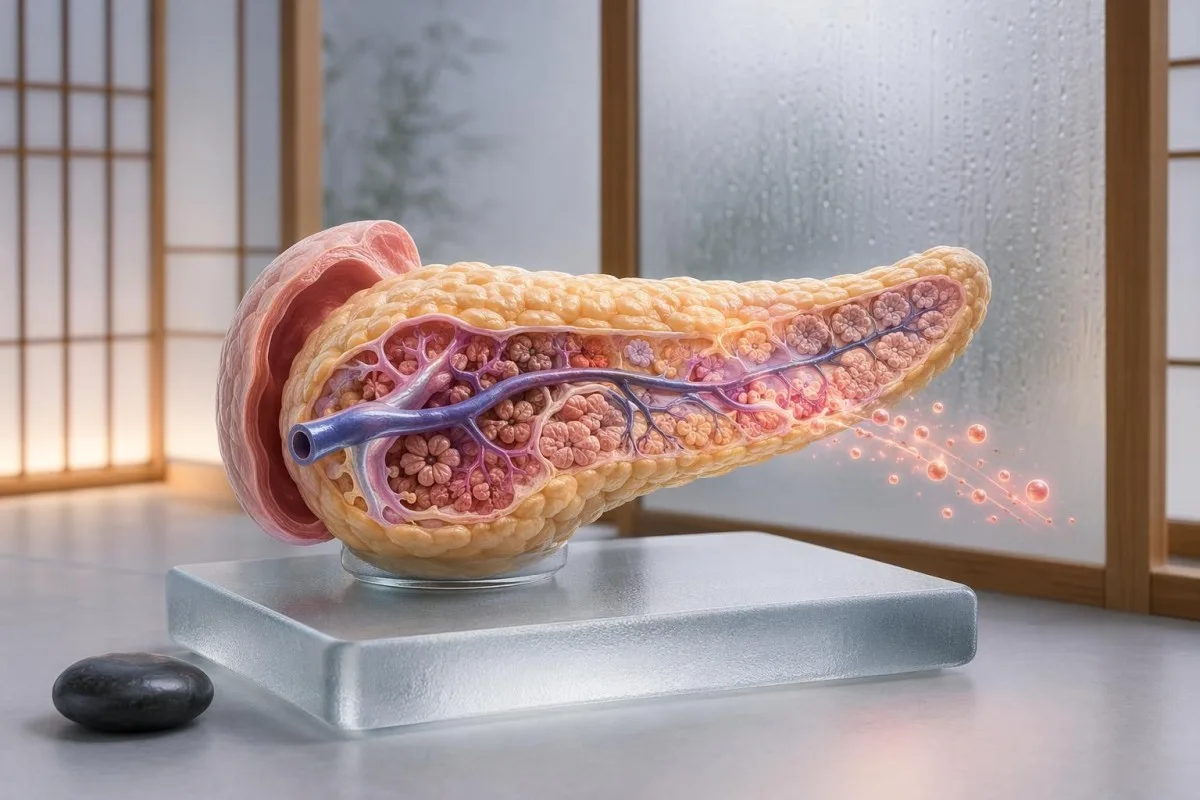
ئەنجامی بەرزبوونی لیپاز دەتوانێت تەنها یەک جێگایەکی ساکت لە لابراتۆرێکدا بێت یان یەکەم نیشانەکەی ئاگاداری بۆ پەنکراتیتێ حاد. جیاوازییەکە زۆرجار لە ڕێکخستنی نیشانەکان، ڕادەی بەرزبوون، و ئەوەوەی کە لابراتۆرە دەوروبەرەکان چی دەکەن.


- ئاستی خەتەر: لیپاز بەسەر 3 جار لە سەرحدی سەرەکی لابراتۆرەکە (upper limit) بەرزتر بێت و هەروەها تێکچوونی تایبەتی لە ناوچەی سەرەوەی شکم (upper abdominal pain) هەبێت، ئەوا وەک ڕێکخستنی ئاگاداری پەنکراتیت دەناسێت.
- بەرزبوونی ئاسایی/کەم: لیپاز کەمتر لە 3 جار لە سەرحدی سەرەکی بەرزتر بێت بەبێ تێکچوون/درد، زۆرجار کێشەی نەخۆشیی فورسەیی نییە، بەڵام زۆرجار پێویستە دووبارە بکرێت یان ڕوونبکرێت.
- Typical range: زۆر لە لابراتۆرەکانی گەورەساڵان ڕاپۆرت دەکەن کە لیپاز نزیکەی 13-60 U/L دەبێت، بەڵام ڕێژەی ڕێسە/ڕێفەرنس جیاواز دەبێت بە پێوەری کارکردن و وڵات.
- ئەلامەتەکانی ئێمرجێنسی: تێکچوونی توند لە ناوچەی سەرەوەی شکم، قیكردنی دووبارە، هەستکردن بە هەناسە/تێکچوونی گەرم (فێڤر)، زەردی (جاندیس)، هەڵوەشاندن/غەشکردن، پێچاو/هەڵە لە هۆشیاری (confusion)، یان توندبوونی تپەڕەی دڵ (racing pulse) پێویستی بە چارەسەری فورسەیی لە ڕۆژی یەکەم/هەمان ڕۆژ هەیە.
- هۆکارەکانی لیپازی بەرز: پەنکراتیت، سنگەکانی کۆڵەدان (gallstones)، کەمبوونی توانا/کاری کلیە، نەخۆشیی ڕووداو/بەشەکانی ناوەوەی ڕۆوداو (bowel disease)، دیابێتیس کێتوئاسیدۆس (diabetes ketoacidosis)، بەرزبوونی تریگلیسەریدەکان، داروەکان، و macrolipase هەموویان دەتوانن لیپاز بەرز بکەنەوە.
- نیشانەی پەنکراتیت: پەنکراتیتێ حاد زۆرجار کاتێک دەناسێت کە 2 لە 3 هەبن: دڵنیایی تێکچوونی تایبەتی، لیپاز یان ئامیلاز بەسەر 3 جار لە سەرحدی سەرەکی بەرزتر، یان شواهدی وێنەگرتن.
- نشانی بۆ سەختی: ژمارەی لیپاز بە خۆی خۆیەوە بە شێوەی ڕێک و پێک ناتوانێت بە ئاسانی سەختی پەنکراسیت لەبەر بگرێت؛ بەرزبوونی BUN، کەمبوونی کەلسیم، بەرزبوونی CRP، فشار/ستەمی ئەندامەکان، و دۆخی کلینیکی گرنگترن.
- کاتە پەیوەندیدارەکانی دووبارە: لیپازی نەرمی کە تەنها بەرزە، زۆرجار لە 1-2 هەفتە دووبارە دەکرێتەوە، بەڵام پەنکراسیتی بە تاییدکراوەکان بە پێوەندی بە ئاڵامەکان و کێشەکان چارەسەر دەکرێت، نەک بە دۆزینەوەی لیپاز تا دەگەڕێتەوە بۆ ڕەنگی نورمال.
کەی لیپازی بەرز خەتەرناکهە و کەی تەنها ناهەموارییەکی ئاساییە؟
بەڵێ — لیپازی بەرز دەتوانێت خەتەرناک بێت کاتێک زیاتر لە 3 جار لە سنووری سەرەوەی لابراتۆر دەبێت و لەگەڵ تێکچوونی سەختی لە ناوچەی سەرەوەی شکم، هەڵوەشاندن/هەڵوەشاندنەوە، هەستەوەی تێکچوون (فێڤر)، یەرقان (جاندیس)، هەستکردن بە هەڵچوون/غەشبوون، یان گیجی هەبێت. لیپازی بەرز بە شێوەی نەرمی کە بە درد نییە، زۆرجار نە فوریتیە، بەڵام هێشتا پێویستە بە زمینهکەی بخوێندرێت، بە تایبەتی کارکردی کلیە، ئەنزایمەکانی کبد، تریگلیسەریدەکان، داروەکان، و دووبارە تاقیکردنەوە.
من تۆماس کلاینم، MD، و لە ڕەوێنەی کلینیکی، لیپاز وەک نیشانەی ڕێکخستن, دەبینم، نەک وەک ڕەخنەی تەنیایەکی سەربەخۆ. لیپازی 75 U/L لە لابراتۆرێک کە سنووری سەرەوەی 60 U/L هەیە، حکایەتێکی جیاواز دەڵێت لەوەی لیپازی 720 U/L کە لەگەڵ دردی سەختی سەرەوەی شکم (ئێپێگاستریک) دەکەوێت و دەڕوات بۆ پشتی.
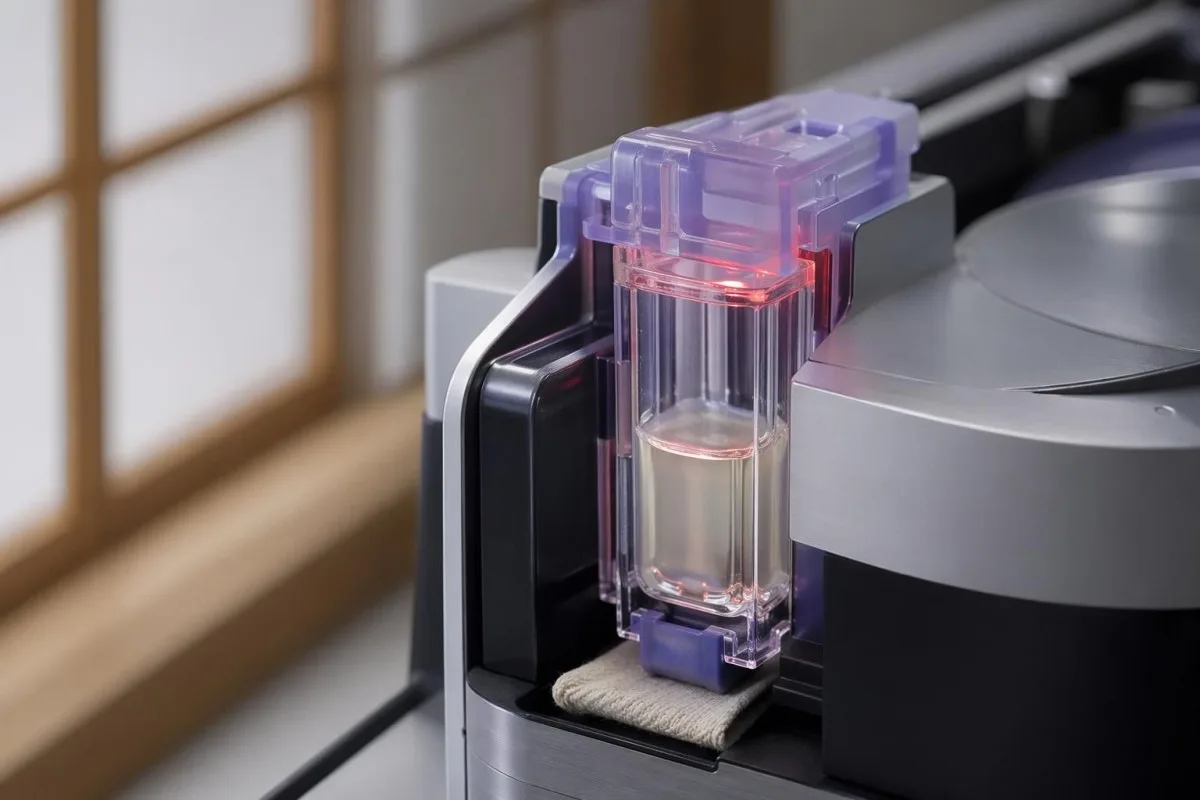
Kantestî yek e Analyzerê testa xwînê ya AI کە لەگەڵ مارکەرەکانی کبد، کلیە، هەڵسوکەوتی هەڵسەنگاندن/هەڵسوڕاندن (inflammatory)، و کێشەی میتابۆلیک خوێندراوە، نەک تەنها یەک پرچم بە وەک دەستەواژەی دەرمان/دیاگنۆز. ئەگەر دەتەوێت ئامێلاز، لیپاز، و پەنێڵی پەنکراس لەگەڵ یەکتر بفهمیت، ئەو ڕێنمایی تاقیکردنی خوێنی پەزەوەیی ژێردەتر دەکاتەوە کە چۆن ئەم ئەنزیمانە دەگۆڕێن.
جیاوازی ڕەهەندی ئەمەیە: لیپاز بەرزتر لە 3 جار لە سنووری سەرەوەی نورمال کاتێک ئاڵامەکان لەگەڵ یەک دەگونجێت، بۆ پەنکراسیت هەستیارکنەرە، بەڵام لیپازی تەنها کە کەمترە لە 3 جار لە سنووری سەرەوە، زۆرجار لەلایەن کێشە/هۆکارە نە-پەنکراسیتییەکانەوە دروست دەبێت. من بینیومە کەسەکان بۆ خزمەتی فوریتەکان دەفرێن بۆ لیپازی 90 U/L و هیچ دردی نییە؛ زۆربەی ئەم حاڵەتانە پێویستی بە دووبارە تاقیکردنەوەی بەدقتانە هەبوو، نەک ترس.
کەیەک لە ڕادەی لیپاز پەنکراتیت پێ دەڵێت؟
پلەی لیپاز بەرزتر لە 3 جار لە سنووری سەرەوەی نورمالی لابراتۆر پەنکراسیت پشتیوانی دەکات کاتێک شێوازی درد لەگەڵ یەک دەگونجێت. ئەگەر لابراتۆر سنووری سەرەوە 60 U/L بەکاربهێنێت، ئەنجامێک بەرزتر لە نزیکەی 180 U/L بە شێوەی گشتی حدی بیۆکیمیایییە کە کلینیسینەکان جدی دەگرن.
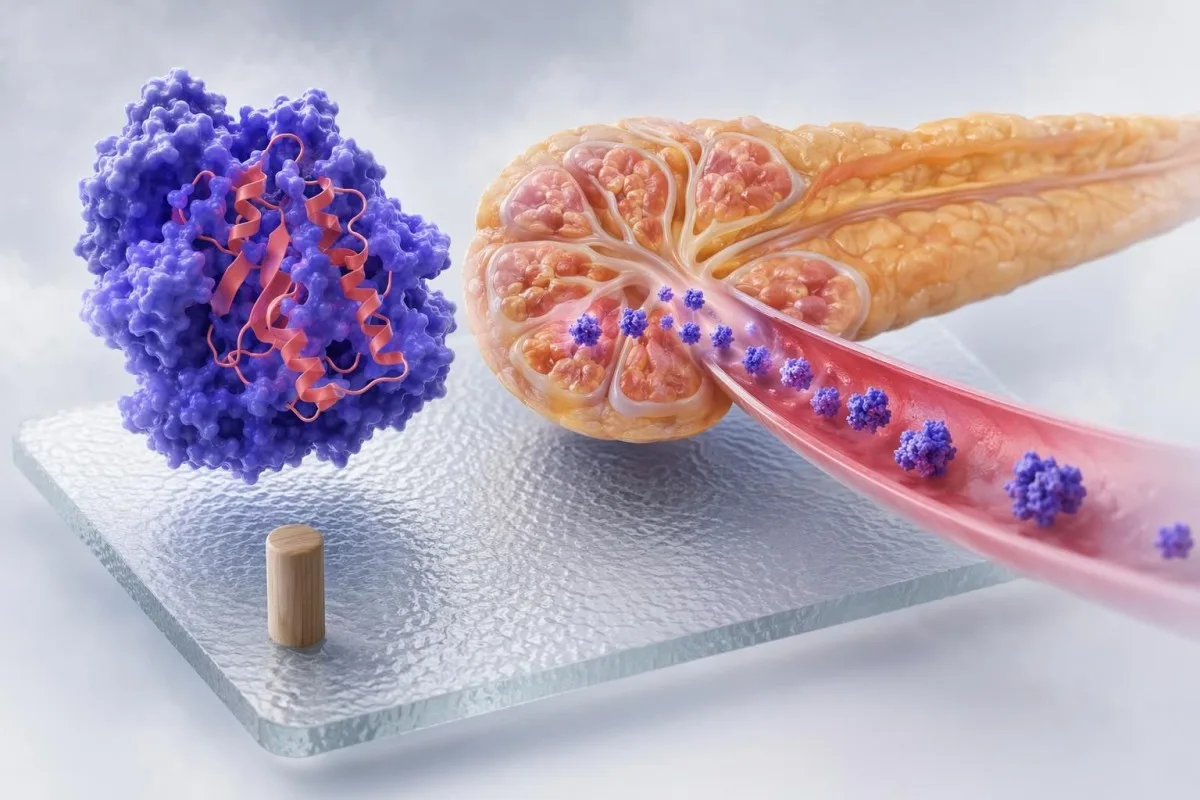
زۆربەی لابراتۆرەکانی گەورەساڵان بازەی وەسفی لیپاز نزیک 13-60 U/L, دەنووسن، بەڵام من بینیومە سنوورە سەرەوەکان لە 50-ەکانەوە تا سەرەوەی 140 U/L دەگۆڕێت بە پێی ئانالایزەر و ڕێگای مادە (reagent). ئەمەش بۆ ئەوەیە کە دەستەواژەی «لیپازی بەرز» هەمیشە پێویستە بە چەندجارێتی سنووری سەرەوەی لابراتۆر وەربگیرێت، نەک تەنها بە ژمارەی خام قضاوت بکرێت.
دەستهنوسازی ئەتڵانتیای 2012 کە نوێکرایەوە دەڵێت کە پەنکراسیتی توند کاتێک دایگنۆز دەکرێت کە 2 لە 3 شێوە/معیار هەبن: دردی تایبەتمەند لە ناوچەی شکم، ئامێلاز یان لیپاز کەمتر نەبێت لە 3 جار لە سنووری سەرەوە، یان ڕەخنە/وێنەبردنەکان کە لەگەڵ پەنکراسیت سازگار بن (Banks et al., 2013). ئەمەش هۆکارەکەیە کە کلینیسینەکان پەنکراسیت لەسەر تەنها یەک ئەنزیمی نەرمی بەرز لە کەسێکی باش-بەهێز (well-looking) دایگنۆز ناکەن.
ترسی بازەی ڕێفەرەنس (reference range) واقعییە. ئەگەر ئەنجامەکەت تەنها لە دەرەوەی بازەی چاپکراوەکە دابنیشێت، وەک هەمان شەک و گومانەی کە لە تلهکانی بازەی ڕاستەوخۆ: پرچمێکی لەسەر حد (borderline) دەتوانێت نیشانەی گۆڕانی لابراتۆر، نەخۆشییە تازە، پاککردنەوەی کلیە، یان کات/بەزمانی تاقیکردنەوە بێت، نەک فوریتی هەڵەی پەنکراسیت.
کدام نیشانەکانی لیپازی بەرز پێویستی بە چارەسەری فورسەیی هەیە؟
ئەلامەتەکانی لیپاز بەرز کە پێویستیان بە چارەسەری فورسە (urgent care) هەیە لەوانەیە: توندی پەیوەست و بەردەوامی تێکەڵەی سەرەوەی شکم، تێکەڵەیەک کە دەچێتە پشتی، قیژەی بەردەوام/دووبارە، هەستەی هەناسە (fever)، زەردبوون (jaundice)، هەڵوەشاندن/غەشکردن (fainting)، گیجی نوێ، کەمبوونەوەی هەناسە (shortness of breath)، یان پالسێک بەردەوام لەسەر 120 بەیت لە هەر دەم. ئەم ئەلامەتانە گرنگترن لە جیاوازی بچووک لە نێوان 300 و 500 U/L.
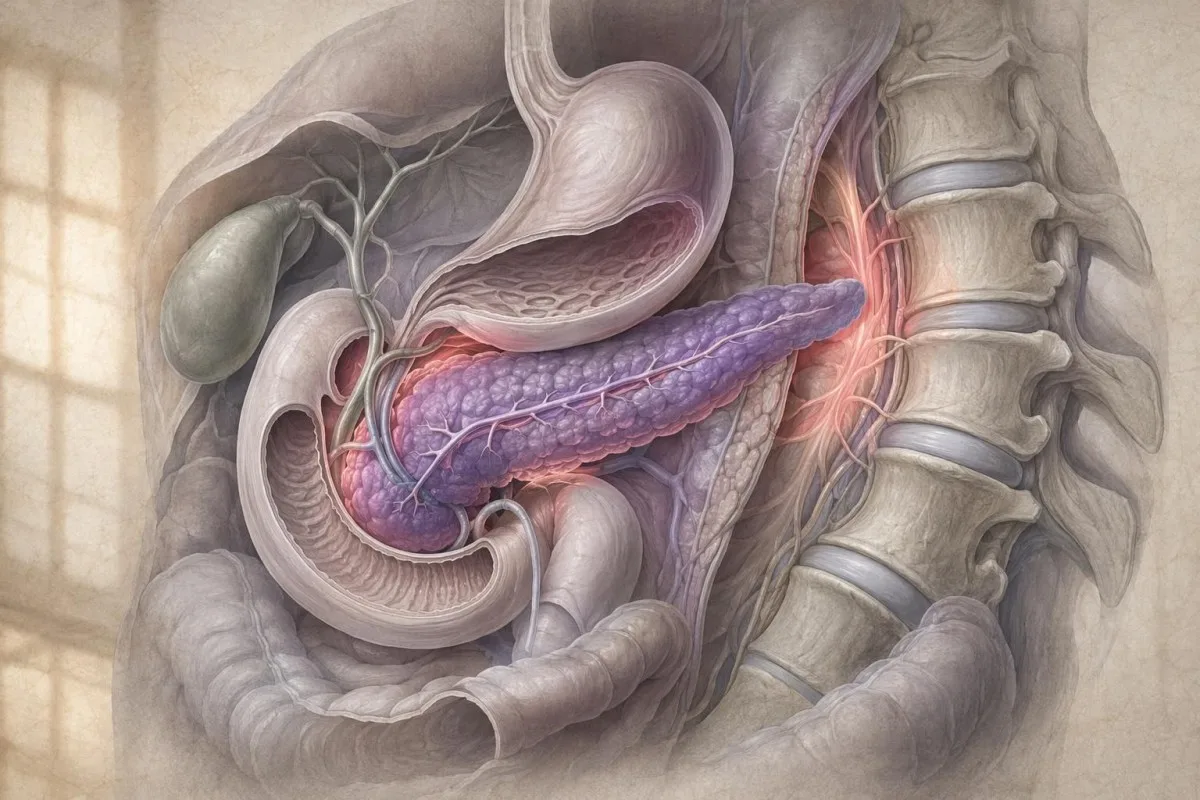
تێکەڵەی پانکڕیاسیتی توند (acute pancreatitis) زۆرجار ژێردەری/ژێرەوەیی، بەردەوام، و لە ناوەندی شکمی سەرەوەدا دەبێت؛ زۆربەی نەخۆشان بە پێشەوە دەکەون، چونکە خەوتن بە پشت/ڕوویەوە (لەسەر ڕووی) بە خراپییەکە حس دەکات. لە بەراوردی مندا، وشەی بەکارهاتوو لەلایەن نەخۆشان زۆرجار تێکەڵە نییە، بەڵکو فشاریشە، سوتانە، یان وەک سفتکردنی بەستەری لەسەر شکمی سەرەوە.
خزمەتگوزاری هێرش/هەڵگرتنی هێرش (emergency services) بانگ بکە یان بچۆ بۆ بەشی هەڵسەنگاندنی هەنگاوەوە (emergency department) ئەگەر لیپازی بەرز لەگەڵ کەمبوونی تەنیشتی خوێن (low blood pressure)، لبە سۆر/کەڵەکەوتوو (blue lips)، گیجی نوێ، یان ناتوانی لە نگهداشتنی مایعات بۆ زیاتر لە 6-8 کاتژمێر. ئەمانە تەنها ئەلامەتی ئاگادارکردنەوەی پانکڕیاسیت نین؛ ئەوانە هەروەها دەتوانن نیشانەی بەخشکبوون (dehydration)، سێپس (sepsis)، خوێنڕشتن (bleeding)، یان کێشە/فشار لەسەر ئەرگان (organ-stress) بن، و ڕێنمایی critical value دەڵێت بۆچی ئەلامەتەکان دەتوانن لە پرچمی چاپکراوی لابراتۆرە گرنگتر بن.
Tenner و هاوکاران لە ڕێنمایی (guideline) کۆلێجی ئەمەریکایی لە گاسترۆئەنتەرۆلۆجی (American College of Gastroenterology)دا ڕاپۆرتیان کردووە کە هەڵسەنگاندنی زوو دەبێت زیاتر لەسەر دۆخی هێمۆدینامیکی (hemodynamic status)، مەترسییەکانی شکستی ئەرگان (organ failure risk)، و هۆکاری پانکڕیاسیت بێت تا تەنها بەهای بەرزی ئەنزیم (Tenner et al., 2013). بە شێوەیەکی ڕوون: لیپازی 450 U/L لە نەخۆشێکی ئاسودەدا دەتوانێت کەمتر فورسە بێت لە لیپازی 210 U/L لە کەسێک کە لەسەرەوە سارد/خەڵکەوتووە (clammy)، دەست بە قیژە دەکات، و تەنیشتی خوێن کەمە (hypotensive).
چی دەتوانێت لیپاز بەرز بکاتەوە ئەگەر پەنکراتیت نەبێت؟
هۆکارەکانی لیپازی بەرز هەروەها لەوەی پانکڕیاسیت دەرباز دەبێت: کێشەی نەخۆشە (kidney impairment)، نەخۆشی کۆڵەدان (gallbladder disease)، بەستنی ڕووی ڕەگ/بەستنی ڕووی خوێن (bowel obstruction) یان کەمخوێنەوە/ئیشێمیا (ischemia)، نەخۆشی سێلیاک (celiac disease)، نەخۆشی ناوەندی هەڵسوکەوتی هەستیار (inflammatory bowel disease)، کێشەی کێشەی کێتوئاسیدۆزی دیابێتی (diabetic ketoacidosis)، هەڵچوون/وایرەس/باکتریا (infections)، داروەکان (medications)، و شێوەیەکی بیخەتەر کە بە ئانتیبادی بەستراوە و دەوترێت macrolipase. پانکڕیاس زۆرجار هەیە، بەڵام هەرگیز خۆکار نییە.
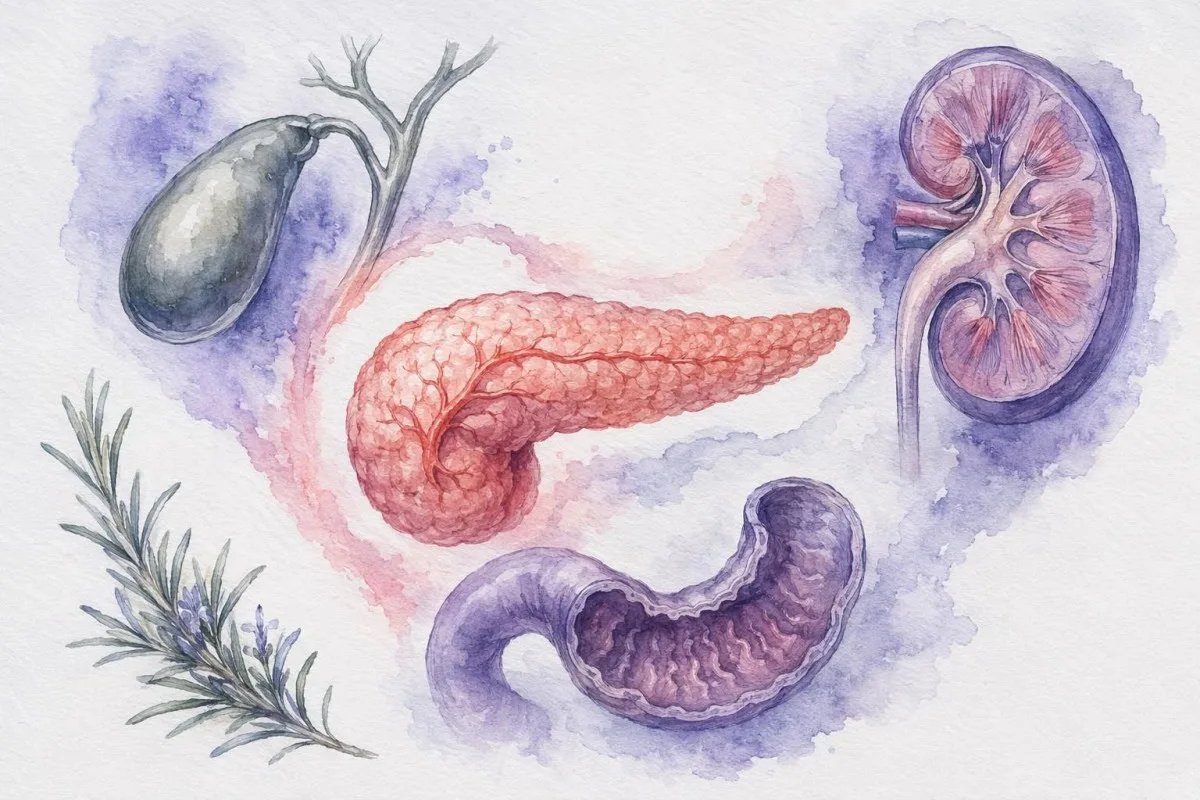
لیپاز بەشێک لە ڕێگەی نەخۆشەکان پاک دەکرێت، بۆیە کەمبوونی فلتەرکردن دەتوانێت زیاتر ئەنزیم لە ناو خوێندا بپارێزێت/بەردەوام بکات. نەخۆشێک کە نەخۆشی نەخۆشی مزمن هەیە (chronic kidney disease) و eGFR 28 mL/min/1.73 m² دەتوانێت بۆ ماوەی مانگێک لیپازی 90-160 U/L هەبێت بەبێ ئەلامەتە تایبەتییەکانی پانکڕیاسیتی توند.
کێشەکانی ناوەندی ڕەگ (bowel) و کێشەکانی صفرا (biliary) هەروەها دەتوانن لیپاز بەرز بکەن، چونکە بافتە هەناسە/هەژماری هەژماری دەنگی هەڵسوکەوتی هەڵسوکەوتی ئەنزیم و ڕێکخستنی هەڵسوکەوتی هەستیار (inflammatory signaling pathways) لە نزیکەوە هاوبەش دەبن. کاتێک لیپاز بە شێوەیەکی کەم بەرز دەبێت لەگەڵ ڕەشە/ڕەشەی ڕەگ (diarrhea)، پڕبوون (bloating)، کەمبوونی وزە (weight loss)، یان موکوس لە ناو ڕەگ (mucus in stool)، من زۆرجار بە شێوەیەکی فراوانتر لە پانکڕیاس دەڕوانم و زۆرجار دەست دەکەم بەو جۆرە ڕێکخستنەی کە لە لابراتۆرییەکانی تەندروستی ناوەوە (gut health labs).
کێتوئاسیدۆزی دیابێتی (Diabetic ketoacidosis) دامەزراندنێکی کلاسیکە: لیپاز دەتوانێت بەرز بێت بەبێ پانکڕیاسیت، و تێکەڵەی شکم دەتوانێت لە هەمان خۆیەوە لە ڕێژەی کەمبوونی ئاسیدییەوە (acidosis) بێت. گلوکۆز لەسەر 250 mg/dL، کێشەی کێتو (ketones) بەردەست، کەمبوونی بیکاردۆنات (low bicarbonate)، و ئەنێون گەپ (anion gap) لەسەر نزیکەی 12 mmol/L تفسیرەکە بە شێوەیەکی یەکجار ڕاست دەگۆڕێت.
کدام ڕێکخستنی لابراتۆری پێشانی پەنکراتیت لەگەڵ لیپازی بەرز دەدات؟
A پانکڕیاسیتی توند لەگەڵ لیپازی بەرز پاتێرنەکە ئەوەیە کە لیپاز لەسەر 3 جار لە سەرەوەی سنووری باڵای (upper limit) بێت لەگەڵ تێکەڵەی تایبەتی؛ زۆرجار لەگەڵ بەرزبوونی ژمارەی سەڵولە سپی (white cell count)، بەرزبوونی CRP، ئەنزیمە کبدییەکان (liver enzymes) ناهەموار، بەرزبوونی BUN، کەمبوونی کەلسیم، یان بەرزبوونی تریگلیسەریدەکان. لیپاز ڕەخنە/دڵنیایی دەدات لەوەی کە ڕەشەکردنی ئەنزیمی پانکڕیاس ڕوویداوە؛ لابراتۆرەکانی دیکە هۆکار و مەترسی دەسەلمێنن.
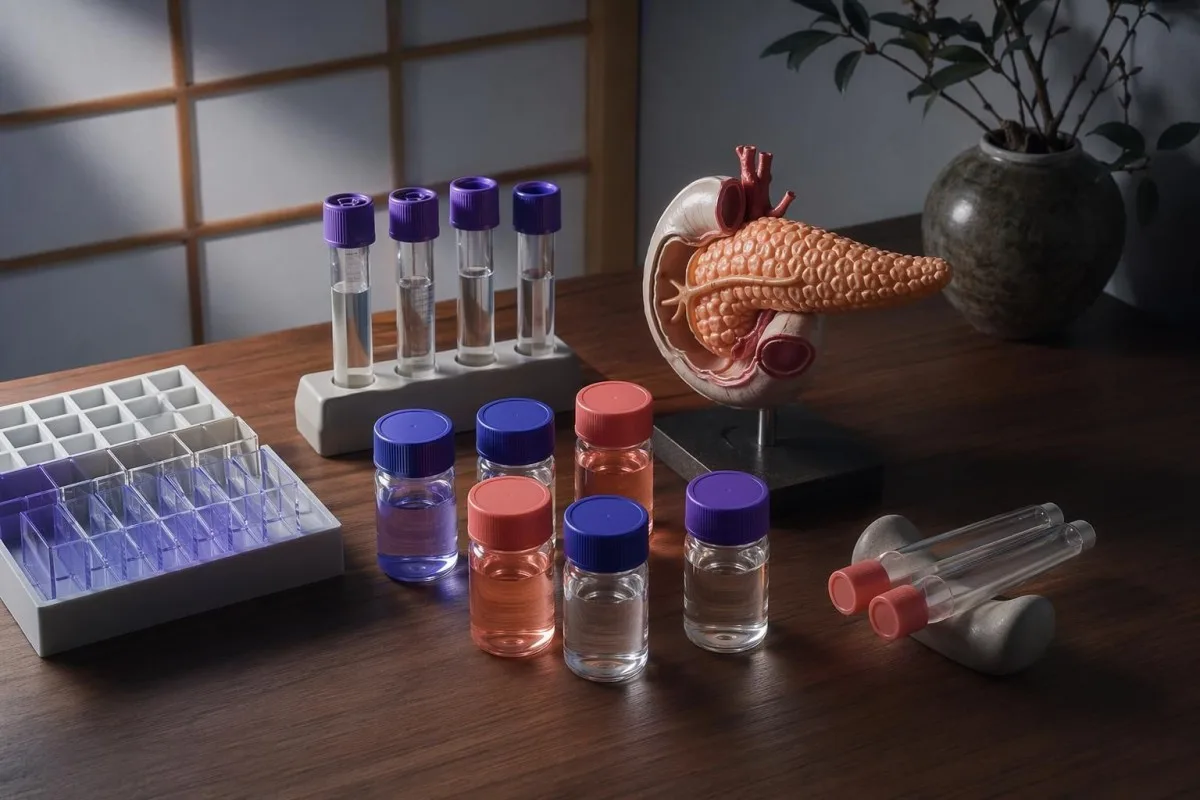
ژمارەی سەڵولە سپی (white blood cell count) لەسەر 12 x 10⁹/L دەتوانێت نیشانەی هەستیاربوون (stress) یان هەڵسوکەوتی هەستیار (inflammation) بێت، بەڵام CRP لەسەر 150 mg/L لە کاتژمێری 48 نیشانەی کلاسیکییە کە پەیوەستە بە پانکڕیاسیتی توندتر. بەرزبوونی BUN بە 5 mg/dL یان زیاتر لە ماوەی یەکەم ڕۆژ هۆشیارییەکی دیکەی گرنگە، چونکە دەتوانێت نیشانەی بەخشکبوون و چارەسەری/ئەنجامی خراپتر بێت.
ALT بە شێوەیەکی سەرسوڕهێنەر بەکاردەهێنرێت. یەک ALT لەسەر 150 IU/L لە کاتی سەرەتای پانکڕیاسیتی تونددا بە شێوەیەکی قووڵ لە زۆر توێژینەوەکاندا هۆکاری پەیوەندیدار بە سنگی کۆڵەدان (gallstone-related cause) بەهێز دەسەلمێنێت، بۆیە ما لەگەڵ بیلیروبین (bilirubin)، فۆسفاتازی قەڵەیی (alkaline phosphatase)، و GGT دەخوێنین؛ our راهنمای الگوی ALT طرفِ آن معمای مربوط به آنزیمهای کبدی را توضیح میدهد.
Kantesti AI لیپاز را بهعنوان نقطهٔ انشعاب درمان میکند: افزایش آنزیمهای پانکراس، الگوی انسداد صفراوی، مشکل در پاکسازی کلیه، محرک متابولیک، یا سرنخِ دارویی. این به منطقِ پزشکان در کنار تخت بیمار نزدیکتر است تا میانبُرِ سادهٔ «بالا یعنی پانکراتیت».
کدام هۆکارە زۆر بەکارهاتووەکان دەتوانن لیپاز بە شێوەی توند بەرز بکەنەوە؟
شایعترین محرکها برای افزایشهای لیپاز در حدِ پانکراتیت عبارتاند از: سنگهای صفراوی، تحریک پانکراس بهعلت الکل، و تریگلیسریدهای بسیار بالا. تریگلیسریدها بالاتر از 1000 mg/dL یا 11.3 mmol/L ناحیهٔ شناختهشدهٔ خطرِ پانکراتیت است، هرچند حملهها میتوانند در بیماران مستعدتر پایینتر هم رخ دهند.
سنگهای صفراوی میتوانند بهطور موقت دهانهٔ مجرای پانکراس را ببندند و باعث آزادسازی شدید آنزیمها شوند. سرنخ اغلب یک جهشِ لیپاز همراه با بالا رفتن ALT، AST، بیلیروبین، آلکالین فسفاتاز، یا GGT در همان بازهٔ 24-48 ساعته است.
پانکراتیتِ مرتبط با الکل معمولاً از یک نوشیدنیِ منفرد بهتنهایی نیست؛ بیشتر بازتابِ استرسهای تکرارشوندهٔ پانکراس، وعدههای غذایی پرچرب، کمآبی، و حساسیت فردی است. من دیدهام مصرف سنگینِ آخر هفتهها که دوشنبه با لیپاز بالاتر از 600 U/L دنبال شده، اما همان عدد در بیمار دیگری از یک سنگ صفراوی خیلی کوچک آمده بود.
تریگلیسریدها توجه ویژه میطلبند چون وقتی سطحها خیلی بالا هستند، سرم ممکن است شیری به نظر برسد و گاهی آزمونهای استاندارد تحت تأثیر قرار میگیرند. اگر تریگلیسریدها بالا یا لبمرزی هستند، راهنمای خطرِ تریگلیسرید توضیح میدهد چرا تکرار آزمایشِ ناشتا و کنترل گلوکز میتواند محاسبهٔ ریسک را تغییر دهد.
ئایا نەخۆشیی کێدە (کلیە) یان داروەکان دەتوانن لیپاز بەرز بکەنەوە؟
بله، بیماری کلیه و چندین دارو میتوانند باعث بالا رفتن لیپاز شوند بدون پانکراتیت کلاسیک. کاهش پاکسازی کلیه، بیماری اخیرِ شکمی، آگونیستهای گیرندهٔ GLP-1، مهارکنندههای DPP-4، آزاتیوپرین، والپروات، تیازیدها، دیورتیکهای لوپ، و اپیوئیدها همگی میتوانند در فهرست افتراقی مطرح شوند.
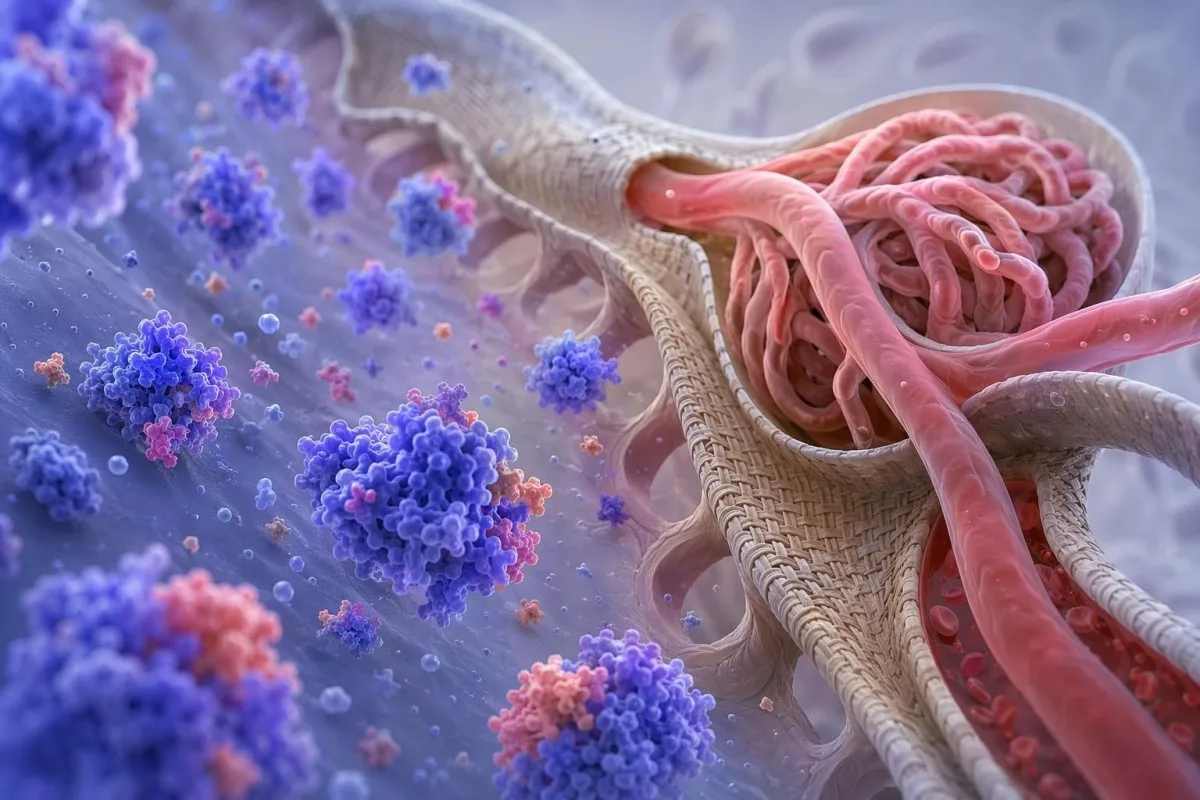
افزایش کراتینین از 0.9 به 1.6 mg/dL میتواند بالا رفتن خفیفِ لیپاز را بهعنوان یک مشکلِ پاکسازی قابلباورتر کند. به همین دلیل است که من هرگز لیپاز را بدون eGFR، BUN، وضعیت هیدراتاسیون، و گاهی یافتههای ادرار نمیخوانم؛ ڕێنمایی تێکستەوانی creatinine زمانی مفید است که اعداد کلیه همزمان در حال تغییر باشند.
زمانبندیِ مصرف دارو مهم است. اگر لیپاز از 45 به 140 U/L دو هفته بعد از شروع یک داروی جدید بالا رفته باشد، و تهوع وجود داشته باشد اما دردِ قسمت بالای شکم نباشد، پزشک ممکن است آزمایش را تکرار کند، آمیلاز و آنزیمهای کبدی را بررسی کند، و تصمیم بگیرد آیا این دارو محتمل است یا نه—نه اینکه کورکورانه آن را قطع کند.
Kantestî yek e خزمەتگوزاری تێکست/تێگەیشتنی تاقیکردنی لابراتۆریی AI طوری طراحی شده که این برخوردهای زمینهای را علامتگذاری کند: لیپازِ بالا با eGFR پایین همان الگوی لیپازِ بالا با ALT و بیلیروبینِ بالا نیست. این تمایز میتواند هم از کمتوجهی و هم از وحشتِ غیرضروری جلوگیری کند.
چی پێویستە بکەیت دوای دیدنی ئەنجامی لیپازی بەرز؟
قدم بعدی شما به علائم و چند موردِ بالا بودن نسبت به حد بالای آزمایشگاه بستگی دارد. علائم شدید همراه با لیپاز بیش از 3 برابرِ حد بالایی یعنی ارزیابی فوری، در حالی که لیپازِ خفیفِ منفرد اغلب یعنی بررسی زمینه، تکرار آزمایش، و مرور داروها.
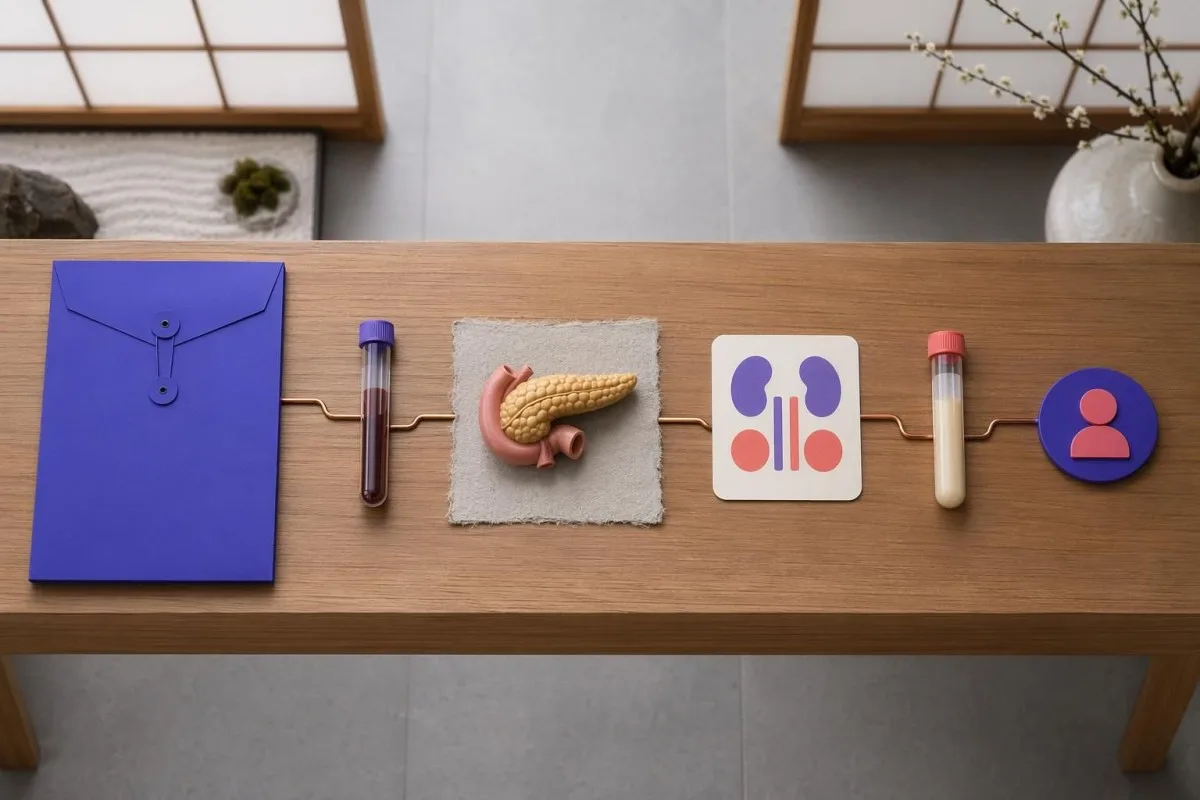
اگر درد شدید شکمی دارید، فقط چون نتیجه شب از طریق پورتال آمده منتظر یک نوبت روتین نمانید. نتیجهٔ 220 U/L اگر حد بالایی 60 U/L باشد و علائم با آن جور دربیاید، میتواند در سطحِ اورژانسی باشد.
اگر حالتان خوب است و نتیجه 65-100 U/L است با حد بالایی 60 U/L، معمولاً میخواهم داستان را بدانم: گاستروانتریت اخیر، ورزشِ شدید، عملکرد کلیه، کنترل دیابت، الکل، داروهای جدید، و اینکه آیا آزمایشگاه دوباره آزمایش را تکرار کرده است یا نه. مقالهٔ ما دربارهٔ اینکه لابراتۆرییەکانی غیرعادی دووبارە توضیح میدهد چرا چککردنِ خیلی زود میتواند بیشتر از اینکه روشن کند، سر و صدا ایجاد کند.
یک پنل تکراریِ منطقی اغلب شامل لیپاز، آمیلاز، CBC، CMP، بیلیروبین، ALT، AST، آلکالین فسفاتاز، GGT، تریگلیسریدها، گلوکز، کلسیم، کراتینین، و گاهی CRP است. این فهرست از چیزی که بسیاری از بیماران انتظار دارند طولانیتر است، اما این همان روشی است که ما از تبدیل کردن یک آنزیم به یک تشخیصِ اشتباه جلوگیری میکنیم.
چەند کاتژمێر/ڕۆژ لیپاز دوای پەنکراتیت بەرز دەبێت؟
AST زۆرجار لە ماوەی 4-8 کاتژمێر, بەرز دەبێت، نزیکەی 24 کاتژمێر دەکەوێتە سەرەوە، و دەتوانێت بۆ 8-14 ڕۆژ لە دوای پانکراسیتی حاد بەردەوام بێت بەرز. کەمبوونی AST هەمیشە مانای باشبوون نییە، و هێشتا بەرزبوونی AST هەمیشە مانای خراپبوون نییە.
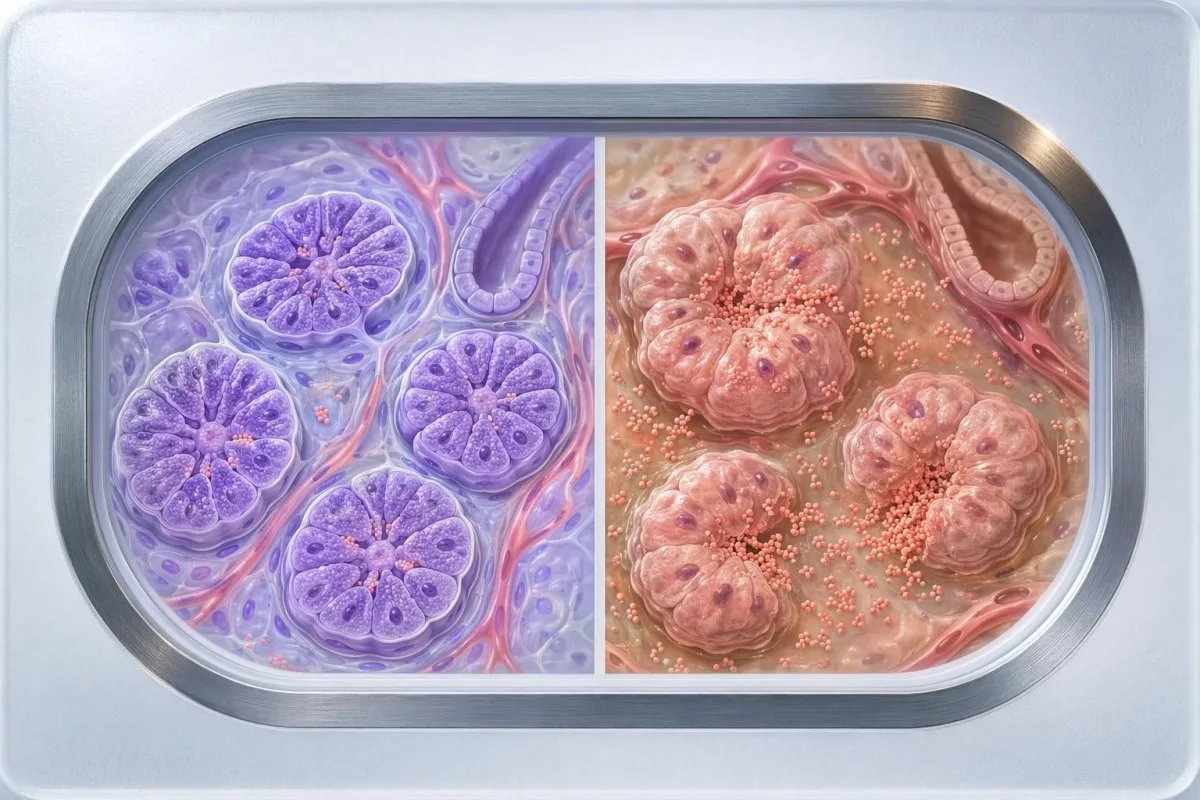
ئەمە دڵخۆشی بۆ نەخۆشەکان دەکات. یەک کەس دەتوانێت 70% باشتر هەست بکات هەروەها AST هێشتا 300 U/L بمێنێت، چونکە ڕووبەری ئەنزایم لە دوای ڕووداوە کلینیکییەکاندا دەکەوێت؛ تیمەکانی نەخۆشخانە زۆرجار زیاتر بە ئاڵەنگ، هەستەی تێکچوون/تاو، ڕێژەی مایعات (هیدڕەیشن)، توانای خواردن، پلانی ئوکسجین، کارکردی کلیە، و هەڵسەنگاندنەکان (کۆمپلیکیشن) سەرنج دەدەن تا بە AST بە شەوڕۆژ.
بۆ بەرزبوونە جیاوازە سادە (لە تەنها یەک شوێن) دووبارەکردن لە 1-2 هەفتەدا زۆرجار بەکارهێنانی زیاترە لەوەی سەحەرەی دواتر، مەگەر ئەگەر نەخۆشی/نیشانەکان دەگۆڕێت. ئەگەر ئەنجام ڕێکبکەوێت بۆ نورمال، من دەگەڕێم بۆ هۆکارێکی کاتی؛ ئەگەر بەردەوام بێت، دەچم بۆ فکری کارکردی ڕووبەری کلیە، داروکان، نەخۆشی ڕوودەست، ماکرۆلیپاز، یان وێنەبردن.
Kantesti AI دەتوانێت AST لە سەردانەکاندا بەراورد بکات و پیشان بدات کە ئەرزشەکە کەشێکی تێکچوونە (spike) یان کەوتنەوەی لەسەر یەک ڕێژە (plateau) یان گەڕانێکی ئاستە (slow drift). بۆ نەخۆشانی کە لە لابراتۆرە جیاوازەکان سکرینشۆت دەهێڵن، ئەمەمان خوێندنەوەی ڕەسمی گۆڕانکاری (trend graph) یارمەتیدەدات جیا بکاتەوە لە نێوان گەڕانێکی ڕاستەقینەی بیۆلۆجی (biological movement) و ڕێژە/سنووری ڕێفەرە جیاوازەکان.
کێ پێویستی بە هۆشیاری زیاتر هەیە لەگەڵ لیپازی بەرز؟
نەخۆشانی حامڵ، منداڵان، پیران، نەخۆشانی سەرکوتکراوی دەستەواژەی ئیمون (immunosuppressed)، و کەسانی کە نەخۆشی کلیە یان نەخۆشی شەکر (دیابتێس)یان هەیە، پێویستیان بە ئاگاداری زیاتر هەیە لە کاتێکدا AST بەرز دەبێت. ئەم گروپانە دەتوانن ئاڵەنگی تایبەتی کەمتر پیشان بدەن، ڕەشبوونی مایعات زووتر ڕوو بدات، یان سنووری ئاسایش توندتر بێت.
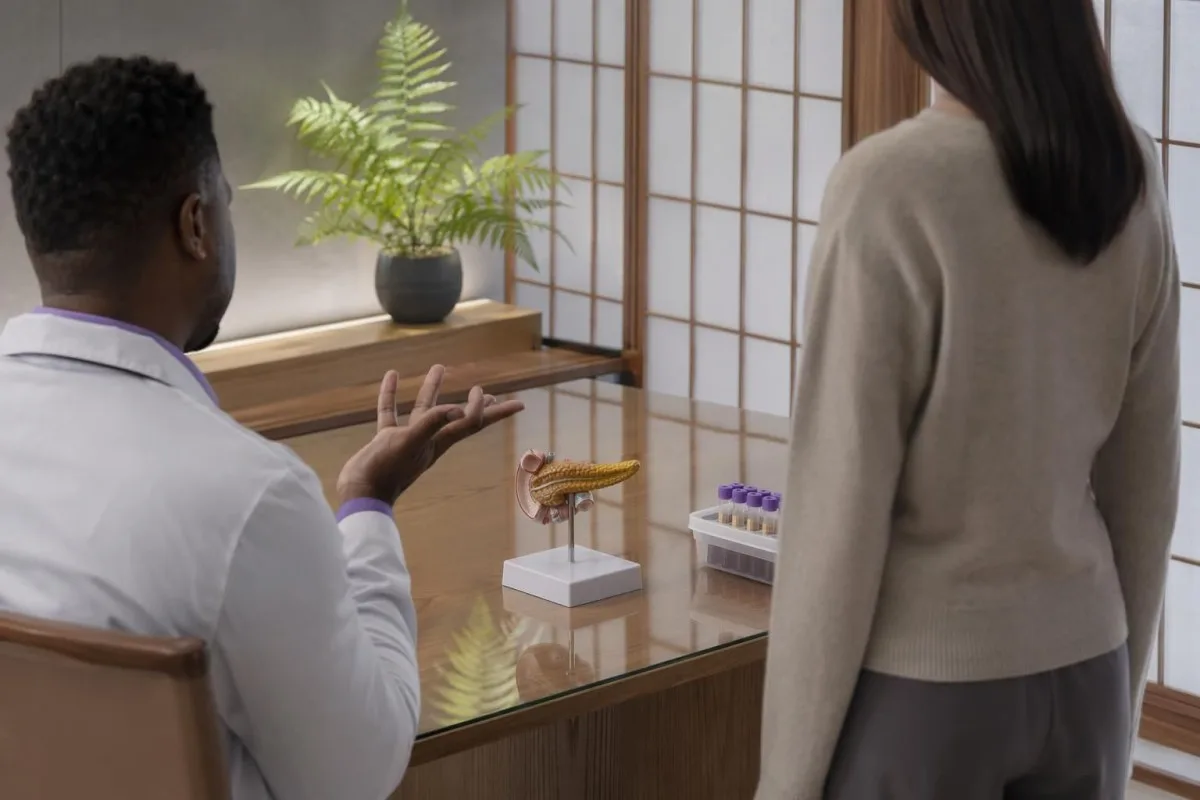
لە حامڵبووندا، ئاڵەنگی ناوەندی سەرەوەی شکم لەگەڵ قیکردن بە ئاسان دەکرێت بۆ ڕیفلاکس یان خواردنەوەی سەختە (food poisoning) نیشان بدەن، بەڵام سنگە صفرا (gallstones) و تریگلیسەریدی بەرز دەتوانن پانکراسیتی هەڵبکەن. پێداچوونی لە یەک ڕۆژدا باشە ئەگەر ئاڵەنگ زۆر توند بێت، هەستەی تاو هەبێت، زەردی (jaundice) هەبێت، ڕەشبوونی مایعات هەبێت، یان ئەزموونەکانی کبد (liver enzymes) ناهەموار بن؛ ئەمەمان پرچمهای قرمز آزمایشهای بارداری پۆلێنەکانی هەنگاوەی نزیک بە یەکدی جیا دەکاتەوە.
منداڵان دەتوانن بە هۆی نەخۆشی وێرۆسی، تروما، داروەکان، کێشەی ڕێگای ڕوودانەوەی لەدایکبوون (کۆنگێنیتال)، یان نەخۆشییە مەتابۆلیکەکان دچار بە پەڕەنگاسازی (پانکریاتایتس) بن. ڕێژە و سەقفەکانی لیپاز لە منداڵاندا بە پێوەری تەمەنی و لابراتۆرەکە جیاوازە، بۆیە من سەقفەکانی بەکارهاتووی بەسەرەوەی سەڵت (بۆسەرەوەی گەورەسالان) بە شێوەی سەخت بە نێو منداڵی شیرخوار یان تەمەن-کەم بەکار ناهێنم.
گەورەسالان زۆرجار بە ئاستی دەردەکەون: کەم خواردنەوە، لەقەوتی، پێچانەوە (کۆنفیوژن)، یان هەڵکەوتن بەجای ئەوەی لەگەڵ تێکستەکانی دەردی تایبەتی (دردی ڕوون). ڕێنمایی NICE لەسەر پانکریاتایتس گرنگی دەدات بە ناسینەوەی زوو و وێنەگرتنی بەجێ یان سەردانی پسپۆڕ لە کاتێکدا نیشانەکان و هێنەکان (ئەنزایم) دەلالەت دەکەن بۆ ئەوەی کە دۆخەکە پانکریاتایتسە (NICE, 2018).
کەی لیپازی بەرز پێویستی بە وێنەگرتن (ئیمەجینگ) هەیە؟
بەرزبوونی لیپاز پێویستی بە وێنەگرتن هەیە ئەگەر ڕێکخستنی دۆخ (دیاگنۆز) نەزانراو بێت، نیشانەکان زۆر سەخت بن، شەک لە سنگەکانی کۆڵەدان (گالستون) بکرێت، زەردبوون هەبێت، یان نەخۆشەکە لە ماوەی 48-72 کاتژمێر. ڕەنگە سونوگرافی (ئولتراسۆند) یەکەمین هەنگاو بێت بۆ گالستون؛ CT هەمیشە لە ڕۆژی یەکەم پێویست نییە.
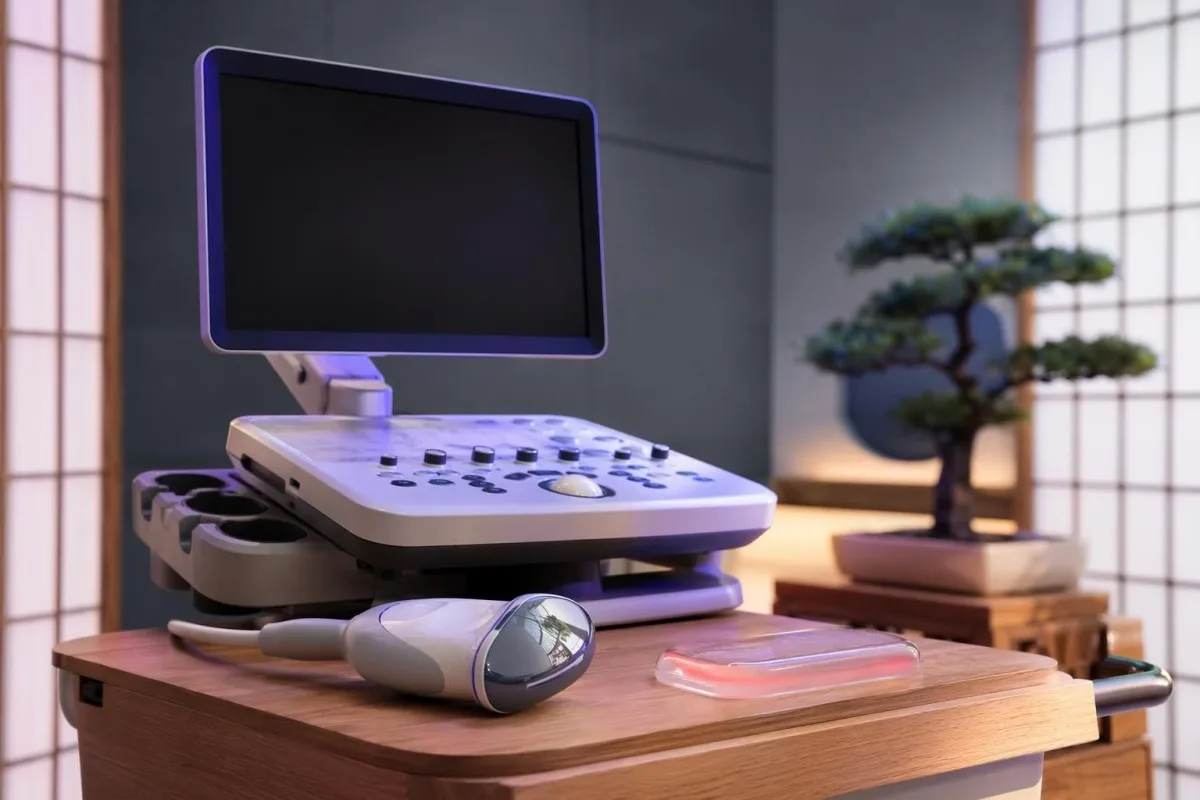
سونوگرافییە شکمی دەتوانێت گالستون، گەڕانەوەی ڕێگای کۆڵەدان (بایل داکت) بەهێزبوون/دیلەشن، و هەندێک پەڕەنگاسازی (پانکریاس) پەفکردن دەستنیشان بکات، بەڵام گازەکانی ناو رۆژانە زۆرجار پانکریاس پەنهان دەکەن. سونوگرافییە تەواو-نۆرمال بە شێوەی تەواو پانکریاتایتس ڕەت ناکاتەوە، میکرۆلیتیاز (microlithiasis)، یان ڕێگاکێشانی زوو لە کۆڵەدان.
CT بە کۆنتراست زۆرترین بەکارهێنانی هەیە کاتێکدا دیاگنۆز نەزانراوە، نەخۆشەکە خراپتر دەبێت، یان کێشەکان پاش 48-72 کاتژمێرە یەکەمدا پێشبینی دەکرێت. داواکاری CT زووتر لە کاتەکە دەتوانێت دەستەواژەی گۆڕانکارییە باوەڕپێکراوەکان لە بافتدا لە داهاتوودا لەبیر ببات و نەخۆشەکە بە مەترسی کۆنتراست دەخات بەبێ ئەوەی ڕێنمایی چارەسەر گۆڕانکاری بکات.
ئەگەر لیپازت بەرزە بەڵام وێنەگرتن نۆرمالە، هەنگاوی دواتر پەیوەستە بە تۆڵەکەی تەواو، نەک بە شرمێکی ئەوەی وێنەکە هەموو شتێک ڕوون نەکرد. A دووبارە سەیری وەشانی خوێن دەتوانێت یارمەتیت بدات کاتێکدا نیشانەکان، ڕێژەی ئەنزایم، و وێنەگرتن بە یەکدی نایەکۆکن.
چی پێویستە لێی بگریت دوای ئەنجامی لیپازی بەرز؟
پاش ئەنجامی لیپاز بەرز، الکۆل هەڵبگرە، خواردنی زۆر چەربی هەڵبگرە، کەمبوونەوەی مایە (دێهیدڕەیشن) هەڵبگرە، و داروە پێشنیارکراوەکان بەخۆت خۆت هەڵوەشاندنەوە مەکە بەبێ ڕێنمایی پزیشکی. ئەگەر دەرەدی سەخت یان هەڵوەشاندن (ڤۆمیتینگ) هەبێت، ئازمایشی خواردن و پلانی پاککردنەوەی سەرچاوەی ئینتەرنێت (internet detox) هەنگاوێکی نادروستە.
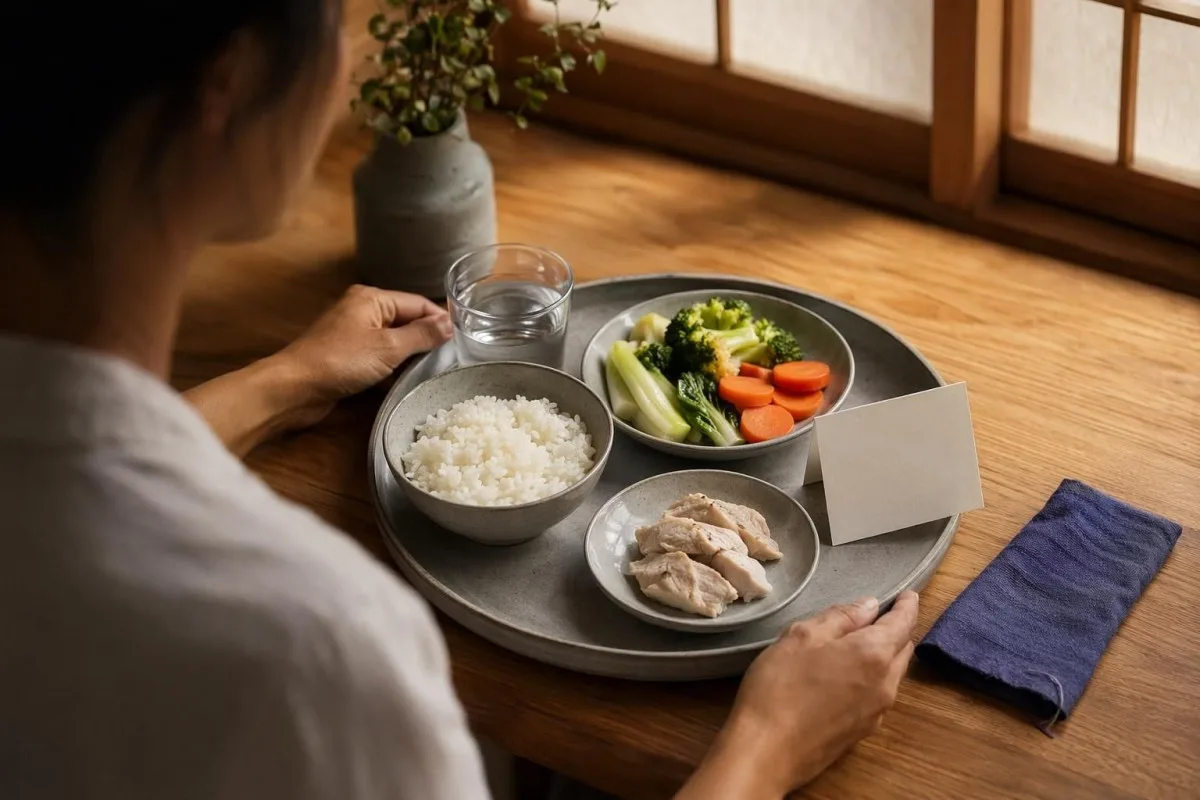
ئەگەر شەک لە پانکریاتایتس بکرێت، زۆر پزیشک لە سەرەتادا پێشنیار دەکەن ڕێژەی خواردنەوەی ناوەوە (bowel rest) یان پلانی خواردنی بە احتیاط بە پێی سەختی دۆخ، کەمبوونەوەی هەست بە نەخۆشی (نەوزیا)، و ڕێژەی مایە/هیدڕەیشن. بۆ کەیسە ئاسانەکان کە زوو باش دەبن، خواردنی ڕوونی کەم-چەرب زوو دەکرێت بە شێوەی دەهنی؛ بۆ ڕەشەوەشاندنی سەخت، یەکەم مایە و چاودێری لە نەخۆشخانەدا دەبێت.
سەپلەکان (supplements) مەبینە بەوەی بیخطرن. ویتامینی D بە ڕێژەی بەرز لەگەڵ هەڵکەوتنی کەلسیم لە خوێن (hypercalcemia)، هەندێک فرآوردهی گیاهی، و ژمارەیەک لە کارگێڕەکانی کەمکردنی قەبارە/وەزن (weight-loss agents) دەتوانن نیشانەکانی شکم یان تاقیکردنەوەکانی کبد پیچیدە بکەن، بۆیە هەموو شتێک بنووسە کە دەیخۆیت/دەیخەیت، لەوانەش هەڵدانەکان (injections) و فرآوردهی بەدەستەوەی خۆت (over-the-counter).
پەیوەندی داروەکان بە شێوەی جیاواز و ڕێکخراوە. GLP-1 receptor agonists و DPP-4 inhibitors لە سەردەمی پشکنینی ئاراستەی پانکریاتایتس باس کراون، بەڵام دەرەدی شکم لەگەڵ لیپاز پێویستە هەربەهەربەهەربەکەی خۆی پشکنین بکرێت بەبێ ئەوەی خۆکارانە بە پانکریاتایتس ببهستین؛ our دەستنیشان دەکات کە کاتەکانێک من بۆ جۆرە زۆرەکانی جۆری دارو-لابراتۆری بەکار دەهێنم. وەک نموونە، پشکنینی B12 هەر 1–2 ساڵ جارێک لە کاتێکی درێژماوەی metformin بەهێز و بەجێیە، و زووتر دەبێت ئەگەر نێوروپاتی، glossitis، macrocytosis، یان نیشانەکانی کۆگنیتڤی دەبینرێن. ڕێگایەکی ئاراستەتر بۆ فێربوونی کات/زمان دەدات.
چۆن Kantesti لە کۆنتێکستی کلینیکی لیپاز دەخوێنێت
Kantestî yek e پلاتفۆرمی تێکڕوانینی بایۆمارکەری AI کە لیپاز تێکدەچێت بە ڕێکخستنی ڕێژەی ئەنزایم، ڕێژەی سەروو/بنچمارک (reference range)، نیشانەکانی دەرەدی، بایومارکرە نزیکەکان، بەرەوپێچانی پەیوەندی داروەکان، و کۆنترەندە/ڕێژەی پێشوو. ئەمە گرنگە چونکە لیپاز تەنها ڕێنمایی سەرەتایی بۆ تریاژە (triage clue) نییە، بەڵکو خۆی بە خۆی دیاگنۆز نییە.
شەبەکەی نێورۆنی (neural network) ـمان PDF ـە بارکراوەکان و وێنەکان لە نزیکەی 60 کاتژمێر/دوایەوە دەخوێنێت و لیپاز دەکاتەوە بە پێی مارکرەکان وەک amylase، ALT، bilirubin، creatinine، BUN، calcium، triglycerides، glucose، WBC، و CRP. مکانیزمەکان لە our ڕێنمایی تەکنەلۆژی, ـدا ڕوونکراون، لەوانەش ئەوەی چۆن دەستەواژەی هەڵگرتنی بایومارکرە ڕێکخراوەکان جیاوازە لە سەرنجڕێژانی وتاری گشتی (generic text summarization).
ئەم پلاتفۆرمە بە زیاتر لە 2M کەس لە 127+ وڵات و 75+ زمان بەکارهاتووە، کە ئەمە دیدێکی پراکتیکی دەدات بۆ ئەوەی چۆن ڕێژەی reference interval لە نێوان لابراتۆرەکان جیاواز دەبێت. our ڕەوشی تاقیکردنەوەی کلینیکی ڕوون دەکاتەوە کە چاودێری پزیشکی، بنچمارککردن، و حد و بنەما ئاراستەییەکان پشتەوەی تێفسیرەکانە.
output ـی Kantesti جێگرەوەی چارەسەری هەڵسوکەوتی هەنگامی (emergency care) نییە. ئەگەر ئەنجامی لیپازت هەیە و دەتەوێت ڕوونکردنەوەی ڕێکخراو پێش کاتێکی ڕێتینە (routine appointment) بۆت بکرێت، دەتوانیت ئەنجامی لیپاز بار بکە; ؛ بۆ ڕێکخستنی کۆمپانیا و بەرپرسیاریی تایبەتمەندی (privacy context)، سەیری our بکە پسزمینه Kantesti.
بنەمای توێژینەوە، ڕێڤیو/سەرنجڕاکێش کلینیکی، و کۆتایی
لە 11ی خەزەڵوەری 2026، بەهێزترین و ئاسایشتری وەڵام ئەمەیە: بەرزبوونی لیپاز خەتەرە کاتێک کە ڕەنگدانەوەی کلینیکی دەلالەت دەکات بە پانکراتیت یان هەر نەخۆشییەکی توندی شکم، بەڵام بەرزبوونی سادە و جیاواز لە زۆربەی کاتەکاندا کێشەی دواترە و زۆرجار نەک هەنگاوێکی هەڵەسەنگاندنەوەی فورسە. من، توماس کلاین، MD، دڵم دەوێت یەک نەخۆشێکی نیگەرانی زوو ببینم تا یەک نەخۆشێکی بەهێزبوونەوەی ئاوی لەدەستچوو لە دواتر.
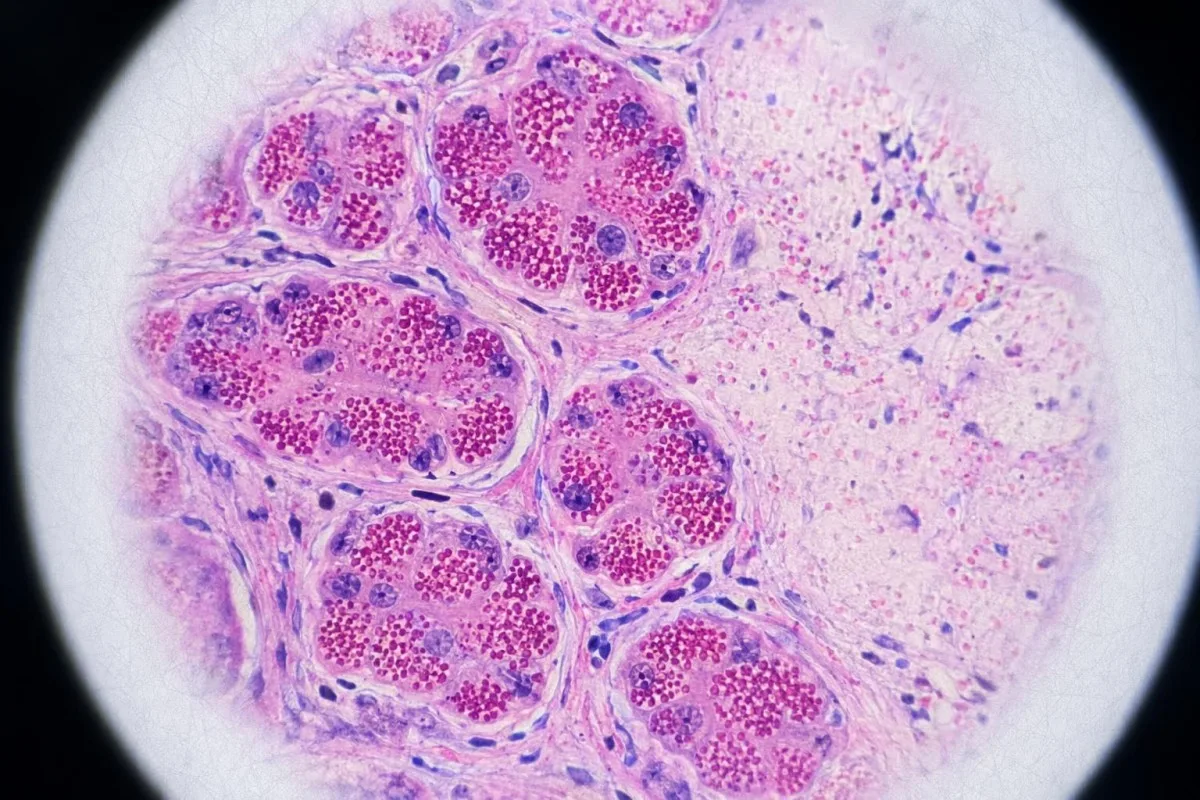
ئەم مادەیە لەسەر بنەمای وەرزی پزیشکی نووسراوە کە لە سەرەتاوە بۆ تریاژ لە ناوەندی هەڵسەنگاندنی توند، دواتر لە پێگیری لە پزیشکی سەرەتایی، و ڕێکخستنی ڕەنگی لابراتۆری دەستەواژە دەکات. ئێمە desteya şêwirmendiya bijîşkî پێشکەشکردنی ئاسایش بۆ ناوەندی بۆ بینینی نەخۆش دەگۆڕێت، بە تایبەتی لەو شوێنەدا کە کێشەیەکی لابراتۆری دەتوانێت یان کێشەی بچووک بێت یان هەنگاوێکی هەڵەسەنگاندنەوەی توند.
Kantesti LTD. (2026). پشتیوانی ڕاراستکردنی کلینیکی بە یارمەتی AI ـی چەندزمانی بۆ سەرەتا هەڵسەنگاندنی هانتاوایرەس: ڕێکخستن، ئینجینێرکردن، ڕاستکردنەوە، و بەکارگیری لە ڕاستەقینەدا لە سەر 50,000 ڕاپۆرتی تاقیکردنەوەی خونی کە تێکچوون. Figshare. DOI: توێژینەوەی تریاژی بەکارھاتوو.
LTD. Kantesti (2026). بەرهەمێکی تەکنیکی بەستراو بە پێشتۆمارکردن و بنەمای ڕubric بۆ بەهێزکردنی تێستە تەکنیکی بە شێوەی ئۆتۆماتیک لە ڕێگای ئێنجینە تێستکردنی خوێنی Kantesti لە 100,000 کەیس تێستی شێوەیی. Figshare. DOI: وتاری بەهێزکردنی تەکنیکی. هەڵسەنگاندنی کلینیکی دەرەکی لە ئەم وتارەشدا هەروەها پێی دەبەستێت بە بنەما دیاریکردنی پانکراتیت کە لەلایەن Banks وە (2013)، Tenner وە (2013)، و NICE (2018) باسکراون.
Pirsên Pir tên Pirsîn
ئەگەر هیچ ئازارێکم نەبێت، لیپازی بەرز بوون خەتەرناکه؟
لیپازی بالا بدون درد احتمال کمتری هەیە کە فوریتە، بە تایبەتی ئەگەر کەمتر لە ٣ بەراوردە لە سنجشەوە (upper limit)ی لابراتوار. زۆربەی هەڵەکەوتنە نەرمی کە نزیک لە ١-٢ بەراوردە لە سنجشەوەی سەرەوە دەبن، لە ڕێگای پاککردنەوەی کلیە، نەخۆشی تازەی مەعدە، داروەکان، یان گۆڕانی لابراتوار دەکەون. باوەڕت پێدەکەم هێشتا لەگەڵ پزیشک/کلینیسین ڕێکبخەیت ئەگەر بەردەوام بوو، بەرز بوو، یان لەگەڵ کێشەی ناهەموار لە کرێاتینین، هێمای کبد (liver enzymes)، تریگلیسەرید، گلوکۆز، یان کەلسیم دەردەکەوێت.
لەبەرزبوونەوەی ڕادەی لیپاز چی مانای هەیە لەبارەی پەڕینەتیس؟
سطح لیپاز بیش از ۳ برابر حد بالای طبیعی، در صورت وجود درد تیپیک قسمت فوقانی شکم یا یافتههای تصویربرداری، از پانکراتیت حمایت میکند. اگر حد بالای آزمایشگاهی ۶۰ U/L باشد، نتیجهای بیش از حدود ۱۸۰ U/L معیار آنزیمی را برآورده میکند. پانکراتیت تنها از روی لیپاز تشخیص داده نمیشود؛ پزشکان معمولاً به ۲ مورد از ۳ یافته نیاز دارند: درد تیپیک، افزایش آنزیمها، یا شواهد تصویربرداری.
آیا لیپاز میتواند به دلیل مشکلات کلیه بالا برود؟
بەلێ، ناتوانی لە کلیەکان دەتوانێت لیپاز بەرز بکاتەوە، چونکە ئەم هۆرمۆن/ئەنزیمە بە شێوەیەکی هەڵکەوتوو لە ڕێگەی کلیەکان پاکدەکرێت. کەسێک کە eGFR ـی کەم یان کرێاتینین لە دابەزاندنەوە بەرز دەبێت، دەتوانێت بەهای لیپاز ١-٣ جار لە سنووری سەرەکی بەرز بێت بەبێت هەڵسوکەوتی پەستانی (pancreatic inflammation). یەکگرتوویی لیپازی بەرز لەگەڵ کرێاتینینی ناهەموار دەبێت جیاواز لەوە تێکچوونەوە بکرێت کە لیپازی بەرز لەگەڵ تێکچوونی سەختی لاپەڕەی سەرەوەی شکم و هەڵوەشاندن (vomiting) هەیە.
تێرمان چەندە لیپاز لە دوای پەنکراسیتیس بەرز دەبێت؟
لیپاز اغلب طی ۴ تا ۸ ساعەت لە دۆخی حاد پانکراتیت دەبەرز دەبێت، لە نزیک ۲۴ ساعەتدا بەرزترین دەبێت، و دەتوانێت تا ۸ تا ۱۴ ڕۆژ هەڵبەز بمانێت. ئەنجامی لیپاز دەتوانێت لەدوای باشبوونی نەخۆشی لە هەستەوەشدا هێشتا بەرز بمێنێت، بۆیە پزیشکان زۆرجار بە جێبەجێکردنی نەخۆشییەکان، ڕێژەی مایعات (هیدڕاتاسیۆن)، کارکردی کلیە، هەستەوەی تێکەڵبوون/تێکچوون (فێڤەر)، پلانی ئوکسجین، و هەڵوەشاندنەوە/کۆمپلیکەیشنەکان دەکەون، نەک ئەوەی بەردەوام بن لەوەی لیپاز بگەرێت بۆ ڕێژەی نورمال. دووبارەکردنەوەی لیپاز بە شێوەی ڕۆژانە زۆرجار لەدوای ڕوونبوونی دڵنیایی دەرمان/دیاگنۆز بەکارهێنانی کەم دەبێت.
شایعترین هۆکارهای افزایش لیپاز کدامها هستند؟
شایعترین هۆکارە بەرزبوونی لیپاز شامل پانکراتیتی حاد، سنگەکانی کۆلە، تحریک پانکراس لەسەر بنەمای الکۆل، تریگلیسەریدی بەرز، کەمبوونی کارکردی کلیه، نەخۆشی دەستگاه گوارش، کێشانی کتۆئاسیدوزی دیابێتی، و کاریگەری داروکانە. تریگلیسەریدەکان لەسەر 1000 mg/dL یان 11.3 mmol/L ناحیەی ڕێسکی ڕوونکراوی بۆ پانکراتیت دەناسێت. پەکەی پێگیری باش زۆرجار ئەمیانە دەکاتەوە: ئامیلاز، ئەنزایمەکانی کبد، بیلیروبین، کرێاتینین، گلوکۆز، کەلسیم، تریگلیسەرید، CBC، و CRP.
بۆ ئەوەی لیپازی بەرزە، دەبێت بڕۆم بۆ ئێر؟
بۆ ER بڕۆ بۆ لیپازی بەرز لەکاتێکدا ئەگەر تۆ تێکچوونی سەخت و بەردەوامی لەسەر سەرەوەی دڵەوە (ئابدەمنی سەرەوەی لاپەڕە)، قیكردنی پیاوەند بەردەوام، هەمىشە هەست بە تێکچوون/تێکچوونی هەناسە (فێر)، زەردبوون، هەڵوەشاندن (غەش)، هۆشیاری لەدەستدان/کۆنفیۆژن، کەمبوونەوەی هەناسە (کورتبوونەوەی هەناسە)، یان توندبوونی تپەڕەی دڵ (پەلسی توند). لیپازی لەسەر ٣ جار لەسەر سنووری سەرەکی (upper limit) لەگەڵ تێکچوونی تایبەتی، وەک ڕێکخستنی ئاگادارکردنەوە بۆ پەنکراسیتایس (pancreatitis) دەردەکەوێت کە پێویستی بە بەڕێوەبردنی فورس/بەهێز و بەخێرایی هەیە. ئەگەر خۆت باش دەبینیت و ئەنجامەکە تەنها بە شێوەی کەمێک بەرزە، پەیوەندی بکە بە پزیشکت/کلینیسینت بۆ تاقیکردنەوەی دووبارە و پێوەندی بە کەیسەکەوە، نەک بە شێوەی خودکار ER بەکاربهێنیت.
ئەمڕۆ AI-پاوەرد لەسەر تاقیکردنەوەی خوێن بەدەست بهێنە
بە یارمەتی زیاتر لە 2 ملیۆن بەکارهێنەر لە هەموو جیهاندا کە Kantesti دەستپێدەکەن بۆ تاقیکردنەوەی لابراتۆری ڕاست و بەهێز لە کاتێکی کەم. ڕەخنەی تاقیکردنەوەی خوێنت بنێرە و تفسیرێکی تەواو لە 15,000+ نیشانەی زیستی (biomarkers) لە ماوەی چرکەکاندا وەرگرە.
📚 توێژینەوە سەرچاوە پەیوەندیدارەکان
کلاین، ت.، میچێڵ، س.، & وێبەر، ه. (2026). پشتگیری بڕیاری کلینیکی بە یارمەتی زیرەکی دەستکردی فرەزمان بۆ فریاکەوتنی زووی هانتایی: دیزاین، پشتڕاستکردنەوەی ئەندازیاری، و جێبەجێکردنی لە واقیعدا بۆ زیاتر لە 50,000 ڕاپۆرتی پشکنینی خوێن. Kantesti توێژینەوەی پزیشکی AI.
کلاین، ت.، میچێڵ، س.، & وێبەر، ه. (2026). بەرهەمێکی پێشتۆمارکراو، بەستراو بە بنەمای ڕubric، بۆ بەهێزکردنی تەکنیکی ئۆتۆماتیک لە ئێنجینە هەڵسەنگاندنی تێستی خوێنی Kantesti لە 100,000 کەیس تێستی شێوەیی. Kantesti توێژینەوەی پزیشکی AI.
📖 سەرچاوەی پزیشکی دەرەکی
موسسەی نیشتیمانی بۆ تەندروستی و خزمەتگوزاری (2018) NICE. پانکراتیت: دیاریکردن و چارەسەر. ڕێنمای NICE NG104. ڕێنمایی NICE.
⚕️ Daxuyaniya Bijîşkî
ئەم مادەیە تەنها بۆ. I think I must continue but user expects all items.
سەنگەری باوەڕپێکردن E-E-A-T
Tecribe
ڕەوی پشکنینی کلینیکی لەلایەن پزیشکەوە بۆ ڕێکخستنی ڕووداوەکانی لێکدانەوەی ئازمایش.
Pisporî
گرێدانی لابراتۆرییەی پزیشکی بەوەی چۆن بایۆمارکەرەکان لە کۆنتێکستی کلینیکی دەگۆڕن.
Desthilatdarî
نووسراوە لەلایەن د. توماس کلاین بە پشکنینی لەلایەن د. سارا میچێڵ و پڕۆف. د. هانس وێبەر.
Bawerî
لێکدانەوە بە بنەمای دڵنیابوون (Evidence-based) بە ڕێڕەوی دوایینەوەی ڕوون بۆ کەمکردنەوەی هەست بە ترس/هەڵوەشاندن.