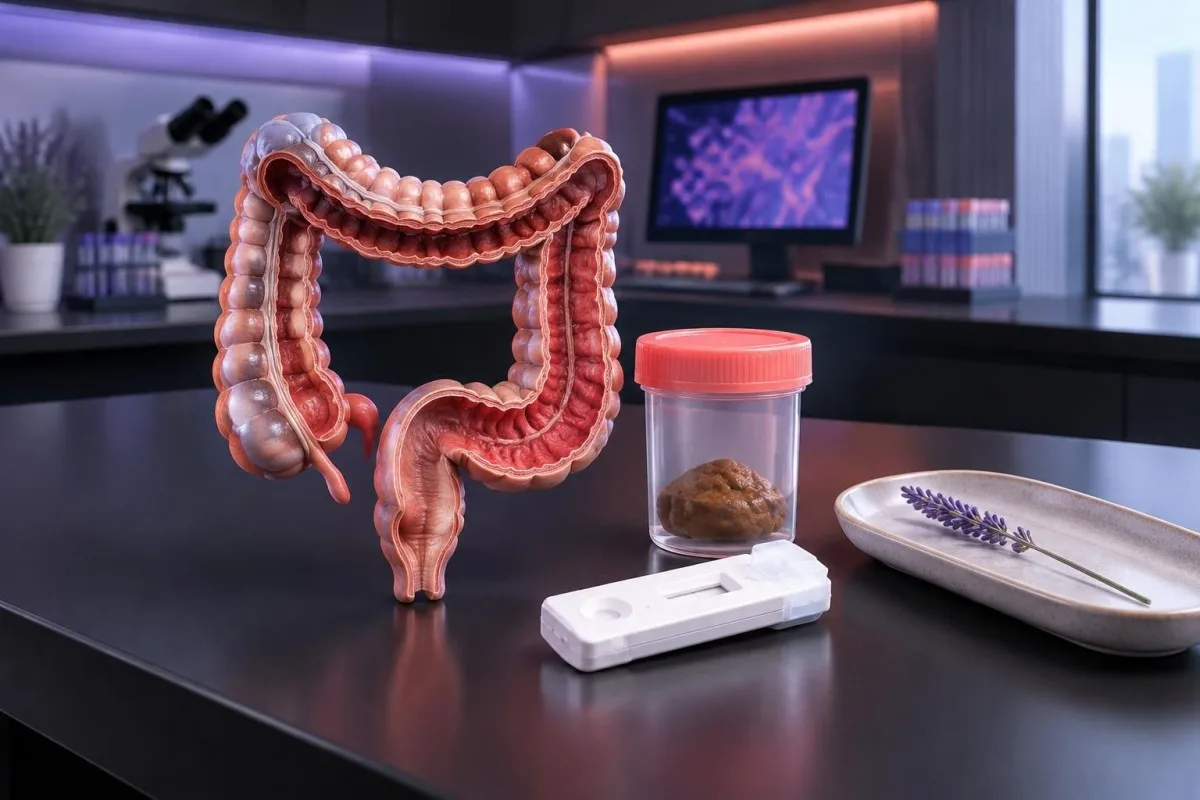
ಮಲದ ಕ್ಯಾಲ್ಪ್ರೊಟೆಕ್ಟಿನ್ ಅಂತರಾಯದ ಉರಿಯೂತಕಾರಿ ಚಟುವಟಿಕೆಯನ್ನು ತೋರಿಸಬಹುದು, ಆದರೆ ಅದು ಕ್ರೋನ್ಸ್ ರೋಗ ಅಥವಾ ಅಲ್ಸರೇಟಿವ್ ಕೊಲೈಟಿಸ್ ಅನ್ನು ಸ್ವತಃ ಗುರುತಿಸಲು ಸಾಧ್ಯವಿಲ್ಲ. ಲಕ್ಷಣಗಳು, ಸೋಂಕಿನ ಪರೀಕ್ಷೆಗಳು, ರಕ್ತದ ಗುರುತುಗಳು, ಚಿತ್ರಣ ಮತ್ತು ಸೂಕ್ತವಾಗಿದ್ದಾಗ ಕೊಲೊನೋಸ್ಕೋಪಿಯೊಂದಿಗೆ ಸಂಯೋಜಿಸಿದಾಗ ಫಲಿತಾಂಶವು ಉಪಯುಕ್ತವಾಗುತ್ತದೆ.

ಪ್ರಮುಖ ಅಂಶಗಳು
- ಕ್ಯಾಲ್ಪ್ರೊಟೆಕ್ಟಿನ್ below 50 µg/g is commonly considered normal in adults, although laboratories use different assays and cutoffs.
- ಗಡಿ ಫಲಿತಾಂಶಗಳು around 50-150 or 50-250 µg/g often need clinical context and sometimes repeat testing rather than an immediate IBD diagnosis.
- ಹೆಚ್ಚಿನ ಫಲಿತಾಂಶಗಳು 150-250 µg/gಕ್ಕಿಂತ ಮೇಲೆ ಇದ್ದರೆ ಕರುಳಿನ ಉರಿಯೂತದ ಬಗ್ಗೆ ಕಾಳಜಿ ಹೆಚ್ಚುತ್ತದೆ, ಆದರೆ ಸೋಂಕು, NSAIDಗಳು, ಸೀಲಿಯಾಕ್ ರೋಗ ಮತ್ತು ಇತರ ಪರಿಸ್ಥಿತಿಗಳೂ ಕ್ಯಾಲ್ಪ್ರೊಟೆಕ್ಟಿನ್ ಅನ್ನು ಹೆಚ್ಚಿಸಬಹುದು.
- ಋಣಾತ್ಮಕ ಫಲಿತಾಂಶ ಸಕ್ರಿಯ ಕೊಲೋನಿಕ್ IBD ಇರುವ ಸಾಧ್ಯತೆಯನ್ನು ಕಡಿಮೆ ಮಾಡುತ್ತದೆ, ಆದರೆ ಸೌಮ್ಯ, ಸ್ಥಳೀಯ ಅಥವಾ ಸಣ್ಣ ಅಂತರದ Crohn's ರೋಗವನ್ನು ಸಂಪೂರ್ಣವಾಗಿ ಹೊರತುಪಡಿಸುವುದಿಲ್ಲ.
- ಮಲದ ಲ್ಯಾಕ್ಟೋಫೆರಿನ್ is another neutrophil-derived marker; a positive result supports intestinal inflammation but cannot distinguish IBD from infection.
- ರೋಗಕಾರಕ ಪರೀಕ್ಷೆ matters because C. difficile, Campylobacter, Salmonella and other infections can cause diarrhoea and elevated calprotectin.
- FIT or occult blood IBD ಯನ್ನೇ ಅಲ್ಲ, ಹಿಮೋಗ್ಲೋಬಿನ್ ಅನ್ನು ಪತ್ತೆಹಚ್ಚುತ್ತದೆ; ಧನಾತ್ಮಕ ಫಲಿತಾಂಶಕ್ಕೆ ರಕ್ತಸ್ರಾವ, ಪಾಲಿಪ್ಗಳು ಅಥವಾ ಇತರ ಕರುಳಿನ ಸ್ಥಿತಿಗಳಿಗಾಗಿ ಪ್ರತ್ಯೇಕ ಮೌಲ್ಯಮಾಪನ ಅಗತ್ಯವಾಗಬಹುದು.
- ತುರ್ತು ಲಕ್ಷಣಗಳು such as heavy rectal bleeding, dehydration, severe abdominal pain, persistent vomiting or fever require prompt medical assessment regardless of calprotectin.
What does a stool test for IBD actually measure?
A stool test for IBD usually measures fecal calprotectin, a protein released mainly by neutrophils during intestinal tissue inflammation. ಇದು ಅಂತರಾಯದಲ್ಲಿನ ಉರಿಯೂತಕಾರಿ ಚಟುವಟಿಕೆಯನ್ನು ಅಂದಾಜಿಸುತ್ತದೆ, ಆದರೆ ಕ್ರೋನ್ಸ್ ರೋಗ ಅಥವಾ ಅಲ್ಸರೇಟಿವ್ ಕೊಲೈಟಿಸ್ ಅನ್ನು ಸ್ವತಃ ಗುರುತಿಸುವುದಿಲ್ಲ; ಫಲಿತಾಂಶವನ್ನು ಲಕ್ಷಣಗಳು, ಸೋಂಕಿನ ಪರೀಕ್ಷೆಗಳು ಮತ್ತು ಇತರ ತನಿಖೆಗಳೊಂದಿಗೆ ಅರ್ಥೈಸಬೇಕು.
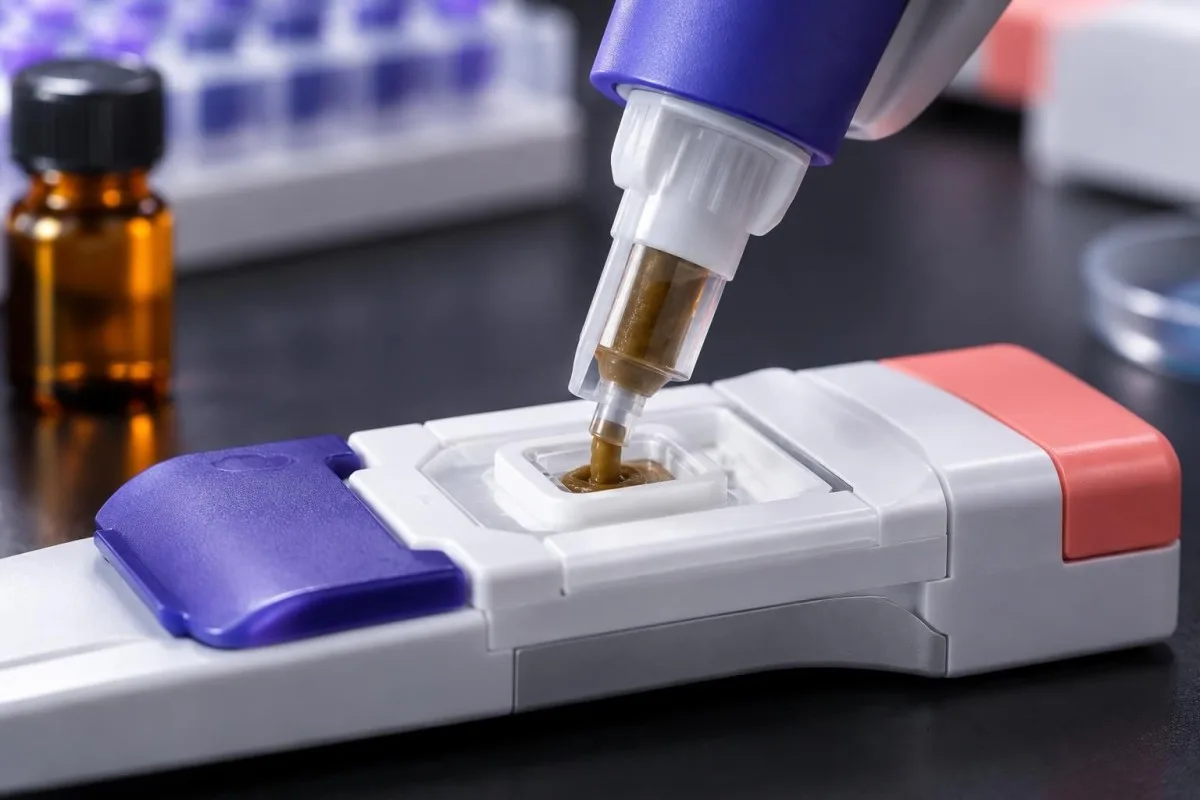
ಫೀಕಲ್ ಕ್ಯಾಲ್ಪ್ರೊಟೆಕ್ಟಿನ್ is reported in micrograms per gram (µg/g) of stool, and many adult laboratories describe values below 50 µg/g as normal. The protein is relatively stable in stool for several days, which makes it practical for outpatient testing, but stability does not make the result disease-specific: an elevated value means that neutrophil activity is present somewhere in the gastrointestinal tract.
ಕ್ಯಾಲ್ಪ್ರೊಟೆಕ್ಟಿನ್ ರೋಗನಿರ್ಣಯದ ಲೇಬಲ್ ಅಲ್ಲ, ಸಾಧ್ಯತೆಯ ಸೂಚಕವಾಗಿದೆ. 380 µg/g ಮೌಲ್ಯವು ಸಕ್ರಿಯ ಅಲ್ಸರೇಟಿವ್ ಕೊಲೈಟಿಸ್, ಕ್ರೋನ್ಸ್ ರೋಗ, ಬ್ಯಾಕ್ಟೀರಿಯಲ್ ಗ್ಯಾಸ್ಟ್ರೋಎಂಟರೈಟಿಸ್, ಡೈವರ್ಟಿಕ್ಯುಲರ್ ಉರಿಯೂತ ಅಥವಾ ಮತ್ತೊಂದು ಅಂತ್ರವಿಕಾರಕ್ಕೆ ಹೊಂದಿಕೆಯಾಗಬಹುದು; ಆದ್ದರಿಂದ ಯಾವ ರೋಗನಿರ್ಣಯವು ಕಾರಣವಾಗಿದೆ ಎಂಬುದನ್ನು ಈ ಸಂಖ್ಯೆ ನಿರ್ಧರಿಸಲಾರದು. ವೈದ್ಯರು ಇದನ್ನು ಇತರ ಸಾಕ್ಷ್ಯಗಳೊಂದಿಗೆ ಸಂಯೋಜಿಸುವ ಕಾರಣವೆಂದರೆ ಅದೇ ಜೈವಿಕ ಪ್ರತಿಕ್ರಿಯೆಯು ಹಲವಾರು ವಿಭಿನ್ನ ಕಾರಣಗಳಿಂದ ಉಂಟಾಗಬಹುದು.
A stool result also reflects where inflammation is occurring. Colonic inflammation tends to release enough marker into stool to produce a clearer rise, whereas mild isolated ileal Crohn's disease can sometimes produce a lower result; this is one reason a normal test cannot always overrule persistent symptoms. The ಕ್ಯಾಲ್ಪ್ರೊಟೆಕ್ಟಿನ್ ಮತ್ತು ಲ್ಯಾಕ್ಟೋಫೆರಿನ್ ಮಾರ್ಗದರ್ಶಿ explains why different stool markers can disagree.
ಉರಿಯೂತಕಾರಿ ಕರುಳಿನ ರೋಗವನ್ನು ಇರಿಟೇಬಲ್ ಬವಲ್ ಸಿಂಡ್ರೋಮ್ನಂತಹ ಉರಿಯೂತವಲ್ಲದ ಸ್ಥಿತಿಗಳಿಂದ ವೈದ್ಯರು ಭೇದಿಸುವಾಗ ಸಹಾಯಕವಾಗಿ ಮಲದ ಕ್ಯಾಲ್ಪ್ರೊಟೆಕ್ಟಿನ್ ಅನ್ನು ಬಳಸಲು National Institute for Health and Care Excellence ಶಿಫಾರಸು ಮಾಡುತ್ತದೆ; ಸ್ವತಂತ್ರ ರೋಗನಿರ್ಣಯ ಪರೀಕ್ಷೆಯಾಗಿ ಅಲ್ಲ (NICE, 2013). ಪ್ರಾಯೋಗಿಕವಾಗಿ, ಪೂರ್ವ-ಪರೀಕ್ಷಾ ಪ್ರಶ್ನೆ ಸ್ಪಷ್ಟವಾಗಿರುವಾಗ ಈ ಪರೀಕ್ಷೆ ಅತ್ಯಂತ ಉಪಯುಕ್ತವಾಗುತ್ತದೆ: ಹೆಚ್ಚಿನ ಮೌಲ್ಯಮಾಪನವನ್ನು ಸಮರ್ಥಿಸಲು ಕರುಳಿನ ಉರಿಯೂತದ ಸಾಕಷ್ಟು ಸಾಕ್ಷ್ಯವಿದೆಯೇ?
Why the result is not the same as an IBD diagnosis
A calprotectin result cannot tell Crohn's disease from ulcerative colitis because both conditions can recruit neutrophils into the intestinal lining. It also cannot reliably distinguish active IBD from a short-lived infection when the sample is collected during acute diarrhoea; a pathogen panel and symptom timeline may be more informative in that setting.
The result is strongest when it changes a decision. For example, a person with six weeks of diarrhoea, weight loss and calprotectin of 620 µg/g needs a different pathway from someone with intermittent bloating, no weight loss and calprotectin of 42 µg/g. Neither number alone proves or excludes a diagnosis.
What does a positive fecal calprotectin result mean?
A positive fecal calprotectin result means that intestinal inflammatory activity is more likely, not that IBD has been confirmed. Values above roughly 150-250 µg/g commonly prompt closer assessment, but the appropriate cutoff depends on the assay, age, symptoms, medications and whether infection has been excluded.
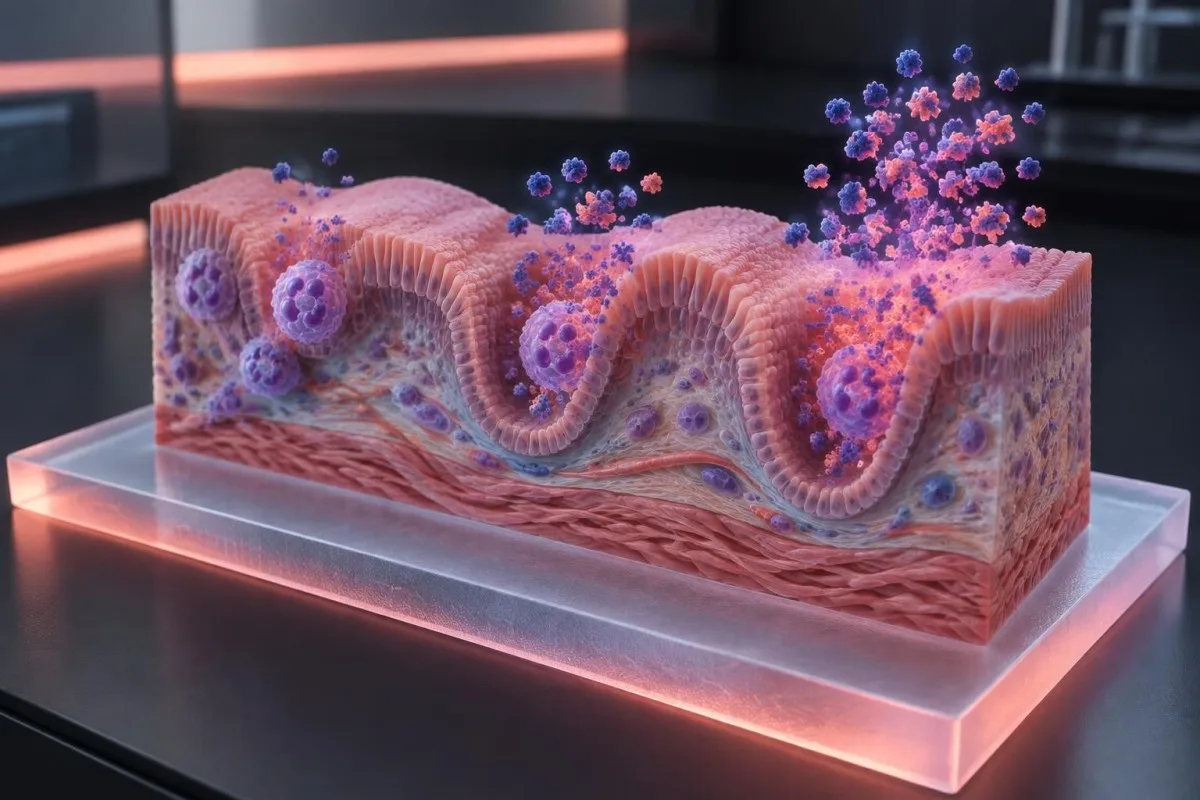
ಅನೇಕ ಪ್ರಯೋಗಾಲಯಗಳು 50 µg/g ಕ್ಕಿಂತ ಕಡಿಮೆಯನ್ನು ಸಾಮಾನ್ಯ ವಯಸ್ಕರ ಫಲಿತಾಂಶವಾಗಿ, 50-120 ಅಥವಾ 50-150 µg/g ಅನ್ನು ಗಡಿಭಾಗದ ಮೌಲ್ಯವಾಗಿ ಮತ್ತು 150-250 µg/g ಕ್ಕಿಂತ ಹೆಚ್ಚಿನ ಮೌಲ್ಯಗಳನ್ನು ಸ್ಪಷ್ಟವಾಗಿ ಹೆಚ್ಚಿದವು ಎಂದು ಬಳಸುತ್ತವೆ. ಇವು ಸಾರ್ವತ್ರಿಕ ನಿಯಮಗಳಲ್ಲ, ಪ್ರಾಯೋಗಿಕ ವ್ಯಾಪ್ತಿಗಳಾಗಿವೆ: ಕೆಲವು ಸೇವೆಗಳು ರೆಫರಲ್ ಮಿತಿಯಾಗಿ 100 µg/g ಅನ್ನು ಬಳಸುತ್ತವೆ, ಇತರವು ನಿರ್ದಿಷ್ಟತೆಯನ್ನು ಹೆಚ್ಚಿಸಲು ಮತ್ತು ಅನಗತ್ಯ ಕೊಲೊನೋಸ್ಕೋಪಿಗಳನ್ನು ಕಡಿಮೆ ಮಾಡಲು 250 µg/g ಅನ್ನು ಬಳಸುತ್ತವೆ. ನಿಮ್ಮ ಫಲಿತಾಂಶದ ಪಕ್ಕದಲ್ಲಿ ಮುದ್ರಿಸಿರುವ ಉಲ್ಲೇಖ ಅಂತರವನ್ನು ಯಾವಾಗಲೂ ಓದಿ.
250 µg/gಕ್ಕಿಂತ ಹೆಚ್ಚಿನ ಮೌಲ್ಯವು 75 µg/g ಮೌಲ್ಯಕ್ಕಿಂತ ಸಕ್ರಿಯ ಅಂತರದ ಉರಿಯೂತದ ಬಗ್ಗೆ ಹೆಚ್ಚು ಆತಂಕಕಾರಿಯಾಗಿದೆ, ಆದರೆ ಈ ಸಂಬಂಧ ರೇಖೀಯವಾಗಿಲ್ಲ. 500 µg/g ಕ್ಯಾಲ್ಪ್ರೊಟೆಕ್ಟಿನ್ 250 µg/gಗಿಂತ ಸ್ವಯಂಚಾಲಿತವಾಗಿ ಎರಡು ಪಟ್ಟು ಗಂಭೀರವೆಂದು ಅರ್ಥವಲ್ಲ, ಮತ್ತು ಪರಿಣಾಮಕ್ಕೊಳಗಾದ ಅಂತರದ ನಿಖರ ಉದ್ದ ಅಥವಾ ಸ್ಥಳವನ್ನು ಇದು ಊಹಿಸುವುದಿಲ್ಲ. ಇದನ್ನು ವಿವರಣೆ ಅಗತ್ಯವಿರುವ ಒಂದು ಸಂಕೇತವಾಗಿ ಪರಿಗಣಿಸುವುದು ಉತ್ತಮ.
Non-IBD causes of elevation include bacterial or parasitic gastroenteritis, C. difficile, regular NSAID use, colorectal neoplasia, diverticulitis and coeliac disease. Proton pump inhibitors and recent gastrointestinal disturbance may also complicate interpretation in some patients, although the size and consistency of these effects are less certain than the effect of infection or NSAIDs.
Turvill ಮತ್ತು ಸಹೋದ್ಯೋಗಿಗಳು 2021ರಲ್ಲಿ ನಡೆಸಿದ ಮೆಟಾ-ವಿಶ್ಲೇಷಣೆಯ ಪ್ರಕಾರ, ಮಲದ ಕ್ಯಾಲ್ಪ್ರೊಟೆಕ್ಟಿನ್ ಉರಿಯೂತಕಾರಿ ಮತ್ತು ಉರಿಯೂತವಲ್ಲದ ಅಂತರದ ಲಕ್ಷಣಗಳನ್ನು ಬೇರ್ಪಡಿಸಲು ಸಹಾಯ ಮಾಡಬಹುದು, ಆದರೆ ರೋಗನಿರ್ಣಯದ ಕಾರ್ಯಕ್ಷಮತೆ ಕಟ್ಆಫ್ ಮತ್ತು ರೋಗಿಗಳ ಸಮೂಹದೊಂದಿಗೆ ಬದಲಾಗುತ್ತದೆ. ಈ ಅನಿಶ್ಚಿತತೆಯಿಂದಾಗಿ ಸ್ವಲ್ಪ ಮಟ್ಟಿಗೆ ಧನಾತ್ಮಕ ಫಲಿತಾಂಶವು ಸಾಮಾನ್ಯವಾಗಿ ಪುನಃ ಮಾದರಿ ಅಥವಾ ಹೆಚ್ಚುವರಿ ಪರೀಕ್ಷೆಗೆ ಕಾರಣವಾಗುತ್ತದೆ; ಆದರೆ ಅಪಾಯ ಸೂಚಿಸುವ ಲಕ್ಷಣಗಳೊಂದಿಗೆ ಬಹಳ ಹೆಚ್ಚಿನ ಫಲಿತಾಂಶವು ನೇರವಾಗಿ ಗ್ಯಾಸ್ಟ್ರೋಎಂಟರಾಲಜಿ ಮೌಲ್ಯಮಾಪನಕ್ಕೆ ಕಾರಣವಾಗಬಹುದು.
| ಮಟ್ಟ | ವ್ಯಾಪ್ತಿ | ಅದರ ಅರ್ಥ |
|---|---|---|
| ಸಾಮಾನ್ಯವಾಗಿ ಸಾಮಾನ್ಯ | <50 µg/g | Active colonic inflammation is less likely, although mild or isolated small-bowel disease is not completely excluded. |
| ಗಡಿರೇಖೆ | 50-150 µg/g | ತಕ್ಷಣವೇ ಲೇಬಲ್ ಮಾಡುವುದಕ್ಕಿಂತ ಪುನಃ ಪರೀಕ್ಷೆ ಮಾಡುವುದು ಮತ್ತು ಸೋಂಕು, NSAIDs, ಇತ್ತೀಚಿನ ಅಸ್ವಸ್ಥತೆ ಹಾಗೂ ರೋಗಲಕ್ಷಣಗಳನ್ನು ಪರಿಶೀಲಿಸುವುದು ಹೆಚ್ಚಾಗಿ ಹೆಚ್ಚು ಉಪಯುಕ್ತವಾಗಿರುತ್ತದೆ. |
| 명확히 상승 | 150-250 µg/g | ಉರಿಯೂತದ ಸಾಧ್ಯತೆ ಹೆಚ್ಚಾಗುತ್ತದೆ; ವಿಶೇಷವಾಗಿ ಅತಿಸಾರ, ರಕ್ತಸ್ರಾವ ಅಥವಾ ತೂಕ ಇಳಿಕೆಯೊಂದಿಗೆ ವೈದ್ಯರು ಹೆಚ್ಚಿನ ಮೌಲ್ಯಮಾಪನವನ್ನು ಏರ್ಪಡಿಸಬಹುದು. |
| ಹೆಚ್ಚಿನ | >250 µg/g | Substantial intestinal inflammation is possible, but infection and other causes still need consideration before diagnosing IBD. |
Why laboratories use different cutoffs
Calprotectin assays are not perfectly interchangeable, so a result of 120 µg/g may be classified differently by two laboratories. Differences in antibodies, extraction methods, reporting units and reference populations can shift the apparent threshold by several tens of micrograms per gram.
ದಿ borderline calprotectin retesting guide ಮಾದರಿಯನ್ನು ಮರುಪರೀಕ್ಷಿಸುವ ಮೊದಲು ಮುಖ್ಯವಾಗುವ ಪ್ರಾಯೋಗಿಕ ಪ್ರಶ್ನೆಗಳನ್ನು ಒಳಗೊಂಡಿದೆ, ಇತ್ತೀಚಿನ ಆಂಟಿಬಯಾಟಿಕ್ಗಳು, NSAIDಗಳು, ತೀವ್ರ ಅತಿಸಾರ ಮತ್ತು ರೋಗಲಕ್ಷಣಗಳು ಸುಧಾರಿಸುತ್ತಿವೆಯೇ ಎಂಬುದನ್ನೂ ಒಳಗೊಂಡಂತೆ.
Can a negative stool test rule out Crohn's disease or colitis?
A negative calprotectin result lowers the likelihood of active colonic IBD, but it does not rule out every form of Crohn's disease or ulcerative colitis. The chance of a false-negative result is higher with mild disease, disease limited to a short segment, isolated small-bowel Crohn's disease, sampling problems or treatment that has already reduced inflammation.
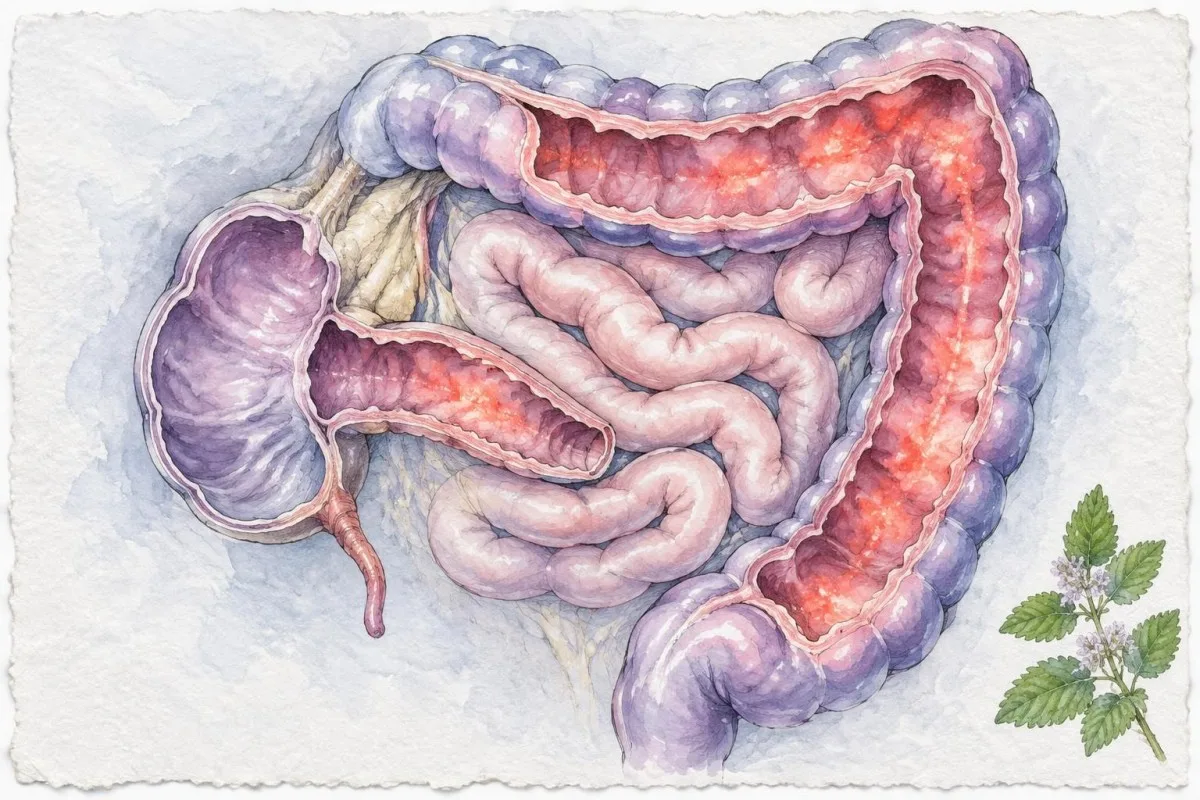
A low result is most reassuring when the sample was collected during active symptoms, before anti-inflammatory treatment, and when the person has no anaemia, raised C-reactive protein, rectal bleeding or unexplained weight loss. It is less reassuring when the only abnormality is persistent right-sided abdominal pain, because small-bowel disease can be harder for stool markers to capture.
For a hypothetical 29-year-old with three weeks of loose stools, calprotectin of 38 µg/g, normal haemoglobin and no nocturnal symptoms, immediate IBD is less likely than a self-limited or functional explanation. For a hypothetical 29-year-old with calprotectin of 38 µg/g, ferritin of 9 ng/mL and repeated nocturnal diarrhoea, the same stool value would not end the investigation.
Why can stool findings and symptoms disagree?
Discordant results usually mean that the marker, the symptoms or the timing needs closer examination; they do not automatically mean that one result is wrong. ರೋಗಲಕ್ಷಣಗಳು ಸೌಮ್ಯವಾಗಿರುವಾಗ ಹೆಚ್ಚಿನ ಕ್ಯಾಲ್ಪ್ರೊಟೆಕ್ಟಿನ್ ಇತ್ತೀಚಿನ ಸೋಂಕು ಅಥವಾ ಔಷಧಿಯ ಪರಿಣಾಮವನ್ನು ಪ್ರತಿಬಿಂಬಿಸಬಹುದು, ಆದರೆ ಕ್ಯಾಲ್ಪ್ರೊಟೆಕ್ಟಿನ್ ಕಡಿಮೆಯಾಗಿರುವಾಗ ತೀವ್ರ ರೋಗಲಕ್ಷಣಗಳು ಉರಿಯೂತವಲ್ಲದ ರೋಗ, ಸಣ್ಣ ಅಂತರದ ರೋಗ, ಮಾದರಿ ಸಂಗ್ರಹಣೆಯ ಮಿತಿಗಳು ಅಥವಾ ಪರೀಕ್ಷೆಯ ಗುರಿಯ ಹೊರಗಿನ ಸಮಸ್ಯೆಯನ್ನು ಪ್ರತಿಬಿಂಬಿಸಬಹುದು.
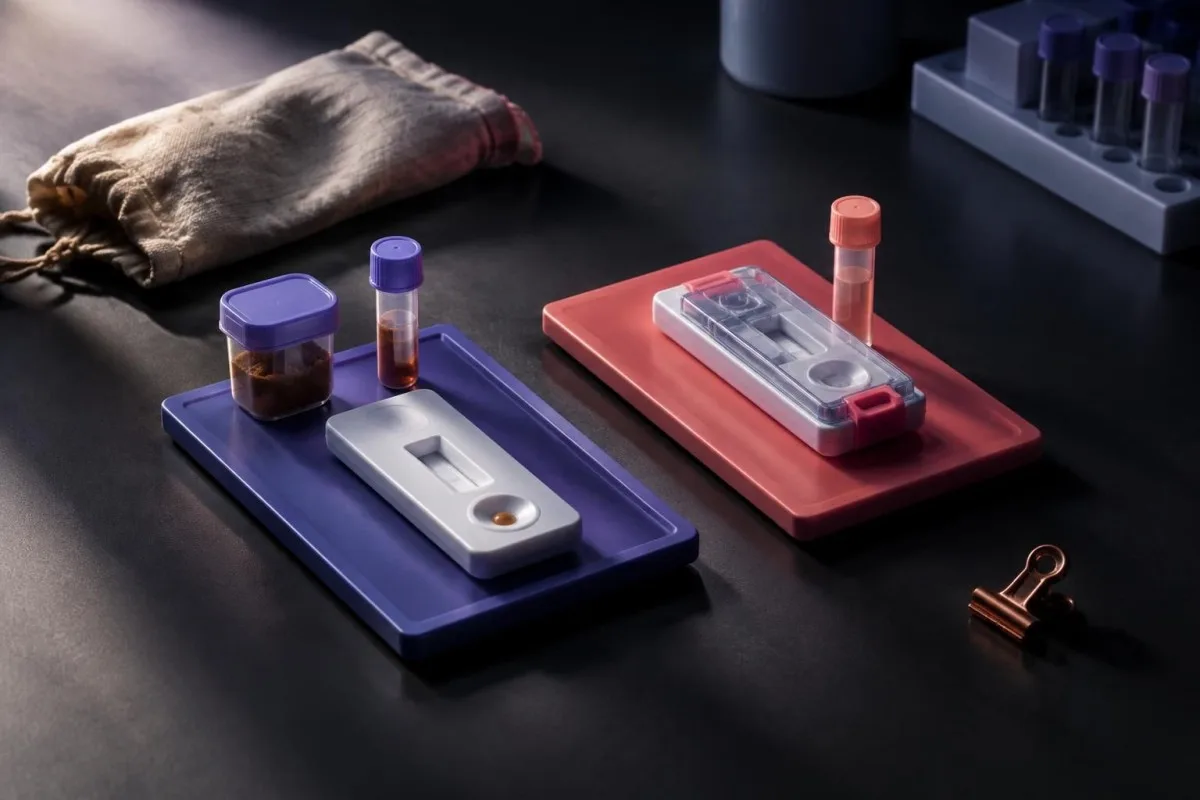
High calprotectin with negative pathogen testing and relatively few symptoms can occur in early IBD, resolving infection, NSAID exposure or a structural bowel problem. A single value of 280 µg/g should therefore trigger a medication and illness review, not an assumption that a flare is present. Repeating the test after the suspected temporary trigger has resolved can show whether the signal persists.
ಗುರುತು ಕಡಿಮೆಯಿದ್ದರೂ ತೀವ್ರ ಲಕ್ಷಣಗಳಿದ್ದಾಗ ಬೇರೆ ಪ್ರಶ್ನೆ ಕೇಳಬೇಕು: ಲಕ್ಷಣವು ಮ್ಯೂಕೋಸಲ್ ನ್ಯೂಟ್ರೋಫಿಲ್ ಉರಿಯೂತದಿಂದಲೇ ಉಂಟಾಗಿದೆಯೇ? ಪಿತ್ತಾಮ್ಲ ಅತಿಸಾರ, ಲ್ಯಾಕ್ಟೋಸ್ ಅಸಹಿಷ್ಣುತೆ, ಸೀಲಿಯಾಕ್ ರೋಗ, ಅಗ್ನ್ಯಾಶಯದ ಅಪರ್ಯಾಪ್ತತೆ, ಸೂಕ್ಷ್ಮದರ್ಶಕೀಯ ಕೊಲೈಟಿಸ್ ಮತ್ತು ಕಾರ್ಯಾತ್ಮಕ ಅಂತರಾಯದ ಅಸ್ವಸ್ಥತೆಗಳು ಕ್ಯಾಲ್ಪ್ರೊಟೆಕ್ಟಿನ್ನಲ್ಲಿ ಅಲ್ಪ ಏರಿಕೆಯೊಂದಿಗೇ ಗಮನಾರ್ಹ ಲಕ್ಷಣಗಳನ್ನು ಉಂಟುಮಾಡಬಹುದು. ಇವುಗಳಲ್ಲಿ ಕೆಲವು ಸ್ಥಿತಿಗಳಿಗೆ ಪ್ರತ್ಯೇಕ ರಕ್ತ, ಉಸಿರಾಟ, ಮಲ ಅಥವಾ ಅಂಗಾಂಶಾಧಾರಿತ ಪರೀಕ್ಷೆಗಳ ಅಗತ್ಯವಿರುತ್ತದೆ.
Calprotectin and C-reactive protein can also disagree because they measure different compartments. Calprotectin reflects neutrophil activity reaching stool, whereas C-reactive protein reflects a systemic liver response and may remain normal in localised disease. Conversely, obesity, infection outside the bowel or another inflammatory condition can raise C-reactive protein without causing IBD.
A useful follow-up pattern is persistence rather than one isolated abnormality. For example, calprotectin values of 310, 290 and 275 µg/g over eight weeks are more concerning than one result of 310 µg/g after a bout of gastroenteritis, particularly if haemoglobin, albumin or platelet count also changes. The platelet trend guide explains why a rising platelet count can add context to intestinal inflammation.
A practical discordance checklist
ರೋಗಲಕ್ಷಣಗಳು ಮತ್ತು ಕ್ಯಾಲ್ಪ್ರೊಟೆಕ್ಟಿನ್ ಫಲಿತಾಂಶಗಳು ಹೊಂದಿಕೆಯಾಗದಿದ್ದಾಗ, ಮಾದರಿ ದಿನಾಂಕವನ್ನು ಅತಿಸಾರದ ಆರಂಭ, ಆಂಟಿಬಯಾಟಿಕ್ಗಳು, NSAIDಗಳು ಮತ್ತು ಉರಿಯೂತ ನಿರೋಧಕ ಚಿಕಿತ್ಸೆಯೊಂದಿಗೆ ಹೋಲಿಸಿ ಪರಿಶೀಲಿಸಿ. ಹಿಮೋಗ್ಲೋಬಿನ್, ಆಲ್ಬುಮಿನ್, C-reactive protein, ಪ್ಲೇಟ್ಲೆಟ್ ಎಣಿಕೆ, ತೂಕದ ಬದಲಾವಣೆ ಮತ್ತು ರೋಗಲಕ್ಷಣಗಳಿಂದ ವ್ಯಕ್ತಿ ರಾತ್ರಿ ಎಚ್ಚರಗೊಳ್ಳುತ್ತಾರೆಯೇ ಎಂಬುದರೊಂದಿಗೆ ಫಲಿತಾಂಶವನ್ನು ಹೋಲಿಸಿ.
ದಿ WBC ಮತ್ತು CRP ಹೋಲಿಕೆ ಮಲದ ಮಾರ್ಕರ್ ಮತ್ತು ವ್ಯವಸ್ಥಿತ ಉರಿಯೂತೀಯ ಮಾರ್ಕರ್ಗಳು ಒಂದೇ ದಿಕ್ಕನ್ನು ಸೂಚಿಸದಾಗ ಉಪಯುಕ್ತವಾಗುತ್ತದೆ. ಯಾವುದೇ ಸಂಯೋಜನೆಯೂ ಪರಿಪೂರ್ಣವಲ್ಲ, ಆದರೆ ಪ್ರತ್ಯೇಕ ಎಚ್ಚರಿಕೆ ಸೂಚನೆಗಳಿಗಿಂತ ಮಾದರಿಗಳು ಸಾಮಾನ್ಯವಾಗಿ ಹೆಚ್ಚು ಮಾಹಿತಿಪೂರ್ಣವಾಗಿರುತ್ತವೆ.
IBD ಮೌಲ್ಯಮಾಪನದಲ್ಲಿ ಯಾವ ಸಂಬಂಧಿತ ಮಲದ ಕಂಡುಬರುವಿಕೆಗಳು ಮುಖ್ಯವಾಗಿವೆ?
Related stool findings help identify inflammation, bleeding and infection, but each test answers a different question. Fecal lactoferrin supports neutrophil activity, FIT or occult-blood testing detects haemoglobin, and pathogen testing looks for infectious causes that can imitate an IBD flare.
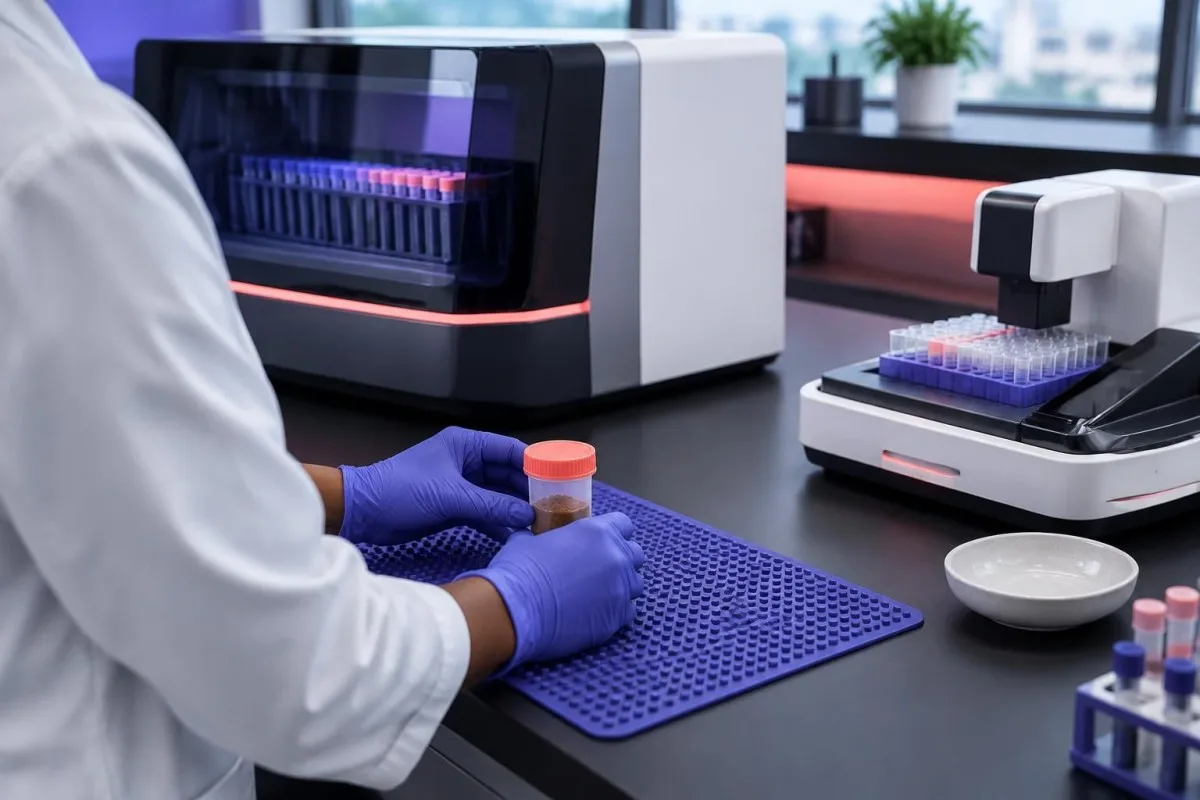
ಮಲ ಲ್ಯಾಕ್ಟೋಫೆರಿನ್ (Fecal lactoferrin) is a neutrophil-associated protein that can rise in active intestinal inflammation, with many laboratories reporting it qualitatively or in µg/g. A positive result can support IBD, but it can also occur with bacterial gastroenteritis, colorectal inflammation and other conditions; calprotectin and lactoferrin are complementary rather than interchangeable.
ಮಲದ ರೋಗಕಾರಕ ಪರೀಕ್ಷೆ may include culture, multiplex PCR, ova-and-parasite testing or targeted assays based on travel, exposures and immune status. C. difficile deserves special attention because it can cause diarrhoea and raised calprotectin in people with or without known IBD, and treating it as an IBD flare without testing can lead to the wrong therapy.
FIT ಮತ್ತು ಮಲದ ಗುಪ್ತ-ರಕ್ತ ಪರೀಕ್ಷೆಗಳು detect haemoglobin, not intestinal immune activity. A positive FIT can occur with haemorrhoids, polyps, colorectal cancer, infection or IBD, while a negative FIT does not exclude IBD because inflammation may not bleed detectably at the time of collection; the ಧನಾತ್ಮಕ FIT ವಿವರಣೆ ಆ ವ್ಯತ್ಯಾಸವನ್ನು ವಿವರಿಸುತ್ತದೆ.
ಮಲದ ಆಲ್ಫಾ-1 ಆಂಟಿಟ್ರಿಪ್ಸಿನ್ ಪ್ರೋಟೀನ್-ನಷ್ಟದ ಎಂಟರೋಪಥಿಯ ತನಿಖೆಗೆ ಸಹಾಯ ಮಾಡಬಹುದು, ವಿಶೇಷವಾಗಿ ಅತಿಸಾರ ಅಥವಾ ಊತದೊಂದಿಗೆ ಆಲ್ಬುಮಿನ್ ಕಡಿಮೆಯಿದ್ದಾಗ, ಆದರೆ ಇದು ನಿಯಮಿತ IBD ದೃಢೀಕರಣ ಪರೀಕ್ಷೆಯಲ್ಲ. ಮಲದ ಕೊಬ್ಬು, ಪ್ಯಾಂಕ್ರಿಯಾಟಿಕ್ ಎಲಾಸ್ಟೇಸ್ ಮತ್ತು ಮೈಕ್ರೋಬಯೋಮ್ ಪ್ಯಾನೆಲ್ಗಳು ವಿಭಿನ್ನ ವೈದ್ಯಕೀಯ ಪ್ರಶ್ನೆಗಳಿಗೆ ಉತ್ತರಿಸುತ್ತವೆ ಮತ್ತು ಕ್ಯಾಲ್ಪ್ರೊಟೆಕ್ಟಿನ್ ಅಥವಾ ಎಂಡೋಸ್ಕೋಪಿಕ್ ಮೌಲ್ಯಮಾಪನಕ್ಕೆ ಪರ್ಯಾಯಗಳೆಂದು ಪರಿಗಣಿಸಬಾರದು.
ಸೋಂಕಿನ ಪರೀಕ್ಷೆಯನ್ನು ಬೇಗ ಮಾಡಬೇಕಾದ ಕಾರಣ
In acute diarrhoea lasting fewer than 14 days, infection is often a more immediate explanation than new IBD, especially with fever, household exposure or recent travel. A positive pathogen result can explain a high calprotectin temporarily, although persistent symptoms after treatment may still justify repeat inflammatory testing.
ದಿ C. difficile ಫಲಿತಾಂಶ ಮಾರ್ಗದರ್ಶಿ GDH, ಟಾಕ್ಸಿನ್ ಮತ್ತು PCR ಫಲಿತಾಂಶಗಳು ಏಕೆ ಪರಸ್ಪರ ಭಿನ್ನವಾಗಬಹುದು ಎಂಬುದನ್ನು ವಿವರಿಸುತ್ತದೆ. ಪತ್ತೆಯಾದ ಜೀವಿ ಯಾವಾಗಲೂ ಟಾಕ್ಸಿನ್ನಿಂದ ಉಂಟಾದ ರೋಗಕ್ಕೆ ಸಮನಾಗಿರುವುದಿಲ್ಲ, ಆದ್ದರಿಂದ ಪ್ರಯೋಗಾಲಯದ ವಿಧಾನ ಮತ್ತು ವೈದ್ಯಕೀಯ ಚಿತ್ರಣ ಮುಖ್ಯವಾಗುತ್ತವೆ.
How do stool results fit the diagnosis of Crohn's disease or ulcerative colitis?
ಉರಿಯೂತಕಾರಿ ಚಟುವಟಿಕೆಯನ್ನು ಅಂದಾಜಿಸುವ ಮೂಲಕ ಮಲದ ಮಾರ್ಕರ್ಗಳು IBD ಪರಿಶೀಲನೆಗೆ ಬೆಂಬಲ ನೀಡುತ್ತವೆ, ಆದರೆ ರೋಗನಿರ್ಣಯವು ಸಾಮಾನ್ಯವಾಗಿ ಇತಿಹಾಸ, ದೈಹಿಕ ಪರೀಕ್ಷೆ, ರಕ್ತ ಪರೀಕ್ಷೆಗಳು, ಎಂಡೋಸ್ಕೋಪಿ, ತುಂಡುಪರಿಶೀಲನೆ ಮತ್ತು ಇಮೇಜಿಂಗ್ನ ಸಂಯೋಜಿತ ಮಾದರಿಯ ಮೇಲೆ ಅವಲಂಬಿತವಾಗಿರುತ್ತದೆ. Colonoscopy with biopsies is often central for suspected colitis, whereas magnetic resonance enterography or capsule assessment may be needed when small-bowel Crohn's disease is suspected.

The diagnosis of ulcerative colitis usually depends on a compatible symptom pattern and continuous mucosal inflammation beginning in the rectum, supported by colonoscopy and tissue examination. Crohn's disease can affect any part of the gastrointestinal tract, often in discontinuous areas, so imaging and small-bowel evaluation may be more important when symptoms suggest disease beyond the colon.
Blood tests add a different layer of evidence. Low haemoglobin, low ferritin, low albumin, raised platelet count or increased C-reactive protein can support active or complicated disease, but normal blood tests do not exclude IBD. The ಕಬ್ಬಿಣ ಅಧ್ಯಯನ ಮಾರ್ಗದರ್ಶಿ ರಕ್ತಹೀನತೆ ಸ್ಪಷ್ಟವಾಗುವ ಮೊದಲು ದೀರ್ಘಕಾಲದ ಅಂತರ್ನಾಳದ ನಷ್ಟ ಅಥವಾ ಕಳಪೆ ಶೋಷಣೆಯಿಂದ ಕಬ್ಬಿಣದ ಕೊರತೆ ಬೆಳೆಯಬಹುದು ಎಂಬ ಕಾರಣದಿಂದ ಇದು ವಿಶೇಷವಾಗಿ ಸಂಬಂಧಿಸಿದೆ.
A calprotectin result may influence the urgency of referral rather than provide the diagnosis. A patient with chronic diarrhoea and 700 µg/g may need rapid gastroenterology assessment, while a patient with 48 µg/g and no alarm features may initially be managed with observation or evaluation for non-inflammatory causes, depending on the full history.
ಅನುಕರಿಸುವ ಸ್ಥಿತಿಗಳನ್ನು ಹೊರತುಪಡಿಸುವುದರ ಮೇಲೂ ರೋಗನಿರ್ಣಯ ಅವಲಂಬಿತವಾಗಿರುತ್ತದೆ. ಸೀಲಿಯಾಕ್ ರೋಗ, ಅಂತರ್ನಾಳದ ಸೋಂಕು, ಕೊಲೊರೆಕ್ಟಲ್ ನಿಯೋಪ್ಲಾಸಿಯಾ, ಸೂಕ್ಷ್ಮ ಕೊಲೈಟಿಸ್, ಔಷಧಿ-ಸಂಬಂಧಿತ ಹಾನಿ ಮತ್ತು ಇಸ್ಕೀಮಿಕ್ ಅಥವಾ ಡೈವರ್ಟಿಕ್ಯುಲರ್ ಉರಿಯೂತವು IBDಯೊಂದಿಗೆ ವೈದ್ಯಕೀಯವಾಗಿ ಹೋಲಿಕೆಯಾಗಬಹುದು. ಅದಕ್ಕಾಗಿಯೇ ಒಂದೇ ಮಲ ಪರೀಕ್ಷೆಯ ಫಲಿತಾಂಶವು ವಿಭಿನ್ನ ಜನರಲ್ಲಿ ವಿಭಿನ್ನ ಮುಂದಿನ ಹಂತಗಳಿಗೆ ಕಾರಣವಾಗಬಹುದು.
When colonoscopy or imaging becomes more likely
ಕ್ಯಾಲ್ಪ್ರೊಟೆಕ್ಟಿನ್ ಸ್ಥಳೀಯ ರೆಫರಲ್ ಮಿತಿಗಿಂತ ಮೇಲೆ ಉಳಿದಾಗ, ಲಕ್ಷಣಗಳು ನಾಲ್ಕರಿಂದ ಆರು ವಾರಗಳಿಗಿಂತ ಹೆಚ್ಚು ಕಾಲ ಮುಂದುವರಿದಾಗ, ಗುದನಾಳದ ರಕ್ತಸ್ರಾವ, ಕಬ್ಬಿಣದ ಕೊರತೆಯ ರಕ್ತಹೀನತೆ, ತೂಕ ಇಳಿಕೆ, ರಾತ್ರಿ ಉಂಟಾಗುವ ಅತಿಸಾರ ಅಥವಾ ಬಲವಾದ ಕುಟುಂಬ ಇತಿಹಾಸ ಇದ್ದಾಗ ಎಂಡೋಸ್ಕೋಪಿಕ್ ಮೌಲ್ಯಮಾಪನದ ಸಾಧ್ಯತೆ ಹೆಚ್ಚಾಗುತ್ತದೆ. ನಿಖರವಾದ ಸಮಯವು ವಯಸ್ಸು, ಲಕ್ಷಣಗಳ ತೀವ್ರತೆ ಮತ್ತು ತಜ್ಞರ ಆರೈಕೆಯ ಲಭ್ಯತೆಯನ್ನು ಅವಲಂಬಿಸಿ ಬದಲಾಗುತ್ತದೆ.
When small-bowel Crohn's disease is a concern, a normal colonoscopy and low calprotectin may still be insufficient if obstructive pain, unexplained iron deficiency or weight loss continues. Cross-sectional imaging can identify bowel-wall and extra-luminal changes that stool markers cannot measure.
What does calprotectin mean when IBD is already diagnosed?
ಸ್ಥಾಪಿತ IBD ಯಲ್ಲಿ, ಕ್ಯಾಲ್ಪ್ರೊಟೆಕ್ಟಿನ್ ಮುಖ್ಯವಾಗಿ ಮೇಲ್ವಿಚಾರಣಾ ಮಾರ್ಕರ್ ಆಗಿದೆ: ಏರುತ್ತಿರುವ ಮೌಲ್ಯವು ಲಕ್ಷಣಗಳಿಗೆ ಮುಂಚಿತವಾಗಿರಬಹುದು, ಇಳಿಯುತ್ತಿರುವ ಮೌಲ್ಯವು ಚಿಕಿತ್ಸೆಗೆ ಪ್ರತಿಕ್ರಿಯೆಯನ್ನು ಬೆಂಬಲಿಸಬಹುದು. It still cannot show the full disease burden by itself, and treatment decisions should consider symptoms, endoscopic findings, blood tests, medication levels and complications.
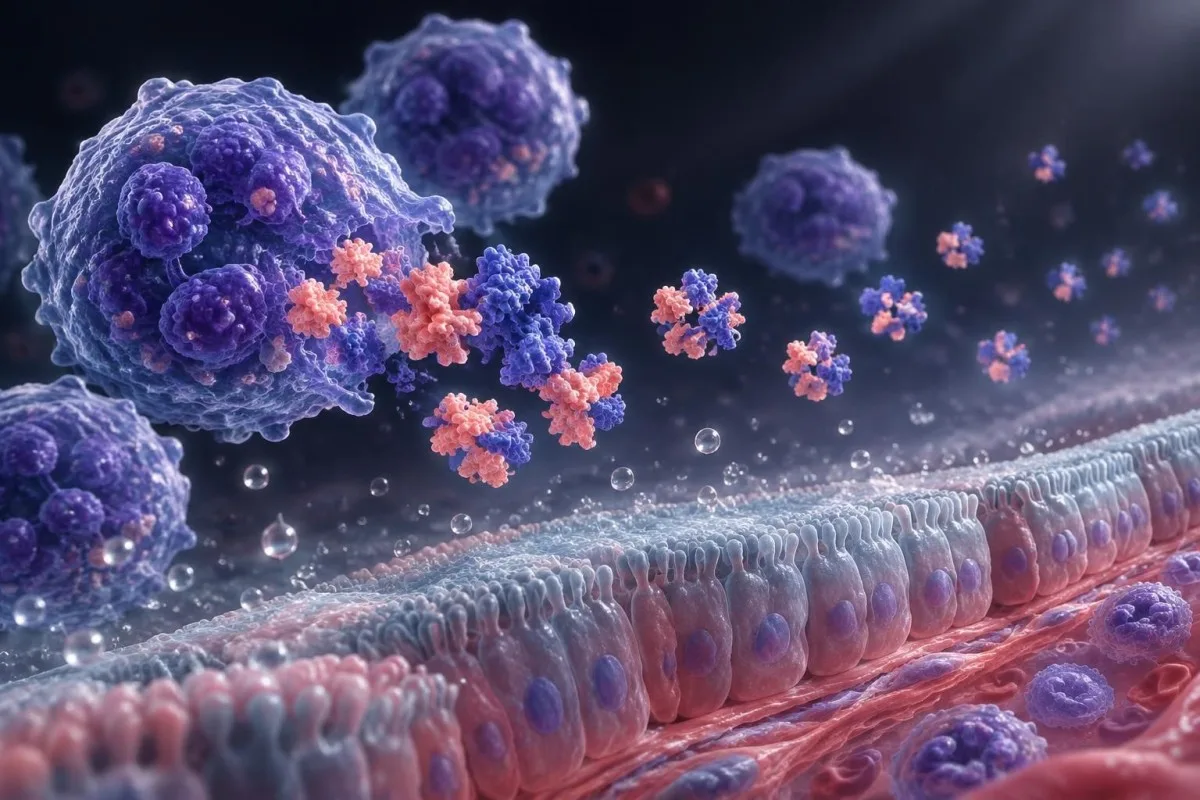
ಒಂದೇ ಕ್ಯಾಲ್ಪ್ರೊಟೆಕ್ಟಿನ್ ಮೌಲ್ಯವು ಅದೇ ಪ್ರಯೋಗಾಲಯದ ವಿಧಾನದಿಂದ ಅಳೆಯಲಾದ ಪ್ರವೃತ್ತಿಗಿಂತ ಮೇಲ್ವಿಚಾರಣೆಗೆ ಕಡಿಮೆ ಉಪಯುಕ್ತವಾಗಿದೆ. ಉದಾಹರಣೆಗೆ, 900ರಿಂದ 180 µg/gಗೆ ಇಳಿಕೆ ನ್ಯೂಟ್ರೊಫಿಲ್ ಚಟುವಟಿಕೆ ಕಡಿಮೆಯಾಗಿದೆ ಎಂದು ಸೂಚಿಸುತ್ತದೆ, ಆದರೆ 180 µg/g ಇನ್ನೂ ಉಳಿದಿರುವ ಉರಿಯೂತವನ್ನು ಸೂಚಿಸಬಹುದು; ಉತ್ತಮವಾಗಿರುವಂತೆ ಭಾಸವಾಗುವ ವ್ಯಕ್ತಿಯಲ್ಲಿಯೂ ಮ್ಯೂಕೋಸಲ್ ಗುಣಮುಖತೆ ಅಪೂರ್ಣವಾಗಿರಬಹುದು.
The STRIDE-II treat-to-target recommendations identify normalisation or meaningful reduction in biomarkers such as fecal calprotectin as an intermediate treatment target, while recognising that biomarker thresholds are not absolute (Turner et al., 2021). Many clinicians use a range around 100-250 µg/g in monitoring discussions, but the target depends on disease history, assay and the planned treatment strategy.
A rising result can be clinically useful before a flare becomes obvious. A change from 70 to 420 µg/g over two months is more informative than a small change from 70 to 95 µg/g, particularly if loose stools, urgency, night waking or rectal bleeding have also returned. The trend can prompt adherence review, infection testing or medication assessment.
ವಿರುದ್ಧ ಮಾದರಿಗೂ ಎಚ್ಚರಿಕೆ ಅಗತ್ಯ. ಕ್ಯಾಲ್ಪ್ರೊಟೆಕ್ಟಿನ್ 500 ರಿಂದ 80 µg/gಕ್ಕೆ ಇಳಿದರೂ ಮುಂದುವರಿಯುವ ಅತಿಸಾರವು ನಿಯಂತ್ರಿತ ಮ್ಯೂಕೋಸಲ್ ಉರಿಯೂತದ ಜೊತೆಗೆ ಪಿತ್ತಾಮ್ಲ ಅತಿಸಾರ, ಸೋಂಕು, ಔಷಧಿ ಅಸಹಿಷ್ಣುತೆ ಅಥವಾ ಕಾರ್ಯಾತ್ಮಕ ಲಕ್ಷಣಗಳನ್ನು ಪ್ರತಿಬಿಂಬಿಸಬಹುದು. ದಿ ಇನ್ಫ್ಲಿಕ್ಸಿಮ್ಯಾಬ್ ಮಟ್ಟದ ಮಾರ್ಗದರ್ಶಿ shows why drug exposure and immune response may need separate assessment when symptoms and inflammatory markers diverge.
How often should it be repeated?
ಪರೀಕ್ಷೆಯ ಕಾರಣದ ಮೇಲೆ ಪುನರಾವರ್ತನೆಯ ಸಮಯ ಅವಲಂಬಿತವಾಗಿರುತ್ತದೆ. ತೀವ್ರ ಅನಾರೋಗ್ಯದ ನಂತರದ ಗಡಿಸಮೀಪದ ಫಲಿತಾಂಶವನ್ನು ಪ್ರಚೋದಕ ಕಾರಣ ನಿವಾರಣೆಯಾದ ಸುಮಾರು ನಾಲ್ಕರಿಂದ ಎಂಟು ವಾರಗಳ ನಂತರ ಪುನರಾವರ್ತಿಸಬಹುದು, ಆದರೆ ಎಚ್ಚರಿಕೆ ಸೂಚನೆಗಳೊಂದಿಗೆ ಬಹಳ ಹೆಚ್ಚು ಫಲಿತಾಂಶ ಬಂದಿದ್ದರೆ ಮತ್ತೊಂದು ಸಂಖ್ಯೆಯನ್ನು ಪಡೆಯಲು ಮಾತ್ರ ಪರೀಕ್ಷೆಯನ್ನು ವಿಳಂಬಿಸಬಾರದು.
ಸ್ಥಾಪಿತ IBD ನಲ್ಲಿ, ಚಿಕಿತ್ಸೆಯ ಬದಲಾವಣೆಗಳ ಸಮಯದಲ್ಲಿ ತಜ್ಞರು ಕೆಲವು ತಿಂಗಳಿಗೊಮ್ಮೆ ಮೇಲ್ವಿಚಾರಣೆ ಮಾಡಬಹುದು ಮತ್ತು ಸ್ಥಿರ ಉಪಶಮನದ ಅವಧಿಯಲ್ಲಿ ಕಡಿಮೆ ಬಾರಿ ಮಾಡಬಹುದು, ಆದರೆ ಎಲ್ಲರಿಗೂ ಅನ್ವಯಿಸುವ ಸಾರ್ವತ್ರಿಕ ವೇಳಾಪಟ್ಟಿ ಇಲ್ಲ. ಅದೇ ಪ್ರಯೋಗಾಲಯದ ಮೂಲಕ ಪರೀಕ್ಷೆಯನ್ನು ಪುನರಾವರ್ತಿಸುವುದರಿಂದ ಜೀವಶಾಸ್ತ್ರಕ್ಕಿಂತ ಪರೀಕ್ಷಾ ವಿಧಾನದಲ್ಲಿನ ವ್ಯತ್ಯಾಸಗಳಿಂದ ಉಂಟಾಗುವಂತೆ ಕಾಣುವ ಬದಲಾವಣೆಗಳು ಕಡಿಮೆಯಾಗುತ್ತವೆ.
How should you prepare for and read the sample result?
Most fecal calprotectin tests do not require fasting, but accurate interpretation depends on proper collection, medication history and the timing of symptoms. ಮಾದರಿ ಪಾತ್ರೆಗಳು, ಸಂಗ್ರಹಣಾ ಮಿತಿಗಳು ಮತ್ತು ಹೊರತೆಗೆಯುವ ಸಾಧನಗಳು ಸೇವೆಗಳ ನಡುವೆ ಭಿನ್ನವಾಗಿರುವುದರಿಂದ ಪ್ರಯೋಗಾಲಯದ ಸೂಚನೆಗಳಿಗೆ ಆದ್ಯತೆ ನೀಡಿ.
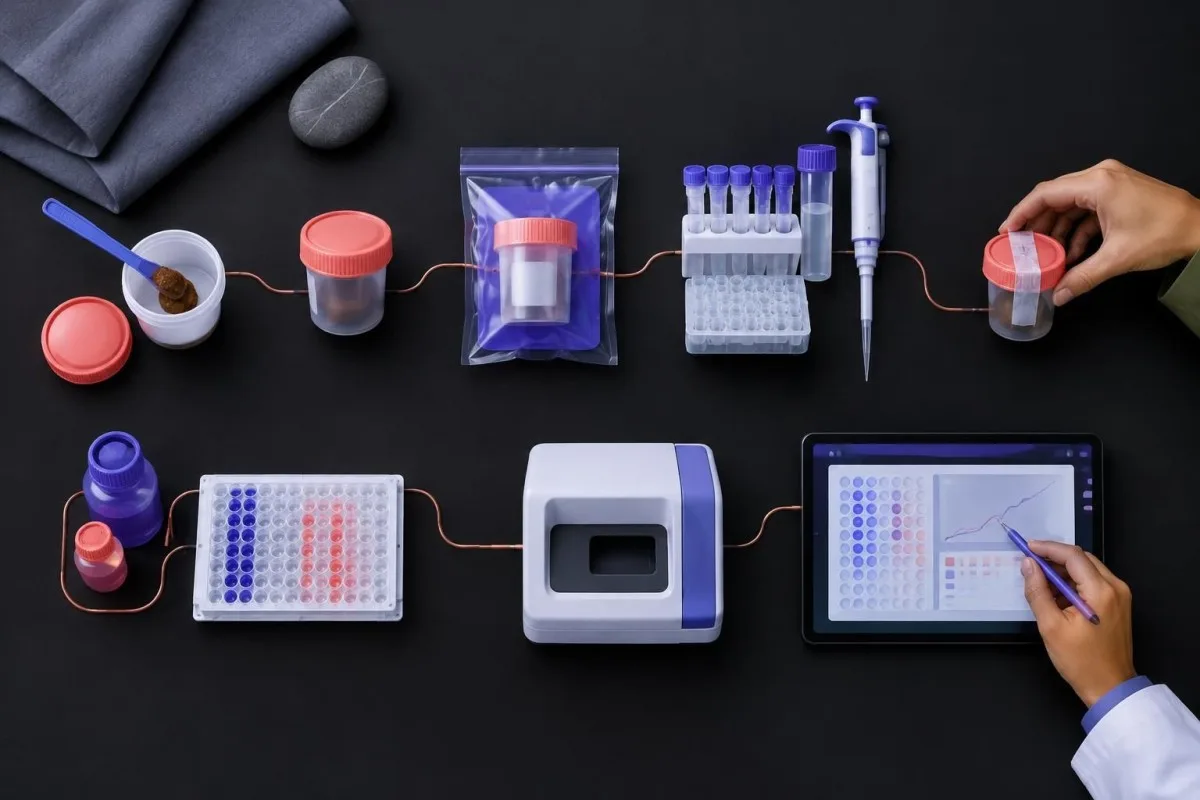
ಮಾದರಿಯನ್ನು ಮೂತ್ರ, ಶೌಚಾಲಯದ ನೀರು ಅಥವಾ ಸೋಂಕುನಿವಾರಕದಿಂದ ಕಲುಷಿತಗೊಳಿಸುವುದನ್ನು ತಪ್ಪಿಸಿ, ಮತ್ತು ಸೂಚನೆಗಳು ಅನುಮತಿಸಿದಾಗ ಮಲದ ಹಲವು ಭಾಗಗಳಿಂದ ಸಂಗ್ರಹಿಸಿ. ಅತ್ಯಂತ ಹೆಚ್ಚು ಲಕ್ಷಣಗಳಿರುವ ಅವಧಿಯಲ್ಲಿ ಸಂಗ್ರಹಿಸಿದ ಮಾದರಿಯು ಅತಿಸಾರವು ಈಗಾಗಲೇ ಕಡಿಮೆಯಾದ ನಂತರ ಸಂಗ್ರಹಿಸಿದ ಮಾದರಿಗಿಂತ ಹೆಚ್ಚು ಪ್ರತಿನಿಧಾತ್ಮಕವಾಗಿರಬಹುದು, ಆದರೆ ಅದನ್ನು ಪ್ರಯೋಗಾಲಯವು ನಿಗದಿಪಡಿಸಿದ ಸಮಯಮಿತಿಯೊಳಗೆ ಸಾಗಿಸಬೇಕು.
ಐಬುಪ್ರೊಫೆನ್ ಅಥವಾ ನ್ಯಾಪ್ರೊಕ್ಸೆನ್ನಂತಹ NSAIDs, ಇತ್ತೀಚಿನ ಆ್ಯಂಟಿಬಯಾಟಿಕ್ಗಳು, ಪ್ರೋಟಾನ್ ಪಂಪ್ ಇನ್ಹಿಬಿಟರ್ಗಳು, ಇತ್ತೀಚಿನ ಪ್ರಯಾಣ, ಜಠರಾಂತ್ರ ಸೋಂಕು, ಗರ್ಭಧಾರಣೆ, ವಯಸ್ಸು ಮತ್ತು ಪ್ರಸ್ತುತ IBD ಚಿಕಿತ್ಸೆಯ ಬಗ್ಗೆ ವೈದ್ಯರಿಗೆ ತಿಳಿಸಿ. NSAID ಬಳಕೆ ವಿಶೇಷವಾಗಿ ಸಂಬಂಧಿತವಾಗಿದೆ, ಏಕೆಂದರೆ ಅದು ಅಂತರದ ಮ್ಯೂಕೋಸಲ್ ಕಿರಿಕಿರಿಯನ್ನು ಉಂಟುಮಾಡಿ, ಕ್ರೋನ್ಸ್ ರೋಗ ಅಥವಾ ಅಲ್ಸರೇಟಿವ್ ಕೊಲೈಟಿಸ್ ಇಲ್ಲದೆಯೇ ಕ್ಯಾಲ್ಪ್ರೊಟೆಕ್ಟಿನ್ ಹೆಚ್ಚಳಕ್ಕೆ ಕಾರಣವಾಗಬಹುದು.
ಘಟಕಗಳು ಮತ್ತು ಉಲ್ಲೇಖ ವ್ಯಾಪ್ತಿಯನ್ನು ಪರಿಶೀಲಿಸದೆ ನಿಮ್ಮ ಮೌಲ್ಯವನ್ನು ಇಂಟರ್ನೆಟ್ನಲ್ಲಿನ ಕಟ್ಆಫ್ನೊಂದಿಗೆ ಹೋಲಿಸಬೇಡಿ. ಒಂದು ಪ್ರಯೋಗಾಲಯವು 50 µg/g ಅನ್ನು ಮೇಲಿನ ಉಲ್ಲೇಖ ಮಿತಿಯಾಗಿ ವರದಿ ಮಾಡಬಹುದು, ಮತ್ತೊಂದು ನಿರ್ಧಾರ ಮಾರ್ಗದಲ್ಲಿ 100 µg/g ಬಳಸಬಹುದು; ಆದ್ದರಿಂದ ಮೂಲ ಜೀವಶಾಸ್ತ್ರವು ಒಂದೇ ರೀತಿಯಾಗಿದ್ದರೂ ಅದೇ ಸಂಖ್ಯೆಯು ವಿಭಿನ್ನ ಎಚ್ಚರಿಕೆ ಸೂಚನೆಗಳಿಗೆ ಕಾರಣವಾಗಬಹುದು.
ಪ್ರತಿದಿನ ನ್ಯಾಪ್ರೋಕ್ಸೆನ್ ತೆಗೆದುಕೊಳ್ಳುತ್ತಿರುವ ಮತ್ತು ಕ್ಯಾಲ್ಪ್ರೊಟೆಕ್ಟಿನ್ 165 µg/g ಇರುವ ಕಲ್ಪಿತ 52 ವರ್ಷದ ವ್ಯಕ್ತಿಗೆ, ವೈದ್ಯಕೀಯವಾಗಿ ಸುರಕ್ಷಿತವಾಗಿದ್ದು ಔಷಧಿ ನೀಡುವ ವೈದ್ಯರೊಂದಿಗೆ ಒಪ್ಪಿಕೊಂಡಿದ್ದರೆ, ತಕ್ಷಣದ IBD ಚಿಕಿತ್ಸೆಯ ಬದಲು ಔಷಧಿಗಳ ಪರಿಶೀಲನೆ ಮತ್ತು ಮರುಪರೀಕ್ಷೆ ಮಾಡುವುದು ಪ್ರಾಯೋಗಿಕ ಮುಂದಿನ ಹಂತವಾಗಿರಬಹುದು. ಅದೇ ಫಲಿತಾಂಶದ ಜೊತೆಗೆ ಗೋಚರ ರಕ್ತ ಮತ್ತು ತೂಕ ಇಳಿಕೆ ಇರುವ 52 ವರ್ಷದ ವ್ಯಕ್ತಿಗೆ, ಮರುಪರೀಕ್ಷೆಗಾಗಿ ಕಾಯುವುದಕ್ಕಿಂತ ತುರ್ತು ಮೌಲ್ಯಮಾಪನಕ್ಕೆ ಆದ್ಯತೆ ನೀಡಬೇಕು.
ಫಲಿತಾಂಶವನ್ನು ಸಂಬಂಧಿತ ಪ್ರಯೋಗಾಲಯದ ಮಾಹಿತಿಯೊಂದಿಗೆ ಇಟ್ಟುಕೊಳ್ಳಿ
Interpretation improves when the stool report is viewed beside dates, symptoms, haemoglobin, ferritin, albumin, C-reactive protein and platelet count. A result of 240 µg/g with falling haemoglobin is more concerning than 240 µg/g after a resolved infection with stable blood tests.
A secure personal record can help keep several dates side by side, but it should not replace review by a clinician who can examine the full history and decide whether repeat testing, imaging or endoscopy is appropriate.
When should a positive or negative result be followed up urgently?
ತುರ್ತು ಆರೈಕೆಯನ್ನು ಕ್ಯಾಲ್ಪ್ರೊಟೆಕ್ಟಿನ್ ಒಂದರ ಆಧಾರದ ಮೇಲೆ ಅಲ್ಲ, ಲಕ್ಷಣಗಳು ಮತ್ತು ಒಟ್ಟಾರೆ ಅಪಾಯದ ಆಧಾರದ ಮೇಲೆ ನಿರ್ಧರಿಸಲಾಗುತ್ತದೆ. ಭಾರೀ ಅಥವಾ ನಿರಂತರ ಮಲದ್ವಾರ ರಕ್ತಸ್ರಾವ, ಕಪ್ಪು ಮಲ, ತೀವ್ರವಾಗುತ್ತಿರುವ ಅಥವಾ ಹೆಚ್ಚುತ್ತಿರುವ ಹೊಟ್ಟೆ ನೋವು, ಪುನಃಪುನಃ ವಾಂತಿ, ಮೂರ್ಛೆ, ಗೊಂದಲ, ಗಮನಾರ್ಹ ನಿರ್ಜಲೀಕರಣ, ಹೆಚ್ಚಿನ ಜ್ವರ ಅಥವಾ ತ್ವರಿತ ಹದಗೆಡುವಿಕೆ ಇದ್ದರೆ ಮಲದ ಮಾರ್ಕರ್ ಸಾಮಾನ್ಯವಾಗಿದ್ದರೂ ತಕ್ಷಣ ವೈದ್ಯಕೀಯ ಮೌಲ್ಯಮಾಪನ ಅಗತ್ಯ.
ತುರ್ತು ಲಕ್ಷಣಗಳಿಲ್ಲದಿದ್ದರೂ ಹೆಚ್ಚಿನ ಕ್ಯಾಲ್ಪ್ರೊಟೆಕ್ಟಿನ್ ಫಲಿತಾಂಶಕ್ಕೆ ಸಮಯೋಚಿತ ಅನುಸರಣೆ ಅಗತ್ಯವಿದೆ, ವಿಶೇಷವಾಗಿ ಅದು ಪುನಃಪುನಃ 250 µg/gಕ್ಕಿಂತ ಹೆಚ್ಚಿದ್ದರೆ ಅಥವಾ ರಕ್ತಹೀನತೆ, ಕಡಿಮೆ ಆಲ್ಬುಮಿನ್, ತೂಕ ಇಳಿಕೆ ಅಥವಾ ರಾತ್ರಿ ಉಂಟಾಗುವ ಅತಿಸಾರದೊಂದಿಗೆ ಇದ್ದರೆ. ಆಸ್ಪತ್ರೆಯ ಆರೈಕೆ ಅಗತ್ಯವಿದೆಯೇ ಎಂಬುದನ್ನು ಫಲಿತಾಂಶವು ತಿಳಿಸುವುದಿಲ್ಲ, ಆದರೆ ಜೊತೆಯಲ್ಲಿರುವ ಈ ಲಕ್ಷಣಗಳು ಹೆಚ್ಚು ಮಹತ್ವದ ರೋಗವನ್ನು ಅಥವಾ ಮತ್ತೊಂದು ಗಂಭೀರ ಕರುಳಿನ ಸಮಸ್ಯೆಯನ್ನು ಸೂಚಿಸಬಹುದು.
ಕೆಂಪು ಎಚ್ಚರಿಕೆ ಸೂಚನೆಗಳಿದ್ದರೆ ಕಡಿಮೆ ಫಲಿತಾಂಶವು ಆರೈಕೆಯನ್ನು ವಿಳಂಬಗೊಳಿಸಬಾರದು. ಸಾಮಾನ್ಯ ಕ್ಯಾಲ್ಪ್ರೊಟೆಕ್ಟಿನ್ ಸಕ್ರಿಯ ಕೊಲೊನಿಕ್ ಉರಿಯೂತದ ಸಾಧ್ಯತೆಯನ್ನು ಕಡಿಮೆ ಮಾಡಬಹುದು, ಆದರೆ ನಿರಂತರ ಗುದನಾಳದ ರಕ್ತಸ್ರಾವ, ನಿರ್ಜಲೀಕರಣ, ತೀವ್ರ ನೋವು ಅಥವಾ ವಿವರಿಸಲಾಗದ ತೂಕ ಇಳಿಕೆಯಂತಹ ಲಕ್ಷಣಗಳನ್ನು ಅದು ತಟಸ್ಥಗೊಳಿಸಲಾರದು. ದಿ ಮಲದಲ್ಲಿನ ರಕ್ತದ ಮಾರ್ಗದರ್ಶಿ ಬಣ್ಣ ಮತ್ತು ಪ್ರಮಾಣವು ತುರ್ತುಭಾವದ ಮೇಲೆ ಏಕೆ ಪರಿಣಾಮ ಬೀರುತ್ತವೆ ಎಂಬುದನ್ನು ವಿವರಿಸುತ್ತದೆ.
Children, older adults, pregnant people and immunocompromised patients may need different thresholds or a lower threshold for assessment. Calprotectin concentrations are naturally higher in very young children, and adult cutoffs should not be transferred automatically to infants or toddlers; age-specific interpretation is essential.
ಫಲಿತಾಂಶವು ಏನನ್ನು ಬದಲಾಯಿಸುತ್ತದೆ ಎಂದು ಕೇಳುವುದು ಅತ್ಯಂತ ಸುರಕ್ಷಿತ ಮುಂದಿನ ಹೆಜ್ಜೆಯಾಗಿದೆ: ಇದು ಪುನಃ ಪರೀಕ್ಷೆ, ಸೋಂಕಿನ ಮೌಲ್ಯಮಾಪನ, ಗ್ಯಾಸ್ಟ್ರೋಎಂಟರಾಲಜಿ ತಜ್ಞರ ಸಲಹೆ, ಚಿಕಿತ್ಸೆಯ ಮೇಲ್ವಿಚಾರಣೆ ಅಥವಾ ತುರ್ತು ಮೌಲ್ಯಮಾಪನವನ್ನು ಬೆಂಬಲಿಸುತ್ತದೆಯೇ? ವೈದ್ಯಕೀಯ ವಿಷಯ ಮತ್ತು ಸುರಕ್ಷತಾ ಮಿತಿಗಳನ್ನು ಹೇಗೆ ಪರಿಶೀಲಿಸಲಾಗುತ್ತದೆ ಎಂಬ ಮಾಹಿತಿಗಾಗಿ, ನೋಡಿ ವೈದ್ಯಕೀಯ ವಿಷಯದ ಮಾನದಂಡಗಳು ಮತ್ತು ವೈದ್ಯಕೀಯ ಸಲಹಾ ಮಂಡಳಿ.
Questions to take to the appointment
ನಿಮ್ಮ ಪ್ರಯೋಗಾಲಯವು ಯಾವ ಕಟ್ಆಫ್ ಅನ್ನು ಬಳಸುತ್ತದೆ, ಫಲಿತಾಂಶವನ್ನು ಪುನರಾವರ್ತಿಸಬೇಕೇ, ಸೋಂಕಿನ ಪರೀಕ್ಷೆ ಪೂರ್ಣಗೊಂಡಿದೆಯೇ ಮತ್ತು ಔಷಧಿಗಳು ಮೌಲ್ಯವನ್ನು ಹೆಚ್ಚಿಸಿರಬಹುದೇ ಅಥವಾ ಕಡಿಮೆ ಮಾಡಿರಬಹುದೇ ಎಂದು ಕೇಳಿ. ಅಲ್ಲದೆ, ಲಕ್ಷಣಗಳ ಮಾದರಿಯು ಕೊಲೋನ್ನ ರೋಗ, ಸಣ್ಣ ಕರುಳಿನ ರೋಗ ಅಥವಾ ಉರಿಯೂತವಲ್ಲದ ಕಾರಣವನ್ನು ಸೂಚಿಸುತ್ತದೆಯೇ ಎಂದು ಕೇಳಿ.
ಮಾದರಿ ಸಂಗ್ರಹಿಸಿದ ದಿನಾಂಕ, ಲಕ್ಷಣಗಳ ಕಾಲಕ್ರಮ, ಔಷಧಿಗಳ ಪಟ್ಟಿಯನ್ನು ಮತ್ತು ಸಂಬಂಧಿತ ರಕ್ತದ ಫಲಿತಾಂಶಗಳನ್ನು ತಂದುಕೊಳ್ಳಿ. ತೀವ್ರ ಅತಿಸಾರದ ಸಮಯದಲ್ಲಿ ಸಂಗ್ರಹಿಸಲಾದ 180 µg/g ಕ್ಯಾಲ್ಪ್ರೊಟೆಕ್ಟಿನ್ ಮೌಲ್ಯವನ್ನು, ಮೂರು ಲಕ್ಷಣರಹಿತ ತಿಂಗಳುಗಳಲ್ಲಿಯೂ ಅದು ಹೆಚ್ಚಾಗಿಯೇ ಉಳಿದಿರುವ ಸಂದರ್ಭಕ್ಕಿಂತ ವೈದ್ಯರು ಬಹಳ ವಿಭಿನ್ನವಾಗಿ ಅರ್ಥೈಸಬಹುದು.
ಆಗಾಗ್ಗೆ ಕೇಳಲಾಗುವ ಪ್ರಶ್ನೆಗಳು
ವಯಸ್ಕರಿಗೆ ಸಾಮಾನ್ಯ ಮಲ ಕ್ಯಾಲ್ಪ್ರೊಟೆಕ್ಟಿನ್ ಮಟ್ಟ ಯಾವುದು?
A fecal calprotectin level below 50 µg/g is commonly considered normal for adults, but laboratories use different assays and reference intervals. Results from 50-150 µg/g are often treated as borderline, while values above 150-250 µg/g commonly prompt closer clinical review. A normal result lowers the likelihood of active colonic IBD but does not completely exclude mild or isolated small-bowel Crohn's disease.
Does a high calprotectin result mean I have Crohn's disease?
A high calprotectin result does not diagnose Crohn's disease because infection, NSAID-related bowel irritation, coeliac disease, diverticulitis and other conditions can also raise the marker. Values above 250 µg/g are more concerning for significant intestinal inflammation than values near 75 µg/g, but the number still needs symptom, medication and pathogen context. Diagnosis usually requires a combination of blood tests, endoscopy, tissue examination and imaging.
Can ulcerative colitis occur with normal calprotectin?
Ulcerative colitis can occasionally occur with a normal or near-normal calprotectin, especially when inflammation is mild, limited or already improving with treatment. A result below 50 µg/g makes substantial active colonic inflammation less likely, but persistent rectal bleeding, nocturnal diarrhoea, anaemia or weight loss still requires medical assessment. The result should be interpreted alongside symptoms and, when indicated, colonoscopy.
ಗಡಿಭಾಗದ ಕ್ಯಾಲ್ಪ್ರೊಟೆಕ್ಟಿನ್ ಪರೀಕ್ಷೆಯನ್ನು ಮರುಕಳಿಸುವ ಮೊದಲು ನಾನು ಎಷ್ಟು ಕಾಲ ಕಾಯಬೇಕು?
Borderline calprotectin results around 50-150 or 50-250 µg/g are often repeated after approximately 4-8 weeks, depending on symptoms and the suspected temporary trigger. The repeat should be timed after acute gastroenteritis has resolved and after a clinician reviews medicines such as NSAIDs. A persistently elevated result is more informative than one borderline value, but red-flag symptoms should prompt assessment sooner.
ಸೋಂಕಿನಿಂದ IBDಗಾಗಿ ಮಲ ಪರೀಕ್ಷೆ ಧನಾತ್ಮಕವಾಗಬಹುದೇ?
An intestinal infection can raise fecal calprotectin above 250 µg/g and can closely imitate an IBD flare. C. difficile, Campylobacter, Salmonella and other pathogens may cause diarrhoea, fever and neutrophil activity in stool. Pathogen testing is therefore important before interpreting an elevated calprotectin as new Crohn's disease or ulcerative colitis, although persistent symptoms after infection may still need IBD evaluation.
ನನ್ನ ಕ್ಯಾಲ್ಪ್ರೊಟೆಕ್ಟಿನ್ ಅಧಿಕವಾಗಿದ್ದರೂ ನನಗೆ ಆರೋಗ್ಯವಾಗಿರುವಂತೆ ಅನಿಸಿದರೆ ನಾನು ಏನು ಮಾಡಬೇಕು?
A high calprotectin result without symptoms should be reviewed rather than ignored, particularly if it is repeatedly above 250 µg/g. The clinician may check the collection timing, NSAID use, recent infection, blood tests and whether a repeat sample is appropriate. Feeling well does not guarantee that intestinal inflammation is absent, but one isolated high result does not prove IBD either.
Is a stool test enough to diagnose inflammatory bowel disease?
A stool test is not enough to diagnose inflammatory bowel disease because fecal calprotectin measures intestinal inflammatory activity rather than the cause, location or microscopic pattern. A value below 50 µg/g can make active colonic IBD less likely, while a value above 250 µg/g can support further investigation. Crohn's disease and ulcerative colitis are diagnosed using the combined evidence from symptoms, examination, blood tests, endoscopy, tissue examination and imaging.
ನಿಮ್ಮ ರಕ್ತ ಪರೀಕ್ಷೆ ಫಲಿತಾಂಶಗಳನ್ನು ವಿವರಿಸಿಕೊಳ್ಳಿ
ನಿಮ್ಮ ಪ್ರಯೋಗಾಲಯ ವರದಿಯನ್ನು ಅಪ್ಲೋಡ್ ಮಾಡಿ; Kantestiಯ AI ಕೆಲವೇ ಸೆಕೆಂಡುಗಳಲ್ಲಿ ಪ್ರತಿಯೊಂದು ಜೈವಿಕ ಸೂಚಕವನ್ನು ಸರಳ ಭಾಷೆಯಲ್ಲಿ ವಿವರಿಸುತ್ತದೆ. ವಿಶ್ವದಾದ್ಯಂತ 2 ದಶಲಕ್ಷಕ್ಕೂ ಹೆಚ್ಚು ಜನರು ಬಳಸಿದ್ದಾರೆ.
ಉಲ್ಲೇಖಗಳು
- Klein, T., Mitchell, S., & Weber, H. (2026). BUN/Creatinine ಅನುಪಾತ ವಿವರಿಸಲಾಗಿದೆ: ಕಿಡ್ನಿ ಕಾರ್ಯ ಪರೀಕ್ಷಾ ಮಾರ್ಗದರ್ಶಿ. Kantesti AI ವೈದ್ಯಕೀಯ ಸಂಶೋಧನೆ. ಡಿಒಐ
- Klein, T., Mitchell, S., & Weber, H. (2026). ಮೂತ್ರದಲ್ಲಿನ ಯುರೋಬಿಲಿನೋಜನ್ ಪರೀಕ್ಷೆ: ಸಂಪೂರ್ಣ ಮೂತ್ರ ವಿಶ್ಲೇಷಣಾ ಮಾರ್ಗದರ್ಶಿ 2026. Kantesti AI ವೈದ್ಯಕೀಯ ಸಂಶೋಧನೆ. ಡಿಒಐ
- ನ್ಯಾಷನಲ್ ಇನ್ಸ್ಟಿಟ್ಯೂಟ್ ಫಾರ್ ಹೆಲ್ತ್ ಅಂಡ್ ಕೇರ್ ಎಕ್ಸಲೆನ್ಸ್ (2013). ಕರುಳಿನ ಉರಿಯೂತಕಾರಿ ರೋಗಗಳಿಗೆ ಮಲದ ಕ್ಯಾಲ್ಪ್ರೊಟೆಕ್ಟಿನ್ ರೋಗನಿರ್ಣಯ ಪರೀಕ್ಷೆಗಳು. NICE Diagnostics Guidance DG11.
- Maaser C et al. (2019). IBD ಯ ರೋಗನಿರ್ಣಯ ಮೌಲ್ಯಮಾಪನಕ್ಕಾಗಿ ECCO-ESGAR ಮಾರ್ಗಸೂಚಿ ಭಾಗ 1: ಪ್ರಾರಂಭಿಕ ರೋಗನಿರ್ಣಯ, ತಿಳಿದಿರುವ IBD ಯ ಮೇಲ್ವಿಚಾರಣೆ, ಸಂಕೀರ್ಣತೆಗಳ ಪತ್ತೆ. Journal of Crohn's and Colitis. ಡಿಒಐ ಪಬ್ಮೆಡ್
- Turner D et al. (2021). STRIDE-II: IBD ಅಧ್ಯಯನಕ್ಕಾಗಿ ಅಂತರರಾಷ್ಟ್ರೀಯ ಸಂಸ್ಥೆಯ ಉರಿಯೂತಕಾರಿ ಅಂತರಾಯ ರೋಗದಲ್ಲಿ ಚಿಕಿತ್ಸಾತ್ಮಕ ಗುರಿಗಳ ಆಯ್ಕೆಯ ಉಪಕ್ರಮದ ನವೀಕರಣ. Gastroenterology. ಡಿಒಐ ಪಬ್ಮೆಡ್
- 2ಮಿ+ವಿಶ್ಲೇಷಿಸಿದ ಪರೀಕ್ಷೆಗಳು
- 127+ದೇಶಗಳು
- 100+ಭಾಷೆಗಳು
ವೈದ್ಯಕೀಯ ತಂಡದ ಬಗ್ಗೆ


E-E-A-T ವಿಶ್ವಾಸ ಸಂಕೇತಗಳು
ಅನುಭವ
ಲ್ಯಾಬ್ ಅರ್ಥೈಸುವ ಕಾರ್ಯಪ್ರವಾಹಗಳ ಮೇಲೆ ವೈದ್ಯರಿಂದ ನೇತೃತ್ವದ ಕ್ಲಿನಿಕಲ್ ವಿಮರ್ಶೆ.
ಪರಿಣಿತಿ
ಕ್ಲಿನಿಕಲ್ ಸಂದರ್ಭದಲ್ಲಿನ ಬಯೋಮಾರ್ಕರ್ಗಳು ಹೇಗೆ ವರ್ತಿಸುತ್ತವೆ ಎಂಬುದರ ಮೇಲೆ ಪ್ರಯೋಗಾಲಯ ವೈದ್ಯಕೀಯದ ಕೇಂದ್ರೀಕರಣ.
ಅಧಿಕಾರಯುತತೆ
ಡಾ. ಥಾಮಸ್ ಕ್ಲೈನ್ ಅವರ ವೈದ್ಯಕೀಯ ವಿಮರ್ಶೆ; ಡಾ. ಸಾರಾ ಮಿಚೆಲ್ ಮತ್ತು ಪ್ರೊ. ಡಾ. ಹಾನ್ಸ್ ವೆಬರ್ ಅವರ ಕೊಡುಗೆಗಳೊಂದಿಗೆ.
ವಿಶ್ವಾಸಾರ್ಹತೆ
ಎಚ್ಚರಿಕೆಯನ್ನು ಕಡಿಮೆ ಮಾಡಲು ಸ್ಪಷ್ಟವಾದ ಮುಂದಿನ ಹಂತಗಳೊಂದಿಗೆ ಸಾಕ್ಷ್ಯಾಧಾರಿತ ಅರ್ಥೈಸಿಕೆ.





ವೈದ್ಯಕೀಯ ಹಕ್ಕುತ್ಯಾಗ
ಈ ಲೇಖನವು ಕೇವಲ ಶಿಕ್ಷಣ ಉದ್ದೇಶಗಳಿಗಾಗಿ이며 ವೈದ್ಯಕೀಯ ಸಲಹೆಯನ್ನು ನೀಡುವುದಿಲ್ಲ. ರೋಗನಿರ್ಣಯ ಮತ್ತು ಚಿಕಿತ್ಸೆ ನಿರ್ಧಾರಗಳಿಗಾಗಿ ಸದಾ ಅರ್ಹ ಆರೋಗ್ಯ ಸೇವಾ ಪೂರೈಕೆದಾರರನ್ನು ಸಂಪರ್ಕಿಸಿ.
ಪ್ರಕಟಿಸಲಾಗಿದೆ · ಸಂಪಾದಕೀಯ ತಂಡವನ್ನು ಸಂಪರ್ಕಿಸಿ
Kantesti Ltd ಪ್ರಕಟಿಸಿದೆ, ಇಂಗ್ಲೆಂಡ್ ಮತ್ತು ವೇಲ್ಸ್ನಲ್ಲಿ ನೋಂದಾಯಿತವಾಗಿದೆ, ಕಂಪನಿ ಸಂಖ್ಯೆ. 17090423, ಲಂಡನ್, ಯುನೈಟೆಡ್ ಕಿಂಗ್ಡಮ್.
