
A theophylline level of 5–15 mg/L may be an appropriate treatment target, but no result guarantees safety. Dose timing, formulation, symptoms and recent changes in smoking or medicines determine what your number means.

要点
- Treatment target: Many clinicians use 5–15 mg/L, although some laboratories list 10–20 mg/L; your prescriber’s target takes priority.
- 高値: A theophylline level above 20 mg/L increases concern for toxicity and requires prompt clinical advice.
- Symptoms override the range: Persistent vomiting, a racing or irregular heartbeat, confusion or a seizure can indicate toxicity even below 20 mg/L.
- Units: 1 mg/L equals 1 µg/mL; multiply mg/L by approximately 5.55 to convert to µmol/L.
- Sample timing: Immediate-release and modified-release products have different peak times; a trough cannot automatically be compared with a peak target.
- Smoking cessation: Stopping smoking can reduce theophylline clearance substantially within about 1 week, even when nicotine replacement is used.
- Fever: A sustained temperature around 39°C for at least 24 hours can slow clearance and raise the level on an unchanged dose.
- Interactions: Ciprofloxacin, fluvoxamine, cimetidine and some macrolide antibiotics can raise theophylline concentrations.
- Emergency action: Seek emergency care for a seizure, collapse, severe confusion or sustained rapid or irregular heartbeat; do not wait for another level.
What theophylline level is considered safe?
A theophylline level of 5–15 mg/L is a commonly used treatment target, while some laboratories report 10–20 mg/L. Toxicity becomes more likely above 20 mg/L, but symptoms can occur within the stated range; the clinician’s target and sample timing matter more than the laboratory flag alone.
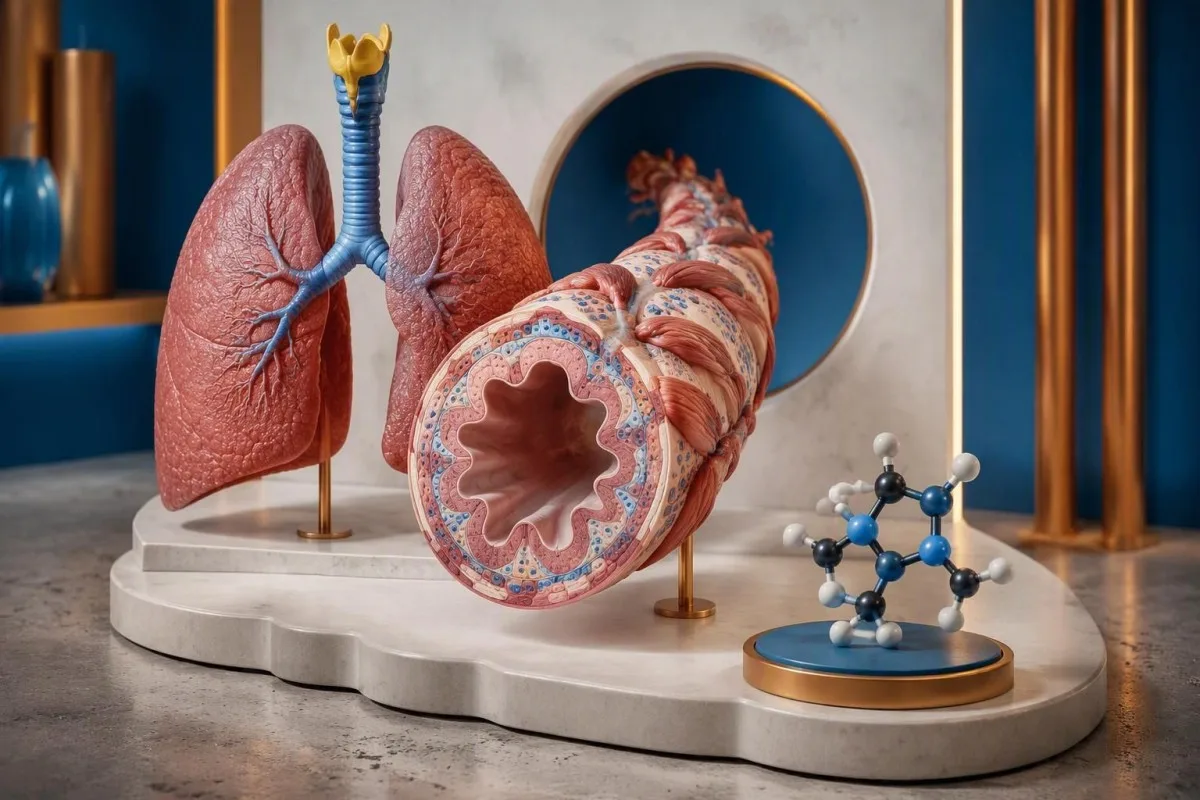
Theophylline has a narrow therapeutic margin, meaning the gap between a useful concentration and a harmful one is relatively small. A result of 14 mg/L might fit one person’s treatment plan yet be unnecessarily high for another who obtains adequate symptom control at 7 mg/L, particularly when adverse effects or reduced clearance are present.
Higher concentrations do not automatically mean better respiratory treatment. Barnes’s review in the American Journal of Respiratory and Critical Care Medicine describes both bronchodilator effects and proposed lower-concentration anti-inflammatory mechanisms, but these are not interchangeable treatment goals (Barnes, 2013). A proposed biological effect at 1–5 mg/L does not justify increasing or reducing a prescribed dose without assessing actual clinical benefit.
Kantesti is an AI blood test analyzer that helps explain why a theophylline result of 12 mg/L needs a dosing history, not just a green laboratory flag. We provide educational interpretation rather than prescribing decisions; our 組織と目的 explain that distinction. Bring the result, exact medicine name, last-dose time and recent symptoms to the prescribing team.
How to read the theophylline therapeutic range and units
の theophylline therapeutic range describes an intended drug exposure, not a normal value for an untreated person. 1 mg/L equals 1 µg/mL, and a result in µmol/L is approximately 5.55 times the same concentration expressed in mg/L.
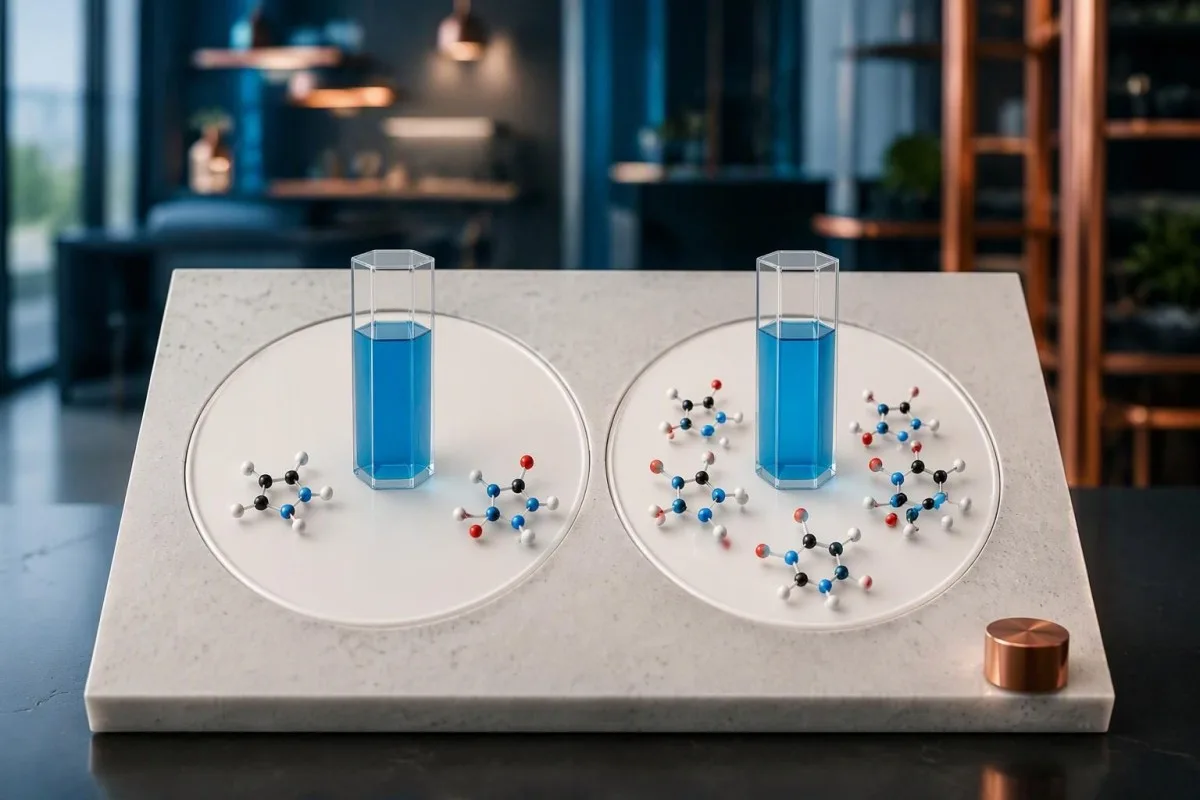
A concentration of 10 mg/L is approximately 55.5 µmol/L, while 20 mg/L is approximately 111 µmol/L. Check the units before comparing reports from different countries, because a number such as 83 may represent approximately 15 mg/L rather than an extreme overdose. A therapeutic range also assumes a particular sampling approach, which may not be printed beside the result.
A laboratory upper limit of 20 mg/L is not an instruction to aim for 20 mg/L. NICE’s COPD guideline recommends plasma-level and interaction monitoring when theophylline is used, with particular caution in older people and during relevant antibiotic treatment (NICE, 2018). Similar distinctions between laboratory ranges and individualized targets appear in our guide to digoxin targets and timing.
Results between 15 and 20 mg/L deserve context rather than automatic reassurance or an automatic toxicity diagnosis. For a hypothetical person whose agreed target is 5–10 mg/L, a reading of 18 mg/L is above their treatment goal despite falling within a printed 10–20 mg/L interval. Ask whether the range applies to a peak, trough or other timed sample before interpreting the color coding.
| レベル | 範囲 | 意味 |
|---|---|---|
| Common lower treatment target | 5–15 mg/L | Often suitable when clinical benefit is adequate; safety still depends on symptoms, timing and individual risk. |
| Upper part of some laboratory ranges | 15~20 mg/L超 | May exceed the clinician’s target; review adverse effects and whether the sample was correctly timed. |
| Above the usual upper boundary | >20–30 mg/L | Increased toxicity concern; obtain prompt clinical advice, with urgent assessment if symptoms are present. |
| 著明に上昇 | >30 mg/L | Urgent clinical assessment is needed, especially with chronic exposure; serious toxicity depends on symptoms and exposure pattern. |
When should a theophylline sample be taken?
A theophylline sample must be timed to the specific product and monitoring question. Immediate-release oral products often peak around 1–2 hours, whereas some modified-release monitoring protocols use samples 4–6 hours after dosing; these windows are not interchangeable.
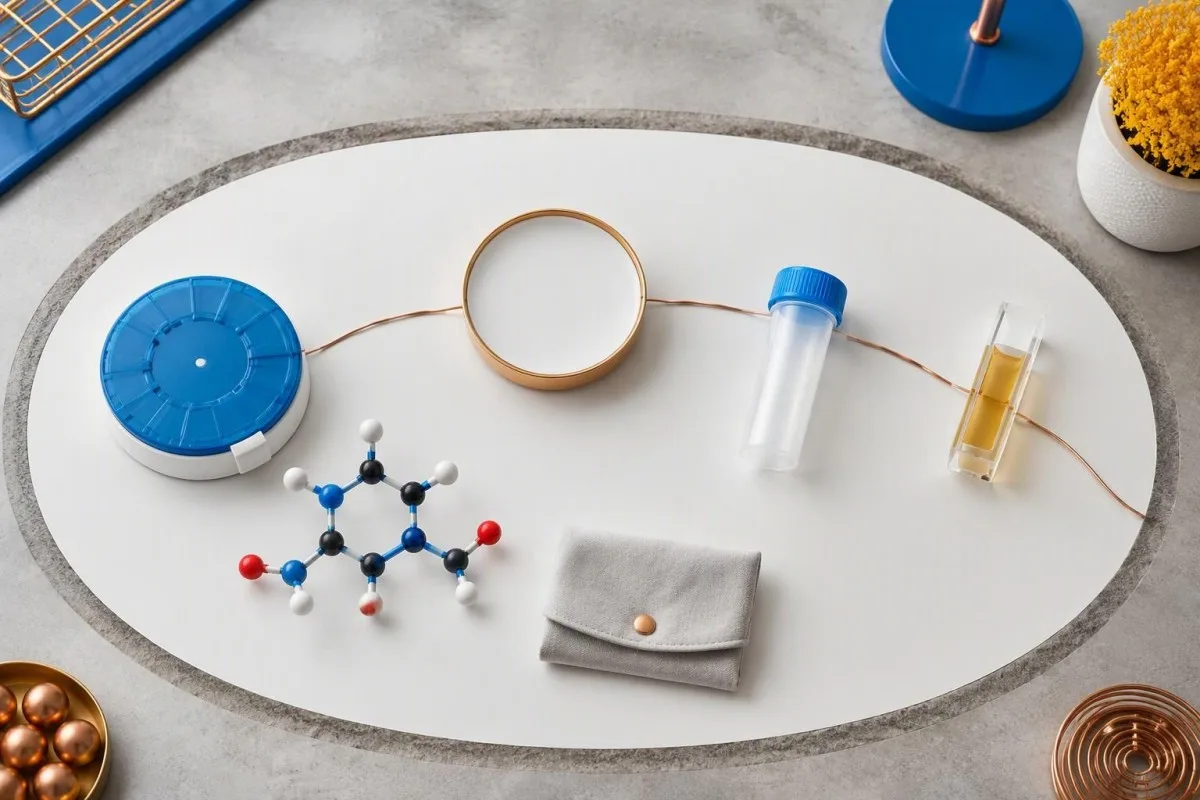
A trough sample is collected just before the next scheduled dose, but theophylline monitoring is not always based on troughs. A low predose result may coexist with a substantially higher postdose peak, so increasing treatment solely because a trough is below a peak-based 10–20 mg/L range can be unsafe. The laboratory request should state what the prescriber intends to measure.
A result of 9 mg/L collected 2 hours after a dose cannot be compared directly with 9 mg/L collected 12 hours after a dose. Kantesti can help organize the reported concentration alongside supplied timing details, but missing dose times remain missing information. Our explanation of peak and trough sampling illustrates the principle, although gentamicin’s timing rules must not be transferred to theophylline.
Suspected toxicity requires immediate sampling rather than waiting for a scheduled peak or trough. If symptoms develop 3 hours after an extra dose, clinicians need that history and may arrange serial concentrations because absorption can continue. Write down actual times, not simply “morning” or “after tablets,” and do not delay urgent care to produce a more neatly timed result.
Why formulation and steady state change the result
Immediate-release, twice-daily modified-release and once-daily theophylline products can produce different concentration patterns. A level is most interpretable after a stable regimen has reached 定常状態, commonly assessed after about 3 days, although slower clearance can require longer.
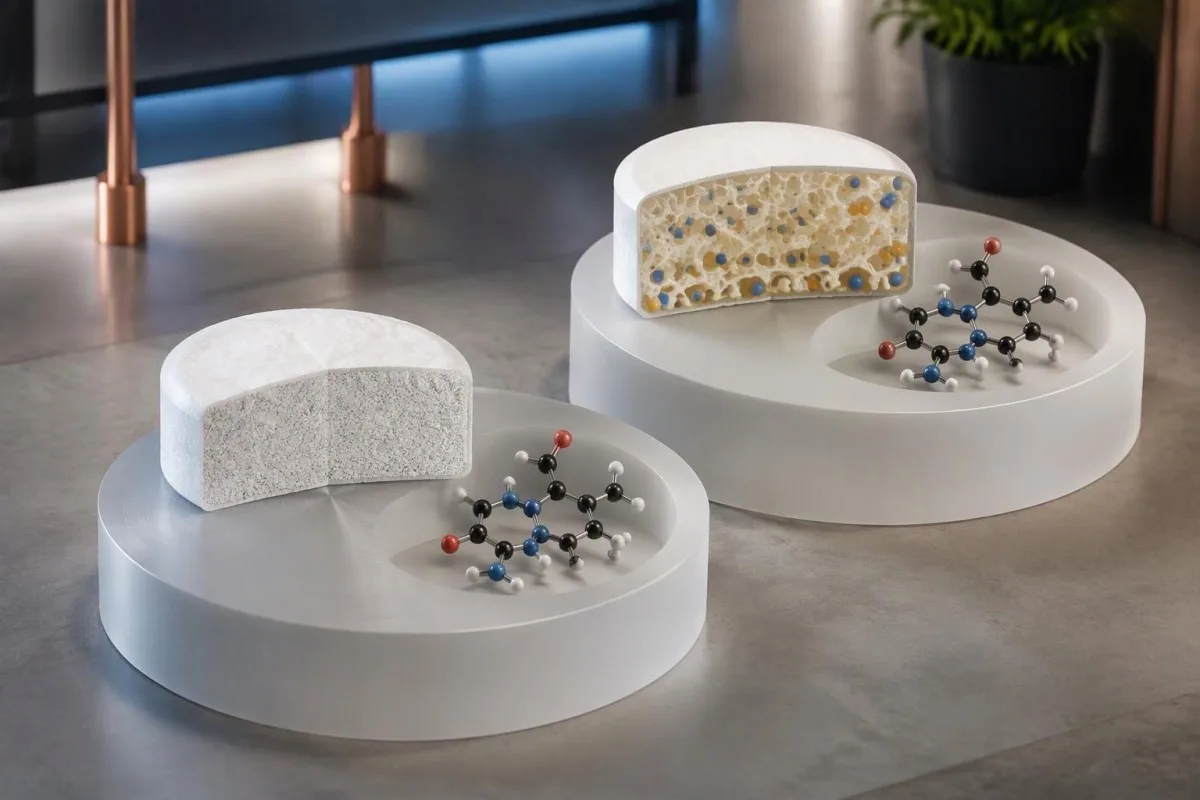
A three-day interval is a monitoring convention, not a guarantee that every person has stabilized. With a hypothetical half-life of 8 hours, five half-lives take about 40 hours; with a half-life of 24 hours, they take about 5 days. Fever, liver impairment and heart failure can extend that interval, so an early result may underestimate the eventual concentration on the same dose.
Changing a modified-release brand can change the shape of the concentration curve even when the daily milligram dose is unchanged. Food effects and peak timing differ between products, including some once-daily preparations whose peaks occur later than 4–6 hours. The broader lesson resembles formulation-specific drug monitoring, but each medicine needs its own product-specific instructions.
Modified-release tablets should not be crushed unless the product information explicitly permits the intended method of administration. For example, a prescribed 200 mg tablet may have a score line without being suitable for crushing, and destroying a release mechanism can increase early exposure. Keep the box or a photograph of its exact name available, especially after a pharmacy substitution, hospital discharge or change in dosing schedule.
Which theophylline toxicity symptoms need urgent care?
Theophylline toxicity symptoms include nausea, repeated vomiting, tremor, restlessness, insomnia and a rapid heartbeat. Seizures, collapse, severe confusion or a sustained rapid or irregular heartbeat require emergency care, even if a previous theophylline level was below 20 mg/L.
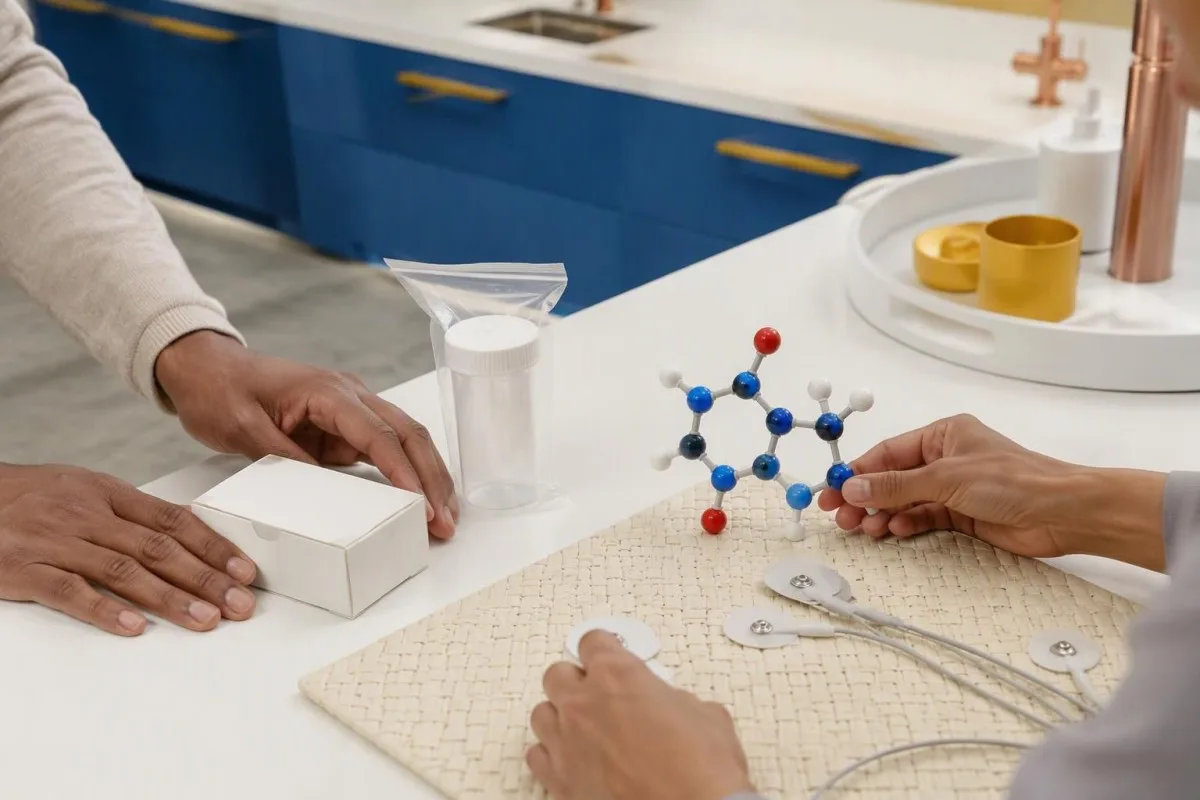
Persistent vomiting with a racing heartbeat is more concerning than either symptom considered alone in someone taking theophylline. Both can reflect excessive drug effect, while vomiting also disrupts fluid and electrolyte balance. A hypothetical pulse of 125 beats per minute accompanied by repeated vomiting should not be dismissed as anxiety simply because yesterday’s concentration was 16 mg/L.
Theophylline and inhaled beta-agonists can both cause tremor and palpitations, making symptom attribution difficult without assessment. Potassium, magnesium, an ECG and the current level may help distinguish medication effects from other causes; our 動悸の検査ガイド explains why a concentration alone is insufficient. A pulse above 100 beats per minute is not itself a toxicity diagnosis, but a new sustained change deserves attention.
If toxicity is suspected, do not take another theophylline dose while obtaining urgent medical advice. Seek emergency help immediately for a seizure, collapse or severe cardiac symptoms rather than waiting 1–2 hours for a routine service to respond. Do not induce vomiting or take activated charcoal at home; bring the medicine packaging and details of all doses, including any accidentally repeated tablets.
Can toxicity occur within the laboratory range?
Theophylline toxicity can occur within a laboratory’s 10–20 mg/L range because susceptibility, sampling time and protein binding vary. A total concentration of 17 mg/L does not exclude an earlier higher peak or an unusually large proportion of active, unbound drug.
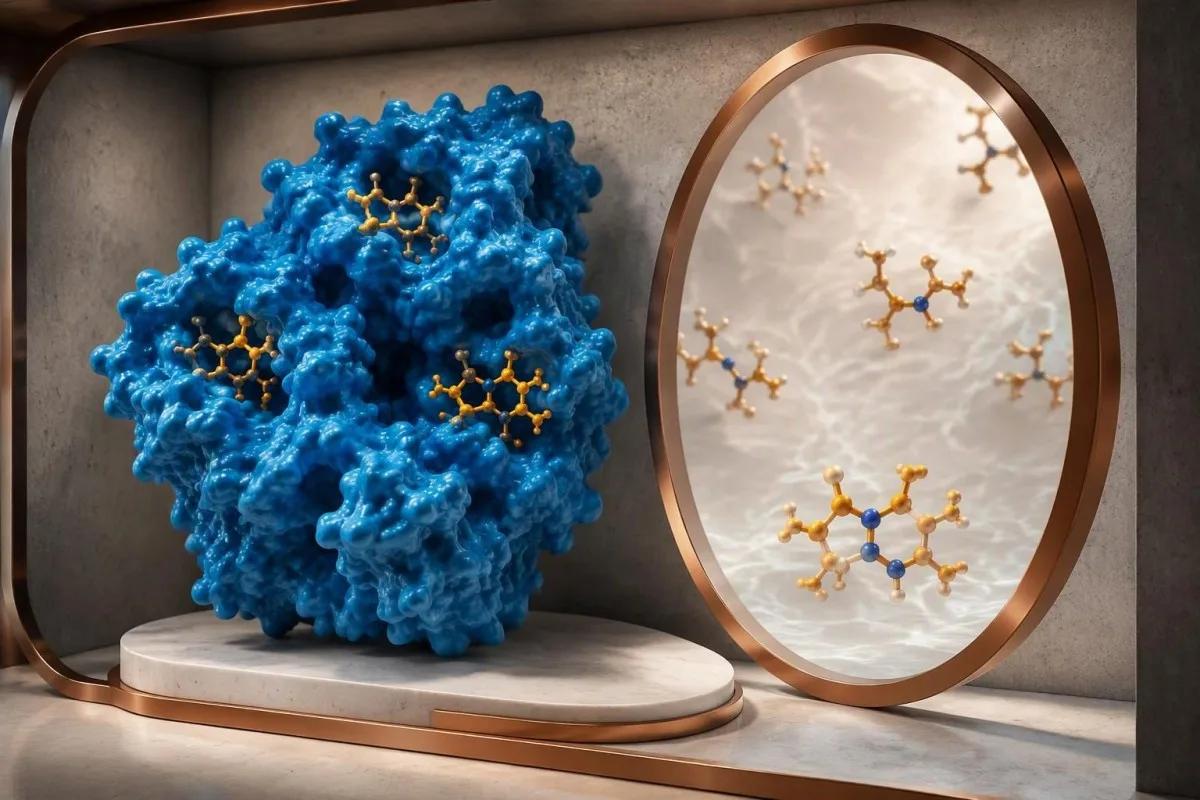
Routine theophylline assays usually measure total drug, including both protein-bound and unbound fractions. Approximately 40% is normally protein bound, but binding can decrease in circumstances such as cirrhosis, acidemia or late pregnancy. Our アルブミンとタンパク質の指標が helps explain the context, although albumin alone cannot reliably calculate an individual free theophylline concentration.
A free theophylline measurement may help when symptoms conflict with the total result. Product labeling describes an unbound therapeutic interval of approximately 6–12 mg/L, but this is not a routine target for every patient or a conversion formula. For a hypothetical total result of 15 mg/L with reduced binding, a clinician may request the free fraction instead of assuming that the laboratory’s total-drug interval establishes safety.
Kantesti is an AI blood test interpretation platform that explains why a symptomatic result of 17 mg/L deserves clinical review rather than automatic reassurance. 私たちの 臨床的妥当性の検証アプローチ describes the distinction between interpretation and a prescribing decision. People over 60 years, those with neurological disease and those with hypoxia may be more vulnerable, but no single age or albumin cutoff predicts all adverse effects.
How smoking cessation can raise a theophylline level
Stopping smoking can raise theophylline concentrations on an unchanged dose because tobacco smoke induces enzymes that clear the medicine. US product labeling reports an approximately 40% reduction in clearance after 1 week of abstinence, although the individual change varies.

Nicotine is not the main driver of the smoking–theophylline interaction. Combustion-related chemicals induce CYP1A2, so nicotine patches, gum or switching away from cigarettes do not reliably preserve the previous clearance rate. A cotinine result and nicotine exposure can document nicotine use, but it cannot establish whether theophylline-metabolizing enzyme induction remains unchanged after 7 smoke-free days.
A reduction in clearance can produce a larger concentration rise than the percentage initially suggests. In a deliberately simplified example, a stable concentration of 10 mg/L with clearance falling to 60% of its previous value would become approximately 16.7 mg/L if dose, absorption and other factors stayed constant. Actual theophylline kinetics can be nonlinear, so this calculation explains the risk rather than providing a dose-adjustment rule.
Smoking cessation should be supported, not discouraged because of theophylline monitoring. Tell the prescribing team when smoking stops, substantially decreases or restarts, and ask for an early reassessment plan rather than waiting for the next annual review. Kantesti can help place two dated results alongside a recorded smoking change, but clinicians must decide whether a dose reduction and repeat level within several days are appropriate.
Why fever and acute illness can increase the level
Sustained fever can slow theophylline clearance and raise the level without any dose increase. Product labeling highlights temperatures around 39°C lasting at least 24 hours as a meaningful warning pattern, but lower prolonged fevers and severe illness can also matter.
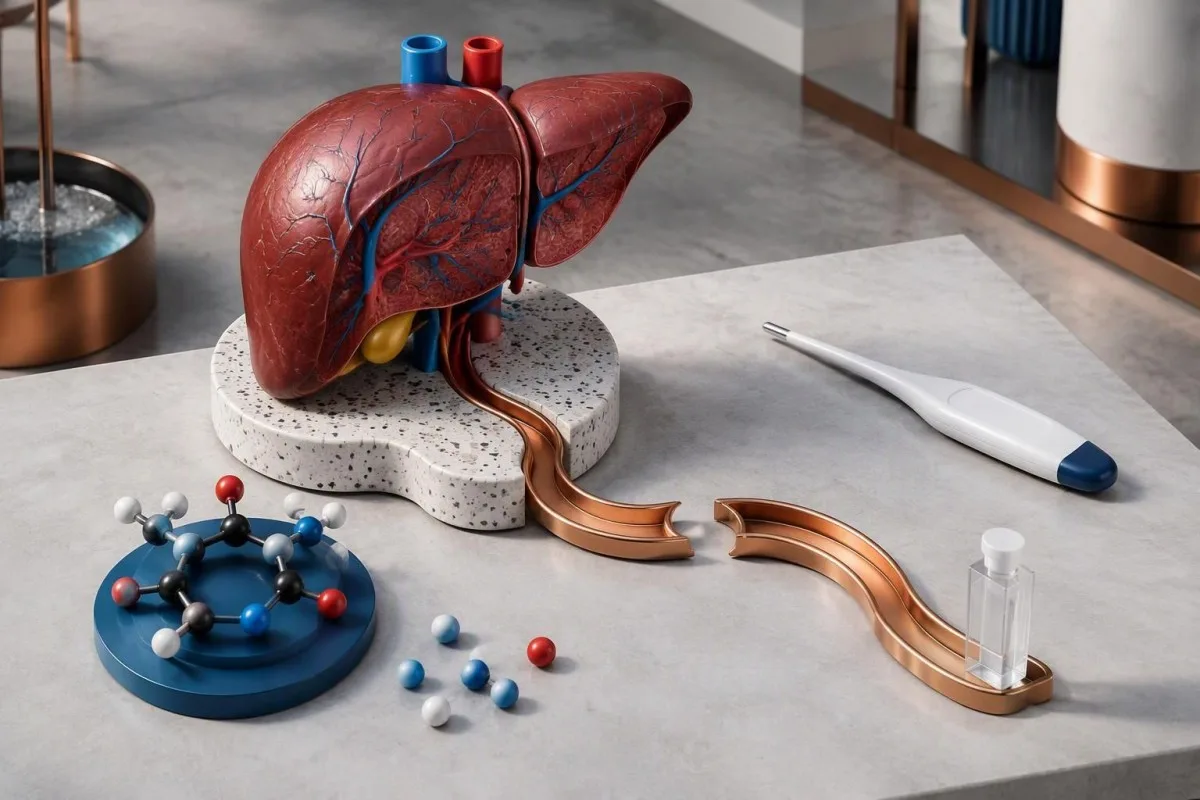
Fever-related accumulation can be mistaken for worsening respiratory illness. Nausea, poor sleep and tachycardia may be attributed to a chest illness even when theophylline contributes, particularly after 2–3 days of reduced clearance. Record the highest temperature, its duration, fluid intake and whether the regular tablets continued; these details can explain a rising result more usefully than a single inflammatory marker.
CRP and white-cell counts do not measure theophylline clearance. A person may need a drug level despite only modest changes in either test, while an elevated CRP does not prove that a concentration of 18 mg/L is toxic. Our explanation of WBCとCRPの不一致 shows why illness severity cannot be reduced to one laboratory result.
Illness and its treatment can create two simultaneous reasons for accumulation. In a hypothetical case, a 39.2°C fever persisting for 30 hours plus newly prescribed ciprofloxacin warrants contact with the prescribing team even if the last stable level was 8 mg/L. Do not wait for the next scheduled monitoring appointment when new vomiting, tremor or palpitations accompany that combination.
Which medicines can cause a high theophylline level?
Ciprofloxacin, fluvoxamine, cimetidine and some macrolide antibiotics can raise theophylline levels by reducing clearance. The effect is drug-specific: 1 antibiotic cannot be assumed equivalent to another, and stopping an enzyme-inducing medicine can also cause accumulation.
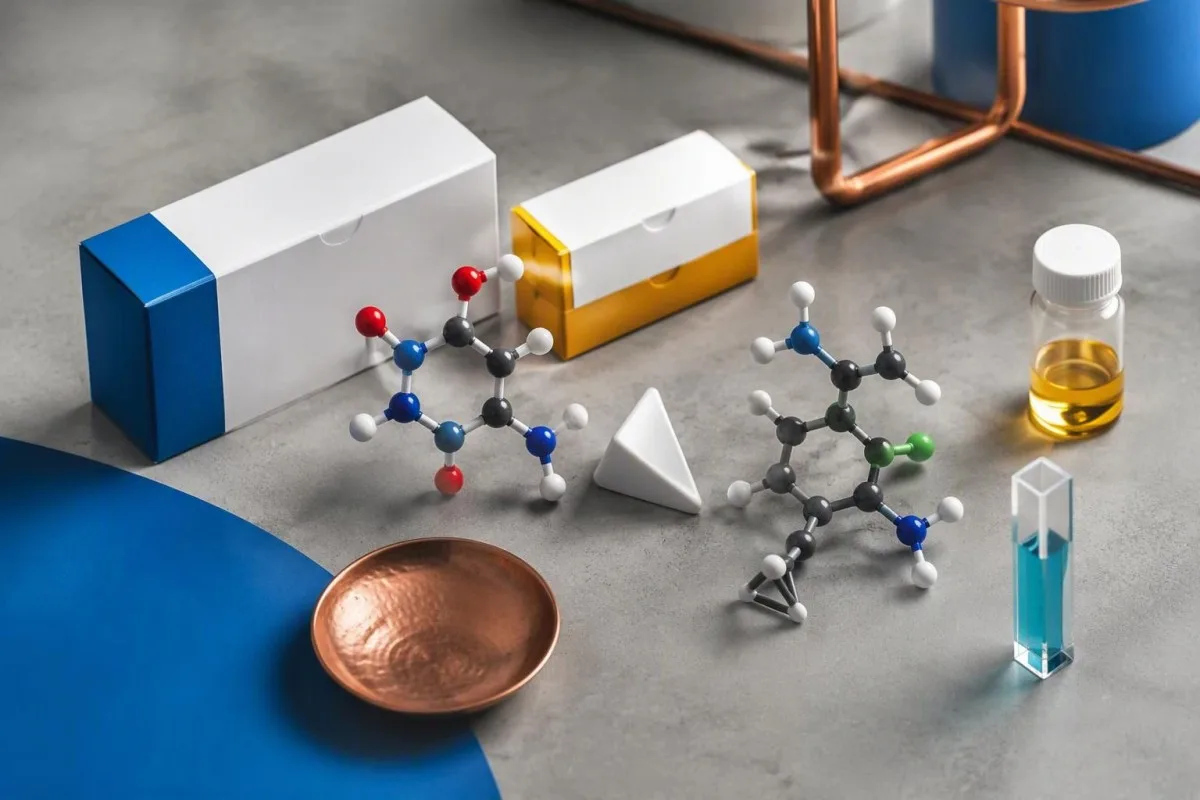
Erythromycin and clarithromycin can interact with theophylline, while azithromycin generally has much less effect on its clearance. Ciprofloxacin is a recognized concern, but fluoroquinolones are not all identical in this respect. NICE specifically advises reducing theophylline dosage when interacting macrolide or fluoroquinolone antibiotics are prescribed for COPD exacerbations; the prescriber determines the change and monitoring, not a universal percentage applied at home.
Starting a strong inhibitor is not the only interaction scenario. Stopping rifampicin, carbamazepine or phenytoin can remove an enzyme-inducing effect and allow a previously tolerated dose to produce higher concentrations over subsequent days. Some of the same smoking and CYP1A2 issues arise in clozapine medication safety, although the relevant tests and treatment thresholds differ.
A complete medication review should include nonprescription products and recently discontinued medicines. Cimetidine bought for indigestion can be relevant even if the regular prescription list has not changed, and a 3-day antibiotic course can overlap with the start of accumulating drug. Ask a pharmacist to check the exact medicine names, including herbal products, and arrange repeat levels according to the expected interaction rather than the package color or drug class alone.
How age, liver disease and heart failure affect clearance
Older age, significant liver disease and congestive heart failure can reduce theophylline clearance. Product labeling describes reductions of 50% 以上で下げます in some patients with liver impairment or heart failure, making an unchanged dose potentially excessive after health status changes.
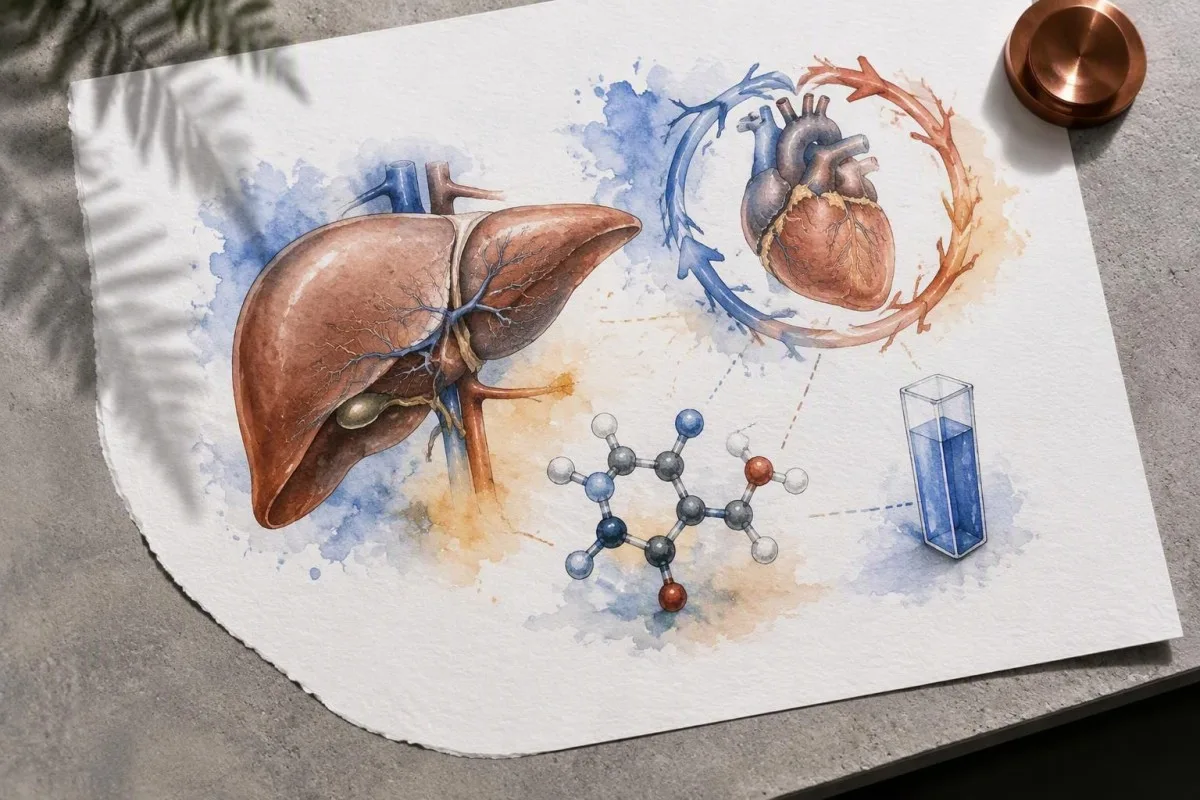
Theophylline is mainly metabolized by the liver in adults, so a normal creatinine result does not establish normal drug clearance. This differs from medicines whose elimination is predominantly renal; our 腎機能解釈ガイド explains what creatinine does and does not measure. Only a relatively small fraction, roughly 10%, is excreted unchanged in adult urine, although newborn physiology differs substantially.
Normal ALT and AST values cannot rule out reduced theophylline metabolism. Heart failure, hepatic congestion and changes in liver functional reserve can affect clearance without a proportionate rise in routine enzyme tests. In a hypothetical adult with worsening edema, breathlessness and a rise from 9 to 18 mg/L on the same dose, the relevant question is what changed physiologically—not whether the tablet count remained correct.
Adults over 60 years often need more cautious dosing and review, particularly when frailty, hypoxia or multiple interacting medicines coexist. Our guide to 高齢者の薬剤効果 explains why a previously tolerated regimen can become unsuitable. Age is a risk modifier rather than a stand-alone dose formula; children, pregnancy and neonatal use require separate specialist interpretation rather than applying an adult 5–15 mg/L target indiscriminately.
What a low level means—and what caffeine changes
A low theophylline level does not automatically require a higher dose. 以下の結果 5 mg/L may reflect sampling time, missed doses, faster clearance or an intentionally low target; caffeine can worsen tremor and palpitations without necessarily explaining the measured concentration.

Clinical benefit determines whether a low concentration is a problem. A correctly timed result of 4 mg/L in someone with good control may need a treatment review rather than automatic escalation, whereas the same result with worsening breathlessness requires assessment of the whole respiratory regimen. Check adherence and technique for other prescribed treatments before assuming that raising theophylline will provide the missing benefit.
Coffee, strong tea, energy drinks and cocoa add methylxanthine exposure, which can compound insomnia, tremor or palpitations. Approximately 80–100 mg of caffeine in a typical cup of brewed coffee is a useful reference, but portions and preparations vary widely. Unlike an overdose assessment described in our salicylate level timing guide, a caffeine history does not replace measurement of the prescribed drug.
Missed doses should not be corrected by doubling the next dose unless the prescriber has explicitly instructed it. For a hypothetical twice-daily regimen, taking two 200 mg doses together can create a different peak from taking them 12 hours apart, even when the daily total appears unchanged. Keep caffeine intake reasonably consistent, follow the medicine’s missed-dose instructions and never use extra fluids, food or supplements as a home treatment for suspected toxicity.
What happens after a high theophylline level?
A high theophylline level requires assessment of symptoms, exposure pattern and whether the concentration is rising. Results above 20 mg/L warrant prompt clinical advice; markedly elevated levels or significant symptoms need urgent hospital assessment, with treatment guided by more than the number.
Acute overdose and chronic accumulation have different risk patterns. An older adult accumulating drug over several days may develop serious toxicity at a lower concentration than a younger person after a single ingestion, so a universal “danger starts here” cutoff is misleading. A result above 30 mg/L during regular treatment is especially concerning, and a recent extra modified-release dose can make an early measurement underestimate the eventual peak.
Hospital assessment commonly includes serial theophylline levels, an ECG, potassium, magnesium, glucose and acid–base evaluation. Activated charcoal may be used under medical supervision, sometimes in repeated doses, but suitability depends on airway protection and other risks. The general need to interpret ingestion time resembles overdose sampling decisions; however, the acetaminophen nomogram must never be applied to theophylline.
EXTRIP recommends extracorporeal treatment for severe theophylline poisoning, including an acute concentration above 100 mg/L or severe manifestations such as seizures, life-threatening arrhythmias or shock (Ghannoum et al., 2015). The workgroup also suggests treatment in chronic poisoning above 60 mg/L, with additional lower-threshold considerations for vulnerable age groups. These are specialist treatment criteria—not concentrations below which home observation is automatically safe.
How to compare results and plan a useful repeat test
Two theophylline results are comparable only when dose, formulation and sampling conditions are sufficiently similar. からの変化 8 to 14 mg/L may represent real accumulation, a later peak sample or both; repeat testing should answer a specific clinical question.

Consider a hypothetical 58-year-old taking 200 mg of modified-release theophylline every 12 hours. A level of 8 mg/L drawn immediately before a dose and a later level of 14 mg/L drawn 5 hours afterward cannot establish worsening clearance by themselves. The practical next step is to confirm the intended sampling window and repeat under the prescriber’s instructions, unless symptoms require immediate assessment instead.
Now consider a different hypothetical person whose comparable levels rise from 10 to 18 mg/L after 7 days without cigarettes. The unchanged formulation and matched dose-to-sample interval make reduced clearance a stronger explanation, especially if nausea has appeared. Our 薬剤安全性トレンドガイド explains why the timeline of smoking, fever and prescription changes belongs beside the laboratory trend.
Kantesti is an AI-powered blood test analysis tool that can help organize a 10-to-18 mg/L trend alongside the history you provide. 私たちの で確認できます。 explains how supplied context supports interpretation without replacing clinician oversight. Before a repeat test, confirm five details: exact product, dose schedule, last-dose time, sample time and relevant changes; after an intervention, the prescriber chooses when the new level will be informative.
研究論文とAI解釈の限界
Theophylline interpretation rests on pharmacology, product-specific monitoring and clinical assessment—not an AI-generated safe cutoff. A total result of 12 mg/L can be useful evidence, but published ranges and automated explanations cannot exclude toxicity in a symptomatic person.
The evidence supports different roles for theophylline at different concentrations, but a biological mechanism is not the same as proven benefit for every treatment strategy. Barnes’s 2013 review discusses proposed effects at lower levels alongside bronchodilation at higher exposure, while NICE’s 2018 COPD guidance emphasizes selective use and monitoring. Neither source establishes a universally safe 5–15 mg/L interval independent of symptoms, formulation and individual risk.
Extracorporeal-treatment thresholds address severe poisoning rather than routine therapeutic monitoring. Ghannoum and colleagues’ EXTRIP review uses criteria such as an acute concentration above 100 mg/L, but its recommendations also respond to severe symptoms and the exposure pattern. Our guide to AIによる医療情報の説明の確認 helps readers distinguish a hospital treatment threshold from a personal treatment target.
The two Kantesti publications listed below describe a validation framework and a global analysis report; they are not theophylline-specific trials or independent prescribing guidelines. They should not be cited as proof that an AI system can diagnose toxicity at 17 mg/L or safely change a dose. Our 医療コンテンツ基準 require that separation: use educational interpretation to prepare questions, and use the prescribing team or emergency services for clinical decisions.
よくある質問
テオフィリンの治療域はどのくらいですか?
テオフィリン治療の目標値は一般に5–15 mg/Lの範囲ですが、治療域を10–20 mg/Lと報告する検査機関もあります。処方医は、期待される効果、副作用、年齢、その他の疾患に応じて、より低い目標値を選択する場合があります。採血時刻は、製剤およびピーク値またはトラフ値のどちらを評価するかに合わせる必要があります。検査機関の基準範囲内の結果であっても、安全性が保証されるわけではありません。.
テオフィリン濃度が20の場合、毒性がありますか?
テオフィリン濃度20 mg/Lは、多くの従来の検査基準範囲の上限にあたり、この濃度を超えると毒性が生じる可能性が高くなります。慢性的な蓄積がある場合や感受性が高い場合には、20 mg/L未満でも副作用が生じる人がいます。したがって、20 mg/Lという結果については、担当医が設定した目標値、服用時刻、症状と照らし合わせて確認する必要があります。嘔吐が続く、動悸がする、または神経症状がある場合は、基準範囲を根拠に安心するのではなく、速やかに医療機関へ相談してください。.
テオフィリン濃度はいつ測定すべきですか?
テオフィリンの採血時刻は、製剤およびモニタリングの目的によって異なります。即放性製剤では、投与後1~2時間頃にピークに達することが多く、一部の徐放性製剤のプロトコルでは投与後4~6時間に採血します。他の製剤では採血時刻が異なり、トラフ値は次回の予定投与の直前に測定します。毒性が疑われる場合は、通常の採血時間帯を待たずに直ちに評価する必要があります。.
Can stopping smoking increase theophylline levels?
Stopping smoking can increase theophylline levels because tobacco smoke induces enzymes involved in clearing the medicine. Product labeling reports an approximately 40% reduction in clearance after 1 week of abstinence, although individual changes differ. Nicotine patches or gum do not reliably prevent this interaction because nicotine is not the principal cause of enzyme induction. Tell the prescribing team when smoking stops, decreases substantially or restarts so they can plan monitoring and any dose adjustment.
Can fever raise a theophylline level?
Sustained fever can raise a theophylline level by slowing drug clearance, even when the dose is unchanged. Temperatures around 39°C lasting at least 24 hours are a recognized warning pattern in product labeling, but other significant or prolonged illnesses can also matter. Interacting antibiotics may compound the effect during a respiratory illness. New vomiting, tremor or palpitations should prompt urgent clinical advice and consideration of a current drug level.
What should I do if my theophylline level is high?
A theophylline level above 20 mg/L requires prompt clinical advice, while a markedly elevated result or significant symptoms may require urgent hospital assessment. Seek emergency care immediately for a seizure, collapse, severe confusion or sustained rapid or irregular heartbeat, regardless of the measured concentration. If toxicity is suspected, do not take another theophylline dose while obtaining urgent advice. Do not induce vomiting, use home charcoal treatment or calculate your own dose reduction from the laboratory result.
血液検査結果の見方を確認しましょう
検査報告書をアップロードすると、KantestiのAIが数秒で各バイオマーカーを平易な言葉で説明します。世界中で200万人以上が利用しています。.
参考文献
- Klein, T., Mitchell, S., & Weber, H. (2026). 臨床検証フレームワーク v2.0(医学的検証ページ)。. Kantesti AI医学研究。. 掲載日
- Klein, T., Mitchell, S., & Weber, H. (2026). AI血液検査アナライザー:2.5M件の検査を分析 | グローバルヘルスレポート 2026。. Kantesti AI医学研究。. 掲載日
- Barnes PJ (2013). Theophylline. American Journal of Respiratory and Critical Care Medicine. 掲載日
- National Institute for Health and Care Excellence (2018). Chronic obstructive pulmonary disease in over 16s: diagnosis and management. NICE Guideline NG115.
- Ghannoum M et al. (2015). Extracorporeal treatment for theophylline poisoning: systematic review and recommendations from the EXTRIP workgroup. Clinical Toxicology. 掲載日
- 200万以上分析対象の検査
- 127+国
- 100+言語
医療チームについて


E-E-A-T 信頼性シグナル
経験
医師主導による、検査結果解釈ワークフローの臨床レビュー。.
専門知識
臨床的な文脈においてバイオマーカーがどのように振る舞うかに焦点を当てた検査医学。.
権威
Thomas Klein医師による医学的レビュー。Sarah Mitchell医師およびHans Weber教授の協力。.
信頼性
アラームを減らすための明確なフォローアップ経路を備えた、エビデンスに基づく解釈。.


医療免責事項
この記事は教育目的のみを対象としており、医療助言を構成するものではありません。診断や治療の判断を行う際は、必ず有資格の医療提供者にご相談ください。.
公開 · 編集チームにお問い合わせください
Kantesti Ltdが発行。イングランドおよびウェールズで登録、会社番号. 17090423, 、英国ロンドン。.
