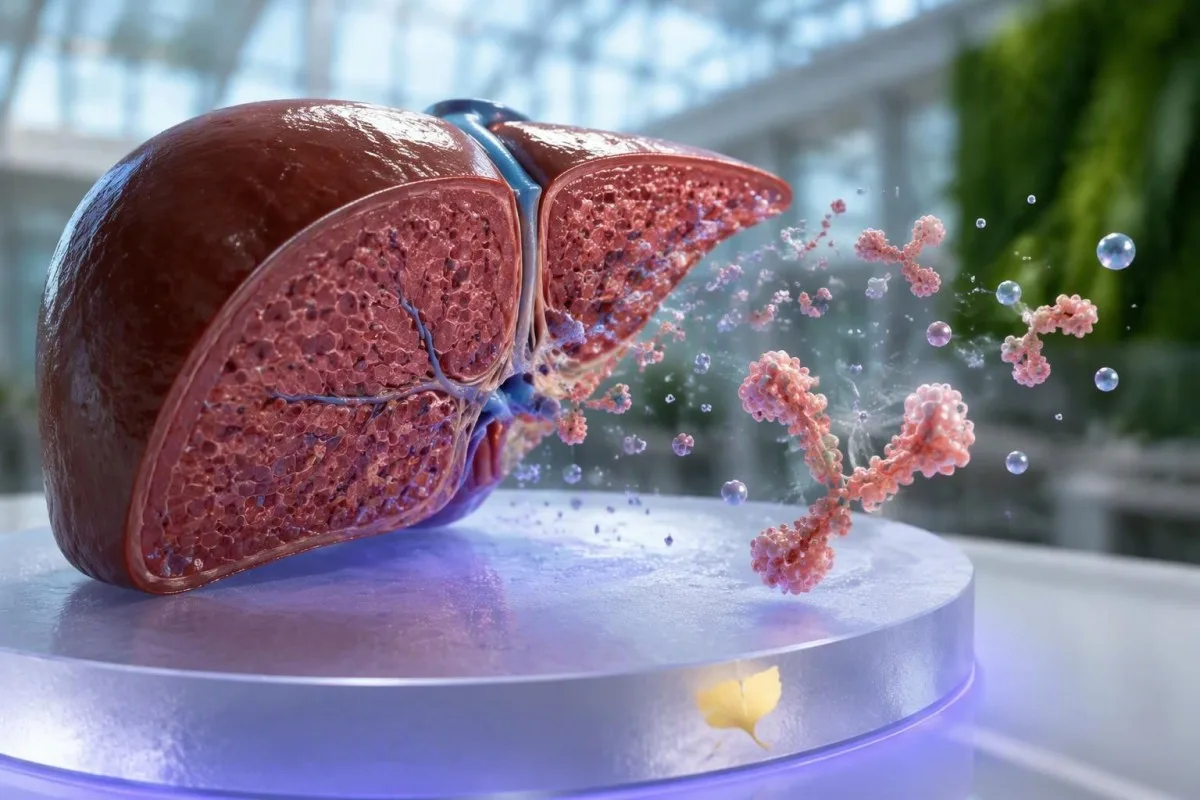
Low sex hormone-binding globulin is usually a metabolic or hormonal clue, not a diagnosis by itself. The useful question is whether insulin, thyroid status, liver production, androgen exposure, or body composition explains the pattern.


- Low SHBG meaning depends on total testosterone, free testosterone, estradiol, thyroid tests, liver tests, glucose, and fasting insulin—not SHBG alone.
- Adult SHBG ranges vary by assay, but many laboratories report roughly 10-57 nmol/L in men and 18-144 nmol/L in non-pregnant women.
- Resistenza all’insulina suppresses liver SHBG production; a low SHBG with high triglycerides, elevated fasting insulin, or raised HbA1c often fits this pattern.
- L’ipotiroidismo can lower SHBG, particularly when free T4 is low or TSH is clearly elevated.
- Higher visceral fat is more closely associated with low SHBG than body weight alone; waist circumference and triglycerides add context.
- Androgen exposure from testosterone therapy, anabolic agents, or some progestins can reduce SHBG and make total testosterone harder to interpret.
- Malattia del fegato may lower SHBG production, although advanced liver disease can produce variable results depending on nutrition, estrogen balance, and severity.
- Ripetere il test is sensible after 8-12 weeks when a reversible contributor such as thyroid treatment, weight change, medication adjustment, or alcohol reduction is addressed.
What a low SHBG result usually means
Low SHBG most often reflects reduced production by the liver in response to insulin, androgen activity, hypothyroidism, or increased visceral fat. It does not automatically mean that testosterone is low or high; it changes how much testosterone remains protein-bound and can make a normal total testosterone result misleading.
SHBG is a glycoprotein made mainly in hepatocytes that binds testosterone and estradiol with high affinity. When SHBG falls, the percentage of testosterone that is free or albumin-bound often rises, even if total testosterone is unchanged. That is why a low result deserves paired hormone measurements rather than a quick conclusion.
In clinic, I commonly see a man with SHBG of 14 nmol/L and total testosterone of 13 nmol/L whose calculated free testosterone is adequate. I also see women with SHBG below 20 nmol/L, irregular cycles, acne, and a raised free androgen index; those are very different clinical stories despite the same flag on a lab report.
Reference intervals are assay-specific, age-dependent, and influenced by pregnancy and oral estrogen. What SHBG stands for is often less useful than asking whether the result fits the rest of the panel and the person's symptoms.
Why insulin resistance is a leading cause of low SHBG
Low SHBG and insulin resistance frequently occur together because insulin reduces SHBG gene expression in liver cells. A low SHBG result becomes more meaningful when fasting insulin, triglycerides, waist size, glucose, or HbA1c point in the same direction.
Fasting insulin does not have one universal diagnostic cutoff, but many metabolic clinics consider values above 10-12 µIU/mL suspicious when fasting glucose is normal. A HOMA-IR above 2.0-2.5 may support insulin resistance in some populations, although ethnicity, assay calibration, and body composition alter its usefulness.
Ding and colleagues found that higher SHBG predicted a lower future risk of type 2 diabetes in women and men in the New England Journal of Medicine study (Ding et al., 2009). That association does not mean SHBG treatment prevents diabetes; SHBG is better understood as a signal of the metabolic environment.
Kantesti è un Analizzatore di analisi del sangue AI that reads SHBG beside fasting glucose, HbA1c, triglycerides, ALT, and insulin rather than treating one result as a diagnosis. For a practical next step, review insulina basale borderline alongside your fasting status and recent exercise.
Weight, waist size and body composition matter more than BMI alone
Central fat accumulation lowers SHBG more consistently than BMI alone because visceral fat is closely tied to hepatic insulin exposure. A muscular person with a BMI of 29 kg/m² may have a very different SHBG explanation from a sedentary person with the same BMI and a larger waist.
A waist circumference above 102 cm in many men or 88 cm in many women is one metabolic-risk threshold used in older criteria, though ethnic-specific cutoffs are lower in several populations. Waist-to-height ratio above 0.5 is a simple additional screen that travels better across body frames than BMI.
In my experience, SHBG often rises before major weight loss is visible on the scale when sleep, activity, triglycerides, and liver fat improve. A 5-10% weight reduction can improve insulin sensitivity, but the timing of SHBG recovery varies from weeks to months and is not guaranteed.
Low SHBG with triglycerides above 150 mg/dL and HDL cholesterol below 40 mg/dL in men or 50 mg/dL in women strengthens the metabolic interpretation. Our guide to cut-off per la sindrome metabolica explains why this cluster matters more than any single number.
How thyroid status can lower SHBG
Hypothyroidism can lower SHBG because thyroid hormone normally stimulates hepatic SHBG synthesis. Low free T4 with an elevated TSH is more convincing evidence than a borderline TSH alone, especially when fatigue or weight changes are present.
In primary hypothyroidism, TSH is often above the laboratory upper limit, commonly 4.0-4.5 mIU/L, while free T4 may be low. Subclinical hypothyroidism means TSH is elevated but free T4 remains within range; its effect on SHBG is usually smaller and less predictable.
A useful trap to avoid: low SHBG can make total testosterone look lower without proving androgen deficiency. If hypothyroidism is treated, retesting thyroid markers and morning testosterone after about 6-8 weeks is more informative than escalating testosterone treatment immediately.
Thomas Klein, MD, has seen this exact pattern in patients whose SHBG normalised after thyroid replacement was adjusted, while their calculated free testosterone barely changed. Read T4, T3 and TSH together before interpreting a thyroid-linked SHBG result.
Liver health, fatty liver and alcohol effects
The liver makes SHBG, so metabolic dysfunction-associated steatotic liver disease can contribute to low SHBG, particularly when insulin resistance is also present. Mild ALT elevation does not prove fatty liver, and a normal ALT does not exclude it.
ALT above about 33 IU/L in men or 25 IU/L in women is considered above the healthy reference threshold in several liver-health pathways, although each laboratory sets its own interval. GGT, triglycerides, platelet count, albumin, and ultrasound findings help distinguish isolated enzyme variation from a liver-fat pattern.
Alcohol can move SHBG in either direction. Regular heavy intake may raise SHBG through liver and estrogen effects, while insulin resistance, steatosis, calorie excess, and reduced hepatic synthetic function can push it lower; the full pattern matters more than assumptions about alcohol alone.
When low SHBG appears with ALT, AST, or GGT changes, I look at fibrosis risk rather than focusing only on enzymes. The guida ai test MASLD E guida al calcolo FIB-4 possono aiutare a impostare la discussione con un clinico.
Androgen exposure, testosterone therapy and anabolic agents
Testosterone treatment and other androgenic exposures can lower SHBG, sometimes substantially, while increasing calculated free testosterone. This pattern should prompt a direct medication and supplement history before it is labelled insulin resistance or a spontaneous hormone disorder.
Injectable testosterone often produces greater peak-to-trough variation than gels or patches, and blood sampling timing can change total testosterone by several nmol/L. A result collected 24 hours after an injection cannot be compared cleanly with a trough drawn just before the next dose.
The Endocrine Society advises diagnosing testosterone deficiency only when symptoms are consistent and morning testosterone is unequivocally and repeatedly low (Bhasin et al., 2018). In men with altered SHBG, calculated free testosterone or an equilibrium dialysis measurement can be more clinically relevant than total testosterone alone.
Non-prescribed anabolic agents, DHEA products, and some bodybuilding supplements are commonly omitted unless asked about directly. The related issue of high estradiol on testosterone therapy should be interpreted from symptoms and assay quality, not from SHBG alone.
Low SHBG in PCOS and higher androgen states
Low SHBG is common in polycystic ovary syndrome because insulin resistance and androgen excess can both suppress SHBG. It supports a PCOS pattern but cannot diagnose PCOS on its own, even when the free androgen index is elevated.
The free androgen index is calculated as total testosterone divided by SHBG multiplied by 100, but it becomes unreliable at very low SHBG concentrations and depends on assay method. Liquid chromatography-tandem mass spectrometry is generally preferred for low female testosterone concentrations because common immunoassays can lack precision.
The 2023 International Evidence-based Guideline for PCOS uses at least two of ovulatory dysfunction, clinical or biochemical hyperandrogenism, and polycystic ovarian morphology or elevated anti-Müllerian hormone after excluding mimics (Teede et al., 2023). A low SHBG result is a clue within that work-up, not one of the required diagnostic criteria.
In a patient with cycles longer than 35 days, SHBG of 16 nmol/L, and normal total testosterone, I would still consider free testosterone, DHEA-S, prolactin, TSH, and 17-hydroxyprogesterone when indicated. Our PCOS testing timing guide explains why recent hormonal contraception can obscure that assessment.
Medicines that can lower or alter SHBG
Medicines can lower SHBG directly or change it indirectly through thyroid, insulin, liver, or androgen effects. Androgenic progestins, glucocorticoids, growth hormone, and testosterone are the classic examples, while oral estrogen usually raises SHBG.
Systemic glucocorticoids such as prednisolone can worsen insulin resistance and reduce SHBG, especially at doses of 5 mg daily or more over weeks to months. Dose, duration, route, and the underlying illness all matter; a short course for an acute problem rarely explains a persistent result by itself.
Combined oral contraceptives commonly increase SHBG because ethinylestradiol has a strong hepatic effect, whereas progestin-only methods may have less impact or vary by formulation. A hormone panel collected while using contraception often answers a different question from one collected after stopping it.
Do not stop prescribed medication because of a single SHBG result. Make a dated list of medicines, injections, creams, supplements, and dose changes, then compare it with hormone testing after the pill.
Companion results that distinguish the cause
The most useful low-SHBG panel includes total testosterone, calculated or measured free testosterone, albumin, estradiol when relevant, TSH, free T4, fasting glucose, HbA1c, lipids, and liver enzymes. The pattern, sampling time, and symptoms determine what the result means.
Low SHBG plus high fasting insulin, triglycerides above 150 mg/dL, and elevated ALT points toward a metabolic driver. Low SHBG plus elevated TSH and low free T4 points toward hypothyroidism; low SHBG plus suppressed LH and FSH may suggest exogenous androgens or pituitary-level suppression, depending on the setting.
For men, morning sampling between approximately 7 and 10 am is preferred because testosterone has a circadian rhythm, particularly before age 40. Acute illness, poor sleep, endurance events, and calorie restriction can temporarily affect testosterone and should make clinicians cautious about calling a chronic deficiency.
Kantesti è un piattaforma di interpretazione dei biomarcatori AI that flags discordance between total testosterone, SHBG, albumin, and calculated free testosterone rather than relying on a coloured reference-range flag. For detail on one common outcome, read what low free testosterone means.
How to test SHBG accurately and avoid misleading results
SHBG testing is most interpretable when it is repeated under similar conditions and paired with a same-day morning hormone sample. Fasting is not strictly required for SHBG, but fasting is useful when insulin, triglycerides, glucose, or C-peptide are being assessed at the same visit.
Biotin can interfere with some immunoassays, though the direction and size of effect depend on the laboratory method. Many laboratories advise avoiding high-dose biotin supplements, often 5-10 mg daily, for at least 48 hours before susceptible tests; verify the local laboratory instruction rather than guessing.
Albumin matters because calculated free testosterone equations use it alongside total testosterone and SHBG. A low albumin result below roughly 35 g/L can alter calculation outputs, especially in liver disease, kidney disease, systemic illness, or significant calorie restriction.
A repeat is more valuable when the original result does not fit the clinical picture. Kantesti's guida ai biomarcatori degli esami del sangue helps users preserve units, reference intervals, collection time, and medication context when comparing reports.
How low SHBG patterns differ in men and women
In men, low SHBG can conceal an adequate free testosterone level; in women, it can amplify biologically active androgen exposure even when total testosterone is normal. The same SHBG concentration therefore has different implications depending on sex, age, menstrual status, and treatment history.
A man with total testosterone of 10 nmol/L and SHBG of 12 nmol/L may have a calculated free testosterone in range, whereas a man with the same total testosterone and SHBG of 55 nmol/L may not. This is why total testosterone alone can overcall deficiency in people with obesity or insulin resistance.
For women, low SHBG can make a small rise in testosterone clinically meaningful when acne, scalp hair thinning, hirsutism, or ovulatory irregularity are present. Menopause changes the baseline too: SHBG commonly falls with age, while estradiol declines sharply, so results need age-aware interpretation.
Symptoms are never a substitute for biochemical confirmation, but they decide whether testing is worthwhile. Readers with sexual symptoms may find low-libido blood tests useful for discussing broader causes such as prolactin, thyroid disease, anaemia, mood, and medication effects.
What to do when SHBG is low
A low SHBG result usually calls for context and follow-up, not treatment aimed at SHBG itself. Addressing insulin resistance, thyroid dysfunction, medication effects, sleep disruption, or liver disease may change SHBG naturally while targeting the actual health issue.
If SHBG is mildly low but total and calculated free testosterone are normal and there are no symptoms, repeat testing after 8-12 weeks is often reasonable. A result below the reference interval does not create an emergency, and it does not justify self-starting testosterone, thyroid hormone, or supplements.
If fasting glucose is 100-125 mg/dL, HbA1c is 5.7-6.4%, or triglycerides are elevated, the low SHBG result can become an early prompt for metabolic prevention. A clinician may add blood pressure, waist measurement, diabetes risk history, sleep-apnoea screening, and liver assessment rather than ordering an ever-larger sex-hormone panel.
As of September 29, 2026, the most sensible plan remains cause-specific follow-up with a licensed clinician who knows your history. Kantesti's technology guide describes how our contextual analysis separates follow-up prompts from diagnoses.
When low SHBG needs prompt medical review
Low SHBG itself is rarely urgent, but accompanying symptoms or severe companion abnormalities can need timely evaluation. New virilisation, rapidly worsening menstrual changes, testicular symptoms, jaundice, severe hyperglycaemia, or signs of cortisol excess should not wait for a routine repeat test.
Seek prompt medical review for new rapid facial or body hair growth, deepening voice, marked muscle changes, or sudden menstrual disruption because these can rarely signal substantial androgen excess. In men, severe headache, vision change, or galactorrhoea with low gonadotropins requires assessment for pituitary causes.
Jaundice, dark urine, pale stools, abdominal swelling, confusion, or rapidly rising liver enzymes are liver red flags regardless of SHBG. Likewise, glucose above 200 mg/dL with thirst, vomiting, abdominal pain, or drowsiness requires urgent clinical advice because the concern is hyperglycaemia, not the hormone-binding protein.
Thomas Klein, MD, advises bringing the complete report rather than a screenshot of SHBG alone; trend direction and reference ranges can change the assessment. Our comitato consultivo medico supports the clinical oversight standards used in Kantesti result interpretation.
Tracking SHBG over time without overreacting
A meaningful SHBG trend is one measured by the same laboratory, under similar conditions, alongside the same companion markers. A change from 18 to 24 nmol/L may be analytically trivial in one setting but meaningful when insulin, triglycerides, thyroid tests, and symptoms improved together.
SHBG has biological variation, so clinicians should avoid interpreting a small shift as proof that a diet, supplement, or medication has worked. I generally find three time-stamped datasets more useful than one before-and-after pair, particularly if testing followed an illness, travel, poor sleep, or major training block.
Kantesti è un Strumento di analisi degli esami del sangue basato su AI that compares hormone, thyroid, liver, and metabolic trends across uploaded reports while preserving the laboratory's original units and intervals. This is especially helpful when a person has changed laboratories or moved between countries where SHBG methods differ.
Use a repeat date that matches the question: 6-8 weeks after thyroid-dose adjustment, roughly 8-12 weeks after a sustained lifestyle change, or clinician-directed timing for testosterone therapy. Our quadro di validazione clinica explains why analytical accuracy and medical context both matter before a trend is acted upon.
Questions to bring to your clinician after a low SHBG result
The best clinician question is not “How do I raise SHBG?” but “Which pattern in my full panel explains this result?” Asking about insulin resistance, thyroid function, liver health, androgen exposure, and free hormone calculation produces a more useful appointment.
Ask whether your total testosterone was measured by an appropriate method, whether free testosterone was calculated using albumin, and whether sampling time fits the question. Ask women whether cycle day, pregnancy status, menopause, and hormonal contraception make the result difficult to compare with a standard adult reference interval.
Ask whether fasting insulin, HbA1c, fasting lipids, ALT, AST, GGT, TSH, and free T4 show a coherent cause. A normal testosterone result does not end the conversation when symptoms are substantial, but an out-of-range SHBG alone should not be used to make a diagnosis.
Kantesti serves people in more than 127 countries with multilingual blood-test context, but it does not replace examination, diagnosis, or urgent care. For practical preparation, use our elenco di controllo per esami di laboratorio della visita medica and bring the original laboratory report.
Domande frequenti
Qual è la causa più comune di bassi livelli di SHBG?
La resistenza all'insulina e l'aumento del grasso viscerale sono tra le cause più comuni di bassi livelli di SHBG negli adulti. Un risultato basso è particolarmente coerente con un quadro metabolico quando l'insulina a digiuno è superiore a circa 10-12 µIU/mL, i trigliceridi superano 150 mg/dL o l'HbA1c è pari o superiore a 5.7%. L'ipotiroidismo, l'esposizione agli androgeni, alcuni farmaci e le malattie del fegato sono altre cause importanti. La SHBG dovrebbe essere interpretata insieme al testosterone totale, al testosterone libero, agli esami tiroidei, ai marcatori epatici, al glucosio e ai lipidi.
Bassa SHBG significa basso testosterone?
Bassi livelli di SHBG non significano necessariamente bassi livelli di testosterone. Quando l'SHBG è basso, il testosterone totale può essere più basso perché meno ormone è legato, mentre il testosterone libero calcolato rimane normale o addirittura elevato. Negli uomini, un testosterone totale mattutino inferiore a circa 10,4 nmol/L o 300 ng/dL dovrebbe essere ripetuto e interpretato con i sintomi e la valutazione del testosterone libero correlato all'SHBG. Nelle donne, bassi livelli di SHBG possono aumentare il segnale androgenico libero relativo nonostante un testosterone totale normale.
La resistenza all'insulina può abbassare l'SHBG prima che si sviluppi il diabete?
Sì, bassi livelli di SHBG possono accompagnare l'insulino-resistenza prima che si sviluppi il diabete. La glicemia a digiuno di 100-125 mg/dL e l'HbA1c di 5.7-6.4% indicano prediabete, ma l'insulino-resistenza può essere presente mentre entrambi rimangono tecnicamente normali. Bassi livelli di SHBG combinati con iperglicemia a digiuno, trigliceridi superiori a 150 mg/dL o aumento della circonferenza vita possono essere un precoce indizio metabolico. Non è diagnostico di per sé e dovrebbe portare a una più ampia revisione del rischio cardiovascolare e metabolico.
L'ipotiroidismo può causare bassi livelli di SHBG?
L'ipotiroidismo può abbassare l'SHBG perché l'ormone tiroideo stimola la produzione di SHBG nel fegato. Il quadro è più convincente quando il TSH è elevato al di sopra dei valori di riferimento del laboratorio, spesso oltre 4,0-4,5 mIU/L, e la T4 libera è bassa o ai limiti inferiori della norma. Il trattamento dell'ipotiroidismo confermato può aumentare l'SHBG nell'arco di circa 6-12 settimane, sebbene la risposta vari tra i pazienti. I risultati del testosterone dovrebbero essere rivalutati dopo la stabilizzazione dello stato tiroideo piuttosto che interpretati isolatamente.
Dovrei provare ad aumentare il mio livello di SHBG?
La maggior parte delle persone non dovrebbe cercare di aumentare SHBG come obiettivo terapeutico isolato. La risposta appropriata è identificare il fattore scatenante, come insulino-resistenza, ipotiroidismo non trattato, farmaci androgeni, steatosi epatica o un effetto farmacologico. Attività sostenibile, modifiche nutrizionali, trattamento del sonno, sostituzione tiroidea quando indicata e revisione dei farmaci possono alterare SHBG indirettamente. Iniziare testosterone, estrogeni, ormone tiroideo o integratori solo per portare SHBG nel range può causare danni evitabili.
Quando ripetere bassi livelli di SHBG?
Low SHBG is commonly repeated in 8-12 weeks when there is no urgent symptom and a reversible contributor is being addressed. Repeat sooner or follow clinician-specific timing after a testosterone dose adjustment, and usually allow at least 6-8 weeks after a levothyroxine change before reassessing thyroid-linked effects. Use the same laboratory where possible and collect total testosterone, albumin, and SHBG on the same morning for the clearest comparison. Testing during acute illness, after an endurance event, or after severe sleep loss can be misleading.
Ottieni oggi l’analisi degli esami del sangue con IA (AI-Powered Blood Test Analysis)
Unisciti a oltre 2 milioni di utenti in tutto il mondo che si fidano di Kantesti per un’analisi istantanea e accurata degli esami di laboratorio. Carica i tuoi risultati analisi del sangue e ricevi un’interpretazione completa dei biomarcatori di 15,000+ in pochi secondi.
📚 Pubblicazioni di ricerca di riferimento
Klein, T., Mitchell, S., & Weber, H. (2026). Kantesti Ltd. (2026). Clinical Validation Framework v2.0 (Medical Validation Page). Zenodo. https://doi.org/10.5281/zenodo.17993721. ResearchGate: https://www.researchgate.net/search/publication?q=Clinical%20Validation%20Framework%20v2.0%20Kantesti. Academia.edu: https://www.academia.edu/search?q=Clinical%20Validation%20Framework%20v2.0%20Kantesti. Kantesti AI Medical Research.
Klein, T., Mitchell, S., & Weber, H. (2026). Kantesti Ltd. (2026). AI Blood Test Analyzer: 2.5M Tests Analyzed | Global Health Report 2026. Zenodo. https://doi.org/10.5281/zenodo.18175532. ResearchGate: https://www.researchgate.net/search/publication?q=AI%20Blood%20Test%20Analyzer%202.5M%20Tests%20Analyzed. Academia.edu: https://www.academia.edu/search?q=AI%20Blood%20Test%20Analyzer%202.5M%20Tests%20Analyzed. Kantesti AI Medical Research.
📖 Riferimenti medici esterni
⚕️ Esclusione di responsabilità medica
Questo articolo ha solo scopo educativo e non costituisce consulenza medica. Consulta sempre un operatore sanitario qualificato per decisioni su diagnosi e trattamento.
Segnali di fiducia E-E-A-T
Esperienza
Revisione clinica guidata da un medico dei flussi di lavoro di interpretazione degli esami.
Competenza
Focus sulla medicina di laboratorio su come i biomarcatori si comportano nel contesto clinico.
autorevolezza
Scritto dal dott. Thomas Klein con revisione della dott.ssa Sarah Mitchell e del Prof. Dr. Hans Weber.
Affidabilità
Interpretazione basata su evidenze, con percorsi di follow-up chiari per ridurre l’allarme.