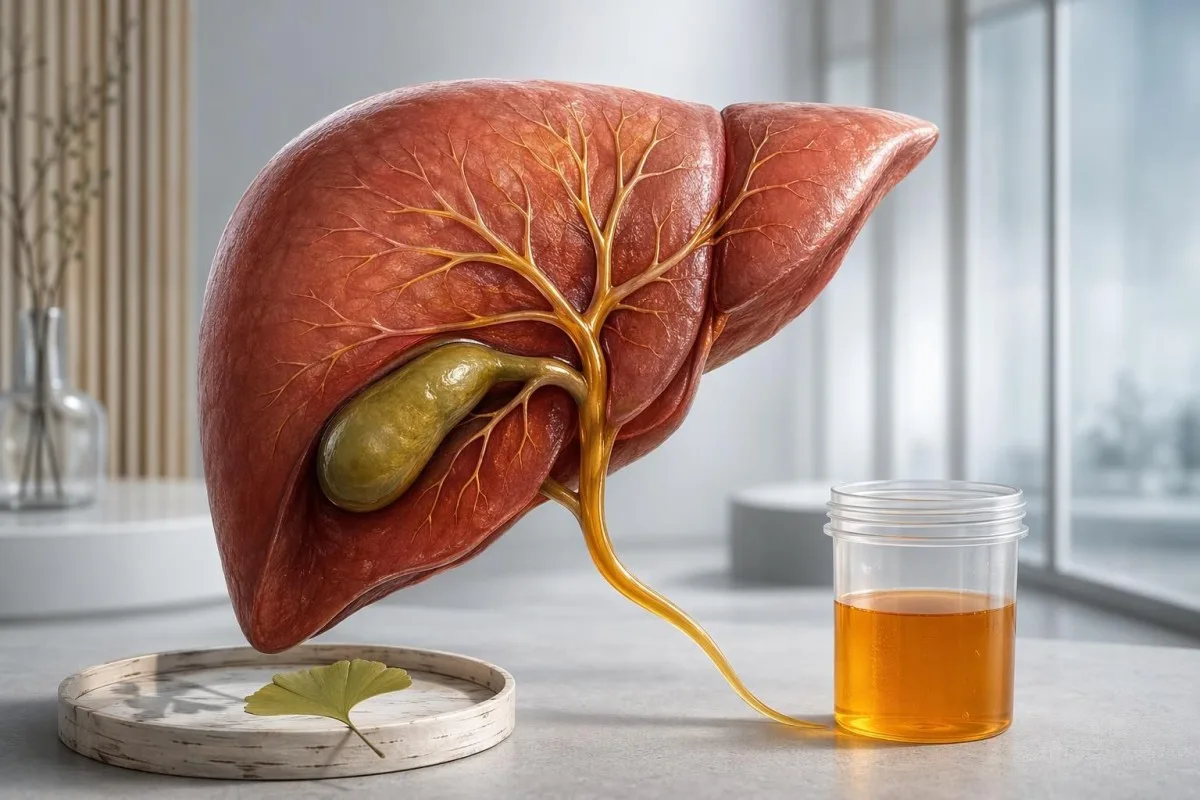
Sjúklingamiðuð leiðarvísir til að greina skaðlausar bilirúbínhnúður frá gulu, stíflu, blóðlýsu og viðvörunarmynstri frá lifur.


- Heildarbilirúbín yfir 3,0 mg/dL eða 51 µmól/L gerir oft gulu sýnilega og á skilið skjóta læknisráðgjöf.
- Merking bilirúbíns á mörkum er venjulega 1,2–2,0 mg/dL með annars eðlilegum lifrarensímum, oft vegna föstu, ofþornunar eða Gilbert-heilkennis.
- Dökk kóladrykkjarþvag bendir til samtengds bilirúbíns í þvagi; eðlilegt þvag ætti ekki að hafa mælanlegt bilirúbín.
- Ljósar eða leirlitaðar hægðir með dökku þvagi benda til minnkaðs flæðis galls og krefjast klínískrar mats í sama dag.
- Beint bilirúbín yfir 0,3 mg/dL eða meira en 20% af heildarbilirúbíni bendir frekar frá einföldu Gilbert-heilkenni.
- Hækkað ALP og GGT með hækkað beint bilirúbín er kólestatískt eða stíflumynstur, ekki bara skaðlaus hækkun á bilirúbíni.
- Blóðleysi ásamt háu óbeinu bilirúbíni vekur áhyggjur af blóðlýsu, sérstaklega ef LDH er hátt, haptóglóbín lágt og retíkúlócýtur hækkaðar.
- Ný gul augu, hiti, ringlun, mikil verkur í hægra efra kviði eða auðvelt marblettamyndun ætti ekki að bíða eftir venjulegum tíma.
Þegar bilirúbín þarf ráðgjöf í sama dag
Áhyggjur af bilirúbíni þegar heildarbilirúbín er yfir um 3,0 mg/dL eða 51 µmól/L, hækkar hratt, að mestu beint, eða fylgir gulum augum, dökkt þvag, ljósar hægðir, hiti, verkur í hægra efra kviði, ringlun, auðvelt marblettamyndun eða einkenni blóðleysis. A lítillega hækkað bilirúbín um 1,2–2,0 mg/dL með eðlilegu ALT, AST, ALP, GGT og CBC er oft endurprófað frekar en meðhöndlað.
Hagnýta skiptingin er einföld: einangrað vægt bilirúbín er oft góðkynja, en bilirúbín ásamt einkennum er það ekki. Í móttöku hef ég miklar áhyggjur af sjúklingi með bilirúbín 2,1 mg/dL og kólasvörtu þvagi en af þeim sem er með 1,8 mg/dL eftir föstu, eðlileg ensím og engin gulnun.
Kantesti er AI blóðprufugreiningartæki sem les bilirúbín samhliða ALT, AST, ALP, GGT og CBC frekar en að meðhöndla eitt gult merki sem greiningu. Okkar Kantesti-sagan skiptir máli hér vegna þess að túlkun bilirúbíns er nákvæmlega þar sem mynstralestur vinnur á móti læti yfir einni tölu.
Thomas Klein, MD, hefur séð marga sjúklinga hrædda vegna bilirúbíns 1,4 mg/dL sem birtist rautt á gáttinni kl. 22. Númerið skiptir máli, já, en það sem fylgir því skiptir meira: ljósar hægðir, dökkt þvag, kláði, hiti, blóðleysi, lágir blóðflögur eða óeðlileg storknun breyta samtalinu strax.
Bein versus óbein breyting á bilirúbíni segir söguna
Beint bilirúbín er unnið í lifur og getur lekið út í þvag; óbeint bíilírúbín er ekki vatnsleysanlegt og endurspeglar venjulega framleiðslu, flutning eða samtengingu bilirúbíns. Heildarbilirúbín hjá fullorðnum er oft um 0,2–1,2 mg/dL eða 3-21 µmol/L, þó viðmiðunarsvið breytist eftir rannsóknarstofu.
Beint bilirúbín yfir 0,3 mg/dL eða um það bil 20% af heildarbilírúbíni bendir til samtengds þáttar, sem læknar tengja við lifrarfrumuskemmdir eða skerta flæði galli. Leiðbeining American College of Gastroenterology mælir með að skipta bilirúbíni í brot þegar lifrarpróf eru óeðlileg, því að heildarbilirúbín eitt og sér getur villt um fyrir (Kwo et al., 2017).
Óbeint bilirúbín hækkar oft þegar rauð blóðkorn eru brotin niður hraðar, þegar lifrin er tímabundið yfirbuguð, eða þegar samtenging er erfðafræðilega hægari, eins og í Gilbert-heilkenni. Fyrir nákvæmari mynstraleiðbeiningu fer greinin okkar um beinu og óbeinu bilirúbíni yfir algengar samsetningar sem læknar nota.
Einn sérkennilegur en gagnlegur vísir: þvagbilirúbín næstum alltaf þýðir beint bilirúbín, því óbeint bilirúbín leysist ekki nógu vel upp til að komast í gegnum nýrnasíuna. Þess vegna geta gul augu án dökks þvags hegðað sér mjög ólíkt gulum augum með te-lituðu þvagi.
Merking bilirúbíns á mörkum: tölurnar sem ég nota
Merking bilirúbíns á mörkum vísar venjulega til heildarbilirúbíns rétt yfir viðmiðunarmörkum rannsóknarstofunnar, oft 1.2-2.0 mg/dL eða 21-34 µmol/L, án áhyggjueinkenna. Í þessu bili er næsta skref venjulega að gera bilirúbín í brotum og athuga mynstur, ekki bráðagreining.
Rannsóknarstofur eru mismunandi. Sumar evrópskar skýrslur merkja heildarbilirúbín yfir 17 µmol/L en margar bandarískar rannsóknarstofur merkja yfir 1,2 mg/dL, þannig að sami sjúklingur getur litið óeðlilegur út í einu landi og ásættanlegur í öðru. Þess vegna ætti að lesa merkingu á gátt (portal flag) með einingunni, viðmiðunarbili og fyrri grunnlínu.
Bilirúbín upp á 1,5 mg/dL með ALT 22 IU/L, AST 24 IU/L, ALP 76 IU/L og eðlilegri blóðrauðahegðun hegðar sér mjög ólíkt bilirúbíni 1.5 mg/dL með ALP 330 IU/L. Ef skýrslan þín segir eðlilegt en þér líður samt illa, þá útskýrir leiðarvísirinn okkar um merkingar fyrir mörk innan eðlilegra hvers vegna viðmiðunarsvið eru ekki allt söguna.
Í greiningu okkar á 2M+ blóðprufum er einangrað, á mörkum bilirúbín ein algengasta kveikja kvíða, því það sést, bókstaflega, í huga fólks. Flest af þessum tilvikum eru ekki lifrarbilun; verkið er að finna minnihlutann með samtengdu (conjugated) eða stíflandi (obstructive) mynstur.
Gul húð eða gul augu: hvað liturinn þýðir
Gul augu eða gul húð verður venjulega sýnileg þegar heildarbilirúbín nær um það bil 2.5-3.0 mg/dL eða 43-51 µmól/L. Nýgula hjá fullorðnum er aldrei eitthvað sem ég myndi hunsa án þess að athuga beint bilirúbín, lifrarensím, blóðtalningu og niðurstöður úr þvagi.
Hvítan í augunum sýnir oft lit fyrr en húðin vegna þess að sclerað bindur bilirúbínríkt litarefni á annan hátt. Í dekkri húðlitum eru augnlitur, þvaglit og hægðalitur oft áreiðanlegri vísbendingar en lúmskar breytingar á húð.
Sjúklingar rugla stundum karótíni frá gulrótum, sætum kartöflum eða fæðubótarefnum saman við gulu. Karótenemía getur gulnað lófa og ilja en sleppir yfirleitt hvítu í augunum; leiðarvísirinn okkar um blóðpróf tengd húð útskýrir hvenær litabreytingar eiga skilið rannsóknarstofupróf.
Ein klínísk bragðarefur sem ég nota enn: athugaðu lit í dagsbirtu, ekki í heitu baðherbergisljósi. Ef maki segir að augun líti út fyrir að vera gul, og þvagið hefur orðið dökkt þrátt fyrir eðlilega vökvun, mæli ég með að leita aðstoðar sama dag, jafnvel áður en endurtekið rannsóknarstofupróf er komið aftur.
Dökk þvagútskilnaður og ljósar hægðir benda til samtengds bilirúbíns
Dökk þvagútskilnaður með fölum eða leirlituðum hægðum er rauður fáni fyrir bilirúbínmynstur, því það bendir til að samtengt bilirúbín sé að fara út í gegnum þvag en of lítið galllitarefni nái í þörmina. Eðlilegt þvag ætti að hafa ekkert greinanlegt bilirúbín við prófun með þvagprófstiku.
Dökk þvagútskilnaður vegna ofþornunar batnar venjulega eftir vökva og helst gulur til amber. Þvag sem er jákvætt fyrir bilirúbíni er oft te- eða kóladökkt og getur haldið áfram jafnvel þegar viðkomandi drekkur eðlilega; leiðarvísirinn okkar leiðarvísir um þvagpróf fjallar um hvernig bilirúbín í þvagi og urobilinogen eru lesin saman.
Föl hægð er frábrugðin einni ljósri hægð eftir fitusnauðan mat. Endurteknar, krítarkenndar, gráar eða leirlitaðar hægðir fyrir 24-48 klukkustundir, sérstaklega með dökku þvagi eða kláða, fær mig til að hugsa um stíflu í gallflæði þar til annað er sannað.
Kantesti AI túlkar bilirúbín í þvagi sem samhengi-vísbendingu, ekki sem sjálfstæða greiningu. Þegar bilirúbín í þvagi er jákvætt og beint bilirúbín í sermi er hátt, merkir taugakerfi Kantesti samsetninguna sem meira áhyggjuefni en hvor niðurstaða fyrir sig.
Lifrarstíflumynstur: ALP, GGT, ALT og AST
Hækkun á bilirúbíni er meira áhyggjuefni þegar ALP og GGT eru há, því þetta mynstur bendir til gallteppu eða stíflu í gallgöngum. ALT og AST segja aðra sögu: þau hækka meira við skaða á lifrarfrumum en við hreina stíflu.
Klassískt stíflumynstur gæti sýnt heildarbilirúbín 4,2 mg/dL, beint bilirúbín 3.1 mg/dL, ALP 420 IU/L og GGT 310 IU/L, með aðeins í meðallagi aukinni ALT og AST. Newsome o.fl. í Gut mæla með því að túlka óeðlilegar blóðprufur í lifur út frá mynstri frekar en einangruðum frávikum (Newsome o.fl., 2018).
Breska leiðbeiningin og EASL leiðbeiningar um gallteppu meðhöndla bæði gallteputegundir sem ástæðu til að íhuga myndgreiningu, venjulega ómskoðun fyrst, þegar einkenni eða viðvarandi vandamál eru til staðar (EASL, 2009; Newsome o.fl., 2018). Fyrir nákvæmu atriðin sem sjúklingar sjá, okkar staðlaða lifrarpróf leiðarvísir útskýrir hvað ALT, AST, ALP, GGT, albúmín og bilirúbín bæta hver og ein við.
GGT er gagnlegt vegna þess að ALP getur komið frá beinum, fylgju eða lifur. Ef ALP er hátt og GGT eðlilegt, hægi ég á mér og leita að skýringum sem tengjast beinum, D-vítamíni, vexti eða meðgöngu áður en ég ályktar um sjúkdóm í gallgöngum.
Ábendingar um blóðleysi: þegar bilirúbín kemur frá niðurbroti rauðra blóðkorna
Hátt óbeint bíilírúbín með blóðleysi getur þýtt blóðlýsu, sem er hraðari niðurbrot rauðra blóðkorna. Dæmigerður blóðlýsuklasi er óbeint bilirúbín yfir viðmiðunarmörkum, hátt LDH, lágt haptóglóbín og hækkaðir retíkúlócýtar.
Fall í blóðrauða frá 13,8 í 10,9 g/dL yfir nokkrar vikur breytir merkingu bilirúbíns 2,0 mg/dL. Bilirúbín getur verið aukaafurð frumuskipta frekar en stíflað gallgöng, og þessi aðgreining hefur áhrif á bráðleika og meðferð.
Kantesti er þjónustu fyrir túlkun á rannsóknarprófum með gervigreind sem athugar bilirúbín gagnvart blóðrauða, retíkúlócýtum, LDH og haptóglóbíni í sömu skýrslu. Ef þú ert með vísbendingar um blóðleysi, þá er grein okkar um haptóglóbínmynstur sem útskýrir hvers vegna lágt haptóglóbín getur verið svo upplýsandi.
Í minni reynslu segja sjúklingar með blóðlýsingu oft frá þreytu, mæði, hraðslætti eða dekkri þvagi eftir áreynslu. Ikterus vegna blóðlýsingar hefur yfirleitt minna ljósar hægðir en stífla, þó að raunveruleikinn sé flókinn og blönduð mynstur geti komið fyrir.
Lítillega hækkað bilirúbín eftir föstu, veikindi eða hreyfingu
A lítillega hækkað bilirúbín eftir föstu, ofþornun, mikla hreyfingu eða nýlega veirusýkingu er oft tímabundið þegar aðrar lifrarprufur eru eðlilegar. Gilbert-heilkenni veldur oft hléum á hækkun óbundins bilirúbíns, oft undir 3,0 mg/dL.
Gilbert-heilkenni hefur áhrif á um það bil 3-10% hjá mörgum hópum, þó að algengi ráðist af ættgengi og hvernig það er mælt. Algengasta mynstrið er eðlilegt ALT, AST, ALP, GGT og CBC, með óbeinu bilirúbíni sem hækkar á meðan á föstu, streitu, svefnleysi eða veikindum stendur.
28 ára hlaupari gæti sýnt bilirúbín 1,9 mg/dL eftir langa æfingu í föstu og snúið aftur til 1.0 mg/dL tveimur vikum síðar eftir að hafa borðað eðlilega fyrir blóðtökuna. Okkar leiðarvísir um fastandi bilirúbín fer dýpra í hvers vegna kaloríuskerting getur afhjúpað þetta mynstur.
Endurprófunin sem ég vil er leiðinleg en virkar: vökvaðu þig eðlilega, forðastu mikla hreyfingu í 24-48 klukkustundir, ekki fasta lengur en óskað er, og endurtaktu brotgreint bilirúbín með lifrarprófasetti. Ef beint bilirúbín helst hátt breytist sagan.
Lyf, fæðubótarefni og áfengi geta breytt bilirúbíni
Lyf, fæðubótarefni og áfengi geta hækkað bilirúbín með því að ert a lifrarfrumur, hægja á flæði galls eða breyta frumuskiptum rauðra blóðkorna. Allar nýjar hækkanir á bilirúbíni ætti að bera saman við síðustu 4-12 vikum lyfseðla, lausasöluvörur og jurtabætiefni.
Algengir sökudólgar eru vefaukandi sterar, sum sýklalyf, flogaveikilyf, andretróveirulyf og áhættusöm líkamsræktar- eða þyngdartapsfæðubótarefni. Áfengi hækkar oftar GGT og AST, en bilirúbín getur hækkað þegar lifrarmeiðsli eða truflun á gallflæði verða veruleg.
Rannsóknirnar um mörg lifrarfæðubótarefni eru því miður misjafnar og hreinleiki vara er meiri breytileiki en sjúklingar búast við. Áður en þú bætir við vörum sem eru markaðssettar sem „afeitrun“, skoðaðu áhættur af lifraruppbótum því græn merki tryggja ekki öryggi fyrir lifur.
Neuralnet Kantesti vegur tímasetningu þungt: hækkun á bilirúbíni 10 dögum eftir að nýtt lyf er hafið er frábrugðin stöðugu bilirúbínmynstri sem hefur verið til staðar fyrir 10 ár. Komdu með flöskulista, skammta og upphafsdagsetningar til læknisins; það sparar tíma.
Gallsteinar og stífla í gallgöngum: einkenni sem breyta áhættu
Gallsteinar verða bráðari þegar bilirúbín hækkar samhliða hita, kuldahrolli, uppköstum eða verk í hægri efri hluta kviðar. Stíflaður gallgangur (algengur gallgangur) hækkar oft beint bilirúbín, ALP og GGT áður en vandinn verður augljós eingöngu út frá einkennum.
Verkmynstrið er oft undir hægri rifjum eða í efri miðkviði, stundum með útgeislun í bakið eða hægra öxl. Ef hiti bætist við gula húð og verk, hafa læknar áhyggjur af gallgangabólgu (cholangitis), sem getur verið hugsanlega alvarleg sýking í gallgöngum og krefst bráðrar mats.
Ekki hver gallsteinn stíflar neitt. Margir hafa steina án breytinga á bilirúbíni, en fölir hægðir eða versnandi kláði benda til að galli sé ekki að berast í þörmum; leiðarvísirinn okkar að orsakir ljósra hægða útskýrir hvers vegna litur hægða er svo gagnleg vísbending.
Dæmigerð leið þar sem byrjað er á ómskoðun lítur eftir gallblöðrusteinum, víkkun á gallgöngum og áferð lifrar. Ef gangurinn er víkkaður eða bilirúbín heldur áfram að hækka, geta læknar fært sig yfir í MRCP, speglunargreiningu með ómskoðun (endoscopic ultrasound) eða ERCP eftir því hvaða þjónusta er í boði á staðnum og hversu alvarlegt ástandið er.
Börn, nýburar og meðganga hafa aðrar reglur
Bilirúbín hjá nýburum er túlkað út frá aldri í klukkustundum, meðgöngulengd og áhættuþáttum, ekki út frá viðmiðunarmörkum fyrir fullorðna. Meðganga breytir einnig mismunagreiningunni, því kláði, hækkuð gallsýrugildi eða lifrarpróf sem benda til gallteppu geta bent til lifrarsjúkdóms sem er sértækur fyrir meðgöngu.
Leiðbeiningar American Academy of Pediatrics frá 2022 nota bilirúbínþröskulda sem miðast við klukkustundir til að ákveða eftirlit og ljósameðferð fyrir ungbörn 35 vikna meðgöngulengd eða lengur (AAP undirnefnd um ofbilirúbínhækkun, 2022). Bilirúbín hjá nýbura sem er ásættanlegt við 72 klukkustundir getur verið óöruggt við 18 klukkustundir, sérstaklega ef um ótímabæra fæðingu eða áhættu á blóðlýsu er að ræða.
Á meðgöngu getur kláði í lófum og iljum með óeðlilegum gallsýrum bent til innlifrar-gallteppu á meðgöngu jafnvel áður en bilirúbín er áberandi. Viðmiðunarsvið fyrir fullorðna eru slæmur staðgengill fyrir skoðun hjá fæðingarlækni þegar einkenni og meðgöngualdur benda í þá átt.
Börn eru ekki „litlir fullorðnir“; ALP þeirra getur verið hátt vegna vaxtar og eðlileg viðmiðunarsvið breytast hratt. Leiðarvísirinn okkar barnasvið hjálpar foreldrum að forðast að bera saman skýrslu smábarns við töflu fyrir fullorðna.
Blóðpróf fyrir gulu húð: hvað á að biðja um
Það besta blóðpróf fyrir gulan húð er ekki eitt próf heldur heild: brotið bilirúbín, ALT, AST, ALP, GGT, albúmín, PT/INR, CBC og fjölda retíkúlócýta. Þvagpróf fyrir bilirúbín og urobilinogen bætir oft við fljótu samhengi.
Kantesti er AI-knúið blóðprófunargreiningartól notað af 2M+ fólki í 127 löndum, og vettvangurinn okkar les bilirúbín best þegar innsend skýrsla inniheldur bæði gögn um lifrarefnafræði og CBC. Ef niðurstaðan þín er aðeins heildarbilirúbín, spyrðu hvort hægt sé að bæta við beinum og óbeinum brotum.
Viðbæturnar með mikilli greiningarnýtingu byggjast á mynstrinu: haptóglóbín og LDH við grun um blóðlýsu, veirumótefnamælingar (hepatitis) til að meta sýkingaráhættu, sjálfsofnæmismerki við viðvarandi óútskýrða lifrarskaða og lípasa ef verkir benda til þátttöku í brisi. Við lífmerkjahandbókin okkar höfum skráð mörg þessara merkja á máli sem hentar sjúklingum.
Ekki gleyma storknun. Hár PT/INR eða lágt albúmín getur bent til skerts lifrarframleiðslu, sem er ólíkt litlu hækkun í bilirúbíni; INR yfir 1.5 með gula húð er bráðavandamál sama dag í mínum huga.
Thomas Klein, MD, segir sjúklingum oft að koma með þrjá hluti á heimsóknina: núverandi niðurstöðu, elstu sambærilegu niðurstöðu og lyfjalista með upphafsdagsetningum. Þessi þrenning svarar fleiri spurningum um bilirúbín en langur einkenna-dagbók einn og sér.
Endurtaka bilirúbín á öruggan hátt og greina villur í rannsóknarstofu
Endurprófun á bilirúbíni er skynsamleg við einangraða væga hækkun, en ekki við gulu með rauðum fánum. Fyrir stöðugan fullorðinn með heildarbilirúbín 1,3–2,0 mg/dL, eðlileg ensím og engin einkenni, endurtaka margir læknar í 1-4 vikna með brotum.
Forgreiningaratriði skipta máli. Langvarandi föstu, seinkað vinnsluferli, blóðlýst sýni og villur við umbreytingu eininga geta allt raskað túlkun, þess vegna ætti endurprófun að fara fram við rólegri aðstæður frekar en eftir vökvaskerðandi æfingu eða bráðan veikindi.
Kantesti AI styður við greiningu á þróun með því að bera saman núverandi bilirúbín við fyrri niðurstöður, ekki bara prentaða viðmiðunarsviðið. Við klínísk staðfesting síðunni er lýst hvernig eftirlit lækna og viðmiðunarprófanir móta þessi túlkunaröryggi.
Delta skiptir meira máli en margir halda: bilirúbín sem færist frá 0.8 í 2.4 mg/dL á mánuði á skilið aðra viðbragðsleið en bilirúbín sem situr á milli 1.4 og 1.8 mg/dL í fimm ár. Halla, einkenni og hlutfall ráða bráðleika.
Hvað á að gera í dag ef bilirúbín er hátt
Frá og með 15. júlí 2026, ráðlegging mín er að leita aðstoðar sama dag vegna hækkaðs bilirúbíns með gulum augum, dökku þvagi, ljósum hægðum, hita, miklum kviðverkjum, ringlun, yfirliðs, meðgöngu, gula hjá nýburanum eða blæðingum/mar. Ef bilirúbín er aðeins vægt hækkað og einangrað skaltu bóka óbráða endurskoðun og endurtaka mælingu á brotum.
Leitaðu bráðrar aðstoðar ef þú ert með gula ásamt hita, verkjum í efri hægri hluta kviðar eða uppköstum, því þessi samsetning getur bent til sýkingar eða stíflu í gallgöngum. Leitaðu bráðrar aðstoðar ef þú ert syfjaður, ringlaður, blæðir auðveldlega eða ef INR er hátt; þetta eru ekki einkenni sem á að fylgjast með án aðgerða.
Ef þér líður vel og eina frávikið er heildarbilirúbín 1,4 mg/dL, biðjið um beint bilirúbín, endurtakið lifrarensím og CBC frekar en að fara að spírala. Flestir sjúklingar finna það megnið róandi að sjá mynstrið skrifað niður: einangrað óbeint bilirúbín er mjög ólíkt beinu bilirúbíni með hækkun á ALP og GGT.
Kantesti innihald er læknisfræðilega yfirfarið með lækniseftirliti og lesendur geta séð læknana á bak við vinnu okkar á læknisráðgjafaráð. Samt getur rannsóknarstofnapp ekki skoðað kviðinn þinn, séð augnlitinn þinn í dagsbirtu eða metið hversu illa þér líður; þessi mannlegu atriði skipta enn máli.
Algengar spurningar
Hvenær ætti ég að hafa áhyggjur af háu bilirúbíni?
Þú ættir að hafa áhyggjur af háu bilirúbíni þegar heildarbilirúbín er yfir um 3,0 mg/dL eða 51 µmól/L, þegar það hækkar hratt, eða þegar það fylgir gul augu, dökkt þvag, ljósar hægðir, hiti, ringlun, auðvelt mar eða verkur í efri hægri hluta kviðar. Vægilega hækkað heildarbilirúbín, 1,2–2,0 mg/dL, getur verið meinlaust ef ALT, AST, ALP, GGT og CBC eru eðlileg. Nýgula hjá fullorðnum krefst tafarlausrar læknisráðgjafar jafnvel áður en allar endurteknar rannsóknir liggja fyrir.
Hvað þýðir jaðargildi bilirúbíns?
Landamærabíliðúbín þýðir venjulega heildarbíliðúbín rétt yfir viðmiðunarsviði rannsóknarstofu, oft um 1,2–2,0 mg/dL eða 21–34 µmól/L. Ef beint bíliðúbín, lifrarensím og blóðtal eru eðlileg, eru algengar skýringar meðal annars Gilbert-heilkenni, föstur, ofþornun, nýleg veikindi eða eðlilegt persónulegt grunnviðmið. Landamærabíliðúbín verður áhyggjuefnilegra ef beint bíliðúbín er hátt, ALP eða GGT er hækkað, eða einkenni eins og dökkt þvag eða ljósar hægðir koma fram.
Getur aðeins hækkað bilirúbín verið skaðlaust?
Já, lítilsháttar hækkað bilirúbín getur verið skaðlaust þegar það er einangrað, stöðugt og aðallega óbeint. Gilbert-heilkenni veldur oft hléum á bilirúbínhækkunum, oftast undir 3,0 mg/dL, sérstaklega við föstu, streitu, ofþornun eða veikindi. Það er síður meginstuðningur ef hækkunin er ný, beint bilirúbín er hækkað eða lifrarensím, blóðrauði eða bilirúbín í þvagi eru óeðlileg.
Hvaða blóðprufu ætti ég að biðja um ef húðin mín lítur út fyrir að vera gul?
Fyrir gulan húðlit eða gul augu, biðjið um brjótanlegt (fractionated) bilirúbín, ALT, AST, ALP, GGT, albúmín, PT/INR, CBC og fjölda retíkúlócýta. Þvagpróf fyrir bilirúbíni og urobilinogen getur hjálpað til við að greina mynstur samtengds bilirúbíns frá ofþornun eða litarefnabreytingum. Ef bilirúbín er yfir 3,0 mg/dL eða einkenni eru til staðar skal skipuleggja rannsóknir tafarlaust frekar en að bíða eftir venjubundinni árlegri skoðun.
Þýðir dökkt þvag alltaf að bilirúbín sé hættulegt?
Dökk þvag þýðir ekki alltaf hættulegt bilirúbín þar sem ofþornun, matvæli og lyf geta dökkt þvag. Hins vegar bendir kólalitað þvag sem heldur áfram þrátt fyrir eðlilega vökvun, sérstaklega ef gul augu eða fölir hægðir eru til staðar, til samtengds bilirúbíns í þvagi og þarfnast læknisskoðunar. Eðlilegt þvag ætti ekki að hafa greinanlegt bilirúbín á prófun með þvagprófunarstrimlum.
Getur föstu hækkað bilirúbín áður en blóðprufa er tekin?
Pað að fasta getur hækkað bilirúbín, sérstaklega hjá fólki með Gilbert-heilkenni, og hækkunin er venjulega óbein bilirúbínhækkun. Dæmigerð niðurstaða sem tengist föstu gæti verið heildarbilirúbín 1,5–2,5 mg/dL með eðlilegum ALT, AST, ALP, GGT og CBC. Að endurtaka rannsóknina eftir eðlilega vökvun, forðast erfiða hreyfingu í 24–48 klukkustundir og fasta ekki lengur en óskað er eftir, skýrir oft mynstrið.
Þarf ég lifrarbólgupróf ef bilirúbínmagn mitt er hátt?
Hugsanlega, en ekki allir með hátt bilirúbín þurfa lifrarbólgupróf. Læknir getur pantað lifrarbólgu A, B eða C próf þegar gulusótt er ný, lifrarensím eru hækkuð eða það hefur verið tengd útsetning; einangruð hækkun á óbeinu bilirúbíni með eðlilegum prófum vísar oft annað.
Fáðu AI-knúna greiningu á blóðprufum í dag
Vertu með yfir 2 milljónir notenda um allan heim sem treysta Kantesti fyrir tafarlausa og nákvæma greiningu á blóðprufum. Hladdu upp niðurstöðum blóðrannsókna þinna og fáðu yfirgripsmikla túlkun á 15,000+ lífmerkjum á sekúndum.
📚 Tilvísuð rannsóknarútgáfa
Klein, T., Mitchell, S., & Weber, H. (2026). Fjöltyngt AI-aðstoðað klínískt ákvarðanastuðningur fyrir snemmgreiningu á Hantavirus triage: Hönnun, verkfræðileg staðfesting og notkun í raunheimi yfir 50.000 túlkuð blóðpróf. Kantesti AI Medical Research.
Klein, T., Mitchell, S., & Weber, H. (2026). Forskráð, viðmiðabundin sjálfvirk tæknileg viðmiðun á Kantesti blóðprófatúlkunarvélina fyrir 100.000 gervi-prufutilvik. Kantesti AI Medical Research.
📖 Ytri læknisfræðilegar heimildir
⚕️ Fyrirvari vegna læknisfræðilegra mála
Þessi grein er eingöngu til fræðslu og felur ekki í sér læknisráðgjöf. Leitaðu alltaf til hæfs heilbrigðisstarfsmanns vegna ákvarðana um greiningu og meðferð.
E-E-A-T traustmerki
Reynsla
Læknastýrð klínísk yfirferð á vinnuferlum við túlkun rannsóknarniðurstaðna.
Sérþekking
Áhersla á rannsóknarstofulækningar: hvernig lífmarkarar hegða sér í klínísku samhengi.
Yfirvald
Skrifað af Dr. Thomas Klein með yfirferð Dr. Sarah Mitchell og próf. Dr. Hans Weber.
Traustleiki
Rökstudd túlkun byggð á gögnum með skýrum eftirfylgnileiðum til að draga úr ávörun.