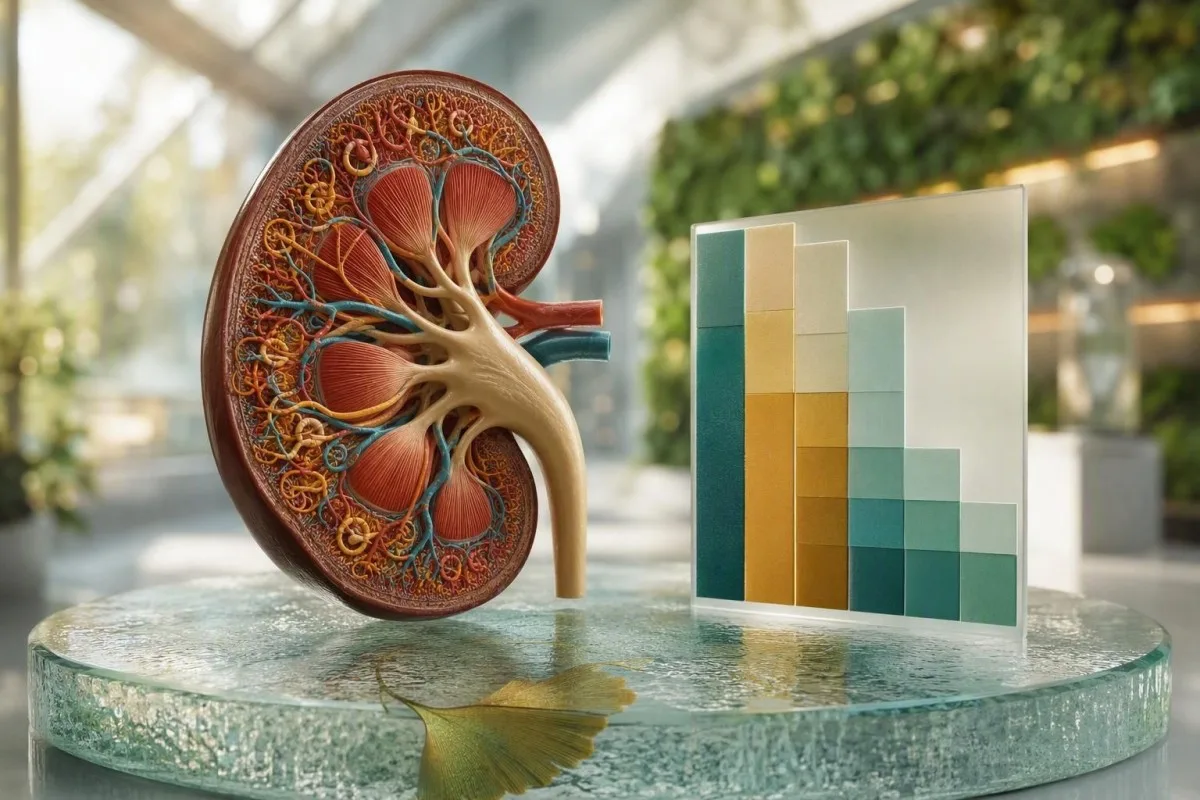
Prehrana pogodna za bubrežne bolesnike nikada nije univerzalni popis namirnica. Koristan plan započinje laboratorijskim trendovima, lijekovima, simptomima, nalazima urina i stadijem bolesti bubrega – ne jednim “visokim” ili “niskim” rezultatom.


- Stadiranje eGFR-a zahtijeva upornost najmanje 3 mjeseca; jedna niska procjena nakon dehidracije ili intenzivnog vježbanja ne uspostavlja kroničnu bolest bubrega.
- Kalij od 6,0 mmol/L ili više može biti opasno, posebno uz slabost, palpitacije ili promjene na EKG-u, te nije problem prehrambenog plana za upravljanje kod kuće.
- Unos proteina obično se individualizira oko 0,6–0,8 g/kg/dan za mnoge odrasle osobe s CKD-om bez dijalize, dok dijaliza obično povećava potrebe na oko 1,0–1,2 g/kg/dan.
- ACR u mokraći od 30 mg/g ili više je albuminurija i mijenja prehrambene rasprave, rasprave o krvnom tlaku i lijekovima čak i kada je eGFR očuvan.
- Fosfat iznad laboratorijske gornje granice blizu 1,45 mmol/L zahtijeva pregled aditiva, veziva, terapije vitaminom D i stadija bubrežne bolesti – ne samo izbjegavanje svih proteinskih namirnica.
- Natrij unos manji od 2 g/dan, što je ekvivalentno manje od 5 g/dan soli, preporučuje KDIGO za većinu osoba s CKD-om, osim ako kliničar ne odredi drugačiji cilj.
- AI nutricionist preporuke trebaju koristiti ponovljene laboratorijske vrijednosti i podatke o lijekovima, a zatim ih provjeriti nefrolog ili dijetetičar za bubrežne bolesti prije značajnih ograničenja.
- Crvene zastavice uključuju kalij 6,0 mmol/L ili više, brzo opadajući eGFR, novonastalu tešku otežano disanje, zbunjenost, simptome u prsima ili znatno smanjeno izlučivanje urina.
Što AI nutricionist može sigurno personalizirati za dijete za bubrežne bolesnike
Jedan AI nutricionist može sigurno pomoći u organizaciji obroka prilagođenih bubrezima kada pročita ponovljene vrijednosti eGFR, kalija, bikarbonata, fosfata, albumina u urinu, markera dijabetesa i lijekova zajedno; ne može dijagnosticirati bolest bubrega niti zamijeniti dijetetičara za bubrežne bolesti. Siguran ishod je privremeni personalizirani plan prehrane s jasnim pravilima eskalacije, a ne kruti jelovnik s niskim udjelom kalija.
Od 1. rujna 2026., korisna uloga AI je prepoznavanje obrazaca i praktično prevođenje: uočavanje da se kalij pomaknuo s 4,5 na 5,4 mmol/L nakon promjene ACE inhibitora, a zatim predlaganje pregleda lijekova i hrane umjesto okrivljavanja jedne banane. Kantesti je analizator AI krvnih testova osmišljen za tumačenje laboratorijskog konteksta i isticanje pitanja za kliničko praćenje. Naše vodičem za stadije bubrega objašnjava zašto eGFR i ACR u urinu idu zajedno.
Jedan normalno izgledajući bubrežni panel nije dopuštenje za korištenje generičke “dijete za bubrežne bolesnike”. U mom kliničkom radu, ljudi kojima najviše štete široka ograničenja su često starije osobe koje istodobno izbacuju voće, povrće, mliječne proizvode i proteine, a zatim gube na težini ili postaju zatvorene dok im kalij nikada nije bio povišen.
Praktično pravilo dr. Thomasa Kleina je jednostavno: AI preporuka treba navesti datum laboratorijskog nalaza, jedinicu, smjer trenda i sigurnosnu granicu. Ako bilo što od toga nedostaje, to nije individualizirana prehrana; to je generički wellness tekst.
Pravi zadatak za AI
AI može pretvoriti ciljeve odobrene od strane kliničara u zamjenu namirnica za kupnju, porcije recepata i podsjetnike za ponovno testiranje. Trebao bi očuvati kulturne prehrambene preferencije i označiti nesigurnost kada nedostaje vrijeme laboratorijskog testiranja, popis lijekova ili status dijalize.
Zašto je eGFR procjena, a ne prehrambeni recept
eGFR ispod 60 mL/min/1,73 m² tijekom 3 mjeseca ili duže podržava kroničnu bolest bubrega kada je uporna, ali sama po sebi ne određuje ograničenja kalija, tekućine ili proteina. eGFR procjenjuje filtraciju iz kreatinina ili cistatina C i može se mijenjati s mišićnom masom, prehranom, hidratacijom i nekim lijekovima.
eGFR od 52 mL/min/1,73 m² kod mišićavog 35-godišnjaka nakon maratona zaslužuje drugačiji odgovor od istog rezultata kod 82-godišnjaka s albuminurijom i hipertenzijom. Kreatinin raste nakon napornog vježbanja i dehidracije može privremeno sniziti eGFR; pogledajte naš vodič za privremene promjene eGFR.
KDIGO definira CKD G3a kao eGFR 45–59 i G3b kao 30–44 mL/min/1,73 m² kada promjena potraje najmanje 3 mjeseca (KDIGO CKD Work Group, 2024). Pad od 20% ili više pri ponovljenom testiranju premašuje očekivanu biološku varijaciju dovoljno da zasluži pregled, osobito nakon početka uzimanja lijeka koji djeluje na bubrege.
Kantesti-ova neuronska mreža tretira eGFR kao trend, a ne presudu. Kantesti je platforma za tumačenje krvne slike AI koji može usporediti datirane izvještaje, ali samo liječnik koji liječi može odlučiti odražava li vidljivi pad napredovanje CKD-a, akutnu bolest, opstrukciju, učinak lijeka ili razliku u izvješćivanju između laboratorija.
Kako rezultati kalija mijenjaju prehrambene savjete
Koncentracija kalija u serumu od 3,5–5,0 mmol/L tipična je za mnoge odrasle laboratorije, dok koncentracija od 5,5 mmol/L ili viša obično zahtijeva pravovremeni klinički pregled. Ograničenje kalija prikladno je samo kada je povišenje uporno ili je rizik visok; mnogi ljudi s KBB-om još uvijek mogu sigurno jesti obroke usmjerene na biljne namirnice.
Na kalij utječu bubrežna ekskrecija, inzulin, acidobazni status, zatvor i lijekovi kao što su ACE inhibitori, ARB-ovi, spironolakton, trimetoprim i NSAIL. Vrijednost od 5,7 mmol/L s bikarbonatom 17 mmol/L i zatvorom klinička je slika drugačija od 5,7 nakon vidljivo hemoliziranog uzorka; lažno povišenje povezano s uzorkovanjem je iznenađujuće često.
Kalij od 6,0 mmol/L ili više zahtijeva hitnu procjenu istog dana, a hitna skrb je prikladna kod palpitacija, nesvjestice, teške slabosti, simptoma u prsima ili abnormalnog EKG-a. Promjene u prehrani djeluju tijekom dana, a ne minuta, stoga AI nutricionist nikada ne smije predstaviti recept kao liječenje teške hiperkalijemije.
Manje očita točka: aditivi kalija u prerađenim mesnim nadomjestcima, instant pićima i supstitutima soli s niskim udjelom natrija mogu biti lakše apsorbirajući od kalija prirodno upakiranog u cijelu jabuku ili leću. Nutricionist može koristiti metode pripreme kao što je kuhanje i ispuštanje vode iz povrća, ali ne preporučujem općenite rituale namakanja bez individualnog cilja. Pročitajte naš vodič za blago povišen kalij.
Ciljevi proteina mijenjaju se s stadijem CKD-a i dijalizom
Potrebe za proteinima oštro se razlikuju između CKD-a bez dijalize i dijalize. Mnogim metabolički stabilnim odraslim osobama s KBB G3–G5 koje ne primaju dijalizu propisuje se oko 0,6–0,8 g/kg/dan, dok hemodijaliza često zahtijeva 1,0–1,2 g/kg/dan za nadoknadu gubitaka aminokiselina.
Smjernica KDOQI za prehranu iz 2020. podržava ograničenje proteina pod nadzorom nutricionista za odabrane odrasle osobe s KBB-om koje su metabolički stabilne (Ikizler et al., 2020). Za osobu od 70 kg, 0,8 g/kg/dan je otprilike 56 g dnevno—ne “izbjegavajte proteine”, i nije razlog za automatsko eliminiranje mahunarki.
Gubitak proteina i energije mijenja jednadžbu. Nenamjerni gubitak više od 5% tjelesne težine u 3 mjeseca, smanjeni apetit, albumin tumačen zajedno s upalom ili krhkost trebaju potaknuti procjenu od strane bubrežnog nutricionista umjesto strožih ograničenja proteina. Naš albumin i proteini vode objašnjava zašto serumski albumin nije izravan dnevnik hrane.
Radni postupak za prilagođeni plan obroka i analizu krvi trebao bi se baviti vrstom dijalize, trudnoćom, aktivnim ranama, liječenjem raka, infekcijom, volumenom vježbanja i trendom tjelesne težine prije izračunavanja proteina. Osoba od 62 godine na peritonealnoj dijalizi s lošim apetitom treba plan bogatiji proteinima od sjedilačke osobe s G3a KBB-om; isti broj eGFR-a bi vas doveo u zabludu.
Biljni proteini nisu automatski zabranjeni
Biljni proteini mogu se uklopiti u obrasce prehrane KBB-a, ali važni su veličina porcije, kalij, aditivi fosfata, kontrola dijabetesa i ciljana razina proteina. Klinički cilj je adekvatna prehrana s manjim bubrežnim opterećenjem gdje je to prikladno, a ne pojednostavljeno natjecanje životinjskih naspram biljnih.
Fosfat, kalcij i PTH trebaju povezanu interpretaciju
Uporno povišenje fosfata iznad oko 1,45 mmol/L (4,5 mg/dL) u uznapredovalom KBB-u zaslužuje pregled, ali jedno umjereno povišenje ne dokazuje dijetetski višak. Bubrežni poremećaj minerala i kostiju tumači se kroz fosfate, korigirani kalcij, paratiroidni hormon, terapiju vitaminom D, stadij bubrežne bolesti i vrijeme primjene veziva.
Fosfat iz aditiva obično se apsorbira učinkovitije od fosfata prirodno prisutnog u žitaricama, grahu, orašastim plodovima ili mliječnim proizvodima. AI nutricionist bi trebao prvo istaknuti obrasce sastojaka i pitati o vezivima fosfata umjesto da bez razmišljanja smanjuje hranjive biljne namirnice. Naš članak o visokom fosfatu uzrokuje pokriva relevantne nemedicinske uzroke.
Formule za korigirani kalcij su nesavršene kada je albumin nizak, a ionizirani kalcij može biti informativniji u odabranim akutnim situacijama. Kalcijevi vezivi, kalcitriol i dodaci vitamina D mogu pomaknuti kalcij i fosfate u suprotnim smjerovima, zbog čega se savjeti o obrocima ne mogu odvojiti od pregleda recepata.
Dr. Thomas Klein primijetio je da pacijenti prestaju konzumirati mliječne proizvode nakon što im je razina fosfata iznosila 1,5 mmol/L, a zatim je zamjenjuju prerađenim grickalicama koje sadrže aditive fosfata. Pitanje od veće važnosti jest je li fosfat trajno povišen na 2-3 testiranja, raste li PTH i uzima li se propisani kelator s obrocima prema uputama.
Status bikarbonata, natrija i tekućine mijenja prehrambeni plan
Serumski bikarbonat niži od 22 mmol/L u CKD ukazuje na metaboličku acidozu i zahtijeva kliničku procjenu jer može ubrzati razgradnju mišića i utjecati na kosti. Smanjenje unosa natrija pomaže u regulaciji krvnog tlaka i ravnoteže tekućine, ali ograničenje tekućine obično se temelji na edemu, izlučivanju urina, natriju, srčanom statusu i propisanoj dijalizi – ne samo na eGFR-u.
KDIGO 2020. godine predlaže unos natrija manji od 2 g/dan, otprilike 5 g soli dnevno, za većinu osoba s CKD. Najveći izvor natrija često su pakirani kruh, umaci, gotova jela i restoranski obroci, a ne soljenka; Vodič za laboratorijske pretrage DASH može pomoći s praktičnim zamjenama.
Niska razina bikarbonata može postojati uz normalan rezultat kalija, stoga ga se ne smije zanemariti u prehrani utemeljenoj na krvnim pretragama. Strategije voća i povrća mogu koristiti nekima od pacijenata, ali uznapredovali CKD, rizik od hiperkalemije i lijekovi za dijabetes mogu učiniti “alkalnu prehranu” bez nadzora nesigurnom.
Edem nije dokaz da je osoba unijela previše vode. Novi edem gležnja uz niski albumin, porast kreatinina, otežano disanje ili brzi porast tjelesne težine zahtijeva procjenu srčanih, bubrežnih, jetrenih ili venskih uzroka; naš vodič za laboratorijske pretrage edema opisuje preklapanje.
Zašto ACR urina često vrijedi više od samog kreatinina
Omjer urina albumina i kreatinina (ACR) niži od 30 mg/g je A1, 30–300 mg/g je A2, a viši od 300 mg/g je A3 albuminurija. ACR otkriva oštećenje bubrega i kardiovaskularni rizik koje bi eGFR temeljen na kreatininu mogao propustiti, posebno u ranoj fazi dijabetesa ili hipertenzije.
Prvo povišeni ACR treba ponoviti, po mogućnosti koristeći uzorak rano ujutro, jer groznica, snažna tjelovježba, urinarne infekcije, menstruacija i izražena hiperglikemija mogu prolazno povećati izlučivanje albumina. Naši praktični vodič za pripremu ACR-a detalji objašnjavaju greške prije testiranja koje se mogu izbjeći.
Kantesti AI čita ACR zajedno s eGFR-om i pokazateljima povezanim s krvnim tlakom kako bi identificirao gdje prehrambeni savjeti ne bi smjeli odvratiti pozornost od optimizacije lijekova. Kantesti je alat za analizu krvnih pretraga uz pomoć umjetne inteligencije koji može prikazati trend ACR-a iz učitanih izvješća, ali proteini iz urinskog dipstick testa, ACR i 24-satni uzorci nisu zamjenjivi testovi.
Za dizajn prehrane, trajna A3 albuminurija može pojačati raspravu o natriju, kontroli dijabetesa, ciljevima krvnog tlaka i pridržavanju ACE inhibitora ili ARB-a. Ne opravdava automatski teška ograničenja kalija, fosfata ili tekućine kada su te vrijednosti normalne.
Popisi lijekova mogu poništiti opće prehrambene savjete
ACE inhibitori, ARB-ovi, antagonisti mineralokortikoidnih receptora, SGLT2 inhibitori, diuretici, inzulin, kelatori fosfata i suplementi kalija mijenjaju način na koji treba čitati bubrežne laboratorijske nalaze. Svaki plan obroka koji ne sadrži trenutni popis lijekova može biti nesiguran.
ACE inhibitori i ARB-ovi mogu uzrokovati umjereni rani porast kreatinina dok dugoročno smanjuju albuminuriju; pad eGFR-a nakon SGLT2 inhibitora također može biti očekivano hemodinamičko sniženje. Ispravan odgovor obično je planirano praćenje, a ne prestanak uzimanja lijeka za zaštitu bubrega ili pretjerano ograničavanje hrane; pogledajte promjene eGFR-a s SGLT2 lijekovima.
Supstituti soli na bazi kalija česta su "slijepa točka" kod osoba koje uzimaju ACE inhibitore, ARB-ove ili spironolakton. Mogu smanjiti izloženost natriju, ali povećati razinu kalija, posebno kada je eGFR niži od 45 mL/min/1,73 m².
Lijekovi iz skupine NSAID-a zaslužuju posebnu pozornost: ibuprofen, naproksen i slični proizvodi mogu pogoršati perfuziju bubrega, povisiti razinu kalija i umanjiti učinak diuretika. AI bi trebao pitati o lijekovima koji se prodaju bez recepta i biljnim pripravcima, jer ih pacijenti često ne svrstavaju u lijekove.
Zašto laboratorijski trendovi vrijede više od jednog rezultata bubrega
Značajan trend bubrežne funkcije zahtijeva usporedive testove, datume, jedinice i klinički kontekst. Kreatinin, kalij i urea mogu se promijeniti nakon bolesti, dehidracije, teškog vježbanja, upotrebe steroida ili promjene laboratorijske metode; njihovo tumačenje bez vremenskog okvira dovodi do lažnih prehrambenih ograničenja.
Kada pregledavam povećanje kreatinina s 88 na 103 µmol/L, prvo pitam o vremenu: je li osoba postila, bila dehidrirana, febrilna, uzimala kreatin ili je testirana nakon teškog vježbanja? Ponovljeni test u uobičajenim uvjetima može biti informativniji od promjene cijele prehrane tog poslijepodneva. Pročitajte kreatinin nakon vježbanja.
Kantesti analiza trendova uspoređuje datirane vrijednosti i čuva izvorne jedinice, olakšavajući uvid je li kalij porastao za 0,1 mmol/L ili 0,8 mmol/L. Naš objašnjavač promjena u laboratoriju također raspravlja o vrijednosti referentne promjene – često zanemarenoj ideji da su neki mali pomaci analitički šum.
Najkorisniji raspored ponovnog testiranja varira. Promjena lijeka s rizikom od povišenog kalija može zahtijevati testiranje za 1–2 tjedna, dok se stabilna CKD stadija G3a može pratiti svaka 6–12 mjeseci; tim koji liječi postavlja ovo na temelju rizika, a ne aplikacije.
Što laboratorijski podaci ne mogu reći AI nutricionistu
Laboratorijski rezultati ne mogu izmjeriti apetit, pristup hrani, sposobnost žvakanja, kulturološki osnovne namirnice, vještine kuhanja, krhkost ili mogućnost da si osoba priušti predloženu hranu. Također ne mogu sami odrediti uzrok bolesti bubrega samo iz rutinske kemije.
Rezultat kalija ne može reći je li visoke vrijednosti potekao od nadomjestka za sol, zatvora, propuštene dijalize, metaboličke acidoze, interakcije lijekova ili pogrešno uzetog uzorka. Nizak rezultat albumina ne može reći je li prehrambeni unos loš, prisutna je upala, uzorak je razrijeđen preopterećenjem tekućinom ili jetrena bolest doprinosi.
Ovdje personalizirani prehrambeni plan mora pozivati na ispravak umjesto da tvrdi sigurnost. Osoba koja se oslanja na leću, kasavu, rižu, kukuruz, pogače, tofu, ribu ili lokalno povrće treba prilagodbe temeljene na porcijama koje održavaju kalorije i identitet, a ne transplantaciju s generičkog zapadnjačkog jelovnika za bubrežne bolesnike.
Kantesti podržava 75+ jezika i može olakšati raspravu o laboratorijskim nalazima u kućanstvu, ali ne zamjenjuje zajedničko donošenje odluka. Naše smjernice za obiteljsko dijeljenje laboratorijskih nalaza pokrivaju suglasnost prije nego što rođaci pregledaju rezultate druge osobe.
Sigurniji radni tijek za izradu obroka pogodnih za bubrežne bolesnike uz pomoć AI-a
Najsigurniji tijek rada s umjetnom inteligencijom ima pet koraka: provjeriti nalaz, utvrditi stadij bubrežne bolesti i ACR urina, uskladiti lijekove, postaviti ciljeve odobrene od strane kliničara i ponoviti testiranje nakon promjena. Preskakanje provjere lijekova ili simptoma je najčešći put do nesigurnih generičkih savjeta.
Započnite s jasnim nalazom koji uključuje datum prikupljanja, jedinice, referentne intervale, kreatinin, eGFR, kalij, bikarbonat, kalcij, fosfat, glukozu ili HbA1c, te ACR urina kada je dostupan. Pogreške pri ekstrakciji PDF-a događaju se, posebno s decimalnim točkama i jedinicama; koristite naš popis za provjeru OCR-a prije postupanja po rezultatu.
Zatim obavijestite sustav o dijalizi, transplantaciji, trudnoći, dijabetesu, krvnom tlaku, promjeni težine, stolici, alergijama na hranu i svakom receptu i dodatku. Ovo pretvara prijedloge recepata u ograničene opcije: na primjer, “izbori za ručak s niskim udjelom natrija koji čekaju pregled kalija”, umjesto “jedite ovo dnevno.”
Kantesti koristi obradu izvješća koja je usmjerena na privatnost, u skladu s GDPR-om, te vraća tumačenje za otprilike 60 sekundi, ali kliničke odluke ostaju na timu za skrb o pacijentu. Za metodologiju i nadzor, pregledajte naš pristup tehničkoj validaciji.
Kada dijeta s niskim udjelom kalija može naštetiti
Dijeta s niskim udjelom kalija može naštetiti osobama s normalnom razinom kalija, slabim apetitom, zatvorom, dijabetesom ili visokim kardiovaskularnim rizikom jer nepotrebno smanjuje unos namirnica bogatih vlaknima. Ograničenje kalija trebalo bi se temeljiti na laboratorijskim nalazima i kliničkim okolnostima, a ne automatski primjenjivati na svaku fazu KBB.
Mnoge namirnice bogate kalijem također pružaju vlakna, folat, vitamin C, magnezij i biljne proteine. Njihovo nekritičko uklanjanje može pogoršati zatvor—koji sam po sebi može povećati razinu kalija—i može otežati kontrolu glikemije ako se zamijene rafiniranim škrobom.
Tehnika kuhanja nudi kompromisno rješenje. Kod nekog povrća, kuhanje u velikoj količini vode i odbacivanje vode smanjuje kalij više nego kuhanje na pari; međutim, stvarna korist ovisi o veličini porcije i ukupnom dnevnom unosu, stoga bi metoda trebala slijediti propisanu ciljnu vrijednost.
Ista se opreznost primjenjuje na dodatke prehrani. Praškovi za “čišćenje bubrega”, laksativi koji sadrže magnezij i napitci s elektrolitima kalija mogu biti rizični kod smanjene funkcije bubrega; pogledajte naš vodič o sigurnosti dodataka prehrani kod KBB.
Crvene zastavice koje zahtijevaju kliničara, a ne algoritam
Kalij 6,0 mmol/L ili viši, brz pad eGFR, teška otežano disanje, zbunjenost, simptomi u prsima, nesvjestica ili naglo smanjeno izlučivanje urina zahtijevaju hitnu procjenu od strane stručnjaka. AI nutricionist može identificirati ove okidače, ali ne smije pokušavati upravljati njima savjetima o prehrani.
Potražite hitnu medicinsku pomoć istog dana za razinu kalija 5,5–5,9 mmol/L kada postoji KBB, relevantna primjena lijekova, simptomi ili trend porasta; lokalni kliničar može savjetovati hitno ponavljanje pretrage, EKG, prilagodbu lijekova ili hitnu procjenu. Kalij od 6,5 mmol/L ili više često se smatra pragom za hitno postupanje, iako se lokalni protokoli razlikuju.
Nagli porast kreatinina, nova krv u urinu, vrućica s bolovima u boku ili brzo razvijajući edem zahtijevaju dijagnozu prije fine prilagodbe prehrane. Mogući uzroci uključuju opstrukciju, infekciju, autoimunu bolest, ozljedu lijekom i smanjenu perfuziju bubrega; hrana je rijetko cjelovito objašnjenje.
Dr. Thomas Klein savjetuje pacijentima da vode datirani popis lijekova i originalni laboratorijski PDF za hitnu reviziju. Ako neizvjesnost ostane, naš kontrolni popis za drugo mišljenje može pomoći u pripremi fokusiranih pitanja za kliničara.
Pitanja za vašeg nefrologa ili dijetetičara
Najbolja pitanja o prehrani za bubrežne bolesnike su specifična: Koja ciljna vrijednost se primjenjuje na mene, koji se rezultat mijenja i kada ga treba ponovno provjeriti? Renalni dijetetičar može prevesti ove odgovore u porcije, metode kuhanja i obroke koji zadovoljavaju potrebe za kalorijama i proteinima.
Pitajte je li promjena vašeg eGFR-a trajna, je li provjerena ACR urina i trebaju li kalij, bikarbonat, fosfat i kalcij sada prehrambeno djelovanje. Zatražite ciljne vrijednosti u jedinicama vašeg izvješća; “pratiti kalij” manje je primjenjivo nego “održavati kalij ispod 5,2 mmol/L do ponovnog testiranja za 10 dana.”
Ponesite trodnevni zapis o hrani uključujući pića, zamjene za sol, proteinske praškove, laksative i biljne proizvode. Zapis često otkriva skrivene aditive natrija ili kalija jasnije nego intervju temeljen na sjećanju, te pomaže u očuvanju namirnica u kojima zapravo uživate.
Naši liječnici pregledavaju principe kliničke sigurnosti koji stoje iza Kantesti sadržaja, dok individualna skrb ostaje kod vašeg vlastitog tima. Relevantno kliničko upravljanje možete vidjeti na našoj stranici Medical Advisory Board, i iskoristite raspravu kako biste svoju sljedeću konzultaciju učinili učinkovitijom.
Zaključak: koristite laboratorijske nalaze kao zaštitne ograde, a ne kao prehrambena pravila
Prehrana za bubrežne bolesnike vođena laboratorijskim nalazima najbolje funkcionira kada laboratorijski nalazi djeluju kao zaštitne ograde: eGFR i ACR definiraju rizik, kalij i bikarbonat definiraju neposrednu sigurnost, a lijekovi objašnjavaju mnoge promjene. Konačni plan obroka trebao bi istovremeno štititi prehranu, kvalitetu života i sigurnost bubrega.
Dijeta utemeljena na testovima krvi najjača je kada koristi najmanje dvije vremenske točke, trenutne lijekove, podatke iz urina i simptome. Najslabija je kada jednu vrijednost kreatinina pretvori u dugi popis zabrana. Za dodatni kontekst o strukturiranom tumačenju laboratorijskih nalaza, pogledajte naš AI sigurnosni kontrolni popis.
U praksi, većina ljudi ima bolje rezultate s malim brojem promjena: zamijenite pakirane obroke s visokim udjelom natrija, izbjegavajte zamjene za sol na bazi kalija ako ste u riziku, uskladite proteine s statusom bolesti bubrega ili dijalize te ponovite relevantne testove prema rasporedu. To je manje glamurozno od “savršenog jelovnika za bubrege”, ali tako se obično postiže sigurna skrb.
Kantesti je usluga tumačenja AI laboratorijskih pretraga koja pomaže korisnicima organizirati pitanja iz laboratorijskih trendova za svog kliničara; ne propisuje liječenje. Za transparentno objašnjenje kako naša analiza funkcionira, pogledajte vodič uz pomoć AI tehnologije.
Često postavljana pitanja
Može li AI nutricionist kreirati dijetu za bubrežne bolesnike na temelju krvnih pretraga?
AI nutricionist može izraditi preliminarni plan prehrane pogodan za bubrežne bolesnike na temelju ponovljenih laboratorijskih rezultata, ali samostalno ne može sigurno propisati bubrežnu dijetu na temelju samo jedne krvne pretrage. eGFR, kalij, bikarbonati, fosfati, urin ACR, popis lijekova, status dijalize, trend tjelesne težine i simptomi utječu na odgovarajući plan. Na primjer, razina kalija od 5,6 mmol/L može zahtijevati hitnu medikaciju i ponovni pregled testa, dok razina kalija od 4,4 mmol/L obično ne opravdava dijetu s niskim udjelom kalija. Kliničar za bubrežne bolesti ili dijetetičar treba odobriti značajna ograničenja proteina, tekućine, kalija ili fosfata.
Koji eGFR zahtijeva dijetu za bubrege?
Nijedna pojedinačna vrijednost eGFR-a automatski ne zahtijeva restriktivnu dijetu za bubrege. Trajno snižena eGFR-a ispod 60 mL/min/1.73 m² tijekom najmanje 3 mjeseca ukazuje na KBB, ali prehrambeni ciljevi ovise o urinskoj ACR, kaliju, fosfatu, bikarbonatima, dijabetesu, krvnom tlaku, riziku od pothranjenosti i o tome koristi li se dijaliza. KBB stadij G3a je eGFR 45–59 mL/min/1.73 m², dok je G4 15–29 mL/min/1.73 m². Osoba s G3a i normalnim kalijem možda će trebati smanjenje natrija i adekvatan unos proteina, a ne opću zabranu hrane.
Pri kojoj razini kalija trebam izbjegavati hranu bogatu kalijem?
Perzistentni kalij iznad 5,0–5,5 mmol/L može navesti kliničara na individualizaciju unosa kalija, osobito kada je smanjen GFR ili se koriste lijekovi koji povećavaju kalij. Kalij od 6,0 mmol/L ili više zahtijeva hitnu kliničku procjenu, a ne samoliječenje promjenama u prehrani. Lažno visoki rezultat može se pojaviti kod hemolize uzorka, stoga može biti potrebna ponovna kolekcija kada se rezultat sukobljava s kliničkom slikom. Nemojte koristiti zamjene za sol na bazi kalija bez kliničkog savjeta ako imate CKD ili uzimate ACE inhibitor, ARB ili spironolakton.
Koliko proteina bi osoba s KBH trebala unositi?
Mnogim metabolijski stabilnim odraslim osobama s CKD-om koje ne primaju dijalizu savjetuje se unos oko 0,6–0,8 g proteina po kg tjelesne težine dnevno, ali cilj se mora individualizirati. Odrasla osoba od 70 kg s unosom od 0,8 g/kg/dan unosila bi oko 56 g proteina dnevno. Osobe koje primaju hemodijalizu obično trebaju oko 1,0–1,2 g/kg/dan jer dijaliza uklanja aminokiseline. Trudnoća, krhkost, aktivna bolest, gubitak težine i slab apetit mogu povećati potrebu za proteinima i zahtijevaju unos dijetetičara.
Mogu li jesti voće i povrće kod kronične bolesti bubrega?
Većina osoba s kroničnom bubrežnom bolesti može jesti voće i povrće, a mnogima nije potrebna dijeta s niskim udjelom kalija. Ograničenje se općenito razmatra kada je kalij uporno povišen, često iznad 5,0–5,5 mmol/L, ili kada kliničar za bubrežne bolesti utvrdi visok rizik. Veličina porcije, način kuhanja, zatvor, acidobazni status, lijekovi i aditivi kalija važniji su od jednostavnog etiketiranja hrane kao dobre ili loše. Zamjena cjelokupne biljne hrane prerađenom hranom može smanjiti vlakna i pogoršati ukupnu kvalitetu prehrane.
Koje laboratorijske nalaze bubrega trebam uploadati za personalizirani plan prehrane?
Koristan pregled bubrežne prehrane uključuje kreatinin, eGFR, kalij, natrij, bikarbonate ili ukupni CO2, kalcij, fosfat, ureu ili BUN, glukozu ili HbA1c i ACR u urinu kada je dostupan. Uključite najmanje dva datirana izvješća kada je moguće jer promjena kreatinina s 80 na 100 µmol/L može biti privremena ili klinički značajna ovisno o vremenu i kontekstu. Popis lijekova, status dijalize, krvni tlak, tjelesna težina i prehrambeni obrazac jednako su potrebni. Plan temeljen samo na rezultatu kreatinina je nepotpun.
Isprobajte analizu krvne slike uz AI već danas
Pridružite se više od 2 milijuna korisnika diljem svijeta koji vjeruju Kantesti-u za trenutačnu i točnu analizu laboratorijskih nalaza. Prenesite svoje rezultate krvne slike i dobijte sveobuhvatno tumačenje 15,000+ biomarkera u sekundama.
📚 Referirane znanstvene publikacije
Klein, T., Mitchell, S., & Weber, H. (2026). Normalni raspon aPTT-a: D-dimer, protein C, vodič za zgrušavanje krvi. Kantesti AI Medical Research.
Klein, T., Mitchell, S., & Weber, H. (2026). Vodič za serumske proteine: Test krvi za globuline, albumine i omjer A/G. Kantesti AI Medical Research.
📖 Vanjske medicinske reference
⚕️ Medicinska izjava o odricanju odgovornosti
Ovaj je članak samo u obrazovne svrhe i ne predstavlja medicinski savjet. Za odluke o dijagnozi i liječenju uvijek se posavjetujte s kvalificiranim pružateljem zdravstvenih usluga.
E-E-A-T signal(i) povjerenja
Iskustvo
Liječnički vođena klinička revizija radnih tokova tumačenja laboratorijskih nalaza.
Stručnost
Fokus laboratorijske medicine na to kako se biomarkeri ponašaju u kliničkom kontekstu.
Autoritativnost
Napisao dr. Thomas Klein, uz recenziju dr. Sarah Mitchell i prof. dr. Hans Weber.
Pouzdanost
Tumačenje utemeljeno na dokazima, s jasnim putovima praćenja kako bi se smanjila uzbuna.