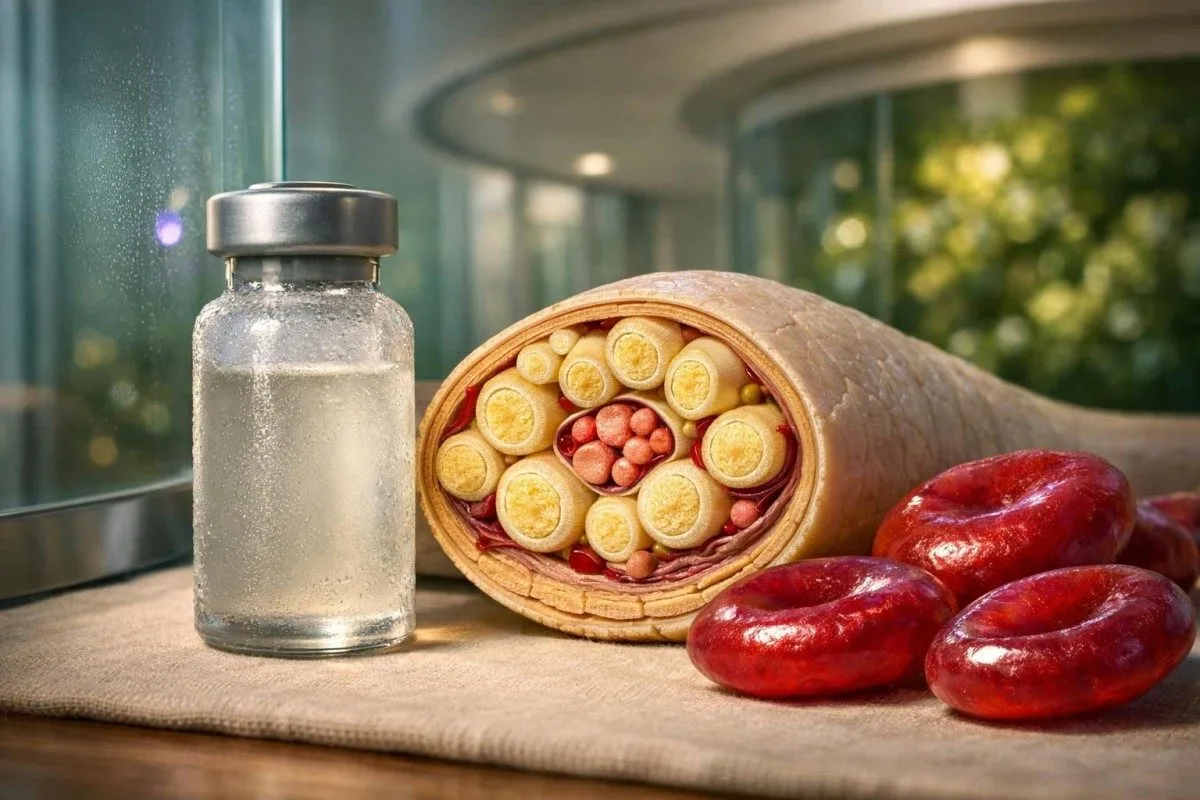
In in serum B12-resultaat kin der akseptabel útsjen, wylst der noch altyd tekoart op weefselnivo is dat dommens, wurgens, harsensmist, of in misleidende HbA1c feroarsaket. De meast foarkommende miste gefallen sitte meastal yn it grinsgebiet en freegje om tûker neifolgjen.


- Serum B12 ûnder 200 pg/mL of 148 pmol/L stipet meastal tekoart, mar in protte pasjinten mei symptomen falle yn it griisgebiet fan 200-400 pg/mL.
- Grinsresultaten fan 200-400 pg/mL hawwe faak MMA foar nedich is en homocysteïne, nedich, benammen mei dommens, harsensmist, of baarnende fuotten.
- MMA foar nedich is boppe 0.40 µmol/L makket tekoart op weefselnivo wierskynliker; fermindere nierfunksje kin MMA ferheegje sels sûnder leech B12.
- Homocysteïne boppe 15 µmol/L stipet tekoart, mar nimt ek ta by leech folaat, leech B6, hypothyroïdisme, en chronike niersykte.
- MCV kin normaal bliuwe; neurologysk B12-tekoart kin foarkomme sûnder bloedearmoed of makrocytose.
- Aktyf B12 testen is wichtich, om’t rûchwei 70-90% fan sirkulearjend B12 bûn is oan haptocorrin en net it diel is dat yn sellen levere wurdt.
- Hemoglobine A1c kin lêzen wurde as 0.2% oant 0.5% heger as B12-tekoart de reade-bloedsel-omset fertraagt.
- Behanneling brûkt faak 1,000-2,000 mcg mûnling B12 deistich of 1 mg ynjeksjes as der malabsorption of neurologyske tekens binne.
Kinne symptomen fan leech B12 foarkomme by in normale serum B12?
Ja—lege B12-symptomen kin oanhâlde, sels as in vitamine B12-test der normaal útsjocht. In serum B12 fan 200-400 pg/mL of 148-295 pmol/L is in echt griisgebiet, en tekoart is noch mooglik as metylmalonzuur boppe 0.40 µmol/L is, homocysteïne It is boppe 15 µmol/L, of symptomen omfetsje doffe fuotten, brânende tonge, swierrichheden mei lykwicht, of feroaring yn it ûnthâld. Ik bin Thomas Klein, MD, en ik stel pasjinten net gerêst mei allinnich ien griene tik; totale serum B12 mjit ek de ynaktive dragerbûn fitamine, likegoed as de brûkbere foarm. By Kantesti AI, sjogge wy dizze mismatch hieltyd wer werom.
Serum B12 is in mjitting fan in totale pool, net in test foar beskikberens yn weefsels. Likernôch 70-90% fan sirkulearjend kobalamine is bûn oan haptocorrin, dêr’t sellen net effisjint mei omgean, sadat in pasjint der op papier normaal útsjen kin en dochs funksjoneel leech wêze kin; de 2013 NEJM-oersjoch fan Stabler makke dat punt dúdlik. As jo útslach yn in griis gebiet falt, lit ús gids oer grinslizzende labwearden sjen wêrom’t referinsjewurden allinnich in begjinpunt binne.
Ferline winter seach ik in 41-jierrige learares mei wurgens, doffe teannen, en in serum B12 fan 312 pg/mL. Har MMA foar nedich is kaam werom op 0.52 µmol/L, intrinsic-faktor-antystoffen wiene posityf, en it orizjinele lab wie net perfoarst ferkeard—it wie gewoan net folslein.
De praktyske reden dat dit mist wurdt is ienfâldich: labs bouwe berik út populaasjes, net út it punt dêr’t jo nerven begjinne te kleien. In ûndergrins fan 180 pg/mL kin statistysk normaal wêze foar dat lab, mar klinysk bin ik folle foarsichtiger as symptomen ûnder sa’n 400 pg/mL begjinne, benammen as de persoan metformine brûkt of in autoimmune sykte hat.
By Kantesti AI fynt ús patroanmotor faak subtile oanwizings earder as allinnich de isolearre B12-wearde: in persoanlike MCV drift fan 88 nei 96 fL, in oprinnende RDW, of ferritine dat tagelyk delgiet. Dy lytse ferskowingen binne wêr’t tekoart oan fitamine B12 faak ferstoppe sit.
Hokker symptomen fan leech B12 fertsjinje neifolgjen, sels as de vitamine B12-test normaal útsjocht?
Oanhâldend lege B12-symptomen dy’t opfolgje fertsjinje binne doffe of brânende fuotten, ferlies fan lykwicht, feroaring yn it ûnthâld, pine yn ’e tonge, en wurgens dy’t út proporsje is mei de CBC. Lindenbaum et al. beskreaune neurologyske tekoart oan fitamine B12 sûnder bloedearmoed of makrocytose yn in klassike searje út 1988 yn NEJM, dêrom freegje ik noch altyd nei tinteljen en gong, sels as hemoglobine normaal is. As wurgens jo wichtichste klacht is, kin ús wurgens laboratoriumgids in nuttige begelieder.
Neurologyske symptomen fan tekoart oan fitamine B12 begjinne faak symmetrysk. Tinteljen yn beide fuotten, fermindere gefoel foar trilling, ûnhandigens yn it tsjuster, of in strak-bân gefoel om ’e keallen hinne moatte net ôfdien wurde as stress as de vitamine B12-test grinslizzend is.
Stimming- en kognitive symptomen kinne stiller wêze, mar like echt. Pasjinten beskriuwe faak problemen mei it finen fan wurden, irritabiliteit, minne konsintraasje, of in “katoen-wol” gefoel yn ’e holle; as eangst diel is fan it byld, kin in breder skerm lykas ús bloedtests foar eangst jo helpe om tagelyk gjin problemen mei skyldklier, izer of glukoaze te missen.
Mûnlinge oanwizings binne wichtiger as in protte websiden tajaan. In glêde, pynlike tonge, mûleulcers, fermindere appetit, of ûnferklearbere diarree kinne ferskine foar’t dúdlike bloedearmoed sichtber is, benammen by pasjinten mei gastritis, coeliaksykte, of resint gebrûk fan soer-ûnderdrukkende medisinen.
Reade flaggen binne oars. Snel foarútgeande swakte, nije falpartijen, feroarings yn urine, feroaring yn fyzje, of iensidige symptomen freegje om driuwende medyske beoardieling, om’t kopertekoart, kompresje fan it spinalkord, en beroerte sa no en dan lege B12-symptomen betiid.
Wat telt as grinsleech B12, en wêrom ferskille labberikingen?
grinsgefal B12 betsjut meastal 200-400 pg/mL of sa’n 148-295 pmol/L, hoewol guon laboratoaria 180 pg/mL as normaal oantsjutte en guon Jeropeeske laboratoaria wearden ûndersykje ûnder 300 pmol/L. Dy ûnienichheid is krekt wêrom’t in rjochte B12-berikgids helpt mear as in griene tik neist it nûmer.
Referinsjebegripen binne basearre op persintaals, net op symptomen. In laboratoarium kin 190 pg/mL as akseptabel labelje, om’t genôch lokale samples dêr fallen, mar dat bewijst net dat senuwweefsel, bonkenmurch en methylasepaden goed foarsjoen binne.
In resultaat boppe 400 pg/mL is mear gerêststellend, net absolút. Resinte oanfollingen, ynjeksjes, of frijlitting fan bânproteïnen út de lever kinne it serumnûmer omheech triuwe, wat ien reden is wêrom’t ús artikel oer wêrom’t normale berik misliede bliuwt beklamje dat kontekst wichtiger is as kleurkodearring.
Holotranscobalamine, soms neamd aktive B12, kin it byld dúdliker meitsje as it beskikber is. Wearden ûnder sa’n 35 pmol/L stypje tekoart, wylst 35-50 pmol/L noch altyd in griis sône is dêr’t ik hurd nei symptomen sjoch, MMA foar nedich is, en risikofaktoaren.
De trend wint fan de snapshot yn in ferrassend oantal gefallen. Yn myn praktyk krijt in delgong fan 540 nei 260 pg/mL oer in jier mear omtinken as in stabile 260 by in persoan sûnder symptomen, om’t ôfnimmende reserves har faak al sjen litte foardat de formele ôfgrins oerstutsen wurdt.
Wêrom’t it referinsjebegryp gjin diagnoaze is
De ûndergrins op jo laboratoariumsblêd is gjin biologyske skeakel. Yn de echte praktyk dogge symptomen, persoanlike basiswearde, medisynskiednis, en metabolike markers faak mear der ta as oft it resultaat 5 punten boppe of ûnder de printe ôfgrins leit.
Wêrom mist serum B12 funksjoneel tekoart
Serum B12 mist funksjonele tekoart oan fitamine B12 om't it alle sirkulearjende kobalamine mjit, net allinnich it diel dat yn sellen komt. Dy blinde flek is sintraal foar ús oersjoch fan medyske falidaasje, en it is de wichtichste reden dat ien vitamine B12-test symptomenjende pasjinten falsk gerêststelle kin.
It measte sirkulearjende B12 reizget op haptocorrin, wylst it diel dat troch de sel levere wurdt reizget op transcobalamine. As de ynaktive dragerpool bewarre bliuwt, kin serum B12 der goed útsjen, sels as weefsels tekoart hawwe oan brûkber fitamine.
Oanfollingen meitsje it byld fluch betiizjend. In persoan dy't begjint mei 1.000 mcg orale cyanocobalamine kin it serumresultaat binnen dagen omheech bringe, mar neuropaty kin noch wol wiken trochgean mei slimmer wurden as it ûnderlizzende probleem pernisiëuze anemia of ileale malabsorption is.
Guon hege B12-resultaten binne gjin goed nijs. Leverkrêftsykte, nierkrêftsykte, en myeloproliferative steaten kinne serum B12 ferheegje troch dragerproteïnen te ferheegjen, en seldsume assay-ynterferinsje troch antistoffen tsjin intrinsic factor kin it getal ferfoarmje by pernisiëuze anemia.
Lachgas is de blinde flek dêr't in protte pasjinten nea fan hearre. It kin kobalamine oksidearje en ynaktivearje, en numbens, feroaring fan gong, of swakte feroarsaakje, sels as it serumpeil gewoan liket; yn sa'n situaasje fertrou ik it ferhaal en de follow-upmarkers mear as it earste getal.
Wannear MMA en homosysteïne echte diagnostyske wearde hawwe
MMA foar nedich is en homocysteïne binne de gewoane follow-uptesten as serum B12 grinslizzend is of symptomen net passe by it earste resultaat. Devalia et al. yn de Britske rjochtline fan 2014 advisearren twadde-line testen yn ûndúdlike gefallen, en dat is krekt wat in kin op papier gerêststellend útsjen, wylst it de kontekst mist; in hemoglobine fan 12.1 g/dL kin hiel oars fiele as ferritine 14 ng/mL is en de menstruaasje swier is. faak oersjocht.
MMA is de sterker metabolike oanwizing foar tekoart oan fitamine B12. By folwoeksenen mei normale nierfunksje makket in MMA foar nedich is boppe 0,40 µmol/L de fertinking substansjeel grutter, wylst wearden ûnder sa'n 0,28 µmol/L klinysk signifikant tekoart minder wierskynlik meitsje.
Homocysteïne is nuttich, mar minder spesifyk. Wearden boppe 15 µmol/L stypje tekoart, mar leech folaat, leech B6, hypothyreoidisme, smoken, en chronike niersykte kinne it allegear omheech triuwe; dêrom moat it net allinnich lêzen wurde, benammen as de rest fan de gemyske panel hints jout op renale beheining.
Der is noch in oare oanpak: niersykte ferfoarmet MMA nei boppen foardat B12 it probleem is. Sadree't eGFR ûnder rûchwei 60 mL/min/1,73 m² falt, wurdt it folle foarsichtiger om tekoart te ferklearjen allinnich op basis fan MMA.
Myn eigen folchoarder is simpel. As serum B12 200-400 pg/mL is, of boppe 400 mei klassike symptomen en in sterke risikoskiednis, foegje ik MMA, homocysteïne, CBC-oersjoch, folaat, kreatinine, en antistoffen tsjin intrinsic factor ta, ynstee fan serum B12 wer te testen en hoopje dat it antwurd dúdlik wurdt.
Wannear’t intrinsic factor-antistoffen tafoege wurde moatte
Intrinsic factor-antistoffentestjen is it wurdich om ta te foegjen as symptomen oanhâlde, serum B12 leech of grinzen is, en der in skiednis is fan auto-ymmúniteit, gastritis, of ûnferklearre makrocytose. In posityf resultaat is tige spesifyk, mar in negatyf slút pernisiëuze anemia net út, om’t de gefoelichheid allinnich matich is.
CBC, MCV, en RDW-oanwizings bûten it B12-nûmer
CBC-oanwizings kin lege B12-symptomen stypje, sels as it serumgetal der akseptabel útsjocht. In oprinnende MCV of in ôfwikende RDW fertelt my faak mear oer de ûntwikkeling as oer ien inkeld B12-wearde.
Makrocytose betsjut MCV boppe 100 fL yn de measte laboratoaria foar folwoeksenen, mar in protte pasjinten mei B12-tekoart berikke dy drompel nea. Izertekoart, thalassemia-eigenskip, of ûntstekking kinne tagelyk de selgrutte nei ûnderen lûke, sadat it gemiddelde MCV misleidend normaal liket.
RDW boppe 14.5% suggerearret mingde populaasjes fan reade sellen en nimt faak ta foardat hemoglobine falt. As ik B12 sjoch op 260 pg/mL mei RDW 15.8% en hemoglobine noch altyd 13.2 g/dL, stel ik gjinien gau gerêst.
In perifeare bloedútstryk kin mear fertelle as pasjinten ferwachtsje. Macro-ovale sellen en hypersegmenteare neutrofielen binne klassyk, en swier tekoart kin ek ferheegje LDH en yndirekte bilirubine, om’t kwetsbere foargonger-sellen yn it bienmurch ôfbrekke.
Ik sjoch dit patroan nei de swierens en swiere menstruele bloedferlies: ferritine is leech, B12 is grinzen, MCV bliuwt 88-90 fL, en de kombinearre tekoarten annulearje elkoar op papier. Dat is ien fan de maklikste manieren wêrop in normale CBC de diagnoaze fertrage kin.
Wa bliuwt mei heech risiko op B12-tekoart nettsjinsteande normale tests?
Oanhâldende klachten plus in sterke risikofaktor kinne in nûmer dat der geruststellend útsjocht, oerskaad. De groepen mei it heechste risiko binne brûkers fan metformine op lange termyn, strikte fegetariërs/feanen, âldere folwoeksenen mei lege magesoer, pasjinten dy’t soerûnderdrukkers nimme, en minsken mei autoimmune sykte of ileale sykte; ús vegan lab-checklist is hjir benammen relevant.
Metformine-assosjearre tekoart oan fitamine B12 komt genôch foar dat ik der routineel nei freeg as de dosissen 1.500-2.000 mg/dei berikke of as it gebrûk langer is as 4 jier. Fanôf 19 april 2026 stypet diabetesbegelieding noch altyd periodike B12-beoardieling by brûkers fan metformine op lange termyn, om’t diabetyske neuropaty en B12-neuropaty hast perfekt oerlaapje kinne.
Soerûnderdrukking makket mear út as de measte minsken tinke. B12 bûn oan iten hat magesoer en yntrinsike faktor nedich om frijlitten en opnommen te wurden, sadat chronysk gebrûk fan protonpomp-ynhibitoren of H2-blokkers de reserves stadichoan ferleegje kin, benammen nei leeftyd 60.
Malabsorption feroaret de pretestkâns dramatysk. As immen gewichtsferlies hat, opblaasd fielt, izertekoart, of autoimmune skildkliersykte, kontrolearje ik faak ek celiac-markearders; ús gids nei de bloedtest foar sélaksykte ferklearret wêrom’t izer en B12 tegearre falle kinne.
Pernisieuze anemy is de klassike faltrap. Antilichaam tsjin yntrinsike faktor posityf is tige spesifyk, meastal boppe 95%, mar de gefoelichheid is mar sa’n 50-60%, dus in negatyf resultaat slút it net út as gastrin heech is, antilichamen tsjin pariëtale sellen oanwêzich binne, of it klinyske ferhaal past.
Kin B12-tekoart ynfloed hawwe op HbA1c en oare labwearden?
Ja, hemoglobine A1c kin wat heger útkomme by net behannele tekoart oan fitamine B12 om’t âldere reade bloedsellen langer sirkulearje en mear glukoaze opbouwe. It effekt is meastal beheind—sawat 0.2% oant 0.5% yn de stúdzjes dy’t ik it meast oertsjûgjend fyn—mar dat is genôch om de grins tusken normaal en prediabetes te ferwazigjen, dus fergelykje it mei ús HbA1c-berikgids.
Dit betsjut net dat elke ôfwikende A1c in fitamine-probleem is. It bewiis is earlik sein mingd, en it artefakt is it meast relevant as hemoglobine A1c en direkte glukoazedata net mei-inoar oerienkomme—bygelyks in A1c fan 6.3% mei fêstglukoaze yn de 90’s en gjin dúdlike spikes nei it miel.
Ik sjoch dit benammen by metformine-brûkers. In pasjint kin in A1c fan 6.4% hawwe en tinke dat de diabetes slimmer wurdt, mar it krekter byld is mylde dysglykemie plus tekoart oan B12; ús útlizzer oer wêrom’t 6.5% der ta docht is nuttich as it nûmer krekt op de diagnostyske grins sit.
De praktyske oplossing is net om de A1c te negearjen, mar om it te kontrolearjen. Kombinearje it resultaat mei fêstglukoaze, trochgeande glukoazedata as beskikber, CBC, retikulocytenpatroan, en it B12-ûndersyk foardat jo de diabetesbehanneling opskaalje.
Oare steuringen fan reade bloedsellen kinne A1c ek ferfoarmje. Izertekoart, resinte bloedferlies, hemolyse, niersykte, en farianten yn hemoglobine beynfloedzje allegear de libbensdoer fan reade bloedsellen, dêrom ynterpretearje ik hemoglobine A1c nea allinnich as de hematology net klopt.
Hoe’t wy oanhâldende symptomen útwurkje by Kantesti
It feilichste ûndersyk foar oanhâldende lege B12-symptomen is patroan-basearre, net basearre op ien inkeld nûmer. By ús AI bloedtest-analyzer, Kantesti AI beoardielet serum B12, CBC-yndeksen, izerûndersyk, skildkliermarkers, nierfunksje, folaat, glukoaze, en medisynkontekst tegearre. Us 15,000-marker biomarker-gids lit sjen hoe’t dy ûnderdielen mei-inoar ferbûn binne.
Stap ien is pretestkâns. Ik freeg nei oanfollingen yn de lêste 2 wiken, metformine, soerûnderdrukkers, fegane dieet, bleatstelling oan stikstofokside, skiednis fan autoimmune sykte, GI-sjirurgy, en oft dommens symmetrysk is of iensidich.
Stap twa is refleksûndersyk en minsklike beoardieling. Us Medyske Advysried holp de logika opbouwen dy’t wy brûke: grinswearde serum B12 plus neuropaty triggert it neitinken oer MMA, homosysteïne, kreatinine, antistoffen tsjin intrinsic factor, en faak ek izer- en skildklierûndersyk, om’t kombinearre tekoarten faak foarkomme.
Stap trije is trendanalyse. Kantesti AI kin yn likernôch 60 sekonden in PDF of foto lêze, en ús hantlieding foar it opladen fan labrapporten ferklearret hoe’t dat wurket; de echte wearde is it sjen fan in opkomst yn MCV fan 86 nei 92 fL of in stadige delgong yn B12 oer 3 panielen, sels as elk yndividueel item binnen de range bliuwt.
Ik bin Thomas Klein, MD, en de lytse trend dy’t ik wierskynlik mear wurdearje as de measte oaren is in MCV-opkomst fan 3-4 fL binnen de normale band as wurgens of paresthesia nij binne. Oer mear as 2 miljoen interpretearre panielen út 127+-lannen bliuwt Kantesti itselde misse fine: grinswearde B12 plus subtile CBC-drift.
Wannear’t behannelje, wannear’t ferwize, en wannear’t symptomen driuwend binne
Behannelje fertochte tekoart oan fitamine B12 prompt as der neurologyske tekens binne; wachtsjen op perfekte befêstiging kin herstel fertrage. In protte folwoeksenen dogge it goed mei 1,000-2,000 mcg orale B12 deistich, mar pernisiëuze anemia, braken, grutte malabsorption, of gong-symptomen lûke my meastentiids nei ynjeksjes en rapper neifolging; as jo in strukturearre lêzing fan jo labs wolle, besykje dan de fergese demo fan bloedtest.
Regimen ferskille per lân. Yn it Feriene Keninkryk is hydroxocobalamine 1 mg intramuskulêr elke oare dei foar 2 wiken gewoan as der neurologyske symptomen binne, wylst ik yn de FS faak cyanocobalamine 1,000 mcg-ynjeksjes wyklikse foar 4 wiken sjoch en dêrnei moanliks.
Reaksje hat in tiidsskema. Retikulocyten faak omheech troch dei 5 oant 7, enerzjy kin ferbetterje oer 2 oant 6 wiken, mar dommens, feroarings yn lykwicht, en ûnthâldsymptomen kinne 3 oant 12 moannen duorje en binne net altyd folslein werom te draaien as de behanneling fertrage waard.
Dringende beoardieling is rjochtfeardige by swierrichheden mei kuierjen, swakte yn ’e hân, bladdersymptomen, feroaring yn fyzje, swangerskip, swiere anemia, of pancytopenia. Kopertekoart, sykte fan it cervikale snoer, en inflammatoire neurologyske omstannichheden kinne soms as B12-problemen oansjen, dus de diagnoaze moat iepen bliuwe as de behanneling net by it ferhaal past.
Koartsein: in normale serum B12 skjinmakket jo net automatysk. Us bloedtest-skiednisgids kin jo helpe om panielen oer de tiid te fergelykjen. Jo kinne ek mear lêze oer ús as jo sjen wolle hoe’t Kantesti doktersbegelieding kombinearret mei AI-ynterpretaasje.
Faak stelde fragen
Kinne jo symptomen fan in tekoart oan B12 hawwe mei in normale bloedtest?
Ja. In standert serum-B12-test mjit it totale sirkulearjende kobalamine, net allinnich it aktive diel dat yn sellen levere wurdt, sadat in tekoart dochs oanwêzich wêze kin sels as de útslach technysk normaal is. De fertinking nimt ta as serum B12 yn it berik fan 200–400 pg/mL leit, methylmalonsäure boppe 0,40 µmol/L is, homosysteïne boppe 15 µmol/L is, of as symptomen omfetsje: doffe fuotten, problemen mei it lykwicht, glossitis, of in feroaring yn it ûnthâld. Dêrom geane kliïnten faak oer nei MMA, homosysteïne, antystoffen tsjin yntrinsike faktor, en in oersjoch fan it CBC-patroan, ynstee fan te stopjen by ien getal.
Hokker B12-wearde is te leech, sels as it laboratoarium seit dat it normaal is?
Yn de praktyk wurdt in serum B12 ûnder 200 pg/mL of 148 pmol/L meastal beskôge as kompatibel mei tekoart, wylst 200-400 pg/mL in echte “grize sône” is dy't faak neifolging freget. Guon pasjinten mei klachten fiele har min by 300-350 pg/mL, benammen as se metformine brûke, soerremmers nimme, in strang feganesk dieet folgje, of autoimmune gastritis hawwe. In resultaat boppe 400 pg/mL is mear gerêststellend, mar it slút noch altyd net folslein in funksjoneel tekoart út as MMA heech is of as de klachten klassyk binne.
Moat ik om MMA of homosysteïne freegje nei in wat grinsjende vitamine B12-test?
Ja, dat is faak de folgjende logyske stap. MMA is meastal de mear spesifike metabolike test foar tekoart oan B12, en in wearde boppe 0.40 µmol/L jout soarch oan as de nierfunksje normaal is. Homosysteïne boppe 15 µmol/L stipet ek in tekoart, mar it is minder spesifyk, om't tekoart oan folaat, leech B6, hypothyreoidisme, smoken en groanyske niersykte it ferheegje kinne. De measte pasjinten mei oanhâldende klachten en serum-B12 tusken 200 en 400 pg/mL moatte beide markers mei harren klinikus beprate.
Kin metformine in tekoart oan fitamine B12 feroarsaakje, sels as myn folsleine bloedtelling (CBC) normaal is?
Ja. Metformine kin oer de tiid de opname fan B12 ferminderje, en it risiko nimt ta mei langer gebrûk, benammen nei sa’n 4 jier of by dosissen om 1.500-2.000 mg per dei. In normale CBC slút dit net út, om’t neuropaty ferskine kin foardat der bloedearmoed of makrosytose is, en izertekoart kin derfoar soargje dat de MCV der noch normaal útsjocht. As jo metformine op lange termyn brûke en jo hawwe tinteljen, brânende fuotten, wurgens, of feroarings yn it ûnthâld, dan is periodike B12-beoardieling in ridlike kar.
Kinne oanfollingen derfoar soargje dat in vitamine B12-test der normaal útsjocht, wylst der noch altyd in tekoart oan fitamine B12 oanwêzich is?
Ja. Orale B12 fan 1.000 mcg deistich of in resinte ynjeksje kin it serumnivo fluch ferheegje, soms al binnen dagen, sels as it ûnderlizzende probleem pernisieuze bloedearmoed of minne opname is en de symptomen noch aktyf binne. Dêrom is resint gebrûk fan oanfollingen fan belang by it ynterpretearjen fan resultaten, en dêrom kinne metabolike markers lykas MMA yn grinsgefallen mear ynformatyf wêze. As der neurologyske symptomen oanwêzich binne, soe ik de behanneling net fertrage allinnich om in skjinner laboratoariumbyld te meitsjen.
Kin tekoart oan fitamine B12 ynfloed hawwe op HbA1c?
Ja, it kin modest ferheegje hemoglobine A1c troch de omset fan reade bloedsellen te fertrage en de libbensdoer fan reade bloedsellen te ferlingjen. De ferskowing is meastal lyts—faak sa’n 0.2% oant 0.5%—mar dat kin in resultaat fan normaal nei prediabetes ferpleatse, of fan prediabetes nei de diabetesdrompel. It oanwizing is in mismatch: in A1c dy’t te heech liket foar de fêstglukoaze, CBC-patroan, of trochgeande glukoazedata moat jo oantrune ta in tichterby besjen fan anemia, izerstatus, en B12.
Hoe fluch ferbetterje symptomen fan in tekoart oan B12 nei behanneling?
Bloedtelling reagearret meastal earder as de nerven. Retikulocyten nimme faak ta binnen 5 oant 7 dagen, enerzjy kin ferbetterje oer 2 oant 6 wiken, mar dommens, problemen mei lykwicht, en kognitive klachten duorje faak 3 oant 12 moannen om te ferbetterjen en binne net altyd folslein werom te draaien. Pasjinten mei feroaring yn gong, swakte, blaasproblemen, of belutsenens fan it fyzjegebiet moatte behannele en prompt beoardiele wurde, om't fertrage behanneling ien fan de grutste redenen is dat it herstel net folslein is.
Kin folsäure in tekoart oan fiamine B12 ferbergje?
Ja. Folsäure kin de bloedearmoed feroarsake troch B12-tekoart ferbetterje sûnder betrouber nervebeskeadiging te foarkommen, dus freegje om B12-beoardieling foardat jo allinich fertrouwe op folsäure yn hege doses, foaral by gefoelloosheid, balânsstoornissen, of ûnthâldferoarings.
Moat ik my testen op pernisiëuze anemy as myn B12 hieltyd sakket nei oanfollingen?
Ja, benammen as de wearden wer sakje, jo lange termyn oanfolling nedich hawwe, of jo oare autoimmune steuringen hawwe. Jo klinikus kin testen foar antystoffen tsjin intrinsic factor bestelle en soms ek antystoffen tsjin pariëtale sellen; in positive test jout meastentiids oan dat jo libbenslange B12-ferfanging nedich hawwe en periodike monitoring.
Kin gebrûk fan lachgas B12-symptomen feroarsaakje, sels as myn B12-bloedwearde normaal is?
Ja. Lachgas kin ynterferearje mei hoe’t B12 yn it lichem wurket, dus dofheid, tinteljen, swakte, of problemen mei it lykwicht nei bleatstelling fertsjinje in prompt medyske beoardieling, ek as it serum-B12-nûmer der akseptabel útsjocht.
Krij hjoed noch AI-oandreaune bloedtest-analyse
Doch mei oan mear as 2 miljoen brûkers wrâldwiid dy’t Kantesti fertrouwe foar direkte, krekte analyse fan laboratoariumtests. Upload jo bloedtest resultaten en ûntfange wiidweidige ynterpretaasje fan 15,000+-biomarkers yn sekonden.
📚 Ferwiisde ûndersykspublikaasjes
Klein, T., Mitchell, S., & Weber, H. (2026). Serumproteïnegids: Globulinen, Albumine & A/G-ferhâlding Bloedtest. Kantesti AI Medysk Undersyk.
Klein, T., Mitchell, S., & Weber, H. (2026). Gids foar C3- en C4-komplementbloedtest & ANA-titer. Kantesti AI Medysk Undersyk.
📖 Eksterne medyske referinsjes
⚕️ Medyske disclaimer
Dit artikel is allinnich foar ûnderwiisdoelen en foarmet gjin medysk advys. Rieplachtsje altyd in kwalifisearre soarchferliener foar besluten oer diagnoaze en behanneling.
E-E-A-T fertrouwensignalen
Ûnderfining
Dokter-oandreaune klinyske resinsje fan lab-ynterpretaasje-wurkprosessen.
Ekspertize
Fokus fan laboratoariummedisyne op hoe’t biomarkers har gedrage yn in klinyske kontekst.
Autoriteit
Skreaun troch dr. Thomas Klein mei resinsje troch dr. Sarah Mitchell en prof. dr. Hans Weber.
Betrouberens
Bewiis-basearre ynterpretaasje mei dúdlike ferfolchpaadkes om alarm te ferminderjen.