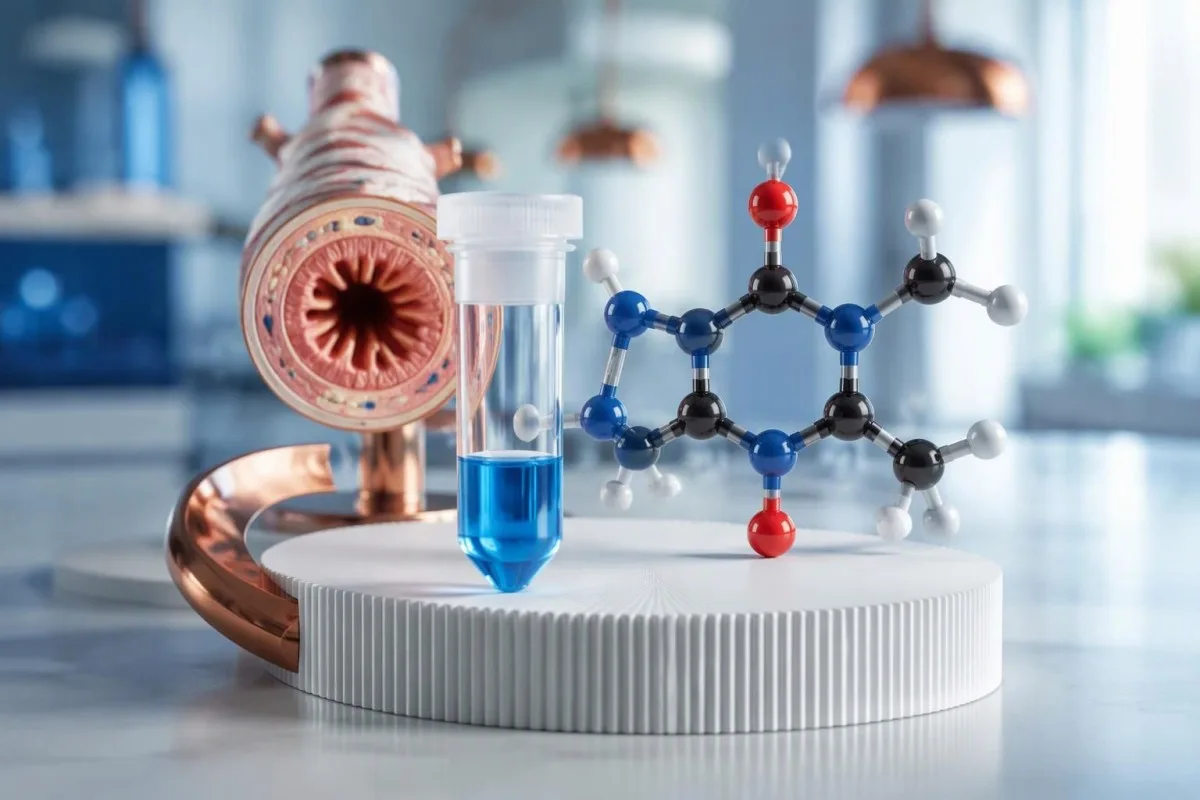
5–15 mg/L-ko teofilina-maila tratamendu-helburu egokia izan daiteke, baina emaitzak ez du segurtasuna bermatzen. Dosiaren uneak, formulazioak, sintomek eta erretzean edo sendagaietan izandako azken aldaketek zehazten dute zer esan nahi duen zure emaitzak.

Ondorio nagusiak
- Tratamendu-helburua: Klinikari askok 5–15 mg/L erabiltzen dute, nahiz eta laborategi batzuek 10–20 mg/L adierazi; zure preskriptorearen helburuak du lehentasuna.
- Emaitza altua: 20 mg/L-tik gorako teofilina-mailak toxikotasunaren kezka areagotzen du eta berehalako aholku klinikoa behar du.
- Sintomek tarteak baino lehentasun handiagoa dute: Oka iraunkorrak, bihotz-taupadak azkar edo irregularrak, nahasmenduak edo konbultsio batek toxikotasuna adieraz dezakete, baita 20 mg/L-tik behera ere.
- Unitateak: 1 mg/L 1 µg/mL-ren baliokidea da; biderkatu mg/L gutxi gorabehera 5,55ez, µmol/L-ra bihurtzeko.
- Lagina hartzeko unea: Berehalako askapeneko eta askapen aldatuko produktuek puntako denbora desberdinak dituzte; hondoko maila bat ezin da automatikoki puntako helburu batekin alderatu.
- Erretzeari uztea: Erretzeari uzteak nabarmen murriztu dezake teofilinaren garbiketa astebete inguruan, baita nikotina-ordezko terapia erabiltzen denean ere.
- Sukarra: Gutxienez 24 orduz 39 °C inguruko tenperatura iraunkorrak garbiketa moteldu eta maila igo dezake, dosia aldatu gabe.
- Elkarrekintzak: Ziprofl oxazinoak, fluboxaminak, zimetidinak eta makrolido-antibiotiko batzuek teofilinaren kontzentrazioak igo ditzakete.
- Larrialdiko jarduketa: Konbultsioa, kolapsoa, nahasmendu larria edo bihotz-taupada azkar edo irregular iraunkorra izanez gero, jo larrialdietara; ez itxaron beste maila baten emaitzari.
Zer teofilina-maila jotzen da segurutzat?
A 5–15 mg/L-ko teofilina-maila ohiko tratamendu-helburua da; laborategi batzuek, berriz, 10–20 mg/L. adierazten dute. Toxikotasuna litekeena da 20 mg/L, baino gorago, baina sintomak adierazitako tartearen barruan ere ager daitezke; klinikariaren helburuak eta lagina hartzeko uneak laborategiko bandera hutsak baino garrantzi handiagoa dute.
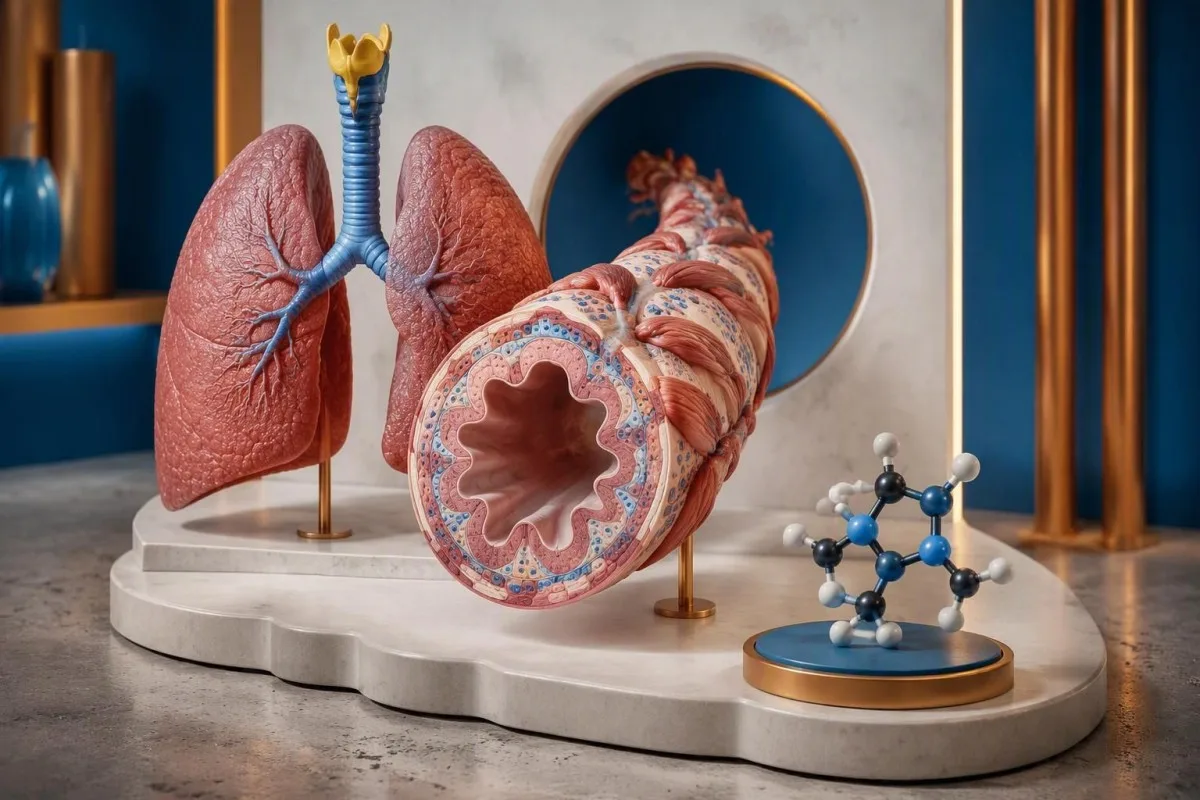
Teofilinak tarte terapeutiko estua du, hau da, kontzentrazio erabilgarriaren eta kaltegarriaren arteko aldea nahiko txikia da. 14 mg/L-ko emaitza pertsona baten tratamendu-planarekin bat etor daiteke, baina alferrikako maila altua izan daiteke 7 mg/L-rekin sintomak behar bezala kontrolatzen dituen beste batentzat, bereziki albo-ondorioak edo garbiketa murriztua daudenean.
Kontzentrazio handiagoek ez dute berez esan nahi arnas tratamendu hobea denik. American Journal of Respiratory and Critical Care Medicine aldizkarian argitaratutako Barnesen berrikuspenak bronkodilatazio-efektuak eta kontzentrazio txikiagoko hanturaren aurkako mekanismo proposatuak deskribatzen ditu, baina horiek ez dira tratamendu-helburu baliokideak (Barnes, 2013). 1–5 mg/L-ko mailan proposatutako efektu biologiko batek ez du justifikatzen agindutako dosia handitzea edo murriztea, benetako onura klinikoa ebaluatu gabe.
Kantesti odol-analizatzaile bat da, IA bidezkoa, eta azaltzen laguntzen du zergatik 12 mg/L-ko teofilina-emaitza batek dosi-historia behar duen, ez laborategiko bandera berdea bakarrik. Hezkuntza-helburuko interpretazioa eskaintzen dugu, ez preskripzio-erabakiak; gure erakundea eta helburua bereizketa hori azaltzen dute. Eraman emaitza, sendagaiaren izen zehatza, azken dosia hartu zenuen ordua eta azkenaldiko sintomak preskripzioa egin dizun taldera.
Nola irakurri teofilinaren tarte terapeutikoa eta unitateak
The teofilinaren tarte terapeutikoak botikarekiko aurreikusitako esposizioa adierazten du, ez tratamendurik gabeko pertsona baten balio normala. 1 mg/L 1 µg/mL-ren baliokidea da, eta µmol/L-tan adierazitako emaitza bat gutxi gorabehera mg/L-tan emandako kontzentrazio beraren 5.55 aldiz handiagoa da.
10 mg/L-ko kontzentrazioa gutxi gorabehera 55.5 µmol/L da, while 20 mg/L is approximately 111 µmol/L. Check the units before comparing reports from different countries, because a number such as 83 may represent approximately 15 mg/L rather than an extreme overdose. A therapeutic range also assumes a particular sampling approach, which may not be printed beside the result.
A laboratory upper limit of 20 mg/L is not an instruction to aim for 20 mg/L. NICE’s COPD guideline recommends plasma-level and interaction monitoring when theophylline is used, with particular caution in older people and during relevant antibiotic treatment (NICE, 2018). Similar distinctions between laboratory ranges and individualized targets appear in our guide to digoxin targets and timing.
Results between 15 and 20 mg/L deserve context rather than automatic reassurance or an automatic toxicity diagnosis. For a hypothetical person whose agreed target is 5–10 mg/L, a reading of 18 mg/L is above their treatment goal despite falling within a printed 10–20 mg/L interval. Ask whether the range applies to a peak, trough or other timed sample before interpreting the color coding.
| Maila | Tartea | Zer esan nahi duen |
|---|---|---|
| Common lower treatment target | 5–15 mg/L | Often suitable when clinical benefit is adequate; safety still depends on symptoms, timing and individual risk. |
| Upper part of some laboratory ranges | >15–20 mg/L | May exceed the clinician’s target; review adverse effects and whether the sample was correctly timed. |
| Above the usual upper boundary | >20–30 mg/L | Increased toxicity concern; obtain prompt clinical advice, with urgent assessment if symptoms are present. |
| Nabarmen altxatua | >30 mg/L | Urgent clinical assessment is needed, especially with chronic exposure; serious toxicity depends on symptoms and exposure pattern. |
Noiz hartu behar da teofilina-lagina?
A theophylline sample must be timed to the specific product and monitoring question. Immediate-release oral products often peak around 1–2 hours, whereas some modified-release monitoring protocols use samples 4–6 hours after dosing; these windows are not interchangeable.
A trough sample is collected just before the next scheduled dose, but theophylline monitoring is not always based on troughs. A low predose result may coexist with a substantially higher postdose peak, so increasing treatment solely because a trough is below a peak-based 10–20 mg/L range can be unsafe. The laboratory request should state what the prescriber intends to measure.
A result of 9 mg/L collected 2 hours after a dose cannot be compared directly with 9 mg/L collected 12 hours after a dose. Kantesti can help organize the reported concentration alongside supplied timing details, but missing dose times remain missing information. Our explanation of peak and trough sampling illustrates the principle, although gentamicin’s timing rules must not be transferred to theophylline.
Suspected toxicity requires immediate sampling rather than waiting for a scheduled peak or trough. If symptoms develop 3 hours after an extra dose, clinicians need that history and may arrange serial concentrations because absorption can continue. Write down actual times, not simply “morning” or “after tablets,” and do not delay urgent care to produce a more neatly timed result.
Zergatik aldatzen dute formulazioak eta egoera egonkorrak emaitza
Immediate-release, twice-daily modified-release and once-daily theophylline products can produce different concentration patterns. A level is most interpretable after a stable regimen has reached egoera egonkorrean, commonly assessed after about , aurreko gauean ez entrenamendu gogor zigorgarririk, eta ez 24 orduko barau heroikorik, errepikatutako balioa zure benetako oinarrizko maila baino hobea dirudienik., although slower clearance can require longer.
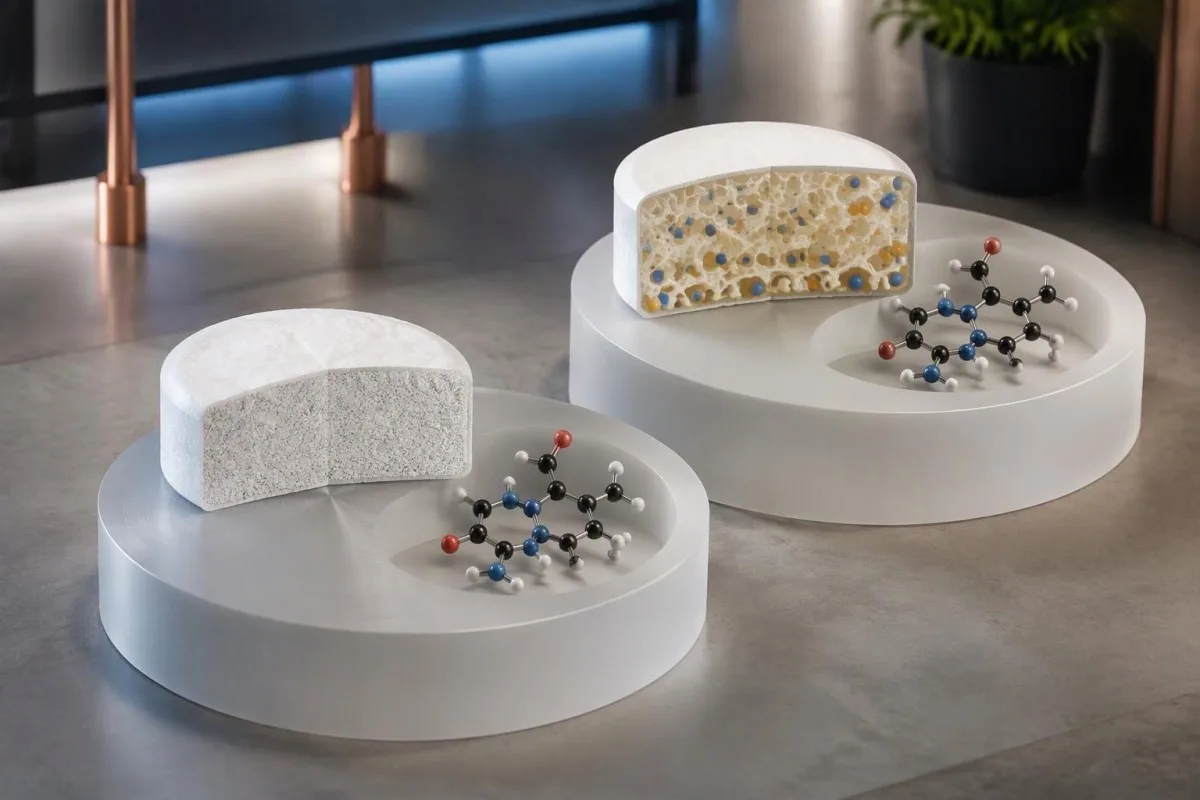
A three-day interval is a monitoring convention, not a guarantee that every person has stabilized. With a hypothetical half-life of 8 hours, five half-lives take about 40 hours; with a half-life of 24 hours, they take about 5 days. Fever, liver impairment and heart failure can extend that interval, so an early result may underestimate the eventual concentration on the same dose.
Changing a modified-release brand can change the shape of the concentration curve even when the daily milligram dose is unchanged. Food effects and peak timing differ between products, including some once-daily preparations whose peaks occur later than 4–6 hours. The broader lesson resembles formulation-specific drug monitoring, but each medicine needs its own product-specific instructions.
Modified-release tablets should not be crushed unless the product information explicitly permits the intended method of administration. For example, a prescribed 200 mg tablet may have a score line without being suitable for crushing, and destroying a release mechanism can increase early exposure. Keep the box or a photograph of its exact name available, especially after a pharmacy substitution, hospital discharge or change in dosing schedule.
Teofilinaren toxikotasunaren zein sintomak behar dute berehalako arreta?
Theophylline toxicity symptoms include nausea, repeated vomiting, tremor, restlessness, insomnia and a rapid heartbeat. Seizures, collapse, severe confusion or a sustained rapid or irregular heartbeat require emergency care, even if a previous theophylline level was below 20 mg/L.
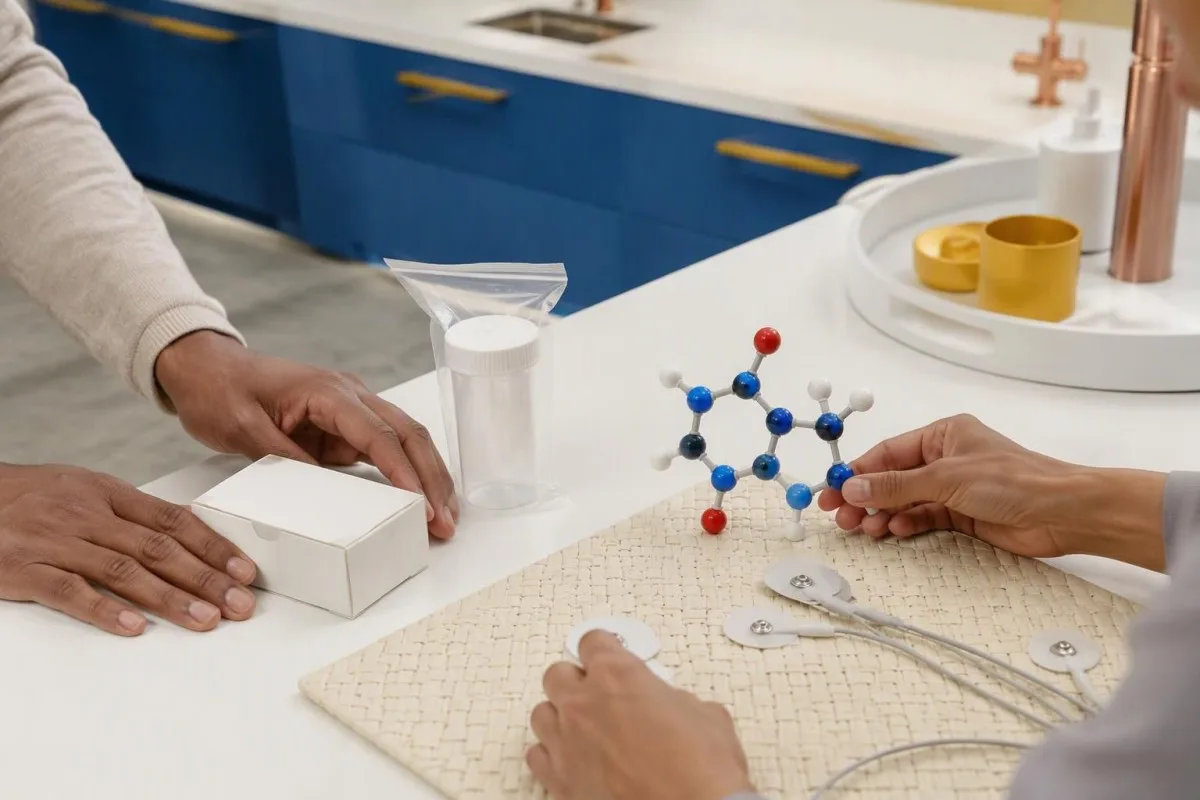
Persistent vomiting with a racing heartbeat is more concerning than either symptom considered alone in someone taking theophylline. Both can reflect excessive drug effect, while vomiting also disrupts fluid and electrolyte balance. A hypothetical pulse of 125 beats per minute accompanied by repeated vomiting should not be dismissed as anxiety simply because yesterday’s concentration was 16 mg/L.
Theophylline and inhaled beta-agonists can both cause tremor and palpitations, making symptom attribution difficult without assessment. Potassium, magnesium, an ECG and the current level may help distinguish medication effects from other causes; our palpitazioen proba-gida explains why a concentration alone is insufficient. A pulse above 100 beats per minute is not itself a toxicity diagnosis, but a new sustained change deserves attention.
If toxicity is suspected, do not take another theophylline dose while obtaining urgent medical advice. Seek emergency help immediately for a seizure, collapse or severe cardiac symptoms rather than waiting 1–2 hours for a routine service to respond. Do not induce vomiting or take activated charcoal at home; bring the medicine packaging and details of all doses, including any accidentally repeated tablets.
Toxikotasuna gerta daiteke laborategiko tartearen barruan?
Theophylline toxicity can occur within a laboratory’s 10–20 mg/L range because susceptibility, sampling time and protein binding vary. A total concentration of 17 mg/L does not exclude an earlier higher peak or an unusually large proportion of active, unbound drug.
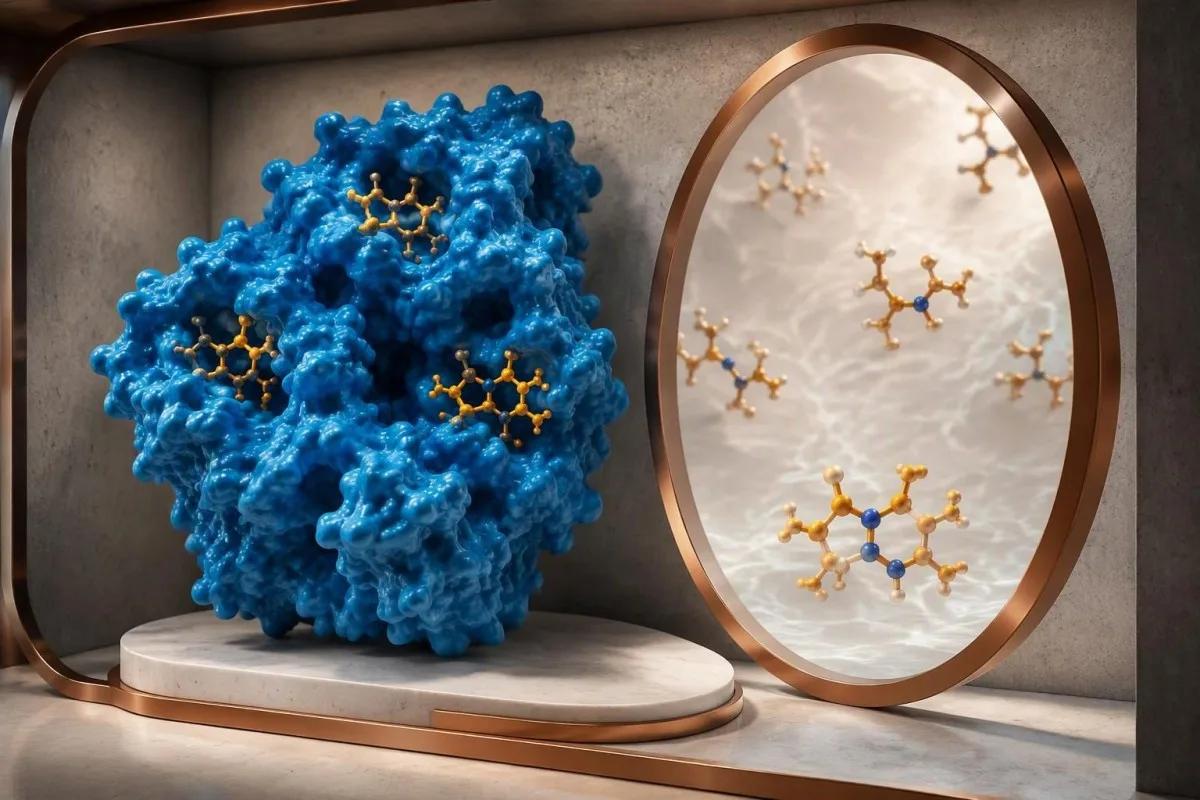
Routine theophylline assays usually measure total drug, including both protein-bound and unbound fractions. Approximately 40% is normally protein bound, but binding can decrease in circumstances such as cirrhosis, acidemia or late pregnancy. Our albuminak eta proteinak gidatzen gaituzte helps explain the context, although albumin alone cannot reliably calculate an individual free theophylline concentration.
A free theophylline measurement may help when symptoms conflict with the total result. Product labeling describes an unbound therapeutic interval of approximately 6–12 mg/L, but this is not a routine target for every patient or a conversion formula. For a hypothetical total result of 15 mg/L with reduced binding, a clinician may request the free fraction instead of assuming that the laboratory’s total-drug interval establishes safety.
Kantesti is an AI blood test interpretation platform that explains why a symptomatic result of 17 mg/L deserves clinical review rather than automatic reassurance. Gure baliozkotze klinikoaren ikuspegia describes the distinction between interpretation and a prescribing decision. People over 60 years, those with neurological disease and those with hypoxia may be more vulnerable, but no single age or albumin cutoff predicts all adverse effects.
Erretzeari uzteak teofilina-maila nola igo dezakeen
Stopping smoking can raise theophylline concentrations on an unchanged dose because tobacco smoke induces enzymes that clear the medicine. US product labeling reports an approximately 40% reduction in clearance after 1 week of abstinence, although the individual change varies.

Nicotine is not the main driver of the smoking–theophylline interaction. Combustion-related chemicals induce CYP1A2, so nicotine patches, gum or switching away from cigarettes do not reliably preserve the previous clearance rate. A cotinine result and nicotine exposure can document nicotine use, but it cannot establish whether theophylline-metabolizing enzyme induction remains unchanged after 7 smoke-free days.
A reduction in clearance can produce a larger concentration rise than the percentage initially suggests. In a deliberately simplified example, a stable concentration of 10 mg/L with clearance falling to 60% of its previous value would become approximately 16.7 mg/L if dose, absorption and other factors stayed constant. Actual theophylline kinetics can be nonlinear, so this calculation explains the risk rather than providing a dose-adjustment rule.
Smoking cessation should be supported, not discouraged because of theophylline monitoring. Tell the prescribing team when smoking stops, substantially decreases or restarts, and ask for an early reassessment plan rather than waiting for the next annual review. Kantesti can help place two dated results alongside a recorded smoking change, but clinicians must decide whether a dose reduction and repeat level within several days are appropriate.
Sukarrak eta gaixotasun akutuak maila zergatik igo dezaketen
Sustained fever can slow theophylline clearance and raise the level without any dose increase. Product labeling highlights temperatures around 39°C lasting at least 24 hours as a meaningful warning pattern, but lower prolonged fevers and severe illness can also matter.
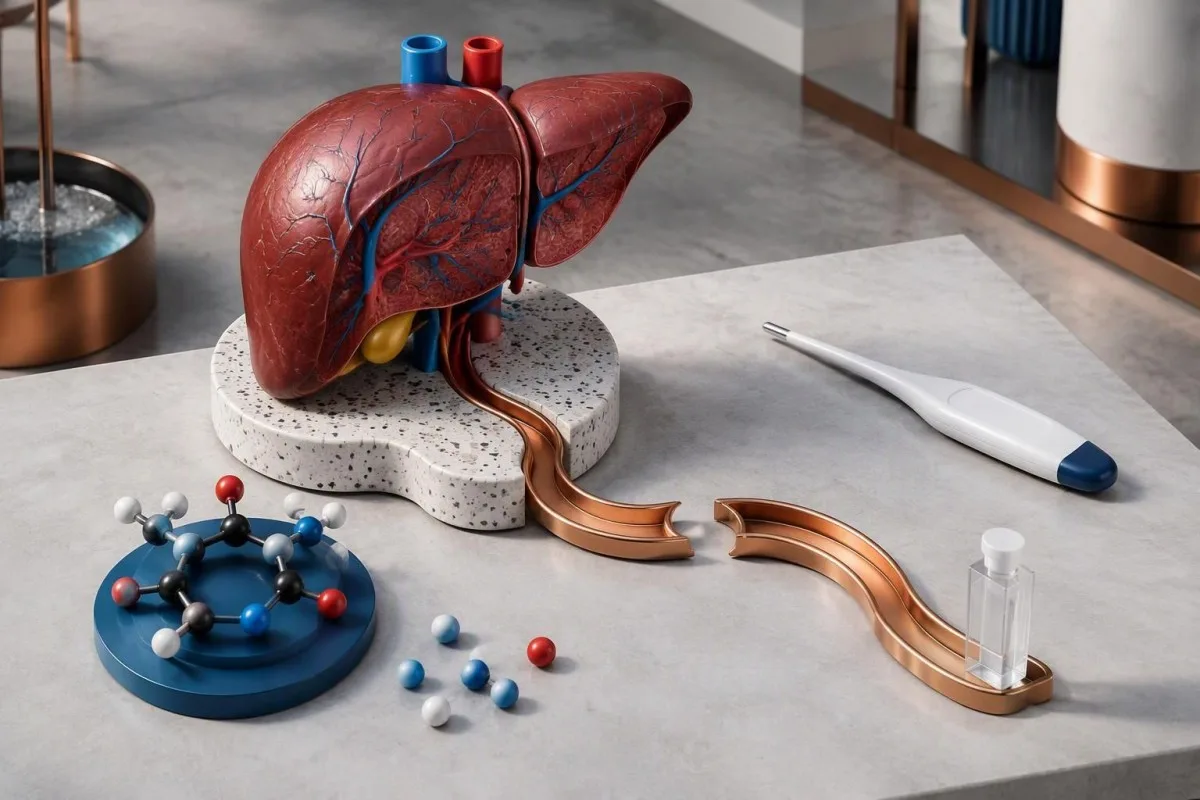
Fever-related accumulation can be mistaken for worsening respiratory illness. Nausea, poor sleep and tachycardia may be attributed to a chest illness even when theophylline contributes, particularly after 2–3 days of reduced clearance. Record the highest temperature, its duration, fluid intake and whether the regular tablets continued; these details can explain a rising result more usefully than a single inflammatory marker.
CRP and white-cell counts do not measure theophylline clearance. A person may need a drug level despite only modest changes in either test, while an elevated CRP does not prove that a concentration of 18 mg/L is toxic. Our explanation of WBC eta CRP desadostasunari buruzkoa shows why illness severity cannot be reduced to one laboratory result.
Illness and its treatment can create two simultaneous reasons for accumulation. In a hypothetical case, a 39.2°C fever persisting for 30 hours plus newly prescribed ciprofloxacin warrants contact with the prescribing team even if the last stable level was 8 mg/L. Do not wait for the next scheduled monitoring appointment when new vomiting, tremor or palpitations accompany that combination.
Zein sendagaik eragin dezakete teofilina-maila altua?
Ciprofloxacin, fluvoxamine, cimetidine and some macrolide antibiotics can raise theophylline levels by reducing clearance. The effect is drug-specific: 1 antibiotic cannot be assumed equivalent to another, and stopping an enzyme-inducing medicine can also cause accumulation.
Erythromycin and clarithromycin can interact with theophylline, while azithromycin generally has much less effect on its clearance. Ciprofloxacin is a recognized concern, but fluoroquinolones are not all identical in this respect. NICE specifically advises reducing theophylline dosage when interacting macrolide or fluoroquinolone antibiotics are prescribed for COPD exacerbations; the prescriber determines the change and monitoring, not a universal percentage applied at home.
Starting a strong inhibitor is not the only interaction scenario. Stopping rifampicin, carbamazepine or phenytoin can remove an enzyme-inducing effect and allow a previously tolerated dose to produce higher concentrations over subsequent days. Some of the same smoking and CYP1A2 issues arise in clozapine medication safety, although the relevant tests and treatment thresholds differ.
A complete medication review should include nonprescription products and recently discontinued medicines. Cimetidine bought for indigestion can be relevant even if the regular prescription list has not changed, and a 3-day antibiotic course can overlap with the start of accumulating drug. Ask a pharmacist to check the exact medicine names, including herbal products, and arrange repeat levels according to the expected interaction rather than the package color or drug class alone.
Adinak, gibeleko gaixotasunak eta bihotz-gutxiegitasunak argitzeari nola eragiten dioten
Older age, significant liver disease and congestive heart failure can reduce theophylline clearance. Product labeling describes reductions of 50% edo gehiago in some patients with liver impairment or heart failure, making an unchanged dose potentially excessive after health status changes.
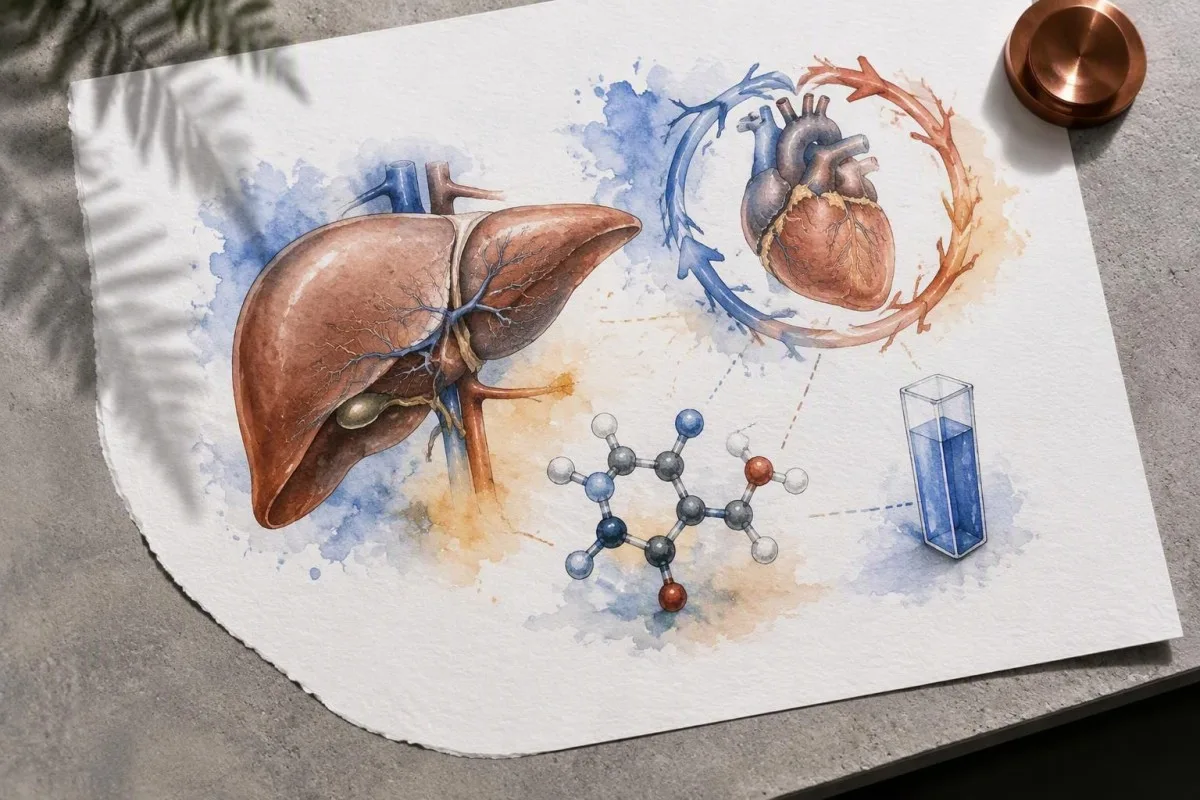
Theophylline is mainly metabolized by the liver in adults, so a normal creatinine result does not establish normal drug clearance. This differs from medicines whose elimination is predominantly renal; our giltzurrun-funtzioaren interpretazio gidak explains what creatinine does and does not measure. Only a relatively small fraction, roughly 10%, is excreted unchanged in adult urine, although newborn physiology differs substantially.
Normal ALT and AST values cannot rule out reduced theophylline metabolism. Heart failure, hepatic congestion and changes in liver functional reserve can affect clearance without a proportionate rise in routine enzyme tests. In a hypothetical adult with worsening edema, breathlessness and a rise from 9 to 18 mg/L on the same dose, the relevant question is what changed physiologically—not whether the tablet count remained correct.
Adults over 60 years often need more cautious dosing and review, particularly when frailty, hypoxia or multiple interacting medicines coexist. Our guide to adinekoen botika-efektuak explains why a previously tolerated regimen can become unsuitable. Age is a risk modifier rather than a stand-alone dose formula; children, pregnancy and neonatal use require separate specialist interpretation rather than applying an adult 5–15 mg/L target indiscriminately.
Maila baxu batek zer esan nahi duen — eta kafeinak zer aldatzen duen
A low theophylline level does not automatically require a higher dose. Emaitza hau baino baxuagoa 5 mg/L may reflect sampling time, missed doses, faster clearance or an intentionally low target; caffeine can worsen tremor and palpitations without necessarily explaining the measured concentration.
Clinical benefit determines whether a low concentration is a problem. A correctly timed result of 4 mg/L in someone with good control may need a treatment review rather than automatic escalation, whereas the same result with worsening breathlessness requires assessment of the whole respiratory regimen. Check adherence and technique for other prescribed treatments before assuming that raising theophylline will provide the missing benefit.
Coffee, strong tea, energy drinks and cocoa add methylxanthine exposure, which can compound insomnia, tremor or palpitations. Approximately 80–100 mg of caffeine in a typical cup of brewed coffee is a useful reference, but portions and preparations vary widely. Unlike an overdose assessment described in our salicylate level timing guide, a caffeine history does not replace measurement of the prescribed drug.
Missed doses should not be corrected by doubling the next dose unless the prescriber has explicitly instructed it. For a hypothetical twice-daily regimen, taking two 200 mg doses together can create a different peak from taking them 12 hours apart, even when the daily total appears unchanged. Keep caffeine intake reasonably consistent, follow the medicine’s missed-dose instructions and never use extra fluids, food or supplements as a home treatment for suspected toxicity.
Zer gertatzen da teofilina-maila altu baten ondoren?
A high theophylline level requires assessment of symptoms, exposure pattern and whether the concentration is rising. Results above 20 mg/L warrant prompt clinical advice; markedly elevated levels or significant symptoms need urgent hospital assessment, with treatment guided by more than the number.
Acute overdose and chronic accumulation have different risk patterns. An older adult accumulating drug over several days may develop serious toxicity at a lower concentration than a younger person after a single ingestion, so a universal “danger starts here” cutoff is misleading. A result above 30 mg/L during regular treatment is especially concerning, and a recent extra modified-release dose can make an early measurement underestimate the eventual peak.
Hospital assessment commonly includes serial theophylline levels, an ECG, potassium, magnesium, glucose and acid–base evaluation. Activated charcoal may be used under medical supervision, sometimes in repeated doses, but suitability depends on airway protection and other risks. The general need to interpret ingestion time resembles overdose sampling decisions; however, the acetaminophen nomogram must never be applied to theophylline.
EXTRIP recommends extracorporeal treatment for severe theophylline poisoning, including an acute concentration above 100 mg/L or severe manifestations such as seizures, life-threatening arrhythmias or shock (Ghannoum et al., 2015). The workgroup also suggests treatment in chronic poisoning above 60 mg/L, with additional lower-threshold considerations for vulnerable age groups. These are specialist treatment criteria—not concentrations below which home observation is automatically safe.
Emaitzak nola alderatu eta errepikapen-proba erabilgarri bat nola planifikatu
Two theophylline results are comparable only when dose, formulation and sampling conditions are sufficiently similar. Aldaketa bat 8 to 14 mg/L may represent real accumulation, a later peak sample or both; repeat testing should answer a specific clinical question.

Consider a hypothetical 58-year-old taking 200 mg of modified-release theophylline every 12 hours. A level of 8 mg/L drawn immediately before a dose and a later level of 14 mg/L drawn 5 hours afterward cannot establish worsening clearance by themselves. The practical next step is to confirm the intended sampling window and repeat under the prescriber’s instructions, unless symptoms require immediate assessment instead.
Now consider a different hypothetical person whose comparable levels rise from 10 to 18 mg/L after 7 days without cigarettes. The unchanged formulation and matched dose-to-sample interval make reduced clearance a stronger explanation, especially if nausea has appeared. Our botiken segurtasun-joeren gida explains why the timeline of smoking, fever and prescription changes belongs beside the laboratory trend.
Kantesti is an AI-powered blood test analysis tool that can help organize a 10-to-18 mg/L trend alongside the history you provide. Gure AI odol-analisia interpretatzeko metodologia explains how supplied context supports interpretation without replacing clinician oversight. Before a repeat test, confirm five details: exact product, dose schedule, last-dose time, sample time and relevant changes; after an intervention, the prescriber chooses when the new level will be informative.
Ikerketa-argitalpenak eta AI interpretazioaren mugak
Theophylline interpretation rests on pharmacology, product-specific monitoring and clinical assessment—not an AI-generated safe cutoff. A total result of 12 mg/L can be useful evidence, but published ranges and automated explanations cannot exclude toxicity in a symptomatic person.
The evidence supports different roles for theophylline at different concentrations, but a biological mechanism is not the same as proven benefit for every treatment strategy. Barnes’s 2013 review discusses proposed effects at lower levels alongside bronchodilation at higher exposure, while NICE’s 2018 COPD guidance emphasizes selective use and monitoring. Neither source establishes a universally safe 5–15 mg/L interval independent of symptoms, formulation and individual risk.
Extracorporeal-treatment thresholds address severe poisoning rather than routine therapeutic monitoring. Ghannoum and colleagues’ EXTRIP review uses criteria such as an acute concentration above 100 mg/L, but its recommendations also respond to severe symptoms and the exposure pattern. Our guide to AI bidezko azalpen medikoak egiaztatzea helps readers distinguish a hospital treatment threshold from a personal treatment target.
The two Kantesti publications listed below describe a validation framework and a global analysis report; they are not theophylline-specific trials or independent prescribing guidelines. They should not be cited as proof that an AI system can diagnose toxicity at 17 mg/L or safely change a dose. Our eduki medikoaren estandarrak require that separation: use educational interpretation to prepare questions, and use the prescribing team or emergency services for clinical decisions.
Ohiko galderak
Zein da teofilinaren tarte terapeutikoa?
Teofilina bidezko tratamenduaren helburuak normalean 5–15 mg/L tartean egoten dira, nahiz eta laborategi batzuek 10–20 mg/L-eko tarte terapeutikoa adierazten duten. Preskriptoreak helburu baxuago bat hauta dezake, onuraren, ondorio kaltegarrien, adinaren eta bestelako gaixotasunen arabera. Lagina hartzeko uneak bat etorri behar du produktuarekin eta gailur- edo haran-kontzentrazioaren interpretazioarekin. Laborategiko tartearen barruko emaitza batek ez du segurtasuna bermatzen.
Toxikoa al da teofilina-maila 20koa?
20 mg/L-ko teofilina-maila ohiko laborategi-tarte askoren goiko mugan dago, eta toxikotasuna litekeena da kontzentrazio hori gaindituz gero. Pertsona batzuek kontrako ondorioak izaten dituzte 20 mg/L-tik behera ere, bereziki metatze kronikoa dagoenean edo sentikortasun handiagoa dutenean. Beraz, 20 mg/L-ko emaitza klinikariaren helburu-mailarekin, dosia hartu zen unarekin eta sintomekin alderatuta aztertu behar da. Oka iraunkorrak, bihotz-taupadak bizkortzea edo sintoma neurologikoak izanez gero, premiazko aholkua eskatu behar da, tarteak ematen duen lasaitasunean oinarritu ordez.
Noiz neurtu behar da teofilinaren maila?
Teofilinaren lagina hartzeko unea formulazioaren eta monitorizazioaren helburuaren araberakoa da. Berehalako askapeneko produktuek dosia hartu eta 1–2 ordura jo ohi dute puntara; askapen aldatuko protokolo batzuetan, berriz, dosia hartu eta 4–6 ordura hartzen da lagina. Beste produktu batzuek beste une batzuk eskatzen dituzte, eta hondar-maila hurrengo dosi programatua hartu baino lehen hartzen da. Toxikotasunaren susmoa berehala ebaluatu behar da, ohiko laginketa-tartearen zain egon gabe.
Erretzeari uzteak teofilina-mailak igo ditzake?
0 Erretzeari uzteak teofilina-mailak handitu ditzake, tabako-kea sendagaia kanporatzen parte hartzen duten entzimak induzitzen dituelako. Produktuaren etiketak abstinentziako aste baten ondoren kanporatzea gutxi gorabehera 40% murrizten dela adierazten du, nahiz eta banakoen aldaketak desberdinak izan. Nikotina-adabakiek edo txikleek ez dute elkarreragin hori modu fidagarrian saihesten, nikotina ez baita entzimen indukzioaren kausa nagusia. Jakinarazi preskripzio-taldeari erretzeari uzten diozunean, nabarmen murrizten duzunean edo berriro hasten zarenean, monitorizazioa eta dosiaren doikuntza planifikatu ditzan.
Sukarrak teofilina-maila igo dezake?
0 Sukar iraunkorrak teofilina-maila igo dezake, botikaren garbiketa motelduz, dosia aldatu ez arren. Produktuen etiketetan, gutxienez 24 orduz irauten duten 39 °C inguruko tenperaturak ohartarazpen-seinale ezaguna dira, baina beste gaixotasun larri edo luze batzuek ere eragina izan dezakete. Elkarreragiten duten antibiotikoek eragina areagotu dezakete arnas-gaixotasun batean. Oka berriak, dardarak edo palpitazioak agertuz gero, premiazko aholku klinikoa eskatu behar da, eta une horretako botika-maila neurtzea aztertu.
Zer egin behar dut teofilina-maila altua badut?
20 mg/L-tik gorako teofilina-mailak berehalako mediku-aholkua behar du; emaitza nabarmen altua bada edo sintoma larriak badaude, ospitalean premiazko ebaluazioa behar izan daiteke. Krisi epileptikoa, kolapsoa, nahasmendu larria edo bihotz-taupada bizkor edo irregular iraunkorra gertatuz gero, joan berehala larrialdietara, neurtutako kontzentrazioa edozein dela ere. Toxikotasuna susmatzen bada, ez hartu beste teofilina-dosirik, premiazko aholkua jasotzen duzun bitartean. Ez eragin gorakorik, ez erabili etxean ikatzezko tratamendurik, eta ez kalkulatu zeure kabuz dosia zenbat murriztu behar duzun laborategiko emaitzaren arabera.
Jaso odol-analisien emaitzak nola irakurri
Kargatu zure laborategiko txostena, eta Kantesti-ren AIak biomarkatzaile bakoitza hizkera arruntean azalduko du segundo gutxitan. Mundu osoan 2 milioi pertsona baino gehiagok erabiltzen dute.
Erreferentziak
- Klein, T., Mitchell, S., & Weber, H. (2026). Baliozkotze Klinikoaren Esparrua v2.0 (Baliozkotze Medikuaren Orria). Kantesti AI Ikerketa Medikoa. DOI
- Klein, T., Mitchell, S., & Weber, H. (2026). AI Odol Analisien Analisatzailea: 2,5M proba aztertuak | Osasun Globalaren Txostena 2026. Kantesti AI Ikerketa Medikoa. DOI
- Barnes PJ (2013). Theophylline. American Journal of Respiratory and Critical Care Medicine. DOI
- National Institute for Health and Care Excellence (2018). Chronic obstructive pulmonary disease in over 16s: diagnosis and management. NICE Guideline NG115.
- Ghannoum M et al. (2015). Extracorporeal treatment for theophylline poisoning: systematic review and recommendations from the EXTRIP workgroup. Clinical Toxicology. DOI
- 2M+Aztertutako probak
- 127+Herrialdeak
- 100+Hizkuntzak
Medikuntza-taldeari buruz


E-E-A-T Konfiantza-seinaleak
Esperientzia
Medikuek gidatutako berrikuspen klinikoa laborategiko interpretazioaren lan-fluxuei buruz.
Espezializazioa
Laborategiko medikuntzaren ikuspegia biomarkatzaileek testuinguru klinikoan nola jokatzen duten aztertzean.
Autoritatea
Thomas Klein doktoreak medikoki berrikusia, Sarah Mitchell doktorearen eta Hans Weber irakasle doktorearen ekarpenekin.
Fidagarritasuna
Ebidentzian oinarritutako interpretazioa, alarma murrizteko jarraipen-bide argiekin.

Ohar medikoa
Artikulu hau hezkuntza-helburuetarako da soilik eta ez du mediku-aholkurik ematen. Diagnostiko- eta tratamendu-erabakietarako, beti kontsultatu osasun-profesional kualifikatu bati.
Argitaratua · Jarri harremanetan erredakzio-taldearekin
Kantesti Ltd-k argitaratua, Ingalaterran eta Galesen erregistratua, enpresa zk. 17090423, Londres, Erresuma Batua.
