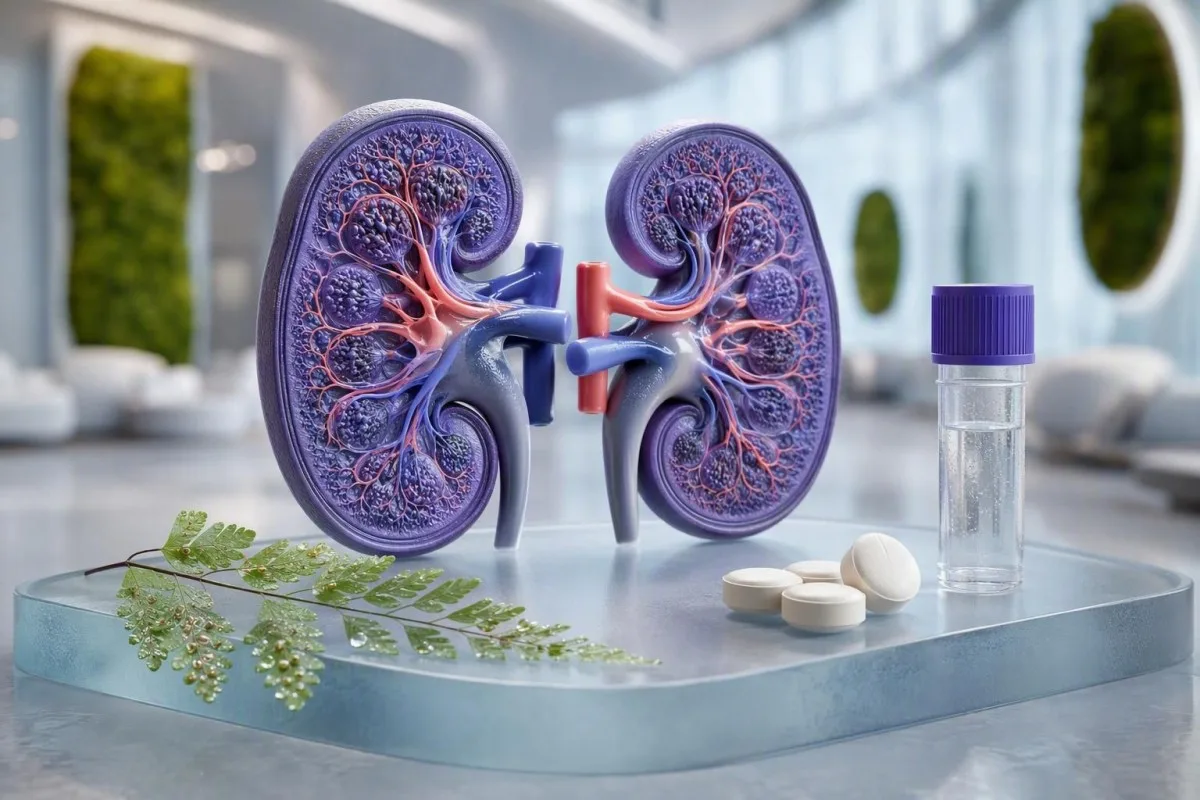
Πολλά παθολογικά αποτελέσματα σε προχωρημένη ηλικία αντανακλούν φάρμακα, ενυδάτωση ή χρονισμό αντί για νέα νόσο. Το χρήσιμο ερώτημα είναι αν το μοτίβο ταιριάζει στη λίστα των συνταγών - και αν αλλάζει.


- κάλιο πάνω από 5,5 mmol/L η λήψη αναστολέα ACE, ARB, σπιρονολακτόνης ή τριμεθοπρίμης απαιτεί άμεση επικοινωνία με τον κλινικό ιατρό· η αδυναμία ή οι παλμοί αυξάνουν την επείγουσα ανάγκη.
- Νάτριο κάτω από 130 mmol/L μπορεί να προκαλέσει πτώσεις, σύγχυση και επιληπτικές κρίσεις σε ηλικιωμένους, ιδιαίτερα με θειαζιδικά διουρητικά, SSRIs και καρβαμαζεπίνη.
- Πτώση eGFR έως 30% μετά την έναρξη αναστολέα ACE, ARB ή αναστολέα SGLT2 μπορεί να είναι μια αναμενόμενη αιμοδυναμική επίδραση, αλλά μια μεγαλύτερη ή προοδευτική πτώση χρειάζεται επανεξέταση.
- Βιταμίνη Β12 κάτω από 200 pg/mL (148 pmol/L) συνδέεται συχνά με χρήση μετφορμίνης ή μακροχρόνια χρήση αναστολέων αντλίας πρωτονίων και δεν πρέπει να απορρίπτεται ως συνηθισμένη γήρανση.
- ALT ή AST πάνω από τρεις φορές το ανώτερο όριο του εργαστηρίου μετά από ένα νέο φάρμακο απαιτεί κλινική αξιολόγηση εντός της ίδιας εβδομάδας, ειδικά με ίκτερο, σκούρα ούρα ή ναυτία.
- INR πάνω από το συνταγογραφούμενο εύρος σε άτομο που λαμβάνει βαρφαρίνη μπορεί να οφείλεται σε αντιβιοτικά, μειωμένη πρόσληψη βιταμίνης Κ από τη διατροφή, διάρροια ή ένα νέο αλληλεπιδρών φάρμακο.
- Το HbA1c μπορεί να εμφανίζεται ψευδώς χαμηλό μετά από πρόσφατη μετάγγιση, απώλεια αίματος ή αιμόλυση· οι μετρήσεις γλυκόζης και η φρουκτοζαμίνη μπορεί να είναι πιο ενημερωτικές για αρκετές εβδομάδες.
- Λίστα φαρμάκων, δόση, ημερομηνία έναρξης και ώρα τελευταίας δόσης εξηγεί συχνά μια προηγούμενη εξέταση αίματος καλύτερα από μια μεμονωμένη ένδειξη εύρους αναφοράς.
Πώς να διαβάσετε αποτελέσματα εξετάσεων αίματος ηλικιωμένων πριν υποθέσετε ασθένεια
Μια προηγούμενη εξέταση αίματος θα πρέπει να διαβάζεται παράλληλα με την πλήρη λίστα φαρμάκων και συμπληρωμάτων, όχι μεμονωμένα. Μια νέα ανωμαλία που εμφανίζεται εντός 2 έως 12 εβδομάδων από την αλλαγή δόσης οφείλεται συχνά σε φάρμακα, αλλά εξακολουθεί να χρήζει ερμηνείας από κλινικό γιατρό αντί για αυτόματη διαβεβαίωση.
Από τις 2 Σεπτεμβρίου 2026, το πιο χρήσιμο πρώτο βήμα είναι να καταγραφεί κάθε συνταγή, προϊόν χωρίς ιατρική συνταγή, φυτικό θεραπευτικό προϊόν και ο χρόνος χορήγησης της δόσης. Στην κλινική μου εργασία, το στοιχείο που λείπει είναι συχνά η ιβουπροφαίνη που αγοράστηκε από ένα σούπερ μάρκετ, ένα μαγνησιούχο καθαρτικό ή ένας υποκατάστατος αλατιού που περιέχει κάλιο—όχι το συνταγογραφούμενο αντιυπερτασικό.
Τα διαστήματα αναφοράς περιγράφουν το 95% του πληθυσμού σύγκρισης ενός εργαστηρίου· δεν αποτελούν προσωπικούς θεραπευτικούς στόχους. Μια τιμή κρεατινίνης 1,15 mg/dL μπορεί να είναι αδιάφορη για έναν ηλικιωμένο ενήλικα και ανησυχητική για κάποιον άλλο του οποίου η σταθερή τιμή ήταν 0,75 mg/dL έξι μήνες νωρίτερα· ο οδηγός μας για μια εξέταση αίματος για ηλικιωμένους ενήλικες εξηγεί γιατί η ευθραυστότητα και οι πτώσεις αλλάζουν την ερμηνεία.
Το Καντέστι είναι ένα Αναλυτής εξέτασης αίματος AI που συγκρίνει τις αναφερόμενες τιμές με μοτίβα που λαμβάνουν υπόψη τα φάρμακα και προηγούμενα αποτελέσματα, αντί να αντιμετωπίζει κάθε κόκκινη σημαία ως διάγνωση. Ο Thomas Klein, MD, συνιστά να φέρετε την αρχική έκθεση και τα κουτιά των φαρμάκων στο ραντεβού· οι εμπορικές υποκαταστάσεις και τα συνδυαστικά δισκία είναι εκπληκτικά εύκολο να παραβλεφθούν.
Αναμενόμενες αλλαγές γήρανσης έναντι επιδράσεων φαρμάκων
Η γήρανση από μόνη της μειώνει μέτρια τη νεφρική διήθηση και την παραγωγή λευκώματος, αλλά δεν εξηγεί απότομες αλλαγές ηλεκτρολυτών, ηπατικών ενζύμων ή αιματοκυττάρων. Ένα αποτέλεσμα που μεταβάλλεται γρήγορα μετά την έναρξη ενός φαρμάκου θα πρέπει να αντιμετωπίζεται ως πιθανή ανεπιθύμητη ενέργεια μέχρι αποδείξεως του εναντίον.
Η εκτιμώμενη GFR μειώνεται συνήθως κατά περίπου 0,8 έως 1 mL/min/1,73 m² ανά έτος μετά τη μέση ηλικία, αν και η ατομική μεταβλητότητα είναι ευρεία. Μια eGFR κάτω από 60 για τουλάχιστον 3 μήνες ορίζει τη χρόνια νεφρική νόσο μόνο όταν επιβεβαιώνεται ή συνοδεύεται από άλλο δείκτη νεφρικής βλάβης· μια αρχική εξέταση αίματος καθιστά τις μεταγενέστερες συγκρίσεις πολύ ασφαλέστερες.
Ένα νέο MCV άνω των 100 fL δεν είναι φυσιολογικό χαρακτηριστικό της γήρανσης. Το αλκοόλ, η έλλειψη φυλλικού οξέος, η έλλειψη βιταμίνης Β12, ο υποθυρεοειδισμός, η ηπατική νόσος, η υδροξυουρία, η μεθοτρεξάτη και ορισμένα αντιεπιληπτικά είναι κοινές εξηγήσεις, ενώ η εμμένουσα μακροκυττάρωση με μειούμενη αιμοσφαιρίνη απαιτεί κατάλληλη εξέταση επιχρίσματος αίματος και κλινική αξιολόγηση.
Τα κριτήρια Beers της Αμερικανικής Εταιρείας Γηριατρικής του 2023 επισημαίνουν ειδικά διάφορα φάρμακα που ενέχουν δυσανάλογους κινδύνους σε ηλικιωμένους, συμπεριλαμβανομένων των μακροχρόνιων αναστολέων αντλίας πρωτονίων και των συνδυασμών που επηρεάζουν τη νεφρική λειτουργία ή το κάλιο (American Geriatrics Society Beers Criteria Update Expert Panel, 2023). Το πρακτικό σημείο είναι απλό: η ηλικία αυξάνει την ευαλωτότητα σε μια αλληλεπίδραση· δεν την καθιστά αβλαβή.
Αλλαγές κρεατινίνης και eGFR με κοινά φάρμακα
Οι NSAIDs, οι αναστολείς ACE, οι ARBs, τα διουρητικά, η τριμεθοπρίμη και οι αναστολείς SGLT2 μπορούν να αλλάξουν την κρεατινίνη ή την eGFR με προβλέψιμους αλλά κλινικά διαφορετικούς τρόπους. Μια πτώση της eGFR μεγαλύτερη από 30% από τη βασική γραμμή, ή μια αυξανόμενη κρεατινίνη με χαμηλή διούρηση, εμετό ή οίδημα, χρήζει άμεσης αξιολόγησης.
Οι αναστολείς ACE και οι ARBs χαλαρώνουν την απαγωγό αρτηριόλη του νεφρού, έτσι η κρεατινίνη μπορεί να αυξηθεί μετά την έναρξη της θεραπείας. Οι οδηγίες KDIGO 2024 συνιστούν τη διερεύνηση μιας οξείας αύξησης της κρεατινίνης κατά 30% ή περισσότερο μετά την έναρξη ή την αύξηση της δόσης, ιδιαίτερα όταν μπορεί να συνυπάρχουν αφυδάτωση, νόσος νεφρικής αρτηρίας, χρήση NSAID ή υπερβολική διούρηση (KDIGO, 2024).
Ο κλασικός συνδυασμός υψηλού κινδύνου είναι ένας αναστολέας ACE ή ARB συν ένα διουρητικό συν ένα ΜΣΑΦ—η λεγόμενη τριπλή καταστροφή. Ένας 79χρονος που λαμβάνει ραμιπρίλη, φουροσεμίδη και ναπροξένη μετά από έξαρση γόνατος μπορεί να εμφανίσει σημαντική πτώση της eGFR μέσα σε λίγες ημέρες κακής πρόσληψης υγρών· διαβάστε περισσότερα για την παροδική χαμηλή eGFR μετά από αφυδάτωση.
Kantesti Η AI ερμηνεύει τα νεφρικά αποτελέσματα χρησιμοποιώντας την κατεύθυνση και τον ρυθμό αλλαγής, όχι μόνο την κρεατινίνη· μια αύξηση 0,2 mg/dL έχει διαφορετική σημασία σε βασική τιμή 0,6 mg/dL από ό,τι σε 2,4 mg/dL. Η προσέγγιση κλινικής επικύρωσης μας έχει σχεδιαστεί για να επισημαίνει συνδυασμούς που χρειάζονται ανθρώπινη παρακολούθηση, όχι για να συμβουλεύει τη διακοπή ενός συνταγογραφημένου φαρμάκου.
Αποτελέσματα νατρίου και καλίου που τα φάρμακα μπορούν να μετατοπίσουν
Τα θειαζιδικά διουρητικά και οι SSRI μειώνουν συνήθως το νάτριο, ενώ οι αναστολείς ACE, οι ARB, η σπιρονολακτόνη και η τριμεθοπρίμη μπορούν να αυξήσουν το κάλιο. Νάτριο κάτω από 125 mmol/L ή κάλιο ίσο ή πάνω από 6,0 mmol/L γενικά απαιτεί επείγουσα αξιολόγηση την ίδια ημέρα, ακόμη και αν τα συμπτώματα είναι ήπια.
Η υπονατριαιμία είναι ιδιαίτερα εύκολο να χαθεί επειδή οι ηλικιωμένοι μπορεί να παρουσιάζονται με κόπωση, αστάθεια, βραδύτητα σκέψης ή πτώση αντί για εμφανή δίψα. Μια συγκέντρωση νατρίου κάτω από 130 mmol/L είναι κλινικά σημαντική· τα θειαζιδικά μπορεί να την προκαλέσουν εντός των πρώτων 2 εβδομάδων, αν και μπορεί να εμφανιστεί και μήνες αργότερα κατά τη διάρκεια μιας ενδιάμεσης ασθένειας.
Ένα κάλιο 5,6 mmol/L θα πρέπει να επαναληφθεί άμεσα αφού ληφθεί υπόψη η αιμόλυση του δείγματος, η νεφρική λειτουργία, η διατροφή και τα φάρμακα. Κάλιο 6,0 mmol/L ή υψηλότερο μπορεί να επηρεάσει την καρδιακή αγωγιμότητα, και ο κίνδυνος είναι μεγαλύτερος όταν η τιμή αυξάνεται γρήγορα· ο οδηγός μας για τα αποτελέσματα ηλεκτρολυτών εξηγεί πότε ένα ΗΚΓ γίνεται μέρος του επόμενου βήματος.
Τα διουρητικά της αγκύλης συχνότερα μειώνουν το κάλιο και το μαγνήσιο, ενώ η σπιρονολακτόνη τείνει να διατηρεί το κάλιο. Μην αυτο-διορθώνετε με συμπληρώματα καλίου ή υποκατάστατα αλατιού: σε ένα άτομο με eGFR 35 mL/min/1.73 m², αυτό το καλοπροαίρετο βήμα μπορεί να μετατρέψει μια μέτρια ανωμαλία σε επείγουσα κατάσταση.
Παρακολούθηση γλυκόζης, HbA1c και φαρμακευτικής αγωγής για διαβήτη
Η ινσουλίνη και οι σουλφονυλουρίες μπορούν να προκαλέσουν επικίνδυνα χαμηλή γλυκόζη, ενώ τα στεροειδή συχνά αυξάνουν τη γλυκόζη εντός 24 έως 48 ωρών. Το HbA1c κάτω από 6.5% δεν είναι αυτόματα επιθυμητό σε έναν εύθραυστο ηλικιωμένο ενήλικα εάν συνοδεύεται από υποτροπιάζουσες τιμές κάτω από 70 mg/dL (3.9 mmol/L).
Η τυχαία γλυκόζη κάτω από 70 mg/dL είναι υπογλυκαιμία, αλλά τα συμπτώματα μπορεί να αρχίσουν σε υψηλότερα επίπεδα σε κάποιον που έχει συνηθίσει σε χρόνια υπεργλυκαιμία. Τρέμουλο, εφίδρωση, σύγχυση, οπτική αλλαγή ή μια νέα πτώση μετά από ινσουλίνη ή γκλικλαζίδη πρέπει να προκαλέσουν άμεσο έλεγχο γλυκόζης και επικοινωνία με τον συνταγογράφο, αντί να περιμένετε την επόμενη προγραμματισμένη εξέταση αίματος ηλικιωμένων.
Η πρεδνιζόνη 20 mg που λαμβάνεται το πρωί συχνά παράγει τη μεγαλύτερη αύξηση της γλυκόζης μετά το μεσημεριανό και το βραδινό, ενώ η νηστική γλυκόζη μπορεί να παραμείνει παραπλανητικά αποδεκτή. Το HbA1c αντικατοπτρίζει περίπου 8 έως 12 εβδομάδες γλυκαιμίας, αλλά γίνεται λιγότερο αξιόπιστο μετά από μετάγγιση, σημαντική αιμορραγία, αιμόλυση, θεραπεία με ερυθροποιητίνη ή προχωρημένη νεφρική νόσο· δείτε την εξήγησή μας για πότε το HbA1c μπορεί να είναι παραπλανητικό.
Οι αναστολείς SGLT2 μπορεί να προκαλέσουν μια μικρή αρχική πτώση της eGFR, ενώ προσφέρουν μακροπρόθεσμο νεφρικό και καρδιαγγειακό όφελος σε κατάλληλους ασθενείς. Μια αλλαγή στην eGFR μετά από SGLT2 ερμηνεύεται επομένως λαμβάνοντας υπόψη την κατάσταση όγκου, τα κετόνια όταν είναι κανείς άρρωστος και το μέγεθος της μείωσης—όχι με αντανακλαστική διακοπή.
Κίνδυνοι Β12, φυλλικού οξέος και αναιμίας από μακροχρόνια φάρμακα
Η μετφορμίνη, οι αναστολείς αντλίας πρωτονίων, οι H2 αναστολείς, η μεθοτρεξάτη, η τριμεθοπρίμη και τα αντισπασμωδικά μπορούν να αλλάξουν B12, φυλλικό οξύ και δείκτες κυττάρων αίματος. Ένα επίπεδο B12 κάτω από 200 pg/mL ή 148 pmol/L πρέπει να αξιολογείται, ειδικά με μουδιασμένα πόδια, αλλαγή μνήμης, πονόλαιμο γλώσσα ή MCV πάνω από 100 fL.
Η σχετιζόμενη με τη μετφορμίνη ανεπάρκεια B12 γίνεται πιο πιθανή με υψηλότερη δόση και μεγαλύτερη διάρκεια, ιδιαίτερα πάνω από 1.500 mg ημερησίως για πολλά χρόνια. Το B12 ορού μεταξύ 200 και 300 pg/mL είναι μια γκρίζα ζώνη· το μεθυλμαλονικό οξύ και η ομοκυστεΐνη μπορούν να βοηθήσουν, αν και η νεφρική δυσλειτουργία μπορεί να αυξήσει ανεξάρτητα το μεθυλμαλονικό οξύ.
Η μακροχρόνια καταστολή οξέος μπορεί να μειώσει την απελευθέρωση του B12 που συνδέεται με την τροφή στο στομάχι, αλλά δεν απαιτείται κάθε χαμηλή-φυσιολογική τιμή ενέσεις. Ένα σύντομο, πρακτικό επόμενο βήμα είναι ο έλεγχος συμπτωμάτων, πλήρης αιματολογικός έλεγχος, B12, φυλλικό οξύ και πιθανώς MMA πριν από τη θεραπεία· το άρθρο μας για παρακολούθηση φαρμάκων PPI Μην προσπαθήσετε να "διορθώσετε" μια χαμηλή T3 που σχετίζεται με τη διατροφή με ιώδιο, φύκια, ή αυτο-συνταγογραφούμενη λιωθειονίνη. Η αποκατάσταση επαρκούς διαθεσιμότητας ενέργειας, συχνά για.
Η σιδηροπενική αναιμία σε έναν ηλικιωμένο ενήλικα δεν πρέπει να αποδίδεται αποκλειστικά στην καταστολή οξέος. Η φερριτίνη κάτω από 30 ng/mL υποστηρίζει ισχυρά εξαντλημένα αποθέματα σιδήρου στις περισσότερες απλές περιπτώσεις, ενώ μια φυσιολογική φερριτίνη μπορεί να καλύψει την ανεπάρκεια κατά τη διάρκεια φλεγμονής· χρησιμοποιήστε ένα πλήρη οδηγό μας για τις μελέτες σιδήρου αντί για μόνο τον ορό σιδήρου.
Εργαστηριακές εξετάσεις ασβεστίου, μαγνησίου και ασφάλειας οστικής θεραπείας
Τα συμπληρώματα ασβεστίου, η βιταμίνη D, οι θειαζίδες, τα αντιόξινα, τα διφωσφονικά, η ντενοσουμάμπη και τα PPIs μπορούν να μετατοπίσουν το ασβέστιο, το μαγνήσιο ή τον φώσφορο. Το διορθωμένο ασβέστιο πάνω από 12.0 mg/dL (3.0 mmol/L) ή το συμπτωματικό χαμηλό ασβέστιο μετά από ντενοσουμάμπη απαιτεί επείγουσα ανασκόπηση από κλινικό ιατρό.
Το ασβέστιο πρέπει να ερμηνεύεται μαζί με την αλβουμίνη, επειδή η χαμηλή αλβουμίνη μειώνει το ολικό ασβέστιο χωρίς απαραίτητα να μειώνει το βιολογικά ενεργό ιονισμένο ασβέστιο. Ένα επίμονο υψηλό αποτέλεσμα ασβεστίου πρέπει να επαναληφθεί και να συνδυαστεί με παραθορμόνη, νεφρική λειτουργία και μια προσεκτική λίστα με μασώμενα δισκία ανθρακικού ασβεστίου, βιταμίνη D και θειαζιδικά φάρμακα.
Οι αναστολείς αντλίας πρωτονίων μπορούν να μειώσουν το μαγνήσιο μετά από παρατεταμένη χρήση, μερικές φορές μετά από περισσότερο από 12 μήνες. Μαγνήσιο κάτω από 1,2 mg/dL (0,5 mmol/L) μπορεί να συμβάλει σε τρόμο, κράμπες, χαμηλό κάλιο και αρρυθμία· η ανασκόπησή μας για χαμηλό μαγνήσιο που σχετίζεται με φάρμακα περιγράφει τον συνδυασμό που οι κλινικοί γιατροί παρακολουθούν.
Η Denosumab μπορεί να προκαλέσει κλινικά σημαντική υποασβεστιαιμία, ιδιαίτερα σε προχωρημένη χρόνια νεφρική νόσο. Μούδιασμα γύρω από το στόμα, σπασμοί των χεριών, σύγχυση ή νέα μυϊκή σύσπαση μετά από ένεση δεν είναι συμπτώματα που αντιμετωπίζονται με υπολογισμό δόσης στο διαδίκτυο· επικοινωνήστε άμεσα με την υπηρεσία που σας παρακολουθεί.
Ηπατικά ένζυμα, χολερυθρίνη και επιδράσεις φαρμάκων
Οι στατίνες, η αμιοδαρόνη, τα αντιβιοτικά, τα αντιμυκητιακά, η υπερδοσολογία παρακεταμόλης, τα αντισπασμωδικά και τα συμπληρώματα μπορούν να αυξήσουν τις ηπατικές εξετάσεις, αλλά το πρότυπο έχει μεγαλύτερη σημασία από ένα ένζυμο. ALT ή AST πάνω από τρεις φορές το ανώτερο όριο του φυσιολογικού, ή οποιοσδήποτε νέος ίκτερος με σκούρα ούρα, απαιτεί άμεση αξιολόγηση.
Μια μεμονωμένη ήπια αύξηση ALT κάτω από το διπλάσιο του ανώτερου ορίου είναι συχνή και συχνά υποχωρεί, αλλά θα πρέπει να ελέγχεται σε σχέση με την κατανάλωση αλκοόλ, τον κίνδυνο λιπώδους ήπατος, την έκθεση σε ιούς, την άσκηση και το χρονοδιάγραμμα των φαρμάκων. Η GGT είναι ευαίσθητη αλλά μη ειδική· μια αυξημένη GGT με φυσιολογική χολερυθρίνη μπορεί να αντικατοπτρίζει επαγωγή ενζύμων, ενώ η αύξηση της χολερυθρίνης αλλάζει τον βαθμό επείγοντος.
Οι αυξήσεις των αμινοτρανσφερασών που σχετίζονται με στατίνες είναι συνήθως ήπιες και παροδικές, και η πραγματική σοβαρή ηπατική βλάβη είναι σπάνια. Η οδηγία της AHA/ACC για τη χοληστερόλη του 2018 υποστηρίζει τη συνεχή χρήση στατινών με κλινική κρίση αντί για τη συνήθη διακοπή για κάθε μικρή αύξηση ενζύμων (Grundy et al., 2019)· η οριακή καθοδηγητική γραμμή ALT μας περιγράφει μια συνετή στρατηγική επανάληψης.
Το Καντέστι είναι ένα υπηρεσία ερμηνείας δοκιμών AI που ερμηνεύει ALT, ALP, GGT, χολερυθρίνη και αλβουμίνη ως πρότυπο και καταγράφει την πιθανή φαρμακευτική συμβολή. Ο Thomas Klein, MD, εξακολουθεί να συμβουλεύει άμεση προσωπική επανεξέταση για κίτρινα μάτια, ωχρά κόπρανα, σύγχυση, σοβαρό κοιλιακό πόνο ή σκούρα ούρα — μια εξήγηση AI δεν μπορεί να αποκλείσει οξεία ηπατική βλάβη.
Παρακολούθηση βαρφαρίνης, αντιπηκτικών και αιματολογικής εικόνας
Η βαρφαρίνη απαιτεί παρακολούθηση INR επειδή τα αντιβιοτικά, τα αντιμυκητιακά, η αμιοδαρόνη, η διάρροια και η μειωμένη πρόσληψη βιταμίνης Κ μπορούν να αυξήσουν την επίδρασή της. Ένα INR πάνω από 5,0 χωρίς σοβαρή αιμορραγία γενικά απαιτεί συμβουλές αντιπηκτικής αγωγής την ίδια ημέρα, ενώ οποιαδήποτε σημαντική αιμορραγία ή τραυματισμός στο κεφάλι είναι επείγουσα.
Οι στόχοι του INR είναι συνήθως 2,0 έως 3,0 για κολπική μαρμαρυγή και πολλές ενδείξεις φλεβικής θρόμβωσης, αν και οι στόχοι για μηχανικές βαλβίδες διαφέρουν. Μια σταθερή δόση βαρφαρίνης δεν εγγυάται ένα σταθερό INR: η ασθένεια και μια συνταγή αντιβιοτικών 7 ημερών μπορεί να το αλλάξουν ουσιαστικά· δείτε γιατί τα αντιβιοτικά μπορούν να αυξήσουν το INR.
Τα άμεσα από του στόματος αντιπηκτικά όπως η απιξαμπάνη δεν χρησιμοποιούν INR για παρακολούθηση της δόσης, αλλά η νεφρική λειτουργία, η αιμοσφαιρίνη, τα αιμοπετάλια και οι αλληλεπιδράσεις φαρμάκων εξακολουθούν να έχουν σημασία. Μια πτώση της αιμοσφαιρίνης 2 g/dL ή περισσότερο από ένα πρόσφατο σταθερό αποτέλεσμα θα πρέπει να προκαλέσει αναζήτηση αιμορραγίας, αιμόλυσης, αραίωσης και άλλων αιτιών, αντί να χαρακτηριστεί ως συνήθης αναιμία.
Αιμοπετάλια κάτω από 50 × 10⁹/L αυξάνουν σημαντικά την ανησυχία για αιμορραγία σε άτομα που λαμβάνουν αντιπηκτικά, αλλά μπορεί να συμβεί ψευδώς χαμηλή μέτρηση λόγω συσσωμάτωσης αιμοπεταλίων EDTA. Μια επανάληψη σε σωλήνα κιτρικού ή έλεγχος επιχρίσματος μπορεί να αποτρέψει μια περιττή αλλαγή φαρμάκων· το επεξηγηματικό μας άρθρο για τη συσσωμάτωση αιμοπεταλίων δείχνει τη λογική του εργαστηρίου.
Στατίνες, λιπίδια, CK και μυϊκά συμπτώματα
Οι στατίνες μειώνουν την LDL χοληστερόλη αλλά μπορούν περιστασιακά να αυξήσουν την ALT ή την κρεατινική κινάση (CK)· νέος σοβαρός μυϊκός πόνος, αδυναμία ή σκούρα ούρα απαιτούν άμεση αξιολόγηση. CK πάνω από 10 φορές το εργαστηριακό ανώτερο όριο είναι ένα κοινό κατώφλι για τη διακοπή του φαρμάκου, ενώ οι κλινικοί γιατροί αξιολογούν πιθανή μυϊκή βλάβη.
Η μείωση της LDL είναι συνήθως το επιδιωκόμενο θεραπευτικό αποτέλεσμα, όχι εργαστηριακό πρόβλημα. Η οδηγία της AHA/ACC του 2018 αναγνωρίζει τους ενήλικες άνω των 75 ετών ως ομάδα όπου η συνέχιση ή έναρξη στατίνης θα πρέπει να εξατομικεύεται γύρω από τον καρδιαγγειακό κίνδυνο, τη λειτουργικότητα, τις προτιμήσεις, τις αλληλεπιδράσεις και το αναμενόμενο όφελος (Grundy et al., 2019).
Μια φυσιολογική CK δεν αποκλείει μυοπάθεια που σχετίζεται με στατίνες, και μια αυξημένη CK μπορεί να ακολουθήσει βαριά δραστηριότητα, πτώσεις, ενέσεις ή υποθυρεοειδισμό. CK άνω των 1.000 IU/L χρήζει άμεσης ιατρικής αξιολόγησης στις περισσότερες περιπτώσεις, ιδιαίτερα με μειωμένη διούρηση ή σκούρα ούρα. οδηγός προειδοποίησης υψηλής CK δίνει πρακτικές κόκκινες σημαίες.
Μην διακόπτετε μια στατίνη μόνο και μόνο επειδή η ολική χοληστερόλη φαίνεται τώρα χαμηλή. Το ουσιαστικό ερώτημα είναι εάν η LDL, η ApoB, τα τριγλυκερίδια, οι ηπατικές εξετάσεις, τα συμπτώματα και οι ανταγωνιστικοί κίνδυνοι υποστηρίζουν την τρέχουσα δόση. Ο σιωπηλός κίνδυνος LDL συζητείται στην επισκόπηση υψηλής LDL.
Εξετάσεις θυρεοειδούς όταν εμπλέκονται λεβοθυροξίνη ή βιοτίνη
Οι αλλαγές στη δόση της λεβοθυροξίνης συνήθως θα πρέπει να αξιολογούνται με TSH μετά από περίπου 6 έως 8 εβδομάδες, όχι μετά από μερικές ημέρες. Τα συμπληρώματα βιοτίνης μπορούν να μειώσουν ψευδώς την TSH και να αυξήσουν ψευδώς την ελεύθερη Τ4 σε ορισμένες ανοσοδοκιμές, δημιουργώντας ένα παραπλανητικό μοτίβο που μοιάζει με υπερθυρεοειδισμό.
Για τον πρωτοπαθή υποθυρεοειδισμό, η TSH είναι γενικά η κύρια εξέταση παρακολούθησης της δόσης, αν και οι στόχοι πρέπει να εξατομικεύονται σε ηλικιωμένους, επειδή η υπερθεραπεία αυξάνει τους κινδύνους κολπικής μαρμαρυγής και οστικής απώλειας. Μια κατασταλμένη TSH κάτω από 0,1 mIU/L με λεβοθυροξίνη χρήζει αξιολόγησης από τον συνταγογράφο, ιδιαίτερα εάν υπάρχουν παλμοί, τρόμος, απώλεια βάρους ή πτώσεις.
Η λήψη λεβοθυροξίνης ακανόνιστα, με ασβέστιο ή σίδηρο, ή λίγο πριν από τη λήψη του δείγματος μπορεί να περιπλέξει την ερμηνεία. Ο ανθρακικός ασβέστιος και ο θειικός σίδηρος συνήθως πρέπει να διαχωρίζονται από τη λεβοθυροξίνη για τουλάχιστον 4 ώρες. Μετά από αλλαγή μάρκας λεβοθυροξίνης, μια επαναληπτική μέτρηση TSH σε 6 έως 8 εβδομάδες είναι λογική.
Δόσεις βιοτίνης 5 έως 10 mg ημερησίως, που διατίθενται για μαλλιά και νύχια, είναι πολύ υψηλότερες από τη διατροφική πρόσληψη και μπορεί να επηρεάσουν ευαίσθητες δοκιμασίες. Ρωτήστε το εργαστήριο ή τον συνταγογράφο εάν η παύση της βιοτίνης για 48 έως 72 ώρες είναι κατάλληλη πριν από την επαναληπτική εξέταση. Ποτέ μην διακόπτετε τη φαρμακευτική αγωγή του θυρεοειδούς χωρίς συγκεκριμένη συμβουλή.
CBC και ηπατική παρακολούθηση για ανοσοκατασταλτικά φάρμακα
Η μεθοτρεξάτη, η αζαθειοπρίνη, η σαλιλαζοπυρίνη, τα βιολογικά φάρμακα και ορισμένα αντισπασμωδικά απαιτούν τακτική παρακολούθηση CBC, ηπατικής και νεφρικής λειτουργίας, επειδή μπορούν να καταστείλουν τον μυελό ή να επηρεάσουν τα όργανα πριν εμφανιστούν συμπτώματα. Απόλυτη καταμέτρηση ουδετερόφιλων κάτω από 1,0 × 10⁹/L ή αιμοπετάλια κάτω από 100 × 10⁹/L απαιτεί έγκαιρη επικοινωνία με τον συνταγογράφο.
Η απόλυτη καταμέτρηση ουδετερόφιλων, όχι μόνο το ποσοστό, καθορίζει τον κίνδυνο λοίμωξης. ANC κάτω από 1,5 × 10⁹/L είναι ουδετεροπενία, και κάτω από 0,5 × 10⁹/L ενέχει σημαντικά υψηλότερο κίνδυνο. Πυρετός 38,0°C ή περισσότερο με σοβαρή ουδετεροπενία είναι έκτακτη ανάγκη της ίδιας ημέρας.
Η τοξικότητα της μεθοτρεξάτης γίνεται πιο πιθανή με μειωμένη νεφρική λειτουργία, σφάλματα δοσολογίας, τριμεθοπρίμη, αφυδάτωση και χαμηλό φυλλικό οξύ. Πληγές στο στόμα, μώλωπες, νέα δύσπνοια ή διάρροια σε συνδυασμό με πτώση των λευκών κυττάρων ή αιμοπεταλίων πρέπει να αντιμετωπίζονται ως σήμα ασφάλειας φαρμάκου, όχι απλώς ως έξαρση της υποκείμενης πάθησης.
Το Καντέστι είναι ένα Εργαλείο ανάλυσης αιματολογικών εξετάσεων με AI-powered που μπορούν να τοποθετήσουν CBC, τρανσαμινάσες, eGFR και προηγούμενες τιμές σε ένα χρονοδιάγραμμα παρακολούθησης φαρμάκων. Η ερμηνεία του υποστηρίζει -αλλά δεν αντικαθιστά- το πρωτόκολλο της εξειδικευμένης ομάδας. ιατρικό συμβουλευτικό συμβούλιο παρέχει κλινική εποπτεία αυτών των αρχών ασφαλείας.
Αποτελέσματα εξετάσεων αίματος ηλικιωμένων που πρέπει να προκαλέσουν άμεση επανεξέταση
Ορισμένα αποτελέσματα χρειάζονται δράση με βάση την τιμή και τα συμπτώματα, όχι με βάση το αν η εργαστηριακή επισήμανση λέει “υψηλό” ή “χαμηλό”.” Κάλιο ίσο ή άνω των 6,0 mmol/L, νάτριο κάτω από 125 mmol/L, γλυκόζη κάτω από 54 mg/dL και ταχέως πτώση της αιμοσφαιρίνης χρήζουν επείγουσας αξιολόγησης.
Αναζητήστε επείγουσα βοήθεια για πόνο στο στήθος, λιποθυμία, νέα μονόπλευρη αδυναμία, σοβαρή δύσπνοια, επιληπτικές κρίσεις, μαύρα κόπρανα, έμετο αίματος, σύγχυση ή σοβαρή αφυδάτωση – ανεξάρτητα από τον ακριβή αριθμό στην έκθεση. Ένα εργαστηριακό αποτέλεσμα μόνο του δεν μπορεί να ταξινομήσει με ασφάλεια τα συμπτώματα, αλλά μπορεί να αυξήσει το όριο ανησυχίας.
Ένα δείγμα καλίου μπορεί να είναι ψευδώς υψηλό λόγω αιμόλυσης ή δύσκολης λήψης, ωστόσο αυτό δεν πρέπει ποτέ να υποτίθεται όταν το αποτέλεσμα είναι 6,0 mmol/L ή υψηλότερο. Η συνήθης απάντηση είναι επείγουσα επανάληψη δείγματος και ΗΚΓ, ειδικά σε άτομα με νεφρική νόσο ή φάρμακα που κατακρατούν κάλιο. Δείτε τον οδηγό μας για ελαφρώς αυξημένο κάλιο.
Αιμοσφαιρίνη κάτω από 8 g/dL είναι συχνά κλινικά σημαντική σε ηλικιωμένους, αλλά η σωστή απάντηση εξαρτάται από τη βασική γραμμή, τα συμπτώματα, τις καρδιακές παθήσεις και τον ρυθμό πτώσης. Μια πτώση μετά την έξοδο από το νοσοκομείο μπορεί να αντικατοπτρίζει υγρά, απώλεια αίματος, ανάρρωση ή καταστολή του μυελού. Η σύγκριση των επισκέψεων είναι πιο ενημερωτική από την αντίδραση σε μία. αποτέλεσμα μεταβολικού πάνελ.
Πώς να προετοιμαστείτε για μια παρακολούθηση παρακολούθησης φαρμάκων
Ένα καλό σχέδιο παρακολούθησης δηλώνει ποιο αποτέλεσμα θα επαναληφθεί, πότε θα επαναληφθεί και ποια συμπτώματα υπερισχύουν της αναμονής. Για πολλές σταθερές αλλαγές φαρμάκων, μια επαναληπτική πάνελ σε 1 έως 2 εβδομάδες είναι κατάλληλη. οι αλλαγές στο κάλιο και το νάτριο των νεφρών μπορεί να χρειαστούν νωρίτερη εξέταση.
Καταγράψτε την ημερομηνία και την ώρα της δειγματοληψίας, την κατάσταση νηστείας, την πρόσφατη ασθένεια, την ενυδάτωση, την άσκηση, το αλκοόλ, τα συμπληρώματα και την ώρα της τελευταίας δόσης. Αυτό το μικρό ημερολόγιο βοηθά στη διάκριση μιας πραγματικής αλλαγής αποτελέσματος από τη συνήθη διακύμανση. οδηγός ανάλυσης της τάσης του εργαστηρίου εξηγεί γιατί δύο τιμές είναι συχνά πιο χρήσιμες από μία.
Μην διακόπτετε αντιπηκτικά, στεροειδή, φάρμακα για επιληψία, ινσουλίνη, θυρεοειδικές ορμόνες ή φάρμακα για την αρτηριακή πίεση με βάση μόνο μια αναφορά, εκτός εάν ένας γιατρός έκτακτης ανάγκης σας πει να το κάνετε. Η απότομη διακοπή μπορεί να είναι πιο επικίνδυνη από την εργαστηριακή ανωμαλία, και ένας συνταγογράφος μπορεί αντ' αυτού να προσαρμόσει τη δόση, να αφαιρέσει μια αλληλεπίδραση ή να κανονίσει μια νέα λήψη.
Το Kantesti AI βοηθά τους χρήστες να οργανώνουν τα εργαστήρια παρακολούθησης φαρμάκων μεταξύ των επισκέψεων, συμπεριλαμβανομένων των μεταφορτωμένων αναφορών PDF και φωτογραφιών, αλλά ο θεράπων ιατρός αποφασίζει για τη διάγνωση και τη θεραπεία. Για μια εξήγηση του τρόπου με τον οποίο οι μέθοδοί μας χειρίζονται τους ελέγχους πηγών και την αβεβαιότητα, ανατρέξτε στο οδηγός τεχνολογίας AI.
Πέντε ερωτήσεις που πρέπει να κάνετε μετά την αλλαγή αποτελεσμάτων εργαστηριακών εξετάσεων σε ηλικιωμένους
Οι καλύτερες ερωτήσεις μετά από αλλαγές στα εργαστηριακά αποτελέσματα ηλικιωμένων είναι συγκεκριμένες: τι άλλαξε, ποιο φάρμακο θα μπορούσε να το εξηγήσει, τι πρέπει να επαναληφθεί και ποια συμπτώματα απαιτούν δράση; Η αναζήτηση της προηγούμενης τιμής και του αναμενόμενου χρονικού εύρους συχνά μετατρέπει μια ανησυχητική σήμανση σε ένα σαφές σχέδιο.
Ρωτήστε: “Είναι αυτή μια πραγματική αλλαγή από τη βάση μου, ή εντός της αναμενόμενης διακύμανσης;” Για κρεατινίνη, αιμοσφαιρίνη και νάτριο, ο ρυθμός αλλαγής μπορεί να έχει μεγαλύτερη σημασία από την υπέρβαση ενός ορίου αναφοράς. μια παράλληλη εργαστηριακή μας σύγκριση μπορεί να κάνει την τροχιά ορατή.
Ρωτήστε: “Μπορεί οποιαδήποτε συνταγή, συμπλήρωμα, προϊόν διατροφής ή πρόσφατη ασθένεια να συμβάλλει;” Μια χρήσιμη ανασκόπηση φαρμάκων περιλαμβάνει οφθαλμικές σταγόνες, τοπικά φάρμακα, φυτικά προϊόντα και παυσίλη αναλγητικά, επειδή αυτά συχνά απουσιάζουν από τις ηλεκτρονικές λίστες φαρμάκων.
Τέλος ρωτήστε: “Ποιος αριθμός ή σύμπτωμα σημαίνει ότι πρέπει να καλέσω σήμερα;” Το Kantesti, ένας οργανισμός που εστιάζει στην ερμηνεία εργαστηριακών εξετάσεων με σεβασμό στην ιδιωτικότητα, ενθαρρύνει τους χρήστες να μοιράζονται την πλήρη αναφορά αντί για απομονωμένους αριθμούς. μάθετε για την κλινική μας ομάδα και το εύρος των αρμοδιοτήτων μας στο σελίδα «Σχετικά με εμάς». Οι περισσότεροι ασθενείς διαπιστώνουν ότι μια γραπτή ημερομηνία επανάληψης και μια λίστα κόκκινων σημάνων μειώνει τόσο την χαμένη βλάβη όσο και τον περιττό πανικό.
Συχνές Ερωτήσεις
Ποιες εξετάσεις αίματος πρέπει να ελέγχονται σε ηλικιωμένους που λαμβάνουν πολλά φάρμακα;
Οι ηλικιωμένοι που λαμβάνουν πολλά φάρμακα συνήθως χρειάζονται μια πλήρη καταμέτρηση αίματος, κρεατινίνη με eGFR, νάτριο, κάλιο, ηπατικές εξετάσεις, γλυκόζη ή HbA1c, και στοχευμένες εξετάσεις θρεπτικών συστατικών όπως Β12 ή μαγνήσιο. Ο σωστός έλεγχος εξαρτάται από το φάρμακο: οι αναστολείς ACE και τα διουρητικά συχνά απαιτούν παρακολούθηση της νεφρικής λειτουργίας και του καλίου, ενώ η μετφορμίνη μπορεί να δικαιολογεί έλεγχο Β12. Νάτριο κάτω από 130 mmol/L ή κάλιο πάνω από 5,5 mmol/L θα πρέπει να ωθεί σε έγκαιρη επικοινωνία με τον κλινικό ιατρό. Ο συνταγογράφος θα πρέπει να ορίσει το διάστημα, επειδή μια νέα δόση μπορεί να χρειαστεί έλεγχο εντός 1 έως 2 εβδομάδων, ενώ ένα σταθερό μακροχρόνιο σχήμα μπορεί να μην χρειάζεται.
Μπορούν τα φάρμακα να προκαλέσουν χαμηλό νάτριο σε ηλικιωμένα άτομα;
Ναι. Οι θειαζιδικοί διουρητικοί, οι SSRI, η καρβαμαζεπίνη, η δεσμοπρεσσίνη και ορισμένα αντιψυχωσικά μπορεί να προκαλέσουν ή να επιδεινώσουν χαμηλό νάτριο σε ηλικιωμένους. Νάτριο κάτω από 135 mmol/L είναι υπονατριαιμία, και επίπεδα κάτω από 130 mmol/L μπορούν να συμβάλουν σε πτώσεις, σύγχυση, ναυτία και αστάθεια. Νάτριο κάτω από 125 mmol/L απαιτεί επείγουσα ιατρική αξιολόγηση, ιδιαίτερα όταν υπάρχουν νευρολογικά συμπτώματα. Οι ηλικιωμένοι δεν πρέπει να αυξάνουν το αλάτι ή να διακόπτουν ένα συνταγογραφούμενο φάρμακο χωρίς ιατρική συμβουλή, διότι η αιτία και ο ασφαλής ρυθμός διόρθωσης έχουν σημασία.
Πόση αύξηση της κρεατινίνης είναι αποδεκτή μετά την έναρξη αναστολέα ACE;
Μια αύξηση της κρεατινίνης που αντιστοιχεί σε πτώση του eGFR κατά λιγότερο από 30% μπορεί να συμβεί μετά την έναρξη ή την αύξηση ενός αναστολέα ACE ή ARB, επειδή αυτά τα φάρμακα μεταβάλλουν την πίεση εντός του νεφρικού φίλτρου. Οι οδηγίες KDIGO 2024 συνιστούν τη διερεύνηση αύξησης της κρεατινίνης κατά 30% ή περισσότερο, ειδικά όταν είναι πιθανή η αφυδάτωση, η χρήση ΜΣΑΦ, η νεφραγγειακή νόσος ή υψηλές δόσεις διουρητικών. Το αποτέλεσμα θα πρέπει συνήθως να συγκρίνεται με μια προ-θεραπευτική τιμή αναφοράς εντός 1 έως 2 εβδομάδων από την αλλαγή του φαρμάκου. Η μειωμένη διούρηση, το πρήξιμο, η ζάλη, ο έμετος ή το υψηλό κάλιο καθιστούν την επανεξέταση πιο επείγουσα.
Μήπως οι στατίνες αυξάνουν τα ηπατικά ένζυμα σε ηλικιωμένους;
Οι στατίνες μπορεί να προκαλέσουν ήπιες αυξήσεις της ALT ή της AST, αλλά η σοβαρή ηπατική βλάβη που σχετίζεται με φάρμακα είναι σπάνια. Τιμές ALT ή AST μεγαλύτερες από τρεις φορές το ανώτερο εργαστηριακό όριο, ιδιαίτερα με ίκτερο, σκουρόχρωμα ούρα, σοβαρή ναυτία ή αυξημένη χολερυθρίνη, απαιτούν άμεση κλινική αξιολόγηση. Μια μικρή μεμονωμένη αύξηση των ενζύμων δεν σημαίνει αυτόματα ότι μια στατίνη πρέπει να διακοπεί, επειδή η λιπώδης νόσος του ήπατος, το αλκοόλ, η ιογενής νόσος, η άσκηση και άλλα φάρμακα μπορούν επίσης να συμβάλουν. Τα αποτελέσματα του ήπατος θα πρέπει να ερμηνεύονται σε συνδυασμό με τα συμπτώματα, τη χολερυθρίνη, την ALP, την GGT και το θεραπευτικό όφελος.
Μπορεί η μετφορμίνη να προκαλέσει χαμηλή βιταμίνη Β12 σε μια εξέταση αίματος;
Η μετφορμίνη μπορεί να μειώσει την απορρόφηση της βιταμίνης Β12, ιδιαίτερα με μακροχρόνια χρήση και δόσεις άνω των περίπου 1.500 mg ημερησίως. Επίπεδο Β12 κάτω από 200 pg/mL, ισοδύναμο με 148 pmol/L, υποδηλώνει ανεπάρκεια σε πολλά εργαστήρια· τιμές από 200 έως 300 pg/mL μπορεί να χρειαστούν μεθυλμαλονικό οξύ ή άλλη κλινική αξιολόγηση. Μούδιασμα, διαταραχθείσα ισορροπία, γνωστικά συμπτώματα, πόνος στη γλώσσα, αναιμία ή MCV άνω των 100 fL καθιστούν την παρακολούθηση πιο επείγουσα. Η θεραπεία μπορεί συχνά να διορθώσει την ανεπάρκεια χωρίς διακοπή της μετφορμίνης, αλλά το σχέδιο θα πρέπει να προσαρμόζεται από τον γιατρό που συνταγογραφεί.
Πότε πρέπει ένας ηλικιωμένος ενήλικας να αναζητήσει επείγουσα βοήθεια για αφύσικα αποτελέσματα εξετάσεων αίματος;
Οι ηλικιωμένοι θα πρέπει να αναζητήσουν επείγουσα βοήθεια για κάλιο ίσο ή μεγαλύτερο από 6,0 mmol/L, νάτριο κάτω από 125 mmol/L, γλυκόζη κάτω από 54 mg/dL ή 3,0 mmol/L, ταχεία πτώση της αιμοσφαιρίνης, ή οποιοδήποτε αποτέλεσμα που συνοδεύεται από σοβαρά συμπτώματα. Τα επείγοντα συμπτώματα περιλαμβάνουν πόνο στο στήθος, λιποθυμία, σοβαρή δύσπνοια, επιληπτικές κρίσεις, σύγχυση, μαύρα κόπρανα, έμετο αίματος, ή σημαντικά μειωμένη διούρηση. Ένα αποτέλεσμα μπορεί περιστασιακά να χρειαστεί επιβεβαίωση λόγω σφάλματος δείγματος, αλλά η επείγουσα επανεκτίμηση δεν πρέπει να καθυστερεί όταν η τιμή είναι κρίσιμη ή υπάρχουν συμπτώματα. Το εργαστήριο, η κλινική συνταγογράφησης, η υπηρεσία επείγουσας φροντίδας ή το τμήμα επειγόντων περιστατικών μπορούν να συμβουλεύσουν την ασφαλέστερη άμεση διαδρομή.
Λάβετε σήμερα ανάλυση εξετάσεων αίματος με AI
Εγγραφείτε σε πάνω από 2 εκατομμύρια χρήστες παγκοσμίως που εμπιστεύονται το Kantesti για άμεση, ακριβή ανάλυση εργαστηριακών εξετάσεων. Ανεβάστε τα αποτελέσματα εξετάσεων αίματος και λάβετε ολοκληρωμένη ερμηνεία βιοδεικτών του 15,000+ μέσα σε δευτερόλεπτα.
📚 Παραπομπές σε δημοσιεύσεις έρευνας
Klein, T., Mitchell, S., & Weber, H. (2026). Οδηγός Υγείας Γυναικών: Ωορρηξία, Εμμηνόπαυση & Ορμονικά Συμπτώματα. Ιατρική έρευνα του Kantesti με AI.
Klein, T., Mitchell, S., & Weber, H. (2026). Πολύγλωσση AI με Υποστήριξη Κλινικής Απόφασης για Πρώιμο Τριαζ Αποκλεισμού του Ιού της Χανταβίρωσης: Σχεδιασμός, Μηχανική Επικύρωση και Πραγματική Ανάπτυξη σε 50.000 Ερμηνευμένες Αναφορές Εξετάσεων Αίματος. Ιατρική έρευνα του Kantesti με AI.
📖 Εξωτερικές ιατρικές αναφορές
⚕️ Ιατρική αποποίηση ευθύνης
Αυτό το άρθρο προορίζεται μόνο για εκπαιδευτικούς σκοπούς και δεν αποτελεί ιατρική συμβουλή. Συμβουλεύεστε πάντα έναν κατάλληλο επαγγελματία υγείας για αποφάσεις σχετικά με τη διάγνωση και τη θεραπεία.
Σήματα εμπιστοσύνης E-E-A-T
Εμπειρία
Κλινική ανασκόπηση από ιατρό για τις ροές εργασίας ερμηνείας εργαστηριακών αποτελεσμάτων.
Πραγματογνωμοσύνη
Εστίαση στην εργαστηριακή ιατρική στο πώς συμπεριφέρονται οι βιοδείκτες στο κλινικό πλαίσιο.
Αυθεντικότητα
Γραμμένο από τον Δρ. Thomas Klein με ανασκόπηση από την Δρ. Sarah Mitchell και τον Καθ. Dr. Hans Weber.
Αξιοπιστία
Ερμηνεία βασισμένη σε τεκμηριωμένα δεδομένα με σαφείς οδούς παρακολούθησης για τη μείωση του συναγερμού.