Ang manlaing mata dili kasaligang pagsulay sa pag-ila sa hepatitis B. Ang impeksyon sagad walay simtomas, ug ang tukma nga antibody ug viral tests—dili lang ang mga simtoma—makapamatuod kon unsay nahitabo.



- Walay simtoma nga impeksyon kay kasagaran: daghang tawo nga adunay hepatitis B walay panlaing ug walay mailang simtoma sa hepatitis B.
- Panahon sa pag-incubate alang sa acute hepatitis B kasagaran mga 60–150 ka adlaw, nga may aberids nga mga 90 ka adlaw.
- HBsAg positibo sulod sa 6 ka bulan naghubit sa chronic hepatitis B infection ug nagkinahanglan ug clinical follow-up.
- IgM anti-HBc sagad nagsuporta sa bag-o lang nga acute infection, apan mahimo usab kini nga motaas panahon sa flare-up sa chronic hepatitis B.
- Anti-HBs labing menos 10 mIU/mL human sa usa ka dokumentado nga vaccine series kasagaran giisip nga usa ka proteksiyon nga immune response.
- ALT labaw sa 1,000 IU/L mahimong mahitabo sa acute viral hepatitis, apan ang mga tambal, ischemia, ug uban pang mga virus mahimong makahatag og parehas nga pattern.
- HBV DNA nagsukod sa viral replication; kini ang pagsulay nga naghimo sa usa ka positibo nga resulta sa screening ngadto sa usa ka plano sa pagdumala.
- Urgent care angayan alang sa kalibog, grabe nga pagsuka, dili kasagaran nga pag-igo, pagkadugta sa pagkatulog, o jaundice nga adunay luspad nga mga hugaw.
Mahitabo ba ang hepatitis B nga walay panlaing? Oo—sagad walay simtomas
Oo, ang hepatitis B nga walay jaundice komon. Daghang mga tawo ang walay mga sintomas, ug bisan ang symptomatic acute infection mahimong mobati sama sa usa ka nonspecific viral illness kay sa usa ka problema sa atay. Ang jaundice makita lamang kung ang bilirubin molapas igo aron madaot ang mga mata ug panit; dili kini gikinahanglan alang sa kadaot sa selula sa atay o pagpasa sa hepatitis B.
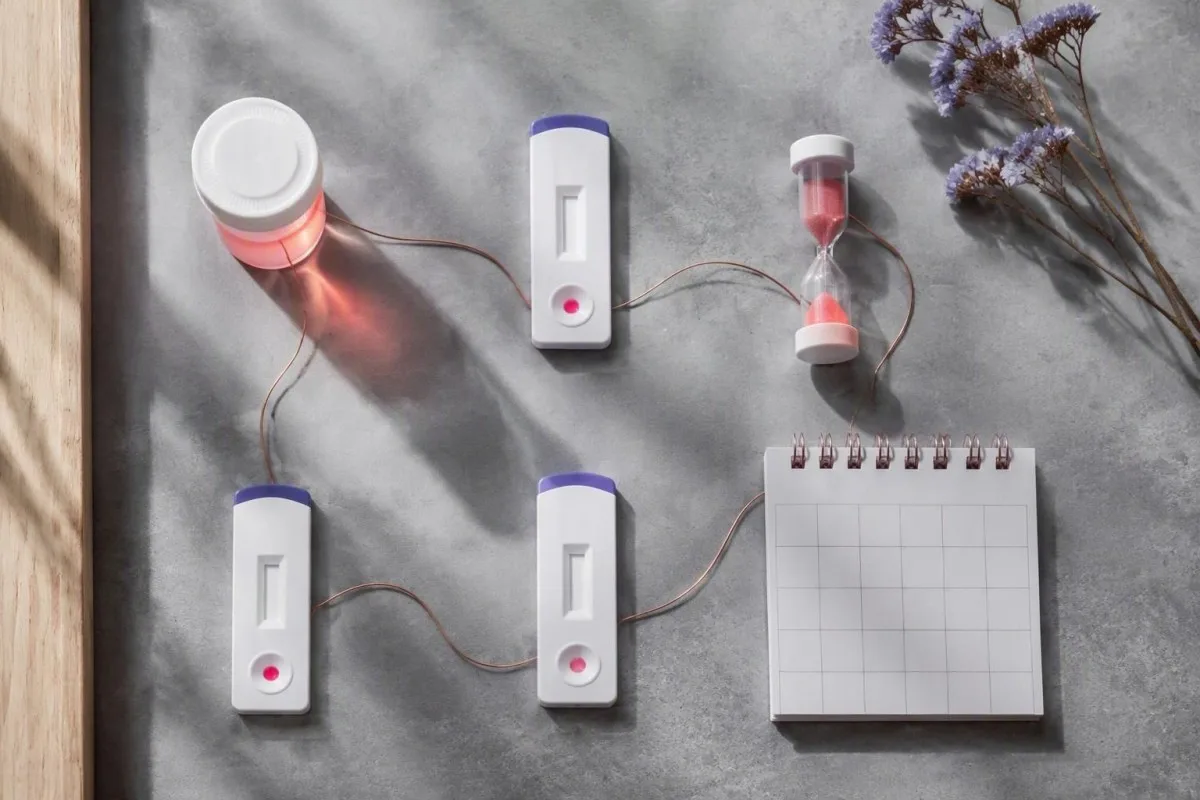
Sa akong clinical nga kasinatian, ang tawo nga lagmit mawala dili kinahanglan nga masakiton: kini ang maayo-tan-aw nga pasyente kansang screening panel gi-order alang sa pagmabdos, imigrasyon, usa ka bag-ong relasyon, o usa ka dili konektado nga abnormal nga enzyme sa atay. Ang mga sintomas sa acute hepatitis B molambo sa mga 30%–50% lamang sa mga nataptan nga mga hamtong, samtang ang mga bata gamay ra ang sintomas; ang kawala sa hilanat, dalag nga mga mata, o sakit sa tiyan dili kini makapugong.
Ang jaundice nagpakita sa pagtaas sa circulating bilirubin, kasagaran mahimong makita sa higayon nga ang kinatibuk-ang bilirubin molapas sa mga 2–3 mg/dL (34–51 µmol/L). Ang paghubag sa atay mahimong dako sa dili pa kana nga punto, busa ang normal-tan-awon nga kolor sa ihi ug puti nga mga mata makapahupay lamang sa usa ka limitado kaayo nga paagi; tan-awa ang among giya sa mga pattern sa pasidaan sa bilirubin.
Si Kantesti usa ka AI blood test analyzer nga nagbutang sa mga enzyme sa atay, bilirubin, albumin, ug mga resulta sa platelet tapad sa viral serology nga gi-order sa usa ka clinician. Dili kini makadugang sa hepatitis B gikan lamang sa routine chemistry, apan makatabang kini sa usa ka tawo nga makamatikod nga ang “liver test” nga resulta dili kompleto kung walay mga pagsulay nga espesipiko sa hepatitis.
Ngano nga ang mga sintomas usa ka dili maayo nga himan sa pag-screen
Ang HBV mahimong mapasa sa panahon sa usa ka asymptomatic phase tungod kay ang viral replication nag-una, nag-uban, o milapas sa makita nga sakit. Sa Setyembre 11, 2026, ang risk-based ug one-time adult screening nagpabilin nga mas kasaligan kaysa paghulat sa mga sintomas, labi na alang sa mga tawo nga natawo sa mga rehiyon nga adunay mas taas nga HBV prevalence o kadtong adunay pagkaladlad sa balay, sekswal, o injection.
Unsa ang mga unang simtoma sa hepatitis B?
Ang sayo nga mga sintomas sa hepatitis B kasagaran kakapoy, pagkunhod sa gana, kasukaon, ubos nga hilanat, kasakit sa kaunuran, ug kahasol sa ilawom sa tuo nga gusok. Walay usa kanila ang igo aron makumpirma ang hepatitis B, ug ang asymptomatic interval pagkahuman sa pagkaladlad kasagaran 60–150 ka adlaw.
Usa ka mapuslanon nga clinical clue mao ang han-ay sa mga panghitabo. Ang malaise ug pagkawala sa gana kasagaran moabot sa dili pa ang ngitngit nga ihi o pagkadilaw, ug ang usa ka tawo makabati og hilabihan nga kakapoy samtang ang bilirubin normal pa. Ang kasagaran nga incubation mga 90 ka adlaw, nga mao ang hinungdan ngano nga ang pag-testing sa adlaw pagkahuman sa usa ka posibleng pagkaladlad mahimong sayo kaayo aron masulbad ang pangutana.
Ang kasakit sa lutahan ug usa ka temporaryo nga pantal mahimong mahitabo sa prodrome tungod kay ang immune complexes nag-circulate sa wala pa ang overt hepatitis molambo. Nakita nako kini nga nahimong sayop alang sa trangkaso o bag-ong reaksyon sa pagkaon; ang nagpalahi nga detalye mao ang ALT nga 642 IU/L kauban ang positibo nga hepatitis B surface antigen, dili ang pantal mismo.
Ang paggamit sa acetaminophen, mga suplemento, alkohol, Epstein–Barr virus, ug kadaot sa kaunuran mahimong makapataas sa mga aminotransferase. Usa ka maampingon nga Pagsusi sa resulta sa ALT makapugong sa komon nga sayop sa pagtawag sa matag taas nga ALT nga “hepatitis” sa wala pa makumpirma ang hinungdan.
Mga sintomas nga dili kaayo tipikal
Ang pangangati, luspad nga hugaw, ug padayon nga ngitngit nga ihi nagsugyot sa gibabagan nga pagdumala sa apdo ug angay nga mas paspas nga pagsusi, apan dili sila ang kasagaran nga sayo nga presentasyon. Ang usa ka tawo nga adunay nahimulag nga paghubag, pag-agay, o panalagsang sakit sa wala nga bahin statistically mas lagmit nga adunay lain nga katin-awan, bisan pa ang pagkaladlad sa peligro kinahanglan gihapon nga mag-aghat sa pagsulay sa HBV.
Kanus-a ka angay magpatambal alang sa hepatitis B?
Dali nga magpa-test alang sa hepatitis B pagkahuman sa pagkaladlad sa dugo, sekswal, balay, o perinatal, bisan kung gibati nimo ang hingpit nga maayo. Ang baseline testing nagdokumento sa imong status, samtang ang balik-balik nga testing gitakda sa window period ug gi-giya sa kasaysayan sa pagbakuna.
Ang CDC nagrekomenda sa usa ka higayon nga screening sa mga hamtong nga adunay tulo ka pagsulay nga panel: HBsAg, anti-HBs, ug total anti-HBc (Conners et al., 2023). Kini nga kombinasyon nagbulag sa kasamtangang impeksyon, miaging nahusay nga impeksyon, immune sa bakuna, ug pagkasensitibo nga mas epektibo kaysa pag-order lang sa HBsAg.
Human sa usa ka makahuluganon nga bag-o nga pagkaladlad, ang usa ka clinician mahimong mosulay karon ug sublion ang pagsulay mga 6 ka bulan kung ang inisyal nga panel wala magtukod og impeksyon o immunity. Ang post-exposure prophylaxis sensitibo sa oras—ang bakuna sa hepatitis B kinahanglan sugdan sa labing madali, ug ang immune globulin sa hepatitis B mahimong ipunting alang sa gipili nga dili immune nga mga pagkaladlad—mao nga ayaw paghulat sa mga sintomas.
Si Kantesti usa ka AI pagsabot sa resulta sa blood test platform nga makahimo og usa ka gikuhaan og litrato o gi-upload nga resulta sa serology ngadto sa tulo ka pattern sa marker, apan ang pagdumala sa pagkaladlad nahisakop sa usa ka dinalian nga pag-atiman, sekswal nga panglawas, occupational health, o primary care clinician. Ang among giya sa sintomas sa hepatitis C nagpatin-aw ngano nga ang mga pagsulay sa viral hepatitis kinahanglan ipasabut virus matag virus.
Pagsulay atol sa pagmabdos
Ang matag pagmabdos kinahanglan maglakip sa HBsAg screening sa matag pagmabdos, walay sapayan sa gibati nga risgo. Ang positibo nga resulta nagbag-o sa plano sa pagpugong sa bag-ong natawo: ang bata nagkinahanglan og bakuna sa hepatitis B ug, kung gikinahanglan, immune globulin sulod sa 12 ka oras human sa pagkatawo.
Ang tulo ka blood tests nga makaklaro sa kahimtang sa hepatitis B
Ang HBsAg, anti-HBs, ug total anti-HBc mao ang mga core hepatitis B screening tests. Magkauban, ilang gitubag kung ang virus karon makita, kung adunay immunity, ug kung ang immune system nakasinati na ba sa hepatitis B kaniadto.
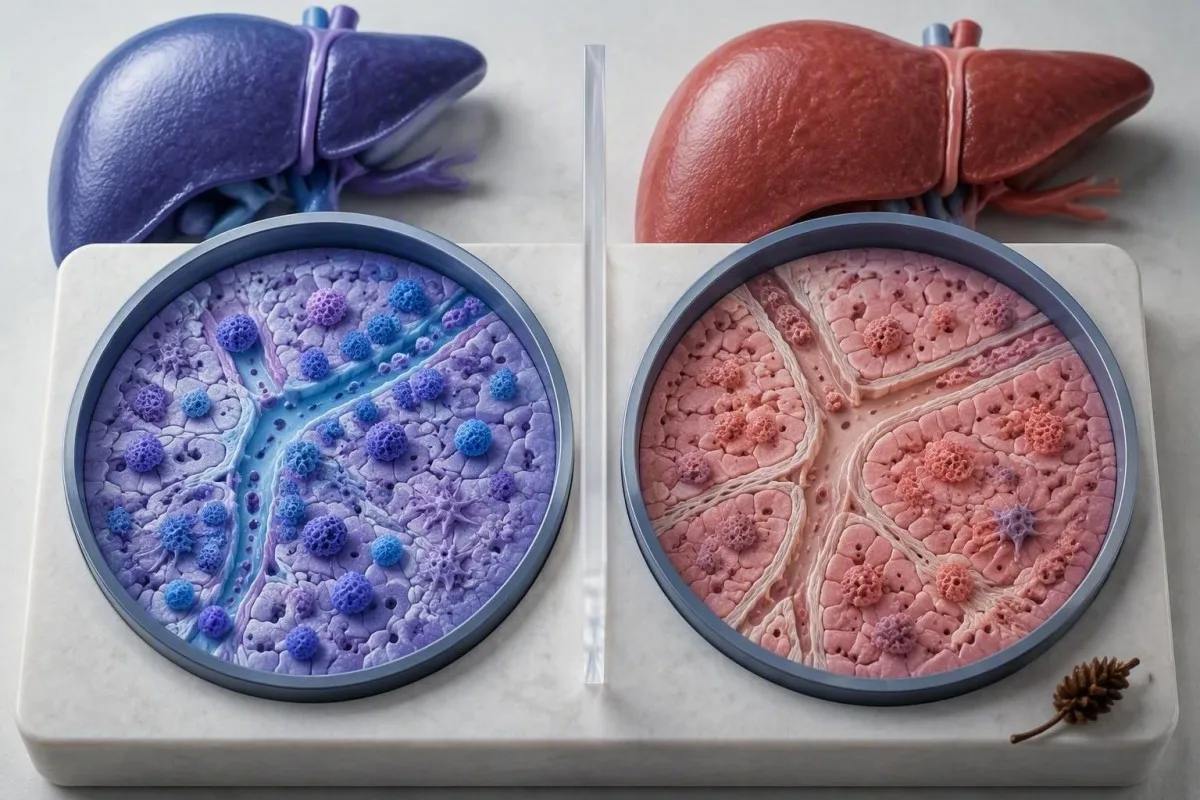
HBsAg mao ang hepatitis B surface antigen; ang positibo nga resulta nagpasabot nga ang kasamtangang impeksyon posible ug nagkinahanglan og kumpirmasyon ug klinikal nga pagsubay. Anti-HBs mao ang surface antibody; ang lebel nga labing menos 10 mIU/mL human sa usa ka kompleto nga dokumentado nga serye sa bakuna kasagaran giisip nga proteksiyon nga tubag sa mga tawo nga immunocompetent.
Total anti-HBc nakamatikod sa core antibody gikan sa nangagi o kasamtangang natural nga impeksyon ug dili gihimo sa pagbakuna. Ang pattern nga HBsAg negatibo, anti-HBs positibo, ug total anti-HBc negatibo mohaom sa immune nga nakuha sa bakuna; ang HBsAg negatibo, anti-HBs positibo, ug total anti-HBc positibo kasagaran mohaom sa nahusay nga natural nga impeksyon.
Ang usa ka nahimulag nga positibo nga total anti-HBc usa sa mas lisud nga mga pattern. Mahimo kini magpakita sa hilit nga nahusay nga impeksyon nga adunay pagkunhod sa anti-HBs, usa ka sayop nga positibo nga assay, natago nga impeksyon, o dili kaayo kanunay sayo nga acute infection; ang mga clinician mahimong sublion ang serology ug mag-order og HBV DNA, labi na sa wala pa ang immunosuppressive treatment. Ang among katin-awan sa positibo nga mga resulta sa antibody naglangkob ngano nga ang usa ka antibody panagsa ra magbilin sa tibuok istorya.
Giunsa sa mga pagsulay ang pag-ila sa acute gikan sa chronic hepatitis B
Ang acute ug chronic hepatitis B gipalahi pinaagi sa panahon ug serology, dili sa unsa ka masakiton ang usa ka tawo. Ang HBsAg nga nagpabilin sulod sa labing menos 6 ka bulan nagtukod sa chronic infection; ang usa ka positibo nga resulta sa HBsAg dili makapetsahan sa impeksyon sa iyang kaugalingon.
IgM anti-HBc kusganong nagsuporta sa bag-o nga acute infection kung ipares sa bag-ong HBsAg positivity ug usa ka nahiangay nga sakit. Dili kini perpekto: ang IgM anti-HBc mahimo usab nga maestabilisar sa panahon sa pagdilaab sa chronic hepatitis B, busa ang mga doktor nagtandi sa mga nangaging resulta, timing sa sintomas, trajectory sa ALT, ug HBV DNA.
Ang HBV DNA gitaho sa IU/mL ug nagsukod sa gidaghanon sa viral genetic material sa sirkulasyon. Dili kini sa iyang kaugalingon nag-label sa sakit ingon acute o chronic, apan ang usa ka detectable nga resulta nagpamatuod sa replikasyon ug nahimong sentro sa pag-monitor ug mga desisyon sa pagtambal; ang ubos o dili detectable nga DNA dili makapapas sa panginahanglan sa paghubad sa HBsAg ug kahimtang sa atay nga magkauban.
Ang giya sa AASLD naghatag gibug-aton sa sunod-sunod nga ALT, HBV DNA, HBeAg status, ug fibrosis assessment kaysa usa ka laboratory snapshot (Terrault et al., 2018). Kini usa ka rason nganong ang normal nga ALT sa usa ka draw dili magpamatuod nga ang chronic HBV dili makadaot.
Ang unom ka bulan nga lagda adunay katuyoan
Ang 6-bulan nga threshold nagbulag sa mga impeksyon nga lagmit mawala sa ilang kaugalingon gikan sa mga nagpadayon ug nagdala sa mas taas nga peligro sa fibrosis ug hepatocellular carcinoma. Sa mga hamtong, labaw sa 90% sa mga immunocompetent acute infections ang mamaayo, samtang ang impeksyon nga nakuha sa pagkatawo nahimong chronic kanunay.
Unsay mahimo—ug dili mahimo—nga ipakita sa mga pagsulay sa atay
Ang ALT ug AST nagpakita sa kadaot sa hepatocyte, samtang ang bilirubin, albumin, INR, ug platelets makatabang sa pagpakita sa kabug-at ug pag-andar sa atay. Ang usa ka regular nga liver panel dili makaila sa hepatitis B ingon nga hinungdan kung walay viral serology.

Ang ALT mas liver-specific kaysa AST, bisan kung wala niini eksklusibo sa atay. Sa acute viral hepatitis, ang ALT mahimong molapas sa 1,000 IU/L; kana nga parehas nga sakup mahimo’g mahitabo sa acetaminophen toxicity o pagkunhod sa dagan sa dugo sa atay, busa ang numero nanginahanglan og dinalian nga konteksto kaysa sa self-diagnosis.
Ang Bilirubin nagpakita sa conjugation ug bile excretion, samtang ang INR ug albumin nagpakita sa synthetic capacity. Ang nagkataas nga INR, ilabi na sa 1.5 o labaw pa sa usa ka tawo nga adunay acute hepatitis ug nabag-o nga mental status, nagpahinabog kabalaka alang sa acute liver failure ug nagkinahanglan og emergency evaluation; ang among giya sa INR nagpasabut sa pagsukod.
Ang neural network sa Kantesti nagbasa sa transaminases kauban ang bilirubin, alkaline phosphatase, albumin, ug platelets aron markahan ang mga pattern alang sa medikal nga pagrepaso. Ang among liver panel breakdown mapuslanon sa dili pa nimo isipon nga ang normal nga “liver function test” naglakip sa HBV screening.
Ang AST:ALT ratio dili usa ka hepatitis B test
Ang AST:ALT ratio nga ubos sa 1 komon sa viral hepatitis apan dili sensitibo o piho. Ang bag-o nga kusog nga ehersisyo mahimong makataas sa AST gikan sa kaunoran, samtang ang gamma-glutamyl transferase ug bilirubin mahimong magpabilin nga normal; ang pag-usab sa mga pagsulay human sa pagkaayo makapugong sa usa ka makapahisalaag nga viral work-up.
Unsang mga simtoma sa hepatitis B ang nanginahanglan ug pag-atiman sa samang adlaw?
Kalibog, dili kasagaran nga pagkahinanok, balik-balik nga pagsuka, paspas nga pagkadulom sa jaundice, bag-ong pagbun-og, o grabe nga paghubas sa tiyan nagkinahanglan og dinalian nga pagsusi sa samang adlaw. Kini nga mga sintomas mahimong magsenyas sa nadaot nga paglihok sa atay kaysa sa usa lamang ka regular nga acute hepatitis nga sakit.
Ang kalibog o nabag-o nga pattern sa pagkatulog-pagmata mahimong magpakita sa hepatic encephalopathy, labi na kung ipares sa jaundice ug taas nga INR. Kini dili kasagaran, apan dili kini usa ka sintomas nga “hulaton hangtod Lunes”—ang acute liver failure mahimong molambo sa mga oras hangtod adlaw.
Ang ngitngit nga ihi lamang dili awtomatikong emerhensya; ang dehydration, mga tambal, ug konsentrado nga ihi kay kasagarang alternatibo. Ang ngitngit nga ihi kauban ang luspad nga hugaw, dalag nga mga mata, kati, hilanat, o kasakit sa tuo nga bahin sa tiyan mas kusog nga nagpunting sa pagguba sa bilirubin o bile-flow, sama sa detalye sa among giya sa mangitngit nga ihi.
Likayi ang alkohol ug ayaw pagsugod sa herbal “liver cleanses” samtang gisusi. Daghang mga multinutrient supplement adunay dili sigurado nga mga sulud, ug ang usa ka produkto nga gipamaligya alang sa detoxification mahimong makomplikado ang drug-induced liver injury sa dihang ang mga clinician nanginahanglan usa ka limpyo nga diagnostic nga litrato.
Kinsa ang kinahanglan nga susihon sa dili madugay bisan kung wala’y mga sintomas?
Ang mga tawo nga mabdos, adunay cirrhosis, nag-inom og chemotherapy o biologic immune-suppressing therapy, adunay HIV, o adunay nahibal-an nga chronic HBV nagkinahanglan og indibidwal nga pagrepaso pagkahuman sa usa ka bag-o ug dili normal nga resulta. Ang reactivation mahimong hilom sa klinikal hangtod motaas ang ALT, busa ang preventive antiviral planning mahimong mas luwas kaysa reactive testing.
Ngano nga ang chronic hepatitis B mahimong mobati nga normal ra kaayo
Ang chronic hepatitis B kanunay walay adlaw-adlaw nga mga sintomas sulod sa mga tuig, bisan kung nagpadayon ang viral replication o ubos nga ang-ang sa kadaot sa atay. Ang pagbati nga lagsik, regular nga pag-ehersisyo, ug normal nga bilirubin wala nag-wagtang sa peligro sa fibrosis.

Mao kini diin ang mga pasyente makasabut nga nanlimbasug: ang usa ka tawo mahimong adunay normal o gamay nga pagtaas sa ALT ug kinahanglan pa nga sundan ang usa ka structured nga follow-up tungod kay ang HBV DNA, edad, HBeAg status, kasaysayan sa pamilya, ug fibrosis tanan nagbag-o sa risgo. Ang ihap sa platelet nga moubos sa mga 150 × 10⁹/L dili diagnostic sa cirrhosis, apan uban sa dili normal nga mga pagsulay sa atay kini nagkinahanglan og pagtagad.
A FIB-4 score naggamit og edad, AST, ALT, ug ihap sa platelet isip usa ka triage estimate alang sa fibrosis; kini dili makatultol sa cirrhosis o mopuli sa elastography. Ang among FIB-4 calculator guide nagpatin-aw ngano ang edad makapahimo sa usa ka borderline score nga mas makapabalaka pagkahuman sa 65.
Si Kantesti usa ka AI-powered blood test analysis tool gidisenyo aron itandi ang karaan nga mga panel sa atay, busa ang hinay-hinay nga pagbag-o sa ALT o platelet dili matago sa usa ka “sulod sa sakup” nga bandila. Ang pag-ila sa trend makatabang sa pag-andam sa mas maayo nga panag-istoryahanay sa clinician; kini dili kapuli sa HBV DNA testing, ultrasound, o espesyalista nga pag-atiman.
Ang pagbantay sa kanser gibase sa risgo
Ang pag-monitor sa ultrasound alang sa hepatocellular carcinoma dili gitino sa mga sintomas lamang. Gigamit sa mga clinician ang chronic HBV status, cirrhosis, kasaysayan sa pamilya, edad, sekso, ug rehiyon-sa-pinuy-anan nga risgo aron madesisyonan kung ang unom ka bulan nga pag-monitor angay ba; ang AFP usahay gidugang apan dili kasaligan isip usa ka standalone screening test.
Ang kakapoy dili pamatuod sa hepatitis B—giunsa kini pag-ila sa mga doktor
Ang kakapoy kasagaran sa hepatitis B apan mas kanunay nga gipahinabo sa pagkabalda sa pagkatulog, anemia, sakit sa thyroid, depresyon, epekto sa tambal, o uban pang impeksyon. Ang mapuslanon nga pangutana mao kung ang kakapoy motungha kauban ang pagkaladlad sa risgo, mga pagbag-o sa liver-test, o positibo nga mga marka sa HBV.
Usa ka 52-anyos nga endurance runner nga adunay AST 89 IU/L pagkahuman sa usa ka lumba wala awtomatik nga adunay sakit sa atay; ang pagpagawas sa kaunoran mahimong makadugang sa AST, ug ang creatine kinase kauban ang usa ka balik-balik nga panel human sa pahulay kasagaran nagpatin-aw sa tinubdan. Sa kasukwahi, ang ALT 289 IU/L nga adunay positibo nga HBsAg ug ngitngit nga ihi nagkinahanglan og lainlaing dalan.
Ang kakapoy kauban ang ubos nga hemoglobin, ubos nga ferritin, o dili normal nga thyroid markers nagkinahanglan og parallel assessment kaysa usa ka istorya nga usa ka hinungdan. Ang among ubos nga ferritin symptom article nagpatin-aw ngano ang iron depletion mahimong hinungdan sa kakapoy sa dili pa moabut ang anemia.
Ang praktikal nga lagda ni Dr. Thomas Klein yano ra: ang mga sintomas nagsugod sa imbestigasyon, apan ang mga pattern ang nagdesisyon niini. Ang CBC, liver chemistry, pagsusi sa tambal, kasaysayan sa pagkaladlad, ug gipunting nga viral testing kasagarang motubag labaw pa kay sa balik-balik nga pagsusi sa usa ka enzyme.
Ayaw pag-donar og dugo aron “mahilingi”
Ang pag-screen sa mga donor sa dugo nanalipod sa mga makadawat apan dili kini usa ka personal nga paagi sa pag-ila sa sakit ug mahimong dili makahatag og tukma sa panahon nga pagtambag. Kung posible ang pagkaladlad, maghikay og kompidensyal nga pagsulay sa klinika o sa panglawas sa publiko diin ang tibuok nga tulo-ka-marker panel ug follow-up mahimong hisgutan.
Unsay mahitabo human sa positibong resulta sa HBsAg?
Ang positibo nga resulta sa HBsAg kinahanglan nga mosangpot sa kumpirmasyon nga pagsusi, HBV DNA testing, liver chemistry, ug pagrepaso sa gidugayon ug pagpugong sa pagpasa. Seryoso kini nga angay nga subayon dayon, apan dili kini awtomatik nga nagpasabut og cirrhosis o panginahanglan alang sa dinalian nga antiviral treatment.
Ang mga doktor kasagarang nag-order og balik-balik o kumpirmasyon nga HBsAg, total ug IgM anti-HBc, anti-HBs, HBeAg ug anti-HBe, quantitative HBV DNA, ALT, AST, bilirubin, albumin, INR, CBC, ug mga pagsulay alang sa hepatitis C, hepatitis D, ug HIV kung angay. Ang dugang nga mga pagsulay motubag sa lainlaing mga pangutana—replication, phase, kadaot sa atay, co-infections, ug kaluwasan sa pagtambal.
Ang mga kauban sa balay ug sekswal nga mga kontak kinahanglan nga masulayan ug mabakunahan kung sila mahimong masakiton. Ayaw pag-ambit sa mga labaha, sipilyo sa ngipon, o kagamitan sa pag-injection; ang HBV gipasa pinaagi sa dugo ug pipila ka mga likido sa lawas, apan dili kini mokaylap pinaagi sa paggakos, pag-ambit sa pagkaon, pag-ubo, o ordinaryong kontak sa lugar nga trabahoan.
Ang positibo nga HBsAg kinahanglan usab nga magpahinabo sa pagrepaso sa taas nga mga pattern sa AST kaysa sa pagbasol sa alkohol o tambok nga atay. Ang managsamang metabolic liver disease kasagaran kaayo nga labaw pa sa usa ka proseso ang mahimong presente.
Mahimo bang sayop ang positibo nga mga resulta?
Ang sayop nga positibo nga mga resulta sa HBsAg dili kasagaran apan posible, labi na duol sa cutoff sa assay o wala madugay human mabakunahan sa dili ordinaryong mga kahimtang. Ang kumpirmasyon pinaagi sa girekomendar nga neutralization o balik-balik nga pamaagi sa laboratoryo angay, apan ang usa ka tawo kinahanglan molihok nga potensyal nga makatakod hangtod nga ang resulta masulbad.
Ang chronic hepatitis B kanunay bang nagkinahanglan ug pagtambal?
Dili, ang chronic hepatitis B dili kanunay nagkinahanglan og dinalian nga antiviral therapy, apan ang matag kumpirmadong kaso nagkinahanglan og risk-based monitoring. Ang mga desisyon sa pagtambal nagtimbang sa HBV DNA, ALT, fibrosis o cirrhosis, HBeAg status, edad, kasaysayan sa pamilya, ug managsamang mga kondisyon.

Ang mga first-line nga dugay-dugay nga tambal kasagarang naglakip sa tenofovir o entecavir tungod kay kini epektibo nga nagpugong sa HBV replication ug adunay taas nga babag sa pagsukol. Kini nagkontrol sa virus kaysa sa kasaligan nga pagwagtang niini, mao nga ang paghunong sa pagtambal nga walay tambag sa espesyalista mahimong mosangpot sa usa ka flare.
Ang mga threshold sa HBV DNA managlahi sa HBeAg status ug giya nga konteksto; usa ka kasagarang gigamit nga desisyon nga punto mao ang 2,000 IU/mL, apan ang pagtambal dili gayud ibase lamang sa kana nga numero. Ang cirrhosis makapausab sa kalkulasyon sa dako nga paagi, tungod kay bisan unsang ma-detect nga HBV DNA mahimong makapakamatarung sa pagtambal sa compensated cirrhosis.
Ang medikal nga balidasyon nga framework luyo sa Kantesti nagpasiugda nga ang usa ka himan sa interpretasyon kinahanglan magpakita sa mga pangutana sa follow-up, dili magreseta og mga antiviral. Ang pagpili sa tambal nagkinahanglan og kidney function, mga plano sa pagmabdos, kahimsog sa bukog, kasaysayan sa pagsukol, ug paghukom sa espesyalista.
Ang mga agwat sa pag-monitor managlahi
Ang mga tawo nga wala pa pagaisipon mahimong magkinahanglan og ALT ug HBV DNA checks kada 3–6 ka bulan sa aktibong mga hugna ug dili kaayo sagad sa lig-on nga mga hugna, uban sa mga agwat nga gitakda sa ilang doktor. Ang normal nga resulta karon dili permanente nga nagtukod og dili aktibo nga estado tungod kay ang kalihokan sa HBV mahimong mausab.
Unsaon pagpanalipod sa mga partner ug sakop sa pamilya
Ang pagbakuna ug pag-test nanalipod sa mga kauban sa balay ug sekswal gikan sa hepatitis B nga mas kasaligan kaysa pagmonitor sa sintomas. Ang mga tawo nga mahimong masakiton kinahanglan magsugod dayon sa pagbakuna, samtang ang mga kontak nga positibo sa HBsAg nagkinahanglan og klinikal nga pagsusi kaysa paghupay lamang.
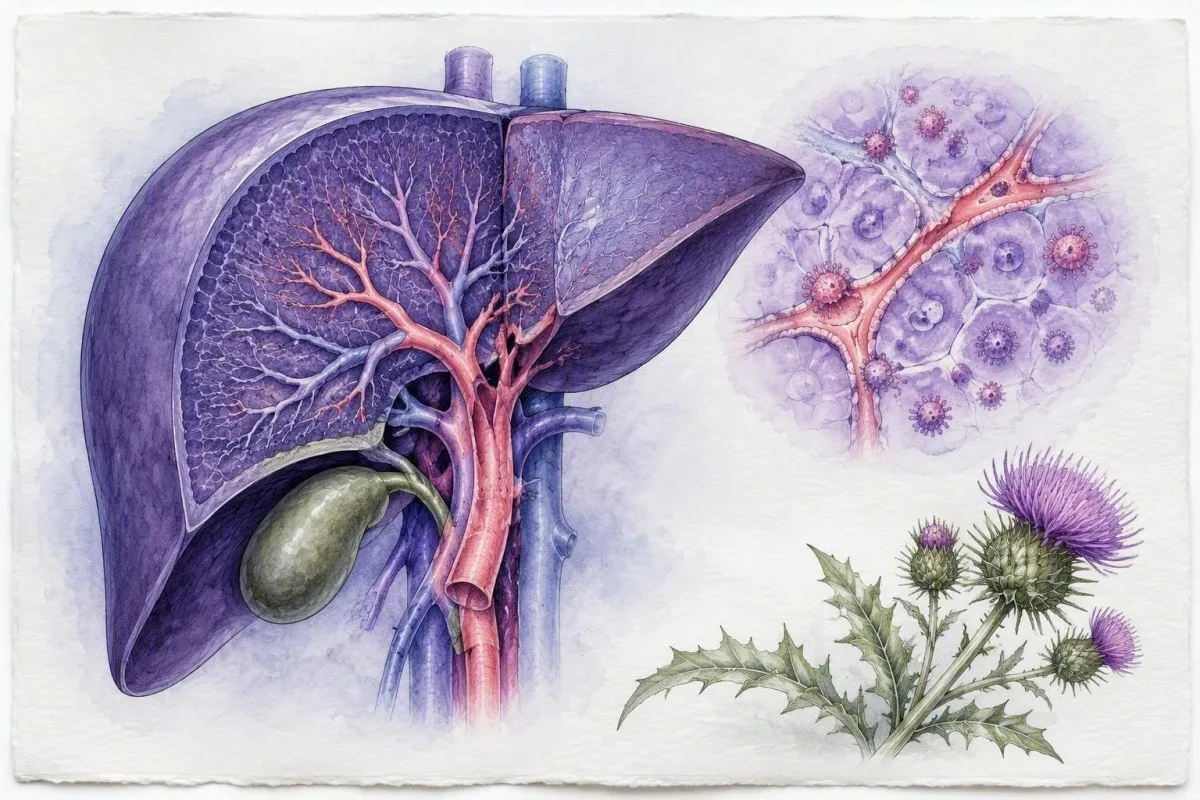
Ang bakuna sa hepatitis B hilabihan ka epektibo kung makompleto ang serye. Alang sa mga hamtong nga nagkinahanglan og pagpamatuod sa tubag human sa pagbakuna tungod sa occupational o immune risk, ang anti-HBs gisukod 1–2 ka bulan human sa katapusang dose; 10 mIU/mL o mas taas mao ang kinatibuk-ang proteksyon nga threshold.
Paggamit og condom hangtod mapamatud-an ang resistensya sa usa ka partner, tabuni ang mga samad, ug ipabilin nga personal ang mga gamit sa pag-atiman sa kaugalingon. Ang kasagaran nga sosyal nga kontak luwas, ug ang mga bata dili angay ibulag sa ginikanan nga adunay HBV—kini nga sayop nga pagsabot nagpahinabog walay kinahanglan nga kabalaka sa pamilya.
Kantesti’s mga tinubdan sa pagsubay sa panglawas sa pamilya makatabang sa mga panimalay sa pag-organisar sa lahi nga mga resulta uban sa pagtugot, apan ang matag tawo nagkinahanglan sa ilang kaugalingong pagsulay ug rekord sa pagbakuna. Ang positibo nga antibody test sa usa ka paryente dili makapamatuod sa resistensya sa uban.
Unsa man ang bahin sa pagpasuso?
Ang pagpasuso kasagaran gitugotan kung ang bag-ong natawo makadawat sa girekomendar nga hepatitis B immunoprophylaxis. Ang indibidwal nga tambag gihapon gikinahanglan kung adunay mga liki o nagdugo nga utong, HIV co-infection, o mga pangutana bahin sa maternal antiviral therapy.
Unsay angay nimong likayan samtang naghulat sa mga resulta sa hepatitis B?
Likayi ang alkohol, dili kinahanglan nga acetaminophen, ug bag-ong mga herbal o bodybuilding supplements samtang gisusi ang acute hepatitis B. Kini nga mga pagkaladlad makapagrabe sa stress sa atay o makalisud sa pag-ila sa tinubdan sa dili normal nga mga resulta.
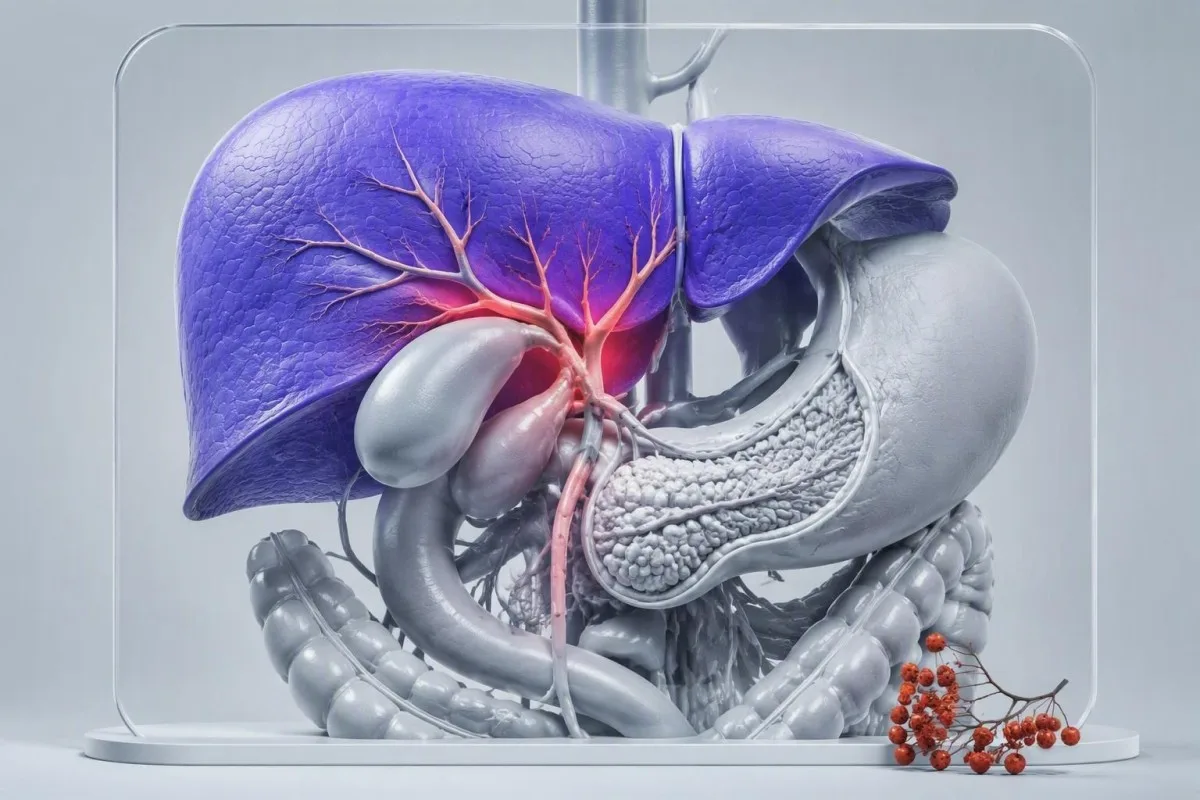
Walay ebidensya nga ang juice cleanses, fasting regimens, o over-the-counter detox products makawagtang sa hepatitis B. Ang ubang mga produkto adunay concentrated extracts o wala gibutyag nga mga sangkap, ug ang atay mahimong labi nga bulnerable sa panahon sa usa ka acute inflammatory episode; ang among pagrepaso sa risky liver supplements nagpatin-aw sa kabalaka.
Ayaw paghunong dayon sa gireseta nga tambal gawas kung ang nagreseta mosugyot niini. Alang sa acetaminophen, ang mga clinician kanunay nga nag-individualize sa luwas nga mga limitasyon kung adunay kadaot sa atay; ang usa ka kasagaran nga maximum nga 4,000 mg kada adlaw dili awtomatiko nga angay alang sa usa ka tawo nga adunay acute hepatitis, paggamit og alkohol, ubos nga gibug-aton sa lawas, o laygay nga sakit sa atay.
Hydration, regular nga simple nga pagkaon, paglikay sa alkohol, ug pagtipig ug may petsa nga lista sa mga tambal ug mga suplemento maalamon samtang naghulat sa pagrepaso. Kung ang pagsuka makapugong sa mga pluwido, o ang katin-aw sa pangisip mausab, mangayo dayon og tabang imbes nga sulayan kini sa balay.
Ang pagkaon dili makatakod sa HBV
Ang Hepatitis B dili makuha gikan sa ordinaryo nga pag-andam sa pagkaon, pagpaambit og mga plato, o baso sa pag-inom. Kini importante tungod kay ang paglikay sa mga pagkaon sa pamilya dili makapamenos sa transmission, samtang ang pagbakuna ug paglikay sa mga personal nga butang nga adunay kontaminasyon sa dugo makahimo niini.
Unsaon pagpangandam alang sa follow-up appointment sa hepatitis B
Dad-a ang matag resulta sa hepatitis B uban sa mga petsa sa pagkolekta, ang imong rekord sa bakuna, usa ka lista sa mga tambal, ug usa ka mubo nga timeline sa pagkaladlad. Kini nga mga detalye kanunay nga makad distinguishing sa bag-o nga impeksyon, usa ka layo nga impeksyon, usa ka sayop nga positibo nga pattern, o natukod nga laygay nga hepatitis B nga mas paspas kay sa pag-usab sa usa ka single test.
Isulat ang mga petsa sa posibleng pagkaladlad, pagbiyahe, bag-ong mga kauban sa sekso, mga pamaagi sa pag-injection o tattoo, kontak sa panimalay, pagmabdos, ug kaniadto nga pagbakuna. Isama usab ang mga tambal nga makapahinay sa immune system sama sa rituximab, high-dose steroids, chemotherapy, o biologics, tungod kay ang anti-HBc positivity mahimong importante bisan kung ang HBsAg negatibo.
Pangutana og upat ka direkta nga mga pangutana: Unsa nga tulo ka screening markers ang positibo? Ania ba ang IgM anti-HBc? Unsa ang HBV DNA sa IU/mL? Kinahanglan ba nako ang fibrosis assessment o hepatitis D testing? Kini nga mga pangutana makapausab sa panag-istoryahanay gikan sa dili klaro nga kabalaka ngadto sa usa ka plano.
Si Dr. Thomas Klein nagrekomendar sa pagtipig sa orihinal nga PDF imbes nga usa lang ka screenshot sa portal, tungod kay ang mga reference range, mga ngalan sa assay, mga petsa, ug mga komento sa laboratoryo mahimong makaapekto sa interpretasyon. Ang giya sa teknolohiya nagpatin-aw kung giunsa ang among AI nagguyod sa konteksto sa report, samtang ang imong clinician nagpabilin nga responsable sa diagnosis ug pagtambal.
Usa ka katapusang praktikal nga panglantaw
Ang negatibo nga pagbati dili usa ka negatibo nga pagsulay, ug ang jaundice usa ka ulahi ug dili makanunayon nga timailhan. Kung ang pagkaladlad o screening risk magamit, paghikay sa tulo-ka-marker panel bisan kung gibati nimo nga normal; ang sayo nga kahibalo nanalipod sa imong atay ug sa mga tawo nga duol kanimo.
Kanunay nga Gipangutana nga mga Pangutana
Mahimo ba nga adunay hepatitis B nga walay jaundice?
Oo. Ang Hepatitis B mahimong mahitabo nga walay jaundice, ug daghang nataptan nga mga tawo walay mga sintomas. Ang jaundice kasagaran makita kung ang kinatibuk-ang bilirubin mosaka ngadto sa mga 2–3 mg/dL (34–51 µmol/L), apan ang hepatitis B mahimong hinungdan sa paghubag sa atay sa dili pa ang bilirubin moabot niini nga sakup. Ang angay nga screening panel mao ang HBsAg, anti-HBs, ug total anti-HBc, dili usa ka checklist sa mga sintomas.
Unsa ang unang mga simtomas sa hepatitis B?
Ang pinakaunang mga simtomas sa hepatitis B mahimong maglakip sa pagkakapoy, kawala’y gana mokaon, kasukaon, ubos nga hilanat, sakit sa kaunoran, sakit sa lutahan, ug kasakit ubos sa tuo nga gusok. Ang mga acute nga simtomas kasagarang mahitabo human sa incubation period nga 60–150 ka adlaw, nga kasagarang mga 90 ka adlaw. Kini nga mga simtomas nagkasapaw sa daghang mga sakit, busa ang HBsAg, total anti-HBc, ug anti-HBs testing gikinahanglan aron matukod ang hepatitis B status. Ang ngitngit nga ihi o dalag nga mga mata mahimong mahitabo unya, apan walay usa niini ang gikinahanglan.
Unsang pagsulay ang nagpakita kung ang hepatitis B acute o chronic?
Walay usa ka pagsulay ang makapahimo sa hepatitis B nga perpekto, apan ang pagpadayon sa HBsAg sulod sa 6 ka bulan o labaw pa nagbutang sa usa ka laygay nga impeksyon. Ang IgM anti-HBc nagsuporta sa usa ka bag-o nga acute nga impeksyon kung ipares sa bag-ong HBsAg positivity, bisan kung kini mahimo usab nga motaas sa panahon sa usa ka chronic hepatitis B flare. Ang HBV DNA sa IU/mL nagsukod sa viral replication ug makatabang sa paggiya sa pagdumala, samtang ang kanhing mga petsa sa pagsulay sagad naghatag sa labing klaro nga tubag. Ang usa ka clinician kasagarang maghubad niini nga mga pagsulay uban sa ALT, bilirubin, ug kasaysayan sa pagkaladlad.
Mahimo bang normal ang liver enzymes sa chronic hepatitis B?
Oo. Ang ALT ug AST mahimong normal sa usa ka partikular nga higayon sa chronic hepatitis B, bisan kung ang impeksyon nagpadayon ug ang HBV DNA magpabilin nga detectable. Ang normal nga ALT wala magpasabot nga walay fibrosis, busa gisusi sa mga doktor ang HBV DNA, HBeAg status, platelets, risgo sa fibrosis, edad, ug kasaysayan sa pamilya kauban sa mga liver enzyme. Ang ALT nga labaw sa 1,000 IU/L mahimong mahitabo sa acute viral hepatitis, apan ang malumo o normal nga mga bili sa ALT dili makapugong sa chronic disease. Ang sunod-sunod nga resulta mas impormatibo kaysa usa ka blood draw.
Unsay ipasabot sa positibo nga hepatitis B surface antigen?
Ang positibo nga hepatitis B surface antigen, o HBsAg, nagpakita nga posible ang kasamtangang hepatitis B infection ug nanginahanglan ug dinalian nga kumpirmasyon. Kasagaran ang mga clinician magdugang ug HBV DNA, total ug IgM anti-HBc, anti-HBs, HBeAg, liver chemistry, CBC, ug kanunay hepatitis C, hepatitis D, ug HIV testing base sa risgo. Kon ang HBsAg magpabilin nga positibo sulod sa labing menos 6 ka bulan, ang impeksyon giklasipikar nga chronic. Ang positibo nga resulta dili makapamatuod ug cirrhosis o makatino kon gikinahanglan ba ang antiviral treatment.
Kanus-a ko angay mangayo og dinalian nga pag-atiman alang sa gidudahang hepatitis B?
Pangita og dinalian nga pag-atiman sa samang adlaw alang sa kalibog, grabeng pagkahinanok, balik-balik nga pagsuka, paspas nga paggrabe sa hilanat, dili kasagaran nga pagbun-og, dakong paghubas sa tiyan, o dili makapadayon sa pag-inom og pluwido. Sa acute hepatitis, ang INR nga 1.5 o mas taas nga kombinasyon sa pagbag-o sa mental nga kahimtang makapabalaka sa acute liver failure ug nanginahanglan ug emerhensiyang pagsusi. Ang ngitngit nga ihi lamang mahimong adunay mga benign nga hinungdan, apan ang ngitngit nga ihi nga adunay maputli nga tai, hilanat, dalag nga mga mata, o grabeng pagpa-ngutngot nagkinahanglan ug dinalian nga pagrepaso sa medisina. Ayaw pag-inom og alkohol o bag-ong detox supplements samtang naghulat sa pag-atiman.
Karon na ang AI-Powered Blood Test Analysis
Apil sa kapin sa 2 milyon nga mga user sa tibuok kalibutan nga nagsalig sa Kantesti para sa dayon ug tukma nga pag-analisa sa lab test. I-upload ang imong resulta sa blood test ug makadawat og komprehensibong pagsabot sa 15,000+ nga mga biomarker sulod sa mga segundo.
📚 Mga Napangalan nga Research Publications
Klein, T., Mitchell, S., & Weber, H. (2026). Kantesti LTD. (2026). AI Blood Test Analyzer: 2.5M Pagsusi sa Pagsulay sa Dugo | Global Health Report 2026. Zenodo.. Kantesti AI Medical Research.
Klein, T., Mitchell, S., & Weber, H. (2026). Kantesti LTD. (2026). RDW Blood Test: Kumpletong Giya sa RDW-CV, MCV ug MCHC. Zenodo.. Kantesti AI Medical Research.
📖 Mga Panlabas nga Sanggunian sa Medisina
World Health Organization (2024). Mga Giya alang sa pagpugong, pagdayagnos, pag-atiman ug pagtambal alang sa mga tawo nga adunay laygay nga hepatitis B infection. World Health Organization.

⚕️ Pagpasabot sa Medikal
Kini nga artikulo para sa katuyoan sa edukasyon ra ug dili kini mosangpot sa medikal nga tambag. Kanunay mokonsulta sa usa ka kwalipikado nga healthcare provider alang sa mga desisyon sa diagnosis ug pagtambal.
Mga E-E-A-T Trust Signals
Kasinatian
Pagsusi sa klinika nga gipangulohan sa doktor sa mga workflow sa interpretasyon sa lab.
Kahanas
Pokus sa medisina sa laboratoryo kung giunsa paglihok ang mga biomarker sa konteksto sa klinika.
Pagka-awtorisado
Gisulat ni Dr. Thomas Klein ug gisusi ni Dr. Sarah Mitchell ug Prof. Dr. Hans Weber.
Kasaligan
Interpretasyon nga base sa ebidensya, nga adunay klaro nga mga agianan sa sunod nga buhat aron makunhuran ang kabalaka.